Tag: immoNews

  • Swiss companies start the year on a more optimistic note

    Swiss companies start the year on a more optimistic note

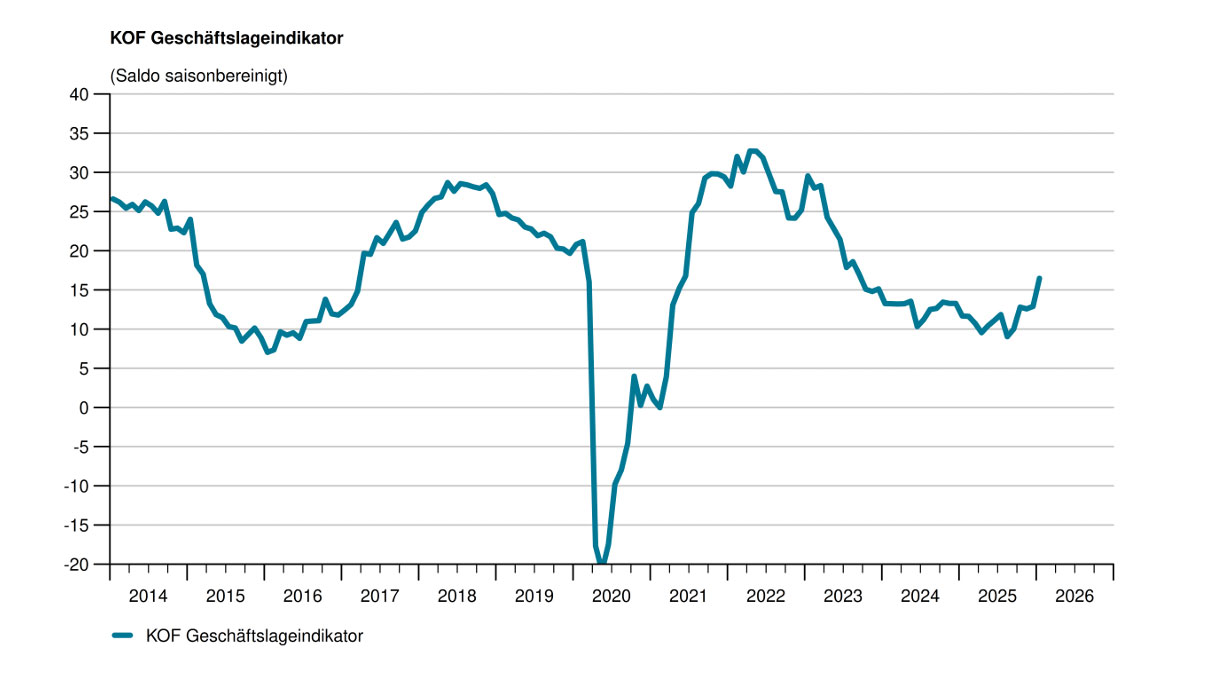
    The KOF Business Situation Indicator rose for the second month in a row in January, signalling a much more favourable starting position than a year ago. The business situation in the manufacturing industry in particular has brightened considerably, indicating a revival in demand and capacity utilisation.

    financial and insurance services, wholesale, catering and construction are also reporting rising business situation indicators, while the retail trade is at least slightly improving. The situation in other services remains largely stable, with only the project planning sector reporting a slight slowdown. Overall, this shows a broad-based improvement across the Swiss economy.

    industry as an anchor of sentiment
    Looking ahead to the next six months, optimism prevails in many sectors. The manufacturing industry in particular is anticipating a further improvement in business activity, confirming its role as an anchor of sentiment at the start of the year.

    expectations have also brightened in the retail trade, construction, financial and insurance services and project planning sectors. By contrast, the hospitality, wholesale and other services sectors are somewhat more cautious about the coming months, although the majority of them remain moderately positive.

    more recruitment
    Many companies are planning to take on additional staff. This is particularly evident in the hospitality industry, which is looking to expand its workforce but is finding it increasingly difficult to find suitable employees.

    the construction industry and the project planning sector are the most likely to report a shortage of skilled labour, which brings existing capacity bottlenecks into sharper focus. For managers and HR managers, this means that competition for qualified labour is continuing to increase in several key sectors.

    moderate momentum without new signs of inflation
    Despite the economic upturn, wage expectations remain stable. As in the October survey, companies expect gross wages to rise by 1.3% on average over the next twelve months, with above-average increases in the hospitality industry, the project planning sector and the construction industry.

    companies are also not expecting a turnaround in consumer prices. The expected inflation rate now stands at 0.9%, practically the same level as in the October survey (1.0%). The picture for monetary and wage policy is therefore one of moderate, well-anchored price and wage developments.

    broad base in the real economy
    The survey is based on around 4,500 companies from the manufacturing, construction and central services sectors, which corresponds to a response rate of around 56%.

    the KOF Business Situation Indicator thus provides a robust picture of the mood among managers. The Swiss private sector is starting 2026 with a broad base, cautious confidence and no discernible inflationary momentum, while at the same time increasing pressure on the labour market in key construction and service sectors.
  • Group of 15: Joint plea for a united real estate industry

    Group of 15: Joint plea for a united real estate industry

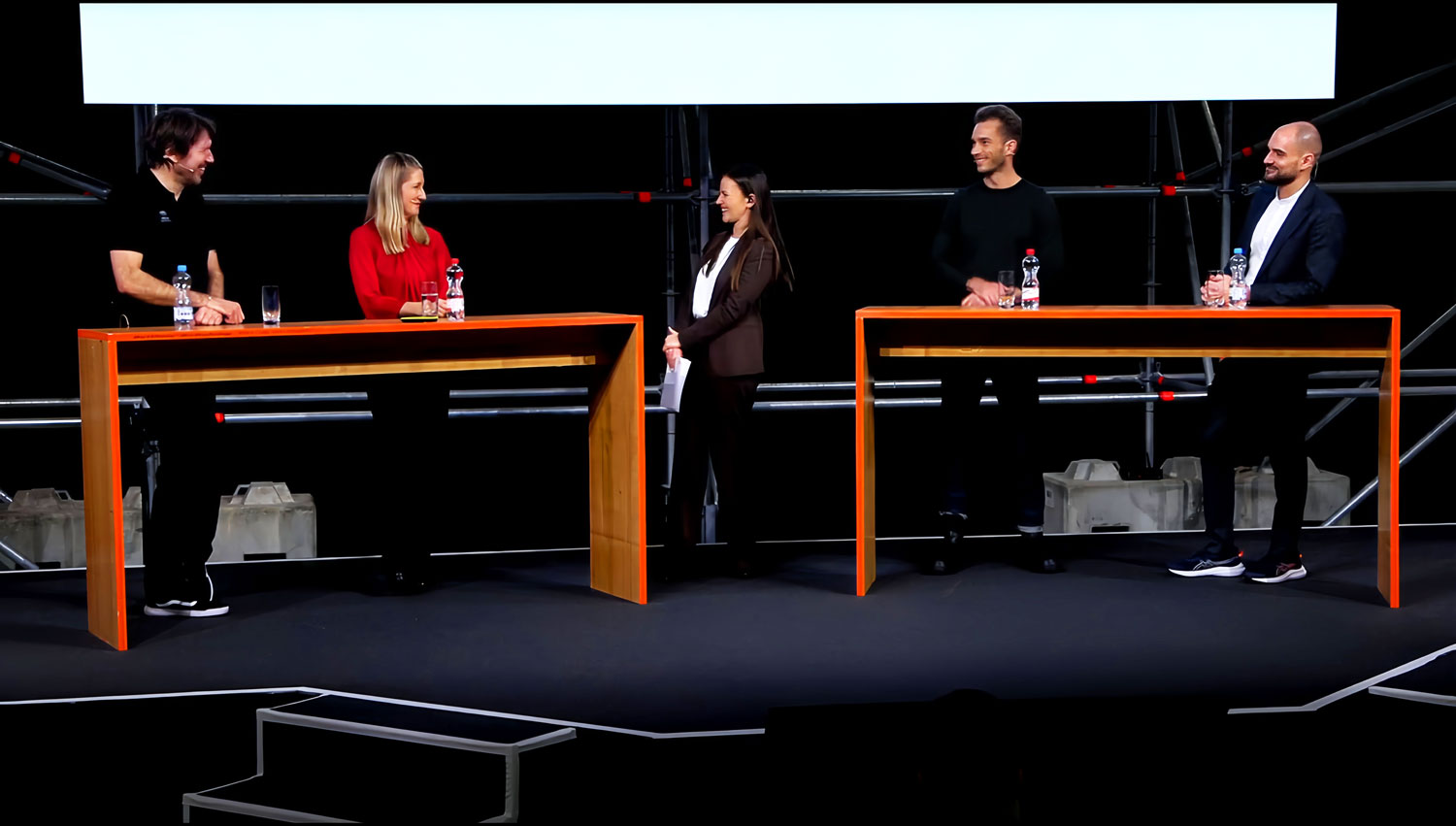
    The Swiss real estate sector is viewed with suspicion in some places – especially when it comes to the housing market. Is there enough living space in central locations? Why are rents in metropolitan regions rising sharply and constantly? What influence do municipalities, cantons and the federal government have on the activities of the institutional real estate industry? And what voice does the sector speak with throughout the country?

    The professional, institutional and commercial real estate industry is undoubtedly under observation. It is undoubtedly caught between growing regulation, social change and, in many places, calls for innovation, renewal and fairness. The minds and planners of the 25th symposium of the Group of 15, the think tank of the Swiss real estate industry founded in 2001, posed the questions to be answered in the run-up to the event: What does sustainability mean in a market that is becoming increasingly controversial? How can economic incentives be combined with social responsibility and sustainable urban development? And: How much state intervention is necessary – or too much?

    “Curbing regulatory madness”
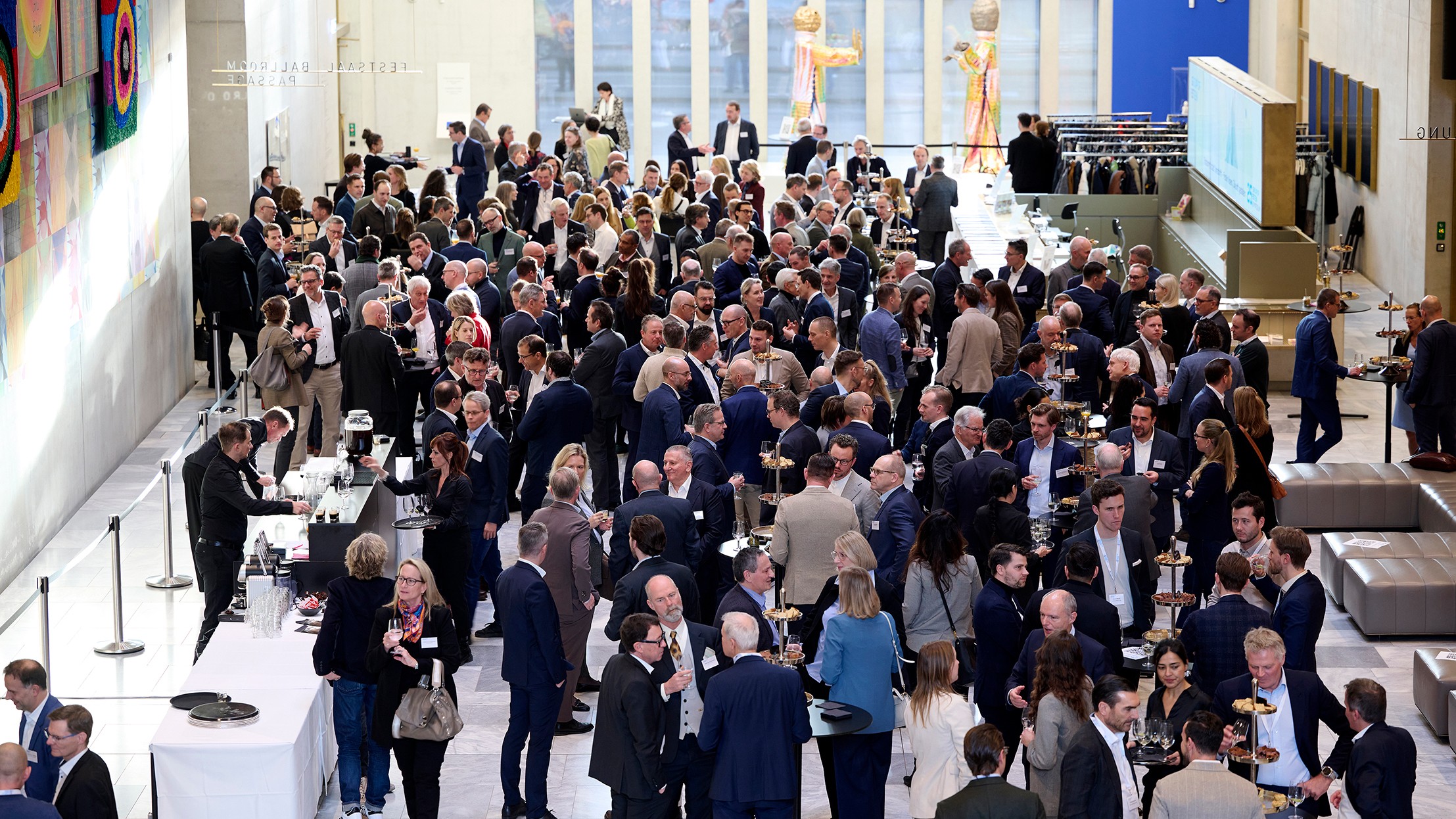
    For Basel-born Prof. Dr. Christoph A. Schaltegger, one thing is clear: the state’s influence on the construction and real estate industry is enormous – and needs to be curbed. The professor of political economy, director and founder of the Institute for Swiss Economic Policy (IWP) at the University of Lucerne and former member of the executive board of economiesuisse criticized Bern and its authorities. He said that subsidyitis and patronage politics were rampant there in their purest form. “The federal government is twice as big as the state quota implies,” he told the 300 or so guests at the symposium in Zurich’s Kunsthaus.

    The Swiss state is growing more than twice as fast as the productivity of the economy and is now accumulating “implicit debts of over 300 percent of economic output”, Schaltegger continued. His call: the “Sturzenegger approach”, a thorough cleaning of public finances à la Argentina. At the same time, he argued for a significant reduction in federal regulation. He referred to the sharp increase in the number of ordinances and decrees since the 1970s. Of course, many of these federal decisions also affect the local construction and real estate sector.

    Artificial intelligence as a remedy?
    Prof. Dr. Christian Kraft, Head of the Real Estate Competence Centre at Lucerne University of Applied Sciences and Arts, then turned his attention to the topic of structural (dis)order and the question of whether artificial intelligence could possibly promote investment security in the “chaos of Swiss-German building laws”. His answer: a clear yes and no. The current uncertainty, which is partly location-specific, is primarily due to longer approval periods for real estate projects at BZO level. Between 2011 and 2024, for example, the average approval period increased from less than 100 days to almost 200 days on average. In addition, there has recently (since 2020) been a sharp increase of 20 to 30 percent in the planning and construction costs of apartment buildings, according to Kraft.

    Successful neighborhood mix and fatal objections
    Dr. Sibylle Wälty, lecturer at ETH Zurich and founder of Resilientsy, then showed what added value the concept of “10-minute neighborhoods” can create in land use planning. Her research and consulting focus is on a balanced mix of residential and working populations as well as other important factors for liveable urban districts. Dr. Wolfgang Müller, Partner & Head Real Estate at MLL Legal Ltd, then shed light on the “room for contradiction”. He explained where current case law offers opponents and “project obstructors” a hand and what conclusions politicians and the real estate industry could and should draw from this.

    Decency and consideration in residential construction
    After the coffee break, Paolo Di Stefano’s symposium presentation entitled “More freedom and personal responsibility” dealt impressively with how real estate investors can move “from problems to prospects” and make residential real estate “fit for the future”. The experienced Head of Real Estate Switzerland at Swiss Life Asset Managers (with around 37,000 residential units in its portfolio throughout Switzerland) showed, among other things, a successful example of portfolio renovation without vacancy notices at the Schmiede in Zurich-Wiedikon. He also presented the Au-Park in Wädenswil, an almost completed major new construction project in which, in addition to around 200 rental apartments, many condominium units are being built by Swiss Life Asset Managers.

    At the symposium, he made a plea and at the same time urgently appealed to the representatives of the real estate industry to speak with one voice to both politicians and the general public. He also pointed out self-critically that the current representation of the farming community in the Swiss National Council and Council of States, for example, is far more important and influential than that of the construction and real estate industry. Di Stefano warned that speculative building investors and long-term institutional investors were sometimes lumped together in the “political power play”. It is important to work together to counter this with arguments and show that “decent building also means consideration”.

    “Simply make good and convincing projects”
    The major Group of 15 event at the Zurich Kunsthaus concluded with a slightly peppery future talk by conference host Rainer Maria Salzgeber with National Councillor Beat Walti (FDP) and Green Liberal Councillor Esther Keller (Canton of Basel-Stadt). They agreed that regulations in the construction sector should not continue to grow wildly and that, above all, discretionary leeway should be made possible for real estate projects. Both warned against an “unholy political alliance between left and right”, which could have counterproductive consequences for the real estate industry.

    Beat Walti, who has been President of the VIS Swiss Real Estate Association since 2023, which represents the interests of institutional investors such as pension funds, insurers and private real estate companies in federal Berne, called on the real estate industry, which he warned at the beginning with a “yellow card”: “Show what you are building and doing in order to create trust – among politicians and the general public”. Esther Keller, Head of Basel’s Department of Construction and Transport, agreed and summed up her demand succinctly in her closing statement: “Just do good and convincing projects”.

  • Building a house from plastic waste

    Building a house from plastic waste

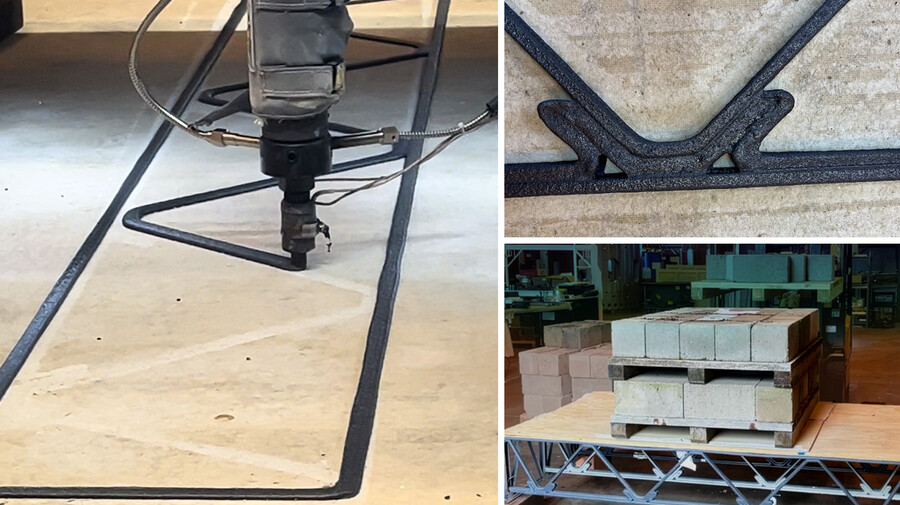
    Today’s PET bottle could be part of a floor beam tomorrow, as a load-bearing element. A research team at the Massachusetts Institute of Technology is investigating how recycled plastic can be shaped into load-bearing components using large-format 3D printing. The focus is on a beam system that has been specially developed and tested for use in residential construction.

    Plastic trusses instead of wood
    The new beams look familiar at first glance, as they are based on the geometry of classic wooden trusses. A frame with diagonal struts absorbs and distributes forces, a construction method that has been tried and tested for decades. What is new is the material and production. A composite of recycled PET and glass fibres is used for printing, which provides rigidity and stabilizes the pressure behaviour. Each beam measures around 2.4 m long, around 30 cm high and a good 2.5 cm wide, weighing only around 6 kg and therefore significantly less than a comparable wooden beam. The production time is short, less than 13 minutes per component is sufficient for printing.

    Load test under practical conditions
    In order to test its suitability for everyday use, the team assembled four beams in parallel and screwed them together with a wood-based panel to form a floor frame measuring approximately 1.2 by 2.4 m, a common grid dimension in the USA. The surface was then gradually loaded with sandbags and concrete weights, while the deflection was continuously measured. Up to a load of around 140 kg, the deformation remained well below the limits permitted by US building regulations. Only when the total load exceeded 1,800 kg did the construction fail, the beams buckled and broke. This indicates that the rigidity is generally sufficient to meet the relevant requirements in residential construction.

    Lightweight, modular, quick to assemble
    In addition to the load-bearing capacity, the low weight is a key advantage of the system. The plastic beams can be transported using a pickup truck, which simplifies logistics and handling on the construction site. Assembly follows the principle of classic timber frames. The elements are screwed together on site and joined to form a load-bearing skeleton. In the long term, the concept is aimed at modular house frames in which the floor, walls and roof consist of standardized, printed components. This approach is particularly interesting for regions where wood is scarce or expensive.

    Plastic waste as a raw material for a billion houses
    The project was triggered by the enormous global demand for housing. AJ Perez from the MIT School of Engineering points out that around one billion new houses will be needed by 2050. A demand that can hardly be met with wood alone without clearing gigantic areas of forest. Instead, existing waste streams should be used. Disposable plastics such as bottles or food packaging will be given a second life as a construction product. The aim is to create components that are lighter, more durable and more sustainable than conventional alternatives.

    Costs, standards, long-term behavior
    Despite the promising results, the technology is still in its infancy. The actual costs on an industrial scale, the adaptation of standards and approval processes and the long-term behavior of the components under weathering, UV radiation and changing loads are still unclear. Nevertheless, the project opens up exciting prospects for planning, development and the construction industry. 3D-printed supporting structures made from recycled plastic could change the material mix in building construction. Provided that cost-effectiveness and durability can be convincingly demonstrated.

  • From industrial heritage to innovation campus

    From industrial heritage to innovation campus

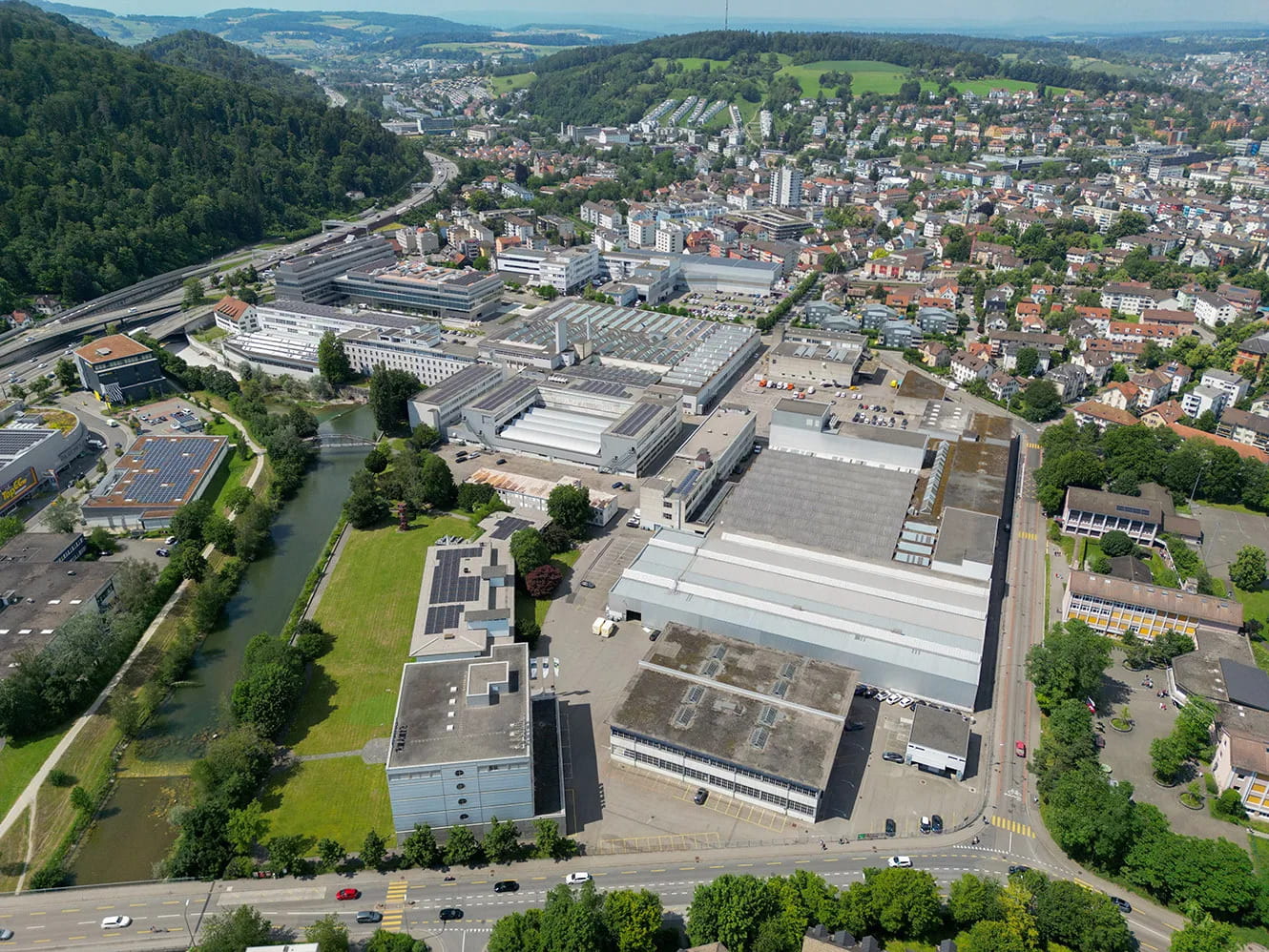
    Where textile machines and industrial production used to set the pace, a new focus for technology, trade and entrepreneurial development is now being created. The approximately 75,000 square meter site is not being conceived as an isolated business park, but as a networked innovation location with a direct link to the Töss district. Existing buildings, paths and spaces form the backbone of the transformation.

    Historical substance remains where it creates character and identity. At the same time, structures will be opened up, paths made more permeable and new places for encounters, collaboration and exchange created. The Vitus site will thus become a visible driver of Winterthur’s economic development.

    Mission statement and site strategy
    The guiding principle is both simple and ambitious. A tech and innovation cluster that brings together companies, start-ups, education and research in one place. The focus is on work, not living. Office and commercial space is planned for technology-oriented companies, research-related businesses, service providers and creative players. Co-working facilities, flexible spaces and space for young companies will also be added.

    At the same time, the site development focuses on atmosphere. Urban meeting zones, restaurants, cultural offerings and publicly accessible outdoor spaces are intended to ensure that the area also comes alive outside of traditional office hours. The planned Vitus Promenade connects the site with the Töss river and creates an identity-forming open space axis that enables movement, recreation and interaction.

    Development in stages
    The transformation is deliberately taking place in several stages. In the first phase, existing buildings will be activated, renovated or upgraded through targeted conversions. Interim uses, co-working, events and cultural formats will ensure that the area gains appeal even during the planning phase. The first companies from the fields of technology, sustainability and future mobility are already using the Vitus site as a place to work and develop.

    At the same time, structural foundations are being laid for the next steps, such as improved access, sharper utilization concepts, mobility and sustainability approaches. Individual construction projects, such as the new LANDI site, fit into this picture and strengthen the commercial character of the area. In a later stage, the eastern part of the site in particular will be redeveloped in greater depth. Additional, contemporary space for production, laboratories, offices and services will be created here – tailored to market needs and demand.

    Prospects for Töss and Winterthur
    The Vitus site will give Winterthur-Töss a strong economic anchor point. The site offers potential for several thousand jobs and thus strengthens the district’s role as a productive yet urban location. Open spaces, permeable paths and cooperation with local players should prevent the creation of an isolated commercial area.

  • Lucerne invests 300 million in its location

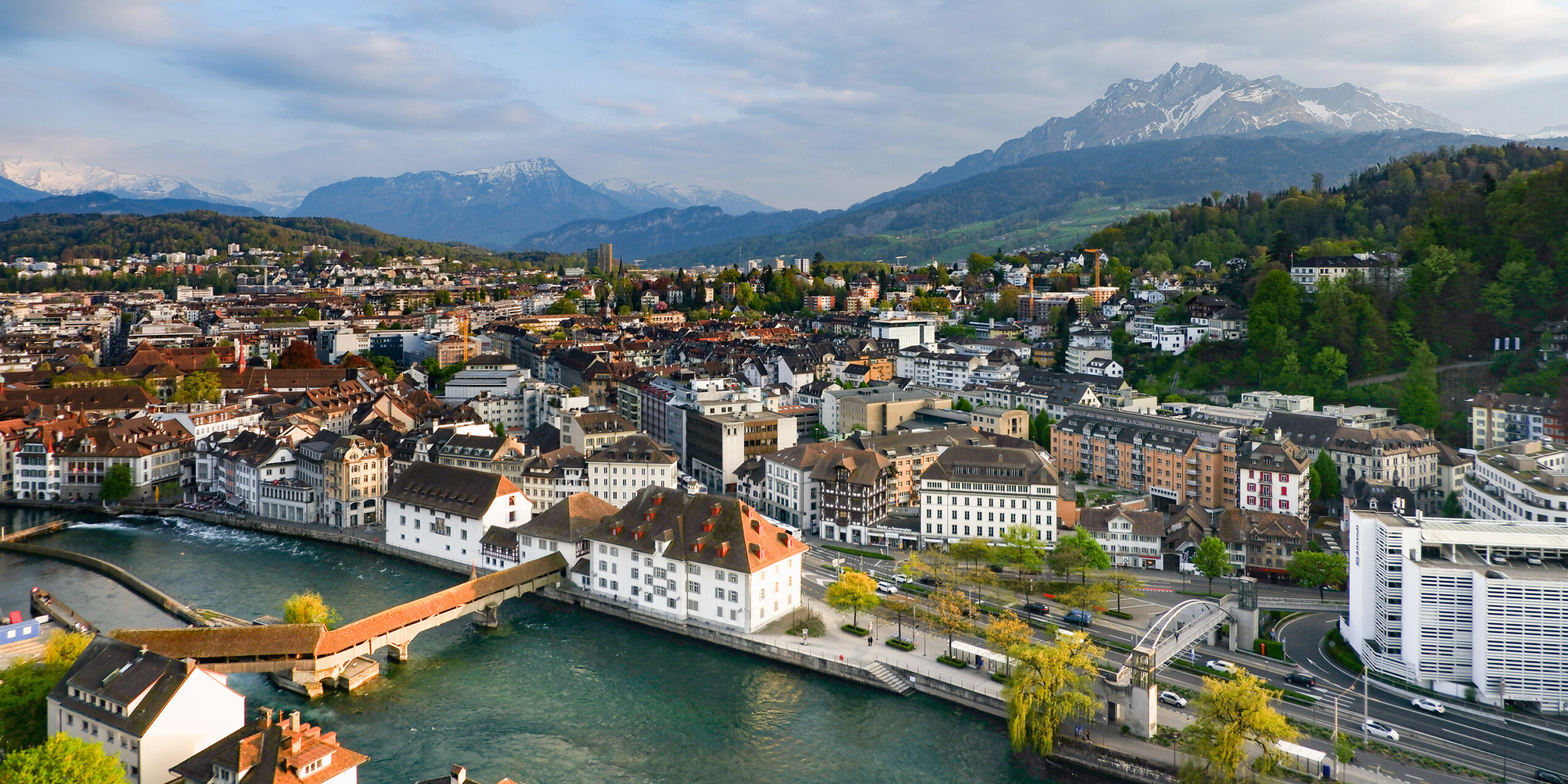
    Lucerne invests 300 million in its location

    The starting point for the proposal is the concern that the previous locational advantage of low corporate profit taxes will be lost as a result of the OECD minimum taxation. International corporations will have to pay more tax in future, which means there is a risk that top taxpayers and jobs will move away. The adopted package is intended to cushion these effects and keep Lucerne attractive as a business location through other levers.

    The Cantonal Council has amended the law on economic development and regional policy for this purpose. An annual volume of measures of around CHF 300 million has now been anchored in favor of location promotion. The canton is thus creating a predictable framework for the targeted financing of strategic projects and structural improvements.

    Innovation, taxes, land, administration
    The measures in favor of the economy are concentrated on several axes. At the center is the promotion of innovation. This means supporting companies, projects and structures that increase value creation and future viability. This is complemented by an improvement in the tax burden in other areas in order to partially compensate for the loss of the profit tax advantage.

    Another focus is on the development and availability of commercial and residential space. Lucerne wants to ensure that sufficient suitable space is available for businesses, services and housing. Equally important is a “customer-oriented” administration. Processes should become faster, more transparent and more business-oriented so that investments do not fail due to bureaucratic hurdles. For the population, additional measures are aimed at easing the tax burden, improving work-life balance, culture and digitalization.

    New rules for micro-shops and shop-fronts
    The bill also includes changes to the retail sector. Self-service stores without sales staff with a maximum area of 30 square meters will be allowed to open daily from 5 a.m. to 10 p.m. in future. A restriction to farm stores was narrowly rejected. The regulation thus applies more broadly and facilitates new, automated store concepts.

    In addition, stores with fast charging stations will in some cases be treated in the same way as petrol station stores. Anyone who operates at least four charging stations with 150 kilowatts each and a simultaneous total charging capacity of at least 300 kilowatts can benefit from extended opening hours. In this way, the canton is supporting the expansion of e-mobility and linking charging infrastructure with local service offerings.

    Political controversy is inevitable
    The bill is politically controversial. The SVP and SP have announced a referendum. Both because of the fundamental direction of the package and because of the extended store opening hours and the location policy in favor of large companies. This means that the thrust of Lucerne’s location strategy is likely to be the subject of public debate.

    In practice, this means that companies, investors and municipalities will receive a clear signal that the canton is prepared to invest substantial funds in location development. However, whether and in what form the package of measures will definitely come into force will also depend on the political debate and a possible referendum.

  • Political decision strengthens international location marketing

    Political decision strengthens international location marketing

    The canton of Aargau will rejoin the Greater Zurich Area (GZA) on 1 January 2027. This was decided by the Grand Council at its meeting on 13 January. It is providing CHF 5.5 million for membership of the location marketing organisation for the first four years. In its proposal, the cantonal government had requested CHF 8.5 million for six years.

    In its deliberations in November, the preliminary consultation committee pointed out that, compared to the rest of Switzerland, the canton’s population is growing at an above-average rate, but its economy is growing at a below-average rate. Joining the location marketing organisation was a “clear opportunity to attract new value-added jobs to the canton,” it wrote in a statement at the time. It justified its request to reduce the initial period from six to four years by citing concerns about competition among the member cantons. The shorter period would allow for careful assessment of the effectiveness of membership.

    The Greater Zurich Area includes the cantons of Glarus, Graubünden, Schaffhausen, Schwyz, Solothurn, Ticino, Uri, Zug and Zurich. It promotes the Zurich economic area in the USA and China in particular, with the aim of attracting high value-added companies to settle there. Aargau was a member of the GZA between 2007 and 2010.

    On 13 January, the Grand Council also approved economic development in areas with potential. This will allow groups of municipalities with economic potential to join forces to promote their location professionally. The focus will be on establishing business contacts and brokering sites and land. The canton will cover 50 per cent of the costs. The Grand Council has now approved CHF 4.5 million for this purpose.

  • Green living in Basel Dreispitz Nord

    Green living in Basel Dreispitz Nord

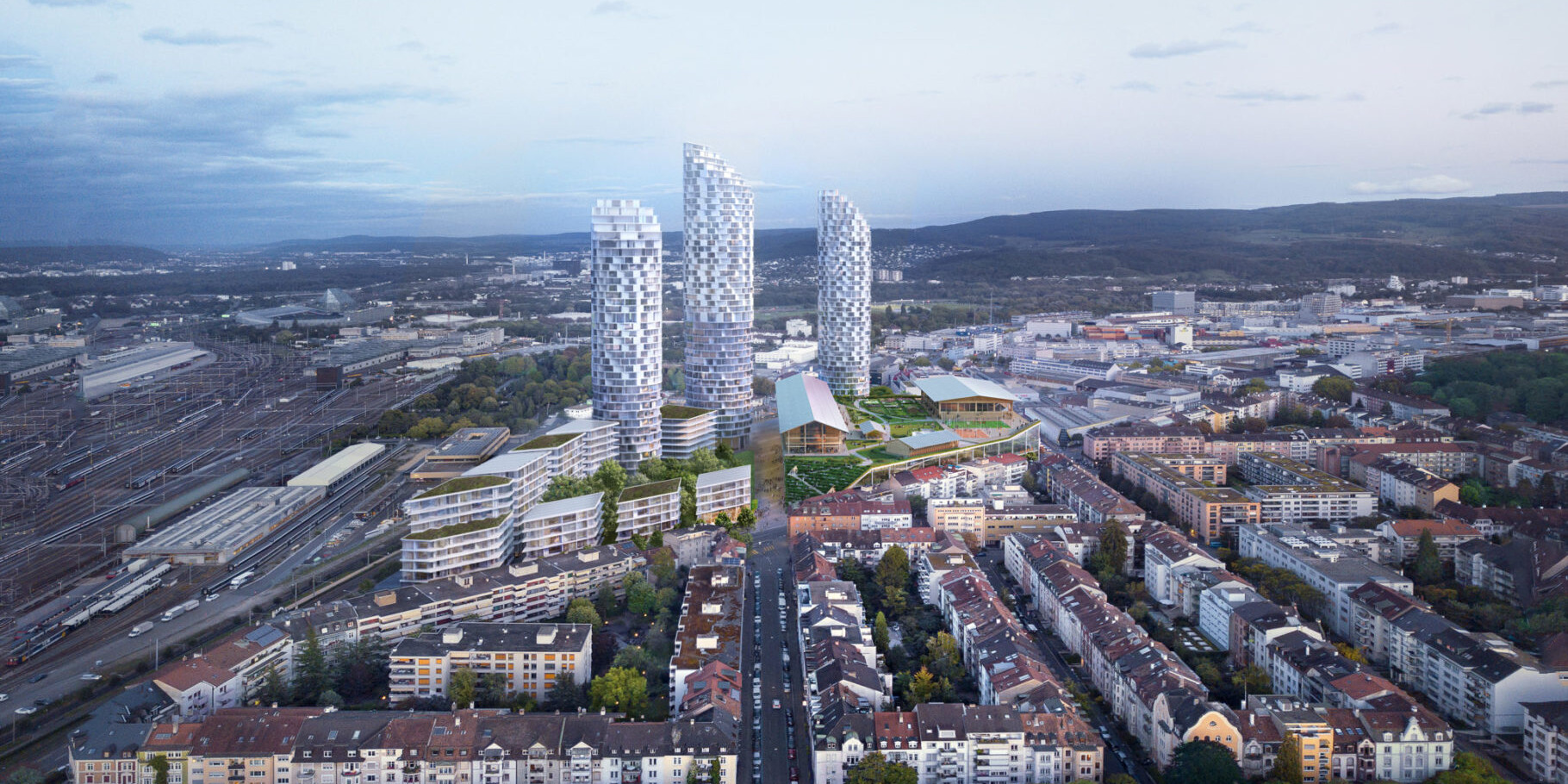
    Dreispitz Nord is transforming a formerly single-use area covering around eight football pitches into an inclusive district. Around 800 flats are being built, a third of which will be affordable and non-profit housing. Three striking round high-rise buildings will offer attractive flats as well as office space, a library and a fitness centre. The focus is on a neighbourhood where everything is within easy reach. Living, working, shopping and leisure activities merge into an urban whole. Pedestrians and cyclists have priority, and the public space is almost completely car-free. A total of 4,000 bicycle parking spaces are planned, and car parking facilities are bundled together and separated from the residential area to minimise traffic in the neighbourhood.

    A green place for urban climate and community
    Two newly planned city parks with large shade trees will transform the area into Basel’s green lungs and improve the microclimate in the long term. Permeable soils and planted roofs fulfil the principles of the sponge city and help to mitigate heat effects. The secondary school for around 600 pupils will be built on the roof of the modernised MParc, opening up new dimensions in terms of land use. The facilities will be complemented by basketball and sports fields, a triple gym and a youth club, which can also be used outside school hours. Direct access from Gundeldingen via a green ramp seamlessly connects Dreispitz Nord with the neighbouring district and creates public spaces that foster a sense of identity.

    Partnership-based planning with vision
    The Christoph Merian Foundation as the landowner, the Migros Basel cooperative as the building leaseholder and the canton of Basel-Stadt as the planning authority are jointly driving the project forward. After an intensive public consultation period with seven objections, all of which were rejected, the cantonal government confirmed the development plan on 14 October 2025 and forwarded it to the cantonal parliament for consideration. In addition to the development plan, adjustments to the zoning plan, noise sensitivity levels and building regulations are also planned. The environmental impact assessment confirms that all requirements have been met.

    Sustainability and social balance
    Dreispitz Nord is a prime example of sustainable neighbourhood development. Instead of grey parking spaces, green open spaces are being created, and the diversity of housing promotes social mixing. The existing building is being integrated into the new complex in a resource-efficient manner. Wide distances between the high-rise buildings ensure good ventilation, shade providers reduce heat stress and permeable surfaces strengthen climate adaptation. With 1,400 new residents, representing 7 per cent of the total population of Gundeldingen, and 1,600 jobs, the district will become a significant economic driver.

    Urban life and economy in harmony
    The new quarter integrates today’s modernised retail spaces, complemented by cafés, restaurants and small shops, which are also easily accessible via the extended tram stop. The interconnection of living, working, shopping and leisure creates an inspiring atmosphere and promotes sustainable mobility over short distances.

    Dreispitz Nord is characterised by its urban compactness, ecological sensitivity and social diversity. The project is a prime example of how comprehensive urban development can harmonise innovation, sustainability and quality of life, strengthening Basel as an attractive city for today and tomorrow.

  • From freight station to urban district

    From freight station to urban district

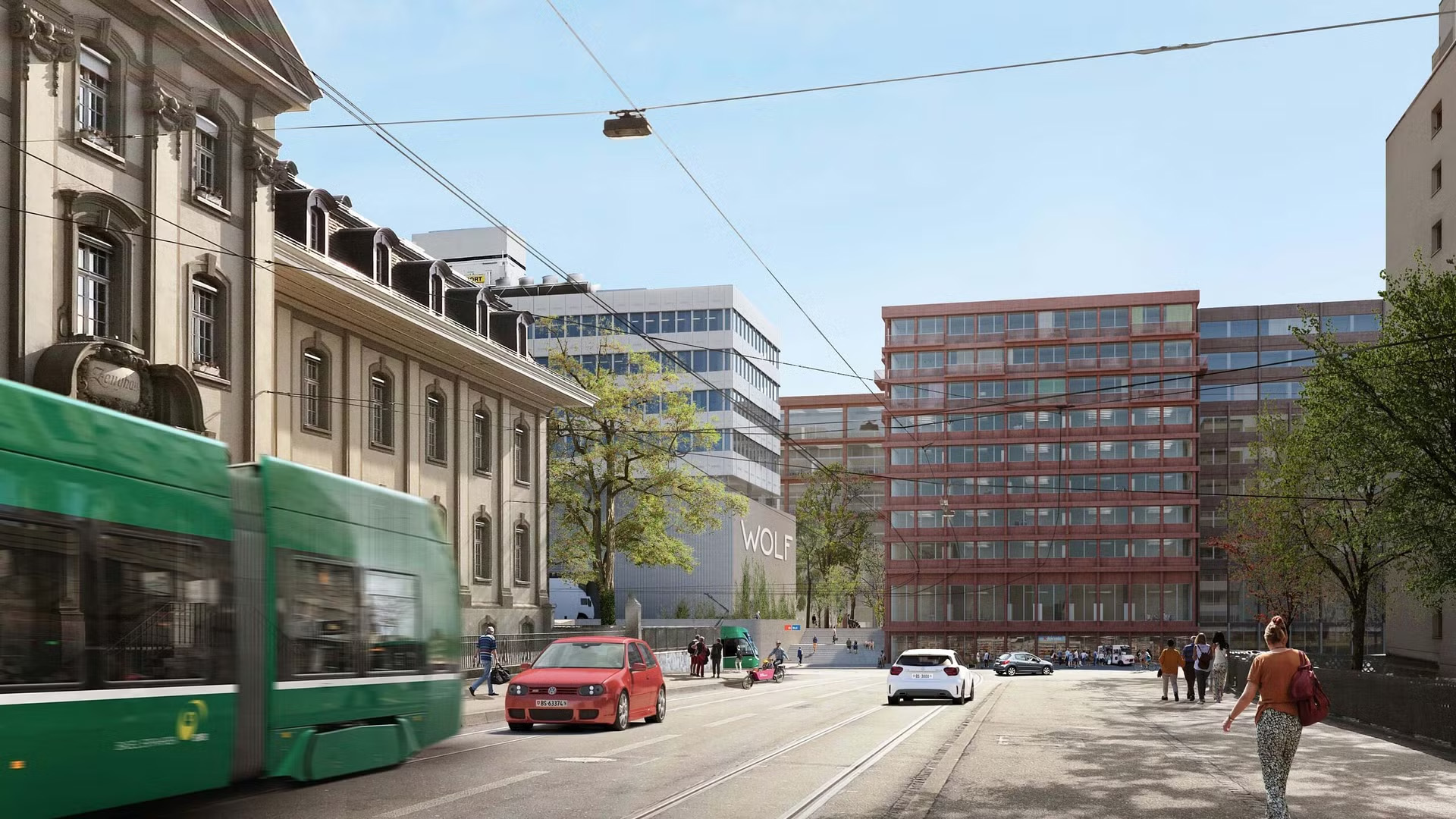
    The transformation will begin in 2027 with the first phase of development in the western part of the site. Around 600 flats will be built, a third of which will be affordable cooperative flats. The aim is to attract a diverse population and combine urban density with social diversity. The Urban Hub will become the lively centre of the neighbourhood. It will combine gastronomy, sport, culture and services and act as a link between residential buildings and commercial areas.

    The second phase of development will begin in the east of the site in 2031. Modern service and commercial buildings will create around 1,000 jobs and unlock the site’s potential for business, innovation and city logistics. Its central location at the railway station and its connection to the regional transport network reinforce its function as an urban hub in Basel.

    Focus on architecture, sustainability and flexible use
    The master plan consistently follows the principles of ecological and sustainable urban development. The new perimeter block development is based on the sponge city principle and integrates historic railway buildings into the courtyard concept. This ensures a pleasant microclimate, promotes biodiversity and improves rainwater management. Buildings such as Janus and Binaria impress with reused components, modular wood and metal elements, green and accessible roofs, and photovoltaic surfaces. The flexible construction guarantees reparability, ease of maintenance and subsequent conversion.

    Cultural and social start-up initiatives strengthen neighbourhood identity
    Even before construction begins, the area is being actively revitalised through innovative temporary uses. SBB is opening historic warehouses for culture, gastronomy and sport. One example is pickleball, which offers 2,000 square metres of space and attracts new players. Rental space for creative and social initiatives is also available. These pioneering uses create proximity to the neighbourhood population and promote creative participation. In particular, the broad participation process, in which the public, associations and organisations are involved from the outset, guarantees acceptance and innovation.

    Mobility, smart city and quality of life as a guiding principle
    People are at the centre, with technology and sustainability as the supporting pillars. A city logistics hub in the eastern area ensures resource-efficient goods distribution in Basel and the surrounding area. Modern mobility services and integration with public transport are an integral part of the neighbourhood strategy. The SBB’s scientifically supported quality of life model, developed in collaboration with the University of Basel, makes Wolf Basel a laboratory for innovative solutions in energy, circular economy and social cohesion.

    Wolf Basel is creating an inspiring neighbourhood that combines urban densification, sustainability, smart networking and social diversity. In this way, Basel is growing not only spatially, but also socially and technologically into the future.

  • Long-standing industrial partnership to continue

    Long-standing industrial partnership to continue

    Jansen, a steel system supplier based in the St. Gallen Lake Constance area, has agreed to extend its partnership with Schüco International KG, based in Bielefeld, Germany, which has been in place since 1978. According to a press release, Jansen will continue to be the exclusive distributor of Schüco aluminium systems in Switzerland and Liechtenstein. The German company will continue to be the exclusive distributor of Jansen steel systems in Germany, Luxembourg, the United Kingdom, Ireland, Scandinavia, Finland, Greece and the Baltic States.

    Since 1 January 2026, Schüco International S.C.S, based in Le Perray-en-Yvelines, has been distributing the steel systems of RP Technik Profilsysteme GmbH, which was taken over by Jansen, in France and the French overseas territories. The steel systems are used for windows, doors, fire protection and façade constructions, according to the press release.

    “We have shared these values with Jansen, a family-owned company like Schüco, for over 45 years. I am delighted that we will continue and further expand our trusting partnership in the future,” said Andreas Engelhardt, personally liable partner at Schüco International KG, in the press release. Christoph Jansen, Managing Director and Member of the Board of Directors of Jansen AG, considers the long-standing stable partnership to be extremely important, especially in “times of great change and uncertainty”: “Our partnership is based on shared goals and values, always with a focus on our mutual customers.”

  • Densification of housing stock is unpopular with the population

    Densification of housing stock is unpopular with the population

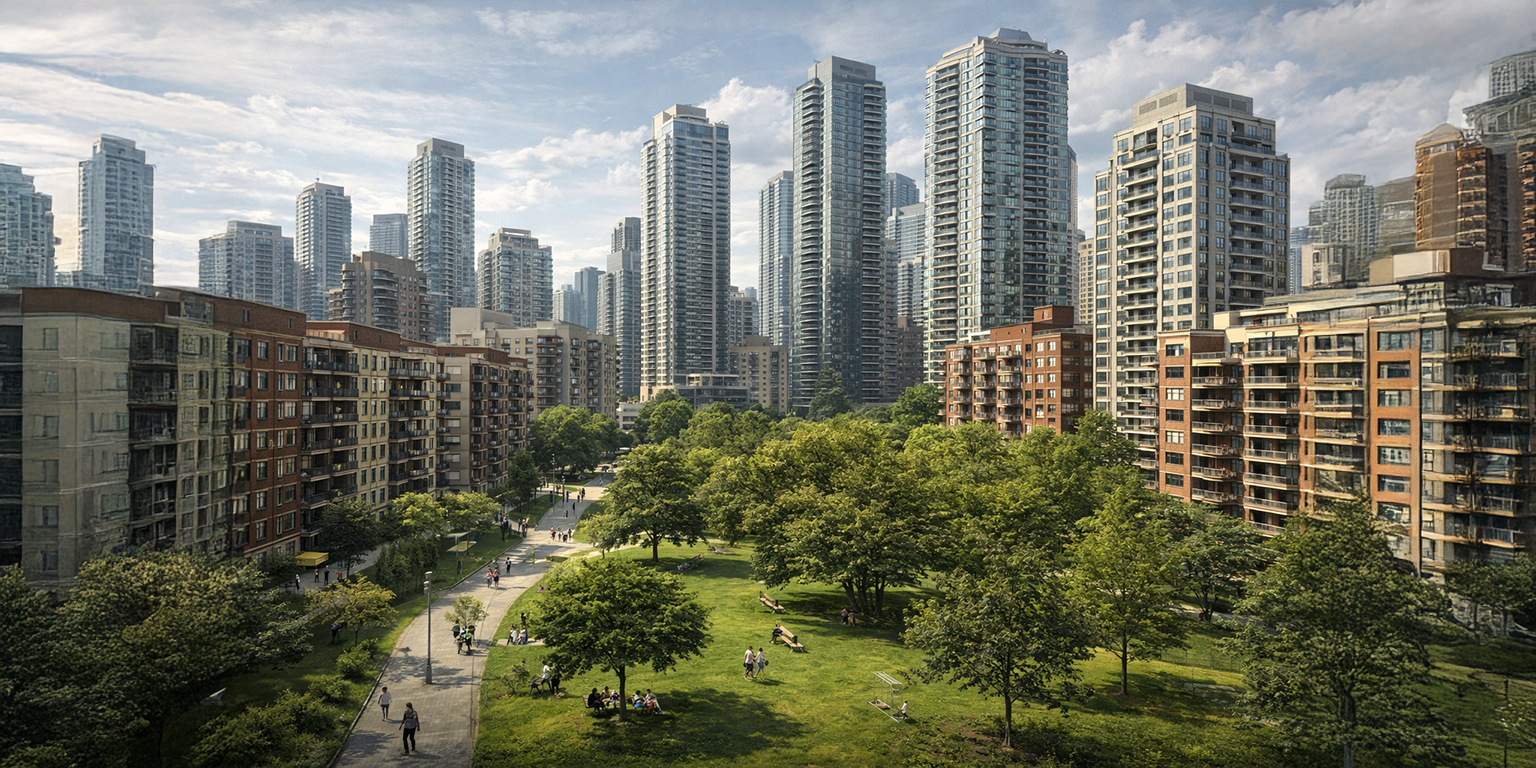
    Taller buildings in cities could alleviate the housing shortage, but they are unpopular with the general public. This is according to a survey conducted by the comparison portal Comparis. According to the survey, 50 per cent of those questioned by Comparis were against the construction of taller buildings with more than six storeys. In contrast, 45 per cent of the 1,039 adults surveyed across Switzerland in November 2025 were in favour.

    According to real estate expert Harry Büsser from Comparis, taller buildings in urban areas could be “a political path to more living space”. “Let’s get people in cities to take the lift instead of driving,” he is quoted as saying in a statement accompanying the study. It highlights a dilemma: rising rents affect everyone, but most people reject possible countermeasures. For example, 68 per cent of those surveyed are against densification with fewer green spaces and smaller distances between buildings. 66 per cent reject new building zones at the expense of agricultural or green spaces. Only the restriction of objections found a relative majority: 47 per cent are in favour, 43 per cent against.

    The study also shows that measures to create additional living space are assessed differently depending on gender and age. While 54 per cent of men are in favour of taller buildings, the proportion of women is 36 per cent. Denser development was approved by 33 per cent of men compared to 22 per cent of women. Thirty-nine per cent of the men surveyed said yes to new building zones, compared to 21 per cent of women. Büsser suspects that the reason for this lies in different roles and activities. Women often bear the brunt of family and neighbourhood responsibilities. Changes in the living environment would therefore “probably be perceived more strongly as a loss of quality of life”.

    The worsening housing shortage is particularly felt by 18- to 35-year-olds (65 per cent) and city dwellers (66 per cent). According to Comparis, this explains why the approach of building upwards met with the most approval among this group: 52 per cent of respondents in the young population group would agree to buildings exceeding six storeys. The survey also found that taller buildings are only accepted in the city centre (54 per cent). In the suburbs, only 39 per cent are in favour.

  • Robots bring new efficiency to underground pipeline construction

    Robots bring new efficiency to underground pipeline construction

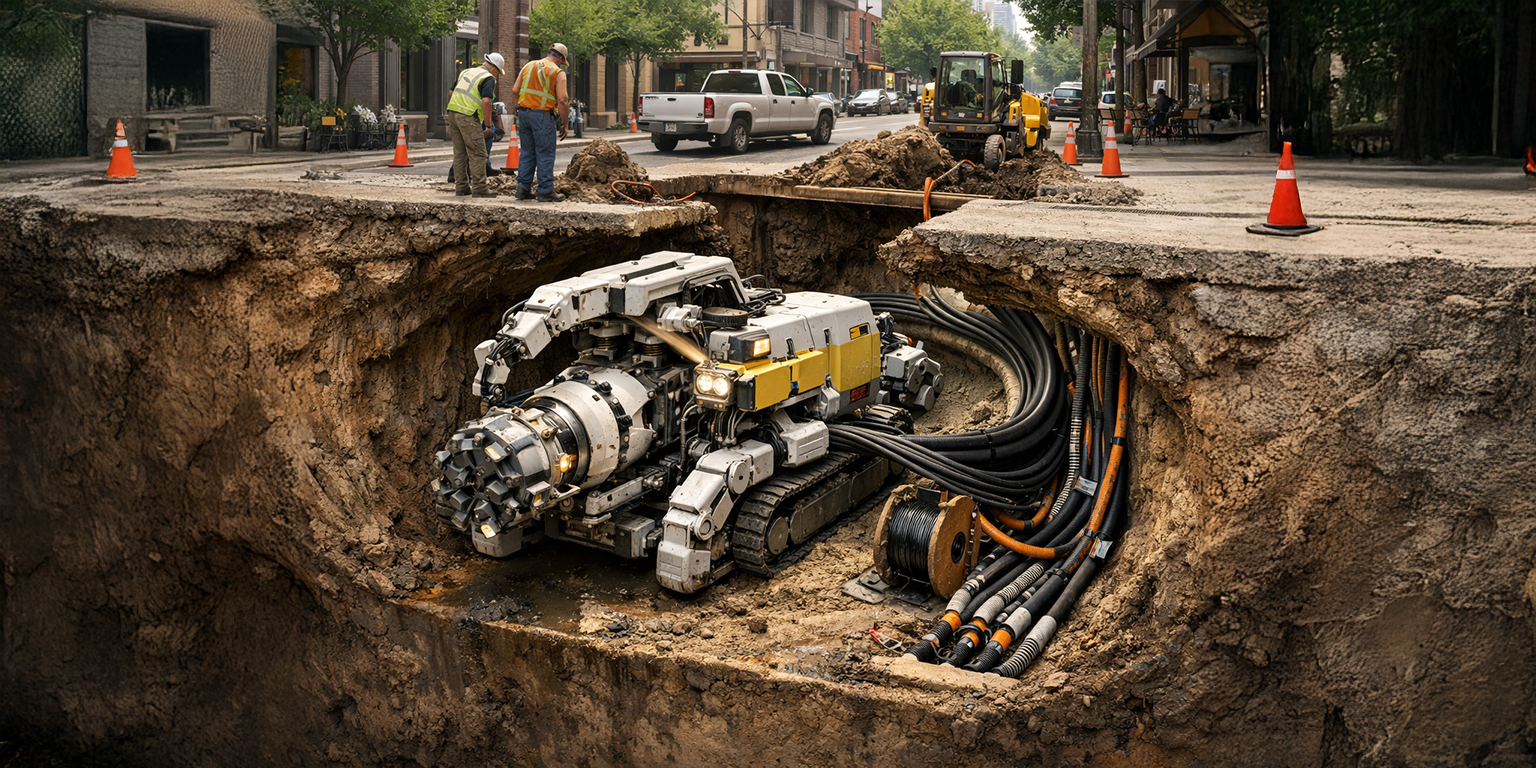
    Schlieren-based start-up promoter Venture Kick is supporting the deep tech start-up Under Industries from Dübendorf with CHF 150,000. According to a press release, the funding will support the development of Under Industries’ Micro Tunnel Boring Robots (MTBRs). The MTBRs are designed to enable faster and cleaner laying of underground utility lines while reducing road closures, noise emissions and surface damage.

    Under Industries was founded as a spin-off of Swissloop Tunneling, an engineering student initiative at the Swiss Federal Institute of Technology Zurich (ETH). Under Industries’ MTBRs are designed for use in a wide variety of soil conditions. Compared to conventional pipe jacking methods, they minimise surface disruption, shorten construction times and improve adaptability. This could promote more sustainable and flexible development of urban infrastructure.

    Venture Kick’s funding will support the completion of Under Industries’ minimum viable product (MVP). According to the press release, this is an “industrial-grade MTBR that will be used for the first demonstrator and commercial pilot projects and will strengthen the industry’s confidence in the technology”.

    The start-up is initially focusing on the Swiss electricity distribution market. It is working with distribution network operators who are responsible for expanding the electricity grids and transitioning from overhead lines to underground cables. Expansion in Europe and the development of further supply lines are to follow. According to Venture Kick, the realistically achievable market for Under Industries in Switzerland and Europe amounts to around CHF 150 million per year for electricity grids alone.

  • New hotel opening strengthens presence in Central Europe

    New hotel opening strengthens presence in Central Europe

    In January, the Swissôtel hotel chain announced the opening of a new hotel in the Czech spa town of Mariánské Lázně. According to UNESCO, Mariánské Lázně is one of Europe’s most important spa towns. According to a press release, the new hotel, together with the recently opened hotels in Montenegro and Romania, will consolidate Swissôtel’s strong presence in Europe. Swissôtel is part of the French Accor Group.

    “The Swissôtel Mariánské Lázně is a landmark opening for our brand in Central Europe,” said Jean Wendling, Vice President Operations Management at Accor, in the press release. “We are presenting a hotel that combines Swiss joie de vivre with the unique character of the city and offers both holidaymakers and business travellers a first-class experience based on well-being and balance.”

    Swissôtel Mariánské Lázně has 102 rooms, 22 suites and a presidential suite. The hotel also offers a variety of culinary options. These include the 105 Dining Lounge, the Swiss Café and the Pod Oblaky rooftop bar. Guests also benefit from the hotel’s own spa and sports area. For business travellers and events, the hotel has four versatile rooms, a conference room and an area for cocktail receptions and presentations.

  • Canton of Nidwalden triples funding for energy-efficient building renovation

    Canton of Nidwalden triples funding for energy-efficient building renovation

    In its 2026 energy promotion programme, the Nidwalden Cantonal Council has decided to increase subsidies for energy-efficient building renovations by 300 per cent to 2.9 million Swiss francs. Together with federal funds, this means that a record annual budget of CHF 6.3 million is available, according to a statement. This cantonal subsidy programme supports owners who optimise their building envelope, replace fossil fuel or electric heating systems with renewable energy systems, or construct energy-efficient new buildings.

    According to the information provided, demand for subsidies was “exceptionally high” in 2025. The canton expects a further sharp increase in applications in 2026, particularly due to the expansion of district heating networks. In addition, tax breaks will be abolished in the future, which is also likely to cause demand to rise further this year.

    According to the information provided, energy-efficient building renovation – a key pillar for achieving the canton’s emission targets by 2035 – will only succeed if owners are willing to invest in their properties. “In doing so, they are making a major contribution to reducing greenhouse gases and saving energy,” said Environment Director Joe Christen.

    Although the subsidy can only cover a small portion of the investment, these investments are worthwhile in the long term when combined with tax savings and lower heating costs. “On average,” says Christen, “one franc of funding triggers almost ten times that amount in investment. Most of this added value remains in the canton, strengthening local businesses and helping to reduce the outflow of money abroad thanks to renewable energies.”

    The canton of Nidwalden is one of the exhibitors at the SWISS Pavilion at the Singapore Airshow. The international aviation trade fair takes place from 3 to 8 February.

  • Infrastructure project replaces overhead lines with modern networks

    Infrastructure project replaces overhead lines with modern networks

    The Aargau municipalities of Bellikon, Remetschwil and parts of Oberrohrdorf are no longer supplied via wooden pole lines from the valley, but via a new cable line. According to a statement, AEW Energie AG has completed and commissioned a central infrastructure project on the Rohrdorferberg with this cable. As a result, 1.6 kilometres of existing wooden pole lines have been dismantled – “a contribution to a more robust, low-maintenance network and an improvement to the landscape,” according to the Aargau energy supplier.

    The Rohrdorferberg line between Künten and Fislisbach has a total length of 11.2 kilometres. A total of eight transformer stations were connected to the new line. According to the information provided, this will particularly benefit businesses “with increased requirements for security of supply”.

    AEW invested a total of CHF 3 million in the project. “By consistently expanding and cabling our grid infrastructure, we are not only increasing security of supply for the population, but also creating the conditions for a flexible and sustainable energy system,” says Christoph Fischer, who heads the Networks division at AEW.

  • Artificial intelligence assists with advertising residential properties

    Artificial intelligence assists with advertising residential properties

    The Swiss Marketplace Group (SMG) is launching new options on its real estate platforms ImmoScout24 and Homegatethatallow private sellers to advertise their properties online. According to a press release, these tools are supported by artificial intelligence (AI) and make it easier for non-professional sellers to advertise on the internet.

    To create an advertisement, all that is required is to enter the most important property attributes such as address, size and amenities. The real estate platforms then use AI to create the complete advertisement title and description of the property. This includes descriptions of the location and surroundings of the property, according to the press release. Finally, users can upload pictures and complete the advertisement.

    “Many private landlords only occasionally deal with creating an advertisement. Thanks to AI support, they now receive a high-quality, structured proposal within a few seconds that meets the standards of professional estate agents,” Martin Waeber, Managing Director at SMG Real Estate, is quoted as saying in the press release. “This also benefits all searchers, because the more accurately an advertisement is described and the faster it goes online, the faster people can find their new home.”

    The modules have been available to professional providers for about a year. With the now broader positioning for private providers as well, SMG aims to further advance digitalisation in the Swiss real estate business.

    SMG Swiss Marketplace Group AG combines the digital marketplaces of TX Group, Ringier and Mobiliar.

  • Digital product passport brings transparency to the circular economy

    Digital product passport brings transparency to the circular economy

    Sky-Frame AG, based in Frauenfeld, offers its customers frameless sliding windows manufactured in Switzerland. The recyclability of the products plays a major role in this. The company has now launched a digital product passport with a Cradle to Cradle Compass to provide information on the extent to which the products used comply with the strict Cradle to Cradle circular economy principle.

    The Digital Product Passport Compass Cradle to Cradle (DPPCCC) was developed by epeaswitzerland in Widnau. It is based on the digital product passports that, according to an EU regulation, are to be gradually introduced for all products sold in the EU. It evaluates Sky-Frame products according to a series of criteria, such as their performance, recyclability and energy consumption. It makes the company’s supply chains transparent and proves the recyclability of the company’s products.

    “The frameless windows and sliding doors manufactured in Switzerland create an extraordinary architectural, boundless spatial experience with spectacular views. Together with the ‘Digital Product Passport Compass Cradle to Cradle’ tool from epeaswitzerland, we are committed to a new level of transparency, identity, orientation and compliance with future EU legislation,” says Michael Fuchsberger, Head of QM & Sustainability at Sky-Frame AG, on further aspects of the DPPCCC. For example, it provides information about the supply chain and options for returning Sky-Frame products. In addition, the information can be structured and displayed in detail according to aspects such as material health or various areas of suitability for the circular economy.

    “As a globally active company, Sky-Frame has once again demonstrated its pioneering role with the introduction of the Digital Product Passport Compass Cradle to Cradle from epeaswitzerland,” says Albin Kälin, founder and managing director of epeaswitzerland.

  • Data-driven decisions for green real estate strategies

    Data-driven decisions for green real estate strategies

    Empiraintends to utilise Zurich-basedOptimI’s Real Estate Decision Intelligence (REDI) to strengthen data-driven decision-making in the areas of investment, funds, asset management and sustainability management. According to a statement, the aim is to develop an integrated approach that holistically combines financial performance, climate impact and regulatory requirements. OptimI’s REDI platform supports Empira in making informed investment decisions, developing scientifically sound decarbonisation pathways at fund and asset level, and planning capital-efficient investment and refurbishment strategies.

    Empira uses the platform in particular in the context of its Transition to Green Fund, which targets energy-inefficient properties with repositioning potential and utilises government incentives for green refurbishments and comprehensive asset management to create high-quality, sustainable residential and office properties.

    “Digital decision intelligence is essential today to achieve both stable returns and credible decarbonisation, starting from the moment we receive an initial investment memorandum,” said Torsten Bergmann, Vice President of Investment Advisory at Empira. “Optiml provides us with the analytical depth we need to achieve consistent, scalable impact across all our funds and supports our transition-to-green strategy with reliable decision-making processes.”

    According to the announcement, the introduction of the OptimI solution underscores the industry trend toward data-driven asset optimisation, in which sustainability and financial performance are assessed holistically. The real estate sector is responsible for around 40 per cent of total energy-related CO2 emissions worldwide. Industry players are therefore increasingly obliged to present credible and financially robust decarbonisation strategies.

  • Building lease flats create new living space in Altstätten

    Building lease flats create new living space in Altstätten

    Halter AG is implementingtheTresTerrä project in collaboration with the Catholic denomination of the canton of St. Gallen, owner of the project, andSchlieremerTend AG, partner for communication and marketing. As part of this, Halter will undertake the construction of ten residential buildings on the Guter Hirte site in Altstätten, which will provide affordable living space in the future, according to a press release. The ground-breaking ceremony and official start of construction for the project have now taken place.

    “Tres Terrae stands for a place where living, open space and neighbourhood come together,” says a statement from Halter. “The aim is to create lasting quality of life that offers people a home for the long term.”

    Three building complexes are planned, which will be located around a central communal square and connected by a network of paths. A total of 37 freehold flats will be built in the buildings, ranging from 2.5-room to 5.5-room flats. Central meeting areas will provide space for interaction and community, according to the project description.

    In order to reduce the equity requirement and facilitate financing, the flats will be sold under building law. The flats are expected to be ready for occupancy in 2028.

  • Start of construction for double track expansion in Dietikon postponed to 2028

    Start of construction for double track expansion in Dietikon postponed to 2028

    There is a delay in the double-track expansion of the Bremgarten-Dietikon railway and the renovation of Bremgartnerstrasse. According to a statement by Aargau Verkehr AG, the building permit from the Federal Office of Transport (FOT), which was scheduled for the end of 2025, could not be granted due to ongoing appeal negotiations and a renewed partial suspension of the project in connection with compensation claims.

    The transport company now expects the start of construction, originally planned for summer 2026, to be postponed until summer 2028. Until then, a number of project adjustments will have to be made. This will require technical reviews and consultation with the authorities.

    According to Aargau Verkehr, the expansion is intended to increase the safety, punctuality and capacity of rail operations: “The construction of a centrally located double track will integrate the railway safely into road traffic, which will increase traffic safety and reduce traffic jams.”

    Planning approval is expected to be completed by the second quarter of 2027. Aargau Verkehr AG is in contact with the Civil Engineering Office of the Canton of Zurich, the client for the road construction project, the FOT, the city of Dietikon and affected residents to clarify outstanding issues and move the project forward.

  • Chief Financial Officer temporarily takes over operational management

    Chief Financial Officer temporarily takes over operational management

    There has been a change at the top of the Griesser brand: Stefan Leitner has taken over as interim CEO. The former CFO of the Griesser Group, which specialises in sun protection solutions, succeeds Urs Neuhauser, who is leaving the company by mutual agreement on 12 January 2026, as the Griesser Group announced in a statement. “Urs Neuhauser has accompanied the company over the past seven years and helped shape various developments. We would like to thank him for this,” said Walter Strässle, Chairman of the Board of Directors. Stefan Leitner will receive support from Strässle and representatives of the owner family. This will ensure continuity and stability in the management team, according to the press release.

    The interim solution marks the start of the succession process. The process of finding a replacement has already begun. In the meantime, Griesser will continue to focus on the further development of sun protection solutions, proximity to customers and sustainable growth in existing and new markets in the production of sun protection solutions.

    According to the company, its 140-year history is the result of a pioneering spirit, quality and long-term thinking. Building on this, the family-owned company is looking to the future with confidence.

  • Lucerne Economic Development Wermelinger takes over

    Lucerne Economic Development Wermelinger takes over

    The Board of Trustees of Lucerne Economic Development has elected 54-year-old Patrik Wermelinger from Lucerne as its new Director. He comes from the canton of Lucerne, lives with his wife in Meierskappel and has known the regional economy at close quarters for many years. He has a degree in business administration and an Executive MBA in General Management, which he completed at Lucerne University of Applied Sciences and Arts.

    Wermelinger is currently Chief Investment Promotion Officer and a member of the Executive Board at Switzerland Global Enterprise. In this role, he supports international companies in setting up operations in Switzerland and operates at the interface between location marketing, investment decisions and global competition for projects. This profile predestines him to position Lucerne visibly in the competition between business locations. With a clear understanding of the requirements of international investors.

    Familiar head with a return bonus
    Patrik Wermelinger is no stranger to Lucerne. From 2006 to 2016, he was head of location promotion and marketing at the Lucerne Economic Development Agency. During this time, he built up a broad network of companies, municipalities, institutions and partners in Switzerland and abroad. He knows the strengths, but also the challenges of the economic region from practical experience. From industry to tourism and knowledge-intensive services.

    This return with additional international experience is a strategic advantage for the organization. Wermelinger brings in-depth relocation and promotion experience from Switzerland as a whole, combined with a clear view of Lucerne as an independent brand in the competition between locations. This creates good conditions for maintaining existing relationships and attracting new companies. Especially in an environment in which location decisions are more competitive.

    Orderly transition at the top
    Patrik Wermelinger will take over as Director on June 1, 2026. The current Director, Ivan Buck, will retain operational responsibility until the end of February 2026. He will then set up his own company in the field of relationship management. For the transition phase between March and the end of May 2026, Deputy Director Andreas Zettel will take over management on an interim basis and ensure a smooth transition.

    Lucerne Economic Development thus relies on continuity in ongoing operations and a clear handover. The combination of temporal overlap, internal interim solution and succession communicated at an early stage strengthens planning security for partners, municipalities and companies that work with the organization.

    Trust in expertise and personality
    The Board of Trustees is convinced that it has made the right choice in Patrik Wermelinger. President Erwin Steiger emphasizes both the high level of expertise and the international experience of the designated Director. At the same time, he emphasizes his trustworthy and winning manner. A combination that is central to the work at the interface between politics, administration and business.

    With this personnel decision, Lucerne Economic Development is positioning itself for the coming years with regional roots, an international network and a director at the helm who already knows Lucerne as a location.

  • Digital intelligence in construction

    Digital intelligence in construction

    “Planning is already highly digitalized, construction less so and operations more so,” explained Alex Walzer from the FHNW. A lot of information still gets lost between the project phases. This is a problem, particularly with regard to the circular economy. Walzer sees great potential in the consistent use of data. Learning from projects, designing buildings based on data, standardizing processes. But without a clean data basis and precise questions, even artificial intelligence remains ineffective.

    Consistent data with Lakeup
    Michal Rzinski from Bond BIM presented the Lakeup platform, a system for life cycle data management. It is designed to enable building owners and real estate organizations to use data in a structured way over the entire life cycle of a building. From the definition of requirements to ordering and evaluation, Lakeup creates data consistency and transparency.

    According to Rzinski, the focus is on people. “We want to pick up specialist planners, engineers and decision-makers in equal measure.” One example is provided by the University Hospital Basel, where AI agents automatically classified 25,000 data records, the basis for later applications. The platform has a modular structure, from specialist planning tools to corporate solutions.

    Virtual bathrooms and real decisions
    Things got practical with Patrick Marti from Hegias Vision. His platform combines 3D visualization with real-time data in bathroom renovation. Using an iPhone, rooms can be scanned, objects automatically recognized and designed in a digital environment. Customers can immediately see what their bathroom could look like, including materials, lighting moods and real product data.

    Together with BMS, Hegias is enabling a new, interactive consultation process. “People used to leave the showroom with a block full of product names, now they leave with a link to their dream bathroom,” says Ilona Lupart from BMS. The room scanner makes it easier to get started, speeds up decisions and increases satisfaction.

    People at the heart of digitalization
    In the final round, everyone agreed that automation cannot replace people. “AI should relieve the burden on advisors, not replace them,” emphasized Marti. Walzer emphasized that AI is particularly strong where large amounts of data are analysed or supply chains are optimized. Nevertheless, specialist knowledge, reflection and further training are still required.

    Rzinski added that Lakeup was deliberately designed to cover different levels of expertise, from data specialists to management. Lupart added that training, involvement and communication are key to reducing skepticism. Openness is more important than age: even 90-year-olds have used VR glasses enthusiastically.

    New skills and outlook
    Walzer sees a change at the FHNW. “Students today are working more collaboratively and critically with technology.” In addition to technical skills, soft skills, communication, understanding of interfaces and teamwork are increasingly in demand.

    Marti and Rzinski announced that they will continue to expand their platforms in the future. More automation, better user guidance and deeper integration of AI into existing processes. Walzer dares to look ahead “In ten years, AI will work as naturally in the background as electricity from the socket. The goal will have been achieved when building is fun again thanks to technology.”

  • Antitrust law with scope for cooperation

    Antitrust law with scope for cooperation

    The Swiss economy supports strong antitrust laws. Restrictions on competition should be prevented and fair competition ensured. In practice, however, the competition authorities had increasingly moved away from this principle. Instead of examining the actual effects on the market, they primarily assessed the form of an agreement. Certain agreements were thus automatically deemed inadmissible, even if they were proven to have no harmful effects.

    This led to considerable legal uncertainty, particularly for SMEs, planning offices, and companies in the construction industry. Purchasing groups, joint research projects, and insurance pools came under scrutiny, even though they often enabled efficiency gains and better market performance. With the revision that has now been passed, Parliament is responding to this problem and calling for a return to the original intention of the legislature.

    New assessment logic in Art. 5 of the Cartel Act
    The core of the revision is the clarification in Art. 5 para. 1 of the Cartel Act. In future, it will no longer be sufficient to simply classify an agreement as a “hard agreement.” An overall assessment of its significance, taking into account qualitative and quantitative elements, will always be required. These include market structure, market shares, and specific framework conditions in each individual case.

    The nature of the agreement remains important because it provides indications of typical harmful potential. However, it is now clearly stated that it must be examined whether this potential actually materializes in the real market environment. In practice, this means that competition authorities can no longer sanction cooperations solely on the basis of their form, but must justify why and where they actually impair competition. The substantive amendments are expected to come into force on January 1, 2027.

    More scope for cooperation
    The revision strikes a delicate balance. Cooperation that is competitively unobjectionable or even beneficial is taken out of the firing line without weakening the enforcement power of the Competition Commission. This provides greater clarity for planning offices, engineering firms, and other players in the construction industry. This is particularly the case where cooperation is permitted, such as in joint procurement, standardization projects, or shared resources.

    At the same time, the fundamental mandate of antitrust law remains untouched. Hardcore cartels, price fixing, and bid rigging will continue to be strictly prosecuted. The revision does not shift the focus away from protecting competition, but back to its core. Effect rather than form, abusive behavior rather than blanket suspicion.

    Institutional reform of the competition authorities
    The process is not complete with the substantive revision. In 2026 and 2027, institutional reform will come to the fore. This involves the question of how cartel proceedings are conducted and how they are structured in accordance with the rule of law.

    Several elements are central to this. First, the institutional separation between investigation and decision-making is to be sharpened. The Competition Commission will be expanded into a more court-like body with its own specialist resources, while the Secretariat will act as an independent prosecuting authority.

    Second, a specialized appeals body is planned to bundle antitrust cases, secure expertise, and speed up proceedings. Third, an independent hearing officer will be appointed to monitor compliance with procedural rights and serve as a neutral point of contact for the parties without interfering in the substantive decisions.

    Fourthly, greater transparency is to be created by publishing dissenting opinions and making divergent views visible, which will make legal developments more comprehensible. Under the ECHR, antitrust proceedings are considered criminal proceedings, deeply interfere with the rights of the companies concerned, and are therefore subject to high constitutional requirements. It is precisely in this area of tension that Bauenschweiz continues to see a considerable need for reform.

    Bauenschweiz pushes for greater rule of law
    Bauenschweiz welcomes the fact that the Federal Council recognizes the need for reform in enforcement, but rejects the current proposal for institutional reform. From the umbrella organization’s point of view, it does not sufficiently address the central shortcomings. In particular, the independence of the decision-making body, the clear separation of investigation and judgment, and the protection of procedural guarantees are not yet sufficiently ensured.

    An antitrust framework that deeply interferes with entrepreneurial freedoms requires robust institutions, transparent procedures, and trust in fairness. Only in this way can competition violations be consistently sanctioned without unnecessarily hindering investment willingness and meaningful cooperation.

    The Federal Council’s message on institutional reform is expected in the summer of 2026, with parliamentary deliberations likely to begin in the third or fourth quarter. Bauenschweiz intends to get involved again, together with an economic alliance. The aim is to establish antitrust law that protects competition, assesses cooperation on a case-by-case basis, and consistently meets the requirements of the rule of law.

  • Where real estate loses its appeal

    Where real estate loses its appeal

    The cantons with the greatest demographic risks include Ticino, Bern, Neuchâtel, Jura, Appenzell Ausserrhoden, Nidwalden, Obwalden, Graubünden, Glarus and Schaffhausen. They account for around 23 percent of the total mortgage volume in Switzerland and are therefore anything but peripheral regions. At the same time, they are structurally less well equipped for the future.

    The core of the problem lies in the age structure. Population growth is taking place primarily in the over 65s. People who rarely move and hardly ever demand additional living space. At the same time, the number of working people, i.e. those households that typically buy their own home or enter into new tenancies, is falling. The result is less demand, more patience when selling and growing price markdowns. This is particularly noticeable in markets with many single-family homes and vacation properties, for example in parts of Ticino, Graubünden or the Jura.

    Demographics beat price fantasy
    The study outlines a market that is likely to diverge significantly over the next 20 years. While owners in many of the cantons concerned still expect prices to continue to rise, demographics paint a different picture. If hardly any young households move in and immigration remains weak, the surge in demand that justifies today’s valuations will not materialize.

    For owners, this means longer holding periods, higher sales risks and, depending on the location, more significant price falls. Older single-family homes in peripheral communities that no longer meet the expectations of new generations of buyers in terms of energy efficiency and quality are particularly exposed. Where there is a lot of supply on the market at the same time, for example from estate situations, price pressure can increase rapidly.

    Booming cantons as a counterbalance
    On the other hand, there are the growth cantons of Zurich, Vaud, Lucerne, Geneva, Thurgau, Aargau, St. Gallen, Valais, Fribourg, Zug and Basel-Stadt. According to the analysis, they are expected to absorb almost 86 percent of future population growth. Two thirds of the mortgage volume is already concentrated in these cantons, and the trend is rising.

    This is where immigration meets economic dynamism, urban centers and strong labor markets. For the real estate market, this means sustained high demand, stable to rising prices and lower structural risks, despite digitalization, the interest rate turnaround and increasing regulation. The polarization between “loser” and “winner” cantons is therefore likely to intensify further.

    Consequences for banks and investors
    For banks, insurance companies and pension funds, the demographic perspective is more than just a footnote. In many portfolios, regional risks have so far been inadequately reflected. Regional institutions with a strong focus on their home canton in particular bear increased cluster risks in shrinking regions. Especially if a large proportion of the portfolio consists of single-family homes in rural locations.

    It is not only location, condition and affordability that count, but also the question of how many potential buyers will still be there in 10, 15 or 20 years’ time. If you want to manage mortgages and real estate investments in the long term, you need to systematically consider demographics, housing demand and the local economic structure together.

    What owners can do now
    For owners in the affected cantons, it is worth taking a sober look at their own property in terms of location, target group, energy status and possible conversion. Those who actively manage, modernize and think about alternatives at an early stage have a clear advantage over those who simply hope that prices will continue to rise.

    The market is not tilting across the board. Housing will remain scarce in many cities in the “loser” cantons, while rural areas will come under greater pressure. The decisive factor will be how precisely market participants understand the differences within a canton and how quickly they adapt their strategies to the new demographic reality.

  • The Sursee hospital site – new prospects from 2034

    The Sursee hospital site – new prospects from 2034

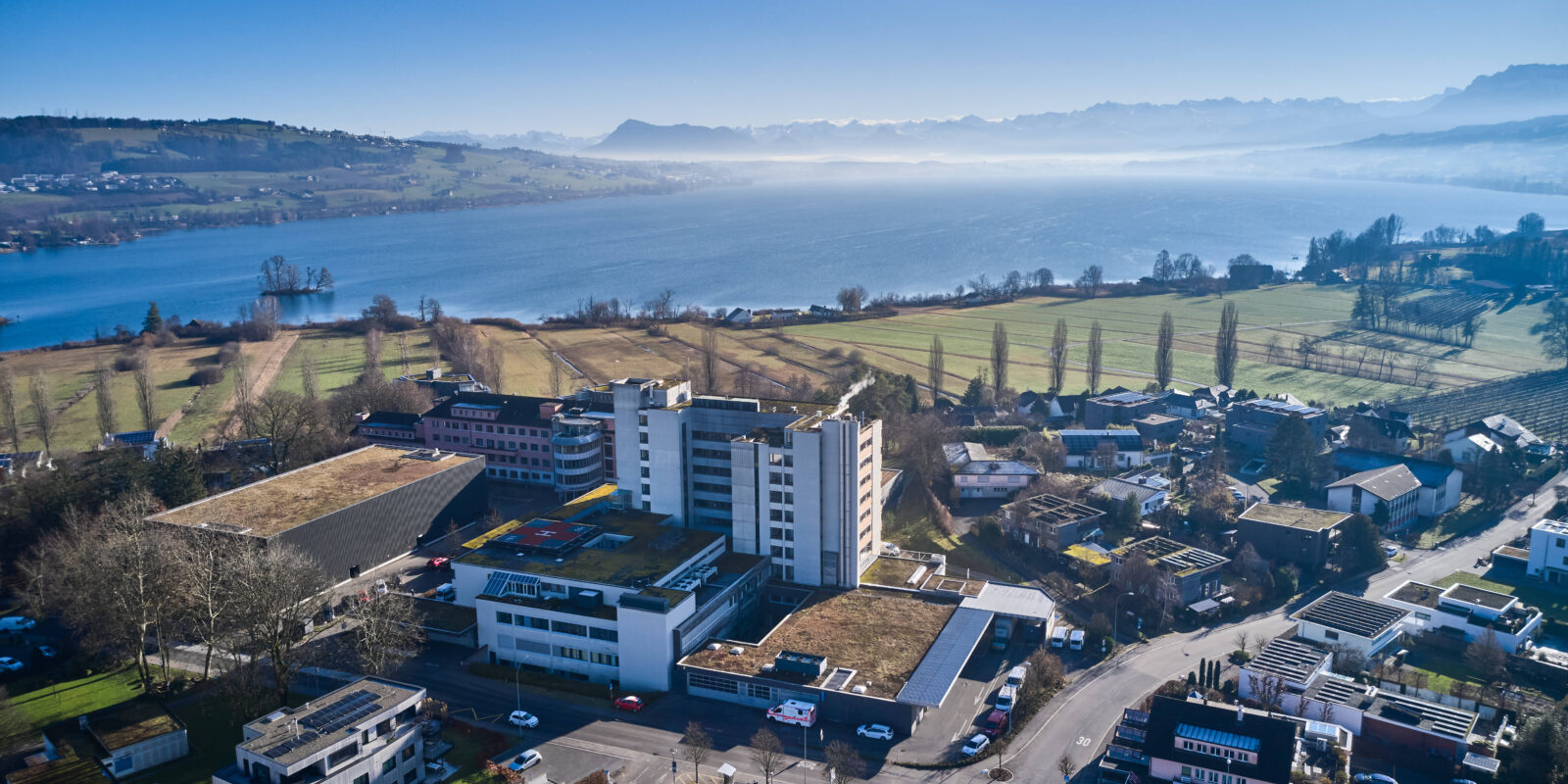
    The new construction of the LUKS Sursee and the Seeblick care center on Schwyzermatt in Schenkon will free up an area of around 47,000 square meters on Spitalstrasse in Sursee. About seven football pitches, centrally located, well developed and with views as far as the Alps. Where hospital buildings still stand today, a new urban building block can be created from 2034 that will shape Sursee in the long term. The canton of Lucerne is the main owner of the site, while adjacent areas also belong to the canton and partly to the city and will be included in the planning.

    The almost 50-year-old LUKS Sursee no longer meets the requirements of a modern hospital operation. The government council’s decision to build a new hospital and care center in Schenkon by 2033 will shift the healthcare infrastructure and open up a rare urban development potential in Sursee.

    Living, living, meeting
    The canton of Lucerne and the city of Sursee are pursuing a common goal: a mixed-use, lively district that combines living, services and quality of life. A test plan from 2026 will examine which uses and development structures are possible and sensible on the site. The results will form the basis for rezoning, architectural competitions and the first construction phases, which are to start after the hospital and nursing home have moved away, with the aim of avoiding vacancies as far as possible.

    It is already clear that the area is particularly suitable for residential use, for families, couples, singles and senior citizens. In addition, services, shopping facilities and restaurants are conceivable to fill the district with life. The aim is to create a socially mixed environment with a mix of upmarket and affordable housing that strengthens Sursee as a place to live and at the same time creates new opportunities for different phases of life.

    Sursee is growing
    Sursee is growing dynamically and, with a vacancy rate of 0.26 percent, has an extremely tight housing market. The new offer on the hospital site should help to alleviate the pressure and create additional residential quality in a central location. Its proximity to the old town, the existing transport links and the view of the lake make the site a key location for future urban development.

    It is an opportunity to create a new, identity-forming district. The site can provide impetus for the economic development of the region, create new jobs in the service sector and further raise Sursee’s profile as a regional center.

    District development as a joint task
    The planning of the hospital site is deliberately designed as an open process. Workshops with the local population and various interest groups are planned from spring 2026. Needs, ideas and expectations are to be incorporated at an early stage so that a district is created that is not only convincing from a planning perspective, but is also supported by the population.

    The municipal assembly will decide on the necessary changes to the sub-zone plan. This makes it clear that the future of the hospital site will not be designed in secret, but in a transparent process that combines specialist planning and local perspectives.

    A new urban building block with a history and a future
    In the long term, a diverse residential and living space with green areas, play areas and recreational spaces could be created where a hospital still operates today. Outdoor meeting places, short distances and good connections to the existing urban structure should make the area an integral part of Sursee.

    The canton of Lucerne wants to make targeted use of the potential of the privileged location with its lake view and historical use. From 2034, there will be an opportunity to create a district that respects the history of the site and at the same time provides answers to the housing and living needs of the coming decades. A new chapter for the hospital site and for Sursee.

  • Think circular, reprint wood

    Think circular, reprint wood

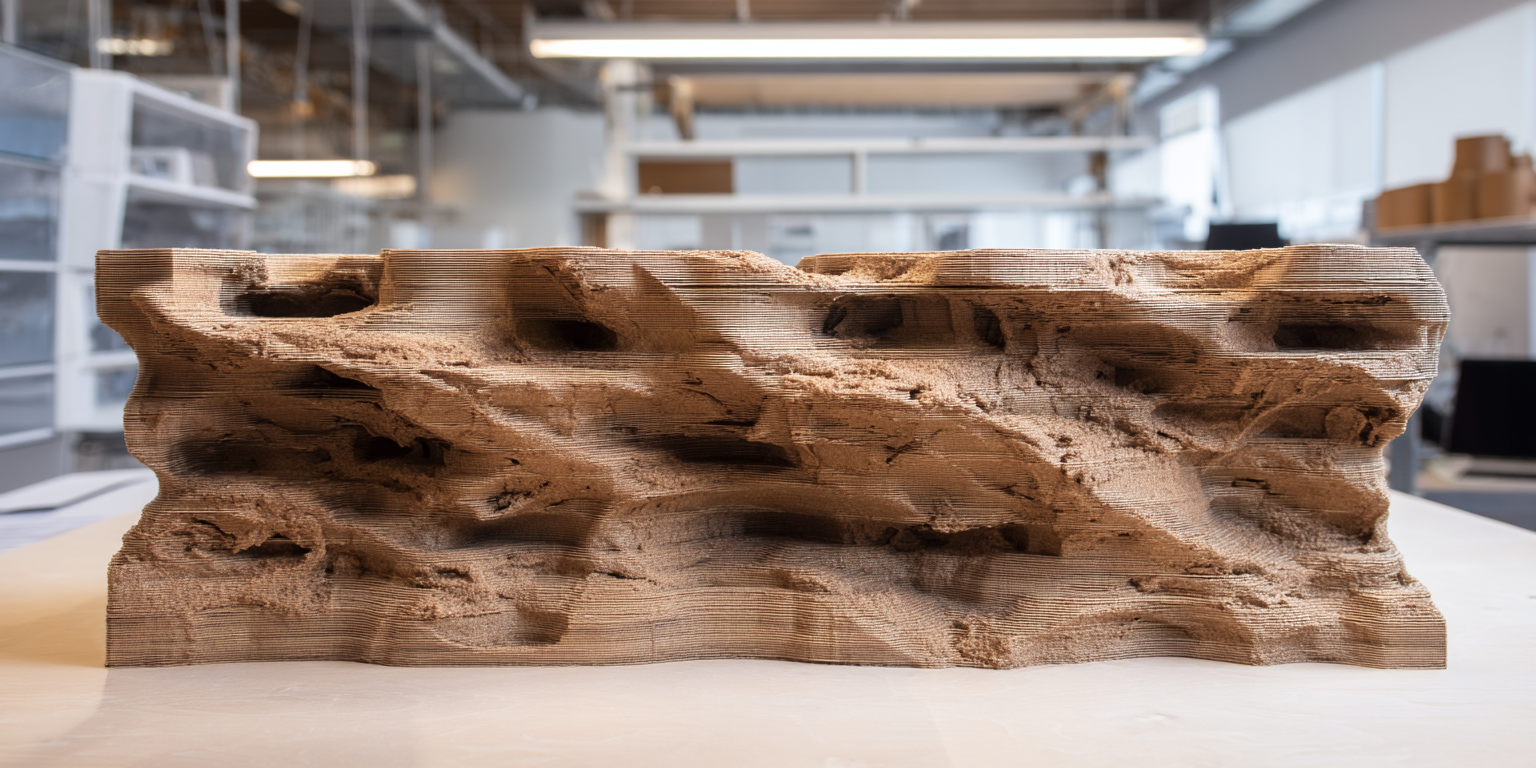
    Stricter regulations on the energetic use of waste wood mean that large quantities of wood waste can no longer simply be incinerated, but can still be recycled. The “Experimental and Digital Design and Construction” department at the University of Kassel is working with Buro Happold to develop a 3D printing process that converts waste wood particles into load-bearing wall components. The project is being funded as part of the “Zukunft Bau” program of the Federal Institute for Research on Building, Urban Affairs and Spatial Development.

    the focus is on a bio-based printing material made from shredded waste wood particles, which mainly originate from secondary material flows from the wood industry – i.e. from post-consumer wood. Industrial partners process the material and mix it with biogenic binders to create a paste-like mass that can be extruded with robotic support.

    lightweight components from the 3D printer
    The result is clearly different from the familiar 3D concrete printing process. The mass of wood particles and binder is applied in layers on a scale of 1:1 and forms lightweight but stable components. Flat wall structures are possible, as are freely curved geometries that can be precisely adapted in terms of construction and architecture.

    the current Rafa 2.0 project phase will run for 18 months and builds on the previous Rafa project, in which the researchers fundamentally investigated the suitability of waste wood particles for additive manufacturing. Material formulations are now being refined, the extrusion process optimized and the components tested under laboratory conditions, with the aim of achieving an end-to-end digital manufacturing process through to the full-scale prototype.

    load-bearing, fire-resistant and circular
    For the concept to work in practice, the printed elements must do more than just show shape. Load-bearing capacity, rigidity and fire protection properties that meet the requirements of interior construction are required. The project partners see an initial field of application in modular wall systems that can be easily assembled, dismantled and reused elsewhere.

    this principle fits in with circular building approaches, in which building components are not disposed of at the end of their life cycle, but are transferred to new uses. The components can be dismantled by type because no components containing harmful substances are used. This is a prerequisite for closed material cycles in timber construction.

    digital planning as a key technology
    Digital planning plays a central role. Buro Happold is responsible for computational design and structural planning and uses simulations to predict the structural behavior of the components. Geometries are optimized so that material is only used where it is structurally necessary – resource efficiency becomes a design task.

    “We turn waste into an opportunity, reclaimed wood is turned into high-performance components through digital design and additive manufacturing,” says Shibo Ren from Buro Happold, describing the approach. Away from linear consumption and towards a circular, data-based construction practice that closely interlinks robotics, engineering and design.

    practical prospects
    In the short term, the process aims to use less material and reduce emissions compared to concrete-based 3D printing technologies. In the long term, it could open up new markets for bio-based additive construction methods. Especially where low weight, deconstructability and architectural freedom are required.

    whether and how quickly the approach becomes commercially viable depends on scaling, standards and acceptance in construction practice. Technically, however, the project already shows that circular construction does not begin with recycling, but with design. Where materials, processes and life cycles are rethought.

  • ABB cashes in and Oerlikon builds

    ABB cashes in and Oerlikon builds

    ABB is selling a site of around 7,000 square meters near Zurich-Oerlikon railroad station to real estate service provider Pensimo. The sale will result in an operating gain on disposal of around CHF 290 million before taxes in the first quarter of 2026. ABB no longer needs the site as a strategic land reserve and is taking this step to enable the further development of the Neu-Oerlikon district.

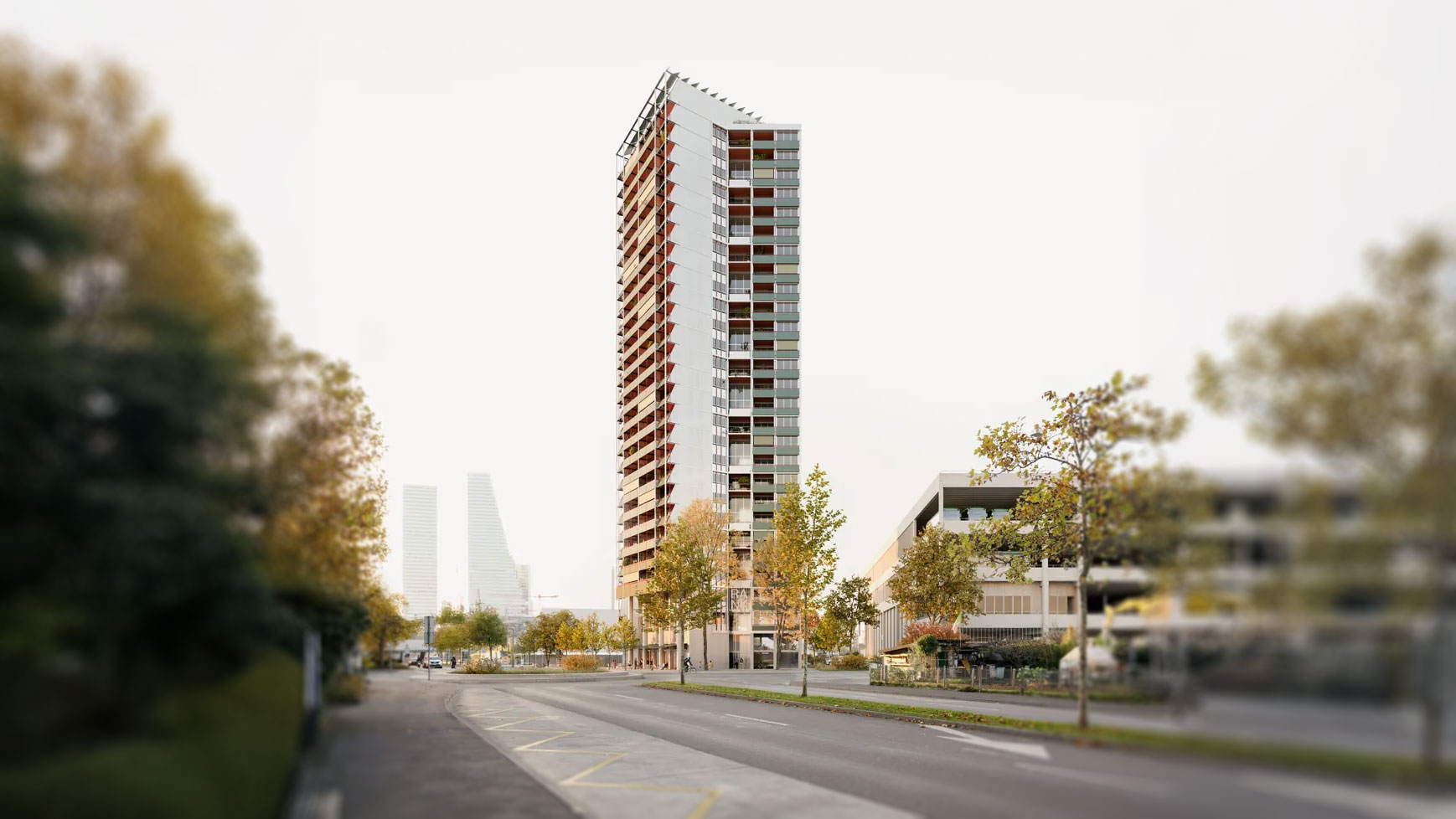
    Around 500 apartments, a high-rise building and commercial space are planned for the site. Over the next few years, the former industrial area is to be transformed into a mixed-use district with housing, services, workplaces and cultural and commercial facilities. Due to high land prices, rents are expected to be rather high. At best, individual apartments at cost rents are conceivable, for example as part of a densified site development.

    New ABB headquarters in Oerlikon
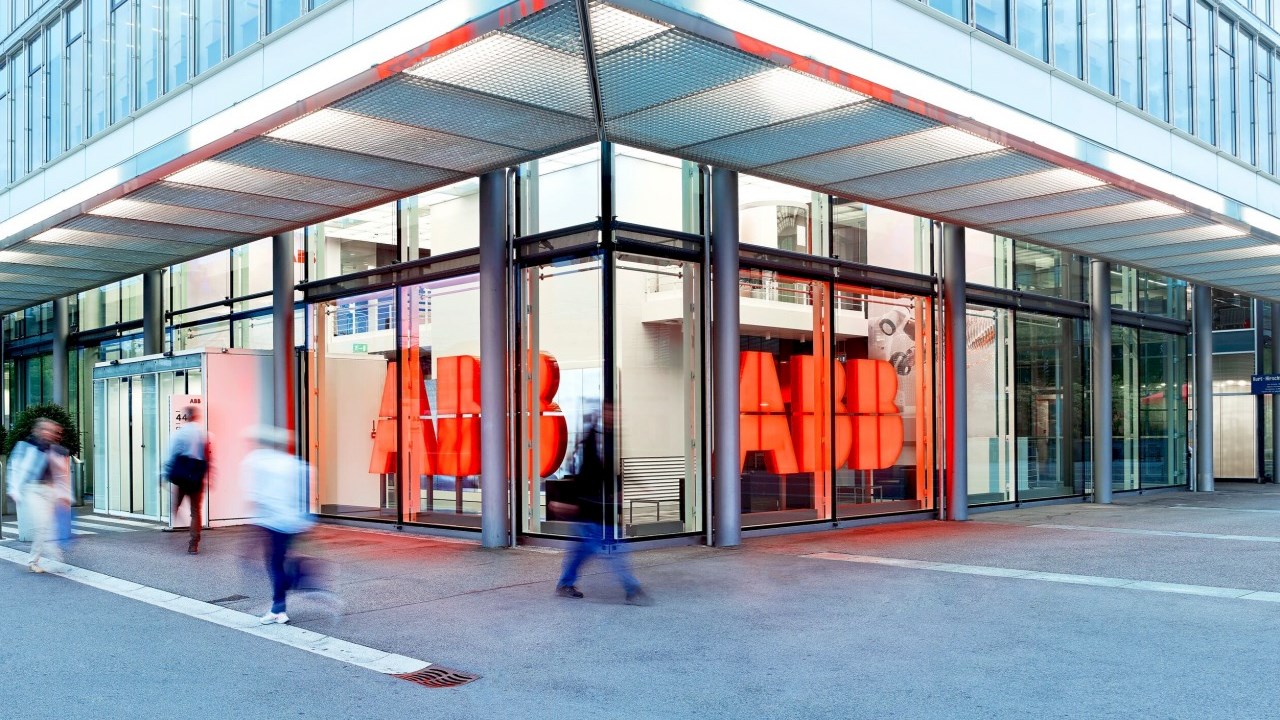
    ABB is expanding its presence in Oerlikon at the same time as selling the land. The Group is planning a new headquarters in the immediate vicinity, into which around 500 employees are expected to move in 2031. The project comprises a renovated, listed existing building and a new six-storey timber composite construction designed by Christ & Gantenbein.

    With a gross floor area of around 10,800 square meters, modern working environments including an auditorium, lounge and cafeteria, foyer and exhibition area as well as recreation and fitness areas will be created. The investment volume is around 80 million Swiss francs. ABB CEO Morten Wierod emphasizes the company’s commitment to Switzerland and the city of Zurich. Mayor Corine Mauch speaks of an even more “colorful and lively” district around Oerlikon station in the future.

    Strong final quarter of 2025
    ABB made significant operational gains in the final quarter of 2025. Comparable sales rose by 9 percent to 9.05 billion US dollars. Order intake developed particularly dynamically, increasing by 32 percent on a comparable basis to USD 10.32 billion, exceeding the USD 10 billion mark in a quarter for the first time.

    The operating EBITA margin improved from 16.6% to 17.6%, while adjusted net profit rose by 29% to USD 1.27 billion. For the full year 2025, net profit increased to USD 4.73 billion, around 20% more than in the previous year. The dividend is to be increased from CHF 0.90 to CHF 0.94 per share; at the same time, ABB is announcing a further share buyback program.

    Outlook and new buyback program
    For the first quarter of 2026, ABB expects comparable sales growth of 7 to 10 percent and a further increase in the margin. For the year as a whole, management expects growth of 6 to 9 percent and slightly higher profitability. Analysts see particularly strong drivers in the data center business and in the Electrification division, where orders increased by around a third.

    In addition, ABB is launching a new share buyback program with a volume of up to USD 2 billion, which is scheduled to run until January 27, 2027. A previous program of up to 1.5 billion US dollars has expired. This strengthens the attractiveness of the share and signals confidence in the company’s own earning power.

    ABB share at record level
    The figures and outlook were rewarded with price gains on the stock market. ABB shares rose by 8.46 percent to 66.38 Swiss francs, reaching a new all-time high of 67.22 Swiss francs. The strong order intake, the improved margin, the increased dividend and the larger share buyback program clearly exceeded the previously cautious expectations.

    For the Zurich-Oerlikon site, the combination of the sale of land, the construction of the new Group headquarters and the planned development of the district means a significant structural change. From an industrial site to a dense, urban residential and working district, with high investments, but also with the prospect of further rising rents.

  • Higher education responds to new requirements in construction

    Higher education responds to new requirements in construction

    The Zurich University of Applied Sciences (ZHAW) is to establish a new master’s programme at its Department of Architecture, Design and Civil Engineering in Winterthur. According to a press release, the MSc in Integrated Building and Energy Systems (IBE) will enable future civil engineers to put sustainable and climate-friendly construction projects into practice.

    The programme lasts five semesters and teaches core skills in building technology, energy and sustainability expertise, and interdisciplinary skills in architecture and civil engineering. The programme prepares graduates for careers in planning, consulting and implementing sustainable construction projects in architectural firms, engineering companies, consulting firms or public institutions.

    “The requirements for planning and implementation have expanded massively,” says Beat Waeber, architect and head of the Teaching Division at the Department of Architecture, Design and Civil Engineering at ZHAW, quoted in the press release. “We need specialists who can think across disciplines, structure collaboration and take responsibility at the interfaces. With the MSc IBE, we are specifically anchoring this qualification in the department’s training portfolio.”

  • Rankstrasse residential tower block

    Rankstrasse residential tower block

    In order to make optimal and sustainable use of the limited space on Rankstrasse, Basel’s “1000 ” residential construction program is based on a widely advertised, anonymous architectural competition. 78 teams showed interest, 15 selected projects were submitted and competed for the best solution. The expert jury was ultimately won over by “Miranda” by Zurich-based studio DIA, Haller Ingenieure and Hefti Hess Martignoni.

    Sustainability integrated into the architecture and social fabric
    The 88-metre-high building will provide over 100 new rental apartments based on the “Mietvertrag Plus” model, which is affordable and bound by income and occupancy rules. The outstanding feature is the innovative neighborhood concept. Three floors are connected vertically, creating inclusive meeting zones for diverse groups of tenants. The apartments have a compact and functional design, enable economical use of space and meet high ecological and economic standards. Green outdoor areas, communal spaces and resource-conserving construction methods underline the sustainability claim. The city is thus proactively committed to responsible, socially integrative urban growth.

    New benchmark for living on the outskirts of the city
    With “Miranda”, Basel-Stadt is launching a further development on the eastern outskirts of the city. The high-rise marks a striking prelude to future neighborhood developments and sets an architectural example of openness. The earliest start of construction is 2028, preceded by a development plan and public information. The focus on community, mixing, sustainability and architectural quality positions the project as a reference for modern, urban construction in Switzerland.

  • Roche site development Basel

    Roche site development Basel

    The first development phase of the Roche site was completed at the end of 2023, and now a new stage follows. One of Europe’s most important research infrastructures will be built on the north site by 2030. The core project is Building 12, a 72-metre-high research and development building with space for around 450 researchers. The new building will replace the outdated infrastructure and create optimal conditions for developing novel active ingredients from basic research to production maturity. With an investment volume of around 500 million Swiss francs, Building 12 will become the central interface between research and clinical development.

    At the same time, the Institute of Human Biology in Building 92 will be expanded into a new center for biological model research. Around 100 million francs are being invested in the modernization and conversion. The aim is to link academic and industrial research in order to make complex human cell models usable for drug development.

    Production is also undergoing a fundamental overhaul. State-of-the-art facilities for the development and commercialization of synthetically produced active ingredients will be built in buildings 50 and 51 by 2028. A new era of pharmaceutical process innovation will be ushered in here with a modular design, digital control and high energy efficiency. The investment framework for these projects is around CHF 570 million.

    Sustainable urban development on the south site
    Parallel to the research on the north side, Roche is pursuing a long-term sustainable development strategy on the south site. The site on the Rhine is being redesigned in close consultation with Basel politicians. The revised development plan provides for generous green spaces, ecological networking along the banks of the Rhine and integration into Solitude Park. Old building structures will be gradually dismantled and building materials reused according to the principle of the circular economy.

    The Canton of Basel-Stadt is actively supporting this process. The cantonal government and the Grand Council support the approach of upgrading the southern area in terms of urban development without providing for public thoroughfares or expropriation. This means that the site will remain within the company’s own control, but will be opened up in the future through landscaping connections and new open space concepts.

    Signal for Switzerland as a business location
    Since 2015, Roche has invested around eight billion Swiss francs in its Swiss sites and over 33 billion in national research and development. In Basel alone, further facilities for research, production and infrastructure will be built by 2029, including a new underground heating and cooling center to ensure security of supply for the entire site. The construction work on the north and south sites is emblematic of sustainable, resource-conserving site development that combines business, the city and science.

    The next few years will be characterized by intensive construction phases, urban planning coordination and technological innovations. With the ongoing development of the site, Roche is not only strengthening Basel as a pharmaceutical location, but is also sending out a strong signal of its long-term commitment to Switzerland as a place for cutting-edge research, sustainable architecture and shaping the urban future.