Tag: Innovation

  • Location promotion brings over 700 new jobs in the first year

    Location promotion brings over 700 new jobs in the first year

    The establishment of a total of 231 international companies in 2024 supported by the location promoters strengthens Switzerland as a location for innovation, according to the Conference of Cantonal Economic Directorates and Switzerland Global Enterprise, the national Swiss export and location promotion organization, in their press release. The committee particularly emphasizes that around two thirds of these companies are active in the five key technologies of healthcare, digital, automation, food and finance. They were defined by the federal government, cantons and regions in their joint strategy for the years 2024 to 2027 as particularly worthy of support.

    According to the press release, this strategy has brought the promotional activities of all stakeholders even closer together. Switzerland benefits from the fact that the various competencies of the promotion partners complement and reinforce each other.

    In the first year of operation, these 231 newly established companies in Switzerland created 716 new jobs. According to the information provided, they plan to create a total of 2135 jobs over the next three years.

    Around half of these companies come from the USA, Germany, France and the UK. As Cantonal Councillor Walter Schönholzer, Director of Economic Affairs of the Canton of Thurgau and Co-President of the steering body for national location promotion, emphasizes, the companies located here “also contribute to cross-cantonal value creation and to strengthening the local SME landscape with their innovative know-how and broad network”.

  • Netherlands tests recycling train for sustainable road construction

    Netherlands tests recycling train for sustainable road construction

    Crushed stone, sand, gravel and petroleum-based bitumen in asphalt roads are the same materials that make up new roads. The only difference is that the asphalt has already been heated and laid.

    For this reason, Dutch officials from the Rijkswaterstaat infrastructure agency in Utrecht, part of the Ministry of Infrastructure and Water Management, have invested in the Asphalt Recycling Train (ART or Asphalt Recycling Train). This is a vehicle-like machine that reuses old roads on site instead of tearing them up and disposing of them and then using new materials and thus emitting more carbon. This allows new asphalt to be laid in the same place.

    “With the ART, we can renew roads in a far more sustainable way,” Fredy Sierra-Fernandez, who is developing the ART at the ministry, is quoted as saying in a press release. “At the moment, we are testing a single machine to see how it performs in practice.”

    ART loosens the worn surface layer of roads, heats the old asphalt, picks up the melted material, stirs and mixes it and then applies the renewed asphalt back onto the road. The machine also compacts the road to create a smooth surface.

    Fernandez is now investigating how the roads behave after this process. Since June and from October last year, a provincial road in Gelderland in the east of the Netherlands and a section of the A2 highway have been monitored after the ART was used there.

    The road in Gelderland is in good condition. The section of the A2 highway is somewhat more worn, but still adequate. “We will continue until we are 100 percent satisfied,” says Fernandez. Tests in other regions are planned for April and May 2025.

    The Dutch government hopes to have three or four ARTs in operation across the country by 2030 to create a circular economy for asphalt.

    The ART was awarded the InfraTech Innovatieprijs 2025.

  • The future of location promotion in the canton of Zurich

    The future of location promotion in the canton of Zurich

    Together with Markus Müller, you have been co-heading the location promotion of the Canton of Zurich for over 15 months.
    What insights have you gained?
    Zurich stands out within Switzerland due to its economic size. This also means that we are not only heavily involved in cantonal issues, but are also active on the national and, in some cases, international stage. For example, we promote Switzerland as an AI location or share our findings on AI applications in the economy with international partners.

    At the same time, I find the close cooperation between business, science and administration as well as politics to be expedient when it comes to creating sustainably attractive framework conditions.

    Could you give us a brief overview of the current priorities of location promotion in the Canton of Zurich?
    The central focal points are:

    As just mentioned, the development of attractive, long-term location factors. Through close dialog with business and science, we identify trends at an early stage and provide targeted impetus for location development.

    Promoting innovation and strengthening our key sectors of finance, ICT, life science, food, clean and high-tech.

    Maintaining and strengthening the diversity of the industry structure. In this context, we also support companies that want to locate here – from the search for a location to obtaining permits.

    Our projects, programs and initiatives are based on these three pillars.

    What are the long-term visions of the cantonal location promotion department with regard to location development?
    The attractiveness of a business location depends on a number of different location factors. These range from target group-friendly regulations and digital government services to strong innovative power and the sustainable design of economic areas.we are pursuing the goal of being an attractive, leading and future-oriented innovation and business location with international appeal for companies and the population.

    Zurich is one of the most expensive places to live in the world. The high real estate prices and rents are also becoming an increasing burden for companies. What can location promotion do about this?
    We are committed at various levels not only to the attractiveness and prosperity of the economic area, but also to a high-quality and excellent quality of life. In this respect, the availability of living space also plays a role. One concrete application can be found, for example, in our Innovation Sandbox for artificial intelligence. In the current phase, we are supporting the use of AI in planning applications. We hope that the results will help us to find ways of reducing the building backlog and streamlining the building permit process.

    Housing subsidies are also located at official level. It promotes the provision of affordable rental apartments with attractive loans.

    The ageing population is affecting the real estate sector and the labor market. What significance does this fact have for the canton of Zurich and how can you respond to it?
    The topic of demographic shifts and the widening labor market gap has been on our minds for some time at various levels. Over the next few years, many experienced workers will retire – this will increase the competition for talent.

    On the one hand, we are working on various projects in the area of recruiting and retaining skilled workers and labor market participation. At the same time, we are currently developing new overarching approaches to demographics that will have a longer-term impact. One thing is clear: tackling the challenge of demography must be approached from a systemic perspective, meaning that many parties and stakeholders need to be brought to the table.

    How do you see the role of the canton in the Greater Zurich Area economic region?
    The Greater Zurich Area is one of the most innovative business locations in Europe – and the canton of Zurich plays a central role in this. As a leading innovation location, we create the framework conditions that companies need to develop successfully. Ultimately, the other cantons within the Greater Zurich Area also benefit from our strong position.

    As the economic engine of Switzerland, the Canton of Zurich is also the largest provider of funds for the Greater Zurich Area as a business location. At the same time, our Chief Executive Officer, Government Councillor Walker Späh, is President of the Board of Trustees of the Greater Zurich Area Business Location. The Canton of Zurich is also actively represented in the Greater Zurich Area economic region by the two cities of Winterthur and Zurich. This allows us to optimally represent our interests and coordinate the activities of the Greater Zurich Area as a business location with our own.

    How does the cooperation with other cantons within the Greater Zurich Area business location work?
    What joint projects are currently underway?
    Cooperation within the organization of the Greater Zurich Area business location focuses primarily on issues relating to relocation. We work very closely with other cantons in various other constellations and committees. For example, in the Zurich metropolitan area, but also on a smaller spatial level, such as in the Limmat Valley. However, not all cantons are always members of the Greater Zurich Area business location.

    Current cooperation projects include the 2nd phase of the Innovation Sandbox for Artificial Intelligence, which also includes the aforementioned building permit project, and the repositioning of the Limmatstadt regional location promotion program, in which we are thinking beyond the cantonal borders in functional areas and looking for solutions.


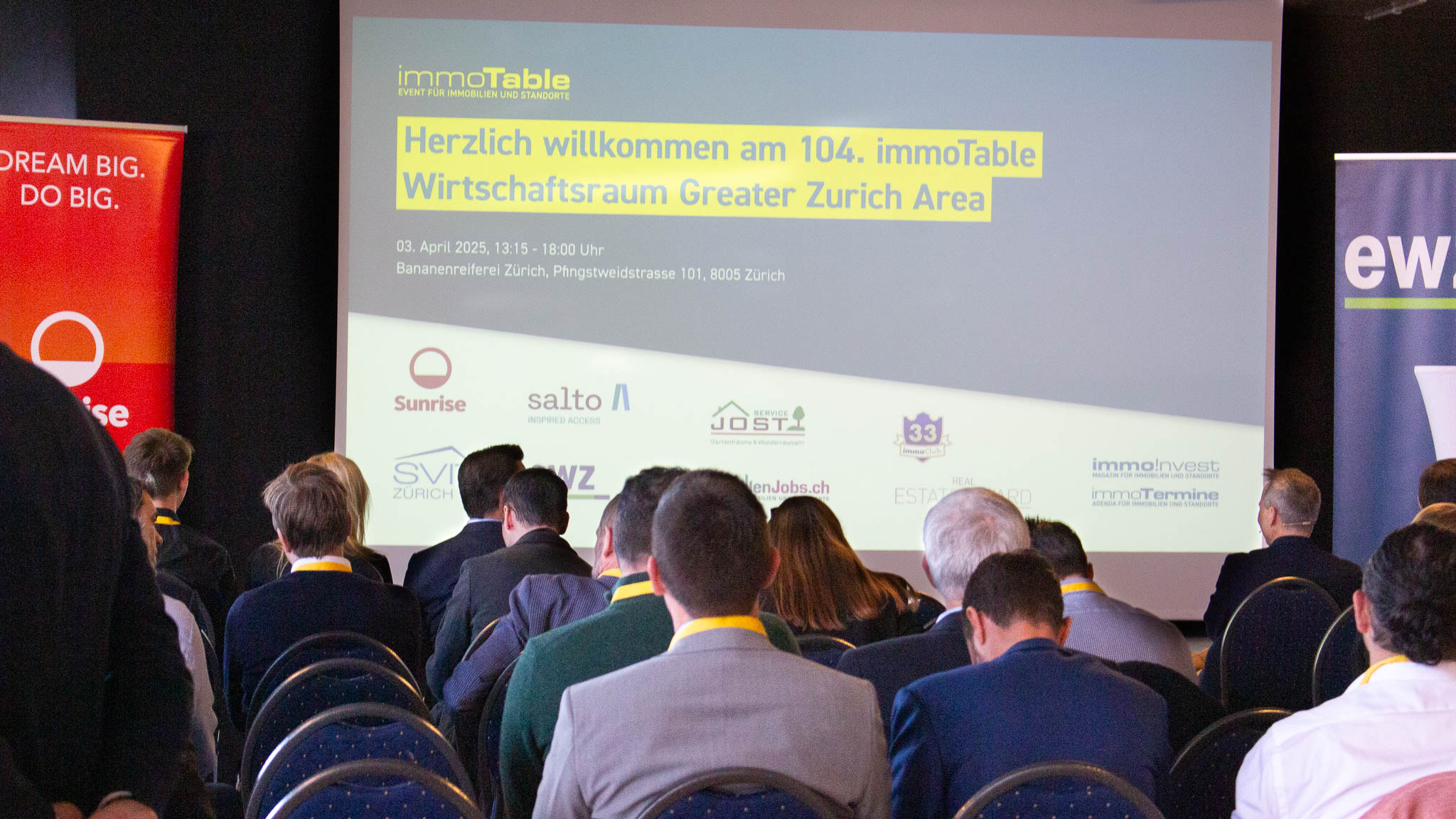
  • The 104th immoTable focuses on energy, location attractiveness and innovation

    The 104th immoTable focuses on energy, location attractiveness and innovation

    [smartslider3 slider=”46″]

    Setting the course for strong locations
    Samuel Mösle, Co-Head of the Zurich Cantonal Economic Development Agency, opened the event with a comprehensive overview of the situation. He outlined the current challenges in a global context and emphasized the role of the construction industry in the further development of Zurich as a business location. Topics such as digitalization, artificial intelligence and securing affordable housing play a central role in this. The aim is to further raise the profile of the canton of Zurich as an innovative and competitive economic area.

    Björn Slawik and Frank Koster from ewz presented the prospects for a decentralized and sustainable energy world. The focus was on the dynamic development of the Swiss solar market and new regulatory framework conditions from 2026. The introduction of local electricity communities, such as the ewz.solarquartier concept, will strengthen self-consumption of solar power at district level. The aim is to make efficient use of surpluses and promote the construction of new solar power plants in a market-oriented manner.

    Jan Frenzel from SMG illustrated how AI-supported systems are revolutionizing the world of customer relationship management. In addition to comparing CRM and ERP systems, he highlighted the potential of SaaS solutions for automating business processes. With intelligent tools, customer needs can be identified even more precisely in future – a key factor for positioning on the market.

    Location development and future trends
    Under the title “How can locations remain attractive?”, Beat Bachmann (Canton of Zug), Jakob Bächtold (House of Winterthur), Marc Lyon (Implenia Schweiz AG) and Albert Schweizer (City of Schlieren) discussed the future viability of locations. The topics ranged from demographic change and new forms of living and working to the question of how innovation and sustainability can be specifically incorporated into site development. The discussion showed that successful locations today have to offer more than just infrastructure. They need identity, networking and visions for the future.

    Outlook for the Real Estate Award 2025
    Mara Schlumpf provided information about the upcoming Real Estate Award, which will take place on October 2, 2025 at Trafo Baden. Outstanding projects and personalities from the real estate and construction industry will be honored in five categories. The event promises not only a gala with a networking character, but also exclusive visibility for innovation and quality in the industry.

  • Shaping the innovation location of the future

    Shaping the innovation location of the future

    The Swiss government creates an environment that encourages innovation through targeted funding programs, tax breaks and investments in research. Initiatives such as the innovation promotion program support companies with research and development projects, while start-ups can grow through advice and financing.

    Close cooperation between research and industry also plays a decisive role. Universities such as ETH Zurich, the University of Zurich and the Paul Scherrer Institute work closely with companies to translate technological advances into marketable products. These synergies are a key to success.

    Corporate culture and start-up ecosystem
    Switzerland fosters a creative and entrepreneurial culture where risk-taking is rewarded and failure is seen as a learning process. This mindset has led to a large number of successful start-ups. MindMaze is revolutionizing rehabilitation through neurotechnology, while Ava is shaping the medical industry with innovative fertility trackers.

    Technology centers such as Technopark Zurich offer young companies ideal conditions for driving innovation. Google operates one of its largest research centers outside the USA here. Proof of the region’s attractive environment.

    Infrastructure and global networking
    Switzerland is continuously investing in its infrastructure and research landscape. Modern high-tech laboratories, technology parks and specialized innovation centers enable researchers and entrepreneurs to implement new ideas quickly.

    Switzerland also relies on international cooperation. Programs such as Horizon Europe and participation in the European Research Area strengthen links with international partners and ensure the transfer of knowledge. The multilingualism of the Swiss population favors global exchange.

    Between climate targets and economic growth
    Switzerland sees itself as a pioneer for sustainable technologies. Investments in renewable energies, the circular economy and CO² reduction should ensure an environmentally friendly economy in the long term.

    Innovation engine with warning signals
    The Greater Zurich Area has established itself as Europe’s leading technology hub. According to experts, the region attracted over 1,280 companies between 2009 and 2021, which created 9,400 jobs and generated CHF 647 million in tax revenue. Balz Hösly, President of Greater Zurich Area: “We are probably the only location that keeps questioning its own most attractive framework conditions without need.”

    Although Switzerland has been at the top of the Global Innovation Index for years, developments such as stricter regulations or rising corporate taxes are a risk for the location. The business-friendly framework conditions that have contributed significantly to our success must not be put at risk lightly.

    Maintaining innovative strength, but how?
    Switzerland is at a crossroads. Will it remain a global innovation leader or will it jeopardize its own attractiveness through over-regulation?

    With excellent educational and research institutes, an entrepreneur-friendly culture, global networking and a powerful start-up ecosystem, its successes are undisputed. However, regulatory intervention, rising costs and uncertain economic policy conditions could slow down progress.

  • Focus on Switzerland’s economic resilience

    Focus on Switzerland’s economic resilience

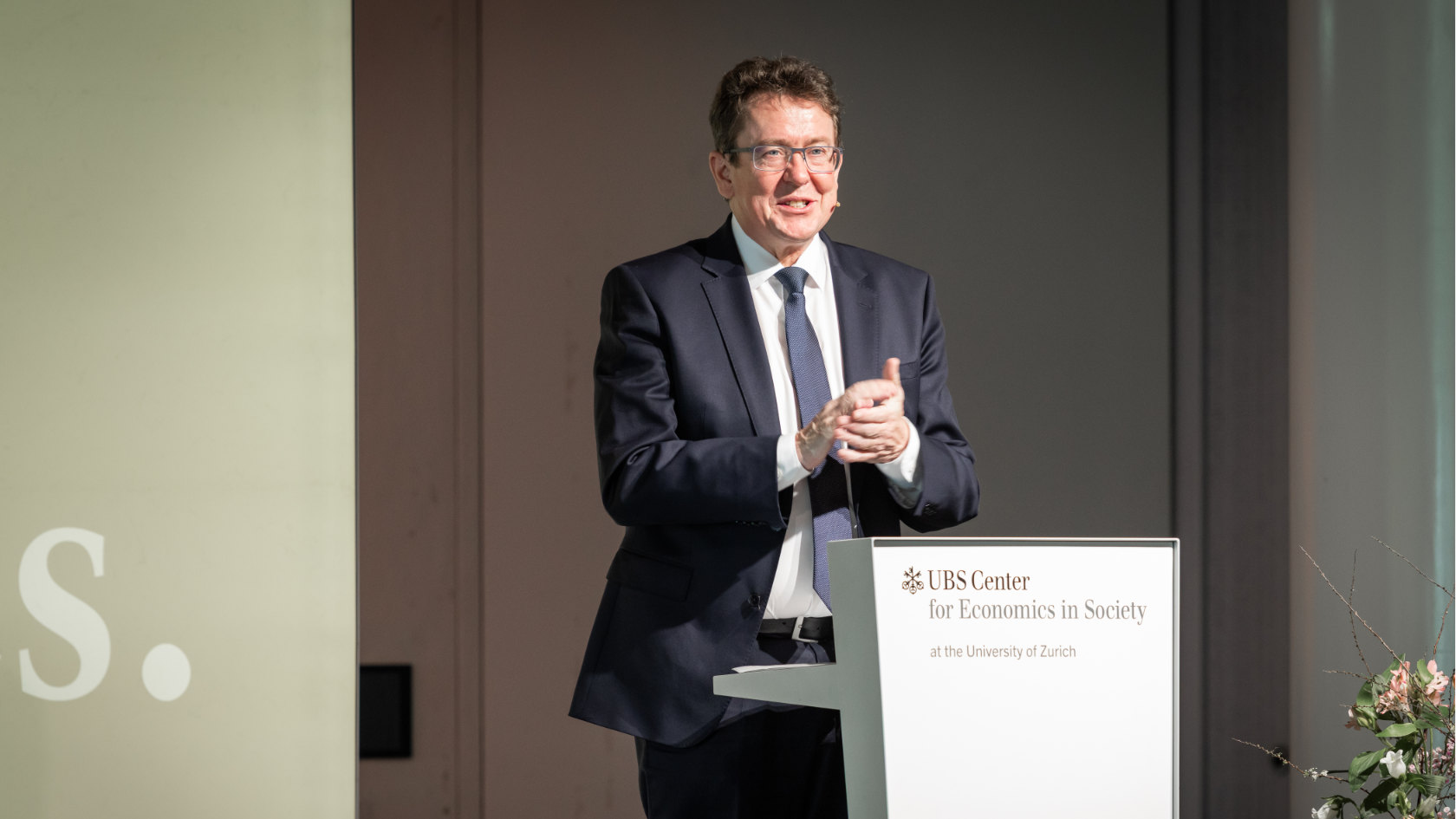
    Switzerland is facing new challenges, but its economic strength is based on clear success factors such as personal responsibility, decentralization, innovative strength and international networking. In his keynote speech, Minister of Economic Affairs Albert Rösti impressively emphasized these key points. Referring to historical roots and current risks, he made it clear that prosperity is not a sure-fire success. Instead of relying on statism, regulatory clarity and a return to proven principles of economic freedom are needed.

    Tariff shocks and negotiating skills
    State Secretary Helene Budliger Artieda provided insights into global economic negotiations and emphasized: “The latest US tariffs came as a surprise. But Switzerland remains capable of acting because it diversifies its trade relations broadly and actively maintains them.” Openness towards partners such as the EU, the USA and China is not arbitrary, but a strategic necessity. The resilience of the Swiss economy is based on this broad foundation and a clear view of geopolitical realities.

    Robust foundations, prudent restraint
    Several panels made it clear that Switzerland has a strong institutional framework, but must remain vigilant. Economist Gunther Schnabl and former CFO Serge Gaillard warned against softening the debt brake and urged fiscal discipline. At the same time, they praised the level of political debate in direct democracy, which enables broad participation in fundamental economic issues.

    Economic model between global players and SMEs
    Switzerland’s strength lies not only in multinational corporations, but also in regionally rooted SMEs. According to historian Tobias Straumann, this combination ensures innovative strength and stability. Representatives such as Suzanne Thoma (Sulzer) and Urs Furrer (SGV) called for practical solutions for securing skilled workers and fewer regulatory hurdles. The new basis for negotiations with the EU offers opportunities, but must be implemented wisely.

    Vigilance is not a contradiction to strength
    Switzerland has a strong foundation, but this requires care. Institutional stability, a high capacity for innovation, foreign trade openness and political sovereignty make the location fit for the future. The economic panel sends a clear signal: self-confidence yes, complacency no. If you want to strengthen Switzerland, you have to use the room for maneuver wisely instead of relying on supposed certainties.

  • Securing the future through responsible management

    Securing the future through responsible management

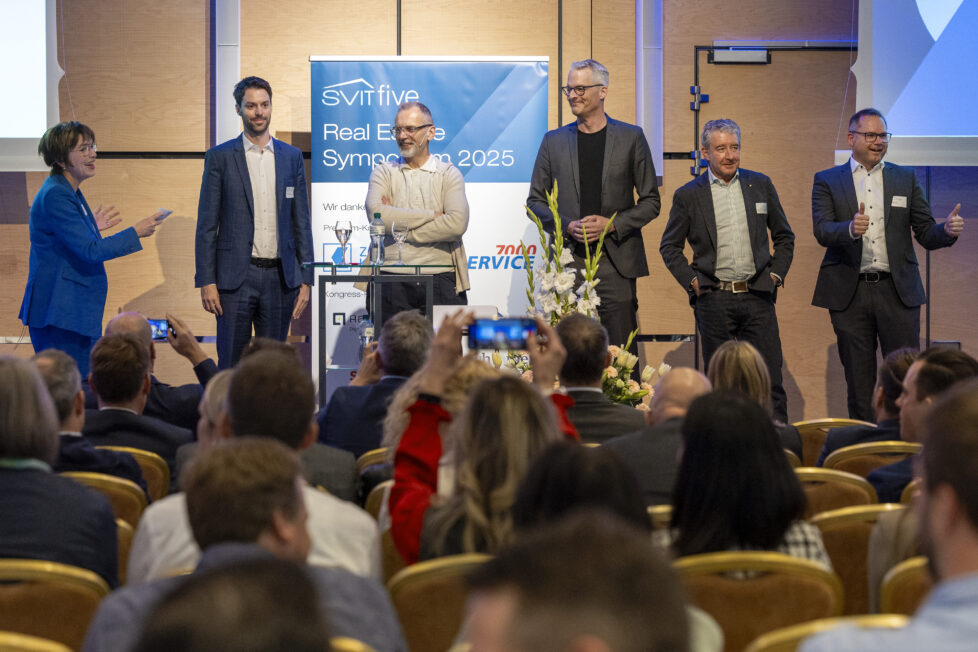
    Properties are far more than just built substance. They are an investment, living space, energy consumer and long-term commitment at the same time. In order to secure or even increase their value over decades, professional, holistic life cycle management is required. At the Real Estate Symposium 2025 in Zurich, the five SVIT specialist chambers, the SVIT five, demonstrated how their combined expertise supports owners, investors, project developers and operators throughout the entire property life cycle.

    With in-depth expertise, market knowledge and operational competence, they develop forward-looking strategies that are economically viable and at the same time take ecological responsibility into account. The challenges range from regulatory changes and technical developments to changing user needs – topics to which strategic property management must provide targeted answers.

    From responsibility to value creation
    Marie Seiler, CEO of Pensimo Management AG, emphasised the complexity of property ownership in her keynote speech. It is not just about administration, but about strategic thinking and creative action. The added value of a property does not arise by itself, it is created and secured through active and responsible management. Value retention is not a constant, but the result of conscious decisions.

    This thesis was supported by Dominik Stamm, Vice President at Jones Lang LaSalle AG, who urgently warned of the risks of unrealised potential. Property could quickly become stranded assets if it is not adapted to the market, technology or regulation. Conversely, investments in efficiency, digitalisation and flexibility generate long-term value effects and ensure the competitiveness of the properties.

    Responsibility in practice
    Particular attention was also paid to the topic of condominium ownership, where responsibility is often decentralised. Michel de Roche, lawyer and former president of the SVIT Chamber of Condominium Ownership, emphasised the role of the administration. It must raise awareness of the condition and lifespan of the components, impart knowledge and enable investment in the future. This is not just about preserving value, but also explicitly about increasing value.

  • SBB continues to develop Basel

    SBB continues to develop Basel

    With the “Wolf Basel” project, SBB is transforming a 160,000 square metre site in the east of the city into a lively, sustainable urban quarter. The transformation is exemplary for the intelligent densification of urban spaces. Living, working, leisure and logistics are to coexist here in a new form that conserves resources, is sustainable and integrated into the existing urban structure.

    Construction work on the western part of the site will start in 2027. SBB has sought and found top architectural and functional solutions in two competitions. The jury, consisting of independent experts and representatives of the client and the Canton of Basel-Stadt, has now recommended the projects “Janus” by ARGE Experience from Paris with M-AP Architects from Lausanne and “Binaria” by ARGE Parabase GmbH and Confirm AG from Basel for realisation. The two new ten-storey buildings will offer around 300 flats and set standards in terms of sustainability, quality of living and architectural integration.

    Sustainability meets urban innovation
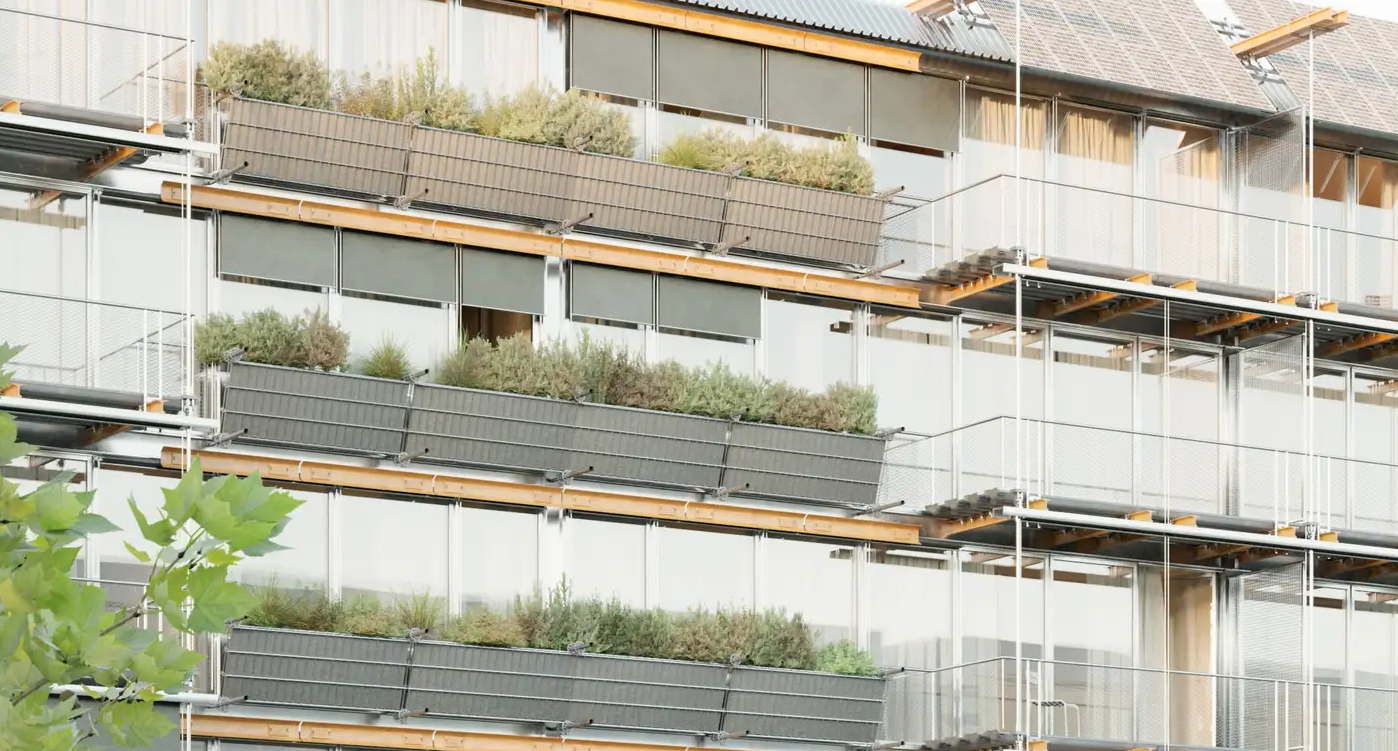
    The planned residential buildings reflect the changes in urban development. The flats are designed for different lifestyles, and communal areas in the ground floor zones promote social interaction. The roofs not only serve as a source of energy through photovoltaics, but also as water reservoirs and in some cases as accessible recreational areas. Photovoltaic elements on the façades, greenery, renewable heating systems and sophisticated systems for cooling in summer are all part of a comprehensive energy concept.

    The project also sets new standards in terms of construction. Screw connections replace adhesive joints, modular structures allow for later conversion or dismantling, making design for disassembly a reality. Wolf Basel thus presents itself not only as an urban development model, but also as a technical model for the future.

    Identity is created through dialogue
    Even before construction begins, the site will be opened up for interim uses, experiments and participation. A historic railway hall has recently been used as a temporary pickleball court, bringing movement to the centre of the development area. In addition, various spaces are available for longer-term uses in the areas of culture, leisure and catering. SBB is calling on people to submit creative ideas and play an active role in shaping the future neighbourhood.

    The opening is more than just a gesture, it is part of a strategy in which urban development is understood as a participatory process. This creates an emotional bond with the neighbourhood and its future identity at an early stage.

    Staged construction with vision
    Construction of Wolf Basel is scheduled to start in 2027. In the first phase, the residential buildings will be built in the western part of the site, including a third in the affordable segment by non-profit property developers. At the same time, the Urban Hub, a public space offering catering, sport, culture and services, will be developed in the middle section. In a second phase, expected from 2031, commercial and service buildings with around 1,000 workplaces will follow in the eastern section.

    The entire project is based on the legally binding development plan dated 2 May 2023 and is an example of the high-quality development of inner-city potential areas in Switzerland.

  • Company from Rapperswil BE wins prestigious business award

    Company from Rapperswil BE wins prestigious business award

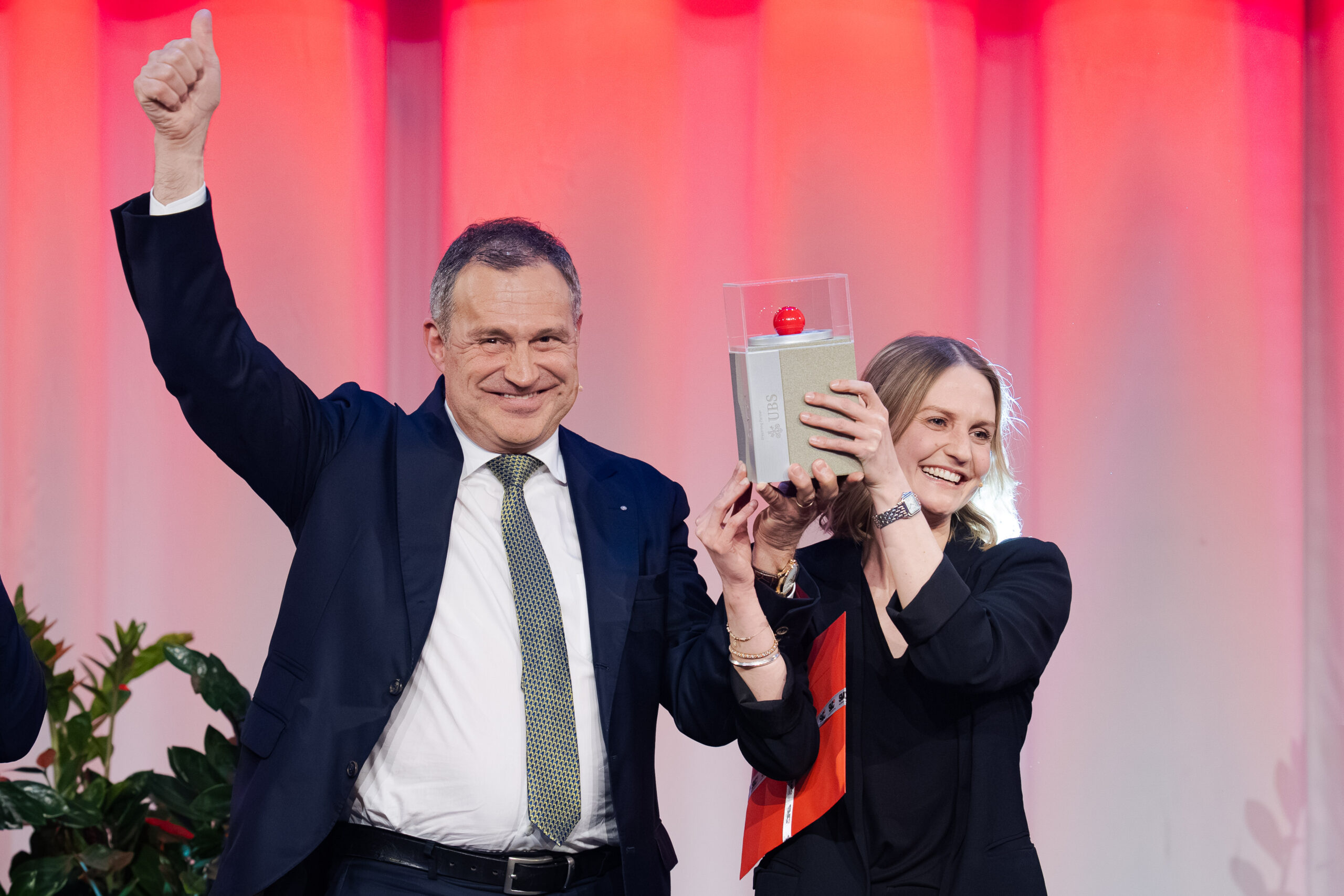
    Gasser Ceramic has won this year’s Prix SVC Espace Mittelland. The family-run company based in Rapperswil in the Bernese Seeland produces tiles for roofs and façades as well as bricks and photovoltaic systems integrated into roof tiles. With around 200 employees, ten production lines and six kilns at four locations, the winning company is one of the leading Swiss companies in this sector, according to a statement from the Swiss Venture Club(SVC).

    “Nobody can get past Gassers,” jury president Jürg Schwarzenbach is quoted as saying in a statement from his laudatory speech. “During the jury’s visit, we felt the enthusiasm for the products and the pride of the employees in working for this traditional company.”

    Platit AG from Selzach followed in second place. The company manufactures high-tech systems for PVD coating. Its machines are used to emboss five-figure coins and gold medals and to coat the hinges and dials of luxury watches. Over 650 Platit coating systems are installed worldwide. The company also has branches in Europe, America and Asia.

    Third place went to Schwob AG from Burgdorf. The long-established company develops and manufactures high-quality table and bed linen for hotels, restaurants, clinics and residences with around 240 employees in its own Jacquard weaving mill. Schwob has five of its own laundries and 30 local partner laundries for cleaning. Schwob exports to facilities around the globe. Megasol Energie from Deitingen SO, a developer of solar modules and assembly systems, and Olwo, a production, trading and service company in the timber industry from Worb BE, were honoured with a diploma.

    The award ceremony took place in front of 1,300 guests in the Kursaal Bern. “The Prix SVC is far more than just an award,” said Reto Portmann, President of the SVC organising committee. “This prestigious event symbolises entrepreneurial spirit, innovative strength and the courage it takes to be successful in our dynamic and competitive world.”

  • Bernapark strengthens support for SMEs

    Bernapark strengthens support for SMEs

    The Centre for Innovation and Digitalisation (ZID) at ZID Bernapark AG is repositioning itself. Originally founded as a catalyst for early-stage start-ups, the centre’s scope of action will in future include SMEs and start-ups at all stages, the ZID announced in a press release. “The new strategy is an important step for the ZID”, Hans-Ulrich Müller, Chairman of the Board of Directors of ZID Bernapark AG, is quoted as saying. “It creates the basis for sustainable growth and strengthens our position as an innovation hub for SMEs in Espace Mittelland.”

    The ZID’s programmes are designed to offer practical solutions for current challenges in companies. In terms of content, the focus is on artificial intelligence, digital transformation and succession planning. In the first step of the transformation, the two formats KMU Update and KMU Upgrade will be introduced. KMU Update offers free networking formats such as skill share lunches and input workshops. KMU Upgrade is designed as a fee-based format for specific realisations.

    At the beginning of the year, the Swiss Venture Club also relocated its office to the ZID. The ZID is thus “expanding access to one of the largest SME networks in Switzerland”, according to the press release. “We are creating a platform that not only connects SMEs and start-ups, but also provides them with concrete tools for digital transformation,” explains Martin Hofer, Interim Managing Director of the ZID. “Our programmes are designed to implement innovations in a practical and efficient manner.”

  • Zurich Airport region sets up an advisory board for sustainability

    Zurich Airport region sets up an advisory board for sustainability

    The FRZ Zurich Airport Region is strengthening its commitment to sustainability. It founded a sustainability advisory board on 6 February, the business network announced in a press release. “Sustainability is not a trend, but a decisive success factor for companies and society,” it says, explaining the background to the decision.

    The new advisory board will act as a “leading competence centre” for sustainable innovations in the region. Specifically, its aim is to support companies, cities and municipalities in the introduction of sustainable business models. To this end, best practices are to be promoted and stakeholders from business, science and politics are to be brought together.

    The tasks of the new advisory board will also include the presentation of the FRZ Excellence Award. Each year, it will recognise outstanding achievements in ecology, social responsibility and innovation by member companies of the FRZ Zurich Airport Region.

    The members of the Sustainability Advisory Board include Mario Angst from the University of Zurich, Willi Gärtner from Planzer, Thomas Meier from the Swiss Safety Centre and the former Managing Director of the Greater Zurich Area, Sonja Wollkopf. In total, four women and nine men from business, science and politics are represented on the advisory board. The full list of members, including links to their LinkedIn profiles, can be found in the press release from the FRZ Zurich Airport Region.

  • Strategic partnership for high-precision surveying technology

    Strategic partnership for high-precision surveying technology

    Pix4D, a company specialising in photogrammetry based in Prilly near Lausanne, has signed a strategic agreement with measurement specialist Topcon Positioning Systems, according to a press release. Topcon, headquartered in Livermore, California, is a developer, manufacturer and distributor of precision measurement and workflow solutions for the global construction, geospatial and agricultural markets.

    Topcon becomes an authorised distributor for the Pix4D photogrammetry software portfolio, which provides greater access to high-precision positioning and 3D mapping technologies. The offering is aimed at professionals in the fields of surveying and mapping, architecture, engineering and construction, energy and utility infrastructure, as well as public safety and forensics, according to the press release.

    The agreement to work closely with Topcon is “an important milestone in Pix4D’s growth strategy”, according to Andrey Kleymenov, CEO of Pix4D. “The combination of Topcon’s precision positioning technology and Pix4D’s advanced photogrammetry and GeoFusion algorithms creates a powerful set of solutions for utility, infrastructure and horizontal construction professionals worldwide.”

    “The integration of Topcon’s precision positioning technology with Pix4D’s photogrammetry expertise is another great example of the kind of collaboration that has always benefited the geospatial industry,” said Murray Lodge, Executive Vice President of Topcon Positioning Systems.

  • Interior fit-out specialist looks back on 130 years of company history

    Interior fit-out specialist looks back on 130 years of company history

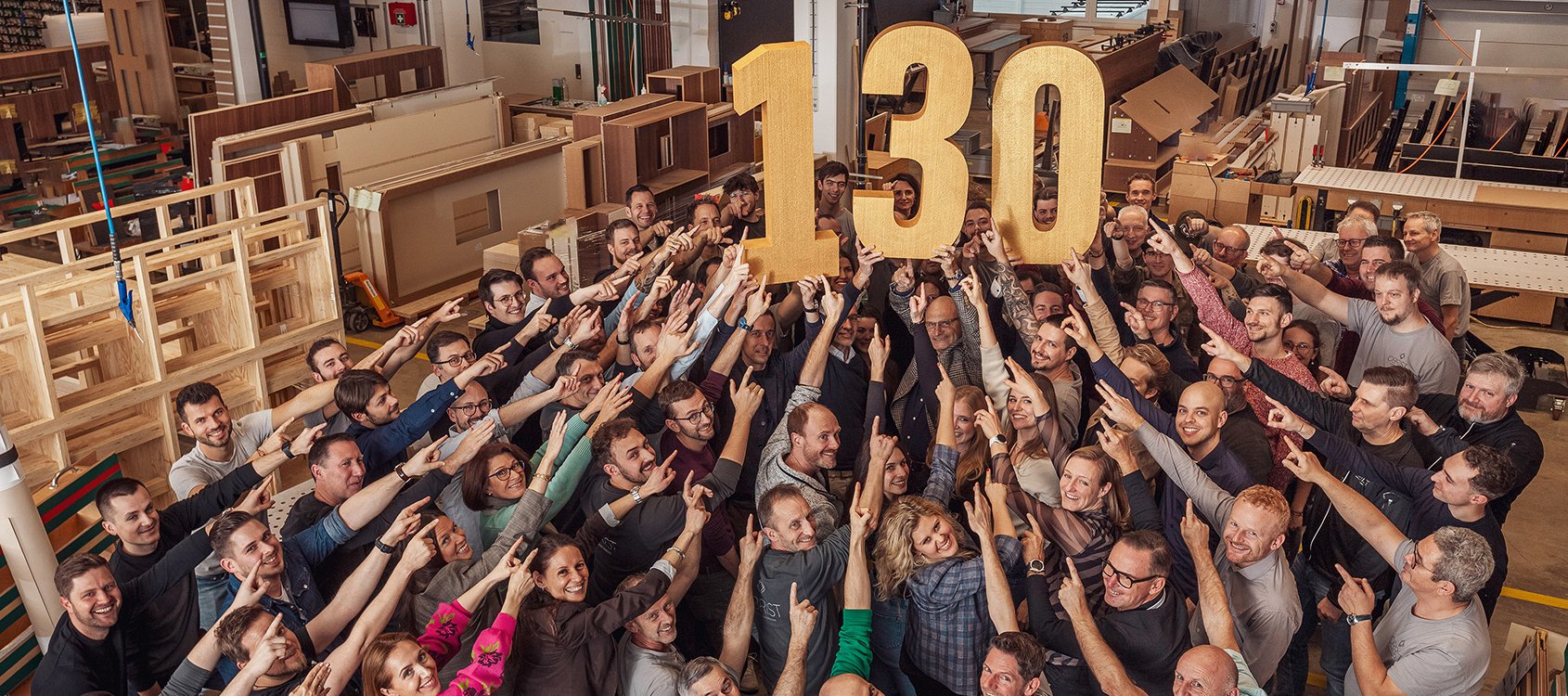
    Obrist interior AG is celebrating its 130th anniversary this year. Founded in 1885 as a small joinery, the company has “developed into a global industry leader” during this time, writes Obrist interior in a press release. With the celebrations in its anniversary year, the specialist for high-quality interiors in shopfitting and interior design wants to honour its employees in particular. “We would not be where we are today without their skills, commitment and endeavours to achieve the highest level of customer satisfaction,” CEO and owner Stefan Slamanig is quoted as saying in the press release.

    Obrist interior’s recipe for success is based on entrepreneurial agility, the company writes. The company based in Inwil, for example, relied on innovative technologies such as CNC machines, 3D printing, virtual reality and lean management long before these became standard in the industry. “We also work exclusively with the best in the industry when it comes to transport logistics and on-site assembly and always have our own experts on site for quality assurance purposes,” explains Chief Sales Officer Corrado Tona.

    In the press release, CEO Slamanig also refers to the plans announced last year for an extension in Inwil. A modular concept is to be implemented here to create space for more employees, additional production capacity, research and co-working. Obrist interior is currently in the final of the Swiss Venture Club‘s Prix Zentralschweiz 2025 together with four other companies.

  • More innovation, more craftsmanship, more opportunities Swissbau 2026

    More innovation, more craftsmanship, more opportunities Swissbau 2026

    Swissbau has been one of the most important platforms for the construction and property industry for over 50 years. in 2026, it will present itself with new focal points and strategic partnerships. The specialist areas of plaster, paint, dry construction, solar technology and energy storage have been officially included in the programme for the first time. The cooperation with the Swiss Association of Painting and Plastering Contractors (SMGV) is particularly noteworthy, as it provides for an additional expansion of the exhibitor and visitor segment.

    The co-operation with the SMGV is reflected in various areas of the trade fair. In addition to new live demos and specialist events, the renowned “Swiss Prize for Plaster and Paint” will also be awarded at the trade fair. These additional formats will ensure stronger industry networking and enable exhibitors to make targeted contact with specialists.

    Meeting point for trade: more interaction and Swissness
    A new, interactive area for the building trade will be created in Hall 1.0 under the motto “Swissness”. Here, the trade fair organiser wants to place a stronger focus on the skilled trades as a central component of the construction industry and, in particular, inspire young talent for the sector.

    A special highlight is the interactive house construction area, where various trades work in parallel and demonstrate their skills. Leading tradesmen will also be presenting their materials, tools and technologies. The neighbouring BauBeiz will be a lively meeting place for professionals, manufacturers and interested parties to exchange ideas. The combination of specialist knowledge, practical demonstrations and networking makes this area an important part of Swissbau 2026.

    Creative staging for more experience
    The trend world for interior design will be staged for the first time in Hall 1.2 and offers a modern, high-quality ambience for exhibitors from the bathroom, kitchen, floor/wall/ceiling, lighting and contract furnishing sectors. The redesign will enable stronger content-related networking between the exhibitors and ensure a holistic trade fair experience.

    This reorganisation also sees the return of Saturday as a trade fair day – but exclusively for Hall 1.2 and the Swissbau Focus. The extended opening hours will give both trade visitors with a strong professional commitment and private builders another opportunity to visit the trade fair.

    Knowledge transfer and practical solutions
    With the established Swissbau Focus and Swissbau Lab, the trade fair continues to focus on interdisciplinary exchange and practical solutions. While Swissbau Focus serves as a platform for political, economic and social discussions, Swissbau Lab offers a place where visitors can discover innovative products and sustainable technologies and try them out for themselves.

    Exhibitors also benefit from the new workshop programme, which gives them the opportunity to demonstrate their applications live in a practical environment. This further increases the added value for visitors, as they not only receive information, but can also experience the solutions directly.

  • Europe needs more capital for start-ups

    Europe needs more capital for start-ups

    Europe’s economic strength depends to a large extent on technological innovation. However, access to capital remains a challenge for many start-ups in the growth phase. The new study “Mapping investors for European innovators”, published by the EPO’s Patent and Technology Observatory, shows that private and public investors play a crucial role in promoting new technologies. Compared to the USA, however, there is a lack of capital in Europe for later financing phases, which hinders the growth of innovative companies.

    Technology Investor Score as a guide
    To make it easier for technology-oriented companies to find investors, the EPO is introducing the Technology Investor Score. This new indicator shows the proportion of companies with patent applications in an investor’s portfolio. The TIS helps start-ups to identify suitable partners and promotes targeted investment in technological innovations.

    The study analysed over 6100 investors in Europe and 8000 investors in the USA and shows that 88% of European investors have companies with patents in their portfolio. However, only 8% of these investors focus primarily on start-ups with patents. A clear sign of restrained capital flows into innovative growth companies.

    Europe needs to invest in scaling
    A key problem in the European innovation ecosystem is insufficient funding in the late stages of development. While public investors such as the European Innovation Council, the European Investment Bank or national innovation agencies strongly support early-stage financing, there is a lack of private investors for scalable start-ups in Europe.

    The analysis shows that 62% of the 100 largest European private investors focus on early-stage financing, while only 22% invest in later stages. In comparison, 98 of the top 100 investors in the US are private investors, of which more than half invest specifically in scaling start-ups. This funding gap in Europe means that promising technology companies are moving abroad to find better conditions for growth.

    Targeted solutions for more access to capital
    To overcome these challenges, the EPO has added a new filter function to its Deep Tech Finder. The free online tool enables start-ups to conduct a targeted search for investors based on criteria such as financing phase, location and technology focus. This enables technology-driven companies to efficiently find investors who specialise in their specific needs.

    In addition, the Observatory for Patents and Technology offers a new information platform that provides detailed insights into financing strategies, investor profiles and the use of patents to raise capital. The aim is to support start-ups and SMEs so that they can realise their full innovation potential.

    Strengthening Europe’s innovative power
    The results of the study underline the need to optimise financing structures in Europe. Public funding alone is not enough to ensure the transition from idea to market maturity. More private capital is needed for later growth phases in order to keep innovative companies in Europe and remain competitive in the long term.

  • New measurement technology detects corrosion in reinforced concrete without intervention

    New measurement technology detects corrosion in reinforced concrete without intervention

    Retaining walls, tunnels and bridges made of reinforced concrete characterise the Swiss cityscape and infrastructure. However, many of these structures are already several decades old – and chemical changes in the concrete affect the steel used. If the reinforcing steel begins to rust, the structure loses stability. The damage is particularly problematic in inaccessible places where conventional testing methods fail.

    Electrochemical measurements as a new solution
    Until now, engineers have had to break open parts of the concrete to check for corrosion damage. A time-consuming and often inadequate procedure. Talpa has developed a new method that works via drainage pipes. A special probe is inserted into the pipe and uses electrochemical signals to measure the likelihood of corrosion in the surrounding reinforced concrete.

    “This has never been done before,” explains Lukas Bircher, one of the developers. “Previously, you had to remove entire concrete surfaces to find damage and could still easily miss a critical area.” With the new technology, entire sections of wall can now be systematically tested without destruction or costly construction work.

    Measurements during operation – without a construction site
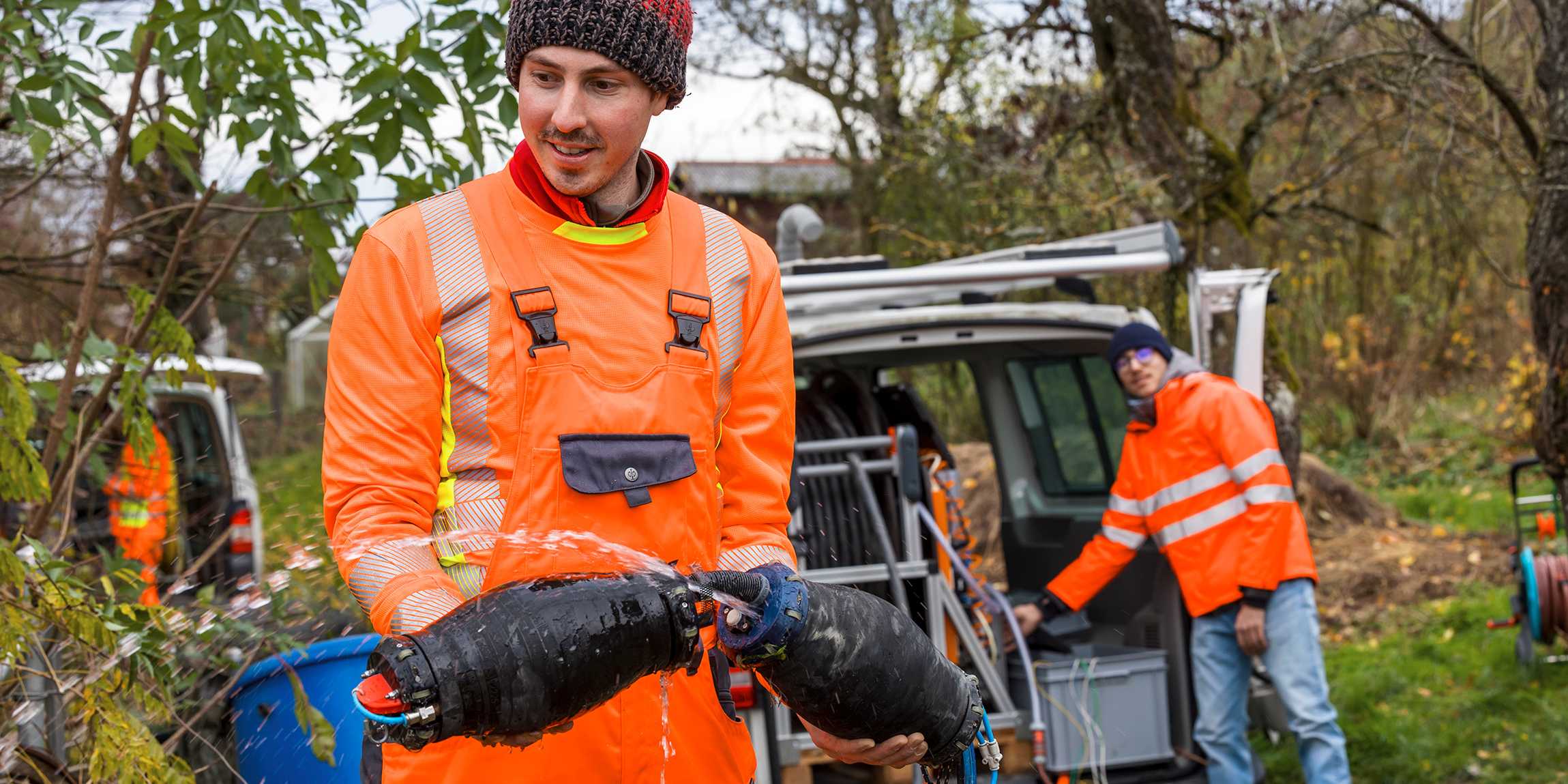
    The method has already been successfully tested, including on a 200 metre-long retaining wall in Zurich-Höngg. The principle is a probe that is inserted into the drainage pipe and fixed in place with inflatable seals. The system then directs water into the measuring area, creating a conductive connection between the electrodes of the probe and the steel in the concrete. Based on the recorded electrical signals, the team can recognise whether and to what extent corrosion is present.

    A new measurement is taken every 25 centimetres to record the condition of the entire section of wall. “This allows us to specifically identify those areas that actually pose a risk,” says Bircher. “This not only saves time, but also high costs for unnecessary interventions.”

    50 years after the construction boom – the need for renovation is growing
    Many of the reinforced concrete structures affected today date from the boom period between 1960 and 1980. Retaining walls from the 1970s in particular often contain cavities that favour corrosion. Previously, damage had to be identified by means of time-consuming spot checks, with a high risk of overlooking critical areas. The new method offers a comprehensive and reliable analysis for the first time.

    From research to start-up Talpa-Inspection
    The technology has such great potential that Bircher founds the start-up Talpa-Inspection together with two colleagues. The name “Talpa”, Latin for “mole”, symbolises the innovative way of making deeply hidden damage visible. Supported by an ETH Pioneer Fellowship, the team is further developing the technology and preparing to enter the market.

    Future prospects, automation and scaling
    The measurement is currently still partly manual, but the team is already working on an automated version. The aim is to make the probe more robust and further accelerate the measurement process. Demand is high. In Switzerland alone, there are over 1,000 kilometres of potentially affected reinforced concrete structures.

    “Our method offers a real opportunity to extend the service life of existing structures,” says Bircher. “We hope that it will soon establish itself as a standard procedure for structural diagnostics.”

  • Strengthening Europe’s innovation financing

    Strengthening Europe’s innovation financing

    Technology start-ups are crucial for the progress of disruptive innovations. However, financial hurdles are hampering their growth, as a new study by the EPO makes clear. A comparison with the USA shows that there is a lack of private capital in Europe, particularly in the later financing phases. This forces many innovative companies to look outside Europe for investors.

    A new evaluation system
    With the TIS, the EPO has developed a precise indicator to evaluate the specialisation of investors in patented technologies. The TIS is based on over 1000 individual values and indicates the proportion of patent-active companies in an investor’s portfolio. This enables start-ups to search specifically for investors who are particularly innovation-friendly.

    Public investors as a central pillar
    The study shows that public institutions play a key role in promoting innovation. Programmes such as the European Innovation Council, national funding agencies such as Innosuisse or Bpifrance and the European Investment Bank offer essential support in the early financing phases. However, there is a lack of seamless follow-up financing from private investors, which makes it difficult to scale up innovative technologies.

    A comparison of European and US financing models
    While 62% of private investors in Europe focus on early-stage financing, the proportion is significantly higher among the 100 largest US investors with a later-stage financing focus. 98 of the top 100 investors in the US are private, over half of whom specialise in growth financing. These differences illustrate the gap in the European capital structure.

    New digital tools for finding investors
    The EPO is expanding its digital tools to make it easier for start-ups to access capital. A filter has been added to the Deep Tech Finder that allows investors to be found specifically according to financing phase, location and technology field. This enables start-ups to efficiently identify suitable investors and improve their financing opportunities.

    Paths to a stronger innovation ecosystem
    The study emphasises the need for action to improve the networking of public and private innovation financing in Europe. With new digital tools such as the TIS and the Deep Tech Finder, the EPO is providing decisive impetus to close the financing gap and keep start-ups in the European market in the long term.

  • Smart City Strategy Zug

    Smart City Strategy Zug

    The challenges of urban growth, from the climate crisis to transport logistics and urban densification, call for holistic approaches. Zug is focusing on digitalisation as a key strategy. With its strong technological basis and the active involvement of all urban stakeholders, the Smart City Strategy Zug offers innovative answers to the questions of the future.

    Intelligent administration and citizen-centred services
    The city of Zug is striving for an efficient, citizen-centred administration that facilitates access to services and promotes transparency. Digital technologies, such as open data and smart administrative processes, offer citizens access to municipal services regardless of time and place. This customer-friendly approach strengthens the dialogue between the city and the population and makes Zug a pioneer for modern city administration.

    Strengthening social participation and digital skills
    With its smart city strategy, Zug is creating new platforms for the participation of all social groups. Digital channels expand dialogue and promote the right to have a say, especially for younger generations and less mobile people. Educational programmes are designed to improve the digital skills of both the population and the administration and prepare the people of Zug for the opportunities and challenges of the digital transformation.

    Smart mobility for sustainable mobility and quality of life
    Smart mobility is a central pillar of the strategy. Innovative technologies and alternative forms of transport are intended to reduce commuter traffic, cut emissions and improve the quality of life. Zug is focussing on real-time data, intermodal mobility and the expansion of emission-free modes of transport. The goal: clean, safe and sustainable mobility that enriches city life.

    Innovative business location
    With its dynamic start-up scene and innovative sectors such as fintech and blockchain, Zug creates an attractive environment for high-tech companies and qualified specialists. The Smart City strategy strengthens the location’s profile and connects companies that are committed to a sustainable economy and circular processes. In this way, Zug is not only positioned for the future as a place to live, but also as a business location.

    Sustainability and environmental protection through smart technologies
    Promoting energy efficiency and CO2 reduction is a key objective of the strategy. Digital applications such as “smart metering” enable a transparent presentation of energy consumption and promote the conscious use of resources. The city is focussing on the expansion of renewable energies and the intelligent use of existing infrastructure – a clear commitment to climate protection and sustainable urban development.

  • Smart City Winterthur 2030

    Smart City Winterthur 2030

    Since the first smart city strategy in 2018, Winterthur has established itself as one of the most progressive cities in Switzerland. At that time, the focus was on quality of life and resource efficiency, supplemented by topics such as energy, mobility, education and health. With the revision of the strategy towards Smart City Winterthur 2030, the City Council is now focussing on new cross-cutting topics such as innovation, needs orientation and co-creation. These topics are crucial to meeting the requirements of a changing society.

    Two programmes are driving implementation
    The new strategy is being implemented through two programmes, the Innovation Programme and WinLab. The innovation programme supports employees of the city administration in the development and implementation of innovative projects. The aim is to strengthen the culture of innovation within the administration.

    The WinLab, on the other hand, acts as an urban real-world laboratory in which representatives from business, science, civil society and municipal institutions work together. In this creative space, forward-looking solutions for the city are developed and tested. Both programmes create scope for experimentation and promote sustainable innovations that meet the needs of citizens.

    A strategy for the future
    The Smart City Winterthur 2030 strategy comes into force on 1 January 2025 and is part of the long-term goal of shaping Winterthur as a sustainable and adaptable city. The strategy will be reviewed after five years at the latest to ensure that it continues to meet the needs of the city and its population.

  • Appenzellerland, Winterthur and Zurich honoured with awards

    Appenzellerland, Winterthur and Zurich honoured with awards

    The Smart City Hub Switzerland association has presented its Smart City Hub Awards for innovative approaches to intelligent and sustainable urban solutions for the first time. Seven projects were nominated from a total of 20 submissions, the association, which is made up of representatives from cities and federal service providers, announced in a press release. Of these seven nominees, the Smart Appenzellerland, Generative AI Assistance for Winterthur and Zuri Accessible CiTy (ZuriACT) projects have now been honoured in the Newcomer, Innovation and Smart Citizen Services categories.

    The organisation Verein Smartes Appenzellerland(VSAL) was the winner in the Newcomer category. Its project promotes digital transformation in Appenzellerland. The press release emphasised the development of a platform for the Internet of Things and educational initiatives in mathematics, IT, science and technology.

    The prize in the Innovation category went to the city of Winterthur. In the Generative AI Assistance project, it is testing the use of artificial intelligence in practical applications that are accompanied by training and ethical reflection.

    TheCity and University of Zurich were honoured with the award for Citizen Services. Their Zuri Accessible CiTy (ZüriACT) project aims to improve accessibility in Zurich using digital tools and better data. Innovative technologies are used to simplify accessibility data in collaboration with those affected.

  • New projects for decarbonisation of the gas industry to start in 2025

    New projects for decarbonisation of the gas industry to start in 2025

    EPFL and the French-speaking Swiss gas supplier Gaznat have signed a framework agreement to expand their collaboration, according to a press release. This provides for three calls for tenders for research and development projects that can make a significant contribution to a clean gas supply. The first call is scheduled for early 2025.

    The winning projects will be selected by a scientific advisory board consisting of four representatives from both sides. These include Gaznat CEO Gilles Verdan, Wendy Lee Queen and Yasmine Calisesi from the EPFL Energy Centre and EPFL Vice President Edouard Bugnion. A programme manager will coordinate the tenders and support the selected projects.

    EPFL and Gaznat have already jointly financed 17 projects in three calls for proposals. Gaznat opened its innovation lab in Aigle in 2023.

    Gaznat, based in Lausanne, procures and transports gas for partner companies in western Switzerland. The company aims to make its supply climate-neutral by 2050. “Thanks to our research and development collaboration with EPFL, we are getting closer to our goal of climate neutrality and can decarbonise our industry,” Gaznat Chairman of the Board of Directors René Bautz and CEO Gilles Verdan are quoted as saying in the press release.

  • Increasing value through global presence and technological innovation

    Increasing value through global presence and technological innovation

    Siemens Smart Infrastructure raises the bar. The Zug-based Siemens business unit increased its revenue by an average of 11 per cent annually between 2020 and 2024, Siemens announced in a press release. A record operating result margin of 17.3 per cent was achieved in 2024. This is well above the medium-term target of 11 to 16 per cent set in 2021.

    In the coming years, the company is aiming for sales growth of 6 to 9 per cent and an earnings margin of 17 to 18 per cent. “We have set ourselves ambitious targets and achieved them,” said Matthias Rebellius, member of the Managing Board of Siemens AG and CEO of Smart Infrastructure, in the press release. “Now we are raising the bar even higher to reach the next level of value creation.”

    In the coming years, SI intends to strengthen its global presence and expand local capacities. At the same time, it plans to promote talent in high-growth markets such as India and the USA. Both should lead to scalable results in SI’s established end markets, such as data centres, healthcare and energy utilities. The company expects the market it addresses to grow by 5 to 6 per cent annually in the medium term. According to the press release, SI has realised “above-market growth in all areas”.

  • Zug Economic Area – Facts and Figures Zug

    Zug Economic Area – Facts and Figures Zug

    Located within the Greater Zurich Area (GZA), Zug is one of the world’s leading economic regions. The location boasts an excellent infrastructure, great potential for young talent and political and economic stability.

    Both the municipalities and the canton of Zug are constantly evolving and adapting to the requirements. With innovative projects, such as a bypass to relieve congestion in the centre of Cham, lake water that will regulate the temperature in the houses in residential areas in the future and exciting projects, such as the Association for Decarbonisation or the Climate Charter Zug, the canton is shaping a modern image with ambition.

    Numerous areas of historical significance are being renovated and converted to create attractive mixed-use developments comprising residential, work and commercial space.

    As a result, Zug remains a canton worth living in, which is also reflected in a high level of life satisfaction.

    Zug is not only appreciated by its 133,000 residents, numerous independent ratings and studies also confirm Zug’s outstanding position. For example, Zug has been ranked first among the Swiss cantons in the Credit Suisse and UBS rankings for 24 years. The basic principles of business friendliness, service orientation and a culture of innovation make the canton of Zug an ideal partner for companies, educational institutions and research institutes.

    Testimonials

    Andreas Klopp
    General Manager Roche Diagnostics International AG

    “Rotkreuz is located in the Zurich-Zug life sciences cluster and offers ideal conditions for driving innovation thanks to its excellent infrastructure and high quality of life. For over 50 years, Roche in Rotkreuz has been contributing to the health of patients worldwide with diagnostic solutions.”

    Dr Katja Buller
    Vice President, Head of Corporate Affairs International, Biogen

    “Local and international specialists,
    “Local and international specialists, a multi-layered infrastructure and professional cooperation with the authorities have made the canton of Zug the ideal location for our international headquarters for more than 20 years”

    Katharina Gasser
    President of the Zug Chamber of Commerce

    “Our members appreciate the business-friendly conditions in the dynamic and innovative Canton of Zug. The authorities are service-orientated, make decisions quickly and work efficiently; the unique “spirit of Zug” is palpable.”

    Hanspeter Rhyner
    Chairman of the Executive Board, Zuger Kantonalbank

    “Zuger Kantonalbank combines tradition and modernity. This is precisely the DNA of the attractive location of the Canton of Zug. Digital AND personal –
    this is how we meet the needs of our customers in line with this DNA. And we can fulfil all needs and accompany you through life.”

  • Reinforcement for Real Estate Award AG

    Reinforcement for Real Estate Award AG

    2024 was a milestone for Real Estate Award AG. A successful rebranding, the newly formed jury and strong event partnerships ensured a positive response. The Real Estate Award in October 2024 was very well received and underlines the platform’s strong position within the construction and property industry.

    Mara Schlumpf, Managing Director of Real Estate Award AG, is satisfied: “It was a fast and great year in which we were able to substantially develop the award. I am proud of this achievement.”

    Tim Caspar brings a breath of fresh air to the team
    In order to continue on this successful path, Tim Caspar will join Real Estate Award AG as Deputy Managing Director from January 2025. Tim Caspar currently works as a freelance videographer and has already realised several projects for the award in the past.

    “We are delighted to have Tim Caspar on board as a team player who, with his background in social media marketing and videography, will open up many new opportunities for the Real Estate Award in terms of visibility. Not least our applicants and event partners will benefit from this,” says Mara Schlumpf. “The fact that Tim already knows the processes and values of the award from our previous collaboration is a big bonus.”

    Real Estate Award 2025
    The next Real Estate Award will take place on 2 October 2025 at Trafo Baden. The application phase is already open. Companies from the Swiss construction and property industry can now submit their projects for the next edition. With Tim Caspar as Deputy Managing Director, Real Estate Award AG is sending a clear signal in favour of innovation and growth. The award remains an important platform for recognising and highlighting outstanding achievements in the sector.

  • Innovation award for sliding solutions in the Zurich economic area

    Innovation award for sliding solutions in the Zurich economic area

    Hawa Sliding Solutions, based in Mettmenstetten, is the winner of the Prix SVC Wirtschaftsraum Zürich 2024 organised by the Swiss Venture Club(SVC) in Gümligen. An independent, regional jury of experts selected the global provider of sliding solutions from five finalists, according to a press release.

    Second and third place went to Schneider Umweltservice from Meilen and RepRisk from Zurich. LUZI from Dietlikon (4th place) and Hauenstein AG from Rafz (5th place) also reached the final.

    Jury president Christopher Blaufelder, Partner at McKinsey & Company Switzerland, recognised the quality and innovative strength of Hawa Sliding Solutions. “It shows that sliding doors are far more than just practical building elements. They make entire room sections invisible, transform them into design elements and combine functionality with aesthetics at the highest level,” he is quoted as saying in the press release.

    According to the family-run company, 240 employees at two locations create sliding solutions for furniture, doors, partition walls and façades. “Our solutions inspire architects, designers and fabricators to come up with ideas that they successfully realise together with us.”

    The Swiss Venture Club has awarded the regional SME prize for the ninth time. According to the independent association for the promotion and support of Swiss SMEs, the award is based on various criteria such as innovative products, services, corporate culture, quality of employees and management as well as a sustainable track record.

  • Launch of the EU research project TIMBERHAUS to promote timber construction

    Launch of the EU research project TIMBERHAUS to promote timber construction

    The European research project TIMBERHAUS was launched in Copenhagen at the beginning of November, Empa announced in a press release. It is one of 19 partners from a total of ten countries taking part in the project, which is funded by the EU and the State Secretariat for Education, Research and Innovation and aims to promote timber construction in Europe. Within four years, innovative timber construction technologies and structures are to be developed with which CO2 emissions in the construction sector can be significantly reduced.

    According to Empa, the construction sector is responsible for 40 per cent of global CO2 emissions. The use of wood could help here. Currently, however, European forest resources, half of which consist of hardwood, are only utilised “very inefficiently” and limited to a few types of softwood for construction, explains project coordinator Anders Kjellow from the Danish Technological Institute. “With TIMBERHAUS, we are trying to overcome this challenge in order to increase the sustainable use of wood in construction.”

    Empa is contributing to the project with innovative prototypes created using digital tools such as machine learning and artificial intelligence. “The prototypes will serve as practical examples of how we can effectively utilise a wider range of wood resources,” Empa researcher Mark Schubert is quoted as saying in the press release. “Our goal is to provide the construction sector with viable and efficient products that meet current building standards while promoting the principles of the circular economy and supporting European climate goals.”

  • DroneHub in NEST

    DroneHub in NEST

    The “DroneHub” at Empa’s NEST provides a platform for the development of pioneering technologies that revolutionise the interaction of drones and robots with the natural and built environment. The focus is on drones that can perform autonomous tasks such as inspections, repairs and data collection. The aim is to reduce environmental pollution and promote climate protection.

    Research at the cutting edge
    The “DroneHub” has three central test environments that simulate real-life conditions. Additive manufacturing from the air enables drones to carry out infrastructure repairs in a vertical area with 3D printing from the air, defying wind and weather. In the biosphere, researchers are testing robots that move around in nature, collect data and use biodegradable materials that decompose after use. In building façades, a modular façade serves as a testing ground to explore how drones can be integrated into buildings to ensure maintenance and safety.

    Autonomous systems as an environmental immune system
    “Our vision is to establish drones as a kind of immune system for the environment,” explains Mirko Kovac, head of the project. These robots are designed to perform precise tasks, such as repairing buildings or monitoring ecosystems, while minimising both costs and risks.

    Collaboration for sustainable solutions
    The development of the “DroneHub” was initiated by Empa in collaboration with Imperial College London. This collaboration enables the exchange of knowledge and technologies to effectively tackle global environmental challenges.

    Sustainable technologies for global goals
    The “DroneHub” plays a key role in the development of autonomous, sustainable technologies that can contribute to global climate goals. Practical tests and interdisciplinary approaches create an interface between technology, the environment and everyday life.

  • Over 200 projects selected for more sustainability

    Over 200 projects selected for more sustainability

    In its second funding round, the Swiss Climate Foundation has selected a further six climate-innovative projects and technologies for funding. This means that more than 200 grants have already been awarded since the foundation was established in 2008, the foundation announced in a press release. “It’s great to see the sophisticated projects with which the individual SMEs together generate an enormously positive impact on climate protection,” said Foundation President Thomas Hügli.

    The projects recognised in the second funding round cover a wide range of topics. Laborex from Mendrisio TI, for example, is being funded for its mini biogas power plant, which generates energy from livestock biomass. Digit Soil from Adliswil ZH is also active in the field of agriculture. The spin-off from the Swiss Federal Institute of Technology in Zurich is working on a digital individual fertiliser planner.

    Two other subsidised projects are in the field of recycling. WasteFlow from Lausanne uses intelligent sensors to optimise recycling rates. Grensol from Thalwil ZH, on the other hand, is working on a method for recovering recyclable raw materials from plastic waste from cars and household appliances.

    Mycrobez is being promoted for its alternative to petroleum-based foams. The Basel-based company produces natural foam from mushroom roots and locally sourced biological side streams. Lumatics aims to reduce CO2 emissions in the construction industry by optimising cement production. The four-step programme of the young company from Brugg AG saves on fuels and raw materials.

  • New solutions for hinged and folding-sliding doors

    New solutions for hinged and folding-sliding doors

    Hawa Sliding Solutions has expanded its range with a new generation of fittings for swing and folding sliding doors. The new Hawa Concepta III turn-and-slide fitting extends the wide range of variants of the Hawa Folding Concepta III, explains the Mettmenstetten-based company, which specialises in sliding solutions for rooms, furniture and façades, in a press release. When closed, the hinged and folding sliding doors from Hawa look like a wall. With Hawa Concepta III, they can be rotated by 90 degrees, folded and inserted into a recess at the side.

    They can be opened and closed using a handle or a few touch points. “Everyone will get it right from the start,” explains Matthias Rothbrust from the Hawa innovation team in the press release. The doors are guided into and out of the side recesses without play using magnets.

    Hawa also acquired the Barcelona-based Klein Group in mid-October. The internationally active specialist for sliding solutions will strengthen Hawa’s portfolio and market position, Hawa writes in a corresponding press release. Klein’s locations and brands will also be retained under the Hawa umbrella.

    Hawa Sliding Solutions is one of five companies nominated for this year’s Prix SVC Wirtschaftsraum Zürich. The prize from the Swiss Venture Club(SVC) honours innovative companies in the region for outstanding achievements with great economic potential. It will be awarded on 26 November.

  • Future for the metropolitan area Strategy 2027

    Future for the metropolitan area Strategy 2027

    The MKZ focuses on further expanding Zurich’s innovative strength and attractiveness as a business location. Platforms are designed to promote the exchange of knowledge, while targeted projects and legislative initiatives create a positive climate for innovation. This is how the MKZ responds to challenges such as climate change and geopolitical uncertainties.

    Promoting education and research
    Zurich should retain its leading position in education and research. A mission statement will bring the various players in the metropolitan area closer together. At the same time, the MKZ is promoting digitalisation in the administration in order to position the location nationally and internationally for the future.

    Rethinking the use of resources and mobility
    New working models such as working from home and flexworking are seen as an opportunity to improve the work-life balance and organise the use of space more efficiently. Pilot projects should clarify how to deal with limited land resources in the growing Zurich area.

    Strengthening social cohesion
    The MKZ is committed to equal opportunities and participation. Integration projects, social mixing and anti-discrimination initiatives are intended to promote cohesion in society and strengthen trust in political institutions.

    Platform, advocacy organisation, innovation laboratory
    The MKZ has three strategic roles. It is a platform for dialogue, an advocacy group for common concerns and an innovation laboratory for new approaches. These roles make it possible to involve members and external stakeholders and create synergies.

    Organisational implementation
    The strategy is divided into fields of action, which are operationalised through concrete mediation and action goals. Expert groups contribute the necessary knowledge to effectively implement the strategic objectives.

    The Zurich Metropolitan Conference’s Strategy 2027 provides a clear framework for promoting innovation, sustainability and social cohesion in the metropolitan area. Through targeted activities and collaborations, the MKZ contributes to the positive development of the Zurich economic and living environment.