Tag: Mobilität

  • Renovation of the airport runway takes place during ongoing flight operations

    Renovation of the airport runway takes place during ongoing flight operations

    Walo Bertschinger AG, based in Dietikon, is participating in the renovation of the main runway at EuroAirport Basel-Mulhouse together with its partner TRBA from Péruwelz in Belgium. The large-scale project involves the dismantling and restoration of parts of the runway, according to a Facebook post.

    The work is being carried out at high intensity. Within 29 hours, 38,000 square metres of runway were dismantled. Over 15,000 cubic metres of concrete had to be demolished and replaced. At the same time, 500 people are working on the project at peak times. The work is being carried out in parallel with flight operations on the secondary runway 07/25. According to the airport, flight movements with larger A319 and A320 aircraft, which normally use the main runway, will also take place there. Work has been underway since 15 April and will continue until 20 May 2026, with the new runway due to reopen on 21 May.

  • Five mobility trends are driving the real estate industry

    Five mobility trends are driving the real estate industry

    Parking was a marginal topic for a long time. Today, it is seen as the key to optimizing the value of properties. This is because outdoor spaces, once pure infrastructure, are becoming strategic earnings factors thanks to digital technology. “Parking space is no longer a necessary evil, but an integral part of the value chain,” says Jakob Bodenmüller, CEO of Wemolo. His company operates over 3,500 locations across Europe with 2.5 million parking transactions every day and sees an industry that is reinventing itself.

    1.Free-flow technology, the farewell to the barrier
    Cameras instead of barriers with license plate recognition enable parking management without physical barriers, ticket loss or maintenance costs. User vehicles are digitally identified and authorized users park automatically. This reduces operating costs by up to 60 percent while improving the customer experience.

    Mixed-use districts benefit in particular. Retailers, service providers and residents can manage spaces as required, for example on a time-limited or quota-based basis. Third-party parkers are automatically recognized and sanctioned. According to Wemolo, their share drops by up to 85 percent within the first few months.

    2.Shared parking – new sources of revenue through cooperation
    What is a supermarket during the day can become a residential area at night. Shared parking uses free time slots in private spaces and opens them up to third parties in a controlled manner. Supermarkets, office buildings or retail parks can generate additional revenue of up to 80 euros per parking space per month without any structural investment.

    The model is a liberating blow for cities. Around a third of inner-city traffic is caused by the search for a parking space. If private parking space can be managed digitally, traffic volumes can be reduced and space efficiency increased. “We orchestrate instead of opening up and control always remains with the operator,” emphasizes Dominic Winkler

    3.E-mobility as a business model
    Charging points are not only a regulatory obligation, but also a revenue driver. Those who charge stay longer, a measurable advantage for retailers. Studies show that every additional minute of charging extends the length of stay and increases sales by over one percent.

    By linking e-mobility and smart parking, charging infrastructure can be dynamically controlled, priced or offered as a premium service. Integration into the parking management system significantly reduces costs and at the same time boosts the ESG performance of a property.

    4.Parking Intelligence uses data as a management tool
    Parking data becomes corporate intelligence. Automatically recorded key figures provide information on occupancy, dwell time, customer frequency and seasonal patterns. Facility and asset managers can use this information to adapt rental models, optimize personnel planning or develop targeted marketing strategies.

    For the first time, Parking Intelligence creates a data-based foundation for location decisions. This turns parking space into a mirror of actual asset performance, making it measurable, comparable and controllable.

    5.AI space monitoring, from parking space to portfolio sensor
    The next stage of digitalization lies above the asphalt. 360-degree cameras and AI analytics monitor outdoor areas in real time, detect garbage, vandalism or snow and automatically report service tickets to facility managers.

    This drastically reduces monitoring costs, maintenance contracts are evaluated objectively and standards can be managed centrally. This is a particular advantage for portfolios with hundreds of locations. The first operators are already testing how monitoring data can also be used to optimize locations.

    Parking space as a new asset
    The future of the real estate industry no longer lies just in buildings, but in front of them. Expo Real 2025 showed that thinking digitally about parking space changes the business model of a property.

    “The challenge is not to be aware of trends, but to implement them,” says Bodenmüller. Parking management is becoming the interface between mobility, ESG and value creation. A dynamic market in which standing still is finally a thing of the past.

  • Autonomous shuttle buses reach new test phase at the airport

    Autonomous shuttle buses reach new test phase at the airport

    The pilot project for autonomous shuttle buses at Zurich Airport has entered a new phase. According to a press release, the project has reached automation level 3. This means that airport employees can use the buses for their commute between the airport head (Gate 101) and the maintenance depot (Gate 130). There are security drivers on board the buses who can intervene in the event of a problem. So far, the buses have travelled without passengers in an initial test phase.

    The current success is due to the co-operation between several airport departments and the technology partner WeRide. Preparations included setting up a new IT infrastructure, hundreds of test drives and a large number of technical checks. In addition to training, regulatory requirements and technical processes were also optimised.

    In a further phase, journeys are carried out without a safety driver using a remote cockpit. If these journeys without passengers are successful, the buses could then also drive autonomously without a driver. “We assume that we will be able to carry out the first tests with remote monitoring and without a safety driver by the end of the year at the earliest,” says Raphaël Glaesener, Senior Innovation Manager at Flughafen Zürich AG, in the press release. If successful, Zurich Airport would be the first in Europe with autonomous driving on its premises.

  • Digitised road network for the district of Horgen

    Digitised road network for the district of Horgen

    From mid-July 2025, iNovitas from Baden will be mapping the streets in the district of Horgen. The company is creating a three-dimensional digital image of the public road network, according to a press release. The data obtained from the model is intended to form a basis for the areas of administration, utilities management and planning. The digital image reduces the time and effort required for inspection trips and inspections and should therefore provide an efficient organisation for maintenance and planning directly from the office.

    The municipal and cantonal roads of Adliswil, Kilchberg, Langnau am Albis, Rüschlikon, Thalwil and Oberrieden will be digitised. The municipality of Horgen had already commissioned iNovitas to carry out this work at an earlier stage. The data is recorded exclusively on public roads. According to the press release, people and number plates are anonymised, thereby protecting personal rights. The captured image and geodata is provided via the web-based infra3D platform and is only available to authorised specialists or administrative bodies with the appropriate authorisation.

  • Schlieren station shines in new splendor

    Schlieren station shines in new splendor

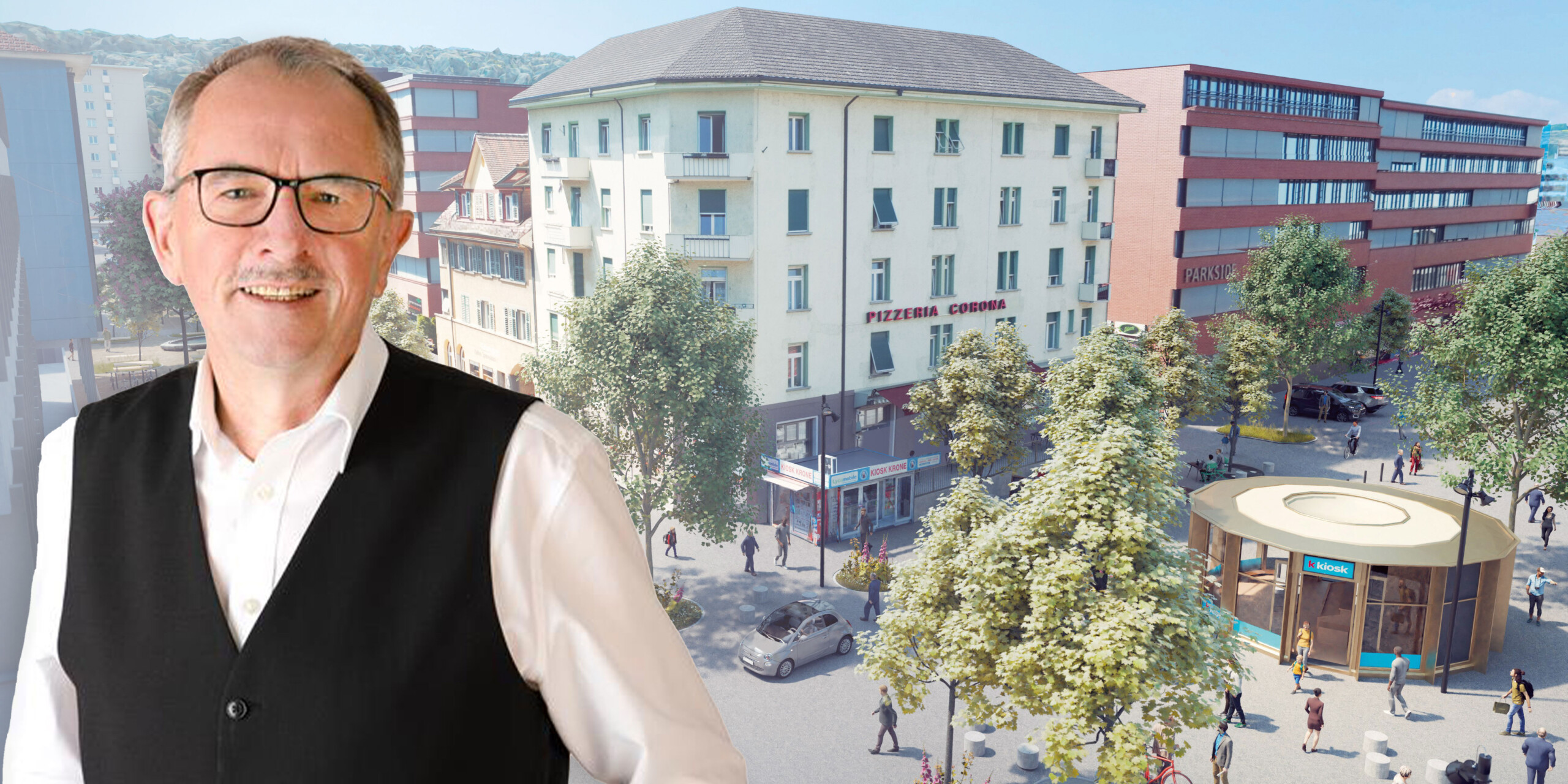
    The station square in Schlieren has been transformed into a modern meeting zone that creates space for recreation, encounters and visible mobility. In the center is a spacious square with a striking tree as a green landmark. In front of the city library, a fountain with benches invites people to linger, and new recreational areas have also been created by the SBB West underpass and in front of the restaurants.

    A central element is the clear right of way for pedestrians through the meeting zone. Sidewalks have become superfluous and the entire space belongs to public life. Almost 70 new bicycle parking spaces also encourage people to switch from bicycles to public transport.

    Green spaces for the urban climate
    An innovative approach to climate adaptation was chosen with the implementation of the sponge city principle. 1,200 m² were unsealed to allow rainwater to seep away better. Newly planted trees and around 500 m² of additional green space provide shade and evaporation for cooling, especially on hot summer days.

    The planting is not only ecologically valuable, but also aesthetically pleasing. The cityscape looks livelier and more inviting.

    Grand opening for the public
    The new meeting zone will be inaugurated with a two-day celebration on Friday and Saturday, June 20 and 21, 2025. The event will kick off with an official speech by City Councillor Stefano Kunz on Friday at 5.00 pm, accompanied by the Harmonie Schlieren band. This will be followed by the street festival with culinary delights and live music, including country artist Tobey Lucas.

    It continues on Saturday from 11.00 am. Local musicians will perform on the stage at Bahnhofsplatz, including the Schlieren music school teachers’ band, Patrick Harbor, the music school choir and Valerù with their band.

    Bahnhofstrasse will be closed to traffic during the festivities. The town belongs to the people this weekend.

    A project with a signal effect
    The pedestrian zone is an example of future-oriented urban development that combines quality of life, climate resilience and mobility. What was initiated by a referendum in 2021 now stands for a new chapter in urban design in Schlieren.

  • Glarus renews public transport

    Glarus renews public transport

    With the total revision of the Public Transport Act (öVG), the canton of Glarus is setting a strategic milestone. The new law comprehensively regulates the organization, planning and financing of public transport. The aim is to create a comprehensive, demand-oriented and legally clear mobility infrastructure that is central to the economic development and attractiveness of Glarus as a business location.

    The previous law from 1996 was no longer up to date. Changes in federal requirements, new regulations on compensation for regional passenger transport and technological developments required a fundamental revision. The Government Council therefore involved the Public Transport Commission at an early stage, whose recommendations have now largely been implemented.

    Clear responsibilities, clear perspectives
    One of the main aims of the revision is to clarify the often unclear responsibilities. All public transport matters are now clearly assigned to a competent authority. In future, the cantonal council will have comprehensive planning and management powers via a new public transport concept, which will serve as a strategic guiding document. The Government Council, in turn, can decide on adjustments within its financial competence. The public transport commission will remain in place as an advisory body.

    In future, the actual ordering of transport services will be the responsibility of the relevant department, which must be guided by the adopted public transport concept. The reorganization creates efficiency, transparency and a modern governance structure.

    Relief for municipalities and investment in mobility
    A fundamental system change concerns financing. The canton will now assume all public transport costs that are not borne by the federal government. This means that co-financing by the municipalities is no longer required, including for local and excursion traffic. This means an annual reduction in the burden on municipal coffers.

    At the same time, an important transport and settlement policy principle will be enshrined in law. All villages in the canton should remain accessible by public transport. In addition, the principle of a half-hourly service is assumed, with the possibility of defining exceptions in the public transport concept depending on the situation.

    Rethinking transport – opportunities for the future
    The new law takes account of changing mobility needs. New technologies, changes in leisure and work behavior and demand are fundamentally changing mobility behavior. Even if such services are not yet legally considered public transport, the new Public Transport Act provides scope for innovative developments and their possible integration into future strategies.

    The will to shape the development of Braunwald is particularly evident. Braunwald should continue to be accessible by funicular. Although this is not yet project approval, the direction has been set – a strong signal for tourism too.

    The law comes into force on January 1, 2026. Glarus is thus opening a new chapter in mobility policy. Clearly structured, sustainably financed and ready for the demands of the future.

  • International platform for spatial planning

    International platform for spatial planning

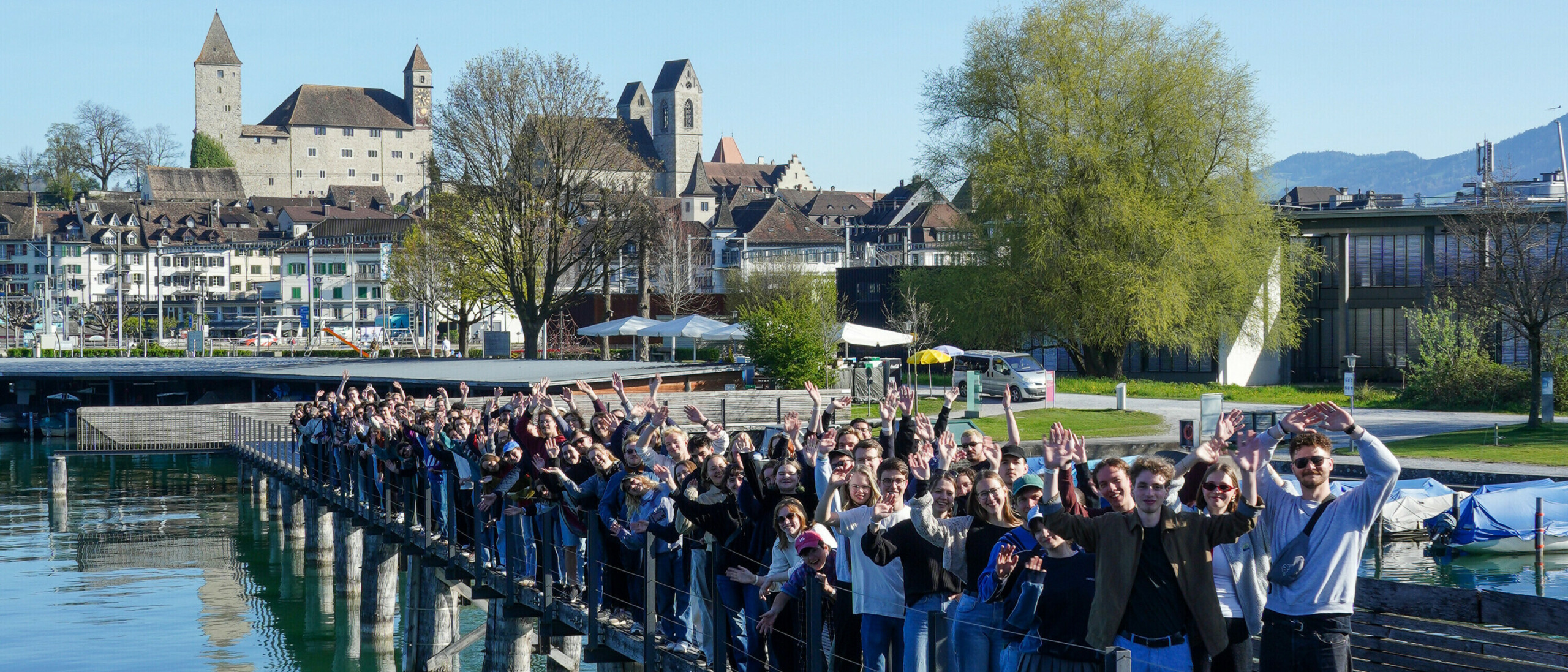
    Under the motto “P:ITte all change ‘Space & Mobility’ integrated”, the Eastern Switzerland University of Applied Sciences hosted its 76th meeting from April 9 to 13, 2025. Around 150 students of urban, transport and spatial planning accepted the invitation to Rapperswil-Jona. The meeting, organized by dedicated Bachelor students, offered a platform for international exchange, networking and professional discussions about the future of spatial and transport planning.

    Professional impetus for the transport turnaround
    The focus was on the question of how mobility can be designed sustainably and dovetailed with urban development in a meaningful way. Using specific examples from the region, the participants examined the Bahnhofstrasse in Rapperswil and the function of transport hubs such as Jona railroad station. The interactive workshops and excursions made it clear that successful spatial planning requires integrated solutions that consider settlement and transportation as a unit.

    Networking across national borders
    The Planners’ Meeting is the most important conference for students of urban and spatial planning in German-speaking countries. Organized on a rotating basis by the student councils, the meeting offers further professional training and valuable international networking. The next meeting will take place at the TH Lübeck and the HCU Hamburg and will continue the discussion on sustainable spatial concepts.

  • Mobile office brings coworking to the countryside and the water

    Mobile office brings coworking to the countryside and the water

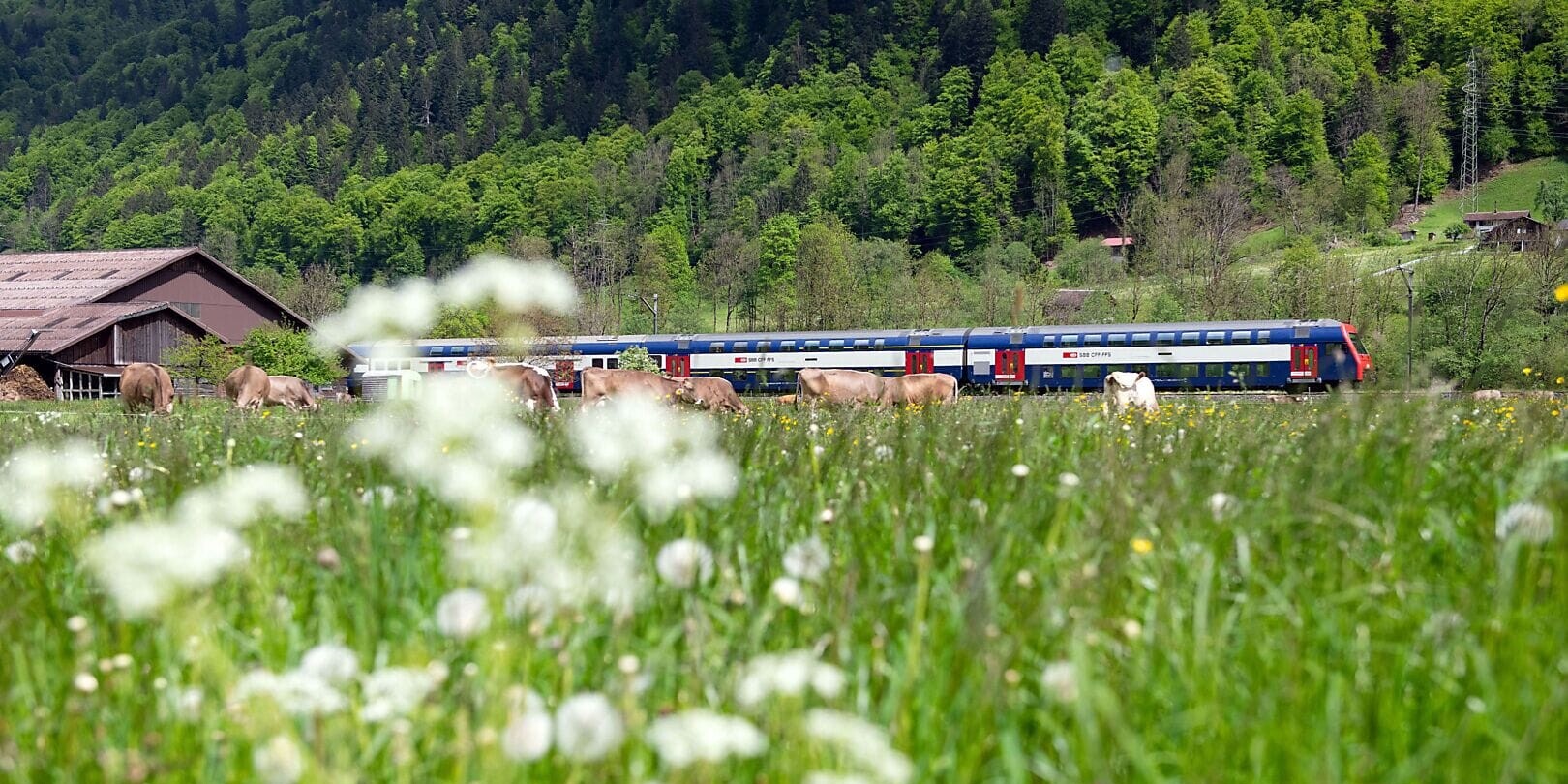
    Coworking provider Westhive from Zurich and AMAG are jointly realising an idea for mobile working in modern vintage double-decker buses, according to a press release. These have been converted into express buses and transformed into mobile workstations with a coffee bar, WLAN and power connections.

    Interested parties can book the mobile office via the Airbnb platform. The innovative offer will initially be available in Switzerland and will later be expanded internationally as part of Airbnb’s “global Live & Work Anywhere programme”.

    “Westhive Express brings the office on wheels – mobile, flexible and everywhere where there was previously no coworking offer,” it says. According to Andreas Widmer, co-founder of Westhive, the form of work stands for “freedom and movement”.

    The Westhive Express bridges the gap between classic mobility and modern working culture with a concept that is reminiscent of outdoor cafés. “In front of the bus, small tables with parasols invite you to take a creative break in the countryside – be it on the lakeshore, at a festival or in a rural community,” it says.

    For Philipp Wetzel, Managing Director AMAG Corporate Development, Innovation & Venture LAB, quoted in the press release, mobility, hospitality and productive work are combined as a “logical development of the digital lifestyle”.

    According to the press release, the first Westhive express bus will soon set off on its maiden voyage. Further mobile units are being planned.

  • Test planning for urban space at Winterthur railway station

    Test planning for urban space at Winterthur railway station

    The city of Winterthur and SBB developed the “Winterthur 2045” railway station expansion concept between 2019 and 2021. A new Vogelsang Nord terminus station was identified as the preferred solution to cope with increasing passenger volumes. At the same time, the platforms of the existing seven through tracks are to be widened.

    With these changes, the urban space around the station must also be rethought. Test planning is to analyse the potential and challenges and develop an overall strategy for the area around the station.

    Testplanning as the basis for a new master plan
    The test planning focuses on the areas of Bahnhofplatz and St. Georgenplatz, Rudolfstrasse and the southern railway station subway. The aim is to develop an overall urban development and transport strategy.

    • Quality of stay and climate adaptation in public spaces
    • Reorganisation of bus stops for better traffic routing
    • Optimisation of pedestrian and bicycle traffic
    • Categorisation of other modes of transport

    The area of the future Vogelsang Nord terminus station is excluded from this planning and will be dealt with separately.

    Involvement of the population and interest groups
    In order to ensure broad acceptance and viability of the solutions, the test planning is accompanied by a participatory process. Around 40 neighbourhood organisations, interest groups, political representatives and landowners will be actively involved in the design and discussion of the interim results.

    An electronic participation portal and participatory events are planned for the wider population. An initial echo chamber was held in February 2024 to clarify the planning brief.


    Starting signal for the new planning in 2025
    The City Council has approved a loan of CHF 780,000 to carry out the test planning. The planning will start in 2025 and is expected to last until 2026. It will form the basis for a new masterplan for the railway station urban space.

    The first masterplan has almost been implemented
    The first masterplan for Winterthur’s main railway station was developed back in 2009. Many measures from this were realised, including the redesign of the bus station with a mushroom roof, the northern pedestrian subway, new bicycle stations and the Neuwiesen traffic concept. The final work on the western side of the station should be completed by summer 2025.

    With the new test planning for the station urban space, Winterthur is now setting the course for the coming decades. The aim is to create a modern, sustainable and functional urban space.

  • Space for the future “An der Aa”

    Space for the future “An der Aa”

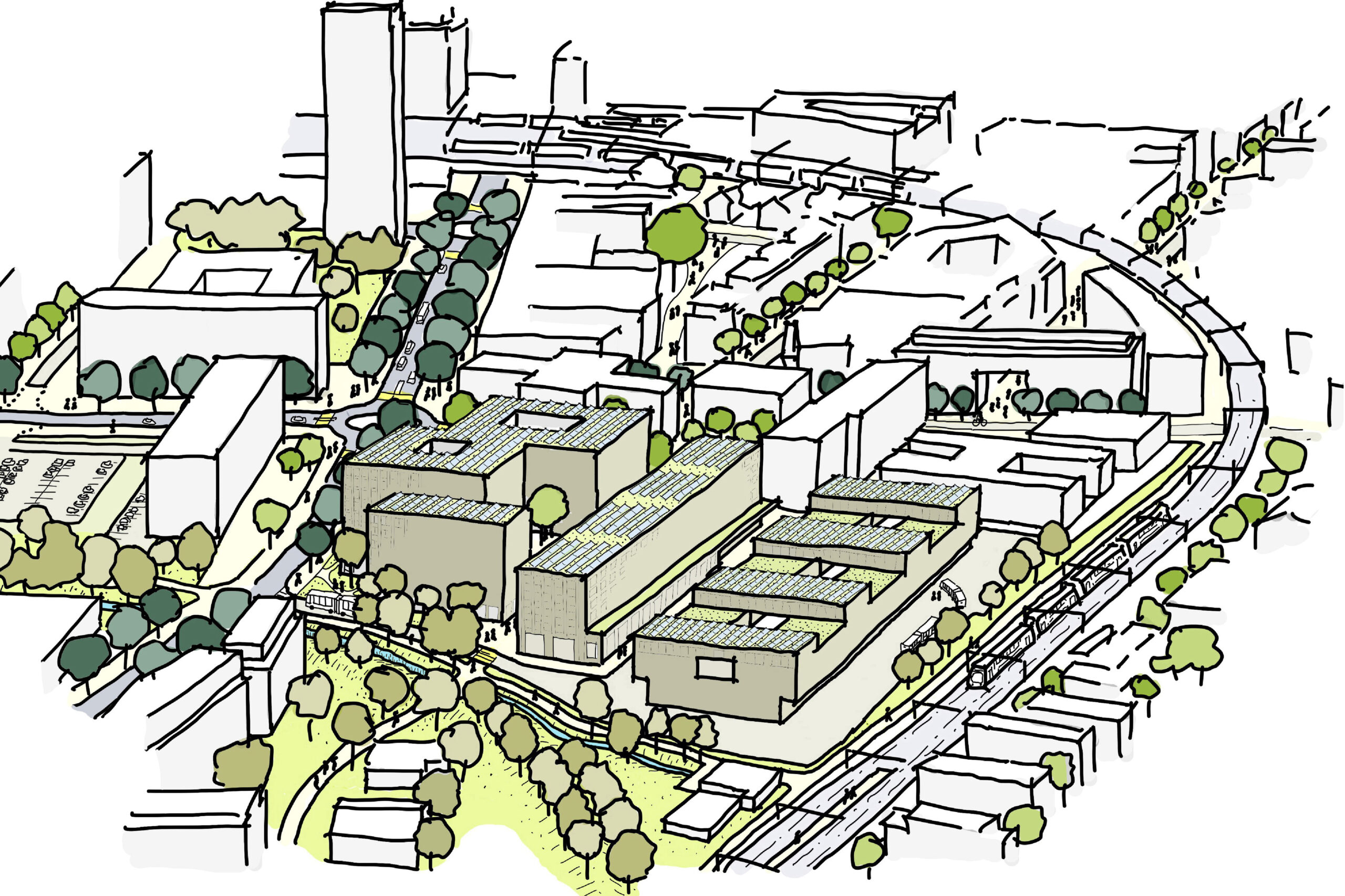
    The “An der Aa” project aims to repurpose and densify the ZVB site. Key elements include increasing the living and working space, a modern infrastructure for public transport and emergency services and opening up the neighbourhood to the local population. Of the planned flats, 40% are to be offered at an affordable price in order to meet the demand for affordable housing in Zug.

    Infrastructure for mobility and emergency services
    In the centre of the new district, a state-of-the-art building will be constructed to house the Zug rescue service and the cantonal administration. The proximity to the new ZVB main base will enable synergies, for example in vehicle maintenance. The new infrastructure will meet the increasing demands of public transport and rescue services and contribute to future-proof mobility.

    Focus on quality of life
    The site is being densified and ecologically upgraded. The Siehbach stream will be uncovered and a barrier-free footpath integrated. Green spaces and public squares will enliven the neighbourhood and provide space for recreation. The Schleifendamm will be secured as a biodiversity-rich oasis for plants and animals and contribute to the quality of life in the neighbourhood.

    Legitimisation and broad support
    Work on the “An der Aa” project has been ongoing for 14 years, involving various stakeholders from politics, administration and the public. With 81.3% approval in March 2024, the people of Zug have given their support to the development plan. Construction is scheduled to begin in 2025 and be completed by 2032. Thanks to this broad support, the neighbourhood will become a flagship for innovative urban development in Zug.

    Future prospects
    The project will change the face of Zug and meet the growing demand for residential and commercial space. The new infrastructure will create capacity for a significantly higher volume of public transport passengers and secure the operation of the emergency services.

  • Smart City Strategy Zug

    Smart City Strategy Zug

    The challenges of urban growth, from the climate crisis to transport logistics and urban densification, call for holistic approaches. Zug is focusing on digitalisation as a key strategy. With its strong technological basis and the active involvement of all urban stakeholders, the Smart City Strategy Zug offers innovative answers to the questions of the future.

    Intelligent administration and citizen-centred services
    The city of Zug is striving for an efficient, citizen-centred administration that facilitates access to services and promotes transparency. Digital technologies, such as open data and smart administrative processes, offer citizens access to municipal services regardless of time and place. This customer-friendly approach strengthens the dialogue between the city and the population and makes Zug a pioneer for modern city administration.

    Strengthening social participation and digital skills
    With its smart city strategy, Zug is creating new platforms for the participation of all social groups. Digital channels expand dialogue and promote the right to have a say, especially for younger generations and less mobile people. Educational programmes are designed to improve the digital skills of both the population and the administration and prepare the people of Zug for the opportunities and challenges of the digital transformation.

    Smart mobility for sustainable mobility and quality of life
    Smart mobility is a central pillar of the strategy. Innovative technologies and alternative forms of transport are intended to reduce commuter traffic, cut emissions and improve the quality of life. Zug is focussing on real-time data, intermodal mobility and the expansion of emission-free modes of transport. The goal: clean, safe and sustainable mobility that enriches city life.

    Innovative business location
    With its dynamic start-up scene and innovative sectors such as fintech and blockchain, Zug creates an attractive environment for high-tech companies and qualified specialists. The Smart City strategy strengthens the location’s profile and connects companies that are committed to a sustainable economy and circular processes. In this way, Zug is not only positioned for the future as a place to live, but also as a business location.

    Sustainability and environmental protection through smart technologies
    Promoting energy efficiency and CO2 reduction is a key objective of the strategy. Digital applications such as “smart metering” enable a transparent presentation of energy consumption and promote the conscious use of resources. The city is focussing on the expansion of renewable energies and the intelligent use of existing infrastructure – a clear commitment to climate protection and sustainable urban development.

  • Findings from the Canton of Zurich’s “Fokus Standort” programme

    Findings from the Canton of Zurich’s “Fokus Standort” programme

    In order to position the canton of Zurich as an attractive business location in the long term, the Department of Economic Affairs is focusing on dialogue and collaboration. Current trends and challenges, including digitalisation, skills shortages and regulatory developments, were analysed at the “Fokus Standort” event.

    The discussion was based on the “Canton of Zurich location trend analysis”, which identified four key influencing factors: artificial intelligence and automation, demographic change, increasing regulatory density and economic uncertainty in relation to the EU.

    Workshops on key location topics
    Challenges and solutions were discussed in depth in four topic-specific workshops.

    Skilled workers: How can the labour market situation be stabilised through a better work-life balance, technological innovations and longer working lives?

    Technology: What role does artificial intelligence play in companies and educational institutions, and how can digital skills be promoted in a targeted manner?

    Regulation: How can companies be relieved in order to ensure competitiveness despite increasing administrative requirements?

    Mobility: What concepts can reduce travelling distances and promote sustainable transport solutions?

    The measures developed are now to be further developed in working groups and translated into concrete recommendations for action.

    Demographic change and labour shortage
    Government Councillor Carmen Walker Späh opened the discussion on demographic change. She emphasised that the rising number of retirees and the low number of new recruits represent a major challenge for the labour market. In addition to a better work-life balance, technological efficiency improvements and longer working lives are key solutions.

    In the concluding panel discussion with leading business and industry representatives, further strategies to combat the labour shortage were discussed. The Canton of Zurich is thus focussing on a constructive exchange in order to make the business location fit for the future.

  • New partnership promotes hydrogen from wood waste

    New partnership promotes hydrogen from wood waste

    H2 Bois has a new minority shareholder. According to a press release, the Vaud-based energy supplier Romande Energie will acquire a 33.7 per cent stake in January 2025. Groupe Corbat, based in Vendlincourt JU and active in the timber industry, will then hold 50.3 per cent and the consulting firm Planair Vision SA, based in La Sagne NE, 16 per cent of the company they founded in 2021.

    H2 Bois plans to build a plant to produce hydrogen from wood waste in 2025 and put it into operation in 2026. The production process also produces biochar, which can permanently store some of the CO2 contained in the wood. When fully operational in 2030, the plant will be able to produce a total of 450 tonnes of clean hydrogen from 14,000 tonnes of wood and wood waste and store 2,500 tonnes of CO2 per year. H2 Bois utilises technology from the French company Haffner Energy.

    The hydrogen is transported to an industrial zone in the village via a 1.5 kilometre long gas pipeline. There it is used by industrial companies and for mobility via a petrol station. The biochar is used in agriculture.

    For Romande Energie, the investment is a step towards a decarbonised western Switzerland. “This investment allows us to participate in a bold project that is a pioneer in Switzerland in the use of an innovative negative emissions technology,” said Jérémie Brillet, responsible for hydrogen at Romande Energie, in the press release.

    Benjamin Corbat, CEO of Groupe Corbat, welcomes Romande Energie’s involvement. “We are looking forward to the start of production, but also to breaking new ground in the local use of wood.”

  • Overall transport concept 2040 for the Baden area

    Overall transport concept 2040 for the Baden area

    Following an intensive planning and participation process from 2022 to 2024, the delegation of authorities has adopted an overall transport concept that aims to sustainably improve mobility in the Baden region. The range of measures with a time horizon of 2040 includes the expansion of public transport with bus priority and optimised junctions.

    For pedestrians and cyclists, the cycle network will be expanded and additional bicycle parking spaces created. In terms of the road network, short-term measures are planned for the eastern bridgehead and improvements along Bruggerstrasse in Baden. At the same time, the upgrading of local thoroughfares and the strengthening of neighbourhoods as a “city of short distances” should promote urban and open spaces. In addition, transport demand is to be better controlled by municipalities and the canton through targeted mobility management. Long-term options for the period after 2040 were also considered.

    In addition to the short-term measures, options for the period after 2040 were also discussed. These include securing routes for important public transport corridors and possible measures for the eastern bridgehead.

    Centre relief as a central component
    The “ZEL long” variant, a road relief option with a bypass around Untersiggenthal, was also decided as a long-term option. The implementation of this variant is to be examined as soon as the impact assessment of the initial measures indicates a need.

    Participation and broad consensus
    The concept was developed in a participatory process that included mobility conferences, online participations and support group meetings. The broad involvement of municipalities, experts and the population led to a consensus-based package of measures that is now to be implemented step by step.

    With the adopted overall transport concept 2040, the Baden region is laying the foundations for sustainable and future-oriented mobility development. The coordinated measures promote public transport, non-motorised traffic and the quality of life of the population and offer a clear perspective for the coming decades.

  • New ultra-thin film for interference-free 5G and 6G

    New ultra-thin film for interference-free 5G and 6G

    With the new film made from a special composite material, KIMS is demonstrating how electromagnetic interference in communication systems can be effectively minimised. The film, which is only 0.5 mm thick, absorbs more than 99% of electromagnetic waves in frequency ranges such as 5G, 6G and WiFi. This shielding technology avoids disruptive reflections and offers unrivalled freedom from interference. An advantage that could further optimise the use of modern communication devices and radar systems.

    Absorption instead of reflection
    Conventional shielding materials often rely on reflection, but this is only partially effective. The new type of film, on the other hand, absorbs electromagnetic waves in a targeted manner and thus ensures a high level of interference immunity. This approach prevents waves from bouncing back and interfering with neighbouring systems. The technology is based on a unique crystal structure and a magnetic composite layer that precisely filters frequencies and ensures maximum absorption.

    Flexible and dimensionally stable for a wide range of applications
    The developed film shows high flexibility and dimensional stability, even after thousands of folds. These properties make it ideal for flexible and portable devices such as smartphones and electronics. It also offers reliable shielding and high durability for roll-up screens and other flexible technologies. The film remains dimensionally stable and functional even in demanding applications. Ideal for use in modern, portable devices.

    Optimisation through carbon nanotubes
    A thin carbon nanotube film on the back of the film further increases the shielding performance. With an absorption coefficient of 99.9%, the film ensures that electromagnetic waves do not penetrate to the outside and that interference in various mobile and autonomous applications is minimised. This innovative combination of materials creates reliable shielding, which is particularly in demand in areas with high sensitivity to electromagnetic interference.

    With its high absorption and flexibility, the new KIMS film offers an ideal solution for minimising interference in modern communication technology. It enables better freedom from interference in 5G and 6G networks and could bring ground-breaking improvements in autonomous systems and portable devices – a promising development for future digital infrastructure.

  • The fireproof future of energy storage

    The fireproof future of energy storage

    The salt battery, an integral part of early electromobility, is a safe and durable storage medium that is convincing in various applications. In contrast to lithium-ion batteries, the salt battery uses a solid, ceramic electrolyte that is neither flammable nor explosive. In Switzerland, Empa researchers are working with industrial partners to further improve the performance and efficiency of this technology.

    Advantages over conventional batteries
    The solid-state architecture and high operating temperature of around 300°C make the salt battery particularly suitable for extreme applications such as tunnelling or offshore installations, where safety is a top priority. Due to its temperature resistance and low-maintenance design, it is also used for the emergency power supply of mobile phone antennas, which have to work reliably for decades even under harsh conditions.

    Economic efficiency and challenges
    One disadvantage of the salt battery is its high operating temperature, which requires a basic consumption of energy. Empa researchers such as Meike Heinz and Enea Svaluto-Ferro are therefore working on cell structures that enable the battery to heat itself during use and thus work more efficiently. Despite the additional energy requirement, the salt battery is considered more economical and stable than many alternatives in certain applications.

    Resource-saving raw materials and recycling systems
    Another advantage is the availability of the required raw materials: Sodium and aluminium are inexpensive and plentiful, making battery production cost-effective and sustainable. Empa’s current research focus is on reducing the nickel content in the cells in order to further reduce the ecological footprint. In future projects, zinc could even replace nickel – an option that could further improve access to sustainable energy storage systems.

    Future prospects
    As research progresses, the salt battery could find its way from specialised fields of application to broad, stationary applications. Its use as a long-lasting and safe storage system for residential areas or neighbourhoods is being seriously considered. It thus offers an innovative alternative to lithium-ion batteries and shows how research at Empa can set the course for the future of energy storage.

  • New charging stations for property funds

    New charging stations for property funds

    The Akara Swiss Diversity Property PK(ADPK) property fund managed by Swiss Prime Site Solutions from Zug invests in existing properties and development and construction projects throughout Switzerland. According to a press release, the fund’s apartment buildings are to be equipped with a new charging concept for electromobility. AEW Energie AG, based in Aarau, has assumed responsibility for the planning and operation of the new charging infrastructure under the contracting model. The on-site installations will be carried out by regional specialist partners, according to the press release. The charging stations will be customised to the various properties and local requirements. The first projects have already been launched.

    “We are proud to have a strong partner at our side in the ADPK fund management, which, like us, recognises and promotes the importance of sustainable mobility solutions,” said Arian Rohs, Head of Mobility Solutions at AEW Energie AG, in the press release. “This cooperation enables us to further expand our commitment to electromobility and make an important contribution to reducing CO2 emissions.”

  • Overall transport concept for the Zurzibiet region adopted

    Overall transport concept for the Zurzibiet region adopted

    The concept aims to ensure a reliable overall transport system and guarantee the accessibility of settlements and businesses. In addition, transport links to neighbouring areas such as Baden and the surrounding area, Brugg-Windisch and the Hochrhein region in southern Germany are to be ensured. Furthermore, traffic routing to main axes and areas outside the settlement area is planned in order to reduce emissions such as noise and air pollutants and to minimise the separating effect of transport infrastructure.

    Strategic thrusts and approaches to measures
    Strategic thrusts and approaches to measures were discussed in three fields of action.

    In the area of mobility management, settlement development should be concentrated in central locations that are well served by public transport. The promotion of combined mobility is a further objective, as is the upgrading of street spaces in urban centres to increase the quality of life as well as pedestrian and bicycle traffic. Car park management also plays an important role in this field of action.

    Comprehensive traffic management is aimed at ensuring reliable journey times and accessibility. This includes stabilising the public transport timetable as well as measures to calm traffic and increase road safety. The organisation of freight transport and logistics is also a central element of traffic management.

    Transport services are to be significantly improved by expanding public transport services, including cross-border bus connections. There are also plans to expand the cycling infrastructure, both within towns and between municipalities and across borders on corridors with great potential. The optimisation of road infrastructure and the design of railway stations as transport hubs are further important measures, as is the replacement of the Rhine crossing.

    Next steps and expected results
    In the first phase of the GVK Zurzigebiet area, comprehensive transport planning will be carried out, taking into account all modes of transport and the predicted settlement development. The results of this phase are expected by the end of 2024. Specific measures for all modes of transport will then be further developed in the second phase.

    The steering committee of the GVK Zurzibiet region comprises representatives of the Canton of Aargau, the Regional Council of Freiburg, German Customs, the Federal Office for Customs and Border Security, the Zurzibiet Regio regional planning association, the Hochrhein-Bodensee regional association, the district of Waldshut, the town of Waldshut-Tiengen and the municipalities of Koblenz, Full-Reuenthal and Leuggern. The GVK support group consists of representatives from numerous municipalities on both sides of the border, including Böttstein, Döttingen, Ehrendingen, Waldshut-Tiengen and Dogern.

  • Emissions from heating oil and gas are falling

    Emissions from heating oil and gas are falling

    In Switzerland, emissions from fuels fell significantly in 2023 compared to the previous year, namely by 8.8 per cent. The different cold winter months were converted to average weather conditions. Compared to 1990, these emissions were 41.7 per cent lower. This is shown in the recently published CO2 statistics for 2023, which are published annually by the Federal Office for the Environment(FOEN).

    According to its press release, this decrease is mainly due to the improved energy efficiency of buildings and the increased use of renewable energies for heating. In particular, gas consumption has fallen significantly for the second year in a row.

    In contrast, CO2 emissions caused by fuels such as petrol and diesel remained the same as in the previous year. Compared to 1990, emissions have fallen by 5.2 per cent. According to the data, the fact that they did not rise again after the pandemic, i.e. after 2022, is partly due to the change in mobility behaviour that began at that time: more working from home and fewer business trips. On the other hand, the FOEN also cites the growing share of electromobility as a reason for this. The share of biogenic fuels in total fuel consumption has risen slightly from 3.4 per cent to 3.6 per cent.

  • New Master’s programme for urban change

    New Master’s programme for urban change

    From the start of the 2025 autumn semester, the School of Architecture, Civil and Environmental Engineering(ENAC) at the Swiss Federal Institute of Technology Lausanne(EPFL) will be offering a Master’s degree in the challenges of urban change. A Master’s degree in Urban Systems will enable ENAC students to become specialists in adapting cities and surrounding areas to climate change, according to a press release from EPFL.

    In view of climate change, Switzerland needs to equip itself with experts in urban management in the broadest sense, according to the EPFL. The new Master’s degree programme has been developed in collaboration with practitioners. It offers graduates of the ENAC Bachelor’s degree programmes in Civil Engineering and Environmental Engineering the opportunity to specialise in the sustainable transformation of cities and surrounding areas. The Master’s programme is also open to other related disciplines, including architecture, provided they submit an application.

    The programme has three specialisations: Mobility and Transport in a Changing Climate, Sustainable Transitions in Urban Systems and Health and Wellbeing in the Urban Environment.

    At the end of the programme, students receive an EPFL Master of Science MSc in Urban Systems. This diploma entitles them to use the title EPF qualified engineer.

  • Canton of Zurich promotes electromobility with over 52,500 parking spaces

    Canton of Zurich promotes electromobility with over 52,500 parking spaces

    Since the introduction of the charging infrastructure funding programme, the canton of Zurich has taken decisive steps towards the electrification of transport. The programme, which runs until the end of 2026 and has a funding pot of CHF 50 million, has already secured over CHF 18 million in funding to equip car parks with charging stations. So far, over 52,500 car parks have been equipped for electric vehicles, which is a significant boost for electromobility in the canton.

    Construction Director Martin Neukom is delighted with the great response: “The strong demand for the funding programme confirms our commitment to a sustainable mobility future. The support makes it easier for many people to switch to electric vehicles and helps to reduce dependency on fossil fuels.”

    The programme not only supports private individuals, but also companies and municipalities. Over 800 applications for funding for fleet parking spaces have already been submitted. In addition, more and more municipalities are utilising the funding opportunities to develop their electric mobility concepts. This includes feasibility studies and location analyses for public charging infrastructure. Some municipalities have already expressed an interest in installing public charging stations in blue zones.

    Carmen Walker Späh, Director of Economic Affairs, emphasises the ecological benefits: “Our funding programme makes a significant contribution to reducing environmental pollution and increasing energy efficiency in the canton. As the transport sector is responsible for around 40 per cent of greenhouse gas emissions in Zurich, this is an important step towards climate-neutral mobility.”

    In view of the high demand, the funding pot could potentially be exhausted before the planned end of 2026. The canton plans to continue to monitor developments closely and provide regular updates on the status of the programme. A detailed presentation of the programme’s results and progress is planned for the second half of 2024.

  • Lucerne and ewl install e-charging stations in two neighbourhoods

    Lucerne and ewl install e-charging stations in two neighbourhoods

    The city of Lucerne and ewl are launching the joint pilot project Green Zones. As part of this project, two car parks on Eichmattstrasse and Bergstrasse within the blue zones will each be marked green and equipped with a charging station including a ground sensor. According to a press release, the construction work will begin on Monday, 8 April 2024 and last around two weeks.

    By 2040, all vehicles that are registered in the city of Lucerne should be powered by electricity or renewable energy. E-charging points in residential neighbourhoods are intended to support this goal. To make charging electric and hybrid vehicles as easy as possible, users can check online whether these parking spaces are free or occupied. The data interface is provided by eCarUp from Rotkreuz ZG. Access is set up and processed by the Lucerne-based ICT service provider arcade solutions.

    The five-year pilot project is being financially supported by the LadenPunkt funding programme and the City of Lucerne’s energy fund. The two partners want to gather experience in Lucerne’s residential neighbourhoods, for example with regard to charging habits and duration of use. The knowledge gained will make it possible to assess whether further car parks should be equipped with charging infrastructure in neighbourhoods in the future.

  • Overall transport concept for Baden and the surrounding area

    Overall transport concept for Baden and the surrounding area

    Im Rahmen des ambitionierten Gesamtverkehrskonzepts für den Raum Baden haben zehn beteiligte Gemeinden einen entscheidenden Schritt vollzogen. Diese Ziele, ausgerichtet bis zum Jahr 2040, zielen darauf ab, die Mobilität im Raum Baden effizienter, umweltschonender und zukunftsfähiger zu gestalten. Zu den Kernpunkten gehören die Förderung einer flächensparenden Mobilität, die Schaffung attraktiver Bedingungen für den Arbeits- und Bildungsverkehr und die Sicherstellung einer stabilen Erreichbarkeit für den Autoverkehr. Die Planungen unterstützen zudem eine Siedlungsentwicklung in gut mit dem öffentlichen Verkehr erschlossenen Gebieten.

    Ein besonderes Augenmerk gilt dem Transit-Schwerverkehr, für welchen spezifische Erfolgskriterien hinzugefügt wurden, um die Siedlungsgebiete zu schonen. Dies folgt einem Antrag der Gemeinde Obersiggenthal, der eine Zunahme des Transitschwerverkehrs verhindern möchte.

    Mit dem Abschluss der ersten beiden Planungsschritte hat die Behördendelegation eine solide Grundlage für die nachfolgenden Fachplanungen geschaffen. Abschließend ist es das Ziel des Kantons Aargau, in Kooperation mit den lokalen Akteuren, ein vorausschauendes und integriertes Mobilitätsangebot zu entwickeln. Die Ergebnisse der GVK-Planung sollen bis 2025 in den kantonalen Richtplan aufgenommen werden, um die Weichen für zukünftige Mobilitätsbedürfnisse rechtzeitig zu stellen.

  • Aargau Verkehr puts the southern section of Aarau station into operation

    Aargau Verkehr puts the southern section of Aarau station into operation

    After a four-year construction period, the new southern section of Aarau railway station is now in operation. According to a press release from Aargau Verkehr AG(AVA), the modern new building offers passengers significantly improved travelling comfort. Among other things, AVA’s head office has moved in here, as has a modern train control centre for the Wynental and Suhrental Railway. Convenient kiss-and-ride parking spaces have been created for travellers on Hintere Bahnhofstrasse, allowing them to get on and off the train quickly. Any rail replacement services that may be required are also better organised with new bus stops.

    The ground floor of the new station building is home to businesses and restaurants. On the upper floors, 62 exclusive 2.5- to 4.5-room flats are available for rent, according to the press release.

    “Our move to the new headquarters at Aarau railway station represents a milestone that not only improves processes and collaboration, but also increases our attractiveness as an employer,” said Dr Severin Rangosch, CEO of Aargau Verkehr, in the press release.

  • Energie 360° gets green light for solar façade

    Energie 360° gets green light for solar façade

    According to a press release,Energie 360° has been given the green light for its planned photovoltaic façade. With this and the planned solar installation on the roof, it will be able to convert its headquarters accordingly. The specialist for sustainable energy and mobility intends to cover around half of its annual electricity requirements itself.

    Construction work began at the end of March 2023. After construction began, the canton of Zurich’s building insurance changed its authorisation policy for photovoltaic façades. Since then, proof has been required that a fire from the solar modules cannot spread over more than two storeys.

    In the absence of a suitable testing facility in Switzerland, two fire tests were carried out at the Leipzig Materials Research and Testing Institute for the Construction Industry(MFPA Leipzig). They made it clear that steel sheets act as horizontal fire barriers between the individual modules. This construction fulfils the test criteria specified by the Association of Cantonal Fire Insurers.

    “Energie 360° will be the first company to realise a PV façade under the new requirements,” CEO Jörg Wild is quoted as saying. “The photovoltaic systems will turn the headquarters in Altstetten into a green power plant.”

  • Limmattal should actively shape its urbanisation

    Limmattal should actively shape its urbanisation

    Urbanist Thomas Sevcik assumes that the region between Schlieren and Turgi will increasingly become a city. In his publication “Limmattalstadt – Impulse für die Region entlang der Limmat” (Limmat Valley City – Impulses for the Region along the Limmat), he proposes to shape this urbanisation “actively and strategically”. “The Limmattal city will come anyway. But we should make it as good as we can,” he writes.

    Among other things, Sevcik proposes so-called neo-areas. These should close gaps between settlement areas. For example, a campus on part of the marshalling yard could offer space for a Hochschule Limmat, a computer centre, but also a congress and entertainment centre. A new residential quarter could be built between Neuenhof and Killwangen, and a future-oriented quarter for new forms of living and working in the Tägerhard to the east of Wettingen. In the Hard in Siggenthal, too, a new district could combine work, living and leisure.

    Sevcik points out that the Limmat has so far had little presence in the region. He suggests upgrading the river landscape in Dietikon to a riviera.

    Economically, the future Limmat Valley city should rely on its strengths in applied technology and design, logistics and trade, as well as medtech and biotech. Mobility in the region should be facilitated by the extension of the Limmattalbahn, the use of the railway line between Dättwil and Wettingen, cable cars and the bicycle network. Sevcik also proposes a take-off site for vertical take-off electric helicopters at the Würenlos motorway service station.

    Sevcik developed the strategy ideas on the initiative of the Limmatstadt Location Promotion Agency and presented them at the general meeting of Limmatstadt AG on 15 August. 20 companies, mainly from the region, supported the project. The publication can be ordered digitally.

  • Landis and swr+ merge

    Landis and swr+ merge

    The long-standing partner companies swr+ and Landis will in future operate under the joint umbrella of Landis AG. According to a media release, the newly established planning and engineering company with its 50 employees is based at Landis’ previous main location in Geroldswil. All employees from both companies will be integrated into the newly created competence network. Nothing will change for customers: the contact persons will remain the same.

    As part of a management buyout at swr+, Managing Directors Thomas Brocker, Serge Bütler, Roger Hersche, Samuel Lienhart and André Wenzinger took over the shares from sole owner Peter Rauch on July 1. In a second step, all employees will be enabled to participate in the company and its development.

    In addition to its headquarters in Landis, Landis previously had branch offices in Brüttisellen in the Glattal and in St.Gallen. The planning and engineering firm specializes in infrastructure construction, real estate and spatial development, and building law. Founded in 1948, swr+ had its headquarters in Dietikon and a branch office in Aarau. It saw itself as an interdisciplinary construction office for real estate and spatial development, infrastructure, mobility, water as well as environment and climate. In the future, this range of services and the corresponding competencies will be available from a single source.

  • Record attendance at the 9th Real Estate Summit

    Record attendance at the 9th Real Estate Summit

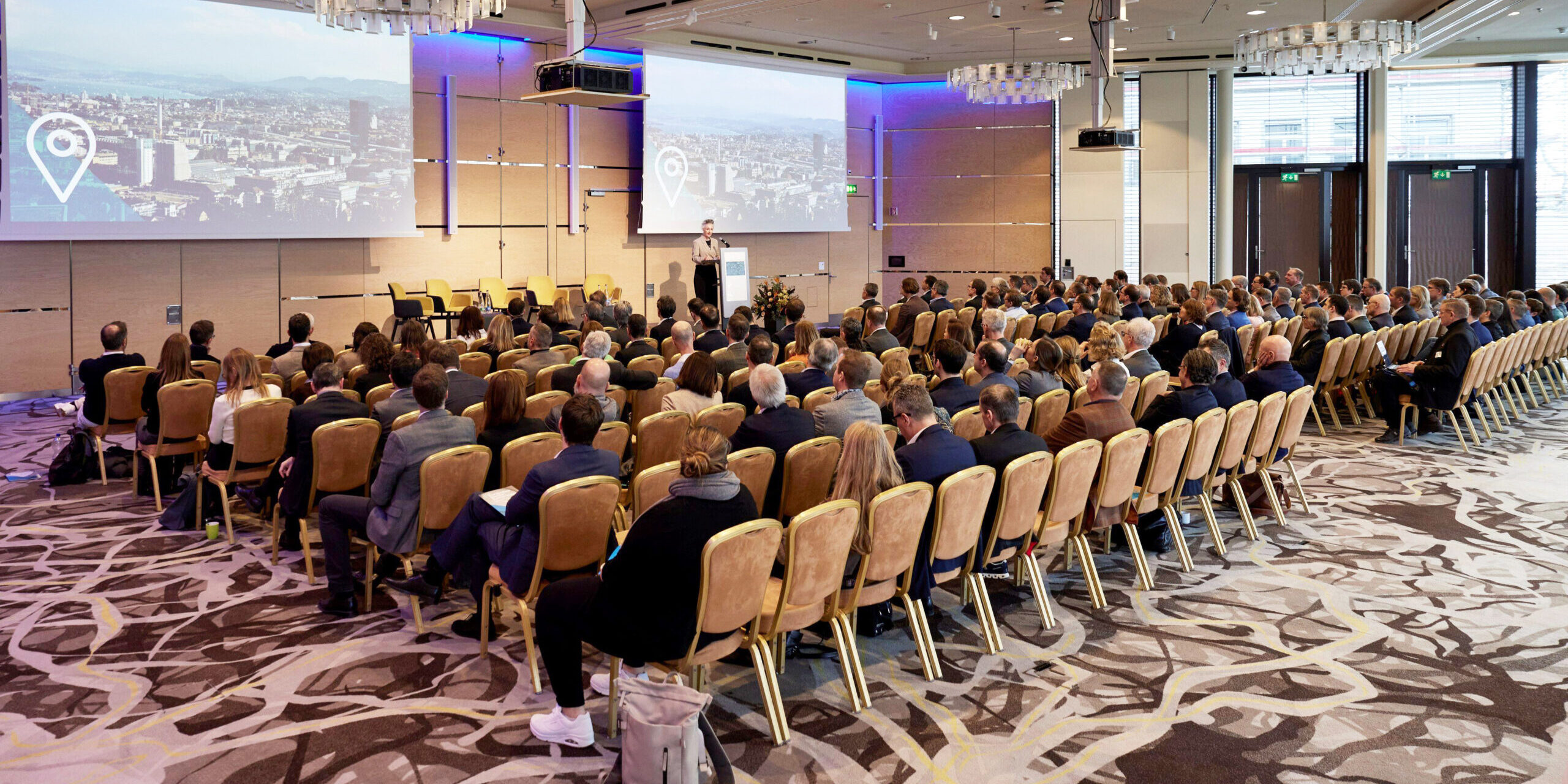
    On Tuesday, 4 July 2023, the 9th Real Estate Summit took place at The Hall in Dübendorf, organised by FRZ Flughafenregion Zürich – Wirtschaftsnetzwerk & Standortentwicklung. Under the motto “Mobile. Sustainable. Collaborative.” experts and interested parties from the construction and real estate sector met to discuss the future of the industry and exchange views on current trends and challenges. With 640 registered guests, the 9th Real Estate Summit had a record turnout.

    The event began with “meet & match” talks and a barbecue lunch, which provided ideal opportunities to make contacts and network: 434 1:1 conversations took place. The Real Estate Summit opened at 1:30 p.m. with a musical warm-up featuring Carole Brunner (singer of the band Ginger and the Alchemist).

    André Ingold, President of the FRZ Zurich Airport Region and Mayor of Dübendorf, gave an overview of current topics and the largest construction projects in the region. In an interview with the new FRZ Managing Director Rahel Kindermann Leuthard, the future focus topics of the FRZ Zurich Airport Region were discussed.

    Sylwina Spiess (Ringier AG) moderated the FRZ flagship event. The guests enjoyed exciting presentations by experts from various fields, such as real estate market analysis, construction projects, green urban development and digitalisation.

    The future of the real estate market
    Ursina Kubli, Head of Real Estate Analytics at Zürcher Kantonalbank, opened the expert presentations with an insight into the current demand and supply trends in the real estate market. The following three topics would shape the real estate market: Digitalisation, demographics and decarbonisation. Office buildings with high accessibility – such as in the airport region – are comparatively well utilised. Overall, the major consolidation on the office market in the canton of Zurich has so far failed to materialise.

    In the airport region, office space in older buildings is increasing more strongly than those in the middle age range of 10 to 30 years. But new buildings are also increasingly remaining empty. Another trend: residential space is becoming increasingly scarce – also in the airport region. Conversion of offices into living space is therefore increasingly being examined.

    According to Kubli, measures against climate change are more topical than ever. Even if artificial intelligence (AI) is asked for the three driving factors for office real estate in the next 75 years, sustainability is one of the top three topics – along with technological progress and new working environments. The long-term increase in demand for office space results from a growing global economy. Kubli: “Companies prefer the proximity to Zurich Airport for international business travel and access to global markets.”

    New forms of collaboration in the construction sector
    Marco Faiss, co-founder of em2, shed light on new forms of collaboration in the construction sector. Innovative strategies and practices improve the efficiency and effectiveness of construction projects. Special emphasis is placed on teamwork, communication and tapping the potential of all participants. Inspiring organisations and individuals think, communicate and act in the same way – they operate from the “inside out”. This implies emphasising the “why” over the “how” and the “what”. He refers to Simon Sinek’s Golden Circle concept.

    According to Faiss, the interaction of people, values and concerns creates unpredictable new, emergent phenomena. Established patterns of thought are replaced in the process. Marco Faiss refers to methodical phase thinking, a process for partner acquisition, role development, a remuneration model (open book), and communication at eye level serve as instruments for structuring the process. His advice: “Run a construction project like a business.”

    The method includes identifying specific requirements, finding the best partners for these requirements, unrestricted investment in these partners without unilateral hedging, communication at eye level, investment in the organisation, and alignment with the principle that those who can do something best should do it. Everyone defines their own service specifications, every hour worked is paid for and successes are celebrated together.

    The lever of neighbourhood mobility
    Bernd Hofer, CEO of Freo Switzerland AG, and Sophie Stigliano, Director at Urban Standards GmbH, then spoke about “Green Only Development and the lever of neighbourhood mobility”. FREO focuses on sustainable construction and operation of buildings with a focus on the needs of future generations and respect for planetary impact limits. Their “Green Only Development” concept significantly reduces energy demand and greenhouse gas emissions and optimises costs by focusing on climate architecture and efficient, tailor-made solutions. It also integrates advanced mobility management that optimises traffic flow and promotes sustainable transport options, and uses a digital platform to manage these services.

    Involving users at an early stage
    After an extended coffee break, Hannes Pichler, Director of Real Estate at ETH Zurich, continued the series of lectures and spoke about integrated project management in the context of the circular economy and digitalisation. He presented the Real Estate department of ETH Zurich, which manages a real estate portfolio worth around 5 billion Swiss francs, including around 200 buildings with a main usable floor space of approximately 540,000 m². Between 2022 and 2029, a new physics building will be constructed on the Hönggerberg campus.

    Pichler spoke about the advantages of integral project delivery models and the challenges that can arise due to information asymmetries and different goals between client and contractor, also known as the principal-agent problem. He presented approaches to minimise these problems, including the early involvement of users and the definition of a functional specification.

    He also emphasised the importance of an early, integral approach to overcome the challenges posed by the megatrends of circular economy and digitalisation. Pichler showed various examples of successful projects and emphasised the need for integrated planning across all life cycles of a project and the importance of digitalisation to improve transparency and error analysis.

    Reset strategies in the decade of radical change
    The last presentation of the day came from Jens-Uwe Meyer, MBA Meyer, a book author and digital entrepreneur. He spoke about “Reset! Strategies for the Decade of Radical Change”. Today, more than ever, we would live in a “VUCA world”. VUCA stands for “Volatility, Uncertainty, Complexity, Ambiguity”. New artificial intelligence tools promote this ambiguity. Meyer highlights both positive and negative aspects – from its role in education and business to its potential dangers and impact on jobs. He provides an overview of the development of AI technology and applications from 2011 (with IBM’s Watson) to 2023 (with ChatGPT4).

    Among the most pressing issues are climate change and sustainability per se. Due to the demographic situation, the fight for the best talent is intensifying. In order to remain competitive, innovation management is crucial. He points to innovation barriers, including lack of processes, lack of strategies, openness and enthusiasm, and lack of courage and creativity. Meyer appeals to “discontent” – as an incentive for continuous improvement and innovation.

    The information part of the summit ended with another performance by Carole Brunner and then offered space for further exchange at the concluding Apéro Riche.

  • One app brings all means of transport together

    One app brings all means of transport together

    MixMyRide wants to promote alternatives to the privately used car and therefore networks all means of transport with a mobility app. Until now, trams, bicycles and carpooling had to be booked separately. With the help of data on public transport, dynamic data on carpooling and bikesharing, and intelligent algorithms, mobility demand and supply are now to be coordinated. The app was developed by a Switzerland-wide consortium consisting of institutes from the ZHAW School of Engineering and the Scuola universitaria professionale della Svizzera italiana (SUPSI). The WinLab of the city of Winterthur, the mobility service provider BePooler, the transport consultant Citec and the Lugano Living Lab were also involved in the development.

    Combining modes of transport optimally
    The mobility app primarily serves as a journey planning system based on artificial intelligence algorithms developed in-house. The app shows different means of transport for the desired trip by determining optimal combinations of route segments based on the available mobility services, which include walking and cycling routes – either by private bike or bikesharing – as well as e-scooters. In addition, once a ride has been found, MixMyRide also enables the booking and organisation of the ride by mediating between people looking for or offering a ride.

    Testing effectiveness in real life
    The app is available until February 2024 and covers the regions of Lugano, Geneva and Winterthur/Zurich. It is now being tested for a year. The ZHAW researchers have supported the development of the app in terms of design and functionality and are the local contact for the test phase in the Winterthur/Zurich region. They are also leading the evaluation, including conducting and analysing surveys. “The test phase enables us to evaluate the potential for behavioural change through MixMyRide and to estimate any effects on overall energy consumption and CO2 emissions,” explains Uros Tomic from the ZHAW Institute for Sustainable Development.

    Testers wanted for MixMyRide
    Anyone interested can download and test the MixMyRide app from the iOS App Store or the Android Play Store at any time. If volunteer app users also take part in the surveys and any group interviews, they will help to understand the impact of the app on mobility behaviour and may be entered into prize draws.

    Further information: mixmyride.com/en

  • Mineral oil importers promote electric mobility

    Mineral oil importers promote electric mobility

    Member companies of the Swiss AVIA Association of Independent Swiss Importers and Suppliers of Energy are committed to sustainable electromobility. To this end, they founded AVIA VOLT Suisse AG, headquartered in Lucerne, on 29 June, the newly founded company informs in a press release. The aim of AVIA VOLT Suisse is to promote electromobility, electricity production and energy optimisation in buildings.

    “By founding AVIA VOLT Suisse AG, we are doing the only right thing for the development of electromobility: we are joining forces and investing jointly in the future,” Martin Osterwalder, Chairman of the Board of Directors of AVIA VOLT Suisse AG, is quoted as saying in the press release. In a first step, AVIA shop filling stations will be equipped with fast-charging stations for electric vehicles. At a later stage, charging stations are planned at other AVIA filling stations as well as at partner companies and customers.

    “With AVIA VOLT Suisse AG, we are providing a broad and reliable range of services for e-mobility throughout Switzerland,” explains Alexander Streitzig, Managing Director of AVIA VOLT Suisse AG. “This is an important step towards CO2-reduced mobility of the future.” In addition to promoting electromobility, the new foundation also wants to get involved in the expansion of solar and wind power plants. Member companies of the AVIA association are also active in the production and distribution of green hydrogen.