Tag: Schweiz

  • Ramon J. Kälin becomes a partner

    Ramon J. Kälin becomes a partner

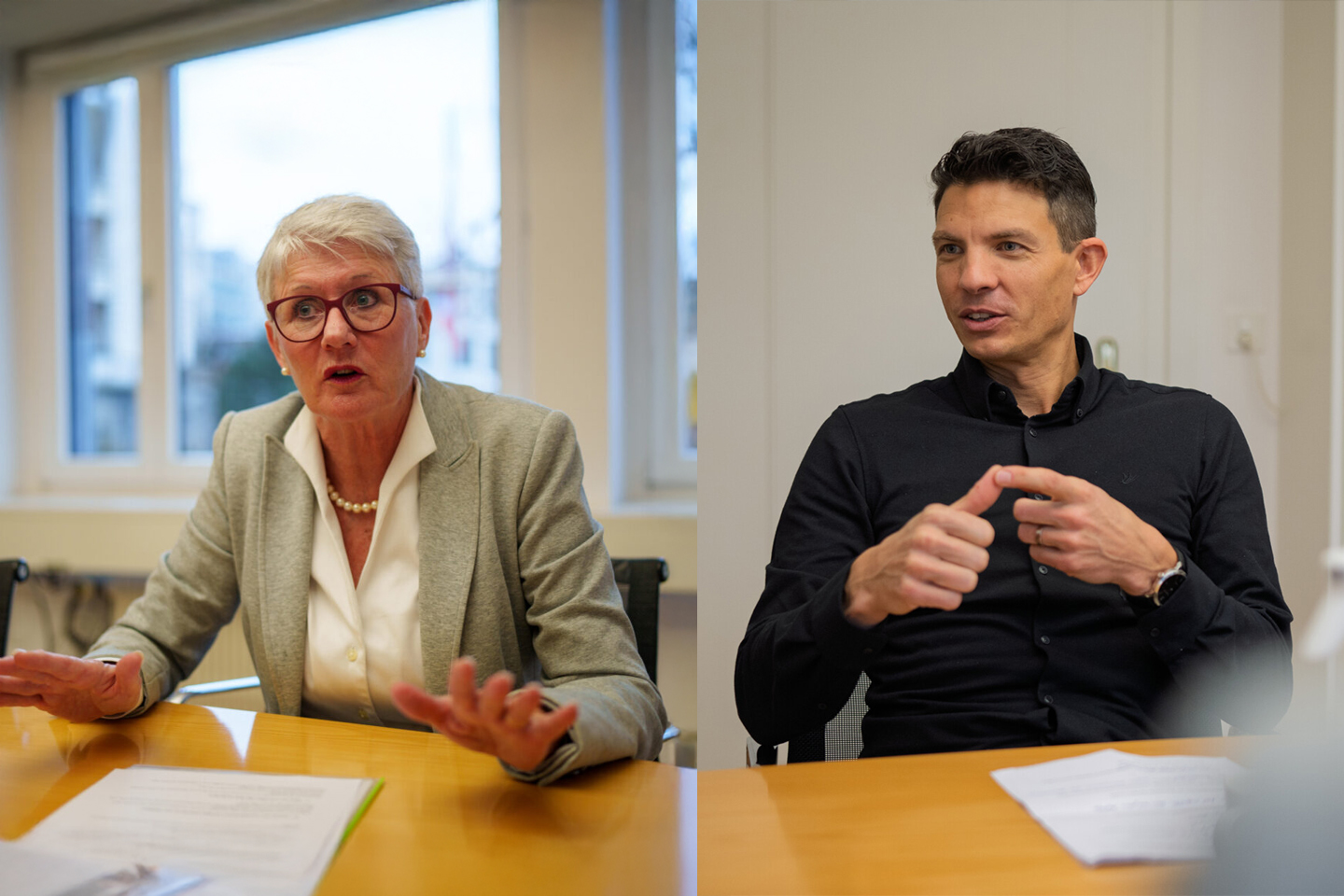
    Since joining the company in September 2023, Ramon J. Kälin has provided decisive impetus. He is responsible for developing a Group-wide People & Culture strategy, modernizing the IT and collaboration infrastructure and central business development topics. An important milestone is the establishment of the new Pfäffikon SZ site as the third hub alongside Zurich and Zug. This growth in regional presence is in line with his entrepreneurial approach and strengthens Property One’s long-term position.

    Future-oriented leadership and commitment
    Kevin Hinder, Co-Founder and CEO of Property One, praises Ramon’s structured, solution-oriented approach and his excellent network as the cornerstones of the company’s future-oriented approach. Ramon J. Kälin also emphasizes the value of the joint commitment. The partnership offers him new opportunities to actively support the next development steps and shape the future of Property One.

    Industry expertise with responsibility
    He holds an MAS ZFH in Real Estate Management and is a federally certified real estate trustee. His commitment to the industry is reflected in his role as Vice President of SVIT Zurich, as a trustee of the Domicil Foundation and in various advisory board mandates. He also supports the next generation of the industry as an audit expert. He has been a Member of the Royal Institution of Chartered Surveyors since 2021.

  • G15 Symposium: Progress instead of regulations – breaking free from constraints, shaping the future

    G15 Symposium: Progress instead of regulations – breaking free from constraints, shaping the future

    Despite its supposed resilience, Switzerland is no longer an island where global industry impulses have no effect. Issues such as digitalization, housing shortages and climate pressure are increasing the pressure on market players to act. At the same time, regulation remains a key area of tension. How much state intervention is appropriate so that innovation does not come to a standstill, but undesirable developments are corrected? It is precisely this interplay that the Group of Fifteen symposium is dedicated to with positions and multi-perspective contributions

    Positions from reputation to regulation
    This year’s panel brings together experts from a wide range of disciplines. Prof. Dr. Christian A. Schaltegger will focus on the balancing act between image, influence and innovation. For him, an environment of trust is essential if the industry is to develop sustainable and forward-looking investment models.

    Prof. Dr. Christian Kraft uses empirical examples to shed light on the extent to which the use of AI can help to safeguard investment decisions despite regulatory uncertainties. His experience shows that data-based decision-making aids are becoming increasingly important. However, this creates both new opportunities and risks.

    Use concepts and participation as levers
    Dr. Sibylle Wälty from ETH Zurich introduces a new urban planning perspective with the 10-minute neighborhood model. She shows how dense, heterogeneous neighborhoods strengthen urban qualities and achieve sustainable added value. The focus is on the aspect of social acceptance and the early involvement of local stakeholders.

    Legal expert Dr. Wolfgang Müller describes the often underestimated influence of rights of objection and their effect on project sponsorship and time horizons, between democratic participation and a brake on innovation.

    Transformative approaches and industry dialog
    It is important to look ahead. Paolo Di Stefano presents practical strategies to ensure that real estate portfolios remain resilient even under changing conditions. In the “Future Talk”, National Councillor Beat Walti and Government Councillor Esther Keller will discuss what the sector could look like in ten years’ time. In particular, how legislation, sustainability and social change should intertwine to enable progress instead of stagnation.

    Platform for dialog and transformation
    The Group of Fifteen is more than just an industry network. It offers an independent platform for dialog that regularly brings together experts from the fields of real estate, law, politics and science to develop new approaches. They constructively support the industry’s transformation process, provide guidance and raise awareness and that, ultimately, collaboration, openness and commitment form the basis for genuine innovation.

    Further information can be found at:
    https://group-of-fifteen.ch/

  • For the first time, some of Switzerland’s largest cities are meeting for a dialog

    For the first time, some of Switzerland’s largest cities are meeting for a dialog

    Since 2019, Swiss cities, municipalities, companies and organizations have been sending out a clear signal for the 17 Sustainable Development Goals every autumn. Raising the SDG flag stands for the commitment to the 2030 Agenda and the will to tackle global challenges together. In Lugano, Federal Councillor Ignazio Cassis opened the event with a video message and emphasized Switzerland’s key role in sustainable development at national and global level. A special feature of this year, the SDG Flag Day was used as a platform for metropolitan exchange, from administration to innovation promotion

    Exchange, practical examples and youth visions
    The dialog revolved around the status of the 2030 Agenda in cities, best practices and the role of international networks for urban transformation. The delegations discussed challenges ranging from climate change to biodiversity, but also opportunities arising from cooperation between science, business, politics and civil society. The presentations by high school students from Lugano, who presented their visions for urban development in 2030 in the “Laboratori di cultura urbana – Mediazione Giovani”, were particularly impressive. Their “Summer Islands” project was implemented together with the city and the Institute of Architecture and stands for youth engagement and participatory urban development

    Framework and principles of the 2030 Agenda
    With its 17 SDGs, the 2030 Agenda, which was adopted by the UN member states in 2015, defines the international framework for action to tackle challenges such as climate change, resource consumption and social inequality. Their aim is to reconcile prosperity and the planet through partnership, peace and progress and to create sustainable living realities worldwide. Flag Day is part of the UN Global Compact and is used in Switzerland and internationally as a symbol of commitment and exchange

    The SDG Flag Day in Lugano was the starting signal for more intensive and networked cooperation between cities in the area of sustainable development. The lived practice of dialog, exchange and participation at several levels makes it clear. The implementation of the SDGs is not a competition, but a joint project for the future of society throughout Switzerland and beyond its borders.

  • Between AI dynamics and stable services

    Between AI dynamics and stable services

    In Switzerland, the increase in employment in the second quarter of 2025 was only 0.6 %. The long-term average is 1.3 %. Germany is stagnating, France is even recording a decline, only Italy and the United Kingdom are still showing growth, albeit below the norm. In Switzerland, the service sectors are affected differently. While the healthcare and education sectors are experiencing robust growth, the ICT sector is down 1.4% and has lost almost 3,000 jobs

    ICT weakens
    The ICT sector has been a growth driver for years. Currently, a combination of productivity gains through artificial intelligence, automation and economic restraint is causing a noticeable slowdown. Routine tasks are being automated and the demand for traditional software developers is falling. Junior positions in particular are coming under pressure as a result of the use of AI. Tasks are being completed faster and with fewer staff, and entry-level opportunities are becoming rarer. In contrast, specialized roles for cloud architecture, machine learning and cybersecurity remain scarce and in demand

    After some above-average growth in ICT in recent years, a correction phase can be observed, which is also accompanied by a shift in job profiles.

    Government-related services remain stable
    The picture is different for healthcare, education and public administration. These government-related sectors continue to grow steadily, in some cases even above average. They are driven by three factors.

    • Demographics: Ageing societies, retirements and a shortage of skilled workers are increasing the need for care, support and education.
    • Political initiatives: Programs and wage incentives specifically promote new hires, for example in care or early childhood education, and ensure employment growth.
    • Productivity limit: Many activities in the education and social sector can hardly be automated, the need for personnel remains constantly high (“Baumol effect”)

    Specialization is in demand
    The labour market remains dual. Growth continues in government-related sectors, driven by social and political trends. In the ICT sector, demand remains fundamentally present, but is shifting more towards specialized and higher-skilled roles. Investments in the cloud, AI and cyber security will be key job drivers in the long term. However, there will be no broad-based increase in employment. Those who focus specifically on the skills of the future will remain successful in the changing job market.

    After strong years, 2025 marks a turning point in Switzerland and Europe. Declines in the ICT sector, robust growth in government services. The dualization of labour market trends will continue to intensify. Specialized skills and all services related to healthcare, education and administration have a bright future.

  • Working hours as the key to building in the mountains

    Working hours as the key to building in the mountains

    Experienced practitioners from various cantons emphasize that work in the mountains is subject to tight time constraints. Construction machinery and materials often have to be laboriously transported, while electricity and water supplies as well as access are limited and susceptible to weather conditions. Strong temperature fluctuations, long access routes and periodic freedom from construction work in winter require flexible, project-related time models – rigid working time specifications are practically impossible to implement here

    Planning, pride and AVOR
    For companies, this means careful work preparation and ongoing flexibility. Construction companies often organize special working time calendars for mountain projects, which are adjusted seasonally, by the week or even by the day. With the approval of the local Joint Professional Commission, the main construction industry can deviate from the normal weekly working hours in order to take geographical and climatic factors into account

    The construction workers’ wages follow the national regulations in accordance with the collective labor agreement for the construction industry. Forward-looking resource planning is becoming increasingly important. Sometimes the model of a four-day week or longer shifts over the summer helps to compensate for bottlenecks and offer skilled workers attractive prospects in a seasonal context

    Special features and motivation in mining
    Increased physical strain due to the thinner mountain air, challenging terrain and logistics that require autonomy demand experience and a pioneering spirit and, according to industry representatives, increase employee motivation. The changing backdrop of the mountains, team spirit and pride in what has been achieved contribute to the special identity of “building in the Champions League”. Flexible working time models, from forward-looking planning and locally coordinated time accounts to temporary staff contracts, are essential in order to give mining a professional, economically and socially balanced face

    If you want to build in the Swiss mountains, you have to calculate flexibly, adapt to the weather and geography and establish tailor-made time models together with planners, authorities and the workforce. The demand for flexibility is therefore not a fad, but a necessity for building culture and competitiveness in Switzerland.

  • Circularity as the key to a climate-friendly building future

    Circularity as the key to a climate-friendly building future

    CircularHub, knowledge and exchange platform for circular construction, invites you to the MasterClass Circularity in the construction and real estate sector on 2 October 2025, as detailed in an announcement. The aim is to support specialists and managers in actively transforming the resource-intensive construction sector and contribute to achieving Switzerland’s net-zero targets.

    During the event, the role of circularity in sustainability and the strengths of circular design strategies and business models, best practice examples and existing Swiss approaches will be discussed. Participants will receive individual preparation by means of a briefing document and an optional follow-up telephone call with CircularHub specialists. “Solutions for a circular turnaround have long been on the table. Now it’s a matter of putting the knowledge, skills and will into practice – and that’s exactly what the MasterClass is for,” says Marloes Fischer, CEO of CircularHub and keynote speaker at the event. In addition to the technical content, the MasterClass enables active networking between specialists and managers, who can exchange ideas with experts and decision-makers and gain inspiration.

    According to CircularHub, the Swiss construction and property industry, which has high CO2 emissions and high resource consumption, is facing profound changes. The platform is therefore endeavouring to support industry players with innovative solutions and transform the construction industry towards a circular economy.

  • Nidwalden drives asking rents

    Nidwalden drives asking rents

    The monthly rental index compiled by the digital property marketplace Homegate in collaboration with Zürcher Kantonalbank closed at 131.2 points at the end of August. Compared to the previous month, the index rose by 0.2 per cent, Homegate reported in a press release. Compared to the previous year, the property marketplace’s experts have registered a 2.6 per cent increase in asking rents across Switzerland.

    The month-on-month increase across Switzerland was mainly driven by the canton of Nidwalden. Here, asking rents rose by 1.5 per cent. In a year-on-year comparison, they were around 10 per cent higher. All other cantons showed only slight movements in both directions in a monthly comparison. In a year-on-year comparison, the canton of Schwyz stands out with an increase of 8.4 per cent. Property experts only observed falling asking rents in the canton of Graubünden over the same period.

    Asking rents in the eight Swiss cities included in the index were all higher in August than in the same month last year. At 1.8 per cent, Lugano recorded the largest monthly increase. Asking rents in the city of Lucerne were 2.1 per cent lower in August than in the previous month. In a year-on-year comparison, however, asking rents in Lucerne rose the most among the eight cities surveyed.

    Homegate is a division of SMG Swiss Marketplace Group AG. This combines the digital marketplaces of TX Group, Ringier and Mobiliar.

  • Swiss housing market continues to tighten

    Swiss housing market continues to tighten

    Die aktuelle Situation erinnert an die Jahre 2014 bis 2016, als eine längere Phase massiver Angebotsknappheit herrschte. Heute ist klar, dass kein kurzfristiger Ausgleich zu erwarten ist. Der Wohnungsbau bleibt auch in den kommenden Jahren hinter dem Wachstum der Haushalte zurück. Damit gehört die Schweiz erneut zu den europäischen Ländern, in denen sich die Wohnraumfrage zu einem zentralen Standortthema entwickelt.

    Belastung für Haushalte mit tiefer Kaufkraft
    Besonders stark trifft es Haushalte im unteren Einkommenssegment und des unteren Mittelstands. Während bestehende Mietverträge für rund 80 Prozent dieser Haushalte noch erschwinglich sind, zeigt sich auf dem aktuellen Markt ein deutlich anderes Bild. Nur gut 40 Prozent der neu angebotenen Wohnungen liegen in einem preislichen Rahmen, den diese Gruppen tragen können. In Regionen wie St. Moritz sowie in den urbanen Zentren und Agglomerationen fehlen passende Angebote nahezu vollständig.

    Wohnkosten steigen spürbar
    Ein Szenario aus dem Monitor verdeutlicht die Problematik. Würden alle Haushalte mit tiefer bis mittlerer Kaufkraft umziehen, stiege die durchschnittliche Wohnkostenbelastung von 29,1 auf 35,7 Prozent des Einkommens. Damit würde Wohnen für breite Teile der Bevölkerung klar zu einer finanziellen Überlastung. Bereits jetzt ist der Anteil der Mieterhaushalte, die ihre Wohnkosten nicht mehr im Budget halten können, von 2,6 auf 2,8 Prozent gestiegen. Noch moderat, aber mit klarer Tendenz nach oben.

    Fehlanreize auf der Angebotsseite
    Der Druck auf den Markt wird zusätzlich durch Investitionsmuster verschärft. Viele Investoren setzen auf Ersatzneubauten oder umfassende Sanierungen. Das stützt zwar die Bauwirtschaft, trägt aber kaum zur dringend nötigen Erweiterung des Bestands bei. Neue, bezahlbare Wohnungen kommen damit kaum auf den Markt. Entsprechend öffnet sich die Schere weiter zwischen günstigen Bestandes-Mieten und hohen Angebotsmieten, was die Verknappung zementiert.

    Bedeutung für Politik und Wirtschaft
    Die neue Analyse des BWO rückt die Frage der Wohnkosten im Verhältnis zum Einkommen in den Vordergrund. Für die kommenden Jahre bleibt absehbar, ohne strukturelle Ausweitung des Wohnungsangebots wird die Kluft zwischen Nachfrage und Angebot weiter wachsen. Für Wirtschaft, Gesellschaft und Immobilienbranche gehören damit innovative Wohn- und Baukonzepte ebenso zu den Schlüsselthemen wie regulatorische Anreize, um bezahlbaren Wohnraum effektiv zu sichern.

  • Circular economy strategic upturn

    Circular economy strategic upturn

    The circular economy is becoming an integral part of corporate strategies in Switzerland. The proportion of companies that have anchored it in their corporate strategy has risen from 11 to 27 per cent within four years. Large companies in particular are showing great dynamism. More than half of companies with over 250 employees have already anchored it in their corporate strategy. Medium-sized companies follow with 39 per cent, while smaller companies lag far behind with 23 per cent.

    Implementation remains fragmented
    Despite clear progress in strategic awareness, operational implementation remains subdued. Only 15 per cent of companies generate more than ten per cent of their turnover with circular products, after only a marginal increase since 2020. Companies are similarly reluctant to invest. Only seven per cent invest more than ten per cent of their funds in circular economy measures. The breadth of activities is also limited, with only a few measures on average.

    Focus on energy instead of value chains
    Companies implement measures relating to energy consumption or the switch to renewable energies particularly frequently. Activities along the supply chains or in the use of raw materials are much rarer, even though these would be key levers for resource efficiency. According to study author Tobias Stucki, this means that a lot of potential is being wasted, especially as current geopolitical risks are once again putting dependence on raw materials centre stage.

    Sector and regional comparison
    There are striking differences between the sectors. Companies from the telecommunications, electronics and medical technology sectors are particularly active. Construction, real estate and personal services remain in the early stages of transformation. The regional picture is also mixed. Central and Eastern Switzerland lead the way in terms of strategic anchoring, while Ticino remains at the bottom. It is worth noting, however, that Ticino companies perform well above average in terms of their share of turnover with circular products.

    Political and legal framework
    Politicians have significantly expanded the framework conditions for the circular economy in recent years. It has been explicitly enshrined in the Environmental Protection Act since 1 January 2025. This has shifted the focus of resource conservation beyond waste management. Cantons such as Zurich and Bern have set the course with referendums and strategies. Zurich adopted a comprehensive circular economy strategy, while Bern anchored the objective in government guidelines and a new sectoral waste plan. Other cantons such as Basel-Stadt, Geneva and Vaud are also pushing ahead with their own initiatives.

    Circular economy as an issue for the future
    The study clearly shows that the strategic relevance of the circular economy is increasing in Switzerland. Nevertheless, consistent implementation remains largely limited to initial steps. The transition to a circular economy requires massive investment, far-reaching changes in supply chains and new forms of cooperation. This is the only way to ensure that the circular economy does not remain just lip service, but becomes a central pillar for the climate, resources and competitiveness.

  • 1.47 billion in venture capital invested in Swiss start-ups in the first half of the year

    1.47 billion in venture capital invested in Swiss start-ups in the first half of the year

    In the first half of 2025, CHF 1.47 billion flowed into Swiss start-ups, an increase of 36 per cent compared to the previous year. This is the third-best result since measurements began. However, growth was driven by a small number of startups that raised large sums from international investors. The number of financing rounds fell for the third time in a row to 124, which corresponds to a decline of ten per cent.

    Biotech as a growth driver
    The biotech sector in particular produced a strong result. It set a new record with an inflow of CHF 705 million in capital. The previous record of CHF 436 million from 2021 was clearly surpassed. The reasons for this success lie in highly qualified start-up teams and technological developments based on excellent research.

    Recovery in ICT and fintech
    The recently weakening ICT and fintech sectors were also able to recover. General ICT start-ups recorded investment growth of 86 per cent to CHF 247 million. Fintech companies received CHF 153 million, which corresponds to an increase of 93 per cent. The number of transactions remains low, which indicates continued investor selectivity.

    Swiss startup ecosystem remains resilient
    Despite the uncertain market environment, the Swiss startup ecosystem is able to produce internationally competitive companies. One example of this is Sygnum Bank, which became Unicorn in the first half of 2025. The bank, which specialises in digital assets, was valued at over 1 billion dollars, a signal of the potential of innovation outside of the healthcare sector.

    Gloomy outlook among investors
    A broad-based survey shows that expectations for the coming twelve months are subdued. Fundraising and more difficult exit opportunities are of particular concern. International trade barriers, on the other hand, only play a subordinate role. Access to capital is likely to remain challenging for many start-ups, despite individual success stories.

  • Where electricity will come from in 2050

    Where electricity will come from in 2050

    For Switzerland to become CO₂-neutral by 2050, transport, heat supply and industry must be largely electrified. Today’s electricity demand of 56 terawatt hours will increase to around 75 TWh by 2050. At the same time, 23 TWh will come from nuclear energy. The necessary reorganisation of the energy system is far-reaching in technical, economic and social terms.

    Massive expansion of renewable energy
    According to the EDGE report, around 60 % of electricity must be covered by new renewable energies by 2050, specifically 45 TWh per year. This would be possible with 28 TWh from photovoltaics, 13 TWh from wind power and 4 TWh from biomass. To achieve this, photovoltaic capacity would have to be quadrupled to 26.8 GW. Wind power would need to be expanded 80-fold to 8.4 GW, especially for winter operation. According to the researchers, this is hardly realisable without strong subsidies.

    Limiting electricity imports makes the system more expensive
    The new Electricity Act limits net electricity imports in winter to 5 TWh. In order to meet this target, an additional 80 % more wind power, 11 % more gas capacity and 10 % more solar capacity would be required. This would increase electricity generation costs by 20 % and electricity prices could more than double.

    Europe remains decisive
    If European electricity trading were to be severely restricted, e.g. through a 70 % reduction in cross-border grid capacities, Switzerland would have to expand wind power by a further 20 %. Supply costs would rise by an additional 8 %. A survey by the EDGE consortium shows the conflicting priorities. 60 % of the population would like to cooperate with Europe, while at the same time 70 % want energy independence and favour domestic energy sources.

    Investments flow abroad
    Another study shows that more than half of the annual investments made by Swiss energy suppliers in large-scale renewable energy projects are channelled mainly to Germany, France and Italy. Only 1 % of these funds are invested in Switzerland. There is a lack of suitable projects or framework conditions in Switzerland. This means that Switzerland is often financing the energy transition indirectly, but not at home.

    Net zero has its price
    The cost of living could rise between 2020 and 2050, for example due to CO₂ taxes, emissions trading or higher production costs. The annual consumption loss of a household could be 0.63-0.75 %, depending on the global climate protection pathway. Without offsetting options abroad, the costs could rise to up to 1%. In the long term, however, this would be more favourable than the consequences of unchecked climate change.

    The energy transition is feasible and challenging
    A CO₂-neutral electricity supply by 2050 is technically possible if photovoltaics and wind power are massively expanded, imports are used intelligently and investments are channelled in a targeted manner. Access to the European electricity market remains crucial. At the same time, we need broad social support and an understanding that inaction will be more expensive than a bold transformation.

  • Switzerland launches pipe recycling at national level

    Switzerland launches pipe recycling at national level

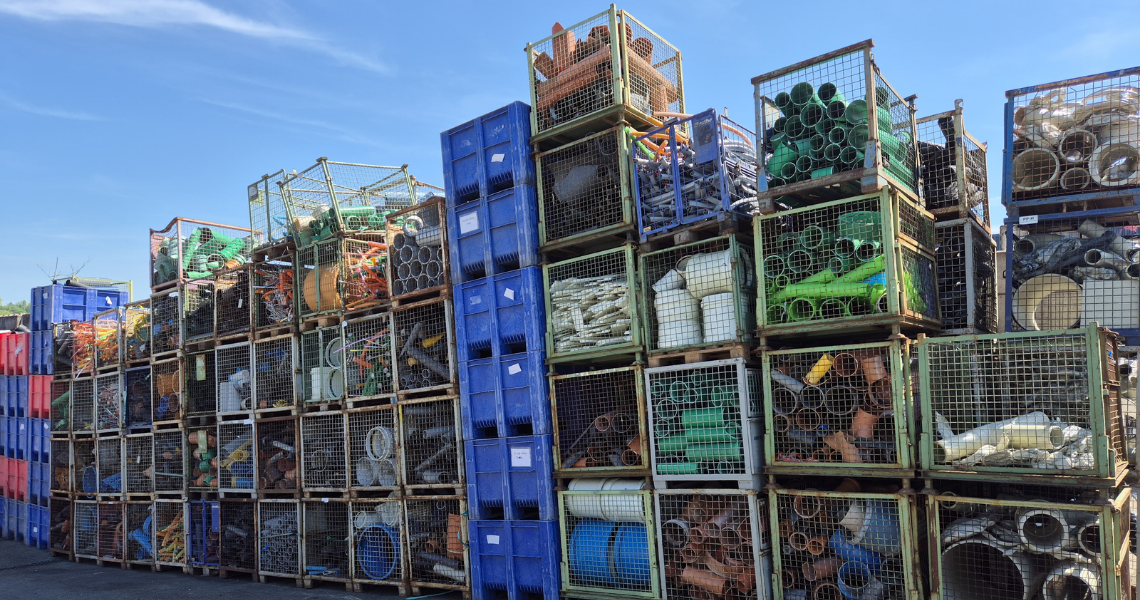
    Around 85,000 tonnes of plastic pipes are used in Switzerland every year, many of which have a service life of up to 100 years. Despite their material potential, a systematic take-back and recycling process has been lacking until now. This is precisely where the “Swiss Plastic Pipe Recycling” project comes in, which was initiated by the Association of Swiss Plastic Recyclers and the Association of Plastic Pipes and Pipe Components.

    The aim is to consistently return pipes from construction projects, pipeline work or dismantling to the recycling loop – with a standardised, practical system.

    Broad alliance from industry and construction practice
    The project is supported by a strong network. Companies from the construction, building technology, plastics processing and recycling sectors are working together to establish pipe recycling throughout Switzerland. The project partners include Burkhalter Group, Geberit, Georg Fischer, Meier Tobler, Debrunner Acifer, HakaGerodur, Eberhard, InnoRecycling and MCAM Symalit.

    They are all united by the goal of making the take-back system economically viable, ecologically sound and easily accessible for users.

    Clean material is a new source of recyclate
    While recycled packaging plastics have primarily been used to produce new plastic pipes in the past, SPPR is focussing on a material potential that has hardly been used to date: recycled pipes. These can be used as a high-quality source of raw materials, especially for cable protection and infrastructure pipes, if they are delivered in a single type.

    As packaging plastics will increasingly be turned back into packaging in the future, additional sources of technical recyclates are needed – a clear need for action in the industry.

    Over 40 collection points already in operation
    A centrepiece of the project is the establishment of a nationwide return network. Over 40 collection centres are already available in Switzerland. The current focus is on PE pipes from civil engineering, but expansion to other materials and applications is planned.

    Companies can quickly find their nearest collection centre using an interactive map on the project website. These centres accept defined pipe types, provided that the materials are delivered clean and sorted.

    Sustainability with a system
    With SPPR, VSPR, VKR and the participating companies are making a concrete contribution to Switzerland’s circular economy and climate strategy. The recycling of durable pipes reduces CO₂ emissions, reduces the use of primary plastics and promotes regional value creation.

    The project sustainably strengthens the Swiss recyclate market and shows how specific industry initiatives can have a systemic impact.

  • Switzerland is one of the laggards in wind and solar power

    Switzerland is one of the laggards in wind and solar power

    In a new study by the Swiss Energy Foundation (SES), Switzerland ranks at the bottom of the league table for electricity production from solar and wind energy. It produces 681 kilowatt hours of solar power per capita and 19 kilowatt hours of wind power. In total, the country produces 700 kilowatt hours per capita from solar and wind energy, putting it in 22nd place out of 28 EU member states.

    Sweden is the leader in wind power production with 3930 kilowatt hours per capita, followed by Denmark with 3448 kilowatt hours. Even neighbouring Austria comes in at 1004 kilowatt hours. In terms of solar production per capita, the Netherlands leads with 1206 kilowatt hours per capita, followed by Spain and Cyprus. However, even Austria has 941 kilowatt hours and Germany 888 kilowatt hours.

    Switzerland was able to increase its production of electricity from wind and solar from 7.2 per cent to 11 per cent within five years. However, other countries in Europe often achieved higher increases of up to 20 percentage points in the same period. In a European comparison, only Malta, Slovenia, Romania, the Czech Republic, Latvia and, bringing up the rear, Slovakia are behind Switzerland in the production of electricity from wind and solar per capita.

    In the view of the SES, wind energy in particular must be expanded in Switzerland, according to a press release. A total of 11 per cent of domestic electricity consumption is generated by wind and solar, 7.2 percentage points more than five years ago. European neighbours

    The new Electricity Act shows that the Swiss population wants to intensify sustainable electricity production in the future. Political instruments for implementing the law are already active or will be from 2026. Their impact will become apparent in the coming years, according to the SES.

    The exchange of electricity with neighbours also holds great potential for Switzerland. Switzerland is already integrated into the European electricity grid with over 40 cross-border transmission grids. European electricity trading is central to Switzerland’s ability to obtain winter electricity from its European neighbours’ wind turbines, according to the press release. The planned EU electricity agreement forms the basis for increased electricity trading.

  • AI-based weather forecasts for energy and agriculture

    AI-based weather forecasts for energy and agriculture

    The Zurich-based start-up Jua.ai has closed a Series A financing round totalling over 9 million Swiss francs, according to an article on startupticker.ch. The financing round was led by Ananda Impact Ventures and Future Energy Ventures and supported by existing investors such as 468 Capital and Promus Ventures. Jua plans to use the funding to accelerate the market launch of its Earth Intelligence Platform. This will enable more accurate weather forecasting to help energy traders make faster and more profitable decisions.

    The platform is powered by Jua’s artificial intelligence (AI) model EPT-2.0 and is designed to significantly outperform the weather forecasting performance of conventional numerical weather models and AI models from large technology companies. Precise weather forecasts are particularly important for sectors such as energy, agriculture, aviation and shipping. The AI-based earth simulation is intended to provide a consistent and physically simulating platform to enable reliable decisions in various sectors in the face of increasing weather extremes and weather changes.

    Jua 2024 has already secured around 13 million Swiss francs in its seed financing round. As part of this year’s capital increase, Marvin Gabler, co-founder and architect of EPT-2.0, has now been appointed as the new CEO. He succeeds Andreas Brenner, who has led Jua since its foundation in 2022. With Gabler at the helm, the company intends to focus on scaling its platform in the energy sector and expanding into new markets. “With our Earth Intelligence Platform, we have transformed the world’s most advanced Earth simulation into a real-world decision engine,” Gabler is quoted as saying in the article. “This is a fundamental step towards shaping our planetary future.”

  • New innovation centre for thermal coating solutions

    New innovation centre for thermal coating solutions

    OC Oerlikon Corporation AG, a thermal spray and coating solutions company headquartered in Pfäffikon, has invested CHF 40 million in its new innovation and production centre on the Reichhold campus in the canton of Aargau. The company is now celebrating the laying of the foundation stone for the new site, construction of which is due to begin shortly, according to a press release. Commissioning is scheduled for the first quarter of 2027. With 250 employees in future, the facility will bring together research and development, engineering, production and sales in one building complex.

    Oerlikon plans to develop modern thermal spray technologies and laser-based technologies as well as provide various services at the Reichhold Campus. “The new Campus Reichhold will play a central role in the further development of our aerospace and general industry businesses by bringing together the entire value chain in a collaborative environment,” said Prof Dr Michael Süss, Executive Chairman of Oerlikon, in the press release.

    The technology developed at the Reichhold campus is intended to improve heat resistance, durability and corrosion protection in industrial high-performance components. In future, it will be used primarily by customers in the aerospace, automotive and general industry sectors. A test rig for aerospace turbine components will also enable the validation of thermal spray coatings under real-life conditions.

    In addition, Oerlikon plans to implement comprehensive measures to reduce the environmental impact in the areas of energy consumption, mobility and resource management at the new site.

  • No more cold calling: search less, sell more

    No more cold calling: search less, sell more

    In direct contact with their clients, estate agents are undisputed professionals, from the presentation of the property to the closing of the sale. The challenge, especially in a market with drastic excess demand, lies in making these contacts in the first place. How do you find out who will soon want to sell their detached house or condominium? And how to stand out among the numerous real estate professionals in your own region?

    There must be a better solution than cold calling and flyers. And there is! Thanks to SMG Real Estate’s “Seller Leads” option, estate agents can quickly and easily gain direct access to a steady stream of new sales mandates. Each individual lead is personally checked and qualified by the SMG Real Estate team. This means that these are leads from owners with a genuine intention to sell and a willingness to become an estate agent. And that’s not all: the leads are also specifically assigned to a zip code.

    This careful pre-qualification guarantees contacts with a high probability of closing, which minimizes wastage and increases the chances of a mandate. Or to put it simply: Search less, sell more. Thanks to this established system, real estate professionals benefit not only at minimum risk, but also with maximum efficiency. This is because the offer goes beyond traditional lead portals by dealing with personally verified sales intentions instead of unqualified online inquiries. The focus is therefore clearly on quality rather than quantity thanks to leads that are exclusively allocated regionally.

    What’s more, the conditions are completely transparent: no minimum term or minimum purchase as well as predictable costs per lead and participation only if the mandate is successfully completed. All this guarantees flexible, success-based cooperation in the lead business. Once the contract has been concluded, the leads are activated directly in the Business Manager without the need for other systems. At the same time, each lead allocation to the respective real estate professional is clearly traceable and a refund is provided in the event of unfulfilled quality guidelines.

    In combination, seller leads from SMG Real Estate not only provide an unbeatable offer, but can also be ideally scaled as a sales channel. Not only can brokers grow through systematic mandate acquisition, they can also decide individually whether and how many qualified leads they would like to obtain based on their current resources. And this can be planned, because the sustainable pipeline secures future mandates and thus reduces idle phases. This creates the best possible relief and flexibility in day-to-day business.

    Find out more.

  • Electricity agreement with the EU triggers opening of the electricity market

    Electricity agreement with the EU triggers opening of the electricity market

    Switzerland’s planned electricity agreement with the EU also provides for the electricity market to be opened up to end consumers. According to a press release, the Federal Council therefore presented key points for this opening on 14 May.

    The Federal Council’s key points stipulate that end consumers can choose to remain in the basic supply of the local supplier with its regulated prices and can also freely choose their electricity supplier. They are also free to return to the basic supplier, even during the year. Basic suppliers can charge a fee for switching out of or back into the basic supply.

    At the same time, consumer protection measures are to be introduced. For example, a comparison portal will provide an overview of offers. An ombudsman’s office will offer arbitration options. The contracts with the supplying companies must fulfil certain requirements. The Federal Electricity Commission will monitor the market.

    The electricity market has been open in the EU since 2007. A referendum in 2002 failed to open up the Swiss electricity market. Since 2009, the market has been open to large customers with a consumption of at least 100,000 kilowatt hours per year.

  • Spatial concept Switzerland without substance

    Spatial concept Switzerland without substance

    The revision of the Swiss Spatial Concept was intended to provide a strategic compass for spatial development up to 2050. However, the document presented in December 2024 does not adequately address key issues such as densification, infrastructure and conflicts of use. Yet the demand for intelligently utilised space, resilient infrastructure and sustainable solutions for growing cities and regions is more urgent than ever before.

    Densification remains unresolved
    The depiction of advanced inner-city development is at odds with reality. Replacement new builds, a key means of densified construction, are still fraught with uncertainties and hurdles. There is a lack of a pragmatic implementation concept that creates clear rules, facilitates investment and accelerates site development. This is an omission with consequences for housing construction and the competitiveness of urban areas.

    Transport is blocked instead of facilitated
    A further deficit can be seen in the transport infrastructure. The spatial concept neglects the need for efficient transport routes and promotes a conflict between road and rail. However, sustainable location development requires networked mobility strategies that fulfil both economic and social requirements.

    Without political backing, everything remains theory
    In addition to its substantive weaknesses, the concept lacks clear political legitimisation. Without broad-based governance structures, the paper will remain ineffective. The Swiss Federation of Master Builders has therefore submitted amendments and rejects the draft in its current form.

    Conclusion for the property industry
    If you want to develop locations and help shape Switzerland as an attractive place to live and do business, you need solid framework conditions and a realistic planning policy. The current spatial concept offers neither. It is time for a practice-orientated model that creates planning security, facilitates investment and strengthens the attractiveness of locations in the long term.

  • Canton of Zurich calls on Federal Council to act

    Canton of Zurich calls on Federal Council to act

    The pressure on the housing market is enormous. Demand is constantly rising, while supply is lagging behind. The canton of Zurich is particularly affected, where construction projects are increasingly being delayed or prevented by appeals. The consequences are rising rents, social tensions and growing political pressure to act. Five cantonal popular initiatives show how much the issue of housing concerns the population.

    Improvements are unnecessarily delayed
    Although new noise protection regulations have already been adopted, their implementation is still a long time coming. The Zurich cantonal government is calling on the Federal Council to bring the changes to the law into force quickly. This is because protection interests must not be allowed to block the expansion of urgently needed living space. A clear legal basis is essential for planning security and accelerated procedures.

    Protection instrument or strategic objection tool?
    The Government Council is particularly critical of the increasing direct application of the federal inventory ISOS, which actually serves to protect important sites. However, the inventory is increasingly being used to object to new construction projects. With serious consequences for inner densification. This problem is already very noticeable in Zurich, but it is increasingly spreading to other cantons.

    Although the cantonal government supports the announced round table on the ISOS issue, it is calling for concrete and timely solutions that must be developed together with the federal government, cantons and municipalities.

    Call for political prioritisation
    According to the cantonal government, the provision of housing is a key concern for the population and the economy. The federal government must strike a new balance between protection interests and structural development so that urgently needed housing construction is not blocked any further. The responsibility for this now lies with the relevant federal authorities.

  • Building between town and country

    Building between town and country

    While space is still available in the countryside and construction processes are often less complicated, the urban reality is characterised by density requirements, regulations and lengthy approval procedures. Communication channels are shorter in the countryside and processes are more direct. In cities, on the other hand, complex projects such as “The Circle” at Zurich Airport require sophisticated coordination and patience.

    Skills shortage knows no boundaries
    Whether rural or urban, the struggle for qualified apprentices is noticeable throughout Switzerland. It is worth noting that young people from rural regions are often more adept at manual labour. Not least because they come into contact with practical work at an early age. Nevertheless, recruitment remains a challenge, especially in urban areas where academic or commercial careers dominate.

    Regional roots as a success factor
    Whether traditional family businesses in Schwyz or locally anchored construction companies in Thurgau, the construction industry remains a strong pillar of the regional economy in both cantons. In the countryside in particular, master builders are not only economically active, but also socially active, as members of associations, presidents of event organisers and promoters of local life.

    Objections slow down progress everywhere
    Rural idyll does not protect against legal hurdles: Even outside the cities, construction projects are regularly delayed by objections. The call for a clearer, faster and legally secure procedure is growing louder. Long overdue from a practical point of view.

    Different starting points for the order situation
    While the canton of Schwyz is currently recording a solid order volume with growing construction activity and large projects, the situation in Thurgau is tense. Non-essential investments are being postponed there to save money, with a direct impact on local construction companies.

    Focus on sustainability and quality
    The requirements for new buildings are changing rapidly. Energy efficiency, sustainability and climate-friendly construction dominate project requirements. At the same time, time pressure on construction sites is increasing, while legal complexity is growing. The industry’s desire for more quality instead of price dumping and a return to long-term, sustainable values.

  • 75 years of Swiss sustainability

    75 years of Swiss sustainability

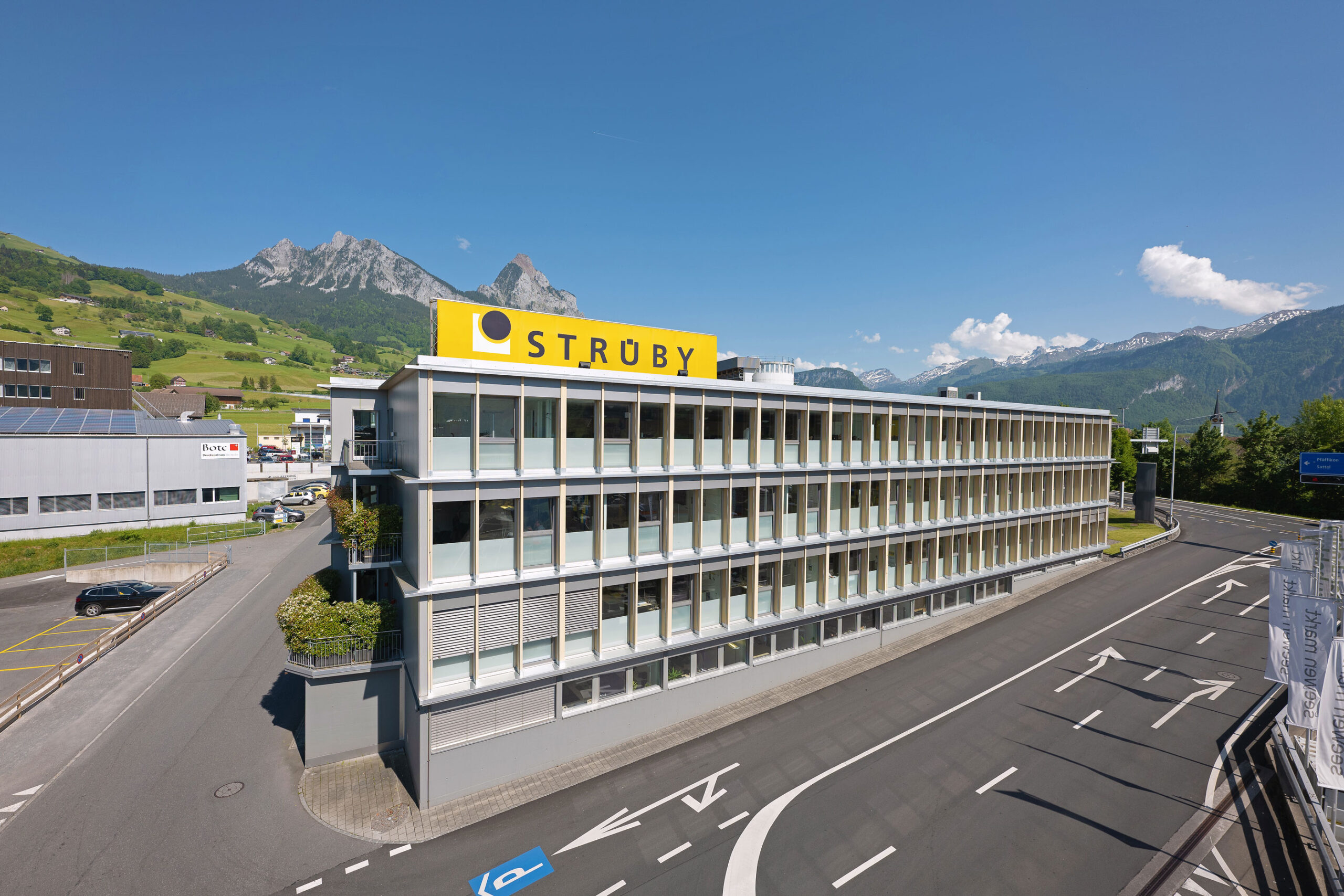
    The event is organised in close cooperation with Strüby Unternehmungen, which is the main sponsor of this event. The focus will be on sustainable development in Switzerland, an area in which Strüby Unternehmungen excels as they work with Swiss wood, one of the most sustainable building materials available. FIABCI-SUISSE and the Strüby companies are delighted to be celebrating their 75th anniversary together!

    The FIABCI-SUISSE association acts as a hub and information service provider for the Swiss property industry in predominantly international matters. FIABCI-SUISSE is an umbrella for all Swiss organisations with an international real estate focus. The international association is thematically unbound and economically independent

    As a full-service provider specialising in timber, Strüby Unternehmungen combines development, planning and timber construction under one roof. This is an important prerequisite for the efficient and precise realisation of multi-storey buildings and large-scale projects. Strüby is Switzerland’s leading full-service provider specialising in Swiss timber.

    PROGRAMME OF THE DAY

    10:15 a.m Meeting point in front of the KKL in Lucerne and welcome by FIABCI-SUISSE
    Bus transfer to Zug with delivery of “Strüby’s small snack”
    11:00 a.mArrival in Zug
    Tour of Zephyr V-Zug and Herti retirement centre
    11:30 a.m Bus transfer to Seewen SZ to the headquarters of Strüby Unternehmungen
    12:00 pm Lunch on the premises of the Urmiberg business centre (GZU)
    13:30 hrsGuided tour of the Urmiberg Business Centre (GZU), a Strüby construction
    14:00 hrs Specialist conference:
    The Strüby companies – Pius Kneubühler
    Modern timber construction architecture – Didier Pichonnaz
    Timber input with a view to NetZero – Andreas Binkert
    Panel, questions and answers – All
    15:00 hrsBus transfer to Root LU
    15:30 hrsGuided tour of the Strüby Holzbau AG production centre in Root LU
    16:00 hrsAperitif
    16:30 hrsReturn journey by bus to Lucerne

    For further information : www.fiabci.ch

  • Rents in Switzerland continue to rise

    Rents in Switzerland continue to rise

    The monthly rental index compiled by the digital property marketplace Homegate in collaboration with Zürcher Kantonalbank closed at 129.5 points in January. Compared to the previous month, the index rose by just 0.2 per cent, Homegate reported in a press release. In contrast, the property marketplace’s experts recorded a 3.1 per cent increase in asking rents across Switzerland compared to the previous year.

    Within the cantons, Homegate’s experts have observed significant year-on-year increases in many cases. In the canton of Graubünden and the two combined cantons of Appenzell, however, asking rents in January 2025 were 0.8 and 0.5 per cent lower than in January 2024. Appenzell continued the decline that began in the previous month. Graubünden, on the other hand, has somewhat offset the decline of the past two months, but remains below the level of around a year ago, according to the press release.

    In the eight Swiss cities included in the index, the experts have identified consistently rising asking rents over the past twelve months. In the press release, they highlight Lucerne and Basel with increases of 7.7 and 6.6 per cent respectively. Rents in Lucerne were 1.4 per cent lower than in December 2024. At -2.2 per cent, Lugano recorded the sharpest month-on-month decline. Rents in the city of Bern, on the other hand, rose by 0.6 per cent compared to December 2024.

    Homegate is a division of SMG Swiss Marketplace Group AG. This combines the digital marketplaces of TX Group, Ringier and Mobiliar.

  • Guide to sustainable building published

    Guide to sustainable building published

    The Rotkreuz-based Charta Kreislauforientiertes Bauen has published guidelines for sustainable and circular economy-orientated construction. According to a press release, the guidelines are intended to provide a practical basis for reducing non-renewable primary raw materials, lowering grey greenhouse gas emissions and improving the circularity of construction projects. The guideline is aimed at all partner organisations of the charter and also at interested building owners and investors. In addition to specific material instructions, the guidelines also take into account national and international environmental targets.

    Clear key indicators such as the Circularity Index Construction (CIC) are used to ensure transparency and comprehensible measurements of success. These enable the origin of materials to be recorded and grey greenhouse gas emissions to be measured.

    “The guidelines are more than just a guide – they are a practical tool that enables the Charter partner organisations to implement circular strategies in construction projects in a targeted and measurable way,” says Philipp Cescato, Charter Manager of the Circular Construction Charter, in the press release. “We create transparency and comparability with clearly defined indicators.”

    The Circular Construction Charter is run by Switzerland Innovation Park Central.

  • Interior fit-out specialist looks back on 130 years of company history

    Interior fit-out specialist looks back on 130 years of company history

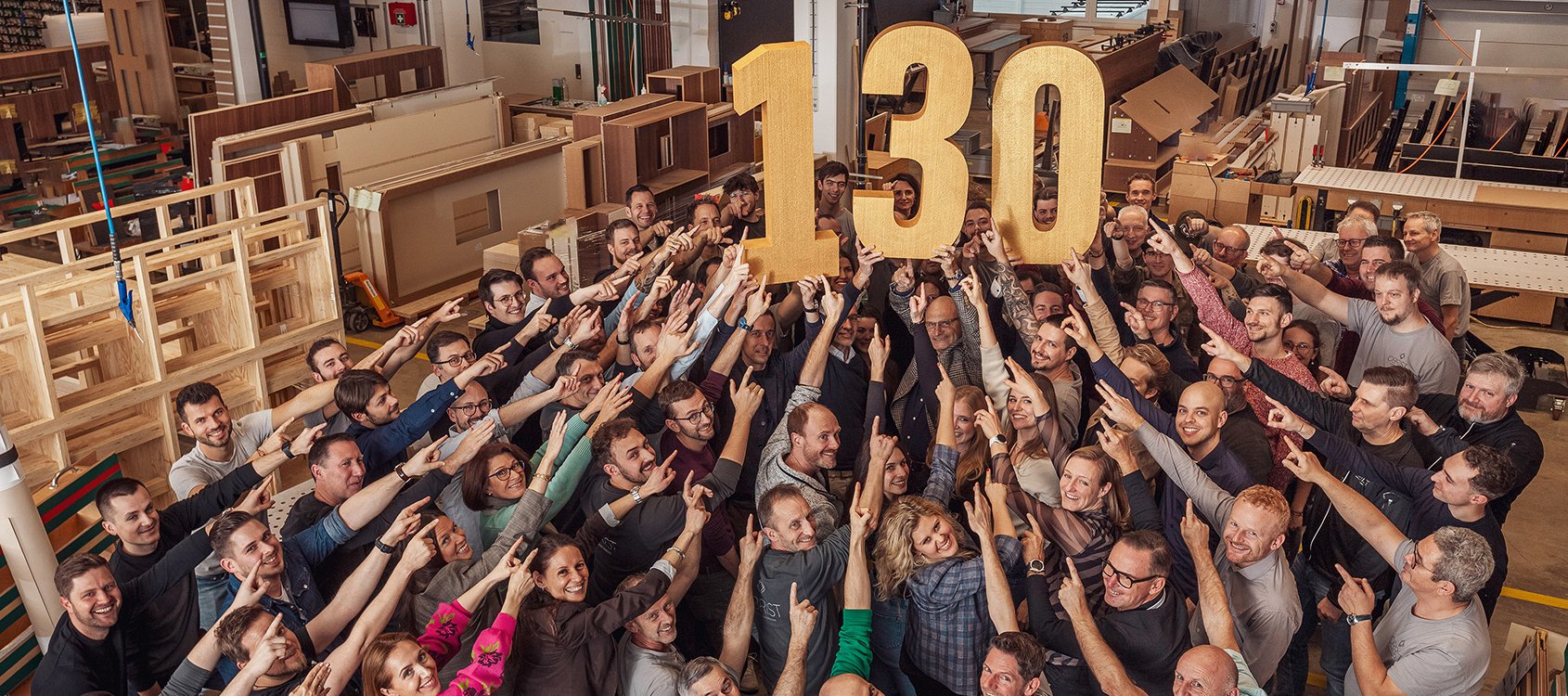
    Obrist interior AG is celebrating its 130th anniversary this year. Founded in 1885 as a small joinery, the company has “developed into a global industry leader” during this time, writes Obrist interior in a press release. With the celebrations in its anniversary year, the specialist for high-quality interiors in shopfitting and interior design wants to honour its employees in particular. “We would not be where we are today without their skills, commitment and endeavours to achieve the highest level of customer satisfaction,” CEO and owner Stefan Slamanig is quoted as saying in the press release.

    Obrist interior’s recipe for success is based on entrepreneurial agility, the company writes. The company based in Inwil, for example, relied on innovative technologies such as CNC machines, 3D printing, virtual reality and lean management long before these became standard in the industry. “We also work exclusively with the best in the industry when it comes to transport logistics and on-site assembly and always have our own experts on site for quality assurance purposes,” explains Chief Sales Officer Corrado Tona.

    In the press release, CEO Slamanig also refers to the plans announced last year for an extension in Inwil. A modular concept is to be implemented here to create space for more employees, additional production capacity, research and co-working. Obrist interior is currently in the final of the Swiss Venture Club‘s Prix Zentralschweiz 2025 together with four other companies.

  • District heating network in the lower Wiggertal is getting closer

    District heating network in the lower Wiggertal is getting closer

    The energy companies Primeo Energie from Münchenstein and StWZ Energie AG are in the planning stages for the district heating network Fernwärme Unteres Wiggertal (FUWI). According to a press release, their solution envisages the integration of existing networks.

    “The project is an important contribution to the decarbonisation of the heat supply. StWZ and Primeo are convinced that the district heating network in the lower Wiggertal can be realised most effectively if we join forces in a joint company,” Michael Schneider, Managing Director of Primeo Wärme AG, is quoted as saying. The first step will be to expand the district heating network in Oftringen and Zofingen and to integrate the existing district heating networks of both municipalities. Wood combustion in the StWZ energy centres and waste heat from the waste incineration plant (KVA) of Erzo (Entsorgung Region Zofingen) are to be used as climate-neutral heat energy substitutes.

    In addition to StWZ Energie AG Zofingen, EW Oftringen AG and EW Rothrist AG were initially involved in the project. Contrary to the plans, the two regional energy suppliers have withdrawn their commitment to join the company for the time being for various reasons. However, according to the press release, both companies are behind the project for CO2-neutral district heating. Participation at a later date has not been ruled out.

    The question of a future increase in heat consumption from summer 2027 is also still open. The Oftringen electorate will be asked to vote on the construction of a new waste incineration plant and the additional land required for this in November 2025.

  • More innovation, more craftsmanship, more opportunities Swissbau 2026

    More innovation, more craftsmanship, more opportunities Swissbau 2026

    Swissbau has been one of the most important platforms for the construction and property industry for over 50 years. in 2026, it will present itself with new focal points and strategic partnerships. The specialist areas of plaster, paint, dry construction, solar technology and energy storage have been officially included in the programme for the first time. The cooperation with the Swiss Association of Painting and Plastering Contractors (SMGV) is particularly noteworthy, as it provides for an additional expansion of the exhibitor and visitor segment.

    The co-operation with the SMGV is reflected in various areas of the trade fair. In addition to new live demos and specialist events, the renowned “Swiss Prize for Plaster and Paint” will also be awarded at the trade fair. These additional formats will ensure stronger industry networking and enable exhibitors to make targeted contact with specialists.

    Meeting point for trade: more interaction and Swissness
    A new, interactive area for the building trade will be created in Hall 1.0 under the motto “Swissness”. Here, the trade fair organiser wants to place a stronger focus on the skilled trades as a central component of the construction industry and, in particular, inspire young talent for the sector.

    A special highlight is the interactive house construction area, where various trades work in parallel and demonstrate their skills. Leading tradesmen will also be presenting their materials, tools and technologies. The neighbouring BauBeiz will be a lively meeting place for professionals, manufacturers and interested parties to exchange ideas. The combination of specialist knowledge, practical demonstrations and networking makes this area an important part of Swissbau 2026.

    Creative staging for more experience
    The trend world for interior design will be staged for the first time in Hall 1.2 and offers a modern, high-quality ambience for exhibitors from the bathroom, kitchen, floor/wall/ceiling, lighting and contract furnishing sectors. The redesign will enable stronger content-related networking between the exhibitors and ensure a holistic trade fair experience.

    This reorganisation also sees the return of Saturday as a trade fair day – but exclusively for Hall 1.2 and the Swissbau Focus. The extended opening hours will give both trade visitors with a strong professional commitment and private builders another opportunity to visit the trade fair.

    Knowledge transfer and practical solutions
    With the established Swissbau Focus and Swissbau Lab, the trade fair continues to focus on interdisciplinary exchange and practical solutions. While Swissbau Focus serves as a platform for political, economic and social discussions, Swissbau Lab offers a place where visitors can discover innovative products and sustainable technologies and try them out for themselves.

    Exhibitors also benefit from the new workshop programme, which gives them the opportunity to demonstrate their applications live in a practical environment. This further increases the added value for visitors, as they not only receive information, but can also experience the solutions directly.

  • Prices for residential property down, rental prices continue to rise

    Prices for residential property down, rental prices continue to rise

    Prices for residential property fell in the first month of this year, SMG Swiss Marketplace Group(SMG) reports in a press release on the latest Swiss Real Estate Offer Index. Specifically, prices for condominiums in January were 0.6 per cent lower than in December 2024. At the same time, single-family homes were even 2.1 per cent cheaper. In contrast, asking rents rose by 0.9 per cent in the same period.

    Year-on-year, prices for condominiums were 1.0 per cent higher in January. At the same time, prices for detached houses rose by 1.4 per cent. The average price per square metre for condominiums is currently CHF 8834, according to SMG. For single-family homes, the average price per square metre is CHF 7591.

    “Overall, the Swiss property market continues to be characterised by low and possibly falling interest rates,” Martin Waeber, Managing Director Real Estate at SMG Swiss Marketplace Group, is quoted as saying in the press release. The purchase of property is therefore associated with lower financing costs. “However, anyone looking to move into a new tenancy will have to expect price premiums in the coming months due to the tight supply situation,” explains Waeber. The SMG Swiss Marketplace Group brings together the digital marketplaces of TX Group, Ringier and Mobiliar.

  • Property company increases profit and expands in asset management

    Property company increases profit and expands in asset management

    Swiss Prime Site is reporting a consolidated operating profit at EBITDA level of CHF 415.1 million for the 2024 financial year. This corresponds to year-on-year growth of 6.5 per cent, the Zug-based real estate company reported in a press release. At the same time, cash earnings per share rose by 4.2 per cent to CHF 4.22.

    Rental growth and the property portfolio as well as higher income in asset management contributed to the positive developments. Rental income increased by 5.7 per cent year-on-year to CHF 463.5 million. In Asset Management, the operating result at EBITDA level increased by 47 per cent to CHF 42.0 million. The acquisition of the Fundamenta Group’s property asset manager in April was the main contributor to this. Consolidated operating expenses fell year-on-year from CHF 269.4 million to CHF 257.0 million.

    The value of Swiss Prime Site’s property portfolio amounted to CHF 13.1 billion at the end of 2024. The company recorded positive revaluations of CHF 113.7 million. In the reporting period, 23 properties with a total market value of CHF 345 million were sold.

    “In the past financial year, the focus was on implementing our strategy of consistently focussing on our core competence of real estate,” said Swiss Prime Site CEO René Zahnd in the press release. “With the acquisition of the Fundamenta Group, we have become by far the largest independent property asset manager in Switzerland and cover focused strategies in both the commercial and residential segments with our investment vehicles.”

  • Key interest rate trend revives property market

    Key interest rate trend revives property market

    The Swiss property market continues to prove resilient despite challenges, CSL Immobilien explains in a press release accompanying its 2025 property market report. Macroeconomic uncertainties and increasing regulatory requirements are cited as such. On the other hand, the gradual reduction in key interest rates by the Swiss National Bank had a positive effect on market dynamics.

    In the rental property market, CSL Immobilien continued to see strong demand in the past year with a shortage of supply. As a result, asking rents rose significantly faster than existing rents and the vacancy rate fell to a record low, according to the press release. Due to the particularly sharp rise in asking rents in cities such as Zurich and Geneva, households are increasingly moving to urban centres with good transport links.

    Prices for residential property also continued to rise last year. According to CSL Immobilien’s surveys, prices in the Zurich economic area rose particularly sharply.

    The office market developed differently in 2024. The supply of available space in the conurbations increased, while rental prices in the periphery fell. In the city centres, on the other hand, rents rose as the supply of space continued to fall. In general, there was increased demand for ESG-compliant office space and flexible utilisation concepts.

    CSL Immobilien anticipates moderate but solid further growth for the current year. “Investors who remain agile and adapt their strategies will be able to successfully capitalise on opportunities in 2025,” Thomas Walter, CEO of CSL Immobilien, is quoted as saying in the press release.

  • Housing situation of older people in Switzerland

    Housing situation of older people in Switzerland

    Low residential mobility despite changing needs
    The majority of over 75-year-olds remain in their homes despite changing housing requirements. Only 5.1 per cent of this age group moved in 2022. The reasons for this are long-term, favourable rental agreements, central residential locations and emotional attachment to the home. High market rents and relocation costs also act as a deterrent. If a move does take place, it usually remains within the region or leads to a care facility.

    Barriers in older residential buildings make everyday life more difficult
    Over 60 per cent of people over the age of 66 live in buildings that are not barrier-free. Stairs, narrow doors or a lack of lifts can make everyday life more difficult and increase the risk of falls and health problems. Necessary renovations are often difficult to realise.

    Loneliness as a key challenge
    77 per cent of older people live alone or with people of the same age, which increases the risk of social isolation. Older women, who are more likely to be single, are particularly affected. Loneliness has a negative impact on physical and mental health and increases the need for support in everyday life.

    Barrier-free housing and better support
    The study recommends better integrating older people into the regular housing market and creating barrier-free housing in a targeted manner. In addition to age-appropriate renovations, new forms of housing close to care facilities are needed. Social networks and support services should also be expanded to enable people to live independently.

    Data-based findings for the future
    The study is based on extensive data analyses on residential buildings, households, income and tenancies. These allow precise insights into the housing situation of older people and provide a scientific basis for future measures.