Tag: Stadtentwicklung

  • Office and practice space at Winterthur railway station fully let

    Office and practice space at Winterthur railway station fully let

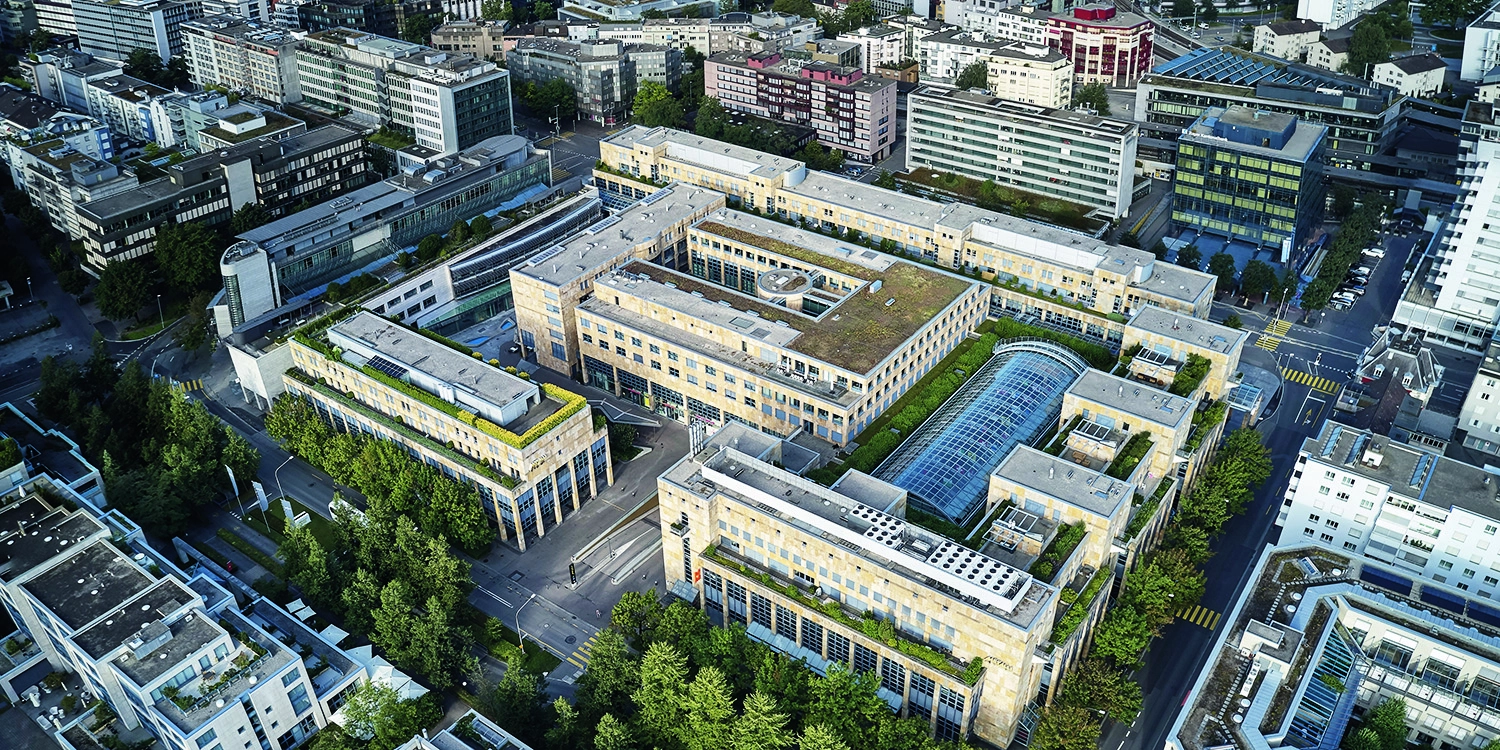
    Colliers Switzerland has found tenants for the development in the Wartstrasse 2 shopping street in Winterthur. As the commercial property service provider announced in a press release, the Augenarztpraxis am Bahnhof, an architecture firm and the Ecap language school will move into the office property directly next to the railway station.

    Christine Hürzeler and Hans-Georg Geiger offer a full range of diagnostic and preventive examinations for the early detection of eye diseases at the ophthalmological practice at the railway station.

    The Ecap language school has been in existence since 1970, initially focussing on courses in metal and mechanical engineering professions to qualify skilled workers for industrial companies. Today, the focus is on further training for migrants.

    The office property at Wartstrasse 2 was created as part of the redesign of Rudolfstrasse and the new subway at the rear of the railway station. The municipal project aims to revitalise the neighbourhood streets and strengthen the character of the centre. The rental properties were offered in shell form. They extend over an area of 1860 square metres and five storeys. The smallest unit measures 62 square metres, while the largest offers 366 square metres of office and practice space.

  • Schlieren involves population in overall revision of building and zoning regulations

    Schlieren involves population in overall revision of building and zoning regulations

    The city of Schlieren is working on the overall revision of its building and zoning regulations (BZO), which will determine how the urban area is to be further developed. The previous BZO dates back to 1996, which means that a revision is now necessary, according to a press release. The population is to be actively involved in the overall revision, for which a series of events is also planned.

    The first of two neighbourhood walks will take place on 23 August under the motto “green oases”. The walk on 3 September will then be entitled “Experience building culture”. On 1 October, the city of Schlieren will hold an information event and workshops as a future workshop, before the official online participation takes place between 2 October and 7 November, “where feedback can be incorporated directly into the process”, according to the city of Schlieren. Two neighbourhood dialogues will follow on 22 November and 27 November, as well as the public consultation, planned for the end of the year. In future, the city will provide further information on the overall revision at zukunft-schlieren.ch.

  • Think circularly, build together

    Think circularly, build together

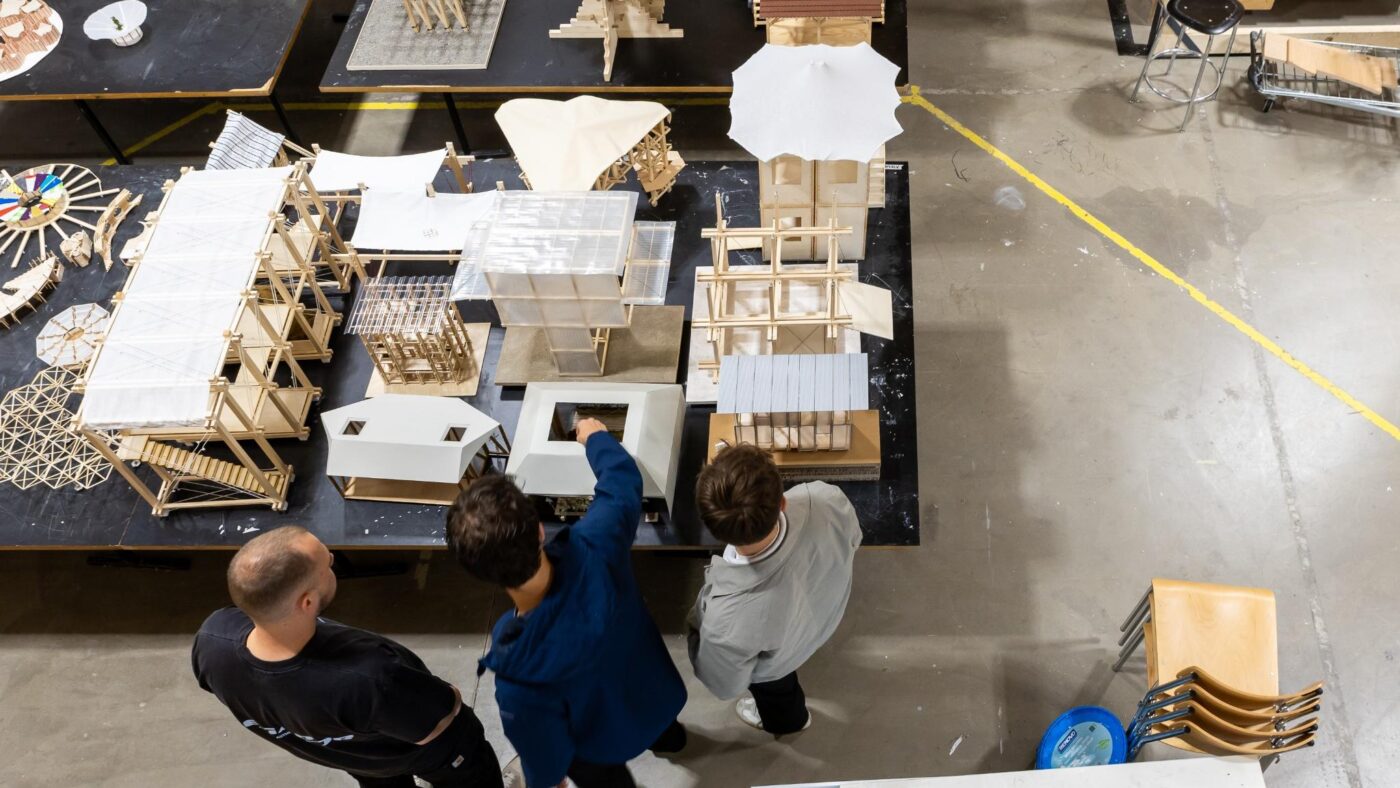
    The Circular Time Lab at Lucerne University of Applied Sciences and Arts brings together theory and practice, design and craftsmanship, teaching and urban development. It is an interdisciplinary project of the Competence Centre Typology & Planning in Architecture and the architecture degree programme at HSLU. Together with students from timber construction companies in the region, the students develop structures that are not only architecturally appealing but also fully reusable.

    The focus is on learning and designing together. The students gain an insight into manual processes and technical possibilities, while the trainees participate in design processes. The result is a deep understanding of resource-conserving construction that closes cycles and preserves material value.

    Experience architecture – in the centre of Lucerne
    Since June 2025, the results of this collaboration can be experienced at two central locations in the canton of Lucerne, on the Inseli near the railway station and at the Viscosi site in Emmenbrücke. There, airy wooden structures with colourful fabrics invite you to linger, observe and pause. They offer protection from the sun and rain and at the same time inspire reflection.

    The structures are more than just aesthetic interventions in the urban space. They are built statements in favour of a building culture that takes responsibility. Their open design invites people to engage in dialogue and makes sustainability visible and tangible. The “Lucerne Summer” thus becomes a field of experimentation for an architecture that aims for impact rather than permanence.

    Circularity instead of deconstruction
    Reuse is at the centre of the Circular Time Lab. The wooden pavilions are not designed as one-off buildings, but as temporary structures with a future. Existing timber components were used for the initial construction. All connections are detachable and all dimensions are retained. The pavilion will be dismantled in autumn 2025 and a new pavilion with a new function will be built from the same elements in 2026.

    This iterative approach not only conserves resources, but also trains planning thinking. After all, circular construction requires creativity and precision. How does an old beam fit into a new design? How do you create beauty without waste? These questions accompany the participants of the Circular Time Lab throughout the entire process and strengthen their skills for the sustainable construction of tomorrow.

    Part of an international network
    The Lucerne project is embedded in the European research programme BAUHALPS, Building Circular in the Alps. in this programme, 13 partner institutions from six countries are jointly developing new strategies for circular construction in the Alpine region. The Circular Time Lab serves as a living real-world laboratory. A place for experimentation, exchange and applied research.

    The cooperation not only opens up new perspectives for students and trainees, but also international networks. In this way, a local timber construction project becomes a building block for transnational change, an impulse that radiates far beyond Lucerne.

    The future begins on a small scale
    The timber structures of the Lucerne Summer may seem small at first glance. But they harbour big ideas: collaboration, circular economy, education and responsibility. The Circular Time Lab shows how sustainable construction can be anchored in education and made visible in public spaces. Because if you want to reuse materials, you first have to rethink ideas.

  • Zug city parliament supports Metalli development plan

    Zug city parliament supports Metalli development plan

    The Metalli development plan has entered the political approval process, the Zug Estates Group announced in a press release. The property company, which focuses on Zug as a business and living space, is planning to develop the existing shopping avenue into a lively district. The aim is to create additional living space and new green public outdoor areas.

    The city council of Zug had already approved the Metalli development plan on 8 April. On 17 June, the development plan was also approved in the first instance by the Zug City Council. The plans will now go out for public consultation before returning to the Grand Municipal Council for a second reading in spring 2026. Zug Estates can then initiate the actual planning process with an architectural competition.

    The Metalli development plan envisages the creation of 160 new flats, 130 of which will be in addition to the existing housing supply. To this end, extensions to existing buildings and a new tower block are planned. A new square with a connection to the railway station site will serve as the entrance to Metalli. Zug Estates also wants to create a public and park-like roof terrace.

    “With the Metalli Living Space project, we are picking up on proven qualities and preserving the characteristic architecture of the Metalli with its glass roofs, arcades and typical materialisation,” Peter Wicki, Head of Project Development at Zug Estates, is quoted as saying in the press release. “Thanks to the targeted upgrading and modernisation of the infrastructure and the increased attractiveness of the shopping avenue, the Metalli living space is also an opportunity for the preservation and further development of retail and gastronomy.”

  • Dietikon tackles construction of the stream adventure trail in Grunschen

    Dietikon tackles construction of the stream adventure trail in Grunschen

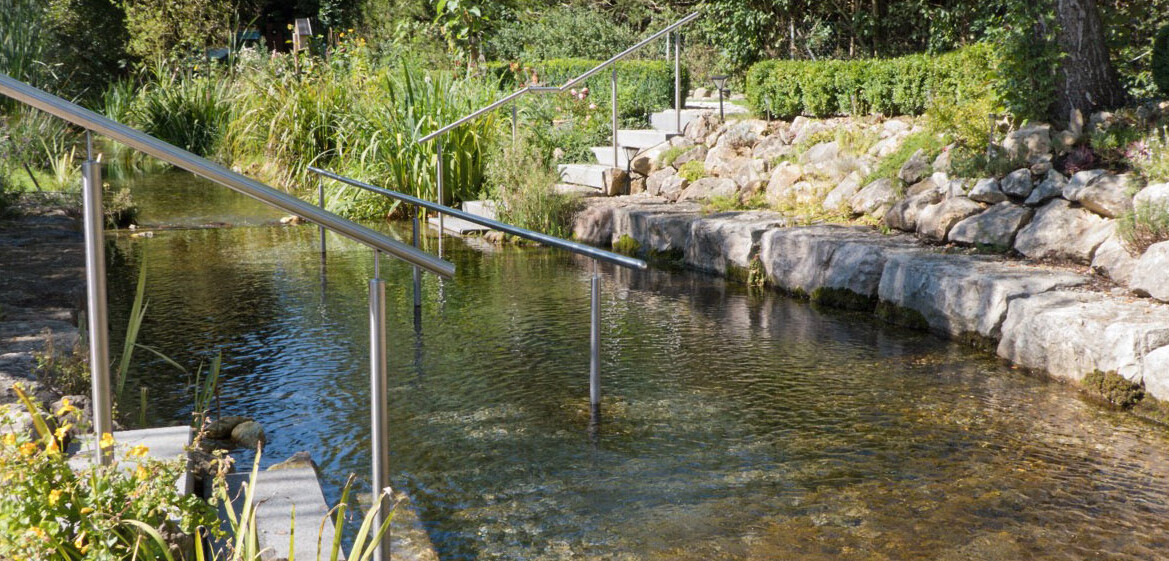
    The town of Dietikon is embarking on the construction of a stream adventure trail along the Reppisch watercourse in Grunschen Park. Construction work will begin on 7 July, the town council announced in a press release. The natural Kneipp facility with a maximum water depth of 20 centimetres should be completed by late summer.

    The construction costs are estimated at CHF 160,000 in the press release. Around 110,000 francs of this will be covered by the Canton of Zurich’s Office for Water, Energy and Air. The remaining 50,000 francs will be covered by the town of Dietikon.

    The stream adventure trail will have a stainless steel handrail and three entrances and exits for walking with or against the current. Rootstocks and boulders will form seating areas on the embankment. Boulders will also be placed in the water to create different currents. They can also serve as shelter for juvenile fish.

  • Schlieren station shines in new splendor

    Schlieren station shines in new splendor

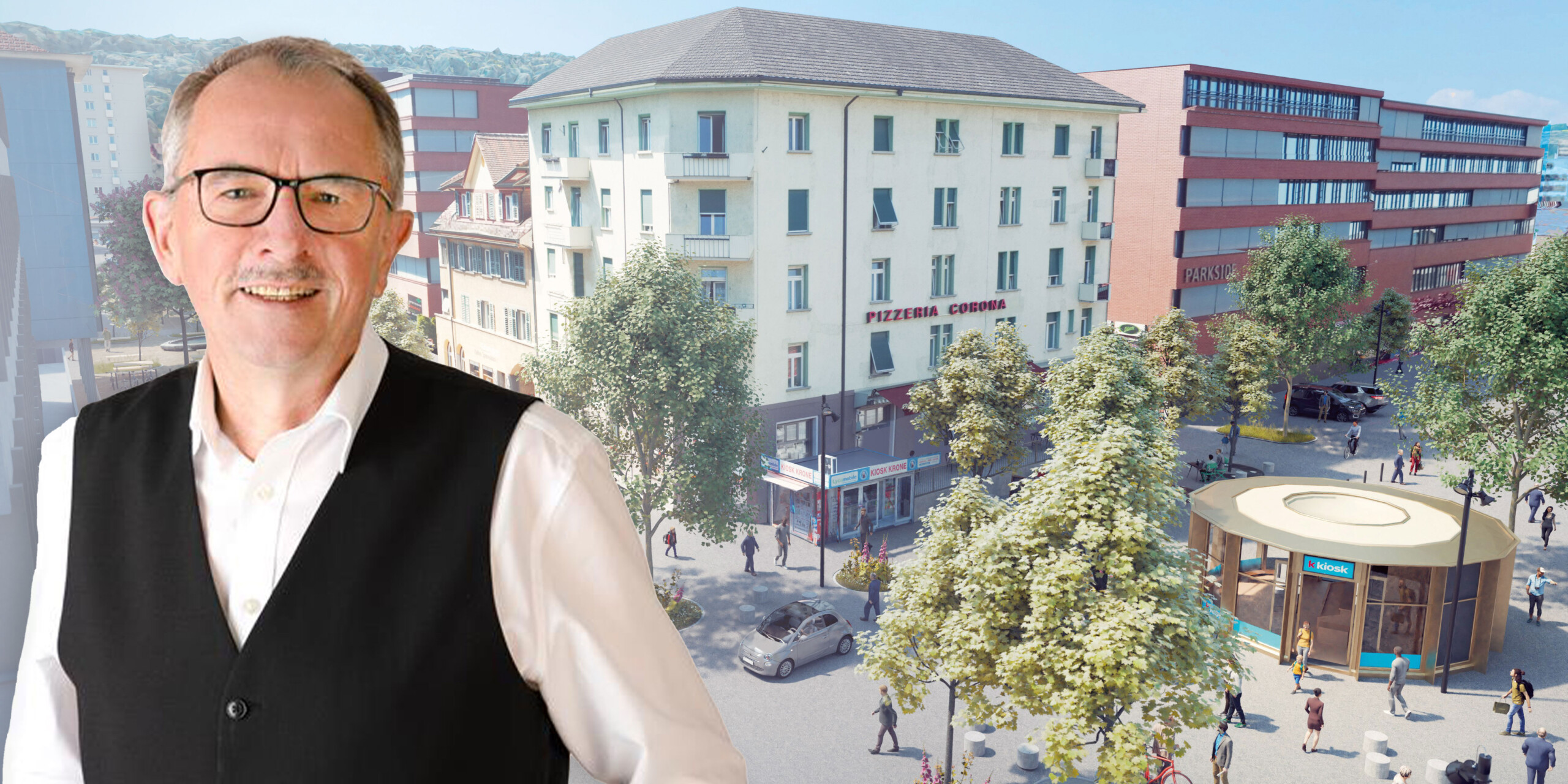
    The station square in Schlieren has been transformed into a modern meeting zone that creates space for recreation, encounters and visible mobility. In the center is a spacious square with a striking tree as a green landmark. In front of the city library, a fountain with benches invites people to linger, and new recreational areas have also been created by the SBB West underpass and in front of the restaurants.

    A central element is the clear right of way for pedestrians through the meeting zone. Sidewalks have become superfluous and the entire space belongs to public life. Almost 70 new bicycle parking spaces also encourage people to switch from bicycles to public transport.

    Green spaces for the urban climate
    An innovative approach to climate adaptation was chosen with the implementation of the sponge city principle. 1,200 m² were unsealed to allow rainwater to seep away better. Newly planted trees and around 500 m² of additional green space provide shade and evaporation for cooling, especially on hot summer days.

    The planting is not only ecologically valuable, but also aesthetically pleasing. The cityscape looks livelier and more inviting.

    Grand opening for the public
    The new meeting zone will be inaugurated with a two-day celebration on Friday and Saturday, June 20 and 21, 2025. The event will kick off with an official speech by City Councillor Stefano Kunz on Friday at 5.00 pm, accompanied by the Harmonie Schlieren band. This will be followed by the street festival with culinary delights and live music, including country artist Tobey Lucas.

    It continues on Saturday from 11.00 am. Local musicians will perform on the stage at Bahnhofsplatz, including the Schlieren music school teachers’ band, Patrick Harbor, the music school choir and Valerù with their band.

    Bahnhofstrasse will be closed to traffic during the festivities. The town belongs to the people this weekend.

    A project with a signal effect
    The pedestrian zone is an example of future-oriented urban development that combines quality of life, climate resilience and mobility. What was initiated by a referendum in 2021 now stands for a new chapter in urban design in Schlieren.

  • Smart City Aarau networked, user-centered and environmentally friendly

    Smart City Aarau networked, user-centered and environmentally friendly

    Aarau is facing complex social and technological developments. In order to respond to this in a future-oriented manner, the city is pursuing a networked, creative and efficient approach with its Smart City strategy. The focus is on concrete benefits for the target groups and environmentally friendly processes. Digital technologies are only used where they create real added value.

    Five basic principles for smart impact
    Based on experience from the first strategy period from 2021 to 2025 and proven models from other cities, Aarau has defined five high-impact approaches.

    Networking: Projects interlock across departments and are implemented collaboratively.

    Meeting needs: Solutions that are actually needed are developed in dialog with the population.

    Testing: Innovation also means trying things out. Pilot tests help to minimize risks and make ideas practicable.

    Environmental protection: Sustainability is a must. All projects take environmental aspects into account and rely on renewable resources.

    Technology as a means to an end: Technology is used in a targeted manner and only if it contributes to the solution.

    Smart City Team as enabler
    The municipal Smart City Team supports employees in the idea and project phase. It helps to identify target groups, hone project ideas and develop testable solutions. Formats such as kick-off meetings, workshops or support for complex projects through to implementation are available. The motto: implement projects with real benefits for Aarau or consciously reject them.

    Targeted support and smart vessels
    The Smart City Team also works in the background. It monitors trends, networks stakeholders and promotes knowledge transfer via formats such as the “Smart City Newsroom”. It also supports projects financially via the Smart City Investment Loan and helps to create participatory vessels.

    Measuring impact and learning
    The strategy is based on the IOOI impact model and measures not only outputs but also outcomes and long-term impacts. The aim is for all municipal specialists to apply user-centered methods, plan their projects in a networked manner, implement them in a resource-efficient way and integrate digital technologies in a meaningful way by 2034.

    Smart City Aarau thinks ahead
    The city of Aarau is reinterpreting Smart City as a method for developing sustainable, liveable urbanity. The focus is on people, not technology. This turns complexity into innovation and ideas into concrete future solutions for Aarau.

  • World record solar fence realized in Basel

    World record solar fence realized in Basel

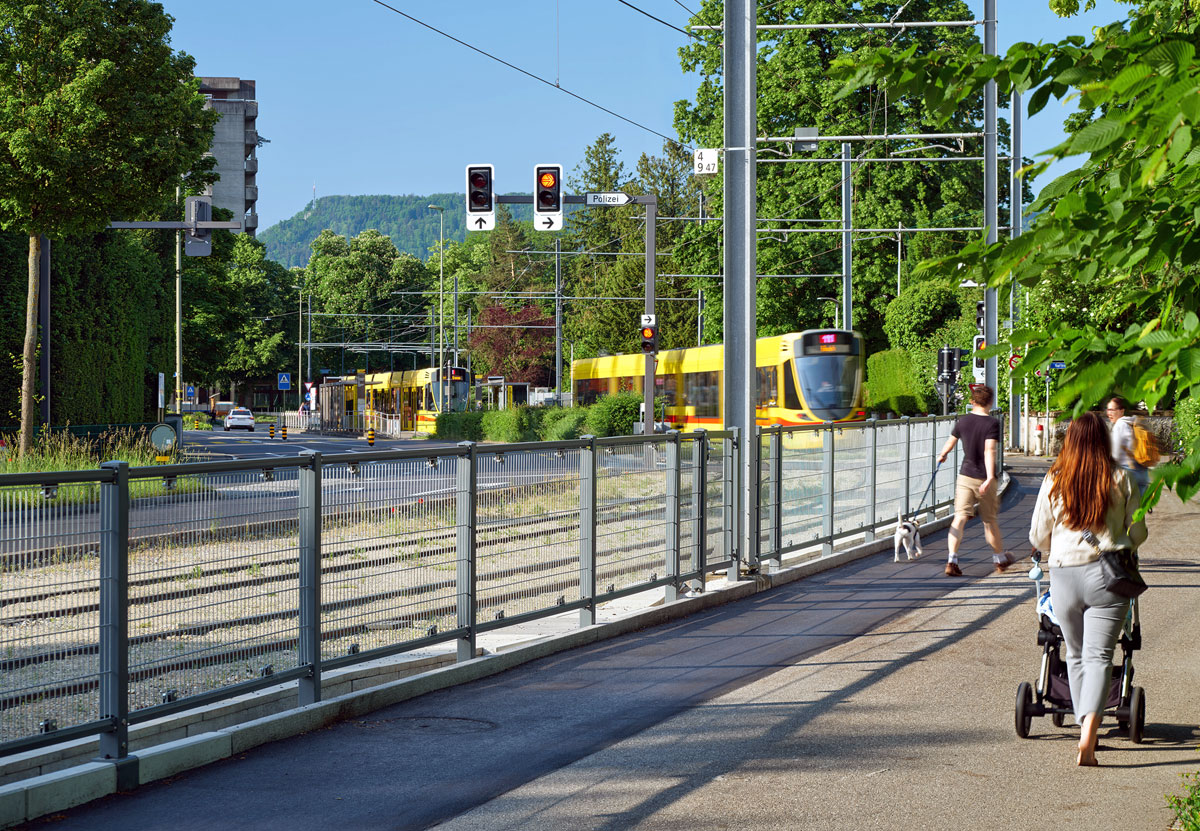
    A new safety fence was required as part of the BLT streetcar line route renewal. Instead of a conventional solution, the project focuses on functional added value. A vertically installed solar fence. The combination of safety infrastructure with bifacial photovoltaic modules makes double use of existing areas without additional land consumption, a decisive advantage in urban areas.

    High performance along the rail
    A total of over 400 high-performance bifacial modules will be installed, which can absorb solar radiation on both sides and convert it into electricity. The predicted maximum output is 194 kWp. The integration takes place on a specially developed frame system in basalt gray, which blends harmoniously into the cityscape. This system was developed in cooperation with the company Next2Sun, which specializes in vertical photovoltaic solutions.

    Sustainable energy from the fence
    The project is being implemented in stages. While the first construction phase of the fence has already been completed, the installation of the photovoltaic modules is now beginning. The project is being realized as part of a collaboration between Solarzaun GmbH, BLT and Alpsteinzaun Tor AG. The integration into the existing streetcar renovation construction site enabled smooth implementation.

    Research and prospects
    The project is also being supported by the scientific community. Professor Hartmut Nussbaumer from the ZHAW sees the solar fence as a pioneering model for urban energy solutions. Particularly noteworthy is the energy production at times of day when conventional PV systems, such as those on roofs, work less efficiently. The system therefore complements conventional photovoltaic strategies and improves the seasonal security of supply.

    Model with a signal effect for cities worldwide
    With the world’s longest solar fence, Basel is setting a strong example for the intelligent combination of mobility and energy infrastructure. The project combines technical innovation with urban integration and is expected to serve as a model for similar approaches in other regions. For specialists and managers in urban development, energy planning and infrastructure management, this model offers concrete suggestions for a sustainable future in urban areas.

  • Cham Swiss Properties optimizes “Rocket & Tigerli”

    Cham Swiss Properties optimizes “Rocket & Tigerli”

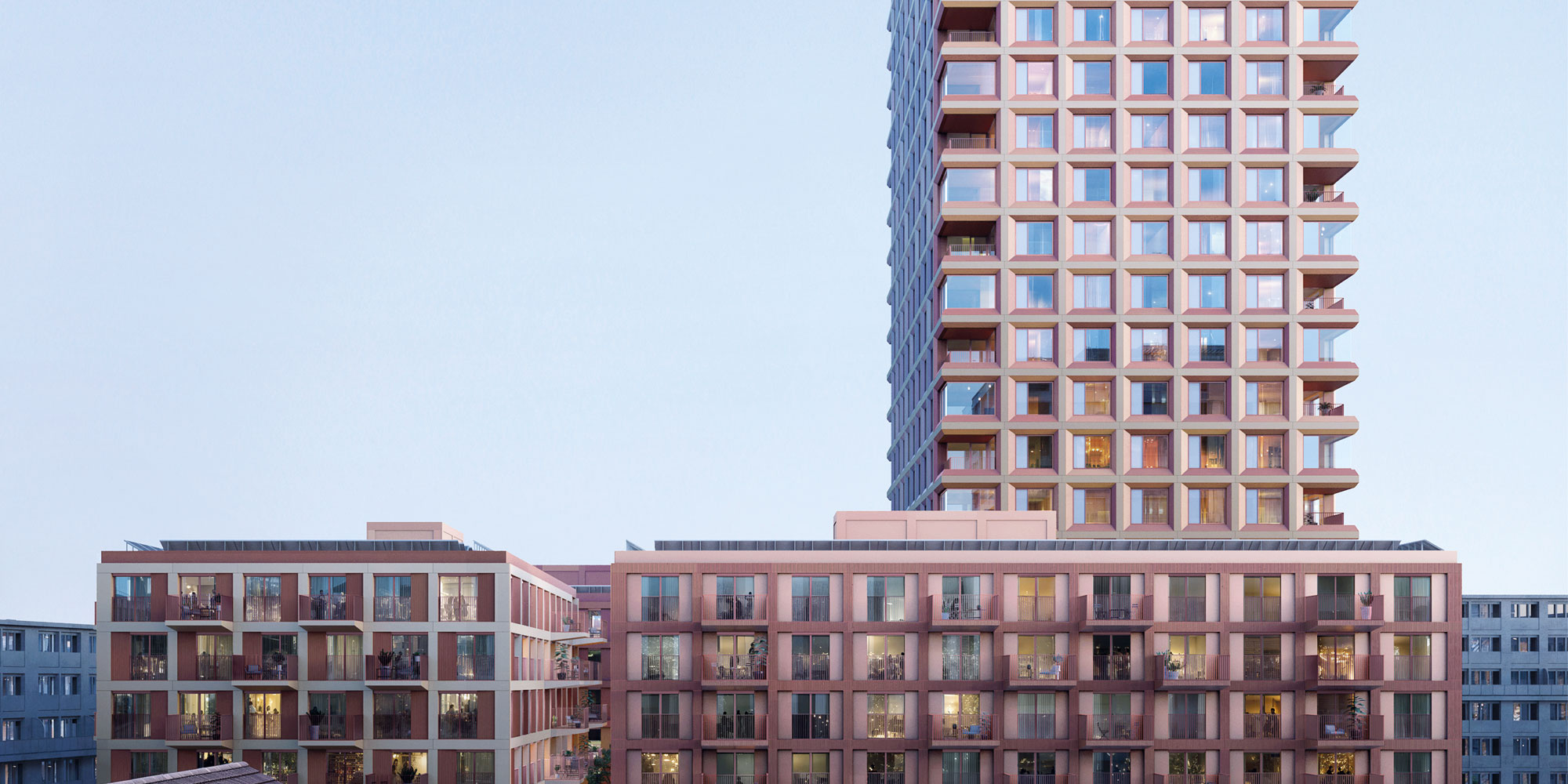
    Das Hochhaus „Rocket“ mit 100 Metern Höhe und die drei angrenzenden Wohngebäude „Tigerli“ sollen in der Lokstadt nicht nur Wohnen und Arbeiten ermöglichen, sondern auch städtebauliche Akzente setzen. Die Stadt Winterthur hat Anfang April 2025 die Baubewilligung erteilt. Allerdings mit strengen Auflagen, die vor allem die öffentliche Nutzung von Erd- und Dachgeschoss betreffen. Cham Swiss Properties AG, hervorgegangen aus der Fusion von Ina Invest und Cham Group, nimmt diese Auflagen ernst und will in enger Abstimmung mit den Behörden Optimierungen vornehmen.

    Formaler Rekurs als Zwischenschritt
    Obwohl es von externen Seiten keine Einsprachen gab, hat die Eigentümerin selbst einen Rekurs gegen die Baubewilligung eingelegt. Hintergrund ist die Notwendigkeit, die Detailvorgaben der Stadt zu präzisieren und in einem konstruktiven Dialog mit dem Amt für Städtebau und dem Amt für Baubewilligungen abzustimmen. CEO Thomas Aebischer erklärt: „Das ist eine Formalie. Entscheidend ist für uns der inhaltliche Austausch, damit Rocket & Tigerli der städtebaulichen Bedeutung vollauf gerecht werden.“

    Zentrale Punkte der Nachbesserung sind eine attraktive, öffentlich zugängliche Dachterrasse und publikumsorientierte Nutzungen im Erdgeschoss, wie Cafés und Gastronomieangebote am Dialogplatz. Diese Anpassungen sollen die Aufenthaltsqualität und die Einbindung in die Lokstadt fördern.Ein Ziel, das auch der Stadt Winterthur wichtig ist. Der Rekurs schafft die rechtliche Grundlage, um diese Punkte sorgfältig zu prüfen, ohne den laufenden Projektplan zu gefährden.

    Keine Verzögerung trotz Rekurs
    Cham Swiss Properties zeigt sich zuversichtlich, dass der Zeitplan eingehalten wird. Bereits jetzt ist klar; Rocket & Tigerli bleiben Meilensteine für den urbanen Holzbau in der Schweiz. Das Ensemble nutzt das Potenzial des zukunftsweisenden Holzhybridbaus und steht für nachhaltige Stadtentwicklung mit hoher architektonischer Qualität. Bis Ende 2028 soll das Projekt abgeschlossen sein, mit Wohnungen im Hochhaus und Hotelnutzungen in den unteren Geschossen.

    Bedeutung für Winterthur
    Für die Stadt Winterthur bedeutet das Projekt nicht nur ein neues Wahrzeichen, sondern auch zusätzliche Impulse für das Quartier Lokstadt. Als Teil einer umfassenden Transformation stärkt Rocket & Tigerli die Position der Stadt als attraktiver Wohn- und Wirtschaftsstandort und unterstreicht die Bedeutung nachhaltiger, innovativer Bauvorhaben.

  • City of Winterthur extends agreement with location promotion organisation

    City of Winterthur extends agreement with location promotion organisation

    The new service agreement between the city of Winterthur and the House of Winterthur provides for an adjustment of the organisation’s tasks. The House of Winterthur should focus on strengthening the Winterthur Switzerland brand and on the strategic marketing of the location for business, education, culture and tourism, according to a statement from the city.

    This includes making the hidden champions among the companies and the diversity of the local business landscape visible. Innovation and knowledge transfer are to be strengthened through targeted networking and new event formats, among other things. The House of Winterthur will also actively support start-ups.

    Operational location promotion, on the other hand, will once again be the responsibility of the city. This includes company relocations, portfolio management and space brokerage.

    The city intends to support the House of Winterthur with CHF 760,000 per year between 2026 and 2029, CHF 100,000 per year less than before. The final say lies with the city parliament.

    In a statement, the House of Winterthur recalls that the city’s contribution was CHF 960,000 per year when the organisation was founded in 2017. Beat Schwab, President of the House of Winterthur, which is organised as an association, refers to the new management and other changes in personnel. “There is a spirit of optimism at House of Winterthur,” he is quoted as saying in the press release. “It would be a shame if excessive pressure to save money were to jeopardise this development and seriously impair the sustainable promotion of the location as well as the management of company relocations.”

    The association is supported by the city, the neighbouring municipalities and over 400 members.

  • A visionary urban development project

    A visionary urban development project

    The new urban quarter covers an area of 125,600 square meters and will provide space for around 1,700 residents and the same number of jobs. The development is based on a sustainable urban model that combines both dense construction and natural recreational zones. The project relieves pressure on the city center and at the same time creates modern, well-developed commercial areas that strengthen Solothurn’s attractiveness as a business location.

    Living space for all generations
    The new district is based on well thought-out usage concepts that are tailored to the needs of a growing urban society. A variety of housing options for singles, families and senior citizens, modern workspaces with flexible usage options as well as high-quality green and recreational spaces that contribute to the quality of life are being created. The urban location between the Aare and the old town combines the advantages of city life with the amenities of sport and recreation in the most beautiful natural surroundings. Generous public spaces and traffic-calmed zones promote a high quality of stay and support social interaction.

    Urban development with a strong neighborhood spirit
    Solothurn Weitblick is more than just a construction project, it is a model for future-oriented urban development. The mix of different forms of housing, cooperative and private residential property and a consistent focus on pedestrians promote a strong neighborhood identity. Meeting zones, green promenades and well thought-out spatial structures invite people to linger and create a lively district that encourages active participation.

    Pioneer for sustainable urban planning
    The project focuses on innovative concepts for climate adaptation. The “sponge city” principle is used to store and evaporate rainwater in order to reduce heat islands and increase resistance to heavy rainfall events. Green roofs, water systems and retention basins contribute to a pleasant microclimate and sustainably improve the district’s environmental balance.

    First construction stages successfully completed
    Development of the area has already begun. In April 2023, work began on the Brühlhof Promenade, which has been open to pedestrians and cyclists since fall 2023. Work on Oberhofstrasse and key transport links has been underway since spring 2024. The first infrastructure measures should be completed by the end of the year, creating the basis for further neighborhood development.

    A model district for the future
    The new urban quarter will create a vibrant center for modern living and working. The successful combination of city and nature and a clear vision will create a unique space for future generations. This forward-looking project sets standards for the urban development of the future and offers Solothurn the opportunity to further strengthen its identity as a liveable and innovative city.

  • International platform for spatial planning

    International platform for spatial planning

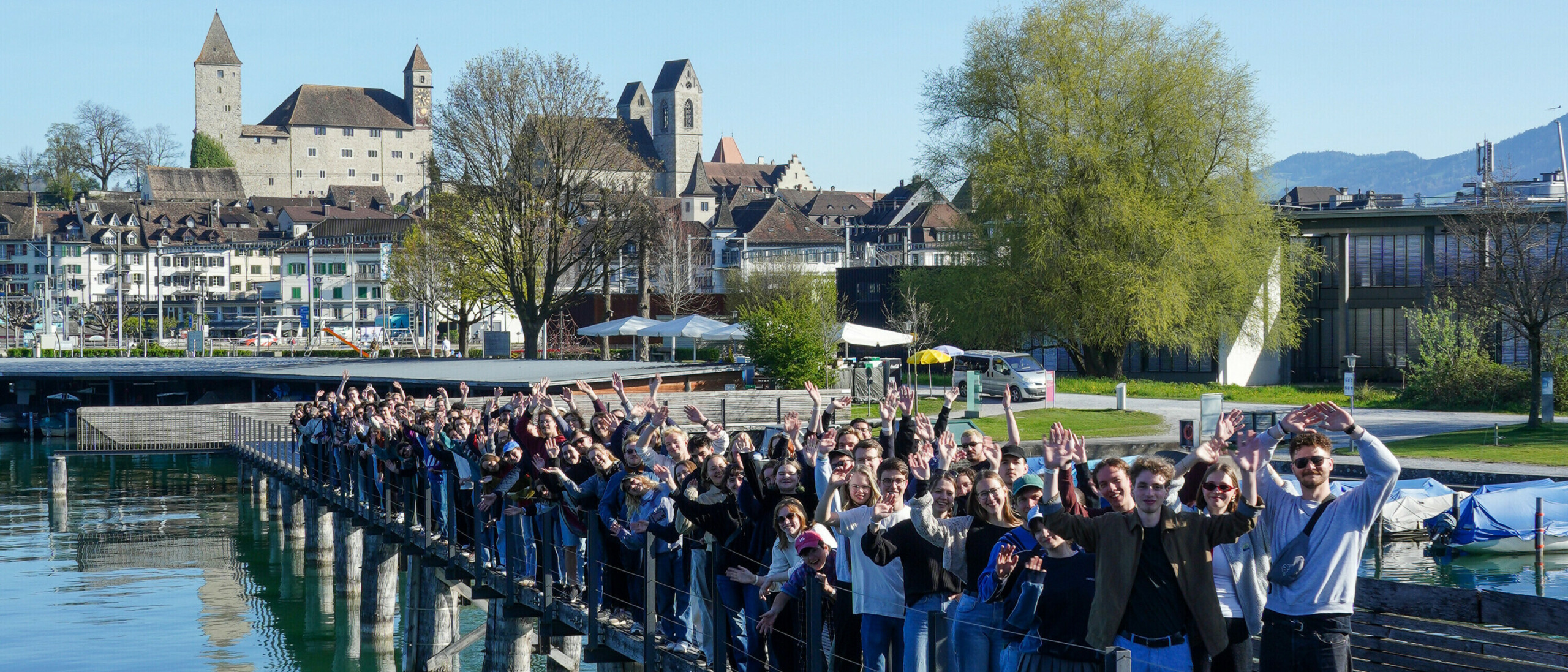
    Under the motto “P:ITte all change ‘Space & Mobility’ integrated”, the Eastern Switzerland University of Applied Sciences hosted its 76th meeting from April 9 to 13, 2025. Around 150 students of urban, transport and spatial planning accepted the invitation to Rapperswil-Jona. The meeting, organized by dedicated Bachelor students, offered a platform for international exchange, networking and professional discussions about the future of spatial and transport planning.

    Professional impetus for the transport turnaround
    The focus was on the question of how mobility can be designed sustainably and dovetailed with urban development in a meaningful way. Using specific examples from the region, the participants examined the Bahnhofstrasse in Rapperswil and the function of transport hubs such as Jona railroad station. The interactive workshops and excursions made it clear that successful spatial planning requires integrated solutions that consider settlement and transportation as a unit.

    Networking across national borders
    The Planners’ Meeting is the most important conference for students of urban and spatial planning in German-speaking countries. Organized on a rotating basis by the student councils, the meeting offers further professional training and valuable international networking. The next meeting will take place at the TH Lübeck and the HCU Hamburg and will continue the discussion on sustainable spatial concepts.

  • Recovery despite noise pollution

    Recovery despite noise pollution

    Cities are growing, noise levels are rising and natural recreational areas are shrinking at the same time. A comprehensive study by Empa and the Swiss Federal Institute for Forest, Snow and Landscape Research has now shown for the first time in Switzerland how crucial green environments are for coping with stress in noisy cities. Physical and mental recovery processes are significantly promoted by access to green spaces, and this effect can even be measured in the long term.

    Virtual realities prove real effect
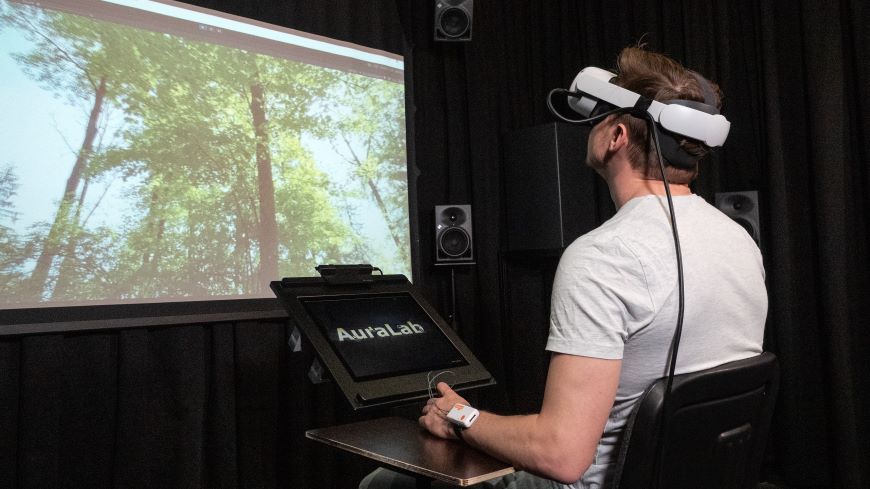
    In Empa’s Auralab, test subjects were immersed in various environments using virtual reality, from quiet urban landscapes to near-natural scenarios. After a targeted stress phase, triggered by cognitive tasks under traffic noise, a clear trend emerged. Natural soundscapes such as forests or lakes reduced physiological stress more than urban settings. Sweat production on the fingers and cortisol concentrations in saliva clearly demonstrated the effect on the body.

    Long-term study confirms sustainable recovery
    The findings from the laboratory were also confirmed in field research. A study with over 230 participants in Zurich showed that green spaces in the neighborhood reduce chronic stress levels. Hair samples showed a lower concentration of the stress hormone cortisol in people living in green and quieter environments. Even moderately greened urban spaces can therefore make a significant contribution to long-term stress management.

    Guide to healthy cities of the future
    The RESTORE project (“Restorative green spaces in noise-polluted areas”) summarizes the results of the four sub-studies and provides an important basis for policy, urban planning and health protection. In particular, the findings should influence the further development of Swiss noise legislation as well as spatial and environmental planning. At a time when three quarters of the European urban population is affected by noise pollution, the integration of green spaces opens up new perspectives for a resilient, liveable urban future.

  • Potential for residential construction and internal development

    Potential for residential construction and internal development

    Residential construction is a key factor in sustainable urban and spatial development. Switzerland is faced with the task of creating new living space without unnecessarily taking up valuable land outside existing settlement areas. The findings of the Federal Office for Spatial Development show that the construction of existing housing in particular will play a key role in future development. However, this is associated with more complex challenges than new construction on previously undeveloped land.

    Where are new apartments being built?
    An analysis of residential construction activity between 2018 and 2022 shows clear patterns. Rural and peri-urban municipalities show a higher level of new construction activity in relation to their primary housing stock than urban areas. Nevertheless, the proportion of new builds on previously undeveloped building plots has decreased overall, while the proportion of construction in existing buildings now accounts for 59% of building permits. In urban areas, residential construction is increasingly concentrated in existing residential areas, while growth continues to be recorded on the outskirts of settlements.

    The challenge of building on existing properties
    Building housing on existing sites is more complex than developing new building areas. One key finding is that municipalities with large undeveloped building land reserves have less building activity in existing areas. The pressure for redensification is lower where there is still sufficient space for new buildings. At the same time, targeted measures by the municipalities and high-quality construction projects can make a positive contribution to inner development and create incentives for the use of existing structures.

    Drivers of and obstacles to building activity
    Building activity on undeveloped land is easier to analyze as it is strongly influenced by measurable factors such as property price trends and rent levels. Case studies show that municipalities with an active housing policy have a higher rate of inner-city development. Municipal measures such as targeted advice, land policy or attractive public spaces can provide decisive incentives for redensification.

    Quality as the key to acceptance
    Another success factor is the quality of the construction projects. Social acceptance is higher when construction projects not only create additional living space, but also contribute to the quality of the settlement. This includes publicly accessible open spaces, the promotion of biodiversity and socially acceptable housing. Such quality criteria are particularly important in inner-city development, as structural changes often take place in the direct residential environment of the residents.

    Settlement development a long-term change
    Ten years after the Spatial Planning Act came into force, initial data shows that the transformation towards inner-city development has begun. Particularly in urban areas such as Zurich, Basel and Lausanne, more and more apartments are being built by converting or adding storeys to existing buildings. However, there is also an increasing trend in peri-urban and rural communities towards the use of already built-up areas.

    Strategies for residential construction
    The analysis of residential construction activity shows that targeted control through spatial planning is possible. Municipalities that actively promote inner-city development are better able to meet the challenges of residential construction. Successful strategies include a forward-looking land policy, high-quality construction projects and close cooperation between the public and private sectors. Inner development remains one of the central tasks for future-oriented spatial development in order to meet the growing demand for housing in a resource-efficient manner.

  • Daniel Leupi on Zurich’s housing policy

    Daniel Leupi on Zurich’s housing policy

    Daniel Leupi has been responsible for the City of Zurich’s real estate policy as Chief Financial Officer since 2013 and can point to tangible results. With the Leutschenbach, Letzi, Hard and Hardau I housing estates, almost 830 new non-profit apartments have been created. At the same time, the city has acquired 24 properties in recent years. Leupi also attributes this success to the strengthened acquisitions department.

    With the new housing fund, non-profit developers can now also apply for financial contributions for land purchases and new buildings. The depreciation contributions financed from these funds enable lower rents despite rising market prices. At the same time, a new letting ordinance ensures that the approximately 10,000 municipal apartments are allocated in a socially responsible and transparent manner.

    A growing portfolio with responsibility
    At the end of 2024, the municipal portfolio will comprise 58 housing estates and over 500 individual residential properties, a total of 1,400 buildings with almost 10,000 non-profit apartments. In addition, there are 220 active building rights for over 6,000 apartments and further projects in preparation. The city thus acts not only as a planner, but also as a major real estate owner with a clear focus on affordable housing.

    Challenges of a dynamic market
    Despite all efforts, the challenge remains great. According to Leupi, the housing shortage is a structural problem that occurs in every attractive city center. It is particularly problematic that many investors are primarily constructing high-priced new buildings, while existing apartments are being squeezed out. Although the market is growing, it is not socially balanced. The city cannot create affordable housing for everyone, but it can create more and more affordable housing.

    Market intervention or tenant protection?
    The discussion surrounding the case of the so-called “SUGUS houses” has reignited the debate on social mixing. Leupi does not see this as a problem, but rather as a functioning example of affordable housing in private hands. At the same time, he warns against a blockade through excessive regulation, as has occurred in some cantons through housing protection laws. In Zurich, the City Council is therefore supporting the popular initiative “Protect affordable housing”, which aims to prevent vacancies while maintaining flexible implementation options at municipal level.

    Investors responsible
    For Leupi, part of the solution lies in the industry’s own responsibility, albeit with clear expectations. While some owners continued to act fairly, others exploited the market situation ruthlessly. Excessive rent mark-ups when tenants change are not isolated cases. This is why more government involvement is needed for lower and middle incomes. Not as an intervention in the market, but as a balance to its dynamics.

    Growth yes – but in a socially responsible way
    A central problem remains that many new replacement buildings are displacing affordable housing. Although new projects create living space, they often increase prices. Institutional investors and property developers are called upon to plan in a more socially responsible way in future. Otherwise, social acceptance of immigration, bilateral agreements and the liberal economic system as a whole would be at stake.

    The “slow” building permit process
    The supposedly slow building permit process is a frequently criticized topic. Leupi puts this into perspective and emphasizes that the administration works efficiently. The median time for new building applications is 121 days. The trend is downwards despite the rising number of cases. What takes time, however, are appeals, project changes and amendments to conditions. The number of these has risen significantly in recent years, from 229 to 410 cases per year.

    As a solution, Zurich relies on consulting, digitalization and process optimization. The aim is to create planning certainty and increase resistance to appeals.

    Airbnb, renovations and new standards
    The impact of short-term rentals is a hot topic. Back in 2020, Zurich decided to amend its building and zoning regulations in order to create regulatory requirements for Airbnb & Co. Implementation is currently stalling because the decision is before the Federal Supreme Court. However, Leupi believes the city is on the right track.

    At the same time, he advocates binding industry standards in dealing with renovations to cushion social hardship. There are already positive examples, such as when the rent remains constant when moving within the same housing estate. Leupi would like to see more models like this, including from private players.

    Three key areas of action
    Leupi currently sees three urgent tasks for the city government. Firstly, the targeted expansion of the city’s residential portfolio through construction and purchase. Secondly, the broad establishment of the housing fund in order to strengthen non-profit organizations and thirdly, a political offensive for more federal and cantonal involvement in the area of non-profit housing construction.

    Zurich has shown what is possible. The task now is to continue on the path we have taken, with social moderation, economic foresight and political consistency.

  • City takes over site in Oerlikon

    City takes over site in Oerlikon

    Zurich-based technology company ABB has finalised the sale of a “significant urban development site” to the city of Zurich, according to a press release. The city is planning a mixed-use development including affordable housing, commercial and socio-cultural uses and the creation of outdoor spaces on the approximately 25,500 square metre site in Zurich Oerlikon. The development site is located close to ABB’s global headquarters. The sale, which was completed on 27 March, was agreed in an urban development contract between the two parties in 2021, according to the press release.

    ABB will report an operating gain on disposal of around 120 Swiss francs before tax in the first quarter of 2025 and receive net cash of around 90 million Swiss francs. These amounts include the effect of the value-added compensation of almost 17 million francs from the development plan amendment and compensation for the zonal relocation of affordable housing totalling around 22 million francs, which ABB had to pay under the agreement.

    With this transaction, ABB is not only supporting the city of Zurich in the construction of additional affordable housing, but also in the further development of the Neu-Oerlikon neighbourhood, according to the ABB press release. As part of the agreement, the former ABB production site and current event venue Halle 550 will be retained in the long term.

    ABB’s corporate headquarters in Zurich-Oerlikon and the historic ABB building will remain unaffected by the sale.

  • Winterthur invests in six smart city projects for 2025

    Winterthur invests in six smart city projects for 2025

    Since 2018, Winterthur has been focussing on smart city projects that make the city more efficient, sustainable and liveable. Already 27 projects have been successfully implemented. In 2025, the city will continue to focus on innovative solutions for mobility, digitalisation and ecological urban development.

    The subsidised projects for 2025 are wide-ranging. From the sustainable reuse of building materials to digital registration systems for school sports and an AI-supported cultural calendar. All projects aim to solve existing challenges with creative technologies and new approaches.

    Six funded smart city projects for 2025

    • Sponge city in action: Extreme weather events such as heat and heavy rain are becoming more frequent. This project is testing how green roofs and permeable soils can help to cool the city and better absorb rainwater. The effect of the sponge city elements is visualised in the Grüze innovation laboratory.

    • Winti Re-Use: Construction projects often generate large quantities of recyclable material that has previously been disposed of. A new platform ensures that construction waste is reused sensibly in order to conserve resources and protect the environment.

    • Spitex mobility: Spitex employees are out and about in the city every day – often in their own cars. This project is testing sustainable alternatives such as e-bikes and e-scooters to promote lower-emission mobility and create more flexible transport solutions for care staff.

    • Smart registration for school sports: A digital platform aims to make registering for school sports easier, faster and error-free. Parents and administration benefit from an optimised process that reduces bureaucracy.

    • CulturAI: Winterthur is a lively cultural city, but smaller events often remain in the shadow of larger events. An artificial intelligence (AI) analyses preferences and suggests individually suitable cultural events – even for users with little time for research.

    • Winbib : Unattended opening hours make libraries more flexible to use, so that books and media can also be borrowed in the evenings or at weekends.

    Smart City Winterthur 2030
    The city of Winterthur is pushing ahead with its smart city development in a targeted manner. On 1 January 2025, the City Council adopted the “Smart City Winterthur 2030” strategy. The aim is to actively promote innovation, create new networks for collaboration and further develop the city’s digital transformation.

    By promoting these six projects, Winterthur is demonstrating how modern, sustainable urban development can be achieved through creative approaches and the targeted use of technology.

  • Test planning for urban space at Winterthur railway station

    Test planning for urban space at Winterthur railway station

    The city of Winterthur and SBB developed the “Winterthur 2045” railway station expansion concept between 2019 and 2021. A new Vogelsang Nord terminus station was identified as the preferred solution to cope with increasing passenger volumes. At the same time, the platforms of the existing seven through tracks are to be widened.

    With these changes, the urban space around the station must also be rethought. Test planning is to analyse the potential and challenges and develop an overall strategy for the area around the station.

    Testplanning as the basis for a new master plan
    The test planning focuses on the areas of Bahnhofplatz and St. Georgenplatz, Rudolfstrasse and the southern railway station subway. The aim is to develop an overall urban development and transport strategy.

    • Quality of stay and climate adaptation in public spaces
    • Reorganisation of bus stops for better traffic routing
    • Optimisation of pedestrian and bicycle traffic
    • Categorisation of other modes of transport

    The area of the future Vogelsang Nord terminus station is excluded from this planning and will be dealt with separately.

    Involvement of the population and interest groups
    In order to ensure broad acceptance and viability of the solutions, the test planning is accompanied by a participatory process. Around 40 neighbourhood organisations, interest groups, political representatives and landowners will be actively involved in the design and discussion of the interim results.

    An electronic participation portal and participatory events are planned for the wider population. An initial echo chamber was held in February 2024 to clarify the planning brief.


    Starting signal for the new planning in 2025
    The City Council has approved a loan of CHF 780,000 to carry out the test planning. The planning will start in 2025 and is expected to last until 2026. It will form the basis for a new masterplan for the railway station urban space.

    The first masterplan has almost been implemented
    The first masterplan for Winterthur’s main railway station was developed back in 2009. Many measures from this were realised, including the redesign of the bus station with a mushroom roof, the northern pedestrian subway, new bicycle stations and the Neuwiesen traffic concept. The final work on the western side of the station should be completed by summer 2025.

    With the new test planning for the station urban space, Winterthur is now setting the course for the coming decades. The aim is to create a modern, sustainable and functional urban space.

  • Space for the future “An der Aa”

    Space for the future “An der Aa”

    The “An der Aa” project aims to repurpose and densify the ZVB site. Key elements include increasing the living and working space, a modern infrastructure for public transport and emergency services and opening up the neighbourhood to the local population. Of the planned flats, 40% are to be offered at an affordable price in order to meet the demand for affordable housing in Zug.

    Infrastructure for mobility and emergency services
    In the centre of the new district, a state-of-the-art building will be constructed to house the Zug rescue service and the cantonal administration. The proximity to the new ZVB main base will enable synergies, for example in vehicle maintenance. The new infrastructure will meet the increasing demands of public transport and rescue services and contribute to future-proof mobility.

    Focus on quality of life
    The site is being densified and ecologically upgraded. The Siehbach stream will be uncovered and a barrier-free footpath integrated. Green spaces and public squares will enliven the neighbourhood and provide space for recreation. The Schleifendamm will be secured as a biodiversity-rich oasis for plants and animals and contribute to the quality of life in the neighbourhood.

    Legitimisation and broad support
    Work on the “An der Aa” project has been ongoing for 14 years, involving various stakeholders from politics, administration and the public. With 81.3% approval in March 2024, the people of Zug have given their support to the development plan. Construction is scheduled to begin in 2025 and be completed by 2032. Thanks to this broad support, the neighbourhood will become a flagship for innovative urban development in Zug.

    Future prospects
    The project will change the face of Zug and meet the growing demand for residential and commercial space. The new infrastructure will create capacity for a significantly higher volume of public transport passengers and secure the operation of the emergency services.

  • St.Gallen freight station site underestimated development area

    St.Gallen freight station site underestimated development area

    Urban areas are under increasing pressure. Rising population figures and limited space call for innovative solutions. Areas behind railway stations in particular often remain unused, although they offer valuable potential for urban development. One example of a successful conversion is Europaallee in Zurich. However, while new urban neighbourhoods are already being created in many places, the future of the St.Gallen freight station site is still open.

    Its development has been discussed for years, but different interests and perspectives have so far prevented a concrete realisation. This was the starting point for the course “Building the future – the importance of sectors for urban development”, which brought together architecture students from ETH Zurich with economics and sociology students from the University of St.Gallen.

    Interdisciplinary collaboration as the key to success
    The course combined architecture, urban sociology and economics to create a new approach to urban planning. “Architects of the 21st century learn from the building methods of the 20th century in order to develop sustainable models for the future,” explains Prof Momoyo Kaijima from ETH Zurich.

    The collaboration with sociologists and economists resulted in practice-oriented research that took into account not only urban planning concepts, but also social and economic aspects.

    Experiencing urban planning from new perspectives
    The students began their investigation with guided walks through the freight depot area, inspired by the sociologist Lucius Burckhardt’s “Spaziergangswissenschaften”. This method enabled them to experience the space not just as a planning object, but as a lived social place.

    “The study made it clear that even inconspicuous or derelict areas can play a decisive role in urban dynamics,” reports HSG student Livius Schönle.

    From observation to concept
    Based on interviews, observations and data analyses, the participants developed so-called “actor network drawings”, which they used to visualise complex relationships between the use of space, social groups and economic interests. Art painter Walter Dick also played a role in this, introducing the students to the basics of hand-drawing in order to visually represent their analyses.

    “The concrete experiences from the interdisciplinary collaboration show how important it is to be aware of the different ways of thinking,” emphasises Dr Niklaus Reichle from the University of St.Gallen. “Only if we think outside the disciplinary box can social challenges in dealing with space be tackled in a meaningful way.”

    Visions for sustainable urban development
    The students’ concepts ranged from multifunctional residential and working neighbourhoods to sustainable green spaces that integrate new recreational areas into the city. Some teams developed ideas for mixed-use buildings that combine social housing with commercial space, while others developed strategies for careful densification through innovative construction methods.

    A central theme was social integration: how can the freight depot area serve as a connecting element between existing neighbourhoods? How can open spaces be created that are both ecologically and socially valuable?

    Urban development as a joint task
    The research results emphasise that successful urban development requires more than just structural measures. Economic, social and ecological aspects must be considered together. The collaboration between ETH and HSG shows how different disciplines can learn from each other in order to make urban spaces sustainable and fit for the future.

    The city of St.Gallen could benefit from these findings: The freight yard site offers enormous potential for innovative neighbourhood development if the right course is set.

  • Start of construction of the forest town Im Pantli

    Start of construction of the forest town Im Pantli

    Halter AG has begun construction of the Waldstadt in Pantli. The ground-breaking ceremony for the residential project in the Pantli forest clearing in Schaffhausen took place on 10 January, the Schlieren-based property developer announced in a press release. The 214 condominiums planned in Waldstadt are being realised by Halter in collaboration with DOST Architektur GmbH from Schaffhausen.

    “The Waldstadt project in Pantli is making a valuable contribution to urban development,” says Mayor Peter Neukomm in the press release, quoting from his speech at the ground-breaking ceremony. “The development should serve as a model for future construction projects and strengthen Schaffhausen as a location for sustainable and innovative living.” Waldstadt is designed as living space for different living models.

    Specifically, the residential project aims to appeal to families and couples as well as singles and commuters. A kindergarten and daycare centre are also planned. Open spaces and communal facilities are intended to create “ideal conditions for harmonious coexistence”, according to the press release.

    Planning and realisation are based on the requirements of the Swiss sustainability standard. Around two and a half years have been estimated as the construction period for the first stage. The first of the 2.5- to 5.5-room flats should be ready for occupancy as early as next year.

  • Preparations begin for harbour railway relocation in Basel

    Preparations begin for harbour railway relocation in Basel

    The city of Basel is planning a large-scale transformation of the Klybeck and Westquai areas. Living and working space for around 8,000 people is to be created there, complemented by green and open spaces. In order to better connect the neighbourhoods to the Rhine and the meadow, the existing harbour railway will have to be removed.

    The Grand Council approved a loan of CHF 36 million for this in June 2024. These funds will be used to relocate the harbour railway and other infrastructure facilities, including the customs metering station of Gasverbund Mittelland AG (GVM).

    Replacement construction of the customs metering station as the first step
    The first step will be to relocate the customs metering station, which feeds the regional gas network, to a new site in the Lange Erlen near Freiburgerstrasse. Construction work will begin in March 2025 and should be completed by the end of 2026. As the construction of a high-pressure gas pipeline in a residential area is not permitted, this location was chosen as the only solution that could be authorised.

    Special protective measures apply to the existing trees and the water protection zones. Any necessary tree felling will be compensated for by reforestation and replacement areas.

    Construction site coordination to minimise disruption
    Other major projects are being carried out in the surrounding area in parallel with the construction of the new customs measuring station. Deutsche Bahn is building a new Wiesenbrücke bridge, while the Basel-Stadt civil engineering office is working with IWB to renovate Freiburgerstrasse. All the work is being closely coordinated in order to clearly signal diversions for traffic and minimise disruption.

    With these measures, Basel-Stadt is taking an important step towards sustainable urban development and creating the basis for new, liveable neighbourhoods on the waterfront.

  • Swiss construction industry 2025

    Swiss construction industry 2025

    By 2025, sustainability will no longer be a trend, but a matter of course. Building certificates such as Minergie or SNBS and circular construction will take centre stage. Companies that reuse building materials and offer innovative solutions will secure decisive competitive advantages.

    Digitalisation enters the next round
    The digital transformation is reaching new dimensions. Technologies such as IoT, AI-based planning software and digital construction site management tools are being used more widely. At the same time, promoting digital skills among employees is essential in order to actively shape digital progress.

    Skills shortage remains a challenge
    The industry continues to be characterised by a shortage of qualified workers. Companies are increasingly investing in training and further education programmes, focusing on international recruitment and pushing ahead with automation. Modern working conditions and attractive corporate values are becoming increasingly important.

    Focus on urban development and densification
    Urbanisation calls for innovative concepts such as car-free zones, mixed-use districts and urban greening. At the same time, affordable housing remains one of the key challenges. Creative solutions are needed to meet the needs of the population.

    Energy and raw material prices
    The energy crisis and the cost of building materials remain a dominant issue. Local and sustainable building materials are gaining in importance, while legal requirements are driving the expansion of renewable energies. Solar installations and innovative heating systems are setting new standards here.

    Collaboration as the key to success
    The increasing complexity of construction projects requires closer cooperation between architects, engineers and technology providers. Companies that focus on partnerships benefit from synergies and can realise projects more efficiently.

  • Sustainable office space for global headquarters in Baden

    Sustainable office space for global headquarters in Baden

    Colliers Switzerland has leased 1530 square metres of office space on the fifth floor of Konnex Baden to the Harting Technology Group. According to a press release, the new global headquarters of the provider of industrial connection technology is to be built there and will start operations in October 2025.

    Harting has its headquarters in Eskelkamp in North Rhine-Westphalia and its Swiss headquarters in Volketswil ZH. Harting connection technology is used in the transmission of data and electricity in areas such as transport, electromobility, renewable energy generation, automation and mechanical engineering, according to the press release. From the new central office, top managers with supra-regional operations will take over the global management of the company. Harting’s decision to move to Konnex was influenced by the high sustainability standards at Konnex, among other factors.

    An innovative city-within-a-city concept is to be realised in Konnex, with a range of services and amenities, including restaurants, shops for everyday needs, fitness, childcare and co-working. The Konnex building is located in the city centre, just a five-minute walk from Baden railway station and 20 minutes from Zurich.

    Colliers Switzerland, based in Zollikon, previously traded as SPGI Zurich AG. The property management company is a subsidiary of the Intercity Group.

  • The former cantonal hospital becomes an urban oasis

    The former cantonal hospital becomes an urban oasis

    The winning project by Credit Suisse Investment Foundation and HRS Real Estate AG was selected as part of a two-stage competition process. It combines public space, commerce, gastronomy and various forms of housing to create a neighbourhood that will be lively around the clock.

    Living, working and recreation combined
    The development plan allows for a balanced mix of uses, making the neighbourhood attractive for different target groups. There are plans for 272 flats, 50% of which will be affordable, as well as a boutique hotel in the listed south wing of the old hospital. Additional areas for catering, commerce and public services will create a diverse offering. The “Süd-See Hub” construction area in particular is geared towards public uses and is set to become a popular meeting place.

    Open space design takes centre stage
    The “Süd-See Zug – für üs alli” concept focuses on open spaces to make the neighbourhood more attractive. The “Stadthof” as a central square opens up to the lake and connects the old town with the water. A public roof garden, green courtyards and squares offer additional space for recreation and quality of stay. The lakeside terrace and the park promote biodiversity and create a connection to nature.

    A well thought-out process
    The detailed development phase begins once the building lease has been signed. The Credit Suisse Investment Foundation, together with HRS Real Estate AG, will assume responsibility for the realisation of the architectural competition. This exciting project illustrates how a historic site can be transformed into a lively and inviting environment through innovative solutions and planning. The transformation of the former Zug Cantonal Hospital will not only enrich the architectural landscape of the city, but will also make an essential contribution to the quality of life of the population and further strengthen Zug’s position as a sought-after place to live and work.

  • Future prospects at the 103rd immoTable Zug

    Future prospects at the 103rd immoTable Zug

    Mayor André Wicki opened the event with an inspiring look at the economic future of the city of Zug. Under the motto “Zug remains Zug – liveable, visionary, vibrant”, he emphasised the challenges associated with sustainable growth, affordable housing and climate protection. His visions emphasise the aspiration to further develop Zug as an innovative and attractive place to live and do business.

    Sustainable strategies and economic success
    Beat Bachmann presented the “Spirit of Zug” long-term strategy, which strikes a balance between growth and resource consumption. Regional cooperation and attractive conditions for companies will strengthen the region as a leading business location. The innovation platforms, such as HSLU and the Tech Cluster Zug, promote technological advances in areas such as energy, mobility and decarbonisation.

    Successful projects for modern living and commerce
    Lukas Fehr presented the award-winning “Papieri Cham” project. The neighbourhood combines historical substance with modern new buildings, sustainable architecture and green open spaces. With around 1,000 flats and 40,000 square metres of commercial space, the Papieri site sets new standards for sustainable living and working.

    Material innovation in timber construction
    Pius Kneubühler spoke about the advantages of board stack constructions made with Swiss timber and minimal glue. This technology promotes sustainable cascade utilisation and combines high load-bearing capacity with an excellent carbon footprint. Material identity is at the centre of sustainable construction.

    Water treatment and infrastructure safety
    André Spathelf rounded off the event with a comparison of the Swiss market leaders in water treatment. He emphasised the importance of a proactive approach to monitoring and maintaining water networks. This approach ensures the quality and sustainability of vital infrastructure.

    The 103rd immoTable Zug once again demonstrated the importance of dialogue between business, science and politics in shaping a sustainable future. Visionary projects, technological innovations and economic strategies strengthen Zug as a leading region in Switzerland.

  • Partial covering of the A2 in Lucerne South

    Partial covering of the A2 in Lucerne South

    On 16 November 2024, the Federal Roads Office, the Canton of Lucerne, LuzernPlus and the City of Kriens offered a platform at the Schappe Kulturquadrat in Kriens to present the interim status of the partial overlays of the A2. Visitors were able to talk directly to the planning teams, make suggestions and ask questions.

    The planning, which entered its second phase in 2024, aims to sharpen the objectives, prepare the legal basis and clarify financing and technical requirements. The results of the ongoing studies are expected at the end of 2025.

    Areas with potential
    The test planning from 2023 identified three possible locations for partial covers. The designs aim to connect urban areas, improve the quality of life by reducing noise and create new urban spaces.

    • Grosshof/Luzernerstrasse: Focus on a close-knit network of paths and the upgrading of public spaces.
    • Arsenal/Schlund: Potential for LuzernSüd through the overlaps and the development of new utilisation options.
    • Schlund/Horwerstrasse: Opportunities for neighbourhood development and a gentle transformation of the Wyssmatt commercial district through the extension of the Schlund tunnel.

    Technical challenges
    In addition to the in-depth studies, a feasibility study is analysing the technical framework conditions of the planned partial overpasses. These are independent of the overall Lucerne bypass system, but will be closely coordinated with other projects in the region.

    Prospects and next steps
    The partial overpasses of the A2 offer the opportunity to redesign urban spaces and create synergies between transport and neighbourhood development. The results of the studies will provide a sound basis for further planning and implementation that takes into account the interests of the population and the institutions involved.

    The partial covering of the A2 motorway in Lucerne South shows how infrastructure projects can contribute to urban development and quality of life. The dialogue with the population and the intensive planning set the framework for a sustainable and future-oriented design of the Lucerne South region.

  • Dietikon presents new building and zoning regulations

    Dietikon presents new building and zoning regulations

    The building and zoning regulations of the town of Dietikon are undergoing a complete revision. On 31 October 2024, the town presented the overall revision to the population. The BZO regulates what, where and how can be built in Dietikon in the future. According to a press release, the draft revision is open to the public until 23 December. During this period, all interested parties are invited to submit written comments and suggestions, according to the city’s press release.

    The municipal building and zoning regulations date back to 1987, and Dietikon’s binding municipal structure plan was approved in autumn 2022. This and requirements such as the new planning and building law of the canton of Zurich were the impetus for the revision.

    With this overall revision of the BZO, the city is creating the strategic and building law framework for the renewal and further development of the current settlement structure, according to the city’s press release. Increasing the building density and thus changing the settlement structure in the outer residential neighbourhoods will be avoided in order to protect the green and uniform structures. Instead, the focus is on the development of central areas that are accessible by public transport, such as the city centre or the city boulevard.

    According to the city, the desired development should not simply offer more space for residents and employees, but also contribute to a higher quality of settlement. There are various specifications for private open and recreational spaces as well as measures to promote biodiversity and improve the urban climate.

  • Future-oriented urban development in Bern

    Future-oriented urban development in Bern

    Wankdorfcity 3 is located on a 34,000 square meter site in the north of Bern. An urban living space is being created here that goes beyond mere residential use. With this project, the real estate developer IMMOFONDS is creating a dense district that offers both living space and contact points for commercial and leisure activities. The direct connection to public transport creates a lively ecosystem characterized by interaction and exchange.

    Efficient planning and rapid approval
    The complexity of the planning for this project required innovative approaches and close cooperation between the responsible architects, urban planners and authorities. Gabriela Theus, Managing Director of Immofonds Asset Management AG, explains: “The efficient processing by the City of Bern and the collaborative partnership between all parties involved led to approval in accordance with building law without any objections – a record-breaking success throughout Switzerland.”

    Social and ecological sustainability
    Social sustainability is a key component. The creation of meeting places, communal spaces and outdoor areas will encourage interaction between residents. The planned urban garden and the varied open spaces characterize a place of togetherness.

    Diversity in living space
    In order to accommodate different lifestyles, the project offers a variety of living arrangements. From small apartments and tiny houses to family-friendly townhouses and multifunctional communal areas – there is something for every target group. This diversity ensures a lively district that meets the needs of its users.

    Innovative strength in urban development
    Wankdorfcity 3 is based on the innovative concept of the sponge city, which promotes sustainable water management in urban areas. Landscape architect Maurus Schifferli explains that rainwater is stored in special systems so that it can be released again in a targeted manner. This principle helps to regulate the local climate and shows how modern urban planning can combine resource conservation with aesthetics.

    Outlook for the next steps
    The final building permit marks the start of the implementation phase. The apartments and the associated services and commercial space will be ready for occupation in stages from 2027. In the coming years, Wankdorfcity 3 will not only contribute to the quality of life in Bern, but will also serve as an innovative example of modern urban development throughout Switzerland.

    This forward-looking project signals a new era of urban living that combines intergenerational living, inclusivity and sustainability.

  • Future-oriented urban development in Bern

    Future-oriented urban development in Bern

    Wankdorfcity 3 is located on a 34,000 square metre site in the north of Bern. An urban living space is being created here that goes beyond mere residential use. With this project, property developer IMMOFONDS is creating a dense neighbourhood that offers both living space and contact points for commercial and leisure activities. The direct connection to public transport creates a lively ecosystem characterised by interaction and exchange.

    Efficient planning and rapid approval
    The complexity of the planning for this project required innovative approaches and close collaboration between the responsible architects, urban planners and authorities. Gabriela Theus, Managing Director of Immofonds Asset Management AG, explains: “The efficient processing by the City of Bern and the collaborative partnership between all parties involved led to approval in accordance with building law without any objections – a record-breaking success throughout Switzerland.”

    Social and ecological sustainability
    Social sustainability is a key component. The creation of meeting places, communal spaces and outdoor areas will encourage interaction between residents. The planned urban garden and the varied open spaces characterise a place of togetherness.

    Diversity in living space
    In order to accommodate different lifestyles, the project offers a variety of living arrangements. From small flats and tiny houses to family-friendly townhouses and multifunctional communal areas – there is something for every target group. This diversity ensures a lively neighbourhood that meets the needs of its users.

    Innovative strength in urban development
    Wankdorfcity 3 is based on the innovative concept of the sponge city, which promotes sustainable water management in urban areas. Landscape architect Maurus Schifferli explains that rainwater is stored in special systems so that it can be released again in a targeted manner. This principle helps to regulate the local climate and shows how modern urban planning can combine resource conservation with aesthetics.

    Outlook for the next steps
    The final building permit marks the start of the realisation phase. The flats and the associated services and commercial space will be ready for occupation in stages from 2027. In the coming years, Wankdorfcity 3 will not only contribute to the quality of life in Bern, but will also serve as an innovative example of modern urban development throughout Switzerland. This pioneering project signals a new era of urban living that combines intergenerational living, inclusivity and sustainability.