The EU’s Regional Innovation Scoreboard 2025 confirms Ticino’s “Innovation Leader” status. Only Zurich performs better in Switzerland. There are measurable drivers behind the ranking. The USI and SUPSI universities form the academic backbone, complemented by institutes such as the IDSIA for artificial intelligence and the national supercomputing center. At the same time, SMEs in the canton invest above average in research and development.
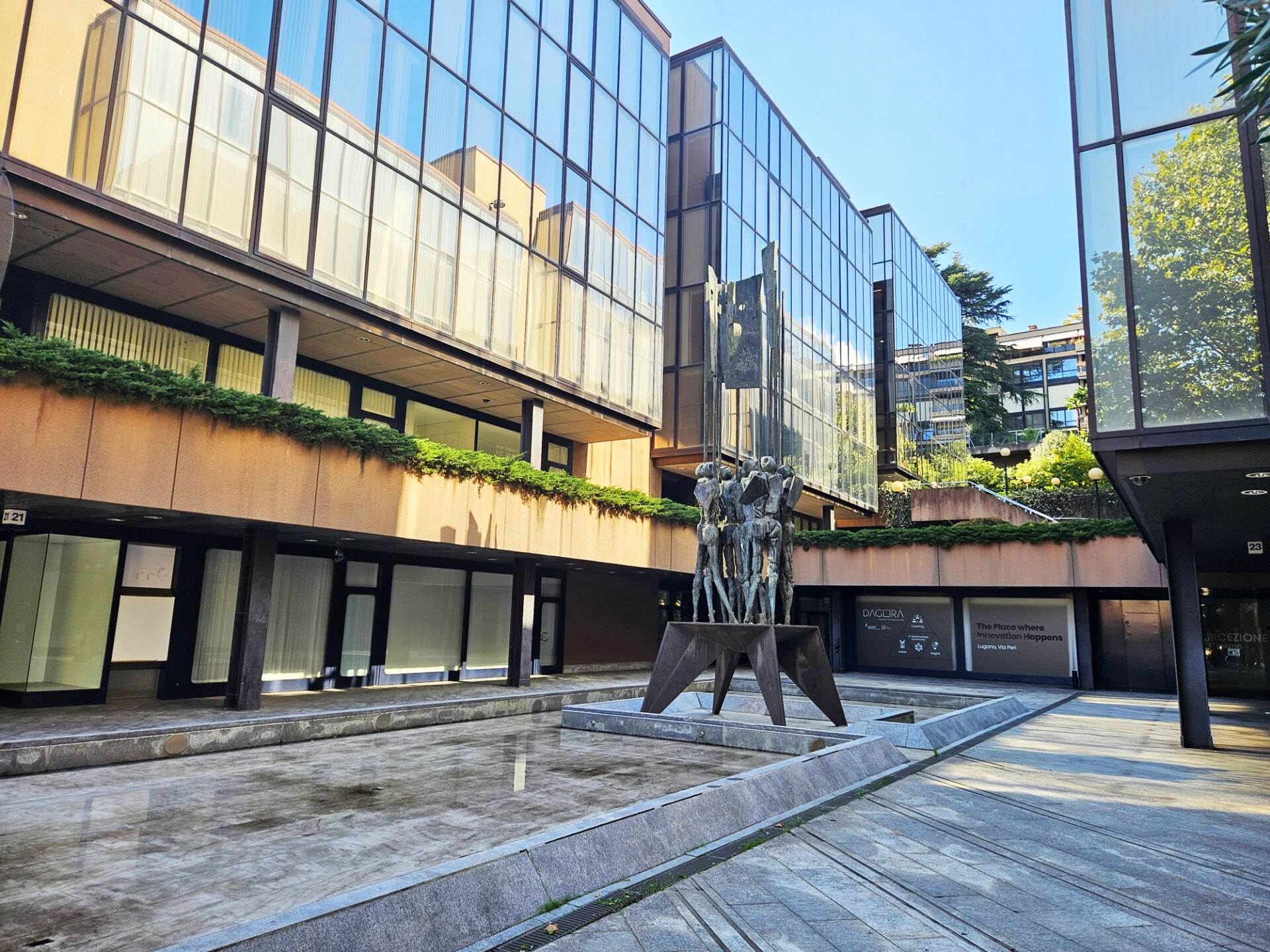
Three competence centers, one park The Switzerland Innovation Park Ticino pools forces at three locations. The Swiss Drone Base Camp at Riviera Airport tests drone technology in real airspace. In Lugano, the Lifestyle Tech Competence Center is driving forward the digitalization of fashion, food and wellness. In Bellinzona, the Life Sciences Competence Center conducts research into biomedicine and oncology. From 2032, the park will move to the Nuovo Quartiere Officine, a 120,000 square meter urban development area in the heart of the cantonal capital.
Lugano relies on digital infrastructure The city of Lugano has gone its own way in the area of crypto. Over 400 businesses already accept digital means of payment, and more than 100 fintech and blockchain companies have set up shop. Phase II was launched in March 2026 in collaboration with the company Tether. Five million Swiss francs will flow into digital resilience, AI ecosystems and decentralized urban infrastructure by 2030. Lugano is thus positioning itself as Switzerland’s third-largest financial center with technological ambitions.
cHF 60 million and a clear signal The Grand Council sent a clear signal at the end of 2023. A credit line of CHF 60 million will secure the promotion of innovation, research cooperation and regional economic policy until 2027. CHF 25 million will flow directly into innovation and research synergies. Fondazione Agire, the canton’s innovation agency for over 10 years, supports 20 startup ideas every year via its Boldbrain accelerator and coaches SMEs on digitalization.
What the real estate sector needs to learn from this Location promotion only develops its full value when it grows beyond strategy papers. Ticino is faced with the task of developing land availability, process reliability and urban quality at the same pace as its innovation projects. For investors, this means a region on the move with high potential and a simultaneous need for patience. Anyone who has the south of Switzerland on their radar today will find a location that wants to deliver and has the means to do so.
The canton, with around 360,000 inhabitants, 100 municipalities and an area of 2,812 square kilometres, has positioned itself as a research and innovation-oriented region. In the EU’s Regional Innovation Scoreboard 2025, Ticino ranks 6th out of 241 European regions, just behind Zurich in Switzerland. According to BAK Economics, the cantonal GDP grew by 0.6 per cent in 2024. An increase of around 1.1 per cent is expected for 2025. The unemployment rate as at January 2026 was 3.3 per cent, slightly above the Swiss average of 3.2 per cent.
This development is important for the property industry because innovation alone does not guarantee a location’s attractiveness. The decisive factor is whether research, entrepreneurship and urban quality come together spatially. With USI, SUPSI, the Switzerland Innovation Park Ticino and the Boldbrain accelerator, the canton has a solid innovation infrastructure. At the same time, the construction industry and market development are under pressure. Construction output fell by 0.2 per cent across Switzerland in December 2025, with an above-average decline in Ticino. Rising construction costs, political uncertainties and complex authorisation procedures are exacerbating the pressure on supply and project calculations in the medium term.
The property market presents a varied picture. The vacancy rate in Ticino fell from 2.08 per cent in 2024 to 1.92 per cent in June 2025, the sharpest decline of all the major regions, but still almost twice as high as the Swiss average of 1.0 per cent. At the same time, asking rents fell by 5.6 per cent in 2024/2025 according to ReMPA. The only region in Switzerland to see a decline, while the national average rose by 2.4 per cent.
The spatial structure remains a challenge. Lugano with 63,600 inhabitants, Bellinzona with 45,300, Locarno with 16,400 and Mendrisio with 15,100 form different sub-regions with their own profiles. Topography, scarce space and demographic pressure also play a role. The FSO forecasts a decline in the labour force of 45,000 people by 2050. The approximately 78,800 cross-border commuters support the labour market, but their number has fallen slightly for the first time. Against the national trend of 411,000 cross-border commuters throughout Switzerland. If you want to invest in Ticino, you won’t get far by simply analysing from afar from Zurich or Basel. You need local partners, market knowledge and an understanding of the specific sub-regions.
At the same time, this mixed situation offers potential. The proximity to northern Italy, the Gotthard Base Tunnel, the role as the southern portal of the Gotthard corridor and the high quality of life. At 85.2 years, Ticino has the second-highest life expectancy in Europe, creating conditions that are rarely found elsewhere. If innovation strategy, land policy, mobility and project development can be coordinated more closely, Ticino can significantly strengthen its position as an economic and property region. It is not whether the potential is there, but how consistently it is translated into reality.
Greater Zurich Area AG draws a positive conclusion in its 2025 annual report. 98 foreign companies have heeded the call of the location marketing agency for the Zurich economic region and have chosen to establish a new presence within the network comprising nine cantons, the city of Zurich and the Winterthur region. 29 of them are engaged in research and development, whilst 24 intend to establish their headquarters in Switzerland. Together, they plan to create 1,295 new jobs over the next five years.
GZA acts on behalf of the Greater Zurich Area Location Marketing Foundation, positioning the Zurich economic region internationally and supporting companies wishing to relocate here. In doing so, it focuses particularly intensively on the key ecosystems of life sciences, artificial intelligence and robotics. “Innovation determines whether good jobs, entrepreneurial know-how and industrial expertise remain anchored in our region,” says Chairman of the Board Dr Balz Hösly in his foreword. “For a high-cost location such as the Greater Zurich Area, this is not an option, but a strategic necessity.”
With 20 new businesses, blockchain technology was the strongest focus industry in 2025, followed by biotech and pharmaceuticals (15) and artificial intelligence (8). Many of these projects are in the fields of robotics, artificial intelligence, autonomous systems and food & agritech.
For instance, the Israeli food-tech company Aleph Farms has chosen Kemptthal (ZH) as the base for its European operations. There, it is joined by partners across the entire value chain: Givaudan, Migros Industrie and Bühler. TikTok opened an office in Zurich, where it benefits from proximity to brands, agencies, media and individuals who create content for social media. The Canadian firm Blockstream is expanding its Bitcoin infrastructure in Lugano by establishing its headquarters there and acquiring Elysium Lab. The Beijing-based company Baidu Apollo has chosen Zurich as its first European location for its robotaxis.
International visibility is also the aim of the Zurich AI Festival, which is co-organised by the GZA and will continue in 2026. At the same time, preparations are underway for the integration of the canton of Aargau from 2027, according to GZA Managing Director Lukas Huber. He emphasises the role of the associated cantons in the development of the business location: “With their framework conditions, their clusters and their location development, they lay the foundations for this marketing to succeed. We do the promotion – the cantons are excellent product managers.”
Lucerne performs solidly in national competitiveness rankings. In terms of innovative strength, however, the canton ranks at the bottom. Those who fail to address this shortfall risk losing out in the competition between locations in the long term. This finding is the starting point for the planned Lucerne Innovation Foundation and for the special credit that the cantonal government is now applying for.
The foundation as the linchpin The new foundation is not intended to create a parallel structure, but rather to coordinate existing partner organizations and better network their offerings. The focus is on companies in the early stages of development. In other words, where the need is greatest and resources are scarcest. In addition to coordination, the foundation can also co-finance specific implementation projects such as feasibility studies. The foundation board should consist of at least five members, and a four-year performance agreement ensures planning security.
24 million with a clear earmarking One million of the requested 24 million francs will flow into the foundation’s capital. The remaining CHF 23 million is earmarked for the foundation’s services in the years 2026 to 2029. Lucerne is thus positioning itself as a canton that does not wait for federal funding, but acts itself. In addition to national programs such as those of Innosuisse, which support SME innovation throughout Switzerland.
Part of a larger reorganization The foundation is embedded in the canton’s broader location promotion package. In January 2026, the cantonal council approved a package of measures worth around CHF 300 million per year. This was in response to the OECD minimum taxation, which reduces previous tax advantages. The Lucerne innovation contribution alone comprises CHF 110 to 160 million per year for companies that invest in research and development. The Lucerne Innovation Foundation is therefore not an individual measure, but part of a coordinated offensive.
Referendum in September The Cantonal Council has already approved the overarching Location Promotion Act. However, the voters have the final say. The vote is scheduled for September 2026, with entry into force in October 2026. However, the foundation can already be established on the basis of the current legal foundations. The go-ahead does not have to wait for the referendum.
Limmatstadt AG has launched a joint digital events calendar in collaboration with municipalities and business associations in the Limmat Valley. Events relating to business, culture, sport, clubs and municipalities are recorded centrally and then automatically published on various channels and displayed collectively on the Limmatstadt website. According to a press release, the initiative aims to raise the profile of the region, exploit synergies, reduce administrative costs and strengthen and further develop the Limmattal region as a place to live and do business.
“With the digital event calendar, we are highlighting everything the Limmat Valley has to offer – and at the same time strengthening cooperation in the region,” said Stephanie Kiener, Managing Director of Limmatstadt, in the press release.
The technical basis for the calendar is the guidle platform. Event organisers enter their events once in a central location. These then appear on the regional calendar and, depending on the connection, on the websites of the respective municipalities and partner and media platforms. The solution thus creates transparency and visibility and enables simpler processes and efficient use of resources without overlaps.
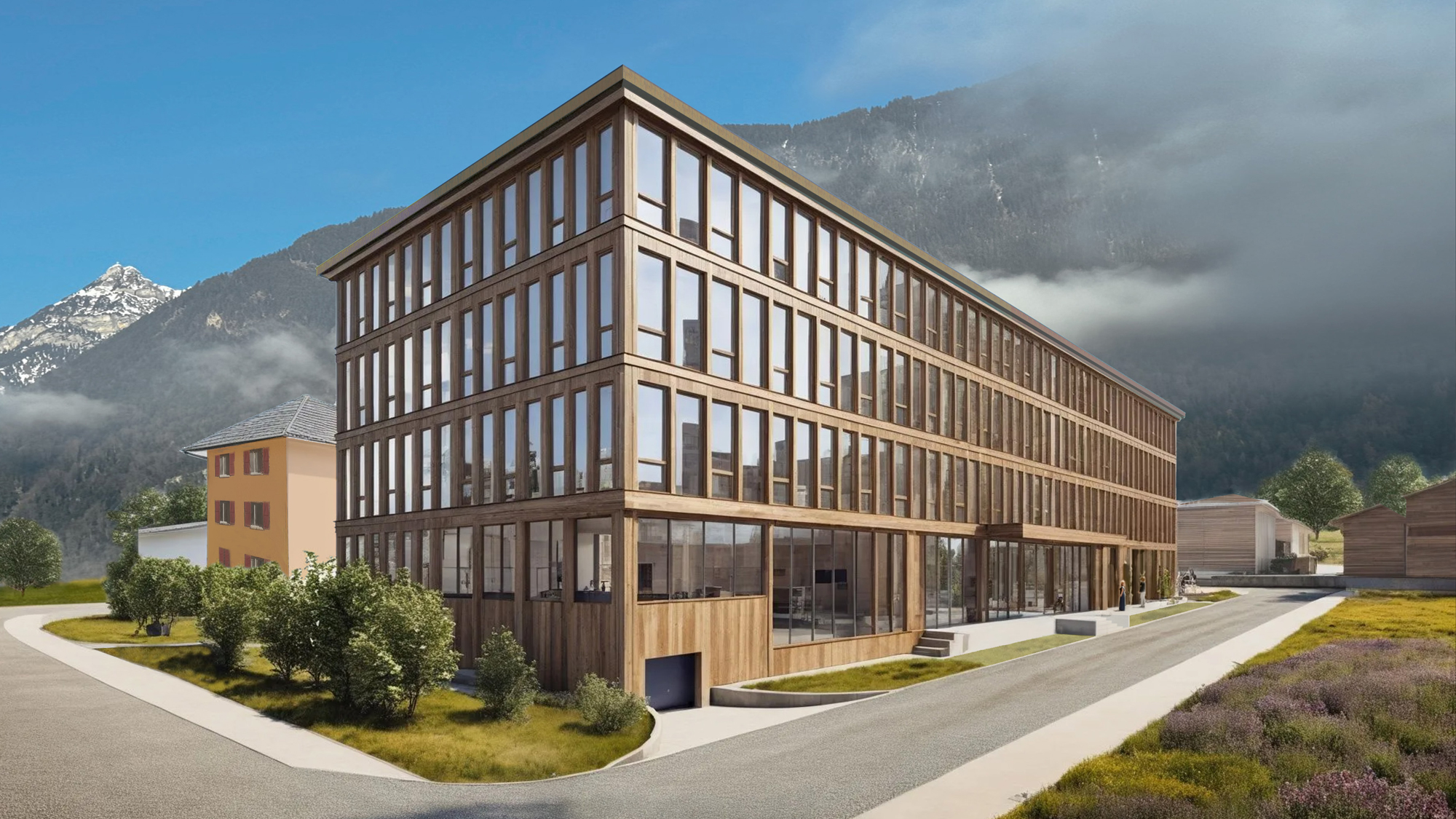
On 25 February 2026, Director of Economic Affairs Urban Camenzind and Risa Immobilien SA signed the purchase agreement for construction site 11 on Werkmatt Uri. This is based on a purchase rights agreement concluded in 2024 between the Canton of Uri and IG Innovationspark Gotthard. In recent years, the IG has developed the project idea for a functional, sustainably built and architecturally impressive commercial and service building. In October 2025, the municipality of Altdorf granted planning permission for a four-storey building with around 4,000 square metres of floor space and room for around 140 workplaces.
Marcus Weber backs the Uri location Risa Immobilien SA is backed by Marcus Weber, an investor with a high profile in Switzerland in the property, tourism and Alpine infrastructure sectors. He has been involved in Sedrun/Disentis for many years and, as Chairman of the Board of Directors and main shareholder of Bergbahnen Disentis AG, is involved in the expansion of the tourism offering there. Weber is also already present in the canton of Uri, for example with investments in the ski lift, mountain restaurant and accompanying infrastructure on the Brüsti in Attinghausen. By investing in Werkmatt Uri, he is expanding his involvement with another forward-looking project in the Alpine region.
Project enters the implementation phase The planned office and commercial building is being built on the northern edge of Werkmatt Uri, within walking distance of the Altdorf cantonal railway station and close to the future A2 motorway junction. Construction is scheduled to start in autumn 2026, with occupation scheduled for 2028, and the investor wants to push ahead with the implementation quickly. This will create attractive, flexible space in a central location for companies that want to utilise Uri’s locational advantages.
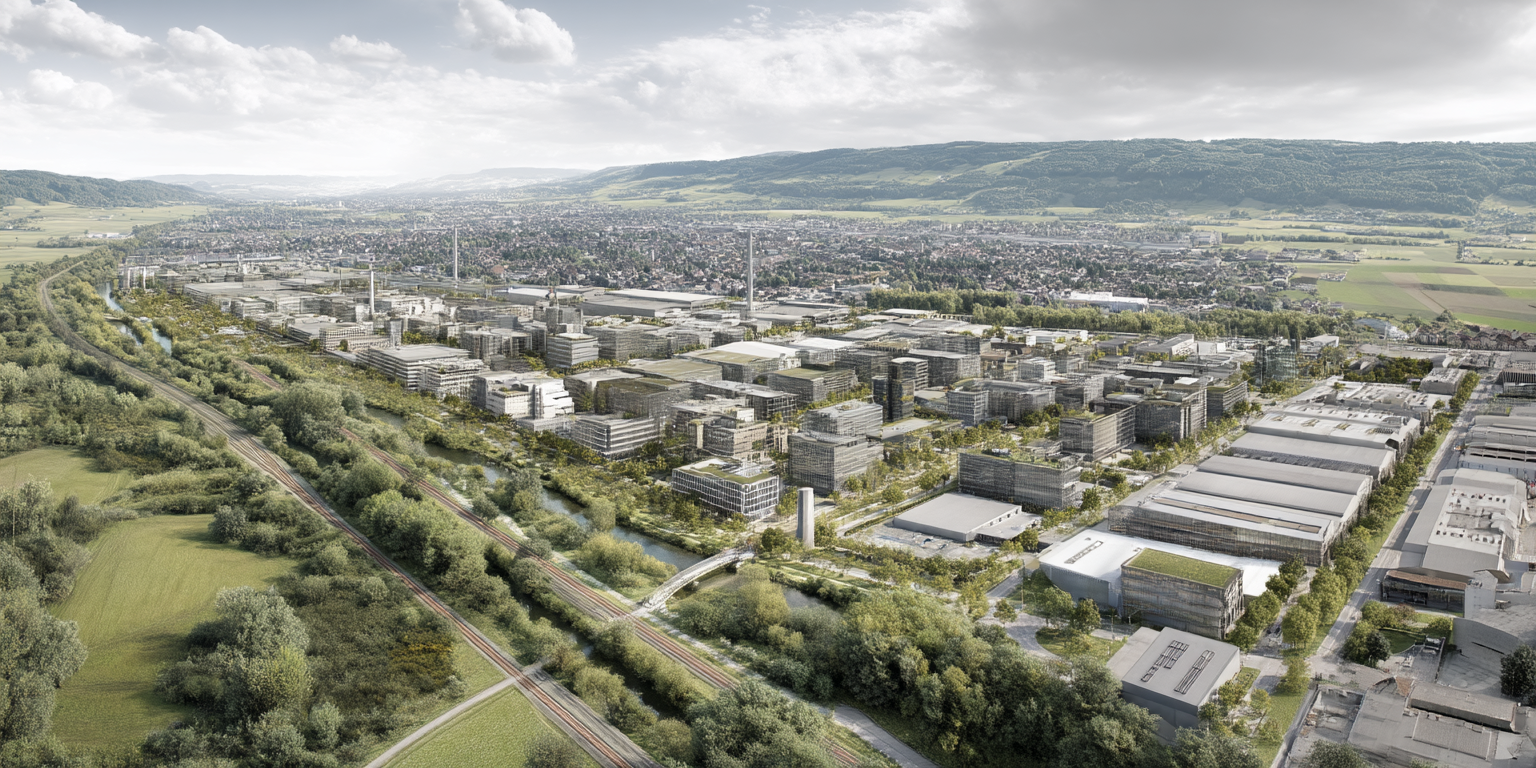
Werkmatt Uri offers further potential At around twelve hectares, Werkmatt Uri is the last large land reserve in the Uri valley floor and has excellent access between the cantonal railway station and the A2 motorway. The site is intended to provide over 1,000 jobs in the long term and be developed specifically for industrial, commercial and service companies. In addition to construction site 11, around eight hectares are still available for sale or the granting of building rights, handled by the canton of Uri. Companies interested in sites can find further information online on the Werkmatt Uri platform.
According to a statement, HGC, a building materials supplier operating throughout Switzerland, is relocating its Lucerne site. This move is in response to the development of the former industrial area of Tribschen into a central urban district.
HGC already relocated its regional transport business to its new site in Inwil last September. The company will also serve all its regional customers from there over the next two years.
The old site in Tribschen is being converted. The old building at Tribschenstrasse 7/9 was demolished last year. The new Boutiquehotel 6000 is being built here. The new headquarters of the Central Swiss Builders’ Association will be located in the attic.
The building on the neighbouring property at Tribschentrasse 11 will be converted using the existing supporting structure. The upper five floors will be rented out as offices under the name Tribschen Office. Half of the space has already found tenants. A commercial enterprise and the HGC collection business will be set up on the ground floor.
HGC has been using the Tribschen site since the early 1920s. The complete renovation and conversion will allow it to benefit from the development of the neighbourhood.
HGC was founded as a cooperative in 1899 and has its headquarters in Zurich. It trades in building materials and related products. It belongs to its more than 3,000 cooperative members in all construction sectors.
The city of Baden has become a new member of the European Historic Thermal Towns Association (EHTTA). According to a statement, its aim is not only to raise awareness of the importance of Baden’s thermal springs, which date back to Roman times, at a European level, but also to foster exchanges with other spas.
Membership facilitates joint projects in cultural, health and medical tourism. With its membership, Baden is positioning itself “clearly as a modern cultural and spa town with international appeal,” Mayor Markus Schneider is quoted as saying in the press release.
TourismusRegion Baden AG is responsible for the operational implementation. “EHTTA membership is much more than just a label for Baden,” Andrea Portmann is quoted as saying. “It is a strategic tool for further developing our positioning in the international market and establishing new partnerships in the field of medical and health tourism,” says the managing director of TourismusRegion Baden.
The EHTTA is delighted to welcome Baden as a new member. “Baden is an important spa town with a strong history and a clear vision for the future,” says Riccardo Mortandello, EHTTA President and Mayor of Montegrotto Terme.
The more than 50EHTTA members in 20 countries now include Baden-Baden and Baden bei Wien, as well as Budapest, Karlsbad, Spa, Vichy and Viterbo.
Electrification and automation group ABBis planning a new global headquarters in Zurich Oerlikon, according to a press release. The 80 million Swiss franc project reflects the history of the company and the city of Zurich and will create a modern workplace for around 500 employees.
The location chosen is the historic ABB building, which will be renovated and modernised in accordance with heritage protection requirements. The historic building will be complemented by a six-storey new building in the inner courtyard, replacing the Chicago Hall event venue, which is not listed. The new building will have a brick façade in keeping with the existing architecture and will be constructed using a material-efficient wood composite construction method. Supported by ABB technologies and photovoltaic systems, low energy consumption is to be achieved. The new headquarters covers a total area of around 10,800 square metres. Plans include a 280-square-metre lobby with exhibition space and a 450-square-metre media area.
For Morten Wierod, CEO of ABB, the choice of location is a commitment to Switzerland and the city of Zurich, “where our global headquarters have been located since the merger of BBC and Asea in 1988. One of our predecessor companies – Maschinenfabrik Oerlikon (MFO) – was also based here for many decades. The combination of a historic building and state-of-the-art facilities will create an inspiring environment for cooperation and innovation.”
Detailed plans for the new headquarters are expected in 2026/2027. The building is scheduled to be completed and ready for occupancy by 2031. Until then, ABB will remain in the Cityport building in Zurich Oerlikon.
Schlieremer Maneth Stiefel AG, with its branch in Pratteln, has taken on the project planning and construction of the electrical systems for a new high-bay warehouse at the Feldschlösschen brewery, according to a press release. The 30-metre-high building is to be constructed in the immediate vicinity of the motorway in Rheinfelden. Feldschlösschen AG, part of the Carlsberg Group, wants to use the new building to increase internal consolidation and create new storage space, the company reports.
In addition to the lighting, low-voltage and low-current systems, Maneth Stiefel will also install the network infrastructure, including transformer stations and main distribution systems in the medium-voltage range, emergency and safety systems, and a photovoltaic system.
Both companies emphasise that the new building represents a milestone in the development of the Rheinfelden site. Feldschlösschen is the largest employer in the town. The construction measures were planned in close consultation with the local population and will also be implemented with monument protection in mind. Feldschlösschen will celebrate its 150th anniversary in 2026.
According to a statement issued on 14 January 2026, representatives from politics, business, Regiowerk and nature conservation launched the Zukunft Silbern alliance. Together, the alliance aims to develop the Silbern area into a sustainable, easily accessible and ecologically responsible business location.
Before the alliance was founded, the various interest groups agreed in their analysis: the Silbern area is an important location for production, trade and shopping. However, in terms of urban development and urban space, it has hardly developed for many years and has fallen short of its potential. Now the alliance wants to develop the area in such a way that companies find attractive conditions, accessibility is improved and, at the same time, nature and living spaces are strengthened.
According to the information provided, the partners developed a better understanding of each other and built mutual respect in the process of establishing the Zukunft Silbern alliance. “This,” the statement says, “has created an important foundation for successfully implementing projects and advancing Silbern as a whole.”
HKG, a company specialising in building technology and energy consulting based in Aarau, is moving to new premises in Baden. From 1 March 2026, it will be operating from its site at Täfernstrasse 14a in the Dättwil district of Baden. HKG is currently still looking for additional employees for the new location, as detailed in a press release. The new offices are described as a “state-of-the-art workplace with light, space and a feel-good atmosphere” as well as a “workplace of the future” with a roof terrace, focus zones and modern infrastructure.
Founded in 1978, Herzog Kull Group Holding operates in various fields of electrical engineering. These include electrical engineering, building automation, building IT and security, as well as consulting, energy, digitalisation and overall planning. While Herzog Kull Group Holding is headquartered in Rotkreuz, companies belonging to the group such as HKG Engineering and HKG Consulting are based in Aarau.
Living and working in the Basel region means being part of one of the most dynamic metropolitan areas in Europe. Between the pharmaceutical campus, architectural icons and growing start-up ecosystem, the region is a powerful driving force in Switzerland. The Basel metropolitan region is one of the most powerful business locations in the country. With an exceptionally high export rate and internationally leading companies in the life sciences, medtech, chemicals and ICT sectors. Over 30,000 people work here in the research, development and production of future technologies.
A new era of value creation is emerging in the Basel region with sites such as uptownBasel and Klybeckplus, which are networked, climate-conscious and internationally oriented. Companies find short distances to research, talented people find new professional horizons and the location promotion programs of the cantons of Basel-Stadt and Basel-Landschaft, as well as Basel Area, accompany companies from the idea to expansion. Whether promoting innovation, developing skilled workers or ESG-compliant new construction projects, the region makes targeted investments in sustainable growth.
Did you know that..
an urban quarter is being created on the bi-cantonal Dreispitz site that combines working, living and culture in a new way?
the Klybeckplus site is being developed according to the SNBS standard and will provide space for 15,000 people to live and work?
the BaseLink site in Allschwil is attracting worldwide attention as a center for biomedical research?
Basel is one of the world’s top regions for life sciences?
innovative energy solutions from the region are contributing to the decarbonization of Switzerland?
start-ups from all over the world settle here because of the proximity to cutting-edge research and capital?
Where business and quality of life go hand in hand Basel is strong because of its cross-border thinking. The tri-national cooperation with Alsace and South Baden creates a cross-border economic area with a high level of innovation. The region benefits from international connections via EuroAirport, efficient rail logistics and links to the world’s oceans via the Swiss Rhine ports. Behind the scenes, there are dedicated location promotion agencies that assist companies with relocating, finding space, obtaining permits and networking. From start-ups to industrial groups – Basel offers everything from a single source. Basel is not an either-or. Basel is the whole. The future is being created here today.
The Basel economic area in figures
Basel-Stadt
ECONOMY – KEY FIGURES
Businesses
16’000
Leading sectors
Chemicals/pharmaceuticals, life sciences, financial services, trade, logistics, healthcare
Jobs / employees
200’000
Employees 1st sector (agriculture)
100
Employees 2nd sector (industry/construction)
34’000
Employees 3rd sector (services)
166’000
GDP per capita in CHF (2022)
209’782
Unemployment rate (2024)
3,7%
Start-ups founded
1’304 (2024)
REAL ESTATE – KEY FIGURES
Vacancy rate apartments
0,9%
Vacancy rate office/commercial properties
1%
Residential units in planning/construction
11’000
Office and commercial properties in planning/construction
10-15 projects per year
New construction projects
40-50
Average construction costs for commercial properties in CHF
3’000 – 4’800/m²
LOCATION – KEY FIGURES
Area in km²
37
Population (2024)
207’515
Population growth compared to previous year
0,58%
Districts Number
3
Municipalities Number
3
Housing units
138’000
Universities
4
Stops Regional and long-distance public transportation
ANDRITZ Hydro is moving to a new headquarters, but will remain based in Kriens. According to a press release, research and development, sales, project management and administration with around 130 employees will move to the Schappe Centre near the reconstructed premises of the former Bell Maschinenfabrik. A new neighbourhood will be built on the site of the predecessor company.
By moving to the modern company centre, ANDRITZ Hydro wants to secure its options for further growth, according to the press release. The relocation of the company management to the Schappe Centre should be completed by the end of 2026. The company already announced in spring that it plans to relocate its service workshop from the centre in Kriens to the industrial area of Buchrain in the north of Lucerne, around 10 kilometres away, by 2028. The company offers services such as electromechanical equipment and services for hydropower plants worldwide for new and existing hydropower plants, from small hydropower plants to large-scale plants.
“This is a good solution for us,” says site manager Claudio Nold. “We can continue to work and grow under optimal conditions.” Logis Suisse, the landowner of the Bell site, also sees the relocation of the ANDRITZ Hydro headquarters as a benefit in terms of developing the former industrial site into a new urban neighbourhood, according to the press release.
At 5,500 square meters, the property is the largest private lakeside property and a one-off in Zug. The luxury villa with an asking price of around 50 million francs has been on the market since the end of June. Due to its splendor and location, it is already being referred to as the “Zug Mar-a-Lago”, alluding to Donald Trump’s famous estate in Florida. According to estate agent Robert Ferfecki, the buyer of this villa is considered the “King of Zug”.
City with strategic interest The deadline for bids has now expired and the city of Zug is officially one of the contenders. City councillor and finance director Urs Raschle confirmed that the owner family had already contacted the city in the spring. The promise of an offer by the end of September was kept, although details of the amount remain secret.
Personal approach as a trump card Raschle has gone one step further than just making a bid. He has written a personal letter to the owner family. Although contact is generally made via the estate agents, this letter is intended to emphasize the importance of the purchase project. Raschle emphasizes that even the Zug parliament has instructed the city council to examine the purchase. An emphatic message intended to convey credibility and negotiating strength.
Future prospects for Zug A property acquisition of this magnitude could give new impetus to the public space. There are plans to expand the Seebad and Theater Casino. Projects that would bring added social and cultural value to the city. The decision on the purchase will be groundbreaking for the future development of Lake Zug and offers Zug the opportunity to make a statement as a modern and innovative location.
The Ferrum Group has inaugurated its new ferruBase extension at its Schafisheim site, according to a press release. With the new building, the mechanical engineering company has realised a vertical production structure that creates space for 240 new office workstations, fully equipped production rooms and a future-oriented training workshop on around 14,000 square metres of floor space. More than 1,000 guests attended the opening and were able to gain an insight into the new building during expert tours.
According to the press release, the new building seamlessly combines modern production processes with ergonomic office design and a training workshop. During the guided tours, employees, family members and guests were able to gain an initial insight into the architecture, construction method and new machinery. Catering was also provided at the opening ceremony and a varied entertainment programme was offered.
For Ferrum, the new building is an investment in the future viability of the company and is intended to secure jobs in Aargau in the long term. At the same time, it also demonstrates how tradition and modern technology can be successfully combined.
Smartconext AG, which develops web-based and fully integrated solutions for digital order acquisition in the construction industry, will be working with LUUCY AG in future. Smartconext offers web-based and fully integrated solutions for digital order acquisition in the construction industry, while LUUCY operates a platform with a digital replica of Switzerland. LUUCY users will benefit from the collaboration through integrated access to up-to-date construction project information.
The aim of the partnership, which according to a press release is to make construction industry information available at an earlier stage, clarify correlations and better inform decisions, is to create greater efficiency, transparency and speed in the construction process. “Our vision is to make construction information available where it creates real added value – early, precise and integrated into existing processes,” Dominik Mahn, founder and CEO of smartconext, is quoted as saying in the press release. “In LUUCY, we have found a partner who, like us, stands for innovation and digital excellence in the construction industry.”
The platform of LUUCY AG, which has offices in Kriens LU and Münchenstein BL in addition to its headquarters in Schlieren, combines georeferenced planning data with analysis tools for feasibility studies, potential assessments and development strategies. This provides players in the construction industry with intuitive 3D visualisation and data-based site development in real time.
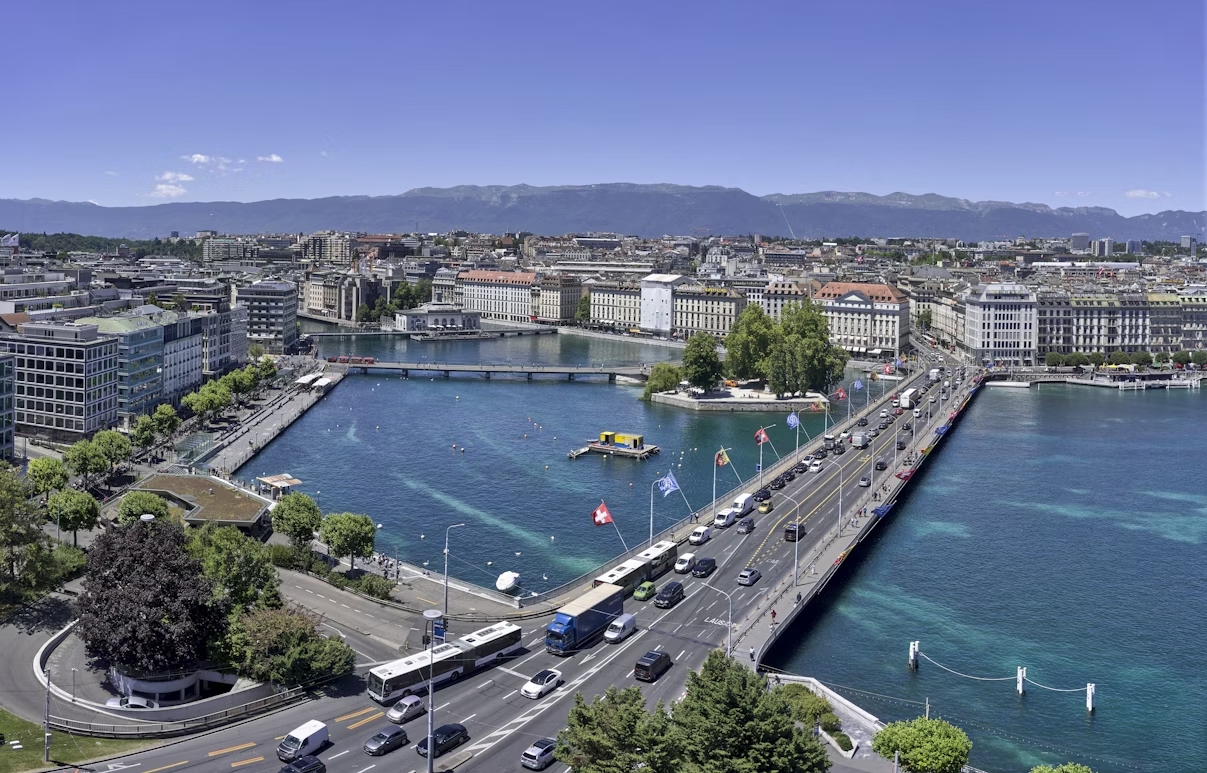
Geneva is a symbol of international cooperation. 36,000 jobs in international organizations, around 250,000 overnight stays annually and a strong local footprint. These figures illustrate the relevance of the international presence. However, geopolitical tensions and the possible withdrawal of major players such as the USA are putting this system under pressure.
The consequences are budget cuts, structural changes and location issues that extend far beyond the political arena. Real estate markets, local service providers and urban development are also directly affected. What was previously considered stable must now be rethought.
When demand is redistributed International employees characterize Geneva’s housing market with around 9,500 occupied units, a high willingness to pay and a focus on spacious, furnished apartments. A reduction of just 20 % of employees could noticeably increase the supply rate. However, the vacancy rate is unlikely to rise. The tight housing situation ensures that vacant apartments are quickly occupied by local households.
The decisive factor will be how the composition of supply changes, particularly in the high-price segment. The market could appear more relaxed in the short term, but could experience a shift in rental price dynamics in the medium term.
Stability put to the test Around 650,000 m² of office space is currently occupied by international organizations. A reduction of 20 % would cause the vacancy rate to rise to over 10 %, with particularly significant effects in Grand-Saconnex, Pregny-Chambésy and the Jardin des Nations area. A complete withdrawal would leave over 140,000 m² of vacant space, which is roughly twice the size of the PAV project.
Although the market has been robust so far, the decline in international demand could exacerbate existing imbalances. Differentiated strategies for flexible, user-centered use are required.
Visible, vulnerable dependency Around 2,500 conferences are held in Geneva every year. The associated tourism supports large parts of the hotel market. The loss of these events could reduce hotel occupancy by up to 10 %. This would have a knock-on effect on suppliers, gastronomy and the city’s international reputation.
This area in particular shows how closely economic, urban planning and diplomatic interests are intertwined and how vulnerable this hub is.
From danger to opportunity The possible withdrawal of international organizations is not an isolated crisis, but an expression of global structural change. The challenge for Geneva is to understand resilience not just as resistance, but as change.
Future strategies for Geneva A unique ecosystem of international organizations, a high quality of life and institutional stability continue to speak for Geneva. At the same time, it is important to respond strategically to challenges such as land scarcity, high land prices and the high cost of living.
Driving transformation with two levers Developing new business models by diversifying financing and services, hybrid formats, digital platforms and locally anchored partnerships.
Using real estate intelligently and flexibly Rethinking underutilized space in a modular, user-centric and adaptable way. This requires not only spatial agility, but also organizational agility.
Making targeted use of synergies in the space Change from traditional offices to places of knowledge, encounters and innovation. Conference, hotel and coworking infrastructures should be planned and used in a more integrated way.
Making planning more flexible Urban development must be responsive and adaptable. With visionary concepts that enable reversibility and user orientation instead of rigid specifications.
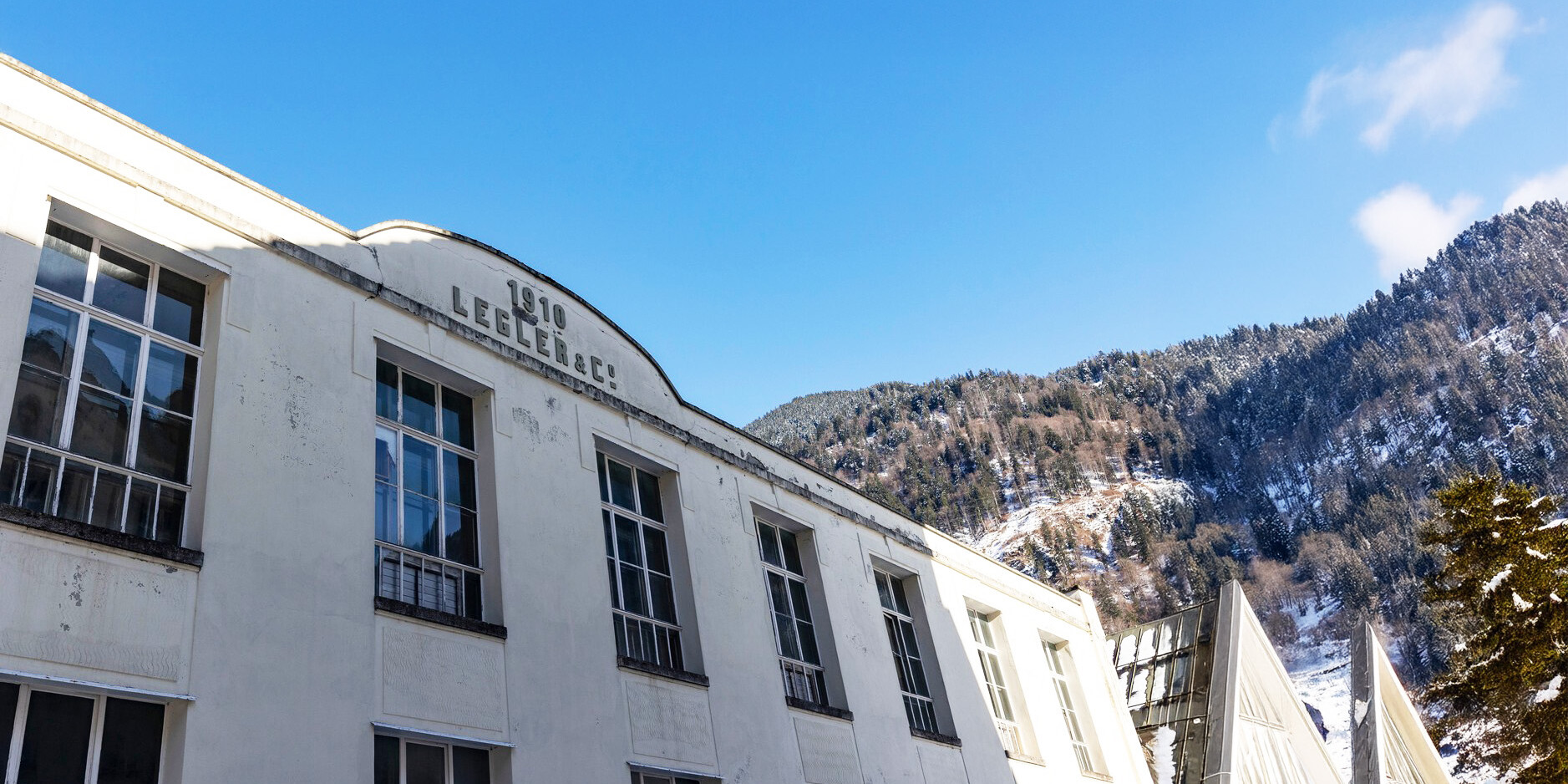
With the purchase of the former Legler site by Hochdruckkraftwerk Diesbach AG and the simultaneous participation of the municipality of Glarus Süd, a new chapter has begun for the traditional factory site in Glarnerland. The operator of the local hydroelectric power plant has secured the site, including the power plant centre. At the same time, the municipality is acquiring agricultural land from the previous owner and will become the largest shareholder with a 40% stake.
Energy meets site development The acquisition not only serves to preserve the historic power plant, but also opens up new opportunities for long-term site development. “We can offer areas ranging from 50 to several 1,000 square metres,” says Chairman of the Board of Directors Weber-Thedy.
The municipality of Glarus Süd has secured two seats on the Board of Directors and an important land reserve of almost 30,000 square metres of agricultural land, which is earmarked for replacement measures or ecological compensation areas. The municipality is thus creating space for future developments.
Long-term perspective with interim utilisation The potential of the Legler site is undisputed, but a new use takes time and requires careful planning. The aim is a mixed-use development with residential and office space that fits in with the landscape and the municipality. The first steps towards realisation are not expected before the next ten years. Until then, the site will be put to sensible interim use. The large halls will be rented out as storage space. They can be divided up flexibly, even if they are only suitable for certain purposes due to structural restrictions.
Sustainability as a guiding principle The high-pressure power plant is focussing on environmentally friendly energy production and will renovate the plant to the latest standards in 2025. Earlier discussions about the expansion were postponed in favour of a sensitive approach to the landscape, but the roar of the Diesbach Falls is to be preserved.
A boost for the Glarus region The acquisition of the Legler site is more than just a change of ownership. It is an example of forward-looking site development, supported by local energy production, public participation and a long-term perspective. The municipality of Glarus Süd is actively committed to the development of the site and at the same time minimises the risk of a prominent property falling into disrepair.
The combination of energy infrastructure, property development and public involvement makes the project a beacon for the region and a role model for comparable sites in Switzerland.
The canton of Aargau is a dynamic region with a high quality of life and economic attractiveness. In order to secure this strength in the long term, the cantonal government has adopted the 2025-2034 development model (ELB). This formulates clear goals and lines of action that respond to the key challenges of our time: population growth, climate change, digitalisation and a shortage of skilled workers.
The focus is on actively shaping the further development of the canton in close cooperation with municipalities, companies, research institutions and the population. The guiding principle “Together for Aargau” summarises this collaborative approach. The ambitions in the areas of economy, society, environment and administration can only be successfully realised by working together.
Three strategic priorities for a strong region Think holistically and intensify economic development Aargau wants to continue to position itself as an attractive location for companies, research and innovation. To this end, targeted framework conditions are being created to maintain and expand value creation and employment in the canton.
Shaping space, securing foundations In the area of conflict between living, working, mobility and nature, intelligent spatial planning is essential. The aim is to proactively manage conflicts of use and protect natural resources.
Strengthening efficient municipal structures The public sector should act in an efficient, cooperative and citizen-centred manner. Municipal mergers, inter-municipal cooperation and digitally supported services form the basis for this.
These priorities are underpinned by 30 specific areas of focus that are integrated into the task and finance plan and are reviewed annually.
Sustainability requires room for manoeuvre The financial framework for implementing the strategy is secure. Even if structural deficits are expected from 2026, the well-filled equalisation reserve will allow the continuation of all planned measures until 2034. Tax relief will be reviewed depending on the situation and with a view to the overall financial situation. This ensures that the canton’s room for manoeuvre is also maintained in the long term.
From vision to implementation The EFA will be implemented in stages and is closely linked to medium-term planning. Numerous projects are already underway as part of the existing development agenda, from energy-efficient construction and innovation promotion to integrative housing models. New projects will be initiated, prioritised and provided with suitable resources in future.
Progress will be reported transparently on an annual basis. This is an important step towards a fact-based and trustworthy location policy. The cantonal government is thus committed to agile, dialogue-oriented management of cantonal development in close coordination with all relevant stakeholders.
The 2025-2034 development model is much more than a political planning instrument. It is a powerful promise to a population that prioritises quality of life. To companies that are looking for reliability and innovation and to municipalities that want to help shape their future with confidence. Aargau is thus positioning itself as a modern canton with a clear compass. Economically strong, ecologically responsible and socially anchored.
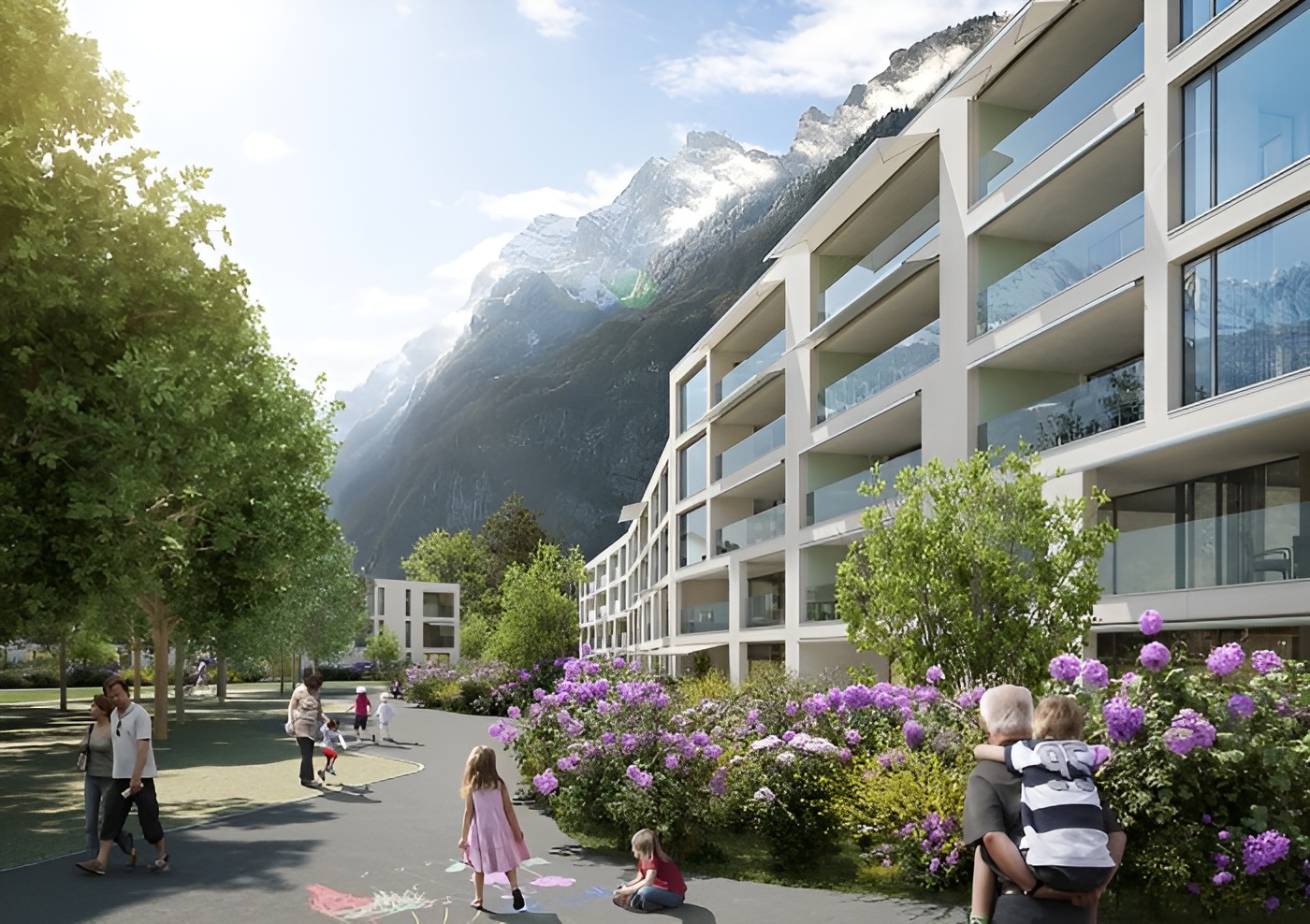
On the 16,000 m² “Feld” site in Näfels, the municipality of Glarus Nord is realising a pioneering residential development together with FT3 Architekten AG. A total of ten apartment blocks with around 98 flats are being built in three rows of buildings. The flats are between 1½ and 5½ rooms in size and are aimed at people at all stages of life – from singles and families to senior citizens. The diverse range of apartments is intended to promote a social mix and revitalise the neighbourhood.
Quiet inner courtyard as the centrepiece of the development The special geometry of the plot results in a diamond-shaped arrangement of the buildings, which enclose a green inner courtyard measuring around 6,800 m². It acts as the centre of the car-free development and offers space for people to meet and relax – protected from the noise of the surrounding traffic routes. The staggered residential buildings also provide a rhythmic structure and create architectural quality as well as optimal sunlight for the flats.
Car-free and central access A central feature of the project is its consistently traffic-free design. Access and all parking facilities are bundled at a central point, keeping the entire residential area free of motorised traffic. This increases safety, creates attractive, liveable open spaces and meets the current requirements for residential and urban development.
Signal for site development and building culture Municipal president Fritz Staub sees Erlenpark as a strong signal for municipal development. Shortly after the overall revision of the NUP II land use planning came into force, the project is an example of how high-quality, space-efficient residential construction projects can be realised in the canton of Glarus. The ground-breaking ceremony took place in April 2025 and the first construction phase will be completed by summer 2027, followed by the second and third phases by autumn 2028.
Modern construction with high standards The planning and realisation by FT3 Architekten AG follows a clear architectural approach. Towards the street, the buildings appear closed and compact, while they open up towards the inner courtyard with generous balconies. The staggering of the storeys supports the natural lighting and gives the buildings a clear structure. Erlenpark is thus a successful example of modern, high-quality construction in the Glarus region. A project with a signal effect for site development in rural centres.
The eleventh ImmoSummit organised by the FRZ Zurich Airport Region(FRZ) attracted a record attendance of almost 700 construction and real estate industry professionals, the FRZ announced in a press release. The event on 18 June at THE HALL in Dübendorf was held under the motto “From silo to team sport”. The tenor was that climate change, regulation and economic uncertainties cannot be tackled single-handedly, but only with networked, agile and interdisciplinary teams.
A whole series of speakers shed light on individual aspects of this core message. FRZ Managing Director Rahel Kindermann Leuthard outlined the willingness to cooperate, the ability to make quick decisions and digital expertise as essential skills for the industry in the future. President of the cantonal government Martin Neukom explained that “climate protection, a circular economy and a secure energy supply” can only be achieved “if the canton, municipalities and the private sector consistently act as a learning system”.
Fredy Hasenmaile announced the end of lone wolves in the property market. “Without systematic, strategic partnerships between investors, authorities and operators, the sector will not be able to solve its structural bottlenecks,” said the chief economist of Raiffeisen Switzerland. Thomas Sevcik put forward the thesis that the airport region is “condemned to excellence”. “Airport regions are the railway corridors of metropolitan regions worldwide,” said the co-founder of the think tank Arthesia. Andrea Claudio Thöny, Managing Director of IPZ Operation AG, explained the economic power of the emerging Zurich Innovation Park.
The canton of Glarus has a long industrial tradition. What impetus are you providing to strengthen economic competitiveness and create sustainable jobs? The canton of Glarus has always been extremely business-friendly. We were one of the first Swiss cantons to regulate economic development by law (1978). Glarus is also a Swiss pioneer in social legislation with the Factory Act (1864) and compulsory old-age insurance (1916). Against this background, Glarnerland is traditionally a modern business location with competitive advantages for employers and employees that may only become apparent at second glance. For example, the Glarnerland is large enough to offer companies sufficient space, but also small enough to make decisions quickly and unbureaucratically. The contact point for business provides pragmatic and reliable support to both company founders and existing companies or companies wishing to relocate. In our three large municipalities, which have merged in an exemplary manner throughout Switzerland, investors can find affordable real estate and employers can find well-trained, motivated employees who enjoy living in an intact environment with the advantages of a modern environment.
How does the Department of Economic Affairs promote innovative digital business ideas? On the one hand, the possibilities of digital transformation serve to redesign processes and products, but they also form the basis for the circular economy. This involves both greater resource efficiency and data management. As a result, tomorrow’s employees will know which materials were used in which processes. Supply chains are another opportunity: New digital processes enable a more robust, efficient and transparent supply chain. With this in mind, we are supporting the digital transformation in the Glarus economy with digitalization loans. The funding program has two million francs available until the end of 2027. Funding is available for innovative projects that incorporate new technologies in processes and production, create new products and business models and establish collaborations. Specifically, we carry out an analysis of the current situation in participating companies with the expertise of the Innovation Network Eastern Switzerland (INOS). The analysis is financed by the new regional policy (NRP) and includes an assessment of the current situation, including an action plan and roadmap for implementation. This basis is required for the application for financial support of up to CHF 100,000 for individual companies and CHF 300,000 for inter-company and/or industry-wide projects.
How do you think the real estate sector will develop in the industrial and commercial sector? The pressure from the agglomeration is noticeable in Glarnerland. However, population growth is moderate, which is conducive to sustainable development. The municipality of Glarus North has particularly high capacities in terms of industrial and commercial space, which are currently being used in several projects at the Bilten site. With active land management, we are focusing on sustainable development with high-quality industrial and commercial projects.
What trends do you see in the development of supply and demand in the residential sector? The majority of new residential construction projects are being implemented in the municipalities of Glarus and Glarus North. This also has to do with land use planning, which can take a holistic and progressive view thanks to the municipal merger. In Glarus South, land use planning is still undergoing a challenging political process, which is also being monitored by the canton.
How can you ensure that the development of the real estate market meets the needs of the population? Anyone who lives in one of our 29 villages, towns or districts appreciates the special features of their place of residence. These are reflected, for example, in the location or club life. Life is completely different in Elm or Braunwald than in the cantonal capital or in Näfels. And there again different from the Kerenzerberg or Lake Walen. This creates a sense of identity and solidarity, which keeps people here. This is consistent with the moderate pace of population growth and the comparatively stable real estate prices.
How can you ensure that your real estate market develops sustainably? With our unique combination of closeness to nature and urban proximity, with its manageable size and compact living and economic area, Glarnerland scores highly. Careful management of these advantages is therefore essential – they are our resources, our capital.
What infrastructure projects are planned by FEDRO and SBB and what potential for improvement do you see? Glarnerland is perceived as a rural region, but thanks to its location between Zurich and Chur, it has very good transport connections. The city of Zurich and the airport are only an hour away by car or train, one of the most important north-south axes runs through the canton, and private planes and helicopters can take off and land in Mollis.
Naturally, the canton of Glarus is also dealing with the increasing mobility requirements. In recent years, the canton has implemented three of four major road construction projects, in particular to provide future-oriented access to the Mollis airfield development focus. The fourth project to optimize access to the industrial area in the south of the municipality of Glarus is currently in the planning phase. The focus of our efforts is close cooperation with the federal government on the bypass projects to relieve congestion on the current main axis. We have received assurances from the federal government that the Netstal and Glarus bypasses will be combined into one overall project under the leadership of FEDRO. The aim is to relieve the canton of Glarus of all its road traffic problems.
In terms of public transport, we have had a new legal basis for future public transport services since the Landsgemeinde 2025. Our region is already well connected today with direct connections to Zurich and Rapperswil as well as transfer options in Ziegelbrücke to St. Gallen, Chur and Zurich. Our population and businesses depend on this convenience and the continuous half-hourly service agreed at the Landsgemeinde 2025. We are working hard to achieve this with the federal government and in cooperation with SBB and SOB. We are actively cooperating with companies to make commuting by public transport more attractive for employees – for example, the Bonus Pass creates incentives to switch from car to public transport.
Short distances within and between our localities also play a key role in mobility. For example, it only takes 20 minutes to cycle from Näfels, Glarus North, or from Schwanden, Glarus South, to the cantonal capital. The trend towards cycling is also reflected in the cantonal Cycle Path Act, which was passed by the Landsgemeinde 2024.
How does location promotion help to present Glarus as a liveable and future-oriented region? The canton of Glarus is the third most financially attractive place to live: in addition to low housing costs, we offer a moderate tax burden and comparatively low health insurance premiums. These are our major advantages in terms of financial factors. Added to this is the high quality of the living environment, which combines the advantages of the countryside with urban amenities. This is evident at first glance when you arrive in the canton of Glarus. Together with the impressive mountain scenery, the witnesses of early industrialization shape the landscape and life in our canton. The historic industrial areas, factory owners’ villas and workers’ settlements from the 19th century and the landscape are also the backdrop for films and TV series for good reason. In people’s everyday lives, this is reflected in a contrasting and lively environment with contemporary settlements for professionals and families who value living, working, culture and leisure in our modern communities. With this in mind, Glarus has been actively marketing the canton in a targeted manner for over ten years. This year, we are using our role as host of the Swiss Wrestling and Alpine Festival (ESAF) to put the spotlight on the canton of Glarus as a center of life. With the upcoming major event, the whole of Switzerland is turning its attention to the Glarus region. Under the motto “Really fabulous”, the focus is on working, living and leisure. The face of the campaign is the popular Glarus chef and influencer Noah Bachofen. He and his colleague are accompanied on their mission to create an authentic image film about the Glarus region. The campaign aims to make the unique Glarus lifestyle visible and tasty.
Why do skilled workers stay in the region and what does location promotion contribute to this? Of course, a good campaign alone is not enough. The municipal location promotion agencies make a major contribution to the high quality of life. They continue to develop their residential and leisure areas with new projects and in cooperation with investors – examples include the optimally developed development focal points at the Näfels/Mollis and Glarus railroad stations. The municipalities provide modern schools and supplementary family services, operate sports facilities and offer retail, gastronomy, medical care, industry, commerce and culture space for a lively and functioning everyday life. The canton ensures the operation of the cantonal school, the sports school, the vocational schools, the cantonal hospital, security and social services. The lean administrative structures enable an efficient and direct exchange between the cantonal specialist offices and those responsible at municipal level.
What is your long-term vision for Glarus as a business location? In the coming years, it is crucial for the canton of Glarus that the initiated development is implemented in a coordinated manner. It is important to support and accompany the private initiatives and at the same time create the right framework conditions for companies and skilled workers. If this succeeds, the canton of Glarus will be a secure, networked and economically strong canton with a strong middle class, surrounded by unspoiled nature.
Future-oriented and efficient structures are decisive for the success of a company. This also applies to the public sector. Glarus is the only canton that has consistently adapted its own structures to the new circumstances. With today’s highly efficient administration, we are fit for the future.
Monika Schärer opened the event with a clear impulse. The Glarus region is ready to reinvent itself and serve as a model for urban development in the Alpine region. Andreas Binkert, architect, lecturer and board member of the Nüesch Group, led the guests through the Spatial Concept Switzerland 2050, emphasizing the need for polycentric structures, forward-looking site development and environmentally friendly mobility and energy solutions. According to the SIA, a development strategy for the whole of Switzerland up to 2070 is needed, which serves as a binding basis for prioritization, weighing up interests and investment security.
Smart Valley Glarus The focus was on the question of how alpine regions such as Glarus can benefit from change. The vision of a “Smart Valley Glarus” was outlined, not as an artificially created city, but as a cluster-like spatial structure with high density, mixed use and seamless integration of existing villages. Education, the circular economy, digitalization and energy-efficient construction form the basis for this. Glarus could thus become a pilot region for an Alpine smart city in which sustainable ways of living and working are created.
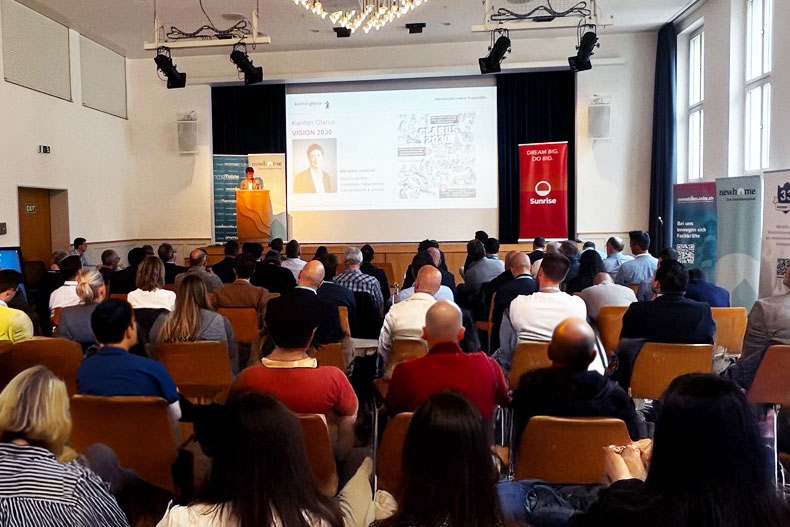
Location quality and pioneering spirit Marianne Lienhard, the canton’s Director of Economic Affairs, emphasized the strong pioneering spirit and high location quality in her talk. The canton of Glarus is an “industrial pearl with a down-to-earth attitude” that is economically strong and at the same time offers space for quality of life, recreation and innovation. The heterogeneity of the localities and the close connection of the population to their places of residence are decisive locational advantages that strengthen social cohesion.
Active location development Andreas Mächler from the cantonal contact point for the economy showed how actively location development is being pursued. Thanks to revised land use planning, several hectares of building land are available in Glarus North. Well developed, centrally located and significantly cheaper than the national average. Companies benefit from attractive framework conditions, short distances to the administration and a dynamic relocation policy.
Real estate market analysis Andrea Bernhard from Wüst und Partner analyzed the current situation on the Glarus real estate market. Despite growing demand and an almost empty supply, the price level is stagnating compared to other regions. In Glarus South in particular, new construction activity is low and most of the housing stock is outdated. But this is precisely where the opportunities lie. Densification, flexible building zones and targeted development could provide new impetus, provided a balance can be struck between growth and identity.
Real Estate Award To conclude, Tim Caspar from Real Estate Award AG presented the upcoming award event on October 2, 2025. With over 400 decision-makers, a gala and awards ceremony in five categories, the innovative strength of the industry will be made visible here. A strong starting point for all those who want to help shape the future.
The immoTable Glarus has shown that the canton is at the beginning of a new stage. With a clear attitude, an open mind for cooperation and the courage to transform, Glarus can become a role model for sustainable development in the Alpine region, as a space for investment, innovation and a good life.
At the beginning of April 2025, representatives from Lucerne municipalities and regional development agencies met for the third “Location and economic development in the municipalities” forum. The event was organised by Lucerne Economic Development and the Association of Lucerne Municipalities. The forum at Lucerne University of Applied Sciences and Arts focussed on the question of how municipalities can strategically secure and develop areas for economic activities.
Cantonal framework and digital tools After the opening by Ivan Buck, Director of Lucerne Economic Development, and VLG President Sibylle Boos-Braun, the Business Development team presented practice-orientated tools. These included a guide and the digital tool from start.swiss, which enables automated welcome processes for new companies in the municipality. A step towards efficient administration and location management.
Cantonal planning as a driving force André Duss from the canton of Lucerne presented the planned measures for the development of workplace areas in the draft cantonal structure plan. The focus was on areas for the expansion of local companies and attractive locations for new settlements. Coordination between the canton and municipalities is to play a central role in this.
Regional practical examples provide impetus Specific projects were used to illustrate how municipalities are already taking action today. LuzernPlus demonstrated successful area management with LuzernNord, flanked by developments in LuzernSüd, LuzernOst and Rothenburg-Station. The Sursee Plus pilot project, presented by Matthias Senn, also showed how densified construction in work zones can also work for land-intensive companies. Florian Furrer from Schüpfheim gave an insight into the municipal process of zoning new employment areas, an example of forward-looking planning at municipal level.
Municipalities are actively shaping the future with The forum made it clear that location and business promotion starts locally. Innovative approaches, digital tools and targeted cooperation between the canton, municipalities and regions are creating new spaces for entrepreneurial development. Lucerne shows how the future is being realised.
Despite global turbulence, increased protectionism and new tariffs imposed by the US government, Fribourg’s economy is holding its own with impressive stability. The Economic Development Agency of the Canton of Fribourg supported a total of 32 business projects in 2024, including 16 new relocations. These projects secure over 1,000 jobs and create 527 new jobs in the medium term, combined with investments of CHF 116 million.
Employment growth in the canton is now outstripping population growth. Fribourg’s gross domestic product rose by 27.5 % between 2011 and 2024. A clear sign of sustainable value creation despite global uncertainties.
Successful location development and investments The new settlements are equally divided between Swiss and international companies, including those from Belgium, Brazil, Germany, France, Ireland, Italy and the USA. At the same time, the new cantonal implementation program 2024-2027 of the new regional policy was launched, which sets strategic priorities in the bioeconomy, digital transformation, Industry 4.0, tourism and entrepreneurship with 19 funded projects.
For Olivier Curty, State Councillor and Director of Economic Affairs, these results underline the relevance of a consistently pursued economic strategy that strengthens Fribourg as a business location even in challenging times.
bluefactory and EPFL as engines of growth The bluefactory innovation quarter is developing rapidly. With the inauguration of Building B and its almost complete occupancy by 17 companies and 340 workplaces, Fribourg is being further strengthened as a technology hub. At the same time, EPFL is expanding its commitment – six new chairs in the field of sustainable construction are to be created by 2030. Construction of the new Smart Living Lab experimental building is scheduled to begin in 2025. This dynamic consolidates Fribourg’s position in the field of the built environment and underlines the canton’s commitment to sustainability and innovation.
Strategic successes in the life sciences sector A milestone in 2024 was the establishment of Cellap Laboratoire AG in Châtel-Saint-Denis. With more than 4000 m² of production space and ambitious growth targets in international markets, the company is providing new impetus in the cell cosmetics sector. The life sciences are becoming the mainstay of Fribourg’s economy and already account for 10% of the canton’s GDP – a result confirmed by a study by BAK Economics.
Jerry Krattiger, Director of the WIF, emphasizes that the bioeconomy and life sciences remain strategic priorities. At the same time, other key areas such as Industry 4.0 are being actively promoted in order to further expand the canton’s economic diversity and resilience.
Vigilance and adaptability as success factors The Department of Economic Affairs and Vocational Education and Training remains vigilant in the face of global uncertainties. With proven instruments such as short-time work compensation, Fribourg is able to react quickly to economic fluctuations and ensure the stability of the economic structure.
The Canton of Zug is supporting the establishment of the “Blockchain Zug – Joint Research Initiative” with a financial commitment of around CHF 40 million. This innovative cooperation project between the University of Lucerne and Lucerne University of Applied Sciences and Arts aims to develop Crypto Valley into an international centre for blockchain research. The Cantonal Council gave the go-ahead for the project in February 2024.
New research institute at the University of Lucerne A central component of the initiative is the establishment of a Zug Institute for Blockchain Research at the University of Lucerne. With nine new chairs, an interdisciplinary research environment will be created to analyse the social, economic and legal aspects of blockchain technology. HSLU is contributing its expertise from the fields of computer science, finance and engineering, thus creating a unique synergy between technological innovation and a humanities perspective.
Lighthouse project with international appeal The aim of the initiative is to establish Zug as a global centre for blockchain research. Finance Director Heinz Tännler emphasises the importance of this project: “Blockchain has the potential to transform many areas of our lives. With this initiative, we are ensuring that we are at the forefront of this development.” This is not only an investment in the technology of the future, but also a strategic measure to strengthen Zug as a business location.
Technology meets society Unlike many purely technological research projects, the “Blockchain Zug – Joint Research Initiative” takes a broad approach. In addition to the technical foundations, the effects on the economy, politics and society are also being analysed. This emphasises the unique character of the project, which not only aims to drive innovation, but also to understand and shape social transformations.
Long-term perspective and sustainable funding The initiative is designed for the long term. After five years of start-up funding from the Canton of Zug, the research network is to be placed on a sustainable financial footing. An external evaluation after three years will determine the way forward.
The Unteres Bünztal region now has its own specialist office to promote the regional economy. The Bünztal Economic Development Agency commenced its activities at the beginning of April, the new agency announced in a press release. “With the new economic development agency, we are strengthening our region in the long term and sending out an important signal for future-oriented economic development,” said Arsène Perroud, President of the Lower Bünztal Regional Planning Association.
Claudia Heger will take over the management of the Bünztal Economic Development Agency. The 37-year-old business economist studied public and non-profit management in particular. Heger has gained extensive experience in location promotion in previous roles, including for Wirtschaftsregion ZUGWEST and IDEE SEETAL, according to the press release. “I am looking forward to working with the municipalities, companies and partner organizations to further develop the economic potential of the Bünztal region and make it visible,” the new Head of Economic Development Bünztal is quoted as saying.
Bünztal Economic Development is to act as a “bridge builder between the economy, authorities and educational institutions”. Current tasks relate to the cantonal development focus Wohlen-Villmergen and the Wil/Huebächer business park. The Unteres Bünztal region includes the Aargau municipalities of Büttikon, Dintikon, Dottikon, Hägglingen, Hendschiken, Othmarsingen, Sarmenstorf, Uezwil, Villmergen, Waltenschwil and Wohlen.
Together with Markus Müller, you have been co-heading the location promotion of the Canton of Zurich for over 15 months. What insights have you gained? Zurich stands out within Switzerland due to its economic size. This also means that we are not only heavily involved in cantonal issues, but are also active on the national and, in some cases, international stage. For example, we promote Switzerland as an AI location or share our findings on AI applications in the economy with international partners.
At the same time, I find the close cooperation between business, science and administration as well as politics to be expedient when it comes to creating sustainably attractive framework conditions.
Could you give us a brief overview of the current priorities of location promotion in the Canton of Zurich? The central focal points are:
As just mentioned, the development of attractive, long-term location factors. Through close dialog with business and science, we identify trends at an early stage and provide targeted impetus for location development.
Promoting innovation and strengthening our key sectors of finance, ICT, life science, food, clean and high-tech.
Maintaining and strengthening the diversity of the industry structure. In this context, we also support companies that want to locate here – from the search for a location to obtaining permits.
Our projects, programs and initiatives are based on these three pillars.
What are the long-term visions of the cantonal location promotion department with regard to location development? The attractiveness of a business location depends on a number of different location factors. These range from target group-friendly regulations and digital government services to strong innovative power and the sustainable design of economic areas.we are pursuing the goal of being an attractive, leading and future-oriented innovation and business location with international appeal for companies and the population.
Zurich is one of the most expensive places to live in the world. The high real estate prices and rents are also becoming an increasing burden for companies. What can location promotion do about this? We are committed at various levels not only to the attractiveness and prosperity of the economic area, but also to a high-quality and excellent quality of life. In this respect, the availability of living space also plays a role. One concrete application can be found, for example, in our Innovation Sandbox for artificial intelligence. In the current phase, we are supporting the use of AI in planning applications. We hope that the results will help us to find ways of reducing the building backlog and streamlining the building permit process.
Housing subsidies are also located at official level. It promotes the provision of affordable rental apartments with attractive loans.
The ageing population is affecting the real estate sector and the labor market. What significance does this fact have for the canton of Zurich and how can you respond to it? The topic of demographic shifts and the widening labor market gap has been on our minds for some time at various levels. Over the next few years, many experienced workers will retire – this will increase the competition for talent.
On the one hand, we are working on various projects in the area of recruiting and retaining skilled workers and labor market participation. At the same time, we are currently developing new overarching approaches to demographics that will have a longer-term impact. One thing is clear: tackling the challenge of demography must be approached from a systemic perspective, meaning that many parties and stakeholders need to be brought to the table.
How do you see the role of the canton in the Greater Zurich Area economic region? The Greater Zurich Area is one of the most innovative business locations in Europe – and the canton of Zurich plays a central role in this. As a leading innovation location, we create the framework conditions that companies need to develop successfully. Ultimately, the other cantons within the Greater Zurich Area also benefit from our strong position.
As the economic engine of Switzerland, the Canton of Zurich is also the largest provider of funds for the Greater Zurich Area as a business location. At the same time, our Chief Executive Officer, Government Councillor Walker Späh, is President of the Board of Trustees of the Greater Zurich Area Business Location. The Canton of Zurich is also actively represented in the Greater Zurich Area economic region by the two cities of Winterthur and Zurich. This allows us to optimally represent our interests and coordinate the activities of the Greater Zurich Area as a business location with our own.
How does the cooperation with other cantons within the Greater Zurich Area business location work? What joint projects are currently underway? Cooperation within the organization of the Greater Zurich Area business location focuses primarily on issues relating to relocation. We work very closely with other cantons in various other constellations and committees. For example, in the Zurich metropolitan area, but also on a smaller spatial level, such as in the Limmat Valley. However, not all cantons are always members of the Greater Zurich Area business location.
Current cooperation projects include the 2nd phase of the Innovation Sandbox for Artificial Intelligence, which also includes the aforementioned building permit project, and the repositioning of the Limmatstadt regional location promotion program, in which we are thinking beyond the cantonal borders in functional areas and looking for solutions.
The Switzerland Innovation Park Ticino will be located on a 25,000 square meter site in the middle of the new quarter. The proximity to Bellinzona railroad station and excellent connections to the economic centers of Zurich and Milan make the location particularly attractive. The historic “cathedral” of the former workshops in the center of the quarter will be preserved and integrated into the modern cityscape as a landmark of the industrial past.
Promoting research and development The innovation park will become a hub for cutting-edge research projects and business collaborations. Competence centers for drone technology, life sciences and lifestyle tech are planned. These are intended to strengthen the region’s innovative power and intensify cooperation between start-ups, established companies and academic institutions. The Life Sciences Competence Center, for example, will open up new avenues in biotechnology and work on animal-free drug testing.
A strategic joint project Funding is provided by a broad partnership of public and private stakeholders, including the canton, BancaStato, industry and business associations as well as renowned universities such as the Università della Svizzera italiana (USI) and the SUPSI University of Applied Sciences. Switzerland Innovation Park Ticino SA was founded as a non-profit organization and will manage the development of the park.
Stimulus for the economic development of Ticino With the official recognition by the national innovation network Switzerland Innovation, Ticino will be closely networked with the Innovation Park Zurich. This collaboration is intended to create synergies between the two regions and promote the exchange of knowledge between research and industry. The link to the MIND Milano Innovation District underlines the international focus of the project and strengthens Ticino’s competitiveness as a high-tech location.
State Councillors Christian Vitta and Marina Carobbio Guscetti emphasize the strategic importance of the innovation park for Ticino. For Ticino as a business location, the innovation park is a strategic project for the economic development of the canton. The aim is to establish the region as an innovation hub, create highly qualified jobs and attract investment. The Switzerland Innovation Park Ticino will thus become a key driver of economic and technological development in the region and consolidate Ticino’s position as a major player in the Swiss innovation ecosystem.
Wir verwenden Cookies zur Unterstützung und Verbesserung unserer Dienste. Mit der Nutzung dieser Website erklären Sie sich mit der Verwendung von Cookies einverstanden. Weitere Informationen finden Sie in unserer Datenschutzerklärung.