Tag: Wachstum

  • New growth momentum through strategic partnership

    New growth momentum through strategic partnership

    With the strategic participation of an entrepreneurial investor, the company is setting the course for the next stage of growth. The new partnership combines capital strength with technological and operational expertise. The aim is to consolidate the company’s market presence in its home market and expand internationally, particularly in the key areas of digitalisation, sustainability and artificial intelligence.

    Future-oriented strategy with a clear focus
    The new growth strategy focuses on three structural drivers: the digital transformation of the property sector, the industry’s growing role in climate protection and the increasing demand for sustainable, connected living spaces. At the same time, the proven corporate DNA remains intact, with the operational team and all partners staying on board and continuing to run the business.

    Technological scaling and international expansion
    Internationalisation will begin with the existing presence in Germany and will be expanded through targeted acquisitions. At the same time, the digital service portfolio will be expanded through the development of proprietary products, the automation of customer processes with “Agentic AI” and the strengthening of the team. The strategic partnership creates the necessary room for manoeuvre in terms of technology, personnel and geography.

    New opportunities for the German site
    There are also new opportunities for the team in Germany. As an agile location within the Group, it benefits from the stability of the company and the opportunities offered by a strategic growth partner. The combination of a proven structure and fresh dynamism should pave the way for successful expansion in a rapidly changing market environment.

  • 1.47 billion in venture capital invested in Swiss start-ups in the first half of the year

    1.47 billion in venture capital invested in Swiss start-ups in the first half of the year

    In the first half of 2025, CHF 1.47 billion flowed into Swiss start-ups, an increase of 36 per cent compared to the previous year. This is the third-best result since measurements began. However, growth was driven by a small number of startups that raised large sums from international investors. The number of financing rounds fell for the third time in a row to 124, which corresponds to a decline of ten per cent.

    Biotech as a growth driver
    The biotech sector in particular produced a strong result. It set a new record with an inflow of CHF 705 million in capital. The previous record of CHF 436 million from 2021 was clearly surpassed. The reasons for this success lie in highly qualified start-up teams and technological developments based on excellent research.

    Recovery in ICT and fintech
    The recently weakening ICT and fintech sectors were also able to recover. General ICT start-ups recorded investment growth of 86 per cent to CHF 247 million. Fintech companies received CHF 153 million, which corresponds to an increase of 93 per cent. The number of transactions remains low, which indicates continued investor selectivity.

    Swiss startup ecosystem remains resilient
    Despite the uncertain market environment, the Swiss startup ecosystem is able to produce internationally competitive companies. One example of this is Sygnum Bank, which became Unicorn in the first half of 2025. The bank, which specialises in digital assets, was valued at over 1 billion dollars, a signal of the potential of innovation outside of the healthcare sector.

    Gloomy outlook among investors
    A broad-based survey shows that expectations for the coming twelve months are subdued. Fundraising and more difficult exit opportunities are of particular concern. International trade barriers, on the other hand, only play a subordinate role. Access to capital is likely to remain challenging for many start-ups, despite individual success stories.

  • New plant strengthens construction chemicals production in Central Asia

    New plant strengthens construction chemicals production in Central Asia

    Sika AG is continuing its growth course in Kazakhstan with the commissioning of a new production site. The plant is located in the city of Ust-Kamenogorsk in the east of the country and combines production lines for mortar and concrete additives and a laboratory.

    According to a press release, it is the fourth plant for Sika specialty chemical products for construction and industry. There is a high level of construction activity in the region. The mining industry in particular is experiencing strong growth. Local companies in the chemical, energy and automotive sectors are also expanding. As a result, the demand for residential buildings is increasing.

    The construction chemicals company has announced that it will also be involved in major projects. Kazakhstan is one of the most resource-rich countries in the world. Forecasts predict annual growth of 4.2 percent for the construction industry in Kazakhstan until 2028. The drivers are investments in energy projects, water reservoirs, transport infrastructure and industrial parks. According to estimates, the volume of construction projects across the country amounts to 160 billion Swiss francs.

  • Property company increases profit and expands in asset management

    Property company increases profit and expands in asset management

    Swiss Prime Site is reporting a consolidated operating profit at EBITDA level of CHF 415.1 million for the 2024 financial year. This corresponds to year-on-year growth of 6.5 per cent, the Zug-based real estate company reported in a press release. At the same time, cash earnings per share rose by 4.2 per cent to CHF 4.22.

    Rental growth and the property portfolio as well as higher income in asset management contributed to the positive developments. Rental income increased by 5.7 per cent year-on-year to CHF 463.5 million. In Asset Management, the operating result at EBITDA level increased by 47 per cent to CHF 42.0 million. The acquisition of the Fundamenta Group’s property asset manager in April was the main contributor to this. Consolidated operating expenses fell year-on-year from CHF 269.4 million to CHF 257.0 million.

    The value of Swiss Prime Site’s property portfolio amounted to CHF 13.1 billion at the end of 2024. The company recorded positive revaluations of CHF 113.7 million. In the reporting period, 23 properties with a total market value of CHF 345 million were sold.

    “In the past financial year, the focus was on implementing our strategy of consistently focussing on our core competence of real estate,” said Swiss Prime Site CEO René Zahnd in the press release. “With the acquisition of the Fundamenta Group, we have become by far the largest independent property asset manager in Switzerland and cover focused strategies in both the commercial and residential segments with our investment vehicles.”

  • Strengthening Europe’s innovation financing

    Strengthening Europe’s innovation financing

    Technology start-ups are crucial for the progress of disruptive innovations. However, financial hurdles are hampering their growth, as a new study by the EPO makes clear. A comparison with the USA shows that there is a lack of private capital in Europe, particularly in the later financing phases. This forces many innovative companies to look outside Europe for investors.

    A new evaluation system
    With the TIS, the EPO has developed a precise indicator to evaluate the specialisation of investors in patented technologies. The TIS is based on over 1000 individual values and indicates the proportion of patent-active companies in an investor’s portfolio. This enables start-ups to search specifically for investors who are particularly innovation-friendly.

    Public investors as a central pillar
    The study shows that public institutions play a key role in promoting innovation. Programmes such as the European Innovation Council, national funding agencies such as Innosuisse or Bpifrance and the European Investment Bank offer essential support in the early financing phases. However, there is a lack of seamless follow-up financing from private investors, which makes it difficult to scale up innovative technologies.

    A comparison of European and US financing models
    While 62% of private investors in Europe focus on early-stage financing, the proportion is significantly higher among the 100 largest US investors with a later-stage financing focus. 98 of the top 100 investors in the US are private, over half of whom specialise in growth financing. These differences illustrate the gap in the European capital structure.

    New digital tools for finding investors
    The EPO is expanding its digital tools to make it easier for start-ups to access capital. A filter has been added to the Deep Tech Finder that allows investors to be found specifically according to financing phase, location and technology field. This enables start-ups to efficiently identify suitable investors and improve their financing opportunities.

    Paths to a stronger innovation ecosystem
    The study emphasises the need for action to improve the networking of public and private innovation financing in Europe. With new digital tools such as the TIS and the Deep Tech Finder, the EPO is providing decisive impetus to close the financing gap and keep start-ups in the European market in the long term.

  • Increasing value through global presence and technological innovation

    Increasing value through global presence and technological innovation

    Siemens Smart Infrastructure raises the bar. The Zug-based Siemens business unit increased its revenue by an average of 11 per cent annually between 2020 and 2024, Siemens announced in a press release. A record operating result margin of 17.3 per cent was achieved in 2024. This is well above the medium-term target of 11 to 16 per cent set in 2021.

    In the coming years, the company is aiming for sales growth of 6 to 9 per cent and an earnings margin of 17 to 18 per cent. “We have set ourselves ambitious targets and achieved them,” said Matthias Rebellius, member of the Managing Board of Siemens AG and CEO of Smart Infrastructure, in the press release. “Now we are raising the bar even higher to reach the next level of value creation.”

    In the coming years, SI intends to strengthen its global presence and expand local capacities. At the same time, it plans to promote talent in high-growth markets such as India and the USA. Both should lead to scalable results in SI’s established end markets, such as data centres, healthcare and energy utilities. The company expects the market it addresses to grow by 5 to 6 per cent annually in the medium term. According to the press release, SI has realised “above-market growth in all areas”.

  • Zug remains Zug – liveable, visionary, vibrant

    Zug remains Zug – liveable, visionary, vibrant

    How is the Zug economy doing?
    Zug is praised in numerous specialist publications and in the media for its diversified economy – services, trade, manufacturing industry and commerce. Growth is still above the Swiss economic average of 1.2% and has so far proved resilient to global or technical upheavals. Thanks to the positive financial results, the city of Zug, together with private households and the flourishing economy, is an important pillar for further growth in the coming years.

    How does the city of Zug plan to ensure its economic growth is sustainable in the coming years, especially given the strong focus on the financial and crypto industries?
    Sustainability also means that we look after the companies based here and are reliable partners and employers. It is therefore important that we continue to have strong legal certainty in Switzerland and Zug. We offer a strong education system, have short distances to the city and canton, maintain great local recreational areas and have good road and rail connections to Lucerne and Zurich.

    Zug is experiencing high demand for residential and commercial space. What long-term solutions does the city see to promote residential construction while maintaining the quality of life?
    Many years ago, we demanded the framework conditions for the V-Zug site/technology cluster development plan and the LG site development plan with a letter of intent. In both of these cases, we defined 10,000 m2 of affordable housing and affordable commercial space. We have also been working closely with Zug’s building cooperatives for over 10 years. We also recently purchased an area right next to the railway station for 65 million. This is to be used for the construction of affordable housing. The mix of flats still needs to be defined and will ultimately be put to a referendum. Here, too, it is to be sold under building rights. This is because the building cooperatives know what the people of Zug need in terms of housing. In addition, the city of Zug is working closely with landowners to develop development plans in cantonal densification areas that permit high densities. The municipal high-rise building regulations form an important legal basis for this. As part of these measures, increased attention is paid to the quality of the open spaces on the sites themselves, as well as the other public open spaces. In the spirit of a “city of short distances”, the inner-city open spaces and leisure infrastructure, as well as the natural and landscape areas, should be easily accessible, especially by public transport, on foot and by bike.

    What new projects and initiatives is the city of Zug planning to promote sustainable urban development?
    There are many new projects in the city of Zug. They all have to take equal account of social, economic and ecological aspects. In this respect, each of our projects should already support sustainable urban development. Perhaps you will allow me to give you two examples in which we are also playing a pioneering role. For example, an internal strategy project is underway to check whether we are well organised and sufficiently fit to master the future challenges of sustainable development. Or in the area of climate adaptation: we are currently installing temperature sensors throughout the city to identify heat islands and take targeted measures.

    The issue of affordable housing is becoming increasingly important. What measures is the city taking to ensure that Zug remains attractive for less affluent people?
    The city council is already calling for affordable housing to be created on at least 20% of the additional eligible floor area in residential and mixed zones when issuing ordinary development plans. Following the adoption of the “2000 flats for Zug’s middle class” initiative, affordable housing of at least 40% of the newly constructed living space must be created in residential and mixed zones located in densely populated areas when issuing ordinary development plans and in the case of rezoning and upzoning. To be honest, however, this has also halted construction projects. We are currently working on solutions.

    How important is citizen participation in municipal projects to you, and what opportunities do the residents of Zug have to contribute their ideas and opinions?
    The city of Zug has a strong and long-standing culture of participation. Public participation projects on various topics have been held regularly since the 1990s. The online participation portal “mitwirken-zug.ch” has also been available since 2020.

    Traffic in and around Zug is increasing. What is the city’s plan to bring the transport infrastructure in line with growth and strengthen public transport at the same time?
    Unfortunately, the city tunnel was rejected and solutions must be found nonetheless. The city of Zug is working closely with the cantonal civil engineering office to develop a joint transport plan for the vibrant centre of Zug. The city’s aim is to ensure that the existing road space is available to all road users equally and efficiently: Cars, public transport, bicycles and pedestrians. Fortunately, the city of Zug is small-scale, so many things can be done on foot or by bike.

    What plans are there to further expand public transport in order to relieve commuters and reduce traffic in the city?
    The next major expansion step is planned for the opening of the Zimmerberg tunnel. This will be around 2035 to 2037. Until then, public transport will continue on the current routes and the frequency will be adapted to demand. The public transport system will thus be adapted to the needs of the municipalities on a “small scale”. According to GöV, the municipalities have the option of purchasing additional services over and above those ordered by the canton. The city of Zug does this with the Zugerberg railway and on bus route 5, where it purchases additional cable cars and courses. This additional service, which is decided by the city parliament, gives the city of Zug flexibility over and above the service determined by the canton. However, it is clear that the service ordered by the canton is excellent and that the municipalities hardly need to make any improvements. The city of Zug already has excellent public transport connections in all neighbourhoods. Additional courses significantly reduce the cost recovery ratio. The cost recovery ratio to be achieved according to the GöV is 40%. Personally, I would like the S-Bahn to offer double-decker trains.

    How does the city of Zug support the expansion of educational facilities in order to address the shortage of skilled labour and at the same time strengthen Zug as a location for education?
    Education is our only resource and this is where the city of Zug invests the most money. The design of attractive school buildings as places to work and learn, with the involvement and participation of pupils and teachers in the planning process, are key concerns. In addition, there are attractive childcare and leisure facilities for children and families as well as a modern ICT infrastructure. In addition, forward-looking and innovative projects and collaborations such as the school portal – where parents can communicate online with teaching and support staff and the school administration – the DigiWerkstatt and the inclusion of AI in lessons are being driven forward. However, it is also important that we meet the needs of companies and actively support the dual education system. A great project is underway here!

    What role does the promotion of innovation play in Zug and how is the city planning to establish itself as a centre for pioneering technologies and companies?
    The promotion of innovation plays a central role in the city and canton of Zug in positioning the city as a centre for pioneering technologies and companies. One important point is: we try things out. For example, following a presentation by a student, we decided to accept Bitcoin as a means of payment in the city of Zug, which caused a worldwide furore. Today, the city of Zug is THE Crypto Valley worldwide with over 4000 employees in over 800 companies. True to the motto: “no risk, no fun”. We will continue to be innovative! Targeted measures and programmes are designed to strengthen the innovative power of the city of Zug so that the environment becomes even more attractive and motivating for companies and, above all, for employees. You can move mountains with innovative projects and motivated people. The framework for this is provided by the development strategy for the city of Zug adopted by the City Council in autumn 2021: “Zug remains Zug – liveable, visionary, vibrant”. It is an overarching management tool with a long-term perspective to help shape the future of the city of Zug. Innovative economy, green city, strong community, healthy finances – these are our credos for the future.

    What is your long-term vision for the city of Zug? What goals are you determined to achieve in the coming years?
    As a growing business location with excellent conditions for companies and skilled workers from near and far, we cultivate our economic diversity and position ourselves specifically through future-oriented industry clusters. We are developing Zug as a green city in a sustainable and resource-conserving manner and are planning mobility, space and energy in a visionary way.

    In the tension between tradition and modernity, we promote dialogue and create an inspiring framework for a vital, diverse and cosmopolitan urban community. And to maintain our healthy finances, it is important to ensure competitive framework conditions, make future-oriented investments and secure our tax base in the long term. In addition to all impact targets, we promote lifelong learning, utilise the potential of diversity in the population, economy and culture for pioneering lighthouse projects for change and use incentives to steer change.

    Zug is committed to more climate protection. Can you give us an overview of the most important measures that are currently being implemented to reduce CO2 and increase sustainability in the city?
    When it comes to climate protection, the focus is on moving away from fossil fuels. All heating systems must be able to run on local renewable energy in the medium term. Compliance with modern building standards and, together with Wasserwerke Zug (WWZ), the expansion of district heating are at the forefront here. We have brought Circulago into being. We take cold and heat from the lake and thus have a “battery” on our doorstep. At the same time, we also want to upgrade our own properties, produce our own electricity and get rid of fossil-fuelled heating systems. The introduction of CO2 monitoring and many larger and smaller measures as part of the “Energy City” programme, where we have also been certified with the “Gold” label for 2023, will help us achieve this. I am convinced that we can supply ourselves with energy. We have innovative companies such as Siemens, Landis & Gyr, V-Zug, the technology cluster and many more companies in Zug that all offer these technologies and innovations. It’s certainly been 10 years since Siemens showed us that the technology for local self-sufficiency already exists, so let’s do it!

    Where do you see the city of Zug in 20 years’ time?
    In 20 years’ time, the city of Zug should be a liveable, innovative and sustainable place that offers both economic dynamism and a high quality of life. In other words, we will have made Zug even more attractive for companies and skilled workers, while at the same time creating space for a strong community. Zug’s role as an international business and financial centre has been strengthened, particularly in the area of digitalisation and new technologies such as blockchain and AI applications. Thanks to sustainable urban planning and environmentally friendly infrastructure, the city of Zug is climate-neutral. We have attractive places to live and work, green recreational areas, attractive cultural offerings and a diverse infrastructure for education, leisure and health. Zug has made a name for itself as a centre of education and innovation that is networked with tertiary education institutions and research facilities. We have intelligent traffic management and an efficient infrastructure that meets the needs of a growing population and is designed to be sustainable. Progress is being made step by step – I am delighted!

  • Reinforcement for Real Estate Award AG

    Reinforcement for Real Estate Award AG

    2024 was a milestone for Real Estate Award AG. A successful rebranding, the newly formed jury and strong event partnerships ensured a positive response. The Real Estate Award in October 2024 was very well received and underlines the platform’s strong position within the construction and property industry.

    Mara Schlumpf, Managing Director of Real Estate Award AG, is satisfied: “It was a fast and great year in which we were able to substantially develop the award. I am proud of this achievement.”

    Tim Caspar brings a breath of fresh air to the team
    In order to continue on this successful path, Tim Caspar will join Real Estate Award AG as Deputy Managing Director from January 2025. Tim Caspar currently works as a freelance videographer and has already realised several projects for the award in the past.

    “We are delighted to have Tim Caspar on board as a team player who, with his background in social media marketing and videography, will open up many new opportunities for the Real Estate Award in terms of visibility. Not least our applicants and event partners will benefit from this,” says Mara Schlumpf. “The fact that Tim already knows the processes and values of the award from our previous collaboration is a big bonus.”

    Real Estate Award 2025
    The next Real Estate Award will take place on 2 October 2025 at Trafo Baden. The application phase is already open. Companies from the Swiss construction and property industry can now submit their projects for the next edition. With Tim Caspar as Deputy Managing Director, Real Estate Award AG is sending a clear signal in favour of innovation and growth. The award remains an important platform for recognising and highlighting outstanding achievements in the sector.

  • Future prospects at the 103rd immoTable Zug

    Future prospects at the 103rd immoTable Zug

    Mayor André Wicki opened the event with an inspiring look at the economic future of the city of Zug. Under the motto “Zug remains Zug – liveable, visionary, vibrant”, he emphasised the challenges associated with sustainable growth, affordable housing and climate protection. His visions emphasise the aspiration to further develop Zug as an innovative and attractive place to live and do business.

    Sustainable strategies and economic success
    Beat Bachmann presented the “Spirit of Zug” long-term strategy, which strikes a balance between growth and resource consumption. Regional cooperation and attractive conditions for companies will strengthen the region as a leading business location. The innovation platforms, such as HSLU and the Tech Cluster Zug, promote technological advances in areas such as energy, mobility and decarbonisation.

    Successful projects for modern living and commerce
    Lukas Fehr presented the award-winning “Papieri Cham” project. The neighbourhood combines historical substance with modern new buildings, sustainable architecture and green open spaces. With around 1,000 flats and 40,000 square metres of commercial space, the Papieri site sets new standards for sustainable living and working.

    Material innovation in timber construction
    Pius Kneubühler spoke about the advantages of board stack constructions made with Swiss timber and minimal glue. This technology promotes sustainable cascade utilisation and combines high load-bearing capacity with an excellent carbon footprint. Material identity is at the centre of sustainable construction.

    Water treatment and infrastructure safety
    André Spathelf rounded off the event with a comparison of the Swiss market leaders in water treatment. He emphasised the importance of a proactive approach to monitoring and maintaining water networks. This approach ensures the quality and sustainability of vital infrastructure.

    The 103rd immoTable Zug once again demonstrated the importance of dialogue between business, science and politics in shaping a sustainable future. Visionary projects, technological innovations and economic strategies strengthen Zug as a leading region in Switzerland.

  • Peter Baumgartner new Chairman of the Board of Directors of Admicasa

    Peter Baumgartner new Chairman of the Board of Directors of Admicasa

    Admicasa Fondsleitung AG announced the appointment of Peter Baumgartner as the new Chairman of the Board of Directors on 17 October 2024. Baumgartner brings many years of experience in international business and has an extensive network in various industries. He was previously CEO of Etihad Airways, where he led key strategic initiatives. Baumgartner’s appointment succeeds Beat Langenbach, who previously held the position.

    Experience and vision for the future
    Peter Baumgartner can look back on an impressive career in aviation, including senior positions at Swissair, Swiss and Etihad Airways. After returning to Switzerland, he founded the management consultancy Bluearbre Ltd. through which he continues to be actively involved in the consulting and investment scene. His international mandates in various sectors, including the property industry, make him the ideal choice for Admicasa Fondsleitung AG.

    Admicasa on course for growth
    Admicasa Fondsleitung AG, founded in autumn 2023, has already successfully launched its first real estate fund, the Admicasa Real Estate Fund. The fund focuses on investments in prime locations in the agglomeration and aims to utilise appreciation potential and generate attractive returns. With Baumgartner as the new Chairman of the Board of Directors, Admicasa Fund Management plans to further expand its innovative strength and implement new strategies to create value in the property sector.

    A visionary management style
    Peter Baumgartner emphasised in his first statement that he was looking forward to working with Admicasa’s experienced Board of Directors. “The Admicasa Group’s innovative approach fits in with my conviction of sustainable economic value creation. I am convinced that together we will open up new perspectives for fund management and ensure long-term success,” said Baumgartner.

  • Growth in the construction industry in Southeast Asia

    Growth in the construction industry in Southeast Asia

    Sika has more than doubled its production capacity in Bekasi, the globally active specialty chemicals group for construction and industry announced in a press release. Sika’s largest production facility in Indonesia produces mortar products such as tile adhesives and grouting mortar as well as system solutions for walls and facades. The plant, which functions as a distribution center for Indonesia, has also been equipped with more storage capacity.

    According to Sika’s estimates, the construction industry in Indonesia will achieve annual growth of around 6 percent over the next few years. In the last two years, the company has expanded its distribution network in the country from around 10,000 to around 30,000 sales outlets. As this has proven successful, Sika is planning to expand its distribution networks in other important markets such as China and India.

    “The significant expansion of our supply chain in Indonesia will enable us to better meet the strong demand in one of the most dynamic markets in Southeast Asia,” said Philippe Jost, Regional Head Asia/Pacific at Sika, in the press release. “In addition, Sika is positioning itself for further growth in this important market, which is driven by rapid urbanization and strong population growth.”

  • Procimmo expands real estate fund

    Procimmo expands real estate fund

    Procimmo is planning to acquire several properties for its Residential Lemanic Fund. The Renens-based company, which specializes in the development and management of real estate investment products, therefore intends to carry out a capital increase of between CHF 30 million and CHF 40 million at the end of September. The exact amount and the subscription period will be communicated at a later date, Procimmo announced in a press release.

    The Procimmo Residential Lemanic Fund currently has gross assets of around 510 million francs. Three quarters of the capital is invested in real estate in Lausanne and Geneva. Procimmo aims to grow the fund “while preserving its intrinsic qualities”, the company writes.

    Founded in 2007, Procimmo SA operates as a real estate asset manager at its headquarters in Renens as well as in Zurich and Geneva. The company has been part of Procimmo Group AG since 2017. The Zug-based group of companies, which is listed on the BX Swiss, offers investment and services in the real estate sector.

  • Implenia announces management change

    Implenia announces management change

    Implenia, the leading Swiss construction and real estate services provider, will have a new CEO at the helm in spring 2025. André Wyss, who has led the company through a far-reaching transformation since October 2018, has decided to step back from operational activities. Wyss explains: “After six and a half years at Implenia, it’s time for me to focus on existing and new mandates. Implenia is in an excellent position following the transformation and is ready for the next strategic phase.” The successful handover to Jens Vollmar, who has played a key role in shaping the company’s development, is an important step for Wyss.

    Hans Ulrich Meister, Chairman of Implenia’s Board of Directors, praised Wyss’ achievements: “With far-sighted and courageous action, he has shaped Implenia into a financially sound, integrated multinational construction and real estate services provider.” The company is now optimally positioned to continue to grow profitably in the long term.

    Jens Vollmar to take over from April 2025
    The Board of Directors has appointed Jens Vollmar, currently Head Division Buildings, as the new CEO. Vollmar has been with Implenia since 2013 and has made a decisive contribution to the company’s positive development through his role in the Buildings Division and as Country President Switzerland. Meister is convinced that Vollmar will successfully lead the Group into the future with his expertise.

    Vollmar’s successor as Head Division Buildings will be announced at a later date.

    Change in the Civil Engineering division
    In addition to the change in CEO, there will also be a new appointment in the Civil Engineering division. Christian Späth, who has successfully led this division through challenging times, will leave the company at the end of August 2024. Erwin Scherer, previously Global Head Tunnelling, will take over the management of the division from September. Scherer, who has been responsible for tunnel construction at Implenia since 2019, is a proven leader with extensive experience in international tunnel construction. Wyss and the management team are convinced that Scherer will continue to lead the division successfully and make an excellent addition to Implenia’s Executive Committee.

    This comprehensive change of leadership marks an important milestone in Implenia’s future development and sets the course for the continuation of its successful growth trajectory.

  • Solar energy market to grow by 51 percent in 2023

    Solar energy market to grow by 51 percent in 2023

    In 2023, the expansion of photovoltaics in Switzerland grew by over 40% year-on-year for the fourth year in a row. In concrete terms, market growth even amounted to 51 percent. The new record total of 1641 megawatts (MW) corresponds to an area of 0.9 square meters per capita. The total installed capacity at the end of the year was 6374 MW. In terms of installed photovoltaic capacity per capita, Switzerland is in ninth place worldwide. These are the figures from the solar energy statistics for 2023 published by the Swiss Federal Office of Energy, which Swissolar summarizes and comments on in a press release.

    Growth was particularly marked in industry and commerce (65%) and multi-family houses (59%). David Stickelberger, Head of Market and Policy at the Swiss Solar Energy Association, sees the trend towards larger systems as “very positive. Roofs are increasingly being fully utilized, which means that the price per kilowatt hour produced continues to fall.” The number of newly installed battery storage systems also rose by 73% compared to the previous year.

    With regard to the new Electricity Act, Swissolar proposes that local electricity communities receive a higher discount on the grid fee. In addition, the minimum purchase remuneration must create more planning security for investors in view of falling electricity prices. And grid operators should be made more accountable by means of long-term purchase agreements for domestic electricity from new renewable energies.

    The renewed fall in electricity prices and the shortage of skilled workers would also slow down growth. The apprenticeships for solar installers EFZ and solar technicians EBA starting in August 2024 would therefore come at the right time.

  • Planning in Geneva: a difficult exercise

    Planning in Geneva: a difficult exercise

    The Office de l’urbanisme is responsible for spatial planning in the canton of Geneva. Can you give us an overview of your responsibilities?
    The Office de l’urbanisme develops and implements a land use policy that aims to promote housing, economic, social and cultural development while improving the living environment in terms of ecological transition and enhancing the natural and built heritage. It is the gateway for all territorial projects and ensures a permanent and iterative dialogue between the local and regional levels and between the public policies that affect these projects (nature, landscape, mobility, land, social, health, economy, etc.).

    One of the instruments is the cantonal structure plan, which provides general guidance on the major spatial balances, particularly in coordination with the neighbours in France and Vaud. The town planning office is also responsible for zoning changes in order to adapt the uses to the needs of the area, as well as for master plans such as the neighbourhood plans or the localised neighbourhood plans, which specify the layout of the buildings, organise the outdoor spaces and distribute the building rights.

    Since 2015, the urban planning office has had a department for citizen participation, which is a centre of expertise for all the consultation processes that accompany all projects. Indeed, the consideration of the population and their utilisation expertise in the projects has been further strengthened by the consultation approaches. In order to understand how the area is inhabited and to enable the projects to take better account of the residents’ wishes, sociological studies are increasingly being integrated into the basic studies of the projects in addition to the participatory approaches.

    To accompany the construction of the Léman Express intersections, the urban planning office has also created an operational directorate responsible for public space projects: squares, greenways for non-motorised traffic, school playgrounds, parks, etc.

    What challenges and opportunities does urban development in Geneva face, especially in comparison to other Swiss cantons?
    The biggest challenge today is to accommodate this growth in a high-quality manner in an increasingly confined and limited space.

    For decades, the territory of Geneva has preserved its agricultural and natural areas as well as its landscapes, allowing it to offer its inhabitants a high quality of life. This constant attention between preservation and development has led it to play a pioneering role in the urban process of inward growth. The challenge today is to accommodate this growth within existing settlement structures, but also to initiate positive processes of regeneration and redevelopment of already urbanised areas. Climate resilience requires us to redesign public spaces by better managing water infiltration, unsealing soils and increasing vegetation cover. At the same time, the energy refurbishment of existing buildings must lead to significant savings while switching to renewable energy sources.

    This challenge of building the city on already built-up areas must also address the preservation of the built heritage and trees as well as the consideration of biodiversity in the urban environment.

    Which areas in Geneva are particularly attractive for companies and why?
    Geneva’s built-up area is particularly dense and compact. Companies in the secondary sector benefit from the high-quality industrial areas that, through the “Ecoparc”, aim to both dynamise the economic fabric and take into account the challenges of adapting to environmental change: better water management, greening, energy efficiency, circular economy, etc. These industrial areas are generally well connected to transport axes and some have a railway connection.

    The more mobile service activities have recently seen significant relocations to take advantage of new “addresses” that are better located, more modern and, above all, better connected to the mobility networks. In this quest for optimisation, the new business districts of the PAV have proved very attractive, especially those located close to the Léman Express stations. We can see that companies are paying attention to various parameters, including location, transport links (public and private), the local amenities offered in the neighbourhood, the flexibility of the premises and the environmental friendliness of the buildings.

    What are the most important construction projects in the canton of Geneva and how do they contribute to urban and spatial development and which projects would you describe as flagship projects and for what reasons? Where does urban and spatial development in Geneva still see development potential and how could this be utilised?
    Current urban development mainly consists of three large project families:

    The “large-scale projects” as urban expansion on agricultural land. These projects were conceived around ten years ago and have gone through the entire process from inclusion in the cantonal structure plan to zoning changes and neighbourhood development plans. Each of these projects comprises several thousand flats, commercial space, amenities and public facilities. They are all in the construction phase, which will last in stages until 2040.

    The urban regeneration projects in the Villa zone. These projects have great potential for new housing, but their planning is tricky due to the impact on the existing fabric, which not only has a natural resistance to change, but in places also has patrimonial and environmental qualities that require delicate balancing of interests.

    The third large family concerns the densification of the urban crown, including the “Praille-Acacia-Vernet (PAV)” sector and the Léman Express railway station districts. While the latter are in the final stages of completion and offer housing and commercial space with excellent transport links, the PAV sector aims to transform an industrial area of over 200 hectares into a new city centre. Far from a wasteland, this dynamic sector is now in operation and requires the relocation of companies to ensure their continuity in Geneva’s economic fabric.

    Are there any unused sites in Geneva that could be considered for new development projects? If so, where are they located?
    As already mentioned, the canton of Geneva is forced to develop inwards and regenerate its settlement area. Unlike other cities, there are no urban brownfields in Geneva, as these are often associated with deindustrialisation. Thus, urbanisation is mainly driven by the mutation of existing building zones, with the perspective of equipping the area to promote proximity practices.

    The quality of life is improved through the renewal of neighbourhoods. This includes the redesign of public spaces, the provision of facilities and services for the neighbourhood, the preservation of the built and natural heritage and easier access to recreational spaces. In this sense, the villa areas from the last century now represent the greatest potential for mutation for development projects in the canton.

    Geneva’s ambitions to preserve its natural and agricultural areas are supported by the Sectoral Plan for Crop Rotation Areas (SDA), which aims to preserve a quota of 8400 hectares of high-quality agricultural land to contribute to Geneva’s self-sufficiency. As this limit has practically been reached, future large urban expansions in the agricultural zone are no longer possible.

    Has the pandemic led to long-term changes in Geneva’s planning? If so, which ones?
    The pandemic was a moment in which the collective awareness of the close link between lifestyles and the city’s production was heightened.

    Indeed, the lockdown has been a real experience of urban resilience for all in a context where adaptation to climate change is necessary. It has also highlighted the need for a diverse city capable of offering services, places of relaxation and recreation close to a neighbourhood. The quality of public spaces is therefore of crucial importance, as is the networking of parks and gardens. In hot summers, access to water is also important and has led to a complete reorganisation of the use of lakeshores and watercourses by opening up walking paths and creating new recreational areas (banks of the Rhône, Eaux Vives beach, Vengeron beach, etc.).

    The need for leisure and recreation also put pressure on the agricultural and natural areas, with a high level of footfall during the pandemic, mainly due to the closure of borders. Today, thought is being given to the “socio-ecological” management of these areas to try to reconcile agricultural activity and the preservation of ecosystems, while allowing reasonable access for the public.

    How do you envisage the ideal development of the canton of Geneva? What would be the key elements?
    The development of the canton of Geneva primarily requires the preservation and valorisation of its agricultural and natural areas, both for reasons of biodiversity, food production and the landscape.

    New potential will therefore ideally be located in the already built-up area, partly in urban regeneration and partly in the densification of the villa zone.

    The vision underlying the development aims to promote a dense, green city that offers services and amenities nearby and locates future developments in areas that are well connected to mobility networks (active mobility and public transport). Neighbourhoods that offer diverse reception conditions and support a mix of generations, that are green and designed for all types of people, soft mobility networks that connect living spaces (housing, work, education, leisure, etc.) A self-confident urbanity of a dense city that knows how to contextualise building typologies and fully involve residents in their planning and implementation.

  • Dormakaba increases profitability

    Dormakaba increases profitability

    Dormakaba generated global sales totalling 1.38 billion Swiss francs in the first half of the 2023/24 financial year, which ended on 31 December 2023. This corresponds to a year-on-year decline of 3.0 per cent, dormakaba announced in a press release. The Rümlang-based locking technology company attributes this to a “significant negative currency effect of 95.2 million Swiss francs”.

    Excluding this effect, organic sales growth amounted to 3.9 per cent, explains dormakaba. The adjusted operating result at EBITDA level increased by 8.7 per cent year-on-year to CHF 200.7 million. The corresponding margin improved by 1.6 percentage points to 14.6 per cent. At 48.5 million francs, however, Group profit in the half-year under review was 5.8 million francs lower than in the same period of the previous year.

    “Our results clearly show how everyone at dormakaba is contributing to the effective implementation of our transformation programme as planned,” said dormakaba CEO Till Reuter in the press release. “The significant increase in our margins shows that the expected positive financial effects are bearing fruit and that we have made progress on our path to sustainable growth and profitability.”

    For the second half of the 2023/24 financial year, dormakaba is sticking to its targets for the year as a whole. The aim is to achieve organic sales growth of between 3 and 5 percent. In terms of profitability, dormakaba is aiming for an improvement in the EBITDA margin compared to the previous year’s 13.5 per cent.

  • Sika generates record sales

    Sika generates record sales

    Sika generated record sales of 11.24 billion Swiss francs in the 2023 financial year, the global speciality chemicals company for construction and industry announced in a press release. This corresponds to year-on-year growth of 7.1 per cent. In the press release, Sika emphasises the former construction chemicals business of the BASF Group acquired in the previous year as a growth driver. Due to the successful integration of the MBCC Group, Sika anticipates annual synergy effects totalling 180 to 200 million Swiss francs.

    All regions also contributed to the record sales with double-digit growth rates in local currencies. At 15.2 per cent, sales in local currencies grew most strongly in the Asia/Pacific region. In the EMEA and Americas regions, growth rates of 14.8% and 14.9% respectively were realised. The Global Business segment increased its sales in local currencies by 10.0 per cent. Strong devaluations of almost all currencies against the Swiss franc resulted in a negative currency effect of 7.4 per cent.

    “Sika has once again demonstrated its resilience over the past twelve months,” said Thomas Hasler, CEO, in the press release. “Thanks to our well-functioning business model, high innovative strength and the great commitment of our 33,000 employees worldwide, we have grown strongly and gained market share even in a challenging year.” Sika will communicate the full report for the financial year 2923 on 16 February.

  • Holcim looks back on an excellent half year

    Holcim looks back on an excellent half year

    Holcim generated sales of CHF 13.07 billion in the first half of 2023, the globally active Zug-based building materials group informed in a statement. This corresponds to a year-on-year decline of 11.0 percent. On an organic basis, growth of 7.4 percent was achieved, Holcim writes.

    Holcim reported a recurring operating result at EBIT level of CHF 2.04 billion for the reporting period. In the same period of the previous year, the figure was CHF 2.17 billion. The organic growth is put at 13.4 percent in the statement. The margin on operating profit increased by 0.8 percentage points year-on-year to 15.6 per cent. In the second quarter of 2023, a margin of 21.1 per cent was realised. Earnings per share increased by 15.3 per cent year-on-year to a record 2.19 Swiss francs. The company describes the first-half results as “outstanding”.

    “We are on track to achieve industry-leading margins in the 2023 financial year,” Jan Jenisch, Holcim’s chairman and CEO, was quoted as saying in the statement. “This confirms Holcim’s strong position in all markets where our leading sustainable construction solutions and brands deliver above-average profitability and growth.”

    In the half year under review, Holcim invested CHF 1.8 billion in 18 acquisitions. In addition, the company continued its expansion in the North American market, the statement said. According to it, Holcim has already been awarded more than 70 infrastructure projects in the US for the period 2023 to 2026.

  • Migros invests single-digit million sum in solar start-up Rayo

    Migros invests single-digit million sum in solar start-up Rayo

    Zurich-based Migros is investing in the Zurich start-up Rayo. To this end, the retail group is pouring capital in the single-digit millions into the start-up via Sparrow Ventures, a Migros subsidiary and growth capital provider, and Migrol AG, also part of the Migros Group, according to a media release.

    Rayo wants to make solar energy more accessible by renting out solar systems in a subscription model. This way, owners have no initial costs. Instead, owners pay “a fixed monthly amount for 20 years for their individual solar solution”. The price includes the photovoltaic system as well as all services from clarifications, planning, installation, maintenance and repairs to insurance and a smart home app.

    There is interest in sustainable, individual solar solutions and energy self-sufficiency. Nevertheless, according to the data, only about one in ten single-family homes in Switzerland has solar panels on the roof. This is low by European standards. According to a media release, Lorenz Lüchinger, CEO of Sparrow Ventures, believes that the reason for the reluctance to install solar panels on one’s own house is the initial costs and the administrative effort.

    It is precisely this gap that Rayo wants to close “and offer a solar solution with which the Swiss population can reduce their electricity costs and at the same time improve their ecological footprint”, Andreas Flütsch, CEO of Migrol, is quoted as saying.

    Rayo subscribers can also order a battery storage system for surplus solar power in addition to their solar package. Rayo also provides charging stations for electric vehicles, using synergies with Migrol and the Migros Group. Migrol, headquartered in Adliswil ZH, operates filling stations, charging stations and car repair shops, among other things.

  • Sika opens new plant in Eastern India

    Sika opens new plant in Eastern India

    Sika is commissioning a new plant in Kharagpur in eastern India. There, the globally active Zug-based specialty chemicals company intends to increase its production and supply capacity for eastern India, according to a media release. This is Sika’s twelfth manufacturing plant in India. Sika has been active in the Indian market for 40 years.

    The new factory is located in an industrial park with good infrastructure links and has state-of-the-art production facilities as well as offices, laboratories, storage and logistics areas. Mortar products, concrete admixtures and setting accelerators for shotcrete are manufactured there for customers in the West Bengal region with a population of more than 100 million.

    “India is a growth market for Sika with enormous potential,” Mike Campion, Regional Head Asia/Pacific, is quoted as saying in the media release. The world’s most populous country shows strong industrialisation and urbanisation trends. Sika intends to benefit from this by concentrating on large infrastructure and construction projects in the country’s ten largest metropolitan regions. “With the new plant in Kharagpur, we can efficiently serve upcoming large projects in the east and northeast, including the capital Kolkata.” Kolkata is the capital of the state of West Bengal.

    The construction sector in India is reportedly projected to grow by 6.5 per cent this year. Next year, it is expected to grow by 6.4 per cent. In addition, the central government is particularly promoting “the expansion of transport and logistics infrastructure on rail and road, with the aim of driving industrialisation in the country and increasing manufacturing capacities”.

  • Siemens sales in Switzerland increase significantly

    Siemens sales in Switzerland increase significantly

    The comprehensive digital product and solution portfolio is the main driver for Siemens’ positive business development in Switzerland. “With our technology, we connect the digital world with the real world,” says Matthias Rebellius, who is responsible for Switzerland on the global Siemens Managing Board. “The new digital business platform Xcelerator enables our customers to massively accelerate their digital transformation. Digital solutions are also the key to an efficient energy supply or to making building and industrial infrastructure more sustainable,” explains Rebellius.
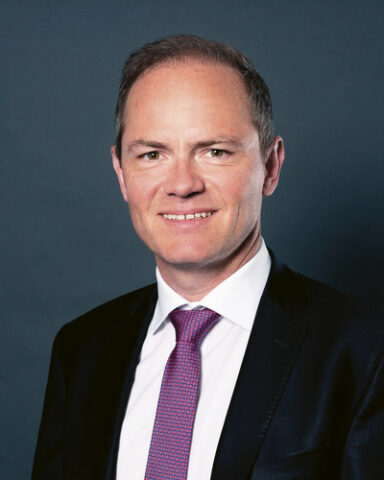
    Gerd Scheller, Country CEO of Siemens Switzerland, is satisfied with the course of business and looks to the future: “With the development of modern digital solutions, many job profiles are changing. Here we are focusing on the training and development of our employees and also investing in the next generation.” In the current fiscal year, Siemens has greatly expanded the so-called “Kids Coding Days”. By the end of the year, around 400 children in Switzerland will have completed such an introduction to the world of programming. “The feedback from pupils and parents on the events already held is very positive,” says Gerd Scheller. Another example is the Siemens Excellence Award, in which the best diploma theses from Swiss universities of applied sciences are awarded an attractive prize.” More than 3,500 people took part in the first-ever public voting. As part of its Generation21 education programme, Siemens is also involved in numerous other support projects in Switzerland, especially to promote women in technical professions.

    Siemens is present in all parts of the country and at over 20 locations and has a strong market position in building technology and energy distribution (Smart Infrastructure) in industry (Digital Industries) as well as in the software business for industrial customers (Siemens Digital Industries Software). Siemens also has a leading market position in Switzerland in railway technology (Siemens Mobility). The independent companies Siemens Energy and Siemens Healthineers are present in Switzerland as leading providers of power generation and medical technology respectively.

    The global activities of Siemens Smart Infrastructure (SI) are managed from the headquarters in Zug. Matthias Rebellius is CEO of this global business with over 72,000 employees. The SI headquarters, which employs around 1700 people, will be completed next autumn. In recent years, the company has invested a total of CHF 250 million in the new Siemens campus, which will be operated in a climate-neutral manner.

  • Sika holds its own in a challenging environment

    Sika holds its own in a challenging environment

    In the first quarter of 2023, construction activity in the regions developed weaker than in the same period of the previous year. The causes are higher inflation, interest rate increases and the war in Ukraine. This is countered in the construction sector by the megatrend of climate change, which has heralded a paradigm shift in the industry. Solutions for lower CO2 emissions and for conserving resources in construction are increasingly in demand. Demand for industrial solutions, especially in the automotive sector, has developed positively. Sika is ideally positioned with its technologies in both markets to offer solutions that reduce customers’ carbon footprint.

    MBCC ACQUISITION ON THE TARGET STREET
    The MBCC acquisition is on the home stretch. In the first quarter of 2023, Sika signed a purchase agreement with private equity firm Cinven for parts of the MBCC admixture business. In 2022 this MBCC admixture business generated sales of approximately CHF 920 million. The acquisition is expected to close in the first half of 2023. The acquisition of MBCC is significantly value-enhancing. Together with MBCC, Sika will further expand its growth platforms. Annual synergies of CHF 160-180 million are expected.

    OUTLOOK FOR 2023
    For the current businessyear Sika is confident that the strategy of sustainable and profit-oriented growth can be successfully continued even in a challenging economic environment. With innovative technologies Sika is the preferred partner of many customers in the construction and industrial sectors. These sectors are strongly influenced by the megatrend of climate change as well as by increasing automation, digitalisation and easy-to-apply products.

    For the business year 2023 Sika expects sales growth in local currencies of 6-8% as well as a disproportionately high increase in EBIT (excluding the impact of the MBCC acquisition).

  • Lucerne – the business location with a tailwind

    Lucerne – the business location with a tailwind

    Courageous decisions and the resulting dynamism have shaped the development of Lucerne as a business location over the past two decades, with the KKL, which opened in 1998, serving as a symbol of change. In the course of this renewal, Lucerne expanded its university location and increased its fiscal attractiveness for residents and businesses.

    After years of strong growth and economic prosperity, sustainability is now high in the zeitgeist. In addition to economic and social aspects, ecological issues in particular are given greater weight than in the past. In particular, the consideration of climate protection has become a real yardstick for the sustainability of business models. Companies must rise to this challenge and find the right balance between the business of today and that of tomorrow.

    The canton supports global efforts in climate protection and aims to achieve net zero emissions of greenhouse gases by 2050. The Canton of Lucerne’s climate strategy invites the economy and businesses to work together towards this goal. A central lighthouse project is presented in more detail in this issue: the unique energy ecosystem in Dagmersellen.

    In the areas of taxes, accessibility and education, the canton remains competitive through the planned revision of the tax law and the construction of two generation projects in the transport infrastructure (through station and bypass). Meanwhile, the expansion of the university locations in Horw and Lucerne will ensure that companies have access to the skilled workers they will need in the future.

    Testimonials

    Adrian Steiner
    CEO, Thermoplan AG
    “Thermoplan relies on Lucerne as a business location because you can find well-trained and loyal skilled workers in all areas here.”

    Makoto Nakao
    President, GC International AG
    “Dental medicine in Switzerland is among the best in the world in terms of quality. Lucerne convinced us in terms of infrastructure, education and safety.”

    Dr Ralf P. Halbach
    CEO, Geistlich Pharma AG
    “The attractive business location convinces people from all over Switzerland and abroad to move to Lucerne and work here. Experience shows: The advantages of living in Lucerne are a strong argument.”

    Peter Ruppeiner
    CEO and Co-Founder, AVANTYARD LTD.
    “Lucerne is increasingly becoming a hotspot for personalities with innovative ideas and start-ups. An attractive location with a manageable size is perfect for quickly building a network.”

    Lucerne Economic Development

    Alpenquai 30, CH-6005 Lucerne
    +41 41 367 44 00
    info@luzern-business.ch, www.luzern-business.ch

  • CEO Yonas Mulugeta Resignation at the end of September 2023

    CEO Yonas Mulugeta Resignation at the end of September 2023

    CSL Immobilien has already begun the search for a suitable successor to ensure a smooth transition and uninterrupted business operations.

    “On behalf of the Board of Directors, I would already like to thank Yonas Mulugeta for his many years of tireless commitment to CSL Immobilien. He has done an outstanding job together with the management and has made the company a leading player in the real estate industry,” says Markus Schawalder, VRP of CSL Immobilien. “We are confident that we will find a suitable successor who will further develop the company into the next phase on the successful path that Yonas Mulugeta has taken. Our goal is to continue to drive innovation and growth at CSL Properties.”

    Yonas Mulugeta will remain closely connected to the real estate industry after his retirement as an active entrepreneur and will take on new entrepreneurial challenges.

  • PriceHubble buys Dataloft in the UK

    PriceHubble buys Dataloft in the UK

    PriceHubble has acquired the British company Dataloft. According to a media release, the aim of the merger is further growth in the UK, where PriceHubble was launched in autumn 2022. The acquisition comes at a time when the UK real estate and banking industries are showing signs of stabilising, the release said.

    It is PriceHubble’s fifth acquisition, according to the company. The Zurich-based specialist in real estate valuation, consulting and analytics creates artificial intelligence-based valuation and visualisation solutions for real estate data. Based on Big Data Analytics technology, huge amounts of data can be analysed. Thus, information on property location and noise pollution is also included in the valuation. PriceHubble is aimed at UK banks, asset managers, estate agents, mortgage brokers, IFAs and fintechs.
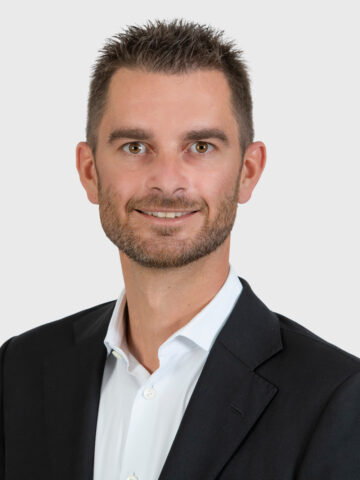
    Dataloft is a residential property market information company and will continue to operate as a separate legal entity, leveraging its “well-established brand and client relationships”, it said. Managing director Sandra Jones will remain, according to the statement. As part of the acquisition, Dataloft will gain access to PriceHubble’s innovative market and data technology and pan-European data resources. full integration into the PriceHubble group is expected to take place in 2024.

  • Prices drive revenue growth at dormakaba

    Prices drive revenue growth at dormakaba

    According to a statement from dormakaba, the globally active locking technology group from Glattal generated sales totalling CHF 1.42 billion in the first half of the 2022/23 financial year, which ended on 31 December 2022. This corresponds to year-on-year growth of 5.2 percent. Organic growth is put at 8.0 per cent in the press release. It was mainly generated by price increases, explains dormakaba.

    The adjusted operating result at EBITDA level was 4.6 percent below the previous year’s value at 184.6 million Swiss francs, and the corresponding margin fell from 14.3 to 13.0 percent. Similar losses were recorded in net profit. At 84.9 million francs, it was 15.7 million francs lower than in the same semester last year. The company attributes the decline in profitability to higher operating costs, a change in product mix and low volume growth in sales.

    “Dormakaba has consistently continued on its path of successive improvement,” CEO Jim-Heng Lee is quoted as saying in the statement. “Although this is a good result, there is still much to be done.” Here, dormakaba is putting the focus on improving profitability. “In the second half of the 2022/23 financial year, we will focus on measures to reduce the cost base across the company, increase efficiency and improve our operational performance,” Lee explains.

  • Material prices dampen growth in the construction industry

    Material prices dampen growth in the construction industry

    More is being built in Switzerland again: In the second quarter of 2022, sales in the main construction trades rose by around 6 percent year-on-year to CHF 6.1 billion. Incoming orders meanwhile increased by 12 percent to 6.4 billion Swiss francs. The figures come from the current construction index of Credit Suisse and the Swiss Builders' Association ( SBV ).

    However, according to the report, the growth will be put into perspective by the “sharp price increases” for many building materials and a “significant increase” in energy and transport costs. For example, the prices of probation bars have risen by 87 percent and those of plastic pipes by 19 percent compared to the same quarter of the previous year. Meanwhile, diesel was around 45 percent more expensive in the second quarter of 2022 than a year ago.

    Because sales have risen less than costs, the already low profit margin of 2 to 3 percent has now fallen even further, according to the report. In addition, the SBV expects the Swiss National Bank to raise interest rates further by the end of the year. As a result, sales in the main construction trades are likely to grow more slowly in the medium to long term. In the short term, the report assumes an 8.9 percent increase in sales in the third quarter of 2022 compared to the same quarter in the previous year.

  • Siemens Smart Infrastructure acquires Brightly

    Siemens Smart Infrastructure acquires Brightly

    Brightly Software , a software-as-a-service (SaaS) facility and maintenance management company based in Cary, North Carolina, has acquired Siemens Smart Infrastructure . A corresponding agreement has already been signed, Siemens informed in a statement . The purchase price is $1.575 billion plus a performance-based earn-out component.

    The takeover is intended to promote the growth of the Zug-based Siemens subsidiary in the digital and software as a service divisions. In particular, the acquisition will complement the offerings of Siemens Smart Infrastructure for building technology "with established cloud-based solutions in key sectors such as public infrastructure, education and healthcare as well as manufacturing," according to the release. At the same time, Siemens wants to use Brightly's position in the American market. In addition, the Group expects synergies with a net cash value in the mid three-digit million range.

    "With Brightly, we are taking a big leap forward and are taking the operation of buildings to the next level," Matthias Rebellius, Member of the Management Board of Siemens AG and CEO of Smart Infrastructure, is quoted as saying in the press release. The acquisition of Brightly supports Siemens' vision to "create fully autonomous buildings that continuously learn from the people who live in them and adapt to their needs".

  • Dynamic growth uninterrupted

    Dynamic growth uninterrupted

    Ende 2021 zählten die 14 Städte und Gemeinden 189’000 Einwohnerinnen und Einwohner, das sind 8454 oder 4,7 Prozent mehr als Ende 2018. Dabei handelt es sich um das Kerngebiet der Flughafenregion. Die entsprechenden 14 Städte und Gemeinden sind Teil der FRZ Flughafenregion Zürich, Wirtschaftsnetzwerk & Standortentwicklung. Auch die Zahl der Beschäftigten hat sich erhöht: Sie wuchs seit 2018 um 5258 oder 3,6 Prozent, verglichen mit der letzten Erhebung Ende 2020. In der gleichen Zeitspanne stieg die Zahl der Wohneinheiten um 3,2 Prozent auf 88’541. Das bedeutet, dass die Flughafenregion auch als Wohnstandort attraktiv ist. In den vergangenen zehn Jahren ist die Zahl der Einwohnerinnen und Einwohner stärker gestiegen als die Zahl der Arbeitsplätze.

    Derzeit werden in der näheren Flughafenregion Zürich viele Bauprojekte von überregionaler Bedeutung realisiert, andere sind in Planung. In Dübendorf wurde Mitte 2019 das höchste Hochhaus für Mietwohnungen in der Schweiz bezogen (JaBee Tower). In den Jahren 2020 und 2021 entstand beim Flughafen Zürich eine moderne Destination mit über 6000 Arbeitsplätzen (The Circle). Zu den Mietern gehören unter anderem: Abraxas, Dufry, Edelweiss, Flughafen Zürich, Horváth, Hyatt, Inventx, Isolutions, Jelmoli, Kieser Training, Microsoft, MSD, Neuroth, Novo Nordisk, NTT Data, Omega, Raiffeisen Schweiz, Oracle, Raiffeisen, Sablier, SAP, Singapore Airlines, Totemo, Universitätsspital Zürich und Vebego.

    Der Bau von Rechenzentren beschleunigt sich. Zwischen 2019 und 2022 werden in der Flughafenregion Zürich Rechenzentren im Wert von über einer Milliarde Franken gebaut. Zu den Investoren gehören Green Datacenter AG, Interxion, NTT Data und Equinix. Ihre grössten Kunden sind Google, Microsoft und Amazon Web Services. Der Grossraum Zürich gehört mittlerweile europaweit zu den wichtigsten Datacenter-Hubs nach London, Frankfurt, Paris, Amsterdam, Dublin und Berlin. Die Forschung und Entwicklung soll mit dem geplanten Innovationsparks Zürich am Standort Dübendorf – Teil des Schweizerischen Innovationspark – vorangetrieben werden. Die Themenschwerpunkte für den Innovationspark Zürich sind wie folgt definiert: Life Science und Lebensqualität, Engineering und Umwelt, Digitale Technologien und Kommunikation. Der Park soll die Zusammenführung des Wissens der Zürcher Hoch- und Fachhochschulen mit der Praxis- und Markterfahrung führender Unternehmen fördern.

    USP
    Die Flughafenregion Zürich gehört zu den schnellstwachsenden Regionen der Schweiz. Die hervorragende verkehrstechnische Lage ist ein wichtiger Wettbewerbsvorteil. Hier haben viele internationale Konzerne ihren Sitz. Die Hochschulen und ihre Forschungseinrichtungen sind in unmittelbarer Nähe. Das gilt ebenso für Naherholungsgebiete und Shopping Centers. Seit einigen Jahren entwickelt sich erfolgreich ein ICT-Cluster – von Datacenter-Anbietern bis Kreativwirtschaft.

    Testimonials

    Remo Weibel
    Global Sana

    Der Richtsatz für 10-jährige Festhypotheken ist seit Anfang Jahr stark gestiegen. Grund dafür ist die Zinserhöhung der US-Notenbank. Wir gehen davon aus, dass die SARON-Hypothek nach wie vor attraktiv bleibt, da noch einige Zinsschritte der SNB nötig sind, bis die Zinssätze für SARON-Hypotheken steigen.

    Gregor Meili
    Kenny’s Auto-Center AG

    Die Flughafenregion zeichnet sich durch eine hohe Dynamik aus. Das ist der Verkehrsknotenpunkt der Schweiz und in der Mobilität spielt Kenny’s Auto-Center eine wichtige Rolle. Deshalb investieren wir hier und an weiteren Standorten. Wir bauen aus, um für die Herausforderungen der Zukunft vorbereitet zu sein.

    Patrick Angioy
    Seitzmeir Immobilien AG

    «Die Flughafenregion erweist sich als leistungsfähiger Wirtschaftsstandort mit maximaler Verkehrsinfrastruktur und bietet Unternehmen jeglicher Grösse hervorragende Voraussetzungen für ein erfolgreiches Business – regional, national wie auch international. Dank eines attraktiven Steuerfusses, einer unkomplizierten Ansiedlungspraxis und innovativen Neubauprojekten wie z. B. dem WestGate (www.westgate-zurich.ch), gehört Kloten meines Erachtens bei jedem erfolgsorientierten Unternehmen auf die Watchlist bei der Suche nach einem neuen Standort.»

  • ACRON acquires certified sustainable office property in Leudelange, Luxembourg

    ACRON acquires certified sustainable office property in Leudelange, Luxembourg

    “With our participation in the fully rented office building WOODEN, designed according to the ecological state of the art, we are offering German investors, among others, a direct investment in a sustainable property. By investing in this project, investors have the best prospects for a stable and promising investment," says Kai Bender, Managing Director of ACRON GmbH.

    Wooden SA is the owner of the WOODEN office property, whose floor space of 9,462 m² is fully let to renowned financial companies. Among other things, the building will house the headquarters of Bâloise Assurances Luxembourg. The Baloise leases around 82 percent of the total floor space for up to 15 years. The remaining 18 percent will be used by the CLE (Compagnie Luxembourgeoise d'Entreprises) until at least the end of 2028.

    The first wooden office building of this size in Luxembourg is a "pioneer project" at a desirable location in Leudelange. The growing importance and rapid development have already made Leudelange the most important conurbation in Luxembourg and one of the top locations for real estate in the country.

    The tenants are expected to be able to move into their office space from the end of 2022.

    This investment opportunity is open to semi-professional and professional investors from Germany via ACRON LUX REAL ESTATE I SCS (ISIN: LU2399210942), which was founded specifically for this purpose. After the investment in this club deal has been fully placed with 10 to 15 investors, the composition of the group of investors will probably not change until the exit. The company's goal is to develop WOODEN, hold and manage the property and later sell it for a profit.

    BREEAM is the world's leading certification system for sustainable construction, which includes the entire life cycle of buildings – from new construction to use and maintenance. WOODEN was rated "BREEAM Excellent". The WELL Building Standard was developed to promote health and well-being in buildings worldwide. The types of wood used in the property come exclusively from sustainable forestry from PEFC-certified forests in the greater Luxembourg area. For every tree felled, one or two new ones are planted.