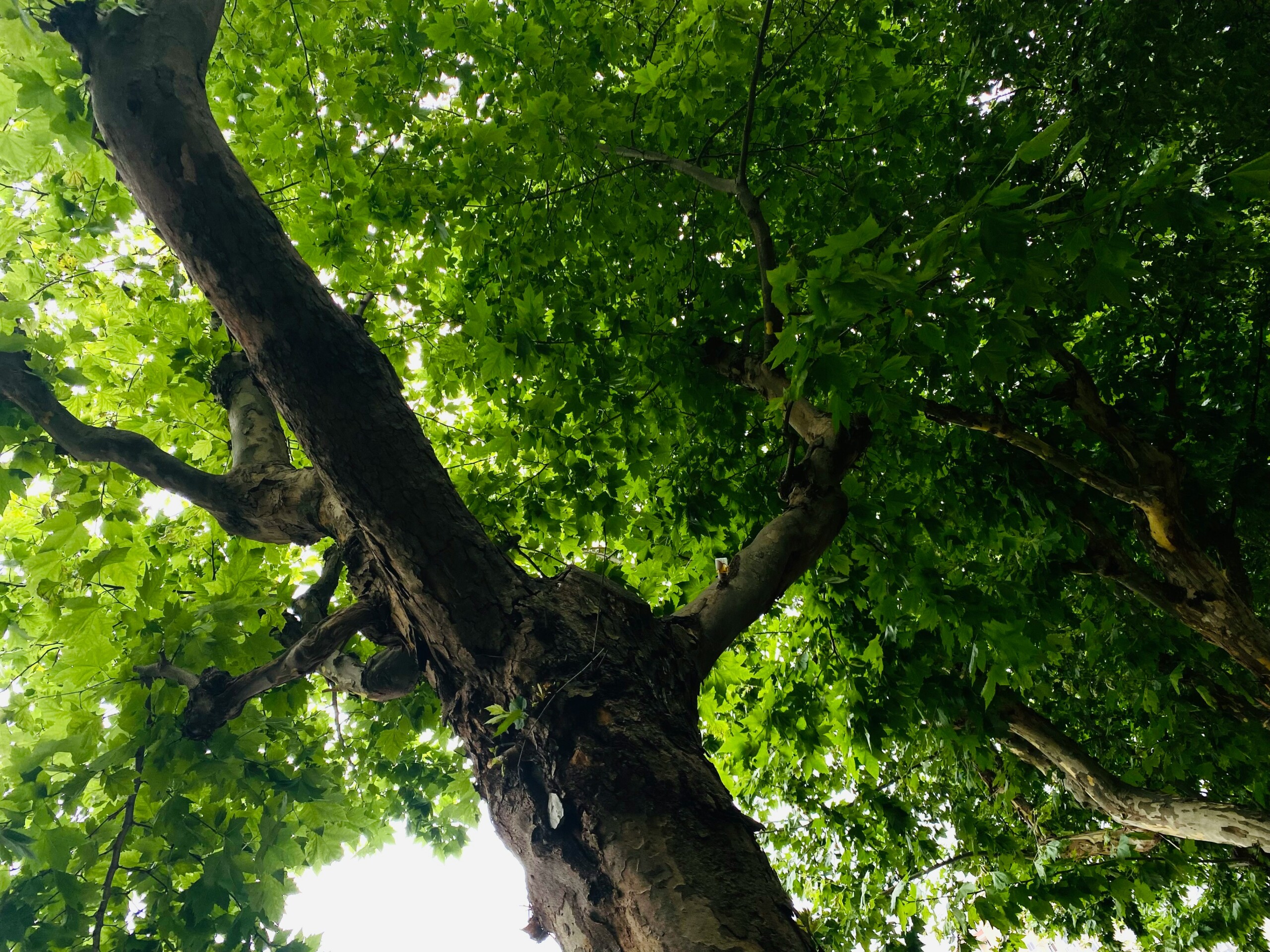
Even in extreme heat of over 39 degrees, plane trees evaporate water and cool their surroundings. These are the findings of a study conducted by the Swiss Federal Institute for Forest, Snow and Landscape Research(WSL) based in Birmensdorf and the Swiss Federal Institute of Technology Lausanne(EPFL). According to a press release, the study was conducted in spring and summer 2023 in Lancy in the canton of Geneva. This experienced two heatwaves of up to almost 40 degrees during the measurement period.
The researchers measured the sap flow on eight sycamore tree trunks. This allows conclusions to be drawn about the amount of water evaporated and thus the cooling capacity of the trees. The water flow increased despite increasing heat and dry air. The researchers assume that deep-lying water reserves in the soil enabled the increasing water flow.
The study disproves the assumption that trees close their leaf pores from a temperature of 30 to 35 degrees in order to prevent water loss, meaning that the cooling effect is lost. Previous models used to determine the future distribution of heat in cities would therefore be inaccurate, according to the press release.
The persistent cooling effect of the plane trees is good news for the urban climate. “Days with temperatures above 30 degrees Celsius are becoming more frequent,” explains study leader Dr Christoph Bachofen.
“Obviously, we have not yet fully understood how trees react to extreme conditions,” says Bachofen. In future, the researchers want to measure the transpiration behaviour of other urban trees in extreme heat. In this way, they hope to find out which tree species are able to cope with heat and best fulfil their cooling function in cities.
The ERNE Group is taking on its CEO Giuseppe Santagada as a shareholder. The CEO, who has been in office since the beginning of 2024, is also joining the Laufenburg-based construction and property group as a minority shareholder, the ERNE Group announced in a press release. The family business is held by the fourth generation of the founding family.
“The collaboration with Giuseppe Santagada has been based on partnership, commitment and equality since day one,” Daniel and Christoph Erne, Chairman and Vice-Chairman of the Board of Directors, are quoted as saying in the press release. Mr Santagada, who holds a doctorate in economics, contributes to the strategic development of the Group with his entrepreneurial vision and management experience. “Becoming a minority shareholder is an expression of our mutual trust and our responsibility towards our employees, customers, partners and family.”
The companies of the ERNE Group specialise in the entire construction industry, from the extraction of raw materials to the planning and implementation of projects through to dismantling, disposal and recycling. In addition to its headquarters in Laufenburg, the company has further locations in Switzerland and Germany and is active in Switzerland, Germany and Luxembourg.
The energy company CKW, part of the Axpo Group, has been awarded the contract for the prequalification of the planned district heating network in Richterswil. With the district heating network, which is central to the municipality’s energy and climate concept, the energy company wants to launch a long-term partnership for decarbonisation, according to a press release.
The energy network will mainly be operated using waste heat from the Richterswil wastewater treatment plant (WWTP). Additional heat production for peak load and security coverage will be evaluated in the future. The aim is for commercial enterprises and residents to benefit from an economically attractive offer. “We are delighted to have been awarded the contract and are convinced that we can plan an economical and sustainable heat supply in Richterswil,” Angela Krainer, Head of Energy at CKW, is quoted as saying in the press release.
In future, CKW will be responsible for the entire project planning of the heat network. The collaboration between the municipality and the company is to be concretised in the summer and the next project steps are to be taken in autumn 2025.
Holcim achieved half-year sales of 7.87 billion Swiss francs, an increase of 1.8 per cent in local currency. In a press release, the company reported a disproportionately high increase in its recurring EBIT (recurring operating profit) of 10.8 per cent in local currency and 3 per cent in Swiss francs to CHF 1.44 billion. The recurring EBIT margin thus improved by 90 basis points to 18.3 per cent. Earnings per share also rose by 7.4 per cent year-on-year to CHF 1.57 before impairments and disposals.
The building materials company also reported increased demand for sustainable solutions. ECOPact low-CO2 concrete accounted for 31 per cent of total sales of ready-mix concrete in the first half of the year, compared to 25 per cent in the previous year. Sustainable ECOPlanet cement accounted for 35 per cent of cement sales, compared to 32 per cent a year ago.
“I would like to thank all of our 48,000 employees around the world for their contribution to our excellent half-year results. Holcim is the leading partner for sustainable construction and we are unlocking significant business opportunities through our new strategy ‘NextGen Growth 2030’ – which lays the foundation for a new era of growth and value creation,” CEO Miljan Gutovic is quoted as saying.
For the full year, Holcim is forecasting 3 to 5 percent sales growth in local currency, 6 to 10 percent growth in recurring EBIT in local currency, a recurring EBIT margin of more than 18 percent, free cash flow before leases of around CHF 2 billion and over 20 percent growth in recycled construction and demolition materials.
The construction chemicals group Sika has announced its financial results for the first quarter of 2026 in a press release. The group recorded sales of CHF 2.49 billion in the first quarter, representing sales growth of 0.9 per cent in local currencies and a decline of 7 per cent in Swiss francs. The decline in Swiss francs is attributable to the strength of the Swiss franc against Asian currencies and the US dollar, according to the company.
The main drivers of growth in local currencies were market share gains across all regions, despite a subdued global construction market. In the EMEA region (Europe, Middle East, Africa), Sika recorded a 3.6 per cent increase in revenue in local currencies in the first quarter (previous year: 0.7 per cent) In the Americas region, Sika recorded a slight decline in sales of 0.8 per cent in local currencies. Whilst economic uncertainties weighed on construction activity in the US, demand in the data centre sector grew at double-digit rates, Sika reports. Canada performed well and Latin America also continued the recovery in construction markets. In the Asia/Pacific region, sales in local currencies fell by 2.2 per cent. The continued weakness of the Chinese construction sector, with double-digit declines, had a particularly negative impact. Positive contributions came primarily from India, South-East Asia and the Automotive & Industry segment.
The completed acquisition of mortar manufacturer Finja (Sweden) and the announcement of the acquisition of adhesives manufacturer Akkim (Turkey) contributed to the increase in market share in the first quarter. Sika is also strengthening its production capacities with new plants in the USA, Tanzania, Argentina, Colombia and Bangladesh.
Sika confirmed its strategic direction and expects revenue growth of 1 to 4 per cent in local currencies for the full year 2026, as well as an EBITDA margin of 19.5 to 20 per cent.
The circular economy is still being held back by a number of obstacles. A report compiled by Basel-based ecos and Münsingen-based Rytec for the Building Department of the Canton of Zurich has identified 71 such barriers. Of these, 28 stem from legal requirements, whilst 43 arise only during the actual implementation of regulatory provisions. Often, they only emerge during the implementation of regulations.
The construction and real estate sectors, with their high level of regulation, are particularly affected by regulatory barriers. Here, sustainability criteria are often not sufficiently binding or are given insufficient weight. Particularly when it comes to reuse, the scope for deviating from standards is not yet being utilised. Processes are still geared towards the linear rather than the circular economy.
In retail and logistics, the infrastructure for returning used goods and incentives for developing the necessary logistics are often still lacking. Private collection initiatives are held back by unclear scope for implementation. The circular economy in commerce and industry suffers, among other things, from a lack of incentives for repairs and reuse.
The report divides the barriers into four categories. The first three include those whose removal would have a significant impact. They are ranked according to the canton’s ability to influence them. The fourth category comprises measures with low impact and limited scope for influence.
In the next steps, the canton intends to focus on the two categories of barriers whose removal would have a significant impact and over which the canton has considerable influence. This concerns 33 barriers. The barriers of least relevance will not be pursued further.
The report is based on a survey of 122 people and workshops involving a total of 80 participants.
The BioHaus am Waldsee in the US state of Minnesota has turned 20. The building, located on the Waldsee campus of Concordia Language Villages, is the first building in America ever to be certified as a Passive House by the German Passive House Institute. The project was originally realised by Stephan Tanner and his team from Integrale Planung GmbH (Intep) in Zurich. It also served as the starting point for TANNER Building Products and its related ventures, according to a press release.
The BioHaus is characterised by materials and technologies such as Passive House-certified windows and doors, high-performance ventilation systems, external shading elements and vacuum insulation panels, which were imported from Europe to the US for the project at the time. It was built at a time when the Passive House standard was still largely unknown in North America and the necessary materials, technologies and construction expertise were lacking locally.
The project was supported by the German Federal Environmental Foundation and was intended to demonstrate that advanced environmental technologies can also be successful abroad. “BioHaus has not only proven that Passive Houses can work in America. It has also helped others to follow this example,” the statement reads.
The project also gave rise to Stephan Tanner’s company, TANNER Building Products. Based in Watertown, Minnesota, the company started in 2006 as Peak Building Products and supplied the advanced materials for the BioHaus. “What began as a necessity – importing components that no one else had – sparked an entire industry,” the company explains in the press release.
According to a press release, the Burkhalter Group has closed the 2025 financial year with “excellent results”. All relevant key performance indicators have once again improved compared with the previous year. The building services provider recorded revenue growth of 1.8 per cent to CHF 1.2 billion, as well as a 6 per cent increase in EBIT (earnings before interest and taxes) to CHF 73.8 million and a consolidated profit of CHF 61.3 million (previous year: CHF 57.2 million, up 7.3 per cent). Earnings per share rose to CHF 5.78, representing an increase of 7.2 per cent on the previous year. As a result of this positive performance, the Board of Directors is proposing an increased dividend of CHF 5.20 per share to the Annual General Meeting.
The drivers of growth are sustained high demand for building services engineering and efficiency gains from optimised and digitalised processes. Targeted acquisitions also contributed to the positive performance. In 2025, the Group acquired Mathieu Ingenieure AG in Visp (VS) and Gattiker Elektro GmbH in Uster (ZH). Four further acquisitions followed at the start of 2026: BZ-Dépannage Sàrl in Lonay, Vaud; Enplan AG in Herisau, Appenzell Ausserrhoden; Elektro Gasser AG in Lalden, Valais; and Caotec SA in Brusio, Graubünden. According to the company, this strengthens the Burkhalter Group’s regional presence, expands its expertise and increases its market share. The acquisition strategy remains a central component of growth.
The company is confident about the 2026 financial year. Driven by government support programmes and continued high levels of construction activity, demand for energy-efficient building services solutions remains strong. The Group expects to be able to achieve a moderate increase in earnings per share for the 2026 financial year as well.
According to a press release, Bewy has received 150,000 Swiss francs in funding from Venture Kick. The Zurich-based proptech start-up is developing an artificial intelligence (AI)-powered software solution for property management that streamlines processes and offers a better service to both landlords and tenants.
The background to this is widespread inefficiency in property management across the DACH region, as stated in the press release. Poor communication, neglected maintenance, unexpected costs and inadequate tenant services frequently lead to dissatisfaction among owners and tenants. Bewy addresses this through automated internal processes, improved communication and real-time transparency. This is expected to reduce management costs by up to 30 per cent and significantly improve the user experience. The fresh funding is intended to drive the further development of the platform and its scaling within Switzerland. In its expansion, Bewy is pursuing an M&A (Merger & Acquisition) strategy aimed at acquiring small and medium-sized property management firms without a succession plan.
“As Switzerland’s leading start-up programme, Venture Kick is a significant accelerator for Bewy. The funding process is streamlined and efficient, yet simultaneously opens up access to a valuable network and boosts credibility,” co-founder Luca Serratore is quoted as saying in the press release.
Bowy currently operates in Zug, Zurich, Aargau and Lucerne and serves a double-digit number of clients, including private individuals, single-family offices and property companies such as Swiss Prime Site. The founding team comprising Luca Serratore, Marcandrea Hunkeler, Gilles Baumann and Katrin Leuppi brings together experience from the fields of start-ups, consultancy and the property sector. The start-up accelerator Venture Kick is an initiative of the Kick Foundation for Innovation & Entrepreneurship and is supported by a private-sector consortium.
Schlieremer Halter AG has handed over a new home for people in need of care in Bern’s Wyler district. The care home, which is operated by Domicil Bern as the general tenant, provides 112 new care rooms, according to a statement on LinkedIn.
Each room has its own bathroom and balcony. The facility also has recreation and service rooms as well as publicly accessible areas. Employees have been provided with a modern working environment with optimal conditions. The completed facility was handed over to the Swiss Life Investment Foundation at the end of March.
According to the press release, a further contract was agreed with Domicil Immobilien AG for the construction of a care home with 75 rooms, a dementia unit and a restaurant.
Migros Eastern Switzerland has begun the renovation and modernisation of its operations centre in Gossau. According to a press release, the management of Migros Eastern Switzerland intends to make the building fit “for operation and expansion over the next 40 years” with the reconstruction, as Sandro Feltscher, Head of the Logistics and IT Directorate at Migros Eastern Switzerland, is quoted as saying.
The work will mainly be carried out on Building C of the operations centre. This has been used since 1979 for the production and distribution of meat and charcuterie products as well as for the commissioning and dispatch of chilled food. In the first construction phase, an extension will be built on the southern side with additional docking points for delivery vehicles. In the coming year, parking spaces for trailers and car parks for employees will be renovated. In 2028 and 2029, new, modern rooms for employees will be built. Parallel to the overall construction measures, the refrigerated lines for order picking are to be replaced with modern ones. Construction work is expected to be completed in 2030.
“The biggest challenge in the construction project is replacing the systems and modernising production without interrupting operations. Even during the replacement, our supermarkets and restaurants need daily deliveries of dairy products, meat and other chilled goods,” says Feltscher.
According to a press release,Repower achieved a total operating performance of CHF 1986 million in 2025. This was 20 per cent less than in the previous year. The operating result before interest and taxes fell by 24 per cent to CHF 133 million, while Group profit fell by 27 per cent to CHF 101 million. According to the press release, the international energy trading business made the largest contribution to earnings. At the same time, the Graubünden-based energy supplier increased its investments by 80 per cent to 142 million. The equity ratio rose from 53 to 59 per cent.
The low rainfall in spring 2025 in particular had a negative impact on Repower’s result. The wind farms in Italy and Germany also recorded a slight decline. The Teverola gas-fired combined-cycle power plant was out of operation for an extended period. Only solar production increased significantly in 2025. According to the press release, Repower produced a total of 2147 gigawatt hours of electricity in 2025. In the previous year, this figure was 2639 gigawatt hours.
Repower achieved a very strong result of CHF 371 million and a profit of CHF 300 million in 2023. However, the company also reported a very good annual result for 2025. This was above the long-term average. The company also expects a good result for 2026.
The ZHAW has put its dkon.ch platform online. Students, specialists and interested parties can use it to analyse, compare and develop building designs themselves. According to a statement from the university, this digital tool provides them with information on the impact of individual design decisions on the environment, costs and construction methods. Users can disassemble, rotate and reassemble components in virtual space.
This makes it possible to visualise which materials a construction is made of and how they interact. By linking this with ecological assessment data, variants can be specifically compared with each other. According to the ZHAW, this opens up new possibilities in planning: “If you want to reduce the use of concrete or test alternative materials, for example, you can directly compare different solutions. Changes in the construction become immediately visible and their effects can be understood.”
According to the information provided, a special feature of this platform is the integration of real reference buildings. Their designs, materials and construction processes can be analysed in detail. “dkon.ch creates a direct link between teaching and application,” says Andri Gerber, Project Manager and Co-Head of the ZHAW Institute of Structural Design. “Knowledge is not taught in isolation, but can be experienced in the context of real and concrete construction projects.”
The platform is also helpful for specialists who have to integrate complex requirements and develop sustainable solutions, Gerber continues. That is why dkon.ch is “a tool that can be used both in training and in professional practice”.
Walo Bertschinger AG, a family-run construction firm based in Dietikon, is carrying out the roadworks and civil engineering works as part of an infrastructure project in the Lake Zurich region. According to a press release, over a stretch of 1.1 kilometres between Tägerst and Buchenegg, “roads, drainage systems and numerous engineering structures are being newly constructed, reinforced or repaired.” The project is scheduled for completion by 2027.
A central element of the project is the construction of two new Lehnen viaducts, measuring 90 and 130 metres in length. A total of 21 piers and around 240 micropiles will provide a solid foundation on the landslide-prone slope.
“Limited space, steep terrain and a tight schedule make this project particularly challenging,” explains Walo Bertschinger AG in the press release. “We are therefore all the more pleased that the work is progressing according to plan and that the team is delivering a strong performance in their daily work.”
According to a press release, the government of the Canton of St. Gallen has appointed Daniel Müller as the new head of the Office for Economic Affairs and Labour, effective 1 May. He succeeds Karin Jung, who has led the office since 2018 and announced her resignation at the start of the year. Müller is currently carrying out her duties on an interim basis.
The 50-year-old has been working for the canton since 2018. Until now, he was head of business development. A qualified audio and video electronics technician and IT specialist, he studied business administration at OST– the University of Applied Sciences of Eastern Switzerland. Before joining the Department of Economic Affairs, he worked for the University of St. Gallen, amongst other roles.
From 16 to 19 April, Tägi Wettingen will host the region’s largest construction and housing exhibition, the Bauen Wohnen fair, for the 19th time. All signs point to success for this year’s edition, as Tägi explains in a press release. All exhibition spaces are sold out, and visitor numbers are expected to exceed last year’s figure, when 14,000 people attended the fair.
“The fact that the exhibition space is sold out shows that there is a high level of interest in the fair and in the Tägi venue,” says Pascal Schelbert, deputy managing director and head of operations at Tägi. “For us, this is a wonderful confirmation that our infrastructure and flexibility are winning people over. At the same time, it is an incentive to continue developing even recurring events year on year.”
During the event, visitors can look forward to specialist presentations, panel discussions and themed forums featuring experts. By offering insights into current building trends and sustainable housing concepts, the fair aims to provide inspiration as well as serve as a concrete basis for decision-making regarding construction and housing projects. According to a statement from Tägi, the timing of the fair is ideal, as it traditionally marks the start of the spring season – a time when a particularly large number of construction and renovation projects are planned or launched.
The organisation of the fair is also seen as a clear example of the Tägi’s multifunctionality. The leisure, sports and events centre can utilise a wide variety of spaces simultaneously – from large halls for exhibitions to smaller rooms for specialist talks, explains Pascal Schelbert.
The Board of Directors of Regio Energie Solothurn has appointed Martin Bucher as Director, thereby confirming him in his role. According to a press release, Bucher had already taken over the operational management of the regional energy supplier in July 2025 and has successfully led the company. It was particularly his high level of technical expertise, his strategic clarity and his inclusive and goal-oriented leadership that enabled Bucher to stand out in a multi-stage selection process involving over 100 candidates.
Before joining Regio Energie Solothurn last year, Bucher gained many years of management experience in the energy and finance sectors, including at energy supply companies and in management consultancy. The new director thus combines technical, regulatory and business management expertise, which enables him to further develop Regio Energie Solothurn in a sustainable manner, the statement said.
Regio Energie Solothurn supplies the city of Solothurn and surrounding municipalities with electricity, gas, district heating and water. The public-law company is wholly owned by the city of Solothurn. The mayor, Stefanie Ingold, serves as chair of the board of directors by virtue of her office.
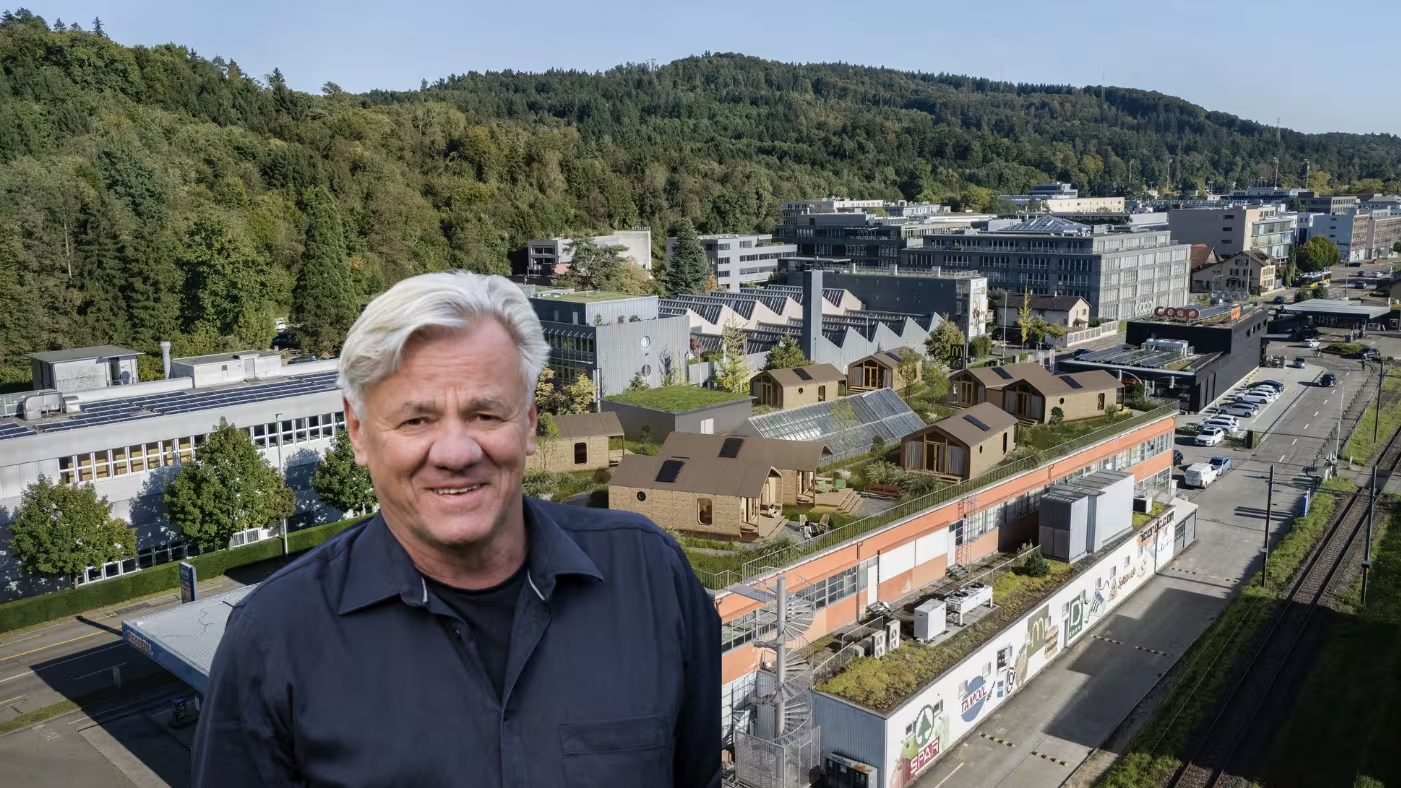
Christoph Schoop didn’t have to look far. The real estate investor from Baden looked out of his office window at the Dättwil industrial estate and recognized the obvious: huge flat roofs, completely unused. On the roof of the factory arcade at Mellingerstrasse 208, where McDonald’s, Spar and a bakery now provide for everyday life, eight so-called Wikkelhäuser are to be built from spring 2027.
A new world on the roof The Wikkelhouse concept originated in Amsterdam and is now coming to Switzerland. Compact wooden housing units that are delivered ready-made by truck and erected with minimal effort. Each unit offers 30 to 35 square meters, its own terrace and ceiling heights of up to 3.5 meters. Architect Andreas Zehnder, who designed the project for Baden, clearly formulates the added value. Instead of adding another storey, an independent living space has been created on the roof.
Swiss wood, Uri factory The houses are not produced on the building site, but in the company’s own factory in Flüelen UR on the shores of Lake Lucerne. The raw material is Swiss wood from sustainable forestry. Schoop is a co-founder and supporter of Wikkelhouse Switzerland and promotes the concept as a circular economy model. A unit costs from CHF 200,000 ex works; transportation and assembly are additional costs.
Inexpensive, sunny, connected By Baden standards, rents should remain low. There is already a waiting list and, according to Schoop, inquiries have come from “a wide range of people”, including those of AHV age. And although the industrial area is not considered a residential location, the roof offers all-day sunshine and a direct public transport connection. The building itself provides noise protection.
Pilot with scaling potential The project in Dättwil is explicitly designed as a pilot project. Schoop sees space for 50 to 70 Wikkel houses in the industrial area alone. The city of Baden is currently reviewing the suitability for planning permission. If everything goes according to plan, the first residents will move in in spring 2027. What sounds like a curiosity today could set a precedent tomorrow.
Switzerland currently has over 9 million inhabitants and the population continues to grow. The pressure on the housing market is increasing, while building outside existing building zones has been severely restricted since the RPG revision of 2013. Cities and municipalities must develop inwards. According to Dita Leyh, Professor of Urban Development at the OST, there are sufficient reserves of space. Single-family home neighborhoods near train stations, brownfield sites or unused railroad areas offer great potential. A second revision of the RPG will further tighten the requirements.
Densify where public transport is strong Inner development at public transport hubs makes particular sense. “Inner densification makes particular sense at public transport hubs,” says Dita Leyh. This is because optimal connections to the bus and rail network create more living space, but not automatically more traffic. Another key lies in the reorganization of stationary traffic. Collective garages on the edge of the neighborhood bundle car traffic, leaving the interior of the neighborhood largely car-free and thus gaining open space for people and nature. “The more densely you build, the more open spaces you have to create at the same time,” says Leyh.
Mix of uses as a quality feature Densification is far more than just stacking up apartments. A diverse mix of uses, from bakeries and restaurants to green spaces, revitalizes neighbourhoods and creates added value. High-quality, interdisciplinary planning is needed to create this added value. Urban planning, transport planning and open space planning must sit together at the table from the outset, emphasizes Leyh. The updated Spatial Concept Switzerland 2050, which was adopted by the Federal Council in March 2026, confirms this approach and focuses on regional cooperation, landscape quality and climate-friendly mobility.
The non-profit housing association Logis Suisse AG is planning a new housing estate in the west of Stans. Around 270 affordable apartments, around 1,000 m² of commercial space and two communal areas will be built by 2032 on a 12,700 m² site that the company acquired back in 2015. The study contract, in which seven general planning teams took part in 2025, was won by Studio Sintzel from Zurich and Uniola AG.
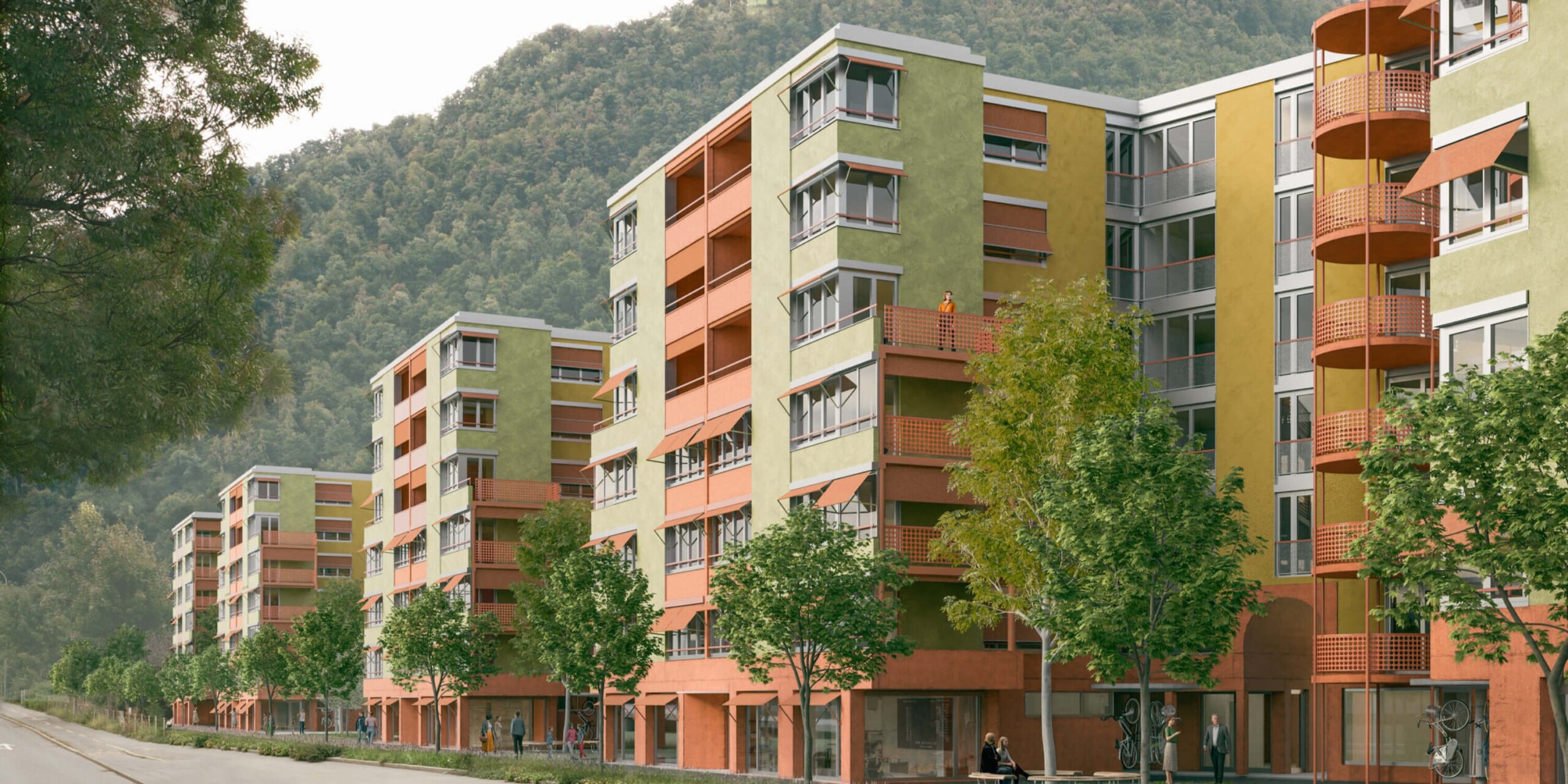
Two buildings, eight courtyards The project, known internally as “Eight courtyards for Stans”, is based on two seven-storey buildings. Despite their volume, they appear from the outside as loosely placed point buildings. Head elements refer to existing buildings and structure the street fronts with front garden zones. Open courtyards with passageways structure the outdoor space and allow views of the surrounding mountains. A high-quality counterbalance to the adjacent highway. An existing old building in the center of the development will be retained and will serve as a social meeting point in the future.
Mixed quarter with short distances The site is located opposite the Länderpark shopping center, on a multi-lane road and in the immediate vicinity of the freeway. Bicycle paths and footpaths should nevertheless link the new district well with Stans and Stansstad. With 0.8 parking spaces per apartment, Logis Suisse is below the usual standard, a clear commitment to sustainable mobility. The apartment mix ranges from compact 1.5-room apartments for singles and older people to spacious 5.5-room apartments for families and shared flats. On the first floor, studio apartments, care facilities and commercial space enliven the district.
Built to conserve resources The client’s aim was to create a model project in terms of ecology, social space and economic efficiency. The load-bearing structure is designed to be material-efficient, the floor plans are compact and a photovoltaic system on the roofs covers a large part of the electricity requirements on site. A single-storey underground car park minimizes excavation work. Construction is scheduled to start in 2030 and be completed in 2032.
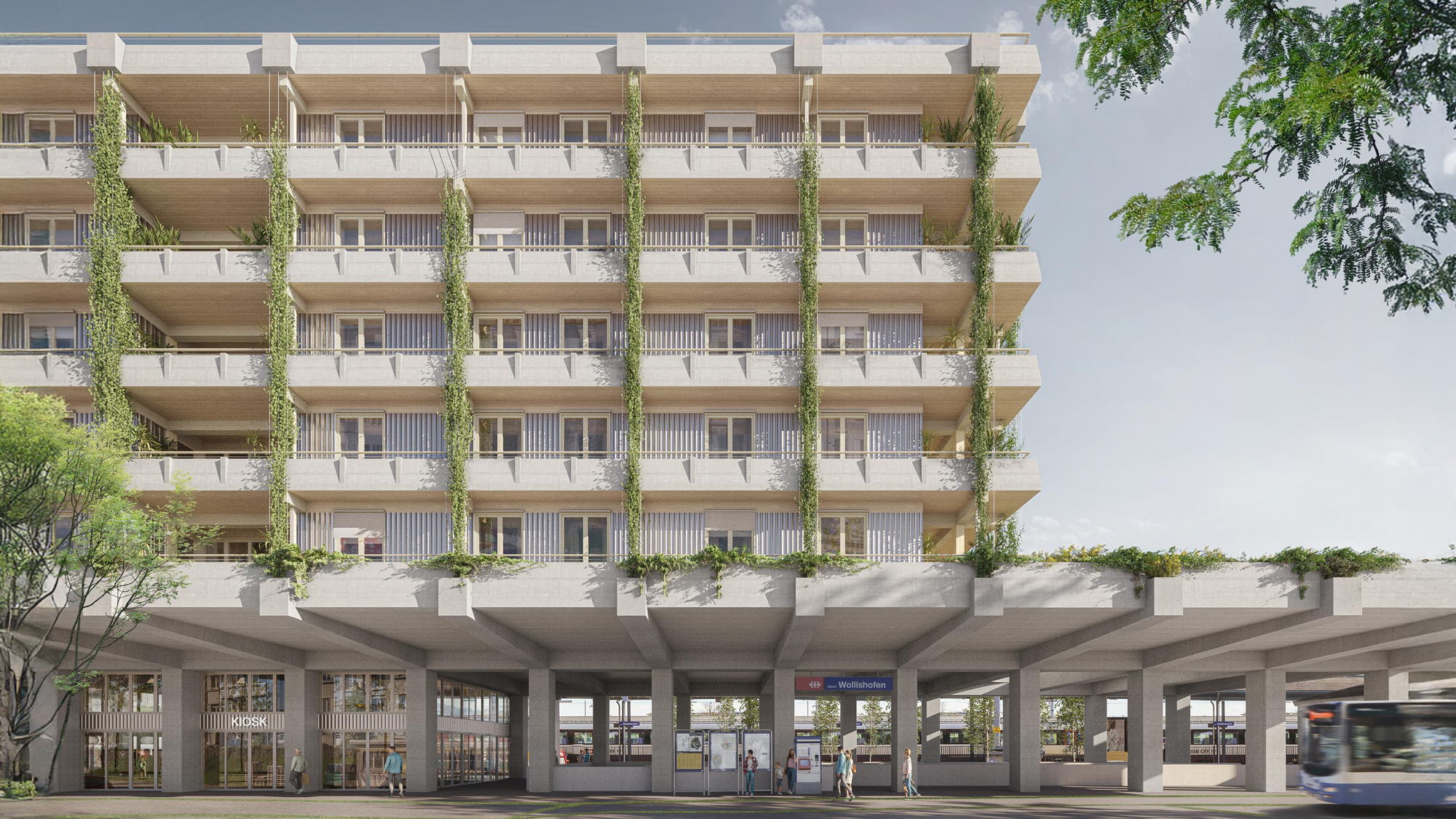
Two apartment buildings with 57 apartments ranging in size from 2.5 to 5.5 rooms are being built on a 6500 square meter site to the north of the historic station building. Commercial and restaurant space is planned on the first floors, as well as a small commercial building and an underground garage with 59 car and 92 bicycle parking spaces. A park-like open space with a playground will be created between the two buildings.
Less, but social The project has become smaller. SBB originally planned four buildings with 90 apartments, a third of which would be affordable. However, the signal box next to the station building must remain, which means that an entire building is no longer needed. Of the remaining 57 apartments, 20 are to be offered at affordable prices. This corresponds to 35 percent and is even slightly higher than the original quota.
Switzerland’s last goods shed What residential construction demands requires space. Four existing buildings have to make way, including the goods shed from 1928, designed by Meinrad Lorenz, SBB’s chief architect at the time, one of only four buildings of this type in the whole of Switzerland. Following the demolition of the identical shed in Heerbrugg, the one in Wollishofen is the last remaining example of its kind. It is listed in the cantonal inventory of listed buildings.
A wooden building packs its bags Nevertheless, the goods shed will not disappear. It will be dismantled into individual parts, professionally refurbished and rebuilt at the Zurich Oberland Steam Railway Association in Bauma an der Töss. There it will be made accessible to the public and given a museum function as part of the “Bauma 2020 depot area” project. The approval documents for the dismantling are already largely in place.
History repeats itself This move is not the first in the history of Wollishofen station. The current station building was once the first station building in the city of Zug, built in 1864 and moved stone by stone to Lake Zurich in 1897. What was forced by the scarcity of building materials in the 19th century is now a deliberate act of preservation. Wollishofen is thus writing another chapter in an unusual building history.
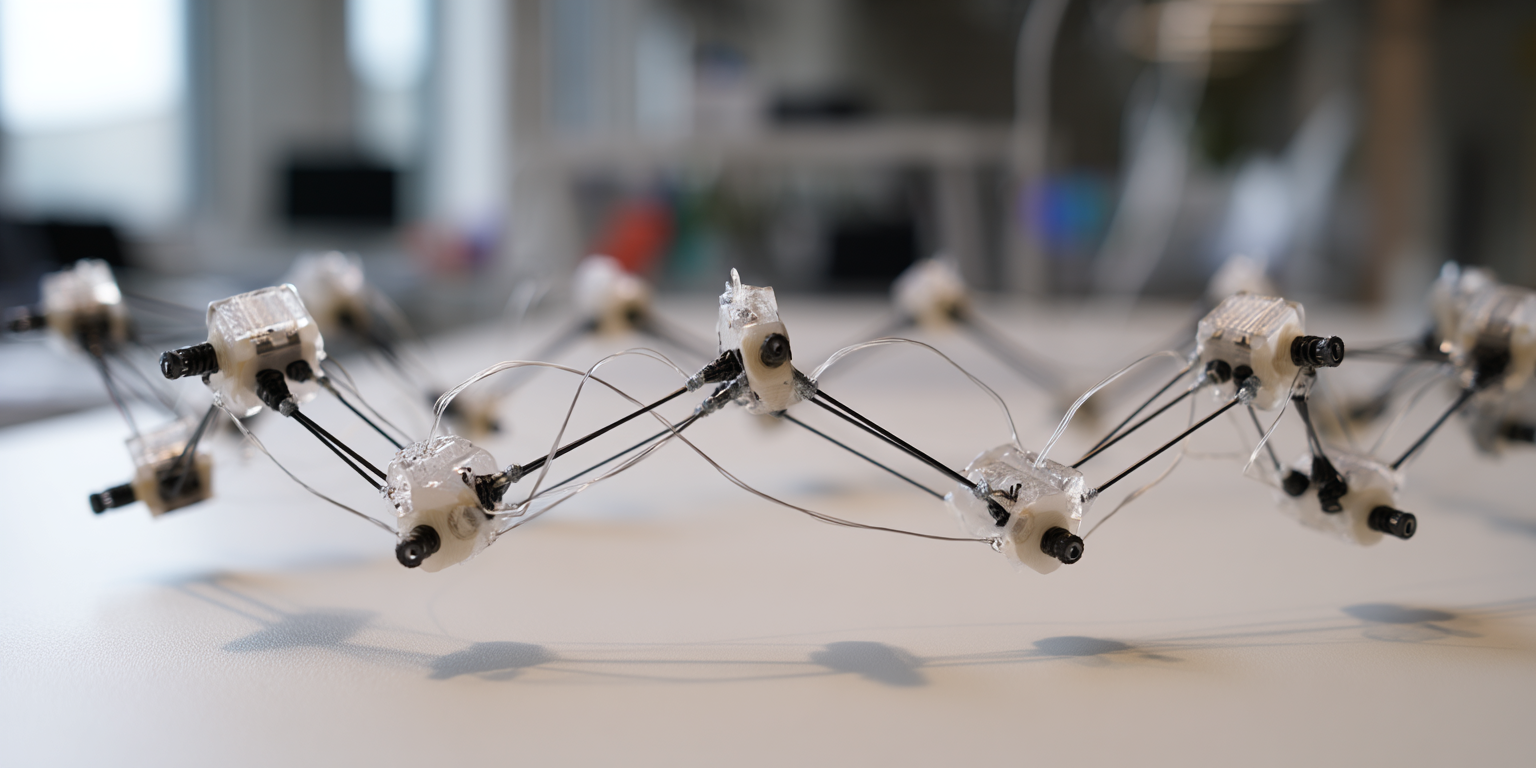
The material consists of a chain of identical joints connected by an elastic framework. An integrated microcontroller measures the current position, stores past states and exchanges information with neighboring elements. The overall behavior results from the interaction of many simple units. Just like simple organisms that react to their environment without a complex brain.
Learning through repetition Individual joints are moved into defined positions and the remaining elements are gradually moved into a target structure. The microcontrollers adjust torques in several runs, called “epochs” in the experiment. Stiffness and interactions within the structure change. The “information” is not outsourced to software, but stored directly in the physical structure. First author Yao Du sums it up: “As soon as the system starts to learn, the possibilities of where it can develop seem almost limitless.”
Three abilities in one The system masters three properties that were previously reserved for biological systems. It learns new reaction patterns to defined inputs. It stores several states simultaneously and switches between these states depending on the input. Previous work by the laboratory had already shown that such structures can move without central control. What is new is the adaptability, as the material chooses its form of movement depending on the environmental stimulus.
Fields of application and next steps The research team sees the greatest potential in adaptive components that adjust to changing loads, in soft robotics without central control and in systems for unstructured environments such as exploration. From August 2026, research in Amsterdam will be expanded in collaboration with the Learning Machines group. The Dutch research agenda NWA 2026 will dedicate a separate focus to adaptive materials. In addition to technical issues, the focus will also be on control and safe use.
The boundary between material and machine is becoming blurred Instead of passive materials, adaptive systems are being created whose properties actively change. In the future, time-dependent behavior and the handling of uncertain conditions, so-called stochastic scenarios, will be integrated. This increases robustness and makes the technology suitable for real application environments. Intelligence is not created through central control, but from the interaction of many simple elements.
SSbD is a holistic innovation framework of the European Union. New chemicals, materials, products and technologies should be developed from the outset in such a way that they are safe for people and the environment – throughout their entire life cycle. There is a clear principle behind this: identify risks at an early stage and correct them cheaply, instead of reacting late and expensively. The EU aptly calls it “fail early and fail cheap”.
64 percent compliance with EU law As part of the EU IRISS project, Empa examined 15 key EU regulations that are relevant to European industry along the entire value chain. These include the Chemicals, Batteries and Packaging Regulation and the Waste Framework Directive. 64 percent of these regulatory requirements are already covered by the SSbD framework. “In many cases, SSbD requires precisely the data and assessments that companies will later need for regulatory compliance anyway,” explains study author Akshat Sudheshwar from Empa.
PFAS as a cautionary example The risks of the so-called perpetual chemicals PFAS were recognized by the majority when they were introduced, but ignored for decades. Today, they accumulate in organisms, are not degradable in the environment and cause enormous costs. With an SSbD approach, these risks could have been addressed early on. This example shows what is at stake when companies only plan for safety and sustainability retrospectively.
Additional effort that pays off SSbD increases the effort in the early development phase, as Sudheshwar also admits. Investing early avoids later costs due to product bans, remediation obligations or market adjustments. The key success criterion for companies is the ability to think about safety and sustainability together at an early stage and to build up the necessary expertise in both areas.
Limitations and need for political action Reliable data, toxicological information and robust methods are still lacking. The SSbD framework explicitly recognizes this gap and is adaptable. At a political level, the study recommends incentives for companies and regulatory relief as well as patent extensions or economic benefits could make it easier to get started. In the long term, SSbD should be included more frequently in EU regulations, not necessarily as an obligation, but as a strategic orientation.
From April 2027, the canton of Zurich will require all municipalities to use the eBaugesucheZH platform. This lays the foundation for digitization, but only the foundation. The content of the applications will continue to be processed in different systems, depending on the municipality or canton. This historically evolved system landscape leads to media disruptions, manual coordination rounds and data inconsistencies.
What the FHNW study shows The Building Directorate commissioned the FHNW Institute of Digital Construction to conduct a potential study along the entire process chain. 15 fields of action were identified, from initial digital information to building acceptance. The greatest short-term potential lies at the very beginning. Chatbots for the initial consultation, structured submission support and automated preliminary checks could immediately improve the quality of submitted applications and significantly reduce queries. Many improvements can already be achieved with rule-based systems, without generative AI.
Prototype with the city of Kloten The Innovation Sandbox for AI of the Office of Economic Affairs tested an AI-based preliminary check for the notification procedure together with practice and technology partners, including the city of Kloten. For simple projects such as solar installations or heat pumps, a rule-based system automatically clarifies the admissibility and choice of procedure, and an AI then checks the completeness and quality of the entries. 3336 tests were evaluated. The results are encouraging, even if the reliable interpretation of complex plan representations remains an open challenge.
Humans remain responsible Both studies agree that complete automation is currently not realistic. Where decision-making logic is clearly defined, rule-based systems are preferable to generative AI. The authority to make decisions remains with humans. Legal issues relating to data protection, liability, transparency and copyrighted blueprints as AI training material must be examined in depth before any implementation.
The results are now being incorporated into the further development of eBaugesucheZH. Individual applications are to be tested in pilot municipalities. Zurich is thus demonstrating how the careful, step-by-step use of AI can work in a complex administrative domain.
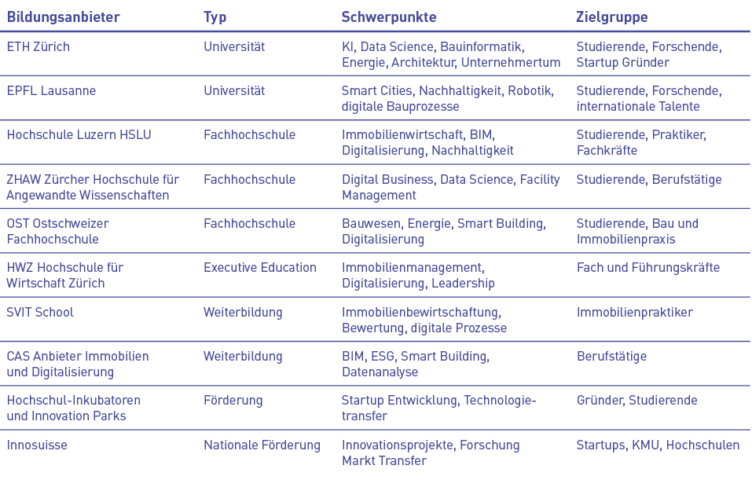
Interdisciplinarity is the key PropTech is not a traditional field of study. Rather, expertise is created by combining different disciplines. In Switzerland, training programmes combine subjects such as property economics, construction, IT, data analysis, sustainability and management.
This interdisciplinarity reflects the reality of the industry. PropTech specialists need to understand technical solutions, categorise regulatory frameworks and think economically at the same time. Swiss educational institutions are responding to this with modular programmes and practice-oriented formats.
Universities as drivers of innovation ETH Zurich and EPFL Lausanne form the academic foundation of many technological developments. Degree courses and research programmes in civil engineering, architecture, computer science and data science provide expertise that flows directly into PropTech solutions.
Universities of Applied Sciences such as HSLU, ZHAW or OST complement this offering with a strong practical focus. Projects in collaboration with companies, start-ups and public institutions enable students to work on real-world problems. This results in a direct transfer of knowledge into application.
Further education for property practice In addition to academic education, in-service training is becoming increasingly important. Many specialists in administration, valuation, development or management need to catch up on or deepen their digital skills.
In Switzerland, there are a growing number of CAS and MAS programmes with a focus on digitalisation, BIM, data analytics, sustainability and real estate management. These programmes are aimed specifically at practitioners and impart applicable knowledge for everyday working life.
Collaboration with the industry A key success factor is the close cooperation between educational institutions and the property industry. Companies act as practice partners, provide use cases or participate in the content design of training courses.
This keeps training content up-to-date and close to the market. Students and further education participants benefit from real insights into ongoing transformation processes and establish relevant networks at an early stage.
Entrepreneurship and start-up promotion Many training programmes integrate entrepreneurial elements. Incubators, innovation programmes and student initiatives promote a spirit of entrepreneurship and experimentation. Students are encouraged to develop their own ideas and pursue them as start-ups. This combination of education and entrepreneurship is an important driver for the Swiss PropTech scene. Numerous successful companies have emerged from university projects and have been able to establish themselves on the market thanks to targeted support.
Challenges and outlook Despite the strong educational landscape, the shortage of skilled labour remains a challenge. The demand for specialists in the fields of data analysis, software development, BIM and ESG is outstripping supply.
At the same time, the need for hybrid profiles that combine technology and property practice is increasing. Educational institutions are therefore faced with the task of continuously developing their programmes and addressing new target groups.
The first five foundation stones were laid on the Brisgi site, marking the official start of the approximately three-year construction phase. According to a statement from the City of Baden, the site will see the creation of around 220 units of sustainable and affordable housing. The symbolic laying of the foundation stones was carried out by Baden’s Mayor Markus Schneider, representatives of the non-profit developers – the Baden Housing Foundation, Logis Suisse AG and the Graphis Building and Housing Cooperative – as well as members of the local community.
“These five stones come from the excavation and represent the core values of the future Brisgi site: together we are shaping the future with sustainable and affordable housing,” explains the City of Baden in the statement.
By 2028, affordable flats and flexible housing options for single people, couples and families are to be built on the site. In addition, community life will be enhanced by studios, green spaces, a neighbourhood square and a playground.
The project will be built in accordance with the Swiss Sustainable Building Standard (SNBS). “The site focuses on hybrid construction, renewable energy, biodiversity and minimal soil sealing,” the press release states. “In this way, the project demonstrates that high-quality construction, sustainability and affordable housing go hand in hand.”
The Canton of Lucerne intends to establish the Innovation Lucerne Foundation. To this end, the Cantonal Government has now submitted a request for a special grant to the Cantonal Council. This comprises CHF 1 million in endowment capital and CHF 23 million to fund the foundation’s activities between 2026 and 2029.
This foundation forms part of Lucerne’s location strategy, which aims to strengthen the canton’s competitiveness. According to the statement, the background to this is that whilst the Canton of Lucerne ranks in the top third in national competitiveness rankings, it consistently ranks lower in terms of its innovative strength. And “without strengthening its innovative strength, the Canton of Lucerne risks further losses in competitiveness”, the analysis states.
The foundation is intended to counteract this and focus on supporting Lucerne as a hub for innovation and start-ups, with a particular emphasis on SMEs. As a key player, it is to coordinate the established partner organisations “and ensure that their services are better integrated, become better known and achieve greater impact”. In addition, the foundation can co-fund implementation projects such as feasibility studies.
From 2026, the Canton of Lucerne intends to invest a total of between 250 and 300 million Swiss francs annually in “business- and population-oriented measures” to promote the region. Voters will be able to vote on these regional development measures in September 2026.
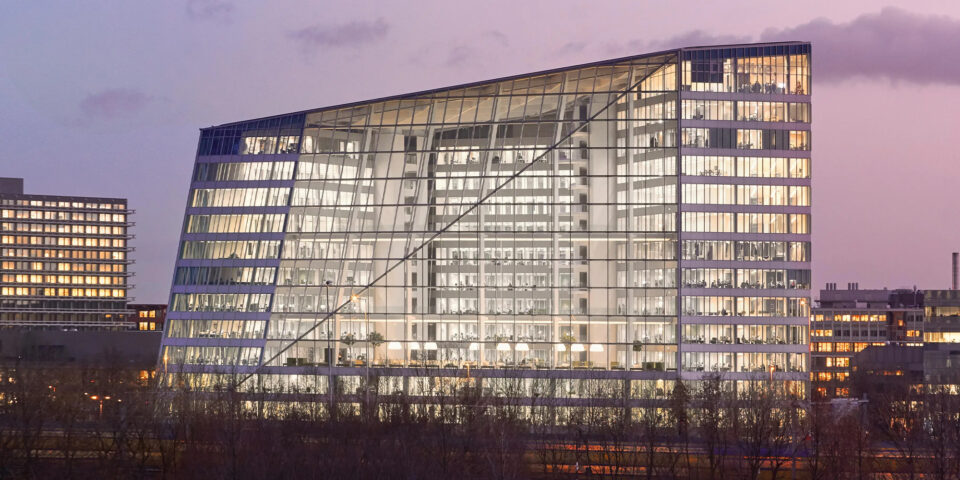
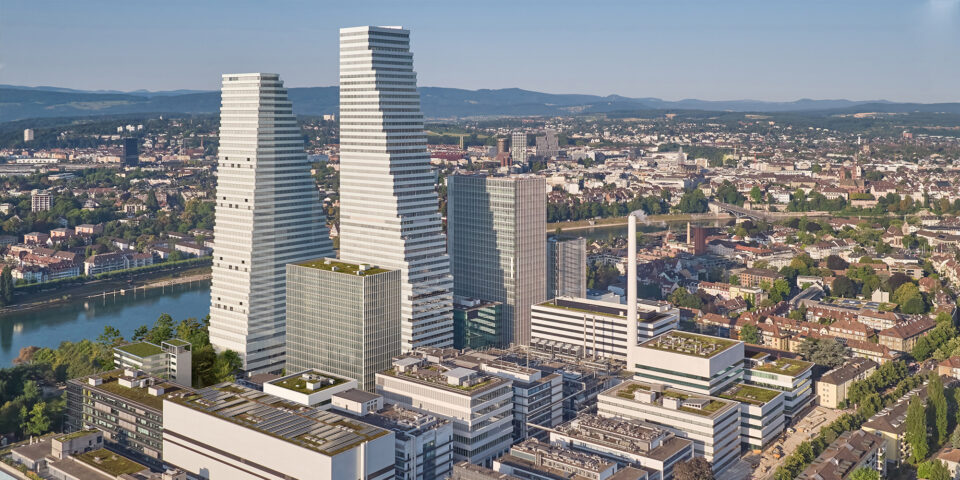
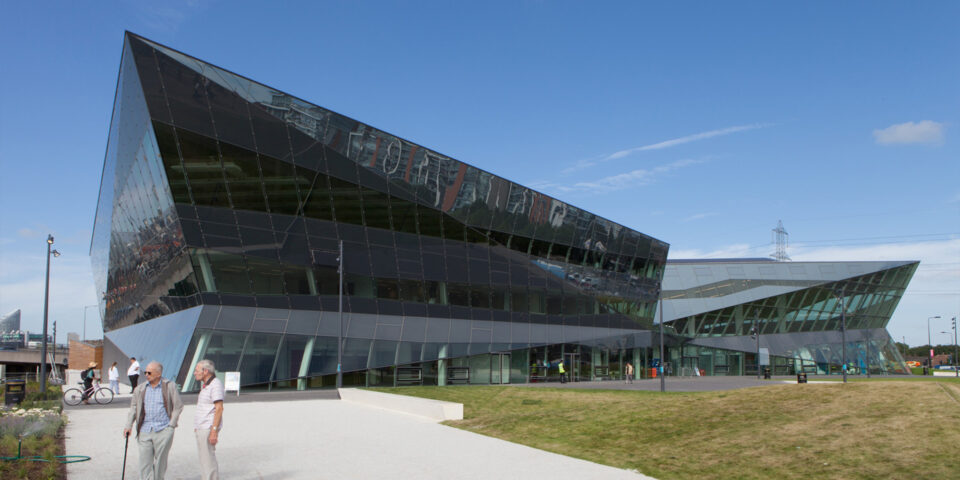
Smart buildings become a location factor when they first make ESG performance visible and controllable. Energy and resource consumption, CO² emissions, indoor climate and space efficiency can be measurably optimised through sensor technology, automation and data-based operation, and these key figures can be verified for green finance, ratings and regulatory purposes. Lighthouse projects such as The Edge in Amsterdam, Taipei 101, Roche Basel and The Crystal in London show how smart building technology can be linked to clear sustainability indicators and certifications and thus have an impact beyond the individual property.
Smart building as a talent magnet Smart buildings are changing the working and innovation environment. User-centred buildings with high air quality, plenty of daylight, flexible spaces, apps and services are becoming a magnetic factor for talent and for companies that demand modern, healthy working environments. In such smart buildings, technology merges with workplace quality. From personalisable comfort parameters to intelligent space management, they directly strengthen employer branding and the attractiveness of a location for knowledge- and technology-intensive companies.
From individual buildings to networked campuses Location and campus strategies are characterised by intelligent buildings. Data from many smart buildings is aggregated in neighbourhoods and campus structures. This creates controllable networks of energy, mobility and utilisation that position a city or region as an efficient, sustainable location, far beyond the individual building. This shifts the discussion. Smart buildings are no longer just a technical upgrade, but a strategic lever to make locations future-proof, regulation-proof and internationally competitive.
edge
The Edge in Amsterdam is regarded as a prototype of an intelligent office building in which architecture, technology and data were conceived as a digital system from the outset. Covering around 40,000 square metres, an extremely dense IoT infrastructure with around 28,000 inputs and outputs networks sensors, LED lights with their own IP address, building automation and a workplace app. Employees book their workstations based on activity in the 3D model, receive personalised lighting and comfort profiles and work in highly flexible, daylight-oriented spaces. Thanks to its efficient shell, geothermal energy, large photovoltaic surfaces, rainwater utilisation and e-mobility, The Edge achieves an energy-positive balance and reduces CO² emissions in the double-digit million kilogram range over ten years. The permanently collected usage, comfort and energy data forms the basis for predictive maintenance, cleaning and space optimisation and makes ESG performance in operation measurable and controllable instead of just being reported. As a BREEAM Outstanding property with international benchmark status, The Edge shows how a single smart building can characterise both the working environment and the location profile of Amsterdam as an innovative, sustainable economic area. Learn more
Taipei 101 in Taipei shows how an iconic supertall can be transformed into a green and “healthy” skyscraper using smart building technology. An integrated building and energy management system monitors and controls lighting, HVAC, pumps and lifts, supplemented by cloud-based analytics to increase efficiency. Double façades, LED retrofits, optimised air treatment, water-efficient fittings, rainwater harvesting and an improved cooling water system significantly reduce energy and water consumption. The green retrofit made Taipei 101 a LEED Platinum pioneer for existing buildings. in 2025, the tower again achieved LEED v5 O M Platinum with the highest score and WELL v2 Core Platinum. Over several years, around 160 million kWh of electricity were saved and at the same time the air quality, comfort and health of the users were significantly improved. A global ESG lighthouse project for existing buildings. Learn more
f. Hoffmann-La Roche AG
Roche Campus Basel/Kaiseraugst is pursuing a smart building and smart campus strategy on the Basel/Kaiseraugst campus, in which a continuous IoT backbone connects existing and new buildings. Sensor technology, building automation and data platforms are used in such a way that energy efficiency, user experience and operational optimisation converge in a scalable digital infrastructure. Specific use cases include occupancy and presence measurement, indoor navigation, geo-referenced floor plans and smart logistics and material flows. Large new buildings such as Building 2, BSN8/11 and the pRED Centre will serve as supports in which sensor technology, automation and data architecture will be integrated from the outset. This makes the campus a strategic ESG lever. Energy monitoring, space and operational optimisation support decarbonisation, while user-centric working environments improve orientation and service quality. Consistent data and life cycle management creates transparency for FM and governance. At the same time, Roche is strengthening Basel as a life sciences location with internationally visible reference buildings and a clear systemic sustainability logic. Learn more
archDaily
The Crystal in London is a compact but consistently developed smart building lighthouse project with a clear ESG link. It was built in 2012 in the Royal Docks for Siemens as an exhibition and conference centre, covers around 6,300 square metres and is considered one of the most sustainable buildings in the world with LEED Platinum and BREEAM Outstanding. The fully glazed, two-storey building combines an all-electric concept without fossil fuels with a finely tuned glass façade and an integrated building management system. Photovoltaics on the roof, geothermal probes with heat pumps, LED lighting, rainwater and black water treatment and water-efficient fittings significantly reduce energy and water consumption. The BMS networks heating, cooling, ventilation, lighting and security, adapts operation to occupancy and weather in real time and makes all systems measurable, benchmarkable and finely adjustable. The result is a virtually self-optimising building that also serves as a publicly accessible learning space for urban sustainability and has become an international reference case for smart, ESG-oriented architecture with its transparent performance display. Learn more
Schlieren Town Council has allocated 2.229 million Swiss francs for the refurbishment and modernisation of its municipal works site. According to a statement from the City Council, the city’s growth and increasing demands on public services make modernisation necessary. Key parts of the facilities have become too old and need to be replaced in order to meet legal standards for fire safety and occupational safety. The modernisation will also prevent structural damage and ensure proper operation in the long term.
The works yard site houses the waste collection, building services, gas and water supply, green space maintenance and administration departments of the Works, Supply and Facilities Division. Due to the city’s ongoing growth, it is necessary to create the conditions to meet increasing demands on public services.
The plans include replacing the gas heating system with an environmentally friendly heat pump system and refurbishing the roof surfaces. To increase capacity, the storage areas in the green space maintenance, gas and water supply, cloakroom and staff lounge sections are to be expanded.
Parts of the project will include the modernisation of the ventilation and summer heat protection in the administration building, as well as the expansion of the charging infrastructure for the city’s electric vehicle fleet, it is reported.
The awarding of construction contracts by a building commission appointed by the city council has already begun. The municipal council will now decide on the installation of a high-performance photovoltaic system.
The construction group Implenia is building the new police headquarters in Münster, Germany, on behalf of the project company PPMS Immobilien GmbH & Co. KG, to accommodate more than 1,400 staff. According to a press release, the building will provide much-needed additional space for the police force, as well as a modern headquarters featuring short walking distances and attractive new-work concepts. The project is worth more than €200 million.
As the main contractor, Implenia is responsible for the planning and construction of a functional and administrative building designed to bring together virtually all of Münster Police’s existing departments. The turnkey new building will include modern office and laboratory workspaces, a police station, a canteen, training areas, detention facilities and an underground car park.
According to the press release, the project is in line with the strategic focus on “large, complex and specialised property projects”. In the words of Matthias Jacob, Head of the Buildings Division Germany, Implenia is focusing on “partnership-based contract models that allow us to make optimal use of our capabilities for the benefit of our clients and Implenia”.
Construction work is scheduled to begin in summer 2026, following the early completion of the excavation, and is expected to last until October 2029.
Wir verwenden Cookies zur Unterstützung und Verbesserung unserer Dienste. Mit der Nutzung dieser Website erklären Sie sich mit der Verwendung von Cookies einverstanden. Weitere Informationen finden Sie in unserer Datenschutzerklärung.