Category: Sustainability

  • New technology paves the way for virtually CO2-free cement

    New technology paves the way for virtually CO2-free cement

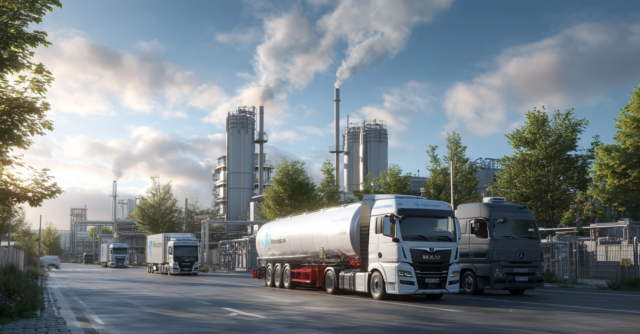
    Holcim has agreed to acquire a strategic stake in Capsol Technologies, a specialist in post-combustion carbon capture solutions based in Oslo. This was announced in a statement by the building materials supplier. The focus is on HPC (hot potassium carbonate) technology, an energy-efficient chemical absorption process for capturing CO2 from gas streams, combined with an integrated heat recovery system. Holcim intends to use this technology to promote the large-scale production of virtually CO2-free cement and meet growing customer demand for climate-friendly building materials.

    “By combining Holcim’s expertise in cement production and on-site CO2 capture with Capsol’s safe and efficient technology, we have an additional lever to drive decarbonisation and achieve profitable growth,” said Ram Muthu, Head of Operational Excellence at Holcim. “This strategic investment brings us one step closer to large-scale production of virtually CO2-free cement.”

    The investment was preceded by a CapsolGo demonstration project at Holcim’s Dotternhausen plant in Germany in 2025, where Capsol successfully tested its technology in an industrial environment. The investment expands Holcim’s portfolio of decarbonisation technologies within its open innovation ecosystem. Through Holcim MAQER Ventures, the Group’s corporate venture capital unit, Holcim has made 19 investments to date and reviews more than 500 start-ups in the field of sustainable construction solutions each year.

  • Global ranking confirms long-term climate strategy

    Global ranking confirms long-term climate strategy

    KONE ranks 54th in this year’s Global 100 Most Sustainable Corporations in the World ranking by Corporate Knightsin Toronto, Ontario, Canada. In the Machinery industry group, the lift and escalator manufacturer even ranks second among 397 companies worldwide. In Finland, where KONE has had its headquarters in Espoo since 1910, it is the highest-ranked engineering company, as it is in Switzerland, where KONE (Switzerland) AG has been operating since 1996. The company employs over 60,000 people in more than 70 countries.

    In 2024, KONE was awarded the German Sustainability Award as the most sustainable company in the lifting and conveyor technology category. KONE is the first company in its industry to define ambitious and scientifically based climate targets for 2030, according to a press release. “For KONE, leadership in the industry always means leadership in sustainability,” said Kirsi Simola-Laaksonen, Senior Vice President for Sustainability and Environment. “This ranking is clear, independent proof of the progress we are making.”

    The company is committed to aligning its activities with the goal of limiting global warming to 1.5 degrees Celsius. “We understand that sustainable business is good business for our customers, their customers and for us,” said Simola-Laaksonen. “We continuously monitor how sustainable solutions impact our business and are increasing the share of our revenue from products and services that contribute to climate protection. Together with our customers, we develop smart and sustainable buildings, enabling better urban living.”

  • Building a house from plastic waste

    Building a house from plastic waste

    Today’s PET bottle could be part of a floor beam tomorrow, as a load-bearing element. A research team at the Massachusetts Institute of Technology is investigating how recycled plastic can be shaped into load-bearing components using large-format 3D printing. The focus is on a beam system that has been specially developed and tested for use in residential construction.

    Plastic trusses instead of wood
    The new beams look familiar at first glance, as they are based on the geometry of classic wooden trusses. A frame with diagonal struts absorbs and distributes forces, a construction method that has been tried and tested for decades. What is new is the material and production. A composite of recycled PET and glass fibres is used for printing, which provides rigidity and stabilizes the pressure behaviour. Each beam measures around 2.4 m long, around 30 cm high and a good 2.5 cm wide, weighing only around 6 kg and therefore significantly less than a comparable wooden beam. The production time is short, less than 13 minutes per component is sufficient for printing.

    Load test under practical conditions
    In order to test its suitability for everyday use, the team assembled four beams in parallel and screwed them together with a wood-based panel to form a floor frame measuring approximately 1.2 by 2.4 m, a common grid dimension in the USA. The surface was then gradually loaded with sandbags and concrete weights, while the deflection was continuously measured. Up to a load of around 140 kg, the deformation remained well below the limits permitted by US building regulations. Only when the total load exceeded 1,800 kg did the construction fail, the beams buckled and broke. This indicates that the rigidity is generally sufficient to meet the relevant requirements in residential construction.

    Lightweight, modular, quick to assemble
    In addition to the load-bearing capacity, the low weight is a key advantage of the system. The plastic beams can be transported using a pickup truck, which simplifies logistics and handling on the construction site. Assembly follows the principle of classic timber frames. The elements are screwed together on site and joined to form a load-bearing skeleton. In the long term, the concept is aimed at modular house frames in which the floor, walls and roof consist of standardized, printed components. This approach is particularly interesting for regions where wood is scarce or expensive.

    Plastic waste as a raw material for a billion houses
    The project was triggered by the enormous global demand for housing. AJ Perez from the MIT School of Engineering points out that around one billion new houses will be needed by 2050. A demand that can hardly be met with wood alone without clearing gigantic areas of forest. Instead, existing waste streams should be used. Disposable plastics such as bottles or food packaging will be given a second life as a construction product. The aim is to create components that are lighter, more durable and more sustainable than conventional alternatives.

    Costs, standards, long-term behavior
    Despite the promising results, the technology is still in its infancy. The actual costs on an industrial scale, the adaptation of standards and approval processes and the long-term behavior of the components under weathering, UV radiation and changing loads are still unclear. Nevertheless, the project opens up exciting prospects for planning, development and the construction industry. 3D-printed supporting structures made from recycled plastic could change the material mix in building construction. Provided that cost-effectiveness and durability can be convincingly demonstrated.

  • Canton of Nidwalden triples funding for energy-efficient building renovation

    Canton of Nidwalden triples funding for energy-efficient building renovation

    In its 2026 energy promotion programme, the Nidwalden Cantonal Council has decided to increase subsidies for energy-efficient building renovations by 300 per cent to 2.9 million Swiss francs. Together with federal funds, this means that a record annual budget of CHF 6.3 million is available, according to a statement. This cantonal subsidy programme supports owners who optimise their building envelope, replace fossil fuel or electric heating systems with renewable energy systems, or construct energy-efficient new buildings.

    According to the information provided, demand for subsidies was “exceptionally high” in 2025. The canton expects a further sharp increase in applications in 2026, particularly due to the expansion of district heating networks. In addition, tax breaks will be abolished in the future, which is also likely to cause demand to rise further this year.

    According to the information provided, energy-efficient building renovation – a key pillar for achieving the canton’s emission targets by 2035 – will only succeed if owners are willing to invest in their properties. “In doing so, they are making a major contribution to reducing greenhouse gases and saving energy,” said Environment Director Joe Christen.

    Although the subsidy can only cover a small portion of the investment, these investments are worthwhile in the long term when combined with tax savings and lower heating costs. “On average,” says Christen, “one franc of funding triggers almost ten times that amount in investment. Most of this added value remains in the canton, strengthening local businesses and helping to reduce the outflow of money abroad thanks to renewable energies.”

    The canton of Nidwalden is one of the exhibitors at the SWISS Pavilion at the Singapore Airshow. The international aviation trade fair takes place from 3 to 8 February.

  • Infrastructure project replaces overhead lines with modern networks

    Infrastructure project replaces overhead lines with modern networks

    The Aargau municipalities of Bellikon, Remetschwil and parts of Oberrohrdorf are no longer supplied via wooden pole lines from the valley, but via a new cable line. According to a statement, AEW Energie AG has completed and commissioned a central infrastructure project on the Rohrdorferberg with this cable. As a result, 1.6 kilometres of existing wooden pole lines have been dismantled – “a contribution to a more robust, low-maintenance network and an improvement to the landscape,” according to the Aargau energy supplier.

    The Rohrdorferberg line between Künten and Fislisbach has a total length of 11.2 kilometres. A total of eight transformer stations were connected to the new line. According to the information provided, this will particularly benefit businesses “with increased requirements for security of supply”.

    AEW invested a total of CHF 3 million in the project. “By consistently expanding and cabling our grid infrastructure, we are not only increasing security of supply for the population, but also creating the conditions for a flexible and sustainable energy system,” says Christoph Fischer, who heads the Networks division at AEW.

  • Digital product passport brings transparency to the circular economy

    Digital product passport brings transparency to the circular economy

    Sky-Frame AG, based in Frauenfeld, offers its customers frameless sliding windows manufactured in Switzerland. The recyclability of the products plays a major role in this. The company has now launched a digital product passport with a Cradle to Cradle Compass to provide information on the extent to which the products used comply with the strict Cradle to Cradle circular economy principle.

    The Digital Product Passport Compass Cradle to Cradle (DPPCCC) was developed by epeaswitzerland in Widnau. It is based on the digital product passports that, according to an EU regulation, are to be gradually introduced for all products sold in the EU. It evaluates Sky-Frame products according to a series of criteria, such as their performance, recyclability and energy consumption. It makes the company’s supply chains transparent and proves the recyclability of the company’s products.

    “The frameless windows and sliding doors manufactured in Switzerland create an extraordinary architectural, boundless spatial experience with spectacular views. Together with the ‘Digital Product Passport Compass Cradle to Cradle’ tool from epeaswitzerland, we are committed to a new level of transparency, identity, orientation and compliance with future EU legislation,” says Michael Fuchsberger, Head of QM & Sustainability at Sky-Frame AG, on further aspects of the DPPCCC. For example, it provides information about the supply chain and options for returning Sky-Frame products. In addition, the information can be structured and displayed in detail according to aspects such as material health or various areas of suitability for the circular economy.

    “As a globally active company, Sky-Frame has once again demonstrated its pioneering role with the introduction of the Digital Product Passport Compass Cradle to Cradle from epeaswitzerland,” says Albin Kälin, founder and managing director of epeaswitzerland.

  • Data-driven decisions for green real estate strategies

    Data-driven decisions for green real estate strategies

    Empiraintends to utilise Zurich-basedOptimI’s Real Estate Decision Intelligence (REDI) to strengthen data-driven decision-making in the areas of investment, funds, asset management and sustainability management. According to a statement, the aim is to develop an integrated approach that holistically combines financial performance, climate impact and regulatory requirements. OptimI’s REDI platform supports Empira in making informed investment decisions, developing scientifically sound decarbonisation pathways at fund and asset level, and planning capital-efficient investment and refurbishment strategies.

    Empira uses the platform in particular in the context of its Transition to Green Fund, which targets energy-inefficient properties with repositioning potential and utilises government incentives for green refurbishments and comprehensive asset management to create high-quality, sustainable residential and office properties.

    “Digital decision intelligence is essential today to achieve both stable returns and credible decarbonisation, starting from the moment we receive an initial investment memorandum,” said Torsten Bergmann, Vice President of Investment Advisory at Empira. “Optiml provides us with the analytical depth we need to achieve consistent, scalable impact across all our funds and supports our transition-to-green strategy with reliable decision-making processes.”

    According to the announcement, the introduction of the OptimI solution underscores the industry trend toward data-driven asset optimisation, in which sustainability and financial performance are assessed holistically. The real estate sector is responsible for around 40 per cent of total energy-related CO2 emissions worldwide. Industry players are therefore increasingly obliged to present credible and financially robust decarbonisation strategies.

  • Building lease flats create new living space in Altstätten

    Building lease flats create new living space in Altstätten

    Halter AG is implementingtheTresTerrä project in collaboration with the Catholic denomination of the canton of St. Gallen, owner of the project, andSchlieremerTend AG, partner for communication and marketing. As part of this, Halter will undertake the construction of ten residential buildings on the Guter Hirte site in Altstätten, which will provide affordable living space in the future, according to a press release. The ground-breaking ceremony and official start of construction for the project have now taken place.

    “Tres Terrae stands for a place where living, open space and neighbourhood come together,” says a statement from Halter. “The aim is to create lasting quality of life that offers people a home for the long term.”

    Three building complexes are planned, which will be located around a central communal square and connected by a network of paths. A total of 37 freehold flats will be built in the buildings, ranging from 2.5-room to 5.5-room flats. Central meeting areas will provide space for interaction and community, according to the project description.

    In order to reduce the equity requirement and facilitate financing, the flats will be sold under building law. The flats are expected to be ready for occupancy in 2028.

  • Where real estate loses its appeal

    Where real estate loses its appeal

    The cantons with the greatest demographic risks include Ticino, Bern, Neuchâtel, Jura, Appenzell Ausserrhoden, Nidwalden, Obwalden, Graubünden, Glarus and Schaffhausen. They account for around 23 percent of the total mortgage volume in Switzerland and are therefore anything but peripheral regions. At the same time, they are structurally less well equipped for the future.

    The core of the problem lies in the age structure. Population growth is taking place primarily in the over 65s. People who rarely move and hardly ever demand additional living space. At the same time, the number of working people, i.e. those households that typically buy their own home or enter into new tenancies, is falling. The result is less demand, more patience when selling and growing price markdowns. This is particularly noticeable in markets with many single-family homes and vacation properties, for example in parts of Ticino, Graubünden or the Jura.

    Demographics beat price fantasy
    The study outlines a market that is likely to diverge significantly over the next 20 years. While owners in many of the cantons concerned still expect prices to continue to rise, demographics paint a different picture. If hardly any young households move in and immigration remains weak, the surge in demand that justifies today’s valuations will not materialize.

    For owners, this means longer holding periods, higher sales risks and, depending on the location, more significant price falls. Older single-family homes in peripheral communities that no longer meet the expectations of new generations of buyers in terms of energy efficiency and quality are particularly exposed. Where there is a lot of supply on the market at the same time, for example from estate situations, price pressure can increase rapidly.

    Booming cantons as a counterbalance
    On the other hand, there are the growth cantons of Zurich, Vaud, Lucerne, Geneva, Thurgau, Aargau, St. Gallen, Valais, Fribourg, Zug and Basel-Stadt. According to the analysis, they are expected to absorb almost 86 percent of future population growth. Two thirds of the mortgage volume is already concentrated in these cantons, and the trend is rising.

    This is where immigration meets economic dynamism, urban centers and strong labor markets. For the real estate market, this means sustained high demand, stable to rising prices and lower structural risks, despite digitalization, the interest rate turnaround and increasing regulation. The polarization between “loser” and “winner” cantons is therefore likely to intensify further.

    Consequences for banks and investors
    For banks, insurance companies and pension funds, the demographic perspective is more than just a footnote. In many portfolios, regional risks have so far been inadequately reflected. Regional institutions with a strong focus on their home canton in particular bear increased cluster risks in shrinking regions. Especially if a large proportion of the portfolio consists of single-family homes in rural locations.

    It is not only location, condition and affordability that count, but also the question of how many potential buyers will still be there in 10, 15 or 20 years’ time. If you want to manage mortgages and real estate investments in the long term, you need to systematically consider demographics, housing demand and the local economic structure together.

    What owners can do now
    For owners in the affected cantons, it is worth taking a sober look at their own property in terms of location, target group, energy status and possible conversion. Those who actively manage, modernize and think about alternatives at an early stage have a clear advantage over those who simply hope that prices will continue to rise.

    The market is not tilting across the board. Housing will remain scarce in many cities in the “loser” cantons, while rural areas will come under greater pressure. The decisive factor will be how precisely market participants understand the differences within a canton and how quickly they adapt their strategies to the new demographic reality.

  • Think circular, reprint wood

    Think circular, reprint wood

    Stricter regulations on the energetic use of waste wood mean that large quantities of wood waste can no longer simply be incinerated, but can still be recycled. The “Experimental and Digital Design and Construction” department at the University of Kassel is working with Buro Happold to develop a 3D printing process that converts waste wood particles into load-bearing wall components. The project is being funded as part of the “Zukunft Bau” program of the Federal Institute for Research on Building, Urban Affairs and Spatial Development.

    the focus is on a bio-based printing material made from shredded waste wood particles, which mainly originate from secondary material flows from the wood industry – i.e. from post-consumer wood. Industrial partners process the material and mix it with biogenic binders to create a paste-like mass that can be extruded with robotic support.

    lightweight components from the 3D printer
    The result is clearly different from the familiar 3D concrete printing process. The mass of wood particles and binder is applied in layers on a scale of 1:1 and forms lightweight but stable components. Flat wall structures are possible, as are freely curved geometries that can be precisely adapted in terms of construction and architecture.

    the current Rafa 2.0 project phase will run for 18 months and builds on the previous Rafa project, in which the researchers fundamentally investigated the suitability of waste wood particles for additive manufacturing. Material formulations are now being refined, the extrusion process optimized and the components tested under laboratory conditions, with the aim of achieving an end-to-end digital manufacturing process through to the full-scale prototype.

    load-bearing, fire-resistant and circular
    For the concept to work in practice, the printed elements must do more than just show shape. Load-bearing capacity, rigidity and fire protection properties that meet the requirements of interior construction are required. The project partners see an initial field of application in modular wall systems that can be easily assembled, dismantled and reused elsewhere.

    this principle fits in with circular building approaches, in which building components are not disposed of at the end of their life cycle, but are transferred to new uses. The components can be dismantled by type because no components containing harmful substances are used. This is a prerequisite for closed material cycles in timber construction.

    digital planning as a key technology
    Digital planning plays a central role. Buro Happold is responsible for computational design and structural planning and uses simulations to predict the structural behavior of the components. Geometries are optimized so that material is only used where it is structurally necessary – resource efficiency becomes a design task.

    “We turn waste into an opportunity, reclaimed wood is turned into high-performance components through digital design and additive manufacturing,” says Shibo Ren from Buro Happold, describing the approach. Away from linear consumption and towards a circular, data-based construction practice that closely interlinks robotics, engineering and design.

    practical prospects
    In the short term, the process aims to use less material and reduce emissions compared to concrete-based 3D printing technologies. In the long term, it could open up new markets for bio-based additive construction methods. Especially where low weight, deconstructability and architectural freedom are required.

    whether and how quickly the approach becomes commercially viable depends on scaling, standards and acceptance in construction practice. Technically, however, the project already shows that circular construction does not begin with recycling, but with design. Where materials, processes and life cycles are rethought.

  • Higher education responds to new requirements in construction

    Higher education responds to new requirements in construction

    The Zurich University of Applied Sciences (ZHAW) is to establish a new master’s programme at its Department of Architecture, Design and Civil Engineering in Winterthur. According to a press release, the MSc in Integrated Building and Energy Systems (IBE) will enable future civil engineers to put sustainable and climate-friendly construction projects into practice.

    The programme lasts five semesters and teaches core skills in building technology, energy and sustainability expertise, and interdisciplinary skills in architecture and civil engineering. The programme prepares graduates for careers in planning, consulting and implementing sustainable construction projects in architectural firms, engineering companies, consulting firms or public institutions.

    “The requirements for planning and implementation have expanded massively,” says Beat Waeber, architect and head of the Teaching Division at the Department of Architecture, Design and Civil Engineering at ZHAW, quoted in the press release. “We need specialists who can think across disciplines, structure collaboration and take responsibility at the interfaces. With the MSc IBE, we are specifically anchoring this qualification in the department’s training portfolio.”

  • Rankstrasse residential tower block

    Rankstrasse residential tower block

    In order to make optimal and sustainable use of the limited space on Rankstrasse, Basel’s “1000 ” residential construction program is based on a widely advertised, anonymous architectural competition. 78 teams showed interest, 15 selected projects were submitted and competed for the best solution. The expert jury was ultimately won over by “Miranda” by Zurich-based studio DIA, Haller Ingenieure and Hefti Hess Martignoni.

    Sustainability integrated into the architecture and social fabric
    The 88-metre-high building will provide over 100 new rental apartments based on the “Mietvertrag Plus” model, which is affordable and bound by income and occupancy rules. The outstanding feature is the innovative neighborhood concept. Three floors are connected vertically, creating inclusive meeting zones for diverse groups of tenants. The apartments have a compact and functional design, enable economical use of space and meet high ecological and economic standards. Green outdoor areas, communal spaces and resource-conserving construction methods underline the sustainability claim. The city is thus proactively committed to responsible, socially integrative urban growth.

    New benchmark for living on the outskirts of the city
    With “Miranda”, Basel-Stadt is launching a further development on the eastern outskirts of the city. The high-rise marks a striking prelude to future neighborhood developments and sets an architectural example of openness. The earliest start of construction is 2028, preceded by a development plan and public information. The focus on community, mixing, sustainability and architectural quality positions the project as a reference for modern, urban construction in Switzerland.

  • Roche site development Basel

    Roche site development Basel

    The first development phase of the Roche site was completed at the end of 2023, and now a new stage follows. One of Europe’s most important research infrastructures will be built on the north site by 2030. The core project is Building 12, a 72-metre-high research and development building with space for around 450 researchers. The new building will replace the outdated infrastructure and create optimal conditions for developing novel active ingredients from basic research to production maturity. With an investment volume of around 500 million Swiss francs, Building 12 will become the central interface between research and clinical development.

    At the same time, the Institute of Human Biology in Building 92 will be expanded into a new center for biological model research. Around 100 million francs are being invested in the modernization and conversion. The aim is to link academic and industrial research in order to make complex human cell models usable for drug development.

    Production is also undergoing a fundamental overhaul. State-of-the-art facilities for the development and commercialization of synthetically produced active ingredients will be built in buildings 50 and 51 by 2028. A new era of pharmaceutical process innovation will be ushered in here with a modular design, digital control and high energy efficiency. The investment framework for these projects is around CHF 570 million.

    Sustainable urban development on the south site
    Parallel to the research on the north side, Roche is pursuing a long-term sustainable development strategy on the south site. The site on the Rhine is being redesigned in close consultation with Basel politicians. The revised development plan provides for generous green spaces, ecological networking along the banks of the Rhine and integration into Solitude Park. Old building structures will be gradually dismantled and building materials reused according to the principle of the circular economy.

    The Canton of Basel-Stadt is actively supporting this process. The cantonal government and the Grand Council support the approach of upgrading the southern area in terms of urban development without providing for public thoroughfares or expropriation. This means that the site will remain within the company’s own control, but will be opened up in the future through landscaping connections and new open space concepts.

    Signal for Switzerland as a business location
    Since 2015, Roche has invested around eight billion Swiss francs in its Swiss sites and over 33 billion in national research and development. In Basel alone, further facilities for research, production and infrastructure will be built by 2029, including a new underground heating and cooling center to ensure security of supply for the entire site. The construction work on the north and south sites is emblematic of sustainable, resource-conserving site development that combines business, the city and science.

    The next few years will be characterized by intensive construction phases, urban planning coordination and technological innovations. With the ongoing development of the site, Roche is not only strengthening Basel as a pharmaceutical location, but is also sending out a strong signal of its long-term commitment to Switzerland as a place for cutting-edge research, sustainable architecture and shaping the urban future.

  • Crowdfunding drives flexible solar energy forward

    Crowdfunding drives flexible solar energy forward

    Solarify GmbH is further expanding its range of investment opportunities for private investors in the energy transition. According to a press release, the Wabern-based company now offers crowdfunding for a new generation of solar power plants connected to battery storage systems. These enable solar power to be delivered at a later time.

    Solarify.ch is thus also responding to a change in the remuneration of solar power. In future, feed-in tariffs will be based on hourly rates. In addition, market prices will be recalculated on a quarterly basis. The storage facilities allow for a flexible response to prices.

    The company is already using solar systems with battery storage, for example at the Tannental asylum accommodation in the municipality of Muri near Bern and on the roof of Condecta AG in Bern.

    “With this new generation, we can operate solar systems in a way that benefits the grid and the system,” CEO Roger Langenegger is quoted as saying in the press release. “Instead of putting strain on the grids at midday, the electricity is consumed locally or sold at times of higher demand.”

    Solarify.ch enables private individuals to invest in the energy transition. Founded in 2016, the company has implemented 160 solar projects throughout Switzerland and invested 26 million Swiss francs.

  • Three decades of engineering excellence in the field of wood and recycling

    Three decades of engineering excellence in the field of wood and recycling

    PIRMIN JUNG Schweiz AG is celebrating its 30th anniversary. It was founded in 1996 by trained carpenter Pirmin Jung as an engineering and planning office for timber construction. According to a statement issued to mark the company’s anniversary, the one-man business has now become an “SME with comprehensive knowledge management, modern workplaces and an agile organisational structure”.

    In order to retain proven employees, new locations have been established over time – “not in city centres,” as the company emphasises, “but in locations that are easily accessible by transport, liveable for employees and close to home”. Today, more than 150 people at seven locations in Switzerland and Germany are involved in structural design, fire protection, building physics, sustainability planning and circular construction.

    According to the information provided, PIRMIN JUNG’s projects have repeatedly included those “that have shaped timber construction and are still considered flagship projects today. New solutions were developed that are now considered standard in timber construction.” The company cites the Aquabasilea water park in Pratteln BL, the seven-storey C13 building in Berlin, the 60-metre BF1 high-rise in Rotkreuz ZG and the Knies Zauberhut event centre in Rapperswil-Jona SG as examples.

    More recently, the new company headquarters in Sursee, the House of Wood, has been added as a development and showcase project for digital, climate-friendly and recyclable planning and construction, as well as the latest plans for the new Dock A at Zurich Airport, which will be built from 2030. The jury of the Prix SVC Central Switzerland 2023, which PIRMIN JUNG won, said it was “particularly impressed by the pioneering Haus des Holzes construction project, which embodies the company’s vision for the future of timber construction”.

    Conscious use of resources has always been deeply rooted in the company’s values, Pirmin Jung is quoted as saying. “The demand for climate-friendly and recyclable construction will increase, and we want to play a key role in shaping this development.”

  • New residential neighbourhood with a focus on families and community building

    New residential neighbourhood with a focus on families and community building

    According to a statement, the jury of the Canton of Basel-Stadt has decided that the design by the two Basel-based architectural firms Clauss Kahl Merz Atelier für Architektur Städtebau and Truwant Rodet will be implemented. The planned residential development at Riehenring 120 on the former site of Exhibition Hall 3 will comprise 170 affordable flats.

    Exhibition Hall 3 is currently used by Basler Verkehrs-Betriebe (BVB) as a garage for electric buses. This temporary use will end in 2028. After that, the canton plans to develop this centrally located area into a vibrant residential and living space by 2031. The plans primarily include large, family-friendly flats and a small number of small flats. In addition, a double kindergarten, a daycare centre and commercial premises are planned, as well as 200 parking spaces for tenants and other people from the neighbourhood.

    The winning project impressed the jury “with its high quality of living and its contribution to the surrounding neighbourhoods”. Part of the car park will be built above ground. This will create two additional outdoor areas on the roof for tenants, which can also be used as planting gardens.

    At the same time, according to the canton, this will make construction more resource-efficient: as less ground needs to be excavated, there will be “no energy-intensive excavation and less building material will be used. In addition, the project as a whole focuses on environmentally friendly construction by reusing various components from the existing Exhibition Hall 3 and the former BVB garage in Rank.”

  • Electricity industry warns of declining security of electricity supply

    Electricity industry warns of declining security of electricity supply

    According to a press release, the Association of Swiss Electricity Companies (VSE) has presented the Swiss Electricity Supply Index for the first time. The index rates Switzerland’s electricity supply at 82 points for 2035 and only 69 points for 2050.

    The index assesses the electricity supply in five categories. Per capita electricity demand is set to rise further, mainly due to electromobility and data centres; the index gives a score of 86 points for 2050. The expansion of renewable energies is too slow, especially for winter supply. Solar panels on roofs are not sufficient for this, and projects in wind and hydroelectric power production are being delayed or cancelled. The index gives 83 points for 2050. The flexibility of the electricity system is rated at only 52 points for 2050. The federal target for the expansion of seasonal storage will be significantly missed. The expansion of electricity production receives 63 points. The phasing out of domestic nuclear power from 2040 onwards will increase demand. The expansion of the grids is rated at only 57 points.

    In its statement, the VSE points out that imports cannot be increased at will and do not offer any security in times of shortage. “Switzerland is at a decisive crossroads: without decisive energy policy decisions, concrete investments in new production capacities and a significant acceleration of the approval process, we are putting our security of supply at risk,” VSE President Martin Schwab is quoted as saying in the statement.

  • Mobile networks must receive emergency power

    Mobile networks must receive emergency power

    The Federal Council is tightening the requirements for the reliability of mobile networks. In future, operators will have to install an emergency power supply at key locations and antennas that will maintain operations for at least four hours in the event of power outages.

    The focus is on the safety of the population. Emergency calls, traditional telephony and Internet access should continue to function even if the regular power grid fails. This also explicitly includes radio programs that are broadcast via the Internet as an information channel in crisis situations.

    Staggering until 2034
    The new requirements do not apply to all services equally or immediately. From 2031, emergency calls must be possible for at least four hours. Other mobile services, such as general data traffic, will only have to be secured over this period from 2034.

    In order not to overload the networks in a shortage situation, operators will also be given clear room for maneuver. They will be allowed to restrict the transmission of videos and TV programs in order to secure capacity for priority services such as emergency calls, voice connections and central information services.

    Compromise after criticism from the industry
    The Federal Council originally planned much stricter requirements. The mobile networks should have remained stable even in the event of power outages lasting up to three days and repeated shutdowns. Telecommunications companies and trade associations criticized these requirements in the consultation process as hardly feasible and too costly.

    In a moderated dialog led by Federal Councillor Albert Rösti, mobile network operators and the administration agreed on the solution that has now been adopted. It increases the level of protection of the networks without overburdening the industry with maximum scenarios and is in line with what other European countries are also demanding.

    Examination of further hardening
    The partial revision of the Telecommunications Services Ordinance is not the end of the discussion on security of supply. In a second stage, the responsible department is examining the extent to which further hardening of the grids is realistically feasible for scenarios such as power shortages or outages lasting several days.

    Several federal departments are working together on this, including Economic Affairs, Education and Research as well as Defense, Civil Protection and Sport. By the end of 2027 at the latest, it should be clear whether and how additional measures are necessary to ensure that Switzerland is provided with the most reliable mobile services possible, even in extraordinary situations.

  • Improve quality, streamline processes

    Improve quality, streamline processes

    Since the revision of the Spatial Planning Act, economical land use has been the guiding principle, but in practice, procedures often remain slow and cumbersome. Interests clash, responsibilities are not always clear and objections can block projects for years.

    Anyone who wants to promote inner-city development must therefore start earlier. Project sponsors, planners, authorities, politicians and implementers should enter into a structured dialog before the planning application is submitted. This allows conflicts to be clarified, quality to be defined and procedures to be geared towards a realistic target image from the outset.

    Five factors for better procedures
    Representatives of the federal government, cantons, municipalities and the construction industry have identified five success factors in a dialog lasting several years. It requires attitude, early and structured dialog, clear responsibilities, acceptance and everyday benefits of the projects as well as a clear strategic embedding.

    What is often missing is less technical knowledge than consistent application in everyday life. Reliability between the stakeholders, the will to implement and tools that help to manage complex processes pragmatically. Corresponding work aids were presented at Swissbau in January 2026 and then made available online. As concrete support to “make building easier”.

    Contribution of the construction industry
    The construction industry is actively involved in the search for solutions. For example, as part of Federal Councillor Guy Parmelin’s housing shortage action plan and on the basis of studies by ARE and BWO. This work has resulted in a concept for a two-stage building permit procedure. The use and architecture are clarified first, followed by technical aspects and standards.

    This model is to be accompanied by consistent digitalization throughout the entire process. The aim is to increase planning security, avoid loops, clarify interfaces and thus reduce both the duration of the process and the workload for everyone involved. The concept is intended as a basis for discussion and makes the industry’s perspective tangible for authorities, politicians and the public.

    ISOS, townscape protection and municipal autonomy
    Another focus is on dealing with ISOS as well as monument and townscape protection. In the dialogues at federal level, it was established that cantons and municipalities can deviate from ISOS conservation objectives when fulfilling their own tasks, for example in housing construction, if there are overriding interests. This strengthens the municipalities’ scope for action and facilitates local considerations.

    An amendment to the ordinance is planned by fall 2026 in order to focus the direct application of ISOS on cases that are actually relevant to the townscape. At the same time, it is being examined how a new division of tasks between the federal government and the cantons could further develop the practice. A corresponding committee postulate from the National Council has been transferred. The construction industry is closely following this process and is calling for a sustainable balance to be struck between protection and development.

    Fast, digital and high-quality approval procedures
    The course is set: the industry is committed to leaner, digital and faster building approval procedures, with a clear focus on two-stage procedures, practical tools and reliable cooperation.

    After all, Switzerland’s inner city development can only succeed if everyone involved pulls together. With transparent processes, clear responsibilities and projects that are both qualitatively convincing and create urgently needed living and working space.

  • More living space from the system

    More living space from the system

    The construction and real estate industry is under pressure. Construction costs are rising, there is a shortage of skilled workers, the population continues to grow and climate targets set clear limits for CO₂ emissions. Serial construction provides answers to these challenges.

    Thanks to industrial prefabrication and standardized processes, construction times are shortened, workflows are more predictable and projects are more economical. The construction site becomes an assembly site, with less noise, less impact on the neighborhood and higher quality workmanship.

    What serial construction is all about
    Serial construction sees the building as a product, not as a one-off prototype. A system is intensively developed, thought through and used in many projects. Elements are largely created in the factory and assembled on site. This allows for precise costs and continuous improvement based on experience. Classic problem areas such as connections, thermal and sound bridges can be specifically mitigated.

    From prefabricated buildings to the “Teslamoment
    Serial construction methods have a long history, from the early timber systems of the 1920s to the “Göhnerbauten” in Switzerland and prefabricated housing estates in the East. The efficiency was high, the design quality often not and the image still suffers today.

    The topic is currently experiencing a new wave. Hybrid systems combine room modules and 2D elements, offer more flexibility for different plots and regulations and are bringing architecture and urban planning back on board. Projects such as the student-oriented “Woodie” in Hamburg show that serial construction and architectural quality do not have to be mutually exclusive.

    Strengths: Time, costs, quality, climate
    Serial systems shorten construction times and increase cost certainty. Because components and details are standardized, budgets and deadlines can be set early and reliably.

    At the same time, industrial production opens up new scope for sustainability. Specifications for CO₂ reduction, material selection and energy efficiency can be consistently written into the system. Material passports and platforms are used to document installed components, making them visible as a resource for subsequent conversions or dismantling.

    Acceptance determines the future
    The big challenge is perception. In many people’s minds, serial construction stands for monotonous architecture and social problem districts. As long as current projects are only partially convincing in terms of design, this skepticism will persist.

    To be widely accepted, buildings need to deliver more than just efficiency. Good floor plans, a high quality of stay, differentiated outdoor spaces and careful integration into the urban space. Standardization should be seen as the basis on which diversity is created.

    Serial construction can become a central component of the building turnaround, faster, more plannable, more resource-efficient and circular. The technical prerequisites are in place, as are successful pilot projects.

    Whether the approach experiences its “Tesla moment” now depends on whether the industry and cities manage to combine industrial processes with high quality living and design and thus show that repetition does not mean uniformity, but can be the basis for sustainable, diverse neighborhoods.

  • Choice of materials to combat the urban heat

    Choice of materials to combat the urban heat

    Switzerland is heading for hotter summers, more hot days and more frequent extreme weather events. Cities and densely populated areas in particular heat up more than their surrounding areas and cool down more slowly at night – the well-known heat island effect. It is directly related to the way buildings are constructed; dense sealing, dark surfaces and solid structures store heat and only release it again with a delay.

    Because buildings and infrastructures stand for decades, the materials used today shape the microclimate of tomorrow. This makes the choice of materials a strategic decision. It influences not only energy requirements and comfort in the building, but also health and quality of stay in public spaces.

    What the new edition does
    This is where the second, expanded edition of the materials catalog comes in. The reference work from the Federal Office for Housing shows how different building materials influence the outside temperature and what contribution they make to a heat-resilient urban climate.

    The catalog compares common outdoor materials such as floor coverings, facades and now also roofs and greenery in dry and wet conditions. In addition to the effect on the ambient temperature, it takes into account additional properties such as reflection of solar radiation, durability and, in the case of coverings, infiltration capacity. This creates an overall picture that combines thermal, functional and water management aspects.

    Updated method, comparable results
    The new edition is based on simulations carried out by the University of Applied Sciences Northwestern Switzerland on behalf of the Swiss Federal Office of Energy and the BWO. The materials already included in the first edition were also recalculated using improved simulation software.

    As a result, all results are based on a uniform methodological standard and can be directly compared with each other. For planners, this means that they can compare variants qualitatively and quantitatively and better justify their decisions to clients and authorities.

    Tool for planning and implementation
    The material catalog is designed as a practice-oriented reference work for new buildings and renovations in densely built-up areas. It supports specialist planners and property developers in integrating the effect of material selection on heat development into their processes at an early stage, from the project idea to detailed planning.

    In combination with other instruments for climate-adapted urban development, the catalog becomes a building block for heat-resilient districts. It helps to brighten surfaces in a targeted manner, utilize evaporation capacity, improve infiltration and thus gradually make the urban climate more robust in the face of climate change.

  • Startups that are turning construction upside down

    Startups that are turning construction upside down

    Tobias Hofmeier (Swissbau) and Moritz Kistenmacher (Startup Academy) provided the framework for young companies to gain visibility, access to partners and a professional environment. Startups made up almost half of the 70 or so partners in the Swissbau Lab Innovation Village. A clear signal of the importance of entrepreneurial innovation for Swissbau.

    For Swissbau, start-ups are not a marginal phenomenon, but a core element of the innovation program. Under the motto “Setting new impulses together”, the aim was to tackle challenges such as climate targets, resource efficiency, productivity pressure and a shortage of skilled workers together. These topics are key and innovation is the key to startups continuing to bring speed and the courage for radically new approaches.

    As part of the challenge, the Startup Academy Switzerland provided particularly close support to young companies from the construction and real estate industry. Some startups that were still pitching in the Innovation Lab a few years ago are now present at the trade fair with larger stands. It is precisely this development, from early prototype to established market player, that sets the Challenge in motion and has an impact far beyond the trade fair dates.

    Politics and location promotion as a tailwind
    The importance of this was underlined by the welcoming address from Cantonal Councillor Kaspar Sutter, Head of the Department of Economic, Social and Environmental Affairs of the Canton of Basel-Stadt. The canton was the patron of Swissbau and supports companies in switching to circular business models with Basel Circular. The fact that the Circular Award was presented here for the first time was logical and makes it clear that the circular economy and climate targets are now at the heart of construction policy.

    Sutter emphasized how strongly Basel is geared towards promoting innovation and with programs that provide concrete support for companies and industries. His message has an impact beyond Swissbau. Start-ups are central to every economic ecosystem; without them, new fields of technology would be almost inconceivable. A similar situation is emerging in the construction industry. The industry can only cope with technological and regulatory change if new players with fresh ideas join it.

    The canton of Baselland is also consciously focusing on innovation with its location promotion. Thomas Kübler, Head of Location Promotion Baselland, spoke at the finale about framework conditions that should make it easier for start-ups to grow and scale. The repeated partnership in the Swissbau Startup Challenge shows that networks are not only established here selectively, but that long-term ecosystems are built up. A basis from which the industry also benefits after the trade fair.

    Construction is central to the Swiss economy, but causes high CO₂ emissions and large amounts of waste. Basel-Stadt is pursuing an ambitious net-zero target of 2037. Such targets permanently increase the pressure and demand for solutions such as those presented by the finalists and further developed in projects and pilot applications.

    Six finalists, six answers to the construction turnaround
    The six start-ups in the final were Aconitum Swiss, Benetics, Impact Build, Moduvo, Planlabs and Talpa Inspection. They represented different levers of transformation, from digital process optimization to circular materials and rethought construction site communication.

    What they have in common is their approach to improving construction and real estate practice in a tangible way and achieving less waste, more efficiency and better data. The ideas on stage at the Swissbau Lab are not visions in a vacuum, but solutions that can already be integrated into projects, construction sites and planning offices today, where they are already having an impact.

    Interiors without plastic
    Aconitum Swiss has developed a biological material made of polymer collagen that does not require plastic and therefore reduces energy, resources and waste. The aim is to provide permanently healthier solutions for people and the environment. Founder Dr. Vlada Snus goes one step further and uses recycled leather and upcycled building materials such as broken concrete, sand, recycled glass and old roof tiles to produce porous acoustic panels. These panels improve room acoustics, filter air pollutants, viruses and bacteria and help regulate temperature and humidity. The system is recyclable, reduces plastic consumption and is already being used in B2B business in Switzerland, Europe and the Middle East – with potential for further expansion.

    Construction site communication without paperwork
    Benetics tackled a perennial issue on construction sites: communication and documentation. Instead of clipboards, paper plans, notes and chaotic chat histories, the start-up relies on a cloud-based platform with a smartphone app. The person responsible speaks their instructions into their cell phone, an AI automatically structures the information and stores clear tasks in the system under task, responsibility, deadline, necessary steps and photos.

    This is a particular advantage in an international industry. Employees receive their tasks in their own language. This reduces the administrative workload, errors caused by misunderstandings are reduced and the data flows cleanly into existing systems. This has already been demonstrated in the use cases presented, and in future even more construction sites can benefit from the fact that the people on site can concentrate more on what really matters – building.

    Robotics and earth material
    Impact Build is rethinking building components from the material basis. The ETH start-up wants to produce wall elements without traditional formwork, using robot-assisted production and local resources. The “impact printing” process shoots dense masses of excavated material and rubble onto each other at high speed so that the layers bond over the entire surface and load-bearing elements are created.

    The components produced in this way can be cut to size, detailed, coated and modularly combined. They regulate humidity and temperature, are inherently fire-resistant and acoustically effective, and all this with lower material, labor and transport costs. With the Circular Award behind it, Impact Build is now strengthening its position to bring mobile robot factories close to construction sites, reduce emissions and gradually roll out the model internationally.

    Circular interior walls
    Moduvo has set its sights on the plaster wall as a disposable product. The aim is to make interior walls recyclable without completely turning the practice on its head. The start-up developed prefabricated, wood-based wall systems that are quick to assemble and just as easy to convert or reuse. Ideal for offices with frequently changing layouts. The system is complemented by a timber stud construction kit that can be processed in a similar way to traditional drywall construction. Craftsmen do not have to learn any completely new techniques, but the rules of the game are fundamentally changed with less waste, less gray energy and better life cycle costs. The startup is therefore well positioned to respond to current and future regulations on the circular economy and climate protection and to make new and existing buildings fit for future requirements.

    Building services at the touch of a button
    Planlabs starts where a lot of planning time and material is tied up, such as in technical building services. The cloud-based platform automates the planning of ventilation, heating/cooling and electrical systems. All systems are taken into account simultaneously with real manufacturer components, local standards, automatic dimensioning and collision checks. The aim is less oversizing, better coordinated systems and significantly reduced planning time. Variants can be run through quickly and sustainability targets can be defined more precisely. What was presented in the final gives planners more freedom for concept work and quality and creates the basis for future projects to be planned in a more robust, resource-efficient and better documented way.

    Early warning system for corrosion damage
    Talpa Inspection is developing a new type of inspection probe that can be used to detect corrosion damage to concrete structures at an early stage before it becomes a safety-relevant problem. The spin-off team from ETH Zurich is replacing time-consuming, selective on-site measurements and paper protocols with a digital process. The probe systematically records condition data, which is visualized in a 3D digital twin of the structure. This allows the risk of corrosion to be precisely localized and infrastructure operators know where and when they need to intervene in order to renovate bridges and other structures in a targeted manner and extend their service life. Winning the Swissbau Startup Challenge gave Talpa Inspection additional impetus to put this technology into practice on a broader scale.

    Countdown 2030
    Countdown 2030 is an association of experts from the construction industry around the startups. At its heart is the “Reduction Roadmap Switzerland”. It derives national and sector-specific quotas from a global CO₂ budget, which are to be broken down to municipal level. This allows municipalities to align construction projects and local development with the climate budget. Denmark serves as a role model. There, binding life cycle assessment obligations and ambitious reduction paths have already led to innovation, material substitution and conversions. The message from the Swissbau Lab is that without clear CO₂ quotas, sensible regulation and the interaction between politics, administration and the market, the turnaround in construction will not succeed. However, they open up new scope for the very solutions that were on show in the final.

    Circular Award Circularity as a guiding principle
    The Circular Award, powered by Basel Circular, was presented for the first time at Swissbau as an award specifically for circular business models. Basel Circular, a partnership between the Canton of Basel-Stadt and other funding institutions, supports companies in the transition from linear to circular models.

    Project manager Stefanie Sendes made it clear at the finale that the construction sector is responsible for the largest share of waste generation in Switzerland. Her point remains valid: the circular economy is much more than just recycling. Reuse, reparability, modular products and sufficiency along the entire value chain are crucial, and this is precisely where many of the start-ups presented come in.

    The 2026 winners
    The Circular Award went to Impact Build, an award that underlines the potential of robotically manufactured components made from recycled materials. Here, resource conservation, industrial scalability and design quality come together directly and create a basis for concrete projects in the coming years.

    In the Swissbau Startup Challenge itself, third, second and first place were awarded. Impact Build secured third place, Benetics came second with its AI-supported construction site communication and Talpa Inspection was the main winner of the final. This order remains a snapshot, but the real race will only begin once the solutions have proven themselves on the market.

    In the end, the Swissbau Startup Challenge proved to be much more than just a stage for pitches. It functioned as a laboratory for the construction turnaround and as a meeting place for startups, established companies, politics and administration. The fact that the construction industry is the winner applies not only in retrospect to the days of the trade fair, but above all when the innovations presented now find their way into the everyday lives of planners, contractors and operators.

  • New Center for Social Sciences

    New Center for Social Sciences

    The Alte Gewerbeschule, once built in the German Neo-Renaissance style, will remain architecturally and culturally significant following its extensive renovation. The Canton of Basel-Stadt is investing around 63 million francs in the renovation, which is based on strict monument protection regulations and current standards for accessibility and energy efficiency. Specialist departments and general planners are working closely with the cantonal monument preservation authorities to preserve the façade, interior and historical details.

    With the renovation, eight university departments, the dean’s office and central services will be concentrated at Petersplatz, which will strengthen academic dialog and the use of shared resources. The UVB Social Sciences will have a new, modern library in the inner courtyard and attractive learning and working areas on the mezzanine floor. This will create a university center for the humanities and cultural sciences with a high quality of stay and optimal infrastructure.

    Refurbishment under the banner of sustainability
    Construction work began in November 2025 and will last until summer 2029. The building will be modernized in terms of energy efficiency, made earthquake-proof and contaminated sites will be removed. The new interior design combines functionality and monument protection. Characteristic building elements will be restored and the technical infrastructure and flexibility of use will be brought up to the level of a modern campus. It is being carried out under the leadership of the cantonal monument preservation authorities and specialized architects, accompanied by federal expert committees, in order to ensure maximum protection of the historical substance.

    The Alte Gewerbeschule Basel will be an innovative bridge between academic excellence and historical identity. A strong signal for the future of urban learning.

  • Klybeckquai and Westquai as a hinge between the city and the future

    Klybeckquai and Westquai as a hinge between the city and the future

    Klybeckquai and Westquai have been among the most vibrant places in Switzerland for over a hundred years. This is where the city meets the port, the Rhine, the river Wiese and three countries. The ongoing modernization of the port infrastructure, in particular the relocation of the port railroad to the Südquai, opens the door to the urban transformation of this striking urban area. This will create unique opportunities for the Klybeck and Kleinhüningen districts. They are gradually moving closer to the Rhine and the River Wiese and gaining in quality of life and amenity. Urban growth, social diversity and sustainable integration.

    At the heart of the new development concept is the consistent expansion of the Klybeck district towards the Rhine. The plans include a variety of affordable apartments, neighborhood-friendly uses and spacious perimeter block developments that strengthen the urban climate with green courtyards. The striking neighborhood park, which will develop from the Ackermätteli, and an extended, widened Rhine promenade will connect the neighborhood even more closely with the river and offer space for encounters, leisure, recreation and nature. The barrier of the former railroad tracks will disappear, but the traces of industrial history will be preserved as an identity. The focus on pedestrian and bicycle traffic as well as a new streetcar line promote sustainable, future-proof neighborhood mobility.

    Westquai space for the future
    Westquai will initially remain an industrial and commercial zone, but will gradually develop into a new urban hotspot from 2030. The innovation area between the port, the Rhine and the border triangle offers space for work, urban production, leisure, gastronomy, culture and a variety of green and open spaces. The future use should remain open in order to be able to react flexibly to social developments. Existing buildings will be preserved as far as possible in line with the net zero target for 2037.

    More greenery, more opportunities, more quality of life on the waterfront
    With the expansion of the natural and open spaces by 20,000 m², half of the site now comprises high-quality green areas. A substantial contribution to the biotope network and urban climate. The new district park and the two-kilometre-long Rhine promenade make the river a tangible experience for the city’s population. The strengthened open space fulfills central requirements of urban development and will become the social heart of Basel’s urban network.

    Klybeckquai and Westquai will create urban life on the waterfront. Basel is using the interface between past and future, industry and innovation to give the city a new face on the Rhine.

  • View into the fire zone

    View into the fire zone

    Fires in large buildings, tunnels or industrial plants are a race against time. Emergency services often have to venture into smoke-filled, unstable structures without knowing exactly what to expect. The FireDrone is designed to close this gap and, as a heat-resistant reconnaissance platform, flies into hazardous areas and delivers situation information to the screen in real time.

    Instead of sending people into areas at risk of collapse, the flying robot takes over the reconnaissance. It detects hazardous substances, helps to locate missing persons and shows sources of fire where visibility and access are limited. This reduces the risk for emergency services and increases the quality of decisions.

    Greater safety for fire departments and industry
    Toxic smoke, collapsing components and explosions are among the greatest risks in fire operations. Searching complex structures such as multi-storey parking lots, industrial halls or tunnels is particularly difficult and dangerous. This is where the drone comes into its own, as it can fly over such areas quickly and precisely without causing any damage.

    The heat-resistant drone also opens up new options in industry. Today, plants with furnaces, refineries or thermal processes often have to be shut down for hours or days before an inspection is possible. The drone should be able to inspect cement or steel plants as well as waste incineration plants during operation. This shortens downtimes, reduces costs and saves energy.

    Aerogel shell for 200 degrees
    Where conventional drones fail at around 40 degrees Celsius, this one stays in the air. Its core is a patented insulation made of ultra-light aerogel. This material consists almost entirely of air, embedded in a heat-resistant polyimide structure, and protects the sensitive electronics from temperatures of up to 200 degrees Celsius.

    The new generation dispenses with complex composite structures with glass fibers and relies on a pure polyimide aerogel that can be cast into three-dimensional shapes. This means that the shell is practically cast in one piece and fits snugly around the components.

    The new aerogel variant combines high heat resistance with mechanical flexibility and is supplemented by an internal temperature management system that actively monitors and cools the electronics.

    Thermal images in real time even without GPS
    When in use, the drone delivers high-resolution thermal images directly to the remote control. An infrared camera makes sources of fire, heat pockets or hidden people visible, even through thick smoke. Several emergency crews can follow the images at the same time and thus get a picture of the situation independently of the first team in the building.

    The drone can be modularly equipped with additional cameras or sensors. It can also measure outside temperatures or detect gases produced by fires. Another highlight is its use indoors. As GPS often fails in buildings, tunnels or covered industrial facilities, the system works with specially developed assistance and localization functions that ensure stable flights even without a satellite signal.

    From laboratory to operational vehicle
    The path from prototype to operational solution leads through tests under real conditions. The drone has already been tested on training grounds for firefighters and in operating industrial plants, including the Siggenthal cement works. The aim is for pilots to be able to use the drone safely in extreme situations after minimal training.

    With the planned FireDrone Nest, the spin-off is going one step further. The mobile, thermally insulated docking and maintenance station is to be integrated into fire engines or modern fire protection systems. After a mission, the drone lands automatically, is secured, checked and prepared for the next flight. This turns a research project into a reliable system for everyday use by fire departments and industry.

    Spin-off with a tailwind
    The drone represents a line of development that began in the Empa laboratories for “Sustainability Robotics” and “Building Energy Materials and Components”. Today, a spin-off from Empa and EPFL is driving the technology towards market application. The team is supported by various funding programs and foundations that enable the transition from idea to product.

    For the researchers, it is clear that the combination of new material technology, robotics and practical testing opens up a new chapter in firefighting. The task now is to take the drone from the test environment to real operations so that in future it can fly to places where it is better for people to keep their distance.

  • Cooperative housing for new Basel city district

    Cooperative housing for new Basel city district

    According to a press release, Basler Wohngenossenschaft (BWG)and Vivanta AG, a subsidiary of UTILITA Anlagestiftung für gemeinnützige Immobilien, will begin construction of two residential buildings on the Wolf site in Basel in 2028. They emerged as the winners of the competition in spring 2025 with a unanimous jury vote. Now, as the owner of the site at the former freight station, SBB has granted building rights for two construction plots. BWG plans to build around 150 cooperative apartments. Vivanta’s proposal envisages around 120 affordable residential units.

    SBB is developing a new urban quarter on around 160,000 square metres of the Wolf site. The first stage of development will begin in 2028 with the two aforementioned buildings in the western part of the site. The winning project, Janus, by the architectural firms M-AP from Lausanne and Experience from Paris, will be implemented for the new MF02 building. The new MF03 building, with the project name Binaria, is the work of Parabase GmbH from Basel and Confirm AG from Zurich.

    The jury reports for the two buildings on the MF02 and MF03 construction sites make it clear that, in addition to architectural, social and economic project requirements, recyclability and resource conservation were also key evaluation criteria. They state: “Repairability, maintenance and future dismantling (design for disassembly) must be ensured through the selection of suitable materials and their assembly.”

    According to the project description, a perimeter block development is intended to create urban living quality. Green spaces and open spaces will be designed according to the sponge city principle. They are intended to enable a pleasant microclimate and natural rainwater management. According to the tender, the renewable energy sources available on the construction site, such as heat recovery from wastewater, geothermal probes and photovoltaic systems, are to be “used to their full extent”.

  • Pension funds focus on sustainable living

    Pension funds focus on sustainable living

    Vertina Investment Foundation, based in Baden, has received subscriptions totalling CHF 74.3 million for its Vertina Wohnen investment group. The target volume was CHF 50 million. This investment group focuses on the development and realisation of sustainable residential properties in Switzerland. Its residential share currently stands at 99 per cent.

    According to a press release, the proceeds from the issue will be an important component in financing and realising two residential projects in Zurich and Kloten (ZH) and in acquiring further properties. “This combination strengthens the portfolio base, expands investment opportunities and supports the long-term growth of the investment foundation,” the press release states.

    In the wake of this successful capital raising, the investor base has grown to 47 pension funds. “The high demand confirms our long-term value creation strategy and our active, holistic management approach,” said Marco Uehlinger, Chairman of the Foundation Board. “We are convinced that this will create sustainable added value for our investors.”

  • Modernization and building mobility: Why we need to build on the existing infrastructure

    Modernization and building mobility: Why we need to build on the existing infrastructure

    This is particularly evident in ageing elevators and escalators. Around 10 million of these systems are in operation worldwide, most of them in densely populated city centers. They are more susceptible to faults and safety risks. Ageing elevators also often restrict the freedom of movement of people with disabilities, for example by making it difficult to open revolving doors.

    Modernization is not just a question of safety or comfort. It is also one of the most effective instruments for reducing emissions. The construction industry is already responsible for around 40% of global CO₂ emissions – a figure that could double within 25 years if nothing is done. The European Commission estimates that 85 to 95% of the buildings that will exist in 2050 are already standing today. Replacing these buildings is not an option. The key to reducing CO₂ is therefore not to build new buildings, but to retrofit the older but still functioning systems.

    For all those who want to keep their buildings and cities alive, modernization is a necessary investment in resilience, sustainability and general well-being. Today, networked, data-driven systems can detect wear and tear, predict maintenance requirements and extend the service life of systems – making cities not only safer, but also smarter and more environmentally friendly.

    For many building owners, modernization is still a challenge. High investment costs, long downtimes and uncertainty about where to start are common concerns. Partial modernization is often a sensible middle way. It combines the advantages of new technologies with the continued use of intact components and thus significantly reduces costs and operational interruptions – without having to accept the expense and downtime of a complete replacement. In the elevator sector, this can save up to 90 percent CO₂ compared to a complete replacement.

    Our cities cannot be redrawn, but they can be developed further. When we modernize the mobility systems that move millions of people every day, we create urban environments that are safer, more inclusive and more climate-friendly – and ready for the challenges of the coming decades.

  • Sustainable commercial real estate in the focus of institutional investors

    Sustainable commercial real estate in the focus of institutional investors

    Swiss Life Asset Managers plans to launch the Swiss Life REF (CH) ESG Diversified Commercial Switzerland real estate fund, according to a press release. The listed fund will start with core and core-plus properties in above-average micro-locations in major Swiss cities and metropolitan areas.

    The properties will be held directly by the fund, which promises investors with Swiss tax domicile tax exemption on annual distributions and the assets invested in the fund. The fund is expected to offer high income stability, according to the press release. The portfolio of the planned fund is also based on an integrated ESG (environment, social, governance) strategy that promotes sustainable practices in the properties it holds throughout the entire holding period.

    “Our goal is to launch a new, high-yield real estate fund with stably leased properties in good locations in the current market environment – with disciplined selection, conservative assumptions and comprehensive assessment of the key risks,” said Paolo Di Stefano, Head of Real Estate Switzerland at Swiss Life Asset Managers. “The planned initial issue at net asset value (plus issue commission) offers investors an attractive entry point to participate in a significant, established portfolio that already meets our high sustainability requirements.”

    The project is currently undergoing the approval process of the Swiss Financial Market Supervisory Authority (FINMA). The launch of the fund at net asset value is planned for 1 April 2026.

  • Long-term supply agreement strengthens global wind energy industry

    Long-term supply agreement strengthens global wind energy industry

    Gurit Holding AG has signed a long-term supply agreement with one of the “world’s leading manufacturers of wind turbines,” according to a press release. The agreement has a term of five years and is expected to increase Gurit’s net sales by around CHF 250 million, depending on customer demand.

    The contract provides for ongoing deliveries of base material with Gurit OptiCore technology and includes volume commitments for onshore and offshore platforms in several regions worldwide. According to the press release, the agreement strengthens Gurit’s global leadership position in core technical solutions for wind energy and at the same time further advances the customer’s goals in terms of reducing the weight of its rotor blades. This will enable the customer to achieve improved manufacturing efficiency and reduced total cost of ownership.

    “This significant new long-term contract underscores our strong global market position and the lasting partnerships we have built with strategic customers,” said Tobias Lühring, CEO of the Gurit Group. “It reflects the confidence in Gurit’s innovative solutions and our ability to create long-term value. With our global presence, we serve customers in all key markets while optimising our capacities and efficiency. We are proud to support the renewable energy industry and contribute to its continued growth.”

    Gurit Holding AG, based in Wattwil, specialises in the development and manufacture of high-performance composite materials, tooling solutions and core kitting services (customised material preparation). The product portfolio includes structural core materials, profiles, prepregs (semi-finished products), resins, adhesives and engineering services.