Tag: Architektur

  • Building project combines art, architecture and cultural development

    Building project combines art, architecture and cultural development

    Nüssli Schweiz AG from Hüttwilen has broken ground on the expansion of the Mack Pyramid in Monheim am Rhein, according to a press release. The Thurgau-based event construction company was awarded the general contract in spring 2025. Following the construction of an eight-court sports hall, this is the second contract from Monheim for Nüssli.

    The construction is an architectural and artistic challenge. A second mirrored pyramid will be placed on top of the existing Mack pyramid. Additional exhibition and storage rooms are to be created in the new double structure. The existing space will also be renovated and modernised.

    The deep foundations are due to be completed by the end of October 2025 and the shell of the stairwells by the end of the year. The supporting structure consists of a steel construction with stairwells made of reinforced concrete. Where possible, prefabricated components from the Nüssli armoury will be used.

    The topping-out ceremony is scheduled to take place in March 2026, just in time for the 95th birthday of German artist Heinz Mack. Full completion of the building is planned for summer 2027.

    “We are proud to be realising the vision of the city of Monheim am Rhein together with our partners,” said Udo Baader, Head of Project Management Special Projects at Nüssli, in the press release. “The extension of the Mack Pyramid is not only an architectural highlight, but also a cultural impulse for the entire region.”

  • Zurich military barracks become an education centre

    Zurich military barracks become an education centre

    After the cantonal police move out in 2022, the next phase in the history of the listed building will now begin. The 120-metre-long military barracks will become the new home of the education centre for adults. By 2029, a place for lifelong learning will be created in the centre of Zurich, supported by the cantonal baccalaureate school for adults and the EB Zurich vocational school. The aim is to open up new educational paths and career prospects for adults, from catching up on school-leaving qualifications to developing digital skills.

    Architecture with respect and a future
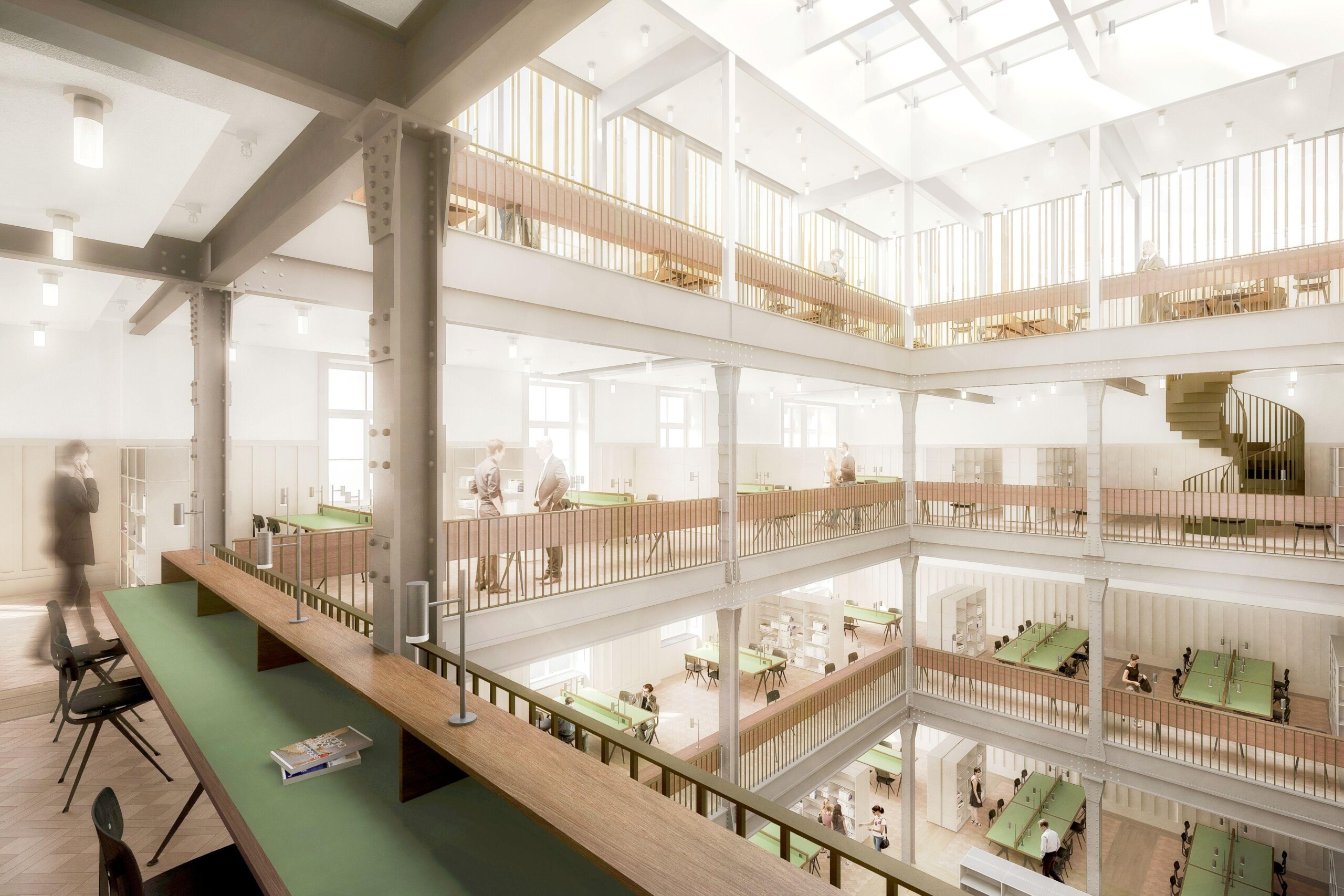
    The conversion project is based on the winning project from the 2019 architectural competition. The design by the “spillmann echsle / Takt” consortium combines respect for the historical building fabric with future-oriented educational architecture. The central atrium, a light-flooded inner courtyard with a glass roof, will be the centrepiece of the new learning space. At the same time, a public restaurant is being created on the ground floor in the former barracks canteens, including additional rooms for public-orientated uses.

    Sustainable renovation of a national cultural asset
    The technical, energy and structural renovation of the building is comprehensive. The badly damaged natural stone façade made of Bernese sandstone is being restored, windows replaced, modern building technology installed and a photovoltaic system installed on the main roof. In future, the building will be heated with district heating. The former barracks thus fulfils the highest standards in terms of energy efficiency and monument preservation.

    Investment in education and society
    With total costs of around CHF 180 million, the project is a significant contribution to educational and urban development. 122 million is earmarked for the renovation, while a further 58 million will go towards converting the building into an educational centre. The cantonal government and the cantonal council have already approved the funds. The school is due to open in spring 2029. A strong boost for Zurich as a centre of education and a symbol of the transformation of public spaces.

  • How Glarus became an architectural jewel

    How Glarus became an architectural jewel

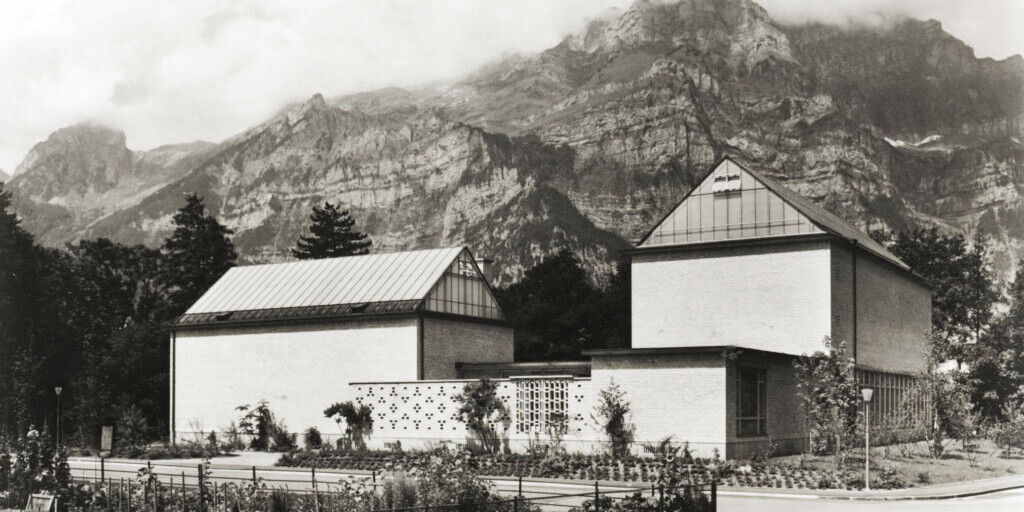
    When the art historian and diplomat Gustav Schneeli was looking for a location for his own museum in 1942, he found the perfect place in Glarus. The Glarus Art Association, which had been considering the idea of its own museum for decades, recognised the opportunity for collaboration. Schneeli made his Symbolist and Impressionist-influenced works available and promised 250,000 francs for a foundation. The foundation stone for today’s Kunsthaus.

    Architectural clarity with vision
    After Schneeli’s death in 1944, the architect Hans Leuzinger developed a project of remarkable consistency. The path led from classical approaches through numerous variations to a finely tuned lighting design. Scandinavian influences, careful site inspections and creative foresight formed a building that consciously distanced itself from monumental representational intentions and blended sensitively into the Glarus valley basin.

    Political hurdles, patient negotiations
    The realisation was anything but straightforward. Disputes over the location, delays caused by the war, critical voices from the administration and the community of heirs as well as the threat of the foundation’s withdrawal jeopardised the project on several occasions. It was only through diplomatic skill, architectural persuasion and tireless commitment that construction could begin on the last possible day, 15 July 1950.

    Art and architecture as a sign of the times
    The opening in 1952 was not only an architectural success, but also a strong signal for Glarus as a cultural centre. A cultural attitude manifested itself in a simple but expressive building that continues to have an impact today. Architect Reto Fuchs’ research reveals this masterpiece and its eventful construction history. The Kunsthaus Glarus stands for masterful architecture, the courage to take a stand and the idea of thinking big about culture in rural areas.

  • FORUM UZH Centre for Education and Research

    FORUM UZH Centre for Education and Research

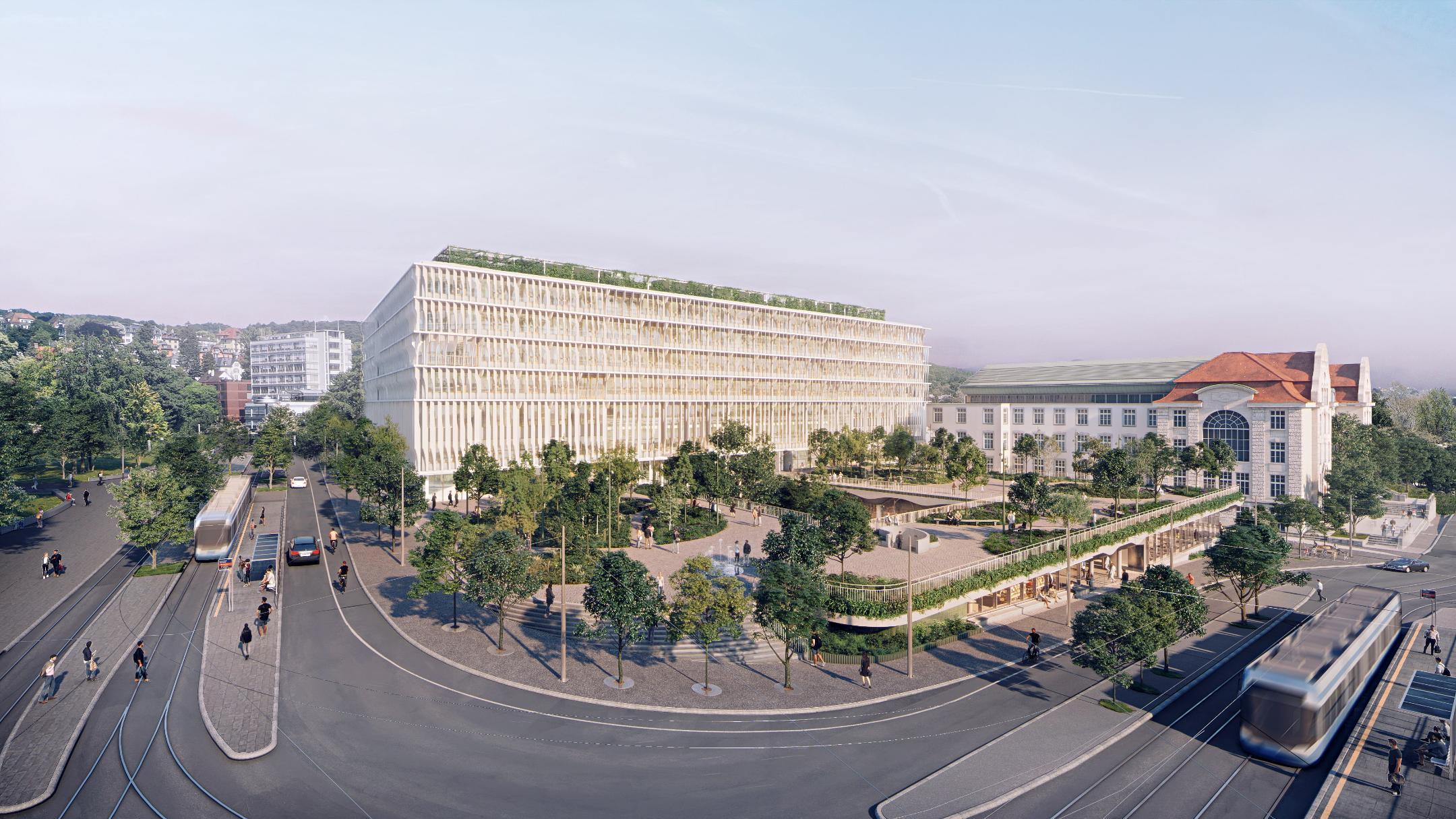
    The FORUM UZH is a milestone for the structural and academic development of the University of Zurich. The new building comprises a total of 37,000 m² of usable space and will not only accommodate the predicted growth in student numbers, but also set new standards in teaching, research and sustainability. The new centre will bring together the faculties of law, economics and modern philology. These will be complemented by modern libraries, sports facilities for secondary schools and the Academic Sports Association as well as publicly accessible cafeterias and commercial areas.

    Architecture and spatial concept
    The FORUM UZH consists of a terraced base for teaching and university life, a trapezoidal structure hovering above for research and a central courtyard. The structure is set back from Rämistrasse to create a spacious front zone with city balconies that blends in with the urban surroundings. The façade design with horizontal ceiling panels and vertical brise soleils gives the building a striking depth effect and allows for flexible light regulation inside.

    At the centre of the building is the eponymous Forum, a light-flooded hall that is a lounge, meeting and work space all in one. It connects all levels and can be used for university and public events for up to 2,000 people.

    Flexible learning environment and modern infrastructure
    The FORUM UZH offers a variety of innovative teaching and learning spaces. Five lecture theatres and several seminar rooms can be used flexibly and are equipped with state-of-the-art technology to enable hybrid teaching models. There will also be a spacious teaching and learning centre with over 700 student workstations. The university library will be united under one roof on the upper floors.

    Sustainability and innovative construction
    The FORUM UZH is based on a sustainable timber-concrete hybrid construction method that reduces CO² emissions while offering a high quality of stay. The intensively greened roof not only serves as a fifth façade, but also as an ecological compensation area with a habitat for flora and fauna. A photovoltaic system supplies its own electricity, while over 50 large trees on the redesigned town square have a positive impact on the microclimate.

    Thanks to the modular design, UZH saves as much CO² as would be released by the construction of 77 detached houses. The building will be certified in accordance with the SGNI Gold standard and Minergie P.

    Integration into the urban environment
    The FORUM UZH will not only be open to the university community, but also to the city’s population. The libraries, catering areas and neighbourhood shops will be open to the public and the Gloriaterrasse will be a green meeting place where people can linger. The urban design will create a direct link between the university quarter and the surrounding neighbourhoods.

    Construction schedule and next steps
    Following the completion of the preliminary project, construction work began in August 2024. Completion is scheduled for 2028 and the building will be occupied in 2029. Until then, students and researchers at the University of Zurich will be able to follow the development of this project of the century at close quarters.

  • Solar shading for historical architecture in Spain

    Solar shading for historical architecture in Spain

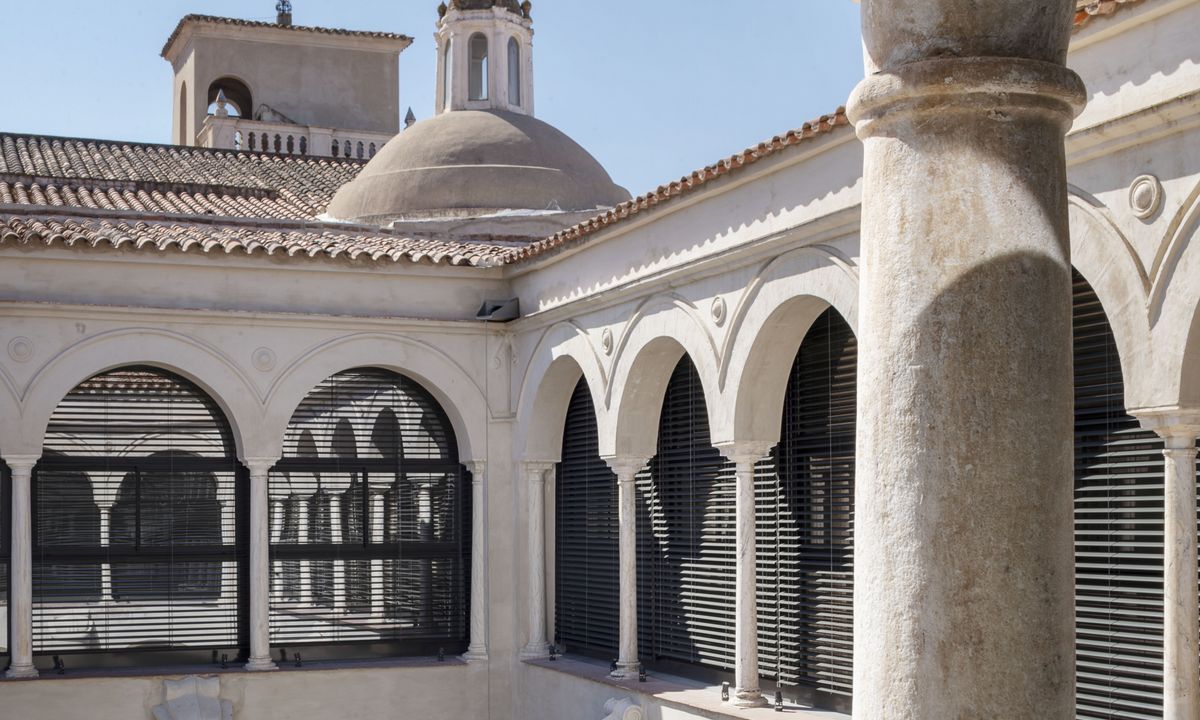
    Aadorf-based sun shading manufacturer Griesser is involved in the reconstruction and remodelling of the listed former San Agustín monastery in Badajoz, south-west Spain. This is being remodelled into a school of arts and crafts. According to a press release, the straight-lined building offers good conditions for an educational institution. In the past, the former monastery has been used as barracks, a courthouse and a school.

    The cloisters are also to be incorporated into the school during the current remodelling. Their arcades will be extensively glazed and require solar shading. Griesser is supplying its Solomatic 80 system for this purpose: the customised louvre blinds provide good shading on the one hand and a good supply of natural light on the other. Both the classic design of the slats and their colour scheme in RAL 7022, an almost anthracite grey shade, fit in with the historic appearance of the building.

    In addition, the incidence of daylight is controlled automatically. The resulting “harmonious atmosphere” is intended to increase “the students’ ability to concentrate and their sense of well-being”.

  • First construction phase in Unterfeld Süd in Baar starts in 2025

    First construction phase in Unterfeld Süd in Baar starts in 2025

    The owners Ina Invest and Estella Invest and the developer Implenia decided in favour of a digital project competition in which a digital 3D model was submitted instead of physical models. This made the jury process much easier, as different levels and elements could be flexibly combined and analysed. The winning design for the first construction phase, a combination of the proposals from Enzmann Fischer Partner AG and ORT AG, impressed with its innovative floor plans and a well thought-out design of the open space that harmoniously combines living and working.

    Open space design as the key to the attractiveness of the neighbourhood
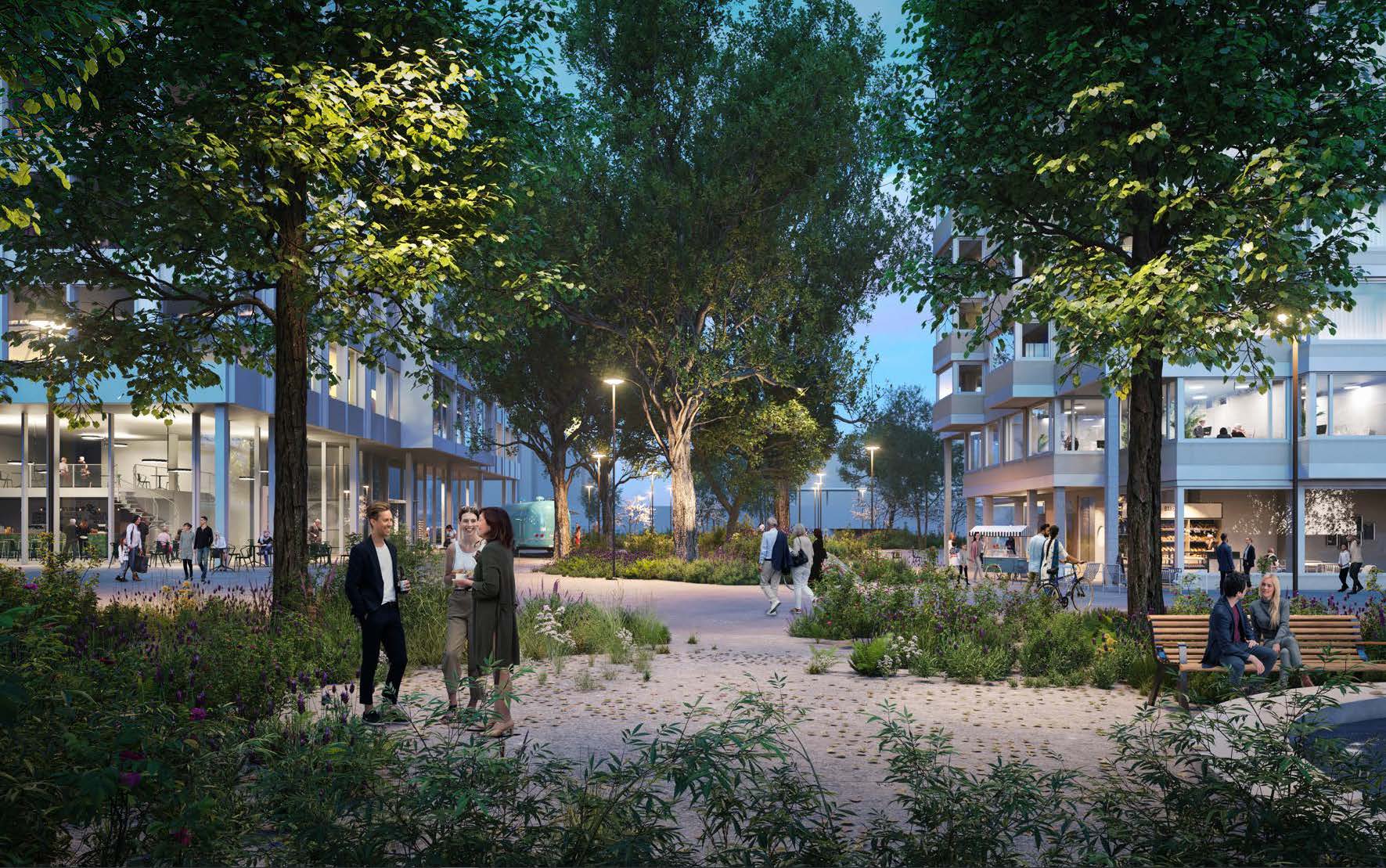
    The Unterfeld Süd neighbourhood will be enhanced by generous open spaces, which
    extend along the Stampfibach stream. An ecologically valuable green space is being created here that offers a wide range of uses. The central arrival square at the S-Bahn station will be transformed into an inviting place to meet and linger thanks to tall trees and green islands.

    High-rise building with a view to the future
    The 60-metre residential tower block in the first phase is impressive not only for its height, but above all for its well-thought-out floor plans and flexible room layouts. The generous windows offer impressive views from every flat, while the bay windows on the façade allow residents to enjoy both the outside and the inside of their own flat.

    Commercial building as a centre for dynamic companies
    The adjoining commercial building also focuses on flexibility. Two glazed inner courtyards create islands of light that can be used as break areas. With its flexible room structure, the building offers space for a wide range of uses – from small offices to larger rental spaces for anchor tenants.

    The second phase will provide affordable housing and flexible commercial space
    The second construction phase, the planning of which is already at an advanced stage, will focus on affordable rental flats and owner-occupied flats. The inner courtyard of the planned perimeter block development in the second phase will create opportunities for retreat and public meeting spaces in equal measure. The buildings along Nordstrasse are deliberately designed to minimise noise pollution. A referendum on the second stage will also be held in Baar in 2025.

    Sustainable architecture and flexible usage concepts
    The architecture of the buildings reflects the vision of a future-oriented neighbourhood. The combination of flexible living, versatile commercial space and well thought-out open spaces creates a lively and attractive cityscape. Particularly noteworthy is the combination of living and working, which is supported by well thought-out spatial concepts and attractive outdoor areas.

  • St.Gallen freight station site underestimated development area

    St.Gallen freight station site underestimated development area

    Urban areas are under increasing pressure. Rising population figures and limited space call for innovative solutions. Areas behind railway stations in particular often remain unused, although they offer valuable potential for urban development. One example of a successful conversion is Europaallee in Zurich. However, while new urban neighbourhoods are already being created in many places, the future of the St.Gallen freight station site is still open.

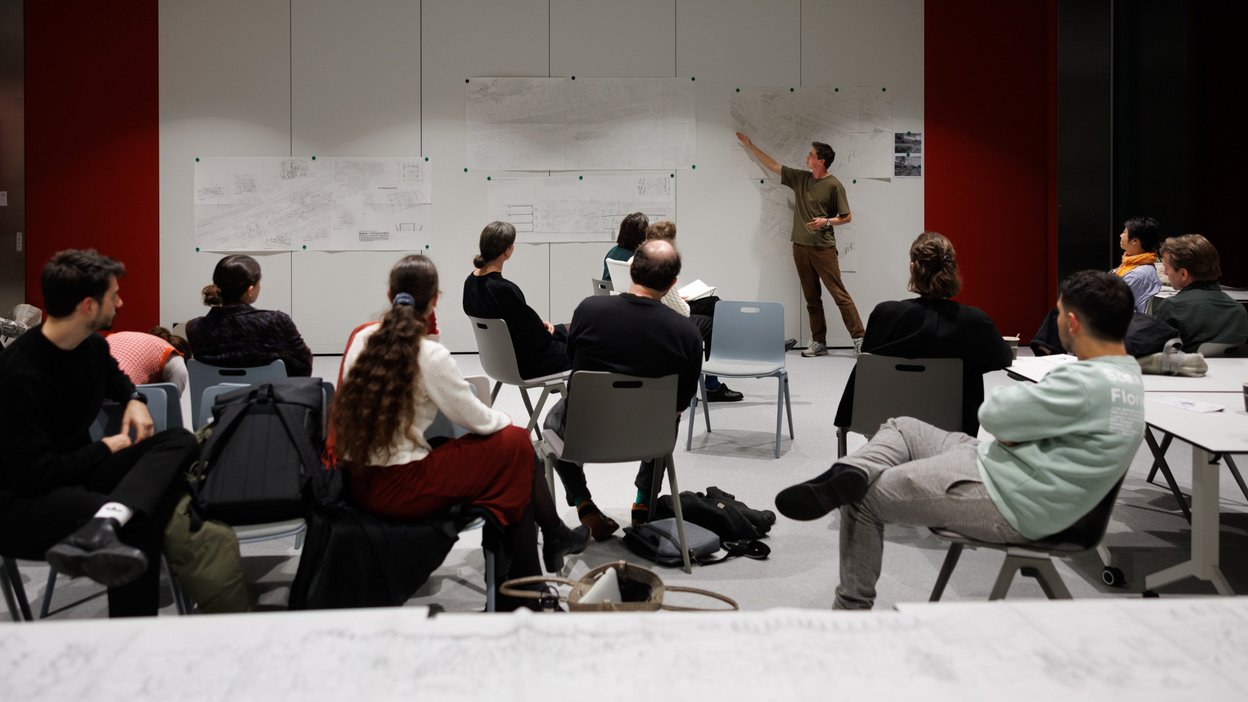
    Its development has been discussed for years, but different interests and perspectives have so far prevented a concrete realisation. This was the starting point for the course “Building the future – the importance of sectors for urban development”, which brought together architecture students from ETH Zurich with economics and sociology students from the University of St.Gallen.

    Interdisciplinary collaboration as the key to success
    The course combined architecture, urban sociology and economics to create a new approach to urban planning. “Architects of the 21st century learn from the building methods of the 20th century in order to develop sustainable models for the future,” explains Prof Momoyo Kaijima from ETH Zurich.

    The collaboration with sociologists and economists resulted in practice-oriented research that took into account not only urban planning concepts, but also social and economic aspects.

    Experiencing urban planning from new perspectives
    The students began their investigation with guided walks through the freight depot area, inspired by the sociologist Lucius Burckhardt’s “Spaziergangswissenschaften”. This method enabled them to experience the space not just as a planning object, but as a lived social place.

    “The study made it clear that even inconspicuous or derelict areas can play a decisive role in urban dynamics,” reports HSG student Livius Schönle.

    From observation to concept
    Based on interviews, observations and data analyses, the participants developed so-called “actor network drawings”, which they used to visualise complex relationships between the use of space, social groups and economic interests. Art painter Walter Dick also played a role in this, introducing the students to the basics of hand-drawing in order to visually represent their analyses.

    “The concrete experiences from the interdisciplinary collaboration show how important it is to be aware of the different ways of thinking,” emphasises Dr Niklaus Reichle from the University of St.Gallen. “Only if we think outside the disciplinary box can social challenges in dealing with space be tackled in a meaningful way.”

    Visions for sustainable urban development
    The students’ concepts ranged from multifunctional residential and working neighbourhoods to sustainable green spaces that integrate new recreational areas into the city. Some teams developed ideas for mixed-use buildings that combine social housing with commercial space, while others developed strategies for careful densification through innovative construction methods.

    A central theme was social integration: how can the freight depot area serve as a connecting element between existing neighbourhoods? How can open spaces be created that are both ecologically and socially valuable?

    Urban development as a joint task
    The research results emphasise that successful urban development requires more than just structural measures. Economic, social and ecological aspects must be considered together. The collaboration between ETH and HSG shows how different disciplines can learn from each other in order to make urban spaces sustainable and fit for the future.

    The city of St.Gallen could benefit from these findings: The freight yard site offers enormous potential for innovative neighbourhood development if the right course is set.

  • Swiss construction industry 2025

    Swiss construction industry 2025

    By 2025, sustainability will no longer be a trend, but a matter of course. Building certificates such as Minergie or SNBS and circular construction will take centre stage. Companies that reuse building materials and offer innovative solutions will secure decisive competitive advantages.

    Digitalisation enters the next round
    The digital transformation is reaching new dimensions. Technologies such as IoT, AI-based planning software and digital construction site management tools are being used more widely. At the same time, promoting digital skills among employees is essential in order to actively shape digital progress.

    Skills shortage remains a challenge
    The industry continues to be characterised by a shortage of qualified workers. Companies are increasingly investing in training and further education programmes, focusing on international recruitment and pushing ahead with automation. Modern working conditions and attractive corporate values are becoming increasingly important.

    Focus on urban development and densification
    Urbanisation calls for innovative concepts such as car-free zones, mixed-use districts and urban greening. At the same time, affordable housing remains one of the key challenges. Creative solutions are needed to meet the needs of the population.

    Energy and raw material prices
    The energy crisis and the cost of building materials remain a dominant issue. Local and sustainable building materials are gaining in importance, while legal requirements are driving the expansion of renewable energies. Solar installations and innovative heating systems are setting new standards here.

    Collaboration as the key to success
    The increasing complexity of construction projects requires closer cooperation between architects, engineers and technology providers. Companies that focus on partnerships benefit from synergies and can realise projects more efficiently.

  • A historical heritage in new splendour

    A historical heritage in new splendour

    in 1896, Richard Theiler laid the foundation stone for the Electrotechnical Institute, which later became world-famous as Landis Gyr, with the construction of the Theilerhaus. The importance of the Theilerhaus for the people of Zug cannot be denied and its preservation became a priority in 1989 when the Canton of Zug acquired the site in order to preserve it for future generations.

    Preservation of historical substance
    The Canton of Zug has developed a comprehensive concept entitled “The Theilerhaus and its spirit”. This outline of ideas aims to preserve the “spirit” of the buildings and to bring together aspects of economy, technology, architecture and culture in a holistic framework.

    Refurbishment in keeping with the heritage
    The maintenance measures extend to all existing old buildings, focussing on earthquake safety, fire protection and accessibility. The renewal of windows, sun protection and roof cladding as well as the insulation of the Shedhalle are important steps towards meeting the requirements. The new building in the eastern area respects the historical substance and creates an appealing overall urban structure.

    A new urban accent
    The planned new building complements the urban ensemble and consists of a five-storey head building and a four-storey intermediate building. This design, which is connected to the high-rise building by a modern stair tower, blends harmoniously into the existing surroundings and strengthens the identity of the site.

    The Shedhalle as a cultural, creative space
    Once the renovation work has been completed, the Shedhalle will not only function as a place of remembrance of the past, but also as a lively space for cultural and artistic events. This use offers added value for the people of Zug and emphasises the versatility of the site and its relevance in today’s world.

    Forward-looking project
    Overall, this project represents a significant step in the urban development of the Canton of Zug and should benefit future generations. The planned measures emphasise how important it is to view historical heritage as part of a living, constantly evolving society and to shape it accordingly.

  • Global competition for sustainable design launched

    Global competition for sustainable design launched

    Since 1 October 2024, projects can be submitted for the Holcim Foundation Award 2025. This competition honours sustainable design projects that are in the late planning phase or already under construction. One condition: construction must not be completed before 11 February 2025. Prize money totalling USD 1 million is available, which will be divided among 20 winning projects worldwide.

    Evaluation criteria and regions
    The submissions will be evaluated by renowned expert juries consisting of architects, engineers and urban planners. Projects will be judged against the Holcim Foundation’s four key objectives for sustainable construction: creating liveable places, protecting the planet, supporting communities and ensuring economic sustainability. The juries operate in five regions: Asia Pacific, Europe, Latin America, Middle East & Africa and North America. Leading personalities such as Sou Fujimoto (Asia-Pacific) and Jeanne Gang (North America) chair the juries.

    Awards and recognition
    Four projects per region will be awarded USD 40,000 each, with one project also receiving a special prize of USD 40,000. The winners will be invited to the award ceremony in Venice on 20 November 2025, with travel expenses covered by the Holcim Foundation.

    Enter now!
    Entry is free of charge and the deadline for submissions is 11 February 2025. For detailed information and to enter, visit the official website – awards.holcimfoundation.org. Take this opportunity to become a part of the change and promote sustainable projects!

  • Innovative sun shading for modern hotel project in Locarno

    Innovative sun shading for modern hotel project in Locarno

    The Dorint Resort & Spa in Locarno/Riazzino opened in late summer this year after a three-year construction period, Griesser announced in a press release. The internationally active developer of sun protection for buildings from Aadorf contributed the façade awnings to the four-star hotel. Specifically, the Griesser products Solozip II and Soloscreen IV were installed.

    “In addition to reliability and low maintenance, I decided in favour of the Solozip façade awnings because of their elegance,” Simone Garofoli from TIGESTIM, the architectural firm responsible for the project, is quoted as saying in the press release. “This product also fits perfectly with the architectural linearity of the façade.” When choosing the Soloscreen, the vertical awning from Griesser impressed with its colour scheme and discreet structure: “The option of black wire ropes makes the support structure almost invisible, bringing the fabric’s weave to the fore,” explains Garofoli.

  • Successful design for Eichmatt residential development in Villmergen

    Successful design for Eichmatt residential development in Villmergen

    Spreitenbach-based fsp Architekten AG has won first place in the competition for the study contract for the MW Eichmatt Villmergen project, according to a press release. The assessment committee unanimously decided to recommend the Janus project by fsp Architekten AG and landscape architects Appert Zwahlen Partner AG in Cham ZG to the client for further development and realisation. It was the “most convincing project proposal overall”, according to the press release from fsp.

    The new Eichmatt-Villmergen residential development is located on the outskirts of the village. Adjacent to the agricultural zone, this development offers 112 modern 2.5 to 4.5-room flats in three-storey buildings. Balconies and garden seating areas are consistently south-west facing. The arrangement of the twelve buildings provides generous open spaces. The existing Eichmatt Süd development was realised to the Minergie standard.

  • A double kindergarten that sets standards

    A double kindergarten that sets standards

    The concept of the new kindergarten is impressive. In addition to a kitchen and a therapy room, the basement houses all the necessary areas for building services, storage, cleaning and outdoor equipment. Thanks to the recessed design, the plinth level is discreet and creates outdoor areas that can be used in a variety of ways and are protected from the weather. Barrier-free access is ensured by a new route from the main entrance on Charlottenweg.

    The kindergarten floor rises from this solid base and is divided into three “houses” with tent roofs. Each of these “houses” serves specific purposes and offers the children individual main and group rooms. The architectural design with the tent roofs, which are also visible in the interior, creates a special atmosphere that allows for a multi-layered spatial experience thanks to the combination of floor and “ceiling sky” as an additional room boundary. A gallery in the main rooms complements the space and offers the children places to retreat and observe.

    The new building will cost almost CHF 3 million, with the building itself costing around CHF 2.2 million. Additional costs will be incurred for furniture, landscaping, the connection to district heating and unforeseen expenses.

    A project with vision
    The architectural firms Berger Hammann Architekten AG and BRH-Architekten AG impressed the jury with their design. The timber construction and well thought-out room layout were decisive factors in the decision. The project, which is reminiscent of a “forest hut ensemble”, blends in perfectly with the natural surroundings of Charlottenfels.

    Completion of the new double kindergarten is planned for late summer 2025.

    Neuhausen invests in the future
    The population of Neuhausen is constantly growing due to the construction of new residential complexes. In addition to the Charlottenfels double kindergarten, which will open in autumn 2025, further school space expansions are planned.

    These investments in education and infrastructure are clear signals for the future of Neuhausen. The municipality is focussing on qualitative growth and sustainability in order to meet the requirements of dynamic population development.

  • Foundation stone laid for new Tösstal campus in Winterthur

    Foundation stone laid for new Tösstal campus in Winterthur

    The ground-breaking ceremony for the new building of the Winterthur Vocational College marks the beginning of a new era in educational infrastructure. The modern campus will provide space for a growing number of students and enable modern training in the specialist areas of retail and care. Thanks to well thought-out planning, construction work has been progressing rapidly since the start in February 2024.

    The new school infrastructure, right next to the Wiesental and Mühletal sites, allows previously separate school locations to be brought together. The “Campus Tösstal” will provide space for up to 1000 students in the future. In addition to traditional classrooms, open learning niches will provide space for individual and collaborative work. The flexible building structure makes it possible to easily integrate future spatial requirements.

    Sustainable architecture sets standards
    The building meets the Minergie-P-Eco standard and the Gold Standard for Sustainable Building Switzerland. A green roof and photovoltaic system contribute to an ecological balance and a better urban climate. The building will also be connected to the city’s district heating network, combining energy efficiency and sustainability. Completion is scheduled for spring 2027.

  • A new standard in the canton of Zurich

    A new standard in the canton of Zurich

    Protect birds, prevent collisions
    Environmental protection is the focus of this new law, which is intended to protect avian fauna. According to estimates, over three million birds lose their lives in Switzerland every year as a result of collisions with mirrored façades and window panes. In future, new buildings are to play a pioneering role here and take measures to prevent such tragedies. The Cantonal Council today decided at first reading that planning must take bird safety into account in future. Following the successful vote of 147 votes to 30, the bill will now be passed to the drafting committee and is expected to be formally enshrined in law in around four weeks.

    Room for manoeuvre for sustainable solutions
    However, the discussion about the exact wording led to controversial debates. While the SP called for a more comprehensive regulation that would also include existing buildings, parliament agreed on the current compromise. “It is crucial that we implement bird protection now, even if we would have liked more,” emphasised Theres Agosti from the SP. Thomas Forrer from the Greens also expressed the wish that larger conversions should also be included in the new bird protection article.

    Challenges for developers and authorities
    While some parliamentary groups supported the initiative, the FDP expressed reservations and saw no urgent need for action. They argued that the existing legal framework was already sufficient and that plans that endanger birds should not be authorised. Nevertheless, Agosti emphasised that there was often insufficient awareness of the problem of bird protection and referred to examples such as the Winterthur Cantonal Hospital, which caused hazards due to transparent glass railings.

    Green Building Director Martin Neukom also recognised the dangers posed by glass and emphasised that a comprehensive law would be important to ensure a sustainable future. Nevertheless, the cantonal government expressed concerns about the additional workload for building owners and authorities and ultimately rejected the bill.

  • Buildings as carbon sinks

    Buildings as carbon sinks

    The construction industry is one of the largest CO2 emitters in the world. However, projects such as “Beyond Zero” and the “Mining the Atmosphere” initiative could turn the tide. The aim is not only to reduce the harmful greenhouse gas, but to actively bind it in building materials. These materials, which are being tested in the new NEST unit, could revolutionise concrete and insulation materials and have the potential to make the construction industry climate-neutral or even CO2-negative.

    Technology undergoing practical testing
    Nathalie Casas from Empa explains that “negative emissions technologies” (NET) are the key to achieving climate targets: “We need to remove excess CO2 from the atmosphere in order to achieve the 1.5-degree target. NETs, which already work in the laboratory and are now being used in the construction industry, will help us achieve this.” Casas emphasises the urgency of taking action as emissions continue to rise.

    Sustainability in the construction industry
    Corinne Reimann from Implenia sees NET as a great opportunity for the construction industry: “The new materials will finally enable us to make decisive progress in the area of sustainability. The industry has enormous leverage here, but also challenges. Price and acceptance will be crucial.” Reimann emphasises that the functionality and cost-effectiveness of new materials must be ensured in order to enable their widespread use.

    The contribution of architects and planners
    Christoph Kellenberger, co-founder of OOS, sees the early involvement of architects and planners as a decisive factor: “With our knowledge, we can help develop the right building materials from the outset and integrate them into construction practice. We also need to publicise the potential of CO2-storing materials in the industry and show what effects can be achieved with them.” For Kellenberger, the key to success lies in transparent knowledge transfer and practical solutions.

    Political framework conditions and social responsibility
    In addition to technological innovation, the construction industry also requires political and economic framework conditions. According to Casas and Kellenberger, clear cost transparency is necessary in order to promote the widespread use of NET. CO2 emissions must be priced fairly and subsidies could help to offset the initial higher costs of the new materials. “The transformation will only succeed if everyone pulls together – politics, business and society,” says Casas.

    The “Beyond Zero” project shows that it is possible to turn buildings into carbon sinks. However, this requires not only technological solutions, but also the will of politics, business and society to break new ground. The construction industry has the opportunity to develop from one of the largest CO2 emitters into a pioneer of the climate transition – and the potential to do so already exists today.

  • New findings on the stiffness of timber structures

    New findings on the stiffness of timber structures

    Timber buildings are experiencing an upswing in Switzerland. With their sustainability and aesthetics, they are becoming increasingly popular, even for multi-storey buildings. But how can it be ensured that these structures can withstand the forces of wind and earthquakes? This is a question that occupies building researchers, especially when planning timber buildings up to 75 metres high. This is because the right bracing and supporting structures must be in place to ensure that timber buildings remain stable even under extreme conditions.

    Research in this field has made considerable progress in recent years. One particularly exciting tool is the shaker, a two-tonne device that is used in Empa’s largest laboratory in Dübendorf. The shaker simulates earthquakes and strong winds by causing building models to vibrate. In this way, the vibration behaviour of the buildings is examined under real conditions and the models for calculating stiffness are refined.

    The shaker in action
    For the open day on 14 September 2024, the shaker will be demonstrated in Empa’s construction hall in Dübendorf. This is not just about scientific research – visitors will get a direct insight into the work of the engineers. René Steiger, Pedro Palma and Robert Widmann, structural engineers at Empa, will give an impressive demonstration of how the shaker causes a structural model to vibrate, thereby analysing the behaviour of the weight and stiffness distribution.

    This research is of great importance, as ever taller timber buildings are being erected in Switzerland. While most buildings remain in the 4- to 5-storey range, projects with more than 20 storeys demonstrate the potential of timber as a building material. However, ensuring the stability of such buildings requires precise calculations and practical tests such as those carried out with the Shaker.

    Complex requirements for timber construction
    The challenge with multi-storey timber buildings lies not only in the load-bearing capacity of the walls, but also in the balance between rigidity and flexibility. Whilst thicker components and additional load-bearing walls are often seen as a solution, they can lead to increased costs. Sometimes it is even more favourable if a structure reacts flexibly to earthquake shocks to a certain degree. These nuances must be taken into account in the computer calculations, and this is precisely where the shaker provides valuable data from practice.

    The experiments in the construction hall and on real buildings, such as in Oberglatt in the canton of Zurich, show how the supporting structure gains rigidity during various construction phases. For example, the researchers were able to observe exactly how the load-bearing capacity of the buildings changed when load-bearing walls, non-load-bearing walls and windows were installed.

    Practical data for planners and architects
    For a long time, planners relied on mathematical approximations to determine the dynamic properties of timber structures. These values were often based on tests from Japan and North America, but due to different building regulations and requirements, they are not readily transferable to Switzerland. This is where the work of the Empa researchers comes in: The shaker and the measurements on real buildings provide precise data on stiffness and damping that is specifically tailored to local building requirements.

    This provides construction engineers and architects with reliable information to optimise their planning and use wood as a material efficiently and sustainably. The knowledge gained will help to further develop standards and guidelines and strengthen timber construction as a competitive solution for multi-storey buildings.

    Wood as a building material of the future
    Empa’s research results show that wood has enormous potential as a building material for multi-storey buildings. The use of the shaker provides construction engineers and architects with practical data that makes it possible to design timber buildings more safely and efficiently. By combining modern technology and scientific expertise, Empa is making a decisive contribution to advancing timber construction in Switzerland and establishing it as a sustainable alternative in the construction industry.

  • Four Swiss companies win gold at the best architects awards 2025

    Four Swiss companies win gold at the best architects awards 2025

    A total of 46 Swiss architecture firms have been recognized at the best architects awards 2025. With Inches Geleta, EMI Architects, Nicolas de Courten and Studio DIA, four of them received a gold medal. The best architectural projects of the year in Europe are published annually in a book by the Düsseldorf-based advertising agency Zinnobergruen GmbH. The selection is made by an international jury of architects. A total of 91 awards were presented at the current best architects awards, eight of which were gold.

    Inches Geleta from Locarno TI received the gold award for the extension of the elementary school in the Vaganello district of Lugano. EMI Architekt*innen from Zurich was honored for the terraced houses on Stockmattstrasse in Baden AG. Nicolas de Courten from Lausanne qualified for gold with a long, meandering building complex in the Plaines-du-Loup district of Lausanne. Studio DIA from Bern received a gold medal for the Stromboli cooperative residential building in Bern.

  • Sustainable solar shading in the Olympic Village

    Sustainable solar shading in the Olympic Village

    The French architecture firm KOZ is one of the main architects commissioned to build the Olympic Village in Paris. For the shading in the Belvédères neighbourhood of the village, KOZ relied on the Thurgau-based company Griesser. The internationally active developer of solar shading products for buildings has equipped various buildings in Belvédères with three different solar shading solutions.

    On the one hand, 265 slat blinds of the Lamisol 70 model were used, explained Griesser in a press release. A total of seven units of the Grinotex III slat blind model were installed. The sun protection was completed by 108 Tradi PUR roller shutters. Together, the sun shading solutions create a pleasant indoor climate and help to save heating and cooling energy.

    “Griesser has prevailed with its quality products,” the architectural firm KOZ is quoted as saying in the press release. “In addition, the solar shading products have already proven their worth in other projects.” For the Olympic Village, KOZ decided in favour of a metallic pink shade of slat blinds and roller shutters specially developed by Griesser for the project.

  • Award for innovative circular economy in the construction industry

    Award for innovative circular economy in the construction industry

    Researchers from Lucerne University of Applied Sciences and Arts(HSLU) have won the Sustainability Challenge organised by the German Sustainable Building Council(DGNB) together with the Technical University of Munich(TUM). According to a press release, the circularWOOD project was awarded first place in the research category. Sonja Geier, Deputy Head of the Competence Center Typology & Planning in Architecture(CCTP) at HSLU, and Sandra Schuster from TUM accepted the award in Stuttgart on 18 June 2024 as part of the DGNB’s Sustainability Day.

    The CO2-neutral and ecologically high-quality raw material wood is becoming increasingly popular in the construction industry The circularWOOD research project aims to introduce this important raw material into a circular economy. “Today, wood does not remain part of the material cycle long enough,” Sonja Geier is quoted as saying in the press release. According to the press release, circular construction with the CO2-neutral building material wood will make an important contribution to achieving climate protection goals.

  • New Master’s programme for urban change

    New Master’s programme for urban change

    From the start of the 2025 autumn semester, the School of Architecture, Civil and Environmental Engineering(ENAC) at the Swiss Federal Institute of Technology Lausanne(EPFL) will be offering a Master’s degree in the challenges of urban change. A Master’s degree in Urban Systems will enable ENAC students to become specialists in adapting cities and surrounding areas to climate change, according to a press release from EPFL.

    In view of climate change, Switzerland needs to equip itself with experts in urban management in the broadest sense, according to the EPFL. The new Master’s degree programme has been developed in collaboration with practitioners. It offers graduates of the ENAC Bachelor’s degree programmes in Civil Engineering and Environmental Engineering the opportunity to specialise in the sustainable transformation of cities and surrounding areas. The Master’s programme is also open to other related disciplines, including architecture, provided they submit an application.

    The programme has three specialisations: Mobility and Transport in a Changing Climate, Sustainable Transitions in Urban Systems and Health and Wellbeing in the Urban Environment.

    At the end of the programme, students receive an EPFL Master of Science MSc in Urban Systems. This diploma entitles them to use the title EPF qualified engineer.

  • Hybrid construction methods using wood, concrete and steel

    Hybrid construction methods using wood, concrete and steel

    Integration and connection technologies
    A significant challenge in hybrid constructions lies in the integration of different materials. When joining wood and concrete, special fasteners must be used to take into account the different properties of the materials, such as the moisture sensitivity of wood.

    Developing an understanding of mixed-structure components
    Hybrid components combine two or more materials that are carefully selected for their specific properties. An example of this is the combination of concrete, which can absorb compressive forces, and steel, which is responsible for tensile forces. This combination results in innovative constructions that could not be realised with the individual materials alone.

    Applications in the field of prefabricated components
    In the field of prefabricated construction, hybrid construction methods are used in particular for the production of large and heavy components. Here, the components are first manufactured separately and later joined together to form a complete unit. This approach enables a more flexible design and simplifies transport and assembly.

    Revolutionary combinations for ceilings
    Innovative ceiling constructions with a sandwich cross-section use hybrid technologies to produce robust yet lightweight components. This advanced technology allows the integration of installation systems and contributes to the energy efficiency of the building.

    Combining wood and concrete
    The combination of wood and concrete in ceiling structures offers the opportunity to combine the strengths of both materials and compensate for their weaknesses. Wood can take on the load-bearing role, while concrete is used for sound insulation and the integration of heating or cooling systems.

    Innovative advances in the future
    The further development of hybrid construction methods strives to enable more efficient, more cost-effective and more environmentally friendly construction techniques. This includes improved manufacturing processes, increasing load-bearing capacity and speeding up the construction process. Overall, hybrid construction represents a forward-thinking approach to construction that combines the benefits of different materials to create efficient, sustainable and aesthetically pleasing structures.

  • What will be built in the university area over the next few years

    What will be built in the university area over the next few years

    The ambitious project envisages the construction of new buildings for medical care, education and research as well as an overall upgrading of the university area. The redevelopment includes the former underground drinking water reservoir on Rämistrasse at the heart of the area, which will be converted into a café with indoor and outdoor seating. This project, overseen by SQUADRAT Architekten, integrates parts of the historic water halls and creates an inviting public space.

    Another highlight is the redesign of Rämi and Gloriastrasse, which will offer more space for pedestrians in future and reduce noise levels through traffic calming measures. The aim of redesigning these axes is to improve mobility and at the same time increase the quality of life.

    The FORUM UZH, a new university building opposite the main UZH building, will house teaching and research on nine floors and will also include a canteen and shops. The building is due to be completed by the end of 2029 and will provide a modern workplace for around 6,000 students and staff.

    Preliminary work has already begun on the construction of the University Hospital’s new MITTE campus. This renewal of the medical infrastructure will revolutionise patient care and set the course for the medicine of the future.

    These and other projects in the HGZZ underline Zurich’s commitment to education, research and healthcare. They not only contribute to urban development, but also promote scientific excellence and strengthen Zurich’s position as a leading centre for innovation and knowledge.

  • A balancing act between aesthetics and functionality – façade greening

    A balancing act between aesthetics and functionality – façade greening

    The greening of buildings has been an integral part of architectural design since ancient times, from the Hanging Gardens of Semiramis to the green façades of modern metropolises. Today, green façades are not only used for aesthetic enhancement, but also for practical benefits: They improve the microclimate, provide protection against heat, filter fine dust, promote biodiversity and have a sound-absorbing effect. They also protect the building from the weather and potentially increase the property value.

    Challenges and solutions
    Despite the obvious benefits, there are legitimate concerns about potential damage to the building fabric caused by plant roots or moisture. However, modern greening systems, such as wall-mounted and ground-mounted techniques, offer solutions that minimise the risk. Wall-mounted systems, including linear, modular and flat designs, allow precise control over growth and water supply and are particularly suitable for new buildings. The choice of plants depends on the local conditions and the chosen system, with self-climbers and scaffold climbers being popular options.

    Future prospects
    Careful planning is essential for the successful integration of façade greening into the urban environment. In addition to the aesthetic component, functional aspects such as fire protection and maintenance must also be taken into account. Cooperation between architects, urban planners and building owners plays a decisive role in sustainably utilising the many benefits of façade greening and designing urban living spaces for the future.

  • Competition for Zurich district prison decided

    Competition for Zurich district prison decided

    The plan to modernise Zurich District Prison to make it fit for purpose has reached an important milestone. A project led by RW+ Gesellschaft von Architekten mbH from Berlin won the competition to redesign the prison and thus improve the conditions of detention.

    Zurich District Prison, located in District 4 and right next to the largest court in the Canton of Zurich, the District Court, is about to undergo a transformation. After comprehensive studies and the realisation that the current structures no longer met modern standards, the decision was made to build a new building.

    The need for a new building became apparent when guidelines regarding cell size, lighting and the number of ancillary rooms were met. The winning project makes reference to the T-shape of the building and creates a harmonious link between the various buildings in the district complex. Particularly noteworthy is the clever unbundling of routes for inmates, staff and visitors, as well as the secure accessibility to neighbouring judicial buildings. One significant change is the reduction in cell places from 153 to a maximum of 90, which underlines the focus on resocialisation and improved prison conditions.

    The selected concept is to be developed into an approvable construction project by 2026 and then submitted to the cantonal government and cantonal council for approval. If approved and in the absence of any appeals, construction work could begin in 2028.

  • Wipkingen church becomes an educational space

    Wipkingen church becomes an educational space

    The Wipkingen church is a remarkable example of adaptive space utilisation. No longer used for church services since 2019, it is now intended to meet the space requirements of the neighbouring Waidhalde school complex. A concept developed by Vécsey Schmidt Architekten BSA SIA in collaboration with Anderegg Partner AG won the architectural competition and promises a cautious yet future-oriented transformation. A newly installed ceiling allows for the creation of a multi-purpose room, a library and catering facilities at ground floor level, while the upper floor offers flexible usage options under the historic church vault.

    André Odermatt, Head of Building Construction, emphasises the importance of this initiative: “The intelligent conversion of existing buildings is essential in order to meet current challenges in urban areas.” The project not only provides solutions to the urgent need for school space, but also strengthens cooperation between the city and the church.
    Thanks to this conversion, the necessary rooms for six to eight additional classes will be created by the 2031/32 school year. Filippo Leutenegger, Head of School, sees this as an example of the effective utilisation of creative solutions.

    The cooperation with the Reformed parish of Zurich has already borne fruit and plans to open up further church buildings for charitable purposes. The project in Wipkingen is just the beginning of a series of initiatives that prioritise community benefit.

    The estimated construction costs amount to CHF 7.5 million, with completion planned for 2026, in time for the start of school in 2026/27. This project marks an important step in Zurich’s evolutionary urban development by showing how historical substance can be meaningfully brought into the future.

  • Greencity Vergé sets new standards in sustainability

    Greencity Vergé sets new standards in sustainability

    Vergé is more than just a residential project, it is a response to the pressing issues of urban coexistence and ecological responsibility. Located in the south of Zurich on a former industrial site, Vergé stands for the transition to a new understanding of housing that both takes into account the needs of its older residents and actively contributes to the quality of urban life.

    Vergé’s design combines modern architecture with ecological sustainability. By using renewable and lightweight materials, the project not only sets design accents, but also makes an important contribution to reducing the ecological footprint. The design of the inner courtyard as a social meeting place and the careful selection of planting promote biodiversity and offer residents a place of retreat in harmony with nature.

    An often underestimated lever lies in the choice of materials for the interior walls. According to Lennart Rogenhofer, Chief Climate Officer at Losinger Marazzi AG, using non-load-bearing interior walls made of lightweight construction instead of concrete can lead to a reduction in CO2 emissions of around 50%. Similar savings can be achieved if a wooden façade is used instead of a concrete and plaster façade. This is in line with the aim of using sustainable and minimally processed raw materials. Losinger Marazzi has also decided to use CO2-reduced concrete in its projects as far as possible. The reduction in grey emissions with a slimmer supporting structure, which minimises the amount of concrete by optimising the slab thicknesses and column grids, is difficult to quantify. Rogenhofer explains: “This is because no ‘non-optimised’ project exists as a comparison.”. Greencity, with the last building site Vergé, impressively demonstrates that the property sector plays a key role in achieving the climate targets. Through the use of heat recovery technologies and integration into the local heating network, the aim is to achieve a largely autonomous energy supply, with certification in accordance with the SNBS Gold Standard.

    By focussing on sustainable and energy-efficient construction, not only can the quality of life of the residents be improved, but a decisive step towards a more sustainable future can also be taken.

    The project is being built by Losinger Marazzi, which has positioned itself as a pioneer in sustainability in the property and construction industry for almost 20 years and is consistently implementing its climate strategy, which follows the strategy of its parent company Bouygues Construction. The company has been SBTi certified since the end of 2023 and remains a leader in sustainability. This certification confirms that the company’s own CO2 reduction targets for direct and indirect corporate emissions (incl. Scope 3) have been calculated in accordance with international standards (GHG Protocol) and are in line with the Paris climate targets. An external, independent auditing company also verifies that the certified companies achieve their targets not through CO2 offsetting, but through actual CO2 reduction. For this reason, a CO2 reduction pathway was already drawn up in 2021 to guide strategic decisions.

  • Leading by example: circular building in the city of Zurich

    Leading by example: circular building in the city of Zurich

    The circular economy is an important lever for achieving the political net-zero targets. Like many other cities around the world, Zurich is also committed to the circular economy: in 2022, a strategy for the circular economy was adopted with “Circular Zurich”. in 2023, Zurich became the first Swiss city to sign the “Circular Cities Declaration”.

    The intelligent use of resources is particularly important in construction. With the “Charter for Circular Construction”, politicians and businesses set an example in 2023 and made a joint commitment to conserving primary resources and landfill space and reducing CO2 emissions from their own construction activities.

    Initial findings from two pilot projects
    But how do the political commitments affect specific construction projects? What challenges does circular construction pose? And how are the planning and construction processes changing? The City of Zurich’s Office for Buildings is gaining answers to these questions through two pilot projects.

    The city gained initial experience with the procurement, storage and processing of reused building components during the renovation of the Mööslistrasse 2023 kindergarten (Bischof Föhn Architekten, Zurich). Washbasins and toilets were dismantled, cleaned and refurbished on site. Plant troughs from the balconies were reused as outdoor space boundaries. Where possible, the built-in furniture was sourced from the city’s own stock. Thanks to component screening, steel beams, wooden pergolas, fire doors and kitchen elements from other buildings were identified, dismantled and reinstalled. So-called “component hunters” were deployed for everything that was not found in the city’s used parts warehouse.

    The second pilot project, the new “Juch-Areal” recycling centre, is much more comprehensive. The Office for Buildings launched an architectural competition with re-use requirements for the project in 2022. The competition participants were able to use a digital catalogue of components or use other available components from non-urban sources for their designs. The buildings also had to be designed in such a way that they could later be used as a component mine themselves (design for disassembly).

    The projects submitted show that it is possible: Yes, it is possible. The jury was particularly impressed by the high quality of the competition entries, which were created despite – or perhaps thanks to – the new specifications. The building material of the winning project by Graber Pulver Architekten AG (Zurich) dismantles the hall of the previous recycling centre and rebuilds it at the new location with only minor adjustments. Disposed books, magazines and clothes are used as insulation material. Sheets of recycled glass and aluminium, old kitchen covers, doors and table tops protect the façade from the weather. Discarded scaffolding is turned into storage shelves.

    It is in the nature of things that pilot projects precede a standardised introduction on a broad scale. This is also the case with circular construction. The realisation of the two projects in Zurich shows that many questions still need to be clarified: How can components be catalogued? How can availability be checked? Where will they be stored? Who assumes legal liability?

    The planning and construction processes will change as a result of cycle-orientated construction, because the component mines must be known as early as possible, preferably at the beginning of the planning phase. Building Information Modelling (BIM) facilitates the reuse of components, the planning of their dismantlability and the development of future component mines.

    Significant savings in indirect greenhouse gas emissions in the pilot projects
    The pilot projects show that this approach is worthwhile. According to a subsequent calculation, the consistent reuse of building components saved a good 30% of greenhouse gas emissions during the renovation of the Mööslistrasse kindergarten. Current calculations even predict a 40% saving in greenhouse gas emissions for the Juch-Areal recycling centre compared to a conventional new building.

  • Halter establishes competence centre for urban development and architecture

    Halter establishes competence centre for urban development and architecture

    Schlieren-based real estate developer Halter is creating a new centre of excellence for urban planning and architecture. According to a press release, it will be set up within the company under the responsibility of Christof Glaus, former Senior Partner at Stücheli Architekten in Zurich. The centre will support the areas of developments, overall services and renovations, particularly in the early strategic phases of project development. The establishment of the competence centre is scheduled to begin in April.

    As a Halter Group company, Halter AG shares the vision of establishing a circular economy in order to achieve the net-zero sustainability target for all projects. This requires a structural change in the property and construction industry that promotes and demands integrated collaboration models, the company continues.

    The new team for urban development and architecture is directly affiliated to the CEO of Halter AG and supports the areas of development, overall services and renovations in the early strategic phases of project development with urban development and architectural feasibility studies. The close and cooperative partnership with external, recognised urban planners, architects and open space planners remains of central importance.

    “In Christof Glaus, we have gained a renowned urban planner and architect who has been responsible for many outstanding designs and their realisation during his successful career,” says Maik Neuhaus, CEO of Halter AG. Glaus’ skills as a jury member or chairman of numerous competitions are also undisputed.

  • Innovation Park Zurich gets its first new buildings

    Innovation Park Zurich gets its first new buildings

    The first development phase of the Zurich Innovation Park on the airfield site in Dübendorf is taking shape, the operator announced in a press release. Construction work on a total of seven new buildings on the apron of the site is set to begin this year. The projects were selected from a total of 28 proposals submitted last year in a global architectural competition.

    The projects now selected were developed by the architectural firms E2A, Roger Boltshauser, Mulder Zonderland and TEN from Zurich as well as Muoto from Paris and 3XN from Copenhagen. According to the current planning status, around 24 per cent of the total floor space is to be divided into office space, 8 per cent into laboratory space and 12 per cent into production space, for example for the manufacture of prototypes. A further 36 per cent is planned as flexible space for various uses. In addition, areas for utilities, services and research-related living are to be created. Catering, leisure and shopping facilities are also planned.

    With its own development, the Innovation Park Zurich aims to set an example for innovative urban development and sustainability. “Accordingly, special building typologies are being developed that can be used sustainably over long periods of time thanks to their flexibility and modularity and have a significantly reduced ecological footprint through the use of new technologies,” the press release states. Plans include the installation of an anergy grid and large solar panels on roofs and façades.