Tag: Immoinvest

  • Winterthur introduces new guidelines for sustainable procurement

    Winterthur introduces new guidelines for sustainable procurement

    New guidelines for the procurement of goods and services will apply in Winterthur from 1 July 2026. As the city states in a press release, in addition to legal requirements and existing social and economic principles, ecological and social criteria will be given significant weight in future purchases of CHF 50,000 or more in all municipal departments. These criteria are to be “reviewed as concretely and comprehensively as possible” on the basis of 13 categories.

    In concrete terms, this means that decisions on which procurements are awarded will be made based on their impact on the climate, energy efficiency, resource conservation, pollutant avoidance and the circular economy. The reason for this is the energy and climate concept of the 2022 legislative period.

    The procurement of goods and services in particular has a significant impact on the carbon footprint. This means that negative effects on the climate and environment can be reduced particularly significantly in this sector.

    The city expects the anticipated positive effects on climate and resource protection to also increase its economic efficiency in the long term. With a volume of CHF 400 million in 2024, Winterthur is “one of the most important regional clients for the private sector” in terms of procurement.

    The shift from suitability and award criteria to life cycle costs, quality and durability creates greater commitment and transparency. “In this way, we are making an important contribution to achieving climate targets and promoting a sustainable economy,” says Katrin Cometta, city councillor and head of the Department of Security and Environment.

  • New double-track line relieves congestion on the route between Zurich and Winterthur

    New double-track line relieves congestion on the route between Zurich and Winterthur

    SBB has commissioned a consortium consisting of the construction companies Implenia from Opfikon and Marti from Zurich to build a new double-track line. As part of the Zurich-Winterthur multi-track project, the Swiss Confederation and SBB are planning to build a new line and expand the stations in Dietlikon, Bassersdorf, Wallisellen and Winterthur Töss. According to a statement, Implenia and Marti will each take on 50 per cent of the construction of five of the six lots in the project. The total contract is worth around CHF 1.7 billion, with Implenia’s share amounting to around CHF 830 million. The project is expected to take around ten years to complete.

    As part of the project, Implenia and Marti will take on the construction of the Brüttener Tunnel (lot 240), the Winterthur section (lots 140 and 141), the Dietlikon section (lot 340) and the Wallisellen section (lot 540). The new double-track line through the Brüttener Tunnel is intended to eliminate the 8.3-kilometre capacity bottleneck in the rail network between Zurich and Winterthur. Part of the bottleneck is a branch line towards Zurich Airport. The underground double-track expansion will involve the construction of a single-track tunnel with a diameter of around ten metres for each direction of travel.

    According to the announcement, the infrastructure project is geared towards the mobility needs of future generations and is therefore in line with Implenia’s strategy. “We are delighted that Implenia, together with our consortium partner Marti, will be able to contribute our many years of experience and comprehensive expertise in infrastructure construction to make this important section fit for increasing frequencies and future requirements,” said Implenia CEO Jens Vollmar in the press release.

  • Farewell to an energy price with a signal effect for the future

    Farewell to an energy price with a signal effect for the future

    The Swiss Federal Office of Energy is awarding the non-monetary Swiss Energy Prize Watt d’Or for the 19th and last time. The aim is to raise awareness of exceptional achievements in the energy sector and the advantages of innovative energy technologies. According to a press release, winners in the categories of energy technologies, renewable energies, energy-efficient mobility, and buildings and space will be honoured at the award ceremony.

    The Rigitrac SKE 40 e-direct electric tractor, which is ready for series production and has European type approval, impressed in the energy-efficient mobility category. Rigitrac Traktorenbau AGfrom Küssnacht am Rigi SZ developed the vehicle specifically for work where exhaust fumes and noise are undesirable, such as maintenance work for municipal utilities, in vegetable tunnels or at indoor sporting events.

    The winner in the energy technologies category is the Innovation Lab from Gaznatin Aigle VD, which is working with researchers from the Swiss Federal Institute of Technology Lausanne (EPFL) and start-ups to bring technologies for sector coupling, decarbonisation and seasonal storage to market maturity. The project is based on the GreenGas concept, which combines combined heat and power, photovoltaics, electrolysis, hydrogen storage, CO2 capture, methanisation and Gaznat’s gas network in Aigle.

    An alpine façade solar power system from endigo Holding AGin Fiesch VS secured victory in the renewable energies category. The lightweight timber construction with a slatted façade, which is installed in Fiesch, represents the values of the endigo group of companies: close to nature, future-oriented, system-oriented and technically competent.

    In the buildings and space category, the jury selected the Hobelwerk site in Oberwinterthur, which was developed by the building cooperative mehr als wohnen,Lemon Consult AG and Low-Tech Lab, all from Zurich. The partners created an energy-efficient, sustainable and socially well-thought-out residential and commercial quarter that will serve as a model for non-profit housing construction in Switzerland in the future.

    A total of 55 entries were submitted for the Watt d’Or, with 17 entries nominated for the final round.

  • Modern eGates drive terminal modernisation forward

    Modern eGates drive terminal modernisation forward

    Dormakaba has announced a strong order situation in the German airport sector. The locking technology company supplies, replaces and maintains more than 650 Argus Air sensor gates, known as eGates, at Frankfurt, Munich and Düsseldorf airports. The order volume is in the low double-digit million range.

    From spring 2026, new Argus Air boarding sensor gates will be in use in Frankfurt (Terminal 1) and Munich (Terminal 2). The access solutions enable passengers of Lufthansa and Star Alliance airlines to board easily themselves. In Frankfurt, dormakaba is also supplying sensor gates for the new Terminal 3 and has equipped all security-relevant passages in the terminal with security doors.

    “We continue to see very strong demand for our access control solutions in the airport sector,” CEO Till Reuter is quoted as saying in the announcement. “We are delighted that many long-standing customers are once again relying on our systems when modernising their terminals. The replacement of older systems with modern solutions shows that the requirements for security, efficiency and passenger comfort continue to increase.”

    Dormakaba’s eGates link biometric recognition data with boarding passes and ID cards and compare this information with databases. According to the company, the sensor technology reliably identifies authorised persons, prevents the exchange of access authorisations and double access, and distinguishes between people and luggage.

    Dormakaba achieved net sales of CHF 2.9 billion in the 2024/2025 financial year with 15,000 employees worldwide.

  • Zimmerberg region consolidates wastewater treatment in new plant

    Zimmerberg region consolidates wastewater treatment in new plant

    STRABAG AG is involved in the Zimmerberg wastewater treatment plant (WWTP) project. The Schlieren-based construction company is erecting the shell of the new Scheller pumping station in Horgen on the former Gasi site. According to a statement, the aim of this work is to replace the existing WWTPs in Horgen and Thalwil with a new plant.

    Both existing wastewater treatment plants are “getting on in years”. Instead of operating both pumping stations individually, which would involve high investment costs for comprehensive modernisation, both municipalities have decided to join forces and create a “joint, modern wastewater treatment plant” for the Zimmerberg region. Once the joint treatment plant is operational, the existing Horgen wastewater treatment plant will be dismantled. The resulting unused land on the lake shore will be made available for public use and urban development.

    The participating municipalities of Horgen, Oberrieden, Rüschlikon and Thalwil already joined forces in September 2020 to form the ARA Zimmerberg special-purpose association. ARA Zimmerberg expects that from 2029 onwards, it will be able to treat the wastewater of up to 78,000 residents and industry in the Zimmerberg region.

  • Real-time data against heat stress in construction and energy

    Real-time data against heat stress in construction and energy

    TrueWindSpeed is targeting the construction and energy industries in the Gulf region at Abu Dhabi Sustainability Week. As one of the exhibitors at the SWISS Pavilion, the Geneva-based start-up will be presenting its Heatector from 11 to 15 January 2026. The networked environmental measuring station provides fully automated, location-specific data for extreme climatic conditions. The high-precision sensor measures the WBGT index (wet bulb globe temperature) at the site of use in order to accurately assess the thermal load. By providing real-time data and automated alerts, it is designed to help companies comply with safety regulations and optimise their productivity.

    TrueWindSpeed has developed Heatector so that the measuring station can be deployed quickly and easily. The battery life is designed to allow the station to operate autonomously for five years. Heatector is now ready for the industrialisation phase.

    Extreme heat is a major occupational hazard recognised by the International Labour Organisation and the World Health Organisation, TrueWindSpeed argues in a statement. Beyond the health risks, heat stress is expected to reduce global working hours by 2.2 per cent in 2030 and cost the global economy $2.4 trillion. Heatector aims to convert this risk into manageable, verifiable data for ESG reporting. ESG stands for environmental, social and good corporate governance. In addition, the technology “protects the dignity of workers, prevents serious accidents and ensures social justice in the face of climate change,” according to TrueWindSpeed.

    “In a warming world, it is no longer enough to rely on general weather apps to ensure safety,” says company founder Guillaume Locher, who trained as an engineer at the Swiss Federal Institute of Technology in Lausanne (EPFL), in the press release. “We provide the accurate on-site data needed to transform heat hazards into measurable safety and resilience for workers.”

  • Market digitally. Sell more economically.

    Market digitally. Sell more economically.

    For over two decades, the Swiss real estate industry has benefited from the performance of established brands such as ImmoScout24, Homegate and Flatfox, which SMG Real Estate continues to develop further. Such platforms have become an integral part of the everyday lives of home seekers and real estate professionals alike. The results in practice are correspondingly clear: In an analysis by management consultants McKinsey, over 90 percent of the agents surveyed rated real estate marketplaces as by far the most cost-efficient marketing channel. Without their use, the successful sale of a property would take around 25 days longer on average, according to the respondents.

    To enable this efficiency, SMG Real Estate combines direct access to some of the most widely used real estate platforms in Switzerland with a continuously growing range of data-based products and services. The aim is to generate more qualified leads, shorten marketing times and further reduce the cost per contact request. For real estate agents and property managers, this results in a sustainable competitive advantage: new mandates can be acquired more efficiently, deals can be concluded more quickly and sales and lettings can be realized with a significantly better cost-benefit ratio than would be possible via alternative marketing channels.

    In addition to the high reach, SMG’s platforms also impress with strong economic key figures. This is particularly evident in the costs per contact request: according to McKinsey, the platforms operated by SMG Real Estate have the best price-performance ratio in the industry compared to the next largest competitors. Specifically, the costs per qualified contact request are three to four times lower on average. More than half of the buyers surveyed in Switzerland found their dream property on ImmoScout24 or Homegate.

    However, it is not only the large number but also the quality of the contacts generated that is a decisive success factor. The McKinsey analysis also shows that advertisements on specialized real estate platforms generate on average twice as many qualified contact requests as comparable offers on other channels. Less wastage and shorter marketing times also have a positive effect on the success and revenue per advertisement.

    In addition to the high marketing opportunity, operational efficiency is an equally important driver of economic success. On SMG Real Estate’s platforms, automated and AI-supported advertisement text creation reduces the time required per advertisement by around 14 minutes on average. Intelligent matching algorithms, personalized marketing formats, specific recommendations based on data-based analyses and modern cybersecurity solutions are also used. As a result, real estate offers reach relevant potential buyers faster, in a more targeted and secure manner.

    Overall, it is clear that digital real estate marketing delivers its greatest economic benefits where wide reach, meaningful data, intelligent automation and high efficiency consistently work together. The result is more qualified contacts, shorter marketing times, lower costs per inquiry and a sustainable increase in profitability for real estate players.

    Find out more

  • SVIT Zurich political talk “Zurich municipal council elections 2026”

    SVIT Zurich political talk “Zurich municipal council elections 2026”

    Municipal elections will be held in the city of Zurich on March 8, 2026. With regard to this important election in the largest municipality in our canton (with an impact beyond the cantonal borders), SVIT Zurich recommends candidates for election. They are members of the relevant commissions HBD/SE (Department of Buildings, Urban Development) and FD (Department of Finance) or hold important positions in their parties. Newcomers who are not yet members of the municipal council are also included. However, all seven candidates share a common interest: To advance a liberal housing and real estate policy for Zurich that addresses the current challenges on the housing market quickly and effectively.

    In the political talk, the candidates will explain where they stand up for housing policy and the real estate sector and will also be available to answer critical questions in person during the drinks reception. At the end of the event, our political guests will compete against each other in the SVIT Zurich political game “Build & Rent”. Who will win the game? Who will win the 2026 Zurich municipal elections? We are curious.

    Link to the candidate videos

    Link to registration for the political event

    Download:
    SVIT Zurich “Polit-Check” on the municipal elections

  • Energy future in the Limmat Valley

    Energy future in the Limmat Valley

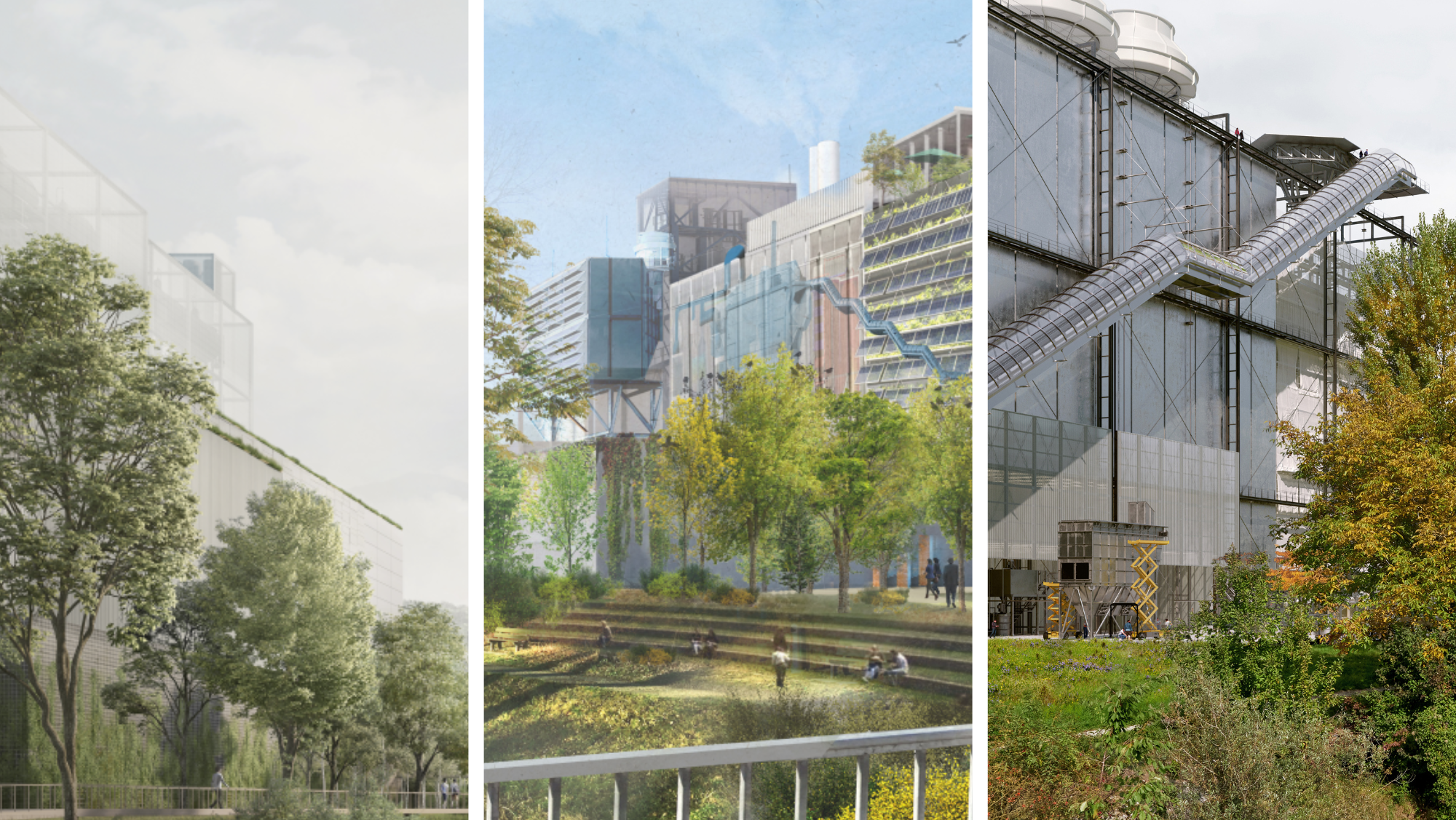
    The Limeco regional plant in the Limmat valley is facing a project of the century. A new waste recycling plant is to be built by 2034, followed by the reorganization of wastewater treatment by 2050. This will ensure that waste and wastewater from the Limmat Valley will continue to be processed in an environmentally friendly manner and used as a source of energy.

    The existing waste incineration plant will be replaced by a new building further to the west. A larger WWTP is to be built at the existing site to meet the needs of the growing Limmat Valley in the long term. The current WWTP will be decommissioned by 2050. It is located in a nationally protected nature and bird sanctuary.

    A project with vision
    The Limmattal Energy Center is a prime example of the transformation in the waste disposal and energy sector. From pure waste recycling, a multifunctional energy hub is being created that provides heat, electricity and gas – resource-conserving, locally anchored and climate-neutral.

    Design plan sets out framework
    A cantonal design plan forms the basis for planning law. It defines in a binding manner how the plants are to be phased, developed and embedded. Specifications on building plots, environmental and water protection, natural areas and public green spaces create planning security.

    An environmental impact assessment is being carried out in parallel. It examines the impact of the construction and operating phases on the environment, local residents and ecosystems. The aim is to create an energy center that combines climate and resource conservation. This includes electricity, district heating and gas production from renewable sources as well as concepts for the direct capture of CO₂ emissions.

    Participation and information
    The design plan will be open to the public for 60 days from January 20, 2026. Citizens, associations and authorities can comment on the draft during this time. The submissions will be examined by the cantonal authorities and documented in an objection report.

    On Wednesday, January 21, Limeco is hosting a public information event at which representatives of the canton and the company will present details of the project and answer questions. Information about the event can be found at www.lez.ch/gestaltungsplan.

    The complete documents are available at www.zh.ch/raumplanung and can also be viewed at the municipality of Dietikon and the Cantonal Office for Spatial Development.

  • Future model for life sciences, research and cluster power

    Future model for life sciences, research and cluster power

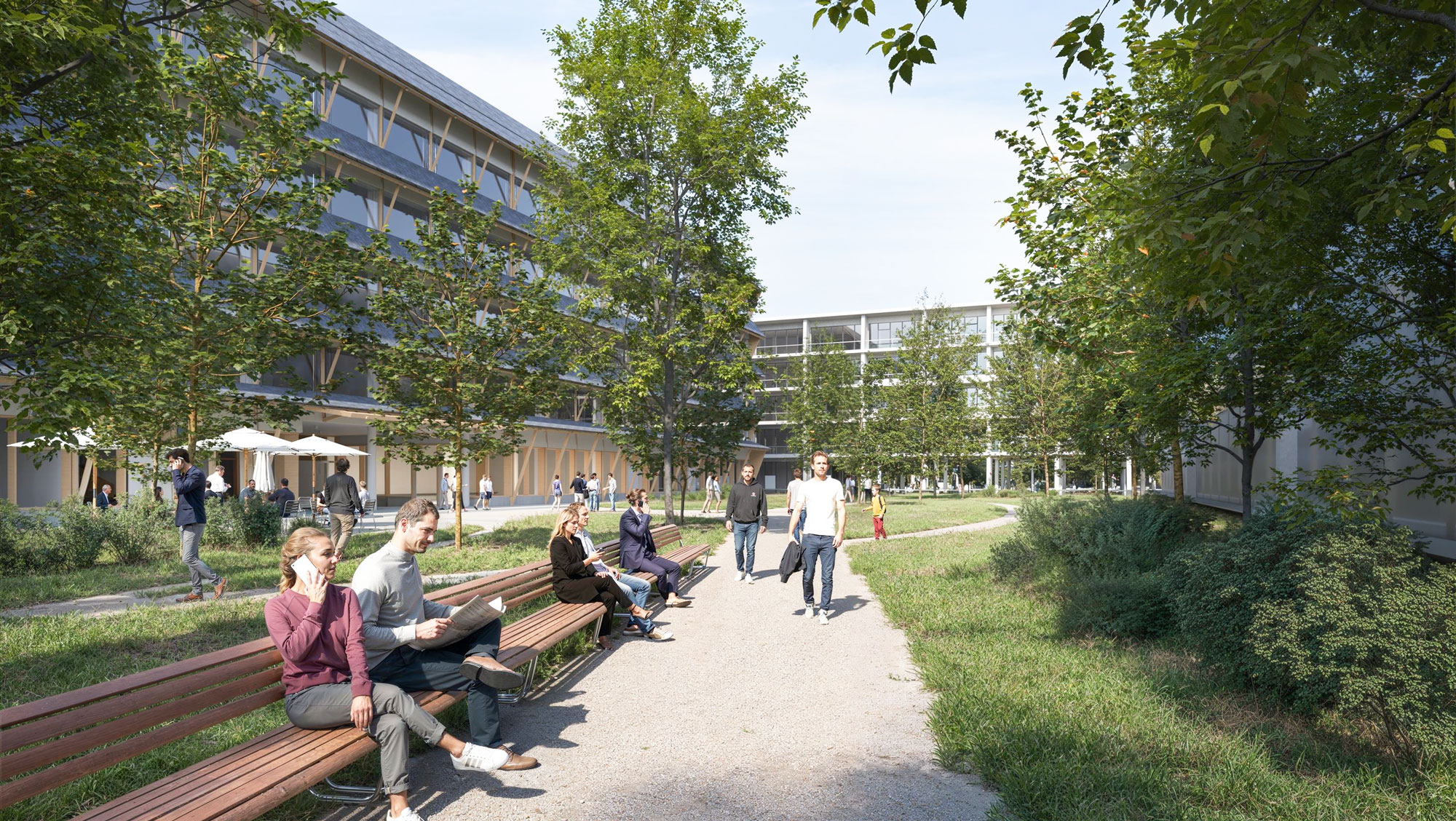
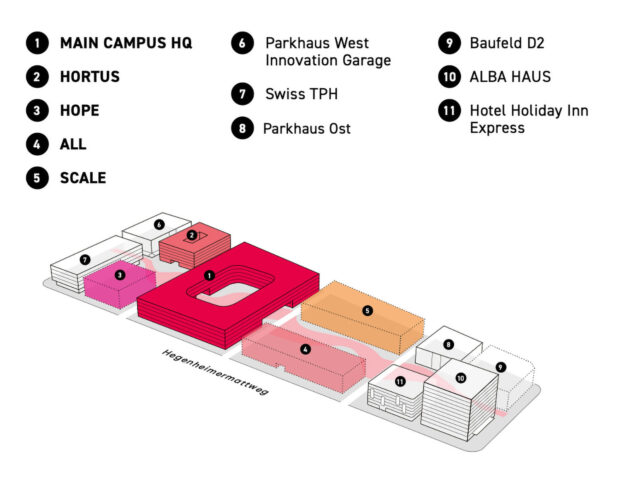
    The centrepiece of the campus is a kilometre-long, continuous park that physically and socially connects all the buildings. The striking buildings Main Campus HQ, HORTUS, ALL, HOPE, SCALE as well as Swiss TPH, ALBA Haus and many more are grouped around the green ribbon and create a space for dialogue, recreation and networking with more than five football pitches of park space. With over 5,000 workplaces on completion and more than 115,000 m² of usable space, the site will set new standards for infrastructure and collaboration in Switzerland and Europe.

    Architecture and sustainability as drivers
    The architecture by Herzog & de Meuron and Felippi Wyssen visibly conveys the idea of innovation to the outside world. The Main Campus HQ is practically fully let and, as a multifunctional research and communication centre, is a magnet for companies such as JNJ, SKAN, Basilea, the University of Basel and other players. Flexible multi-storey car parks and mobility services support the sustainable use of the site. SENN is acting as investor, developer and total contractor – from planning and realisation through to long-term marketing. The project is being developed in close collaboration with Basel Area Business & Innovation, the Canton of Basel-Landschaft and other partners from the worlds of science and business.

    HORTUS, an office building that amortises its production energy in 30 years, is outstanding. It was built from wood, clay and waste paper, generates energy via photovoltaics and fulfils the highest ESG criteria. Every component is part of the circular economy and prepared for future utilisation cycles. The inner courtyard garden by Piet Oudolf contributes to biodiversity and the indoor climate. HOPE and SCALE will offer further flexible spaces suitable for the public and production from 2028. Neighbours Swiss TPH and ALBA Haus strengthen the health science focus of the site, while the Holiday Inn Express complements the international business and network offering.

    Image: Switzerland Innovation Park Basel Area Main Campus

    Cluster, community and innovation
    More than 100 companies – from global players and spin-offs to young scale-ups – characterise the area and use programmes such as BaseLaunch and DayOne for start-ups, networking and knowledge transfer. Cluster events, community platforms and modern co-working infrastructures promote dialogue and the creation of joint projects. Educational facilities, childcare, catering, sports and conference facilities create a fully-fledged urban working ecosystem.

    The Botnar Institute of Immune Engineering as a beacon
    The Botnar Institute of Immune Engineering (BIIE), which will move into the ALL, a new, sustainable building on the campus in 2027, will provide a special boost. The decision in favour of this location underlines Basel’s importance as a research location. The institute, funded by the Fondation Botnar with around 1 billion dollars, brings together up to 300 top researchers from all over the world to develop innovative immune-based diagnostics and therapies. The aim is to close gaps in health technologies and improve quality of life worldwide. The BIIE community will have a significant impact on the cluster and the Basel region and will strengthen global networks with partners such as Oxford and ETH Zurich.

    Impact and perspective
    The Switzerland Innovation Park Basel Area Main Campus brings together knowledge, infrastructure and community in an internationally visible innovation centre. By integrating sustainability, empathy and excellence, a global hub for cutting-edge research, vibrant entrepreneurship and future-oriented urban development is being created in Allschwil. The model shows how site development, architecture and science clusters can pave the way for economic and social transformation today and tomorrow.

  • Engineers’ Day 2026

    Engineers’ Day 2026

    Against the backdrop of climate change, digitalization and sustainable mobility, engineers are taking on a key role. They develop solutions for renewable energy systems, resilient infrastructures, smart mobility concepts, digital technologies, data-based applications and resource-conserving production.

    focus on the next generation
    Engineers’ Day aims to get young people interested in technology at an early age, from primary school children to university students. Companies and institutions offer guided tours, workshops, demo stations and dialog formats that bring professions to life and enable direct encounters with experts.

    the background to this is a persistent shortage of skilled workers, particularly in engineering and STEM professions, where women continue to be severely underrepresented. Companies, organizations and educational institutions are therefore invited to register their own events and activities for 4 March 2026 and thus actively contribute to the promotion of young talent.

    national Conference of Engineers
    The National Conference of Engineers will be held on the same day for the first time. Around 40 experts from business, science, politics and associations will come together at Lucerne University of Applied Sciences and Arts in Horw to discuss specific measures to strengthen the next generation of engineers.

    the aim of the conference is to join forces across industries and disciplines and find new ways to attract more young people in their diversity to engineering, STEM and tech professions. The conference thus complements the decentralized activities of Engineers’ Day with a strategic platform for exchange and joint initiatives.

    from Muttenz to Lucerne
    The handover from the previous venue of Muttenz to Lucerne in October 2025 marks a further step in the format’s development. With the first National Conference of Engineers at HSLU, Engineers’ Day 2026 will not only be an event for young talent, but also a meeting place for decision-makers in the engineering and education landscape.

  • Gray Energy Steep Pass for Tenant Protection

    Gray Energy Steep Pass for Tenant Protection

    Grey energy in context
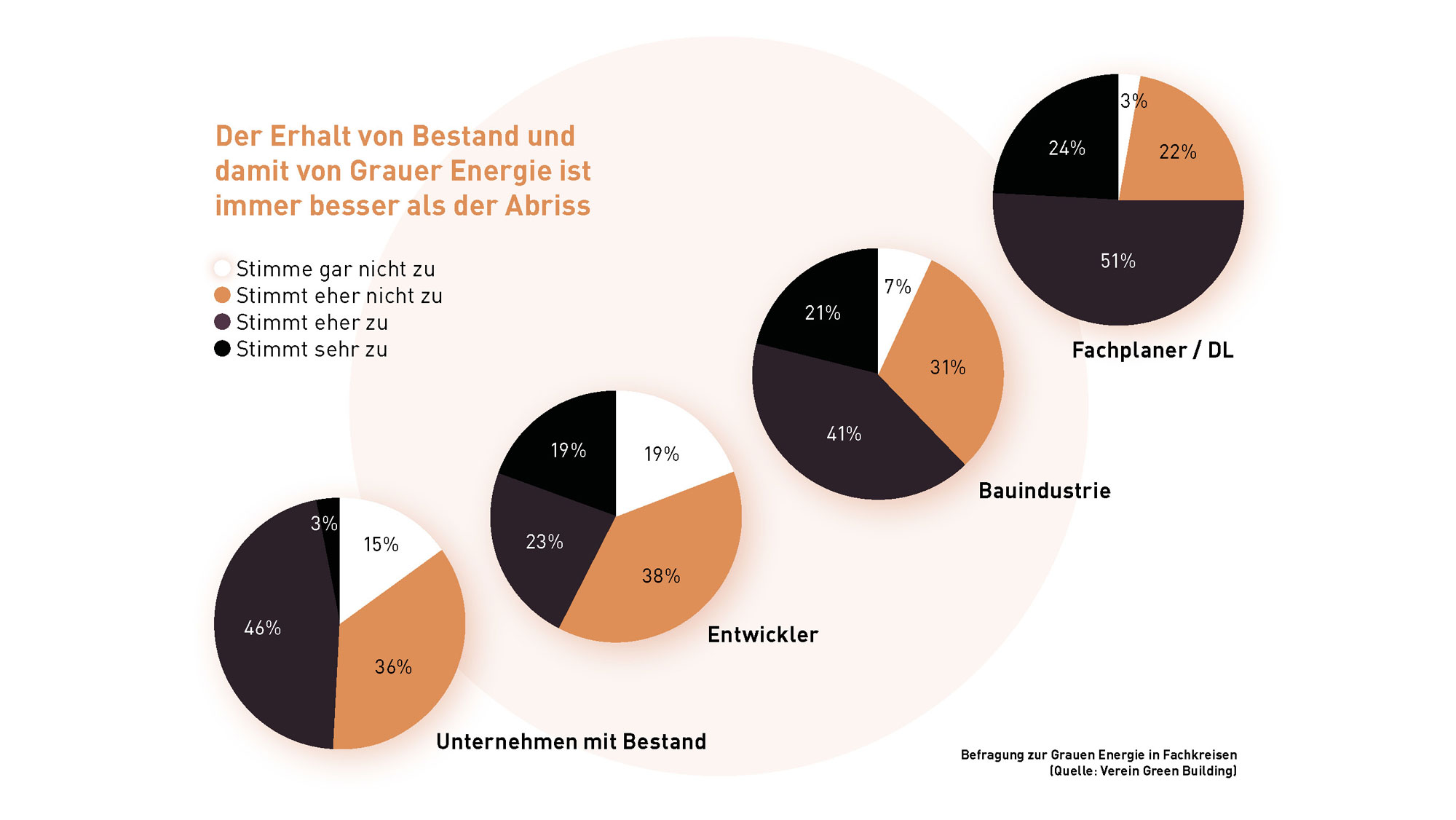
    The strength of the argument comes from the absolute statement that “the preservation of existing buildings and thus grey energy is always better than demolition”. According to a survey of experts, the vast majority of specialist planners, architects and service providers in the property sector agree with this stance. However, just under half of property owners also share this view, albeit with reservations.

    When asked in more detail, the respondents differentiated their attitude. Poor building fabric or poor energy efficiency, an outdated usage structure, utilisation that cannot be activated for the realisation of more living space or economic viability could be arguments against preservation. The sector rightly emphasises that there is no absolute truth and that the treatment of each property must be weighed up between ecological, economic and social aspects.

    One regulation for two different concerns
    Parallel to the intensification of the debate on the conservation of grey energy, the tone on tenant protection has become more heated. Various initiatives at cantonal and federal level want to prevent tenants from having to leave their homes due to extensive renovations or building replacements. These initiatives also take the uncompromising position that no eviction is always better than eviction. The canton of Basel-Stadt shows how quickly regulations can take effect. Barely three years after the introduction of the housing protection initiative, fewer properties are already being demolished and therefore fewer properties are being let out. The protection of residential property has a predominantly economic effect, with the regulated prices for new flats making replacements and renovations less financially attractive for property developers. As a result, fewer projects are being realised.

    Cautious discussion about social and societal costs
    As little as the absolute statement on the preservation of grey energy is correct, the blanket statement that not renting out is always better than renting out does not apply. The statement may be true for the individual tenant concerned, but not when it comes to providing housing for the entire population. Extensions and replacements can create more living space for more people, often in locations that are already well developed and supplied. Structural deficits in housing cannot be remedied without interventions in the building structure.

    What is needed is a more objective discussion on how the conflict of objectives between the protection of the individual and the interests of society can be resolved in the best possible way. In some cases, delaying a replacement or upgrading the existing housing stock for a further life cycle may make sense; in other cases, the social benefit of more living space outweighs this. The focus should be on the discussion of how to best cushion the social impact of rent reductions. Regulations should be focussed on finding solutions for cases of hardship.

    A balanced discourse is needed
    Absolute considerations ignore the fact that decisions are often complex and require diverging concerns to be weighed up. Sustainable solutions are usually caught between different arguments.

    Representatives of the industry should be aware that generalised statements reduce the scope for context-specific discussions. If the sector unthinkingly backs the preservation of grey energy or opposes rent reductions, the door for the discussion of moderate regulations closes.

  • Zurich strengthens energy transition with 60 million program

    Zurich strengthens energy transition with 60 million program

    Buildings are among the biggest energy consumers in the canton of Zurich. Around 40 percent of energy requirements and a third of CO₂ emissions are attributable to this area. However, a lot has changed in recent years. Technical innovations, the CO₂ levy and cantonal regulations are having an impact.

    With the energy subsidy programme, the canton is creating additional incentives to replace fossil fuel heating systems, insulate building shells or modernize heat distribution systems. Demand for subsidies remains high, fueled by the revised Energy Act of 2022.

    Financial framework until 2029
    The cantonal government is now requesting CHF 60 million from the cantonal council to continue the program. These funds are to be supplemented with shares from the CO₂ levy and from the national impulse program. Provided the federal benefits are not reduced, this will result in a total budget of up to CHF 286 million for the years 2026 to 2029.

    The focus is on measures in the building sector. Advice and information services will also be supported, particularly for owners who want to renovate their properties to make them more energy efficient or are looking for alternatives before the statutory ban on electric heating systems from 2030.

    Focus on innovation and biogas
    In addition to traditional building renovations, the canton will increasingly promote innovation in future. One million francs per year is available for pilot projects that test new technologies and processes for efficient energy use or storage. A further CHF 250,000 per year will go towards the promotion of biogas from agricultural facilities. A promising energy source for industrial high-temperature processes.

    In this way, the energy promotion program combines climate protection with regional value creation. It strengthens innovation and at the same time acts as a lever on the way to net zero in Zurich’s building stock.

  • Wolf-Areal Basel affordable apartments

    Wolf-Areal Basel affordable apartments

    SBB is pressing ahead with the transformation of the former Wolf freight station into an urban living and working quarter. As with the Volta Nord project, former railroad areas are being opened up for living, working and leisure.

    from 2028, around 270 apartments will be built on two building plots in the heart of the site, specifically positioned in the affordable segment.

    low-cost rent and contemporary forms of housing
    The Basler Wohngenossenschaft is planning around 150 cooperative apartments, while Vivanta is planning around 120 additional affordable units. All apartments will be built according to the cost-rent principle, which allows for moderate rents in the long term.

    the concepts are based on contemporary forms of living for different phases of life, from families to singles to older people. Communal areas and meeting zones are intended to strengthen neighborhood life and promote social networking.

    Non-profit partners with a clear mission
    BWG and Vivanta pursue an explicitly non-profit mission. To secure affordable living space while maintaining high quality and sustainability standards. The projects should demonstrate that ecological construction methods are compatible with affordable rents.

    building rights as a development instrument
    Building plots are allocated on the basis of a partnership-based building rights agreement developed jointly by SBB, the Federal Office for Housing and the Swiss Housing Association. This model creates reliable conditions for non-profit developers and accelerates the realization of affordable housing in city centers.

    with the development of the Wolf site, SBB is continuing to pursue its strategy of opening up areas that are no longer required for operational purposes for modern urban use and making a substantial contribution to affordable housing.

  • Real estate market in a state of tension

    Real estate market in a state of tension

    With the Swiss National Bank’s interest rate cut to 0% in summer 2025, financing conditions will return to historic lows. Buyers will benefit, as will institutional investors who are shifting capital into investment properties. As a result, prices are rising again, especially for apartment buildings.

    At the same time, the falling reference interest rate is leading to rent reductions for old contracts. However, demand clearly exceeds supply. This is pushing the rental housing market further towards scarcity.

    Ownership wins, preservation loses
    The abolition of the imputed rental value is changing the ownership landscape. Without the tax burden, interest in buying is increasing, especially in the middle income bracket. However, the abolition of the flat-rate maintenance deduction curbs investment in building maintenance. Some cantons are already examining alternative taxes to compensate for the loss of revenue. The reform decision therefore has a double effect. It stimulates the market, but harbors risks for the building fabric.

    Construction activity collapses
    Construction output fell sharply in 2025. In Zurich by around 35 %, in Ticino by as much as 80 %. This is due to political uncertainties, rising construction costs and complex approval procedures. This has a direct impact on rental prices, which continue to rise in many regions.

    The result is a structural shortage that will persist in 2026. Even a slight drop in immigration figures will do little to change this. SIV members in particular see the shortage as the main price driver of the year.

    Politics as a game changer
    Cantons and cities are experimenting with changes to building laws, from car-free districts to stricter regulations on the disclosure of pre-rentals. For project developers, this means more uncertainty, longer procedures and increasing risks.

    Investors are becoming more selective and the choice of location is gaining in importance. The market is becoming increasingly fragmented along local lines.

    Climate risks and new valuation standards
    FINMA Circular 2026/1 makes sustainability mandatory. Banks and insurers must explicitly include climate and natural hazards in their risk assessments.
    Exposed locations are becoming less attractive, while stable and climate-resilient properties are gaining. For institutional investors, this means rethinking valuation models and portfolios.

    Residential properties on the rise, commercial properties under pressure
    The SIV analysis shows a clearly divided market picture. The residential market remains robust despite the turnaround in interest rates. Demand is high, vacancy rates are continuing to fall and should soon drop below 1.2 %. Rent increases are realistic, particularly for new lettings. The pressure on the market remains.

    In contrast, the commercial sector is under increasing pressure. Numerous companies are selling office space, resulting in a slight increase in vacancy rates. Modern, ESG-compliant new buildings are holding their own, while older properties are becoming less attractive and price concessions are becoming necessary.
    The retail sector is also showing a mixed picture. Local supply remains stable, but fashion and electronics stores are struggling with declining footfall and falling profitability.
    In terms of mortgages, owners are benefiting from low interest rates. Overall, financing costs are falling significantly. At the same time, energy and maintenance costs are rising and thus remain a fixed cost driver.

    Despite political and economic uncertainties, the majority of SIV members expect rising prices and stable income in the residential segment and a further decline in construction activity.

    Differentiation as a key factor
    The market will remain robust but selective in 2026. Quality, location and climate fitness determine success. While residential is considered a safe asset class, commercial is becoming a challenge. Investors and owners are faced with the task of reading market environments more precisely and incorporating regulatory dynamics at an early stage.
  • Canton Zurich wants to use large roofs for solar power

    Canton Zurich wants to use large roofs for solar power

    The Zurich Cantonal Council wants to improve the security of the electricity supply with solar power and long-term storage. According to a statement, it presented two proposals to amend the cantonal energy law on 6 January.

    The first bill stipulates that roofs larger than 300 square metres must be equipped with solar panels across their entire surface. This requirement applies to new buildings and the renovation of existing roofs. The cantonal government estimates the potential of fully utilising all suitable roofs at around 6 terawatt hours of electricity per year. This corresponds to around two-thirds of the canton’s current electricity consumption. According to the cantonal government, around 60 per cent of this potential lies in large roofs.

    The second bill provides for the expansion of long-term storage facilities. Electricity grid operators are to jointly promote these in future. This promotion is to be financed by a levy on electricity consumption not exceeding 0.5 centimes per kilowatt hour. The corresponding promotion fund is to be managed by the Zurich Cantonal Electricity Works (EKZ). The cantonal government wants to use this to make the surplus solar power generated in summer available for use during the winter months.

    Both proposals will now be submitted to the Cantonal Council for deliberation.

  • Official surveying in Switzerland gets a new strategy until 2040

    Official surveying in Switzerland gets a new strategy until 2040

    The institutions involved in Switzerland’s official surveying have defined a new strategic direction for the period up to 2040. According to a statement by the Federal Office of Topography swisstopo, the federal government, cantons, municipalities and the institutions responsible for updating the data are placing users at the heart of the system. Swisstopo will coordinate the implementation of the new strategy.

    According to the information provided, it aims to ensure a “more transparent, up-to-date and usable official surveying system for society as a whole”. This will create legal certainty, for example in decisions relating to spatial planning. In addition, the new system is intended to guarantee and improve the protection of property rights through the land register and to support innovation and sound planning in the future.

    The strategic vision also envisages the integration of new technologies, in particular artificial intelligence and three-dimensional modelling. For example, 3D views can replace two-dimensional division plans for condominiums. Height restrictions can also be taken into account more reliably when it comes to rights of way or passage, for example.

    In addition, these technologies also allow the documentation of past events. This can be crucial in disputes or when assessing the legal situation. “The new vision,” according to swisstopo, “aims to facilitate the exchange of knowledge and the use of data by all stakeholders – citizens, surveyors, GIS specialists, public administrations, companies and research institutions.” GIS refers to geographic information systems.

  • Basel becomes the building site of the future

    Basel becomes the building site of the future

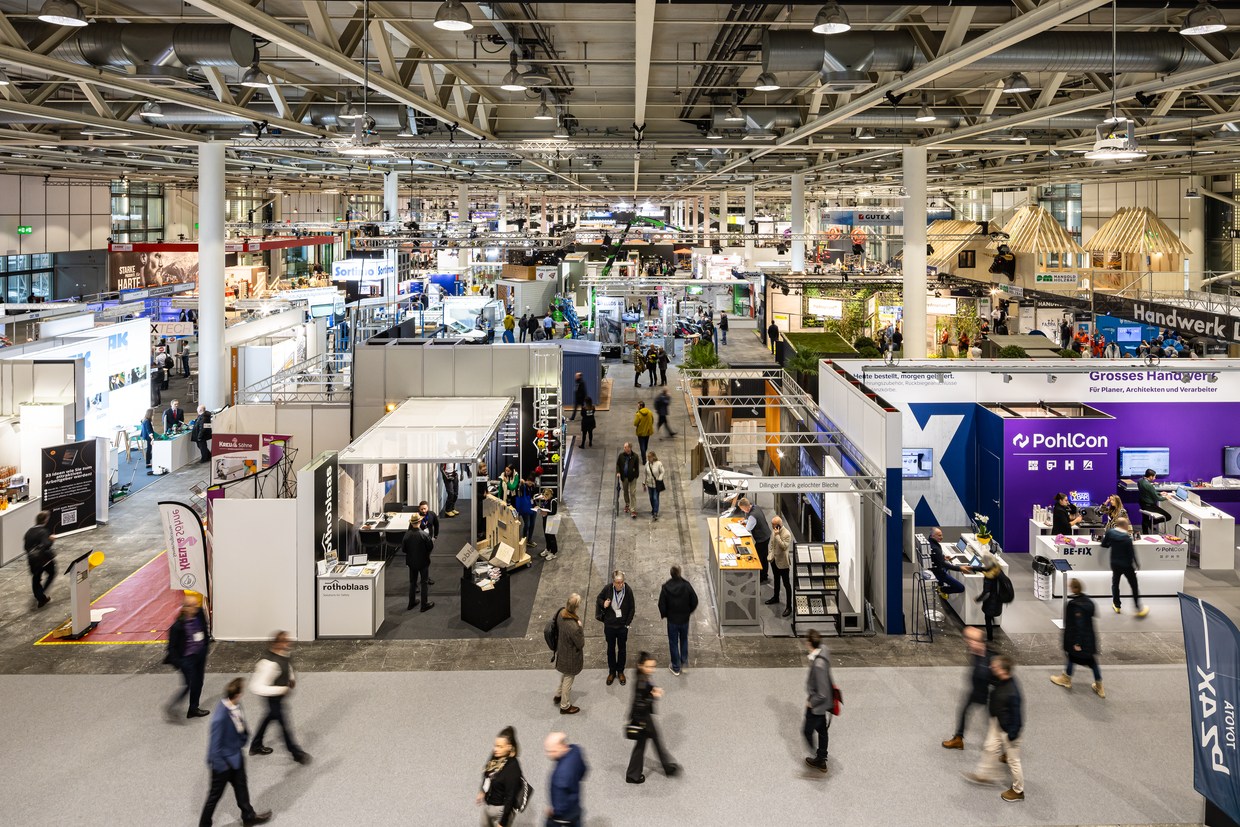
    When the doors to Swissbau 2026 open tomorrow, Messe Basel will be transformed into a vibrant center of the construction and real estate industry. 592 exhibitors and partners will showcase products, systems and ideas for sustainable building and modern living.

    Hans Wicki, member of the Council of States and President of the umbrella organization Bauenschweiz, opens the trade fair with the Globus Basel lighthouse project as an example of sustainable renovation. Accompanied by representatives from politics and business, the industry demonstrates how professional expertise, climate targets and building practice can be combined.

    Experience craftsmanship live
    In Hall 1.0, the focus is on a real construction project. A two-storey house is being built in front of visitors’ eyes. Over 15 craft businesses will be demonstrating their skills, from woodworkers to solar installers, from tile layers to plasterers. The project makes tangible what building culture means in everyday life.

    Right next door, a cooperation with the Swiss Painting and Plastering Contractors’ Association SMGV brings color into play. Decorative plaster textures, live training sessions by two Swiss master craftswomen and the “Swiss Prize for Plaster and Paint” exhibition – a marketplace full of ideas and dynamism.

    Sharing knowledge, shaping change
    The Swissbau Focus and Swissbau Lab platforms create space for dialog. Here, experts discuss the circular economy, climate adaptation and digital change in the construction process. High-caliber speakers and practical examples provide food for thought and show how the future can be implemented in concrete terms.

    Whether in specialist forums or in direct discussions, knowledge transfer remains at the heart of the trade fair. All events are included in the admission price. A clear plus for trade visitors.

    Rooms for inspiration
    Design lovers and interior professionals will find new inspiration in the Trend World Interior Design (Hall 1.2). Bathroom innovations, surfaces, light and materials combine to create an atmospheric world of experience. Like Swissbau Focus, the hall will also remain open on Saturday, providing space for encounters outside the working week.

    Looking to the future
    Swissbau 2026 is more than just a trade fair. It is a showcase for progress, a laboratory for solutions and a place where the industry and society work together on the construction of tomorrow.

  • Valais start-up drives district heating planning forward in Europe

    Valais start-up drives district heating planning forward in Europe

    The software solutions developed by Valais-based start-up Urbio, which supports energy suppliers in their transition to clean energy and facilitates the creation of energy plans and district heating networks, will soon be available throughout Europe. The start-up has previously supported more than 200 projects in Switzerland, Germany, France and Belgium.

    The reason for the European expansion is the considerable potential for district heating, according to a press release. District heating could cover 50 per cent of Europe’s total heating needs from renewable sources, compared with just 10 per cent at present, and even less in some large economies. Sébastien Cajot, CEO of Urbio, identifies the obstacles: “We repeatedly encounter the same weaknesses in the initial planning phases: there is a high degree of uncertainty, reliable data is scarce and financing is difficult. As a result, fossil fuels remain the standard solution for most property owners.” This is where Urbio comes in, explains the CEO: “Collecting data, analysing it and dimensioning energy infrastructures: Urbio digitises this process in a single application. Thanks to generative design, our algorithms offer the most suitable solutions according to predefined energy requirements. The solution currently includes energy planning for specific areas, feasibility studies for district heating and direct integration with third-party tools such as websites or CRMs.”

    Industry players can now create their account on urb.io and learn about examples of projects that have already been completed. The first project application of the software solution is free of charge.

  • From material to strategy – circular thinking in construction

    From material to strategy – circular thinking in construction

    This year’s Swissbau is focusing participants’ attention on the topic of circular economy and materials as one of seven key themes. With a total of 35 keynote sessions, panel discussions, themed events and practical solutions, it is the most prominent theme at the leading trade fair for the Swiss construction and real estate industry after digitalisation and collaboration, which has 38 events. Overall, the content on offer is grouped around seven key themes.

    Swissbau 2026 will take place in Basel from 20 to 23 January under the motto “Setting new impulses together”. On 24 January, the new Trend World in Hall 1.2 of the exhibition centre will still be open.

    The programme, with the main theme of circular economy and materials, will start on Tuesday, 20 January, with the themed event “Faster, cheaper, more sustainable: modularisation and prefabrication make construction projects better”. Speakers include Konrad Graser from the Zurich University of Applied Sciences, Fabian Franke from ERNE Holzbau, MOD founder and CEO Marc Beermann, and Tom Van Mele from VAULTED.

    On Wednesday, 21 January, the keynote session “Building without materials – what does circular design need?” is scheduled. In this session, speakers from Lucerne University of Applied Sciences and Arts will use concrete examples to show how existing materials can be transferred to further cycles of use using new methods. Contributions will also come from Basler Bauteilbörse, Bau-Teilen GmbH and Flumroc AG.

    A practical talk will highlight the technical and architectural aspects of wood as a material, while another will examine the possibilities and limitations of the circular economy using the example of laboratory buildings. The panel will discuss whether concrete can become “the game changer of the construction revolution”. The main event on Thursday, 22 January, will be the event on the topic of “The circular economy in practice – how can we solve conflicting goals together?”

  • More flexibility in hotel industry training in Thun

    More flexibility in hotel industry training in Thun

    The Thun Hotel Management School will introduce a hybrid school hotel model from the 2026/27 academic year onwards. Students will then be able to choose whether to complete their training at the school hotel with or without overnight accommodation. According to a statement, this is intended to offer greater flexibility.

    The school is responding to “changing needs among students and businesses, as well as new economic conditions”. For some students, staying overnight at the school hotel is a financial challenge.

    To make both models possible, teaching hours, inter-company courses and the organisation of the school day will be adjusted accordingly. In doing so, the practice-oriented management school for the hotel and catering industry in Switzerland aims to “preserve what has proven itself while breaking new ground” and “ensure the long-term attractiveness of the school block model”.

    As the Thun Hotel Management School emphasises, both variants guarantee the same quality of training, support and structure. The hybrid school hotel model applies to all three training occupations – hotel communication HOKO, hotel and catering specialist FAHH/PAHH and restaurant specialist REFA/REAN – and to all years of training.

  • Intelligent lighting control for sustainable buildings and cities

    Intelligent lighting control for sustainable buildings and cities

    Esave has developed two new control solutions for sustainable lighting concepts. According to a statement from the Chur-based provider of intelligent lighting solutions, these solutions are designed to ensure optimal lighting conditions in public spaces and buildings. The DT8 TC driver for white light and the DT8 RGB driver for coloured light both support the professional lighting standard DALI (Digital Addressable Lighting Interface), which allows multiple lights to be managed in a coordinated manner. The company highlights the low complexity of installation, high control precision, energy efficiency and adaptability. Operating costs could be significantly reduced with DT8, it says. Esave will present both control systems from 13 to 15 January as part of the SWISS Pavilion at the World Future Energy Summit (WFES) 2026 in Abu Dhabi.

    “With DT8 TC and RGB, esave makes lighting intelligent. Buildings and public spaces can now dynamically adjust colour and brightness to suit comfort, efficiency and mood – centrally controlled with intelligent high-performance technology,” says esave CEO Rico Kramer.

    DT8 TC is designed for architectural, industrial and public applications and offers dynamic, dimmable white light. According to the description, the system is ideally suited for human-centric lighting, where brightness and colour temperature are dynamically adjusted to the natural biorhythm of humans. This is intended to support well-being, concentration and health.

    DT8 RGB enables multi-coloured lighting with an extended spectrum and deeper colours. Esave is targeting atmospheric and decorative applications with this product. Examples include installations in the event or art sector.

    The company now has locations around the world and, according to its website, was founded by three friends: Rico Kramer, Hanno Baumgartner and Daniel Jörimann. In Switzerland, around 20 employees work for esave in development, production, support, sales and training. Production takes place exclusively in Switzerland, with great emphasis placed on sustainability.

  • IWB apprentices recycle street lights in their own start-up

    IWB apprentices recycle street lights in their own start-up

    A group of IWB trainees is turning disused Metro 45 street lamps into high-quality floor lamps. Sketches were turned into a prototype, and the first ten lamps have now been built. The team received support from experienced employees. According to a statement from IWB, a total of around 2,400 old lamps are suitable for reuse. The trainees have founded their own start-up to implement their project. The team includes a businessman, a business IT specialist, a road transport specialist, a network electrician and a metalworker.

    In a video published alongside the press release, one of them says that it is “exciting to work together with other apprentices; it brings us closer together”. One colleague thinks it’s “cool that we’re allowed to take on so much responsibility and that they trust us to make the right decisions”. Another colleague points out that it’s “difficult to have to make all the decisions yourself”. “But somehow it’s also fun, especially when you see the final product of the prototype and know what the sketch once looked like.”

    Project manager Saskia Damann explains the aim of IWB: “We want our students to learn as much as possible, for example things like entrepreneurial thinking, circular thinking and personal responsibility. These are skills they will need for their future.”

    What began as an idea, according to the IWB in a further statement, “is slowly taking shape and shows what is possible when learners take responsibility and work together across disciplines.” As a partner, the Basel-based lamp manufacturer and retailer Regent Lighting made the decisive step possible. It carried out the safety and quality tests. Planning for the second production round is currently underway.

  • Canton of Jura updates list of industrial sites suitable for redevelopment

    Canton of Jura updates list of industrial sites suitable for redevelopment

    The canton of Jura is committed to revitalising its industrial wastelands. As part of theSwissRenovproject, it has now updated the cantonal register of industrial wastelands suitable for redevelopment, according to a press release. This first step is intended to provide up-to-date and reliable information to companies and investors who are looking for commercial space or are interested in the redevelopment and modernisation of industrial facilities.

    In the first phase of the project in 2019, around 90 industrial brownfield sites were identified, of which around half have been redeveloped to date. Now, 30 more brownfield sites are being added. The updated map, which can be viewed online, currently lists 70 industrial sites. 60 per cent of these are located in the district of Porrentruy, 36 per cent in the district of Delèmont and the rest in the districts of Franches-Montagnes and Moutier. In the current phase, the SwissRenov project in Jura is scheduled for completion by 2028.

    The SwissRenov project is being led by Haute École Arc in collaboration with the cantonal spatial planning departmentand is being driven forward byCreapole SAin Delèmont. It is supported by the Swiss Confederation through theInnosuisse flagship programme and byCleantechAlps, the cleantech promoter for French-speaking Switzerland.

    According to the press release, this project, which is unique in Switzerland, aims to promote the renovation and refurbishment of industrial buildings in line with the principles of the circular economy.

  • Project makes barriers in everyday city life tangible again

    Project makes barriers in everyday city life tangible again

    Lucerne University of Applied Sciences and Arts, the research collective Correctiv.Schweiz – the Swiss branch of the German non-profit research organisation Correctiv – and the Central Swiss online magazine zentralplus.ch have tested everyday city life for obstacles faced by people with disabilities.According to a press release, the “Achtung Barriere!” (Beware of barriers!) project aims to give others an insight into the everyday life of people affected by neurodiversity and show how they perceive their environment.

    The first step was to develop a virtual city tour. The digital application makes it possible to understand “how challenging it is for a visually impaired person to cross a street and how much stress this causes”. Secondly, immersive mixed reality (MR) experiences are used, which enable users to “immerse themselves in the scene” with special MR glasses and headphones, as explained by Tobias Matter, a design researcher specialising in augmented and mixed reality. This makes it possible to experience the multisensory overload that “noise, movement and the chaotic situation of a construction site” have on an autistic person.

    Lucerne residents are also contributing their experiences to the research project, which is funded by the Gebert Rüf Foundation. The public can report their experiences with obstacles on the research platform CrowdNewsroom.org, which belongs to Correctiv.

    According to Pascal Ruedin, head of projects at the civil engineering office, “different perspectives, expectations and experiences come together at almost every corner of the city”. As the project’s contact partner, the city aims to “bring different perceptions into a common exchange”. The results are intended to provide a basis for political decision-makers to “better understand spatial impacts” in future urban planning decisions.

  • New management accompanies establishment of multifunctional arena

    New management accompanies establishment of multifunctional arena

    According to a press release, since its opening in October 2025, the Pilatus Arena in the Mattenhof district of Kriens has already established itself as an efficient, multifunctional platform for indoor sports and events. At the end of the financial year, the two project initiators, Toni Bucher and Nick Christen, stepped down from their positions on the Board of Directors. Markus Mettler, Chairman of the Board of Directors of Schlieremer Halter AG and Pilatus Arena Sports & Events AG, replaced Bucher as the new Chairman of the Board of Directors of Pilatus Arena AG. Construction of the Pilatus Tower, located next to the arena, is also scheduled for completion in autumn 2026.

    “We would like to thank Toni Bucher and Nick Christen for their tremendous commitment to sport and Pilatus Arena AG,” Markus Mettler is quoted as saying in the announcement. “Both have been instrumental in driving the project forward since 2007.” The arena was developed and built by Halter and has been operated by Pilatus Arena Sports & Events AG since its opening. Halter AG is also the majority shareholder in Pilatus Arena AG, with a 70 per cent stake.

    Several sporting events have already taken place in the new arena in 2025. Highlights included the Swiss national handball team’s first international match, Swiss Central Basketball games in the National League B and the Final4 Mobiliar Handball Cup for men.

    “The anticipation for the first Final4 Cup in the new PILATUS ARENA was huge – and it was fulfilled in every respect,” said Andreas Campi, President of the Final4 Organising Committee. “The atmosphere was exhilarating, and the format was convincing.”

  • New investor focuses on continuity and long-term prospects

    New investor focuses on continuity and long-term prospects

    The Hotel Bernerhof Gstaad has new owners. According to a statement, Brigitte and Thomas Frei have sold their majority stake in Hotel Berner AG to asset manager RMG THE RISK MANAGEMENT GROUP (SUISSE) SA in Geneva and investment and holding company Holdingstone SA in Zug. The sale price has not been disclosed.

    Over three decades, the Frei couple developed the Bernerhof into a renowned luxury and gourmet hotel. It has 46 rooms and suites in various categories and four award-winning restaurants. “After all these years as owners and managers of the Bernerhof, we are happy to hand over this living legacy to a group that is driven by a positive and ambitious vision for the Bernerhof and for Gstaad,” the couple are quoted as saying. They are particularly pleased that François Grohens took over the operational management at the beginning of December.

    Grohens, 55, previously worked at the Bernerhof from 2002 to 2011 before moving to Park Gstaad. He has served as director there for the past six years. Stints in the USA and on cruise ships brought the Frenchman to Switzerland in 1997 and to Gstaad in 2000. According to reports, his focus is on “preserving the Bernerhof as a warm, familiar place for regular guests, while inspiring new guests with the quality of the service, the restaurants and the lively atmosphere”.

    Jean-Guillaume Pieyre, founder and CEO of RMG, thanks Brigitte and Thomas Frei “for the trust they have placed in us”. Together with Emmanuel Kilchenmann, Vice President of Holdingstone, he wants to promote a project “that treats Gstaad and the region with respect and shares the vision of a lively village centre all year round”.

  • Energy price sets final point with clear signals for the future

    Energy price sets final point with clear signals for the future

    PensimoFondsleitung AG, based in Zurich, is planning a capital increase of CHF 150 to 200 million for itsSwissinvest Real Estate Fund (Swissinvest) division in the first quarter of 2026. According to a press release, the fresh capital will be used to repay debt incurred in connection with the acquisition of two properties in the Zurich city area.

    The properties are a central residential and commercial property in Zurich-Wiedikon and an office property in Zurich-Oerlikon. The property in the Wiedikon district comprises 53 apartments, retail, office and storage space, and an underground car park with around 190 parking spaces. The approximately 12,500 square metres of lettable space generate an annual target rental income of CHF 4.4 million. The investment volume amounts to CHF 134 million.

    Swissinvest has acquired a 50.1 per cent co-ownership share in the property in Oerlikon. The 25,500 square metre office property has an annual target rental income of CHF 7.4 million, of which Swissinvest accounts for CHF 3.7 million. According to the press release, the property has potential for residential conversion.

    The total investment volume amounts to CHF 210 million with a target rental income of CHF 8.1 million. For the 2025/26 financial year, additional income of CHF 5 million is expected compared to the previous year. The Swissinvest Real Estate Fund’s half-year report will be published on 27 February 2026.

  • Investment contribution paves the way for national association centre

    Investment contribution paves the way for national association centre

    The city of Thun is planning to participate in the realisation of the Swiss Football Home, which is to be built as an SFV football campus in Thun South. According to a statementfrom the city, the investment contribution of CHF 4 million is part of a comprehensive financing concept that includes SFV’sown financing as well as funds from the federal government, the canton of Bern and third-party financing. The CHF 4 million non-repayable grant is to be used for building costs, outdoor facilities and project planning. The city council will decide on the loan at its meeting on 16 January. This financial contribution by the city is linked to various conditions, including ensuring the overall financing of the Swiss Football Home and determining the cantonal contributions.

    The Swiss Football Home will serve as the new headquarters of the Swiss Football Association and will comprise buildings and several football pitches. Around 150 employees will work on the campus, which is planned as part of the Thun South sports and leisure cluster. According to the press release, the Swiss Football Home will have a long-term positive impact on the city of Thun’s tax revenue and on economic development in the region. In particular, the creation of 150 jobs and the gathering of the national teams will be a unique opportunity for the location.

    Other private sports projects have already been initiated in the Thun South cluster, such as an indoor and outdoor racket sports centre, a climbing and bouldering facility and a ball sports hall. The wide range of sports facilities on the site, which is in the immediate vicinity of FC Thun’s Stockhorn Arena, will bring many synergies, explains the city. “The long-term economic benefits for the city of Thun from the establishment of the Swiss Football Home will exceed the one-off investment contribution many times over,” said Mayor Raphael Lanz.

  • Modern hall solution supports specialised recycling processes

    Modern hall solution supports specialised recycling processes

    Bieri Tenta AG, a manufacturer of fabric solutions based in Grosswangen, has announced the successful completion of a warehouse project at its Susten site. The client was BOWA Recycling AG, a subsidiary of Theler AG from Raron VS that specialises in recycling contaminated soil. According to the press release, the warehouse is optimally designed to meet the requirements of modern recycling operations and is already the second project in which the companies have collaborated. In 2019, Bieri had already built a 2,700 square metre hall for BOWA Recycling AG.

    The warehouse in Susten is a gabled hall with a floor space of just under 3,000 square metres. The warehouse is equipped with six Bieri roller doors (5 x 5 metres) and six escape doors, which guarantee smooth operations and a high level of safety in everyday use. During the six-week installation process, Bieri used a mobile crane to lift the steel parts, which weighed up to 13 tonnes, to their destination. A 59 x 61 metre film weighing around 3.6 tonnes serves as the roof and covering for the membrane hall. The membrane is suitable for the installation of a photovoltaic system, allowing customers to generate sustainable energy directly on site.

    The client, BOWA Recycling AG, is a subsidiary of Theler AG and operates a soil washing plant in Leuk-Susten, but has also been operating a thermal treatment plant since 2024. According to its own information, the company achieves recycling rates of up to 99 per cent for contaminated soil material.

    The Bieri Group is a manufacturer of technical textile solutions for industries such as manufacturing, construction, transport, architecture and events. The company is divided into Bieri Tenta AG in Grosswangen and Bieri Zeltaplan GmbH, based in Leipzig, Germany.