Tag: Immoinvest

  • Automated call triage relieves customer service centres during major events

    Automated call triage relieves customer service centres during major events

    Spitchand Adnovum– both based in Zurich – have launched an artificial intelligence (AI)-powered voicebot. According to a press release, the Berna programme is designed to simplify the claims process at Gebäudeversicherung Bern (GVB).

    The AI voicebot is designed to enable rapid customer service when triaging calls and recording claims. The programme is able to distinguish and recognise different Swiss dialects and convert the spoken text into standard German. Berna is also capable of handling several hundred calls at the same time, according to the press release. Upon request, the programme can also connect callers to a human specialist.

    The new solution can be particularly helpful in the event of major damage. For example, during the storm in August 2024 in the Bernese Oberland, more than 3,000 calls were received in a very short time. In addition to the damage that had already occurred, there were also very long waiting times in some cases. “It was crucial for us that, in the event of a major incident, those affected were not placed under additional strain when reporting their claims,” said Corinne Fleury, Innovation Manager at GVB, in the press release. “The aim was to relieve the burden on our customer centre and specialist departments and avoid waiting times, even during such major events, by means of an automated, flexibly scalable solution. The solution created by Spitch and Adnovum also makes it possible to automatically generate accurate claims files as a basis for further processing by specialists, through guided dialogues and the structured recording of customer information.”

  • Grid takeover brings new impetus to local energy supply

    Grid takeover brings new impetus to local energy supply

    According to a statement, Turgi is changing its electricity network operator. Regionalwerke AG Baden (RWB) will take over the electricity network in Turgi on 1 January 2026. This means that the previous operator, AEW Energie AG (AEW), will discontinue its electricity supply and customer service. The new point of contact for all matters relating to electricity supply will then be the regional electricity supplier RWB.

    The takeover of the water supply was able to be carried out earlier, as the municipality was responsible for this. The electricity grid, on the other hand, belongs to AEW and will become the responsibility of RWB at the beginning of 2026, as Adrian Fuchs, Head of Electricity Supply and member of the Executive Board at RWB, explains. With this step, RWB is underlining its “regional role” and offering a reliable, secure and sustainable electricity supply for the population. In addition, electricity costs for new customers are to be lower. Compared to the previous year, this will result in savings of 10 per cent for an average annual consumption of 4,500 kilowatt hours per household.

    The change of network operator is linked to planned renovations and an expansion of the electricity grid as part of the merger of Turgi with the city of Baden in early 2024. According to the announcement, 2,000 electricity meters will be replaced by smart metering systems from mid-2026. Medium-term plans envisage connecting the electricity grids of Baden and Turgi to strengthen security of supply.

  • Watt d’Or last edition of an energy prize

    Watt d’Or last edition of an energy prize

    The Swiss Federal Office of Energy awarded the Watt d’Or for the nineteenth and final time on January 8, 2026. The prize has been awarded since 2007 as a non-endowed seal of quality for energy excellence. The aim was to make exceptional achievements in the energy sector visible and to attract business, politics and the public to innovative energy technologies. 55 applications were received for the 2026 edition, 17 projects made it to the final round, from which the jury, chaired by National Councillor Susanne Vincenz-Stauffacher, selected the four winning projects.

    Gaznat Innovation Lab “GreenGas
    Gaznat’s Innovation Lab in Aigle, where the gas supply company is working with EPFL and start-ups to test technologies for sector coupling, decarbonization and seasonal storage on an industrial scale, won in the energy technologies category. The GreenGas concept combines CHP, photovoltaics, power-to-gas (electrolysis), hydrogen storage, CO₂ capture, methanation and Gaznat’s real gas network at the Aigle site, thus building a bridge from research to industrial application.

    Endigo with alpine façade PV
    Endigo Holding AG from Fiesch, which has installed an alpine façade solar system at its new company headquarters in Goms, received an award in the renewable energy category. The lightweight timber construction with slatted façade combines architectural quality with a PV solution that utilizes the existing alpine light and reflection potential and stands for endigo’s regionally anchored, nature-loving and future-oriented energy focus.

    Electric tractor from Rigitrac
    Rigitrac Traktorenbau AG from Küssnacht am Rigi received the award for energy-efficient mobility for the SKE 40 e-direct electric tractor, the first production-ready electric tractor with European type approval. The vehicle is emission-free, quiet, maneuverable and particularly energy-efficient, making it suitable for applications where exhaust fumes and noise are undesirable. For example, in municipal maintenance, in vegetable tunnels or at indoor sports events.

    Buildings and space
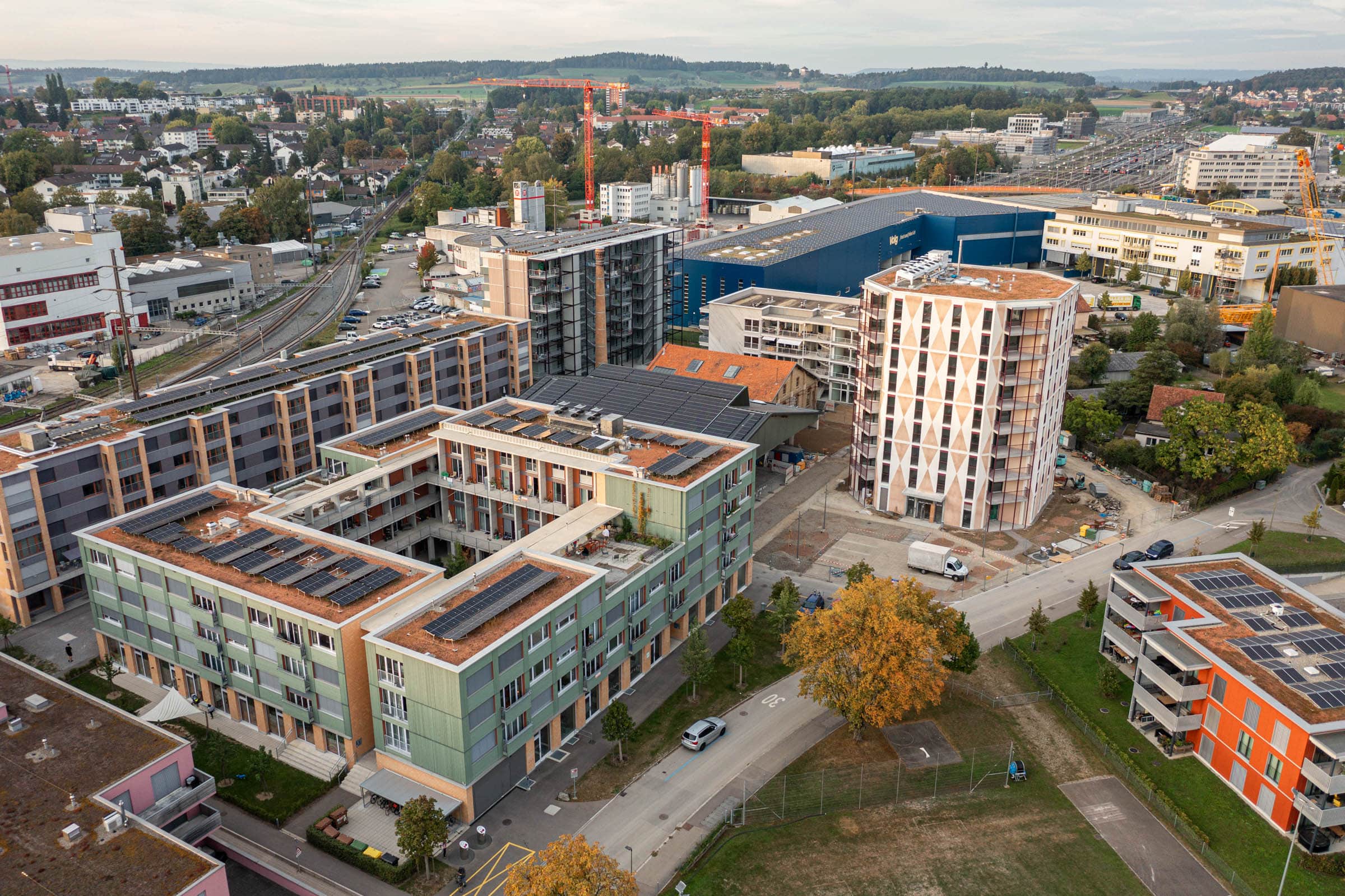
    The Hobelwerk site in Oberwinterthur, which was developed by the building cooperative “mehr als wohnen”, Lemon Consult AG and the Low-Tech Lab together with other partners, received an award in the buildings and space category. The district impresses with its timber construction, the use of recycled materials, intelligent energy systems, an innovative ventilation concept, climate-oriented architecture and social diversity and is regarded as a model for forward-looking, non-profit housing construction in Switzerland.

  • Swiss deep tech at the CES 2026

    Swiss deep tech at the CES 2026

    BTRY presents a new class of ultra-thin solid-state lithium-ion batteries that have been developed for applications with extreme requirements in terms of height, safety and charging speed. The cells are available from a thickness of around 0.1 millimeters, can be fully charged in around one minute and function stably even at temperatures of up to around 150 degrees Celsius.

    Thanks to their all-solid-state architecture, they do not require liquid electrolytes, making them less of a fire hazard and allowing very fast charging without additional buffer capacitors. Target markets are small networked devices such as smart labels, wireless sensors, wearables and medical technology applications, where conventional batteries are often too bulky or too slow.

    Silent cooling for high-performance computers
    Ionic Wind is showcasing a Lenovo ThinkPad T14 at CES that is cooled using solid-state ionic wind technology rather than a fan. Instead of mechanical fans, electric fields generate a directed airflow that dissipates heat without moving parts and virtually silently.

    This technology turns air into an electrically controllable design parameter and opens up design scope for laptops, edge AI devices and compact electronics where conventional fans reach their limits. In addition to noise reduction, Ionic Wind promises greater reliability because it eliminates mechanical components that are prone to wear.

    Printed perovskite solar cells
    Perovskia Solar is continuing its presence at CES and showcasing inkjet-printed solar cells based on perovskite materials. The cells can be customized and integrated into a variety of electronic devices and sensors – such as small appliances, wearables or autonomous IoT sensors.

    Perovskite solar cells are characterized by high efficiency at low manufacturing costs and great design freedom. The company demonstrates how energy generation can be integrated directly into device surfaces, which reduces the load on batteries and enables new, energy-autonomous applications.

    Significance for Empa and Switzerland as a hardware location
    The joint presence of BTRY, Ionic Wind and Perovskia Solar at CES shows that Empa is not only conducting basic research, but is increasingly producing deep-tech start-ups that are scaling up in global markets. The projects address areas in which incremental improvements are reaching their limits, such as battery technology, electronic cooling and photovoltaics.

    Empa and Switzerland are thus distinguishing themselves as a location for hardware innovations that flow directly into industrial applications. The start-ups combine scientific excellence with international visibility, customer validation and global growth ambitions, shifting the focus from “research in the lab” to “products on the world stage”.

  • Experimental field of cooperative city life

    Experimental field of cooperative city life

    As an innovation and learning platform, “mehr als wohnen” sees the Hobelwerk not only as a housing estate, but also as a real-life laboratory for new forms of housing, participation models and cooperative governance. For experts in planning, housing construction and urban development, the neighborhood offers illustrative material for central questions of future urban development. For example, the focus is on how much community everyday life can actually tolerate and how mixed uses can be organized in such a way that they function robustly in the long term. It also shows how a district can be designed to be socially open, ecologically ambitious and yet economically viable.

    The Hobelwerk is located on the former site of the Kälin & Co. carpentry factory right next to Oberwinterthur railroad station and thus in a well-developed, formerly commercial location. The client is the building cooperative mehr als wohnen, which has realized its second major project after the Hunziker Areal and developed the site in two stages between 2018 and 2023.

    five new buildings and several converted existing buildings have been built on an area of around 16,000 m², with a total of around 158 apartments plus commercial and communal areas. The development is considered a model for socially, ecologically and economically sustainable urban development and has won several architectural and energy awards.

    urban design, architecture and mix of uses
    The various structures, including long blocks along the tracks, a courtyard house, a rectangular building and a small residential tower, create a small-scale quarter with courtyards, alleyways, play areas and gardens. Several offices, including pool Architekten, Ramser Schmid, Pascal Flammer, Baubüro in situ and Studio Vulkan, ensure diversity in the details while maintaining a clear overall figure.

    the mix of uses ranges from classic 1.5- to 6.5-room apartments, cluster apartments and micro co-living to residential studios for cultural workers and commercial space of various sizes, some of which is affordable. The first floor includes a daycare center, bakery, co-working space, studios, laundromats, common rooms and communal areas that function as an extended “living room” for the development.

    living concepts and everyday organization
    The cooperative combines established and experimental forms of living such as micro-co-living for one to two people with shared kitchens and common areas, spacious cluster apartments for shared apartments, classic family apartments and inclusive housing projects, for example with partner organizations such as jawohn. The residential offering is complemented by guest rooms, guest apartments and rooms that can be flexibly rented.

    the commons play a central role with arcades, roof terraces, common rooms and the covered Hobelwerkplatz square, which facilitate informal encounters and shared use. Residents actively shape the neighborhood in neighborhood groups and participation formats, a core component of the “more than housing” DNA.

    existing buildings, open space and identity
    The old planing mill hall and the Z-Hall were preserved, gently converted and now form the center with a covered square for markets, festivals, cultural and neighborhood events. In this way, the industrial past remains present as a spatial and narrative layer and gives the area a clear identity.

    the open space design with vegetable gardens, gravel paths, play areas and the greening of courtyards and façades aims to ensure a high quality of stay, heat reduction and biodiversity. Low-car access and a mobility station with bikes and trailers make everyday life without a car easier.

    sustainability, governance and learning character
    The project focuses on energy-efficient construction, robust, durable materials and the targeted reuse of components, combined with low per capita consumption of resources and space. The Hobelwerk received several awards for this, including as one of the best new construction projects in Switzerland and for its energy-efficient, resource-conserving design.

  • Cantons stop fire protection liberalization

    Cantons stop fire protection liberalization

    The current VKF fire protection regulations from 2015 form the binding framework for structural and technical fire protection throughout Switzerland. They are implemented by the cantons and municipalities. A complete revision was planned for 2026/2027. On behalf of the cantons, the VKF prepared a draft of around 500 pages, which had been undergoing technical consultation since September 2025 under the project title “BSV 2026”.

    The aim was to create a more modern set of regulations with a stronger focus on proportionality, deregulation and cost-benefit optimization. The approach was clear protection targets, simplified verification procedures and more individual responsibility throughout the entire life cycle of a building.

    Planned relaxations in focus
    Critical discussions focused primarily on selective relaxations. The draft provided for longer permitted escape route lengths and simplified requirements for combustible components in certain usage scenarios. In addition, mandatory inspections were to be partially reduced in favor of more self-declaration and personal responsibility on the part of owners.

    how much reduction in standards can a system whose core mission is to protect human life tolerate? Critics warn that supposed efficiency gains could come at a high price in the event of an emergency.

    Halt after fire disaster
    The fire disaster in Valais on New Year’s Eve suddenly changed the discussion. The Intercantonal Body for Technical Barriers to Trade, as the political client of the project, called a halt to the liberalization efforts at the beginning of January 2026.

    although the technical consultation will be formally concluded by January 11, the content of the entire reform project will be reassessed. Reliable findings from the ongoing investigations into the fire are to be discussed both technically and politically and explicitly integrated into further work.

    Criticism of “more market, less state
    Even before the fire, experts and the media expressed skepticism about the direction of the revision. The thrust of “deregulation, more personal responsibility, fewer controls” was interpreted as a risk of weakening security in favor of cost savings, flexibility and project acceleration.

    The situation is particularly delicate in cantons without cantonal building insurance, such as Valais, where the prevention and control structures are less dense. There is growing concern that longer escape routes, more flammable components and reduced supervision could result in higher risks of major damage and casualties.

    What’s next for BSV 2026?
    The consultation on the technical draft is being evaluated, while the IOTH and VKF are simultaneously drawing up a new timetable for the “BSV 2026” project. Officially, everything is open, from targeted clarifications and greater standardization to more stringent individual requirements.

    At the same time, another debate is gaining momentum. Many stakeholders are calling for more uniform inspections and minimum standards throughout Switzerland, as the current implementation of fire safety inspections varies greatly between cantons. The marching halt is therefore not the end of the reform, but a turning point. Away from pure deregulation and towards a fire protection policy that makes the lessons learned from Crans-Montana visible and binding.

  • Mega merger with a signal effect

    Mega merger with a signal effect

    Glencore and Rio Tinto have confirmed that they are in preliminary discussions about a possible combination of “some or all” of their businesses. An all-share deal, structured as a court-sanctioned scheme of arrangement in which Rio Tinto acquires all of Glencore, is considered likely in the market

    Under UK takeover law, Rio Tinto has until February 5, 2026, 5 p.m. London time, to publish a “firm intention to make an offer” or terminate discussions. This is the classic “put up or shut up” deadline. Both companies expressly emphasize that there is no certainty that a formal offer or even a deal will be made

    Possible deal structure and strategic logic
    A mega-merger with a combined enterprise value of well over 200 billion US dollars is being discussed. It would create one of the largest mining and commodities groups in the world with over 200,000 employees. The spectrum ranges from a full takeover to partial transactions, for example with a focus on Glencore’s copper mines and other energy transition metals

    The sticking point is Glencore’s coal business and its extensive trading portfolio. Rio Tinto has exited the coal business and is unlikely to have much interest in a permanent return. Scenarios range from a temporary takeover followed by a spin-off to a deal in which only selected assets such as copper are integrated into Rio Tinto

    Copper as a driver
    Strategically, the focus is on access to raw materials for decarbonization and digitalization. Both groups have significant copper reserves. Together, they would become a dominant supplier of a metal that is indispensable for grid expansion, e-mobility, renewable energies and energy-intensive data centers

    Analysts point out that copper demand could increase by around 50 percent by 2040, while supply lags behind at times. An environment that rewards size, capital strength and pipeline depth. A merger would further drive consolidation in the global mining sector and strengthen the market power of a few heavyweights

    Significance for Zug and Switzerland as a commodities center
    Glencore, headquartered in Baar, is one of the most important commodities groups and taxpayers in Switzerland, with around 1000 employees working in the Zug area. In the event of a share deal, the group would probably be integrated into a global Rio Tinto structure, but details of the headquarters, listing, governance and functions in Zug are still open

  • Expansion of strategic management with Daniel Kuster

    Expansion of strategic management with Daniel Kuster

    With the planned election of Daniel Kuster, Property One is specifically strengthening the strategic management and long-term orientation of the Group. Together with the entire Board of Directors, Kuster will shape the further development of the Group and closely support the implementation of key strategic initiatives.

    The collaboration goes beyond a traditional Board of Directors mandate. In direct exchange with the Executive Board and the organization, he will contribute to the conceptual sharpening, organizational development and implementation of the growth agenda. The election is subject to the approval of FINMA.

    Experience along the real estate value chain
    Daniel Kuster brings with him over twenty years of management experience in executive positions, boards of directors and investment committees, including many years as CEO of Fundamenta Group (Schweiz) AG and as managing director of a real estate investment foundation. His career thus encompasses both operational management and institutional capital market experience in the real estate sector.

    Today, he acts as an independent board member, foundation board member and strategic sparring partner and advises companies on governance issues, strategy development and the structuring of business models. This combination of market knowledge, governance expertise and investor perspective fits in well with Property One’s growth-oriented positioning.

    Added value for further development
    The Group not only wants to further expand its platforms, products and projects, but also take them to the next level of development in terms of strategy and organization. Kuster’s experience in corporate management, governance and structuring business models should help to balance growth, professionalism and a values-based corporate culture.

    The close involvement in the Board of Directors and operational discussions creates the basis for translating strategic ambitions into robust structures, clear decision-making processes and scalable business models. This strengthens the company’s position as an entrepreneurial, long-term thinking real estate and investment group.

  • Sunrise streamlines structures

    Sunrise streamlines structures

    The planned reduction is part of an “organizational development” with which Sunrise intends to reduce hierarchical levels, shorten decision-making paths and make processes more efficient through the use of new technologies. Numerous management functions in particular would be affected. Store employees with direct customer contact and trainees are to be largely spared.

    in the event of unavoidable redundancies, a social plan will come into effect that takes into account age and years of service, provides for a new placement program and includes a fund for individual bridging and qualification measures. Employees aged 58 and over receive fixed-term contracts until 62, and from 62 Sunrise supports early retirement. Younger employees are to be reintegrated into the labor market as quickly as possible.

    repeated cuts hit staff hard
    The news comes as another shock for employees. Sunrise already cut 166 jobs in 2024 as part of the integration of UPC following a consultation process.

    in the ongoing consultation process, the Syndicom trade union is calling for alternatives to be seriously examined and for the company to refrain from further job cuts. The decision on the actual redundancies is expected once the process has been completed. They are likely to be announced in February and March 2026.

    price war forces efficiency
    The Swiss telecoms market is highly competitive and numerous new providers have entered the market since liberalization, while there has been no market consolidation. At the same time, customers are becoming increasingly price-sensitive, discount campaigns and promotions are squeezing margins and forcing consistent cost discipline.

    in this environment, providers are trying to distinguish themselves with low tariffs, package offers and service quality, while at the same time investing heavily in networks, fiber optics and 5G. Structural programs such as Sunrise’s are therefore not just business manoeuvres, but an expression of a market in which efficiency is becoming a question of survival.

  • Apartments are shrinking again

    Apartments are shrinking again

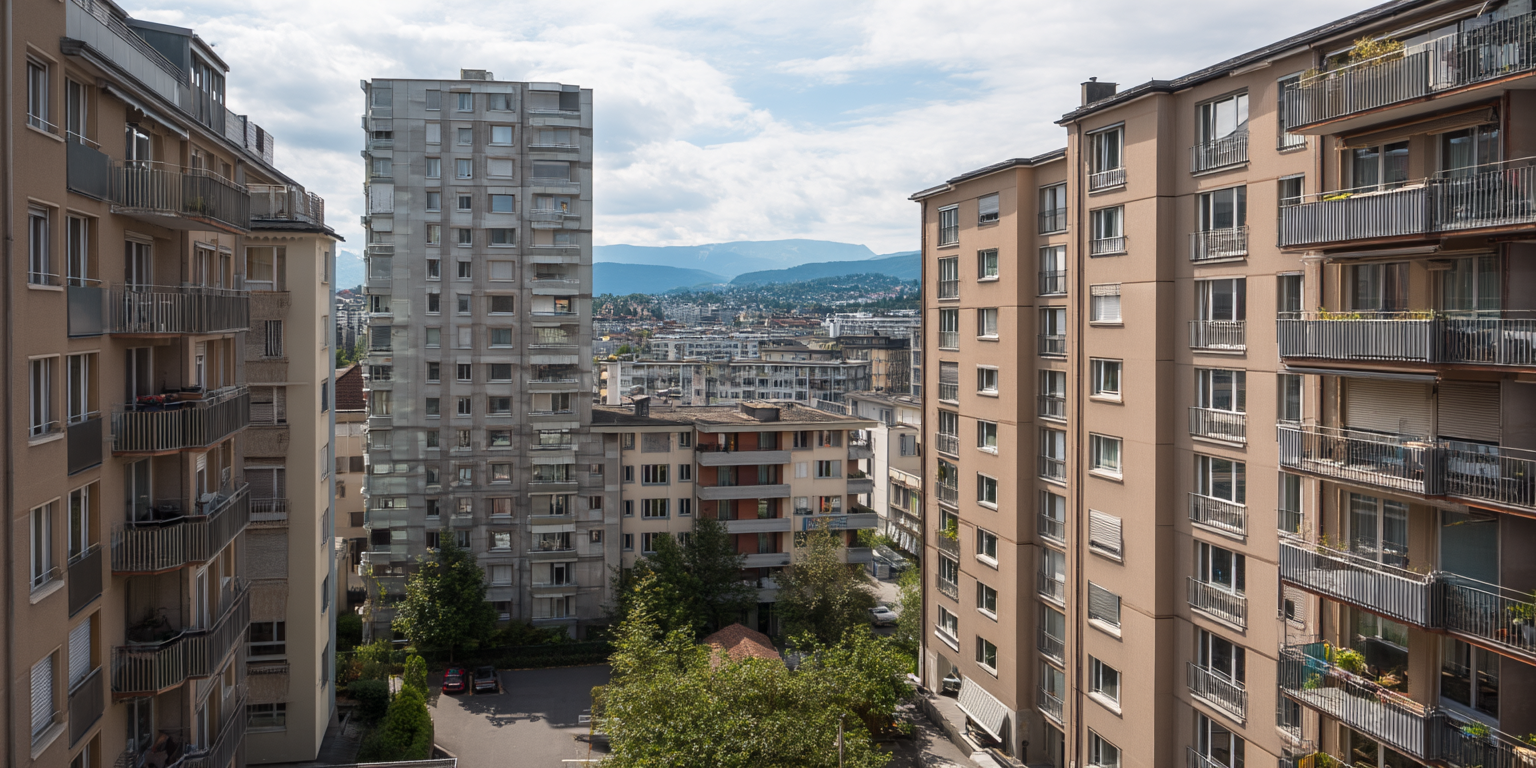
    Households are getting smaller, while apartments remain large. The average household size has fallen to around two people since the 1960s, and the proportion of single-person households is now around 41%, in some cases half of all households in large cities. At the same time, the large multi-room apartment dominates the housing stock, a structural mismatch that puts new construction under pressure.

    added to this are price and location pressures as well as sharp rises in land, construction and energy costs. This makes large apartments unaffordable for many, while investors achieve higher returns per square meter with smaller units. Urban planning models are focusing on redensification instead of single-family homes, and the proportion of new-build apartments in apartment buildings has risen.

    technical consequences for planning and construction
    Smaller apartments do not mean less planning, but more complexity in a smaller space. Higher building densities, larger spans and finer load transfer place demands on structural planning. The building services must supply more residential units per building, with higher requirements for sound insulation, ventilation, cable routing and meter logistics.

    in terms of fire protection, escape routes, fire compartments and rescue concepts are becoming more demanding as densification and mixed use increase. At the same time, there is growing pressure for flexible floor plans that can be divided, combined or repurposed, from single apartments to family homes and back again.

    conversion instead of tabula rasa
    New construction alone cannot remedy the structural imbalance between household and apartment sizes. Most of the existing housing stock dates back to the days of other housing and family models. Demolition and replacement would be neither economically nor ecologically justifiable.

    the focus is therefore shifting to the existing housing stock. Dividing up large apartments, building additions in the courtyard, adding storeys or converting office space become the central engineering task. In technical terms, this means interventions in statics and fire protection, retrofitting building services during ongoing operations and precision work on the occupied building.

    space as an underestimated lever
    The most important message from the evaluations is that heating, insulation and systems engineering are decisive for energy requirements. The heated living space per capita is decisive. Living on fewer square meters automatically reduces the heating load, the use of materials and the operating energy required

    Smaller and more energy-efficient homes therefore become a double key. They are better suited to smaller households and noticeably reduce the energy consumption of the building sector. Downsizing has a more immediate effect than many individual technical measures, provided that floor plans remain liveable, adaptable and socially mixed.

  • Zurich strengthens energy future with solar and storage obligation

    Zurich strengthens energy future with solar and storage obligation

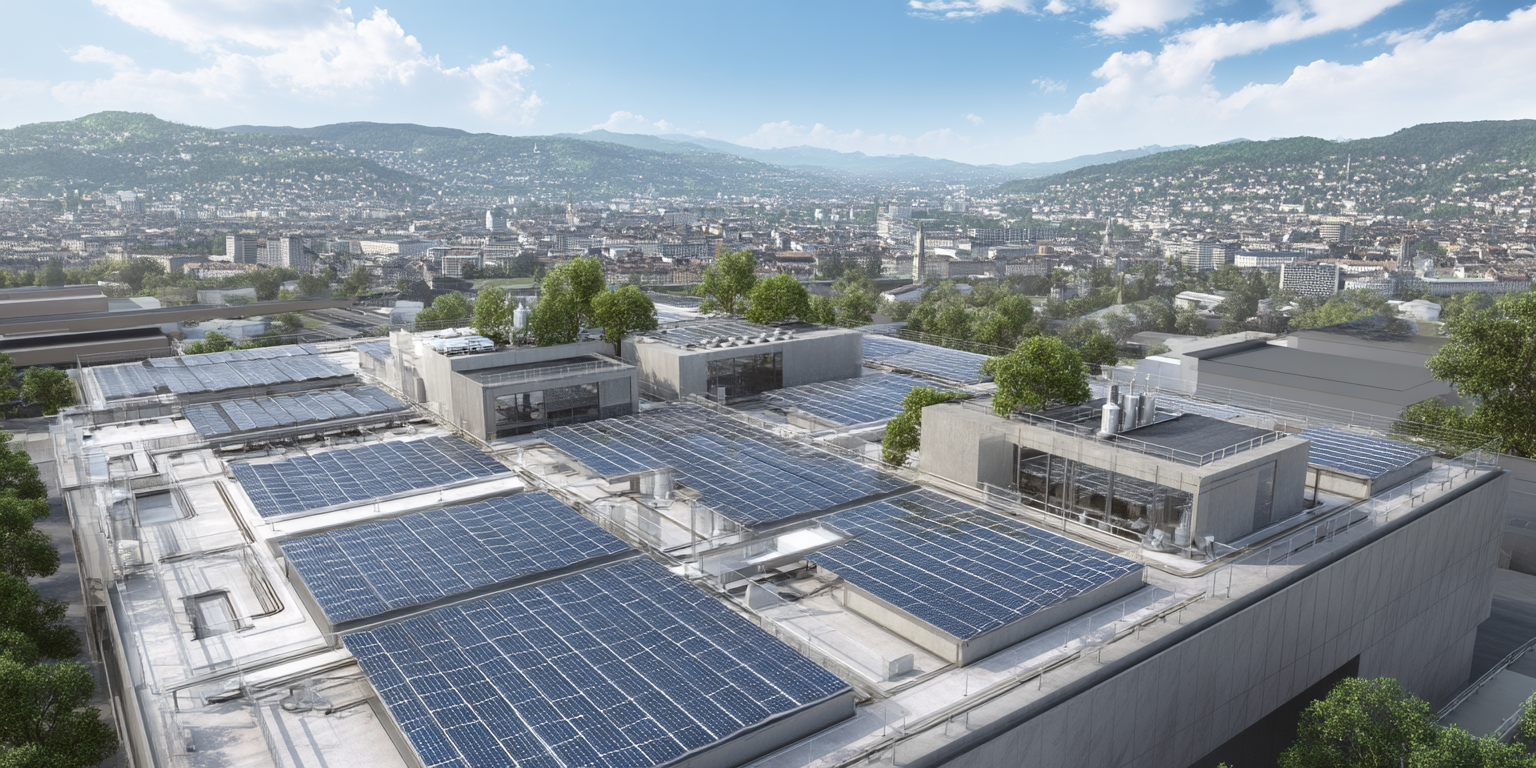
    The largest unused power plant is located on Zurich’s roofs. Around 6 terawatt hours of solar power could be generated annually, almost two thirds of the canton’s electricity requirements. The cantonal government wants to exploit this potential. In future, all suitable roofs over 300 square meters are to be fully covered with solar systems. New buildings are subject to the obligation from the time of construction, existing buildings when the roof is replaced.

    In this way, Zurich is focusing on proven structures. Solar energy is generated locally, can be implemented quickly and hardly encounters any resistance. It strengthens self-sufficiency, especially if surplus summer electricity can be stored.

    Storage as a bridge to winter
    The way to a secure winter supply is through storage. Three quarters of solar power is generated in the summer months. A surplus that should be available for long-term use in the future. The Government Council wants to oblige grid operators to promote long-term storage in a technology-neutral way.

    A moderate levy of no more than 0.5 centimes per kilowatt hour will feed the subsidy fund, which will be administered by the EKZ. For households and businesses, this means around two percent higher electricity costs. Hardship regulations protect electricity-intensive companies.

    Law with a sense of proportion
    Where systems are uneconomical, financial hardship exists or there is no grid connection, exceptions remain possible and the obligation does not apply. Protective interests for the landscape and townscape are also weighed up.

    Zurich is thus sending out a pragmatic signal. Instead of hoping for large-scale projects in the Alps or wind farms, the potential is being used locally. The combination of nationwide solar production and a storage strategy forms the backbone of a secure, renewable energy future in the canton.

  • Interdisciplinarity as the key to innovation in the construction industry

    Interdisciplinarity as the key to innovation in the construction industry

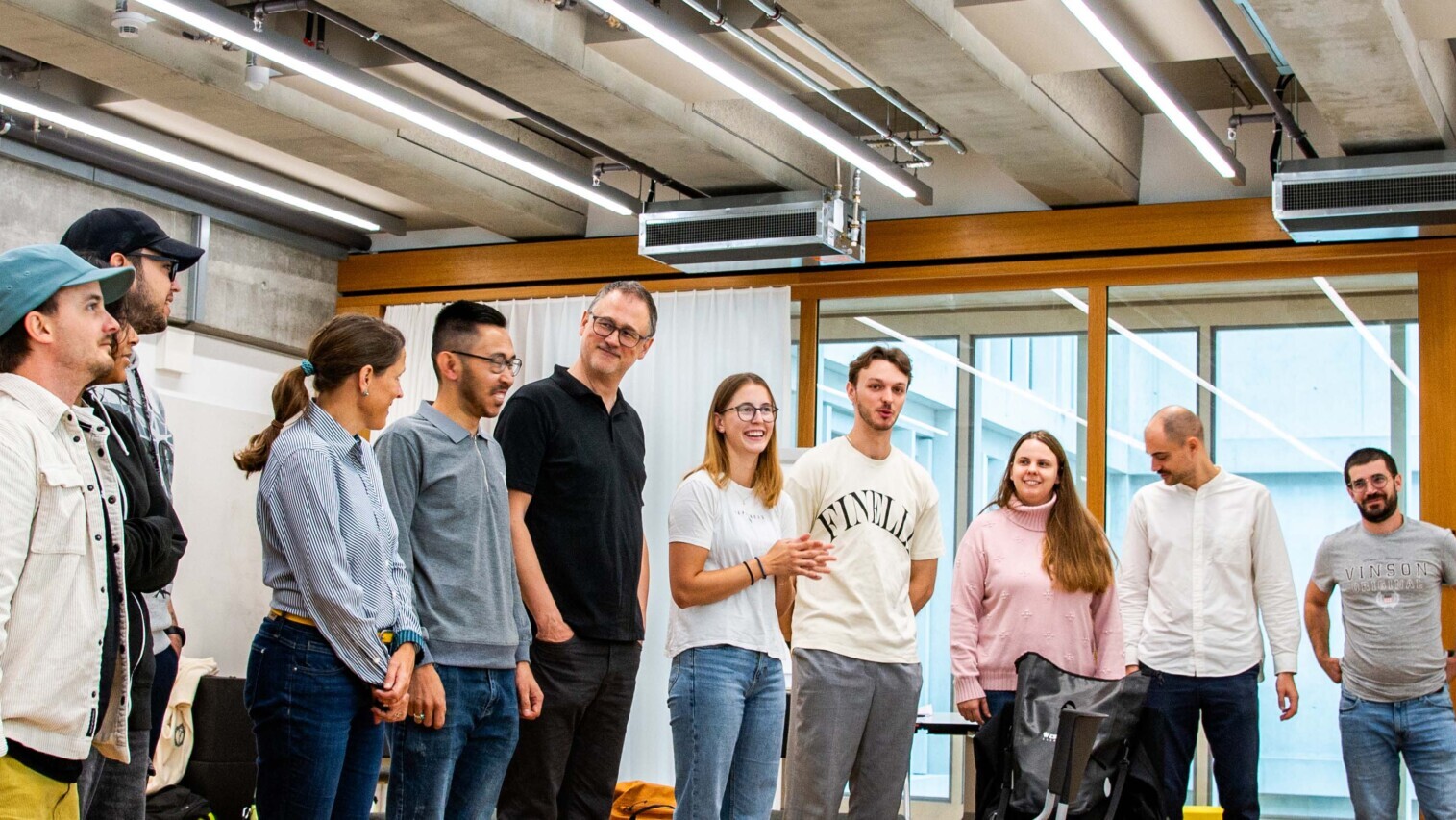
    Students from the fields of architecture, engineering, building technology, geomatics, IT and sustainability management come together on the programme. This diversity opens up new perspectives, but also demands openness and a willingness to learn. Different ways of thinking, specialised languages and priorities must be brought together to achieve a common goal. The attitude is crucial. Those who are prepared to listen, learn from each other and build trust create space for genuine innovation.

    Communication as the foundation
    Without precise communication, even the best technology will fail. Even a term like “model” can be understood completely differently depending on the discipline. In this training programme, students learn to consciously address such differences, develop a common vocabulary and avoid misunderstandings. Collaborative platforms such as Miro or model-based data rooms support the process, but are no substitute for face-to-face dialogue. Only when language, visualisation and digital tools are intelligently combined can a common understanding be created.

    Structure creates trust
    Transparent roles, clear responsibilities and comprehensible processes form the backbone of successful teams. They prevent duplication of work, promote initiative and provide security so that teams can take responsibility. The programme trains this attitude in practical projects in which students take responsibility, give feedback and reflect. This builds trust, the prerequisite for productive flexibility.

    Thinking beyond disciplinary boundaries
    Interdisciplinarity means thinking outside the box and adopting new perspectives. This creates learning spaces in which technical expertise, digital methods and project management intertwine. Students learn to make data-based decisions, integrate sustainable goals and think about people in the process.

    This combination of attitude, structure and communication turns diversity into a strength and interdisciplinary collaboration into a driving force for innovation in digital planning and construction.

  • Basel between regulation and reality

    Basel between regulation and reality

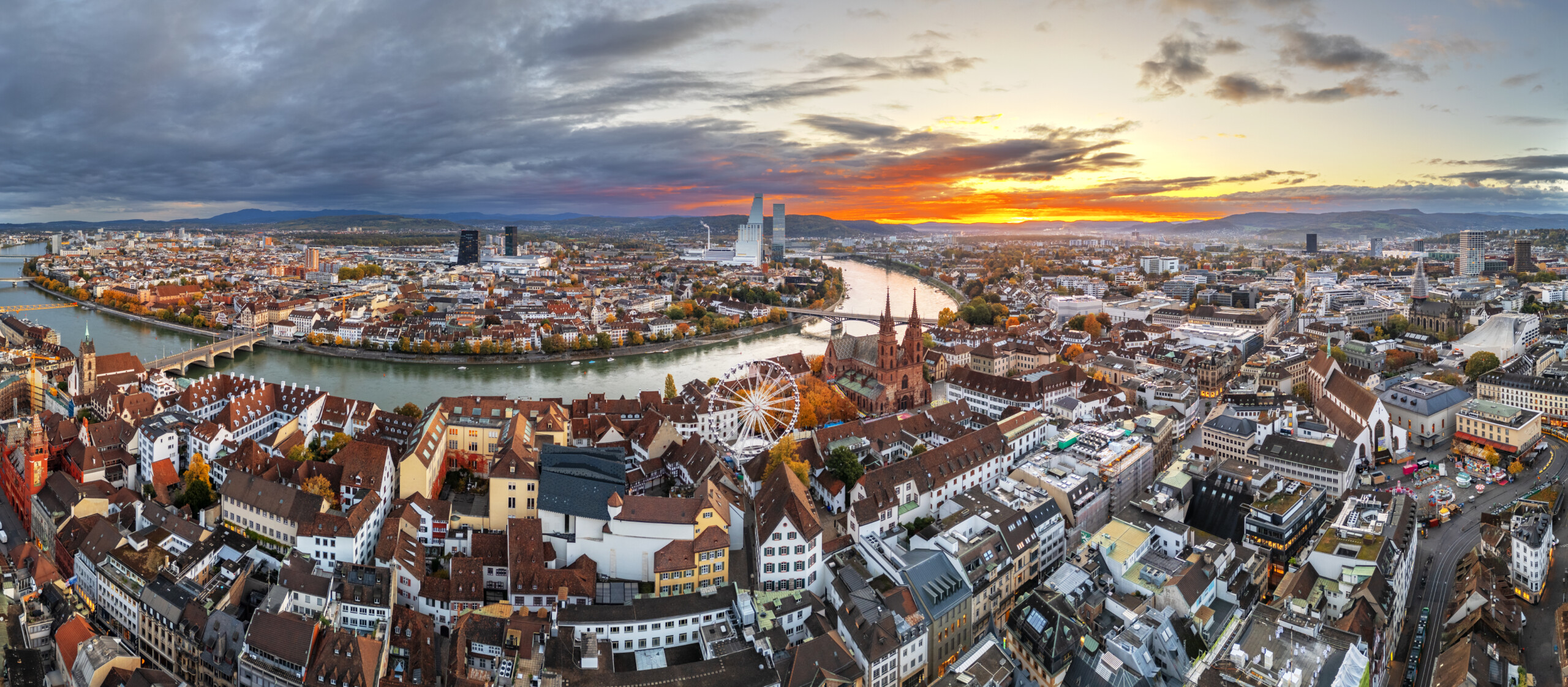
    The latest political interventions, above all the housing protection initiative that came into force in May 2022, have shaken up the industry. The Housing Protection Act protects the existing housing stock and acts as a brake on renewal. Many owners are asking themselves, is it still worth doing what would make economic and ecological sense? The current discussions in the local property sector show that realism dominates, optimism is rare and uncertainty is widespread. At least politicians have recognised the problem and made initial adjustments. On 1 November 2025, the ordinance on the Housing Protection Act was amended and corrections made. The amendment to the ordinance is a step in the right direction. But not much more. In order for renovation, refurbishment and investment to actually take place again, the law needs to be amended.

    At the same time, it should be noted that the Basel housing market remains robust. The demand for good living space is unbroken, vacancy rates remain low (albeit less low than in other cities) and the attractiveness of the tri-border region, with its locally anchored pharmaceutical and life science industry, remains high. But the surrounding area is not sleeping either, with regulatory intervention in Basel encouraging a creeping relocation of investments to the neighbouring cantons and beyond. This not only affects investors, but also the local industry, which has to look outside Basel-Stadt for work. In some cases, this is causing prices to falter. This is not a healthy trend, but a warning signal.

    At the same time, the requirements for ESG compliance and energy efficiency are constantly increasing and with them the cost pressure. Anyone building or renovating today not only has to do the maths, but also justify themselves to banks, authorities and an increasingly critical public.

    In the short term, the search for stability and planning security dominates. In the medium term, the focus is shifting to the energy-efficient refurbishment of existing properties, not least from an ESG perspective.

    In the long term, the Basel property market will have to be judged on whether it can find a new balance between regulation, sustainability and profitability. Confidence remains, fuelled by the conviction that quality, innovative spirit and regional strength will endure even in challenging times.

    Fabian Halmer,
    President SVIT beider Basel
  • Basel region calls for rapid implementation of cross-city rail link

    Basel region calls for rapid implementation of cross-city rail link

    The underground rail link between the SBB railway station and Badischer Bahnhof in Basel is essential for the expansion of the S-Bahn in the border triangle. This is stated in a declaration by the cantons of Basel-Stadt and Basel-Landschaft and the Basel Chamber of Commerce (HKBB). They are calling for the rapid implementation of this so-called cross-city line, which will make the current turning movements of trains in both stations superfluous. In return, they see potential for reductions in further rail expansion in Basel.

    The two cantons and the Chamber of Commerce refer specifically to Ulrich Weidmann, who described the new connection as undisputed and absolutely necessary for the S-Bahn system. The professor at the Swiss Federal Institute of Technology Zurich had prepared the Transport 2045 report. On the basis of this report, the Federal Council decided in October to deprioritise the Basel SBB underground station and the cross-city line.

    “The cross-city link represents a quantum leap in suburban rail services for the region,” said Esther Keller, member of the cantonal government, in the press release. “In our view, it can be realised within the next 20 to 30 years,” said the head of Basel’s Department of Construction and Transport.

    Martin Dätwyler points out the importance of eliminating bottlenecks on the roads. “With the rapid implementation of the diameter line, we will be able to make both modes of transport – road and rail – fit for the future,” the HKBB director is quoted as saying. “This will not only strengthen the Basel economic region, but also the Swiss economy as a whole, and is essential for the country’s supply.”

    Government Councillor Isaac Reber also emphasises the importance for the whole country. “The region is the gateway to Switzerland,” says the head of the Basel-Landschaft Department of Construction and Environmental Protection. “Without the construction of the cross-city link, the region will become a bottleneck. We cannot afford that – and neither can Switzerland.”

  • Innovative energy technology combines summer surplus with winter warmth

    Innovative energy technology combines summer surplus with winter warmth

    According to a press release, Matica AG from Wagenhausen and Lucerne University of Applied Sciences and Arts have founded SeasON Energy AG. The aim is to industrialise and commercialise the SeasON sorption heat pump technology, which was jointly developed by the two partners over the past three years. It stores surplus renewable energy in summer using a thermochemical process and provides heating energy in winter with almost no additional electricity.

    “The founding of the spin-off SeasON Energy AG marks another important step in the further development of this pioneering technology and its market launch,” said Matica CEO Marc Lüthi. He will take over the operational management of the Zurich-based green tech start-up.

    “The first pilot plant, which has been in operation for a year at the animal carcass collection point in Frauenfeld, has proven that the technology works,” explains Benjamin Fumey, member of the board of directors of SeasON Energy and head of the CC Thermal Energy Systems and Process Engineering research group at the Institute of Mechanical and Energy Engineering at the Lucerne University of Applied Sciences and Arts – Technology & Architecture.

    A second pilot plant is located at the postal delivery point in Kaltenbach TG and a third in a residential building in the German state of North Rhine-Westphalia. SeasON Energy plans to implement around a dozen further pilot projects over the next 12 to 18 months. The aim is to demonstrate the performance and economic efficiency of the technology.

    In 2025, the SeasON project was awarded the Prix Watt d’OR and the Greenovation Award. SeasON was also one of the three finalists in the Industry Innovation category ofthe Swiss Technology Award.

  • Change in leadership provides impetus for the business location

    Change in leadership provides impetus for the business location

    According to a statement, the Board of Trustees of Lucerne Economic Developmenthas appointed Patrik Wermelinger as its new director. The 54-year-old Lucerne native succeeds Ivan Buck, who, after eight years in office, will now focus on his own company in the field of relationship management. Wermelinger, who holds a degree in business administration and an Executive MBA, previously worked as Head of Location Promotion and Marketing at Lucerne Economic Development Agency from 2006 to 2016. Since 2016, he has been Chief Investment Promotion Officer and a member of the Executive Board at Switzerland Global Enterprise.

    According to the announcement, his ten years of experience in economic development, his knowledge and network in the Lucerne area, and his expertise in the needs of foreign companies make him the ideal candidate. “Patrik Wermelinger impresses not only with his high level of expertise and extensive international experience, but also with his trustworthy and profitable manner,” said Dr Erwin Steiger, President of the Foundation Board. Ivan Buck will remain employed by Lucerne Economic Development Agency as acting director until the end of February 2026. Andreas Zettel will then take over as acting deputy director until Patrik Wermelinger takes up his post on 1 June 2026.

    Lucerne Economic Development is the central point of contact for companies in Lucerne as a business and residential location. Its service portfolio includes location promotion, business development, start-up support, and the expansion and maintenance of the network with the canton, municipalities and business community.

  • Digital brokerage platform expands offering in the skilled trades market

    Digital brokerage platform expands offering in the skilled trades market

    QuinStreet will integrate HomeBuddy into its offering. The California-based company has announced that it intends to use the SIREN GROUP’s brokerage platform from the canton of Schwyz to add “an important new product line” to its Modernise Home Services platform. The aim is to enable trades companies to achieve “predictable, sustainable business growth”.

    QuinStreet also believes that this acquisition will result in an increase in adjusted EBITDA of an estimated £30 million or more in the first twelve months. After that, “already identified synergies” are expected to come into play and lead to “significant growth”. According to the information provided, HomeBuddy generated revenue of approximately $141 million in the twelve months to 30 September 2025.

    To achieve the targeted growth, QuinStreet will pay SIREN GROUP $115 million in cash upon closing and an additional $75 million over a four-year period under a share purchase agreement. Further details of the transaction will be provided with the financial results for the first two quarters of 2026, according to the information provided.

    QuinStreet expects HomeBuddy to expand its network with new repair and renovation professionals and increase its customer base to more than 2,000 businesses and regional professionals from 30 demanding industries. In addition, HomeBuddy is expected to further strengthen QuinStreet’s foundation for delivering new products and services, most notably the 360 Finance marketplace for financing home renovations.

  • Majority stake drives growth in the Peruvian market

    Majority stake drives growth in the Peruvian market

    The Zug-based building materials company Holcim has announced the acquisition of a majority stake in the Peruvian building materials company CementosPacasmayo. With this transaction, Holcim is strengthening its presence in the growth market of Latin America and pursuing its NextGen Growth Strategy 2030, according to the press release.

    Cementos Pacasmayo is forecasting net sales of USD 630 million and an EBITDA margin of 28 per cent in 2025. The transaction volume of USD 1.5 billion thus corresponds to 8.8 times the EBITDA forecast for 2025. The acquisition is expected to have a positive impact on earnings per share (EPS) and free cash flow in the first year and on return on investment (ROIC) in the third year.

    “The synergetic acquisition of Cementos Pacasmayo is in line with our ‘NextGen Growth 2030’ strategy to accelerate growth in the attractive Latin America region,” Holcim CEO Miljan Gutovic is quoted as saying. “This is an opportunity to continue the exceptional legacy of Cementos Pacasmayo, based on a strong performance culture, a deep commitment to its employees and a highly recognised brand in Peru. The company is highly cash-generative and has a complementary portfolio of building materials and construction solutions. I look forward to welcoming Pacasmayo’s 2,000 employees to Holcim and continuing to grow together.”

    The approximately 300 points of sale of Cementos Pacasmayo will complement Holcim’s presence in Latin America. Holcim had already entered the Peruvian building materials market last year with the acquisitions of Comacsa, Mixercon and Compañía Minera Luren.

    The transaction, which is expected to close in the first half of 2026, is in line with Holcim’s growth-oriented capital allocation and is subject to customary regulatory approvals.

  • Renovation combines functionality, comfort and alpine location

    Renovation combines functionality, comfort and alpine location

    Heller Gastro AG will open its newly renovated and converted Eiger Lodge Grindelwald on 19 December 2025. The work centred on the renovation of the Eiger Lodge “Easy”, the older of the two buildings that form part of the Eiger Lodge. It was modernised between April and December. According to a press release, the investment volume totalled 4.5 million Swiss francs. The two hotel sections “Easy” and “Chic”, located directly beneath the north face of the Eiger, offer a total of 220 beds.

    according to the statement, 70 per cent of the order volume was carried out with local companies, while the remaining 30 per cent was carried out with companies from Bern and the Bernese Oberland. The new breakfast area now offers more space and large window fronts with mountain views. New kitchen facilities are intended to simplify processes behind the scenes. The reception and entrance area has also been completely refurbished. A sauna has been installed on the upper floor. An adjoining terrace is still under construction. The communal showers, which are part of the “Easy” multi-bed, double and family rooms, have also been completely renovated.

    The hotel has been the base for numerous mountain enthusiasts since the 1990s under the name Mountain Hostel. in 2015, it was taken over by Heller Gastro and renamed the Eiger Lodge. The company also operates the Eiger Mountain & Soul Resort Grindelwald on site.

  • Online network promotes knowledge transfer and expansion in the property sector

    Online network promotes knowledge transfer and expansion in the property sector

    Zuger Makler Service AG has launched Real Estate Talk Arabia, a free digital education and networking platform for property professionals and investors. The platform is designed to help companies in the European property industry expand into international markets and connect them with the Middle Eastern property market, particularly Dubai. According to an announcement via Business Insider, the platform is available immediately and can be accessed through the official channels of Makler Service.

    Real Estate Talk Arabia combines education with communication and community on a freely accessible platform. Users benefit from monthly live streams, structured online courses and a Facebook community. There, they receive practical insights into international markets, customer communication and sales strategies from property developers and experts. “Real Estate Talk Arabia reflects our philosophy – progress through networking,” explains Makler Service AG. “We are convinced that professional development should never be limited by payment barriers or geographical restrictions.”

    Makler Service AG was founded in 2020 during the pandemic and has developed into a leading training provider for property professionals in the DACH region within five years. The new initiative now aims to connect continents and strengthen the company’s international presence.

  • Realignment of management strengthens agility and specialisation

    Realignment of management strengthens agility and specialisation

    The Winterthur-based property and trust company Müller Schuhmacher is reorganising its management. According to a press release, the new management structure is intended to create more agility and strengthen the focus on the company’s special competences.

    The new Managing Director is Dominic Schuhmacher. Daniela Steiner will take over as head of property management. Michael Zeugin is in charge of property sales and now also acts as Chairman of the Board of Directors. Finance, human resources, communication and projects will be bundled in the newly created Corporate Centre. This will be managed by Christine Müller. Christian Furrer will continue to be responsible for the Fiduciary division.

    “The new structure makes us more agile, creates clear responsibilities and strengthens our specialisation,” Michael Zeugin is quoted as saying. “This allows us to remain efficient and an attractive employer.” In an internal discussion with some of the new management team, Dominic Schuhmacher points out that staff turnover is around four times lower than the industry average and that the new organisation creates clear development prospects within the company. “At the same time, it gives us the structural flexibility to examine succession solutions or targeted acquisitions without jeopardising our culture and values.”

    Parallel to the reorganisation of the management structure, Müller Schuhmacher has also further developed its brand identity. According to Christian Furrer in the interview, it reflects the company’s proven values as well as its growth and current reality. It also “works excellently in digital communication”.

  • New cable car technology strengthens sustainable mobility in metropolitan areas

    New cable car technology strengthens sustainable mobility in metropolitan areas

    The Câble C1 urban cable car system has been in operation in the south of Paris since 13 December, using ropes and a magnetic induction monitoring system from Fatzer AG in Romanshorn. Fatzer claims to be the global market leader in the field of transport ropes and is part of the Brugg Group based in Brugg. According to a press release, the new railway is the longest urban cable car in France. In the densely populated Val-de-Marne department, which is part of the Paris metropolitan area, it is intended to relieve the public bus and metro system and reduce individual traffic. The project was realised by Doppelmayr France, a subsidiary of the Doppelmayr ropeway technology group based in Wolfurt, Austria.

    According to Fatzer, the cable car serves a 4.5 kilometre route with five stations and a journey time of 18 minutes, connecting the suburb of Créteil with the municipalities of Limeil-Brévannes, Valenton and Villeneuve-Saint-Georges. A total of 105 cabins travel over 30 supports with the help of three rope loops. Fatzer supplied three ropes with a total weight of around 90 tonnes for this project. The Performa DT rope type was used, which Fatzer developed especially for use in densely populated areas and high loads. It is characterised in particular by its long service life and quiet, smooth running.

    The rope condition is monitored using the Fatzer TRUscan solution to ensure that the operating times of 18 to 19 hours a day can be reliably guaranteed without interruption. According to the company, magneto-inductive measurements provide those responsible with real-time data. Irregularities are detected immediately, making maintenance work easier to plan.

    It is stated that the Performa-DT rope is already being used in numerous highly frequented urban installations, including in La Paz in Bolivia, Medellín in Colombia, Guayaquil in Ecuador, La Réunion and Ajaccio in France, Mexico City and, soon, Uruapan in Mexico.

  • Strategic takeover strengthens mortar business in Northern Europe

    Strategic takeover strengthens mortar business in Northern Europe


    Sika is acquiring Finja Betong, a manufacturer of dry mortars, floor levelling compounds and façade systems based in Finja, Sweden. Together with the recently completed acquisition of the Danish mortar manufacturer Marlon, Sika thus achieves comprehensive coverage of the mortar segment in the Northern European countries, according to a press release.

    This will open up new cross-selling potential for Sika in the future, as the product portfolios and customer bases of the two companies complement each other. As Finja has recently invested in increasing the efficiency and capacity of production at its two sites, Sika will benefit from this expansion and aims to offer its Northern European customers a broader range of locally manufactured solutions. Finja’s expertise in low CO2 mortars, cold climate solutions and state-of-the-art digital product selection tools will strengthen the combined offering and provide Sika with a solid base for expansion across different market segments.

    “The acquisition of Finja provides us with excellent opportunities to strengthen our presence in the Northern European construction markets,” said Christoph Ganz, Regional Manager EMEA at Sika. “With our global expertise and strong organisation, we can leverage Finja’s extensive product range, broad distribution network and innovative digital tools to unlock significant cross-selling potential and generate customer benefits. We look forward to warmly welcoming the Finja team to the Sika family and developing our business together in the future.”

    The transaction is subject to customary regulatory approvals and is expected to close in the first quarter of 2026.

    Sika is a speciality chemicals company focused on systems and products for bonding, sealing, damping, reinforcing and protecting in construction and industry. Sika has a global presence with over 400 factories in 102 countries and employs more than 34,000 people.

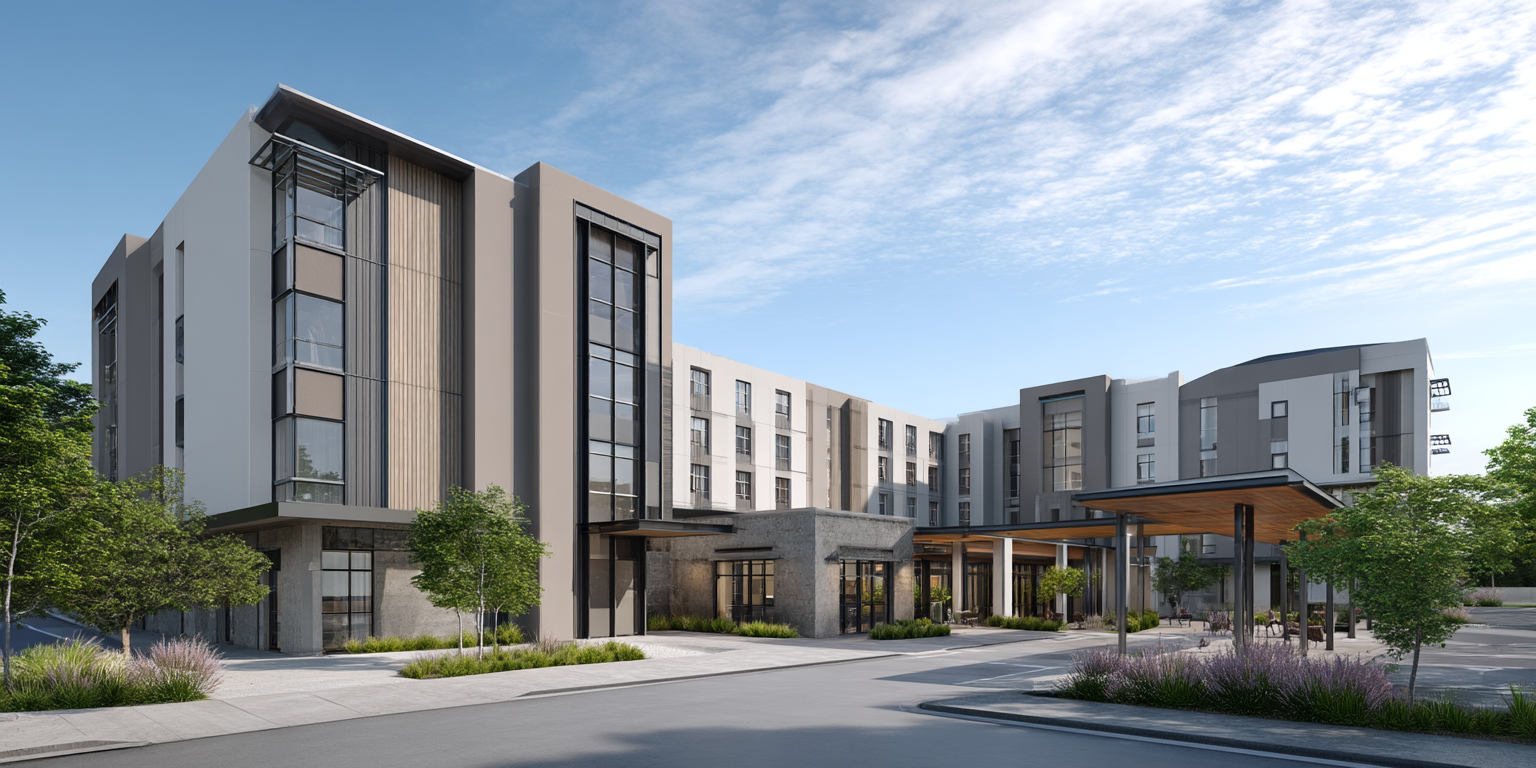
  • Merger strengthens care and living in old age

    Merger strengthens care and living in old age

    The Dübendorf-based Tertianum Group has acquired the Senevita Group, which previously belonged to the French care group Emeis from Puteaux. According to a press release, the transaction has already been approved by the Competition Commission(COMCO). The parties have agreed not to disclose the takeover price.

    The merger of the two care groups is intended to improve the entire area of nursing and residential care for the elderly in German-speaking Switzerland. Both companies combine high quality standards, regional roots and a clear commitment to social responsibility in the care sector, according to the press release.

    “I would like to warmly welcome the employees of the Senevita Group to our joint company. They complement the Tertianum Group perfectly – with their expertise, commitment and professionalism. We are proud to be working with them under one roof in the future to become even better together,” Luca Stäger, CEO of Tertianum Group, is quoted as saying in the press release. “The merger also complements our geographical presence, enables numerous synergies in operational excellence through mutual learning and creates new perspectives for all employees.”

    The now joint company will provide needs-based care for 10,000 guests. The Tertianum Group now has a total of 6,400 care beds and 4,300 age-appropriate apartments at 140 locations throughout Switzerland. In order to secure the next generation of nursing staff, 800 apprentices are being trained.

  • New sales concept focuses on experience and encounters

    New sales concept focuses on experience and encounters

    Rohner is redesigning its sales area in Balgach. According to a statement from CEO Hermann Lion, the site will be expanded to include a new sales area and is set to open in September 2026. The aim is “a space that connects brands and people. A space that inspires, surprises and shows that modern retail is far more than just sales.”

    The traditional company, founded in 1873, is thus responding to its perception that “people are once again shopping more consciously and looking for real contact – after years in which much has become digital,” says Lion on request. “Brick-and-mortar retail has a future if it offers more than just a transaction.” This is why the textile company is “investing specifically in a concept that combines experience, quality and encounters. It is a statement for the strength of physical retail – and for our region”.

    The new sales area is being designed by Zurich-based Susanne Fritz Architekten: “Clear lines. Natural materials. Light that tells stories,” says Lion. Susanne Fritz has already renovated and extended the entire building complex in Balgach and put it to a new use. The entire brand identity of Rohner AG was modernized and also architecturally redesigned, including the existing store space. “Despite a lower density of racks, it was possible to increase sales per square meter,” according to a presentation of the work.

    According to Lion, something is now being created in the new sales area “that we have never seen before in our region”. Various brands are to be visible together at this location. Shop-in-shop concepts for other textile brands are planned, as well as for accessories, lifestyle products, outdoor and design brands. “It is important to us that the partners can tell a story and fit into the overall experience, whether they are local manufacturers or international brands with a clear attitude.”

  • Realignment of a former weapons range takes shape

    Realignment of a former weapons range takes shape

    With the signing of a letter of intent to cede the Moudon military base, the canton of Vaud can start its planning process for the future use of the site. As the Confederation confirmed in a press release, the army will vacate the site from the end of 2027 to make way for the Vaud Police Academy. The canton, armasuisse Real Estate as the real estate competence center of the Federal Department of Defence, Civil Protection and Sport(DDPS) and the State Secretariat for Migration(SEM) are involved in the declaration of intent. The basis for this step is the decision taken by the Vaud State Council in May 2022 to relocate the police academy from its current location in Savatan to Moudon.

    According to the press release, the area and infrastructure of the Moudon weapons range offers great potential for establishing an interdisciplinary training center. The canton is already examining whether the site could be used not only by the police academy, but also by other partners from the security sector. In particular, so-called blue light services, services in the area of environmental protection or in the area of the penal system are under discussion. A project planning loan should enable all options to be explored.

    It is already clear today that the area will be gradually redesigned after the withdrawal of the army. The 41 Hospital School Command stationed in Moudon will move to the Chamblon military base in stages from the second half of 2027. The emergency capacities of the SEM in Moudon will remain in place. This means that accommodation can be provided in the multi-purpose hall there in the event of an increase in asylum seekers. “If the project progresses according to plan, the first training courses could begin between 2030 and 2032,” says the federal government.

  • New logistics hall increases efficiency in the national distribution network

    New logistics hall increases efficiency in the national distribution network

    Senn AG from Oftringen, which specializes in extensions, new buildings and special constructions, is building a new steel warehouse for the Migros distribution company(MVB) in Suhr. According to a press release, the new building covers an area of 7500 square meters, is more than 100 meters long and 15.5 meters high. At the heart of the modernization is a fully automated storage system, which will increase capacity and make logistics more efficient.

    A total of 1100 different components were required, which was logistically demanding and a challenge for assembly due to limited space for temporary storage. According to Senn AG, most of the assembly work was carried out using the company’s own mobile crane and two construction site cranes.

    According to the press release, the supporting structure is made of white-coated steel. a total of 530 tons of steel were used. According to the company, Senn AG processes 7,000 tons of steel and aluminium annually at its headquarters and is active in steel and metal construction, sheet metal and stainless steel centers, emergency power systems, mobile crane operations and other transport solutions.

    Construction work has been underway since the end of June. Around three quarters of the hall has been assembled and the final parts of the hall are currently being coated in the workshop and prepared for transportation. The project should be completed before the end of December.

    The realization of the warehouse is important for Migros’ supply network. As MVB writes, the retail group operates one of two national distribution centers in Suhr. The first was built more than 50 years ago in Neuendorf SO, and another site was built in Suhr more than 25 years ago.

  • Where the construction and real estate world is building its future

    Where the construction and real estate world is building its future

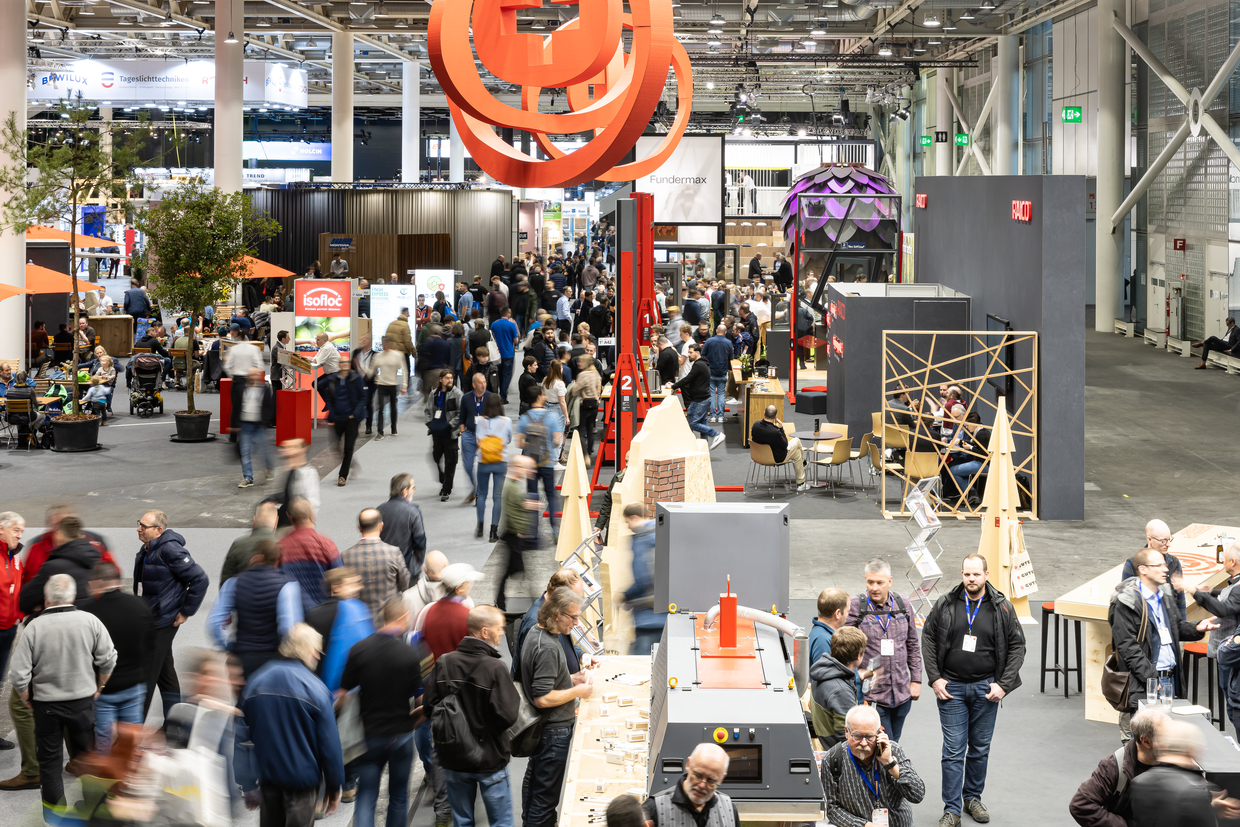
    Swissbau 2026 is more than just a trade fair. It is a seismograph of an industry in upheaval. Climate change, the energy crisis, scarcity of resources and a shortage of skilled workers are coming up against the rapidly advancing digitalization of the construction and real estate industry.

    the focus is on questions that will determine the future viability of a company today. How can we plan and build in a circular way? How can buildings become more energy-efficient and resilient? And how can digital tools be used to make processes simpler, more transparent and more collaborative? From design to operation.

    At the same time, there is growing pressure to visibly implement sustainable answers in projects, processes and products. Swissbau brings these topics together in a shared experience space where strategies, solutions and practical examples come together.

    focal points and highlights
    The trade fair sets clear focal points in terms of content. These include climate and energy, circular economy and materials, digitalization and collaboration as well as architecture and quality of life in the built environment. These topics will be presented in a practical and condensed manner in stage formats, guided tours and live demonstrations.

    highlights include premieres of new systems, materials and technologies that bring resource-saving construction and energy-optimized buildings to life. Live demos will show how digital planning, model-based collaboration and robotic production are changing the construction site and what opportunities this presents for efficiency, quality and occupational safety.

    how digital is Swissbau?
    Digitalization is no longer a stand-alone area, but runs as a common thread through the entire Swissbau. The focus is on end-to-end processes, from digital planning and BIM-supported collaboration to data rooms that connect planning, construction and operation.

    Platforms, tools and applications that make building data usable and thus contribute to more efficient project management, better decision-making and smarter operation will be presented at the trade fair. The physical trade fair will be complemented by an expanded digital presence that offers a program overview, streams of selected formats and extended dialogue opportunities before and after the trade fair days.

    The result is a hybrid knowledge and networking platform that goes far beyond the classic trade fair visit and enables companies to make their digitalization journey visible and think ahead.

    swissbau Focus Stage for dialog
    Swissbau Focus forms the heart of the trade fair in terms of content. In curated talks, panels and specialist events, associations, companies, universities and authorities discuss key issues relating to the future of the construction and real estate industry.

    The focus here is on framework conditions, strategies and specific responsibilities. How is the regulatory framework developing? What incentives are needed for climate-friendly and circular construction? What role do the public sector, real estate sector and industry play in the interplay?

    The character of the event is deliberately dialog-oriented. The focus is on exchange rather than frontal presentations, on controversial perspectives rather than one-sided product messages. This makes Swissbau Focus a place for managers and experts to sharpen their positions, form alliances and gain impetus for their own strategy

    Swissbau Lab and live craftsmanship
    While Swissbau Focus focuses on discourse, Swissbau Lab brings innovations to life. In a mixture of workshop, stage and laboratory, start-ups, established industry partners and educational institutions present new solutions. From digital tools and circular materials to pioneering construction processes.

    Formats such as the Main Stage, the Speakers Corner and thematic sessions focus on short, condensed inputs, best practices and direct exchange with the participants. This creates a field for experimentation in which new ideas can be tested, discussed and further developed. Close to practice, open to criticism and cooperation.

    At the same time, Treffpunkt Handwerk shows how much the building trade itself is changing. A two-storey timber house will be built live and companies will demonstrate work processes, tools and materials in operation. Digitalization, prefabrication and precision will be directly visible here, from smart tools to networked construction sites.

    Training, networking and safety
    A central concern of Swissbau 2026 is securing the next generation of skilled workers. Professional and industry associations, schools and training providers use the platform to showcase training paths, specializations and career opportunities. As well as to strengthen the dialog between young talent, companies and educational institutions.

    Networking runs through the entire trade fair. Lounge areas, themed meeting points and curated events offer space to initiate projects, deepen partnerships and forge new coalitions around the topics of climate, energy, digitalization and security.

    The topic of safety is broadly understood. From occupational safety on the construction site to building safety and resilience through to stable, trustworthy digital infrastructures. Swissbau 2026 shows that if you want to shape the future of construction, you not only need good products, but above all strong networks, shared knowledge and the courage to break new ground

    Trade fair dates and address
    Tuesday to Friday, January 20 to 23, 2026:
    9 a.m. to 6 p.m.
    All halls

    Saturday, January 24, 2026:
    9 a.m. to 4 p.m.
    Hall 1.2 and Hall 1.0 South
    Trend World Interior Design and Swissbau Focus
    www.swissbau.ch

  • St.Gallen prevents planning standstill in municipalities

    St.Gallen prevents planning standstill in municipalities

    In many St.Gallen municipalities, comprehensive revisions of structure and framework land use planning are currently underway, while in some cases the 1972 Building Act is still in force. As a result, no new planning principles could be implemented for years between the publication and approval of new land use plans, and important projects remained blocked. The IV. Amendment to the Planning and Building Act closes this gap and implements the motion to avoid a planning standstill. The aim is to ensure the municipalities’ ability to develop and at the same time create legal clarity.

    Two approaches for greater planning certainty
    The government is pursuing two approaches to achieve this. On the one hand, special land use plans that are still materially based on the old law can continue to be approved until the new framework land use plan has been approved by the Office for Spatial Development and Geoinformation. If such a plan is compatible with the future regulations, it can be converted into a PBG-compliant special use plan without having to restart the procedure. On the other hand, under the new law, special land-use plans may be published and approved as soon as the revised framework land-use plan has been published. Depending on their compatibility with the old law, they enter into force either immediately or only when the new plan comes into force.

    Extended deadline for local planning revisions
    In addition, the government is proposing to extend the deadline for adapting the municipal framework land use plan to the new Planning and Building Act from 2027 to 2030 across the board. Experience to date has shown that many municipalities are unable to complete their extensive planning work within ten years. The deadline can also be extended further on an individual basis upon justified request. The new provisions combine legal certainty with flexibility and thus form an important basis for orderly settlement development, reliable investment decisions and the implementation of the canton’s spatial planning objectives.

  • Zug promotes sustainability and innovation

    Zug promotes sustainability and innovation

    On November 30, 2025, the Zug electorate clearly approved the Site Development Act. The cantonal government has now passed the implementation ordinance, meaning that the law and ordinance will come into force on January 1, 2026. The canton is investing the expected annual net additional revenue of around CHF 200 million from the OECD minimum tax in three areas. In social measures such as childcare, education and housing, infrastructure and innovative projects, such as blockchain and ETH collaborations or energy projects, as well as targeted subsidies to companies for sustainability and innovation.

    Impact-oriented sustainability promotion
    The central element of SEVO is impact-oriented promotion of climate protection in companies. Support is provided for projects that substantially reduce greenhouse gas emissions in the supply chain. The prerequisite is a saving of at least 50,000 tons of CO₂ equivalents; 30 francs are paid per ton saved. In this way, the canton rewards measurable, verifiable emission reductions instead of purely declarative climate promises and provides a clear incentive for large decarbonization projects.

    Stimulus for research and development
    In addition to sustainability, the program specifically addresses the innovative strength of Zug’s economy. The expenditure-based innovation promotion supports research and development activities with a contribution rate of 25% on qualifying personnel expenses, supplemented by a flat-rate infrastructure supplement of 35%. Funding is also provided for clinical studies conducted in Switzerland. In this way, the canton of Zug is strengthening both technology-oriented companies and research-intensive sectors such as pharma, medtech and deeptech.

    Flexible system in the shadow of the minimum tax
    The ordinance is deliberately designed to be flexible in order to be able to react to a dynamic international tax environment. The background to this is the OECD minimum tax, which affects around 400 companies in the canton. The new support system is intended to compensate for impending locational disadvantages and ensure Zug’s attractiveness as an international business location. Companies can submit applications for the first time from March 1, 2026, based on the figures for the 2024 financial year. The Directorate of Finance is responsible for implementation. The aim is an unbureaucratic, efficient system that rewards clearly measurable achievements in sustainability and innovation and positions Zug in global competition in the long term.