Tag: Kreislaufwirtschaft

  • Subscription model provides flexible set-up solutions for companies

    Subscription model provides flexible set-up solutions for companies

    Skollektiv GmbH offers its furnishing solution as a subscription model on the new Settility.ch website. Under this name, the Bern-based creative network provides pieces of furniture for temporary use that are consistently designed according to the principles of the circular economy, from design and use to the return and reuse of materials. “With Settility, companies and institutions can furnish places to a high standard, even though many industries lack a long-term planning horizon,” reads a press release.

    According to the statement, the Settility design allows for maximum design freedom, as all components are compatible with each other. In addition, all modules are mobile and multifunctional, so that a lobby can be transformed into an event venue, a work zone into a workshop space or a catering environment into an exhibition and sales area with little effort.

    The annual subscription costs are gradually reduced over the first five years. From the sixth year onwards, only a small annual usage fee is charged. “Our subscription model is also extremely flexible in terms of the period of use,” says co-founder Reto Waser, who is also responsible for the concept and realisation. “Anything from two days to many years is possible and makes economic sense.” In addition, customers receive scenographic advice every year. The technical maintenance of the modules is also included in the subscription costs.

    One of Skollektiv’s first customers was the Bluefactory in Freiburg, which rents out modularly customisable spaces to commercial and scientific players. Its Hospitality & Services Manager, Fabio Burri, explains why his company opted for a Settility facility: “The Bluefactory will continue to develop over the coming years. That’s why we appreciate the flexibility and service that Settility offers us.”

  • Research project promotes circular economy in the construction industry

    Research project promotes circular economy in the construction industry

    Researchers at the Swiss Federal Institute of Technology in Zurich(ETH) are working on the reuse of old building materials, according to a press release. In a project-based interdisciplinary course developed by Prof Dr Catherine De Wolf, prospective engineering students from fields such as architecture and computer science are looking for ways to recycle materials in the construction industry in order to save resources and use materials for longer.

    They apply their knowledge during construction site visits, workshops or in the workshop. The ETH researchers spend around 70 per cent of their time in the field. “They learn how to carefully remove materials from existing buildings, document them digitally, integrate them into new designs and finally realise them,” they say. The experience of dismantling a building and reusing this demolition material, which would otherwise end up in landfill, for new construction processes demonstrates “how sustainable construction methods can be implemented in practice”. In the Digital Creativity for Circular Construction course, teams work on realisable projects for external clients and users. Laser scanning, artificial intelligence and augmented reality are used to record the building fabric.

    The students’ work has been exhibited at the Kunsthalle Zürich, the Art Genève art fair and the Architecture Biennale in Venice and has been used by external clients and users.

  • 11. May on which Switzerland crosses its borders

    11. May on which Switzerland crosses its borders

    Since the ecological footprint was first recorded in 1961, Switzerland’s Overshoot Day has moved forward by more than seven months, from the end of December to mid-May. If the entire world population lived like Switzerland, it would need the resources of 2.8 Earths in 2026. Switzerland’s ecological footprint is 4.15 global hectares per person, while the available biocapacity is just 1.48 hectares. The gap is growing.

    Housing as an underestimated driver
    Housing is one of the strongest drivers of the Swiss overshoot, alongside mobility, food and imported goods. Between 1990 and 2021, living space in Switzerland increased by 54%, while the population only grew by 31%. Individual changes in behavior can only achieve around 20 percent of the savings. The big levers lie elsewhere.

    Buildings as raw material stores
    The building sector is responsible for over 40 percent of global greenhouse gas emissions. In addition to the operating energy for heating, cooling and electricity, it is primarily gray energy that determines how large a building’s footprint really is. It includes all energy from the extraction of raw materials to processing and dismantling. As long as demolition is cheaper than recycling, the potential of the circular economy remains untapped.

    Regulation is tightening
    The legal framework is tightening. The Climate and Innovation Act has been in force since January 2025 and creates incentives for the replacement of fossil heating systems and energy efficiency measures. The MuKEn 2025, adopted in August 2025, define limit values for gray energy in new buildings for the first time and increase the requirements for photovoltaics and renewable heating systems. However, they will only become binding once the cantons incorporate them into their energy laws.

    System change instead of symbolic policy
    The message of Overshoot Day is clear: small adjustments are not enough. Scalable solutions are needed in energy, mobility, materials management and site development. As a cross-sector industry, the construction and real estate sector can have an impact in all of these areas if data is recorded precisely, materials are documented and circular processes are standardized. Buildings as raw material stores instead of landfill suppliers – that is the direction.

  • Rethinking building, Freiburg is looking for pioneers

    Rethinking building, Freiburg is looking for pioneers

    From 2029, new limits for greenhouse gas emissions and requirements for gray energy in the construction industry will apply in Switzerland. Defined by the revision of the cantons’ model regulations in the energy sector. The pressure on the construction industry is growing. Those who do not invest in new processes and materials today risk expensive adjustments under time pressure tomorrow. The canton of Fribourg has recognized this and is acting with foresight. As early as 2023, it adopted a roadmap for the circular economy that prioritizes structural changes in the construction industry.

    Innovation along the entire value chain
    The theme of this year’s call is “Rethinking construction, towards circular and environmentally friendly systems”. We are looking for projects that reduce the ecological footprint of buildings right from the planning phase, through local bio-based materials, deconstructable construction systems or digital tools for material tracking. The Swiss Charter for Circular Construction, which is supported by twelve leading organizations from the construction and real estate industry, clearly formulates the goal: “By 2030, the proportion of non-renewable primary raw materials should fall to 50 percent of the total mass.”

    Collaboration as a prerequisite
    Lone wolves have no chance here. Each project submitted must involve at least three companies, the majority of which must be based in the canton of Fribourg. Academic partners such as the School of Engineering and Architecture HTA-FR can be involved to ensure knowledge transfer and reproducibility of the solutions. Nicolas Huet from INNOSQUARE emphasizes that the challenges of circularity must be overcome and that innovation must take place jointly.

    Funding with personal responsibility
    The NRP funding covers a maximum of 65% of the total budget, the rest is covered by the participating companies, 10% in cash and 25% as personal contributions. This structure is not an obstacle, it is the program. It ensures that only projects that the companies really support are submitted. Alain Lunghi, Deputy Director of the WIF, sees foresight as the key to the competitiveness of Fribourg companies.

    Submit now
    Projects can be submitted individually or as part of a consortium via www.promfr.ch/de/nrp. The call is supported by the Economic Development Agency WIF, the Fribourg Chamber of Commerce and Industry, the HTA-FR and the INNOSQUARE innovation platform. The deadline is September 9, 2026. Anyone who sees the construction turnaround as an opportunity still has time to act.

  • A lack of clarity in legal requirements is holding back the circular economy

    A lack of clarity in legal requirements is holding back the circular economy

    The circular economy is still being held back by a number of obstacles. A report compiled by Basel-based ecos and Münsingen-based Rytec for the Building Department of the Canton of Zurich has identified 71 such barriers. Of these, 28 stem from legal requirements, whilst 43 arise only during the actual implementation of regulatory provisions. Often, they only emerge during the implementation of regulations.

    The construction and real estate sectors, with their high level of regulation, are particularly affected by regulatory barriers. Here, sustainability criteria are often not sufficiently binding or are given insufficient weight. Particularly when it comes to reuse, the scope for deviating from standards is not yet being utilised. Processes are still geared towards the linear rather than the circular economy.

    In retail and logistics, the infrastructure for returning used goods and incentives for developing the necessary logistics are often still lacking. Private collection initiatives are held back by unclear scope for implementation. The circular economy in commerce and industry suffers, among other things, from a lack of incentives for repairs and reuse.

    The report divides the barriers into four categories. The first three include those whose removal would have a significant impact. They are ranked according to the canton’s ability to influence them. The fourth category comprises measures with low impact and limited scope for influence.

    In the next steps, the canton intends to focus on the two categories of barriers whose removal would have a significant impact and over which the canton has considerable influence. This concerns 33 barriers. The barriers of least relevance will not be pursued further.

    The report is based on a survey of 122 people and workshops involving a total of 80 participants.

  • DGNB certificate for deconstruction in Switzerland

    DGNB certificate for deconstruction in Switzerland

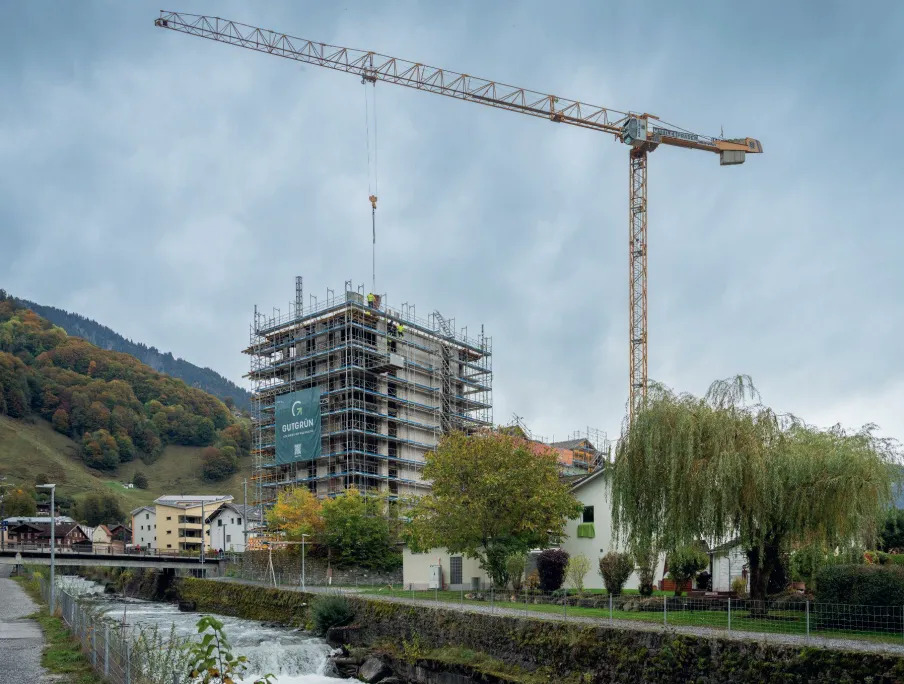
    The grain silo tower from 1939 was demolished, but its concrete was not disposed of. In the nearby concrete plant, the material was processed according to a specially developed formula and 75 to 95 percent of it was reused as recycled material in the new building. Around 60 percent of the new building consists of the old tower. The client is Gutgrün AG from Chur, which deliberately refrained from making short-term profits in order to consistently implement the sustainability concept.

    52 apartments, three certificates
    The project comprises 37 rental apartments on eleven floors in the new residential tower and 15 loft apartments in the renovated historic mill building. The architects from Ritter Schumacher have recorded all the materials used in a building resource passport. A forward-looking approach that makes future life cycles transparent today. The project was awarded three DGNB certificates for this achievement. DGNB Platinum for the demolition, DGNB Gold for the new tower and DGNB Gold for the refurbishment of the old building.

    Fire protection reinvented
    The 30-metre-high photovoltaic façade poses a problem for conventional fire protection regulations. They require partitions on every floor to prevent fire from spreading from floor to floor. This would have interrupted the façade and significantly reduced its efficiency.

    The PV surface is not interrupted anywhere by windows and is continuous from the floor to the roof. Specialist planners, contractors and the insurance company worked together to develop a tailor-made solution. Fire cannot reach the façade from the inside and the façade cannot reach the apartments.

    Alliance instead of conflict
    The project was built using the alliance model. The client, planners and contractors sat around the table together right from the start. Problems from construction practice were thus incorporated directly into the planning. The basic attitude was one of trust and fairness rather than pure risk hedging. One detail also testifies to the unconventional spirit: the graffiti that adorned the vacant building was retained as decorative elements in the stairwell.

    A signal for the industry
    There was not a single objection to the conversion project. This is unusual for a construction project of this size. Grüsch Mill shows that circular construction also works in a peripheral region and that sustainability is not a contradiction to economic viability.

  • The wood that protects itself

    The wood that protects itself

    Millions of tons of sawdust are produced worldwide every year. Most of it is burned, and the CO2 bound in the wood is released back into the atmosphere. This is precisely where the research team led by doctoral student Ronny Kürsteiner, under the direction of Ingo Bungert, Professor of Wood-based Materials at ETH Zurich, comes in. The aim is to keep the sawdust in the material cycle for longer.

    The trick with the watermelon seed
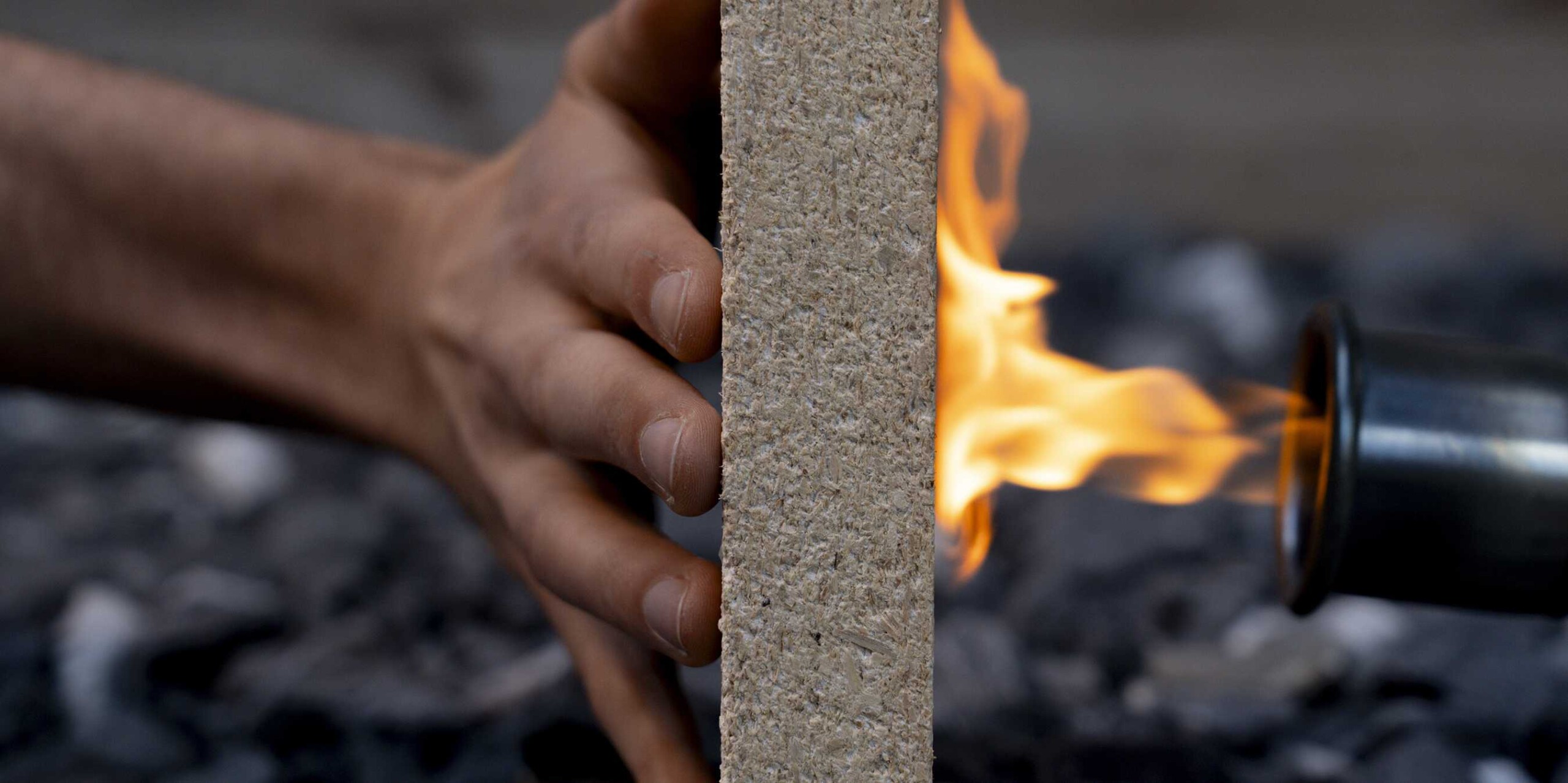
    The binding agent is struvite, a crystalline ammonium magnesium phosphate with known fire protection properties. The problem until now was that struvite was difficult to combine with sawdust due to its crystallization behaviour. The researchers found the solution in an enzyme from watermelon seeds. It controls crystallization in such a way that large struvite crystals are formed, which fill the cavities between the sawdust particles and bind them firmly together. The compressed material is then dried at room temperature.

    Three times longer than spruce
    The fire tests at the Turin Polytechnic speak for themselves. In a cone calorimeter, a standardized test method for heat exposure, untreated spruce wood caught fire after around 15 seconds. The struvite-sawdust composite took more than three times as long. Once burning, the material quickly forms a protective layer of inorganic material and carbon, which slows down the further spread of the fire. In addition, the struvite releases water vapor and ammonia under heat, which has a cooling effect and deprives the fire of oxygen.

    Lighter than cement, better for the climate
    Conventional cement-bonded chipboard, which is widely used in interior design today, consists of 60 to 70 percent cement by weight. They are heavy and climate-damaging to produce. The new struvite sawdust boards only require 40 percent binder. They are lighter, have a significantly better carbon footprint and do not end up in hazardous waste landfill after demolition.

    Recyclable and suitable for fertilizers
    The composite can be broken down into its components. Mechanically in the mill, then heated to just over 100 degrees, whereupon ammonia is released and the sawdust is sieved off. The mineral source material newberyite precipitates as a solid and can be reprocessed into struvite. If the material is not reused, it can be used as a long-term fertilizer. Struvite releases phosphorus, nitrogen and magnesium slowly and in a controlled manner into the soil.

    Sewage treatment plant as a source of raw materials
    Another cycle is emerging. Struvite is produced in large quantities as an unwanted by-product in sewage treatment plants, where it clogs pipes and is expensive to dispose of. “We could use these deposits as a base material for our building material,” says Kürsteiner. Whether the material will establish itself on the market depends primarily on the cost of the binder. A problem that could be solved with this source.

  • Experimental space showcases the future of retail

    Experimental space showcases the future of retail

    OF GOODS is set to become a “new space where production, trade and the public come together” in Bern, as stated in a press release. The trading house will open on 10 April across three floors of the Kaiserhaus. The organisers aim to create an experimental space with a view to realising a potential trading house of the future.

    As consumers are increasingly interested in the origin of materials and their life cycles, OF GOODS aims to provide context in this area. Open workshops and curated retail spaces contribute to this, as do accompanying formats. On the one hand, this brings craftsmanship to the fore, and on the other, customers can learn how to mend clothes or care for shoes at a do-it-yourself station.

    In addition, workshops, exhibitions and other events are held at the retail space. A variety of formats are designed to invite visitors to “rediscover materials, processes and ideas”.

    To date, more than 60 established and lesser-known brands, studios and manufacturers are among the suppliers at OF GOODS, which celebrates its opening on 10 and 11 April. Catering establishments such as Brasserie Kaiser, Kaiser Deli and Hof-Bar are also part of the concept.

  • Partnership drives smart urban development in the region

    Partnership drives smart urban development in the region

    The City of Thun and the Smart Regio Thunersee association have signed a cooperation agreement. According to a press release, the collaboration will be guided by the Smart City Thun vision.

    “The partnership aims to drive innovation in a targeted manner, use resources efficiently and further develop the city of Thun and the Thunersee region as an attractive place to live and do business,” said Councillor Andrea de Meuron, Head of the Finance, Resources and Environment Department, in the press release.

    The Smart City project, developed as early as 2021/22, aims to make Thun “liveable, progressive and resource-efficient”. Digitalisation is to be used to increase the efficiency of services. At the same time, there is also a desire to bring together the various forces within society.

    The agreement now concluded is intended to strengthen selected innovation and networking formats. As concrete projects, Thun-based SMEs are planning to use cargo bikes for inner-city transport; an information day on this will take place on 2 June 2026. In the autumn, the focus will be on the circular economy in construction. “We don’t just want to discuss smart projects, but actually initiate and implement them, working closely with the city and the local community,” says Markus van Wijk, President of the Smart Regio Thunersee association.

  • The city is exploring new approaches to reducing waste and resource consumption

    The city is exploring new approaches to reducing waste and resource consumption

    The Government Council of Basel-Stadt is currently reviewing a pilot project with the Bern-based start-up Pretty Good aimed at the more systematic collection and repair of used or only slightly damaged everyday items. This is evident from a responseto a motion tabled in the Grand Council.

    The cantonal government refers to pilot projects carried out in Bern and Zug with Pretty Good. Their results showed that such an approach brings environmental benefits and is economically viable. However, these projects are not yet financially self-sustaining. This would also be the case for a pilot project in Basel. The cantonal government will therefore seek to bring further investors on board.

    If a pilot project goes ahead in Basel, the local second-hand goods and repair sector is to be involved. The aim is to build up a strong network of repair shops and sales outlets.

    Waste Management Recycling in the City of Bern and Pretty Good launched a pilot project in 2023, under which functional and slightly damaged everyday items could be handed in at two of the city’s waste collection centres. Of these, 74 per cent were refurbished, and almost 84 per cent of those were subsequently sold. A large proportion of the items were electronic goods. The project was supported by the industry association Swico, the Berner Kantonalbankand the Burgergemeinde Bern.

    Pretty Good is organised both as an association based in Langnau i.E. and as a limited liability company based in Bern. Following the pilot in Bern, the project was expanded to other locations in the canton of Bern and in Zug.

    The Basel Cantonal Government responded to a motion tabled by SVP member of the Grand Council Beat K. Schaller and other members of the Grand Council.

  • Modular furniture system optimises waste management in the office

    Modular furniture system optimises waste management in the office

    Lista Office LO is expanding its office furniture brand of the same name with a modular system for waste management. According to a press release, the LO Value modular system offers sliding and pull-out containers in various sizes, reversible doors and interchangeable magnetic or adhesive labels.

    Fronts that open at the touch of a finger and generous disposal flaps with handles or foot pedals are designed to reduce contact points and the risk of contamination. Freely integrable PET and can presses compress the volume of waste. This in turn reduces the effort required for storage, transport and management.

    According to the information provided, the available LO Value variants are designed to fit into any design concept. As a colourful counterpoint, it attracts attention, while in monochrome it can blend in with its surroundings – depending on “whether the call for waste separation is to be implemented discreetly or as a visual exclamation mark”.

  • Digital marketplace promotes circular economy in construction

    Digital marketplace promotes circular economy in construction

    Zirkular GmbH, based in Basel, has launched its new platform , rematerial. According to a press release, the new online DIY store will offer high-quality, reusable building components. For example, it will offer LED lights that have been reconditioned by specialist companies and now come with a guarantee. Components can also be reserved for a month or stored temporarily for up to 24 months for just-in-time deliveries. The building components collected from demolition sites are stored in a systematic manner.

    The rematerial platform can be used in conjunction with thePlanularplanning tool, which was also developed by Zirkular. In this module, architects, planners and builders can select the components required for their respective projects from a database. The path of the building material can be traced through the steps of source object, component, warehouse and target object.

    With both modules, Zirkular GmbH supports sustainable construction through circular economy, as demonstrated, for example, in construction projects such as the Lysbüchel Süd neighbourhood in Basel.

  • Digital product passport brings transparency to the circular economy

    Digital product passport brings transparency to the circular economy

    Sky-Frame AG, based in Frauenfeld, offers its customers frameless sliding windows manufactured in Switzerland. The recyclability of the products plays a major role in this. The company has now launched a digital product passport with a Cradle to Cradle Compass to provide information on the extent to which the products used comply with the strict Cradle to Cradle circular economy principle.

    The Digital Product Passport Compass Cradle to Cradle (DPPCCC) was developed by epeaswitzerland in Widnau. It is based on the digital product passports that, according to an EU regulation, are to be gradually introduced for all products sold in the EU. It evaluates Sky-Frame products according to a series of criteria, such as their performance, recyclability and energy consumption. It makes the company’s supply chains transparent and proves the recyclability of the company’s products.

    “The frameless windows and sliding doors manufactured in Switzerland create an extraordinary architectural, boundless spatial experience with spectacular views. Together with the ‘Digital Product Passport Compass Cradle to Cradle’ tool from epeaswitzerland, we are committed to a new level of transparency, identity, orientation and compliance with future EU legislation,” says Michael Fuchsberger, Head of QM & Sustainability at Sky-Frame AG, on further aspects of the DPPCCC. For example, it provides information about the supply chain and options for returning Sky-Frame products. In addition, the information can be structured and displayed in detail according to aspects such as material health or various areas of suitability for the circular economy.

    “As a globally active company, Sky-Frame has once again demonstrated its pioneering role with the introduction of the Digital Product Passport Compass Cradle to Cradle from epeaswitzerland,” says Albin Kälin, founder and managing director of epeaswitzerland.

  • Roche site development Basel

    Roche site development Basel

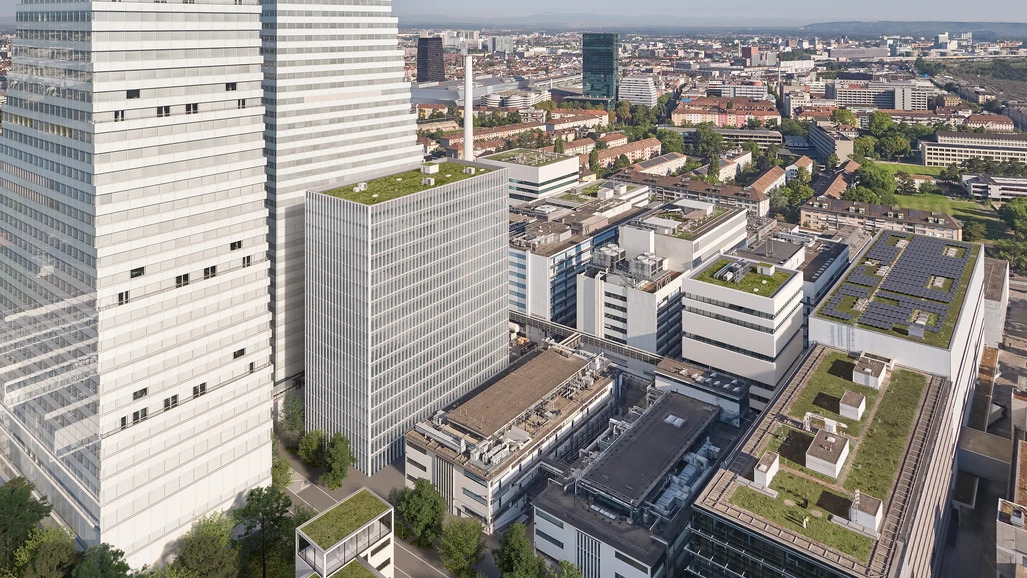
    The first development phase of the Roche site was completed at the end of 2023, and now a new stage follows. One of Europe’s most important research infrastructures will be built on the north site by 2030. The core project is Building 12, a 72-metre-high research and development building with space for around 450 researchers. The new building will replace the outdated infrastructure and create optimal conditions for developing novel active ingredients from basic research to production maturity. With an investment volume of around 500 million Swiss francs, Building 12 will become the central interface between research and clinical development.

    At the same time, the Institute of Human Biology in Building 92 will be expanded into a new center for biological model research. Around 100 million francs are being invested in the modernization and conversion. The aim is to link academic and industrial research in order to make complex human cell models usable for drug development.

    Production is also undergoing a fundamental overhaul. State-of-the-art facilities for the development and commercialization of synthetically produced active ingredients will be built in buildings 50 and 51 by 2028. A new era of pharmaceutical process innovation will be ushered in here with a modular design, digital control and high energy efficiency. The investment framework for these projects is around CHF 570 million.

    Sustainable urban development on the south site
    Parallel to the research on the north side, Roche is pursuing a long-term sustainable development strategy on the south site. The site on the Rhine is being redesigned in close consultation with Basel politicians. The revised development plan provides for generous green spaces, ecological networking along the banks of the Rhine and integration into Solitude Park. Old building structures will be gradually dismantled and building materials reused according to the principle of the circular economy.

    The Canton of Basel-Stadt is actively supporting this process. The cantonal government and the Grand Council support the approach of upgrading the southern area in terms of urban development without providing for public thoroughfares or expropriation. This means that the site will remain within the company’s own control, but will be opened up in the future through landscaping connections and new open space concepts.

    Signal for Switzerland as a business location
    Since 2015, Roche has invested around eight billion Swiss francs in its Swiss sites and over 33 billion in national research and development. In Basel alone, further facilities for research, production and infrastructure will be built by 2029, including a new underground heating and cooling center to ensure security of supply for the entire site. The construction work on the north and south sites is emblematic of sustainable, resource-conserving site development that combines business, the city and science.

    The next few years will be characterized by intensive construction phases, urban planning coordination and technological innovations. With the ongoing development of the site, Roche is not only strengthening Basel as a pharmaceutical location, but is also sending out a strong signal of its long-term commitment to Switzerland as a place for cutting-edge research, sustainable architecture and shaping the urban future.

  • New residential neighbourhood with a focus on families and community building

    New residential neighbourhood with a focus on families and community building

    According to a statement, the jury of the Canton of Basel-Stadt has decided that the design by the two Basel-based architectural firms Clauss Kahl Merz Atelier für Architektur Städtebau and Truwant Rodet will be implemented. The planned residential development at Riehenring 120 on the former site of Exhibition Hall 3 will comprise 170 affordable flats.

    Exhibition Hall 3 is currently used by Basler Verkehrs-Betriebe (BVB) as a garage for electric buses. This temporary use will end in 2028. After that, the canton plans to develop this centrally located area into a vibrant residential and living space by 2031. The plans primarily include large, family-friendly flats and a small number of small flats. In addition, a double kindergarten, a daycare centre and commercial premises are planned, as well as 200 parking spaces for tenants and other people from the neighbourhood.

    The winning project impressed the jury “with its high quality of living and its contribution to the surrounding neighbourhoods”. Part of the car park will be built above ground. This will create two additional outdoor areas on the roof for tenants, which can also be used as planting gardens.

    At the same time, according to the canton, this will make construction more resource-efficient: as less ground needs to be excavated, there will be “no energy-intensive excavation and less building material will be used. In addition, the project as a whole focuses on environmentally friendly construction by reusing various components from the existing Exhibition Hall 3 and the former BVB garage in Rank.”

  • More living space from the system

    More living space from the system

    The construction and real estate industry is under pressure. Construction costs are rising, there is a shortage of skilled workers, the population continues to grow and climate targets set clear limits for CO₂ emissions. Serial construction provides answers to these challenges.

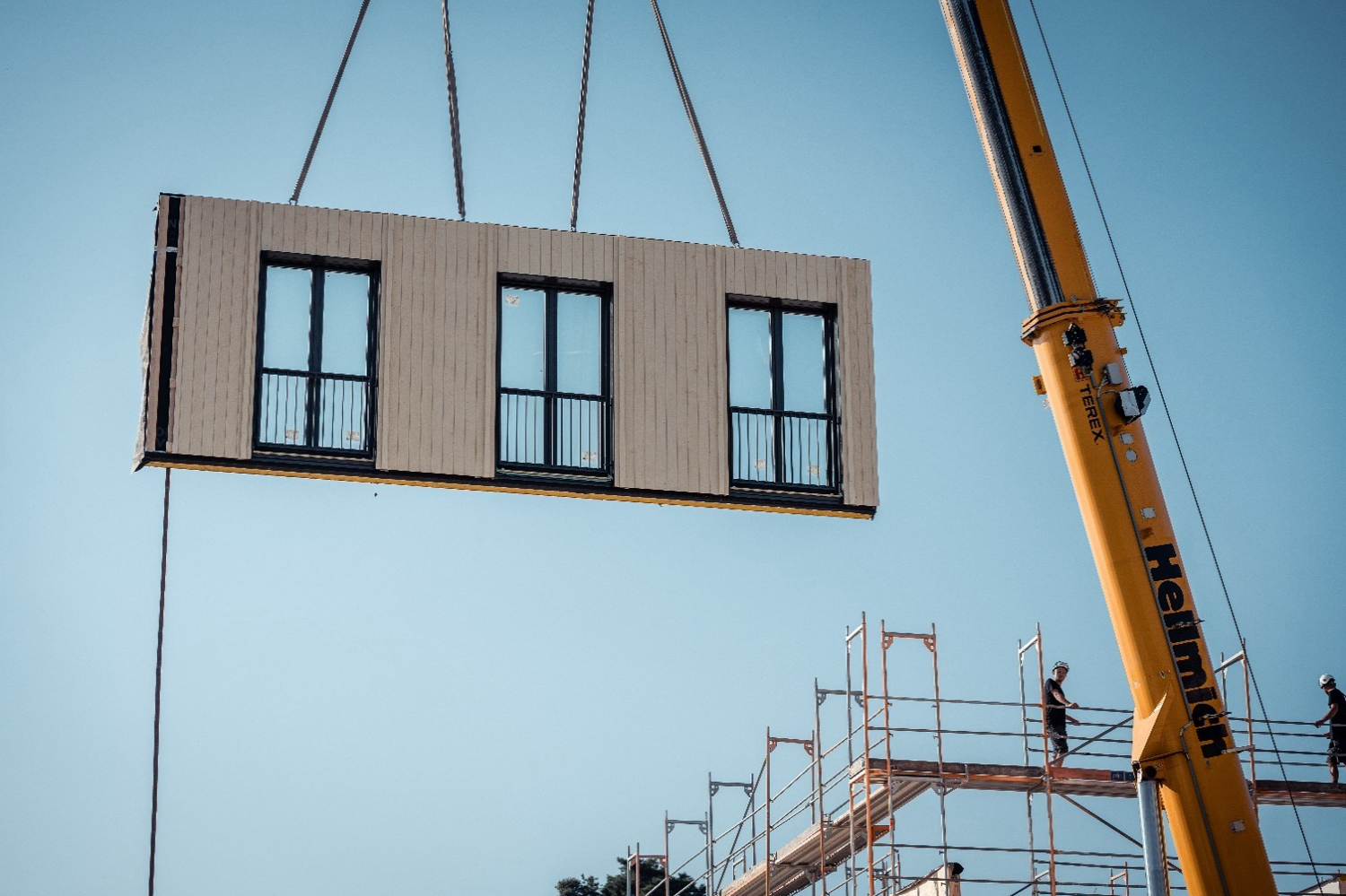
    Thanks to industrial prefabrication and standardized processes, construction times are shortened, workflows are more predictable and projects are more economical. The construction site becomes an assembly site, with less noise, less impact on the neighborhood and higher quality workmanship.

    What serial construction is all about
    Serial construction sees the building as a product, not as a one-off prototype. A system is intensively developed, thought through and used in many projects. Elements are largely created in the factory and assembled on site. This allows for precise costs and continuous improvement based on experience. Classic problem areas such as connections, thermal and sound bridges can be specifically mitigated.

    From prefabricated buildings to the “Teslamoment
    Serial construction methods have a long history, from the early timber systems of the 1920s to the “Göhnerbauten” in Switzerland and prefabricated housing estates in the East. The efficiency was high, the design quality often not and the image still suffers today.

    The topic is currently experiencing a new wave. Hybrid systems combine room modules and 2D elements, offer more flexibility for different plots and regulations and are bringing architecture and urban planning back on board. Projects such as the student-oriented “Woodie” in Hamburg show that serial construction and architectural quality do not have to be mutually exclusive.

    Strengths: Time, costs, quality, climate
    Serial systems shorten construction times and increase cost certainty. Because components and details are standardized, budgets and deadlines can be set early and reliably.

    At the same time, industrial production opens up new scope for sustainability. Specifications for CO₂ reduction, material selection and energy efficiency can be consistently written into the system. Material passports and platforms are used to document installed components, making them visible as a resource for subsequent conversions or dismantling.

    Acceptance determines the future
    The big challenge is perception. In many people’s minds, serial construction stands for monotonous architecture and social problem districts. As long as current projects are only partially convincing in terms of design, this skepticism will persist.

    To be widely accepted, buildings need to deliver more than just efficiency. Good floor plans, a high quality of stay, differentiated outdoor spaces and careful integration into the urban space. Standardization should be seen as the basis on which diversity is created.

    Serial construction can become a central component of the building turnaround, faster, more plannable, more resource-efficient and circular. The technical prerequisites are in place, as are successful pilot projects.

    Whether the approach experiences its “Tesla moment” now depends on whether the industry and cities manage to combine industrial processes with high quality living and design and thus show that repetition does not mean uniformity, but can be the basis for sustainable, diverse neighborhoods.

  • IWB apprentices recycle street lights in their own start-up

    IWB apprentices recycle street lights in their own start-up

    A group of IWB trainees is turning disused Metro 45 street lamps into high-quality floor lamps. Sketches were turned into a prototype, and the first ten lamps have now been built. The team received support from experienced employees. According to a statement from IWB, a total of around 2,400 old lamps are suitable for reuse. The trainees have founded their own start-up to implement their project. The team includes a businessman, a business IT specialist, a road transport specialist, a network electrician and a metalworker.

    In a video published alongside the press release, one of them says that it is “exciting to work together with other apprentices; it brings us closer together”. One colleague thinks it’s “cool that we’re allowed to take on so much responsibility and that they trust us to make the right decisions”. Another colleague points out that it’s “difficult to have to make all the decisions yourself”. “But somehow it’s also fun, especially when you see the final product of the prototype and know what the sketch once looked like.”

    Project manager Saskia Damann explains the aim of IWB: “We want our students to learn as much as possible, for example things like entrepreneurial thinking, circular thinking and personal responsibility. These are skills they will need for their future.”

    What began as an idea, according to the IWB in a further statement, “is slowly taking shape and shows what is possible when learners take responsibility and work together across disciplines.” As a partner, the Basel-based lamp manufacturer and retailer Regent Lighting made the decisive step possible. It carried out the safety and quality tests. Planning for the second production round is currently underway.

  • Expansion of the recycling of building materials in Europe

    Expansion of the recycling of building materials in Europe

    Zug-based Holcim AG intends to significantly expand its portfolio in the recycling of building materials in Europe. According to a press release, the international building materials company has acquired two demolition companies in England and Germany and is preparing to take over a third in north-west France. These three companies currently recycle 1.3 million tons of construction waste annually.

    The new acquisitions include Thames Materials from West London and A&S Recycling GmbH from Hanover. The company, which operates in north-west France, has not yet been named by Holcim. With Thames Materials, Holcim is now operating in the Greater London area. Holcim had already acquired the logistics company Sivyer Logistics in East London in 2023. A&S Recyling processes demolition materials in northern Germany with three locations in the German state of Lower Saxony. With the takeover of the French company, Holcim is increasing the number of recyclers it manages in the country to 28.

    “The acquisitions of Thames Materials, A&S Recycling GmbH and a recycling company in northwest France will further strengthen our leading position in circular construction and contribute to our NextGen Growth 2030 target of recycling more than 20 million tons of construction demolition materials annually,” Milan Gutovic, CEO of Holcim, is quoted as saying in the press release.

  • Electrochemical breakthrough in the fight against contaminated sites

    Electrochemical breakthrough in the fight against contaminated sites

    According to a press release, researchers at the Swiss Federal Institute of Technology in Zurich(ETH) have achieved a breakthrough in the remediation of contaminants such as DDT and lindane. These are persistent organic pollutants, or POPs. These are toxic chemicals that were widely used in the 1940s to 1980s. They degrade very slowly and can now be found in the food chain of humans and animals. The university team led by Bill Morandi, Professor of Synthetic Organic Chemistry, has now developed a novel electrochemical process that completely dehalogenates these environmental toxins and binds them in harmless salt. The remaining organic hydrocarbons can be fed into the circular economy and thus serve as valuable raw materials for the chemical industry.

    “We wanted to solve one of the biggest environmental problems of the last century. It is unacceptable to leave the dirt to future generations,” Alberto Garrido-Castro, electrochemistry specialist and former postdoc in the group, is quoted as saying in the press release. The ETH team sees the remediation of such contaminated sites in soil, water and landfills as one of the major unresolved issues in environmental protection. The degradation of these chemicals using electrochemical processes has been investigated for some time. According to the press release, the ETH researchers have now achieved the decisive breakthrough with the use of alternating current in electrolysis. “It splits the halogen atoms into harmless salts such as NaCl (common salt) and produces valuable hydrocarbons at the same time,” explains Morandi. The hydrocarbons are benzene, diphenylethane or cyclododecatriene. Chemicals that are used in the production of plastics, paints or coatings and therefore contribute to a sustainable circular economy.

    An important prerequisite for implementation is that the new process can be applied not only to pure substances, but also to mixtures of contaminated soil, earth or sludge. The researchers are considering mobile systems that can be used on site, which would eliminate the need to transport these hazardous substances. A prototype has already been successfully tested.

  • Basel focusses on the circular economy

    Basel focusses on the circular economy

    BaselCircular is not a traditional funding initiative, but forms the basis for a new innovation ecosystem in the region. As a public-private partnership, the initiative is working with the Basel business community to develop structures that combine knowledge, research and entrepreneurship. At the centre of this is the networking of established companies, start-ups and universities. They form a system that promotes innovation, shares knowledge and makes circular business models marketable – according to the principle of “enabling the enabler”.

    Knowledge, technology and cooperation
    A central field of action is the creation of digital platforms for knowledge exchange and cooperation. Practical tools and expert systems are being developed in collaboration with the University of Applied Sciences Northwestern Switzerland and other scientific partners. AI-based tools are planned to make it easier for companies to adapt circular solutions. However, personal exchange remains crucial, as technology serves as an amplifier for human collaboration.

    Inspiring the next generation
    The network aims to inspire young people to become entrepreneurs in the circular economy. Together with educational institutions, programmes are being developed to promote start-ups. Existing start-up support centres are supported in firmly integrating sustainability into their competitions and training courses.

    Shaping the future
    A survey of companies in Basel has shown that knowledge and implementation levels in the circular economy vary greatly. BaselCircular is responding to this with customised offers and close collaborations, initially in the construction and life sciences sectors. Further areas will be added from 2025. This is a clear signal that Basel is actively strengthening its role as a centre of innovation and is resolutely driving forward the transformation towards a resource-efficient economy.

  • Basel plans consistently climate-friendly and future-oriented

    Basel plans consistently climate-friendly and future-oriented

    Ms. Keller, how do you rate the progress made so far in sustainable urban development and what are your priorities for the coming years?
    We have already done a lot – but there is still a lot to do! We have set an important course with our urban climate master plan and climate protection strategy as well as the associated action plan. In particular, we are taking a comprehensive approach to greening and unsealing as well as reducing CO2 emissions. In addition to reducing direct emissions from operations, my department is also concerned with indirect emissions from the construction of buildings. We are currently examining new approaches here, such as an incentive tax on indirect emissions from construction. We are densifying and converting existing buildings and want to simplify the construction of existing buildings in future by amending the law. These are the guidelines for how we want to promote sustainability in urban development over the next few years.

    What measures are you taking to strengthen building culture in Basel and promote high-quality, sustainable construction?
    Building culture is very important to us: the people of Basel should feel comfortable in their city. Of course, this is also a key basis for achieving the climate targets, which is why a forward-looking building culture is extremely important. A high level of building culture creates identification and quality of life. Both the preservation and further development of existing buildings, the maintenance of traditional building methods and the use of sustainable technologies and buildings make a significant contribution to this. Building culture is sustainable and sustainable planning must become an integral part of building culture. Incidentally, this is also very well illustrated in our “Basel Compass”, where building culture is mentioned and addressed as one of the first points.

    What contribution can the Department of Construction and Transport make to the circular economy in order to achieve the goal of net zero by 2037?
    Basel-Stadt has an ambitious strategy to promote the circular economy in the construction sector. This means that we want to design buildings and construction products in such a way that they can be used for as long as possible and are made from reused or recycled materials. An important focus is on continuing to build and use existing buildings instead of demolishing and rebuilding them. This not only reduces waste, but also cuts the greenhouse gas emissions that are normally generated during the production of new building materials. New buildings should also increasingly be constructed in such a way that they can be dismantled and made available as building material for the next structure at the end of their useful life (design for disassembly). Basel-Stadt also promotes the use of recycled materials in the construction process, such as recycled asphalt for road surfaces. We are working to create a legal framework to facilitate circular construction and we are investing in the infrastructure needed for the reuse and recycling of building materials. For example, the canton has set up its own building materials warehouse: Cantonal deconstruction material is recorded in an online construction parts catalog and made available for reuse in other projects. With these measures, we not only want to improve our carbon footprint, but also promote innovation in the construction sector.

    What are the next steps in the “green asphalt” project and how do you assess the climate protection potential of this innovation?
    The use of green asphalt on road construction sites in Basel is developing well. Within the city, green asphalt has been used on at least eight larger and smaller construction sites. Examples include Burgfelderstrasse, Freiburgerstrasse and the Eselweg. Further projects are currently underway in which the use of green asphalt is planned. However, green asphalt does not directly reduce CO2 emissions. However, thanks to biochar, green asphalt binds more CO2 from the atmosphere than it releases during production. In this way, we can reduce the climate impact of road construction. However, it is not yet a sure-fire success. There are still critical manufacturers and associations. We must continue to seek dialog and highlight the opportunities.

    What are currently the biggest challenges in maintaining and modernizing the public infrastructure in Basel?
    The challenges are many and varied. One key aspect is the need to regularly renovate existing infrastructure such as roads, bridges and streetcar tracks in order to ensure a reliable supply of water and energy. At the same time, IWB is expanding the district heating network by a total of 60 kilometers by 2037 on behalf of the canton of Basel-Stadt. This requires close coordination with the other renovation work in order to minimize the impact on residents and at the same time take the opportunity to redesign the urban climate and active transport. After all, climate change is also a challenge. On the one hand, we need to prepare the city for heat waves and extreme weather events. To avoid heat islands, we need to unseal asphalt surfaces and create green and water areas in public spaces. On the other hand, the canton has set itself an ambitious climate protection target of net zero by 2037. We are therefore increasingly focusing on renovating buildings and converting existing buildings, for example, and are focusing on sufficiency, reducing grey energy and minimizing operating energy consumption.

    To what extent is digitalization, for example with new apps for passengers, part of your strategy to increase the attractiveness of public transport in Basel?
    Digitalization is very important for public transport. Passengers want to use the app to find out about timetables or any service disruptions and also buy their tickets conveniently. Digitalization is also key when it comes to sharing and combining different vehicles. Many of us combine our streetcar or bus journey with a rental vehicle: depending on where we live, we take a rented bike, scooter or car to the stop or from there to our destination. The majority of us already book or pay for these rental vehicles digitally. The aim must be to have digital solutions that conveniently connect all these services. The big breakthrough has not yet been achieved; there are many players and challenges along the way. But we are working on solutions.

    What are currently the biggest challenges in cross-border coordination with the canton of Baselland and neighboring countries with regard to public transport?
    In our region, we are all used to crossing cantonal or national borders every day. Accordingly, we also plan a lot of things together across borders in the region – especially when it comes to mobility. Many streetcar and bus lines operate both in the Basel region and in Basel. We also have two cross-border streetcar lines – one from Basel to St. Louis (F) and one from Basel to Weil am Rhein (D). These are very successful and are well used, but financing the maintenance and operation of the sections in the neighboring countries is a challenge. However, the biggest challenge at the moment is probably not so much coordination within the region, but the fact that we as a region are sometimes not sufficiently recognized by the federal government. The current discussions surrounding the urgently needed rail expansion in Basel demonstrate this. I am grateful that we in the region are all pulling together and fighting for a tri-national S-Bahn that is worthy of the name. A continuous S-Bahn system has great potential for shifting journeys from road to rail.

    What is your concrete timetable for converting the entire bus fleet to electric drive by 2027 and what challenges still remain?
    This conversion is in full swing and on track. Around half of BVB buses are already electric. Basler Verkehrs-Betriebe will convert its entire bus fleet to e-buses by 2027. BVB is thus making a significant contribution to helping Basel achieve its ambitious climate targets.

    You are heavily networked in national bodies. What trends or best practices from other cities and regions inspire you for Basel in particular?
    The exchange with other cities is always enriching. They all struggle with the same challenges, such as conflicting objectives in tight spaces. I am watching the pilot tests with autonomous public transport services in other cities with interest. As President of the Urban Mobility Conference, it is important to me that we set the right course in this area at an early stage and are equipped for new challenges such as autonomous vehicles. Such new developments should be a win-win situation for all sides. However, this requires certain framework conditions.

    Is there anything you would like to see in Basel? Something from other cities around the world that has impressed or inspired you?
    When you look at Asian cities, you are sometimes impressed by the speed at which projects are realized, especially in building construction and civil engineering. On the other hand, I am very grateful that we have democratic processes in Switzerland, which are lengthy but ensure that people are involved and can have an influence. I am convinced that this participation – whether via parliament or directly via the population – is a key to greater acceptance and therefore also to social cohesion.

  • Circular construction as the new standard in the canton of Zurich

    Circular construction as the new standard in the canton of Zurich

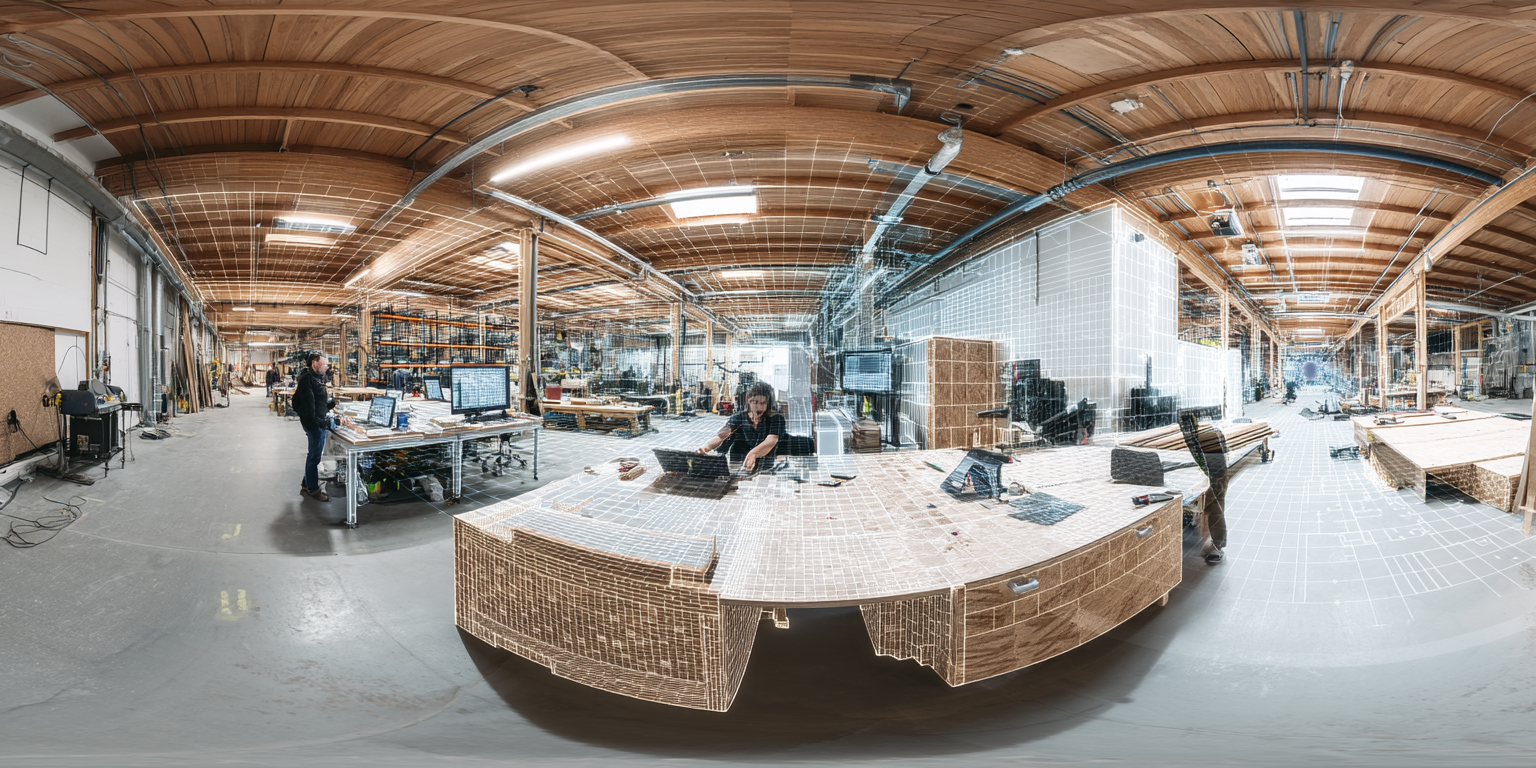
    The Canton of Zurich ‘s Real Estate Office and Building Construction Office is systematically integrating the principles of circular construction into its processes with the help of the Circular Hub as a platform for the circular economy. This initiative goes back to the circular economy strategy published in 2024. According to a Circular Hub press release, the Community of Practice format entitled “KreislaufLAB – Planning and Building for Zurich’s Future” was established for this purpose. The aim is to sustainably anchor the necessary knowledge in the existing roles of cantonal property management. According to the project description, Circular Hub has taken on the conception, moderation and impact measurement of the format in close collaboration with cantonal managers. Internal anchoring is also supported by a communication strategy.

    Expertise and practical examples should make it easier to plan and implement circular construction. Specifically, topics such as deconstruction, material selection and life cycle thinking play a central role. “This creates a lively network in which knowledge is shared and anchored in concrete application aids. This is how impact can become visible,” is how Circular Hub describes its approach.

    Specifically, there will be five interactive workshops combining expert input, panel discussions and practical group work. As a result, practical tools and application aids will be developed. Internally, the process will be flanked by bulletins and a closing event, among other things. Ultimately, an impact assessment will provide information on how competences have been developed and the principles of the cycle have been anchored.

  • Clay celebrates its comeback

    Clay celebrates its comeback

    Clay has been tried and tested for thousands of years, consists of local clay, silt and sand, can be used without energy-intensive firing processes and is available in almost unlimited quantities. In contrast to concrete, the production of which causes considerable CO₂ emissions by burning limestone, loam scores points with its minimal energy consumption during extraction and processing. According to estimates from various sources, the production of concrete generates an average of 800-900 kg of CO₂ per tonne, whereas clay often only produces a tenth of this and usually none at all, provided it is dried naturally

    The clay pavilion in Horw
    As part of the “Think Earth” programme, ETH Zurich, HSLU and industrial companies are working together to bring clay and wood into innovative applications as a material base. One milestone is the clay pavilion in Horw, where clay and wood elements are combined in hybrid form with recycled Oulesse, a mixed demolition material developed by Oxara. The prototypes are created in close collaboration with the construction industry and students. The aim is to create modular, prefabricated clay building components with reliable strength, versatile and deconstructable, for multi-storey residential construction and flexible architecture

    Advantages, challenges and recycling potential
    Earth is not only energy-saving, but can also store CO₂, especially when organic additives are added – it can even have a climate-positive effect. Earth building materials can be easily separated and reused when buildings are dismantled. The recycling process is not costly and enables a genuine circular economy.

    Clay is already available in abundance regionally as excavated clay or as a by-product (“filter cake”) from gravel and excavation washing. So far, widespread use has failed mainly due to a lack of standardisation and market maturity. The “Think Earth” project partners are now working intensively on this

    Clay construction hybrid solutions are still more cost-intensive than conventional concrete construction, but advances in industrial production, material mixing and quality assurance are increasingly bringing them within reach for the masses

    From niche to standard?
    Researchers at HSLU and ETH Zurich are working on the standardisation of the new hybrid earth building elements, so that market entry in the next ten years is realistic. The industry is showing great interest. Especially because “waste” from excavations is becoming a key raw material. With clay, wood and intelligent hybrid technologies, a building principle is available that conserves natural resources, offers climate benefits and still enables architectural diversity. Clay is experiencing an innovation and image revival. “Think Earth” and the earth pavilion show how research and the construction industry are working together to deliver solutions for the building revolution. A small ecological footprint, circular potential and healthy living are more than just a trend – they mark the path to urban building culture in the 21st century.

  • Conserving resources and extending building life cycles

    Conserving resources and extending building life cycles

    ETH professors Catherine De Wolf and Maria Conen are advocating a radical change in the construction industry. Instead of sacrificing old, energy-inefficient buildings, they advocate their preservation, renovation and expansion. In addition to ecological aspects, the focus is on social and cultural factors. Buildings harbor identities and histories, the preservation of which is essential for city life. Sustainability thus becomes a link between the environment, society and architecture.

    Reuse of building materials
    A good example is the reuse of glass elements from the external escalators of the Centre Pompidou in Paris as office partitions. The time-consuming dismantling, sorting and reintegration is cost-intensive, but offers enormous ecological benefits through significant CO₂ savings and the avoidance of waste.

    Building materials such as wood and concrete have great, previously untapped potential for reuse. While wood is often simply burned, concrete slabs could be cut out and used as wall elements. Although steel beams are recycled, they are usually melted down in an energy-intensive process instead of being reused in a stable form. The challenges lie in technical feasibility, costs and complex planning.

    Digitalization and material passports for optimization
    Digital tools such as material passports should make it easier to gain an overview of the origin, composition and useful life of components in the future. This will make reuse and dismantling more efficient and transparent. The harmonization of such standards is the subject of research in order to create binding solutions in the industry.

    Legal and standardization barriers
    Another stumbling block is today’s prevailing standards, which are primarily designed for new buildings and take insufficient account of conversions and the context of existing buildings. This makes renovations and work on existing buildings more difficult from an energy perspective. Laws and regulations must be made more flexible in future in order to promote circular construction methods.

    Circular economy as a pioneer for CO₂ reduction
    The construction industry is responsible for around 50 percent of resource depletion and considerable amounts of CO₂ emissions. The circular economy significantly reduces these by cutting material costs, waste and energy consumption through reuse and modular construction. Deconstructability through bolted or plugged rather than glued connections is key here.

    Challenges and future prospects
    The biggest challenge lies in the effort involved in dismantling and reusing materials and finding buyers for reused materials. The lack of comprehensive market structures makes widespread implementation difficult. This is where initiatives such as digital marketplaces and the involvement of specialized engineering expertise come in.

    Modular construction and flexible usage concepts, such as the use of less well-insulated buildings as museums, show viable prospects for the future. The young generation of students and researchers at ETH and other institutes in particular are driving innovation, which gives hope for a more sustainable construction industry.

  • New rental models for dynamic working environments

    New rental models for dynamic working environments

    The Lista Office LO brand from Lista Office Group AG aims to bring flexibility to dynamic companies. To this end, the office outfitter from Degersheim has expanded its range to include a rental model for office furniture. Furniture as a Service offers customers “a resource-saving and recyclable solution for short-term or rapidly changing furnishing requirements”, Lista Office LO explains in a press release.

    In the press release, the company describes its new range as “consistently demand-orientated”, “consistently budget-orientated” and “consistently recyclable”. Strengthening the circular economy is at the centre of these considerations. At Lista Office LO, every item of rental furniture is checked after it is returned, refurbished “and offered for rent again in as-new condition”. Items that are no longer usable are recycled.

    The company lists the advantages of rental furniture for temporary use under the keyword “needs-orientated”. The desired room furnishings can be set up quickly for a monthly rental fee and can also be changed quickly if necessary. Lista Office LO writes that the rental model offers greater economic leeway for the company budget compared to the purchase of office equipment.

  • Circularity as the key to a climate-friendly building future

    Circularity as the key to a climate-friendly building future

    CircularHub, knowledge and exchange platform for circular construction, invites you to the MasterClass Circularity in the construction and real estate sector on 2 October 2025, as detailed in an announcement. The aim is to support specialists and managers in actively transforming the resource-intensive construction sector and contribute to achieving Switzerland’s net-zero targets.

    During the event, the role of circularity in sustainability and the strengths of circular design strategies and business models, best practice examples and existing Swiss approaches will be discussed. Participants will receive individual preparation by means of a briefing document and an optional follow-up telephone call with CircularHub specialists. “Solutions for a circular turnaround have long been on the table. Now it’s a matter of putting the knowledge, skills and will into practice – and that’s exactly what the MasterClass is for,” says Marloes Fischer, CEO of CircularHub and keynote speaker at the event. In addition to the technical content, the MasterClass enables active networking between specialists and managers, who can exchange ideas with experts and decision-makers and gain inspiration.

    According to CircularHub, the Swiss construction and property industry, which has high CO2 emissions and high resource consumption, is facing profound changes. The platform is therefore endeavouring to support industry players with innovative solutions and transform the construction industry towards a circular economy.

  • PFAS in construction waste

    PFAS in construction waste

    Around 7.4 million tons of mineral construction waste are produced in Switzerland every year, with demolition, refurbishment and new construction continuing to increase the quantities. It is not only asbestos and PCBs that are problematic, but also PFAS (per- and polyfluorinated alkyl substances). These chemicals are considered carcinogenic and accumulate in the human body.

    A study by the University of Bern found up to seven PFAS substances in 20 samples of demolition material, some in concentrations of up to 5 micrograms per kilogram. Although the quantities are considered low, the research team recommends further investigations. Landfills are usually not sealed, PFAS can be washed out and thus enter the groundwater, where they pollute the food chain and drinking water.

    Measurements and new standards
    The Swiss Building Materials Association Circular Switzerland and the Federal Office for the Environment are working together with cantons and independent laboratories to determine PFAS contamination in gravel works, concrete plants and existing buildings. The investigation is nearing completion. The findings are to be incorporated into a practical guide for dealing with PFAS. The federal government is planning limit values for PFAS in contaminated sites and waste by 2026, which construction companies will have to comply with in future.

    In civil engineering, the Federal Roads Office has recommended avoiding PFAS-containing substances for the time being. Due to the lack of legislation, Astra is not yet able to enforce any bans, but is working on checklists for PFAS-free construction products.

    Health risk and circular economy
    The Federal Office of Public Health is monitoring the PFAS problem in indoor spaces and warns of its persistence. PFAS bind to materials for a long time and become problematic when abraded and inhaled, but have so far been less relevant in the living environment, as the main source remains food. According to the authorities, the risk of exposure from building rubble and landfill sites is greater. This is because rainwater washes PFAS into the groundwater and thus into the food chain. Although leachate is technically purified, the risk of uncontrolled contamination remains.

    The Building Materials Association emphasizes that the recyclability of demolition material is endangered by the new limit values. At the same time, the industry wants to keep the chemicals out of the cycle. Professional removal and disposal are possible, but it is calling for clear and practicable guidelines from the federal government.

    PFAS in Swiss soil
    A recent Swiss study shows that PFAS can now be detected in all topsoils, even in remote forest and mountain areas. Point sources such as fire extinguishing training grounds and electroplating plants increase local pollution. Agricultural soils in particular contain high PFAS levels, often caused by sewage sludge used as fertilizer. The large number of applications makes it difficult to trace the origin.

    Political debate on PFAS
    Following the detection of PFAS in meat from the canton of St. Gallen and the first bans, parliament has also taken up the issue. The authorities and the industry are working together on a mix of measures to protect the population and the environment. Environment Minister Albert Rösti confirms the seriousness of the situation. The government wants to respond with limit values, guidelines and tighter controls.

  • Circular economy strategic upturn

    Circular economy strategic upturn

    The circular economy is becoming an integral part of corporate strategies in Switzerland. The proportion of companies that have anchored it in their corporate strategy has risen from 11 to 27 per cent within four years. Large companies in particular are showing great dynamism. More than half of companies with over 250 employees have already anchored it in their corporate strategy. Medium-sized companies follow with 39 per cent, while smaller companies lag far behind with 23 per cent.

    Implementation remains fragmented
    Despite clear progress in strategic awareness, operational implementation remains subdued. Only 15 per cent of companies generate more than ten per cent of their turnover with circular products, after only a marginal increase since 2020. Companies are similarly reluctant to invest. Only seven per cent invest more than ten per cent of their funds in circular economy measures. The breadth of activities is also limited, with only a few measures on average.

    Focus on energy instead of value chains
    Companies implement measures relating to energy consumption or the switch to renewable energies particularly frequently. Activities along the supply chains or in the use of raw materials are much rarer, even though these would be key levers for resource efficiency. According to study author Tobias Stucki, this means that a lot of potential is being wasted, especially as current geopolitical risks are once again putting dependence on raw materials centre stage.

    Sector and regional comparison
    There are striking differences between the sectors. Companies from the telecommunications, electronics and medical technology sectors are particularly active. Construction, real estate and personal services remain in the early stages of transformation. The regional picture is also mixed. Central and Eastern Switzerland lead the way in terms of strategic anchoring, while Ticino remains at the bottom. It is worth noting, however, that Ticino companies perform well above average in terms of their share of turnover with circular products.

    Political and legal framework
    Politicians have significantly expanded the framework conditions for the circular economy in recent years. It has been explicitly enshrined in the Environmental Protection Act since 1 January 2025. This has shifted the focus of resource conservation beyond waste management. Cantons such as Zurich and Bern have set the course with referendums and strategies. Zurich adopted a comprehensive circular economy strategy, while Bern anchored the objective in government guidelines and a new sectoral waste plan. Other cantons such as Basel-Stadt, Geneva and Vaud are also pushing ahead with their own initiatives.

    Circular economy as an issue for the future
    The study clearly shows that the strategic relevance of the circular economy is increasing in Switzerland. Nevertheless, consistent implementation remains largely limited to initial steps. The transition to a circular economy requires massive investment, far-reaching changes in supply chains and new forms of cooperation. This is the only way to ensure that the circular economy does not remain just lip service, but becomes a central pillar for the climate, resources and competitiveness.

  • Conference highlights the opportunities and challenges of circularity

    Conference highlights the opportunities and challenges of circularity

    The Kästli companies have organised their Kästli symposium for the fourth time. According to a press release, around 100 experts and interested parties discussed the circular economy in construction at the Rubigen gravel pit.

    The construction industry already recycles 70 percent of its approximately 75 million tonnes of construction waste every year. But: “Circularity is more than just recycling,” said Susanne Kytzia from the OST – Eastern Switzerland University of Applied Sciences, according to the press release. The circular economy must strike a balance between many different interests. Many small decisions together could make a big difference.

    Patric van der Haegen from Eberhard Unternehmungen pointed out the high ecological and social costs of a purely profit-driven approach. “This makes it all the more important that we as an industry take responsibility now and set a new course.” Pascal Remund from host Kästli called for cross-generational thinking. “We need to think and act with foresight – in the interests of those who come after us,” said the Chairman of the Management Board of the family business, which will soon be 140 years old.

    Michael Widmer, Managing Director of the Swiss Building Materials Recycling Association (BKS ), also believes that politicians and the administration have a duty in this regard, especially when it comes to public procurement. However, all those involved in the construction industry also need courage, according to the participants. This ranges from building owners, planning companies and construction companies and also includes the scientific community. “The circular economy is not a goal, but a path on which we are constantly learning,” said Pascal Remund. “It is crucial that we act now – together and courageously.”

  • Whitepaper “Sustainable building concepts”

    Whitepaper “Sustainable building concepts”

    The authors of the white paper are calling for a paradigm shift. Planning, building and operating should be understood as a coherent, holistic process. Buildings are seen as dynamic systems that serve people, the environment and the economy in equal measure. Even in the early planning phase, a forward-looking automation strategy creates the basis for energy-efficient, comfortable and long-lasting operation.

    Building automation delivers tangible added value
    Digital control of lighting, air conditioning, heating and ventilation as well as the targeted use of sensor technology measurably reduces resource consumption and improves the indoor climate. This has a positive impact on operating costs, user comfort and compliance with ESG criteria – a significant advantage for investors, operators and users.

    Focus on people
    The white paper attaches great importance to the human factor: modern buildings should contribute to health and productivity and meet individual needs. Aspects such as air quality, thermal comfort and acoustics are becoming more important. Thanks to digital technologies – from sensors to personalized room profiles – adaptive and user-friendly working and living environments are becoming feasible.

    Circular economy and digital infrastructures as the future standard
    Building automation supports the economical use of energy and water and facilitates the implementation of circular building concepts. Cloud-based platforms, IoT sensors and IP-based networks create space for smart functions such as desk sharing or asset tracking and increase the value of real estate in the age of digital transformation.

    Comfort, sustainability and value enhancement
    The white paper impressively demonstrates that holistic building automation not only ensures greater comfort and cost efficiency, but is also indispensable for sustainable, health-promoting and value-stable properties.

    The whitepaper is available for download at: www.siemens.ch/raumautomation