Tag: wirtschaft

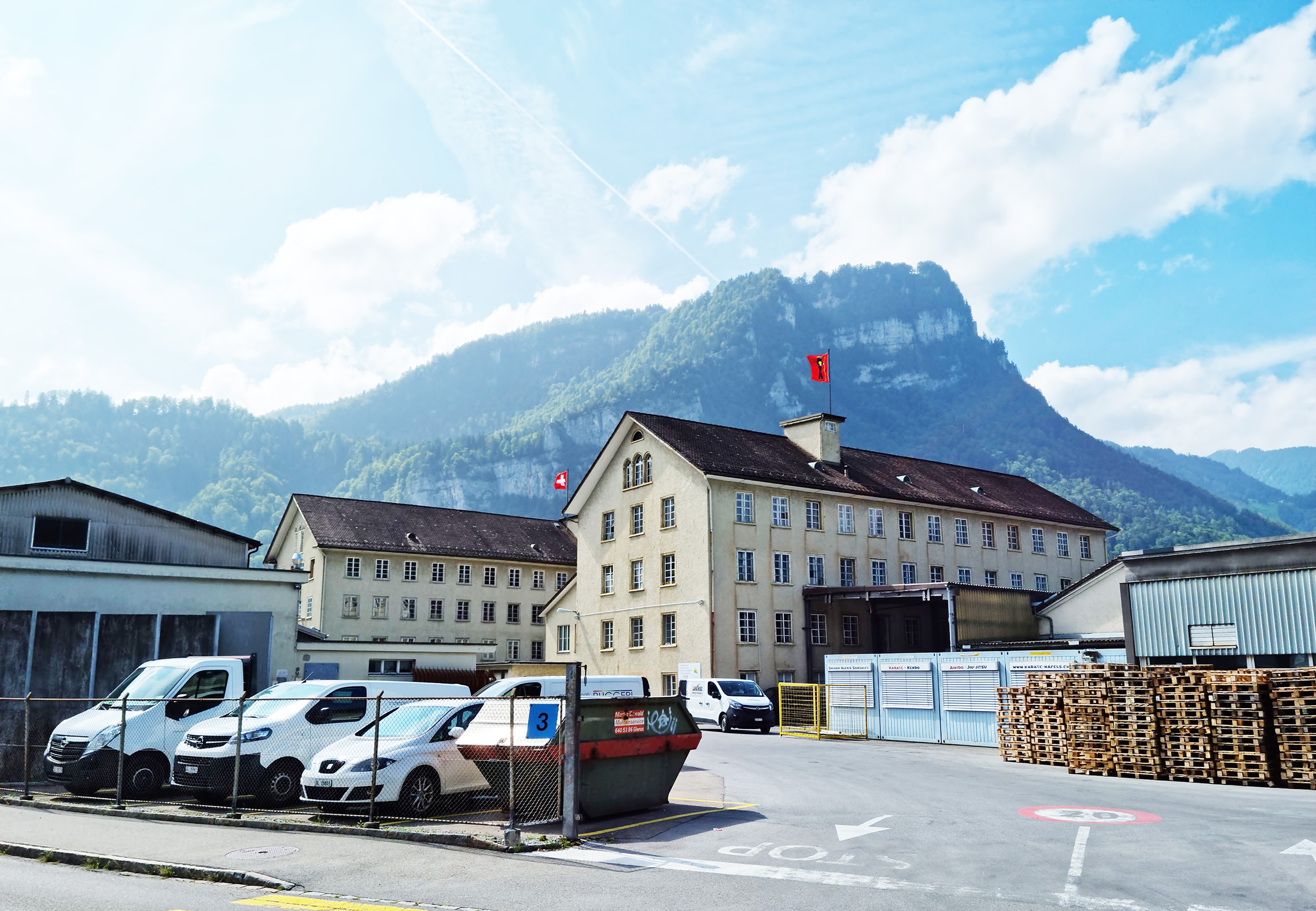
  • The Landolt site in transition

    The Landolt site in transition

    What significance does the development of the Landolt site have for Glarus as a business location? What specific impetus do you expect for the local economy and the creation of new jobs?
    The site is already well utilised with many different SMEs. When the Landolt company moves out in the medium term, the old stock will be freed up. The Shedhalle, which we have already renovated and equipped the roof with a large PV system, is particularly interesting. We are in the process of attracting new tenants and offer a very attractive location with optimal logistics connections. Attractive new jobs are being created here.

    Temporary uses such as the planned mobility hub are a central element of the concept. What opportunities do you see in these temporary uses to revitalise the site during the development phase?
    This is one of the most important parts of the transformation. We would like to keep all of the existing tenants if possible. We maintain direct contact with them so that they can continue to develop within the site. The buildings with interim uses are let cheaply but not for long, whether as storage, car parks or hubs, but without major investment on our part. There is also room for creativity here.

    How are the canton of Glarus and the location promotion organisation involved in the project? Is there strategic coordination with cantonal development goals?
    We are in regular dialogue with the location promotion agency and are confident that the good location and the size of the space on offer will also attract larger SMEs to the canton of Glarus. Several companies are already interested in setting up here.

    Participatory planning is emphasised. How were local residents and businesses able to get involved and what findings from this process will be incorporated into the next steps?
    With well-supported representation from the authorities and a specialist committee from the worlds of business and urban planning, as well as an international team of planners, the urban design, the relationships with the neighbours and the use and building distribution of the site were reworked. Many of the old spinning mill buildings are to be preserved and given a new lease of life.

    The current purely commercial area will be supplemented with various commercial offerings, and a small proportion of housing will also be possible. The very attractive location between the Chli Linthli and Mühlibach streams also invites walkers and residents to experience this beautiful and idyllic place.

    The planners are currently working with the design commission and the heritage conservation organisation to draw up the basic project. By the summer of 2025, it will be possible to show the future shape of the site, the expanded commercial offer and the variety of flats. We are very pleased with the excellent cooperation and are convinced that the careful handling of the existing buildings and the new buildings will create great added value for the users of the site, as well as for local residents.

    The development will take place in four stages. How will you ensure that the site remains lively, usable and attractive in the intermediate phases and does not become a long-term construction site?
    As already mentioned, part of the existing industrial buildings will be used for new purposes. The very old existing buildings, which will be vacant in the medium term after the Landolt company moves out, are to be rented out again quickly after conversion or modernisation. The various talent zones were defined for this purpose, and these form the stages. The development will be successively finalised with the completion of the respective zones.

    The innovation campus at Chli Linthli is intended to develop independently and in line with demand. Which target groups would you like to address here and which sectors could settle here?
    This site is already fully occupied with a wide range of businesses. The needs of the future will be accommodated here. The idea is to create a diverse range of businesses that require good networking within this area and function like a campus. However, we are also open to other ideas. Only time will tell what these are.

    How do you create long-term identity and loyalty on the site? What role do social, cultural or ecological offerings play for future users?
    The site already has a rich history. You can see this everywhere here. With a new use and the right approach, the culture will be preserved but also redefined. With our goal of sustainability, this process will also conserve resources. The use of natural building materials and simple architecture will create affordable working and living space that is healthy and worth living in. With its watercourses, green spaces, newly created neighbourhood squares, etc., the site offers a lot of spatial quality, but also a very attractive place to work, live and stay.

  • Aargau shapes the future with a development model

    Aargau shapes the future with a development model

    The canton of Aargau is a dynamic region with a high quality of life and economic attractiveness. In order to secure this strength in the long term, the cantonal government has adopted the 2025-2034 development model (ELB). This formulates clear goals and lines of action that respond to the key challenges of our time: population growth, climate change, digitalisation and a shortage of skilled workers.

    The focus is on actively shaping the further development of the canton in close cooperation with municipalities, companies, research institutions and the population. The guiding principle “Together for Aargau” summarises this collaborative approach. The ambitions in the areas of economy, society, environment and administration can only be successfully realised by working together.

    Three strategic priorities for a strong region
    Think holistically and intensify economic development
    Aargau wants to continue to position itself as an attractive location for companies, research and innovation. To this end, targeted framework conditions are being created to maintain and expand value creation and employment in the canton.

    Shaping space, securing foundations
    In the area of conflict between living, working, mobility and nature, intelligent spatial planning is essential. The aim is to proactively manage conflicts of use and protect natural resources.

    Strengthening efficient municipal structures
    The public sector should act in an efficient, cooperative and citizen-centred manner. Municipal mergers, inter-municipal cooperation and digitally supported services form the basis for this.

    These priorities are underpinned by 30 specific areas of focus that are integrated into the task and finance plan and are reviewed annually.

    Sustainability requires room for manoeuvre
    The financial framework for implementing the strategy is secure. Even if structural deficits are expected from 2026, the well-filled equalisation reserve will allow the continuation of all planned measures until 2034. Tax relief will be reviewed depending on the situation and with a view to the overall financial situation. This ensures that the canton’s room for manoeuvre is also maintained in the long term.

    From vision to implementation
    The EFA will be implemented in stages and is closely linked to medium-term planning. Numerous projects are already underway as part of the existing development agenda, from energy-efficient construction and innovation promotion to integrative housing models. New projects will be initiated, prioritised and provided with suitable resources in future.

    Progress will be reported transparently on an annual basis. This is an important step towards a fact-based and trustworthy location policy. The cantonal government is thus committed to agile, dialogue-oriented management of cantonal development in close coordination with all relevant stakeholders.

    The 2025-2034 development model is much more than a political planning instrument. It is a powerful promise to a population that prioritises quality of life. To companies that are looking for reliability and innovation and to municipalities that want to help shape their future with confidence. Aargau is thus positioning itself as a modern canton with a clear compass. Economically strong, ecologically responsible and socially anchored.

  • Robust market in Lucerne

    Robust market in Lucerne

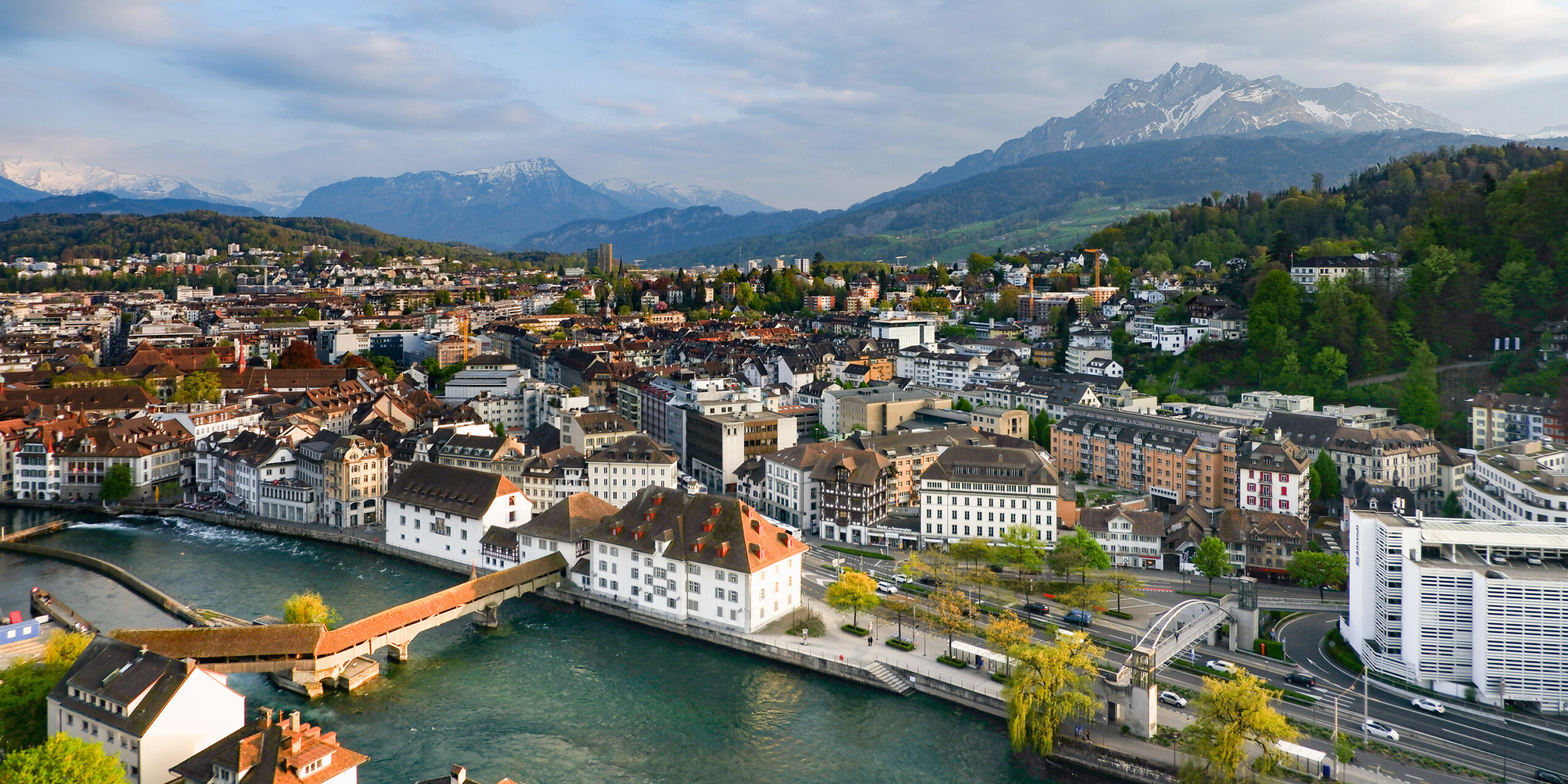
    The commercial property market in the canton of Lucerne is proving resilient, even in the international context of economic uncertainty. Switzerland’s gross domestic product grew by 1.3 per cent in 2024 and is expected to rise to 1.5 per cent in 2025. The canton of Lucerne benefits from its broadly diversified economic structure with strong sectors such as construction, finance and services.

    Bottleneck meets demand
    Demand for office space remains high, fuelled by continued employment growth in the service sector. At the same time, the construction volume of around CHF 50 million is well below the long-term average. This reluctance to construct new buildings is further reducing supply, causing rents to rise moderately but continuously – by an average of 10 per cent since 2015.

    Structural change weighs on
    Despite stable consumption indicators, the market for retail space remains under pressure. Online retail, changing consumer behaviour and geopolitical uncertainties are putting pressure on even highly frequented locations. Falling asking rents point to a prolonged period of weakness – there is currently no recovery in sight.

    Solid basis, new risks
    At less than one per cent, the vacancy rate for industrial space is well below the national average. Demand is stable and projects such as new business parks in Lucerne and the surrounding area are signalling momentum. However, trade tensions, particularly with the USA, could slow down this trend and cause a slowdown in the medium term.

    Plenty of potential, but growing pressure
    The new study by Luzerner Kantonalbank and Wüest Partner paints a differentiated picture. Office and industrial space is benefiting from Lucerne’s attractiveness as a location and the strong domestic economy. Retail space, on the other hand, remains the problem child. Future developments will be largely determined by international conditions.

  • Zurich convinces as a business location

    Zurich convinces as a business location

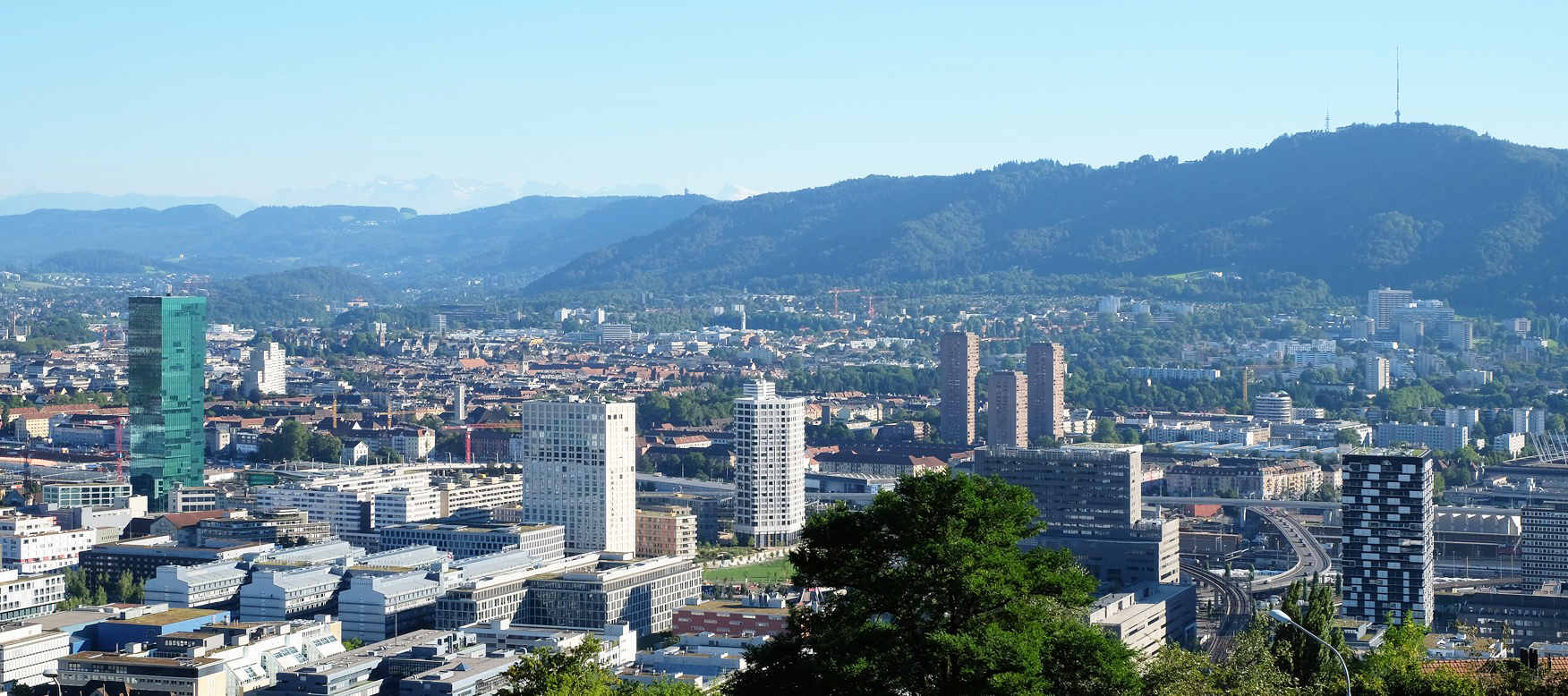
    According to a survey of over 400 companies in the canton of Zurich conducted by the Office of Economic Affairs, 82% rate the location positively, with 22% rating it as “very satisfied” and 60% as “fairly satisfied”. This high level of approval is primarily based on three factors: the excellent transport infrastructure, the high quality of life and the availability of well-trained specialists. Economic stability and political reliability were also cited as locational advantages.

    Infrastructure impresses
    Of the 24 location factors assessed, infrastructure (71%) and quality of life (55%) were mentioned most frequently as plus points. The labor market followed with 43%. On the other hand, 90% of companies consider the cost environment, in particular rents, wages and regulations, to be a clear disadvantage. Similarly, 64% criticize the tax environment. Zurich ranks last in Switzerland in terms of corporate tax burden.

    One in four companies planning to relocate
    A quarter of the companies surveyed have thought about moving out of the canton of Zurich in the last five years or have concrete plans to do so. The main driver is the high tax burden. According to statistics, over one percent of Zurich companies relocate to other cantons every year. This trend is in line with the assessment of many companies.

    Well positioned in European comparison
    The results are also reflected in a comparative European study by the Office of Economic Affairs. In comparison with other European economic regions, Zurich is particularly impressive due to its educational landscape, economic performance and quality of life. The study sees a need for action in areas such as labor market dynamics, innovation promotion and regulatory density.

    Location with strengths – but under pressure
    The canton of Zurich remains a leading business location with excellent infrastructure, a high quality of life and a competent labor market. At the same time, feedback from companies clearly indicates that the cost and tax environment needs to be adjusted in order to stop migration trends and ensure long-term competitiveness. For decision-makers, this means actively developing location policy before the strengths are overshadowed by structural weaknesses.

  • Solar folding roof technology sets course for the German market

    Solar folding roof technology sets course for the German market

    According to a press release, dhp Technology AG has founded a subsidiary in Stuttgart, Germany. The provider of the “globally unique solar folding roof” is thus emphasising its ambition to drive forward the energy transition with innovative photovoltaic solutions in Germany too, the press release continues. With the establishment of dhp Technology Deutschland GmbH, the company is laying the foundations for a long-term presence in the German market.

    “The expansion into Germany is a logical consequence of the sharp rise in demand for our innovative photovoltaic solution,” said co-founder and CEO Gian Andri Diem. In Germany, the market potential for solar folding roofs is huge, particularly with regard to sewage treatment plants, car parks and logistics areas.

    The branch in Stuttgart is managed by Gian Andri Diem, CEO of dhp Technology, and Torsten Brandstetter as Managing Director. Brandstetter is an industrial engineer with experience in the energy industry and technological innovation.

    dhp Technology is a developer and supplier of solar folding roofs. These are specially designed for installation over sealed surfaces and existing infrastructures. Depending on the weather, they fold up or down automatically. This enables communities and companies to produce electricity locally and sustainably without taking up additional ground space.

    Solar folding roofs from dhp Technology are already in operation at three German sewage treatment plants. A further ten systems are in the implementation phase and are due to be connected to the grid this year, according to the company press release.

  • New course director for Real Estate Management at the HWZ – focus on digitalisation and AI

    New course director for Real Estate Management at the HWZ – focus on digitalisation and AI

    Facchinetti brings with him extensive experience in digitalisation, innovation and PropTech. “We are convinced that he will offer students great added value thanks to his broad network and expertise,” says Markus Streckeisen, Head of Real Estate Programmes at the HWZ.

    In future, the new programme director will be responsible for three practical CAS programmes, which can be completed individually or in modules over several years up to a Master’s degree:

    • CAS Smart Real Estate Business (start: March 2025)
    • CAS Smart Real Estate AI, Data & Value (start: September 2025)
    • CAS Smart Real Estate Life Cycle Management (start: September 2025)

    “I am looking forward to working with experts from the field to impart future-oriented skills that are necessary for the challenges of our time,” says Facchinetti.

    The part-time continuing education programme, centrally located at Zurich Main Station, is aimed at specialists and managers who want to strengthen their digital skills in the real estate sector – practical, modern and future-proof.

  • The future of location promotion in the canton of Zurich

    The future of location promotion in the canton of Zurich

    Together with Markus Müller, you have been co-heading the location promotion of the Canton of Zurich for over 15 months.
    What insights have you gained?
    Zurich stands out within Switzerland due to its economic size. This also means that we are not only heavily involved in cantonal issues, but are also active on the national and, in some cases, international stage. For example, we promote Switzerland as an AI location or share our findings on AI applications in the economy with international partners.

    At the same time, I find the close cooperation between business, science and administration as well as politics to be expedient when it comes to creating sustainably attractive framework conditions.

    Could you give us a brief overview of the current priorities of location promotion in the Canton of Zurich?
    The central focal points are:

    As just mentioned, the development of attractive, long-term location factors. Through close dialog with business and science, we identify trends at an early stage and provide targeted impetus for location development.

    Promoting innovation and strengthening our key sectors of finance, ICT, life science, food, clean and high-tech.

    Maintaining and strengthening the diversity of the industry structure. In this context, we also support companies that want to locate here – from the search for a location to obtaining permits.

    Our projects, programs and initiatives are based on these three pillars.

    What are the long-term visions of the cantonal location promotion department with regard to location development?
    The attractiveness of a business location depends on a number of different location factors. These range from target group-friendly regulations and digital government services to strong innovative power and the sustainable design of economic areas.we are pursuing the goal of being an attractive, leading and future-oriented innovation and business location with international appeal for companies and the population.

    Zurich is one of the most expensive places to live in the world. The high real estate prices and rents are also becoming an increasing burden for companies. What can location promotion do about this?
    We are committed at various levels not only to the attractiveness and prosperity of the economic area, but also to a high-quality and excellent quality of life. In this respect, the availability of living space also plays a role. One concrete application can be found, for example, in our Innovation Sandbox for artificial intelligence. In the current phase, we are supporting the use of AI in planning applications. We hope that the results will help us to find ways of reducing the building backlog and streamlining the building permit process.

    Housing subsidies are also located at official level. It promotes the provision of affordable rental apartments with attractive loans.

    The ageing population is affecting the real estate sector and the labor market. What significance does this fact have for the canton of Zurich and how can you respond to it?
    The topic of demographic shifts and the widening labor market gap has been on our minds for some time at various levels. Over the next few years, many experienced workers will retire – this will increase the competition for talent.

    On the one hand, we are working on various projects in the area of recruiting and retaining skilled workers and labor market participation. At the same time, we are currently developing new overarching approaches to demographics that will have a longer-term impact. One thing is clear: tackling the challenge of demography must be approached from a systemic perspective, meaning that many parties and stakeholders need to be brought to the table.

    How do you see the role of the canton in the Greater Zurich Area economic region?
    The Greater Zurich Area is one of the most innovative business locations in Europe – and the canton of Zurich plays a central role in this. As a leading innovation location, we create the framework conditions that companies need to develop successfully. Ultimately, the other cantons within the Greater Zurich Area also benefit from our strong position.

    As the economic engine of Switzerland, the Canton of Zurich is also the largest provider of funds for the Greater Zurich Area as a business location. At the same time, our Chief Executive Officer, Government Councillor Walker Späh, is President of the Board of Trustees of the Greater Zurich Area Business Location. The Canton of Zurich is also actively represented in the Greater Zurich Area economic region by the two cities of Winterthur and Zurich. This allows us to optimally represent our interests and coordinate the activities of the Greater Zurich Area as a business location with our own.

    How does the cooperation with other cantons within the Greater Zurich Area business location work?
    What joint projects are currently underway?
    Cooperation within the organization of the Greater Zurich Area business location focuses primarily on issues relating to relocation. We work very closely with other cantons in various other constellations and committees. For example, in the Zurich metropolitan area, but also on a smaller spatial level, such as in the Limmat Valley. However, not all cantons are always members of the Greater Zurich Area business location.

    Current cooperation projects include the 2nd phase of the Innovation Sandbox for Artificial Intelligence, which also includes the aforementioned building permit project, and the repositioning of the Limmatstadt regional location promotion program, in which we are thinking beyond the cantonal borders in functional areas and looking for solutions.

  • Innovation Park Ticino strategic project for the future

    Innovation Park Ticino strategic project for the future

    The Switzerland Innovation Park Ticino will be located on a 25,000 square meter site in the middle of the new quarter. The proximity to Bellinzona railroad station and excellent connections to the economic centers of Zurich and Milan make the location particularly attractive. The historic “cathedral” of the former workshops in the center of the quarter will be preserved and integrated into the modern cityscape as a landmark of the industrial past.

    Promoting research and development
    The innovation park will become a hub for cutting-edge research projects and business collaborations. Competence centers for drone technology, life sciences and lifestyle tech are planned. These are intended to strengthen the region’s innovative power and intensify cooperation between start-ups, established companies and academic institutions. The Life Sciences Competence Center, for example, will open up new avenues in biotechnology and work on animal-free drug testing.

    A strategic joint project
    Funding is provided by a broad partnership of public and private stakeholders, including the canton, BancaStato, industry and business associations as well as renowned universities such as the Università della Svizzera italiana (USI) and the SUPSI University of Applied Sciences. Switzerland Innovation Park Ticino SA was founded as a non-profit organization and will manage the development of the park.

    Stimulus for the economic development of Ticino
    With the official recognition by the national innovation network Switzerland Innovation, Ticino will be closely networked with the Innovation Park Zurich. This collaboration is intended to create synergies between the two regions and promote the exchange of knowledge between research and industry. The link to the MIND Milano Innovation District underlines the international focus of the project and strengthens Ticino’s competitiveness as a high-tech location.

    State Councillors Christian Vitta and Marina Carobbio Guscetti emphasize the strategic importance of the innovation park for Ticino. For Ticino as a business location, the innovation park is a strategic project for the economic development of the canton. The aim is to establish the region as an innovation hub, create highly qualified jobs and attract investment. The Switzerland Innovation Park Ticino will thus become a key driver of economic and technological development in the region and consolidate Ticino’s position as a major player in the Swiss innovation ecosystem.

  • Central Switzerland’s economy remains confident

    Central Switzerland’s economy remains confident

    The economic mood in Central Switzerland remains largely optimistic. According to the latest edition of “Finanzmonitor Zentralschweiz 2025”, an annual study conducted by the Institute of Financial Services Zug at Lucerne University of Applied Sciences and Arts and the Central Switzerland Chamber of Commerce and Industry, almost 65 per cent of the companies surveyed rate their economic situation as good. This shows an overall stable development despite slightly gloomier expectations compared to the previous year.

    Focus on expansion and skills shortage
    Around 60 per cent of companies are planning to expand, which indicates a continued willingness to grow. At the same time, the shortage of skilled labour remains a key challenge for the economy. Companies are finding it increasingly difficult to recruit qualified employees.

    International uncertainties affect export-oriented companies
    While small and medium-sized companies are reporting a stable business situation, larger export-oriented companies are more affected by global developments. Uncertainties in the USA, France and Germany in particular are having an impact on planning. In addition, protectionist measures by the new US government are increasingly becoming the focus of economic concerns.

    Exchange rate risks are becoming less significant
    Compared to the previous year, the strong Swiss franc is perceived as less of a problem. Despite an expected further appreciation against the euro, concerns about exchange rate fluctuations appear to be becoming less important.

    Less voluntary reporting, less effort
    Another topic covered by the Financial Monitor is sustainability reporting. The number of voluntarily active companies is declining, but it is clear that the actual effort required to prepare a sustainability report is less than many companies initially feared.

    Stability with growing challenges
    Central Switzerland’s economy remains optimistic, but faces structural and international challenges. There are prospects for growth, but issues such as a shortage of skilled labour, global uncertainties and regulatory requirements will have a significant impact on future development.

  • Direct investment as a driver of growth

    Direct investment as a driver of growth

    Direct investments are a central component of the global economy. They comprise equity investments in foreign companies with the aim of permanently influencing their business activities. The focus is on strategic control, market access and securing resources. In contrast to portfolio investments, which are primarily aimed at capital gains, direct investments have far-reaching economic effects for the countries of origin and recipient countries.

    Switzerland’s locational advantages
    Switzerland is one of the most attractive investment locations in the world. Factors such as legal certainty, a stable economy, highly qualified skilled labour and a well-developed infrastructure make the country particularly attractive for multinational companies. Many international corporations such as ABB and Novartis have their headquarters here, while global companies such as Google and Liebherr have branches in Switzerland.

    Global networking and economic effects
    As an investor and investment location, Switzerland benefits from international capital flows. Swiss companies expand abroad through direct investment, while foreign investors invest in Swiss companies. This not only promotes the exchange of expertise and technologies, but also strengthens economic dynamism. The pharmaceutical sector in particular plays a key role in bilateral investment flows, especially between Switzerland and the USA.

    Direct investments and their influence on growth
    Direct investments have a measurable influence on economic performance. Capital gains from Swiss investments abroad flow back into the domestic economy and have a positive impact on consumption and investment. At the same time, foreign direct investment in Switzerland creates employment and increases productivity. in 2022, foreign-controlled companies accounted for around 24 per cent of total gross value added, while 11 per cent of jobs were directly dependent on them.

    Increasing regulation as a challenge
    In recent years, direct investments have been subject to increasing political regulation. Tax adjustments and investment controls are intended to create transparency and prevent tax avoidance. At the same time, there is a growing debate about tighter controls on takeovers by foreign investors, particularly with regard to national security interests. These developments could impair the growth potential of future direct investments.

    Direct investment as a stabiliser and growth factor
    Switzerland benefits greatly from direct investment, both as a country of origin and as a recipient country. It promotes innovation, strengthens economic power and secures prosperity. However, increasing regulatory intervention could pose long-term challenges for the global flow of investment and economic growth.

  • Zurich Airport region sets up an advisory board for sustainability

    Zurich Airport region sets up an advisory board for sustainability

    The FRZ Zurich Airport Region is strengthening its commitment to sustainability. It founded a sustainability advisory board on 6 February, the business network announced in a press release. “Sustainability is not a trend, but a decisive success factor for companies and society,” it says, explaining the background to the decision.

    The new advisory board will act as a “leading competence centre” for sustainable innovations in the region. Specifically, its aim is to support companies, cities and municipalities in the introduction of sustainable business models. To this end, best practices are to be promoted and stakeholders from business, science and politics are to be brought together.

    The tasks of the new advisory board will also include the presentation of the FRZ Excellence Award. Each year, it will recognise outstanding achievements in ecology, social responsibility and innovation by member companies of the FRZ Zurich Airport Region.

    The members of the Sustainability Advisory Board include Mario Angst from the University of Zurich, Willi Gärtner from Planzer, Thomas Meier from the Swiss Safety Centre and the former Managing Director of the Greater Zurich Area, Sonja Wollkopf. In total, four women and nine men from business, science and politics are represented on the advisory board. The full list of members, including links to their LinkedIn profiles, can be found in the press release from the FRZ Zurich Airport Region.

  • Vaud economy between recovery and uncertainty

    Vaud economy between recovery and uncertainty

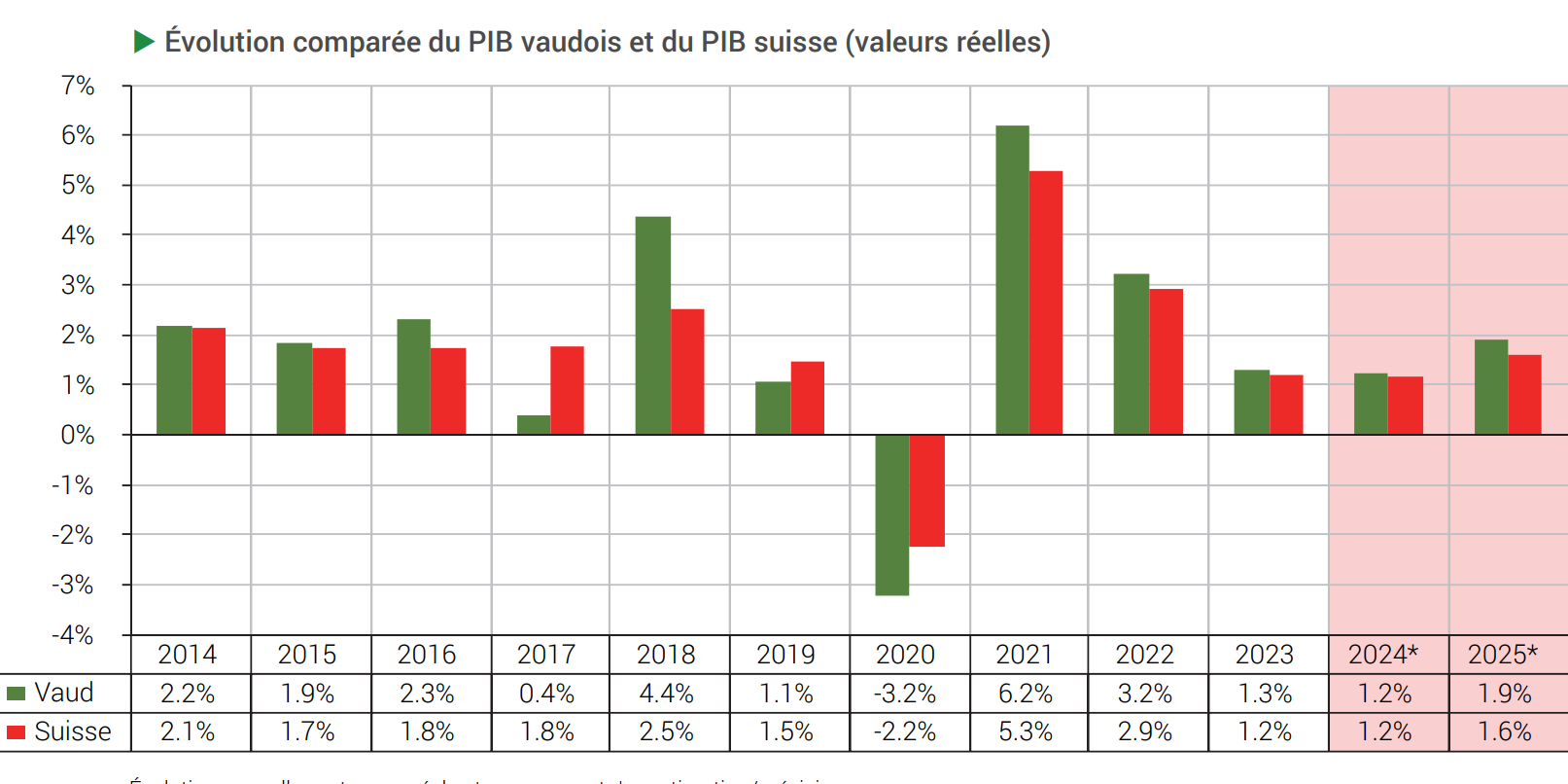
    Global economic tensions have increased in recent months. The OECD and the Swiss State Secretariat for Economic Affairs (SECO) point to risks, particularly from the new US administration and the unclear relations between Switzerland and the EU. While the US economy is growing more strongly than expected, the European economy remains weakened by structural challenges. The strong Swiss franc is slowing down export-orientated sectors, while domestic demand remains a stable pillar of the economy.

    Construction industry benefits from interest rate cuts
    The Swiss National Bank (SNB) has eased its monetary policy and lowered the key interest rate from 1.75% to 0.5%. This measure is creating a favourable investment climate, particularly in the construction industry, which is benefiting from falling financing costs. Forecasts for Switzerland as a whole predict growth of 1.5% this year and an acceleration to 1.7% next year.

    Sector development mixed picture
    While the industrial economy continues to be challenged, other sectors are showing mixed developments. The retail and hospitality sectors are struggling with a weak business climate, while the service sector is showing positive momentum. Particularly strong growth is forecast for the chemical and pharmaceutical industries, business services and the financial sector. The machinery and watchmaking industry could also benefit from the economic recovery in the medium term.

    Stabilisation with uncertainties
    The Vaud economy is looking forward to a year of opportunities, but also challenges. While key sectors are likely to benefit from a sustained recovery, geopolitical and currency policy uncertainties remain risk factors. The decisive factors will be how international trade relations and the domestic economy develop and the extent to which companies are able to react flexibly to changes.

  • Strengthening Europe’s innovation financing

    Strengthening Europe’s innovation financing

    Technology start-ups are crucial for the progress of disruptive innovations. However, financial hurdles are hampering their growth, as a new study by the EPO makes clear. A comparison with the USA shows that there is a lack of private capital in Europe, particularly in the later financing phases. This forces many innovative companies to look outside Europe for investors.

    A new evaluation system
    With the TIS, the EPO has developed a precise indicator to evaluate the specialisation of investors in patented technologies. The TIS is based on over 1000 individual values and indicates the proportion of patent-active companies in an investor’s portfolio. This enables start-ups to search specifically for investors who are particularly innovation-friendly.

    Public investors as a central pillar
    The study shows that public institutions play a key role in promoting innovation. Programmes such as the European Innovation Council, national funding agencies such as Innosuisse or Bpifrance and the European Investment Bank offer essential support in the early financing phases. However, there is a lack of seamless follow-up financing from private investors, which makes it difficult to scale up innovative technologies.

    A comparison of European and US financing models
    While 62% of private investors in Europe focus on early-stage financing, the proportion is significantly higher among the 100 largest US investors with a later-stage financing focus. 98 of the top 100 investors in the US are private, over half of whom specialise in growth financing. These differences illustrate the gap in the European capital structure.

    New digital tools for finding investors
    The EPO is expanding its digital tools to make it easier for start-ups to access capital. A filter has been added to the Deep Tech Finder that allows investors to be found specifically according to financing phase, location and technology field. This enables start-ups to efficiently identify suitable investors and improve their financing opportunities.

    Paths to a stronger innovation ecosystem
    The study emphasises the need for action to improve the networking of public and private innovation financing in Europe. With new digital tools such as the TIS and the Deep Tech Finder, the EPO is providing decisive impetus to close the financing gap and keep start-ups in the European market in the long term.

  • Ternary data storage

    Ternary data storage

    For decades, data storage has been based on binary code, which only recognises two states: “0” and “1”. The new technology brings a ground-breaking change by introducing a third state “2”. This achieves a fourfold increase in storage density. Inspired by cuneiform writing, the new polymer uses tiny indentations as memory points: no indentation stands for “0”, a shallow indentation for “1” and a deeper indentation for “2”.

    Precision and efficiency thanks to modern materials
    The polymer, consisting of sulphur and dicyclopentadiene, is processed with atomic precision. A microscopically small tip creates the dents, replacing conventional methods such as laser beams. This offers numerous advantages.

    • Energy efficiency: Mechanical processing requires no heat.
    • Reusability: Data can be erased and the material rewritten by heating.
    • Durability: The polymer can withstand numerous read-write-erase cycles.

    Economical and sustainable
    The main components of the polymer are cost-effective and environmentally friendly, unlike existing storage technologies that rely on rare earths and energy-intensive processes. The new material offers a sustainable alternative that meets the increasing demands of the digital age.

    Far-reaching effects
    The introduction of ternary code could push the boundaries of existing storage technologies. Major technology companies such as IBM and Intel are already showing interest in the new technology. The quadruple storage density, combined with low energy consumption and sustainability, makes this development a key to the future of big data and artificial intelligence.

  • Smart City Winterthur 2030

    Smart City Winterthur 2030

    Since the first smart city strategy in 2018, Winterthur has established itself as one of the most progressive cities in Switzerland. At that time, the focus was on quality of life and resource efficiency, supplemented by topics such as energy, mobility, education and health. With the revision of the strategy towards Smart City Winterthur 2030, the City Council is now focussing on new cross-cutting topics such as innovation, needs orientation and co-creation. These topics are crucial to meeting the requirements of a changing society.

    Two programmes are driving implementation
    The new strategy is being implemented through two programmes, the Innovation Programme and WinLab. The innovation programme supports employees of the city administration in the development and implementation of innovative projects. The aim is to strengthen the culture of innovation within the administration.

    The WinLab, on the other hand, acts as an urban real-world laboratory in which representatives from business, science, civil society and municipal institutions work together. In this creative space, forward-looking solutions for the city are developed and tested. Both programmes create scope for experimentation and promote sustainable innovations that meet the needs of citizens.

    A strategy for the future
    The Smart City Winterthur 2030 strategy comes into force on 1 January 2025 and is part of the long-term goal of shaping Winterthur as a sustainable and adaptable city. The strategy will be reviewed after five years at the latest to ensure that it continues to meet the needs of the city and its population.

  • Zug remains Zug – liveable, visionary, vibrant

    Zug remains Zug – liveable, visionary, vibrant

    How is the Zug economy doing?
    Zug is praised in numerous specialist publications and in the media for its diversified economy – services, trade, manufacturing industry and commerce. Growth is still above the Swiss economic average of 1.2% and has so far proved resilient to global or technical upheavals. Thanks to the positive financial results, the city of Zug, together with private households and the flourishing economy, is an important pillar for further growth in the coming years.

    How does the city of Zug plan to ensure its economic growth is sustainable in the coming years, especially given the strong focus on the financial and crypto industries?
    Sustainability also means that we look after the companies based here and are reliable partners and employers. It is therefore important that we continue to have strong legal certainty in Switzerland and Zug. We offer a strong education system, have short distances to the city and canton, maintain great local recreational areas and have good road and rail connections to Lucerne and Zurich.

    Zug is experiencing high demand for residential and commercial space. What long-term solutions does the city see to promote residential construction while maintaining the quality of life?
    Many years ago, we demanded the framework conditions for the V-Zug site/technology cluster development plan and the LG site development plan with a letter of intent. In both of these cases, we defined 10,000 m2 of affordable housing and affordable commercial space. We have also been working closely with Zug’s building cooperatives for over 10 years. We also recently purchased an area right next to the railway station for 65 million. This is to be used for the construction of affordable housing. The mix of flats still needs to be defined and will ultimately be put to a referendum. Here, too, it is to be sold under building rights. This is because the building cooperatives know what the people of Zug need in terms of housing. In addition, the city of Zug is working closely with landowners to develop development plans in cantonal densification areas that permit high densities. The municipal high-rise building regulations form an important legal basis for this. As part of these measures, increased attention is paid to the quality of the open spaces on the sites themselves, as well as the other public open spaces. In the spirit of a “city of short distances”, the inner-city open spaces and leisure infrastructure, as well as the natural and landscape areas, should be easily accessible, especially by public transport, on foot and by bike.

    What new projects and initiatives is the city of Zug planning to promote sustainable urban development?
    There are many new projects in the city of Zug. They all have to take equal account of social, economic and ecological aspects. In this respect, each of our projects should already support sustainable urban development. Perhaps you will allow me to give you two examples in which we are also playing a pioneering role. For example, an internal strategy project is underway to check whether we are well organised and sufficiently fit to master the future challenges of sustainable development. Or in the area of climate adaptation: we are currently installing temperature sensors throughout the city to identify heat islands and take targeted measures.

    The issue of affordable housing is becoming increasingly important. What measures is the city taking to ensure that Zug remains attractive for less affluent people?
    The city council is already calling for affordable housing to be created on at least 20% of the additional eligible floor area in residential and mixed zones when issuing ordinary development plans. Following the adoption of the “2000 flats for Zug’s middle class” initiative, affordable housing of at least 40% of the newly constructed living space must be created in residential and mixed zones located in densely populated areas when issuing ordinary development plans and in the case of rezoning and upzoning. To be honest, however, this has also halted construction projects. We are currently working on solutions.

    How important is citizen participation in municipal projects to you, and what opportunities do the residents of Zug have to contribute their ideas and opinions?
    The city of Zug has a strong and long-standing culture of participation. Public participation projects on various topics have been held regularly since the 1990s. The online participation portal “mitwirken-zug.ch” has also been available since 2020.

    Traffic in and around Zug is increasing. What is the city’s plan to bring the transport infrastructure in line with growth and strengthen public transport at the same time?
    Unfortunately, the city tunnel was rejected and solutions must be found nonetheless. The city of Zug is working closely with the cantonal civil engineering office to develop a joint transport plan for the vibrant centre of Zug. The city’s aim is to ensure that the existing road space is available to all road users equally and efficiently: Cars, public transport, bicycles and pedestrians. Fortunately, the city of Zug is small-scale, so many things can be done on foot or by bike.

    What plans are there to further expand public transport in order to relieve commuters and reduce traffic in the city?
    The next major expansion step is planned for the opening of the Zimmerberg tunnel. This will be around 2035 to 2037. Until then, public transport will continue on the current routes and the frequency will be adapted to demand. The public transport system will thus be adapted to the needs of the municipalities on a “small scale”. According to GöV, the municipalities have the option of purchasing additional services over and above those ordered by the canton. The city of Zug does this with the Zugerberg railway and on bus route 5, where it purchases additional cable cars and courses. This additional service, which is decided by the city parliament, gives the city of Zug flexibility over and above the service determined by the canton. However, it is clear that the service ordered by the canton is excellent and that the municipalities hardly need to make any improvements. The city of Zug already has excellent public transport connections in all neighbourhoods. Additional courses significantly reduce the cost recovery ratio. The cost recovery ratio to be achieved according to the GöV is 40%. Personally, I would like the S-Bahn to offer double-decker trains.

    How does the city of Zug support the expansion of educational facilities in order to address the shortage of skilled labour and at the same time strengthen Zug as a location for education?
    Education is our only resource and this is where the city of Zug invests the most money. The design of attractive school buildings as places to work and learn, with the involvement and participation of pupils and teachers in the planning process, are key concerns. In addition, there are attractive childcare and leisure facilities for children and families as well as a modern ICT infrastructure. In addition, forward-looking and innovative projects and collaborations such as the school portal – where parents can communicate online with teaching and support staff and the school administration – the DigiWerkstatt and the inclusion of AI in lessons are being driven forward. However, it is also important that we meet the needs of companies and actively support the dual education system. A great project is underway here!

    What role does the promotion of innovation play in Zug and how is the city planning to establish itself as a centre for pioneering technologies and companies?
    The promotion of innovation plays a central role in the city and canton of Zug in positioning the city as a centre for pioneering technologies and companies. One important point is: we try things out. For example, following a presentation by a student, we decided to accept Bitcoin as a means of payment in the city of Zug, which caused a worldwide furore. Today, the city of Zug is THE Crypto Valley worldwide with over 4000 employees in over 800 companies. True to the motto: “no risk, no fun”. We will continue to be innovative! Targeted measures and programmes are designed to strengthen the innovative power of the city of Zug so that the environment becomes even more attractive and motivating for companies and, above all, for employees. You can move mountains with innovative projects and motivated people. The framework for this is provided by the development strategy for the city of Zug adopted by the City Council in autumn 2021: “Zug remains Zug – liveable, visionary, vibrant”. It is an overarching management tool with a long-term perspective to help shape the future of the city of Zug. Innovative economy, green city, strong community, healthy finances – these are our credos for the future.

    What is your long-term vision for the city of Zug? What goals are you determined to achieve in the coming years?
    As a growing business location with excellent conditions for companies and skilled workers from near and far, we cultivate our economic diversity and position ourselves specifically through future-oriented industry clusters. We are developing Zug as a green city in a sustainable and resource-conserving manner and are planning mobility, space and energy in a visionary way.

    In the tension between tradition and modernity, we promote dialogue and create an inspiring framework for a vital, diverse and cosmopolitan urban community. And to maintain our healthy finances, it is important to ensure competitive framework conditions, make future-oriented investments and secure our tax base in the long term. In addition to all impact targets, we promote lifelong learning, utilise the potential of diversity in the population, economy and culture for pioneering lighthouse projects for change and use incentives to steer change.

    Zug is committed to more climate protection. Can you give us an overview of the most important measures that are currently being implemented to reduce CO2 and increase sustainability in the city?
    When it comes to climate protection, the focus is on moving away from fossil fuels. All heating systems must be able to run on local renewable energy in the medium term. Compliance with modern building standards and, together with Wasserwerke Zug (WWZ), the expansion of district heating are at the forefront here. We have brought Circulago into being. We take cold and heat from the lake and thus have a “battery” on our doorstep. At the same time, we also want to upgrade our own properties, produce our own electricity and get rid of fossil-fuelled heating systems. The introduction of CO2 monitoring and many larger and smaller measures as part of the “Energy City” programme, where we have also been certified with the “Gold” label for 2023, will help us achieve this. I am convinced that we can supply ourselves with energy. We have innovative companies such as Siemens, Landis & Gyr, V-Zug, the technology cluster and many more companies in Zug that all offer these technologies and innovations. It’s certainly been 10 years since Siemens showed us that the technology for local self-sufficiency already exists, so let’s do it!

    Where do you see the city of Zug in 20 years’ time?
    In 20 years’ time, the city of Zug should be a liveable, innovative and sustainable place that offers both economic dynamism and a high quality of life. In other words, we will have made Zug even more attractive for companies and skilled workers, while at the same time creating space for a strong community. Zug’s role as an international business and financial centre has been strengthened, particularly in the area of digitalisation and new technologies such as blockchain and AI applications. Thanks to sustainable urban planning and environmentally friendly infrastructure, the city of Zug is climate-neutral. We have attractive places to live and work, green recreational areas, attractive cultural offerings and a diverse infrastructure for education, leisure and health. Zug has made a name for itself as a centre of education and innovation that is networked with tertiary education institutions and research facilities. We have intelligent traffic management and an efficient infrastructure that meets the needs of a growing population and is designed to be sustainable. Progress is being made step by step – I am delighted!
  • Buildings as carbon sinks

    Buildings as carbon sinks

    The construction industry is one of the largest CO2 emitters in the world. However, projects such as “Beyond Zero” and the “Mining the Atmosphere” initiative could turn the tide. The aim is not only to reduce the harmful greenhouse gas, but to actively bind it in building materials. These materials, which are being tested in the new NEST unit, could revolutionise concrete and insulation materials and have the potential to make the construction industry climate-neutral or even CO2-negative.

    Technology undergoing practical testing
    Nathalie Casas from Empa explains that “negative emissions technologies” (NET) are the key to achieving climate targets: “We need to remove excess CO2 from the atmosphere in order to achieve the 1.5-degree target. NETs, which already work in the laboratory and are now being used in the construction industry, will help us achieve this.” Casas emphasises the urgency of taking action as emissions continue to rise.

    Sustainability in the construction industry
    Corinne Reimann from Implenia sees NET as a great opportunity for the construction industry: “The new materials will finally enable us to make decisive progress in the area of sustainability. The industry has enormous leverage here, but also challenges. Price and acceptance will be crucial.” Reimann emphasises that the functionality and cost-effectiveness of new materials must be ensured in order to enable their widespread use.

    The contribution of architects and planners
    Christoph Kellenberger, co-founder of OOS, sees the early involvement of architects and planners as a decisive factor: “With our knowledge, we can help develop the right building materials from the outset and integrate them into construction practice. We also need to publicise the potential of CO2-storing materials in the industry and show what effects can be achieved with them.” For Kellenberger, the key to success lies in transparent knowledge transfer and practical solutions.

    Political framework conditions and social responsibility
    In addition to technological innovation, the construction industry also requires political and economic framework conditions. According to Casas and Kellenberger, clear cost transparency is necessary in order to promote the widespread use of NET. CO2 emissions must be priced fairly and subsidies could help to offset the initial higher costs of the new materials. “The transformation will only succeed if everyone pulls together – politics, business and society,” says Casas.

    The “Beyond Zero” project shows that it is possible to turn buildings into carbon sinks. However, this requires not only technological solutions, but also the will of politics, business and society to break new ground. The construction industry has the opportunity to develop from one of the largest CO2 emitters into a pioneer of the climate transition – and the potential to do so already exists today.

  • Schaffhausen – an economic success story

    Schaffhausen – an economic success story

    The new high-rise buildings on the former Alusuisse site in Neuhausen am Rheinfall came to life at the beginning of 2024. The flats are occupied, the shops are open and work is underway in the 7000m2 of office and laboratory space. 100 years ago, an aluminium plant stood on what is now the Rhyfall Village. After the Second World War, a research centre for materials technology was established. Decades later, plans grew for new living and working space – which have now been realised. The Schaffhausen steel foundry has also undergone a similar transformation process: instead of heavy industry, there are flats, a school, commercial space and offices. Strategies are developed, patents are managed and markets are cultivated all over the world. Today, people and companies are once again putting down roots in the canton of Schaffhausen. At the end of the 1990s, the reality was different.

    Joining forces to emerge from the crisis
    Structural change hit the industrial canton of Schaffhausen with full force: Within just a few years, the corporate landscape changed drastically and tax revenues collapsed. Eleven per cent of all jobs were lost – more than in any other canton. Those who could, moved away. To turn the tide, the business associations launched the WERS project – Economic Development Region Schaffhausen. The city and canton supported it. 150 demands served as the basis for groundbreaking decisions in Schaffhausen politics in 1997.

    Active location promotion as the key
    One central measure was the creation of a cantonal economic development agency. The mission was clear and still applies today: to publicise the business location, attract new companies and support existing companies in maintaining jobs. In addition to providing impetus for the continuous improvement of the framework conditions for the economic development of the canton, the Economic Development Agency is the central point of contact and information centre between business, politics and administration. The goal: competitive industrial companies and SMEs, globally orientated service providers, more tax revenue.

    The companies came. The first production company, Wunder-Baum, was founded in 1998 and Tyco was the first US multinational with a headquarters. To date, more than 600 other companies have settled here. They have created around 2,800 new jobs and, thanks to a lot of additional tax revenue, scope for investment in favour of the location.

    Improving the “Schaffhausen product”
    Particularly in the early days, some companies decided against Schaffhausen because the location did not fulfil their requirements. There was a lack of centralised offices, generous living space, an international school and good transport links to the airport. In order to change this, the “Schaffhausen product” was gradually improved and the attractiveness of the location was promoted with the help of business development. This includes the establishment of the ISSH international school, the ITS Industry and Technology Centre to promote innovation and technology among SMEs, the go-tec! Laboratory for future STEM specialists. The introduction of the half-hourly service to Zurich main station, the direct connection to the airport and the expansion of the A4 motorway were also supported. In the canton, the regional S-Bahn railway between Trasadingen and Thayngen was expanded to complement the regional buses. The gradual reduction in taxes for individuals and companies was another key factor in favour of the location. Many projects have been successfully realised. Others are still under discussion. These include a university programme tailored to the needs of industry and a campus for innovation and technology.

    From product development to supply development
    On the property side, these developments in the canton have led to an increasing demand for offices, commercial space and living space. Various central sites have been developed over the last two decades. These include the Landhaus and Urba(h)n developments near the railway station in the town of Schaffhausen and the transformation of the former steel foundry into a residential and working quarter close to the town centre. In Neuhausen am Rheinfall, the development along Zentralstrasse, combined with the residential construction activity around the Industrieplatz and the gradual opening up of the SIG site, were decisive factors. While this area is still in the process of transformation, the Rhyfall Village has been filling with life since the beginning of 2024 – thanks to jobs and new residents.

    25 years of joint efforts
    25 years ago, the course was set jointly in the canton of Schaffhausen: Business and politics joined forces and began an active location development policy with common objectives. After WERS came the visions for Schaffhausen in 2008 and the “next.” development strategy in 2022. It is clear that the canton is developing dynamically as a location. Today, not only are the windows of the new flats in converted factories illuminated, but the entire business location and living space shines in a different light. In an intercantonal comparison, Schaffhausen has undergone a unique development: no other canton has improved so much in the comparison of competitiveness indicators (UBS 2023). Schaffhausen has not only become a popular location for international companies, but also for people from Switzerland, as the intercantonal migration balance shows. This is no coincidence, but the result of targeted measures and joint efforts. Continuing this success story is both a mission and a motivation for the committed forces in the canton.

  • Rolex invests one billion francs in new giant factory in Bulle

    Rolex invests one billion francs in new giant factory in Bulle

    The world-famous luxury watch manufacturer Rolex is planning a massive expansion in western Switzerland. A gigantic production facility is to be built in Bulle, in the canton of Fribourg, by 2029. Covering an area of 104,000 square metres – the equivalent of almost 15 football pitches – Rolex plans to produce luxury watches from 2029 to meet the growing demand for its products. The new factory is expected to create 2,000 jobs and thus make a significant contribution to the regional economy.

    Land sale approved
    The General Council of Bulle has approved the sale of the construction site to the Rolex Group by a large majority. Rolex is investing a total of one billion francs in the project and paid 31.4 million francs for the 100,000 square metre site. The planning application has now been submitted and the first visualisations of the planned buildings have been published.

    Innovative construction concept and sustainability
    The new plant will consist of four production buildings connected by a central building. In addition to the administration, this central area will also house catering facilities as well as meeting and rest areas. A striking head-end building at the southern end of the site will house the main entrance.

    Rolex attaches particular importance to environmental friendliness and sustainable design. The factory is to achieve the highest standard of the British Breeam label – a first for an industrial building in Switzerland. The buildings will be arranged so that they are integrated into a park that serves as protection from emissions from the nearby motorway.

    Fifth Rolex production site
    With the new site in Bulle, Rolex is expanding its already highly integrated production chain. The luxury watch manufacturer already operates production sites in Geneva, Chêne-Bourg, Plan-les-Ouates and Biel. Most of the watch components, from movements and cases to dials and bracelets, are produced in-house at these sites.

    Temporary solution in Romont
    In order to expand production capacity before 2029, Rolex will temporarily set up a factory in Romont. Around 250 to 300 employees are to be employed there from the beginning of 2025, most of whom will be newly recruited and trained. These employees will move there once the factory in Bulle is completed.

    With the new factory in Bulle, Rolex is strengthening its position as one of the world’s leading luxury watch manufacturers and investing in the future of the Swiss production site.

  • New Board of Directors of SBB André Wyss

    New Board of Directors of SBB André Wyss

    André Wyss will join the Board of Directors of Swiss Federal Railways. The Federal Council approved Wyss’ election at its meeting on 21 August 2024. His new role will be officially confirmed at the SBB Annual General Meeting in April 2025. Wyss, a renowned Swiss business leader and CEO of construction and real estate services provider Implenia, is set to take over as Chairman of the Board of Directors from Monika Ribar in 2026.

    Wyss has an impressive career that has prepared him excellently for this task. After training as a chemical technician, he completed a degree in economics and continued his education at the renowned Harvard Business School. Before joining Implenia, he gained extensive international experience at Novartis, where he most recently headed up global production and central services with over 40,000 employees. His involvement on various boards of directors and as President of the Basel Statistical and Economic Society also underline his wide-ranging expertise. In addition to his business experience, Wyss was a major and commander in the Swiss army, which gave him a deep understanding of the political and economic environment in Switzerland.

    A well thought-out election process
    The members of the SBB Board of Directors are traditionally elected at the Annual General Meeting for a term of office of two years. As the sole shareholder, the Confederation exercises the right to vote at the General Meeting. Monika Ribar, who has served as Chair of the SBB Board of Directors for twelve years, will step down in 2026 due to the term limit. The current member of the Board of Directors, Véronique Gigon, will step down at the 2025 Annual General Meeting.

    To ensure a seamless succession at the top of SBB, a comprehensive search process was initiated by the federal government at an early stage. The SBB Board of Directors then decided at an extraordinary meeting in August 2024 to propose the election of André Wyss to the Federal Council. Wyss’ previous experience and his extensive network in the Swiss economy make him the ideal choice for this challenging task.

    A clear transition at Implenia and SBB
    Wyss will end his role as CEO of Implenia at the end of March 2025. He will then concentrate fully on his new role on the SBB Board of Directors. For one year, he will serve on the Board of Directors together with the current Chairwoman Monika Ribar and prepare intensively for taking over the chairmanship. This smooth transition will ensure continuous and stable leadership at SBB and safeguard the company’s strategic direction for the future.

    With the election of André Wyss, SBB is relying on a strong leader who is up to the challenges of the future and can successfully develop the company further.

  • Landsgemeinde decides on Braunwald’s development

    Landsgemeinde decides on Braunwald’s development

    The future development of Braunwald will be determined by the Landsgemeinde 2025. Following intensive political and public discussions, a revision of the law on public transport will allow citizens to decide on the development option. The cantonal government favours the modernisation of the funicular railway as the most economical solution with low procedural risk and shorter construction time.

    The favoured solution
    After a long evaluation phase, the cantonal government opted for a new funicular railway, which is considered the most cost-effective and practicable option. It involves investment costs of CHF 24 million and operating costs of CHF 3 million per year. Compared to a gondola lift, which would be almost twice as expensive to build and would take up to ten years to complete, the funicular railway offers clear advantages. An automated funicular railway would also enable use independent of the timetable.

    Legal amendments to involve the Landsgemeinde
    The cantonal government has decided to include the development of Braunwald in a new article of the Public Transport Act, which will enable a discussion and vote at the Landsgemeinde 2025. This will give the population the final say on this important infrastructural decision. Should the Landsgemeinde vote in favour of an alternative gondola lift, the cantonal government would initiate the corresponding planning adjustments.

    Investments and future prospects
    The planned investments of CHF 24 million for the construction of the funicular railway and CHF 3 million for its operation will create sustainable and future-oriented access for Braunwald. The cantonal government expects that the decision of the Landsgemeinde will be an important step towards economic and environmentally friendly mobility, which will strengthen the region in the long term and promote tourism.

  • Swiss birth rate at historic low

    Swiss birth rate at historic low

    The Federal Statistical Office has published the figures on natural population movements in Switzerland for 2023. The number of births reached a historic low. Between 2021 and 2023, the number of live births fell by more than 10 % to 80,024 births. Natural population growth amounted to just 8,200 people, around half the average of the last ten years. The total fertility rate reached 1.33 – an unprecedented figure in Switzerland.

    Birth trends: detailed analysis
    The decline affects both children of Swiss and foreign nationality. The births of Swiss children fell by 8 %, while the births of children of foreign nationality fell by 5 %. The number of third children fell particularly sharply (over 11%). The decline mainly affects younger mothers: the drop was over 30% for teenagers and women under 25, while women over 45 gave birth to more children.

    Causes of the decline in the birth rate
    The causes of the decline in the birth rate in Switzerland are multi-layered and complex. One major factor is individualisation and the associated changes in lifestyles. More and more people are turning away from traditional family models and looking for meaning and fulfilment outside of parenthood.

    Economic costs also play a significant role. High housing costs, childcare expenses and opportunity costs resulting from loss of income are a burden for many families. These financial burdens make it difficult for many couples to decide in favour of having children.

    Another important aspect is the housing crisis. The shortage of affordable housing makes it difficult for young families to find suitable accommodation, which is an additional obstacle to starting a family.

    Geopolitical uncertainties and so-called eco-anxiety are also contributing to the decline in birth rates. Many people are worried about the future and have ecological concerns that negatively influence their decision to have children.

    Finally, family policy also plays a role. In an international comparison, Switzerland offers less generous family support. Other countries, such as France, support families more strongly and thus also promote the birth rate.

    A decline in the birth rate has a significant impact
    The decline in the birth rate could have a significant impact on various areas. One area particularly affected is the labour market. The existing labour shortage could become even more acute, making Switzerland more dependent on immigration to meet the demand for labour.

    The social security system could also suffer from the decline in the birth rate. Rising life expectancy coupled with falling birth rates could lead to considerable imbalances in the social security systems. This could jeopardise the financial stability of pension and healthcare systems in the long term.

    The property market would also be affected. Demand for smaller homes could increase, while large, remote houses could become less attractive. This would lead to a shift in demand, with centrally located and easily accessible small flats being favoured. At the same time, the need for public infrastructure, such as schools, could decrease, while the demand for childcare facilities may increase to better support the needs of working parents.

    Rebound in births in 2024?
    The initial figures on births in 2024 do not suggest a change in trend. Between January and April 2024, 24,300 babies were born, a stable figure compared to 2023. It is likely that birth rates will stabilise at this low level.

    The decline in the birth rate in Switzerland is a complex phenomenon with far-reaching consequences. Comprehensive measures and forward-looking planning are required to meet the challenges. This affects not only the economy, but also social cohesion and the organisation of our living spaces.

  • Snow melting and economic efficiency in practice for PVT modules

    Snow melting and economic efficiency in practice for PVT modules

    In their award-winning bachelor’s thesis at the Zurich University of Applied Sciences, Fabian Maag and Marc Willi investigate the potential of photovoltaic thermal modules to increase winter electricity production. The PVT modules from Sunmaxx PVT GmbH use liquid heating to melt snow off the modules and thus increase the electricity yield. Their measurements show that the targeted melting of snow can increase electricity production in winter by an average of 34%.

    Efficiency through snow melting
    The study showed that the combination of a higher inlet temperature and continuous melting during snowfall is particularly effective in minimising snow cover. This method proves particularly effective in snowy regions and also at lower altitudes, as the additional electricity yield always exceeds the required melting energy.

    Economic profitability
    The profitability analysis shows that the additional costs for installing a PVT system through snow melting are amortised from an electricity price of CHF 0.39/kWh. PVT modules are therefore not only technically but also economically attractive, particularly in regions with high snowfall.

    Recognising and promoting young talent
    Maag and Willi were honoured with the regional Siemens Excellence Award for their practice-oriented and forward-looking work and have been nominated for the national Siemens Excellence Award 2025. Gerd Scheller, Country CEO of Siemens Switzerland, emphasises the importance of promoting young talent: “With the Excellence Award, we want to motivate young people to work on scientific topics that can be put into practice.”

    Future prospects in STEM
    The Siemens Excellence Award is part of the “Future Creators” programme, which promotes dialogue with the next generation and supports young talent in STEM (science, technology, engineering and mathematics). Gerd Scheller emphasises: “With this commitment, we support young people in their development and training and help them to make the most of their future opportunities.”

    Maag and Willi’s work provides valuable insights into the use of PVT modules to increase the efficiency of winter electricity production. Their findings not only contribute to the scientific debate, but also offer practical solutions to the challenges of the energy transition.

  • Four eastern Swiss cantons strengthen cooperation for a networked future

    Four eastern Swiss cantons strengthen cooperation for a networked future

    On July 4, 2024, the governments of the cantons of St.Gallen, Appenzell Ausserrhoden, Appenzell Innerrhoden and Thurgau signed a declaration on closer strategic cooperation. This step marks the start of an intensive cooperation process aimed at strengthening and networking Eastern Switzerland. The joint declaration underlines the commitment of the four cantons to work together to find and implement solutions to common challenges.

    Joint commitment to the Lake Constance region
    The four cantons had previously announced that they would work together to establish the international Lake Constance region at a national level as part of the Swiss Spatial Concept. This project was positively received by the economy and the public and highlighted the potential of closer cooperation to strengthen Eastern Switzerland as a whole.

    Strategic fields of action and annual discussions
    The declaration raises cooperation to a strategic level. The governments of the four cantons will discuss fields of action for cooperation on an annual basis and evaluate the potential for cooperation. Employees of the administrations are invited to submit proposals and participate in the selection of areas for action.

    Possible strategic fields of action include spatial development, transport, education and culture, innovation and digitalization, natural hazard prevention, crisis management and security. The cantons hope that strategic cooperation will lead to more efficient and effective solutions in these areas.

    Flexible cooperation models
    Cooperation can take different forms depending on the needs and situation. Solutions can either be implemented jointly by all four cantons or by two or three cantons. Other cantons, particularly from Eastern Switzerland, can also participate in projects. Each canton decides individually whether a joint solution makes sense for it and offers added value.

    Institutionalization of cooperation
    A central concern of the governments is to start the process of strategic cooperation and then institutionalize it. By taking this step, the four cantons are sending out a strong signal for closer cooperation and a networked future for Eastern Switzerland.

    The signing of the declaration on closer cooperation marks an important milestone on the way to a stronger and more efficient Eastern Switzerland. Together, the cantons want to overcome challenges and develop the region sustainably.

  • Industrial site in Serrières becomes Neuchâtel Innovation Park

    Industrial site in Serrières becomes Neuchâtel Innovation Park

    In collaboration with the Caisse cantonale d’assurance populaire and the Etablissement cantonal d’assurance et de prévention, the State and the City of Neuchâtel have acquired an industrial complex on Rue des Usines in Serrières. The aim is to develop and operate a new innovation centre there. To this end, the public limited company Usinnove SA was founded, in which the state holds a 40% stake and the City of Neuchâtel 20%. The remaining shares are held by CCAP and ECAP. The industrial complex covers an area of 7,000 m² and can create almost 400 new jobs.

    Central role of Microcity SA
    The new site will be managed and operated by Microcity SA. A centre of excellence for diagnostics and related technologies is to be set up, serving as a hub for companies in the fields of diagnostics and automation. Part of the complex will be converted into a business centre equipped with laboratory infrastructure and offering a collaborative project environment for large companies, SMEs and start-ups.

    Strengthening the Neuchâtel innovation cluster
    The acquired industrial complex is intended to further strengthen Neuchâtel’s position in the Swiss Innovation Park. The Serrières site offers potential for the expansion of Neuchâtel’s innovation cluster and will secure an industrial location in the long term. Neuchâtel will thus expand its offering and consolidate its position as an innovation centre.

    Strategic use of old buildings
    The purchase of the industrial complex is part of the state’s strategy to utilise old buildings for light industrial activities. This policy aims to bring start-ups, SMEs, large companies and research centres together on one site in order to meet the economic challenges facing the canton. Similar projects have already been realised at the sites Rue Jaquet-Droz 7 in Neuchâtel and Hôtel-de-Ville 7 in Le Locle, which are also home to cutting-edge applied research activities.

    An important step for Neuchâtel
    The acquisition of the industrial complex in Serrières and the planned transformation into an innovation centre are an important step for the economic development of Neuchâtel. The close cooperation between the state, the city and institutional partners will strengthen the region and create the basis for future innovations.

  • Successful 32nd trade fair for the ÖGA 2024

    Successful 32nd trade fair for the ÖGA 2024

    From June 26 to 28, 2024, numerous experts visited the ÖGA to discover the latest developments in horticulture and landscaping, public green spaces and vegetable and berry cultivation. The trade fair management drew a positive conclusion: the 409 exhibitors praised the high quality of the trade visitors, the visitor frequency and the excellent organization of the event. The live machine demos and the opportunity to test equipment on site were particularly appreciated. The unique park atmosphere also contributed to the success of the trade fair.

    Voices of the exhibitors
    Rolf Schüpbach from Ricoter Erdaufbereitung AG emphasized: “ÖGA is the meeting place for the green industry. We appreciate the open and honest exchange and the opportunity to present our innovations. For us, it is also an opportunity to thank our customers.” Jürg Schwab from Robert Aebi Landtechnik AG added: “The fact that we can present our machines outside is what makes the ÖGA so special for us. It also gives us the opportunity to maintain good customer contacts with decision-makers and meet new customers. For us, the ÖGA is the best of all trade fairs.”

    Innovative strength and awards
    The industry’s innovative strength was clearly visible at ÖGA 2024. An expert jury selected nine winners of the “Technical Innovations” innovation award from 37 technical innovations submitted – more than ever before. In addition, four new plants were honored with the “New Plants” award. The awards were presented by Christian Stucki, wrestling king and Sportsman of the Year 2019, as part of the official innovation ceremony. Over 180 invited guests from business, politics and exhibitors took the opportunity to exchange ideas and network.

    Constant visitor numbers
    The exhibition management was also satisfied with the visitor numbers. A total of 20,350 entries were registered, which is comparable to the last edition in 2022 (20,600 entries). Despite a rainy spring, which delayed many horticulturalists and producers, numerous professionals decided to visit the ÖGA. The behavior of the visitors was particularly pleasing: they were interested and ready to buy. The new location of the construction machinery sector no. 10 was also rated positively by the majority. The more compact exhibition grounds led to a change in the flow of visitors without having to change sides of the road.

    Future of ÖGA
    The next ÖGA will take place from June 24 to 26, 2026. As the most important trade fair for professional horticulture, public green spaces, the municipal sector and vegetable and berry cultivation, it is aimed at experts and decision-makers in the industry. The trade fair is organized by the Swiss Gardeners’ Association, the Oeschberg Cantonal Horticultural School and the Swiss Central office for vegetable growing

    The successful staging of ÖGA 2024 underlines the importance of this trade fair for the green sector and raises hopes for an equally successful event in 2026.

  • Change of management at SVIT Switzerland decided

    Change of management at SVIT Switzerland decided

    The Assembly of Delegates of the SVIT member organisations took place in Lucerne on 20 June 2024. It was decided that Michel Molinari, currently Vice-President of SVIT Switzerland, will take over the office of President from Andreas Ingold in 2025. Jean-Jacques Morard, also Vice-President, will be replaced by Cécile Berger-Meyer. David Zumsteg will succeed Michel Molinari as Vice President. Andreas Dürr will also hand over his seat to Boris Grell in 2026. Last year, Gabriel Schmid was appointed to the Executive Committee as Chief Financial Officer. These new appointments mark the start of a comprehensive change of leadership in the umbrella organisation.

    Decision on sponsorship agreements
    In addition to the elections to the Executive Committee, the delegates voted on motions put forward by SVIT Eastern Switzerland and SVIT Central Switzerland. The motions called for SVIT Switzerland not to conclude any further advertising, sponsorship or other service agreements with Swiss Marketplace Group AG and its organisations. Existing agreements should be cancelled at the end of their contractual terms. The delegates approved these motions, thereby sending a clear signal in favour of a new direction for the association.

    Swiss Real Estate Forum as a supporting event
    The 2024 Delegates’ Meeting was embedded in the Swiss Real Estate Forum (SREF), which took place on the same day. This forum provided a platform for personalities from politics, business and sport, including former Federal Councillor Ueli Maurer and former world goalkeeper Oliver Kahn, to discuss current issues in the property sector.

    With the decisions taken and the change in leadership that has been initiated, SVIT Switzerland is positioning itself for the future and providing important impetus for the further development of the association and the industry as a whole.

  • Successful completion of the preliminary project for the Horw campus

    Successful completion of the preliminary project for the Horw campus

    The successful completion of the preliminary project for the expansion and renovation of the Horw campus brings the vision of a modern educational centre a significant step closer. The purpose of the preliminary project phase was to gain detailed insights into the development and cost structure of the construction project. Despite the expected additional costs due to external factors such as construction costs and sustainability-orientated measures, the original project costs of CHF 365 million have been largely confirmed.

    Cost development and influencing factors
    The analysis has shown that in addition to construction inflation, which accounts for around 18 per cent of the increase in costs, adjustments to VAT also have a significant impact. Further additional costs in the area of sustainability and project development as well as statutory sustainability certifications increase the financial framework. Total expenditure is now expected to amount to CHF 600 million, including reserves of around CHF 78 million. This sum is still in line with comparable projects of a similar scale in Switzerland.

    Relevance for education and the economy
    Government Councillor and Finance Director Reto Wyss emphasise the continuous monitoring and review of cost developments by the responsible real estate department. The project remains continuously within the planned budget and the additional financial requirements are clearly explained by the review results. Project-related decisions and the dissemination of information are kept transparent in order to ensure public confidence.

    The Canton of Lucerne has outsourced the realisation of this major construction project to a non-profit public limited company, “Immobilien Campus Luzern-Horw AG”. This enables efficient and targeted construction in compliance with the referendum and without affecting the special loans that have already been approved.

    Outlook and significance for the region
    Director of Education Armin Hartmann emphasises the supra-regional significance of the project: “The Horw campus will have a lasting impact on the educational landscape and the business location. Its impact will reach far beyond the borders of Lucerne into the whole of Central Switzerland.” The realisation of this visionary project is therefore expressly welcomed and supported.

    The successful completion of the preliminary project has paved the way for the next phase of the construction project. The project management team will promptly initiate the next steps, with the start of construction scheduled for 2026.

  • Market expansion in Europe: company strengthens position through acquisitions

    Market expansion in Europe: company strengthens position through acquisitions

    According to an article in the “Impulse” magazine published by the Aargau Chamber of Commerce and Industry (AIHK), the new building project of the Aargau Chamber of Commerce and Industry(AIHK) has reached an important milestone with the submission of the building application to the city of Aarau at the end of September. Depending on the building permit, construction work is expected to start at the beginning of 2025, the article continues. The building application for the new Haus der Wirtschaft was handed over by AIHK President Beat Bechtold to City President Hanspeter Hilfiker and City Clerk Fabian Humbel in front of Aarau City Hall, according to the report.

    The AIHK project team had already been in contact with various contacts in the city beforehand, the report continues. For example, the city architect and the city planning commission were consulted when it came to realising a construction project with the broadest possible support.

    The planning application marks the start of the approval process. Demolition is planned for the end of 2024. The new building is then expected to be occupied in the third quarter of 2026.

    On the one hand, the new Haus der Wirtschaft will be able to host more professional courses and events thanks to the new facilities, the report in “Impulse” continues. On the other hand, the new building stands for the ongoing digitalisation and modernisation that has been taking place at the association for several years.

  • Building licence granted: Ground-breaking ceremony draws closer

    Building licence granted: Ground-breaking ceremony draws closer

    Under the title “Full speed ahead thanks to building permit”, the latest issue of the “Impulse” magazine published by the Aargau Chamber of Industry and Commerce(AIHK) reports on the progress of planning for the new Haus der Wirtschaft in Aarau. On 25 March, the city of Aarau issued the building permit, according to the magazine. The path to the new Haus der Wirtschaft is therefore clear and the ground-breaking ceremony is approaching. The new Haus der Wirtschaft is expected to be completed in spring 2026.

    As the building permit has been granted earlier than expected, the parties involved have been able to press ahead with the planning work and bring forward the implementation planning, the report continues. Tenders are currently being invited for the various works. The award negotiations for the most important contracts are due to take place at the beginning of July.

    According to the plans, the demolition of the existing building will then begin in mid-August. This will be followed by excavation and drilling for the planned seven geothermal probes. The shell construction work will start at the beginning of October 2024. The new Haus der Wirtschaft should be ready for occupation in spring 2026.

    During the construction work, the employees of the AIHK and the AIHK compensation fund will move to other premises in July. It is still unclear where. Talks about possible rental properties in Aarau are ongoing, according to the AIHK.

    According to an earlier report in “Impulse”, the new Haus der Wirtschaft will enable more professional courses and events to be organised. The new building also stands for the ongoing digitalisation and modernisation that has been taking place at the association for several years.