Category: People

  • New Board of Directors of SBB André Wyss

    New Board of Directors of SBB André Wyss

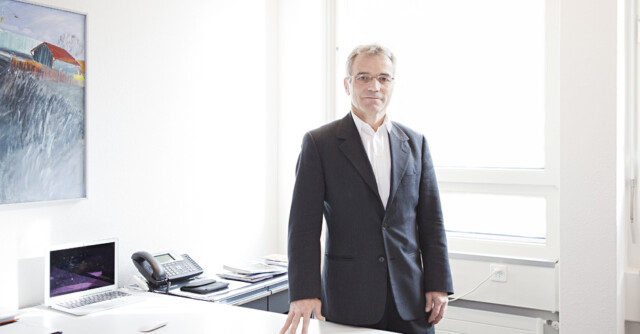
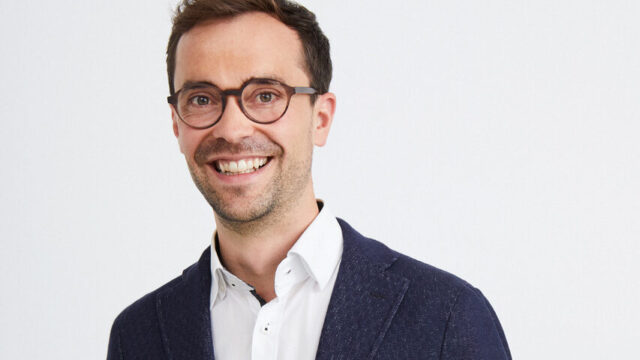
    André Wyss will join the Board of Directors of Swiss Federal Railways. The Federal Council approved Wyss’ election at its meeting on 21 August 2024. His new role will be officially confirmed at the SBB Annual General Meeting in April 2025. Wyss, a renowned Swiss business leader and CEO of construction and real estate services provider Implenia, is set to take over as Chairman of the Board of Directors from Monika Ribar in 2026.

    Wyss has an impressive career that has prepared him excellently for this task. After training as a chemical technician, he completed a degree in economics and continued his education at the renowned Harvard Business School. Before joining Implenia, he gained extensive international experience at Novartis, where he most recently headed up global production and central services with over 40,000 employees. His involvement on various boards of directors and as President of the Basel Statistical and Economic Society also underline his wide-ranging expertise. In addition to his business experience, Wyss was a major and commander in the Swiss army, which gave him a deep understanding of the political and economic environment in Switzerland.

    A well thought-out election process
    The members of the SBB Board of Directors are traditionally elected at the Annual General Meeting for a term of office of two years. As the sole shareholder, the Confederation exercises the right to vote at the General Meeting. Monika Ribar, who has served as Chair of the SBB Board of Directors for twelve years, will step down in 2026 due to the term limit. The current member of the Board of Directors, Véronique Gigon, will step down at the 2025 Annual General Meeting.

    To ensure a seamless succession at the top of SBB, a comprehensive search process was initiated by the federal government at an early stage. The SBB Board of Directors then decided at an extraordinary meeting in August 2024 to propose the election of André Wyss to the Federal Council. Wyss’ previous experience and his extensive network in the Swiss economy make him the ideal choice for this challenging task.

    A clear transition at Implenia and SBB
    Wyss will end his role as CEO of Implenia at the end of March 2025. He will then concentrate fully on his new role on the SBB Board of Directors. For one year, he will serve on the Board of Directors together with the current Chairwoman Monika Ribar and prepare intensively for taking over the chairmanship. This smooth transition will ensure continuous and stable leadership at SBB and safeguard the company’s strategic direction for the future.

    With the election of André Wyss, SBB is relying on a strong leader who is up to the challenges of the future and can successfully develop the company further.

  • Sandro Principe takes over as Head of Business Clients at SMG Real Estate

    Sandro Principe takes over as Head of Business Clients at SMG Real Estate

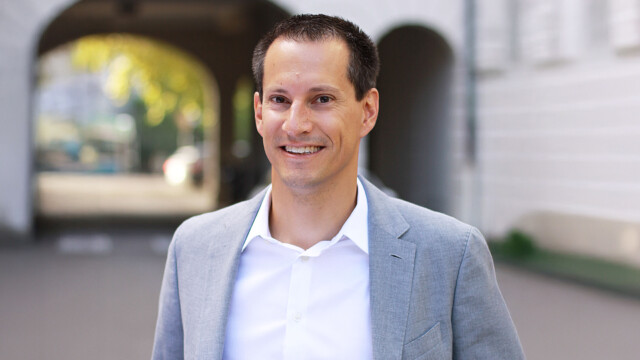
    From 1 November 2024, Dr Sandro Principe will take up his new position as Director Business Customers at SMG Real Estate. He is responsible for the strategic management of the division and heads up the sales and customer service area for platforms such as ImmoScout24, Homegate and Flatfox. With his many years of experience from leading positions in the property and IT industries, Principe has the necessary expertise to further develop the business area. He previously worked as Chief Transformation Officer at Wincasa AG and headed up the international property management practice at Yarowa AG.

    Martin Waeber, Managing Director of SMG Real Estate, is delighted with the new appointment: “In Dr Sandro Principe, we have gained an expert who is very well connected both in the Swiss real estate sector and in the IT landscape. We look forward to working with him in the future and to the further development of our business client division.” Principe succeeds Marcel Meier, who has successfully built up SMG Real Estate’s B2B business over the years. In future, Meier will concentrate on his doctoral studies in Lyon and continue to support the company in an advisory capacity.

    Dr Sandro Principe has a Ph.D. in Business Administration from the University of St. Gallen and extensive further training in management consulting and agile management. In his new role, he will be responsible for further expanding SMG Real Estate’s business client relationships and strategically managing sales and customer service.

  • HighStep joins industry association Swiss Safety

    HighStep joins industry association Swiss Safety

    HighStep Systems AG has joined the Swiss industry association for manufacturers and importers of personal protective equipment (PPE), according to a press release. Swiss Safety is committed to improving safety standards in the industry and offers its members access to a wide range of resources, training courses and networks, it added.

    As a new partner in the association, HighStep Systems AG wants to play an active role in promoting occupational safety and efficiency, according to the press release. HighStep’s fall protection systems and ergonomic solutions for working at heights and depths are specially designed to make workplaces safer and more productive.

    HighStep Systems AG was founded in 2007 and is based in Dietikon. It develops and sells arrester systems as an alternative to conventional climbing methods such as fixed ladders. As a result, workstations at great heights can be reached safely and comfortably, which increases safety and productivity for employees. The HighStep climbing protection system consists of two components: an aluminum rail as a system carrier and a selectable climbing device, the HighStep Easy and the portable HighStep Lift.

    In terms of application, the focus is on electricity pylons, wind turbines, transmission towers and industrial plants. Several thousand installations are in operation worldwide – primarily in Europe and also in Asian countries such as China and India. Customers include the Swiss transmission system operator Swissgrid, the European high-voltage grid operator TenneT and the Chinese energy company State Grid Corporation of China.

  • Home ownership is becoming more expensive

    Home ownership is becoming more expensive

    Prices for residential property continued to rise in the second quarter of 2024, theSwiss Federal Statistical Office(SFSO) reported in a press release. The residential property price index it collects rose by 1.1% quarter-on-quarter and currently stands at 117.5 points. Year-on-year, the experts at the FSO have observed an increase of 1.4 percent. The index base was fixed at 100 points in the fourth quarter of 2019.

    Prices for condominiums rose by 0.9% quarter-on-quarter and by 1.7% year-on-year. Single-family homes rose by 1.2% quarter-on-quarter and 1.0% year-on-year. The property price index for single-family homes closed the quarter at 118.6 points. Its counterpart for condominiums was slightly lower at 116.5 points.

    According to the FSO experts, prices for single-family homes rose in all types of municipalities during the quarter under review. They observed the strongest increase of 2.3 percent in the category of rural municipalities. In this category, prices for condominiums also rose particularly sharply by 2.7%. In contrast, prices for condominiums in the urban municipalities of a large conurbation fell by 0.3%.

  • New training course on construction organization launched

    New training course on construction organization launched

    The University of Applied Sciences Northwestern Switzerland(FHNW) is introducing a four-day course on construction organization from 24 September, according to a press release. The Certificate of Advanced Studies (CAS) in Construction Organization will be added to the Master’s degree course in Construction Management. The FHNW Construction Organization continuing education course is an intensive program that takes place over four days in one week from Tuesday to Friday, according to the press release.

    The course covers seven relevant topics that are crucial for the effective planning and organization of construction sites. Participants have the opportunity to register for the entire CAS until the end of the course, provided there are still places available and the admission criteria are met.

    According to the FHNW, a central component of the course is practice-oriented exercises, which are carried out either individually or in small groups and then discussed. Presentations and exchanges of experience take place in plenary sessions to create an interactive learning environment. The use of a laptop is recommended for participants to optimize the learning experience.

    The FHNW Construction Organization continuing education course is aimed at architects and engineers from all disciplines with a university degree or comparable qualification and professional experience in the construction and planning sector. Experienced site managers who would like to refresh their knowledge and less experienced site managers who are looking for initial impetus for their work are also welcome. The practical training course offers an ideal opportunity for construction professionals to deepen their specialist knowledge and develop their skills in the field of construction organization, according to the FHNW.

  • Successful 32nd trade fair for the ÖGA 2024

    Successful 32nd trade fair for the ÖGA 2024

    From June 26 to 28, 2024, numerous experts visited the ÖGA to discover the latest developments in horticulture and landscaping, public green spaces and vegetable and berry cultivation. The trade fair management drew a positive conclusion: the 409 exhibitors praised the high quality of the trade visitors, the visitor frequency and the excellent organization of the event. The live machine demos and the opportunity to test equipment on site were particularly appreciated. The unique park atmosphere also contributed to the success of the trade fair.

    Voices of the exhibitors
    Rolf Schüpbach from Ricoter Erdaufbereitung AG emphasized: “ÖGA is the meeting place for the green industry. We appreciate the open and honest exchange and the opportunity to present our innovations. For us, it is also an opportunity to thank our customers.” Jürg Schwab from Robert Aebi Landtechnik AG added: “The fact that we can present our machines outside is what makes the ÖGA so special for us. It also gives us the opportunity to maintain good customer contacts with decision-makers and meet new customers. For us, the ÖGA is the best of all trade fairs.”

    Innovative strength and awards
    The industry’s innovative strength was clearly visible at ÖGA 2024. An expert jury selected nine winners of the “Technical Innovations” innovation award from 37 technical innovations submitted – more than ever before. In addition, four new plants were honored with the “New Plants” award. The awards were presented by Christian Stucki, wrestling king and Sportsman of the Year 2019, as part of the official innovation ceremony. Over 180 invited guests from business, politics and exhibitors took the opportunity to exchange ideas and network.

    Constant visitor numbers
    The exhibition management was also satisfied with the visitor numbers. A total of 20,350 entries were registered, which is comparable to the last edition in 2022 (20,600 entries). Despite a rainy spring, which delayed many horticulturalists and producers, numerous professionals decided to visit the ÖGA. The behavior of the visitors was particularly pleasing: they were interested and ready to buy. The new location of the construction machinery sector no. 10 was also rated positively by the majority. The more compact exhibition grounds led to a change in the flow of visitors without having to change sides of the road.

    Future of ÖGA
    The next ÖGA will take place from June 24 to 26, 2026. As the most important trade fair for professional horticulture, public green spaces, the municipal sector and vegetable and berry cultivation, it is aimed at experts and decision-makers in the industry. The trade fair is organized by the Swiss Gardeners’ Association, the Oeschberg Cantonal Horticultural School and the Swiss Central office for vegetable growing

    The successful staging of ÖGA 2024 underlines the importance of this trade fair for the green sector and raises hopes for an equally successful event in 2026.

  • New trade association “Building Material Circulation Switzerland” founded

    New trade association “Building Material Circulation Switzerland” founded

    The merger of arv Baustoffrecycling Schweiz and FSKB Fachverband der Schweizerischen Kies- und Betonindustrie has been formalised. Around 400 members have created the new “Baustoff Kreislauf Schweiz” association, which pools the strengths of the two industries. The aim is to expand expertise, anticipate future challenges and actively shape the future of the Swiss construction industry.

    Unified representation of interests for the circular economy
    “Baustoff Kreislauf Schweiz” is the only industry organisation in the construction industry that represents the interests of all those involved in the circular economy. The association represents more than 1,000 Swiss gravel quarries, concrete plants and recycling centres. In cooperation with planning authorities, it will create framework conditions to ensure the sustainable supply of mineral raw and building materials to the construction industry and secure around 100,000 jobs in the construction industry.

    Focus on a sustainable circular economy
    The association is committed to the environmentally friendly utilisation of mineral raw materials, particularly in view of the increasing scarcity of resources. The aim is to keep building materials in circulation and to promote innovative technologies and methods for the extraction and processing of recycled building materials. Cooperation with universities and research institutes is being intensified in order to create a centre of excellence for the sustainable construction industry.

    Securing resources and ecological integration
    A central concern of “Building Material Cycle Switzerland” is the security of supply of mineral raw materials and the professional disposal of deconstruction materials. In view of increasingly scarce land and stricter protection regulations, the association will work to ensure that construction sites continue to be supplied with high-quality building materials. In addition, the ecological integration of gravel pits as a habitat for flora and fauna will be promoted by ensuring high-quality recultivation and renaturalisation of the areas once extraction is complete.

    Broad-based board and expertise
    Lionel Lathion, President of the Lathion Group SA, becomes the first President of “Baustoff Kreislauf Schweiz”. He will be supported by Vice-Presidents Christoph Duijts, CEO of KIBAG, and Stefan Eberhard, owner of stefan eberhard ag. The 14-member board covers a broad spectrum of expertise and regions and will intensify cooperation with the cantonal associations. The new office brings together the expertise and experience of 19 employees from various fields to serve as a competent point of contact for politicians and authorities.

  • New Managing Director and change of Board of Directors at the location promotion organisation

    New Managing Director and change of Board of Directors at the location promotion organisation

    Lukas Huber is to head Greater Zurich Area AG(GZA). The Board of Directors of the location marketing organisation has appointed the relocation expert, who has been working for the organisation since 2002, as the successor to Sonja Wollkopf Walt, GZA announced in a press release. Wollkopf Walt will be leaving the location promotion organisation at her own request at the end of 2024. A symbolic handover of office will take place on 20 August as part of GZA’s 25th anniversary celebrations.

    Lukas Huber joined GZA as an analyst in 2002. The business economics graduate later took over responsibility for the Life Sciences division. The designated Managing Director is currently COO and Market Manager Asia for the location marketing organisation.

    “We would like to thank Sonja Wollkopf Walt for her many years of outstanding work and her constant 100 per cent commitment to the Greater Zurich Area AG,” said Balz Hösly, Chairman of the Board of Directors of GZA, in the press release. “With Lukas Huber, GZA will be able to continue on its successful course and expand its focus on innovation, sustainability and a strong market presence.”

    In the same press release, GZA announces a change to the Board of Directors. Reto Bleisch, Head of the Office for Economy and Tourism of the Canton of Graubünden, will replace Christoph Schärrer. The Delegate for Economic Development of the Canton of Schaffhausen is stepping down from his post as scheduled. “This change is part of GZA’s corporate governance, which aims to reflect a variety of perspectives on the Board of Directors,” the press release explains.

  • Geneva: an exportable model?

    Geneva: an exportable model?

    What isyour day-to-day work like?
    What real estate matters do you deal with most often?
    My work is very varied and covers most of the different areas of real estate law: real estate transactions, development projects, advice on contractual matters (e.g. company or lease agreements), land-related negotiations (creation of easements, usage agreements, etc.), civil real estate disputes (e.g. building defects, neighbourhood problems) or administrative disputes (appeals against building permits in particular).

    Given the size of MLL Legal, we are well placed to advise our clients on large-scale projects or complex issues involving a multitude of players. I’m very interested in these issues. Personally, I get the most satisfaction from my work when I manage to identify constructive solutions that enable all parties to agree so that they can move forward together on their joint project.

    Has the legal situation for the construction and property sector changed in recent years, and if so, how?
    The legislative framework, particularly in terms of public law, is rapidly becoming denser and more complex, and we often find that our clients struggle to keep abreast of regulatory developments, especially if they operate throughout Switzerland.

    In recent years, it is probably the restrictions adopted by the Federal Law on Spatial Planning (LAT) to prevent urban sprawl that have had the greatest impact on the state of the law, in terms of their effect on local planning. The same is true of the constraints now imposed on the quality of buildings (particularly in terms of energy efficiency) as a result of the 2050 Energy Strategy. Tax legislation and the rules governing access to subsidies are also having a decisive effect on the opportunities available to builders, and consequently on the property sector as a whole.

    In Geneva, the last few years have been full of developments, particularly in connection with amendments to the Law on the Demolition, Conversion and Renovation of Dwellings (LDTR) and the General Law on Development Zones (LGZD), as well as the recent amendment to the Implementing Regulations of the Cantonal Energy Law.

    What doesGeneva’s real estate sector have that other major Swiss economic regions don’t?
    Geneva’s real estate sector can count on a particular dynamic linked to the canton’s geographical location and its history, in particular the many institutions that are based here. The canton’s attractiveness has a major influence on the housing vacancy rate, which remains historically low despite sustained construction activity in recent years. Demand outstrips supply in almost all housing categories. This shortage explains why certain issues (such as housing and tenancy law) are more sensitive in Geneva than in other regions. The fact that the canton has one of the lowest rates of home ownership in Switzerland (18.7% in 2021, compared with a national average of 36.3% and a rate of over 50% in some cantons) also means that certain issues are tackled differently in Geneva.

    What makes Geneva unique?
    Legally speaking, one of the most surprising regimes for a property investor from across the Sahel is the one set out in Geneva’s LDTR, which severely restricts the room for manoeuvre of residential property owners (particularly with regard to conversions, sales or setting rents after work has been carried out). The same is true of the legislation governing development zones, through which the State exercises strong control over the production of new housing in the canton. As these regulations have been in force for many years in Geneva, many practices have developed around them, and they are still evolving. We can see that similar regulations are beginning to be adopted in other cantons, and sometimes at municipal level. It is therefore highly likely that the ‘Geneva case’ will serve as a reference for the interpretation of similar issues that may arise in connection with these new rules.

  • Laurent Decrue new member of the Board of Directors of newhome.ch AG

    Laurent Decrue new member of the Board of Directors of newhome.ch AG

    Laurent Decrue brings extensive entrepreneurial experience and digital expertise to the Board of Directors. As founder of the moving company Movu, former CEO of Bexio and co-founder and CEO of Holycode, he is a valuable asset to Newhome. Decrue succeeds Prof Dr Dr Christian Wunderlin.

    Digital expertise for future direction
    Dr Roman Timm, CEO of Newhome, is delighted with the new addition: “With Laurent, we have been able to gain one of the most influential figures in the Swiss start-up landscape. He brings with him important entrepreneurial expertise as well as in-depth digital knowledge. This supports our strategy towards a customer-centric, transparent and industry-friendly platform.”

    Laurent Decrue is pursuing ambitious goals: “My aim is to make the property market as open and transparent as possible to ensure that pricing in the Swiss property landscape is not distorted by a monopoly position. I am convinced that Newhome can help to improve the property search in Switzerland.”

    In February 2024, Manuel Bächi and Andreas Schiller joined the Board of Directors as part of AXA’s investment in Newhome.

  • New career opportunities for career changers in the property industry

    New career opportunities for career changers in the property industry

    A career change opens up exciting opportunities for many career changers. Claudio Kuhn, an experienced business administrator with a Master of Science in Business Administration from HSLU, sees the property industry as his new challenge. Motivated by the prospect of intensive customer contact and diverse marketing activities, he is focusing on a career in property sales, particularly in the Zurich economic area and the Lucerne region.

    Targeted further training for entry
    Despite his extensive specialist knowledge, Kuhn realised that specific basic knowledge was essential for property sales. He therefore decided to enrol on the intensive course for career changers at SVIT Zurich, which he successfully completed. The course provides essential knowledge and skills to gain a foothold in the dynamic property sector.

    Support from SVIT Zurich
    In addition to specialist training, SVIT Zurich offers comprehensive support for professional integration into the property industry. Pascal Stutz, CEO of SVIT Zurich, supports course participants in developing successful job search strategies. As a result, graduates not only acquire in-depth knowledge, but also valuable skills for a successful job application.

    Networking and practical experience
    Kuhn and other course graduates also have the opportunity to present themselves to potential employers via dossiers and personal references such as skills. These documents, which can also be requested by non-SVIT members, enable companies to access qualified candidates directly (mail to: pascal.stutz@svit.ch).

    Outlook for interested lateral entrants
    SVIT Zurich’s current range of courses for lateral entrants in the fields of property management or property sales can be viewed on the svit-bildung.ch website. With targeted programmes and supportive guidance, the SVIT offers ambitious career changers like Claudio Kuhn a solid basis for a successful career start in the real estate sector.

    The intensive training and close support provided by SVIT Zurich offer a promising opportunity to increase the attractiveness of the property industry for career changers and pave the way for a successful career.

  • How a Switzerland of 10 million can succeed

    How a Switzerland of 10 million can succeed

    Lardi emphasised the need for better framework conditions to counteract the housing shortage. He presented four key demands. Energy-efficient refurbishments and adding storeys can create additional floor space without taking up new space. It is not about skyscrapers, but about moderate increases in the height of existing buildings. Conversion of office space into residential space, as the strict separation between residential and work zones is outdated. Mixed zones could reduce traffic congestion and create living space. Misregulations in rental housing law and tax privileges lead to an unfair distribution of living space. Liberalisation could free up older living space and stabilise prices. Objections and lengthy authorisation procedures are the biggest obstacles. These would have to be streamlined in order to create new living space more quickly.

    Important referendum
    The construction of new living space also requires the continuous renewal of the transport infrastructure. The strategic development programme for motorways is of central importance here. This proposal, which includes six major projects to eliminate bottlenecks, will be put to the vote in November 2024. The Swiss Association of Master Builders is in favour of voting yes to the proposal and is calling for an efficient mobility offering that combines all modes of transport. Lardi also emphasised the importance of the new environmental protection law, which adapts noise protection criteria and enables the construction of flats that were previously blocked for noise protection reasons.

    Illustrious guest appearances
    One of the highlights of the event was the presentation by Bertrand Piccard, who emphasised the role of the construction industry in the fight against climate change. Economist Martin Neff explained how a growing population influences a country’s prosperity and how more living space can be created by reducing regulations. Civil engineer Pirmin Muff presented practical implementation approaches for the construction industry. Cantonal Councillor Martin Neukom delivered the welcoming address from the host Canton of Zurich.

    HGC anniversary and construction party
    The major event, moderated by Mascha Santschi, concluded with a networking aperitif, dinner and the legendary construction party. Musical entertainment was provided by 21-year-old singer Joya Marleen from St. Gallen, one of the rising stars of the Swiss music scene.

  • New strength in Swiss Equans Switzerland

    New strength in Swiss Equans Switzerland

    The rebranding process is in full swing and will continue over the coming months. From 1 July 2024, “Bouygues E&S InTec Schweiz AG” will be renamed “Equans Switzerland AG” and “Bouygues E&S Prozessautomation AG” will be renamed “Equans Switzerland Process Automation AG”. However, these changes do not affect existing business relationships.

    The subsidiaries will also undergo adjustments under the new umbrella brand. The Facility Management division was already renamed “Equans Switzerland Facility Management AG” in January 2024. MIBAG Property Managers and Kummler+Matter EVT AG have been given new logos. Bouygues E&S EnerTrans AG became independent as EnerTrans Switzerland AG and also received a new logo.

    Expansion of the service portfolio
    The strategic merger enables Equans Switzerland to expand its service portfolio and respond even more specifically to the needs of its customers. The focus is on the areas of building technology, energy supply and efficiency, facility management, smart city, transport infrastructure and digital transformation. The aim is to further expand the company’s leading position in these areas.

    Opportunities and challenges
    Claudio Picech emphasises the importance of this merger: “The merger of Bouygues E&S and Equans is a challenging project that harbours great opportunities. The Swiss company can look back on over 180 years of tradition and history, which makes us all very proud. The coming months will be challenging, but also promising. The involvement of all employees will play a central role in this. Personal contact with all employees is also very important to me. Together, we want to use this change to increase our attractiveness as an employer.” True to the motto: Shaping the future together.

    With these structural and strategic changes, Equans Switzerland is positioning itself as a forward-looking company that is ready to successfully master the challenges of the coming years and leave a lasting mark on the industry.

  • Planning in Geneva: a difficult exercise

    Planning in Geneva: a difficult exercise

    The Office de l’urbanisme is responsible for spatial planning in the canton of Geneva. Can you give us an overview of your responsibilities?
    The Office de l’urbanisme develops and implements a land use policy that aims to promote housing, economic, social and cultural development while improving the living environment in terms of ecological transition and enhancing the natural and built heritage. It is the gateway for all territorial projects and ensures a permanent and iterative dialogue between the local and regional levels and between the public policies that affect these projects (nature, landscape, mobility, land, social, health, economy, etc.).

    One of the instruments is the cantonal structure plan, which provides general guidance on the major spatial balances, particularly in coordination with the neighbours in France and Vaud. The town planning office is also responsible for zoning changes in order to adapt the uses to the needs of the area, as well as for master plans such as the neighbourhood plans or the localised neighbourhood plans, which specify the layout of the buildings, organise the outdoor spaces and distribute the building rights.

    Since 2015, the urban planning office has had a department for citizen participation, which is a centre of expertise for all the consultation processes that accompany all projects. Indeed, the consideration of the population and their utilisation expertise in the projects has been further strengthened by the consultation approaches. In order to understand how the area is inhabited and to enable the projects to take better account of the residents’ wishes, sociological studies are increasingly being integrated into the basic studies of the projects in addition to the participatory approaches.

    To accompany the construction of the Léman Express intersections, the urban planning office has also created an operational directorate responsible for public space projects: squares, greenways for non-motorised traffic, school playgrounds, parks, etc.

    What challenges and opportunities does urban development in Geneva face, especially in comparison to other Swiss cantons?
    The biggest challenge today is to accommodate this growth in a high-quality manner in an increasingly confined and limited space.

    For decades, the territory of Geneva has preserved its agricultural and natural areas as well as its landscapes, allowing it to offer its inhabitants a high quality of life. This constant attention between preservation and development has led it to play a pioneering role in the urban process of inward growth. The challenge today is to accommodate this growth within existing settlement structures, but also to initiate positive processes of regeneration and redevelopment of already urbanised areas. Climate resilience requires us to redesign public spaces by better managing water infiltration, unsealing soils and increasing vegetation cover. At the same time, the energy refurbishment of existing buildings must lead to significant savings while switching to renewable energy sources.

    This challenge of building the city on already built-up areas must also address the preservation of the built heritage and trees as well as the consideration of biodiversity in the urban environment.

    Which areas in Geneva are particularly attractive for companies and why?
    Geneva’s built-up area is particularly dense and compact. Companies in the secondary sector benefit from the high-quality industrial areas that, through the “Ecoparc”, aim to both dynamise the economic fabric and take into account the challenges of adapting to environmental change: better water management, greening, energy efficiency, circular economy, etc. These industrial areas are generally well connected to transport axes and some have a railway connection.

    The more mobile service activities have recently seen significant relocations to take advantage of new “addresses” that are better located, more modern and, above all, better connected to the mobility networks. In this quest for optimisation, the new business districts of the PAV have proved very attractive, especially those located close to the Léman Express stations. We can see that companies are paying attention to various parameters, including location, transport links (public and private), the local amenities offered in the neighbourhood, the flexibility of the premises and the environmental friendliness of the buildings.

    What are the most important construction projects in the canton of Geneva and how do they contribute to urban and spatial development and which projects would you describe as flagship projects and for what reasons? Where does urban and spatial development in Geneva still see development potential and how could this be utilised?
    Current urban development mainly consists of three large project families:

    The “large-scale projects” as urban expansion on agricultural land. These projects were conceived around ten years ago and have gone through the entire process from inclusion in the cantonal structure plan to zoning changes and neighbourhood development plans. Each of these projects comprises several thousand flats, commercial space, amenities and public facilities. They are all in the construction phase, which will last in stages until 2040.

    The urban regeneration projects in the Villa zone. These projects have great potential for new housing, but their planning is tricky due to the impact on the existing fabric, which not only has a natural resistance to change, but in places also has patrimonial and environmental qualities that require delicate balancing of interests.

    The third large family concerns the densification of the urban crown, including the “Praille-Acacia-Vernet (PAV)” sector and the Léman Express railway station districts. While the latter are in the final stages of completion and offer housing and commercial space with excellent transport links, the PAV sector aims to transform an industrial area of over 200 hectares into a new city centre. Far from a wasteland, this dynamic sector is now in operation and requires the relocation of companies to ensure their continuity in Geneva’s economic fabric.

    Are there any unused sites in Geneva that could be considered for new development projects? If so, where are they located?
    As already mentioned, the canton of Geneva is forced to develop inwards and regenerate its settlement area. Unlike other cities, there are no urban brownfields in Geneva, as these are often associated with deindustrialisation. Thus, urbanisation is mainly driven by the mutation of existing building zones, with the perspective of equipping the area to promote proximity practices.

    The quality of life is improved through the renewal of neighbourhoods. This includes the redesign of public spaces, the provision of facilities and services for the neighbourhood, the preservation of the built and natural heritage and easier access to recreational spaces. In this sense, the villa areas from the last century now represent the greatest potential for mutation for development projects in the canton.

    Geneva’s ambitions to preserve its natural and agricultural areas are supported by the Sectoral Plan for Crop Rotation Areas (SDA), which aims to preserve a quota of 8400 hectares of high-quality agricultural land to contribute to Geneva’s self-sufficiency. As this limit has practically been reached, future large urban expansions in the agricultural zone are no longer possible.

    Has the pandemic led to long-term changes in Geneva’s planning? If so, which ones?
    The pandemic was a moment in which the collective awareness of the close link between lifestyles and the city’s production was heightened.

    Indeed, the lockdown has been a real experience of urban resilience for all in a context where adaptation to climate change is necessary. It has also highlighted the need for a diverse city capable of offering services, places of relaxation and recreation close to a neighbourhood. The quality of public spaces is therefore of crucial importance, as is the networking of parks and gardens. In hot summers, access to water is also important and has led to a complete reorganisation of the use of lakeshores and watercourses by opening up walking paths and creating new recreational areas (banks of the Rhône, Eaux Vives beach, Vengeron beach, etc.).

    The need for leisure and recreation also put pressure on the agricultural and natural areas, with a high level of footfall during the pandemic, mainly due to the closure of borders. Today, thought is being given to the “socio-ecological” management of these areas to try to reconcile agricultural activity and the preservation of ecosystems, while allowing reasonable access for the public.

    How do you envisage the ideal development of the canton of Geneva? What would be the key elements?
    The development of the canton of Geneva primarily requires the preservation and valorisation of its agricultural and natural areas, both for reasons of biodiversity, food production and the landscape.

    New potential will therefore ideally be located in the already built-up area, partly in urban regeneration and partly in the densification of the villa zone.

    The vision underlying the development aims to promote a dense, green city that offers services and amenities nearby and locates future developments in areas that are well connected to mobility networks (active mobility and public transport). Neighbourhoods that offer diverse reception conditions and support a mix of generations, that are green and designed for all types of people, soft mobility networks that connect living spaces (housing, work, education, leisure, etc.) A self-confident urbanity of a dense city that knows how to contextualise building typologies and fully involve residents in their planning and implementation.

  • Researchers call for a paradigm shift in building and energy planning

    Researchers call for a paradigm shift in building and energy planning

    Matthias Sulzer from the Swiss Federal Laboratories for Materials Science and Technology(Empa) and his colleague Michael Wetter from the Lawrence Berkeley National Laboratory in California are advocating a paradigm shift in the planning of building and energy systems. “Due to the complexity and required flexibility of future energy systems and the urgency of change, today’s planning processes are not suitable,” explains Sulzer, who heads Empa’s Urban Energy Systems department and is also a researcher at the Lawrence Berkeley National Laboratory, in an Empa press release. “There is little to no interaction between the disciplines in order to design buildings or energy infrastructures as a holistic system.”

    Sulzer and Wetter are in favour of transferring the so-called platform-based design developed for the automation of chip production to the planning of building and energy systems. The methodology is based on various levels of abstraction on which mutually influencing systems are holistically analysed and optimised. Generally valid models are created at each level, which specify how a system is to be defined and built. The individual models can then be individually combined in practice. Such a paradigm shift could “revolutionise our planning, construction and operating processes and promote the digitalisation and automation that are essential for achieving our ambitious decarbonisation goals,” says Sulzer.

  • Change of management at SVIT Switzerland decided

    Change of management at SVIT Switzerland decided

    The Assembly of Delegates of the SVIT member organisations took place in Lucerne on 20 June 2024. It was decided that Michel Molinari, currently Vice-President of SVIT Switzerland, will take over the office of President from Andreas Ingold in 2025. Jean-Jacques Morard, also Vice-President, will be replaced by Cécile Berger-Meyer. David Zumsteg will succeed Michel Molinari as Vice President. Andreas Dürr will also hand over his seat to Boris Grell in 2026. Last year, Gabriel Schmid was appointed to the Executive Committee as Chief Financial Officer. These new appointments mark the start of a comprehensive change of leadership in the umbrella organisation.

    Decision on sponsorship agreements
    In addition to the elections to the Executive Committee, the delegates voted on motions put forward by SVIT Eastern Switzerland and SVIT Central Switzerland. The motions called for SVIT Switzerland not to conclude any further advertising, sponsorship or other service agreements with Swiss Marketplace Group AG and its organisations. Existing agreements should be cancelled at the end of their contractual terms. The delegates approved these motions, thereby sending a clear signal in favour of a new direction for the association.

    Swiss Real Estate Forum as a supporting event
    The 2024 Delegates’ Meeting was embedded in the Swiss Real Estate Forum (SREF), which took place on the same day. This forum provided a platform for personalities from politics, business and sport, including former Federal Councillor Ueli Maurer and former world goalkeeper Oliver Kahn, to discuss current issues in the property sector.

    With the decisions taken and the change in leadership that has been initiated, SVIT Switzerland is positioning itself for the future and providing important impetus for the further development of the association and the industry as a whole.

  • Digital next gen and AI usher in a new era

    Digital next gen and AI usher in a new era

    Like many other sectors, the construction and property industry is facing major challenges. Digitalisation is progressing inexorably, revolutionary technologies are emerging and sustainability requirements are constantly increasing. There is also a shortage of specialists with digital skills. “Our response to these challenges is the establishment of the ‘Digital Next Gen’ Expert Group,” says Genova. “Our aim is to bring together digital talent from across the industry and work together on innovative solutions for a sustainable and digitalised future.”

    Genova brings extensive expertise from his professional career and his studies. A trip to China was particularly formative, where he gained valuable insights into digital transformation. The Digital Next Gen initiative offers him a platform to use his skills and drive forward the digital transformation in the construction and property industry.

    Objectives of the “Digital Next Gen” Expert Group
    Establishing a centre of excellence for digital technologies and trends to effectively tackle the digital challenges facing the construction industry.

    Identify and promote innovative digital solutions and business models in Switzerland

    Creating bridges between research, business and practice in order to put innovative ideas and technologies into practice more quickly.

    “We aim to play a leading role in shaping the digital transformation in the construction industry,” emphasises Genova.

    Opportunities and challenges of the digital evolution
    Digitalisation offers significant opportunities for the construction industry, such as efficiency gains, cost reductions, more environmentally friendly construction practices and the development of new business models. However, there are also challenges such as high investment costs, data protection issues and a shortage of skilled labour. “We must tackle these challenges with determination in order to fully exploit the opportunities of digitalisation,” says Genova. “The future belongs to the brave and the pioneers, and we are ready to take on this role.”

    Upcoming digital technologies and trends
    The construction industry is at the beginning of a new era, characterised by groundbreaking digital technologies. Artificial intelligence (AI), robotics, blockchain, the Internet of Things (IoT) as well as augmented reality (AR) and virtual reality (VR) are some of the key technologies that will revolutionise the industry. “We are ready to pave the way for this digital revolution and face the challenges that lie ahead,” explains Genova.

    Talent sought for the Expert Group
    The Expert Group is looking for talented individuals with extensive expertise in digital technologies such as AI, IoT, blockchain, AR/VR and 3D printing. In addition to technological skills, an innovative spirit, experience in the construction industry, the ability to work in a team and an understanding of sustainable construction practices are important. “We are counting on a new generation of talent who are ready to take the lead in this technological revolution,” concludes Genova.

    Digitalisation is not only a challenge, but also an opportunity to fundamentally transform the construction and real estate industry. The “Digital Next Gen” Expert Group is ready to actively shape this transformation and create a sustainable, digitalised future.

  • Majority do not want to reduce living space

    Majority do not want to reduce living space

    The study ” Living space utilisation from an individual perspective ” conducted by the Zurich University of Applied Sciences(ZHAW) revealed that 70 percent of those surveyed are not prepared to downsize their living space. Among those living in so-called empty nests, i.e. with empty rooms of fledged children, only 26 per cent feel that their home is too big. An excess of two rooms, i.e. two more rooms than the number of people living in the household, is considered ideal by the respondents, according to a statement from the ZHAW. According to the study, only 42 per cent of respondents willing to move are prepared to reduce the number of rooms. 32 per cent do not want to deviate from their expectations regarding housing costs.

    “It turns out that the combination of moving and downsizing – i.e. two drastic changes at the same time – is particularly challenging,” Selina Lehner, co-head of the study, is quoted as saying. “If there is also a lack of important incentives, this decision is often postponed.” Only one in three people surveyed believe that older couples or single people in flats that are too large should give up their living space for younger families. According to the ZHAW, the fact that the new rent for smaller flats is often more expensive than the existing rent in the larger flat plays a role here.

    The home office is gaining in importance. 61 per cent of those surveyed stated that they wanted to set up a home office in the future. This is because “an external office, for example, is not as attractive as an office within your own four walls,” says study co-leader Holger Hohgardt.

    A total of 1097 people in German-speaking and French-speaking Switzerland took part in the study in spring 2024. The ZHAW conducted the survey in collaboration with the Federal Office for Housing, the Fédération Romande Immobilière, the Swiss Homeowners’ Association and Raiffeisen Switzerland.

  • Silas Schneider takes over operational management

    Silas Schneider takes over operational management

    Silas Schneider will take up his new position on 1 January 2025, joining ABS on 1 October 2024. Mr Schneider brings extensive experience from his previous role as CEO of abonax, where he played a key role in the establishment and successful development of the company over a period of six years.

    “We are convinced that Silas Schneider, with his experience and expertise, will lead the company into a continued successful future and look forward to working with him in the future,” commented Daniel Senn, Chairman of the Board of Directors of Abacus.

    With the change in top management, Abacus Business Solutions AG is sending a strong signal in favour of continuity and growth. The transition will be carefully planned and executed to ensure the smooth continuation of the company’s business and to successfully master future challenges.

  • New player in the UK recycling market

    New player in the UK recycling market

    Holcim is acquiring the ballast recycling company Land Recovery, based in the British county of Cheshire. With its 85 employees, it uses railway ballast and demolition material for the production of ready-mix concrete, precast elements and asphalt.

    According to a press release, this acquisition expands Holcim’s access to construction waste. Land Recovery processed 300,000 tonnes of this material last year.

    “Land Recovery strengthens Holcim’s leading position in circular construction,” Holcim CEO Miljan Gutovic is quoted as saying. “This brings us closer to our Group target of recycling 10 million tonnes of construction waste in 2024.”

    Land Recovery was founded in 1982 by the Beecroft family. With four sites in the UK, the company’s services include the supply of primary ballast for rail transport, the handling and processing of spent ballast and its recycling into new construction solutions.

    The transaction follows Holcim’s acquisition last year of Sivyer Logistics, a manufacturer of recycled demolition materials for the London construction market.

  • Innovation centre expands its services

    Innovation centre expands its services

    Startup & Innovation Space AG is expanding the offering of its start-up centre Home of Innovation. The plans include “more office space and co-working spaces, more training for founders and new access to investor funds”, Home of Innovation announced in a press release. The centre, which currently operates at three locations, is currently used by around 100 start-ups, innovative SMEs and co-workers as well as five Winterthur business associations. Home of Innovation has developed a strategy with five strategic themes for the expansion of Winterthur’s innovation ecosystem.

    The aim is to acquire additional office space of at least 2,000 square metres in Winterthur. In addition to attracting existing companies, a second focus will be placed on start-ups. They are to be supported by the establishment of a project manager position to promote start-ups. In addition, Home of Innovation intends to strengthen its already successful Launch Control training and support programme. Last but not least, investors and start-ups are to be brought together as part of the Winti-Ventures initiative.

    In preparation for the next phase of growth, Home of Innovation is also making changes to its management. Thomas Giger has been appointed Chairman of the Board of Directors, while Thomas Breitenmoser will head up operations as Head of Operations. Founder and initiator of Home of Innovation, Raphael Tobler, is stepping down as Chairman of the Board of Directors, but will remain with the start-up centre as Vice Chairman with a focus on Launch Control.

  • Location promotion and labour market

    Location promotion and labour market

    According to a press release from the State Secretariat for Economic Affairs(SECO), State Secretary Helene Budliger Artieda has appointed Martin Saladin as the new Head of the Directorate for Economic Promotion. She has also confirmed Martin Godel as the new Head of the Labour Market and Unemployment Insurance Division. Both will take up their new positions on 1 September 2024 and will thus become members of SECO’s Executive Board.

    Martin Saladin will succeed Eric Jakob as Head of the Directorate for Location Promotion. Among other things, this supports Swiss companies that are facing increasingly global competition. According to the press release, Saladin has international experience and is familiar with the challenges faced by Swiss companies on international markets. For the past five years, he was Head of Operations South/East at SECO’s Economic Cooperation and Development Division, where he managed the project business with an annual investment volume of CHF 350 million.

    Martin Godel will take over from Oliver Schärli as Head of the Labour Market and Unemployment Insurance Division on 1 September. Godel has been Deputy Head of the Directorate for Location Promotion since 2014 and has been Head of SME Policy since 2011. He has extensive experience in the digitalisation of services. He has been responsible for the EasyGov.swiss service portal for the Confederation, cantons and communes since 2017.

  • Application deadline extended until the end of June

    Application deadline extended until the end of June

    Mara Schlumpf, Managing Director of Real Estate Award AG: “There have been many innovations at the Real Estate Award this year – a new category, the French version of the homepage – so we want to give potential applicants a little more time to submit their projects.” To apply, simply fill out the form on the homepage and attach a PDF with a maximum of 4 pages. “We are happy to accept applications in all national languages and also in English,” says Mara Schlumpf

    Companies from all over Switzerland have until 30 June to submit their projects for this year’s Real Estate Award. The award ceremony will take place on 24 October at the Trafo in Baden.

  • Microbes as power stations

    Microbes as power stations

    In an unprecedented approach, Professor Boghossian’s team has transferred the properties of exotic microbes that live under anaerobic conditions and produce electricity as a by-product of their metabolism to the widespread and well-researched bacterium E. coli. This innovation could open the door to innovative applications in various industries.

    From nature to the lab
    The natural models of research, anaerobic microbes, utilise unique metabolic pathways to donate electrons to metals and thereby generate electricity. This mechanism was successfully implemented in E. coli, which predestines the bacterium for a wide range of technological applications. The transfer was complex and required the insertion of special proteins from the electrically active microbes in E. coli, which brought the ability to produce electricity into the laboratory.

    Possible applications and practical benefits
    The modified E. coli could be used in fuel cells, in wastewater treatment or as a biosensor. Of particular interest is the potential application in wastewater treatment, where the bacteria would not only help to purify the water, but could also generate electricity as a by-product. These dual benefits represent an attractive option for a circular economy where waste products are put to valuable use.

    Innovative research and industry collaboration
    Supported by EPFL’s innovative environment and the opportunity to work across disciplines, Professor Boghossian’s team continues to explore the practical applications of “electric” bacteria. The development of a prototype for the food industry in collaboration with a newly founded start-up demonstrates the commercial potential of this technology. This commitment offers not only scientific but also sustainable industrial solutions that can contribute to reducing the carbon footprint.

    Outlook and global interest
    While the technology is still in the development phase, there is already growing interest from both academia and industry. The work of Professor Boghossian and her team is a shining example of how innovative basic research can have a transformative impact on our energy future.

  • New chapter for mortgage brokers with new offices in Zurich

    New chapter for mortgage brokers with new offices in Zurich

    The mortgage broker my hypotheca ag, managed by Rolf Zäch and Karim Schmid, is now working from the Atmos Tower in Zurich, according to a press release. After founding my hypotheca in 2021, the founders spent two years in the co-working space at JED in Schlieren to further develop their idea. Rolf Zäch comes from the property sector and Karim Schmid from the financing sector. Thanks to their independence and access to over 30 financial institutions, they were able to negotiate better conditions for property buyers and thus enable more people to realise their dream of owning their own home, according to the press release. The young company, now registered as my hypotheca ag, now employs nine full-time staff.

    Zäch und Schmid’s business model as a mortgage broker is customer-orientated in several respects, the press release continues. With the motto “Power of choice”, they offer customers access to over 30 financing partners. This broad selection makes it possible to find the best conditions on the market. Their large mortgage volume and direct access to financial institutions also ensure negotiating power and expertise to negotiate the best conditions for customers, the press release explains.

    Due to its growth, the company relocated its headquarters to the Atmos Tower in Zurich in January 2024. There, they have found flexible workspaces in Flexoffice ‘s new co-working centre. Flexoffice will open another co-working space in the new building next to the JED in Schlieren in autumn.

  • Stephanie Kiener succeeds Jasmina Ritz at Limmatstadt AG

    Stephanie Kiener succeeds Jasmina Ritz at Limmatstadt AG

    The Limmatstadt AG location promotion organisation is getting a new managing director in Stephanie Kiener. According to a press release, Kiener will take over the operational management of the Limmatstadt regional location promotion office based at the JED in Schlieren ZH in August. The successor to Jasmina Ritz at Limmatstadt AG has thus been decided. Ritz will oversee the transition process until the end of the year and will then retire from operational activities. She will continue to fulfil her role as Vice President of the Board of Directors.

    Stephanie Kiener joined Limmatstadt AG in November 2023. She had previously worked for the city of Baden for eight years, where she held various positions in location marketing, including Head of Tourism. She actively supported the separation of the city’s tourism division into the new public-private partnership TourismusRegion Baden AG, of which she was most recently Deputy Managing Director. Kiener knows the Limmat Valley inside out. She was born in Schlieren.

    “The opportunity to work together with stakeholders from the entire region and the Board of Directors to shape regional location promotion in a future-oriented way is a great motivation for me,” Kiener is quoted as saying. She is counting on “taking this path together and further strengthening the Aargau and Zurich Limmat Valley region with innovative approaches, fresh ideas and combined forces”.

    “Stephanie Kiener is our preferred candidate. We are now ideally positioned for the transformation process that has already begun,” said Lara Albanesi, President of the Board of Directors.

    A public dialogue event will take place on Tuesday, 4 June, from 7.30 to 9 a.m. at the LAB coworking office in Spreitenbach.

  • Impulses for Zurich’s future: The first day of the location

    Impulses for Zurich’s future: The first day of the location

    The first “Location Day” in the canton of Zurich brought together leading figures from business, research and politics to shed light on the attractiveness and future viability of the location. The focus was on discussing current challenges and developing strategies to strengthen the business and innovation location. Panels and workshops on topics such as technology, skilled workers, entrepreneurship, mobility and sustainability provided important impetus to further improve Zurich’s position in international comparison.

    A prior study on the attractiveness of the location provided the basis for in-depth discussions and highlighted Zurich’s strengths in the areas of education, economic power and quality of life, as well as areas with potential for improvement such as the labour market, innovation and infrastructure. In particular, the relevance of artificial intelligence for the technology location and the need for a stronger digital focus in the healthcare sector were emphasised. In addition, the importance of promoting start-ups and integrating digital processes in the healthcare sector was emphasised in order to increase both the attractiveness for specialists and the efficiency of medical care.

    The “Location Day” underlined the urgency of utilising domestic potential and continuously improving the framework conditions for a digital and sustainable transformation. The results of the workshops and panels will now be followed up in order to develop and implement concrete measures. Due to the high level of interest and productive contributions, a repeat of the event is planned in order to evaluate progress and new approaches in the coming year.

  • Influential voice in the property industry

    Influential voice in the property industry

    If you compare your figures from 2000 to 2024. What stands out?
    Prices have risen steadily both in the residential property sector and for apartment blocks with rental flats. The price of an average property of the same quality has more than doubled since 2000. On average across the country, an identical EEC has become 160 per cent more expensive, an EFH 120 per cent more expensive and an identical MFH 90 per cent more expensive. Home ownership corrected somewhat between 2014 and 2019 due to the introduction of “self-regulation” in mortgage lending in response to pressure. In some cases, however, the banks have put the brakes on themselves. In the case of yield-producing properties, the turnaround in interest rates from spring 2022 stands out, which had an impact on transaction prices, although the city of Zurich was little affected.

    What can you predict for the years 2030 and 2040?
    Both the UN and FSO population forecasts assume that Switzerland’s population will continue to grow. Due to the “number of heads”, it is to be expected that there will be a considerable additional demand for living space. In addition, socio-demographic changes are expected to lead to a further reduction in the size of households and thus to an increase in demand for housing. Demand is concentrated in the centres and agglomerations, with the latter becoming ever larger as the cities become “overcrowded”.

    What problems does the current property sector have?
    Switzerland generally only has luxury problems and the sector itself has few problems. People looking for housing will have difficulties because it cannot be provided where there is demand. On the one hand, this has to do with quantity and, on the other, with the speed of the processes, especially the authorisation processes. The result is that demand is displaced geographically and households with less purchasing power are at a disadvantage compared to those with the means to pay.

    Do you have any approaches to solving these problems?
    We economists assume that the shortage will cause rents and prices to rise. In the 1990s, when demand was weak and rents were falling, nobody called for regulation. For around two decades now, however, supply in the centres has lagged far behind demand and there is once again a major shortage. The alternatives for households are then smaller flats – if they can find one at all – or moving to urban centres where flats are still available.

    Have you changed the customer requirements for your company? How and why?
    No. We still have practically the same, mostly highly exciting, projects.

    How do you identify promising locations for property projects?
    It’s particularly about which promising industries are located where. For most sectors – or at least parts of them – the centres are preferred, so the demand for space in the centres is high. In addition, central locations are also very attractive for many households and proximity to the centre is preferred. Accordingly, the central question is how the agglomerations spread out in the area, which depends on building land reserves and densification potential and to a large extent on transport routes and journey times.

    What socio-demographic and economic indicators are decisive for your market and location analyses?
    We rely heavily on the demand segments that we have developed together with sotomo (residential) and CSL Immobilien (office, retail). It’s not just about the number of households or businesses, but also about their needs in terms of the location – in particular the quality of the micro-location – as well as the space or flats. In addition to the needs, the willingness to pay must also be taken into account.

    How do you assess the added value and development potential of complex properties?
    We use the DCF method for this, whereby the cash flows of planning, construction, letting or sale are localised on the time axis. Time is money; this must not be forgotten. It should also be noted that assumptions about the future are always made at the time of valuation. Expected values are therefore used and there is a risk that the expectations will not materialise. These risks must be taken into account in addition to the time conditions in the form of a safety margin.

    Is Switzerland being hit by the property bubble?
    The world has been flooded with money, although the flood has now been temporarily halted by the rise in interest rates. However, money is likely to remain cheap in the future due to the high debt burden and great general prosperity. In this respect, the developments on the property markets are logical. If there is a bubble, then it is a general capital market bubble.

    What else would have to happen for this to occur?
    We would speak of a bubble if prices decoupled from the fundamentals.

    Let’s go abroad. Prices in Germany have fallen. How is the property market in Germany and Austria doing? What do we have in common?
    Switzerland is in a very robust financial position and can also pursue an independent monetary policy. The Swiss National Bank demonstrated this on 16 March by cutting interest rates. This is a major difference to Germany and Austria, which are dependent on the decisions of the ECB. Another difference – at least compared to Germany – is that the mood in Switzerland is also poor due to the crises and wars, but not as miserable as in Germany. If you compare developments – e.g. property prices – over several cycles and crises, Switzerland is more cautious in both upward and downward movements than many foreign markets, which are correspondingly much more volatile.

  • The art of interior design – Zurich’s path to the future

    The art of interior design – Zurich’s path to the future

    You are the Director of Spatial Planning for the City of Zurich. Can you give us an overview of your responsibilities?
    Together with my staff, as director of the office I help plan the future of the city of Zurich. In order to make the most of the opportunities offered by a city in transition, we have specialist departments such as architecture and planning, including archaeology, monument preservation, the architectural history archive and a competence centre for geoinformation. The exchange gives us a very precise view of Zurich – from its prehistory to 2040.

    What are the goals of urban and spatial development in Zurich and what roles do you play in site and area development?
    We not only want to maintain the high quality of life in the city of Zurich, but also expand it. It should be able to improve selectively, both ecologically and socially sustainably. This requires suitable utilisation planning instruments – and we are in charge of developing and refining them.

    The municipal structure plan for settlement, landscape, public buildings and facilities is essential in this regard. We use it to specify which areas are suitable for building densification. We also designate areas for the provision of public open spaces as well as for communal public buildings and facilities – such as for primary schools or sports facilities. It is also an important coordination tool, as it shows how building density must be coordinated with transport and the supply of renewable energy, and it sets guidelines for other spatial aspects of environmentally and socially compatible urban development.

    What challenges does urban development face compared to other Swiss cities and what advantages does Zurich offer?
    Zurich shares many challenges with other cities in Switzerland and Europe. The focus is on growth and the associated demand for living space, whereby affordable housing in particular must be secured in the city. Demographic change and the pluralisation of lifestyles are leading to a variety of housing types and housing needs – which we need to address.

    In addition to socio-spatially compatible densification, the climate is a key issue. Around a quarter of all CO2 emissions come from the building sector. Urban planning and architecture today must be climate and environmentally friendly, conserve resources and preserve landscapes. In addition to climate protection, we need to curb heat island effects.
    What we no longer have, unlike other cities, are vacant industrial sites for conversion. Density reinforces the various interests in land and buildings in a city. In addition, as the economic engine of Switzerland, Zurich is under particular public scrutiny. Planning decisions require political discussion – participation is demanded. If there is no debate, a number of new buildings are appealed.

    What are the most important construction projects in Zurich and how do they contribute to the city and spatial development?
    I include planning in this. For example, the Josef site, the Schlachthof site, the Wollishofen lakeside and the Papierwerd site. They are important for Zurich’s urban development due to the previously mentioned shortage of space. This results in the challenging task of utilising these sites sustainably and efficiently in terms of planning.
    The city is also building itself – particularly affordable housing. The Leutschenbach and Tramdepot Hard housing estates alone will offer over 550 flats. In the case of Thurgauerstrasse or the Koch site, the city is allocating building land to non-profit housing developers.

    In connection with such large-scale projects, it is important to plan the associated social infrastructure. In particular, the provision of sufficient school space and cultural buildings such as the theatre and opera house are important for the city as a whole.
    In addition to the site developments and buildings mentioned above, the updating of the high-rise guidelines and the revision of the building and zoning regulations are among the most important tasks entrusted to Zurich’s urban planning department. The aim of these planning instruments is to find a way of dealing with monument protection, the inventory and the ISOS and to reconcile this with the planned building developments.

    Which areas in Zurich are particularly attractive for companies and why?
    This is highly dependent on the size and type of company; each company defines its own individual requirements for the choice of location. For a corporation that wants to develop and expand its own site in the long term, other locations are certainly considered attractive than for an SME that aims to develop within the neighbourhood.

    In principle, all neighbourhoods in Zurich are attractive, as there are good public transport connections everywhere. There has been a positive development here compared to recent years and decades – Zurich no longer has a real “periphery”.

    Where do you still see development potential and how could this be tapped?
    There is potential in cooperation with neighbouring municipalities. One of the special features of spatial planning is that it does not end at the city boundary, even if this boundary means a political change. Examples of this are the Limmat region or the Glattal with its shared public transport service. In these areas, it is important to coordinate planning across borders in order to secure the services and networking of the neighbourhoods.

    There is also potential in coordinating with the canton or federal government on issues such as noise and ISOS. Federal or cantonal regulations have a major impact in a city like Zurich. I see great potential in closer coordination with the association of cities.

    How is Zurich positioning itself in the area of mobility development and planning?
    In the municipal structure plan, the focus for urban mobility is on efficient and well-developed public transport and the further development of functional and attractive urban and street spaces. We are striving for a city of short distances. Neighbourhood centres will be strengthened and new ones developed. It will become more attractive for residents to shop locally, and retailers will open new shops in the neighbourhood as they can count on customers.

    The mobility figures show that the urban population is increasingly relying on bicycles and public transport. The city is specifically promoting walking and cycling in particular. The city provides targeted advice to companies and property managers through the “Impuls Mobilität” programme.

    Has the pandemic brought about changes in Zurich’s planning?
    Public spaces have become more important during the coronavirus pandemic. Especially for children and young people, who are dependent on open spaces in their immediate neighbourhood. On the whole, individual transport modes such as walking, cycling and driving have become more important, while public transport has been avoided due to the potential risk of infection. It is important to take the positive effects of the pandemic, such as the use of bicycles and the smoothing of traffic peaks through increased working from home, into the future.

    The pandemic and mobile working have brought about changes whose effects on urban planning we will only see in a few years’ time. In Zurich, neighbourhood centres in particular are also benefiting from the home office trend. During the pandemic, quick access to shopping, healthcare facilities, sports centres, restaurants and green spaces that did not require public transport was key. More attention must be paid to the need for liveable urban spaces in the future.

    What factors make Zurich an attractive place to live?
    Zurich is attractive and offers a high quality of life. There are many reasons for this: For example, the wide and attractive range of childcare and cultural facilities, attractive open spaces, educational centres, good infrastructure and high architectural quality. The location by the lake and the proximity to nature are also attractive. Despite lively building activity, the urban neighbourhoods have not lost their identity. In my opinion, this is a great strength of our city.

    How do you envisage the ideal development of the city of Zurich?
    What would be the core elements?

    Ideal is the wrong phrase in this context; there is no such thing as ideal development. Rather, urban planning is dynamic and is significantly influenced by political decisions. It must continuously respond to current and future socio-spatial and ecological concerns. It is important that we have a common vision of what Zurich should be and how it should develop in the future. The municipal structure plan formulates a target image, from differentiated structural densification and sufficient open spaces for recreation to the city’s centres and infrastructure. Below this, there are countless smaller levels, projects and events that are part of the city in transition. Zurich has a lot of potential that needs to be secured and utilised through urban planning. Not overnight, but for future generations of Zurich residents.

  • Stefan Kölliker, President of the Government of St. Gallen, is a strategic new member of the Board of Directors

    Stefan Kölliker, President of the Government of St. Gallen, is a strategic new member of the Board of Directors

    As part of the reorganisation, which is accompanied by a focus on construction, capital and pensions, Hans Klaus, a long-standing member of the Board of Directors, has announced his retirement. This step follows the successful implementation of the company’s strategic realignment, which Klaus has played a key role in shaping since 2021. His departure marks the end of an era in which he made significant contributions to the development and positioning of Admicasa.

    New impetus from Stefan Kölliker
    With the appointment of Stefan Kölliker, who has in-depth knowledge of politics and business, Admicasa is focusing on a continued innovative and interdisciplinary strategy. Kölliker’s experience from his time as Head of the Department of Education and President of the Government of St. Gallen is particularly valuable for future projects and challenges, such as combating the housing shortage.

    Kölliker himself emphasises the innovative potential of the company and the opportunity to actively contribute his broad knowledge. His vision of tackling cross-industry problems with new approaches is highly valued by Serge Aerne. Aerne sees Kölliker not only as a successor, but also as a driving force who will enrich the company with his extensive network and his political and economic expertise.

    Outlook and strategic goals
    With the integration of Stefan Kölliker into the Board of Directors, Admicasa is pursuing the goal of further expanding its market-leading position. Kölliker’s background and strategic mindset are key to setting the course for a successful future and leading Admicasa into a new phase of growth and innovation.