Category: Zurich

  • Airport tests water reservoir under glacial channel

    Airport tests water reservoir under glacial channel

    Flughafen Zürich AG is starting the construction of a second test well in an ice-age channel located around 300 meters below the airport site, the airport operator announced in a press release. It plans to use the water-bearing channel as a heat and cold reservoir for emission-free heating and cooling of the airport building. A test well installed last fall had already delivered promising results.

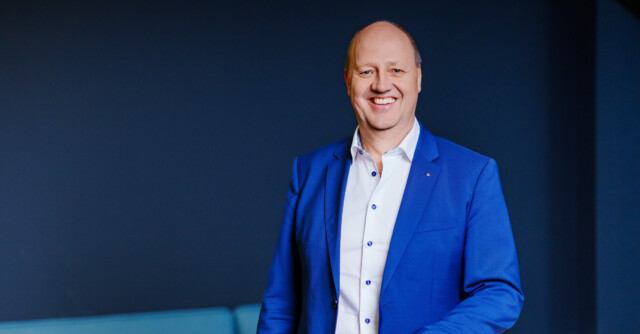
    “The volumes of water that could be pumped and the flow rate of the water give us further confidence that the channel can be used to store heat and cold,” said Guido Hüni, Head of Energy and Decarbonization at Flughafen Zürich AG, in the press release. “Further tests are now needed to determine the extent to which this storage facility can be used.”

    A suitable location for the second well is currently being sought. Once installed, it will be connected to the first well for circulation tests. “This next step will allow us to test the efficiency of such a storage facility and, if the results are positive, we can then plan the actual expansion,” explains Hüni.

    The airport operator is counting on being able to cover the majority of the heating and cooling requirements for the airport building via the channel. Depending on the yield, the water reservoir could be combined with geothermal probe fields. The estimated cost of the investment is stated in the press release as around CHF 8 million. Flughafen Zürich AG can rely on financial support from the Swiss Federal Office of Energy.

  • New gastronomic experience at Zurich Airport

    New gastronomic experience at Zurich Airport

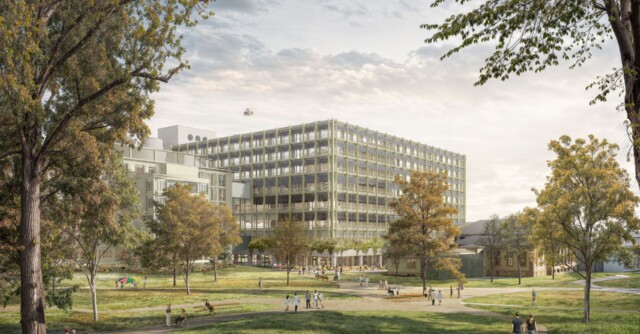
    The new TREATS food hall planned at Zurich Airport will be operated by the food collective ag, according to a press release. Food collective is part of the event management company Pointbreak Group in Zurich. The new 2,000 square meter Foodhall TREATS building is part of the comprehensive renovation of the shopping area at the airport. The opening is planned for fall 2027. Gastronomes can now apply to offer their products there. The total investment amounts to around CHF 250 million and will be borne by Flughafen Zürich AG.

    TREATS will offer over 1,000 seats on around 2,000 square meters, making it one of the largest food halls in Switzerland, according to the press release. The twelve-metre-high hall has two levels and offers 16 food stalls, changing food trucks, four bars and a café. There is also a stage for events and several outdoor terraces.

    The new food hall is being built between the P1 and P2 parking garages on the bus station level and connects various areas from shopping to arrivals and departures to the train station, the Circle and the parking garages. A total of five entrances and exits will provide direct accessibility from different sides.

    “At TREATS, the focus is on enjoying food and being together – true to the motto: Treat yourself!”, Stefan Gross, Chief Commercial Officer of Flughafen Zürich AG, is quoted as saying.

  • The future of location promotion in the canton of Zurich

    The future of location promotion in the canton of Zurich

    Together with Markus Müller, you have been co-heading the location promotion of the Canton of Zurich for over 15 months.
    What insights have you gained?
    Zurich stands out within Switzerland due to its economic size. This also means that we are not only heavily involved in cantonal issues, but are also active on the national and, in some cases, international stage. For example, we promote Switzerland as an AI location or share our findings on AI applications in the economy with international partners.

    At the same time, I find the close cooperation between business, science and administration as well as politics to be expedient when it comes to creating sustainably attractive framework conditions.

    Could you give us a brief overview of the current priorities of location promotion in the Canton of Zurich?
    The central focal points are:

    As just mentioned, the development of attractive, long-term location factors. Through close dialog with business and science, we identify trends at an early stage and provide targeted impetus for location development.

    Promoting innovation and strengthening our key sectors of finance, ICT, life science, food, clean and high-tech.

    Maintaining and strengthening the diversity of the industry structure. In this context, we also support companies that want to locate here – from the search for a location to obtaining permits.

    Our projects, programs and initiatives are based on these three pillars.

    What are the long-term visions of the cantonal location promotion department with regard to location development?
    The attractiveness of a business location depends on a number of different location factors. These range from target group-friendly regulations and digital government services to strong innovative power and the sustainable design of economic areas.we are pursuing the goal of being an attractive, leading and future-oriented innovation and business location with international appeal for companies and the population.

    Zurich is one of the most expensive places to live in the world. The high real estate prices and rents are also becoming an increasing burden for companies. What can location promotion do about this?
    We are committed at various levels not only to the attractiveness and prosperity of the economic area, but also to a high-quality and excellent quality of life. In this respect, the availability of living space also plays a role. One concrete application can be found, for example, in our Innovation Sandbox for artificial intelligence. In the current phase, we are supporting the use of AI in planning applications. We hope that the results will help us to find ways of reducing the building backlog and streamlining the building permit process.

    Housing subsidies are also located at official level. It promotes the provision of affordable rental apartments with attractive loans.

    The ageing population is affecting the real estate sector and the labor market. What significance does this fact have for the canton of Zurich and how can you respond to it?
    The topic of demographic shifts and the widening labor market gap has been on our minds for some time at various levels. Over the next few years, many experienced workers will retire – this will increase the competition for talent.

    On the one hand, we are working on various projects in the area of recruiting and retaining skilled workers and labor market participation. At the same time, we are currently developing new overarching approaches to demographics that will have a longer-term impact. One thing is clear: tackling the challenge of demography must be approached from a systemic perspective, meaning that many parties and stakeholders need to be brought to the table.

    How do you see the role of the canton in the Greater Zurich Area economic region?
    The Greater Zurich Area is one of the most innovative business locations in Europe – and the canton of Zurich plays a central role in this. As a leading innovation location, we create the framework conditions that companies need to develop successfully. Ultimately, the other cantons within the Greater Zurich Area also benefit from our strong position.

    As the economic engine of Switzerland, the Canton of Zurich is also the largest provider of funds for the Greater Zurich Area as a business location. At the same time, our Chief Executive Officer, Government Councillor Walker Späh, is President of the Board of Trustees of the Greater Zurich Area Business Location. The Canton of Zurich is also actively represented in the Greater Zurich Area economic region by the two cities of Winterthur and Zurich. This allows us to optimally represent our interests and coordinate the activities of the Greater Zurich Area as a business location with our own.

    How does the cooperation with other cantons within the Greater Zurich Area business location work?
    What joint projects are currently underway?
    Cooperation within the organization of the Greater Zurich Area business location focuses primarily on issues relating to relocation. We work very closely with other cantons in various other constellations and committees. For example, in the Zurich metropolitan area, but also on a smaller spatial level, such as in the Limmat Valley. However, not all cantons are always members of the Greater Zurich Area business location.

    Current cooperation projects include the 2nd phase of the Innovation Sandbox for Artificial Intelligence, which also includes the aforementioned building permit project, and the repositioning of the Limmatstadt regional location promotion program, in which we are thinking beyond the cantonal borders in functional areas and looking for solutions.

  • The 104th immoTable focuses on energy, location attractiveness and innovation

    The 104th immoTable focuses on energy, location attractiveness and innovation

    [smartslider3 slider=”46″]

    Setting the course for strong locations
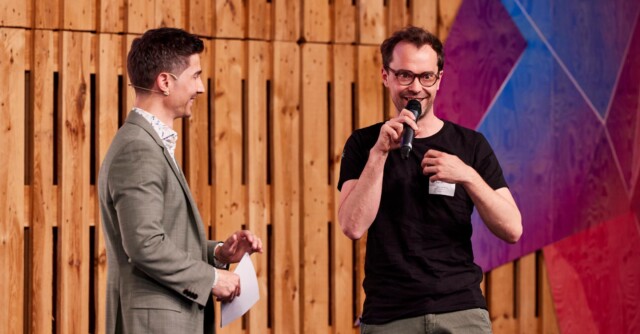
    Samuel Mösle, Co-Head of the Zurich Cantonal Economic Development Agency, opened the event with a comprehensive overview of the situation. He outlined the current challenges in a global context and emphasized the role of the construction industry in the further development of Zurich as a business location. Topics such as digitalization, artificial intelligence and securing affordable housing play a central role in this. The aim is to further raise the profile of the canton of Zurich as an innovative and competitive economic area.

    Björn Slawik and Frank Koster from ewz presented the prospects for a decentralized and sustainable energy world. The focus was on the dynamic development of the Swiss solar market and new regulatory framework conditions from 2026. The introduction of local electricity communities, such as the ewz.solarquartier concept, will strengthen self-consumption of solar power at district level. The aim is to make efficient use of surpluses and promote the construction of new solar power plants in a market-oriented manner.

    Jan Frenzel from SMG illustrated how AI-supported systems are revolutionizing the world of customer relationship management. In addition to comparing CRM and ERP systems, he highlighted the potential of SaaS solutions for automating business processes. With intelligent tools, customer needs can be identified even more precisely in future – a key factor for positioning on the market.

    Location development and future trends
    Under the title “How can locations remain attractive?”, Beat Bachmann (Canton of Zug), Jakob Bächtold (House of Winterthur), Marc Lyon (Implenia Schweiz AG) and Albert Schweizer (City of Schlieren) discussed the future viability of locations. The topics ranged from demographic change and new forms of living and working to the question of how innovation and sustainability can be specifically incorporated into site development. The discussion showed that successful locations today have to offer more than just infrastructure. They need identity, networking and visions for the future.

    Outlook for the Real Estate Award 2025
    Mara Schlumpf provided information about the upcoming Real Estate Award, which will take place on October 2, 2025 at Trafo Baden. Outstanding projects and personalities from the real estate and construction industry will be honored in five categories. The event promises not only a gala with a networking character, but also exclusive visibility for innovation and quality in the industry.

  • Zurich as a business location – fit for the future?

    Zurich as a business location – fit for the future?

    You head the Office of Economic Affairs of the Canton of Zurich. What are your responsibilities in this role and how can you influence economic development?
    The Canton of Zurich is a leading business location with international appeal. As the Office of Economic Affairs, we help to ensure that it remains competitive in the future, promotes innovation and generates sustainable added value.

    Thanks to a strong team with wide-ranging expertise in various areas and in-depth specialist knowledge, we strengthen the business location and support companies in various phases. We use our knowledge and experience in a targeted manner to analyze and develop the economic framework conditions and respond to new challenges. In close cooperation with the business and scientific communities, we analyze location factors and provide impetus to position Zurich as an attractive location for companies. At the same time, we take on central enforcement tasks: We ensure smooth approval procedures and thus create planning security for companies and employees. By ensuring compliance with working conditions and legal requirements, we contribute to an attractive and responsible labor market. Another focus is the promotion of affordable housing – a decisive factor for the attractiveness of a location. We therefore have numerous effective levers at our disposal to actively shape change.

    A pronounced service orientation is particularly important to me. A good understanding of our stakeholder groups and their needs forms the basis of our work. Because only if we know the challenges and concerns of companies can we provide targeted support and strengthen Zurich as a business location in the long term.

    In short: we create attractive framework conditions for an economic environment that benefits companies and the population alike.

    How do you assess the economic situation in the canton of Zurich?
    Overall, the canton of Zurich is in a very solid economic position and is one of the most innovative economic regions in Europe. Moderate economic growth of 1.1% is forecast for the current year. A high level of innovation, first-class universities and close cooperation between business and science make the location particularly attractive. Companies benefit from well-trained specialists, an excellent infrastructure and a strong international network.

    At the same time, we are facing important challenges: In the short and medium term, the latest geopolitical tensions could have an impact on Zurich as a business location. Closely linked to this is the question of how we position ourselves strategically vis-à-vis our European neighbors, particularly with regard to our relationship with the EU.

    In the long term, demographic change will play a key role. The ageing of society, rising retirement figures and the availability of skilled workers will be decisive for how competitive the business location remains. Measures must be taken in good time to secure the pool of skilled workers.

    However, thanks to its economic stability, innovative strength and quality of life, I believe that the canton of Zurich is well positioned to remain successful in the long term.

    In which areas does the canton of Zurich still have untapped economic potential?
    The canton of Zurich has a strong capacity for innovation. Nevertheless, there are areas with untapped potential: in the field of artificial intelligence, the canton of Zurich has taken an important step towards strengthening the dynamic AI ecosystem with the “Innovation Sandbox for Artificial Intelligence”. However, from a macroeconomic perspective, there are still great opportunities to anchor AI even more broadly in various sectors. SMEs in particular could increase their productivity and open up new business areas through the targeted use of AI. Practical support is needed here to provide SMEs with access to and knowledge of AI technology.

    There is further economic potential in the scaling of start-ups. Zurich offers an excellent environment for start-ups. However, many start-ups face the challenge of expanding their business beyond the initial phase. There is a need for additional financing options and targeted support structures to help start-ups grow and accompany them on their way to the international market.

    We are also not yet exploiting the existing potential in the area of digital health. Increasing cost pressure in the healthcare system, an ageing society and the growing shortage of specialists make a transformation more urgent than ever. Zurich as a business location has all the ingredients to be successful here: leading universities, strong players in the healthcare sector and innovative companies. With the “digital health center Bülach”, we have created an innovation hub that makes an important contribution by promoting innovation and building bridges between science and business.

    What economic policy framework conditions are crucial for the success of the Greater Zurich Area as a business location from the perspective of the Canton of Zurich?
    A key success factor is access to highly qualified specialists. The canton of Zurich has excellent universities and research institutes that attract talent from all over the world. To ensure that this remains the case in the future, the universities must also remain attractive to foreign students – both through first-class educational conditions and easier access to the job market after graduation.

    Tax conditions also play a decisive role. A competitive tax environment is essential if the canton of Zurich is to remain attractive. Currently, however, the tax environment is increasingly perceived by companies as a negative location factor. In a cantonal comparison, the canton of Zurich ranks second to last in terms of the tax burden on companies – a risk for long-term competitiveness.

    Our relationship with Europe is another key factor for economic success. Access to the European market is crucial for many companies, especially for export-oriented sectors. At the same time, companies in Zurich as a business location benefit from Switzerland’s lean and pragmatic regulations.

    How attractive is the Greater Zurich Area for investors in an international comparison with other European metropolitan regions?
    The Greater Zurich Area is one of the most attractive business locations in Europe and is asserting itself internationally as a leading location for companies and investors. It offers a unique combination of economic potential, innovative strength and business-friendly conditions. At the same time, the region offers a stable, transparent and reliable economic environment with attractive tax and regulatory conditions.

    Companies benefit from a first-class environment for research and development – characterized by close cooperation between universities, start-ups and globally active companies.

    Another key advantage for investors is the mix of industries in the region. Zurich is no longer just the most important financial center in Switzerland, but also a dynamic and diverse location for innovation. The strong presence of ICT, high-tech, space and robotics, life sciences, food and cleantech ensures a high density of innovation and minimizes the risk of dependencies. For investors, this means not only stability, but also attractive diversification opportunities.

    Switzerland is neither an EU member nor a cost-effective location. Why should an international company still choose the Greater Zurich Area?
    The Greater Zurich Area offers companies a unique overall package that goes far beyond cost factors. It combines a business-friendly and politically stable environment with first-class talent, leading research and a high quality of life – factors that are crucial for sustainable business success.

    Switzerland ranks first in the world when it comes to innovative strength as well as attracting and retaining talent. Thanks to an excellent education system, internationally recognized universities and a high quality of life, the country is able to attract specialists from all over the world. Companies benefit from a highly qualified labor market, which makes a decisive contribution to competitiveness.

    However, there is still untapped potential in one area: the availability of attractive and sustainable space for companies to successfully secure relocations and expansions.

    What strategic advantages does Switzerland offer as a hub for European or global business activities?
    As a business location, Switzerland offers a unique combination of stability, innovative strength and international networking. Thanks to its central location in the heart of Europe, it is an ideal starting point for companies with a global or European focus.

    One decisive advantage is its excellent accessibility: Zurich Airport offers direct connections to major economic centers worldwide and makes the Greater Zurich Area a strategic hub for international business activities.

    The fact that the canton of Zurich is already a sought-after location for globally active companies is demonstrated by the most recent relocations. International tech companies such as “OpenAI”, “Anthropic” and “Boston Dynamics” have opened offices in Zurich – proof of the attractiveness of the location and its potential as a hub for forward-looking industries. The high density of leading companies creates a dynamic ecosystem that also opens up new opportunities for local SMEs.

    How important are modern infrastructure and digital networking for internationally active companies?
    The Greater Zurich Area offers internationally active companies first-class infrastructure and seamless digital networking – key factors for competitiveness and sustainable growth.

    Thanks to Zurich Airport’s international reputation, a state-of-the-art rail and road network and direct connections to Europe’s most important economic centers, companies benefit from maximum mobility and accessibility. Switzerland is ranked first in the current IMD ranking for its infrastructure, which underlines the high quality and reliability of the location conditions.

    The region also impresses with its advanced digital infrastructure. High-performance networks and state-of-the-art technologies create optimal conditions for innovation, data-driven business models and the use of pioneering technologies such as artificial intelligence and cloud computing.

    With this combination of physical and digital excellence, the Greater Zurich Area offers companies the ideal framework conditions to successfully position themselves globally.

  • Daniel Leupi on Zurich’s housing policy

    Daniel Leupi on Zurich’s housing policy

    Daniel Leupi has been responsible for the City of Zurich’s real estate policy as Chief Financial Officer since 2013 and can point to tangible results. With the Leutschenbach, Letzi, Hard and Hardau I housing estates, almost 830 new non-profit apartments have been created. At the same time, the city has acquired 24 properties in recent years. Leupi also attributes this success to the strengthened acquisitions department.

    With the new housing fund, non-profit developers can now also apply for financial contributions for land purchases and new buildings. The depreciation contributions financed from these funds enable lower rents despite rising market prices. At the same time, a new letting ordinance ensures that the approximately 10,000 municipal apartments are allocated in a socially responsible and transparent manner.

    A growing portfolio with responsibility
    At the end of 2024, the municipal portfolio will comprise 58 housing estates and over 500 individual residential properties, a total of 1,400 buildings with almost 10,000 non-profit apartments. In addition, there are 220 active building rights for over 6,000 apartments and further projects in preparation. The city thus acts not only as a planner, but also as a major real estate owner with a clear focus on affordable housing.

    Challenges of a dynamic market
    Despite all efforts, the challenge remains great. According to Leupi, the housing shortage is a structural problem that occurs in every attractive city center. It is particularly problematic that many investors are primarily constructing high-priced new buildings, while existing apartments are being squeezed out. Although the market is growing, it is not socially balanced. The city cannot create affordable housing for everyone, but it can create more and more affordable housing.

    Market intervention or tenant protection?
    The discussion surrounding the case of the so-called “SUGUS houses” has reignited the debate on social mixing. Leupi does not see this as a problem, but rather as a functioning example of affordable housing in private hands. At the same time, he warns against a blockade through excessive regulation, as has occurred in some cantons through housing protection laws. In Zurich, the City Council is therefore supporting the popular initiative “Protect affordable housing”, which aims to prevent vacancies while maintaining flexible implementation options at municipal level.

    Investors responsible
    For Leupi, part of the solution lies in the industry’s own responsibility, albeit with clear expectations. While some owners continued to act fairly, others exploited the market situation ruthlessly. Excessive rent mark-ups when tenants change are not isolated cases. This is why more government involvement is needed for lower and middle incomes. Not as an intervention in the market, but as a balance to its dynamics.

    Growth yes – but in a socially responsible way
    A central problem remains that many new replacement buildings are displacing affordable housing. Although new projects create living space, they often increase prices. Institutional investors and property developers are called upon to plan in a more socially responsible way in future. Otherwise, social acceptance of immigration, bilateral agreements and the liberal economic system as a whole would be at stake.

    The “slow” building permit process
    The supposedly slow building permit process is a frequently criticized topic. Leupi puts this into perspective and emphasizes that the administration works efficiently. The median time for new building applications is 121 days. The trend is downwards despite the rising number of cases. What takes time, however, are appeals, project changes and amendments to conditions. The number of these has risen significantly in recent years, from 229 to 410 cases per year.

    As a solution, Zurich relies on consulting, digitalization and process optimization. The aim is to create planning certainty and increase resistance to appeals.

    Airbnb, renovations and new standards
    The impact of short-term rentals is a hot topic. Back in 2020, Zurich decided to amend its building and zoning regulations in order to create regulatory requirements for Airbnb & Co. Implementation is currently stalling because the decision is before the Federal Supreme Court. However, Leupi believes the city is on the right track.

    At the same time, he advocates binding industry standards in dealing with renovations to cushion social hardship. There are already positive examples, such as when the rent remains constant when moving within the same housing estate. Leupi would like to see more models like this, including from private players.

    Three key areas of action
    Leupi currently sees three urgent tasks for the city government. Firstly, the targeted expansion of the city’s residential portfolio through construction and purchase. Secondly, the broad establishment of the housing fund in order to strengthen non-profit organizations and thirdly, a political offensive for more federal and cantonal involvement in the area of non-profit housing construction.

    Zurich has shown what is possible. The task now is to continue on the path we have taken, with social moderation, economic foresight and political consistency.

  • City takes over site in Oerlikon

    City takes over site in Oerlikon

    Zurich-based technology company ABB has finalised the sale of a “significant urban development site” to the city of Zurich, according to a press release. The city is planning a mixed-use development including affordable housing, commercial and socio-cultural uses and the creation of outdoor spaces on the approximately 25,500 square metre site in Zurich Oerlikon. The development site is located close to ABB’s global headquarters. The sale, which was completed on 27 March, was agreed in an urban development contract between the two parties in 2021, according to the press release.

    ABB will report an operating gain on disposal of around 120 Swiss francs before tax in the first quarter of 2025 and receive net cash of around 90 million Swiss francs. These amounts include the effect of the value-added compensation of almost 17 million francs from the development plan amendment and compensation for the zonal relocation of affordable housing totalling around 22 million francs, which ABB had to pay under the agreement.

    With this transaction, ABB is not only supporting the city of Zurich in the construction of additional affordable housing, but also in the further development of the Neu-Oerlikon neighbourhood, according to the ABB press release. As part of the agreement, the former ABB production site and current event venue Halle 550 will be retained in the long term.

    ABB’s corporate headquarters in Zurich-Oerlikon and the historic ABB building will remain unaffected by the sale.

  • Company building becomes the power plant of the future

    Company building becomes the power plant of the future

    Energie 360° has converted its headquarters in Zurich into a green power plant, the energy supplier, which is active throughout Switzerland, and the city of Zurich announced in a joint press release. During the now completed conversion and renovation work, a large-scale photovoltaic façade was installed. Its 1600 modules are expected to generate around 325 megawatt hours of electricity per year.

    “In future, Energie 360° will produce around half of its building’s annual energy requirements itself,” Michael Baumer, Head of Industrial Operations of the City of Zurich and Chairman of the Board of Directors of Energie 360°, is quoted as saying in the press release. The solar power generated will also be used to power the company’s own fleet of electric cars, among other things. To obtain approval for the system, Energie 360° had to prove that a fire in the modules could not spread over more than two storeys.

    Energie 360° wants to convert its direct sales exclusively to renewables by 2040. The company is on track to achieve the interim target of 30 percent set for the end of 2025, Energie 360° announced in a further press release. In the financial year ending September 30, 2024, a share of 27 percent was achieved. Specifically, 1238 of a total of 4590 gigawatt hours of energy sold came from renewable sources. “We feel the broad support and recognition for our transformation – among employees, partner companies and customers”, Energie 360° CEO Jörg Wild is quoted as saying in the press release.

  • Zurich plans next-generation mobility

    Zurich plans next-generation mobility

    The Government Council of the Canton of Zurich has approved the new fifth-generation agglomeration programmes. They are a key instrument for supporting the rapid growth of cities and municipalities with an efficient, sustainable and future-oriented transport infrastructure. The programmes make it possible to better coordinate settlement and transport development and create the conditions for the federal government to contribute between 30 and 50 percent of the investment costs.

    The approximately 350 planned measures are spread across five agglomeration areas in which targeted work is being carried out to improve mobility. In the Zurich-Glattal region, the focus is on the expansion of transfer stations into efficient transport hubs and on the further development of the cycle network in accordance with the cantonal cycle plan and the city of Zurich’s cycle strategy. In the Winterthur region, public transport, walking and cycling services are to be strengthened in order to absorb the increasing volume of traffic in an urban-friendly manner. At the same time, the electrification of bus transport is being driven forward.

    With the “Unterland-Furttal” programme, a joint contribution from the Zurich Unterland and Furttal planning regions is being submitted for the first time. The focus here is on designing road spaces in a way that is compatible with residential areas and improving the quality of life. In the Zurich Oberland, on the other hand, the aim is to improve accessibility to regional centres such as Uster, Wetzikon, Pfäffikon and Hinwil. Here too, roads are to be upgraded in a targeted manner, junctions strengthened and public transport electrified.

    Particular attention is being paid to the Limmat Valley, where the canton of Zurich has submitted a comprehensive programme together with the canton of Aargau. The programme focuses on the further development of transfer points and the electrification of public bus transport. At the same time, over twenty measures are intended to facilitate the development of high-quality residential and open spaces.

    Review with impact
    Since the first submission in 2007, the canton of Zurich has achieved impressive results with its agglomeration programmes. Since then, the federal government has awarded contributions totalling over CHF 1.5 billion. This has not only enabled the realisation of major projects such as the Hardbrücke tram or the Limmattalbahn, but also numerous smaller measures to promote pedestrian and bicycle traffic and to upgrade street areas. The programmes are based on central cantonal planning principles, including the 2018 overall transport concept, the S-Bahn 2G concept, the bicycle network plan and the pedestrian transport action plan.

    Shared responsibility for a mobile future
    The AP5 programmes were developed in close consultation with municipalities, regions and other partners. The cantonal government has now officially adopted the programmes and assumed sponsorship. By submitting the programmes to the federal government, Zurich is sending a strong signal in favour of coordinated and sustainable spatial and transport planning – supported by a broad consensus and the will to actively shape change.

  • New data center strengthens digital infrastructure in Winterthur

    New data center strengthens digital infrastructure in Winterthur

    The data center operator NorthC Schweiz AG inaugurated its new data center in Winterthur on 20 March. The new data center is located on an area of around 1100 square meters in the Turm Areal. It will play a central role as a hub for regional data communication, according to a press release.

    The data center offers SMEs and large companies in the region individual colocation solutions, secure and direct cloud connections as well as guaranteed bandwidths and speeds for business applications. The connection to the data centers in Münchenstein BL and Biel is intended to ensure reliable connections to a large number of cloud and IT service providers.

    The data center currently has a capacity of 1.8 megawatts and is powered entirely by renewable energy. According to the press release, NorthC plans to use its 2030 strategy to initiate projects that will enable the waste heat generated in Winterthur to be put to good use in the future.

    According to Patrik Hofer, NorthC relies on regional data centers with an international reach. “With our regional approach, we can offer tailor-made solutions for the Winterthur region that meet the high standards of quality, security and sustainability,” the Managing Director Switzerland at NorthC is quoted as saying in the press release.

    According to Ralph Peterli, Managing Director of the Winterthur Chamber of Commerce and Employers’ Association, Winterthur is already home to many leading technology companies. “It’s good to know that with NorthC, a regional company is offering stable and secure IT infrastructures on the city’s territory,” said Peterli, according to the press release.

    NorthC Switzerland is based in Biel and is a subsidiary of the NorthC Group based in Oude Meer in the Netherlands.

  • 3D data platform optimizes transport and infrastructure projects

    3D data platform optimizes transport and infrastructure projects

    INovitas AG, based in Baden, and Geoinfra Ingenieure AG, based in Wetzikon, have created a digital twin of the road network in the Zurich Oberland. According to a joint press release, around 800 kilometers of roads will be available in the high-resolution infra3D data platform. Interested user groups can license the data with immediate effect and use it for their planning and decision-making processes, according to the press release.

    The two companies have mapped the road networks of the municipalities of Bäretswil, Bauma, Bubikon, Dürnten, Fehraltorf, Fischenthal, Gossau, Greifensee, Grüningen, Hittnau, Hombrechtikon, Männedorf, Mönchaltorf, Oetwil a.S., Russikon, Rüti, Seegräben, Stäfa, Uetikon a. S, Wald, Wetzikon, Wila and Wildberg are digitized. The project provides the Zurich Oberland region with a precise and up-to-date basis for traffic, urban and spatial planning. This means that data-based simulations can be improved and on-site inspections can be reduced.

    “Data is the basis for well-founded decisions”, comments Hannes Eugster, CEO and founder of iNovitas AG, in the press release. “With the digital mapping of the Zurich Oberland region, we are providing a precise and immediately available database that can be used by a wide range of stakeholders – whether for transport planning, infrastructure projects or urban development.”

    Patrick König, member of the management board of Geoinfra Ingenieure AG, emphasizes the importance of the digital project: “Access to georeferenced, high-resolution 3D data represents a paradigm shift for infrastructure planning. Our collaboration with iNovitas enables administrations and companies in the Zurich Oberland region to benefit from data-driven, efficient and sustainable planning”.

  • Modular school pavilions as a temporary solution to secure school operations in Dietikon

    Modular school pavilions as a temporary solution to secure school operations in Dietikon

    The town of Dietikon is renovating the Wolfsmatt school complex. Three new school pavilions have been built on the city-owned site on Vogelauweg in order to be able to continue teaching. This provides an additional 27 classrooms. Aare Limmat Elektro AG was commissioned with the planning and execution of the complete electrical installations. The entire electrical installation was newly installed and corresponds to the current state of the art, according to a press release from the company based in Baden and Olten SO.

    The three school buildings were built entirely in modular construction and prefabricated. The temporary buildings will serve as a fully usable transitional solution during the renovation of the Wolfsmatt school complex, the statement continues.

    Around 500 children attend kindergarten and elementary school in the Wolfsmatt school unit, according to the Dietikon school. The school unit comprises 21 regular classes. Eight kindergartens are located in the residential areas around the school building. Daycare facilities with lunch are offered on the school grounds.

    Around 3,000 pupils attend public school in Dietikon, from kindergarten to secondary level. There are a total of six school units in the town.

  • House of the Future secures further tenants in Winterthur

    House of the Future secures further tenants in Winterthur

    The Green Spin project aims to change the world of work in a sustainable way. To this end, the House of the Future is being built in Winterthur with 100 per cent sustainability and 100 per cent work quality, according to the Green Spin website. The project has now found its second anchor tenant in the form of the Foundation for Speech Therapy Schools in the Canton of Zurich, Green Spin explains in a press release.

    “Green Spin offers the perfect setting for innovative educational approaches,” Peter Felix from Felix Partner Architektur Design, which initiated and developed the project, is quoted as saying. “With the Stiftung Sprachheilschulen im Kanton Zürich, we have gained another tenant that ideally complements our concept of openness, networking and forward-looking development.” The foundation currently operates at four locations in Zurich, Winterthur, Fahrweid in the Limmat Valley and Stäfa.

    Green Spin received its building permit last year and construction is due to start this year. The centre is expected to be ready for occupation in 2027. In addition to the foundation, the leisure sports provider Padelta has already reserved premises in Green Spin.

    Green Spin is intended to offer young and established companies an ideal environment. The building is designed as a modular timber construction and will have a photovoltaic façade and wind power for its own energy supply. In addition to bright working environments, the project envisages meeting places such as a roof garden, a courtyard forest and market alleyways.

  • Reuse of components

    Reuse of components

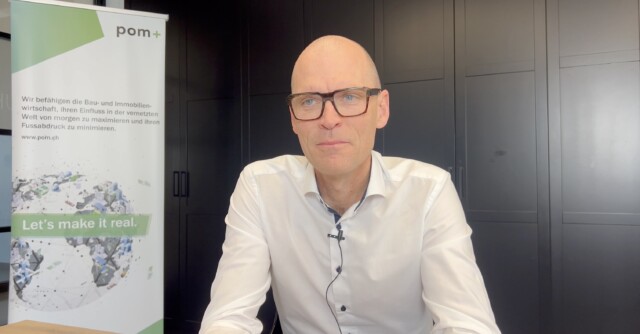
    The reuse of building components has become increasingly important in recent years, both in the media and in practice. This method helps to significantly reduce grey energy in the real estate sector. Dr Andreas Oefner from Zirkular GmbH shows how targeted measures and innovative projects can promote the circular economy in the construction industry.

    Basic principles and processes
    Together with the ZHAW, Zirkular has defined the basic processes and work packages in the SIA phases. Important documents such as specialist planning contracts, handover agreements and reinstallation clauses were drawn up and made available online. These measures have significantly expanded the use of reused building components in construction projects.

    Successful implementation in projects
    Architectural competitions are increasingly integrating circular economy requirements. Component catalogues and building screenings help to identify potential components from dismantled buildings and integrate them into new projects. These components are defined, purchased, dismantled, stored and finally reinstalled. The range of reused components extends from complex load-bearing structures to simple radiators and façade materials.

    Significant emission savings
    The savings achieved by reusing components are impressive. At component level, the emission savings compared to newly produced components are around 90%. At project level, between 10-50% of construction emissions have been saved in projects that have already been realised.

    Challenges and future prospects
    Despite the progress made, challenges remain. The reuse processes must be more firmly anchored in the projects. In addition, further clarification is required in the assessment of component categories in order to ensure reusability. The framework conditions of the construction industry also need to be reorganised in order to establish the reuse of building components as part of a comprehensive strategy to reduce emissions.

    Responsibility and innovation
    Good planners are characterised by the fact that they select the right strategies for their project and take their responsibility towards the project and society seriously. The reuse of building components is an important building block in reducing the exorbitant emissions of the construction industry while continuing to utilise and convert existing buildings.

  • Lake Zurich heats properties in the Riesbach neighbourhood

    Lake Zurich heats properties in the Riesbach neighbourhood

    Since 26 February, the first 80 properties in the Riesbach district of Zurich have been heated with heat from the Tiefenbrunnen energy network, Energie 360° announced in a press release. When the energy network is completed in 2032, the number of properties heated with heat from the waters of Lake Zurich is expected to rise to around 400. Energie 360° has invested around 60 million Swiss francs in the project.

    “We have reached an important milestone with the commissioning of the main centre and are proud of our contribution to a sustainable heat supply in the Tiefenbrunnen area,” said overall project manager Andreas Abdon from Energie 360° in the press release. For Dženan Draganović from Liegenschaften Stadt Zürich, energy networks such as the one now in operation are crucial for the city’s own net-zero target: “We have set ourselves the goal of heating all properties without fossil fuels by 2035.”

    When completed, the Tiefenbrunnen energy network will be able to supply around 5,300 Tiefenbrunnen residents with renewable heat from Lake Zurich. By replacing fossil heating systems, 6500 tonnes of CO2 can be avoided each year, writes Energie 360°.

  • Listed building celebrates its opening on 8 March

    Listed building celebrates its opening on 8 March

    The town of Dietikon invites you to the inauguration of the Haus der Bevölkerung on Saturday, 8 March. The Haus der Bevölkerung has been set up in the historic tithe barn. The listed building, which dates back to around 1600, will shine in new splendour following extensive renovation and will be available as a versatile event venue in future, according to a press release from the town of Dietikon. With a new digital booking system, reservations for cultural events, exhibitions and private functions will be possible from 1 June.

    On the open day, visitors will be able to view the new premises from 11 a.m. and see for themselves the wide range of possible uses for the building, according to the press release. Sibylle Baumann will be reciting various stories in dialect. At 3 p.m. she will talk about “The golden bird – funny animal stories” and at 4 p.m. she will present “About eating and being eaten – adventurous stories”.

    The Zehntenscheune is one of Dietikon’s oldest buildings. With a capacity of around 120 seats, a new grandstand and modern facilities, the large hall is suitable for events. A passenger lift also provides accessibility.

    The foyer on the ground floor has been redesigned. The massive plank wall, a relic from its original use as a stable or storage room, has been retained. A long bar is intended to turn the foyer into an attractive meeting place. An old archway leading into the garden area of the house was also uncovered.

  • Winterthur invests in six smart city projects for 2025

    Winterthur invests in six smart city projects for 2025

    Since 2018, Winterthur has been focussing on smart city projects that make the city more efficient, sustainable and liveable. Already 27 projects have been successfully implemented. In 2025, the city will continue to focus on innovative solutions for mobility, digitalisation and ecological urban development.

    The subsidised projects for 2025 are wide-ranging. From the sustainable reuse of building materials to digital registration systems for school sports and an AI-supported cultural calendar. All projects aim to solve existing challenges with creative technologies and new approaches.

    Six funded smart city projects for 2025

    • Sponge city in action: Extreme weather events such as heat and heavy rain are becoming more frequent. This project is testing how green roofs and permeable soils can help to cool the city and better absorb rainwater. The effect of the sponge city elements is visualised in the Grüze innovation laboratory.

    • Winti Re-Use: Construction projects often generate large quantities of recyclable material that has previously been disposed of. A new platform ensures that construction waste is reused sensibly in order to conserve resources and protect the environment.

    • Spitex mobility: Spitex employees are out and about in the city every day – often in their own cars. This project is testing sustainable alternatives such as e-bikes and e-scooters to promote lower-emission mobility and create more flexible transport solutions for care staff.

    • Smart registration for school sports: A digital platform aims to make registering for school sports easier, faster and error-free. Parents and administration benefit from an optimised process that reduces bureaucracy.

    • CulturAI: Winterthur is a lively cultural city, but smaller events often remain in the shadow of larger events. An artificial intelligence (AI) analyses preferences and suggests individually suitable cultural events – even for users with little time for research.

    • Winbib : Unattended opening hours make libraries more flexible to use, so that books and media can also be borrowed in the evenings or at weekends.

    Smart City Winterthur 2030
    The city of Winterthur is pushing ahead with its smart city development in a targeted manner. On 1 January 2025, the City Council adopted the “Smart City Winterthur 2030” strategy. The aim is to actively promote innovation, create new networks for collaboration and further develop the city’s digital transformation.

    By promoting these six projects, Winterthur is demonstrating how modern, sustainable urban development can be achieved through creative approaches and the targeted use of technology.

  • Private investors drive innovation in Zurich

    Private investors drive innovation in Zurich

    The Zurich financial centre is not only an important centre for banks and insurance companies, but also a key factor for the development of young companies. Private investors such as private equity and venture capital companies, multi and single family offices as well as foundations support start-ups with targeted investments that promote innovation and economic growth.

    According to the new study “Zurich Financial Centre 2025/2026”, which was commissioned by the cantonal Office of Economic Affairs and the city’s Urban Development Department, 208 private equity and venture capital companies and over 2,800 foundations are active in the Zurich region. They employ a total of around 3800 people and have made a significant contribution to the development of Zurich as a centre of innovation over the last ten years.

    Growth and financing gaps in the start-up ecosystem
    Between 2014 and 2024, over 900 start-ups were founded in the Zurich region, raising a total of CHF 9.6 billion in various financing rounds. Almost half of the total financing volume of start-ups in Switzerland. In the case of companies whose investor structure is known, around one third of the funds come from regional investors.

    However, the study shows that many start-ups encounter financing hurdles in the next growth phase after initial support from accelerators, incubators and foundations. While private equity and venture capital companies are increasingly getting involved in expansion financing, a financing gap remains. This can lead to young companies moving abroad in order to secure capital for scaling up.

    Zurich as an attractive location for venture capital
    The Zurich region offers ideal conditions for investors thanks to its strong market environment, international network and the availability of highly qualified specialists. Single family offices in particular are playing a growing role, as they enable long-term investments in innovative projects. Swiss single family offices invest an average of 12 per cent of their assets under management in venture capital, of which around CHF 24 billion flows into projects within Switzerland.

    According to Michael Grass from BAK Economics, which conducted the study, it is crucial to close the financing gap in the growth phase of start-ups. This would not only secure the region’s innovative strength, but also reduce the risk of emigration.

    “Strengthening the investor location” initiative launched
    Based on the results of the study, the canton of Zurich is launching the “Strengthening the investor location” sub-project as part of the “Innovation Location 2030” initiative. The Department of Economic Affairs has been tasked with developing targeted measures to improve the attractiveness of the location for venture capitalists. The aim is to optimise the investment conditions for start-ups and scale-ups and expand financing opportunities in the region.

    Concrete strategies are to be developed through dialogue between politics, business and investors in order to further strengthen Zurich as a leading location for venture capital. The city of Zurich is already actively involved in promoting start-ups, including with incubators such as BlueLion and Startzentrum Zürich as well as the city’s KlimUp programme for sustainable innovations.

    The results of the initiative should help to further develop Zurich as a dynamic and competitive investment location and secure the business centre in the long term.

  • New production sites in Singapore and China

    New production sites in Singapore and China

    Sika is expanding its global presence with new production facilities in Singapore and China. The new plant in Singapore specialises in mortar production. In contrast, the entire product range, including tile adhesives, cementitious waterproofing and floor coatings, will be manufactured in Xi’an in north-west China. The new factories should significantly reduce transport distances.

    “The expansion of our production capacities in Singapore and China is an important step in our growth strategy in Asia,” said Philippe Jost, Regional Head Asia/Pacific, in a press release. “Thanks to the new plants, we can serve our customers in these two key markets even better with our innovative solutions. In addition, both factories contribute to Sika’s sustainability performance by utilising energy-efficient processes and environmentally friendly materials.”

    According to Sika, Singapore’s construction industry is expected to grow by 4.1 per cent annually until 2028. A government masterplan for infrastructure development envisages around 22.5 billion Swiss francs for the construction of railway stations and important transport corridors.

    The new plant in Xi’an is Sika’s 35th in China. The construction industry in the country is expected to be worth the equivalent of 4.3 trillion Swiss francs in 2025 and grow by 3.9 per cent annually until 2028. China has reportedly budgeted half a trillion Swiss francs for infrastructure projects and more ambitious quality targets in the construction industry, and a further 12 trillion francs for the net-zero target by 2060.

  • Zurich’s economy faces major challenges

    Zurich’s economy faces major challenges

    The so-called labour market gap, the ratio of people entering and leaving the labour market, is increasingly becoming a problem. For some years now, more people have been leaving the labour market for age-related reasons than young workers are joining. In 2029, the canton of Zurich will have around 16 % more 65-year-olds than 20-year-olds, while the difference across Switzerland is 30 %. Although the gap could narrow again briefly in the 2030s, an even greater difference is expected from the 2040s onwards.

    Immigration alone is not enough
    Study results show that even immigration at twice the average rate of the last 10 years could not compensate for the decline in the labour force. Without immigration, the labour market gap would widen even more dramatically, with an annual deficit of over 5700 people by 2050. The proportion of the working-age population in the canton of Zurich is expected to fall from 63% to 59% by 2050 – a development that will also affect economic performance and the dynamics of the labour market.

    Zurich’s economy better positioned than Switzerland as a whole
    Thanks to Zurich’s attractiveness as a place to work, live and train, the canton of Zurich is in a better position than Switzerland as a whole. The proportion of the labour force here is falling less sharply than the national average. However, Zurich is not immune to the effects of demographic change.

    Solutions and strategic measures
    Director of Economic Affairs Carmen Walker Späh emphasises the importance of strategic measures to overcome the labour shortage. Making better use of the domestic labour force potential, for example by integrating women and older workers more strongly into the labour market, plays a central role. Equally important is increasing productivity, which can be achieved through technological innovation and progress. In addition, adjustments to the retirement age could help to utilise the labour force potential for longer.

  • Government council rejects airport night-time quiet initiative

    Government council rejects airport night-time quiet initiative

    The popular initiative “Airport night-time quiet initiative” calls for a statutory night-time quiet period from 11.00 pm to 6.00 am at Zurich Airport. The Government Council rejects the initiative as it contravenes federal law and creates legal uncertainty. Legislation on aviation is the sole responsibility of the federal government, which has already conclusively regulated night flight regulations.

    A literal implementation of the initiative would raise unrealisable expectations without noticeably reducing the actual noise pollution. The cantonal government emphasises that existing regulations already exhaust the maximum scope of cantonal law.

    Focus on reducing aircraft movements after 11.00 p.m.
    Despite rejecting the initiative, the cantonal government supports measures to promote a peaceful night’s sleep. For example, operational improvements and an optimised airport infrastructure should help to reduce flight movements after 11.00 p.m. The runway extensions approved by the Zurich electorate in 2024 are a key step towards increasing the punctuality and efficiency of the airport.

    In addition, technological advances will further reduce noise pollution. New, quieter aircraft should improve protection for local residents in the long term.

    Securing the business location and international connections
    Zurich Airport is indispensable for the economic strength of the canton. As Switzerland’s only intercontinental hub, it provides daily direct connections to major international cities, which are essential for businesses and the population alike.

    The airport’s competitiveness depends on its operating hours. These have already been reduced by two hours over the last 20 years. Carmen Walker Späh, Director of Economic Affairs, emphasises that the existing regulation represents a balanced compromise between noise protection and the requirements of businesses and travellers.

    With this approach, the cantonal government aims to safeguard the quality of life of local residents and strengthen the economic future of the canton.

  • Smart City Winterthur 2030

    Smart City Winterthur 2030

    Since the first smart city strategy in 2018, Winterthur has established itself as one of the most progressive cities in Switzerland. At that time, the focus was on quality of life and resource efficiency, supplemented by topics such as energy, mobility, education and health. With the revision of the strategy towards Smart City Winterthur 2030, the City Council is now focussing on new cross-cutting topics such as innovation, needs orientation and co-creation. These topics are crucial to meeting the requirements of a changing society.

    Two programmes are driving implementation
    The new strategy is being implemented through two programmes, the Innovation Programme and WinLab. The innovation programme supports employees of the city administration in the development and implementation of innovative projects. The aim is to strengthen the culture of innovation within the administration.

    The WinLab, on the other hand, acts as an urban real-world laboratory in which representatives from business, science, civil society and municipal institutions work together. In this creative space, forward-looking solutions for the city are developed and tested. Both programmes create scope for experimentation and promote sustainable innovations that meet the needs of citizens.

    A strategy for the future
    The Smart City Winterthur 2030 strategy comes into force on 1 January 2025 and is part of the long-term goal of shaping Winterthur as a sustainable and adaptable city. The strategy will be reviewed after five years at the latest to ensure that it continues to meet the needs of the city and its population.

  • New technology for sustainable building insulation under development

    New technology for sustainable building insulation under development

    Aeroskin Tech is looking for investors. The spin-off from the Swiss Federal Institute of Technology in Zurich(ETH) has developed a technology for insulating buildings based on aerogels. So far, Aeroskin Tech has developed prototypes of spray insulation materials and insulation panels, the ETH announced in a press release. Now the technology is to be introduced to industrial production in a pilot plant.

    “We want to offer sustainable and high-performance insulation for buildings,” says Daniel Sanz Pont, founder of Aeroskin Tech and research associate of Robert Flatt, Professor of Building Materials in Civil Engineering at ETH Zurich, in the press release. The insulation materials based on aerogels are characterised by a two to two-and-a-half times better effect than conventional insulation materials. This is due to the nanoporous structures of aerogels, explains Sanz Pont. In the tiny pores, the air molecules collide more frequently with the pore walls than with each other. “This effect makes aerogels the best thermal insulation materials of all,” says Sanz Pont.

    The young entrepreneur did not found the ETH spin-off with partners, but on his own. “Thanks to my diverse education, I combine many competences in my person,” explains Sanz Pont. “I have also received coaching and expanded my training and experience in the field of business management, and I have been supported by outstanding experts from ETH throughout these years.” For upcoming challenges and the next step, the young entrepreneur also has experienced mentors at his side “from whom I can learn more quickly”.

  • Schlieren to shut down gas network from 2030

    Schlieren to shut down gas network from 2030

    The city of Schlieren aims to emit no net greenhouse gases by 2040. To achieve this, the heating of buildings must also be converted to climate-neutral sources. The city has therefore decided to shut down the gas network in stages.

    According to a press release, two smaller areas north of Bernstrasse and in the south of the city are to be taken off the grid as early as 2030. Further areas on Bernstrasse and Zürcherstrasse and Badenerstrasse will follow around 2035. Around 2040, the remaining parts of the gas network will be largely decommissioned.

    Owners who currently use gas heating systems or gas stoves will be informed directly by the city. They will also be offered advice on alternatives. Industrial customers can continue to use the gas infrastructure for process gas.

    The city is planning an information event on the decommissioning of the gas network on April 2.

  • Zurich Airport begins with renaturation

    Zurich Airport begins with renaturation

    The Glatt section on the west side of Zurich Airport is to be ecologically upgraded and renaturalized, according to a press release. The revitalization of the section between Opfikon and Rümlang, which will begin in spring 2025, aims to increase biodiversity and promote local recreation.

    The project is intended to compensate for the impact on the landscape caused by several current and planned construction projects as part of the airport expansion. The Glattraum will become an attractive, large-scale recreational area for the population.

    The Glattraum Rümlang/Oberglatt landscape development concept drawn up by the canton of Zurich serves as a basis. It envisages an overall measure to enhance the Glatt instead of several small projects. This would result in “a coherent project that serves landscape protection as well as nature and species conservation”.

    Specifically, the section from Tolwäng to Fromatt is to be given a natural watercourse. In addition, the watercourse area is to be doubled in order to create more habitats for plants and animals. The revitalization project is to be implemented between 2025 and 2028.

  • Experienced executive takes over management of digital real estate marketplace

    Experienced executive takes over management of digital real estate marketplace

    Myriam Reinle is to become the new CEO of Houzy, according to a press release. With her track record in the proptech and fintech industry, Reinle is the ideal person to lead the company, which merged with Devis.ch in May 2024, into a new phase of growth.

    According to the company, Reinle brings more than 20 years of experience in building digital marketplaces, managing tech start-ups and a comprehensive understanding of the needs of homeowners. As Head of Marketing at Homegate for more than a decade, she played a key role in “establishing the company as a leading player in the Swiss real estate market”, according to the statement.

    She is taking over the management of Houzy as an experienced leader “who combines entrepreneurial thinking, expertise in digital marketplaces and the management of start-ups”, according to Christian Mähr, Chairman of the Board of Directors.

    Reinle will succeed Florian Rüegg, one of the founders of the proptech company. He is moving to the position of CTO/COO. Since 2017, Houzy has been offering a platform for homeowners to find property valuations, renovation calculators, demand checks and the option of finding tradespeople and estate agents.

  • Junior staff contribute to the renovation of the Alte Reithalle

    Junior staff contribute to the renovation of the Alte Reithalle

    According to a press release, the Dietikon-based construction company Josef Wiederkehr AG has dedicated its apprentice camp to preparations for the Phänomena exhibition, which will take place in Dietikon in 2026. The apprentice camp took place from December 2 to 6 at the Alte Reithalle in Dietiker Niderfeld. Apprentices from all Wiederkehr Group companies carried out work in preparation for the Phänomena exhibition. The aim was to make the laws of nature, phenomena and complex interrelationships an interactive experience for the apprentices.

    The students carried out preparatory work on the Alte Reithalle. According to the Wiederkehr press release, they demolished old interior rooms, bricked up window openings, removed a ramp and installed a new concrete floor. The commitment of the apprentices played a key role in transforming the Alte Reithalle into a suitable setting, the press release continues.

    According to the company, the Josef Wiederkehr AG Group has been organizing an apprentice camp once a year for more than 45 years. The apprentice camp is a working week during which the apprentices carry out a charitable project under expert guidance. All apprentices take part, from both the craft and commercial areas.

    Phänomena, “Erlebniswelt zum Staunen”, will take place from March to October 2026 at Niderfeld in Dietikon. The first Phänomena took place at Zürichhorn in 1984 and was visited by over 1 million people. In addition to the municipality of Dietikon, the exhibition is supported by the cantons of Aargau and Zurich and numerous partners.

  • Long-term entrepreneurship recognized as a model for success

    Long-term entrepreneurship recognized as a model for success

    The construction company Richi AG in Weiningen has been awarded the successor prize Phoenix Award 2024 in the category SMEs with 100 to 250 employees. According to a press release, the company was founded in 1924 by Jakob Richi as a gravel pit and today comprises five divisions with 150 employees, is still family-run and is managed by the third and fourth generations. Chairman of the Board of Directors Jakob Richi (third generation) and David Richi (fourth generation) accepted the award on Wednesday, December 4, in Weiningen. David Richi is a member of the Board of Directors and the Executive Board.

    Today, Richi AG comprises five divisions, it continues. These are the supply of building materials using recycled gravel and concrete, the recycling of building rubble, the company’s own photovoltaic system, a biomass power plant as well as cranes and special transportation.

    “This succession award is a wonderful tribute to us as a family or family entrepreneurs, for whom a succession plan that is right for everyone is an important concern,” David Richi, representing the third and fourth generations, is quoted as saying in his acceptance speech. At the same time, the award is a great recognition for the entire company team and its commitment.

    The Phoenix Award for long-term Swiss entrepreneurship has been presented annually by the Swiss umbrella organization for business succession(CHDU) since 2020. The award honors Swiss SMEs that have mastered their succession planning for at least a century. According to the press release, in the canton of Zurich, with its 113,000 companies, of which around 17,800 are facing an open succession, only just under 20 companies achieve this every year.

  • Acquisition strengthens portfolio for cable protection systems

    Acquisition strengthens portfolio for cable protection systems

    On December 3,ABB announced the acquisition of Solutions Industry & Building(SIB), based in Boulay-Moselle. The company, which has been owned by the French investment fund Galiena Capital since 2019, specializes in electrical installation equipment and connection systems for the construction sector, cable glands, couplings and accessories for the electrical, rail, marine and mining industries, as well as certified products for potentially explosive atmospheres such as oil and gas applications. The purchase price was not disclosed in ABB’s press release. Last year, SIB generated global sales of around 25 million euros.

    The acquisition is intended to expand ABB’s portfolio of cable protection systems and strengthen the technology group’s presence in specialized markets in Europe, the Middle East and North America. “The need for safe, reliable electrification solutions is growing, and with the acquisition of SIB we are adding an industry-leading portfolio and 100 years of experience to our expertise and product range in highly specialized markets,” said Khalid Mandri, Head of ABB’s Installation Products Division, in the press release. According to him, the acquisition is in line with ABB’s strategy “to invest in areas that extend our reach in key markets”.

  • Solar energy as the driving force behind the power supply

    Solar energy as the driving force behind the power supply

    Swissolar sees potential for solar installations to account for 80% of the country’s electricity expansion by 2035. According to the first Solar Monitor Switzerland, which has now been published, the annual solar power yield could reach more than 28 terawatt hours. According to a press release, the recently published Solar Monitor Switzerland provides the first up-to-date facts and figures on the future development of the solar market. It includes forecasts for the expansion of photovoltaics up to the year 2035.

    For the current year, solar energy is contributing 11% to electricity generation and is therefore “well on the way to becoming the second mainstay of Switzerland’s electricity supply alongside hydropower”. The prerequisite is “significantly improved implementation provisions”, it says. The new Electricity Act has led to uncertainty, which will have a dampening effect on market growth over the next two years. After that, new growth spurts can be expected.

    For the first time, the Solar Monitor also provides an overview of industry turnover and the skilled labor situation. According to the report, the industry is expected to generate 3.7 billion Swiss francs in the current year and could reach 6 billion in ten years’ time. As part of a survey, Swissolar collected figures on the personnel situation. There are currently 11,000 full-time equivalents working in the solar industry. In order to achieve the expansion targets set out in the Electricity Act, 19,000 full-time employees are required.

    In future, an updated version of the Solar Monitor will be published annually.