Category: Mobility

  • Implenia and Frutiger win construction contract for Sisikon tunnel

    Implenia and Frutiger win construction contract for Sisikon tunnel

    The consortium (ARGE) of Implenia and Frutiger has been awarded the contract to build the Sisikon tunnel. According to a press release, the joint venture of the cantons of Schwyz and Uri has awarded the contract for lot 200 to the consortium led by Implenia. The contract is worth 430 million Swiss francs, resulting in a volume of 250 million Swiss francs for Implenia. The tunnelling is part of the New Axenstrasse transport infrastructure project.

    The core of the construction work is the single-tube, 4.4 kilometre long road tunnel with two-way traffic, which will be built by drill and blast. The consortium is also building underground structures such as access tunnels, diversion points, ventilation centres and exhaust shafts. This work will be followed by civil engineering works such as the construction of a large gallery to protect against natural hazards. The up to seven simultaneous tunnelling points and very tight space conditions are considered to be particular challenges. “We will be able to contribute our extensive expertise and experience in tunnelling and civil engineering,” says Christian Späth, Head Division Civil Engineering at Implenia. Due to its size and complexity, Lot 200 forms the centrepiece of the new road section on the eastern shore of Lake Uri and Lake Lucerne.

    According to the press release, construction work will start in mid-2025 and is scheduled to end in 2034.

  • Switzerland, pioneer of the circular economy in the construction sector

    Switzerland, pioneer of the circular economy in the construction sector

    The Swiss construction sector is undergoing a transformation towards a circular economy. Currently, around 21% of companies have integrated
    circular business activities into their model. These measures aim
    primarily to reduce the consumption of materials and the environmental impact of the production process. An in-depth study shows that Switzerland is particularly well placed, thanks to its capacity for innovation, to successfully implement circular measures and thereby secure clear competitive advantages.

    Although progress in the circular economy varies from sector to sector, the electronics, pharmaceutical and automotive industries in particular are pioneers in Switzerland. However, the construction sector faces specific challenges: Implementation is complex from an organisational point of view and very
    different from one region to another in terms of the availability of financial resources and demand. Another obstacle is the often low level of awareness and concerns about
    the cost-effectiveness of such measures.

    Yet the ecological benefits of the circular economy in the construction industry are obvious. In Switzerland, this sector generates more than 80% of all
    waste and is responsible for around half the CO² emissions of an average building. These negative effects can be significantly minimised by early planning measures. This includes taking into account the life cycle of materials and their deconstruction, using recyclable and modular materials.

    The economic benefits are also beginning to be felt. Despite
    initially higher costs, the market value of these buildings exceeds that of comparable objects. Policy initiatives such as parliamentary initiatives are supporting the circular economy in building design and deconstruction. Strategic planning by building owners, the use of recyclable products and technological innovations such as CO²-absorbing concrete are essential to promote this sustainable practice. Innosuisse’s Circular Building Initiative (CBI) Booster is playing a key role in bringing together different stakeholders and encouraging circular projects.

    This global approach will be decisive in transforming the construction sector in a sustainable way and further strengthening Switzerland as a model region for the circular economy in construction.

  • A model project for Switzerland Ecological upgrading of the River Sihl

    A model project for Switzerland Ecological upgrading of the River Sihl

    Over a century ago, rivers and streams were straightened and dammed in many places in Switzerland in order to provide flood protection and gain additional land. Today’s knowledge shows that this has had detrimental consequences for nature. These formerly dynamic and diverse watercourses have become ecologically impoverished and monotonous ribbons of water. The situation is similar in the Sihlwald, whose near-natural habitats for animals and plants have largely disappeared. Fish migration is also significantly impaired by these construction measures. The current revitalization project aims to restore dynamism and diversity to the river area.

    Focusing on the project section in Sihlwald
    The core of the revitalization project is the river area at the Sihlwald terminus of the Sihltal-Zurich-Uetliberg railroad and the Zurich Wilderness Park Visitor Centre. With a length of around 1.8 kilometers, this section plays a key role in the Canton of Zurich’s revitalization planning and is a top priority. The aim is to enhance the ecological value of this section of the river and thus create new, high-quality habitats that are particularly important for animals and plants.

    Through the planned revitalization, those responsible hope to take on a pioneering role in the near-natural development of watercourses and at the same time increase the local recreational value for the population. This integrative approach should serve as a model for similar projects in other regions of Switzerland.

    More dynamics, more structure, more habitats
    Most of the Sihl’s current bank obstructions will be removed. New structural elements such as islands, large stones and more branches and rootstocks will make the river more diverse and dynamic than it is today. Thanks to a new fish ramp, the Sihl will be more passable for fish and other aquatic life. New ponds as well as wet meadows and rough pastures are also planned. All of these measures will create a variety of new habitats for animals and plants, thereby increasing biodiversity.

    On the right bank of the river, a zone will be created that will be reserved for nature. This quiet zone in the popular local recreation area will provide protected retreats for animals. This will benefit the kingfisher, for example, which is very sensitive to disturbance during the breeding season.

    Improving the quality of life
    The revitalization also makes the river area more attractive for people. Opportunities to spend time by the river and accessible ponds offer visitors insights into nature.

    To create a quiet zone for nature on the right bank, the current path below the visitor center will be moved to the left bank of the river. The footpath and cycle path will be separated there. This will give both road users more space. Along the new, varied footpath on the left bank of the river, the vegetation will be repeatedly thinned out. This provides interesting views of the wild riverbank opposite. Small footpaths lead to the river and to natural seating areas by the water. The bridge at the visitor center will be dismantled.

    Joint project between the canton ofZurichand SBB
    The revitalization of the Sihl is a joint project between the canton of Zurich and SBB. It is part of the environmental measures as part of the new concession for the SBB’s Etzelwerk hydropower plant. The ewz naturemade star fund and the federal government are also making financial contributions.

  • Albula Tunnel celebrates opening

    Albula Tunnel celebrates opening

    The Rhaetian Railway(RhB) celebrated the official opening of the new Albula Tunnel on 8 June. The event was attended by over 300 invited guests from the railway industry, politics, business and tourism, the RhB reported in a press release. The guest of honour was Albert Rösti, Head of the Federal Department of the Environment, Transport, Energy and Communications. The opening ceremony was complemented by a public event on 9 June at the north and south portals in Preda and Spinas.

    The 5860 metre long new Albula Tunnel will replace the old connection between Preda and Spinas, which was opened in 1903. The old tunnel is now a UNESCO World Heritage Site and is to be converted into a safety tunnel in the future. Twelve cross-connections have been created between the two tunnels for this purpose.

    In 2010, RhB decided in favour of building a new tunnel instead of repairing the old one after a thorough examination. “The decisive arguments in favour were the relatively low cost difference, hardly any timetable-relevant restrictions during the construction phase and the significantly higher safety level of a new facility,” according to a RhB brochure on the tunnel project. High quality and sustainability are cited as further advantages in favour of the new construction. A total of CHF 407 million was invested in the tunnel, which took ten years to complete. The first scheduled train through the new tunnel is due to run on 12 June.

  • Trinational S-Bahn: 33 new Flirt Evo France trains for the Basel area

    Trinational S-Bahn: 33 new Flirt Evo France trains for the Basel area

    New S-Bahn connections for the Basel area
    Every day, 60,000 people commute in the border triangle of Switzerland, France and Germany – including 30,000 commuters between Alsace and north-west Switzerland. Around 90 per cent of them currently use the car. This is set to change: From the end of 2030, a direct S-Bahn connection will be introduced between north-west Switzerland and Alsace. The aim is to get as many commuters as possible onto the railway, including the more than 6,000 employees in the EuroAirport catchment area and the approximately eight million air passengers a year.

    Introduction in stages
    The new cross-border S-Bahn lines will be introduced in stages:

    • From December 2030: Commissioning of the S2 (Olten-Basel-Mulhouse) and S4 (Laufen-Basel-St. Louis) lines every 30 minutes.
    • From 2034/35: Connection of EuroAirport to both lines, together with the French regional express line Strasbourg-Mulhouse-Basel (TER200) every 10 minutes between EuroAirport and Basel SBB.

    Procurement of the new trains
    SBB is procuring 33 Flirt Evo France trains from Stadler to operate the new railway service. These vehicles are characterised by two special features:

    • A standardised fleet:
      The trains can be used in both countries, which reduces complexity and increases operational flexibility. The vehicles can be efficiently coupled as single or multiple traction and replace the previous vehicles on the Mulhouse-Basel line (TEROmnibus).
    • Two systems:
      The trains are technically equipped to be authorised in Switzerland and France. They have two integrated traction current and railway safety systems to ensure smooth cross-border operation.

    Investment and project management
    The investment for the procurement of the 33 trains amounts to around 320 million Swiss francs. SBB and SNCF Voyageurs jointly founded EuroBasilea AG in July 2023 to ensure efficient preparation and timely commissioning of the new service. Further information is available at www.eurobasilea.com

  • Innovative climbing protection systems for urban cable cars

    Innovative climbing protection systems for urban cable cars

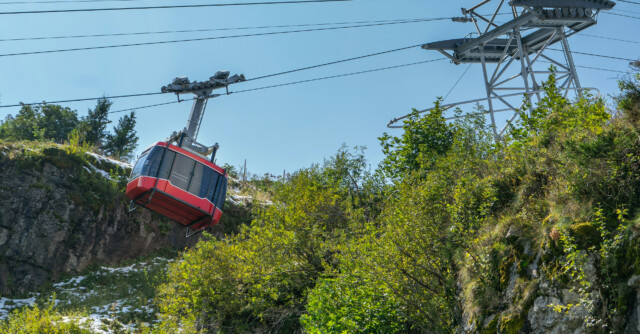
    More and more cities are relying on ropeways to transport visitors and the city’s population. HighStep Systems AG in Dietikon, a company specialising in safe climbing protection systems, makes it possible to work safely at heights and depths. For example, it is involved in the Cable 1 ropeway line currently under construction in the greater Paris area, which is being realised by Doppelmayr/Garaventa in Wolfurt, Austria.

    “The integration of the HighStep rail as a climbing system at Doppelmayr/Graventa in the Cable 1 Paris project sets new standards in the safe and efficient maintenance of ropeways. Thanks to the maintenance-free HighStep rail instead of a fixed ladder and the fact that our system cannot be used by unauthorised persons, we offer a robust and reliable solution – especially in urban areas, where the need for safety and protection is particularly high,” Gregor Wylenzek, Sales Director of HighStep, is quoted as saying.

    HighStep Systems AG was founded in 2007. It develops and markets innovative arrester systems as an alternative to conventional methods such as fixed ladders. This allows workstations at great heights to be reached safely and comfortably, which increases safety and productivity for employees. The HighStep arrester system consists of two components: an aluminium rail as a system carrier and a selectable climbing device, the HighStep Easy and the portable HighStep Lift. The focus is on electricity pylons and now also on cable cars.

    Several thousand installations are in operation worldwide. Customers include the Swiss transmission system operator Swissgrid, the high-voltage grid operators TenneT and 50 Hertz and the Chinese energy company State Grid Corporation of China.

  • Innovation and networking in the Swiss electrical industry

    Innovation and networking in the Swiss electrical industry

    The newly launched ineltec 2024 offers a platform for over 140 exhibitors to showcase their latest products and services in the fields of electrical engineering, building automation, e-mobility and more across 11,000 square metres of exhibition space. The trade fair not only attracts a large number of experts, but also decision-makers from the entire industry who are looking for innovative solutions and sustainable technologies. The topics of e-mobility and smart building technologies are a particular focus, as these areas are expected to undergo decisive developments in the coming years.

    Interactive platforms for professional dialogue
    In addition to the traditional trade fair experience, ineltec reloaded also offers digital access via its content platform ineltec.ch, where exhibitors and visitors can network and gather information in advance. In addition, the two marketplaces with bistros and an interaction zone ensure a lively exchange and offer space for daily events such as innovation pitches and moderated discussions. These formats are designed to provide participants with new ideas and practical knowledge for their day-to-day work.

    Focus on young talent and networking
    Another focus of ineltec 2024 is the promotion of young talent and networking among industry participants. The events, such as the start-up pitches and after-work events, not only provide a platform for new ideas, but also offer valuable networking opportunities. The aim is to build a bridge between established companies and innovative start-ups and at the same time actively involve young talent in the industry.

    Future-oriented discussions and further training
    ineltec 2024 also places a strong focus on further training and discussions on key industry topics such as the integration of AI in building automation and the impact of ESG directives on electrical engineering. By participating in these round tables and presentations, trade visitors will gain valuable insights into the future development of the electrical industry and can thus prepare themselves for the challenges ahead.

    Ineltec 2024 promises to be an unmissable event for all electrical industry professionals, providing not only a showcase for technological innovations, but also a central platform for professional exchange and training.

  • A new vision for the Zurich metropolitan area

    A new vision for the Zurich metropolitan area

    The Metro-ROK 2050 initiative emphasises the need to use settlement areas sensibly and sustainably in order to improve the quality of life and maintain the ecological balance. By focussing on four central areas of action – urban landscape, transitional landscape, cultural landscape and natural landscape – the concept aims to promote balanced development. The protection of green spaces and high-quality internal development play a particularly important role. Environmentally friendly urban planning is to be realised by strictly limiting the expansion of settlements until 2040 and promoting transformation projects in existing buildings that take the circular economy principle into account.

    Innovative technologies and energy efficiency
    Another important aspect of the Metro-ROK 2050 is the integration of advanced technologies and ecological construction methods in order to improve the carbon footprint of the metropolitan area. The concept emphasises the importance of renewable energies and increasing energy efficiency in buildings in order to counteract the challenges of climate change. The avoidance of further soil sealing and the use of green spaces to combat heat in urban centres are also priority measures.

    Sustainable mobility as a key component
    The spatial planning concept also places a strong focus on promoting public transport and sustainable mobility solutions. The goal of increasing the share of public transport by 2050 and promoting environmentally friendly means of transport is crucial for reducing environmental pollution and increasing the quality of life in the region. Short journeys and low-emission means of transport should help to minimise the ecological footprint.

    Cooperation and future-oriented planning
    The Metro-ROK 2050 initiative reflects the commitment of the participating cantons and sets new standards in regional spatial planning. The updated concept, which was unanimously adopted by the Metropolitan Council on 3 November, serves as a trend-setting framework for the sustainable and future-proof development of the entire Zurich metropolitan area. By taking an integrated view of ecological, economic and social factors, the concept endeavours to shape the metropolitan area as a liveable and sustainable place.

  • Canton of Zurich promotes electromobility with over 52,500 parking spaces

    Canton of Zurich promotes electromobility with over 52,500 parking spaces

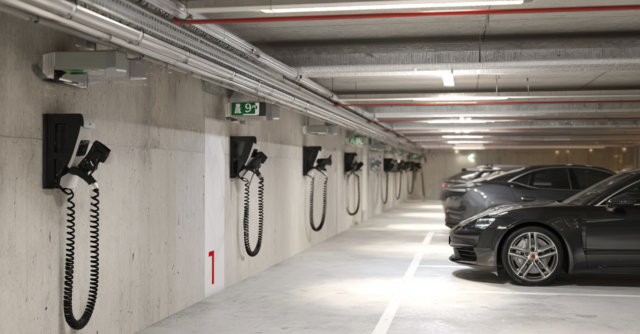
    Since the introduction of the charging infrastructure funding programme, the canton of Zurich has taken decisive steps towards the electrification of transport. The programme, which runs until the end of 2026 and has a funding pot of CHF 50 million, has already secured over CHF 18 million in funding to equip car parks with charging stations. So far, over 52,500 car parks have been equipped for electric vehicles, which is a significant boost for electromobility in the canton.

    Construction Director Martin Neukom is delighted with the great response: “The strong demand for the funding programme confirms our commitment to a sustainable mobility future. The support makes it easier for many people to switch to electric vehicles and helps to reduce dependency on fossil fuels.”

    The programme not only supports private individuals, but also companies and municipalities. Over 800 applications for funding for fleet parking spaces have already been submitted. In addition, more and more municipalities are utilising the funding opportunities to develop their electric mobility concepts. This includes feasibility studies and location analyses for public charging infrastructure. Some municipalities have already expressed an interest in installing public charging stations in blue zones.

    Carmen Walker Späh, Director of Economic Affairs, emphasises the ecological benefits: “Our funding programme makes a significant contribution to reducing environmental pollution and increasing energy efficiency in the canton. As the transport sector is responsible for around 40 per cent of greenhouse gas emissions in Zurich, this is an important step towards climate-neutral mobility.”

    In view of the high demand, the funding pot could potentially be exhausted before the planned end of 2026. The canton plans to continue to monitor developments closely and provide regular updates on the status of the programme. A detailed presentation of the programme’s results and progress is planned for the second half of 2024.

  • Growth 2050″ project of the Canton of Zurich

    Growth 2050″ project of the Canton of Zurich

    In view of the forecasts predicting growth of 450,000 people in the canton of Zurich by 2050, the canton’s high level of attractiveness and quality of location are obvious. The coming years will be characterised by the challenge of shaping and sensibly managing growth, which is why this is a focus of government policy for 2023-2027. The “Growth 2050” project is being coordinated by the Department of Construction and aims to identify the strategic challenges and develop a consolidated cantonal objective. All policy areas are affected, which is why interdisciplinary cooperation is planned at cross-directorate level as well as with municipalities, regions and other stakeholders. The project report and implementation agenda should be available by spring 2027 to ensure sustainable planning and implementation.

  • Milestone at Basel railway station

    Milestone at Basel railway station

    Basel SBB railway station is facing a problem. It is reaching the limits of its capacity. The increasing number of trains and travellers, especially at peak times, requires urgent measures to avoid bottlenecks.

    From December 2025, it is planned that the S-Bahn trains between Basel and Liestal will run every quarter of an hour. This ambitious goal requires considerable investment in the railway facilities between Basel and Liestal, which the federal government is financing to the tune of around CHF 1 billion. SBB is responsible for realising these projects on behalf of the federal government, while the federal government and the cantons are jointly ordering and financing the additional S-Bahn connections.

    Most of the investments are included in the 2025 expansion phase, which is part of the “Financing and expansion of the railway infrastructure” (FABI) bill that was approved by the Swiss electorate in February 2014. These expansions not only enable the quarter-hourly S-Bahn service between Basel and Liestal, but also lay the foundation for further improvements in passenger and freight transport.

    Two main measures are required to create the capacity for the planned quarter-hourly service and the extended timetable.

    Additional stops for trains: The planned quarter-hourly frequency will increase the number of trains at Basel SBB station. Additional stopping points and platform edges are therefore required to ensure smooth operations. This is the main objective of the “Basel SBB performance enhancement” project.

    Additional crossing options for travellers: The increasing number of trains leads to more travellers and thus to higher utilisation of the Passerelle at Basel SBB station. In order to cope with this increase, the creation of additional crossing facilities is urgently required. The “Provisional Passerelle” project aims to realise this increase in capacity quickly until further crossings, such as the Margarethen platform access, can be built.

    The temporary pedestrian crossing is a temporary solution until long-term measures can be implemented. The planning and construction of further crossings are planned for the 2035 expansion phase and will also be financed by the federal government.

  • The through station at LUGA 2024

    The through station at LUGA 2024

    The Lucerne through station is the focus of this year’s Luga, the Central Switzerland Spring Fair, which takes place from 26 April to 5 May 2024. The project of the century will be brought to life in three dimensions over an area of around 800 square metres. Visitors will have the unique opportunity to learn about the project in an interactive and playful way and experience its enormous benefits for the entire region.

    Government President Fabian Peter emphasises the importance of the special exhibition: “By presenting the Lucerne through station at Luga, we are giving the people of Central Switzerland the opportunity to experience the project up close and understand the added value it will bring to our region.”

    The special exhibition will not only take place in Hall 1, but can also be experienced on the exhibition forecourt. There, the focus will be on public transport, with various activities under the motto “experience, try out and join in”. Lucerne’s through station is more than just a railway station; it is a crucial building block for a denser public transport network throughout Central Switzerland.

    Over 100,000 people board, alight or change trains at Lucerne station every day. However, the capacity limit has been reached and additional connections are no longer possible. The Lucerne through station paves the way for the further development of sustainable mobility and enables a forward-looking design of the public transport network.

    The special exhibition on the Lucerne through station is a joint initiative of the Canton of Lucerne and the Lucerne Transport Association (VVL), supported by the City of Lucerne, the Central Switzerland Public Transport Conference and other partners.

  • Juice equips charging station with payment terminal from Wallee

    Juice equips charging station with payment terminal from Wallee

    Juice Technology AG and the Wallee Group AG in Winterthur want to simplify the charging of electric cars. To this end, the Bachenbülach-based manufacturer of charging stations and software is equipping its Juice Charger me 3 charging station with the payment terminal from the Winterthur-based payment service provider. In future, users will be able to pay with credit and debit cards as well as contactless with Apple Pay, Google Pay or Twint thanks to the Wallee terminal. This should make other charging cards superfluous and lead to fairer tariffs, as fewer parties are involved in the earnings, according to a press release.

    “As a partner that, like Juice, comes from the canton of Zurich, we offer the perfect complement for Juice charging stations,” said Sascha Krüsi, CXO and co-founder of Wallee, in the press release. Christoph Erni, CEO and founder of Juice, sees the future of e-mobility in the combination of innovative technology and trustworthy payment services.

    The charging station can also be used by commercial providers. For example, restaurants, hotels, retailers or companies with company car parks could become providers of the stations. The Juice and Wallee system is already in use in Laax GR and the Riedmatt Centre in Rümlang ZH.

    The Juice Charger me 3 is compatible with all e-cars.

  • Lucerne wants to be free of fossil fuels by 2035

    Lucerne wants to be free of fossil fuels by 2035

    The city administration of Lucerne wants to free itself from fossil fuel consumption by 2035. According to a press release from the city, the first step is to replace around 200 service vehicles from petrol and diesel with electric drives by 2030. By the target year of 2035, the heating systems and hot water supplies in the city’s 150 or so properties are also to be converted from oil or gas firing to renewable systems such as heat pumps. Photovoltaic systems are to generate electricity on the roofs of these buildings. This could cover 35 to 40 per cent of the city’s current demand.

    In a recent report, the administration was already able to point to 65 converted properties in the conversion of heating systems that began five years ago. The aim of the heating system conversion is to emit a total of 3300 tonnes less CO2 from 2035. The costs of the conversion are estimated at around CHF 60 million.

    “We are not only calling on other property owners to take action, we are also getting involved ourselves,” Katja Dürst, Head of the Environmental Protection Department, is quoted as saying in the press release.

  • Clara Millard Dereudre proposed as new member of the SBB Board of Directors

    Clara Millard Dereudre proposed as new member of the SBB Board of Directors

    Clara Millard Dereudre has been Director of Smart City at Service Industriels de Genève (SIG) and a member of the General Management since 2021. Her team works on engineering projects, shared services and solutions for smart cities. She is also responsible for IT and data management at SIG.

    Clara Millard Dereudre (52) has excellent knowledge and experience in the areas of operational and strategic marketing, sustainability strategy, innovation, digitalisation, cybersecurity and energy. She is French and has lived in Switzerland for 18 years, currently in Prangins (VD).

    After graduating from the École des hautes études commerciales du Nord Lille (EDHEC, FR) in 1994, Clara Millard Dereudre worked for the Dow Chemical Company for 25 years, including in Zurich as Global Senior Director Marketing, Strategy & Sustainability and in Indianapolis, USA, as Global Director Corporate Strategy and North America Director Sales & Marketing Operations. During her last position at Dow Chemical, she was appointed Senior Corporate Marketing Fellow and received several awards for innovation and sustainability.

    The Federal Council today approved the SBB Board of Directors’ nomination. Clara Millard Dereudre will be elected at the SBB Annual General Meeting on 24 April 2024 and will take office upon her election.

    She succeeds Alexandra Post, who has been a member of the SBB Board of Directors since 2012 and cannot stand for re-election due to the twelve-year term limit.

    The SBB Board of Directors would like to thank Alexandra Post for her great commitment and valuable collaboration over the past few years.

  • Overall transport concept for Baden and the surrounding area

    Overall transport concept for Baden and the surrounding area

    Im Rahmen des ambitionierten Gesamtverkehrskonzepts für den Raum Baden haben zehn beteiligte Gemeinden einen entscheidenden Schritt vollzogen. Diese Ziele, ausgerichtet bis zum Jahr 2040, zielen darauf ab, die Mobilität im Raum Baden effizienter, umweltschonender und zukunftsfähiger zu gestalten. Zu den Kernpunkten gehören die Förderung einer flächensparenden Mobilität, die Schaffung attraktiver Bedingungen für den Arbeits- und Bildungsverkehr und die Sicherstellung einer stabilen Erreichbarkeit für den Autoverkehr. Die Planungen unterstützen zudem eine Siedlungsentwicklung in gut mit dem öffentlichen Verkehr erschlossenen Gebieten.

    Ein besonderes Augenmerk gilt dem Transit-Schwerverkehr, für welchen spezifische Erfolgskriterien hinzugefügt wurden, um die Siedlungsgebiete zu schonen. Dies folgt einem Antrag der Gemeinde Obersiggenthal, der eine Zunahme des Transitschwerverkehrs verhindern möchte.

    Mit dem Abschluss der ersten beiden Planungsschritte hat die Behördendelegation eine solide Grundlage für die nachfolgenden Fachplanungen geschaffen. Abschließend ist es das Ziel des Kantons Aargau, in Kooperation mit den lokalen Akteuren, ein vorausschauendes und integriertes Mobilitätsangebot zu entwickeln. Die Ergebnisse der GVK-Planung sollen bis 2025 in den kantonalen Richtplan aufgenommen werden, um die Weichen für zukünftige Mobilitätsbedürfnisse rechtzeitig zu stellen.

  • Switzerland discusses underground freight transport

    Switzerland discusses underground freight transport

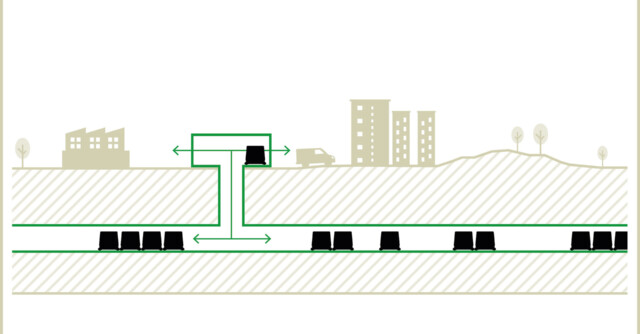
    Cargo sous terrain AG has presented an ambitious project: the construction of an underground tunnel system for the transport of goods, financed and operated by private actors. After the Federal Act on Underground Freight Transport came into force on 1 August 2022, the legal basis for such an undertaking was created. The Sectoral Transport Plan, a spatial planning instrument, has now set the planning course for the first section from Härkingen to Zurich with the Underground Freight Transport sub-project.

    The SUG includes the planned route and the basic parameters of the distribution centres, the locations of which are to be specified in the structure plans of the cantons of Bern, Solothurn, Aargau and Zurich involved. Consultation with the cantons has been initiated in order to harmonise regional interests and spatial planning aspects. From March, this process will continue with the participation of municipalities and the population in order to gather a broad spectrum of perspectives and concerns.

    Once the consultations have been completed and all comments have been taken into account, the SUG will be finalised and submitted to the Federal Council for a decision. This process demonstrates Switzerland’s commitment to innovative transport solutions that support sustainable spatial and environmental development while increasing the efficiency of freight transport in an increasingly networked economy.

  • From industrial site to ecological tourism magnet

    From industrial site to ecological tourism magnet

    An innovative spirit characterises the project on the Isen, where the vision of a harmonious combination of tourism development and ecological enhancement is taking shape. Since the first presentation of the project by Isen AG in April 2022, key aspects such as the revitalisation of the Isentalerbach stream and its delta and the redesign of the lakeshore have been integrated into the planning based on feedback from the local population and expert advice. The relocation of the cantonal road was also incorporated into the optimised project idea.

    The latest developments, which highlight the ecological and infrastructural aspects of the project, were presented to the cantonal government and the municipal councils of Seedorf and Isenthal and were well received. The project managers are now working on the final details in order to finalise the process by mid-March 2024.

    The canton of Uri sees the project not only as a tourism benefit, but also as an opportunity to establish the region as an attractive recreational area. Significant positive effects on the local economy are expected, which is underpinned by a study commissioned by the canton on the economic potential of the project.

    The municipalities of Seedorf and Isenthal see the tourism project as an opportunity for the reorganisation of the Isleten region and are facing up to the challenges ahead in terms of traffic management, tourism impact and infrastructure requirements.

    The revised project idea will be presented to the public at the end of March 2024 as part of a comprehensive media conference and a tour of the site, followed by an online publication of the project details.

  • Corentin Fivet becomes the new head of the Smart Living Labs

    Corentin Fivet becomes the new head of the Smart Living Labs

    Corentin Fivet will take over as head of the Smart Living Lab at the Fribourg branch of the Swiss Federal Institute of Technology Lausanne(EPFL) in spring. He has been a professor at EPFL since 2016 and, according to a press release, has developed pioneering methods for the reuse of concrete slabs, walls and beams made of wood or steel. The Smart Living Lab celebrates its tenth anniversary in 2024.

    When Fivet took up an assistant professorship at the EPFL in Fribourg, his field of research was still in its infancy, according to the press release. “It was easy to review the literature, as hardly anything had been published,” he is quoted as saying. At that time, the reuse of load-bearing structures was not as widespread as it is today. And the Smart Living Lab itself was also in its early stages. The Smart Living Lab is a joint initiative of three Swiss universities – EPFL, the School of Engineering and Architecture Fribourg(HEIA-FR) and the University of Fribourg.

    “We now have around a dozen research groups that have achieved numerous successes – including some that have been recognised internationally. My appointment as academic director of the centre marks the beginning of the next phase,” Fivet is quoted as saying.

    Fivet will take over as Academic Director of the Smart Living Lab on 1 April 2024 and will work alongside Martin Gonzenbach, who will continue as Operational Director. Fivet will continue to pursue the Smart Living Lab’s goal of serving as a catalyst for sustainability and well-being in the built environment, according to the press release. One of its first goals will be to expand the centre’s training courses for architects, civil engineers, construction managers and property managers.

  • Verkehrs- und Siedlungskonzept für 2025 Seeland Biel

    Verkehrs- und Siedlungskonzept für 2025 Seeland Biel

    Die Region seeland.biel/bienne arbeitet derzeit an der Aktualisierung des Regionalen Gesamtverkehrs- und Siedlungskonzepts 2025 (RGSK 2025) sowie des Agglomerationsprogramms der 5. Generation (AP5). Diese beiden Planungsinstrumente zielen darauf ab, die Siedlungs-, Landschafts- und Verkehrsplanung in der Region harmonisch aufeinander abzustimmen und stehen bis zum 11. März 2024 zur öffentlichen Mitwirkung offen.

    Die Koordination dieser Planungen über Gemeindegrenzen hinweg ist für die Region seeland.biel/bienne eine zentrale Aufgabe. Das RGSK und das AP verfolgen das gemeinsame Ziel, eine nachhaltige Entwicklung zu fördern, die sowohl den Bedürfnissen der Bevölkerung und der Wirtschaft entspricht als auch sorgsam mit dem knappen Boden umgeht und dabei die Umwelt schützt. Dies geschieht vor dem Hintergrund eines wachsenden Bevölkerungszuwachses und steigender Mobilitätsbedürfnisse.

    Das RGSK legt als regionaler Richtplan verbindliche Vorgaben für die Ortsplanungen der Gemeinden fest und fokussiert auf die räumliche und verkehrliche Entwicklung. Das AP schafft die Grundlage für die Mitfinanzierung von Verkehrsprojekten durch den Bund, wobei bereits frühere Generationen des Programms Bundesbeiträge in Millionenhöhe auslösten.

    Das RGSK 2025 wird in zwei Etappen überarbeitet, wobei die erste Etappe bis 2025 die Entwicklung eines neuen Zukunftsbildes für verschiedene Teilräume, die Überprüfung von Vorranggebieten für Siedlungserweiterungen und die Aktualisierung von Maßnahmen umfasst.

    Das AP5 setzt seinen Schwerpunkt auf die Entwicklung von öffentlichen Verkehrsmitteln, Freiräumen und Klimaschutz. Es integriert langfristige Ziele und Strategien, einschließlich des Klimawandels, und stärkt die Siedlungsentwicklung von innen.

    Bis zum 11. März 2024 haben Gemeinden, Verbände, Organisationen und alle Interessierten die Möglichkeit, sich zu beiden Programmen zu äußern. Nach einer Vorprüfung durch den Kanton im Mai 2024 werden RGSK und AP im Frühjahr 2025 der Mitgliederversammlung von seeland.biel/bienne zur Verabschiedung vorgelegt.

  • Changes to the Board of Directors and Group Management

    Changes to the Board of Directors and Group Management

    In addition, Adam Keswick will not stand for re-election as a member of the Board of Directors. The decision is based on his assessment that he is currently unable to adequately fulfil his obligations to Schindler due to time overlaps with Jardine Matheson’s Board meetings. All other members of the Board of Directors will stand for re-election at the Annual General Meeting on 19 March 2024. The Board of Directors has decided to postpone the age limit for Alfred N. Schindler and Luc Bonnard in accordance with the exception clause in the Executive Board regulations.

    Assuming his re-election, Tobias B. Staehelin will succeed Erich Ammann as a new member of the Supervisory and Strategy Committee.

    The Board of Directors has appointed Hugo Martinho (1971) to succeed Tobias B. Staehelin as a member of the Executive Board, responsible for Human Resources, with effect from 1 April 2024. Hugo Martinho has worked for Schindler since 2003 in various positions in Europe and Asia. He has been Head of Human Resources Europe North since 2022. Hugo Martinho holds a degree in law from the University of Coimbra, Portugal.

  • Zurich Airport has exceeded the canton’s requirements

    Zurich Airport has exceeded the canton’s requirements

    The Zurich cantonal government presented its airport report on 7 December. According to the report, Zurich Airport met the economic and transport requirements in 2022. At CHF 1,024 million, total revenue exceeded CHF 1 billion for the first time since coronavirus, an increase of 50.5 per cent. Costs rose by only 22.9 per cent to CHF 468 million. Profit amounted to 138 million francs, an increase of 149.3 per cent.

    Passenger numbers continued to recover to 23 million, with the government expecting 28 million travellers by 2023. The airport is also doing well in terms of quality: it is ranked 7th globally in terms of accessibility and 8th in terms of quality. According to the presentation by the cantonal government, the number of people affected by aircraft noise fell below the target value of 47,000 at around 43,400. The airport also remained well below 320,000 aircraft movements with 216,000 – 10,000 of which were at night.

    However, the complexity of flight operations remains high, emphasises the government council. Extending the runways, which will be put to the vote in the spring, will reduce the number of intersections in the air and on the ground. This will increase the safety margin, according to a press release on the airport report.

    The cantonal government emphasises the importance of the airport for the location. It is crucial for Switzerland’s international accessibility, an important employer and an economic driver for the canton and Switzerland as a whole.

  • Austrian Hasslacher Group relies on urb-x

    Austrian Hasslacher Group relies on urb-x

    The internationally active Hasslacher Group from Sachsenburg in Carinthia is taking a stake in urb-x. The young company from Basel-Landschaft develops innovative cycle paths that are assembled from lightweight wooden elements. “With its cycle highways, urb-x offers a real revolution in urban cycling,” Christoph Kulterer, CEO and owner of the Hasslacher Group, is quoted as saying in a corresponding statement by the Austrian timber construction company. “The renewable raw material wood is also a central element in the mission of our two companies, through which we create innovative products and solutions for the challenges of modern cities

    The urb-x cycle lanes are made of prefabricated wooden hollow box elements mounted on steel supports. The anti-slip coated lanes can also be used by ambulances and street cleaning machines. In addition, the paths are equipped with heating elements, sensors and control computers. The energy needed to operate them is supplied by solar panels on the side borders.

    “We are very pleased to have gained a partner with leading production expertise and a clear strategic vision in the Hasslacher Group,” Klaus Kirchmayr, CEO of urb-x, is quoted as saying in the statement. “Our focus is now on making our product known throughout Europe for the first projects.”

  • Implenia wins two building construction projects in Germany

    Implenia wins two building construction projects in Germany

    Implenia has landed two major building construction projects in Germany, the Opfikon-based construction and real estate company announced in a press release. Implenia will be realising two further sections of the BERLIN DECKS city campus in Berlin-Moabit in cooperation with Dressler Bau GmbH. In Essen, developer TÜV NORD Immobilien GmbH & Ko. KG has commissioned Implenia to construct an office building in Essen. The volume of the contracts for Implenia is estimated at EUR 100 million.

    BEOS AG is realising a research and media quarter in Berlin. Implenia has already been awarded the contract for the first two construction phases. According to Implenia, sustainability plays a major role in the realisation of the project. Among other things, the company uses Lean Construction to optimise the construction process and use of resources.

    “We would like to thank BEOS for the long-standing partnership and the new contract,” Matthias Jacob, Country President Germany at Implenia, is quoted as saying in the press release. “The trusting cooperation is characterised by a shared entrepreneurial spirit and the commitment to continue to drive forward and successfully realise a demanding and forward-looking project such as the BERLIN DECKS, even in challenging times.”

    The office building with adjoining workshop and high-rise car park in Essen will be realised as part of the further development of the Technologiepark Nord in Essen-Frillendorf. Implenia is also focusing on sustainability here. The buildings will be designed for energy efficiency and connected to a district heating network. Photovoltaic systems will be installed on the roofs.

  • Zurich cantonal parliament approves runway extension

    Zurich cantonal parliament approves runway extension

    Flughafen Zürich AG wants to extend Runway 28 by 400 metres to the west and Runway 32 by 280 metres to the north. With this project, the airport wants to implement the conclusions of the 2012 safety review of Zurich Airport(SÜFZ) by the Federal Office of Civil Aviation. The extension of the runways is intended to increase the stability of air traffic in all weather conditions and for all types of aircraft.

    According to a press release, the Zurich Cantonal Council approved the extension on 28 August with a narrow majority of 87 to 83 votes, with two abstentions. The SVP, FDP, Mitte and EVP voted in favour of the proposal, while the other parties rejected it.

    Zurich Airport is pleased with the decision, as it writes in a statement. The longer runways would increase braking distances and reduce crossing points on the ground and in the air. More stable operations would reduce the number of delays as well as those affected by aircraft noise. “There are no alternative measures in flight operations that would bring the same improvements in terms of safety and reduction of delays,” the statement says. The number of flight movements, on the other hand, would remain the same.

    The Zurich Chamber of Commerce(ZHK) also welcomes the decision of the cantonal council. “Zurich Airport is of great economic importance for the greater Zurich area and for the entire country,” it writes in a statement. “To ensure Zurich’s international connectivity with the world in the long term, the airport must be able to adapt to changing circumstances.” ZHK Director Regine Sauter had already campaigned in advance for approval by the cantonal parliament. “The runway extensions bring multiple benefits: Residents benefit from more peace and quiet at night, and Zurich as a business location can count on a punctual airport and reliable connections to the world in the long term,” she is now quoted as saying in the ZHK release.

    The cantonal council’s decision is subject to an optional referendum, so the electorate is likely to have the final say. Only then can the airport submit an application for planning permission to the federal government.

  • Canton and city want to open up future development focal points

    Canton and city want to open up future development focal points

    In addition to short- and medium-term measures such as a new bus concept in Zurich North and the Affoltern tram, longer-term service expansions are also planned for public transport in the canton and city of Zurich. Part of this expansion is a project that was presented in more detail today by Zurich Cantonal Councillor and Director of Economic Affairs Carmen Walker Späh and Councillor Michael Baumer, Head of the Department of Industrial Operations: the North Tram Tangent from Zurich Affoltern via Oerlikon to Stettbach.

    Public transport ring system with new tangential connection

    The project is an integral part of the ZVV strategy 2025-2029 as well as the VBZ network development strategy based on the “Public Transport Vision 2050”, which among other things envisages a public transport ring system with a new tangential connection from Affoltern via Oerlikon to Stettbach. “Zurich North has enormous potential and radiates far beyond the city limits into the canton,” says Councillor and ZVV Transport Council President Carmen Walker Späh. “It therefore makes sense, after the Affoltern tram, to examine the northern tram tangent more closely”. This is all the more true as the Tramtangente Nord is also to use part of the tracks of the Affoltern tram, which is to be built from 2026.

    The role and task of public transport in the canton and city of Zurich are demanding: it should ensure large traffic flows on as climate-neutral a basis as possible and thus continue to be the backbone of modern, climate-friendly and efficient mobility in the future. Already today, a large part of transport is handled by public transport – in the canton one third, in the city about 40 %. With a view to climate protection measures and on the basis of the cantonal and urban strategies, these shares should be further increased.

    Councillor Michael Baumer sums up the strategy: “Only with short travel times, punctuality and a dense network can we remain attractive. The planned ring system with the tram tangent north as a first step brings public transport in the city decisively further”. In order to absorb the population growth in the neighbourhoods of Zurich North, a targeted expansion of the tram and bus network is necessary.

    The expansion of public transport is one of the foundations of the spatial development strategy of the city of Zurich to promote the centres in the north and west of the city. The project is now being tackled quickly with the aim of being able to submit the project to the federal government for co-financing as part of the 6th generation agglomeration programmes. The federal government requires a completed preliminary project for each of the major light rail projects. This summer, as part of the ZVV strategy 2025-2029, the cantonal government of Zurich decided to give the green light for initial clarifications and to create the basis for a corresponding project credit. The next steps in this project are now being taken by the city of Zurich with a potential and feasibility study.

  • Switzerland Innovation Park East offers jobs for travellers

    Switzerland Innovation Park East offers jobs for travellers

    In a pilot project, SBB and the Switzerland Innovation Park Ost are providing commuters with specially equipped workstations at St.Gallen station, according to a media release. Eight tables were built for this purpose by Agosti Meier AG from Waldkirch SG and equipped with electrical systems and wireless internet. Since 14 August, they have offered travellers the opportunity to creatively bridge waiting times.

    They meet “a great customer need” for work at the station as well, Michael Disch of SBB’s real estate management is quoted as saying. “With this initiative, we are turning St.Gallen station into a productive workplace.” In addition to the existing co-working spaces on the Innovation Park Ost campus in the west of the city, the spaces set up in the St.Gallen station concourse now also represent an opportunity for exchange and networking.

    The project is initially planned for three months. It is intended to provide food for thought for other similar projects. “Because with work and new ideas, it’s like travelling – if you never start, you can’t get anywhere,” Peter Frischknecht, Head of Campus at Switzerland Innovation Park East, is quoted as saying.

  • Implenia is leading the construction of the Ligerz Tunnel

    Implenia is leading the construction of the Ligerz Tunnel

    The IBD consortium has been awarded the contract by SBB to build the Ligerz tunnel, Implenia announced in a press release. The construction and real estate company from Opfikon is the leader of the IBD consortium. In addition to Implenia, the consortium includes the construction companies Bernasconi from Luterbach SO and De Luca from Biel BE.

    The contract includes the construction of a 2.1-kilometre-long double-track tunnel with four escape tunnels and a 114-metre-long viaduct for the N5 motorway exit, as well as various additional structures. The contract is worth a total of 220 million Swiss francs. Around CHF 150 million of this is Implenia’s share.

    The contract is Lot 2 of the Ligerz-Twann double-track extension, which is intended to eliminate the rail bottleneck on the Jura river line between Lausanne and Biel. The Zurich-based construction and real estate company is deploying its experts from the fields of civil, tunnelling, special civil engineering, structural engineering, railway engineering and maritime work for the project. “We are looking forward to executing this large and complex railway infrastructure project together with our ARGE partners and to once again demonstrating our many years of experience and expertise in this field,” Christian Späth, Head Division Civil Engineering at Implenia, is quoted as saying in the press release. The location of the tunnel in protected areas is described there as a major challenge for implementation.

  • One app brings all means of transport together

    One app brings all means of transport together

    MixMyRide wants to promote alternatives to the privately used car and therefore networks all means of transport with a mobility app. Until now, trams, bicycles and carpooling had to be booked separately. With the help of data on public transport, dynamic data on carpooling and bikesharing, and intelligent algorithms, mobility demand and supply are now to be coordinated. The app was developed by a Switzerland-wide consortium consisting of institutes from the ZHAW School of Engineering and the Scuola universitaria professionale della Svizzera italiana (SUPSI). The WinLab of the city of Winterthur, the mobility service provider BePooler, the transport consultant Citec and the Lugano Living Lab were also involved in the development.

    Combining modes of transport optimally
    The mobility app primarily serves as a journey planning system based on artificial intelligence algorithms developed in-house. The app shows different means of transport for the desired trip by determining optimal combinations of route segments based on the available mobility services, which include walking and cycling routes – either by private bike or bikesharing – as well as e-scooters. In addition, once a ride has been found, MixMyRide also enables the booking and organisation of the ride by mediating between people looking for or offering a ride.

    Testing effectiveness in real life
    The app is available until February 2024 and covers the regions of Lugano, Geneva and Winterthur/Zurich. It is now being tested for a year. The ZHAW researchers have supported the development of the app in terms of design and functionality and are the local contact for the test phase in the Winterthur/Zurich region. They are also leading the evaluation, including conducting and analysing surveys. “The test phase enables us to evaluate the potential for behavioural change through MixMyRide and to estimate any effects on overall energy consumption and CO2 emissions,” explains Uros Tomic from the ZHAW Institute for Sustainable Development.

    Testers wanted for MixMyRide
    Anyone interested can download and test the MixMyRide app from the iOS App Store or the Android Play Store at any time. If volunteer app users also take part in the surveys and any group interviews, they will help to understand the impact of the app on mobility behaviour and may be entered into prize draws.

    Further information: mixmyride.com/en

  • Major project MehrSpur Zurich-Winterthur goes on public display

    Major project MehrSpur Zurich-Winterthur goes on public display

    On behalf of the federal government, SBB is planning a new double track through the Brüttener tunnel, the expansion of the Dietlikon, Bassersdorf, Wallisellen and Winterthur Töss stations as well as other construction measures on the railway infrastructure between Zurich and Winterthur. The planned infrastructure upgrades of the major Zurich-Winterthur MehrSpur project will eliminate the current bottleneck in the railway network. Thanks to the second double track through the Brüttener Tunnel, two long-distance lines will run every quarter of an hour between Zurich and Winterthur in future. On Zurich’s S-Bahn network, the quarter-hourly service will become the basic service.

    The project will be open to the public in the municipalities concerned from 30 May to 28 June 2023. The documents can be viewed during the official opening hours of the municipal administrations. During the public display, SBB project managers will be on site at certain times to answer questions from residents in the project perimeter. Information and registration for the event on the SBB website “MehrSpur Zürich-Winterthur”.

    Expansion enables 30 percent more capacity
    The expansion of the Zurich-Winterthur railway line includes the following projects:

    • Around nine-kilometre-long Brüttener tunnel between Dietlikon / Bassersdorf and Winterthur
    • Expansion of the four stations Dietlikon, Bassersdorf, Wallisellen, Winterthur Töss
    • Construction of two bridges and two short tunnels. These structures will connect the new tracks to the existing railway network and unbundle traffic: Trains can cross each other without obstructing oncoming traffic.
    • The project also includes the planning and realisation of projects by the Canton of Zurich (bicycle connections), cities and municipalities, as well as investments by the federal government for the maintenance of the railway infrastructure.

    With the large-scale project MehrSpur Zurich-Winterthur, the railway capacity between Zurich and Winterthur will be expanded by 30 percent: Every day, 900 trains will be able to transport around 156,000 passengers. This will make travelling faster, easier and more comfortable.

    Around ten years construction time
    If the project proceeds without appeal proceedings, from today’s perspective, construction can start in the mid-2020s and the service can go into operation in the mid-2030s. SBB will be able to draw up a definitive construction programme as soon as it has received the legally binding construction permit from the federal government and the construction work has been awarded.

    Largest project in the federal government’s 2035 expansion plan
    The costs for the planned extensions between Zurich and Winterthur amount to around 2.9 billion Swiss francs. This makes MehrSpur Zurich-Winterthur the largest project in the federal government’s 2035 expansion stage. Financing is provided by the federal government’s railway infrastructure fund, which is fed by contributions from the federal government and the cantons, among others.