Im Zentrum dieser bahnbrechenden Forschung steht die Verbindung von Thermodynamik und Quantenmechanik, um durch Nanotechnologie effiziente Energiesysteme zu entwickeln. Der Wissenschaftler, der sich dieser Herausforderung stellt, ist bereits seit zwölf Jahren im Bereich der Quantenelektronik tätig und hat seinen Fokus auf die Umwandlung von Abwärme in elektrische Energie gerichtet. Seine Arbeit mit Graphen-Nanobändern, einem Material aus einer einzelnen Schicht von Kohlenstoffatomen, verspricht neue Wege in der Energiegewinnung.
Die Qualität seiner Forschung wurde bereits mit prestigeträchtigen Auszeichnungen wie dem ERC Starting Grant und einem Eccellenza-Professorenstipendium des Schweizerischen Nationalfonds gewürdigt. Der Forscher, der sowohl eine Forschungsgruppe an der Empa leitet als auch Assistenzprofessor für Quantenelektronik an der ETH Zürich ist, hat seine akademische Laufbahn an der TU Delft begonnen und sich stets für konkrete Anwendungen der Physik interessiert.
In seinem Labor an der Empa erforscht er die Anwendung von Graphen-Nanobändern, die an der Empa unter der Leitung von Roman Fasel hergestellt werden. Die spezifischen physikalischen Eigenschaften dieser Bänder sind entscheidend für ihre Nutzbarkeit in einer Reihe von Quantentechnologien. Eine bedeutende Entdeckung seiner Gruppe war, dass die Quanteneffekte dieser Bänder auch bei -23°C noch weitgehend erhalten bleiben, was die Möglichkeit ihrer nwendung bei Raumtemperatur in Aussicht stellt.
Die Technologie, an der der Wissenschaftler arbeitet, befindet sich noch in der Entwicklungsphase, und die Herausforderungen in der Nanofabrikation sind gewaltig. Trotzdem ist sein Ziel, die fundamentalen Grundlagen für die Anwendung dieser fortschrittlichen Technologie zu schaffen und damit ihren praktischen Einsatz in der Zukunft zu ermöglichen. Seine Forschung könnte letztendlich dazu beitragen, den Stromverbrauch elektronischer Geräte zu reduzieren und einen wesentlichen Beitrag zur Energieeffizienz zu leisten.
Holcim’s Ecocycle technology has been named a “beacon of the circular economy in the built environment”, according to a press release. This was announced as part of a joint initiative by the consulting firm McKinsey & Company and the World Economic Forum at its annual meeting in Davos. The award recognises pioneering solutions that demonstrate a novel, unique approach to the circular economy, proven and substantial impact of high value, and significant scale and maturity.
Holcim already operates over 100 of its Ecocycle recycling centres. According to their own figures, they recycled almost 7 million tonnes of construction waste into new building solutions in 2022. This corresponds to over 1,000 lorry loads per day. This network is to be expanded to 150 locations by 2030. In Europe alone, the Group plans to recycle over 20 million tonnes of construction waste. Ecocycle makes it possible for concrete, cement and aggregates to contain between 10 and 100 per cent recycled demolition materials without compromising on performance.
“With our advanced recycling of demolition materials, we can already reduce the carbon footprint of cement by up to 40 per cent,” Holcim’s Head of Sustainability Nollaig Forrest is quoted as saying. “This is just the beginning. With our innovations and partnerships along the entire value chain to further develop building standards, we want to accelerate the transition to circular construction in all the urban centres in which we operate.”
Four architectural firms from the Thun region, all with a renowned reputation for architectural excellence, were invited to participate in this prestigious project. Each of these firms collaborated with a landscape architecture firm to provide a comprehensive and holistic vision for the site. Of note was the participation of the “up-and-coming” firm akkurat bauatelier GmbH, which emphasised the diversity and breadth of the competition.
The designs submitted were characterised by their creative and diverse approaches, which contributed significantly to the decision-making process. After careful consideration, the committee selected the project by brügger architekten AG & extra Landschaftsarchitekten AG as the winner. The winning design impresses with its well thought-out integration into the existing landscape, its high-quality residential design and its visionary interpretation of the future development of Steffisburg.
A particular focus of this study commission was the seamless and meaningful integration of the new building project into the existing surroundings. The challenge was to harmonise the transition between the open landscape of the floodplain and the densely populated Steffisburg. The winning project masterfully manages to achieve this balance while offering high-quality living space.
It is important to emphasise that the result of this study commission not only sets the direction for this particular project, but also serves as a source of inspiration for future construction projects in the region.
The effects of the global pandemic are still being felt years later and have led us into a new reality. This requires property investors to re-evaluate their strategies in order to position themselves in a balanced way while remaining disciplined and flexible in responding to changing market conditions.
The pandemic led to unprecedented, globally synchronised economic shutdowns, followed by a rapid restart. This resulted in a return of inflation, labour market bottlenecks and rising interest rates. At the same time, geopolitical upheavals, including conflicts in oil regions and the emergence of national industrial and environmental policies, are reshaping the global landscape.
Against this backdrop, property investors should expect subdued growth in the USA, moderate growth in Europe and an adjustment to a new economic normal in China in 2024. These developments favour a focus on quality stocks, including in the technology sector, and a cautious stance towards government bonds as central banks are expected to start cutting interest rates.
Political developments will also play an important role and could harbour both opportunities and risks for the global markets. Investors should therefore be prepared to adjust their market strategies accordingly and consider capital protection strategies.
The next decade will be characterised by the ongoing development of artificial intelligence, a changing Chinese economy, the energy transition and persistently high levels of debt. These factors will have a far-reaching impact and offer investors new opportunities, particularly in sectors that benefit from technological innovation.
In this new world, it is more important than ever for investors to have a clear plan, invest in a balanced way and remain flexible. Lessons from the past emphasise the value of diversification and the importance of patience and adaptability in an ever-changing environment.
ABB and the European Investment Bank(EIB) have signed a financing agreement for a loan totalling 500 million euros, ABB announced in a press release. The Zurich-based technology company intends to use the funds to develop semiconductor-based circuit breakers, environmentally friendly switchgear and technologies to improve efficiency and automation in buildings. The funds will be channelled into corresponding research by ABB in Switzerland, Germany, Italy, the Czech Republic, Finland, Norway, Poland and other European countries.
“Electrification is crucial in the fight against climate change,” EIB Vice-President Ambroise Fayolle is quoted as saying in the press release. “With our loan to ABB, we are supporting a company with a long history of developing electrical products and a strong commitment to promoting practical solutions that make the European economy greener.”
The new power distribution solutions are intended for use in functional buildings, industrial operations and microgrids, for example. The development and commercialisation of technologies is a high priority in ABB’s growth strategy. Last year, the company invested around 1.67 billion dollars, or around 4 per cent of its consolidated sales, in research and development.
The sustainable Birstal heating network has taken another step forward with the installation of the first wood-fired boilers. According to a press release, the project initiated by Primeo Energie from Münchenstein and uptownBasel has expanded the heating system on the uptownBasel site with the installation of the boilers. A heat pump is to be installed at a later stage. The wood-fired boilers are two biomass boilers with outputs of 8 and 11 megawatts. According to the press release, modern filter systems and technologies should lead to the lowest possible exhaust gas values. At a later date, the heating centre is expected to deliver an output of 40 megawatts, making it the largest plant operated by Primeo Energie in Switzerland.
The Birstal heating network consists of 25 heating plants and networks in Reinach, Arlesheim and Münchenstein. It is increasingly being converted to renewable energies. Part of the energy source will be waste heat from the uptownBasel area in Arlesheim, while biomass and wood from regional cultivation will also be burnt in cold seasons or during peak loads.
With the new energy centre and the Birstal heating network, Primeo Energie aims to make a contribution to the energy transition and to a sustainable heating and cooling supply in the region, the press release explains further.
Bälliz, located on the south-western edge of Thun’s old town, is home to four properties owned by the Frutiger Pensionskasse. Despite their poor condition, these historic buildings are worth preserving and some are still rented out. The special significance of the Bälliz area is reflected in its inclusion in the ISOS Federal Inventory, which characterises it as a site of national importance. As a result, its characteristic structure must be preserved as far as possible.
Previous challenges A feasibility study carried out in 2015 was rejected by various federal commissions. A new five-storey building was particularly controversial. In response, a workshop was organised to define new guidelines for the development of the area and prepare a project competition.
A winning concept emerges Several designs were submitted as part of a 2022 study commission. The team from Baumann Lukas Architektur impressed the judging panel with a design that ideally combined urban and atmospheric aspects. This design honours the historical structure of the region and shows respect for the typical belt-shaped parcelling. It integrates the main houses and outbuildings in a way that reflects the significance of the site. The ground floor will continue to offer areas accessible to the public, while the upper floors will mainly contain flats.
Diversity versus monotony The design by Baumann Lukas Architektur stands out for its diversity. The design makes reference to the characteristic structures of the Middle Ages and provides for innovative developments, such as the public “Gässlihof”, which retains its authenticity by preserving a historic building. In contrast, other submitted designs were not as differentiated in their proposals and were not able to convince the judging panel to the same extent.
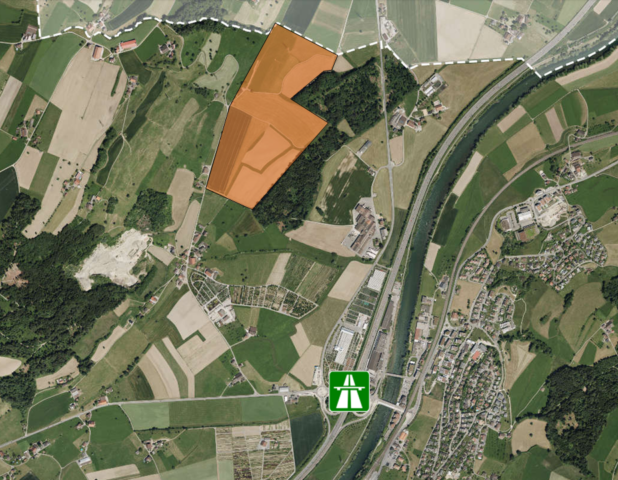
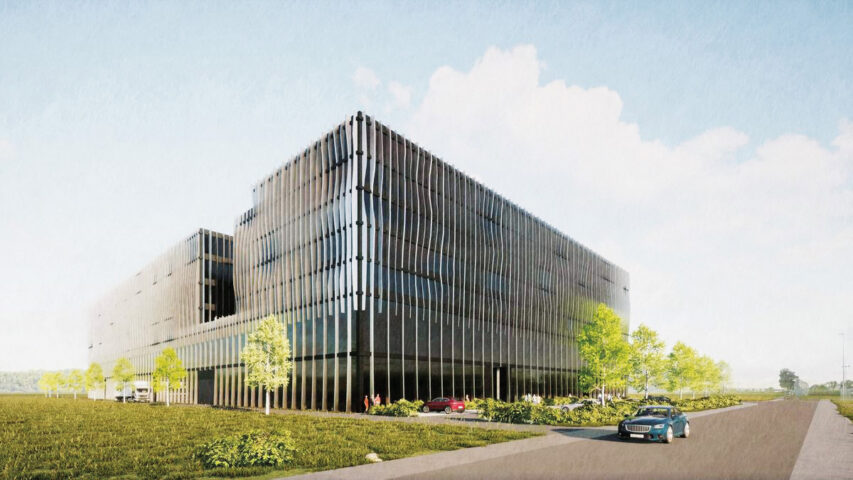
The renowned Domenig Architekten have once again been commissioned to design and realise the project. Construction work is in full swing along the A13 motorway and in the immediate vicinity of the “1.0” building, which went into operation in 2018. The nine-storey building will be connected to the existing complex by a four-storey intermediate wing. The outstanding component of this new building is the 40 metre high-bay warehouse, which offers space for a total of 12,000 Euro pallets. The existing fully automated, rail-guided transport system will be expanded and the intralogistics will be seamlessly linked to the existing systems of building “1.0”.
The modern appearance of this high-tech building is characterised by intelligent glass with an electrochromic coating. This glass, together with metal and photovoltaic panels, emphasises the vision of the Hamilton brand. The innovative glass façade darkens independently when exposed to direct or indirect sunlight and only allows 1% of the light energy to pass through when completely darkened. In order to generate and utilise electricity independently, a total of 5,400 m² of photovoltaic panels are installed on the roof and façade. In addition, heat energy and moisture from the ventilation system are recovered by a heat exchanger. The modern energy concept is rounded off by the use of a groundwater heat pump, which is operated by a heating network in Domat/Ems. The building will receive the coveted Minergie A certification.
In keeping with the “Hamilton 1.0” project, the new building is being planned in detail from start to finish with the help of Building Information Modelling (BIM). BIM is a holistic working method for the integrated planning, construction and management of buildings. All relevant data is modelled digitally and all parties involved work synchronously with the same information.
With “Hamilton 2.0 “, the BIM process is even continued consistently in the implementation phase: For the first time, the digital 3D BIM model is used exclusively, making conventional paper plans on the construction site obsolete.
High-quality and identity-creating development The project vision for the development / reuse of the former Comadur site is to develop an urban, mixed-use, identity-creating neighbourhood component with high-quality buildings and open spaces in the short to medium term. Accordingly, the city of Thun and the client (Pension Fund of the Swiss Bar Association (PKSAV)) carried out a multi-stage planning process. The aim was to sound out the potential of the site in a study of design variants, to secure the urban planning qualities as part of a project competition in accordance with SIA Ordinance 142 and to define these under planning law in a zone with planning obligation (ZPP).
The winning project “Capybara“ The winning project “Capybara” forms the basis for the development of the Comadur site at Bernstrasse 11. It sets new accents in a heterogeneous environment with innovative urban planning and architectural measures. The three characterful buildings – the “Stadthaus”, the “Gartenhaus” and the “Anbau” – merge creatively with the existing structure of the neighbourhood. They form a coherent ensemble that impresses with its density, diversity and clear identities. A central element of the design is the connecting inner courtyard. It not only creates a seamless integration of the new buildings, but also promotes dialogue with the surrounding neighbourhood. The skilful combination of materials, colours and textures creates an interplay between the history of Comadur and the contemporary elements of the project.
Sustainable design The project is of a very high quality in various aspects. In addition to the visible and appealing design, sustainability considerations and the consideration of grey energy as well as a conscious and careful use of materials play an important role. The project offers a balanced mix of aesthetics, sustainability and integration into the existing neighbourhood.
Diverse and lively “neighbourhood piece“ The focus of the site development is on the realisation of contemporary forms of housing. Around 60 new flats are planned. The residential units are diverse and specifically designed to meet the diverse needs of potential residents. This residential use will be supplemented by additional uses that are adapted to the location and orientated towards the public. In this way, a lively and identity-creating neighbourhood component is being created.
Conclusion The site development at Bernstrasse 11 presents itself as a visionary project that honours the past and at the same time provides forward-looking impetus. The winning project “Capybara” shows how history and the present can be combined in a densely populated area, always focussing on quality and care.
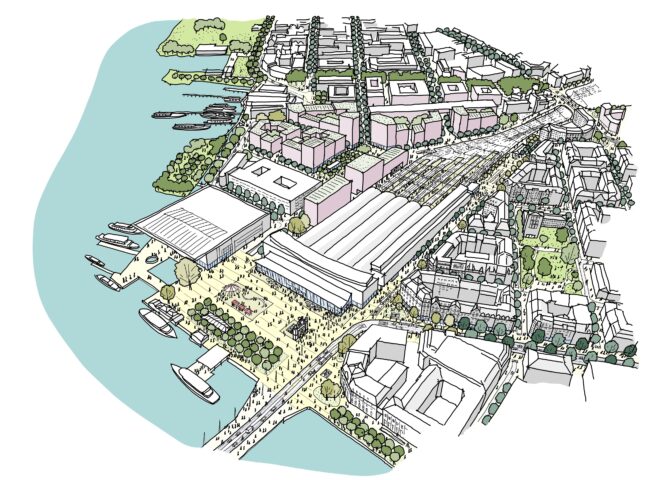
The key area for urban development, the Thun railway station district, is at an important turning point. The vision of a dynamic mobility hub and a lively urban neighbourhood is making progress with the findings now available from the participatory charrette process. Mayor Raphael Lanz emphasises the importance of the open-ended and participatory process, which creates a solid basis for future planning steps.
The charrette process, in which visions and viable solutions were developed by three interdisciplinary teams, demonstrates the importance of involving various interest groups in the planning process. The broad participation enabled a comprehensive dialogue and the development of shared visions for the Thun railway station district.
One of the key findings is the need to make spatial and operational optimisations in order to create a future-oriented mobility hub that is suitable for the disabled. This also includes relieving Seestrasse and the Maulbeer roundabout of motorised individual traffic and incorporating the south side of the station for a new bus solution. In order to develop the area in a timely and sustainable manner, major upfront investments and interdependencies should be avoided as far as possible.
In addition, the development should take into account the existing identities and structures and build on optimised access and open spaces. The promotion of a location-appropriate and balanced mixed-use urban neighbourhood with a high degree of flexibility and the strengthening of public spaces are further key objectives. For example, Bahnhofplatz, the Schifflände and the riverside promenade are to be upgraded and further developed as important public spaces. Improved pedestrian and cycle connections, including new links such as a “panoramic bridge” crossing the Aare and a railway overpass, are also under discussion. Seestrasse is to become an attractive backbone for the neighbouring development area. This extends between the railway tracks and shipping canal as well as the River Aare. Over the next few years, the entire neighbourhood is to develop into a well-located, well-balanced area with a variety of focal points and space for innovative residential and working uses.
In parallel with the further planning, the city is tackling initial measures to make the area more attractive. One example of this is the temporary greening of Aarefeldplatz with “climate trees”, which has already been completed and not only helped to improve the quality of life over the summer months, but also emphasised the importance of green spaces in urban areas. With this “LeiStbild” and the final report from the charrette process, the city of Thun has a clear idea of how the area should be developed in the coming years. The synthesis of these findings is currently being incorporated into a masterplan and is expected to be finalised by the end of 2023. The masterplan will serve as a further guideline for the implementation of the project. Thanks to these coordinated efforts, the city of Thun is well on the way to realising its vision of a liveable and mobility-friendly urban district at Thun railway station.
Mr Lanz, you have been Mayor of Thun since 2011. What have been your greatest successes and failures during this time? During my term of office as Mayor of Thun since 2011, we have achieved many successes. Thun has generally developed very well, which is reflected in rising tax revenues, above-average income growth and record overnight stays, for example. Our town is characterised by a very high quality of life. However, it is difficult to name specific high and low points, as politics is the result of many joint endeavours. The well-being of the citizens is at the centre of my concerns and I believe that they enjoy living in Thun.
How is the town of Thun doing economically? Thun’s economic situation has changed over the years; we were once heavily dependent on military operations and the army. Today, we have a diversified SME economy, with 96% of businesses employing fewer than 50 people. This ensures a robust, constant and stable economy without major fluctuations. In terms of tourism, we are at an all-time record, which shows that Thun is very popular with tourists.
What are the city’s economic drivers and how dependent is the city on them? In Thun, we are fortunately no longer dependent on individual economic drivers. Large employers such as Thun Hospital or construction companies such as Frutiger AG are important, but their performance does not influence the entire economic area. Our strength lies in our broad diversification, with a particular focus on mechanical engineering. Even if individual prominent companies relocate, the impact on our economy is moderate and we are well able to compensate for such changes.
How has the city of Thun developed in recent years? Thun has developed very positively in recent years, which is also reflected in its growing tax capacity. We have one of the lowest vacancy rates in Switzerland, which on the one hand emphasises our attractiveness, but on the other hand also poses challenges, especially for young families looking for living space. To counteract this, we are focussing on various area developments. We also emphasise the recreational qualities of our city on the water and in the mountains, for example through the Lake Thun Games or the Thun Water Magic.
What are Thun’s advantages as a business location? One of Thun’s key advantages for companies is its attractiveness for skilled workers, as they are drawn by the outstanding leisure facilities and its location on the water. This attractive environment makes it easier for companies to attract and retain qualified employees. We endeavour to create optimal framework conditions, including short distances to politics and effective business development. This creates a business environment that contributes to prosperity.
How does the city administration co-operate with local, regional and cantonal business associations to promote the location? We maintain close relationships both in the local and regional economic area as well as with the cantonal economic development organisation. Constant dialogue with the business associations is very important to us. If concerns arise, we can contribute our expertise or request support. Overall, this co-operation works extremely well.
What have been the most important urban development projects in recent years? A central project in Thun’s urban development is the recently approved revision of the entire local planning, which includes the basic building regulations and has spanned several legislative periods. In addition to local planning, we are placing particular emphasis on site developments, with the railway station and the former military site in Thun North considered to be premium development priorities. A new S-Bahn station is also planned in the Thun North area. The Thun development area is responsible for regional planning, whereby the cantonal structure plan is broken down to the individual municipalities. This regional planning organisation coordinates settlement and transport planning to ensure that everything is developed in a coordinated and not contradictory manner.
What are the city’s long-term goals in terms of economic growth and location promotion? We certainly need a certain amount of economic growth. I am convinced that this growth will materialise if we succeed in offering the local economy good framework conditions. The greatest opportunity for us are the companies that are already here. We want to support them with development opportunities, which will also ensure that growth is sustainable. I realise that growth must always be compatible with the population, otherwise there will be resistance, which can sometimes turn into blockades.
Have you experienced such resistance from the population in the last 15 years? In the last 15 years, there has of course been resistance from the population to certain projects. As politicians, it is our job to anticipate such resistance and convince the population. By providing transparent information and taking concerns into account, we have been able to successfully overcome every vote on development projects to date.
Let’s move on to property. What are currently the city’s most important property projects ? Thun is currently focussing on several real estate projects. One of these projects is “Hoffmatte”, which has been held up by legal delays despite a favourable referendum. Another key project is “Freistatt”, a new housing development by a housing cooperative, for which a referendum is planned soon. In addition, the “Siegenthalergut” will close a gap in the housing estate and transform it into a new neighbourhood. The city attaches great importance to informing the population transparently about such projects and convincing them of the added value.
Do you still have sites available for the future? The city of Thun only has a few sites available for future development. On the one hand, there is potential at the “Siegenthalergut” and opposite the football arena in Thun Süd, where a work zone is planned. I see the greatest development potential in the “Thun North” area, which offers good transport links, a planned railway station and open spaces. However, these areas are army conversion sites, which means that their civilian use harbours a certain degree of complexity.
How do you see the development of the property market in Thun? The property market in Thun has been characterised by rising prices in the past, although a phase of consolidation is currently being observed. Thun is particularly sought after due to its attractiveness, which leads to an illiquid property market with few available and affordable properties. To counteract this, the city is endeavouring to provide adequate living space for all sections of the population, including young families and older people, through various site developments.
Is there currently a housing shortage in Thun? If so, how are you dealing with it? There are currently housing challenges in Thun. Two main approaches to tackling this problem are site development and building regulations. The local planning revision will enable increased internal development so that more can be built than before. This should incentivise landowners to make better use of their property and thus reduce the housing shortage.
There is a shortage of skilled labour throughout Switzerland. What is the situation in Thun? The shortage of skilled labour is just as prevalent in Thun as it is throughout the country. The city is focussing on creating an attractive environment for potential skilled workers and their families, as this increases the likelihood that they will decide to work in Thun. We know from feedback from companies that an attractive residential and living environment is very important for attracting skilled labour.
What is your vision for the future development of the city? Thun has developed very positively, which is why we don’t want to make any fundamental changes. My main aim is to ensure that residents enjoy living in Thun. We are paying particular attention to the development of Thun North, inner city development, various site developments and the associated creation of open and green spaces. Despite growth, we are endeavouring to preserve Thun’s characteristic qualities and not expand at all costs. For example, we have built a ring of multi-storey car parks around the city centre to reduce traffic in the city centre and improve the quality of life. We always try to create win-win situations and not play individual measures off against each other.
According to a press release, Andermatt Swiss Alps AG has concluded a syndicated loan of CHF 125 million with a consortium of Swiss banks led by UBS subsidiary Credit Suisse (Switzerland) Ltd. The term is four years. The lenders can extend the credit facilities twice by one year.
According to the information provided, the loan will be used to refinance existing debt financing and to finance operations. It is also intended to enable further investment in the development of Andermatt as a destination.
“The first-time financing through a syndicated loan is a vote of confidence in the successful development and market positioning as well as the promising prospects of our company,” CEO Raphael Krucker is quoted as saying. The transaction was led by CFO Melina Marty and accompanied by Advestra as legal advisor.
Die Übernahme ist bereits die zweite Akquisition von PriceHubble in Grossbritannien innerhalb eines Jahres, nach der Übernahme von Dataloft im März 2023. Durch die Integration der Produkt- und Datenstärke stärkt das Unternehmen seine Position als lokaler Marktführer und wird zum unangefochtenen globalen Spitzenreiter bei Performance-Datenlösungen, die einen Mehrwert für die Banken-, Versicherungs-, Vermögensverwaltungs- und Immobilienbranche weltweit bieten.
Im Jahr 2012 gegründet, bietet WhenFresh Zugang zu über 200 erstklassigen, proprietären, privaten und öffentlichen Datensätzen über eine einfache API-Integration an, einschliesslich wichtiger ESG-bezogener Informationen. Die Lösungen ermöglichen es Kunden, schnellere und fundiertere Entscheidungen im Zusammenhang mit Immobilienrisiken zu treffen.
Dr. Stefan Heitmann, Gründer und Vorstand, äusserte sich erfreut über die erfolgreiche Übernahme: «Wir haben uns als führender B2B SaaS-Anbieter von Performance-Datenlösungen im Immobilienbereich für Banken, Versicherungen und Vermögensverwalter weltweit etabliert. Die Vollendung unserer sechsten Übernahme und die Erweiterung unserer einzigartigen Fähigkeiten im grössten Banken- und Immobilienmarkt Europas und darüber hinaus erfüllen uns mit Stolz.»
Alexis Radjabi, Vertriebsvorstand Westeuropa, betonte die Bedeutung der Zusammenarbeit mit dem Team: «Durch die Verschmelzung unserer Lösungen mit dem Fachwissen im Bankwesen, bei Versicherungen, in Versorgungsunternehmen und im öffentlichen Sektor sowie der Expertise im Bereich Marktinformationen für Wohnimmobilien können wir einzigartige Performance-Datenlösungen entwickeln und unsere Position als europäischer Marktführer weiter stärken.»
Die übernommene Firma wird eine hundertprozentige Tochtergesellschaft von PriceHubble UK unter der Leitung von Mark Cunningham, Mitgründer und Direktor. Cunningham äusserte sich begeistert: «Wir sind sehr aufgeregt, Teil der expandierenden Familie zu werden. Die Zusammenführung unseres umfangreichen Immobiliendatenbestands, unserer technologischen Exzellenz und unseres datenwissenschaftlichen Know-hows wird es uns ermöglichen, die Produkt- und Serviceentwicklung zu beschleunigen und unser Geschäft im grossen Massstab auszubauen.»
Alan Dean, Mitgründer und Technischer Direktor, wird Group Innovation Director und wird die Wachstumsagenda des Unternehmens in Grossbritannien und international weiter vorantreiben. Dean betonte: «Diese Übernahme eröffnet beiden Unternehmen die Möglichkeit, ihre Technologien zu teilen, um die Entwicklung neuer Produkte zu beschleunigen. Sie bietet eine enorme Chance, unseren Erfolg in Grossbritannien als Teil der Group auf den internationalen Markt zu bringen.»
Schlierem-based real estate developer Halter AG is reorganising its management structure. According to a statement, an ecosystem of sister companies with different construction and real estate services has grown up around the company over the past ten years. This has resulted in the need for further development at the top. Halter Holding has so far hardly appeared in public as a “silent” holding company.
In future, they will position themselves more strongly in the market. The construction and real estate industry’s path to a circular economy can only be successfully implemented with integrated value-added processes and models of cooperation in planning, execution and operation. This is linked to the use of digitalisation and digital technologies.
In the course of the organisational development, there will be personnel changes from 1 January 2024, according to the company’s statement. Maik Neuhaus will take over from Markus Mettler as CEO of Halter AG. Mettler will now become Chairman of the Board of Directors of Halter AG and Delegate of the Board of Directors of Halter Group. Balz Halter remains Chairman of the Board of Directors of Halter Group. Alexandra Stamou joins the Board of Directors of Halter AG and becomes Head of Innovation and Products of Halter Group.
The business unit Total Services of Halter AG, which is the largest unit with more than 200 employees, will be split up. From January 2024, there will be Halter Total Services German-speaking Switzerland and Halter Total Services French-speaking Switzerland. The new managing directors will be Diego Frey for German-speaking Switzerland and Fréderic Boy for French-speaking Switzerland. Both will then be part of the Halter AG Executive Board.
Renato Piffaretti will take office on 1 October as one of two future CEOs at Zurich-based CSL Immobilien. According to a media release, his focus will be on product development and product marketing. He was most recently Head of Real Estate Switzerland at Swiss Life Asset Management AG.
The company, led by Chairman of the Board Markus Schawalder, has decided on a co-CEO structure to succeed Yonas Mulugeta, who will leave at the end of September. Piffaretti’s competencies will complement those of Thomas Walter. The latter will take up his post as Co-CEO on 1 March 2024 at the latest and will then be responsible for the areas of business and digitalisation.
“The appointment of Renato Piffaretti and Thomas Walter is the right step to strengthen and expand CSL’s services,” Schawalder is quoted as saying in the statement. “They will successfully shape the future of CSL Immobilien based on the cornerstones of innovation, quality and responsibility.”
Fortimo Group is unveiling a new real estate project in Dubai. According to a media release on zawya.com, the St.Gallen-based company is realising a new development in the Dubai Hills residential area. It is working with local partners Eaglewing Projects and OCTA Develop.
The new residential complex, called The Golf Residence, will reportedly include 200 residential units with views of the nearby golf course and green parks. They will be equipped with high-end kitchen facilities from Europe. Several pools, communal areas and sports facilities are also planned. With a co-working space for residents, Fortimo also aims to cater to the trend of more remote working.
“We are excited to take the next step in our expansion into Dubai with The Golf Residence, our first build-to-buy project in the United Arab Emirates,” Remo Bienz, co-owner of Fortimo, is quoted as saying. Fortimo is impressed by the development of Dubai into an “internationally recognised, vibrant destination”. The company wants to be part of this development, Bienz said.
The Canton of Zurich wants to further promote the Zurich mountain region and the wine country within the framework of the federal government’s New Regional Policy, informs the Cantonal Office for Landscape and Nature in a statement. A corresponding implementation programme focuses on sustainable tourism, the marketing of regional products and the promotion of innovation by SMEs. A total of 6.2 million Swiss francs are to be spent on this between 2024 and 2027.
The Zurich cantonal government has already approved an amount of around 3.3 million Swiss francs. Further funding of CHF 2.4 million is being requested from the federal government. The remaining funds will be provided by the cantons of Thurgau and St.Gallen and the municipalities in the two regions. For the implementation of the projects, the Canton of Zurich is working together with the Zürioberland location promotion agency and ProWeinland. Corresponding service agreements are to be concluded “as soon as the federal government has approved the programme”, according to the statement.
To promote sustainable tourism, the canton wants to position the mountain region and the wine country even more strongly as an excursion and local recreation area. In the marketing of regional products, it is also planned to explore “in the sense of the circular economy” “how material cycles can be closed in the regions”.
SMEs in the Zurich mountain region already have access to innovation promotion, coaching and networking through a supracantonal programme. SMEs in Weinland should also be able to take advantage of these funding opportunities from 2028. The Office for Landscape and Nature explains that the Weinland is working on the corresponding basics.
The economic development strategy serves as a communication instrument vis-à-vis the economy and politics and creates transparency about the programmatic orientation of economic development. It contributes to achieving the goals according to the Economic Promotion Act – increasing economic strength and competitiveness as well as securing and maintaining jobs – and thus strengthening Uri as a business location in the long term.
The canton of Uri is positioned as a reliable and pragmatic partner with short routes. The foundations for positive employment development are being laid with the help of key projects. The main topics are knowledge-based services, alpine technology, tourism in the alpine region and around the Lake of Uri, traffic and safety technology, energy technology/cleantech as well as precision engineering and polymer technologies. In future, greater emphasis will also be placed on the opportunities for corporate functions (back office, development units) and the creative industries.
The most important projects for location development are the further development of the existing and new research and education offers in the direction of a “Campus Uri”, the support of development focal points for the provision of attractive commercial, industrial and service areas, the monitoring of the positive effects from the continuing large-scale investments in tourism, the transfer of the cantonal digitalisation strategy to the companies in Uri and the promotion of municipal lighthouse projects. The strategy will be aligned with the canton’s planned climate protection concept.
A marketing concept ensures target group-oriented communication. Important measures are the cultivation of resident companies, the visualisation of the key topics and potentials of the business location with factsheets and networking events, projects with a focus on “homesick” Uri residents, the further development of the ambassador network and the bundling of core messages about the Canton of Uri.
Broad-based process and close coordination with the government programme The updated economic development strategy is closely coordinated with the government programme 2020 – 2024+. The update was accompanied by the consulting firm LOC AG from Zurich, which has proven national expertise in this area. Partners from business, tourism and municipalities as well as various cantonal offices were also involved in the process. Now the economic development strategy from 2016 has been updated and sharpened and adopted by the government council. The document is available on the internet at www.ur.ch/wirtschaft.
At the beginning of The Valley is one of Switzerland’s best-known “start-ups”: in 1872 Julius Maggi founded the company J. Maggi & Cie on what was then a sparsely developed site in Kemptthal and gradually expanded the site in the years that followed. in 1886 he developed Maggi seasoning – which became world famous.
A lot has happened since then. in 1947, Maggi merged with Nestlé. in 2002, Givaudan took over Nestlé’s flavour business and the associated properties in Kemptthal. in 2003, most of the Maggi production was relocated to Germany. in 2017, Givaudan sold two-thirds of the site to the real estate developer Mettler2Invest.
Since the beginning of 2018, Metler2Invest and the Motorworld Group have been developing the site with the joint company MA Kemptthal Besitz AG, based on a master plan by the architectural firm Ernst Niklaus Fausch Partner.
Since 2019, the area has a new name: The Valley. Today, it comprises office, commercial and production space. Currently 1100 people work here in over 130 companies. The area has a modern village character. Among other things, there is a post office, a bakery, numerous restaurants, bars, shops, health practices, art studios, a car-sharing company for business vehicles and a fitness centre.
Food still plays an important role on the site today – a high-quality food cluster is to develop in the Valley. Many of the resident companies produce or develop food: for example, the well-known manufacturer of plant-based meat substitutes Planted, a contract cheese dairy, a chocolate manufacturer, a bouillon producer and a coffee brewery. Givaudan with its highly specialised research centre and Nestlé with its retail shop are also still present in the area. By 2025, the first new building will house laboratory space for food development and, with The Cultured Hub (Migros, Bühler, Givaudan), a highly specialised research centre for the production of meat from animal cells.
The Valley is located directly at Kemptthal railway station.
A second thematic focus of The Valley is on motor vehicles. The Motorworld Manufaktur Region Zürich in the heart of the area is a meeting place for people with a passion for classic and high-quality mobility. Various event rooms among vintage cars, supercars and electric racers are the hub for mobility topics and offer space for numerous events.
With events, those responsible also want to enliven the area, which is easily accessible with its own railway station and the nearby motorway connection, but does not directly border on a city, for hours and days at a time. To this end, they have founded their own event company. The area offers 10 to 10,000 square metres of event space for seminars, congresses, readings, meetings, banquets, concerts, markets and festivals. As a supporting programme, for example, guided tours, various team-building activities or rides in racing simulators are possible.
Since 2018, the historic, listed industrial buildings have been extensively renovated and supplemented with additional new buildings that architecturally blend in with the historic building stock. Currently, one of the existing halls is being expanded as an event hall, and the first new building will go into realisation this spring.
A multi-storey car park on an adjacent plot is currently in the approval phase. A pedestrian bridge will later connect it with Valley Square – the central square of the area. A hotel is also planned in one of the existing buildings. A corresponding adjustment of the structure plan is currently underway at the cantonal level for the non-zoned use.
Another new building could be realised from 2026 or 2027. Another four new buildings are possible; these are to be realised depending on demand.
Word has spread about the high quality of life in the city of Winterthur. More and more people live, work and study here. The city in the Zurich economic region currently has over 120,000 inhabitants, around 75,000 employees, almost 11,000 university students and around 11,000 students at vocational schools. The municipal forecast predicts a population growth to around 135,000 people by 2040. Winterthur wants to use this growth as an opportunity to develop existing urban qualities by setting spatial priorities.
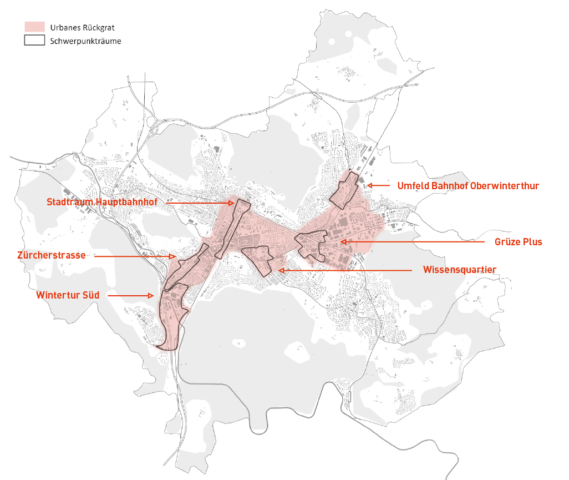
The majority of this development is to be driven and directed within Winterthur’s already very dynamic urban backbone (see diagram), complementing the existing settlement structure. The city is to be densified along the main traffic axes from Töss in the southwest to Oberwinterthur in the northeast and the diversity of uses is to be increased.
Densification along the urban spine From an urban planning perspective, there are six areas with enormous growth and densification potential. The city concentrates on six priority areas along the urban spine (cf. diagram): Winterthur South, Zürcherstrasse, Main Station Urban Area, Knowledge Quarter, Grüze Plus and the surroundings of Oberwinterthur railway station. Here, more living space, new jobs, and additional recreational and cultural spaces are to be created. Attention will be paid to a high quality of supply that enables short distances and thus also contributes to net zero by 2040.
Careful development of the neighbourhoods The existing neighbourhoods will not be forgotten – on the contrary. The spatial focus on high-quality inner development along the urban spine relieves them of the pressure of densification. Selective densification remains possible in suitable locations, so that the residential offer there can also be developed in a diverse manner and the qualities of the outdoor spaces can be improved. The objective set out in the “Spatial Development Perspective Winterthur 2040” to promote so-called “5-minute neighbourhoods” is an important concern of the city and contributes to a sustainable interplay of living, working and open space and thus to maintaining the high quality of life so highly valued today.
Mr Thöny, where does the structural development stand? We are currently in development stage 1, the peripheral zone of the airfield site, where we are meeting the space requirements of our research partners ETH Zurich and the University of Zurich as well as initial users from business and industry. In addition, there are test and meeting areas as well as flexible and temporary facilities in front of the hangars. At the same time, we are working intensively on the development and planning of stage 2, i.e. the first stage of new buildings.
How will the Innovation Park become an inspiring place for researchers? We are working on the vision of this “research city of the future”. When you enter the Innovation Park Zurich in the near future, you will immediately feel and see that this is an exceptional place for research and development. We are creating a unique environment for researchers. The companies and research partners will have the opportunity to bring their employees into a context that otherwise only very large tech companies like Apple can offer. At the same time, the historical heritage, the former military airfield, remains recognisable as such and can be experienced. We see the Innovation Park as a “Cognitive City”, a digitally highly networked urban space with outstanding and sustainable architecture and landscape architecture and an attractive range of different campus uses that will grow over the years, where people can work, do research, meet and exchange ideas, eat and drink, relax and do sports. In other words, a place with a high quality of stay and life, where the focus is always on people. At the same time, a new, diverse range of services, leisure and recreation facilities is being created for the population of the surrounding communities and the entire region.
What is the next milestone on the way to realising this vision? Last year we launched an architectural competition in which renowned national and international offices as well as three up-and-coming firms participated. From the 28 designs submitted, we will select seven projects together with a jury, which will then be developed as part of the first major new building phase. In the second half of the year we will be able to show a concrete picture of the future Innovation Park site for the first time.
New premises are being built on the site. What does the development & realisation phase look like? We are working on an “Industrial Hub” with ETH Zurich and a “Space Hub” with the University of Zurich. Both are very exciting projects and in themselves “small innovation parks” in the Innovation Park. In addition, various smaller buildings and projects are being planned for the start and the first tenants.
About the person Andrea Claudio Thöny is an architect ETH. After working as an architect and in real estate consulting, he joined HRS in 2018 and has been Head of Real Estate Development since 2020. His focus is on the development of special projects in the areas of research and development, commercial and special uses, as well as business development, M&A and restructuring. Since 2019, he has been responsible for the Innovation Park Zurich as overall project manager, and since 2023 additionally as managing director of IPZ Property AG.
It is a highly political question what our monetary system will look like, says Fabian Schär. The professor of financial market infrastructure is one of the most sought-after experts internationally when it comes to cryptocurrencies and blockchain technologies. He has even been invited to speak at the G-20 meetings, most recently at the invitation of the Indian Ministry of Economic Affairs.
Bitcoin as a “store of value” For him, it was a tremendous experience, says Schär. “The atmosphere at such a meeting is very impressive This is also because the most powerful of the powerful come together there: The G-20 is a loose association of the most important economic nations in the world. At these meetings, international regulations are regularly discussed in advance, often behind closed doors.
Currently a hot topic is Schär’s area of expertise: “FinTech”. This means everything that has to do with financial market infrastructure. For example, the question of how payments are processed. Cryptocurrencies are important drivers of innovation here: for example, payments with Bitcoin no longer need a central counterparty – the money can be sent directly from the buyer to the seller. This is not the case with standard bank transfers: in most cases, payments go through a third party, often a bank.
So will Bitcoin become established as a new currency? Schär is very cautious about making predictions. He says: “If everything develops the way the original idea was, then Bitcoin can possibly become a store of value in the future.” Bitcoin, on the other hand, is unlikely to establish itself as a means of payment.
“I was extremely sceptical” Nevertheless, Schär says he finds the innovations of cryptocurrencies extremely exciting. One reason for this lies in the hobby of his youth: back then, he spent a lot of time playing video games and thus developed an interest in computer science. Later, when he was studying economics, he began to look into cryptocurrencies.
“At first I was extremely sceptical,” says Schär, “but the more I looked into it, the more it fascinated me.” Bitcoin is highly exciting, he says today, a fantastic innovation. “The system is incredibly well thought out.” But Schär also warns of the risks: “The high fluctuations in value are a problem.” One should be careful when investing in cryptocurrencies, he says. He recommends rather investing in one’s own education and in a better understanding of cryptocurrencies.
What will banks do in the future? Schär does the same in his role as a professor for cryptocurrencies. What he likes most about his job is the versatility. As a professor, he can exchange ideas with many exciting people from politics and the private sector and pass on input from his research. This also involves the financial infrastructure of the future and the role of intermediaries such as banks. Much is still unclear, says Schär, but one thing can already be said: “The roles will change
In line with the new organisational structure, the HRS Executive Board will be expanded. Four Executive Board members are now responsible for the area of site and real estate development in the top operational management body: Michael Breitenmoser for Eastern Switzerland and Ticino; Yves Diacon for Central Eastern and Northwestern Switzerland; Herbert Zaugg, who has just joined HRS, for Central Western Switzerland; and Thierry Müller, as before, for Western Switzerland.
The rest of the Executive Board remains unchanged. As before, the strategic management of the company is carried out by CEO/owner Martin Kull and COO/owner Rebecca Kull. Peter Keller will continue to be responsible for the finances as CFO.
Separate Managing Director for IPZ Property AG The Generation Project Innovation Park Zurich on the site of the former military airfield in Dübendorf, which is being driven forward by IPZ Property AG and in which HRS is a shareholder, will now be managed as a separate unit by Andrea C. Thöny as Managing Director. He was already responsible for the project as development manager for HRS.
“We are convinced that this strategically conscious harmonisation will enable us to significantly strengthen our already extensive development competencies in all regions of Switzerland. This offers great advantages for the building owners. It generates synergies in development and construction projects at an early stage and creates more security and speed in the increasingly complex planning and approval processes,” CEO and owner Martin Kull is convinced.
Michael Breitenmoser, born in 1980, is an architect FH and holds a Master’s degree in Real Estate Management. After working in two architecture firms, he joined HRS in 2011 as project manager for real estate development and, from 2015, head of the real estate development department. In addition to competition management, he is responsible for the development of the Saurer WerkZwei site in Arbon, the “Chez Fritz” high-rise in Buchs, Wankdorfcity 3 in Bern, Bundesplatz in Lucerne, the Stadler Rail Competence Centre in St. Margrethen and centre development on the Gschwend site in Steffisburg.
Yves Diacon, born in 1986, is a construction economist FH and holds a Master’s degree in Real Estate Management. After three years with another real estate development company, he joined HRS in 2011 as a project manager for real estate development and became head of department for real estate development in 2015, where he was responsible for all investor and overall performance competitions in the Central-East region. His portfolio includes the Ensemble project on the Hardturm site in Zurich, the Rosentalturm in Basel, the Nova Brunnen site development in Ingenbohl, Aere in Aesch and Reinach, the C+D building sites in Regensdorf and Am Schänzli in Muttenz.
Andrea Claudio Thöny, born 1985, is an architect ETH. After working as an architect and in real estate consulting, he joined HRS in 2018 and has been Head of Real Estate Development since 2020. His focus is on the development of special projects in the field of research and development, commercial and special uses, as well as business development, M&A and restructuring. Since 2019, he has been responsible for the Zurich Innovation Park as overall project manager. Other important projects at HRS were the New Festival Hall at BERNEXPO and the Baden East high-rise.
Herbert Zaugg, born in 1972, is an HF architecture technician and has completed further training in real estate trusteeship and business administration. He has many years of experience in project development, realisation, refurbishment and the acquisition of development projects up to total service contracts. In his last function of many years, he developed visions and strategies and was responsible with his team on a conceptual and structural level for many acquisitions, real estate and business developments in the Bern Mittelland region. He has been heavily involved in the area of non-profit housing, but also in site development, and is particularly interested in forward-looking forms of living and working.
In the first quarter of 2023, construction activity in the regions developed weaker than in the same period of the previous year. The causes are higher inflation, interest rate increases and the war in Ukraine. This is countered in the construction sector by the megatrend of climate change, which has heralded a paradigm shift in the industry. Solutions for lower CO2 emissions and for conserving resources in construction are increasingly in demand. Demand for industrial solutions, especially in the automotive sector, has developed positively. Sika is ideally positioned with its technologies in both markets to offer solutions that reduce customers’ carbon footprint.
MBCC ACQUISITION ON THE TARGET STREET The MBCC acquisition is on the home stretch. In the first quarter of 2023, Sika signed a purchase agreement with private equity firm Cinven for parts of the MBCC admixture business. In 2022 this MBCC admixture business generated sales of approximately CHF 920 million. The acquisition is expected to close in the first half of 2023. The acquisition of MBCC is significantly value-enhancing. Together with MBCC, Sika will further expand its growth platforms. Annual synergies of CHF 160-180 million are expected.
OUTLOOK FOR 2023 For the current businessyear Sika is confident that the strategy of sustainable and profit-oriented growth can be successfully continued even in a challenging economic environment. With innovative technologies Sika is the preferred partner of many customers in the construction and industrial sectors. These sectors are strongly influenced by the megatrend of climate change as well as by increasing automation, digitalisation and easy-to-apply products.
For the business year 2023 Sika expects sales growth in local currencies of 6-8% as well as a disproportionately high increase in EBIT (excluding the impact of the MBCC acquisition).
In 2023, the city of Winterthur will support a total of five innovative projects that can contribute to sustainable development and to increasing the quality of life in the city. For this purpose, the city is providing a total of 200,000 Swiss francs from the Smart City Winterthur innovation credit, informs the city administration in a corresponding statement. Since the launch of this credit, Winterthur has supported a total of 18 Smart City pilot projects.
This year, WinEnerGIS is one of the projects that can look forward to receiving funding. In this project, a prototype for a public information platform in the energy sector is being developed. Here, building-specific information on available energy sources will be made available. The project Together on the Trail of the City Climate integrates the population into Winterthur’s temperature measurement network.
In the Digital Mobility Lab API project, Stadtbus Winterthur and the Digital Mobility Lab of the Zurich University of Applied Sciences are working together. The aim is to develop an interface with which questions from practice can be solved with real data in the future. The first step is to optimise connections when changing trains.
The Winterthur@Metaverse project is looking into the question of beneficial applications for Winterthur in the Metaverse. If necessary, a first prototype will be developed in the metaverse. Finally, the RPA@DigiWin project is about digitising repetitive tasks of the city administration.
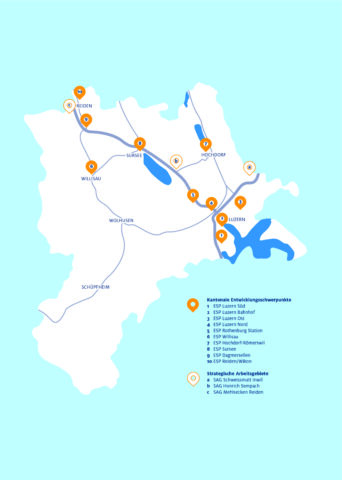
The cantonal development priorities were already defined in the 2009 cantonal structure plan. Even before the Swiss population approved the Spatial Planning Act, the cantonal planners had already focused on an increased spatial concentration of future economic development along the most attractive transport locations. Further planning instruments are available for the more decentralised locations, so that adequate business development is also possible there .
Integral spatial and economic development The coordination of settlement and transport is a central element in the further development of the cantonal development focal points (ESP). Only when infrastructures and growth are in good symbiosis will functioning areas be created in the long term. The optimisation of transport access is often the basis for ESP development. In addition to planning roads and railways, the Canton of Lucerne focuses in particular on promoting sustainable mobility, not least with regard to climate policy goals. The companies, for their part, are called upon to introduce a company mobility management system and to do their part to ensure that traffic can flow optimally.
Instrument for coordinated location promotion Thanks to its central geographical location and constant work on the most important location factors for companies, the Canton of Lucerne is particularly attractive as a business location today. Due to the close cooperation of the canton with the regions and municipalities in location and business promotion, the cantonal ESPs are the most important link to spatial planning. All development focal points should be provided with available, attractive land offers, combined with a promising marketing profile. The basis is laid in the jointly supported area management of the ESPs in cooperation with the landowners and investors.
Strategic working areas as a special offer Strategic working areas (SAG) are coherent larger areas that are defined in the structure plan. There are currently three such areas in the canton of Lucerne. They are between 10 and 30 hectares in size. This is a lot of space to realise big ideas and projects. According to the criteria formulated, their use is reserved for particularly high-value-added companies and real estate developments. The development of the sites is carried out in close coordination with the Canton of Lucerne and the respective local communities. The Lucerne Economic Development Agency acts as the first point of contact for potentially interested parties.
Lucerne city region
ESP Lucerne South Nestled between Lucerne, Horw and Kriens is a diverse settlement area with an urban character and directly adjacent recreational area. The ongoing transformation into an urban, creative and sustainable living and working area is in full swing. Lucerne South has excellent regional and national transport connections. The “Freigleis” bicycle highway is particularly popular as a work and leisure connection. www.luzernsued.ch
ESP Lucerne North The Smart City Lucerne North is where Emmen and Lucerne, the two most populous municipalities in the canton, meet. The urban heart of the ESP perimeter, which stretches from Littau railway station to Waldibrücke railway station, is currently being built around Seetalplatz, which is ideally accessible and picturesquely situated on the Reuss and Kleine Emme rivers. The largest ESP in terms of area offers a wide range of services for businesses and the population. www.luzernnord.ch
ESP Lucerne East The Lucerne East area comprises six Rontal municipalities. Directly connected to the A14 motorway and accessible by all means of transport, Lucerne East lies directly on the axis of the economic areas of Lucerne, Zug and Zurich. In addition to large industrial firms, internationally oriented companies in particular are located here. At the same time, the green hills of the region and the nearby water space of the Reuss River offer local recreation on the doorstep. www.luzernost.ch
ESP Lucerne railway station The world-famous postcardLucerne is the cultural and economic metropolis of Central Switzerland. The project of the century, the through station, will ensure Lucerne’s national and international accessibility in the long term and enable the expansion towards sustainable mobility in the entire metropolitan region. The city centre on the lake will take on a new character as new, unique urban development opportunities are created in the immediate vicinity of the station.
ESP Rothenburg Station This ESP, located in the north of the city region, is characterised by a high location quality and development dynamics and has great potential for further development. An overall settlement and transport concept is currently being developed in a cooperative process, which will form the basis for the future structural, transport-friendly and economic development of the area.
SAG Schweissmatt Inwil The largest of the three strategic working areas in the canton of Lucerne is located in the municipality of Inwil. The almost 30-hectare site is located in the immediate vicinity of the A14 motorway (main transport axis Lucerne-Zug-Zurich) and is in the process of being prepared under planning law for the settlement of a large-scale enterprise with high added value.
Sursee, Seetal, Willisau and Wiggertal regions
ESP Sursee The development of the city and region of Sursee into a modern small-town centre on Lake Sempach has been in the offing for decades. The town is also interesting as a business location. Over the years, numerous companies have settled here, benefiting from the perfect rail and road connections. With its inclusion in the agglomeration programme, the town of Sursee is about to take the next step in its development. From the working area in the north of the town, companies can reach their customers throughout Switzerland within a short time.
ESP Hochdorf-Römerswil Hochdorf is the regional centre of the Lucerne Lake Valley. The high quality of the landscape meets exciting companies here. Industry in particular has settled in the Seetal over the course of time. This has left its mark. Even today, the Seetal is still the region with the highest proportion of second sector companies. The large reserves of building land are a major advantage of the ESP and, in particular, its potential. A utilisation and development concept is currently being drawn up.
ESP Reiden / Wikon The municipalities of Wikon and Reiden are located on the border with Canton Aargau and have excellent transport connections with their own motorway exit to the A2. In addition to the north-south connection, the east-west connection A1 is also in the immediate vicinity. This location and also the industry- and fabric-friendly environment (the ESP borders residential areas at only a few points) make the ESP a highly sought-after location for companies.
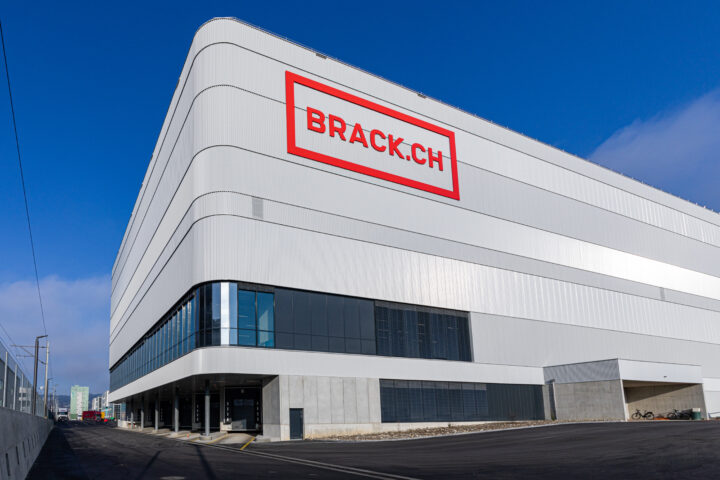
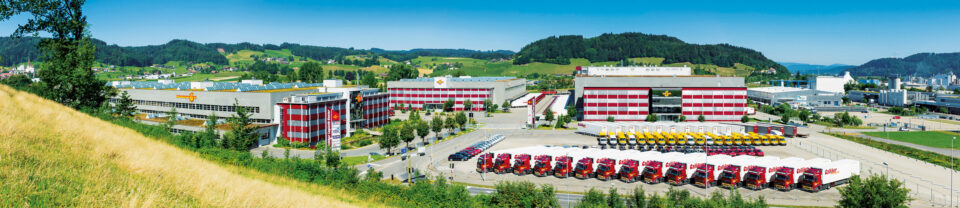
ESP Willisau The pretty little town of Willisau is the regional centre of the Lucerne hinterland. Small and medium-sized commercial and industrial enterprises from various sectors have settled here. Competec Logistik (Brack) is a major newcomer to the area, and the company continues to expand in Willisau. There are still building land reserves, and urban development is underway on the former Wellis site. The spatial and utilisation vision for the Willisau ESP is currently being drawn up for its further development.
ESP Dagmersellen The Dagmersellen development focus has excellent transport connections. It is located in the immediate vicinity of the A2 motorway junction, the railway station is within walking distance, and there is also an industrial railway siding. The ESP is characterised by large industrial companies such as Pan Gas, Misapor, Emmi and Hiestand, and has a large range of warehousing and logistics facilities, especially through Galliker AG. The ESP still has potential for expansion.
SAG Honrich Sempach The strategic working area is located directly on the motorway. Nearby, the old Swiss fought for their independence in the famous Battle of Sempach. The profile is also independent. Where else can companies find 10 hectares of land with a lake view for development today? The Städtli, which was awarded the Wakker Prize, convinces with its high quality. There is one condition: the land is reserved for value-added companies and uses.
SAG Mehlsecken Reiden The location of SAG Reiden could not be more central. Situated between the cities of Basel, Bern, Lucerne and Zurich, it lies at the crossroads of the A2 and A1 motorways that cross the country. The Reiden motorway junction is right next to the site. The approximately 20 hectares of land offer strategic development opportunities for a high-value-added company that would like to take advantage of the favourable location and the high potential for the next big step.
With the Dispatch on Location Promotion 2024-2027, the Federal Council is further developing the strategic foundations of federal location promotion. It is pursuing the following five goals with location promotion in the years 2024-2027: Improve the framework conditions for SMEs, strengthen regions, contribute to sustainable development, exploit the opportunities of digitalisation and strengthen the attractiveness of the business and tourism location. Compared to the period 2020-2023, the importance of sustainable development and digitalisation will be upgraded. In addition, location promotion will be geared even more strongly to the needs of the main target groups – SMEs and regions. In order to implement the goals, 23 concrete activities will be defined in the coming years by SECO and the mandated organisations (guarantee cooperatives, Swiss Export Risk Insurance, Swiss Association for Hotel Credit, Switzerland Tourism, Switzerland Global Enterprise). Some of them are implemented in cooperation with the cantons and other partners.
The focal points of location promotion In SME policy, the focus is on expanding EasyGov.swiss, the one-stop shop of the Confederation, cantons and municipalities for businesses. This can make a significant contribution to reducing the administrative burden on businesses. In the period 2024-2027, the scope of EasyGov services is to be further expanded in order to meet the needs of businesses for additional electronic government services. As part of the expansion of EasyGov, it is planned, for example, to be able to offer businesses a bundled process for moving companies (change of address) in the future. Further expansion is also planned in the area of aliens law notifications and permits for businesses.
In tourism policy, the focus is on the further development of investment promotion, sustainable development and the digital transformation of tourism. Another priority for the years 2024-2027 is the implementation of the recovery programme for Swiss tourism to counteract the effects of the Covid 19 pandemic.
The New Regional Policy NRP will enter its third eight-year multi-annual period (2024-2031) in 2024. The existing thematic funding priorities of “industry” and “tourism” will be continued. In addition to digitalisation, sustainable development and the “local economy”, which complements the export orientation of the NRP, will be given particular weight as cross-cutting themes.
Finally, the offer of support for the export industry, for example in relation to trade-related issues, and in particular access for Swiss exporters to large foreign infrastructure projects, will be further developed in line with demand and the “Team Switzerland” approach will be expanded. For example, various associations, federal offices, Switzerland Global Enterprise and Swiss Export Risk Insurance are increasingly conducting joint promotional activities abroad. These are aimed, among others, at general contractors who carry out large infrastructure projects. Further business opportunities are being identified in important markets.
Commitment credits and payment frameworks In order to continue and further develop the instruments of location promotion, the Federal Council is proposing commitment credits and payment frameworks totalling CHF 428.83 million to parliament for the years 2024-2027. For the years 2020-2023, an amount of around CHF 399 million was available. In addition, there is a payment framework for the creation of the Regional Development Fund in the years 2024-2031 amounting to CHF 217.3 million (reduced by CHF 12.7 million compared to the previous period 2016-2023).
Location promotion is implemented using the instruments of SME policy, tourism policy, the New Regional Policy (NRP) and foreign trade promotion.
Since its foundation, Energie Zukunft Schweiz has been committed to the rapid implementation of the energy transition. The company specialises in renewable energies and energy efficiency. in 2022, its Italian subsidiary sold a 375 MWp photovoltaic project pipeline to one of Europe’s largest energy suppliers. “The energy transition is a global project, so it was always clear that we wanted to take our energy transition know-how beyond our Swiss borders and into other countries,” says Managing Director Aeneas Wanner.
In order to make better use of synergies between the national companies and to take better account of internationalisation, the companies are now reorganising as an internationally active group with headquarters in Switzerland under a common name. In line with the dawning era of renewables, the group of companies will be called “Renera”. The energy trading and biogas division is the first to change. For employees and customers, the reorganisation has positive consequences, says Aeneas Wanner: “All services will be continued and expanded in the usual quality. Due to the high demand, we will continue to create many new jobs and maintain all existing ones. “
A single strong corporate brand for all operations in Europe will be built and maintained. The new brand strategy is intended to bring employees closer together, reduce complexity for customers and create synergies between national companies and business units. To support the positioning visually, a new logo and corporate design were developed in cooperation with a Spanish branding agency.
Aeneas Wanner explains why the company is growing so successfully: “Our recipe for success is our talented and committed employees. Thanks to them, projects become reality that are profitable for clients and the environment at the same time.” The company is known for its hands-on mentality, and its employees describe themselves as “energy turnaround makers”. “Companies from the energy and real estate sectors appreciate our holistic approach and our diverse know-how. We can not only think up and plan complex energy projects, we can also accompany their implementation and subsequently monitor the results.” Aeneas Wanner is also very optimistic about the future. The demand for energy efficiency and renewable energies is enormous right now. The desire for clean, reliable energy and high energy prices have contributed to this. “We have now grown from 40 to 200 employees in just under four years, and we will probably create another 500 jobs in the next four years.” This is the only way the company can realise its vision of being a leading force on the path to a fully renewable energy world.
Der Bundesrat entwickelt die strategischen Grundlagen zur Standortförderung des Bundes weiter. Mit seiner Botschaft für die Jahre 2024 bis 2027 verfolgt er laut einer Medienmitteilung fünf Ziele: Rahmenbedingungen für KMU verbessern, Regionen stärken, zur nachhaltigen Entwicklung beitragen, Chancen der Digitalisierung nutzen sowie die Attraktivität des Wirtschafts- und Tourismusstandorts stärken. Diese sind auch Bestandteile der Neuen Regionalpolitik, die 2024 in ihre dritte achtjährige Periode startet. Für die mandatierten Organisationen wurden 23 konkrete Aktivitäten formuliert.
Im Vergleich zur Periode 2020 bis 2023 wird die Bedeutung der nachhaltigen Entwicklung und der Digitalisierung aufgewertet. Ausserdem soll sich die Standortförderung noch stärker an den Bedürfnissen der Hauptzielgruppen, den KMU und den Regionen, ausrichten. So liegt der Schwerpunkt bei der KMU-Politik im Ausbau von EasyGov.swiss, dem Online-Schalter für Unternehmen zur elektronischen Abwicklung von Bewilligungs-, Antrags- und Meldeverfahren an einem einzigen Ort.
Den Fokus in der Tourismuspolitik setzt die Botschaft bei der digitalen Transformation der Branche und der Weiterentwicklung der Tourismusförderung. Zudem will der Bundesrat die Exportorientierung weiterentwickeln. So sollen sich etwa Promotionsauftritte im Ausland an Generalunternehmer mit grossen Infrastrukturprojekten richten.
Für die Instrumente der Standortförderung beantragt der Bundesrat dem Parlament Finanzmittel in Höhe von 428,83 Millionen Franken, rund 40 Millionen mehr als in der ablaufenden Periode. Dagegen soll der Zahlungsrahmen für die Äufnung des Fonds für Regionalentwicklung in den Jahren 2024 bis 2031 gegenüber der Vorperiode um 12,7 Millionen Franken auf 217,3 Millionen Franken reduziert werden.
Today, real estate has to meet a multitude of requirements. As a significant driver of CO2 emissions in Switzerland, they play a central role in Swiss climate and energy policy. The requirements for economical and efficient energy use in buildings are correspondingly high. On the other hand, there are ever-increasing demands for safety and comfort on the part of the users – with a simultaneous reduction in the complexity of the application. One component for solving these sometimes seemingly contradictory requirements lies in the digital networking of sensors and devices in buildings.
Valuable partnerships as innovation drivers The cooperation with the Swiss Federal Laboratories for Materials Testing and Research (Empa) in Dübendorf is proving to be an extremely valuable and fruitful partnership with regard to the development of intelligent and sustainable buildings. In the modular research and innovation building NEST, Empa develops and tests technologies, systems and materials together with partners from research, industry and the public sector.
Bouygues Energies & Services supplied prefabricated HVAC components as part of the NEST unit HiLo (“High Performance – Low Emissions”). Using Building Information Modelling (BIM), a factory and assembly plan including manufacturer’s specifications were created, allowing materials to be ordered directly from the model. In the NEST unit “Sprint”, Empa has successfully put circular construction and “urban mining” into practice. Recycled materials and components were used to create flexible office space in a very short time, while conserving resources.
In the field of predictive control, learning algorithms enable considerable energy savings compared to conventional, rule-based control algorithms, while at the same time increasing the comfort and user-friendliness of building systems.
Wir verwenden Cookies zur Unterstützung und Verbesserung unserer Dienste. Mit der Nutzung dieser Website erklären Sie sich mit der Verwendung von Cookies einverstanden. Weitere Informationen finden Sie in unserer Datenschutzerklärung.