Tag: immoNews

  • New white paper: ‘’Cooling buildings efficiently’

    New white paper: ‘’Cooling buildings efficiently’

    Although the impact of climatic changes differs depending on the location and use of the building, in future almost every residential and office building will require cooling. Anyone planning a new build is well advised to carry out an analysis of exterior and interior comfort levels, define summer heat insulation requirements and maximum acceptable interior temperatures, and request proof of thermal comfort. For existing buildings that don’t meet current or future requirements in summer, there are other viable measures that can be implemented.

    With comfortable indoor temperatures increasingly considered a criterion for rentability, it makes sense for property owners to invest in climate control for their properties. Buildings with a high level of climate comfort are future-proof, their market value increases and they usually attract higher rental income.

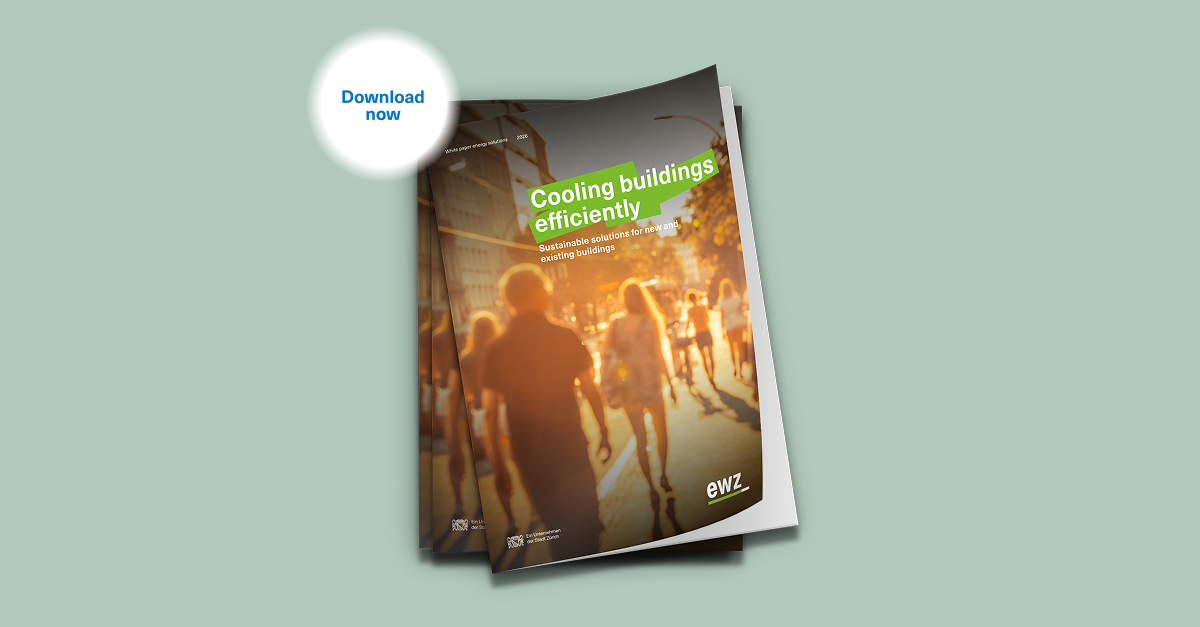
    The new white paper, ‘Cooling buildings efficiently’ (23 pages), shows how we can build or renovate properties today to ensure they continue to offer a high level of comfort in the climate of the future.

  • Urban change on the Wellis site

    Urban change on the Wellis site

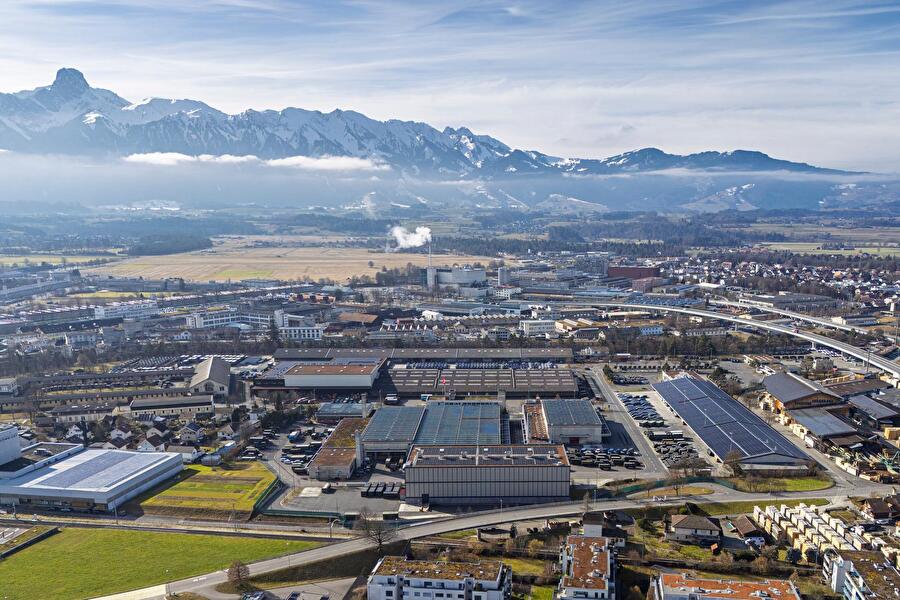
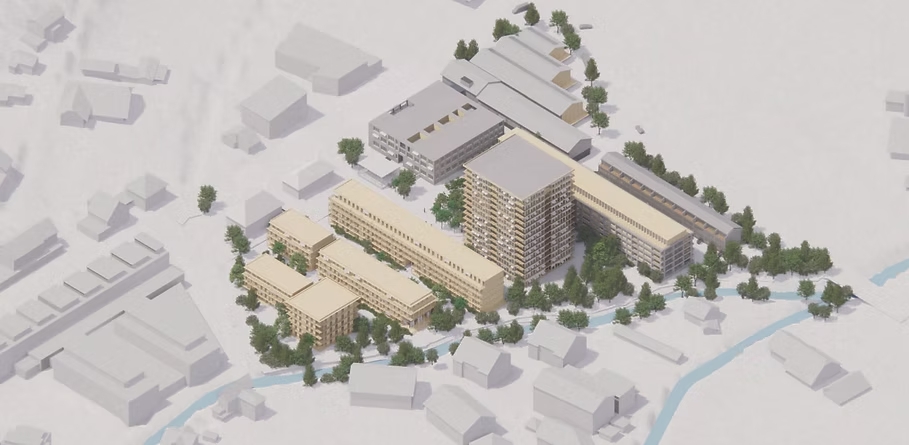
    One of the region’s most exciting transformation areas is located between the railroad station and the old town. Halls, warehouses and work yards are being transformed into an urban quarter with its own character. The area thus plays a key role as the gateway to Willisau.

    The area is roughly the same size as the historic old town. The previously closed production site is being transformed into an open piece of town. Paths, squares and open spaces will connect the station, the old town and the district. The previous barrier will become an urban interface.

    Mixture instead of monofunction
    The development clearly focuses on a mixture of uses. Several hundred apartments of different sizes and typologies are planned, supplemented by areas for commerce, services and local amenities. Living, working, shopping and leisure are moving closer together.

    It creates frequency throughout the day, increases the utilization of the infrastructure and reduces dependency on a single type of use. At the same time, it opens up scope for new forms of work, small-scale service providers and local suppliers.

    Identity from the industrial past
    The Wellisareal remains recognizable as a place. Parts of the existing building fabric will be preserved and used for new purposes. The industrial character not only provides history, but also identity. It clearly distinguishes the district from green meadow developments on the outskirts of the town.

    New buildings complement the existing buildings without covering them up. A high point marks the area in the silhouette of Willisau. The decisive factor here is not the height alone, but the effect in the urban space. This creates an image that remains anchored in the perception of residents, visitors and investors.

    Open space as a location factor
    The project consistently combines density with open space. Generous green spaces, trees, squares and paths structure the quarter and ensure a quality of stay. Instead of the inner courtyard as a residual area, the open space is at the center of the concept.

    For future users, this is more than just a matter of comfort. Shaded recreational areas, well thought-out outdoor spaces and differentiated microclimates are becoming hard location factors. They influence rentability, image and long-term value development. A robust open space concept also supports the adaptability of the neighborhood over its life cycle.

    Rebalancing mobility
    The location directly next to the train station and close to the old town allows for a low-traffic approach. Priority is given to pedestrians and cyclists, with public transport services within walking distance. The project deliberately reduces the number of parking spaces and focuses on alternative forms of mobility.

    For local authorities and investors, this means less land consumption for cars, more space for value creation and quality of life. At the same time, there is increasing pressure to think of mobility as an integrated offer. From sharing solutions to logistics and neighborhood services.

  • New CKW headquarters strengthens Emmen

    New CKW headquarters strengthens Emmen

    With the “EnergiePark Emmen” project, CKW intends to further develop its existing site on the Reussinsel. The centerpiece is a new plant building for the Grids and Building Technology divisions, including a grid base for the construction, operation and maintenance of the electricity grid in the greater Lucerne area. The employees previously based in Reussbühl will thus have modern workplaces in Emmen, and processes will be bundled in terms of space and organization.

    Commitment to Emmen and more jobs
    The Reussinsel is CKW’s historic place of origin, where the first power plant went into operation in 1894. With the planned relocation of its headquarters, CKW is building on these roots and making a long-term commitment to the Emmen site. The number of employees on the Reussinsel will increase from around 600 today to around 1,000, which will generate additional tax revenue and strengthen the economic development of the municipality.

    Careful planning and inward densification
    The guideline project was developed in a planning process lasting several years with the municipality of Emmen and a study contract with five planning teams. The “Compakt” project by Penzel Valier AG with Maurus Schifferli Landschaftsarchitekten was selected for its urban planning quality and sensitive integration into the landscape. The project consistently focuses on inward densification. The valuable natural space on the Reussinsel remains untouched and additional buildings are only planned as a long-term reserve.

    Traffic, development and next steps
    An important part of the project is the development and traffic management. Mobility measures are planned together with Emmen and Ebikon, including a new bus stop in the Rathausen area, adjustments to the road infrastructure and mobility management with trip caps and balanced traffic distribution. Based on the indicative project, the municipality of Emmen is now drawing up the development plan with the active involvement of the local population. According to the current timetable, concrete construction projects could be approved and implemented from 2030.

  • New president elected for regional energy supplier

    New president elected for regional energy supplier

    According to a statement issued on 25 February, Limeco’s Board of Directors has been reconstituted for the term of office until 2027. It has elected Rolf Schaeren as its new Chairman. Schaeren will take up his post on 1 May. Schaeren was Chief Financial Officer of the City of Dietikon from 2006 to 2022.

    He is a professor of accounting and financial management at the University of Applied Sciences and Arts Northwestern Switzerland. He has been a member of the Board of Directors of Elektrizitätswerke des Kantons Zürich (EKZ) since 2014 and has chaired it since 2021.

    Schaeren succeeds Stefano Kunz. The Schlieren building committee member served on the board of directors for twelve years.

    “Limeco plays a central role in the region’s energy and waste disposal supply,” Schaeren is quoted as saying in the announcement. “I am very much looking forward to continuing Limeco’s successful development together with my colleagues on the Board of Directors and tackling future challenges in the interests of the supporting municipalities.”

  • Solar project combines own electricity and regional investment

    Solar project combines own electricity and regional investment

    According to a press release, the Schloss Turbenthal Foundation is enabling private individuals and companies to participate in its new solar power plant. This plant is being built on the roofs of the village for the deaf. With 150 solar modules, it is expected to generate 66,000 kilowatt hours of electricity per year. Half of the electricity will be consumed by the foundation itself.

    A large battery with a capacity of 100 kilowatts will allow electricity to be stored on days when there is plenty of sun and little demand. This electricity can then be accessed later by both the foundation and the grid company Swissgrid as balancing energy.

    Private individuals and companies can participate in the plant via the solarify.ch platform. They receive quarterly payments on their investment. “With this project, we are making a concrete contribution to sustainability and enabling the participation of the population from the region,” Marc Basler, general manager of the Schloss Turbenthal Foundation, is quoted in the press release.

    Solarify GmbH, based in Bern, is also responsible for project management, operation, insurance and maintenance of the plant, as well as electricity marketing.

  • Society for affordable housing aims to create permanently affordable living space

    Society for affordable housing aims to create permanently affordable living space

    The new real estate company GEW aims to raise private capital for permanently affordable housing for people with low to medium incomes in Switzerland. GEW was founded in December 2025 against the backdrop of an increasing shortage of affordable housing in Switzerland, according to a press release. It will develop, build, acquire and operate residential properties with rents in the affordable segment of the local market, which are to be below the 50th percentile in the respective municipality.

    GEW aims to contribute to social stability in Switzerland through its work. Rising rents, a lack of building land reserves, restrictive regulations and high land and construction costs have meant that housing production can no longer keep pace with demand. “When housing becomes a concern, new answers are needed,” said Reto Brüesch, Managing Director of GEW, in the press release. “We are convinced that the private sector can and must take on part of the responsibility with entrepreneurial thinking and a clear focus on the common good.”

    The GEW model is based on three pillars: efficient development and construction, cost-effective operation and low capital costs due to low risk. This creates an economically viable approach that combines affordable rents with entrepreneurially responsible investments. “Investing in GEW creates affordable housing in Switzerland while also generating a fair return and a positive social impact,” explains Daniel Kusio, Chairman of the Board of Directors of GEW. He is supported on the Board of Directors by real estate economist Donato Scognamiglio and Balz Halter, Chairman of the Board of Directors of the Halter Group.

    While municipalities can use GEW to create affordable housing without excessive financial burden, owners benefit from transparent models such as sale, building rights or contributions in kind. Investors, in turn, gain access to a long-term investment with a stable income structure.

  • Property portfolio grows despite stable income

    Property portfolio grows despite stable income

    The real estate company PSP Swiss Property has announced its 2025 business results. Property income reached 349.2 million, down 0.2 per cent on the previous year’s result. On a like-for-like basis, however, growth of 1.3 per cent was achieved, mainly due to index adjustments. Profit excluding property gains amounted to 225.4 million, or 4.91 Swiss francs per share. Net profit rose by 8.9 per cent to CHF 408.5 million, mainly as a result of higher portfolio revaluations of CHF 231.1 million. Earnings per share increased to CHF 8.91 and the dividend per share to CHF 3.95.

    The portfolio value rose to CHF 10.1 billion at the end of 2025, with 150 investment properties and ten development properties. The revaluation was mainly driven by successful lettings in high-street retail in Zurich and rising market tenant expectations in prime locations. The vacancy rate was 3.5 per cent. The average remaining term of leases (WAULT) was 4.9 years, and 5.3 years for the largest tenants.

    Overall, the Swiss market for commercial properties remained stable, according to the report. In 2025, high-quality office space in central locations was in particular demand. In Geneva and Zurich, demand for city centre locations remained high, while the markets in Bern and Lausanne remained stable. In Basel, the oversupply of office space continued. The investment market picked up over the course of the year thanks to moderately falling interest rates and improved financing conditions.

    PSP expects the market to continue to develop positively in 2026, with stable rental demand in its core business. According to the company, low interest rates are likely to support the transaction market, while high-quality properties remain in short supply. The company therefore intends to invest selectively, exploit opportunities with long-term value growth potential and continue its shareholder-friendly dividend policy.

  • Thun North is developing into a new district

    Thun North is developing into a new district

    The future new district of Thun North is one of the four most important cantonal development priorities and the most important in the Bernese Oberland, according to a statement from the city of Thun. A future-oriented urban quarter and a business location with supra-regional appeal is to be created here on a 60-hectare site. The area will be accessed via a new S-Bahn station.

    Half of the site belongs to Armasuisse Real Estateand half to RUAG Real Estate AG. In 2025, the city of Thun conducted a so-called workshop process with them and BLS for the core area around the planned railway station. Three interdisciplinary teams worked with experts and various stakeholders to develop proposals. From these, an advisory committee derived key parameters for further development.

    The basic framework of the new district is to be formed by open spaces. This will be characterised by the Aare river, the roads, the railway area and the townscape. The existing shed roof hall will form the backbone of the complex. The two landowners want to concentrate their closed industrial sites on the area west of the Alpine Bridge and on the grounds of the textile centre. Mixed uses are planned outside these areas. The Swiss Federal Laboratories for Materials Testing and Research (Empa) will also be one of the key players with its new campus.

    The results of the workshop process will be on display at Thun Town Hall until 6 March.

  • Transformation programme proves effective at access technology specialist

    Transformation programme proves effective at access technology specialist

    Dormakaba generated total sales of CHF 1.362 billion in the first half of the 2025/26 financial year, i.e. up to 31 December 2025, representing a decline of 4.1 per cent compared with the same period of the previous year. While volumes were down, “consistent price realisation” resulted in organic growth of 2.0 per cent, according to a statement. Adjusted earnings before interest, taxes, depreciation and amortisation (EBITDA) amounted to CHF 211.9 million, 1.9 per cent less than in the same period of the previous year. The EBITDA margin, on the other hand, increased from 15.2 to 15.6 per cent.

    “In the first half of 2025/26, we continued to consistently implement our transformation and increased our adjusted EBITDA margin. We are on track with the implementation of our strategy and have realised the planned cost savings from our transformation programme ahead of schedule,” CEO Till Reuter is quoted as saying in the press release.

    The company confirms its forecast for the full year 2025/26. Dormakaba expects organic net sales growth of between 3 and 5 per cent, an adjusted EBITDA margin of more than 16 per cent and an adjusted operating cash flow margin of between 11.5 per cent and 12.5 per cent. This margin was 4.5 per cent in the first half of the year, compared with 7.4 per cent in the same period last year.

  • Foundation stone laid for mixed-use building in Frenkendorf

    Foundation stone laid for mixed-use building in Frenkendorf

    According to a statement, Halter AG has laid the foundation stone for the Park3project. Also involved were the client Zurimo “B” Immobilien AG, represented by UBS Fund Management (Switzerland) AG, representatives of Reuter Architekten, the municipality of Frenkendorf and the planning, marketing and implementation teams involved.

    The mixed-use residential and commercial building will be a five-storey structure with an attic, combining living, working and commercial space under one roof. The plot size is 2,607 square metres and the construction costs amount to 14 million Swiss francs. Flexible commercial space will be created on the ground floor, with modern office units on the first floor. The upper floors will feature 22 apartments with 2.5 and 3.5-room floor plans. The project is being developed in an area with good infrastructure connections, which is increasingly gaining urban quality as part of urban development. The site is currently used primarily for commercial purposes.

    The building plans for the project, a UBS annual report and the current issue of the Halter Group’s KOMPLEX magazine were placed in the foundation stone as contemporary documents and permanently anchored in the foundations.

    The focus is now on the construction of the shell, which is scheduled for completion by the summer. The project is scheduled for completion in spring 2027.

    Halter AG is a real estate and construction company operating throughout Switzerland. The company handles a construction volume of around CHF 800 million per year at seven locations and currently has around 320 projects in development and execution.

  • Communities on Lake Zurich strengthen economic networking

    Communities on Lake Zurich strengthen economic networking

    The Gold Coast location promotion agency has published its first annual programme. The association was founded in September 2025 by the eleven municipalities of the Meilen district and the Office for Economic Affairs of the Canton of Zurich.

    According to a press release, members benefit from free participation in events, excursions and background discussions, direct access to decision-makers and increased visibility. The first general meeting will take place on 15 April in Stäfa, Zurich. Dr Moritz Lechner, co-founder and co-chairman of the board of directors of Sensirion, will speak as a guest speaker.

    The press release also mentions a members’ lunch with a workshop visit to Micro Mobility Systems AG in Küsnacht and a members’ morning snack at the Zumikon municipal administration. This will be followed in August by an after-work excursion to Seepark Uetikon, where apartments for around 600 people are being built on the site of a former chemical factory. An excursion to the Zurich Cantonal Council is also planned.

  • Research develops climate-friendly alternative to cement

    Research develops climate-friendly alternative to cement

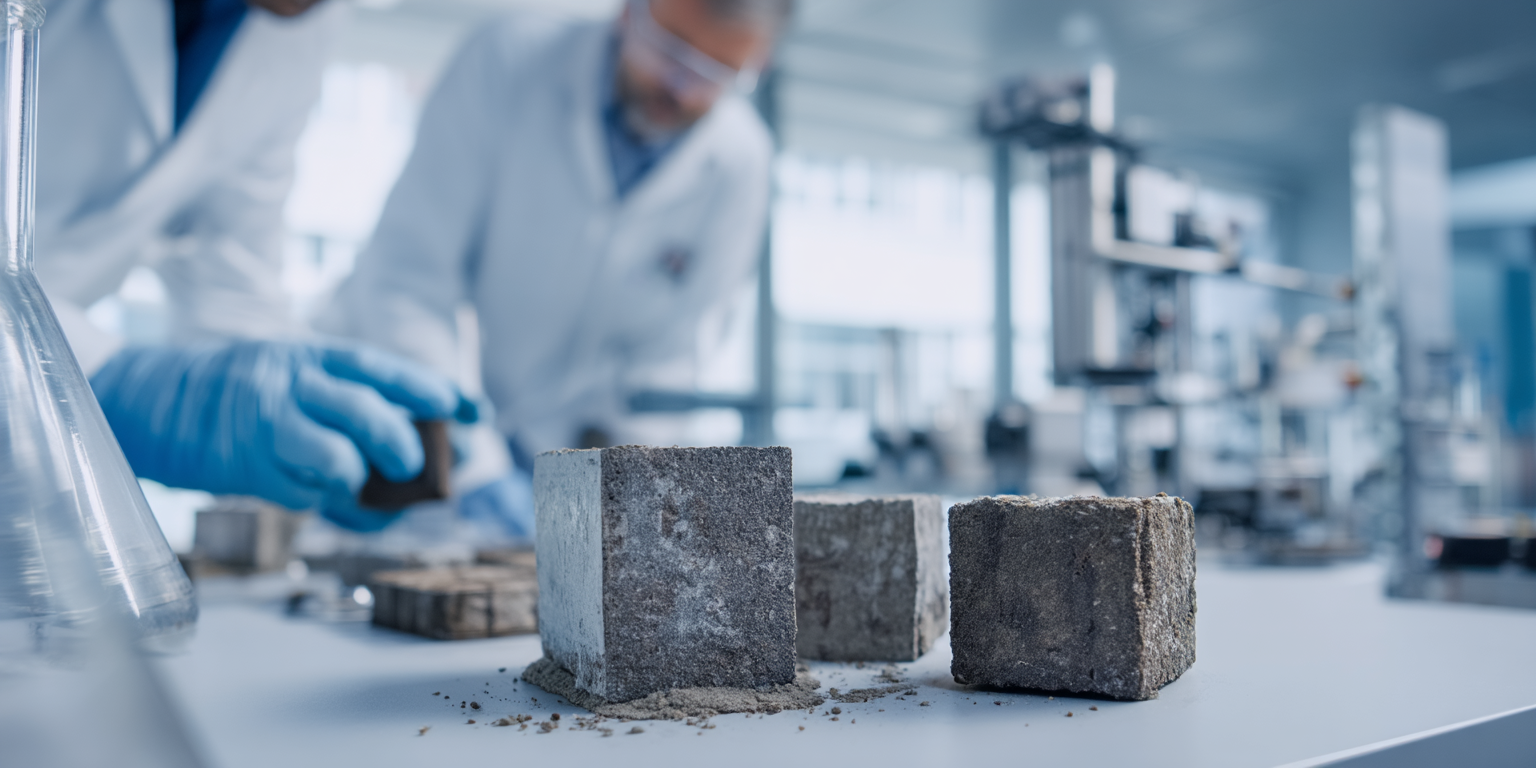
    The production of cement as a binding agent for concrete accounts for 8 per cent of global carbon dioxide emissions. Researchers from various European universities and institutes are working under the leadership of the Karlsruhe Institute of Technology (KIT) in Germany to develop alternatives to cement. According to a press release, the Zug-based building materials manufacturer Holcim is involved in this research work as part of the European C-SINK project.

    The research focuses on magnesium-containing silicates, which react with CO₂ to form magnesium carbonate in a targeted, accelerated mineralisation process. This additive could be the new binder for concrete, replacing Portland cement clinker. The material is currently being tested in the KIT laboratories with the participation of all parties involved. This involves close integration of simulation, experimental research and large-scale, realistic testing at the Materials Testing Institute in Karlsruhe. “We can use simulations and machine learning to predict which concrete formulations will work,” says Frank Dehn, head of the Institute for Solid Construction and Building Materials Technology and the Karlsruhe Materials Testing and Research Institute at KIT, quoted in the press release. “We then use experiments in a targeted manner to verify these predictions. In this way, we want to develop reliable parameters that show that concrete with the new binder is climate-friendly and meets the requirements for load-bearing capacity, durability and safety.”

    The project is funded by the European Innovation Council (EIC) as part of the Pathfinder programme “Towards cement and concrete as a carbon sink”. In addition to KIT and the coordinating PAEBBL AB (Sweden), the Technical University of Delft (Netherlands), the Catholic University of Leuven (Belgium), the Agencia Estatal Consejo Superior de Investigaciones Científicas and PREFABRICADOS TECNYCONTA S.L. (both Spain) are also involved, with support from Holcim Technology. The project is funded with 4 million euros over a period of four years.

  • New technology extends the service life of old bridges

    New technology extends the service life of old bridges

    The bridges, which were built in the 1980s, are showing increasing signs of fatigue and need to be repaired. Researchers and engineers from the Structural Engineering Department at the Swiss Federal Laboratories for Materials Science and Technology (Empa) in Dübendorf are working on new methods for renovating these bridges. For their experiments, they are using a bridge deck made of ultra-high-performance fibre-reinforced concrete (UHPFRC) reinforced with shape memory steel, according to a press release. This steel is an iron-based steel made from an alloy containing manganese, silicon and chromium, among other elements. The fibre-reinforced concrete is bonded to this steel. When heated, the steel contracts and closes any cracks that have appeared in the concrete.

    The researchers led by Angela Sequeira Lemos and Christoph Czaderski carried out corresponding experiments in Empa’s construction hall. Five concrete slabs, each five metres long, simulate bridge elements. One of these remained unreinforced, while the others were reinforced with conventional reinforcing steel or shape memory steel. For the test, cracks were made in the slabs to simulate real-life wear conditions. The results showed that the combination of fibre-reinforced concrete and shape memory steel was more effective. It was able to close cracks and lift sagging bridge sections. “We were able to show that our system not only works, but can actually revive existing bridges,” Angela Sequeira Lemos is quoted as saying in the press release.

    The research project was funded by Innosuisse and supported by OST– University of Applied Sciences of Eastern Switzerland, re-fer, a spin-off of Empa in Seewen, and the Swiss Cement Industry Association cemsuisse. A practical test on a real bridge could spark interest from industry. “And with increasing demand, material costs are also likely to fall – then this technology could bring about lasting change in bridge renovation,” Sequeira Lemos is convinced.

  • Construction site for retirement home in Schlieren to be set up in March

    Construction site for retirement home in Schlieren to be set up in March

    From the beginning of March 2026, the construction site for the new Schlieren retirement home “Wohnen am Stadtpark”will be visible to the public. Preparatory work will then begin there. Two appeals had led to a one-year delay, but these were withdrawn in December 2025. The legal proceedings have now been concluded. According to a statement from the city of Schlieren, the construction site can now be set up and the initial construction and preparatory work can begin. The official ground-breaking ceremony is scheduled for April 2026. Construction work is expected to be completed by the end of 2028.

    As construction begins, the playground on the western edge of the city park will also be dismantled starting in early March. According to the city, a new municipal playground is already being built at Stürmeierhuus. It is scheduled to be completed in April.

    In the referendum on 12 March 2023, a loan of CHF 44.32 million for the construction of the new retirement home was clearly approved with 76.6 per cent voting in favour. As the city emphasises, it makes “an important contribution to ensuring modern, needs-based care and nursing for the elderly close to their homes”.

  • Cooperation aims to secure landfill capacity in the long term

    Cooperation aims to secure landfill capacity in the long term

    The cantons of St. Gallen, Thurgau and Schaffhausen are working together to plan new landfills for slag from waste incineration plants, according to a statement from the Department of Construction and Environmentof the Canton of St. Gallen. Over the next two years, the waste management authorities of the three cantons will develop a coordinated plan that identifies the need for landfill volume and landfill sites. The aim is to ensure secure waste disposal for the next 30 years and to exploit economic and ecological advantages.

    The starting point for the collaboration is the foreseeable shortage of suitable landfill volume. The incineration of waste in waste incineration plants produces waste incineration plant slag that cannot be further recycled and must be stored in specially secured type D landfills. Such facilities are in short supply both in the participating cantons and throughout Switzerland. Without additional capacity, there is a risk of bottlenecks in waste disposal in the medium term.

    Coordinated planning aims to optimise existing cantonal waste streams, exploit economic and ecological advantages and enable the rational use of individual sites. In this way, the three cantons want to offer long-term planning and disposal security for waste producers as well as waste incineration plants and landfills.

    With this project, the cantons are fulfilling their legal mandate for waste planning. This includes determining future landfill requirements and identifying suitable locations. The jointly developed planning basis will then serve as the foundation for cantonal planning instruments such as structure plans and other procedures.

  • Canton Zurich creates interface with innovation park

    Canton Zurich creates interface with innovation park

    According to a statement, the canton of Zurich has created the Zurich Innovation Park specialist unit. This implements a decision by the cantonal government in April 2025 to transform the coordination unit, which was previously managed by an external mandate, into a regular organisation. The specialist unit is based in the Office for Economic Affairs and began operations at the start of the year.

    The centre is responsible for ensuring the division of tasks between the Department of Economic Affairs, the Innovation Park Foundation, IPZ Property AG and IPZ Operations AG. It coordinates cantonal projects and involves various stakeholders in the local communities, the federal government, the business community and other partners.

    In addition to the Innovation Park as the most important area development project in the canton, the specialist unit will also focus on the active development of commercial space as a key location factor. This involves space for the growth, transformation and establishment of companies, particularly in or around the Innovation Park, but also throughout the canton.

    Benjamin Grimm is the first head of the specialist unit. The geographer has a Master’s degree in Spatial Development and Infrastructure Systems from the Swiss Federal Institute of Technology Zurich and a Master of Advanced Studies in Real Estate from the University of Zurich. He has worked for the Federal Office for Spatial Development and the Office for Spatial Development of the Canton of Zurich, among others.

  • Research project focuses on seasonal energy storage

    Research project focuses on seasonal energy storage

    According to a LinkedIn post, the University of Applied Sciences and Arts of Western Switzerland (HEIG-VD) and the engineering firmPlanairhave launched the BIG4HEAT project. BIG4HEAT will run for two years and is supported by the Swiss Federal Office of Energy (SFOE). Services Industriels de Genève (SIG), Groupe EausGranges-Paccot FR and Cadcime, based in Eclépens VD, are also industrial partners in the project.

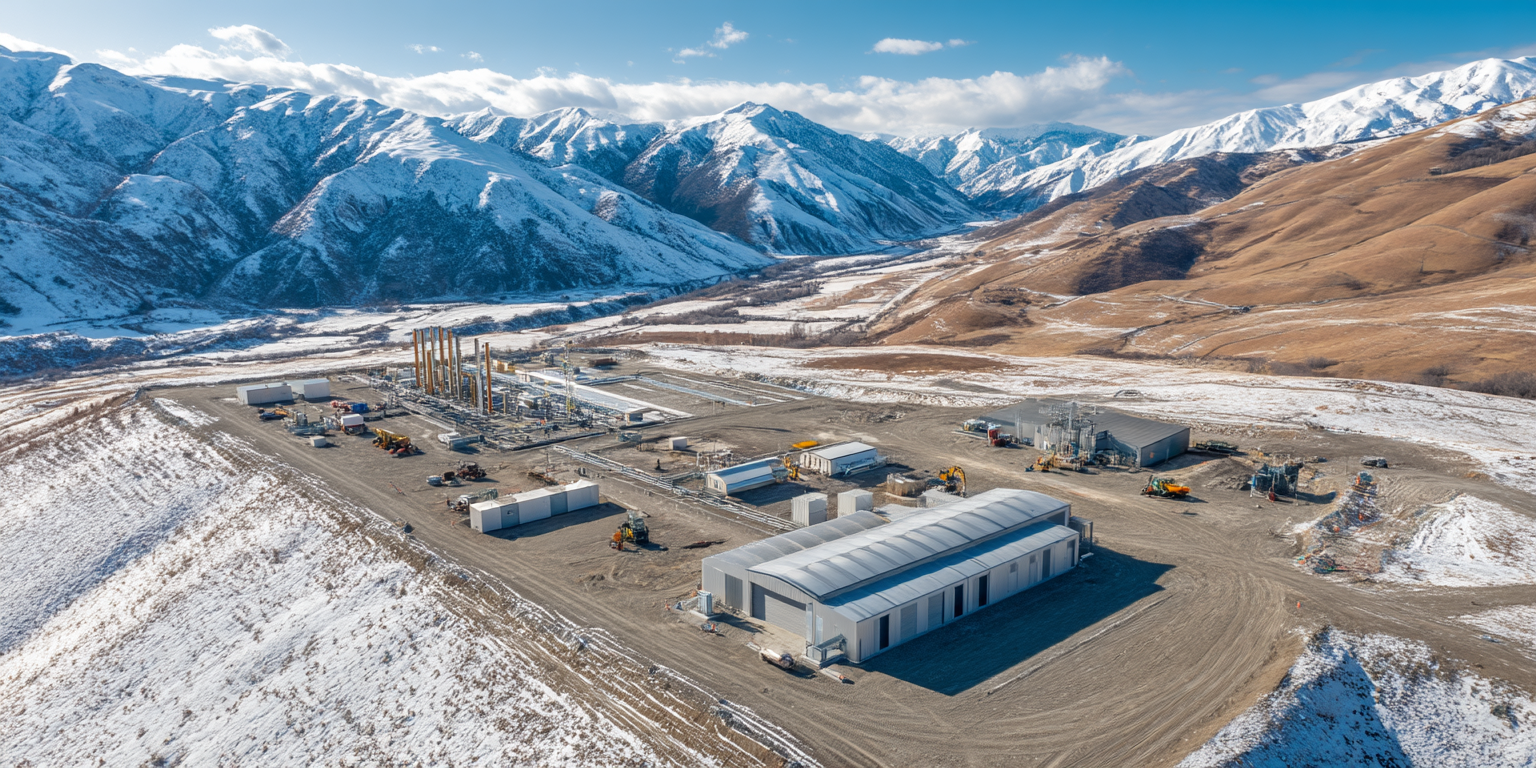
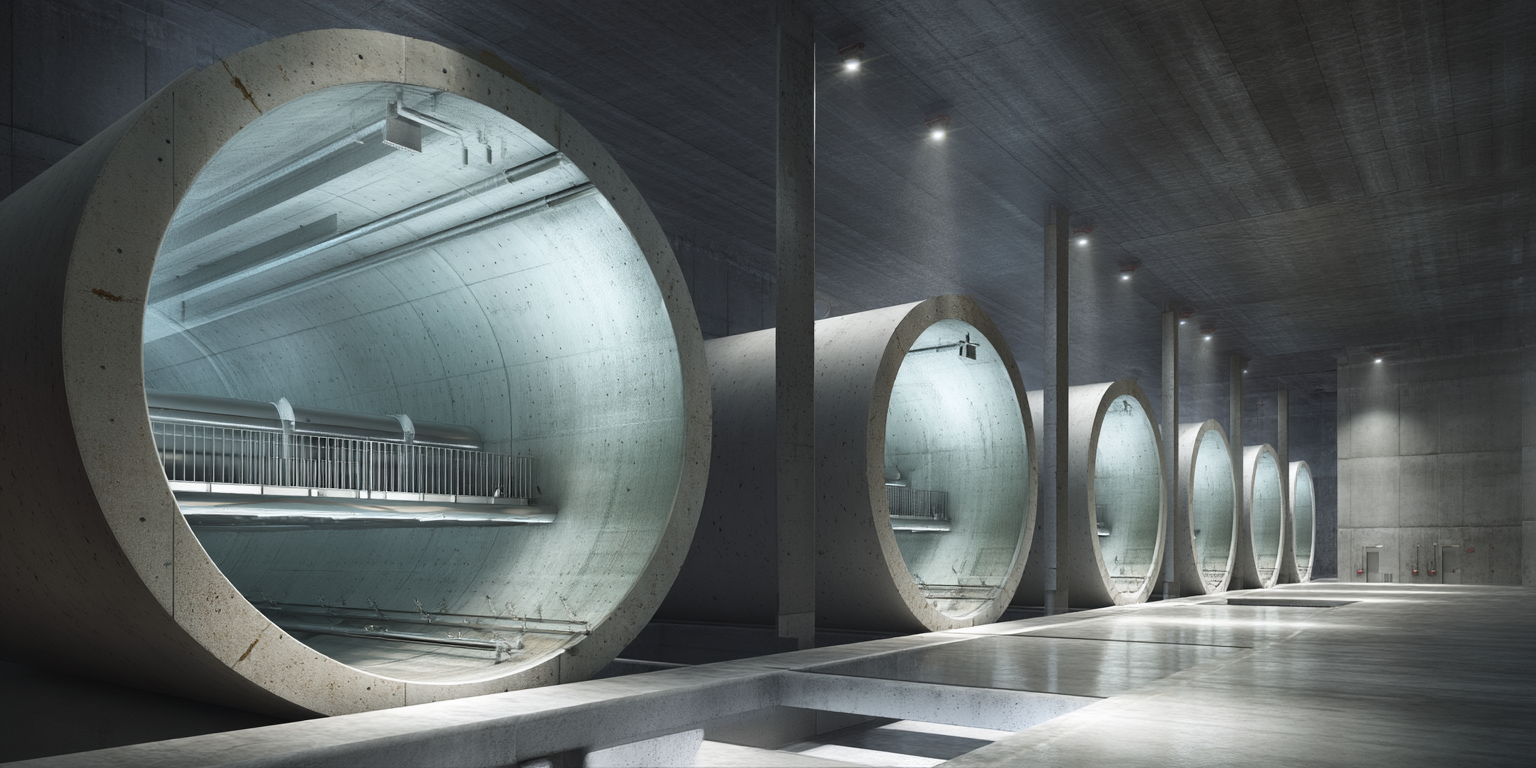
    The main objective of the project is to develop an underground seasonal heat storage facility (Chemical Thermal Energy Storage, CTES). The heat energy is to be stored in summer and then used in winter. HEIG-VD and Planair want to use old cisterns for this purpose, which will be converted into heat storage facilities in line with the principles of the circular economy and retrofitting, i.e. the conversion of older facilities. According to HEIG-VD, “seasonal storage could reduce the electricity deficit in winter by almost 20 per cent”. With this project, HEIG-VD and Planair aim to reduce CO2 emissions and create space in urban areas from 2030 onwards by using underground storage facilities.

    Founded in 1956 and based in Yverdon, HEIG-VD conducts research in collaboration with companies, local authorities and national and international partners in various fields such as energy and sustainable development. Planair, based in La Sagne NE, is active in the fields of energy transition and renewable energies.

  • New cooperation improves precision in surveying and construction

    New cooperation improves precision in surveying and construction

    Fixposition announced a collaboration with Topcon Positioning Systems at the Geo Week 2026 trade fair. The fair is taking place in Denver, Colorado, until 18 February 2026. According to a press release, the Schlieren-based specialist in real-time kinematic (RTK) and visually assisted positioning will provide its solutions to the Californian company. The technologies developed by the spin-off of the Swiss Federal Institute of Technology Zurich, founded in 2017, are to be integrated into the high-precision satellite-based positioning systems of the Californian company Topcon.

    Topcon offers high-precision GNSS (Global Navigation Satellite System) positioning technologies for geomatics, construction and agricultural applications worldwide, according to Ron Oberlander, head of Topcon’s Geomatics platform. The integration of Fixposition’s visual positioning technologies will help his company create added value for its customers.

    “Fixposition has developed technology that improves satellite positioning and benefits users even when working inside buildings and transitioning between indoor and outdoor areas, without disrupting the workflow, by combining RTK-GNSS with artificial intelligence to ensure positioning accuracy. We see this AI-powered technology as an innovative integration into our next-generation GNSS solutions.”

    Zhenzhong Su, CEO and co-founder of Fixposition, says he is “proud to deliver Fixposition’s xFusion, Vision and multimodal fusion positioning technology to support Topcon’s next-generation GNSS solutions. We look forward to bringing this new solution to market and helping surveying professionals in geomatics, construction and agriculture achieve faster results and do more without compromising on quality, even in environments where GNSS connections are difficult.”

  • Startup accelerates engineering simulations with AI

    Startup accelerates engineering simulations with AI

    Hardware development and material testing today rely heavily on physics-based simulations for design, validation and production. These calculations often take hours or days and incur high costs, which delays projects and pushes back production launches. Engineers therefore often reduce model complexity to shorten calculation times, at the expense of accuracy and proximity to real operating conditions.

    Physics-aware AI for faster workflows
    Fainite is developing a physics-aware AI platform that speeds up and simplifies existing simulation workflows. The engine learns from physics-based simulations and can derive accurate predictions without relying on large historical data sets. Engineers set up new workflows in minutes, run simulations much faster and can intelligently reuse previous results, even with limited amounts of data. An integrated AI agent guides them through complex steps, suggests settings and makes advanced analyses usable for broader teams.

    cHF 150,000 for scaling and market entry
    The CHF 150,000 from the Venture Kick programme will be used to expand the technology to additional engineering disciplines and use cases and to build a scalable platform with next-generation functionalities. At the same time, the funds will strengthen the team structure and go-to-market activities in order to accelerate deployment at industrial companies. The company is thus addressing around 9 million hardware engineers worldwide whose work is currently slowed down by slow, complex simulation processes.

    Founding team with physics and AI expertise
    The start-up was founded by researchers and engineers from Caltech, ETH Zurich, the University of Cambridge and Google, including CEO Alex Donzelli, Chief Scientist Prof Burigede Liu and ML Lead Matthias Bonvin. The team is complemented by former executives from established simulation software manufacturers, bringing together in-depth expertise in deep learning, computational physics and industrial simulation platforms. According to Alex Donzelli, Venture Kick’s funding, feedback and network have been instrumental in moving quickly from technical validation to the first industrial applications.

  • Thun North forms a new urban neighbourhood

    Thun North forms a new urban neighbourhood

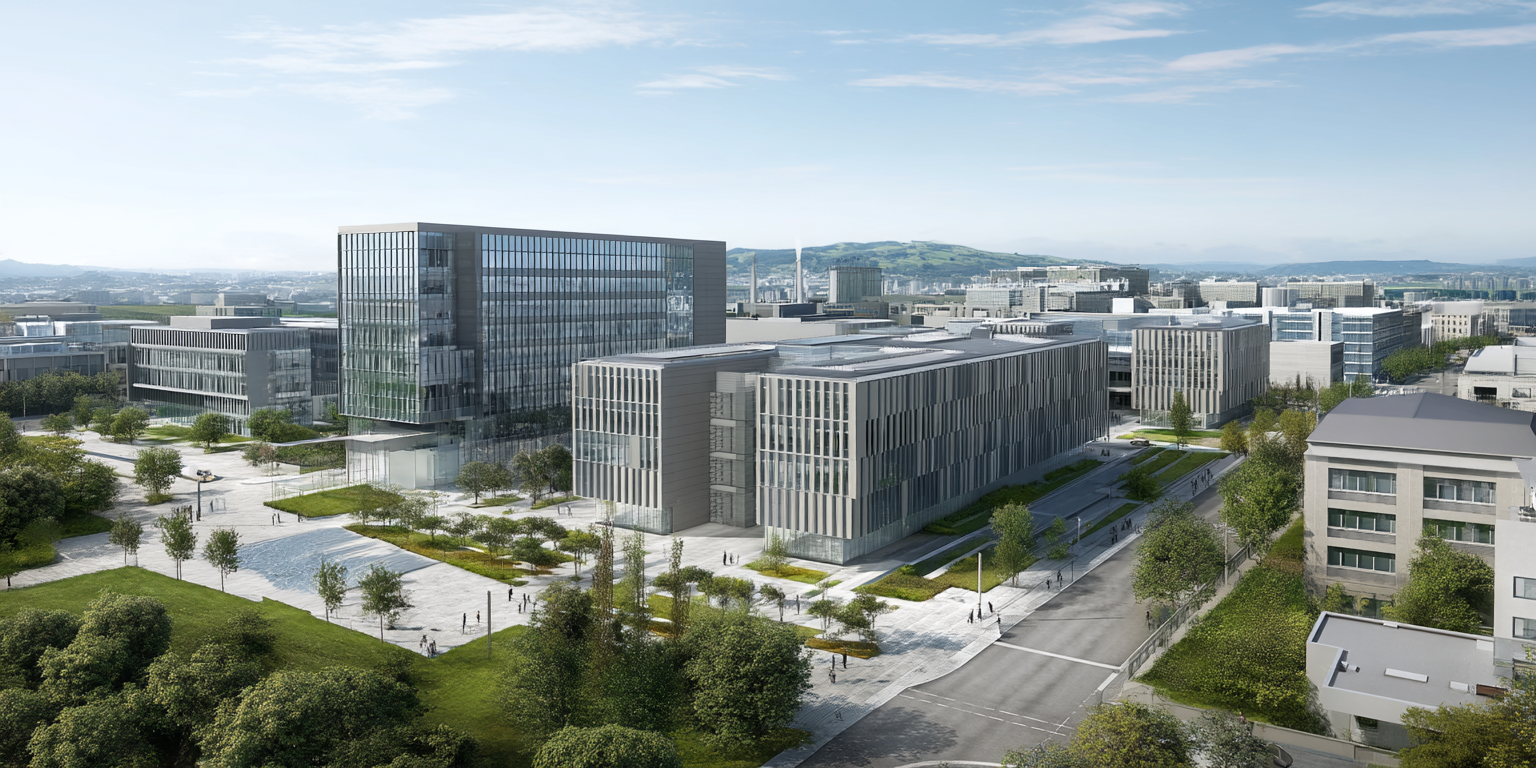
    The cantonal development centre Thun North is considered the most important business location in the Bernese Oberland and is one of the four premium locations in the canton of Bern. The area between Selve and Lerchenfeld, which is still heavily characterised by military use, is to be gradually opened up for new uses. This will create space for working, living and mobility, linked by a new public access route.

    Workshop process as a milestone
    In 2025, the city of Thun conducted a workshop process together with Armasuisse Immobilien, Ruag Real Estate AG and BLS. It marked an important milestone in the transformation of the area. The task was to identify ways in which the site could develop into a modern, networked urban district. In addition to the future Thun Nord S-Bahn station, the creation of a lively urban environment is at the centre of the project.

    Open spaces as a basic framework
    The planning considerations focus on open spaces as a connecting element between the closed military areas to the south of the site. The three interdisciplinary teams developed several approaches in dialogue with experts, owners and interest groups. Despite different concepts, a common core emerged. The open space, Aare, Alpenbrücke and Allmendstrasse form the supporting framework to which future neighbourhood structures will connect. The new railway station also makes reference to the existing buildings. The striking shed roof hall will serve as the backbone and identity carrier.

    From idea to realisation
    The next phase is now starting. In a so-called synthesis, the city, owners and project partners are working on further refining the open space and neighbourhood structure. This forms the basis for the next, harmonised plans, such as infrastructure projects or the necessary planning instruments. Thun North is thus taking shape as a forward-looking neighbourhood that combines economic strength and spatial quality.

  • Orientation in a tight property market

    Orientation in a tight property market

    Bilanz reminds us that the Swiss property market is still “bubbling”. The gap between supply and demand remains wide, and construction activity in many places is not sufficient to meet the demand for residential property. According to real estate surveys, experts expect prices to continue to rise in 2026, particularly for single-family homes and condominiums, while land prices in centres such as Zurich will reach new highs. At the same time, market indicators such as the UBS Swiss Real Estate Bubble Index are warning of increasing overvaluation risks, even though experts currently categorise the risk of an acute bubble as moderate.

    Why Bilanz has chosen the “Top Property Experts 2026”
    Local market knowledge and professional support are becoming increasingly important in this environment. Bilanz and the market research institute Statista have therefore once again identified the “Top property experts in Switzerland 2026”. The award was given to 125 companies that were recommended with above-average frequency in areas such as buying and selling, letting, property management, property valuation, client representation, financing and proptech. The best list is intended to help owners and buyers find suitable partners, from marketing a home to financing a new purchase.

    Recommendations from professionals and customers
    For the ranking, Statista surveyed industry experts and customers who have used property services in recent years. Based on over 2,000 participants, the 125 most recommended companies were identified and included in the list in alphabetical order. Additional key figures such as company size were also taken into account. Bilanz emphasises that the ranking does not replace a complete market overview, but offers a sound guide in a complex market.

  • New investor for Werkmatt Uri

    New investor for Werkmatt Uri

    On 25 February 2026, Director of Economic Affairs Urban Camenzind and Risa Immobilien SA signed the purchase agreement for construction site 11 on Werkmatt Uri. This is based on a purchase rights agreement concluded in 2024 between the Canton of Uri and IG Innovationspark Gotthard. In recent years, the IG has developed the project idea for a functional, sustainably built and architecturally impressive commercial and service building. In October 2025, the municipality of Altdorf granted planning permission for a four-storey building with around 4,000 square metres of floor space and room for around 140 workplaces.

    Marcus Weber backs the Uri location
    Risa Immobilien SA is backed by Marcus Weber, an investor with a high profile in Switzerland in the property, tourism and Alpine infrastructure sectors. He has been involved in Sedrun/Disentis for many years and, as Chairman of the Board of Directors and main shareholder of Bergbahnen Disentis AG, is involved in the expansion of the tourism offering there. Weber is also already present in the canton of Uri, for example with investments in the ski lift, mountain restaurant and accompanying infrastructure on the Brüsti in Attinghausen. By investing in Werkmatt Uri, he is expanding his involvement with another forward-looking project in the Alpine region.

    Project enters the implementation phase
    The planned office and commercial building is being built on the northern edge of Werkmatt Uri, within walking distance of the Altdorf cantonal railway station and close to the future A2 motorway junction. Construction is scheduled to start in autumn 2026, with occupation scheduled for 2028, and the investor wants to push ahead with the implementation quickly. This will create attractive, flexible space in a central location for companies that want to utilise Uri’s locational advantages.

    Werkmatt Uri offers further potential
    At around twelve hectares, Werkmatt Uri is the last large land reserve in the Uri valley floor and has excellent access between the cantonal railway station and the A2 motorway. The site is intended to provide over 1,000 jobs in the long term and be developed specifically for industrial, commercial and service companies. In addition to construction site 11, around eight hectares are still available for sale or the granting of building rights, handled by the canton of Uri. Companies interested in sites can find further information online on the Werkmatt Uri platform.

  • Multiple use of private car parks efficiently utilised

    Multiple use of private car parks efficiently utilised

    Many private car parks remain unused for hours at a time, during the day in residential neighbourhoods and at night at work or shopping locations. With multiple use, owners make their car parks available when they do not need them themselves. This reduces the pressure on public car parks, while cities gain space for more greenery, cycle connections and quality of life. The basis for this is a management concept commissioned by the Department of Construction and Transport, which aims to make more efficient use of private parking facilities.

    Four pilot projects demonstrate the potential
    Since the beginning of this year, four projects have been running in which owners are working together with the car park brokers ShareP and Parcandi. PSP Swiss Property is providing around fifty underground car park spaces for multiple use at Hochstrasse 16. Lonza AG opens its company car park on the Lindenhof site to residents at night and at weekends. There are further offers in the St. Alban suburb at the Goldener Löwen and at Dornacherstrasse 8/10, with solutions for residents and commuters alike. The projects will be monitored and analysed for two years and form the basis for further implementation.

    Flexible offers for different needs
    The new parking models are aimed at different user groups. Commuters can book fixed or recurring parking spaces during the week. Residents benefit from secure parking spaces at night and at weekends. Season tickets are available for regular users, while short-term offers are available for spontaneous journeys. The result is a parking system that adapts to people’s everyday lives instead of creating additional space requirements.

    Advice for owners and supplementary neighbourhood parking
    Owners of parking facilities can now obtain advice free of charge. The initial consultation shows how car parks can be managed more efficiently without a great deal of effort. Multiple-use models can also be used without advice and without authorisation procedures. At the same time, the canton is promoting additional neighbourhood car parks. By taking over the Horburg multi-storey car park, it will create over 300 rentable parking spaces for residents from April 2026, thus strengthening the overall offer in the neighbourhood.

  • Timber construction as an investment

    Timber construction as an investment

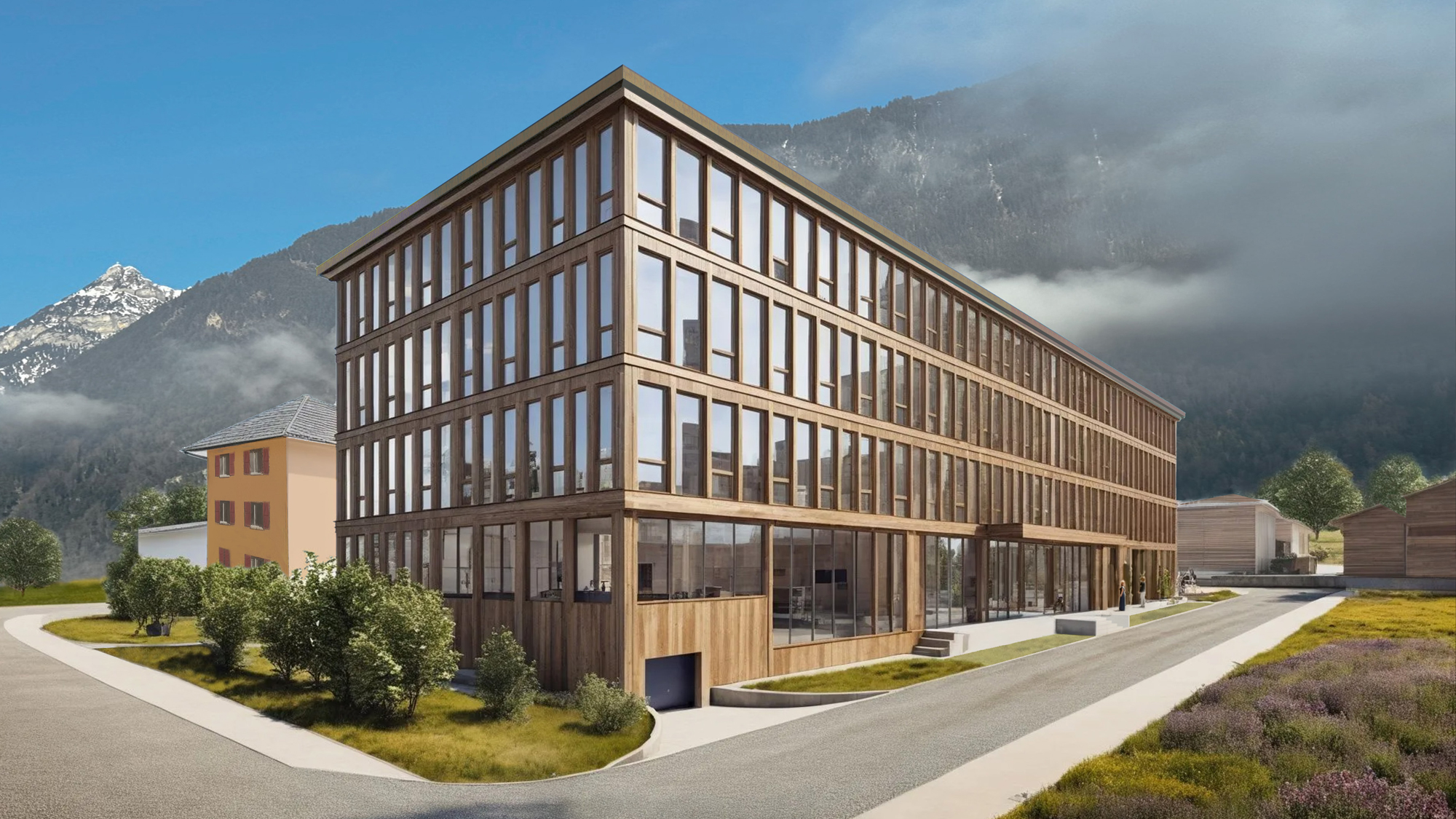
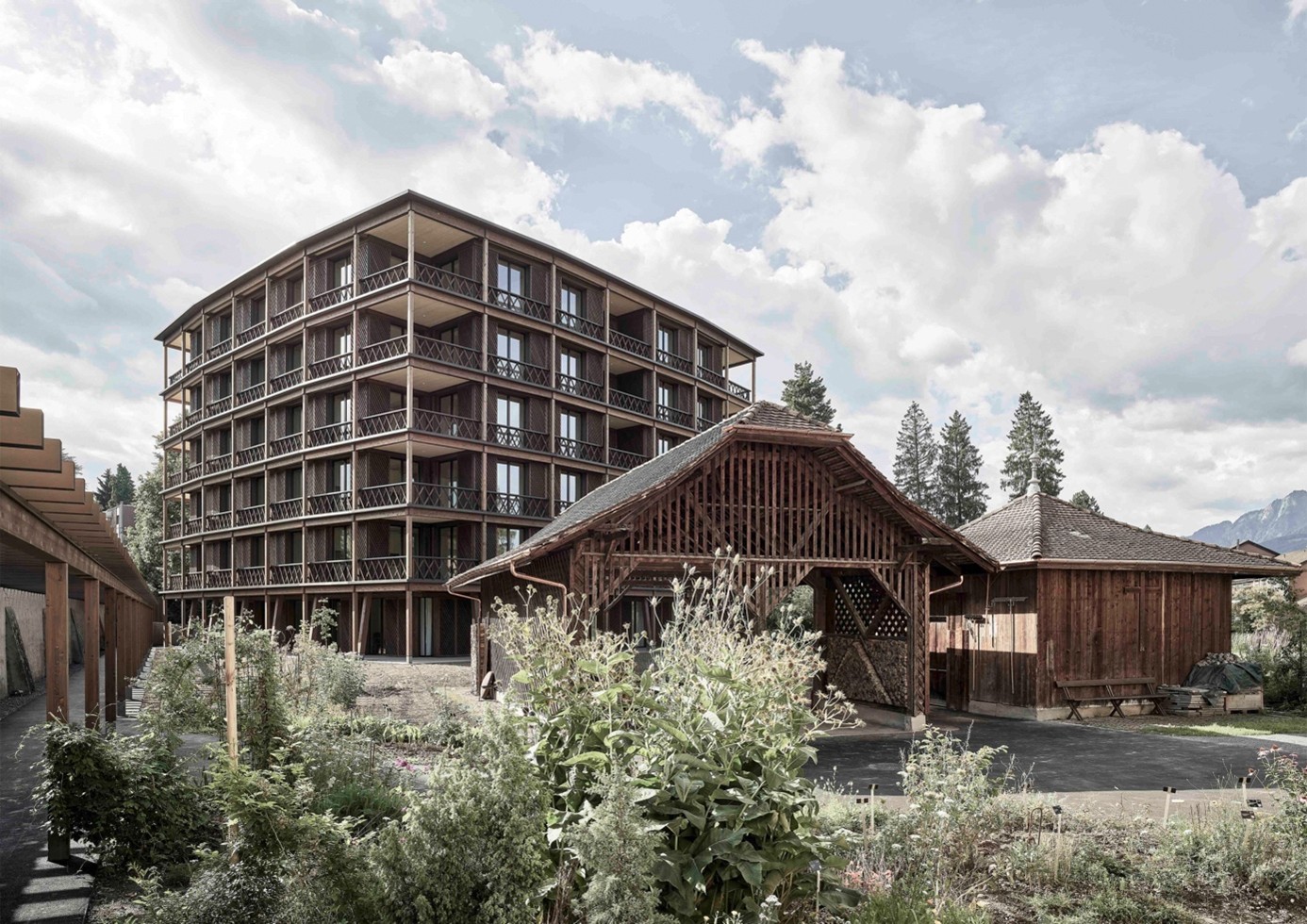
    Timber and hybrid buildings have established themselves as a serious alternative to energy-efficient solid construction. Studies conducted by Wüest Partner and Durable on behalf of Lignum and FOEN show that timber buildings can compete with solid construction in terms of construction costs and performance, although they are slightly more expensive on average. For investors, timber construction thus becomes a building block for achieving sustainability goals without sacrificing economic solidity.

    Costs, life cycle and risk profile
    In a cost comparison, the median construction costs of timber buildings are around 10 per cent higher than those of solid construction. In the lower price segment, however, the values are very similar. Energy standards such as Minergie-P have a greater influence on costs than the choice of load-bearing structure. In the short to medium term, timber buildings benefit from high cost security, lower operating and maintenance costs and a better deconstruction and reuse profile. Over very long periods of 80 years, the greater durability of mineral construction methods has a positive impact on costs, meaning that their life cycle costs are lower.

    Ecological advantage and Green Premium
    Ecological evaluations show that timber constructions reduce grey greenhouse gas emissions by an average of around 20 percent compared to a mineral twin, and significantly more for individual components. The effect is particularly large in the case of extensions, where timber construction enables significant CO₂ savings compared to replacement new builds and creates additional space at the same time. International meta-studies on certified green buildings also point to price and rental premiums as well as lower capitalisation rates, an indication that the market rewards sustainability as a risk buffer.

    Time as a yield driver
    The green premium in timber construction is primarily created by process advantages. A high degree of prefabrication, modular systems and digital planning significantly shorten the construction time. For investors, this means earlier returns and a reduction in construction and project costs due to the time factor. Model calculations estimate savings of around CHF 200 per square metre for a six-month time saving. At the same time, scheduling, coordination and weather risks are reduced, resulting in more stable budgets and more predictable cash flows.

    Strategic role in the portfolio
    Institutional investors such as specialised sustainability funds see the main added value of timber and hybrid construction less in rents than in ecological benefits, the reduction of stranded asset risks and robust ESG positioning. In existing buildings, timber construction scores particularly well in the case of extensions and redensification, where its lightness and prefabrication lead to superior overall economics. For yield-oriented investors, timber construction is therefore particularly worthwhile where process advantages, ESG strategy and location quality interact.

  • Why the real estate industry is tackling digitalisation

    Why the real estate industry is tackling digitalisation

    Mr Caspar, pom is regarded as one of the leading consulting companies in the areas of digitalisation, transformation and sustainable property development. How would you describe your role within this ecosystem?
    At pom, we see ourselves as an intermediary between research, development and practice in the property industry. Our role is to recognise new topics at an early stage, classify trends and develop an understanding of what will move the industry in the future. We translate this knowledge into concrete use cases, recommendations and a basis for decision-making for our clients. In doing so, we help companies to separate the important from the unimportant and to focus specifically on those methods, technologies and data that actually create added value for their role in the property industry.

    Which topics are your customers currently most concerned with: data, processes, organisation or technology?
    There is no simple answer to this question. In recent years, the focus has been very much on technology. Many companies have introduced new systems and launched numerous digitalisation projects. This has certainly brought progress, but has also led to a certain amount of disillusionment. Projects were more time-consuming, more expensive and more complex than expected. This was often due to the fact that data and processes were underestimated. We are currently observing a clear shift away from purely technology-driven projects towards more data- and process-orientated approaches. The current AI hype is further reinforcing this development.

    pom emphasises that data is the foundation of modern property management. Where do Swiss companies stand today in terms of data readiness?
    Basically, Swiss property companies are not in a bad position. Most of them have sufficient data readiness to operate their core processes reliably and answer relevant stakeholder questions, but we see a need for development in automation in particular. This requires data to be structured, consistent and available company-wide. Data-intensive topics such as ESG show where the limits lie. Another important point is collaboration across company boundaries. The property industry has always been highly networked. Greater data readiness is crucial to making this collaboration more efficient, digital and automated in the future.

    What are the most common misconceptions about the digitalisation of property portfolios?
    The effort and complexity are often underestimated. In particular, the provision and preparation of the required data is estimated too optimistically. Although data is available, it is often not of the necessary quality or structure. This leads to delays, additional costs and extra work for the specialist departments that should actually be doing their core business. Another misconception is that digitalisation projects can be implemented “on the side”. Professional project structures and the corresponding expertise are often lacking. This has a negative impact on motivation, acceptance and ultimately the success of the project.

    Which technological developments will change the property sector the most in the next 5-10 years?
    Basically, we distinguish between two levels: the digitalisation of the property itself and the digitalisation of the companies that operate these properties. At building level, we are seeing major advances in the cloud, IoT and digital models. The digital mapping of properties, often referred to as the digital twin, is increasingly becoming the standard and enables new forms of automation, while at company level, development will be strongly characterised by AI and process digitalisation. A small number of core applications, combined with flexible low-code platforms, will make it possible to automate processes efficiently and across companies.

    Many companies are experimenting with AI. Where do you see realistic fields of application in the next 24 months?
    In the short term, there is great potential in analysing and evaluating documents and unstructured data. Content can be summarised, evaluated and created more quickly. Another important step is the integration of AI tools into everyday working life, for example as assistance solutions. The next step will be to increasingly link these systems with company-specific data. Reporting and analyses will also change: instead of fixed reports, information will be compiled according to the situation and needs.

    What risks do you see in the use of AI in the property industry?
    We see the biggest challenges less in the regulatory area and more at a cultural and technological level. Many companies do not yet have the necessary skills and structures in place to deal with data and technology. In addition, the Swiss market is highly fragmented and heterogeneous, which makes it difficult to introduce standardised solutions. The property industry is project-orientated and has little serial logic. This further slows down the introduction of new technologies.

    Rate of adoption instead of technology: what are the biggest cultural hurdles?
    A key hurdle is that digitalisation is not yet anchored as a strategic topic in many companies. A lack of expertise, unclear responsibilities and the expectation of implementing digitalisation “on the side” are slowing down implementation. In addition, there is often a lack of willingness to consistently scrutinise and change existing ways of working.

    How is digitalisation changing roles in real estate companies?
    Digital skills will be part of the basic qualification of many roles in the future. The focus will be less on a deep understanding of technology and more on secure user knowledge. At the same time, new roles are emerging, for example for the management of digitalisation projects and digital platforms. These functions ensure that systems are used, developed and operated sensibly.
    This allows asset, property and facility managers to continue to focus on their core business.

    What makes a digitally mature company?
    A digitally mature company anchors digitalisation, technology and data at the highest management level. There is a clear strategic stance, defined goals and responsibilities. Digitalisation is not delegated to IT, but is seen as an entrepreneurial task.
    Such a company also has the necessary roles, processes and expertise to continuously develop digital solutions and adapt them to changing conditions.

    ESG and PropTech are growing together. Which technologies are already creating real impact?
    ESG is a strongly data-driven topic. There are now functioning solutions along the entire data chain, from measurement to key figures. Smart meters, automated analyses of energy bills and the consolidation of data across several buildings are technically feasible. The challenge lies less in individual components and more in end-to-end integration and automation within companies. We do not yet see a comprehensive all-in-one solution.

    Where do you see the biggest gaps between requirements and reality on the market?
    The biggest gaps arise where requirements are only implemented selectively without considering the entire value chain. Data-driven topics in particular show that technical possibilities are available, but organisational and structural requirements are often lacking.

    How do you assess the maturity of the Swiss PropTech market in an international comparison?
    Switzerland has a very lively and innovative PropTech scene. Many solutions are internationally successful. The biggest challenge lies in scalability due to the size of the market and the federal structures. Overall, however, the level of maturity is high and competitive.

    Which PropTech areas are underdeveloped and which are overheated?
    The ESG sector is currently very overheated. There are a large number of solutions, which leads to a certain disillusionment. In international comparison, the consistent use of BIM across the entire property life cycle is particularly underdeveloped. Other countries are further ahead here, especially when it comes to institutional investors.

    Where do you see potential for partnerships between established companies and start-ups?
    Partnerships offer great potential, but are challenging. Established companies think long-term, start-ups are dynamic and innovation-driven. Cooperations are successful where there is mutual understanding and clear expectations are defined, be it in projects, partnerships or targeted funding models.

    Which developments currently surprise you in particular, both positive and negative?
    The AI hype is both positive and challenging. Positive because it promotes innovation, efficiency and new ways of thinking. Negative because expectations are often overestimated in the short term. Sustainable success requires an in-depth examination of data, processes and governance.

    If you could change one thing in the industry immediately, what would it be?
    I would like to see more consistency across the entire property life cycle.
    The project-based, highly individualised way of working makes it difficult to use scalable digital solutions. Approaches such as prefabrication and standardised construction methods could help to enable technological leaps without losing quality and design freedom.

    What drives you personally to drive forward the transformation of the industry?
    I am motivated by change, new projects and the opportunity to develop things further.
    Property is a particularly exciting field because it shapes our daily lives, from living to working. I find shaping digitalisation and transformation in this context to be meaningful and highly relevant.
  • PropTech Switzerland 2025

    PropTech Switzerland 2025

    Around 430 PropTech companies are currently active in Switzerland, many of them with roots at ETH or EPFL. This is an indication of the strong focus on deep tech and research. A large proportion of the companies are still in the early stages of development, with around half generating less than CHF 0.5 million in annual revenue. Nevertheless, the majority of companies expect increasing revenues, which characterises the mix of young start-ups, growing scale-ups and established technology companies.

    Funding, segments and sustainability pressure
    Due to the high number of completed financing rounds in 2024 and according to estimates, several hundred million francs have flowed into Swiss PropTechs in recent years. Solutions for smart buildings, energy efficiency, digital transactions, data analysis and AI-based services are particularly in demand. Around a fifth of companies are active in digital brokerage, followed by smart building solutions and data and AI products. The area of sustainability and lifecycle management is becoming increasingly important, driven by ESG requirements and net zero strategies. A significant proportion of PropTechs now integrate environmental sustainability as a core function of their offerings.

    Internationalisation and visibility in the start-up ecosystem
    Between 30 and 40 Swiss PropTech companies are already active in European or global markets, exporting their technologies or testing them in international pilot projects. At the same time, PropTechs regularly appear in rankings of the most promising Swiss start-ups, where they are among the fastest-growing young companies. The picture is thus shifting from a niche to a visible growth segment in the national innovation ecosystem.


    Slow adoption meets increasing digitalisation pressure
    Despite scalable products, customer acquisition remains challenging. Decision-making and procurement processes in the property industry often take one to one and a half years, which delays market entry and stretches out roll-outs. At the same time, there is increasing pressure to digitalise processes, make better use of data and operate buildings more sustainably. From regulatory requirements to rising energy prices. For PropTechs, this creates a field of tension between long cycles on the customer side and the fast pace of technology and capital requirements.

    Europe as a growth lever and opportunity for Switzerland
    The European PropTech market is growing dynamically and is expected to expand its volume significantly by the end of the decade, driven by investments in AI, smart buildings and sustainable refurbishment technologies. Europe currently holds a substantial share of the global PropTech market, from which Switzerland can benefit disproportionately with its high level of innovation, strong university landscape and exportable solutions. Overall, the scene is small but highly innovative. It is in the process of professionalising itself, becoming internationally oriented and changing the real estate industry in the long term.

    Facts & Figures PropTech Switzerland 2025

  • Industrial site makes way for hotel and modern office space

    Industrial site makes way for hotel and modern office space

    According to a statement, HGC, a building materials supplier operating throughout Switzerland, is relocating its Lucerne site. This move is in response to the development of the former industrial area of Tribschen into a central urban district.

    HGC already relocated its regional transport business to its new site in Inwil last September. The company will also serve all its regional customers from there over the next two years.

    The old site in Tribschen is being converted. The old building at Tribschenstrasse 7/9 was demolished last year. The new Boutiquehotel 6000 is being built here. The new headquarters of the Central Swiss Builders’ Association will be located in the attic.

    The building on the neighbouring property at Tribschentrasse 11 will be converted using the existing supporting structure. The upper five floors will be rented out as offices under the name Tribschen Office. Half of the space has already found tenants. A commercial enterprise and the HGC collection business will be set up on the ground floor.

    HGC has been using the Tribschen site since the early 1920s. The complete renovation and conversion will allow it to benefit from the development of the neighbourhood.

    HGC was founded as a cooperative in 1899 and has its headquarters in Zurich. It trades in building materials and related products. It belongs to its more than 3,000 cooperative members in all construction sectors.

  • Direct real estate strategies for family offices and investors

    Direct real estate strategies for family offices and investors

    Blacklake has founded Blacklake Investment Partners AG in Zug. Its aim is to provide real estate investors and family offices with direct access to real estate opportunities in Europe that are identified beyond traditional market offerings. “Blacklake Investment Partners focuses on real estate opportunities across Europe that are not accessible to the broader market due to their complexity or special circumstances,” said Christoph Schumacher, founding partner and new CEO of Blacklake Investment Partners, in a statement published by the investor portal “Trading View”.

    The business model covers all phases of the investment cycle, from analysis and transaction to the implementation of exit scenarios. The target group includes Swiss, German and international private clients, single and multi-family offices, and (semi-)professional investors. The founding team combines international investment, consulting and corporate management expertise, including at Credit Suisse, Swissair, Union Investment, KPMG and Ernst & Young Real Estate.

    The Zug-based company is affiliated with the Blacklake Group via Hamburg-based Blacklake GmbH and positions itself specifically as an interface between investment opportunities and capital. According to the information provided, the group has reorganised, repositioned, refinanced and transacted real estate and real estate financing with a transaction volume of around €3 billion for German clients since the end of 2022.

  • Rental prices rise only modestly in January

    Rental prices rise only modestly in January

    The Homegate rental index for advertised rents, which is compiled by the real estate marketplace Homegate in collaboration with Zürcher Kantonalbank (ZKB), measures the monthly, quality-adjusted change in rental prices based on current market offers. For January 2026, the index shows a slight increase of 0.2 per cent compared to the previous month. Compared to January 2025, advertised rents rose by 2.2 per cent across Switzerland.

    At the cantonal and municipal level, the picture is unusually varied. At the start of the year, rents were down in half of the cantons, particularly in Nidwalden (minus 2.7 per cent) and Schwyz (minus 2 per cent). In several cantons, this development followed a phase of one to three months of strong increases. Compared with the previous year, however, asking rents rose in all cantons, particularly in Graubünden (up 7.7 per cent), Glarus (up 6.4 per cent) and Valais (up 6.2 per cent).

    Cities also showed downward trends in January. Compared with December 2025, all cities showed unchanged or lower values. Rents fell particularly sharply in Geneva (down 1.2 per cent) and Lugano (down 1 per cent). Only Zurich recorded an increase in rents in January (up 0.5 per cent). As in the cantons, however, asking rents in all cities are above the previous year’s level. Rents rose particularly sharply in Lugano (up 7.6 per cent) and Lucerne (up 3.8 per cent) in 2025.

    Homegate is a platform of the SMG Swiss Marketplace Group. It brings together the digital marketplaces of TX Group, Ringier and Mobiliar.

  • How Basel-Landschaft creates spaces for innovation and living

    How Basel-Landschaft creates spaces for innovation and living

    Basel-Landschaft is building for the future. Former industrial sites are being transformed into innovative campuses, flexible business parks and urban neighbourhoods. Dreispitz combines art, education and high-tech on the cantonal border and creates space for 4,000 jobs, research and sustainable architecture at the highest level. Uptown Basel in Arlesheim is positioning itself as a hotspot for Industry 4.0 and medtech with quantum computing pioneers and an ecological beacon character. New neighbourhoods in Muttenz, BusinessCity and AM SCHÄNZLI combine living and working spaces, green open spaces and climate-friendly mobility, further enhancing the location’s profile as a centre of knowledge and innovation.

    In Pratteln, Bredella, the Campus der Wirtschaft and Zentrale Pratteln are creating modern urban living spaces that focus on sustainable development, smart infrastructure and flexible usage concepts. In Allschwil, Bachgraben is developing into a leading life sciences location with the Switzerland Innovation Park Basel Area, where biotech, medtech and pharmaceutical companies are driving forward cutting-edge research and high-tech innovations. The Laufen Industrial Park and Ziegelei Ost in Allschwil are creating momentum for regional production, craftsmanship and community, with a focus on the circular economy and CO² reduction. GETEC PARK is a growth engine for chemistry and life sciences, driven by decarbonisation and ESG standards.

    Basel-Land thus demonstrates how diversity, sustainability and innovative strength are driving transformation.

    Dreispitz
    Dreispitz in Münchenstein (Basel-Landschaft) is one of the most diverse areas in the Basel region. It combines art, education and business. Over 380 companies and around 4,000 jobs characterise the Dreispitz business park, flanked by universities such as the FHNW and creative clusters. The intercantonal site offers space for innovative companies, start-ups, culture and modern educational institutions. A vital location for the future of the entire region.

    uptownBasel
    uptownBasel is currently building the future. Since 2019, a state-of-the-art innovation campus has been under construction for the jobs of the coming decades. The world-renowned dental implant manufacturer Straumann will relocate a total of 1,000 jobs to the forward-looking development area by 2028. Arlesheim will thus become the most important hotspot for medical technology in Switzerland. The campus, which is being rapidly developed by the Staehelin family and Fankhauser Arealentwicklungen, features several buildings already under construction with sustainable architecture of the highest standard. The roof deck has attracted worldwide attention and, together with the seminar and event rooms, is helping to make the site the state-of-the-art centrepiece of the Baselland industrial location.

    Laufen Industrial Park
    The Laufen Industrial Park is located on the former tile factory site of Keramik Laufen AG on the south-eastern edge of the city and has been owned by the Abendrot Foundation since 2017. Following the major fire in 2020, which destroyed around 80% of the building, the commercial site will be rebuilt between 2025 and 2027 as single-storey timber frame buildings. The aim is to create a modern, affordable offering for small regional businesses, craftsmen and creative professionals, with flexible rental spaces and individual expansion options. A network of commercial streets ensures good access, lighting and promotes networking among users. Densification and multi-storey extensions are possible in order to respond flexibly to regional demand. The focus is on sustainability. The concept is characterised by the reuse of building components, wood instead of concrete and renewable energy. An area association is to strengthen cohesion. The overall result will be a regionally relevant, versatile and sustainable commercial centre.

    AM SCHÄNZLI
    The new AM SCHÄNZLI district in Muttenz marks an urban reinterpretation of living, working and leisure at the gateway to Basel. By 2029, three high-rise buildings with 385 apartments and 14,000 m² of commercial space will be built on the 74,000 m² “Hagnau Ost” site. A central square and intensive greening lend urban density a quality of life right next to the Birs recreation area. The focus is on resource-saving construction, energy efficiency (SNBS Gold), photovoltaics and optimised mobility for pedestrians and cyclists. AM SCHÄNZLI stands for modern location development and the sustainable integration of city and nature.

    BaseLink site
    The Bachgraben site in Allschwil has developed into a driver of innovation in Basel. The location combines international life science companies, state-of-the-art research and sustainable urban development. Projects such as the BaseLink site and new public transport and cycling initiatives are creating attractive jobs and an urban environment. Close cooperation between the canton, municipality and business community ensures dynamism and makes the area a showcase project in the tri-national region.

    Business campus
    The new business campus is located directly next to the railway station in Pratteln and is developing into one of the most important event and work locations in the Basel area. By 2028, the H² building will become a state-of-the-art centrepiece. Six floors offer over 10,000 m² of flexible laboratory, event and office space, complemented by a congress hall for up to 1,900 people and a total of more than 6,000 m² of event space. The campus is aimed at companies from industry, research and services, with sustainable architecture, optimal accessibility, infrastructure from a single source and synergies with the Bredella district. The development strengthens the region’s competitiveness and positions Pratteln as an international centre for innovation, exchange and major events.

    GETEC PARK.MUTTENZ
    GETEC PARK.MUTTENZ is the leading industrial cluster in north-western Switzerland for chemicals, pharmaceuticals and life sciences. It combines state-of-the-art infrastructure, secure laboratory and logistics space, and sustainable energy and resource concepts on 50 hectares. The park, which emerged from Infrapark Baselland and Schweizerhalle, is home to global corporations and numerous SMEs. Innovative solutions such as Waste2Value and ESG-based processes make GETEC a growth engine for the industry.

    Pratteln headquarters
    The Pratteln headquarters project is transforming the former Coop site north of the railway station into a lively, ecologically and socially oriented neighbourhood. By 2026, around 480 cooperative apartments for 1,200 people will be built, complemented by a new school, around 15,000 m² of commercial space and a variety of open spaces. Construction and planning are consistently focused on preserving existing structures, reusing building components and sustainable energy supply. Historic industrial buildings such as the sugar silo will be preserved. The cooperation of six developers and the innovative utilisation concept make Pratteln Headquarters a showcase project for non-profit and sustainable neighbourhood development in the Basel region.

    Bredella in Pratteln
    Bredella in Pratteln represents the large-scale transformation of a central industrial area into an innovative urban quarter. In the immediate vicinity of the railway station, 87,000 m² of diverse residential, work and leisure facilities are being created, interspersed with green spaces and renovated industrial buildings. The master plan and neighbourhood plans focus on gradual development, sustainable mobility and a high quality of life. With a perimeter block, high-rise buildings, commercial and studio space, car-free areas and lively ground floors, a model for urban living in the Basel area is being created. Bredella boldly combines modernity, history and sustainable development.

    Ziegelei Ost
    Ziegelei Ost in Allschwil is undergoing a comprehensive transformation into a lively, mixed-use neighbourhood. Historic buildings are being carefully preserved and combined with new uses for living, working and recreation. The neighbourhood is characterised by large green spaces, diverse public spaces and a finely meshed network of paths connecting three central squares: Kulturplatz, Quartierplatz and Lettenwiese. The industrial tradition remains evident through the preservation of the brickworks halls and their integration into modern structures. The project focuses on circularity, the reuse of building components and flexible new buildings to ensure climate protection, sustainability and a high quality of life.