Skollektiv GmbH offers its furnishing solution as a subscription model on the new Settility.ch website. Under this name, the Bern-based creative network provides pieces of furniture for temporary use that are consistently designed according to the principles of the circular economy, from design and use to the return and reuse of materials. “With Settility, companies and institutions can furnish places to a high standard, even though many industries lack a long-term planning horizon,” reads a press release.
According to the statement, the Settility design allows for maximum design freedom, as all components are compatible with each other. In addition, all modules are mobile and multifunctional, so that a lobby can be transformed into an event venue, a work zone into a workshop space or a catering environment into an exhibition and sales area with little effort.
The annual subscription costs are gradually reduced over the first five years. From the sixth year onwards, only a small annual usage fee is charged. “Our subscription model is also extremely flexible in terms of the period of use,” says co-founder Reto Waser, who is also responsible for the concept and realisation. “Anything from two days to many years is possible and makes economic sense.” In addition, customers receive scenographic advice every year. The technical maintenance of the modules is also included in the subscription costs.
One of Skollektiv’s first customers was the Bluefactory in Freiburg, which rents out modularly customisable spaces to commercial and scientific players. Its Hospitality & Services Manager, Fabio Burri, explains why his company opted for a Settility facility: “The Bluefactory will continue to develop over the coming years. That’s why we appreciate the flexibility and service that Settility offers us.”
Metzgerhuus Stadt und Land AG in Füllinsdorf is working at almost full capacity. According to Managing Director Raffael Jenzer, the small regional butcher’s shop already processes around 30 cattle, 30 calves, 70 pigs and 20 sheep every week. The transport routes are short: the animals come from over 300 farms in the Basel region. The meat is used by 13 butchers in the region and over 125 direct-marketing farms.
The Metzgerhuus, which opened in June 2025, also includes a self-service shop that is open every day. It offers 500 products from regional suppliers. In addition, the Metzgerstübli has already hosted around 80 events with over 1000 visitors. The first cookery courses have also been successfully launched.
The Metzgerhuuse building itself is a power station. Thanks to its solar façade, solar modules on the roof, heat recovery and heavy insulation, it produces more energy than it consumes. It is therefore Minergie A-certified.
The small regional butcher’s shop was founded by five butcher families from Baselland and Basel-Stadt, the Butchers’ Association of Basel and the Basel Butchers’ and Farmers’ Co-operative, who together raised CHF 4 million in capital. They no longer wanted to drive the region’s cattle to the Mittelland for slaughter.
The two cantons of Basel supported the project with 2.5 million francs as part of the regional development project “Genuss aus Stadt und Land” (PRE). 120 lenders supported the Metzgerhuus with a total of almost 1 million francs. Anyone who still wants to support the Metzgerhuus financially today can buy so-called solar shopping vouchers: For 1,000 francs, interested parties can invest in solar modules; the proceeds are paid back in vouchers for meat.
SSbD is a holistic innovation framework of the European Union. New chemicals, materials, products and technologies should be developed from the outset in such a way that they are safe for people and the environment – throughout their entire life cycle. There is a clear principle behind this: identify risks at an early stage and correct them cheaply, instead of reacting late and expensively. The EU aptly calls it “fail early and fail cheap”.
64 percent compliance with EU law As part of the EU IRISS project, Empa examined 15 key EU regulations that are relevant to European industry along the entire value chain. These include the Chemicals, Batteries and Packaging Regulation and the Waste Framework Directive. 64 percent of these regulatory requirements are already covered by the SSbD framework. “In many cases, SSbD requires precisely the data and assessments that companies will later need for regulatory compliance anyway,” explains study author Akshat Sudheshwar from Empa.
PFAS as a cautionary example The risks of the so-called perpetual chemicals PFAS were recognized by the majority when they were introduced, but ignored for decades. Today, they accumulate in organisms, are not degradable in the environment and cause enormous costs. With an SSbD approach, these risks could have been addressed early on. This example shows what is at stake when companies only plan for safety and sustainability retrospectively.
Additional effort that pays off SSbD increases the effort in the early development phase, as Sudheshwar also admits. Investing early avoids later costs due to product bans, remediation obligations or market adjustments. The key success criterion for companies is the ability to think about safety and sustainability together at an early stage and to build up the necessary expertise in both areas.
Limitations and need for political action Reliable data, toxicological information and robust methods are still lacking. The SSbD framework explicitly recognizes this gap and is adaptable. At a political level, the study recommends incentives for companies and regulatory relief as well as patent extensions or economic benefits could make it easier to get started. In the long term, SSbD should be included more frequently in EU regulations, not necessarily as an obligation, but as a strategic orientation.
From ESG label to strategic reality Sustainability in the real estate industry has had its noisy years behind it. After gaining a certain reputation as a differentiating feature, it has now taken its place as a strategic core issue in the form of ESG criteria. However, this is precisely why the topic is in danger of becoming quiet between reporting obligations and day-to-day business. What becomes the norm disappears from the limelight. But routine is no protective shield. Especially not in an industry that thinks in decades but often makes decisions in years.
Because while sustainability is being discarded as a done deal in many places, the structural challenges remain. Real estate thinks in cycles of 30, 40 or more years. Net zero by 2050 is therefore not a distant vision, but a real planning horizon. This also means that a large proportion of today’s existing properties can only be properly renovated or completely refurbished once.
Uncertainty as the new planning reality The current geopolitical situation, volatile markets and unclear framework conditions are currently making it difficult to draw up reliable climate reduction paths. In practice, this often leads to decisions being postponed or reduced to the most favorable short-term solution. However, those who persist in linear thinking are limiting themselves in the long term. Climate protection roadmaps, gray energy, life cycle costs and climate risks must be an integral part of every decision in order to achieve climate neutrality in an economically viable way. And not at some point, but now.
In practice, it is becoming clear that portfolio holders are taking an increasingly differentiated approach to sustainability. In addition to traditional CSR approaches, a clearly risk-oriented approach is becoming established. The focus is on reliable data on condition, consumption and emissions as well as building-specific risk profiles, which are incorporated into the portfolio strategy as control parameters. This makes sustainability a strategic decision-making factor that goes beyond reporting. The location in particular is taking center stage: Real estate must not only be efficient, but also resilient to heat, water, extreme events and social tensions. Those who systematically assess these risks can take targeted action. Everyone else reacts to the consequences later.
According to a press release, the family business impressed the jury with its combination of cross-generational business activities, international competitiveness and regional loyalty. With its patented sunshade frames, a high level of vertical integration, an in-house sewing workshop and uncompromising quality standards, GLATZ AG is a trendsetter in shade solutions – at a time when the international low-cost market is squeezing out many competitors. The large sunshades from Frauenfeld, which can withstand wind speeds of up to 115 kilometres per hour, are exported from Thurgau to over 50 countries.
“The company has been firmly rooted in Thurgau for over 130 years – and at the same time carries the quality and innovative spirit of Thurgau as a centre of industry out into the world,” says Thomas Koller, jury president of the Thurgau Business Award.
The move to the new headquarters on Langfeldstrasse in Frauenfeld in 2024 shows that GLATZ AG will remain rooted in Thurgau in the future. The new building, which combines research and development, production, administration and a modern training centre under one roof, was also built with a focus on sustainability. Photovoltaic systems, energy-efficient heating and cooling systems and shorter transport routes reduce the CO2 footprint.
The award ceremony will take place on 15 April 2026 at GLATZ AG in Frauenfeld.
The Maisprach heating network in the canton of Basel-Landschaft and the Basel-based energy supplier IWB have launched a new project to supply heat from regional raw materials. Since the beginning of December, energy has been generated from a wood-fired boiler and a biochar plant and fed into the heating network, according to a press release.
The municipality of Maisprach laid the foundations for this step in January 2025 with the construction of a new depot. IWB initially set up new wood heating systems there. This was followed in November by the construction of the biochar plant. Every year, 250 tonnes of biochar are to be produced here from landscape conservation wood and biomass through pyrolysis. The waste heat from the charcoal production will be fed into the district heating network. The operators anticipate 900 megawatt hours of heat energy for network customers, with a further expansion of the network on the horizon. The wood-fired boiler is also fuelled by regional biomass. The biochar produced is used in the region as an additive for composting, in soil substrates and in agriculture. IWB invested CHF 3.5 million in the project.
“IWB has experience in the construction and operation of heating plants. As part of a pilot project in Basel, IWB tested the innovative approach of utilising waste heat from a biochar plant in a heating network. We can now benefit from this,” said Dorian Wernli, Mayor of Maisprach, in the press release.
The historic SBB workshops, the centrepiece of Ticino’s industrial history, are making way for a district that serves as a model for sustainable urban development, an innovative mix of uses and high-quality living spaces. The political, economic and urban development significance of the project extends far beyond the borders of Bellinzona.
Historical continuity The SBB offices have shaped the city centre for more than a century, providing thousands of jobs and an independent industrial identity. The relocation and replacement construction of the SBB industrial facilities in Arbedo-Castione by 2028 will create a rare development opportunity in the centre of Bellinzona. Over 100,000 square metres will be freed up for a comprehensive urban redevelopment, with a balance between tradition, innovation and strategic urban development.
Participatory guiding process The redesign of the site is based entirely on participatory processes. The development process began with an international urban planning competition. Five European planning teams competed against each other, with the “Porta del Ticino – Urban Living Lab” project ultimately coming out on top thanks to its bold use of green space, multifunctionality and attractive density. Public consultations and a broad-based residents’ dialogue ensured broad acceptance and political backing. A representative survey showed that 65 per cent of the population supported the winning concept. Younger generations in particular have high expectations of innovation and quality of life.
Urban structure, mix and development phases The masterplan concept envisages a clear linear tripartite structure for the site. Two peripheral zones combine flats, cooperatives, administrative and research uses, universities, commercial and hotel facilities. In the centre, the spacious Almenda will be a public green and meeting space that will serve as a social, cultural and ecological focus. The implementation period for the realisation of the district extends over several years in order to gradually create lively, resilient living, working and research landscapes. This guarantees flexible management of market dynamics and avoids vacancies or excessive property yield orientation.
The striking “cathedral”, a listed building dating from 1919, will remain as a cultural magnet and will be transformed into a meeting and event venue. A worthy perspective for a landmark of industrial labour culture.
A real laboratory of urban change The development plan commits to the highest sustainability standards, with the aim of achieving the Swiss Sustainable Building Standard (SNBS). Fossil fuels are excluded, and comprehensive photovoltaics and greenery, rainwater utilisation in the spirit of the “sponge city”, energy-efficient district heating and active promotion of electromobility are integral components. An energy plan supports the objective of covering a large part of the neighbourhood’s electricity requirements locally. Wide green spaces, biodiversity, urban gardening, resource-saving construction methods and low-emission mobility round off the ecological profile.
Special attention is paid to intergenerational housing models, educational and research facilities, start-up promotion and the new innovation park, which will give Bellinzona a model character and regional appeal
Model character and regional appeal The project combines socio-cultural values, sustainable infrastructure, entrepreneurial innovation and ambitious living and quality of life to create a new urban “engine” for the region. With its combination of participatory governance, versatile utilisation options and resilient open spaces, Bellinzona is setting exemplary standards for Swiss and European urban development in the coming decades.
Switzerland is one step ahead with the harmonisation of labels. Minergie-Areal focuses on energy efficiency, comfort and climate-friendly mobility and, with its streamlined certification process, is ideal for smaller, manageable sites. It sets clear specifications, for example for building quality and monitoring. SNBS-Areal is convincing for large, complex sites of 10,000 m² or more and covers social, economic and ecological aspects in equal measure. With 30 tested criteria and a broad sustainability assessment, it also serves as a basis for ESG reporting and special utilisation planning
The example of Kraftwerk1 in Zurich Kraftwerk1 demonstrates the value of self-organisation, diversity and solidarity in urban areas. Democracy, low-car living, social rental models and flexible spaces ensure sustainability in practice. The cooperative structure combines individual appropriation with neighbourhood cohesion and strong environmental responsibility
Life cycle, costs and sufficiency as levers Costs are reduced in the long term where product life cycles are extended, recycling is promoted and resources are optimally utilised. Beat Salzmann explains how life cycle management and the circular economy influence financial planning. Sustainable buildings are investments in the future. Sufficiency, as Boris Szélpal explains, means targeted reduction and conscious use of materials and energy. It expands the understanding of sustainability to include the aspect of voluntary renunciation, the development of resilient living spaces and social structures
Sustainable site development is a coordinated process. Standards create clarity, cooperatives live values and sufficiency opens the way to resilient neighbourhoods with a high quality of life and low environmental impact. The future lies in the balance between comfort and indulgence and in the openness to consistently develop new models
Despite its supposed resilience, Switzerland is no longer an island where global industry impulses have no effect. Issues such as digitalization, housing shortages and climate pressure are increasing the pressure on market players to act. At the same time, regulation remains a key area of tension. How much state intervention is appropriate so that innovation does not come to a standstill, but undesirable developments are corrected? It is precisely this interplay that the Group of Fifteen symposium is dedicated to with positions and multi-perspective contributions
Positions from reputation to regulation This year’s panel brings together experts from a wide range of disciplines. Prof. Dr. Christian A. Schaltegger will focus on the balancing act between image, influence and innovation. For him, an environment of trust is essential if the industry is to develop sustainable and forward-looking investment models.
Prof. Dr. Christian Kraft uses empirical examples to shed light on the extent to which the use of AI can help to safeguard investment decisions despite regulatory uncertainties. His experience shows that data-based decision-making aids are becoming increasingly important. However, this creates both new opportunities and risks.
Use concepts and participation as levers Dr. Sibylle Wälty from ETH Zurich introduces a new urban planning perspective with the 10-minute neighborhood model. She shows how dense, heterogeneous neighborhoods strengthen urban qualities and achieve sustainable added value. The focus is on the aspect of social acceptance and the early involvement of local stakeholders.
Legal expert Dr. Wolfgang Müller describes the often underestimated influence of rights of objection and their effect on project sponsorship and time horizons, between democratic participation and a brake on innovation.
Transformative approaches and industry dialog It is important to look ahead. Paolo Di Stefano presents practical strategies to ensure that real estate portfolios remain resilient even under changing conditions. In the “Future Talk”, National Councillor Beat Walti and Government Councillor Esther Keller will discuss what the sector could look like in ten years’ time. In particular, how legislation, sustainability and social change should intertwine to enable progress instead of stagnation.
Platform for dialog and transformation The Group of Fifteen is more than just an industry network. It offers an independent platform for dialog that regularly brings together experts from the fields of real estate, law, politics and science to develop new approaches. They constructively support the industry’s transformation process, provide guidance and raise awareness and that, ultimately, collaboration, openness and commitment form the basis for genuine innovation.
Since 2019, Swiss cities, municipalities, companies and organizations have been sending out a clear signal for the 17 Sustainable Development Goals every autumn. Raising the SDG flag stands for the commitment to the 2030 Agenda and the will to tackle global challenges together. In Lugano, Federal Councillor Ignazio Cassis opened the event with a video message and emphasized Switzerland’s key role in sustainable development at national and global level. A special feature of this year, the SDG Flag Day was used as a platform for metropolitan exchange, from administration to innovation promotion
Exchange, practical examples and youth visions The dialog revolved around the status of the 2030 Agenda in cities, best practices and the role of international networks for urban transformation. The delegations discussed challenges ranging from climate change to biodiversity, but also opportunities arising from cooperation between science, business, politics and civil society. The presentations by high school students from Lugano, who presented their visions for urban development in 2030 in the “Laboratori di cultura urbana – Mediazione Giovani”, were particularly impressive. Their “Summer Islands” project was implemented together with the city and the Institute of Architecture and stands for youth engagement and participatory urban development
Framework and principles of the 2030 Agenda With its 17 SDGs, the 2030 Agenda, which was adopted by the UN member states in 2015, defines the international framework for action to tackle challenges such as climate change, resource consumption and social inequality. Their aim is to reconcile prosperity and the planet through partnership, peace and progress and to create sustainable living realities worldwide. Flag Day is part of the UN Global Compact and is used in Switzerland and internationally as a symbol of commitment and exchange
The SDG Flag Day in Lugano was the starting signal for more intensive and networked cooperation between cities in the area of sustainable development. The lived practice of dialog, exchange and participation at several levels makes it clear. The implementation of the SDGs is not a competition, but a joint project for the future of society throughout Switzerland and beyond its borders.
The site extends over 115,000 square meters, structured around a central park that acts as a social and creative heartbeat, promoting communication and creating encounters. The striking main buildings, Main Campus HQ, HORTUS, ALL, SCALE, HOPE, Swiss TPH, ALBA Haus, Innovation Garage, Holiday Inn Express and the parking garages, create a visionary structure. Each building is more than just space. HORTUS is a prime example of the circular economy and sustainable urban development, ALL combines flexible working and laboratory landscapes in a new architectural idea, SCALE and HOPE are aimed at growing biotech and medtech industries, while Swiss TPH and ALBA Haus combine expertise in public health and research.
Sustainability and community The cluster offers more than just space. Radically sustainable construction, energy recovery from photovoltaics, green roof landscapes and a self-regenerating campus park set new standards for urban development. With coworking, intellectual exchange zones and gastronomy, innovations are created in everyday life. Up to 8,000 workplaces will be created on the site and supplemented with sports, educational and leisure facilities.
The Botnar Institute of Immune Engineering In 2027, the Botnar Institute of Immune Engineering (BIIE) will move into a new building on the campus. Endowed with one billion dollars by the Fondation Botnar, BIIE will focus on international immune-based research and therapies, especially for children and adolescents. As an anchor tenant in the ALL building, the institute will attract up to 300 researchers, putting Basel on the global map for cutting-edge research. The decision in favor of Basel was made against major international applicants from the USA, England, Israel and Singapore and underlines the importance of the research cluster in the region.
Innovation, networking and prospects More than 100 companies, universities and international teams from biotech, digital health and medtech are working here on the challenges of tomorrow. Accelerator programs such as BaseLaunch, open community platforms and physical proximity establish a dynamic workspace in which knowledge transfer is lived directly. One third of the usable space is reserved for start-ups and founders and the link between science and entrepreneurial practice is promoted.
The Switzerland Innovation Park Basel Area Main Campus brings a new quality of collaboration, spatial concept and scientific excellence. Basel’s vision of becoming a model city for circular innovation and applied research can become a reality here, internationally visible and locally rooted.
Three Helvetia real estate investment vehicles have received excellent ratings in this year’s Global Real Estate Sustainability Benchmark(GRESB), the Helvetia Group announced in a press release. The listed real estate fund Helvetia (CH) Swiss Property Fund of Helvetia Asset Management AG and the real estate investment group Real Estate Romandie of the Helvetia Investment Foundation were each awarded a 5-star rating with 90 out of a possible 100 points. The Swiss Real Estate investment group of the Helvetia Investment Foundation qualified for the second-best 4-star rating with 89 points.
All three investment vehicles were also once again awarded a Green Star at this year’s GRESB, Helvetia explains. “The outstanding GRESB 2025 results of the three real estate investment vehicles are confirmation of our sustainable investment strategy, in which real estate plays a central role,” André Keller, Group Chief Investment Officer at Helvetia, is quoted as saying in the press release. “Responsible investment in sustainable and value-orientated capital investments is a major strategic concern for us.”
The Group has set itself the goal of achieving net-zero emissions in its investment portfolios by 2050. A total of CHF 3.4 billion is invested in the three property investment vehicles recognised by the GRESB.
The Twerenbold Reisen Group is having a new travel terminal built in Frauenfeld. In addition to the coach travel terminal with travel lounge and café, the new location will also house the employees of the Mittelthurgau travel agency of Excellence Cruises, the family-run company from Baden announced in a press release. “This will make our range of coach, music and bike tours with Twerenbold Reisen, boat trips with Excellence Cruises and hiking holidays with Imbach Reisen even more accessible,” Karim Twerenbold, Chairman of the Board of Directors of the Twerenbold Reisen Group and fourth-generation owner, is quoted as saying. “The terminal and office building in Frauenfeld will create an additional hub alongside the company headquarters in Baden-Rütihof.”
Twerenbold Reisen has entrusted Strut Architekten AG with the planning of the new building. The Winterthur-based architecture firm specialises in sustainable construction. “Out of conviction”, Strut Architektur has therefore minimised the use of underground structures associated with high concrete consumption in the new travel terminal, according to the press release.
The new building in Frauenfeld will also be air-conditioned using air-to-heat pumps. A photovoltaic system that can generate up to 120 megawatt hours of electricity per year is also planned. The water consumption of the bus wash will be largely covered by rainwater, which will be collected in a cistern.
The city of Frauenfeld has already granted planning permission for the new travel terminal. Construction work is scheduled to begin in the first half of 2026 and be completed in 2028. No details of the investment volume are provided in the press release.
The sun shading manufacturer Griesser Holding AG used 95 percent sustainable green aluminium in the production of its window shutter ranges in Nenzing in September, according to a press release. By using green aluminium at the Austrian site, Griesser Holding AG saves up to 30 percent CO2 per kilogram of aluminium and achieves a new low of 3.3 kilograms of CO2 emissions per kilogram of aluminium produced. The sustainable aluminium consists of 65 percent pre-consumer and post-consumer scrap and 35 percent primary aluminium, explains the company. The primary aluminium is produced using renewable energy in Europe, which results in up to five times lower CO2 emissions than conventional production.
The switch to green aluminium started in Nenzing in November 2024. “The largest quantities of aluminium are used in our range of window shutters. With the material changeover in Nenzing, we were therefore able to achieve a major impact quickly,” says Urs Neuhauser, CEO of the Griesser Group.
Quality and sustainability are guaranteed to remain compatible at Griesser Holding AG, according to the company. The previous guarantee periods apply to all Green Aluminium products. As with the rest of the Griesser range, the greener model variants are also EPD-certified (Environmental Product Declaration).
Griesser Holding AG specialises in the manufacture of sun shading solutions for windows and patios and, according to its own statements, is the European leader in high-quality and aesthetic sun shading.
Printed circuit boards are the invisible backbone of electronics. Until now, they have mostly been based on fossil plastics. Their conventional production uses glass fiber-reinforced epoxy resin. A petroleum-based material that is almost impossible to recycle at the end of its life cycle and requires costly disposal. This recycling problem is becoming increasingly urgent in view of the growing quantities of electronic waste.
Empa’s “Cellulose and Wood Materials” laboratory has therefore developed a carrier material based on wood that can be completely biodegraded. Under the leadership of Thomas Geiger, the team in the EU project HyPELignum developed a technology in which lignocellulose – a previously underutilized by-product of wood processing – is transformed into a robust, functional board.
Closing the loop between function and cycle At its core, the new material consists of a mixture of cellulose fibrils and lignin. Finely tuned mechanical processes create a stable mesh that hardens in a “hornified” board. The printed circuit boards made from this material can be printed with conductor tracks and fitted with electronic components.
Moisture resistance remains the key challenge. This is because it is precisely the material’s openness to water that makes it biodegradable at the end of its life. A conflict of objectives that the Empa team wants to resolve even better in future. In their first experiment, they have already succeeded in building a fully functional computer mouse and other devices. After use, these could be composted under suitable conditions and valuable metals and components simply recovered.
From research to practice The developers at the Empa laboratory are working closely with companies such as Profactor to transform the new circuit boards into products ready for series production. The potential for industry is huge. Especially in the case of short-lived electronic items, this creates a solution that conserves resources, reduces disposal costs and minimizes the ecological footprint.
The HyPELignum project also emphasizes sustainable overall strategies. The focus is not only on raw materials and production, but also on life cycle analyses and industrial partnerships. With demonstration devices and planned industrial scaling, the aim is to make the leap from laboratory solution to market-ready product by 2026.
OLWO, which claims to be the central production and trading service provider in the Swiss timber industry, welcomed around 1,500 guests to its sawmill in Worb on 12 and 13 September 2025. The company transformed the area with marquee and wrestling ground into a meeting place for families, experts and people interested in wood, according to a press release. Young wrestlers among those interested in wood were also delighted to receive a surprise visit from former wrestling king Christian Stucki.
The Days of Swiss Wood 2025, during which the event took place, were organised by the umbrella organisation Lignum Holzwirtschaft Schweiz and its affiliated companies from the forestry and wood industry. The aim of the events was to promote Swiss wood and a sustainable construction industry that focusses on regional resources and sustainable value creation.
OLWO, a fourth-generation family business, has a proprietary sawmill and planing mill and a comprehensive range of wood-based materials for craftsmen, architects and builders. At the company headquarters in Worb, customers are offered solution-orientated sales advice from around 30 wood specialists in addition to regional woods and materials.
The foundation also honoured the Hobelwerk, Haus D in Winterthur with the sustainability award Der Grüne Leu. This honours architects who have dedicated themselves to ecological sustainability and developed their own aesthetic and architectural language.
“Good architecture ensures well-being, efficiency and value retention. It takes sustainability into account in many dimensions. For example, in achieving the social objective of inward densification of our residential areas while at the same time creating valuable recreational spaces,” Heinz Stecher, Key Account Manager Construction/Real Estate at Zürcher Kantonalbank and member of the Foundation Board, is quoted as saying in the press release.
With a total length of 266 metres, the bridge replaces an outdated structure from 1926 that no longer met the requirements of modern rail traffic. The central component is a gleaming white network arch with a span of 130 metres, which spans the border river Oder without supports. Instead of classic flat steel cables, 88 carbon tension members made of carbon fibre-reinforced plastic are used. These hangers were largely developed, tested and assessed at the Empa Institute in Dübendorf. They replace the steel segments weighing several tonnes and thus significantly reduce the overall weight of the supporting structure. An advantage for material efficiency and design freedom.
Economic and sustainable benefits The innovative bridge technology made it possible to save around 600 tonnes of steel and 1,350 tonnes of reinforced concrete. A project-specific scaffolding solution was used in the construction process to ensure efficient assembly and welding of the bridge segments. Thanks to the high fatigue, tensile and corrosion resistance of the carbon fibre cables, both the maintenance effort and the service life of the bridge are positively influenced. A sustainability study shows that the use of carbon causes around 20 per cent less CO₂ emissions than a conventional steel structure.
International appeal and future potential The railway bridge can be used by freight and passenger trains at speeds of up to 120 km/h and fulfils the highest safety standards. Extensive tests by Empa confirmed the fatigue strength of the material under real loads. The bridge has received several awards, including the Bridges International Award and the German Bridge Construction Prize. It is regarded as a pioneer for the use of high-performance composite materials in infrastructure construction.
New aesthetics and symbolic significance The striking, elegant arch creates an architectural accent in the border region and emphasises the connection between the countries. The network arch bridge with carbon hangers symbolises both technical innovation and ecological responsibility. In future, it could serve as a standard for comparable major projects in European rail transport.
The relocation of freight handling to the harbour area freed up a 16-hectare site near Basel SBB station. SBB has been pursuing the vision of a mixed neighbourhood here for years, combining living, working and leisure. The urban development plan is based on a design by Christ & Gantenbein and EM2N. The central element is a large courtyard that stretches from east to west, shields against noise and links public and private uses as a green boulevard.
Two faces “Janus“project The Paris-based firm Experience, together with M-AP Architects from Lausanne, won the competition for the MF02 construction site. Their “Janus” project responds to the contrasts between the railway side and the inner courtyard with two architectural languages.
A horizontal ribbon façade with striking concrete frames stretches towards the track side, conveying a powerful image to passing trains. Towards the courtyard, a finely structured façade with staggered balconies and greenish decorated surfaces appears. The construction method follows a hybrid approach of concrete skeleton and timber construction. The floor plans are compactly organised, with a clear separation between bedrooms, wet rooms and spacious living areas. Only the lack of privacy in the ground-floor flats was criticised.
Noise protection as a design element “Binaria” project The “Binaria” project by Basel-based ARGE Parabase and Confirm won the competition for the MF03 construction site. It counters the street noise with a robust north façade made of reused trapezoidal sheet metal and protruding acoustic elements. In contrast, a transparent, green glass façade with balconies and plant troughs opens up to the courtyard side. The multi-storey passageway connecting the courtyard and the street is particularly striking. The circular ventilation grille made of sound-absorbing panels makes a strong architectural statement here. Inside, linear floor plans allow for flexible living concepts from 2.5 to 5.5-room flats. Sustainability is characterised by reused beams, recycled concrete and re-used wood.
Pilot character with high standards Both winning projects pursue innovative approaches to noise protection, the flexibility of the flat layouts and the use of recycled materials. The roofs are used for photovoltaics and rainwater management, the façades are partially planted or fitted with integrated solar technology. Energy is generated from renewable sources, while shading and evaporation provide thermal insulation in summer. Special attention is paid to reversible construction. Constructions are to be screwed together instead of glued in order to facilitate subsequent reutilisation or material cycles.
Milestones and prospects The new buildings in the west of the site will be realised in the first stage, with construction scheduled to begin in 2028. A second stage with a city logistics hub and additional uses will follow from 2031. Even before completion, SBB will open the site for interim use. The listed 2,000 m² railway hall will be used for sports activities, for example. The Wolf site will thus become a pilot project for urban housing construction that answers questions about noise protection, sustainability and socially mixed housing on a large scale. For Basel, this is not just an urban planning experiment, but a decisive step towards more affordable living space and a higher quality of urban life.
The 27,636 square metre site near Zofingen railway station was home to the traditional Swissprinters print shop until 2024. Following its closure, Ringier Areal AG sold the western section to Turidomus, while the eastern section remains in Ringier’s ownership. In recent years, Ringier, together with the town of Zofingen and the Basel architectural firm Christ & Gantenbein, had already developed the strategic basis for the conversion. The development is now building on this.
Diversity and sustainability in the centre The “Areal West” is a site of strategic importance. The location opposite the old town and directly behind the railway station offers ideal conditions for a new, urban residential district. Over 300 flats for different lifestyles and household sizes are to be built on five building plots. From compact flats to family flats.
The project development is based on the Swiss Sustainable Building Standard. A climate-friendly neighbourhood square, green open spaces that reduce heat islands and photovoltaic systems are planned. District heating is also planned in order to keep the neighbourhood’s carbon footprint low from the outset.
Study commission to specify A study commission is planned for 2026 to specify the urban integration and the specific design of the housing on offer. The aim is to create a lively neighbourhood that not only provides housing, but also creates a sense of community and identity. Depending on the process, construction could start from 2028, with first occupancy from 2030.
Experience with transformations Reference projects such as the Ziegeleipark in Horw/Kriens, the Reitmen neighbourhood in Schlieren and Zwhatt in Regensdorf show that the Group understands complex transformation processes. With the “Areal West” in Zofingen, the group is continuing in this vein. The aim is to transform the industrial past into a future-proof, sustainable neighbourhood.
The circular economy is becoming an integral part of corporate strategies in Switzerland. The proportion of companies that have anchored it in their corporate strategy has risen from 11 to 27 per cent within four years. Large companies in particular are showing great dynamism. More than half of companies with over 250 employees have already anchored it in their corporate strategy. Medium-sized companies follow with 39 per cent, while smaller companies lag far behind with 23 per cent.
Implementation remains fragmented Despite clear progress in strategic awareness, operational implementation remains subdued. Only 15 per cent of companies generate more than ten per cent of their turnover with circular products, after only a marginal increase since 2020. Companies are similarly reluctant to invest. Only seven per cent invest more than ten per cent of their funds in circular economy measures. The breadth of activities is also limited, with only a few measures on average.
Focus on energy instead of value chains Companies implement measures relating to energy consumption or the switch to renewable energies particularly frequently. Activities along the supply chains or in the use of raw materials are much rarer, even though these would be key levers for resource efficiency. According to study author Tobias Stucki, this means that a lot of potential is being wasted, especially as current geopolitical risks are once again putting dependence on raw materials centre stage.
Sector and regional comparison There are striking differences between the sectors. Companies from the telecommunications, electronics and medical technology sectors are particularly active. Construction, real estate and personal services remain in the early stages of transformation. The regional picture is also mixed. Central and Eastern Switzerland lead the way in terms of strategic anchoring, while Ticino remains at the bottom. It is worth noting, however, that Ticino companies perform well above average in terms of their share of turnover with circular products.
Political and legal framework Politicians have significantly expanded the framework conditions for the circular economy in recent years. It has been explicitly enshrined in the Environmental Protection Act since 1 January 2025. This has shifted the focus of resource conservation beyond waste management. Cantons such as Zurich and Bern have set the course with referendums and strategies. Zurich adopted a comprehensive circular economy strategy, while Bern anchored the objective in government guidelines and a new sectoral waste plan. Other cantons such as Basel-Stadt, Geneva and Vaud are also pushing ahead with their own initiatives.
Circular economy as an issue for the future The study clearly shows that the strategic relevance of the circular economy is increasing in Switzerland. Nevertheless, consistent implementation remains largely limited to initial steps. The transition to a circular economy requires massive investment, far-reaching changes in supply chains and new forms of cooperation. This is the only way to ensure that the circular economy does not remain just lip service, but becomes a central pillar for the climate, resources and competitiveness.
A new unit is being created at the ZHAW Institute of Facility Management to actively shape the digital transformation of the real estate and construction industry. The Smart Building Management competence group is dedicated to the question of how buildings and sites can be intelligently planned, used and managed. The aim is to develop digital technologies, data-based services and integral strategies along the entire real estate life cycle in a user-oriented manner. A particular focus is on smart buildings, smart workplaces and resilient infrastructures that are geared towards the needs of society, the economy and the environment.
International experience and in-depth industry knowledge The new head Andrea González has over 15 years of international experience in urban planning, real estate development, architecture, sustainability and digitalization. She has overseen large and complex projects in Europe and Asia, from site analysis, planning and construction through to operation, refurbishment and conversion. Her expertise in the application of innovative smart building strategies, the use of digital tools such as BIM and artificial intelligence as well as sustainable construction methods is particularly noteworthy.
Her management experience ranges from leading interdisciplinary project teams to overall responsibility as Head of Real Estate and Architecture at a Swiss company. As a specialist, she combines economic thinking with a spirit of technological innovation and sustainable solutions.
Building bridges between science and practice In addition to her work in real estate and construction practice, Andrea González has been active in research and teaching for many years. She has taught and conducted research at ETH Zurich, the University of Liechtenstein, the Universidad Politécnica de Madrid and the Tokyo Institute of Technology, among others. Her scientific work focuses on the integration of digital technologies such as artificial intelligence, digital twins and predictive analytics in planning and development processes.
In publications and conference contributions, she has intensively examined the transformation of urban spaces and the future of smart buildings and smart cities. She is also involved in teaching at all levels, from Bachelor’s and Master’s degree courses to continuing education programs, and contributes to the development of new academic formats.
Forward-looking perspectives for Smart Building Management With the appointment of Andrea González, the ZHAW is sending a strong signal for the further development of the real estate and construction industry in the direction of digitalization, sustainability and resilience. In future, the new Smart Building Management competence group will provide impetus for practical research and innovative solutions that support both companies and institutions in the transformation of their infrastructures.
The opening of the two universities marks a strategic reorientation of the FHNW and its sponsoring cantons of Aargau, Basel-Landschaft, Basel-Stadt and Solothurn. The institution is thus responding to the growing challenges posed by digitalisation, sustainability and social change. At the same time, it is creating additional study places in future-relevant disciplines and strengthening the attractiveness of Northwestern Switzerland as a university and research region.
By creating its own universities for computer science and for technology and the environment, the FHNW is focusing on specialised profiles. The focus is on topics such as artificial intelligence, digitalisation, cybersecurity, energy, environmental technology, robotics and the sustainable use of resources.
FHNW School of Computer Science The digital transformation is profoundly changing the economy and society. The FHNW School of Computer Science sees itself as a driving force behind this change. Its aim is to interlink education, research and practice more closely and to enable new forms of lifelong learning.
At the start of the autumn semester 2025, the university will offer innovative courses, including Artificial Intelligence & High Performance Computing, where AI algorithms and high-performance computing infrastructure are combined to efficiently train complex models and develop new applications for research and industry.
With Data Science & Artificial Intelligence for Sustainability, the university is focussing another degree programme on the sustainable use of data analysis and AI. For example, for optimising energy systems, modelling climate scenarios or developing resource-saving technologies. There are also new programmes in Security, Platforms & DevOps, which train urgently needed specialists in cybersecurity and agile software development.
A special future project of the university is the new location in Basel, which will open in 2026. There, research, teaching and business will be closely networked and further developed with a practical focus.
FHNW School of Engineering and Environment The second new university is dedicated to the pressing issues of energy, the environment and sustainability. Its profile combines technical innovation with a clear focus on ecological responsibility. Students and researchers here work on topics such as renewable energies, the circular economy and the sustainable use of resources, always linked to the question of how technology can work in harmony with the environment and society.
“We provide training where the economy urgently needs skilled workers and research creates new perspectives,” emphasises Prof. Dr Crispino Bergamaschi, President of the FHNW Executive Board.
The cycling team Tudor Pro Cycling is planning to relocate its headquarters from Schenkon to Sursee. According to a press release, construction of the new facility has now begun. The 10,000 square metre building is to be sustainably designed and will open in 2027. It is intended to support the team’s growth and redefine the standards of professional cycling. The project is supported by the municipal council and the authorities of the canton of Lucerne.
The CHF 17 million facility was designed in collaboration with Goldbeck Rhomberg. It is to be built on Zeughausstrasse in Sursee and will provide a five-storey space where drivers, mechanics, trainers and employees can come together to prepare for upcoming races. A public area will also offer fans and supporters exclusive behind-the-scenes insights and interactive experiences.
“Together with Goldbeck Rhomberg, we have developed a ground-breaking concept that not only fulfils the needs of a professional sports team, but also takes into account the expectations of fans and the local community,” explains Raphael Meyer, CEO of Tudor Pro Cycling, in the press release. “It also sets new standards in terms of environmental sustainability and has been awarded DGNB Gold certification– one of the highest standards that buildings can achieve.”
Sursee and the canton of Lucerne have reportedly supported the team from the outset and made the project possible. “We are delighted that this new building, which is dedicated to sport and a healthy lifestyle, is taking shape here in our municipality,” said Sabine Beck-Pflugshaupt, Mayor of Sursee. “It is a place that will help Sursee to shine in Switzerland and beyond our borders.”
Herzog-Elmiger AG has officially opened its new site in Obernau near Kriens. Previously, the wood-based materials trading company had been based on Langsägestrasse in Kriens for 65 years. The search for a new company site had become necessary because the family had been expropriated by the Federal Roads Office for the Lucerne bypass motorway project, according to a press release.
The family business also celebrated its 120th anniversary on 23 and 24 August 2025 at the same time as the reopening. Siblings Melanie and Michael Herzog took over the business from their father André Herzog in 2022 and are now the fifth generation to run it.
Customers, partners, neighbours and members of the public were given guided tours of the company’s new 10,190 square metre timber building and its business – from the fully automated storage area to the veneer warehouse with special woods and the new exhibition to the photovoltaic system on the roof, which saves around 336 tonnes of CO2 per year.
The twelve-metre-high hall, its supporting structure made of Swiss wood and the view of the logistics department, where up to 200 tonnes of goods are moved every day, were particularly impressive. The rooms created for the employees also aroused great interest: an activity room, a room furnished with local Swiss stone pine wood for relaxation, a terrace with a large barbecue and a coffee bar.
“With this new building, we have taken the opportunity to further develop our company in a future-oriented and sustainable way,” Michael Herzog is quoted as saying. “Here we have room for innovation and at the same time a strong connection to our tradition.”
Anyone who owns or plans to own property is familiar with many of the challenges of the market, such as preventing vacancies and setting rents in line with the market without ignoring supply and demand. This is precisely where Migros Bank comes in with its unique advisory approach, which combines economic foresight, market data and individual solutions – for owners who want more than just mortgages, but customised advice tailored to their property. The advisory approach consists of various modules that can be worked on independently of each other with the customer, depending on the situation.
Together with CSL Immobilien AG, a partner of Migros Bank, a comprehensive range of services is offered that covers the entire property life cycle. Customers benefit from property development services and professional property management. This offering is rounded off by in-depth research and market analyses of the Swiss property market, enabling owners to make informed decisions together with Migros Bank.
Comprehensive analysis tools for customised and well-founded decisions The property dialogue allows market values, purchase prices, net rental income, yields and vacancy rates to be compared with CSL Immobilien AG’s market data. This makes it possible to assess the positioning of the customer portfolio. It is suitable for office, commercial and residential property. Analysing residential properties at the residential unit level helps to check and manage the performance of the property. The residential units are compared with the market data and analysed for size, price and opportunities. This means that the positioning of projects can be determined with customers at an early stage, existing properties can be checked for market requirements and standards and reasons for vacancies can be identified.
Analysing interest rate trends: outlook for future mortgage costs Anyone buying a house or a condominium must also take a look into the future. Mortgage interest rates are comparatively favourable today – but what will they be in ten years’ time? Will the property still be affordable with the expected income? With the interest rate development analysis, the mortgage portfolio can be simulated 10 years into the future with various defined interest rate scenarios. These estimated interest costs can be used to directly compare possible hedging strategies, such as redeeming a mortgage or taking out a follow-up product. This enables owners to restructure their portfolio and adapt it to market expectations.
Sustainability as the key to increasing property value For owners of older properties in particular, sustainability is an important issue that has a direct impact on the value of the property. The sustainability analysis shows the advantages of renovating properties on a sustainable basis. The CO2 emissions, energy costs and energy requirements of a property are determined and a modernisation plan is drawn up to show which refurbishment measures have a positive impact on these values. Correctly timed refurbishments are crucial to maintaining or even increasing the value of a property over its entire life cycle. It is advisable to seek expert advice before starting a refurbishment project in order to find the best and most cost-effective solutions. Refurbishment issues are challenging – especially when it comes to alternative energies. In the case of particularly old properties, it is also necessary to decide whether refurbishment is worthwhile or whether it would be better to build a new building. This decision depends on various factors, including the condition of the building, financial resources and personal preferences. In any case, it is important to have a long-term refurbishment strategy that helps to reduce costs and extend the life of the building.
A strong partnership with synergies Migros Bank works closely with CSL-Immobilien. Both companies are operationally independent. Through this strategic partnership, CSL Real Estate benefits from nationwide expansion and access to new markets, while Migros Bank can expand its property offering in a targeted manner. Together, they cover the entire property life cycle with an extended range of services – from financing to client advice and marketing. The collaboration also creates significant synergies, particularly in the areas of consulting and financing. One concrete result is the joint development of the digital estate agent service Nextkey, which makes property sales efficient and customer-friendly. This creates a holistic offering that supports customers in all phases of the home ownership process.
Comprehensive support for property owners Anyone who owns or is planning a property today needs more than just a financing solution. What is needed is a partner who has the entire life cycle of a property in mind. With its advisory approach, Migros Bank is positioning itself precisely in this field – as a holistic partner, not just a mortgage lender. In collaboration with CSL-Immobilien, it offers customised solutions for owners who want to develop their properties sustainably, profitably and with a view to the future. Whether market value analyses, sustainability, returns or interest rate trends: individual issues are addressed competently and with foresight using modular tools and sound market data from practice. This not only improves the quality of customers’ decisions, but also the value and future viability of their property. Migros Bank thus stands for a new kind of property advice – networked, collaborative and far-sighted.
“Anyone who owns or is planning a property today needs more than just a financing solution. What you need is a partner who has the entire life cycle of a property in mind.”
“Anyone buying a house or a condominium must also look to the future. Mortgage interest rates are comparatively favourable today – but what will they be in ten years’ time?”
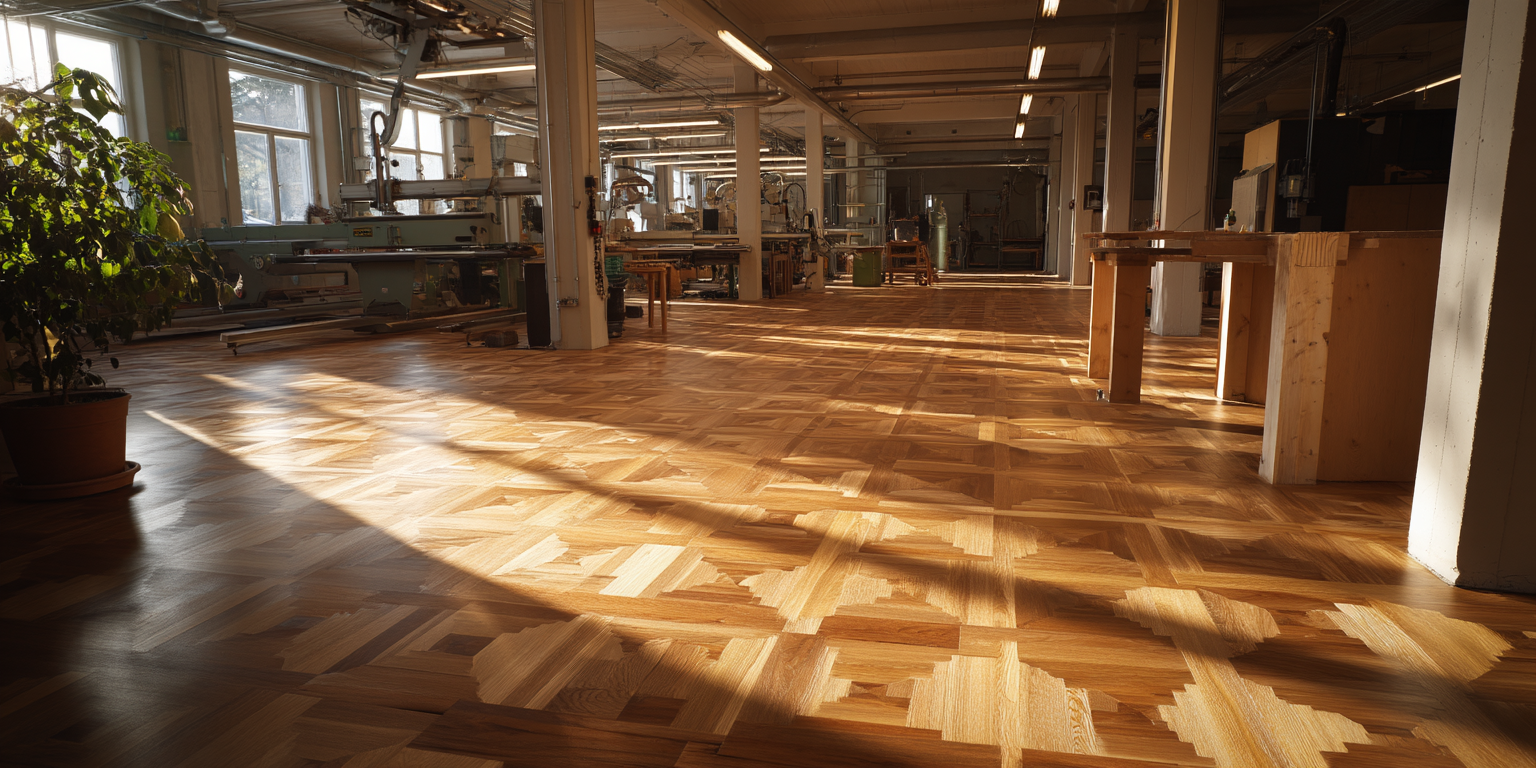
The parquet manufacturer Bauwerk is looking back on its 90th anniversary this year. According to the company, it began with the introduction of the first dispersion adhesive to protect against harmful vapours from the bitumen adhesive used at the time. This was later followed by specialisation in parquet flooring. The impetus came from Ernst Göhner from Zurich, who in 1935 brought a “floor or wall covering composed of pieces of wood” to series production. This became the “industrially manufactured mosaic parquet or Klötzli parquet”, which is still available in the Bauwerk range today.
Since the market launch of the first 2-layer prefinished parquet in 1976, the manufacturer has developed into a globally active company in the wood flooring industry with 1600 employees. In Switzerland alone, 2 million square metres of parquet from the Bauwerk Parkett, BOEN and Somerset Hardwood Flooring brands are laid every year.
More than 60 per cent of the floor coverings are produced at the company headquarters in St. Margrethen. The research and development department has also been based there since the early 1950s. The manufacturer has been awarded cradle-to-cradle certification for its production processes, composition, use and recycling of all components, as well as for its handling of resources in line with the circular economy. Using parquet is environmentally friendly per se and stands for a positive ecological balance. “What’s more, every plank that leaves our factories is unique – the perfect combination of Swiss engineering and the power of nature,” says Patrick Hardy, CEO of the Bauwerk Group since 2022, in the press release.
In addition to observing sustainable business practices, the company is also socially committed. The Parkettzauber campaign supported several charitable organisations with parquet flooring – including a children’s daycare centre and a socio-educational residential group.
With the strategic participation of an entrepreneurial investor, the company is setting the course for the next stage of growth. The new partnership combines capital strength with technological and operational expertise. The aim is to consolidate the company’s market presence in its home market and expand internationally, particularly in the key areas of digitalisation, sustainability and artificial intelligence.
Future-oriented strategy with a clear focus The new growth strategy focuses on three structural drivers: the digital transformation of the property sector, the industry’s growing role in climate protection and the increasing demand for sustainable, connected living spaces. At the same time, the proven corporate DNA remains intact, with the operational team and all partners staying on board and continuing to run the business.
Technological scaling and international expansion Internationalisation will begin with the existing presence in Germany and will be expanded through targeted acquisitions. At the same time, the digital service portfolio will be expanded through the development of proprietary products, the automation of customer processes with “Agentic AI” and the strengthening of the team. The strategic partnership creates the necessary room for manoeuvre in terms of technology, personnel and geography.
New opportunities for the German site There are also new opportunities for the team in Germany. As an agile location within the Group, it benefits from the stability of the company and the opportunities offered by a strategic growth partner. The combination of a proven structure and fresh dynamism should pave the way for successful expansion in a rapidly changing market environment.
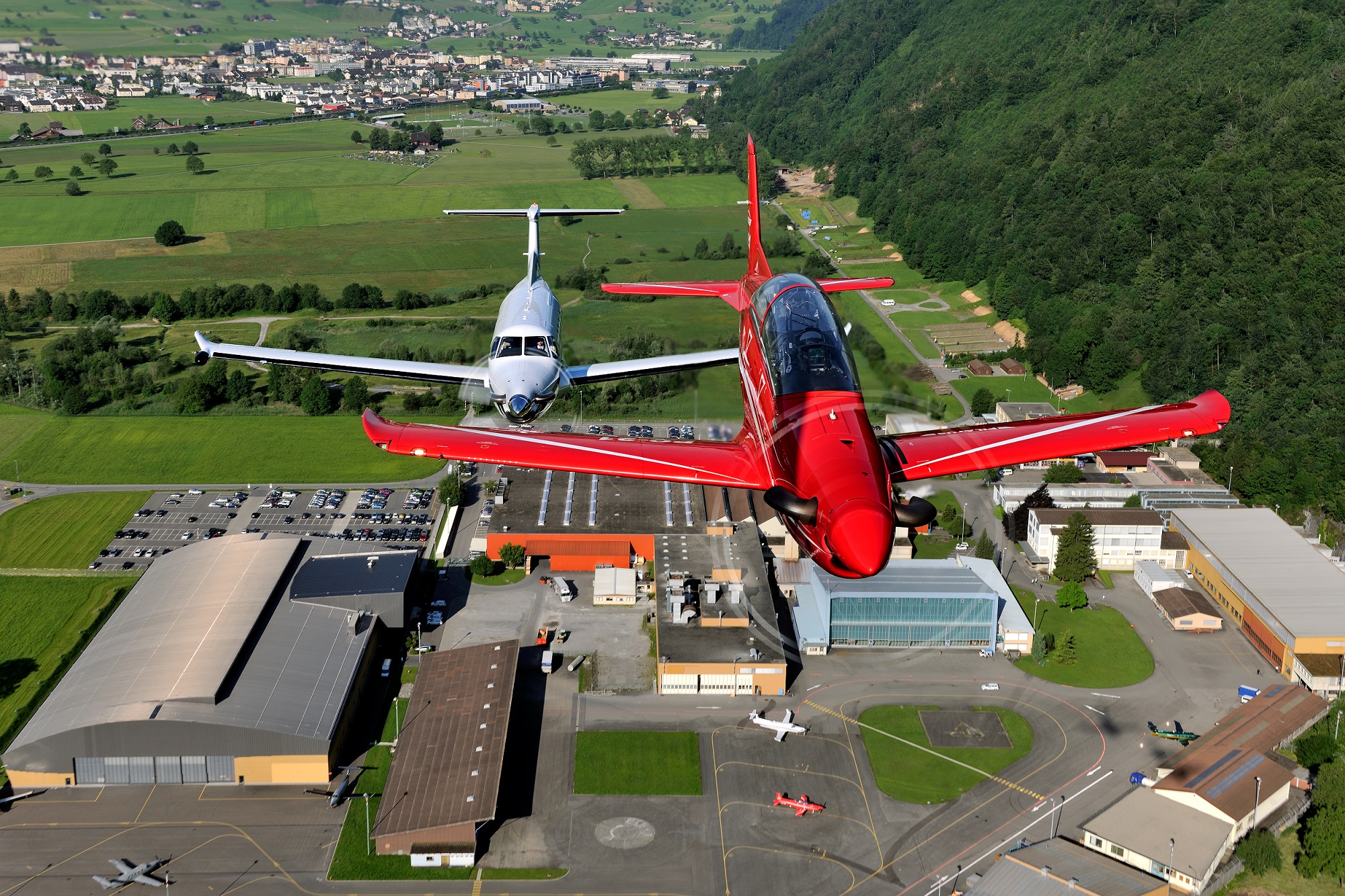
The aircraft manufacturer Pilatus is planning to modernise its headquarters in Stans. According to a press release, the buildings, some of which are very outdated and energy inefficient, are to be comprehensively reconstructed. The production and administration areas will also be densified with new buildings. The architectural structure will be adapted to the landscape conditions. The vertical construction method will make better use of the space without the buildings exceeding heights of 32, 36 or 56 metres.
According to the company, the buildings will follow the principles of sustainability and comply with international standards (LEED). Recycled concrete and local timber will be used. All buildings are subject to high energy standards. Large-scale photovoltaic systems will ensure that the building produces its own electricity.
With this comprehensive renovation, Pilatus is showing its commitment to the Stans site and to the well-being of its 2,500 employees. Their environmentally friendly journey to work by public transport will be subsidised with financial support of up to CHF 1,000 per year, according to the press release.
On 26 November 2025, the population of Stans will be able to decide on an amendment to the land use plan.
Plastics are not just an environmental problem, they are a chemical risk. Whether packaging, children’s toys or electronics. Almost all plastic products contain chemicals, many of which are potentially harmful to humans and the environment. The new study, in which renowned research institutions such as Empa, Eawag and Norwegian universities are involved, is the first to systematically analyse the chemical footprint of the plastic world.
PlastChem database The accompanying PlastChem database lists over 16,000 chemicals that are used in plastics, either intentionally or as contaminants. According to the authors, at least 4,200 of these are clearly harmful to health or the environment. What is particularly alarming is that these chemicals are not only found in specialised applications, but also in everyday products such as food packaging, toys and construction plastics.
Bioassays instead of black boxes An innovative approach to risk assessment lies in the use of so-called bioassays, biological tests that measure the toxic effect of released substances without knowing their exact chemical structure. This opens up new ways to better identify previously unidentified substances, a necessity considering that plastics often contain degradation products and reaction residues that do not fit into any list.
Three levers for safe plastics The study identifies three key areas of action:
Substitution of hazardous substances with safe alternatives,
Transparency about chemical content in products along the value chain,
chemically simplified polymer designs that facilitate reuse and recycling.
These approaches are not only technological, but also political tasks. This is because there is often a lack of regulatory clarity as to which chemicals may and may not be used.
Impetus for the global plastics agreement The results provide a scientifically sound basis for concrete measures just in time for the UN negotiation process on a global plastics agreement. According to the researchers, it is crucial that not only environmental but also health aspects are now at the centre of the plastics strategy.
Voices from research “Plastics not only contain too many chemicals, but also too many that we know almost nothing about,” says lead author Martin Wagner (NTNU). Empa researcher Zhanyun Wang adds: “Chemical simplification is a key to a truly circular economy.”
The study makes it clear that “business as usual” in plastics production is neither ecologically sustainable nor justifiable from a health perspective. Anyone who wants to use plastics in the future must rethink them, from molecular design to global responsibility.
Wir verwenden Cookies zur Unterstützung und Verbesserung unserer Dienste. Mit der Nutzung dieser Website erklären Sie sich mit der Verwendung von Cookies einverstanden. Weitere Informationen finden Sie in unserer Datenschutzerklärung.