Tag: Nachhaltigkeit

  • Zurich focusses on the future

    Zurich focusses on the future

    The canton of Zurich looks to the north, or more precisely to Copenhagen, as a pioneering example. The Danish capital has impressively demonstrated that ambitious climate targets can be achieved without compromising on the quality of life. With an 80 per cent reduction in CO2 emissions since 2012, Copenhagen has achieved a remarkable feat. Inspired by this, the canton of Zurich is striving to achieve greenhouse gas neutrality by 2040, or by 2050 at the latest. This target, which will be put to a vote by Zurich’s electorate on 28 September 2025, is a clear commitment to a sustainable climate policy. It is not just a question of defining a target, but of consistently driving forward the effective reduction of CO2 emissions. This is an endeavour that requires determination and innovative strength.

    Success through targeted measures
    Alongside climate protection, the canton of Zurich is investing heavily in the preservation and promotion of biodiversity. Habitats for flora and fauna are being reclaimed through ecological upgrading, renaturalisation and near-natural maintenance. Successful monitoring impressively demonstrates how quickly nature adapts and thrives. One outstanding example is the upgrading of streams as part of the “Diverse Zurich Waters” programme, which led to the rapid reintroduction of dragonflies. The adapted maintenance of embankments along cantonal roads is also having an effect. Life is pulsating there, insects and small animals are once again finding a suitable habitat. These successes prove that the commitment to biodiversity is worthwhile and that nature responds quickly with targeted measures.

    Setting the course for a sustainable future
    The canton of Zurich is setting the course for a sustainable future by revising various laws and introducing new instruments.

    Noise protection ordinance
    The consultation on the revision of the Noise Abatement Ordinance, which is due to come into force on 1 April 2026, runs until 6 October 2025. This is a direct consequence of the amendments to the Environmental Protection Act adopted in September 2024.

    “Core zone plansGIS map
    A new digital map now provides a comprehensive overview of the legally binding supplementary plans for “core zones” and their elements, based on the PLR-cadastre.

    CO2 Ordinance
    The Federal Council has brought the revised CO2 Ordinance into force with partial retroactive effect from 1 January 2025. It sets reduction targets for greenhouse gas emissions by 2030 and specifies measures for adapting to climate change as well as subsidies for climate-friendly technologies.

    Combating invasive organisms
    The consultation on a revision of the Environmental Protection Act, which is intended to give the cantons more powers in the fight against invasive alien organisms, is open until 13 October 2025.

    Parking regulations
    An amendment to the Planning and Building Act from 1 August 2025 will make it possible to reduce the number of parking spaces in individual cases, provided that there is no relocation to public spaces.

    ÖKOPROFIT
    This tried-and-tested programme successfully helps companies to get started with environmental management in order to reduce costs, optimise resource efficiency and improve their environmental footprint. The canton of Zurich is endeavouring to get other cantons interested in ÖKOPROFIT.

    Listed buildings
    A bill currently undergoing consultation aims to simplify the construction and energy modernisation of listed buildings.

    Deep geological repository
    The general licence applications for the deep geological repository and the fuel element packaging facility, submitted by Nagra, are now publicly accessible after being reviewed and amended.

    Expansion of large-scale hydropower
    A report published by the Federal Council on 13 June 2025 highlights the considerable potential, but also the uncertainties surrounding the renewal and expansion of large-scale hydropower.

    Zurich is ready to take on the challenges of climate change and utilise the opportunities for a more sustainable future. It’s time to act, or as they say in Denmark “Så kom nu i gang!”

  • Where electricity will come from in 2050

    Where electricity will come from in 2050

    For Switzerland to become CO₂-neutral by 2050, transport, heat supply and industry must be largely electrified. Today’s electricity demand of 56 terawatt hours will increase to around 75 TWh by 2050. At the same time, 23 TWh will come from nuclear energy. The necessary reorganisation of the energy system is far-reaching in technical, economic and social terms.

    Massive expansion of renewable energy
    According to the EDGE report, around 60 % of electricity must be covered by new renewable energies by 2050, specifically 45 TWh per year. This would be possible with 28 TWh from photovoltaics, 13 TWh from wind power and 4 TWh from biomass. To achieve this, photovoltaic capacity would have to be quadrupled to 26.8 GW. Wind power would need to be expanded 80-fold to 8.4 GW, especially for winter operation. According to the researchers, this is hardly realisable without strong subsidies.

    Limiting electricity imports makes the system more expensive
    The new Electricity Act limits net electricity imports in winter to 5 TWh. In order to meet this target, an additional 80 % more wind power, 11 % more gas capacity and 10 % more solar capacity would be required. This would increase electricity generation costs by 20 % and electricity prices could more than double.

    Europe remains decisive
    If European electricity trading were to be severely restricted, e.g. through a 70 % reduction in cross-border grid capacities, Switzerland would have to expand wind power by a further 20 %. Supply costs would rise by an additional 8 %. A survey by the EDGE consortium shows the conflicting priorities. 60 % of the population would like to cooperate with Europe, while at the same time 70 % want energy independence and favour domestic energy sources.

    Investments flow abroad
    Another study shows that more than half of the annual investments made by Swiss energy suppliers in large-scale renewable energy projects are channelled mainly to Germany, France and Italy. Only 1 % of these funds are invested in Switzerland. There is a lack of suitable projects or framework conditions in Switzerland. This means that Switzerland is often financing the energy transition indirectly, but not at home.

    Net zero has its price
    The cost of living could rise between 2020 and 2050, for example due to CO₂ taxes, emissions trading or higher production costs. The annual consumption loss of a household could be 0.63-0.75 %, depending on the global climate protection pathway. Without offsetting options abroad, the costs could rise to up to 1%. In the long term, however, this would be more favourable than the consequences of unchecked climate change.

    The energy transition is feasible and challenging
    A CO₂-neutral electricity supply by 2050 is technically possible if photovoltaics and wind power are massively expanded, imports are used intelligently and investments are channelled in a targeted manner. Access to the European electricity market remains crucial. At the same time, we need broad social support and an understanding that inaction will be more expensive than a bold transformation.

  • Swiss PV Circle lays the foundations for the reuse of solar modules

    Swiss PV Circle lays the foundations for the reuse of solar modules

    Around half of the photovoltaic modules that currently end up in the waste stream are basically still functional. Over the past year and a half, the Swiss PV Circle project hastherefore developedpractical tools, technical principles, market analyses and policy recommendations to promote the reuse of PV modules, as detailed in a press release. SENS eRecycling, Swissolar and the Bern University of Applied Sciences are behind the project.

    Policy recommendations focus on financial incentives, such as a reuse contribution similar to existing recycling contributions. In addition, harmonisation options such as a nationwide label and certification system are called for in order to make quality visible and create trust in used modules. According to the press release, harmonised authorisation practices for the handling of used modules throughout Switzerland and systematic data collection during the installation and dismantling of solar systems will reduce further hurdles.

    Practical tools such as a platform prototype with an underlying data model make it possible to assess the appropriate recycling strategy for used modules at an early stage. The project calculated a return of 23,000 to 90,000 tonnes of used photovoltaic modules by 2050.

    The project’s market analysis found that the economic viability of reused modules is still limited due to low new prices. Used modules are currently mainly used in smaller applications. In order to achieve wider acceptance, attractive prices, tested quality and a high residual output of the modules are therefore required.

    The Swiss PV Circle project aims to reduce future waste volumes by increasing the secondary use of modules. To this end, SENS eRecycling, Swissolar and Bern University of Applied Sciences are working together with partners from the Swiss PV industry.

  • Think circularly, build together

    Think circularly, build together

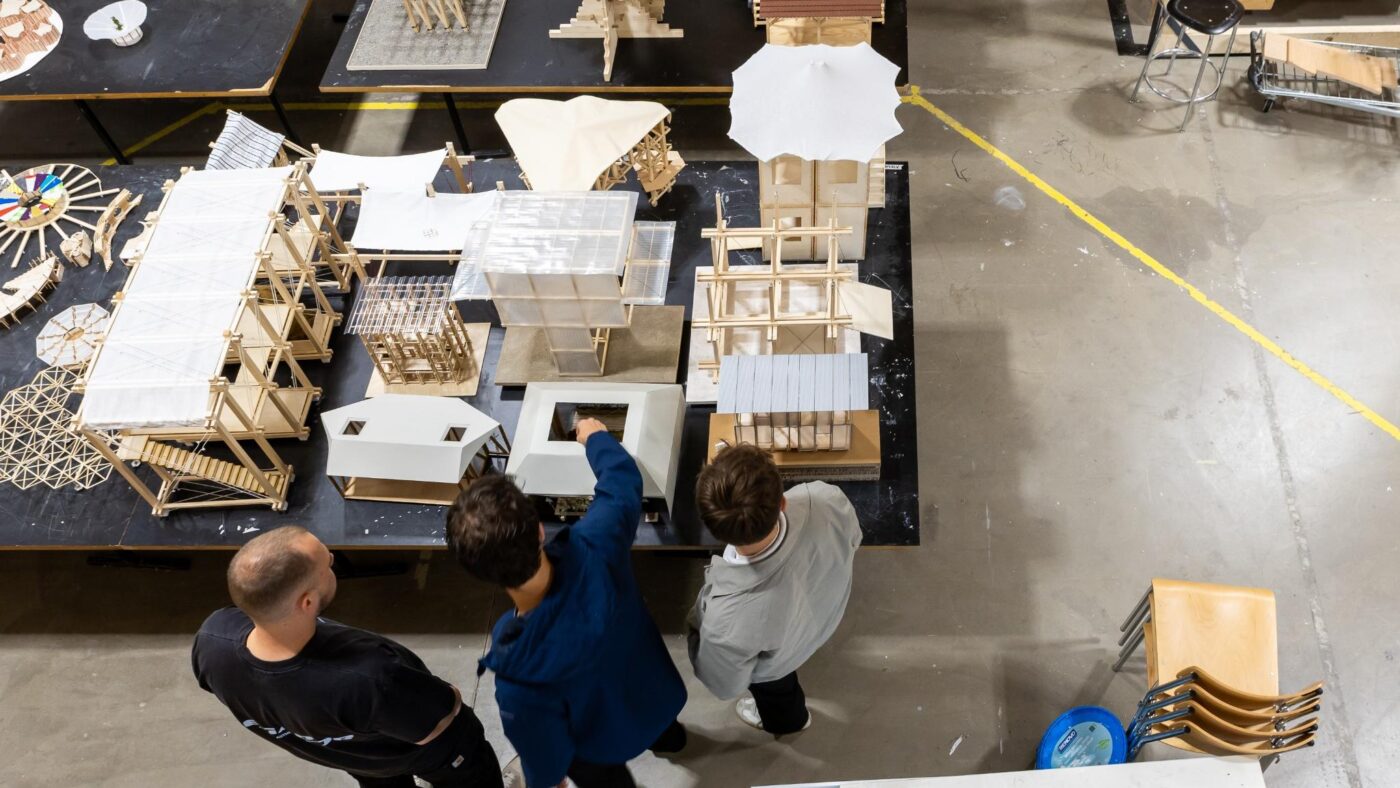
    The Circular Time Lab at Lucerne University of Applied Sciences and Arts brings together theory and practice, design and craftsmanship, teaching and urban development. It is an interdisciplinary project of the Competence Centre Typology & Planning in Architecture and the architecture degree programme at HSLU. Together with students from timber construction companies in the region, the students develop structures that are not only architecturally appealing but also fully reusable.

    The focus is on learning and designing together. The students gain an insight into manual processes and technical possibilities, while the trainees participate in design processes. The result is a deep understanding of resource-conserving construction that closes cycles and preserves material value.

    Experience architecture – in the centre of Lucerne
    Since June 2025, the results of this collaboration can be experienced at two central locations in the canton of Lucerne, on the Inseli near the railway station and at the Viscosi site in Emmenbrücke. There, airy wooden structures with colourful fabrics invite you to linger, observe and pause. They offer protection from the sun and rain and at the same time inspire reflection.

    The structures are more than just aesthetic interventions in the urban space. They are built statements in favour of a building culture that takes responsibility. Their open design invites people to engage in dialogue and makes sustainability visible and tangible. The “Lucerne Summer” thus becomes a field of experimentation for an architecture that aims for impact rather than permanence.

    Circularity instead of deconstruction
    Reuse is at the centre of the Circular Time Lab. The wooden pavilions are not designed as one-off buildings, but as temporary structures with a future. Existing timber components were used for the initial construction. All connections are detachable and all dimensions are retained. The pavilion will be dismantled in autumn 2025 and a new pavilion with a new function will be built from the same elements in 2026.

    This iterative approach not only conserves resources, but also trains planning thinking. After all, circular construction requires creativity and precision. How does an old beam fit into a new design? How do you create beauty without waste? These questions accompany the participants of the Circular Time Lab throughout the entire process and strengthen their skills for the sustainable construction of tomorrow.

    Part of an international network
    The Lucerne project is embedded in the European research programme BAUHALPS, Building Circular in the Alps. in this programme, 13 partner institutions from six countries are jointly developing new strategies for circular construction in the Alpine region. The Circular Time Lab serves as a living real-world laboratory. A place for experimentation, exchange and applied research.

    The cooperation not only opens up new perspectives for students and trainees, but also international networks. In this way, a local timber construction project becomes a building block for transnational change, an impulse that radiates far beyond Lucerne.

    The future begins on a small scale
    The timber structures of the Lucerne Summer may seem small at first glance. But they harbour big ideas: collaboration, circular economy, education and responsibility. The Circular Time Lab shows how sustainable construction can be anchored in education and made visible in public spaces. Because if you want to reuse materials, you first have to rethink ideas.

  • Switzerland launches pipe recycling at national level

    Switzerland launches pipe recycling at national level

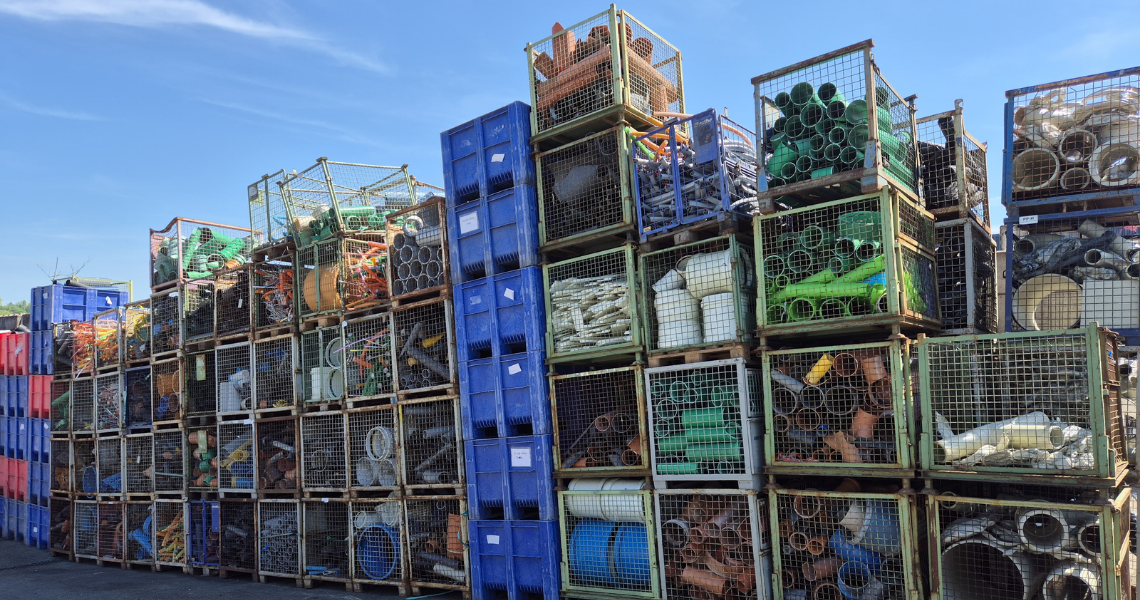
    Around 85,000 tonnes of plastic pipes are used in Switzerland every year, many of which have a service life of up to 100 years. Despite their material potential, a systematic take-back and recycling process has been lacking until now. This is precisely where the “Swiss Plastic Pipe Recycling” project comes in, which was initiated by the Association of Swiss Plastic Recyclers and the Association of Plastic Pipes and Pipe Components.

    The aim is to consistently return pipes from construction projects, pipeline work or dismantling to the recycling loop – with a standardised, practical system.

    Broad alliance from industry and construction practice
    The project is supported by a strong network. Companies from the construction, building technology, plastics processing and recycling sectors are working together to establish pipe recycling throughout Switzerland. The project partners include Burkhalter Group, Geberit, Georg Fischer, Meier Tobler, Debrunner Acifer, HakaGerodur, Eberhard, InnoRecycling and MCAM Symalit.

    They are all united by the goal of making the take-back system economically viable, ecologically sound and easily accessible for users.

    Clean material is a new source of recyclate
    While recycled packaging plastics have primarily been used to produce new plastic pipes in the past, SPPR is focussing on a material potential that has hardly been used to date: recycled pipes. These can be used as a high-quality source of raw materials, especially for cable protection and infrastructure pipes, if they are delivered in a single type.

    As packaging plastics will increasingly be turned back into packaging in the future, additional sources of technical recyclates are needed – a clear need for action in the industry.

    Over 40 collection points already in operation
    A centrepiece of the project is the establishment of a nationwide return network. Over 40 collection centres are already available in Switzerland. The current focus is on PE pipes from civil engineering, but expansion to other materials and applications is planned.

    Companies can quickly find their nearest collection centre using an interactive map on the project website. These centres accept defined pipe types, provided that the materials are delivered clean and sorted.

    Sustainability with a system
    With SPPR, VSPR, VKR and the participating companies are making a concrete contribution to Switzerland’s circular economy and climate strategy. The recycling of durable pipes reduces CO₂ emissions, reduces the use of primary plastics and promotes regional value creation.

    The project sustainably strengthens the Swiss recyclate market and shows how specific industry initiatives can have a systemic impact.

  • New recommendations for better protection of high-quality floors

    New recommendations for better protection of high-quality floors

    Durabilitas has worked with partners on a multi-year project to develop recommendations for better consideration of soils in spatial planning. They are aimed at actors at the three levels of government – federal, cantonal and municipal – according to a press release from the Foundation for Sustainable Development. They are based on the application of the Soil Quality Index(SoilQI), which has already been used in countries such as Germany, Austria and Belgium for several years.

    For the recommendations now presented, Durabilitas and its partners have analysed the application of the SoilQI in these countries. On the other hand, the application of the SoilQI in Swiss pilot projects was analysed. The project was supplemented by the evaluation of a national support group made up of experts from various disciplines.

    The SoilQI can be used to record and map the quality of soils. It thus offers “a simple planning aid, for example to direct construction activities to locations with lower soil quality wherever possible and to preserve high-quality soils”, according to the press release.

  • Digital tool for site development

    Digital tool for site development

    Site development is one of the most challenging tasks in municipal planning. Smaller municipalities in particular face structural hurdles. There is a lack of resources, access to IT tools is limited and a lack of standards makes it difficult to make well-founded decisions. The digital guide is a modular, user-friendly and technically precise tool that closes this gap.

    Interplay of knowledge and technology
    The project combines the interdisciplinary know-how of the Institute for Spatial Development (IRAP) and the Institute for Information and Process Management (IPM). The centerpiece is a digitally supported guideline that systematically structures planning processes and enables automated analyses. Research, evaluation and variant development can thus be organized more efficiently. Municipalities receive a tool that improves planning quality, regardless of their size.

    Focus on employment areas
    While inner-city development has so far concentrated primarily on residential and mixed zones, this project focuses specifically on workplace areas. The strategic development of such areas is crucial to the future viability of companies and locations, especially in times of scarce space. The digital guideline provides a unique solution in Switzerland.

    Participation through echo chamber ensures quality
    An echo chamber was set up to guarantee practical application. This committee of experts from municipal administrations and planning offices contributes valuable expertise. At the first meeting on January 24, 2025 in St. Gallen, the participants discussed basic requirements and defined the next steps. The dialog between research and practice is thus established at an early stage.

    Efficient and sustainable planning and decision-making for the future
    The final software solution should be easy to use. It enables an objective and systematic evaluation of development scenarios according to relevant sustainability criteria, thereby promoting well-founded decisions in politics and administration. The creative design process is retained, supplemented by digital efficiency and reliable comparative values.

    Time horizon and outlook
    The project was launched in June 2024 and will run until May 2026. It is intended as a contribution to modern, digitally supported spatial planning. The vision is a national competence platform that makes site development tangible, scalable and of high quality.

  • Smart City Aarau networked, user-centered and environmentally friendly

    Smart City Aarau networked, user-centered and environmentally friendly

    Aarau is facing complex social and technological developments. In order to respond to this in a future-oriented manner, the city is pursuing a networked, creative and efficient approach with its Smart City strategy. The focus is on concrete benefits for the target groups and environmentally friendly processes. Digital technologies are only used where they create real added value.

    Five basic principles for smart impact
    Based on experience from the first strategy period from 2021 to 2025 and proven models from other cities, Aarau has defined five high-impact approaches.

    Networking: Projects interlock across departments and are implemented collaboratively.

    Meeting needs: Solutions that are actually needed are developed in dialog with the population.

    Testing: Innovation also means trying things out. Pilot tests help to minimize risks and make ideas practicable.

    Environmental protection: Sustainability is a must. All projects take environmental aspects into account and rely on renewable resources.

    Technology as a means to an end: Technology is used in a targeted manner and only if it contributes to the solution.

    Smart City Team as enabler
    The municipal Smart City Team supports employees in the idea and project phase. It helps to identify target groups, hone project ideas and develop testable solutions. Formats such as kick-off meetings, workshops or support for complex projects through to implementation are available. The motto: implement projects with real benefits for Aarau or consciously reject them.

    Targeted support and smart vessels
    The Smart City Team also works in the background. It monitors trends, networks stakeholders and promotes knowledge transfer via formats such as the “Smart City Newsroom”. It also supports projects financially via the Smart City Investment Loan and helps to create participatory vessels.

    Measuring impact and learning
    The strategy is based on the IOOI impact model and measures not only outputs but also outcomes and long-term impacts. The aim is for all municipal specialists to apply user-centered methods, plan their projects in a networked manner, implement them in a resource-efficient way and integrate digital technologies in a meaningful way by 2034.

    Smart City Aarau thinks ahead
    The city of Aarau is reinterpreting Smart City as a method for developing sustainable, liveable urbanity. The focus is on people, not technology. This turns complexity into innovation and ideas into concrete future solutions for Aarau.

  • Digital concrete analyses for higher quality and sustainability

    Digital concrete analyses for higher quality and sustainability

    Sika has made a strategic investment of an undisclosed amount in the Canadian company Giatec Scientific, headquartered in Ottawa. In a press release, it describes the Zug-based speciality chemicals company as a “significant milestone in its overarching digital strategy”.

    Giatec develops sensors, software solutions and data analysis tools that improve the quality, durability and sustainability of concrete, from production to transport and processing. Sika anticipates that Giatec’s Artificial Intelligence-based precise analysis and optimisation of concrete mixes, together with Sika’s admixture technologies, will lead to “significant” cost and CO2 savings.

    Pouria Ghods, CEO and co-founder of Giatec, wants to “redefine the future of AI-powered concrete construction” through this strategic partnership with Sika. He sees the global presence of the new partner as a great opportunity “to establish our intelligent technologies worldwide”.

    Like Ghods, Sika’s Head of Construction, Ivo Schädler, wants to help shape the future of the concrete industry through digital transformation “working closely with Giatec and its network of strategic global partners such as Heidelberg Materials. By utilising digital innovation, we provide the construction industry with data-driven insights that improve sustainability and performance and enable the next level of modern construction.”

  • Building culture in focus, NRP 81 begins

    Building culture in focus, NRP 81 begins

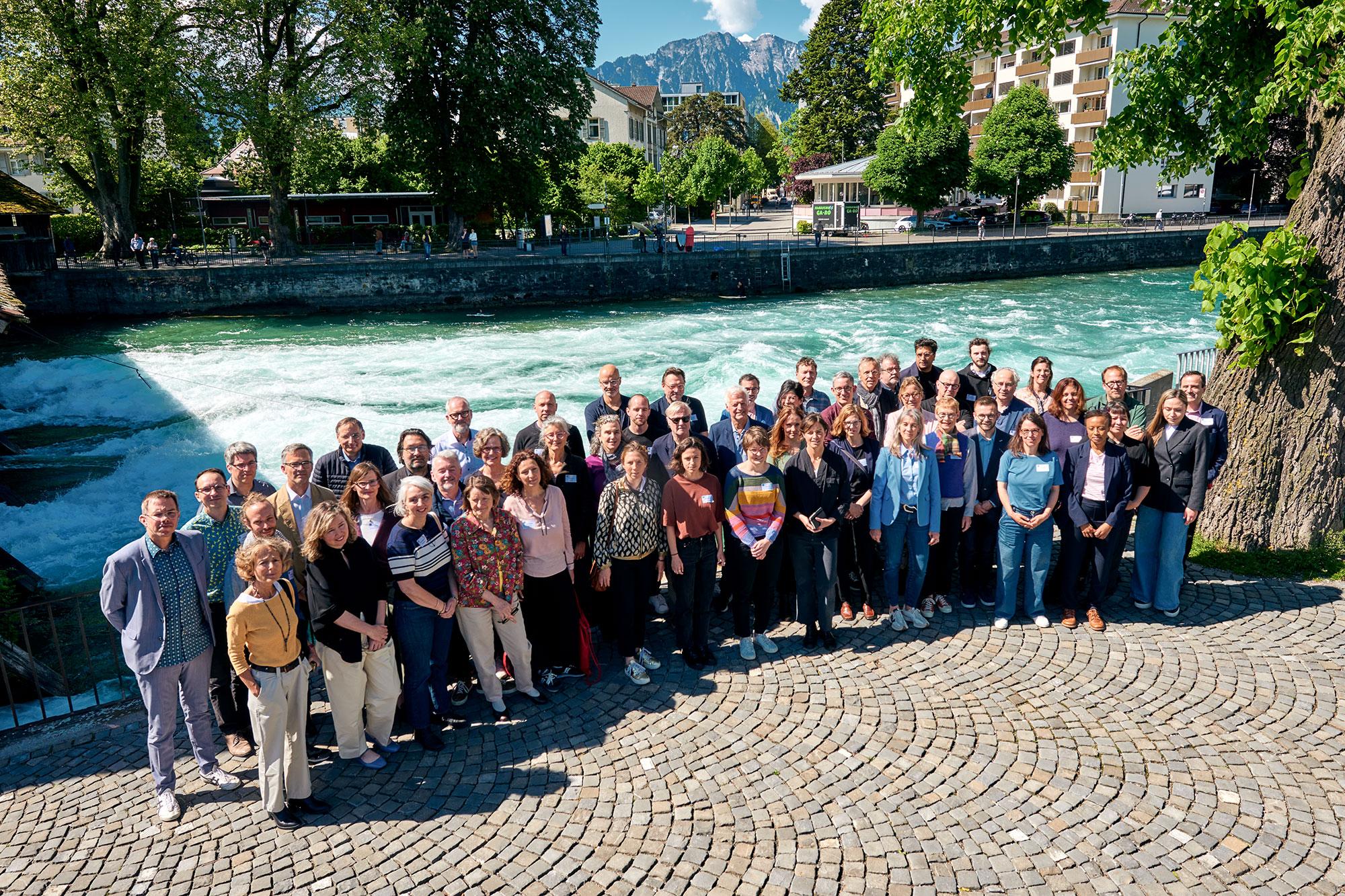
    Am 13. und 14. Mai 2025 traf sich die NFP-81-Community erstmals persönlich in Thun. Rund 80 Vertreterinnen und Vertreter aus 13 Forschungsteams präsentierten ihre Projekte in kurzen Vorträgen und gewährten dabei Einblick in die beeindruckende thematische Breite des Programms. Ergänzt wird diese akademische Vielfalt durch die 45 Praxispartnerinnen und -partner, die mit ihrem Praxiswissen die Forschungsarbeiten bereichern. Insgesamt sind über 130 Personen direkt am Programm beteiligt. Ein klares Zeichen für die starke Verankerung des NFP 81 in Wissenschaft, Wirtschaft und Gesellschaft.

    Impulse aus der Praxis: Stadt Thun als Gastgeberin
    Der erste Veranstaltungstag endete mit zwei aufschlussreichen Vorträgen von Dr. Raphael Lanz, Stadtpräsident von Thun und Florian Kühne, Stadtarchitekt von Thun. Beide betonten die entscheidende Rolle eines offenen Dialogs in der Baukultur und die Bedeutung interdisziplinärer Zusammenarbeit. Diese Perspektiven lieferten wichtige Impulse für die Arbeit in den Forschungsprojekten, die das Ziel haben, ökologische und soziale Fragen in der Baukultur stärker zu verknüpfen.

    Austausch über gemeinsame Herausforderungen
    Der zweite Veranstaltungstag diente dazu, die gemeinsamen Herausforderungen und Schnittmengen der vielfältigen Forschungsvorhaben zu identifizieren. Dr. Oliver Martin vom Bundesamt für Kultur und Prof. Ivana Katurić, Co-Autorin eines Handbuchs für das New European Bauhaus, gaben den Auftakt für einen intensiven Austausch. In gemischten Breakout-Sessions diskutierten die Teilnehmenden engagiert darüber, wie sich unterschiedliche Perspektiven und Kompetenzen bündeln lassen, um innovative und nachhaltige Lösungen für den gebauten Raum zu entwickeln.

    Gemeinsame Vision und positives Fazit
    Zum Abschluss des Treffens zeigte sich Prof. Dr. Paola Viganò, Präsidentin der Leitungsgruppe, erfreut über den intensiven Austausch und die Aufbruchstimmung: «Ich freue mich zu sehen, dass hier eine Gruppe entsteht, die ein gemeinsames Ziel teilt. Wir alle möchten mit diesem Programm den Diskurs über den ökologischen und sozialen Wandel des gebauten Raums voranbringen.» Dieser Satz bringt das gemeinsame Selbstverständnis der Teilnehmenden auf den Punkt: Das NFP 81 ist keine Aneinanderreihung isolierter Projekte, sondern eine Gemeinschaft mit einer gemeinsamen Mission.

    Transparenz und Partizipation
    In den kommenden Tagen werden auf der Webseite des NFP 81 die Porträts der einzelnen Projekte aufgeschaltet. Neben prägnanten Beschreibungen der Forschungsvorhaben werden dort auch die Praxispartner vorgestellt, die im Programm eine tragende Rolle einnehmen. Dieser transparente Einblick soll nicht nur den Austausch innerhalb der Community fördern, sondern auch eine breitere Öffentlichkeit ansprechen und zum Mitdenken und Mitwirken einladen.

  • ProKilowatt 2025 tenders set new standards

    ProKilowatt 2025 tenders set new standards

    The submission phase for projects and programs to increase electricity efficiency in the industrial and service sectors as well as in households has been running since November 2024. With 49 applications submitted by mid-April 2025 alone, interest is around 30 percent higher than in the previous year. A record that underlines the potential for sustainable energy savings.

    Flexibility for companies – paperless and plannable
    The uncomplicated, digital application process and prompt processing within just four weeks make it easier for companies to integrate efficiency projects into their operational planning in a way that fits perfectly. Larger projects with a subsidy of up to six million francs can also be submitted at any time from this year onwards – a milestone for ambitious projects such as the replacement of large production facilities or the bundling of smaller measures.

    Concrete savings
    A project in the retail sector has already been approved for up to six million francs. Replacing existing refrigeration units will save an annual amount of electricity equivalent to the consumption of 4,500 households. Projects in industry also range from the replacement of presses and the optimization of printing machines to more efficient blowers in wastewater treatment plants.

    Competitive tenders as an instrument for the future
    The ProKilowatt program is financed by the Swiss Federal Office of Energy and implemented by CimArk SA in Sion. The subsidy, financed via a surcharge on the high-voltage grids, provides impetus for an energy-saving and competitive economy. The next deadline for project applications is November 2, 2025 – an important date for all companies that want to reduce their energy costs with innovative measures and contribute to the energy transition at the same time.

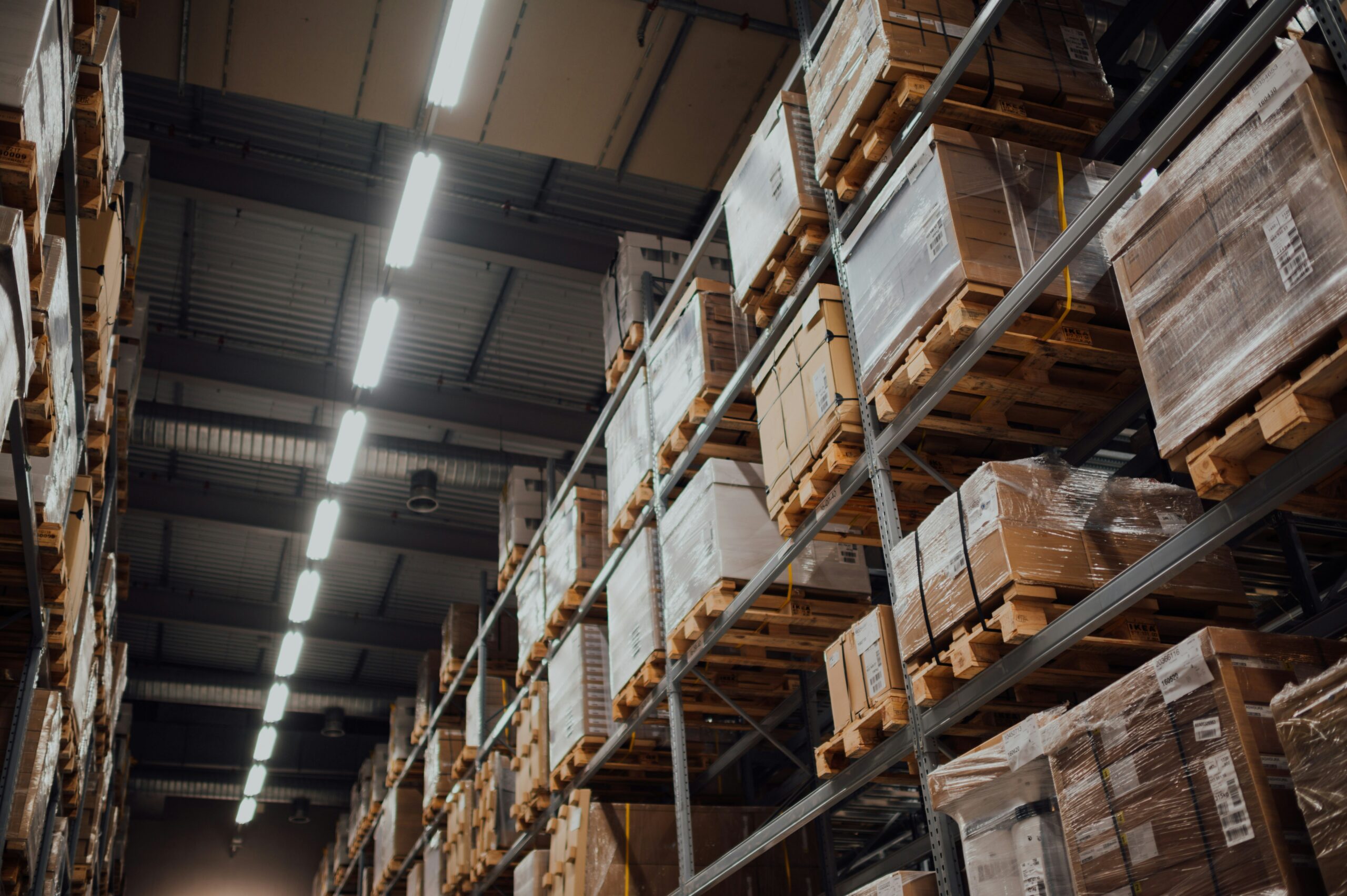
  • New distribution centre with train connection

    New distribution centre with train connection

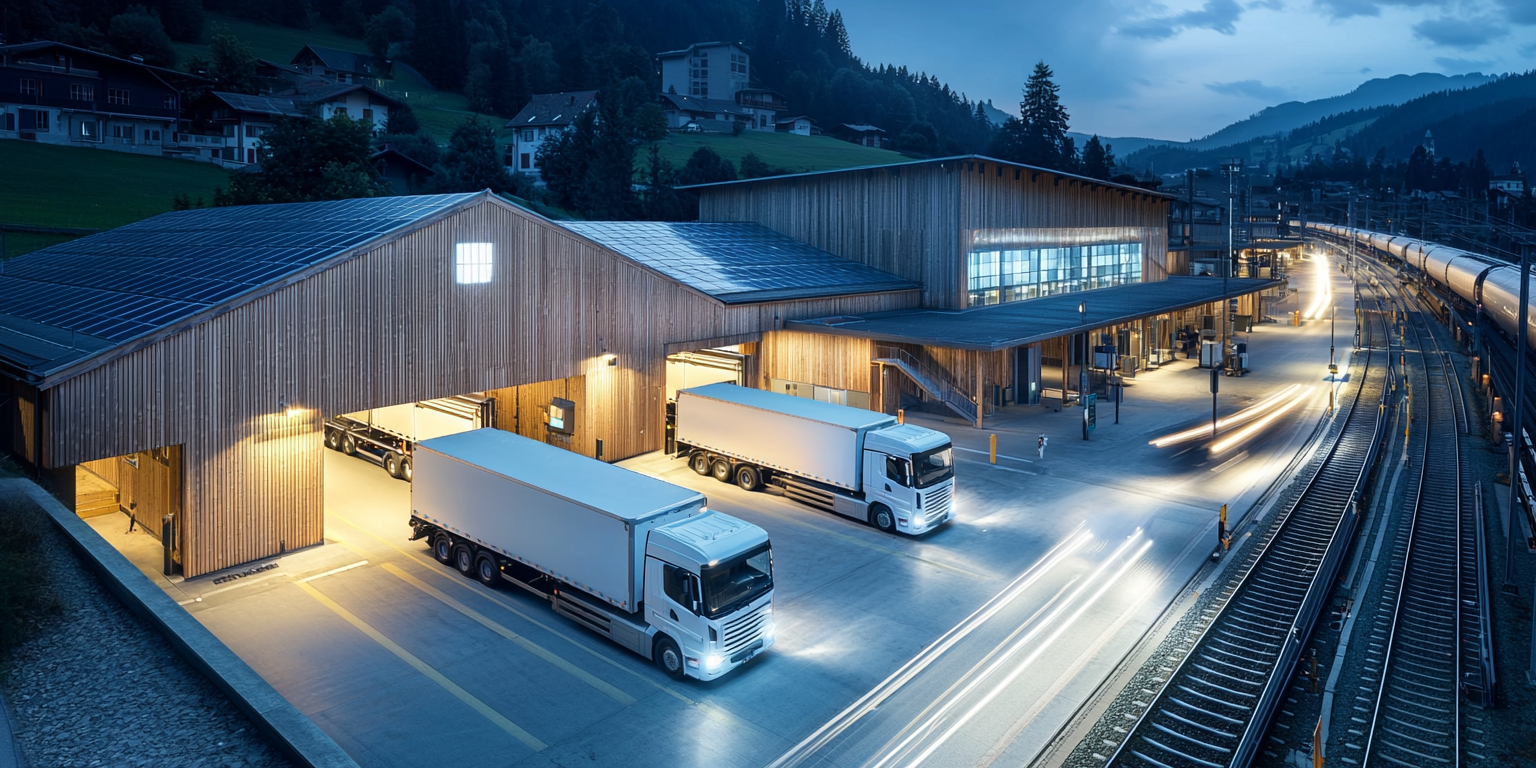
    The wholesaler Pistor AG has opened a distribution centre in Sennwald for customers in Eastern Switzerland. According to a press release, Pistor has been supplying bakeries, catering companies and hospitals with food and goods from there since Monday, 12 May. After a construction period of around one year, the wholesaler’s customers in Eastern Switzerland are supplied directly from Sennwald. “The start went smoothly,” says Pistor’s Head of Logistics Richard Betschart.

    “We are expecting daily deliveries of up to 85 tonnes from Sennwald,” continues Betschart. 21 employees work on site, most of whom are lorry drivers. Three of the 14 lorries are electrically powered. This number is set to rise to eight over the next few years.

    According to the press release, the company has focussed on sustainability in the project. The distribution centre in Eastern Switzerland enables shorter distances and sustainable deliveries. Pistor transports the goods overnight by train from its headquarters in Rothenburg to Sennwald before they are distributed further by lorry. This saves over 400,000 kilometres on the road every year, the company adds. The building is also made of wood, which has prevented 670 tonnes of CO2. There is a solar system, an underground storage tank and a rainwater washing system for the lorries and rail wagons.

    Pistor is a trading and service company for the bakery and confectionery sector, the catering industry and the healthcare market. Founded in 1916, the company now employs more than 700 people. According to the company, the Pistor range comprises over 20,000 products, services and a large network of specialists. In 2024, Pistor generated a turnover of 827 million Swiss francs.

  • House of wood in Sursee shows the future

    House of wood in Sursee shows the future

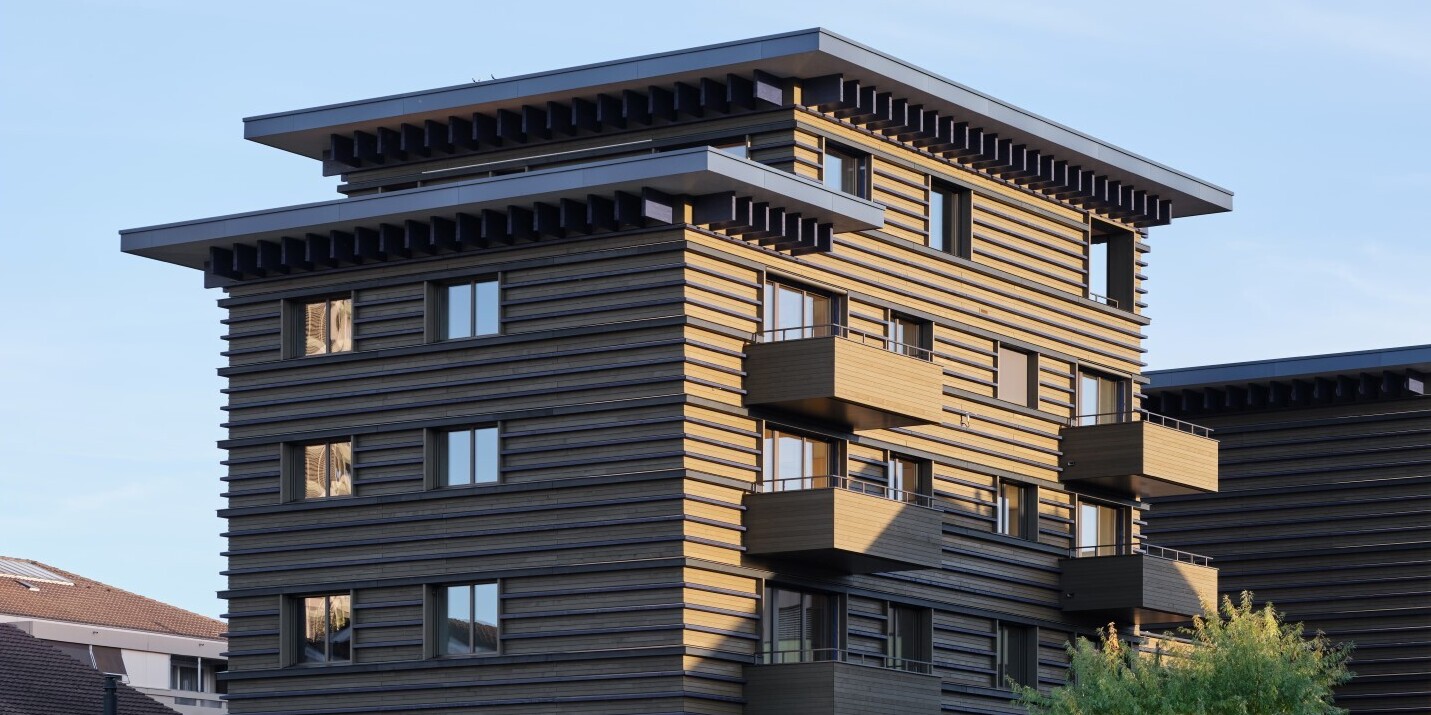
    With six storeys made of wood, complemented by a variety of uses including offices, flats and communal areas, the Haus des Holzes impressively demonstrates the potential of modern timber construction. The entire construction, apart from the basement, is made of Swiss timber, 94 per cent of which comes from local forests. The building material grows back within just 80 minutes, a strong testament to the ecological sustainability of regional resources.

    Circular thinking consistently implemented
    The building is designed in such a way that future generations can dismantle it and reuse the building elements used. This recyclability is a key innovation driver for companies in the timber and construction industry, making sustainability tangible in practice and increasingly asserting itself as a sales argument to a climate-conscious clientele.

    Digital methods as a driver for efficiency
    A special feature of the project is the consistent use of digital planning methods. The entire building was modelled, planned and implemented using building information modelling. Tradesmen worked directly with digital models on mobile devices, an approach that raises the use of materials, construction coordination and efficiency to a new level.

    Regulatory freedom as an innovation advantage
    Switzerland offers an ideal environment for progress in timber construction with practical training, material-independent fire protection standards and flexible SIA guidelines. These framework conditions enable engineers to develop creative solutions that would be held back by rigid standards elsewhere.

    Global pioneering role in view
    The project sees itself as a driving force for the international future of timber construction. With expertise, innovative spirit and the intelligent use of digital tools, Switzerland is positioning itself as a global trendsetter. This is also evident in the largest ongoing project, the planned Dock A at Zurich Airport, where Pirmin Jung Switzerland is playing a key role in the timber-based planning.

  • Swissbau Lab opens up new horizons

    Swissbau Lab opens up new horizons

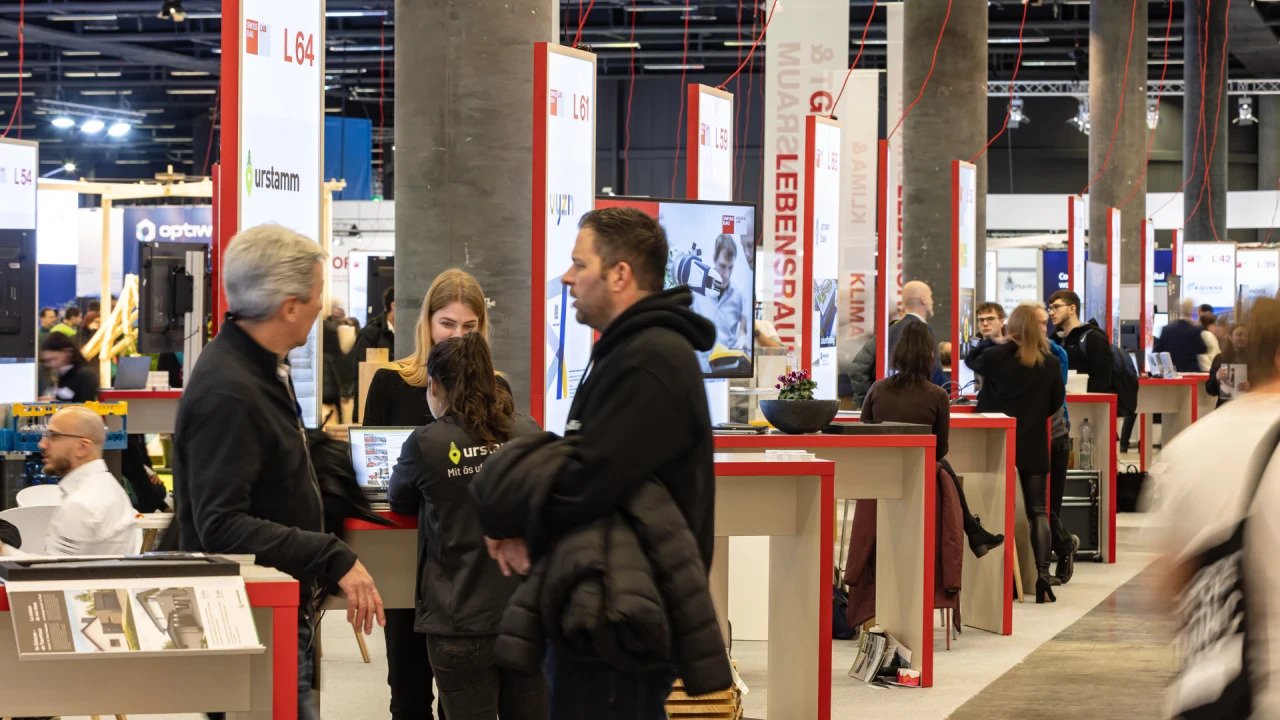
    From January 20 to 23, 2026, Messe Basel will be the meeting place for the Swiss construction and real estate industry. The Swissbau Lab in Hall 1.1, a space for ideas, innovations and new partnerships, will take center stage. Topics such as the circular economy, digital planning opportunities, changing construction processes and climate protection will shape the discussions. The start of the program design on 6 May 2025 marks the beginning of an intensive phase of concept development to which companies, associations and institutions are invited.

    Workshop as a springboard for innovation
    The kick-off workshop on May 6, 2025 in Zurich marks the beginning. Both confirmed and interested companies will receive all the information they need about the concept and opportunities to participate in Swissbau Lab. Those responsible for the trade fair will coordinate the subsequent program development. First in plenary sessions, then in specific thematic groups. Short-term registrations for the workshop are possible until May 2, 2025.

    Networking as the key to progress
    Whether you are a start-up or an established company, the decisive factor is the motivation to actively shape the future of the construction industry. The Swissbau Lab is a dynamic innovation network supported by the Swiss Society of Engineers and Architects SIA as a leading partner. The platform promotes open exchange and focuses on cooperation rather than individual competition.

    Markus Weber, President of Bauen digital Schweiz and Co-Head of the Digital Construction course at Lucerne University of Applied Sciences and Arts, underlines the importance: “For us, Swissbau is a unique opportunity to focus on the principle of ‘together instead of every man for himself’. Setting impulses together for a networked, digital and sustainable construction and real estate industry.”

  • Historical technology meets modern research

    Historical technology meets modern research

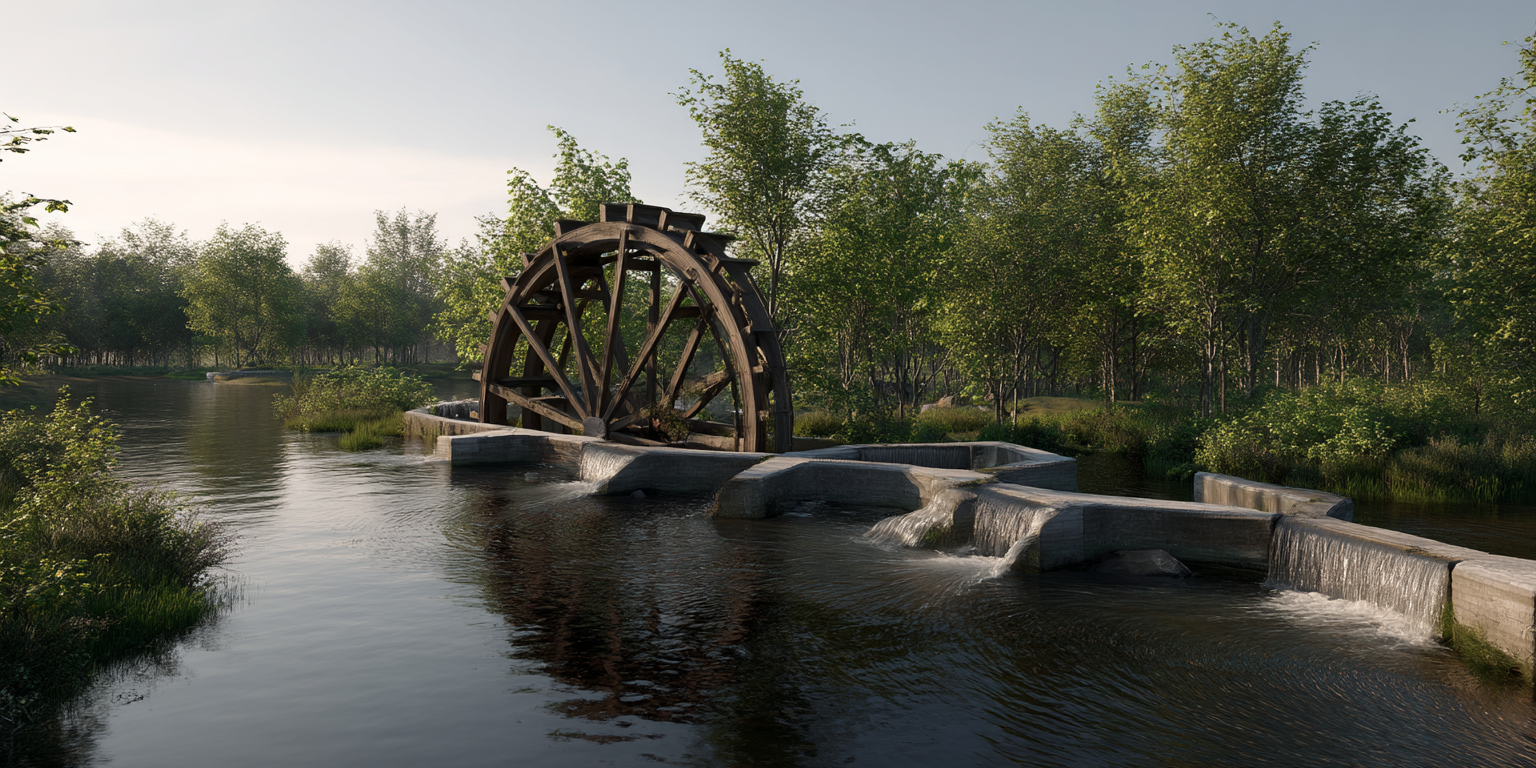
    Researchers from the Mechanical Systems Engineering department of the Swiss Federal Laboratories for Materials Science and Technology (Empa) in Dübendorf have been involved in the construction of a water pumping wheel in Steffisburg. According to a press release, the construction became necessary after the Zulg was lowered by two meters to protect the village from flooding. The Mühlebach stream, which had supplied Steffisburg’s businesses with water energy for centuries, was in danger of drying up, as was the surrounding ecosystem.

    The challenge was to adapt the plant to the requirements near Steffisburg. “With a minimum Zulg outflow of one cubic meter per second, it must feed at least 125 liters of water into the Mühlebach,” Silvain Michel, project manager at Empa, is quoted as saying in the press release, “and even with lower inflows, at least 100 liters per second must still be pumped in order to preserve the biotopes.”

    The model for the water pumping system was the pumping wheel developed by Walter Zuppinger in 1849. The water wheel, whose efficiency was scientifically confirmed in extensive tests in 2016, has already been used in the Glattfelden project installed by Empa.

    In the current project in Steffisburg, the water wheel was modified again and fitted with a separate drive wheel. In addition to Empa, the EKZ design office in Thun and CFD-Schuck GmbH were involved in the technical implementation.

  • SBB continues to develop Basel

    SBB continues to develop Basel

    With the “Wolf Basel” project, SBB is transforming a 160,000 square metre site in the east of the city into a lively, sustainable urban quarter. The transformation is exemplary for the intelligent densification of urban spaces. Living, working, leisure and logistics are to coexist here in a new form that conserves resources, is sustainable and integrated into the existing urban structure.

    Construction work on the western part of the site will start in 2027. SBB has sought and found top architectural and functional solutions in two competitions. The jury, consisting of independent experts and representatives of the client and the Canton of Basel-Stadt, has now recommended the projects “Janus” by ARGE Experience from Paris with M-AP Architects from Lausanne and “Binaria” by ARGE Parabase GmbH and Confirm AG from Basel for realisation. The two new ten-storey buildings will offer around 300 flats and set standards in terms of sustainability, quality of living and architectural integration.

    Sustainability meets urban innovation
    The planned residential buildings reflect the changes in urban development. The flats are designed for different lifestyles, and communal areas in the ground floor zones promote social interaction. The roofs not only serve as a source of energy through photovoltaics, but also as water reservoirs and in some cases as accessible recreational areas. Photovoltaic elements on the façades, greenery, renewable heating systems and sophisticated systems for cooling in summer are all part of a comprehensive energy concept.

    The project also sets new standards in terms of construction. Screw connections replace adhesive joints, modular structures allow for later conversion or dismantling, making design for disassembly a reality. Wolf Basel thus presents itself not only as an urban development model, but also as a technical model for the future.

    Identity is created through dialogue
    Even before construction begins, the site will be opened up for interim uses, experiments and participation. A historic railway hall has recently been used as a temporary pickleball court, bringing movement to the centre of the development area. In addition, various spaces are available for longer-term uses in the areas of culture, leisure and catering. SBB is calling on people to submit creative ideas and play an active role in shaping the future neighbourhood.

    The opening is more than just a gesture, it is part of a strategy in which urban development is understood as a participatory process. This creates an emotional bond with the neighbourhood and its future identity at an early stage.

    Staged construction with vision
    Construction of Wolf Basel is scheduled to start in 2027. In the first phase, the residential buildings will be built in the western part of the site, including a third in the affordable segment by non-profit property developers. At the same time, the Urban Hub, a public space offering catering, sport, culture and services, will be developed in the middle section. In a second phase, expected from 2031, commercial and service buildings with around 1,000 workplaces will follow in the eastern section.

    The entire project is based on the legally binding development plan dated 2 May 2023 and is an example of the high-quality development of inner-city potential areas in Switzerland.

  • Building between town and country

    Building between town and country

    While space is still available in the countryside and construction processes are often less complicated, the urban reality is characterised by density requirements, regulations and lengthy approval procedures. Communication channels are shorter in the countryside and processes are more direct. In cities, on the other hand, complex projects such as “The Circle” at Zurich Airport require sophisticated coordination and patience.

    Skills shortage knows no boundaries
    Whether rural or urban, the struggle for qualified apprentices is noticeable throughout Switzerland. It is worth noting that young people from rural regions are often more adept at manual labour. Not least because they come into contact with practical work at an early age. Nevertheless, recruitment remains a challenge, especially in urban areas where academic or commercial careers dominate.

    Regional roots as a success factor
    Whether traditional family businesses in Schwyz or locally anchored construction companies in Thurgau, the construction industry remains a strong pillar of the regional economy in both cantons. In the countryside in particular, master builders are not only economically active, but also socially active, as members of associations, presidents of event organisers and promoters of local life.

    Objections slow down progress everywhere
    Rural idyll does not protect against legal hurdles: Even outside the cities, construction projects are regularly delayed by objections. The call for a clearer, faster and legally secure procedure is growing louder. Long overdue from a practical point of view.

    Different starting points for the order situation
    While the canton of Schwyz is currently recording a solid order volume with growing construction activity and large projects, the situation in Thurgau is tense. Non-essential investments are being postponed there to save money, with a direct impact on local construction companies.

    Focus on sustainability and quality
    The requirements for new buildings are changing rapidly. Energy efficiency, sustainability and climate-friendly construction dominate project requirements. At the same time, time pressure on construction sites is increasing, while legal complexity is growing. The industry’s desire for more quality instead of price dumping and a return to long-term, sustainable values.

  • Comparison of differences in life cycle assessments for building products

    Comparison of differences in life cycle assessments for building products

    The company conspark has published a fact sheet that highlights the differences between the EU and Swiss accounting rules for construction products. It is now available for download in German and English and is intended to provide a compact guide for construction industry professionals involved in planning, production and sustainability. After all, the life cycle assessment results of building products form the basis for the future assessment of buildings.

    In Switzerland, the Coordination Conference of Building and Property Bodies of Public Building Owners (KBOB) specifies accounting rules for the life cycle assessment of construction products and publishes these results in the list of life cycle assessment data in the construction sector. In the EU, life cycle assessments are drawn up in accordance with EN 15804 A2 and their results are presented as environmental product declarations (EPDs).

    For comparison purposes, the life cycle assessment of different types of recycled concrete was prepared in accordance with the two standards. This showed that the greenhouse gas emissions and energy requirements of the same concrete vary greatly depending on the standard, with the KBOB life cycle assessment showing higher values in each case. According to conspark, this is due to the background data sets used: The EPD life cycle assessment is based on more up-to-date data, which already takes into account technological advances such as lower clinker content and the increased use of alternative fuels.

    “The comparability of life cycle assessment data plays a decisive role for future regulations and CO2 limits,” said the Managing Director and co-author of this factsheet, Florian Robineck, in a press release. Accordingly, the authors of the factsheet recommend: “A regular update of the KBOB background data sets and greater harmonisation of the two approaches would help to reduce existing differences and enable comparable sustainability assessments.”

  • Thurgau bank opts for solar energy in Arbon

    Thurgau bank opts for solar energy in Arbon

    Thurgauer Kantonalbank(TKB) has installed a new photovoltaic system on the roof of its branch in Arbon. According to a press release, the new 500 square metre system is the largest that the bank has put into operation. It is expected to supply around 105,000 kilowatt hours of electricity per year. This corresponds to the annual consumption of 21 households.

    The electricity produced on the roof will primarily be used for the operation of the branch. Depending on demand, it will cover between 25 and 40 per cent of the bank branch’s energy requirements, according to the press release. The solar system will also supply three charging stations for electric cars in the neighbouring underground car park of the Novaseta shopping centre. Any surplus electricity generated will also be fed into the public grid.

    With the new system, TKB wants to emphasise its commitment to sustainable and renewable energy and reduce local CO2 emissions.

  • Zurich Airport region sets up an advisory board for sustainability

    Zurich Airport region sets up an advisory board for sustainability

    The FRZ Zurich Airport Region is strengthening its commitment to sustainability. It founded a sustainability advisory board on 6 February, the business network announced in a press release. “Sustainability is not a trend, but a decisive success factor for companies and society,” it says, explaining the background to the decision.

    The new advisory board will act as a “leading competence centre” for sustainable innovations in the region. Specifically, its aim is to support companies, cities and municipalities in the introduction of sustainable business models. To this end, best practices are to be promoted and stakeholders from business, science and politics are to be brought together.

    The tasks of the new advisory board will also include the presentation of the FRZ Excellence Award. Each year, it will recognise outstanding achievements in ecology, social responsibility and innovation by member companies of the FRZ Zurich Airport Region.

    The members of the Sustainability Advisory Board include Mario Angst from the University of Zurich, Willi Gärtner from Planzer, Thomas Meier from the Swiss Safety Centre and the former Managing Director of the Greater Zurich Area, Sonja Wollkopf. In total, four women and nine men from business, science and politics are represented on the advisory board. The full list of members, including links to their LinkedIn profiles, can be found in the press release from the FRZ Zurich Airport Region.

  • Logistics centre in Bedano is operated completely fossil-free

    Logistics centre in Bedano is operated completely fossil-free

    The meat processing company Ernst Sutter AG from Gossau operates its Ticino logistics centre at the Bedano site without the use of fossil fuels. According to a press release, 45 per cent of the power supply for all necessary systems is covered by solar energy and the remainder by hydropower. The solar power is generated by a photovoltaic system on the roof of the centre, where the 271 square metre system produces 55,000 kilowatt hours of electricity per year.

    The heating system was switched from oil heating to an air-to-water heat pump system. The heat extracted from the cooling systems is used to produce hot water.

    With the company sites in Gossau and Bazenheid SG, Bedano is now the company’s third site to be supplied with fossil-free energy. “We are setting ourselves ambitious goals to continuously reduce our ecological footprint and thus contribute to a more sustainable future,” Reto Sutter, CEO, is quoted as saying in the press release. “The expansion of renewable energies at our sites plays a central role in this.”

  • Foundation stone laid for new company building in Grabs

    Foundation stone laid for new company building in Grabs

    Frauenfeld-based HRS will be the total contractor for the construction of the new Körber Business Area Pharma building in Grabs. According to a press release, the foundation stone was laid on 13 February.

    In addition to the existing building at the site, a basement, two production floors and two office floors will be built on a vacant site. A total of 7500 square metres of production space and 5000 square metres of office space will then be created in the new building. The building itself will fulfil current sustainability and energy efficiency requirements. In addition to its own photovoltaic system on the roof, extensive charging facilities for electric cars will also be provided, according to the press release.

    The new building, which is scheduled for completion in 2027, will bring together all the resources of Körber’s Business Area Pharma.

    “The new building plays a central role in our planned growth, which is centred around our customers and, of course, our employees,” said Christoph Hammer, CEO Packaging of the Körber Business Area Pharma in Grabs, in the press release. “In addition to our spatial capacities, we are also growing our team. More than 360 colleagues are already working on the development and production of our technologies at the site. By the end of this year, this figure is set to rise to more than 390. We are creating a state-of-the-art working environment for them.”

  • Digital building solutions company receives top marks for climate protection

    Digital building solutions company receives top marks for climate protection

    KONE has received an A grade from the Carbon Disclosure Project (CDP) for outstanding environmental transparency and climate protection measures. The global manufacturer of lifts, escalators and automatic doors, which is based in Espoo, Finland, and has its Swiss headquarters in Brüttisellen, is one of the few companies out of a total of 25,000 to receive a top grade, KONE announced in a press release. In addition, CDP has awarded the company an A or A- rating for the twelfth time in a row. KONE sees this as confirmation of its consistent sustainability and environmental management.

    “It is an honour for us to receive a place on CDP’s prestigious A-list for climate protection,” Kirsi Simola-Laaksonen, Senior Vice President Sustainability and Environment at KONE, is quoted as saying in the press release. “We are accelerating our efforts to reduce our carbon emissions and help our customers decarbonise.” For example, KONE’s technologies help to reduce the energy consumption of lifts, explains the KONE manager.

    In its own operations, KONE has committed to halving its operational emissions (Scope 1 and 2) by 2030 compared to 2018. Indirect emissions from the value chain (Scope 3) are to be reduced by 40 per cent over the same period. Last year, KONE’s operational emissions were already 29 per cent lower than in the base year 2018. At the same time, Scope 3 emissions were reduced by 12.8 per cent. In addition, KONE was “the first company in the industry” to achieve “carbon-neutral production units worldwide” as early as summer 2023, according to the press release.

  • Expansion of the district heating network in Ober- and Unterentfelden

    Expansion of the district heating network in Ober- and Unterentfelden

    With the heating network in Ober- and Unterentfelden, Eniwa AG will connect the next network to its grid, as detailed in a press release. The Buchs-based energy supplier has now received authorisation to build an energy centre and the first part of the network. From 2026, waste heat from the Buchs waste incineration plant(KVA Buchs) will supply CO2-neutral thermal energy to the first customers.

    The first stage is scheduled to go into operation in 2026. According to the press release, it will enable the supply of thermal energy for a demand of 20,000 megawatt hours. Fewag is expanding the pipeline network from Suhr to the energy centre in Unterentfelden to transport the waste heat from the waste recycling plant to Entfelden.

    The waste heat will be transported to the energy centre in the form of hot water and distributed to the buildings via the distribution network at 65 degrees Celsius. Aleksandar Dunjic, project manager for heating/cooling, uses the example of a central heating system to compare the cycle thus initiated. After being converted into thermal energy for heating and hot water preparation, the cooled water is transported back to the heat source.

    After the first realisation phase by 2028, Eniwa is aiming to increase the amount of energy generated by district heating to 60,000 megawatt hours by expanding the network in Oberentfelden and Unterentfelden, according to the press release. “The district heating projects offer customers a high level of supply security at stable prices in the long term,” CEO Hans-Kaspar Scherrer is quoted as saying. The expansion targets are 12 kilometres of lines over the next 15 to 20 years.

  • Winterthur invests in six smart city projects for 2025

    Winterthur invests in six smart city projects for 2025

    Since 2018, Winterthur has been focussing on smart city projects that make the city more efficient, sustainable and liveable. Already 27 projects have been successfully implemented. In 2025, the city will continue to focus on innovative solutions for mobility, digitalisation and ecological urban development.

    The subsidised projects for 2025 are wide-ranging. From the sustainable reuse of building materials to digital registration systems for school sports and an AI-supported cultural calendar. All projects aim to solve existing challenges with creative technologies and new approaches.

    Six funded smart city projects for 2025

    • Sponge city in action: Extreme weather events such as heat and heavy rain are becoming more frequent. This project is testing how green roofs and permeable soils can help to cool the city and better absorb rainwater. The effect of the sponge city elements is visualised in the Grüze innovation laboratory.

    • Winti Re-Use: Construction projects often generate large quantities of recyclable material that has previously been disposed of. A new platform ensures that construction waste is reused sensibly in order to conserve resources and protect the environment.

    • Spitex mobility: Spitex employees are out and about in the city every day – often in their own cars. This project is testing sustainable alternatives such as e-bikes and e-scooters to promote lower-emission mobility and create more flexible transport solutions for care staff.

    • Smart registration for school sports: A digital platform aims to make registering for school sports easier, faster and error-free. Parents and administration benefit from an optimised process that reduces bureaucracy.

    • CulturAI: Winterthur is a lively cultural city, but smaller events often remain in the shadow of larger events. An artificial intelligence (AI) analyses preferences and suggests individually suitable cultural events – even for users with little time for research.

    • Winbib : Unattended opening hours make libraries more flexible to use, so that books and media can also be borrowed in the evenings or at weekends.

    Smart City Winterthur 2030
    The city of Winterthur is pushing ahead with its smart city development in a targeted manner. On 1 January 2025, the City Council adopted the “Smart City Winterthur 2030” strategy. The aim is to actively promote innovation, create new networks for collaboration and further develop the city’s digital transformation.

    By promoting these six projects, Winterthur is demonstrating how modern, sustainable urban development can be achieved through creative approaches and the targeted use of technology.

  • Challenges and opportunities in Europe’s battery industry

    Challenges and opportunities in Europe’s battery industry

    Global demand for batteries is expected to triple by 2030 and reach between 4.0 and 4.6 terawatt hours. It could double again by 2040. The market is currently dominated by technologically leading companies from Asia, particularly China. Significant overcapacities there are leading to falling prices globally, which is putting additional pressure on European manufacturers with higher production costs and uncertainties in the ramp-up of electromobility.

    European strengths
    Despite these challenges, Europe has the potential to play a significant role in battery production. Competitive advantages lie in innovative approaches, high-quality production technologies and a focus on the ecological footprint of batteries. In order to catch up with the Asian market leaders, Western manufacturers must establish cost-efficient mass production, conduct intensive research and enter into close co-operation, including with Asian partners.

    Market volatility and future scenarios
    Volatility in the battery cell market increased significantly in 2024. The main reasons for this are the lower-than-expected sales figures for electric vehicles and regulatory uncertainties in the USA and the European Union. Experts have therefore developed three scenarios for future demand.

    Positive scenario: Rapid progress in electrification leads to demand of 4.6 TWh by 2030 and 8.8 TWh by 2040.

    Base scenario: Despite temporary declines in electric car sales, emissions targets are achieved, leading to demand of 4.3 TWh in 2030 and 8.6 TWh in 2040.

    Negative scenario: Significant delays, for example due to a postponement of the ban on combustion engines in the EU, result in demand of 4.0 TWh in 2030 and 8.1 TWh in 2040.

    These forecasts emphasise the uncertainties and the need for flexible planning for European manufacturers.

    Strategies for European manufacturers
    In order to be able to compete globally, European companies should pursue the following approaches.

    Focus on sustainability: Reduce CO₂ emissions in battery cell production to 30 to 40 kilograms per kilowatt hour by optimising raw material procurement and innovative production processes such as dry coating or laser drying.

    Early integration of innovations: Focusing production plans on new, cost-efficient battery types for small and mid-range electric vehicles in order to enter mass production more quickly and benefit from increasing volumes.

    Strengthen cooperation: Close cooperation with other European manufacturers and partnerships with leading Asian companies that are ahead in research, development and industrialisation in order to benefit from their expertise.

    By implementing these strategies, European battery manufacturers can increase their competitiveness and play a significant role in the growing global battery market.

  • Saane water to heat Freiburg

    Saane water to heat Freiburg

    By 2027 at the latest, water from the Saane will cover 10 per cent of the heat demand in the Fribourg area, Groupe E announced in a press release. The energy supplier from Granges-Paccot is planning to build a three-part infrastructure to generate around 60 gigawatt hours of renewable thermal energy per year. This is enough to cover the needs of around 7500 households.

    The PLACAD project provides for the expansion of the existing heating centre on the former Ritter site. In future, three water-to-water heat pumps will operate here. They will be supported by two gas boilers in winter or in an emergency.

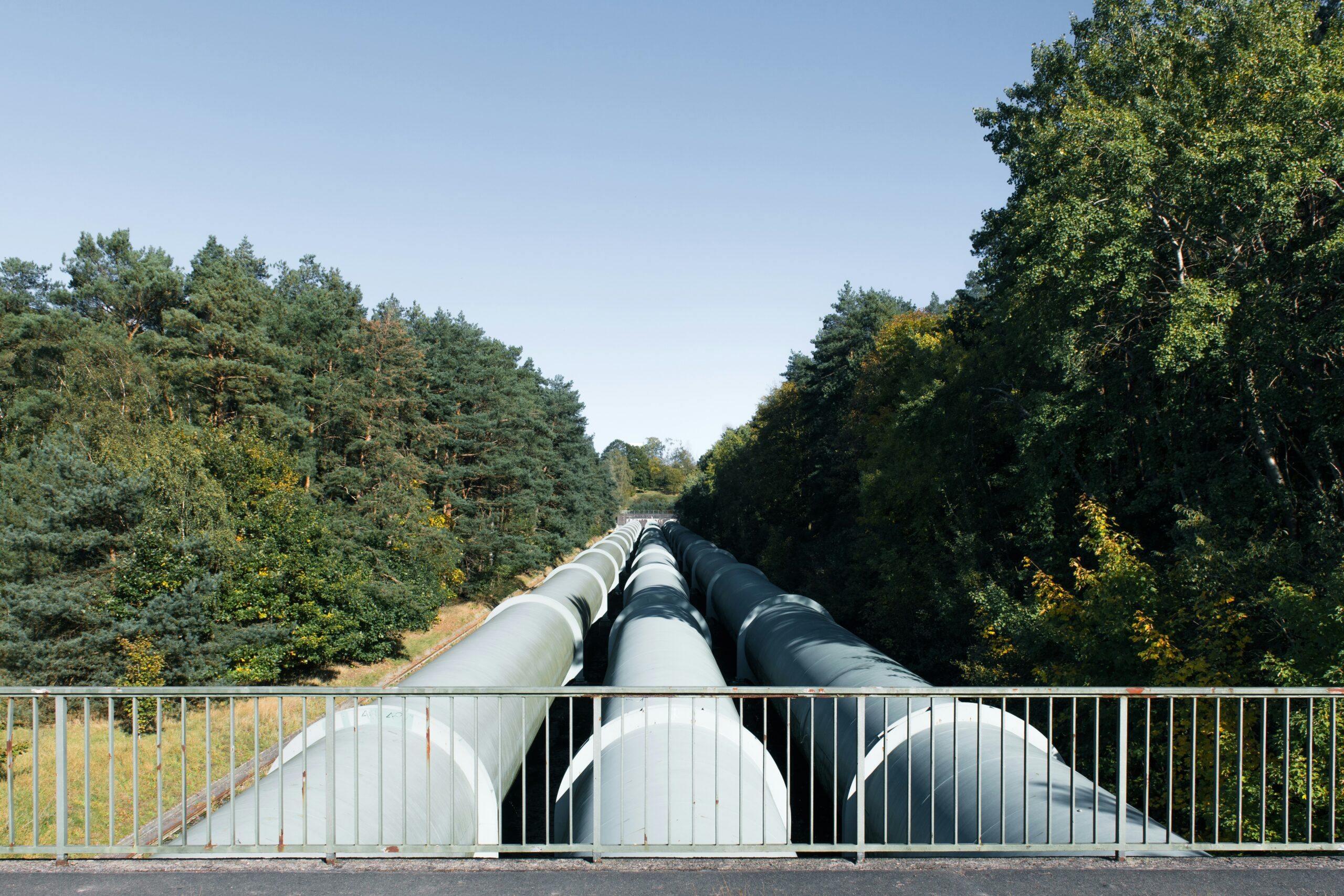
    The associated pumping station is planned in the Magere Au dam building. The connection between the heating centre and the pumping station is via two parallel pipes, each 1.2 kilometres long. They run through the Perolles forest, under the tennis courts of the Heilig Kreuz college and across the Saane.

    The pipeline route will partly follow existing paths, but any environmental impact will be compensated for, Groupe E explains. This includes plans to extend the Lake Perolles nature reserve to include an island of old woodland. Groupe E will provide information online about any adverse effects on leisure activities in the Perolles forest. The corresponding website also provides an insight into the development of the project.

  • New energy network to support the city of Wädenswil’s net-zero target

    New energy network to support the city of Wädenswil’s net-zero target

    Energie 360° and the city of Wädenswil want to contribute to the city’s net-zero target with an energy network. Specifically, the plan is to utilise the water of Lake Zurich to generate renewable heat, the Zurich-based energy supplier announced in a press release. To this end, the two partners intend to set up Energieverbund Wädenswil AG, in which the city of Wädenswil will hold a 51 per cent stake and Energie 360° a 49 per cent stake.

    On 9 February, the voters of Wädenswil gave the green light to the plans to establish the energy association with 66.04 percent of the votes, according to the press release. “The city of Wädenswil is investing in the future,” city mayor Philipp Kutter is quoted as saying. “A clean energy supply benefits everyone and reduces our dependence on fossil fuels.”

    The plans include two underground energy centres in the new Gessner site and at the Rietlau car park. Excess waste heat from the Rietlau wastewater treatment plant will also be used in the second energy centre. Energie 360° also wants to integrate its Untermosen heating network, which has been in operation in Wädenswil since 2011, into the new network.

    “Utilising the locally available energy from Lake Zurich for the energy supply makes ecological and economic sense,” says Energie 360° CEO Jörg Wild. If everything goes according to plan, the first customers will be able to obtain renewable heat from the network as early as 2026. In its final stage, the network is expected to avoid emissions of around 15,000 tonnes of CO2 per year.

  • New fast-charging stations for better electromobility in western Switzerland

    New fast-charging stations for better electromobility in western Switzerland

    The Europe-wide fast charging station specialist Electra and the property asset manager Procimmo from Renens are working together to expand the charging infrastructure in French-speaking Switzerland. The two companies have started a corresponding collaboration, Electra announced in a press release. As a first step, two fast-charging stations will be installed in Aubonne VD and Gland VD.

    The fast-charging station in the Outlet Aubonne shopping centre is being implemented by the Procimmo Real Estate SICAV – Industrial fund. The Procimmo Real Estate SICAV – Commercial PK fund is responsible for the fast-charging station at the Gland BackStage Pub in Gland. The first two charging points have been in operation since December 2024, with two more to follow this quarter.

    Electra, based in Paris, is represented in Switzerland by Electra Charging Switzerland AG in Zurich. Together with Procimmo, “we can network Western Switzerland even better and thus upgrade important and central locations with charging stations”, says Alessandro Inderbitzin, General Manager Electra Switzerland & Austria, in the press release. Procimmo CEO Arno Kneubühler, for his part, sees the collaboration with the specialist for fast-charging stations “as a significant step towards expanding and complementing our portfolio with Electra’s strong services”. With their partnership, the two companies want to respond to the increasing demand for fast-charging stations in Switzerland. For Procimmo, the commitment also represents a contribution to an electrified Switzerland.

  • New member of the Board of Directors strengthens growth of sustainable property platform

    New member of the Board of Directors strengthens growth of sustainable property platform

    Optiml has announced that Prof Dr Alexander von Erdély has joined the team as an angel investor. The 55-year-old, who holds a doctorate in civil engineering, has more than 30 years of management experience in the property sector. Three months ago, he took up his position as spokesman of the board of the German Federal Agency for Real Estate, which has around 18,000 federally owned properties in its portfolio.

    Prior to this, von Erdély was CEO of CBRE Germany, the world’s largest provider of commercial property services and investments, headquartered in Dallas and based in Zug, Switzerland. As a “passionate advocate for ESG, sustainability and innovation”, he is “a role model in his commitment to driving progress in property and urban development”, according to the spin-off from the Swiss Federal Institute of Technology in Zurich.

    The new board member will support Optiml in scaling its Real Estate Decision Intelligence platform. It provides property managers, investors and consultants with tools to achieve their goals in terms of profitability and sustainability. According to the information provided, it offers valuable insights into portfolios and building values as well as optimal decarbonisation and investment strategies and also detailed action plans for net zero refurbishment and compliance with ESG regulations, for example.

    According to a report by startupticker.ch, ten new customers from the DACH region and the UK are currently being integrated into the platform. The Zurich-based company is also working on adapting its solution to the regulatory peculiarities and calculation framework of the USA. CCO and co-founder Nico Dehnert calls the acquisition of the first customer in the USA, a real estate investment trust, “a significant milestone on our growth path”.