Tag: Nachhaltigkeit

  • Reuse of blind actuators

    Reuse of blind actuators

    Griesser is giving old JAX actuators a second life. These blind actuators, which are part of Griesser’s top-selling KNX sun shading control system, will be repaired with immediate effect, according to a statement from the sun shading specialist. They will then return to the economic cycle. They are now available for customised configurations on the MyGriesser online platform.

    The KNX variants with their JAX actuators are among Griesser’s national and international bestsellers. With its latest measure to “increase sustainability”, the company wanted to “start where we can achieve the greatest impact”, according to its CEO Urs Neuhauser. That’s why the choice fell on Griesser KNX control solutions.” The promise of quality also applies after the repair, which is why all repaired actuators come with a one-year guarantee. In addition, the other services also apply to the repair objects.

    The project will initially be launched in France. Other Griesser locations are also planned at a later date.

    As Griesser emphasises, the company has long been committed to the circular economy. For example, its aluminium has contained a high proportion of recycled material for several years. With the launch of Green Aluminium in 2024, CO2 emissions per kilogramme are to be reduced by up to 30 percent. According to the information provided, this greener aluminium will initially be used in the window shutter range.

  • Campus Platztor architectural competition launched

    Campus Platztor architectural competition launched

    In the first round of the competition, 73 applications were received, a surprisingly high number with high-quality reference projects. Decisive factors in the selection of the 16 offices were sustainability aspects, experience with similarly complex projects as well as urban planning and architectural quality. The selected teams come from St. Gallen, Zurich, Thurgau, Basel-Stadt and Geneva.

    Next steps and timetable
    Following the selection of the winning project in summer 2025, the canton and the university will further develop the project. Construction is scheduled to start in 2028 and the new campus is expected to open in 2031. The new campus will serve as a place of reflection and a meeting place and will blend harmoniously into the cityscape. The aim is to strengthen the university’s links with the city and its population.

    Realignment after project restart
    The current competition became necessary because the project selected in 2021 could not be satisfactorily developed further. The new process is now intended to create a viable concept that fulfils the high standards of architecture, sustainability and urban integration.

  • First construction phase in Unterfeld Süd in Baar starts in 2025

    First construction phase in Unterfeld Süd in Baar starts in 2025

    The owners Ina Invest and Estella Invest and the developer Implenia decided in favour of a digital project competition in which a digital 3D model was submitted instead of physical models. This made the jury process much easier, as different levels and elements could be flexibly combined and analysed. The winning design for the first construction phase, a combination of the proposals from Enzmann Fischer Partner AG and ORT AG, impressed with its innovative floor plans and a well thought-out design of the open space that harmoniously combines living and working.

    Open space design as the key to the attractiveness of the neighbourhood
    The Unterfeld Süd neighbourhood will be enhanced by generous open spaces, which
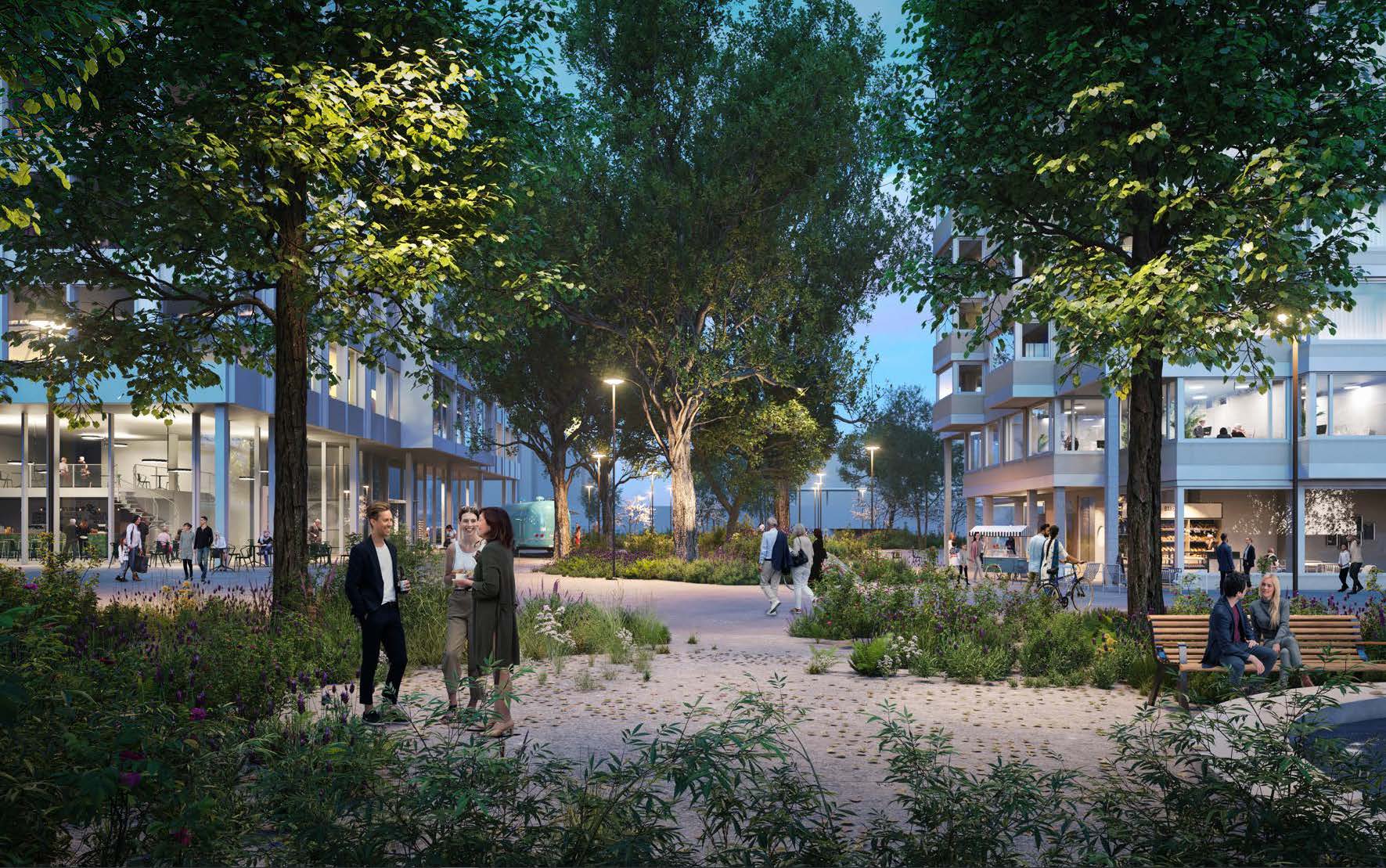
    extend along the Stampfibach stream. An ecologically valuable green space is being created here that offers a wide range of uses. The central arrival square at the S-Bahn station will be transformed into an inviting place to meet and linger thanks to tall trees and green islands.

    High-rise building with a view to the future
    The 60-metre residential tower block in the first phase is impressive not only for its height, but above all for its well-thought-out floor plans and flexible room layouts. The generous windows offer impressive views from every flat, while the bay windows on the façade allow residents to enjoy both the outside and the inside of their own flat.

    Commercial building as a centre for dynamic companies
    The adjoining commercial building also focuses on flexibility. Two glazed inner courtyards create islands of light that can be used as break areas. With its flexible room structure, the building offers space for a wide range of uses – from small offices to larger rental spaces for anchor tenants.

    The second phase will provide affordable housing and flexible commercial space
    The second construction phase, the planning of which is already at an advanced stage, will focus on affordable rental flats and owner-occupied flats. The inner courtyard of the planned perimeter block development in the second phase will create opportunities for retreat and public meeting spaces in equal measure. The buildings along Nordstrasse are deliberately designed to minimise noise pollution. A referendum on the second stage will also be held in Baar in 2025.

    Sustainable architecture and flexible usage concepts
    The architecture of the buildings reflects the vision of a future-oriented neighbourhood. The combination of flexible living, versatile commercial space and well thought-out open spaces creates a lively and attractive cityscape. Particularly noteworthy is the combination of living and working, which is supported by well thought-out spatial concepts and attractive outdoor areas.

  • Lighthouse Papieri Cham

    Lighthouse Papieri Cham

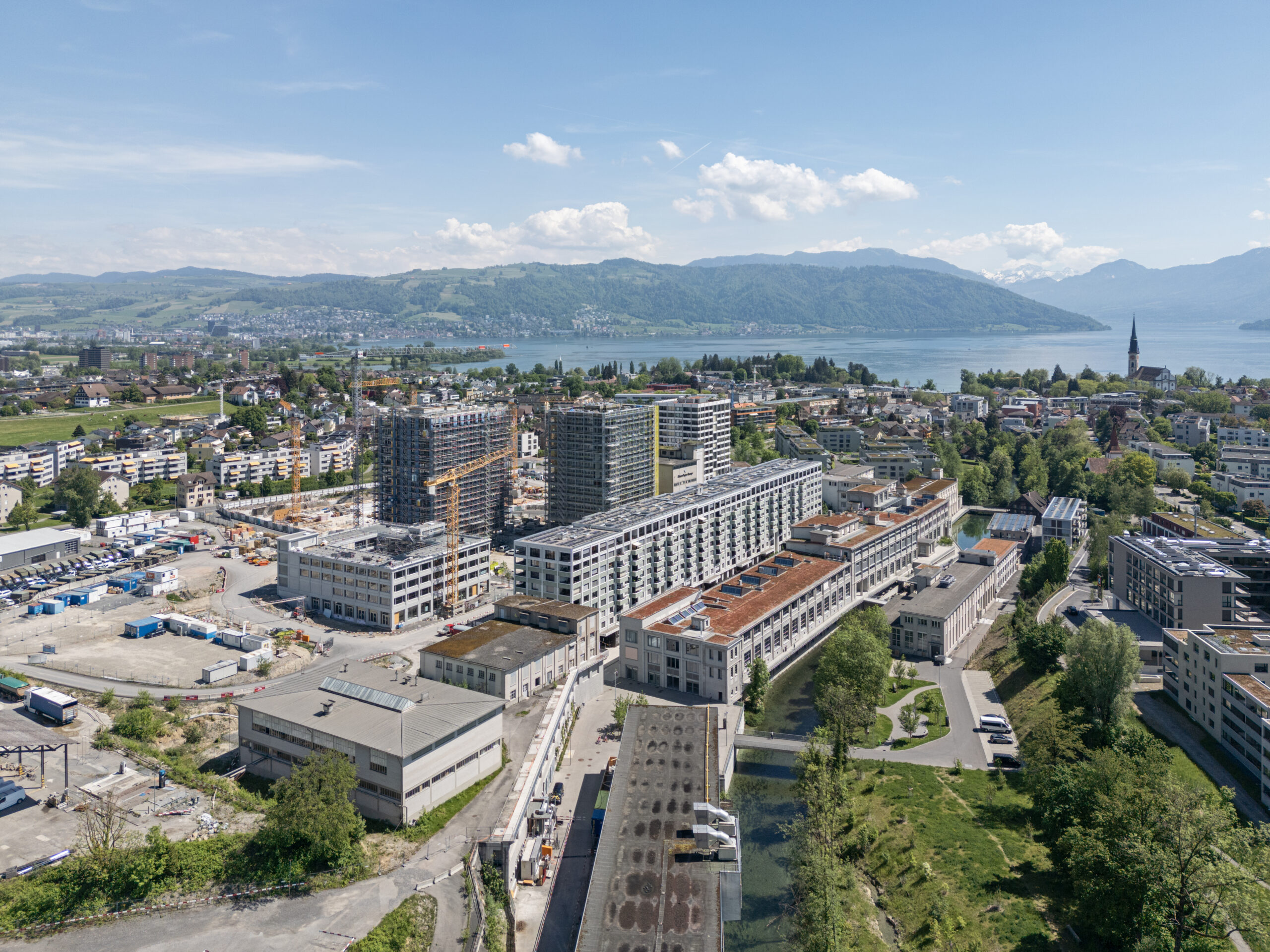
    People today are looking for the “as well as” – in the case of Papieri, it is the interplay of an urban lifestyle in close proximity to nature. On the one hand, the new district offers all the extras of a lively neighbourhood with practical services for everyday life, such as a wide range of shopping and dining options, childcare and cultural and sporting activities
    And catering facilities, childcare and cultural and sporting activities. On the other hand, you can find peace and quiet by the River Lorze or in one of the neighbouring recreational areas.

    Next Level Spaces
    In the third construction phase, a total of 10,000 m² of office, commercial and retail space will be created with the “Next Level Spaces”. Where and how people work has changed dramatically in recent years. Attractive and adaptable work concepts are needed to inspire employees. This leads to new requirements for buildings, such as a high degree of flexibility in order to fulfil a wide range of needs, from office layout to building services.

    The spaces in the “Next Level Spaces” can be flexibly designed and are over 6 metres high with a payload of up to one tonne per m², and intermediate floors can be installed as required. The user decides where intermediate floors are needed and can also create additional space at a later date. The “Next Level Spaces” offer future-orientated companies a wow location for offices, trade and Industry 4.0.

    Landmark boiler house
    The landmark at the heart of the site – the listed boiler house – will also be converted in the third construction phase. Where steam boilers used to be fired up, guests can expect a culinary treat in future. In spring 2026, the Segmüller Collection will expand its portfolio of unique gastronomy concepts such as Carlton, Loft Five, Roof Garden and Sablier in Zurich to Papieri-Platz in Cham and open a new grill restaurant with bar and lounge on the ground floor of the Kesselhaus. Industrial charm meets modern lifestyle, archaic fire cuisine meets refined elegance – a place that promises enjoyment for every taste. In the western section above, unique office space awaits new users in the former monument, while a fitness centre in the eastern section offers space for physical exercise.

    Sustainability
    Awarded the “Watt d’Or” by the Swiss Federal Office of Energy, the energy system of the Papieri site enables completely CO2-free operation and ultimately generates around 75% of the energy on site. In addition, the “Next Level Spaces” commercial building is certified with the internationally renowned “Leed Platinum” sustainability label. Resource-conserving construction is also already common practice at Papieri. For example, with the conversion of listed buildings such as the boiler house or an innovative timber-hybrid residential tower block. However, the most important contribution to sustainability is a long service life. Great attention is paid to this factor during development. Buildings must be flexible in order to meet the as yet unknown needs of a changing society in the future. An office building that can be converted into flats, for example, prevents premature demolition and thus contributes to sustainability. This is why Papieri constructs high-quality, adaptable buildings that will still be in favour for various uses decades from now.

  • Record figures and creative impetus for the property sector

    Record figures and creative impetus for the property sector

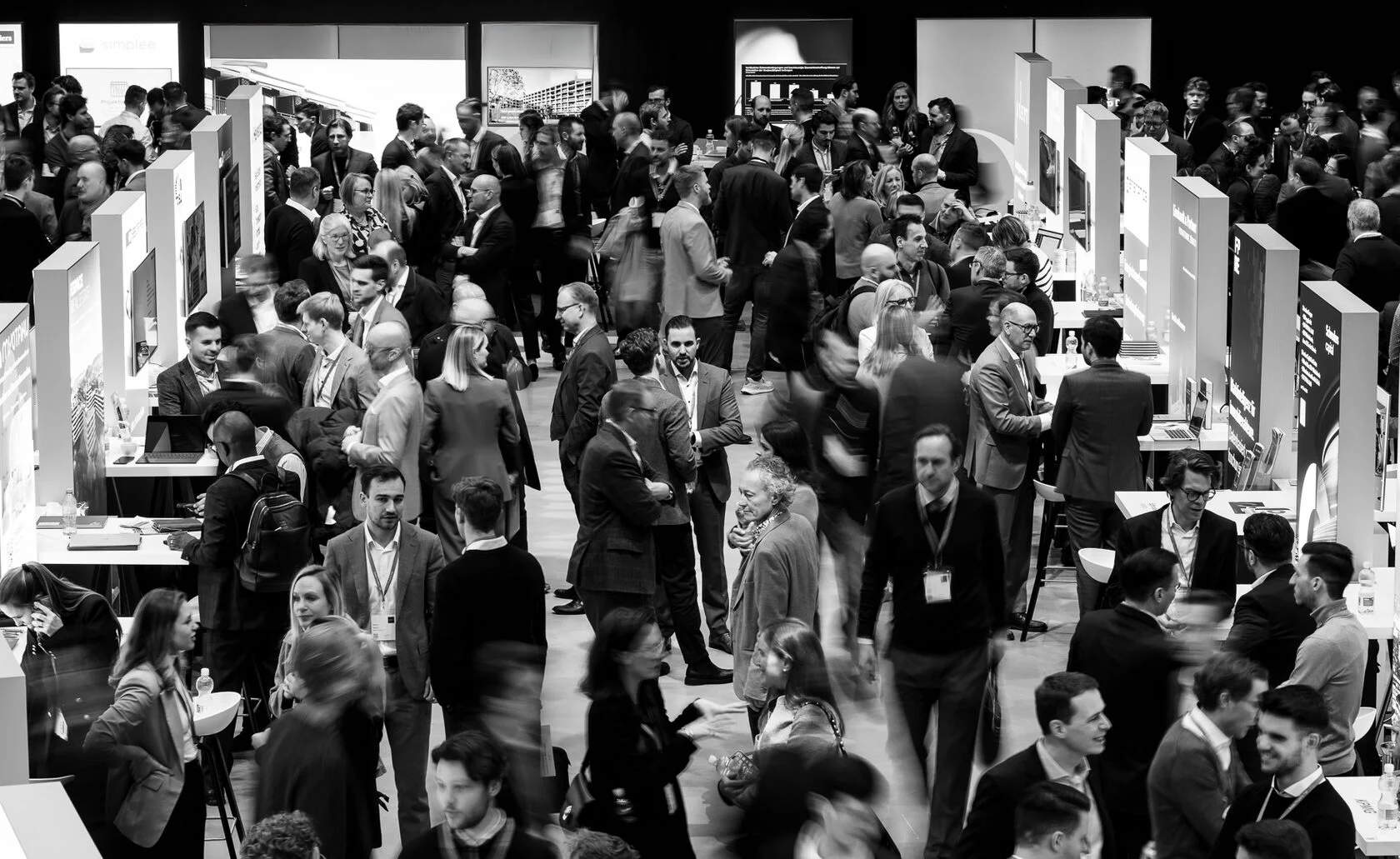
    The 13th edition of the Swiss real estate trade fair for investors, which took place on 15 and 16 January 2025 in Hall 622 in Zurich Oerlikon, exceeded all expectations. With a record attendance of 5,167 trade visitors and 154 exhibitors, IMMO25 confirmed its leading role as the most important trade fair for the property and finance sector in Switzerland.

    Focus on forward-looking topics
    The trade fair offered a wide range of specialist topics along the entire value chain of the property industry. The focus was on current challenges and trends such as

    • The future of construction: innovative building concepts and sustainable architecture
    • The tenant of tomorrow: New demands and changing living concepts
    • Falling interest rates: effects on the property market and investment strategies
    • Sustainability: energy-efficient buildings and climate-friendly developments

    The motto “Growth through creativity” was reflected in the numerous innovative solutions that were presented and discussed at the trade fair.

    First-hand expert knowledge
    A highlight of the event was the IMMO Forum, which offered expertise and inspiration over two days with 35 panel discussions and 150 renowned experts. The debates were not only followed by trade fair visitors, but also by over 1,900 online viewers who followed the forum live.

    Review and outlook
    The organisers MV Invest and Swiss Circle were delighted with the great success of the trade fair and thanked all exhibitors, visitors, speakers and partners for their support. IMMO25 has once again proven that it is a leading platform for the property industry, providing impetus and promoting exchange between investors, developers and experts.

    The next edition of IMMO26 will take place for the first time on 14 and 15 January 2026 in Hall 550 in Zurich Oerlikon.

  • Cooperation for sustainable energy supply in Arlesheim, Münchenstein and Reinach

    Cooperation for sustainable energy supply in Arlesheim, Münchenstein and Reinach

    Primeo Energie and uptownBasel are intensifying their collaboration. The two Basel-based companies signed “two important contracts” at the end of December 2024, explained Primeo Energie in a press release. Among other things, they aim to use the waste heat generated on the site of the competence centre for Industry 4.0 in Arlesheim to heat thousands of flats in the surrounding municipalities of Arlesheim, Münchenstein and Reinach.

    To this end, uptownBasel partner Primeo Energie is making Building 4 available on a long-term basis. This is where the Münchenstein-based energy supplier will set up the transfer centre for the competence centre’s waste heat. The second contract concerns the site network. Under this contract, Primeo Energie is responsible for both the operational management and maintenance of the network on the 75,000 square metre site of the competence centre. The site grid includes high and medium-voltage lines for supplying energy to the site and its nine buildings.

  • New production sites in Singapore and China

    New production sites in Singapore and China

    Sika is expanding its global presence with new production facilities in Singapore and China. The new plant in Singapore specialises in mortar production. In contrast, the entire product range, including tile adhesives, cementitious waterproofing and floor coatings, will be manufactured in Xi’an in north-west China. The new factories should significantly reduce transport distances.

    “The expansion of our production capacities in Singapore and China is an important step in our growth strategy in Asia,” said Philippe Jost, Regional Head Asia/Pacific, in a press release. “Thanks to the new plants, we can serve our customers in these two key markets even better with our innovative solutions. In addition, both factories contribute to Sika’s sustainability performance by utilising energy-efficient processes and environmentally friendly materials.”

    According to Sika, Singapore’s construction industry is expected to grow by 4.1 per cent annually until 2028. A government masterplan for infrastructure development envisages around 22.5 billion Swiss francs for the construction of railway stations and important transport corridors.

    The new plant in Xi’an is Sika’s 35th in China. The construction industry in the country is expected to be worth the equivalent of 4.3 trillion Swiss francs in 2025 and grow by 3.9 per cent annually until 2028. China has reportedly budgeted half a trillion Swiss francs for infrastructure projects and more ambitious quality targets in the construction industry, and a further 12 trillion francs for the net-zero target by 2060.

  • ESG targets with REMMS integration

    ESG targets with REMMS integration

    With the integration of REMMS, the company is taking sustainability analysis in the property sector to a new level. REMMS (Real Estate Meta-rating and Monitoring on Sustainability) enables a comprehensive assessment of properties with regard to economic, ecological and social criteria. Users of the solutions can easily analyse properties and create benchmark comparisons, taking into account relevant standards such as AMAS, ASIP, CRREM, GRI, ICMA, SBA and SFDR.

    Seamless integration for maximum efficiency
    The central aim of the integration is user-friendliness. Asset and portfolio managers can use the REMMS platform without additional registration or signing a contract. The sustainability monitoring module in the software suite makes it possible to analyse property portfolios anonymously and with data support. Martin Schnider, Managing Director of reamis, emphasises: “Our solution supports customers in efficiently achieving sustainability goals and fulfilling regulatory ESG requirements.”

    A step towards a sustainable property industry
    The REMMS integration is not only an extension of the digital solutions, but also a contribution to the sustainable transformation of the property industry. The data-driven platform provides portfolio managers with precise analyses that facilitate strategic decisions.

  • Climate Charter Zug : Support for SMEs in the canton of Zug

    Climate Charter Zug : Support for SMEs in the canton of Zug

    Around 50% of CO2 emissions in the canton of Zug come from the economy, which emphasises the urgent need for action in this area. The Zug Chamber of Commerce, the WERZ Institute (OST), the Technology Forum Zug and the Switzerland Innovation Park Central have founded the Climate Charter Zug together with the Canton of Zug to support SMEs in particular in implementing climate-friendly and economical measures.

    Consultancy, CO2 footprint and measures
    The advisory services offered by the Climate Charter provide support and tools for recognising and reducing CO2 emissions in your own company. The canton of Zug covers 50% of the consultancy costs and has pledged CHF 1.6 million for this, around 60 per cent of the budget. The remaining funds come from the private sector. The initiative’s office, based at the Zug Environmental Institute WERZ, offers expertise and advice, from energy savings and emission reductions to practical solutions for specific challenges in companies.

    Climate protection as a locational advantage
    Climate protection has long been more than just a trend – it is becoming an important advantage for companies and locations. The Climate Charter Zug supports SMEs in reducing emissions and setting sustainable standards. At the same time, a growing charter community is emerging in which committed Zug companies can exchange experiences and learn from each other. The willingness to invest in climate-friendly innovations strengthens the competitiveness of the company and the canton in the long term.

    Concrete support for SMEs
    Alex Beck, co-leader of the initiative, emphasises: “As a business community, we have a duty,
    to create an intact environment for future generations.” The Climate Charter provides companies that want to reduce their CO2 emissions with customised and practical solutions – from sustainable heating systems to the provision of solar power for e-charging stations.

    Sustainable investments for a climate-friendly future
    As part of the Klima Charta Zug, companies fulfil the increasing requirements in climate protection and position themselves as responsible players. Alex Beck emphasises that the exemplary effect of individual companies creates a “momentum of its own” that has an impact beyond the company itself. The pioneering role in climate protection promotes a culture of commitment that enables sustainable development for the canton of Zug.

  • Climate-neutral industry – Vision 2026

    Climate-neutral industry – Vision 2026

    Founded in 2022, the Association for the Decarbonisation of Industry aims to reduce emissions to a minimum through innovative technology. At the forefront is the methane pyrolysis process, which enables emission-free energy utilisation by splitting hydrogen from methane. The remaining carbon is utilised as a resource, for example as humus in agriculture or as a building material, which binds the carbon in the long term.

    Cooperation between business, research and politics
    Without the cooperation of 16 leading companies, Empa and politicians from the Canton of Zug, the project would hardly be possible. Together, they are contributing to the development and scaling up of the pyrolysis process, which is to be scaled up from laboratory to industrial size by 2026. The partners are providing funding of over CHF 8 million, thereby sending a strong signal for the decarbonisation of industry.

    Methane pyrolysis Reduction of CO2 emissions
    The association is focusing on methane pyrolysis, a process that minimises CO2 emissions when using natural gas. Instead of traditional combustion, hydrogen is obtained from methane, while the carbon is in solid form and therefore does not cause any emissions. This technology could save up to 270 g of CO2 per kilowatt hour produced and is therefore a potential key to the net-zero targets by 2050.

    Sustainable ecosystem without waste
    The association is working to create an ecosystem that optimally utilises all components of the process. Through the circular economy concept, not only hydrogen, but also carbon and waste heat are to be efficiently reused to avoid waste. This holistic strategy creates a model that is ideally suited to a climate-friendly future.

    Membership of the Association for the Decarbonisation of Industry
    Companies that are committed to the climate-neutral future of industry and would like to benefit from the findings of the association can become members. The association is tax-exempt and donations are deductible in the canton of Zug. Members gain access to advanced knowledge and support an initiative that lays the foundations for an emission-free
    industry.

  • New company strengthens local power supply in Buttisholz and the surrounding area

    New company strengthens local power supply in Buttisholz and the surrounding area

    (CONNECT) Dorfstrom AG, based in Buttisholz, commenced operations on 1 January 2025. According to a press release, the company was entered in the commercial register on 3 December 2024. The new company aims to provide impetus for the local energy supply in Buttisholz and other municipalities, according to the press release.

    A dedicated website, which was launched at the start of business operations, provides information about the project and the planned cooperation between local energy producers and a platform for collaboration. “The website is a central point of contact for informing people in Buttisholz and beyond about our goals and offers,” said Oscar Küng, Chairman of the Board of Directors of Dorfstrom AG.

    With the entry in the commercial register, Dorfstrom AG has reached an important milestone in rethinking the local electricity supply and actively driving forward the energy transition in Buttisholz, according to Dorfstrom AG. The company is focussing on the promotion of virtual mergers for self-consumption (vZEV) and the development of local electricity communities (LEGs). The aim is to utilise locally produced electricity directly in the respective municipality. This strengthens local value creation and reduces dependence on large energy suppliers.

    Dorfstrom AG organises local electricity trading to ensure efficient distribution and brings producers and consumers together. It wants to plan, build and operate renewable energy plants, from solar plants and biogas plants to local wind power projects. The electricity is also to be stored in order to compensate for fluctuations and ensure security of supply. Dorfstrom AG aims to support local energy projects through investments and partnerships.

  • New partnership promotes hydrogen from wood waste

    New partnership promotes hydrogen from wood waste

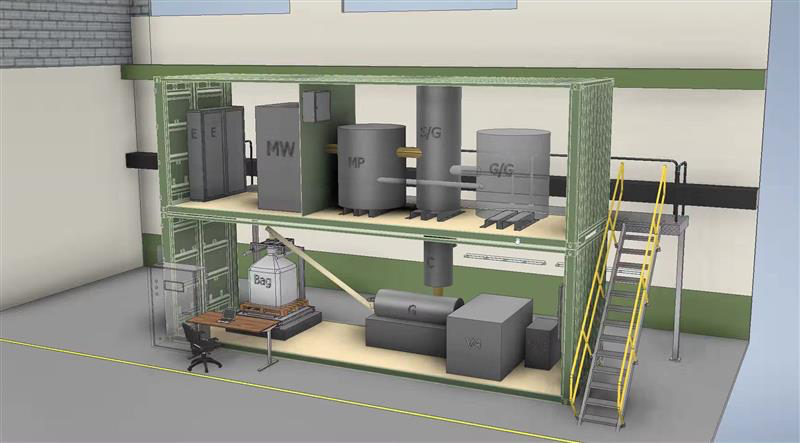
    H2 Bois has a new minority shareholder. According to a press release, the Vaud-based energy supplier Romande Energie will acquire a 33.7 per cent stake in January 2025. Groupe Corbat, based in Vendlincourt JU and active in the timber industry, will then hold 50.3 per cent and the consulting firm Planair Vision SA, based in La Sagne NE, 16 per cent of the company they founded in 2021.

    H2 Bois plans to build a plant to produce hydrogen from wood waste in 2025 and put it into operation in 2026. The production process also produces biochar, which can permanently store some of the CO2 contained in the wood. When fully operational in 2030, the plant will be able to produce a total of 450 tonnes of clean hydrogen from 14,000 tonnes of wood and wood waste and store 2,500 tonnes of CO2 per year. H2 Bois utilises technology from the French company Haffner Energy.

    The hydrogen is transported to an industrial zone in the village via a 1.5 kilometre long gas pipeline. There it is used by industrial companies and for mobility via a petrol station. The biochar is used in agriculture.

    For Romande Energie, the investment is a step towards a decarbonised western Switzerland. “This investment allows us to participate in a bold project that is a pioneer in Switzerland in the use of an innovative negative emissions technology,” said Jérémie Brillet, responsible for hydrogen at Romande Energie, in the press release.

    Benjamin Corbat, CEO of Groupe Corbat, welcomes Romande Energie’s involvement. “We are looking forward to the start of production, but also to breaking new ground in the local use of wood.”

  • How wood can be better utilised

    How wood can be better utilised

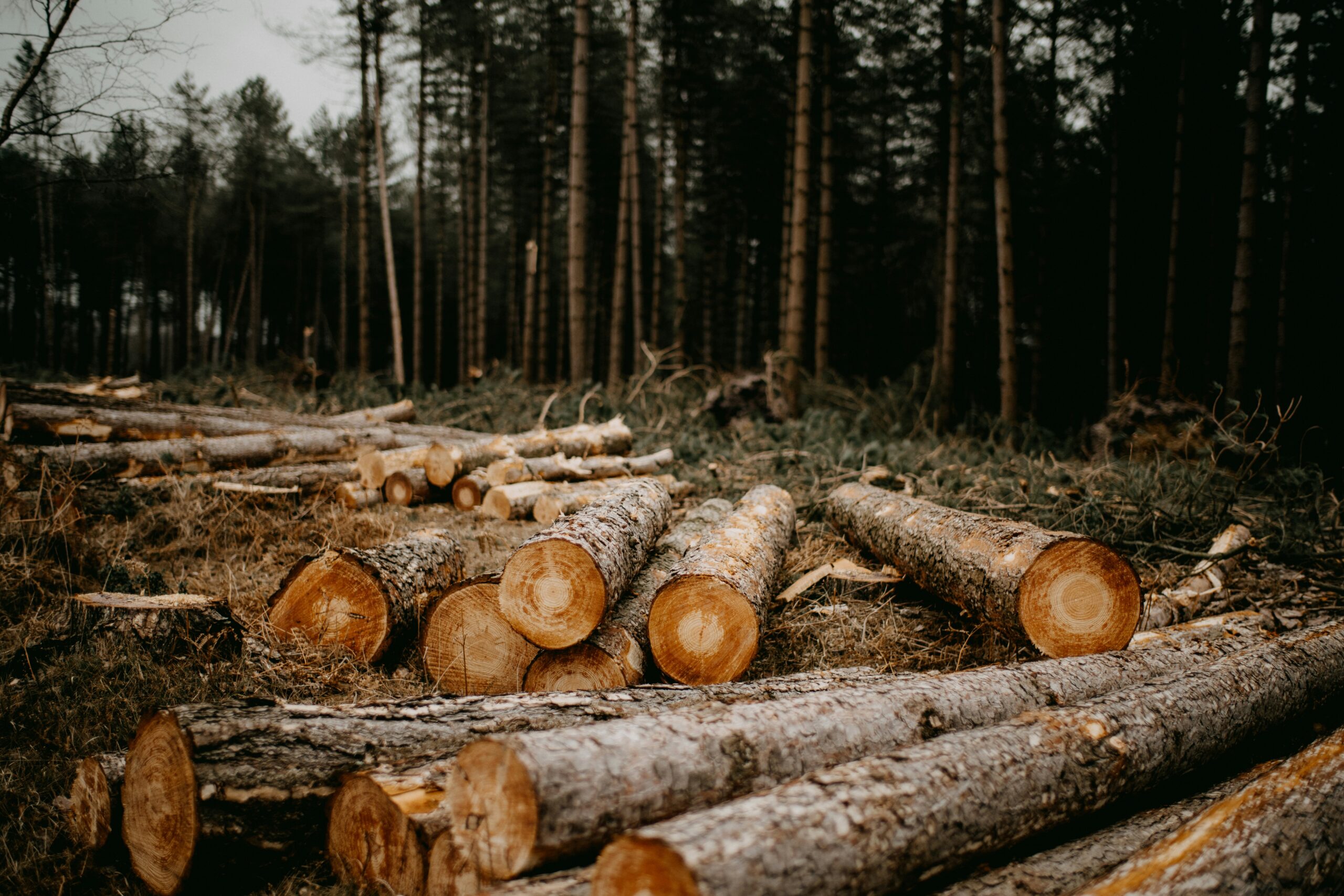
    Switzerland is aiming for net zero by 2050. Wood plays a key role in this endeavour. It binds CO₂ from the atmosphere, is versatile and offers sustainable alternatives to fossil fuels. But how much wood is actually available for construction, industry or energy generation? Researchers from Empa and WSL have provided the answers by analysing the material flows of wood in Switzerland in detail for the first time as part of the SCENE project.

    For their analysis, the researchers used data from 21 different sources for the year 2020, from wood harvesting to disposal. “In contrast to other studies, which often only use modelled values, we were able to draw on real data,” explains Nadia Malinverno from Empa. The effort paid off, as the study provides a precise picture of the entire wood flow in Switzerland.

    Recycling potential and the correct use of wood
    Only eight per cent of wood is currently recycled, compared to around 70 per cent for paper. In addition, 40 per cent of the wood harvested each year is used directly as fuel. “This is not ideal from an ecological point of view,” emphasises Claudia Som, co-author of the study. In order for wood to fulfil its role as a CO₂ store, it should be used as a material for as long as possible.

    The researchers’ vision is cascade utilisation
    Here, wood is first processed into durable products such as beams and boards that remain in the construction industry for as long as possible. Only after repeated use is the wood further processed into wood chips or fibres before it is finally burned. “Wood should only be used as an energy source when it is no longer usable as a material,” explains Som.

    The path to sustainable wood flows
    As part of the SCENE project, the researchers want to investigate more closely in future which uses of wood make the most ecological and economic sense. They are focussing on specific material flows. In what form is the wood available? How is it processed? Where is there potential for optimisation?

    “The sustainable use of wood is a key component of the energy transition,” says Malinverno. “Our work shows that Switzerland still has many untapped opportunities here, both in terms of climate protection and resource efficiency.”

  • Swiss construction industry 2025

    Swiss construction industry 2025

    By 2025, sustainability will no longer be a trend, but a matter of course. Building certificates such as Minergie or SNBS and circular construction will take centre stage. Companies that reuse building materials and offer innovative solutions will secure decisive competitive advantages.

    Digitalisation enters the next round
    The digital transformation is reaching new dimensions. Technologies such as IoT, AI-based planning software and digital construction site management tools are being used more widely. At the same time, promoting digital skills among employees is essential in order to actively shape digital progress.

    Skills shortage remains a challenge
    The industry continues to be characterised by a shortage of qualified workers. Companies are increasingly investing in training and further education programmes, focusing on international recruitment and pushing ahead with automation. Modern working conditions and attractive corporate values are becoming increasingly important.

    Focus on urban development and densification
    Urbanisation calls for innovative concepts such as car-free zones, mixed-use districts and urban greening. At the same time, affordable housing remains one of the key challenges. Creative solutions are needed to meet the needs of the population.

    Energy and raw material prices
    The energy crisis and the cost of building materials remain a dominant issue. Local and sustainable building materials are gaining in importance, while legal requirements are driving the expansion of renewable energies. Solar installations and innovative heating systems are setting new standards here.

    Collaboration as the key to success
    The increasing complexity of construction projects requires closer cooperation between architects, engineers and technology providers. Companies that focus on partnerships benefit from synergies and can realise projects more efficiently.

  • Appenzellerland, Winterthur and Zurich honoured with awards

    Appenzellerland, Winterthur and Zurich honoured with awards

    The Smart City Hub Switzerland association has presented its Smart City Hub Awards for innovative approaches to intelligent and sustainable urban solutions for the first time. Seven projects were nominated from a total of 20 submissions, the association, which is made up of representatives from cities and federal service providers, announced in a press release. Of these seven nominees, the Smart Appenzellerland, Generative AI Assistance for Winterthur and Zuri Accessible CiTy (ZuriACT) projects have now been honoured in the Newcomer, Innovation and Smart Citizen Services categories.

    The organisation Verein Smartes Appenzellerland(VSAL) was the winner in the Newcomer category. Its project promotes digital transformation in Appenzellerland. The press release emphasised the development of a platform for the Internet of Things and educational initiatives in mathematics, IT, science and technology.

    The prize in the Innovation category went to the city of Winterthur. In the Generative AI Assistance project, it is testing the use of artificial intelligence in practical applications that are accompanied by training and ethical reflection.

    TheCity and University of Zurich were honoured with the award for Citizen Services. Their Zuri Accessible CiTy (ZüriACT) project aims to improve accessibility in Zurich using digital tools and better data. Innovative technologies are used to simplify accessibility data in collaboration with those affected.

  • Increasing value through global presence and technological innovation

    Increasing value through global presence and technological innovation

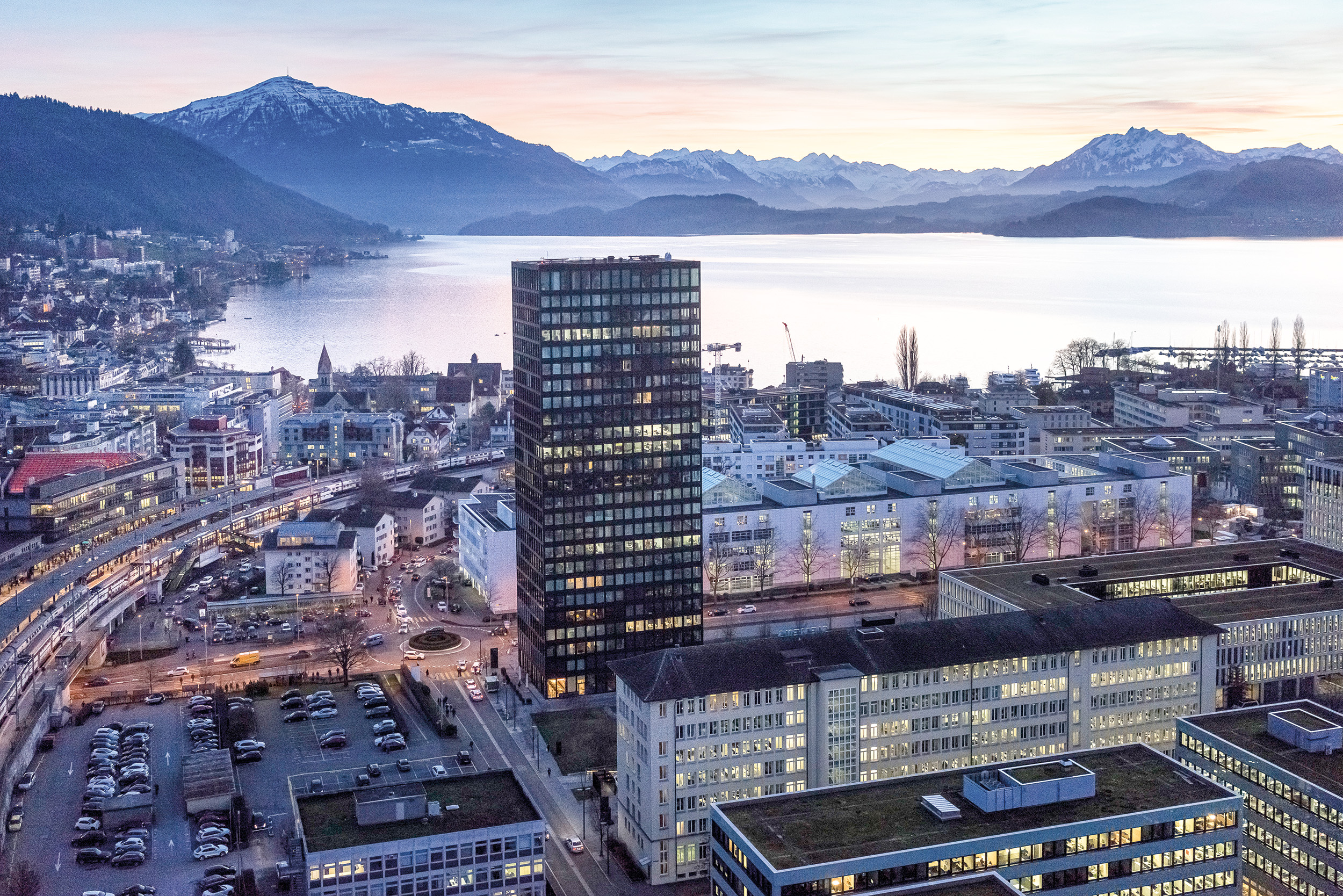
    Siemens Smart Infrastructure raises the bar. The Zug-based Siemens business unit increased its revenue by an average of 11 per cent annually between 2020 and 2024, Siemens announced in a press release. A record operating result margin of 17.3 per cent was achieved in 2024. This is well above the medium-term target of 11 to 16 per cent set in 2021.

    In the coming years, the company is aiming for sales growth of 6 to 9 per cent and an earnings margin of 17 to 18 per cent. “We have set ourselves ambitious targets and achieved them,” said Matthias Rebellius, member of the Managing Board of Siemens AG and CEO of Smart Infrastructure, in the press release. “Now we are raising the bar even higher to reach the next level of value creation.”

    In the coming years, SI intends to strengthen its global presence and expand local capacities. At the same time, it plans to promote talent in high-growth markets such as India and the USA. Both should lead to scalable results in SI’s established end markets, such as data centres, healthcare and energy utilities. The company expects the market it addresses to grow by 5 to 6 per cent annually in the medium term. According to the press release, SI has realised “above-market growth in all areas”.

  • New technology for sustainable building insulation under development

    New technology for sustainable building insulation under development

    Aeroskin Tech is looking for investors. The spin-off from the Swiss Federal Institute of Technology in Zurich(ETH) has developed a technology for insulating buildings based on aerogels. So far, Aeroskin Tech has developed prototypes of spray insulation materials and insulation panels, the ETH announced in a press release. Now the technology is to be introduced to industrial production in a pilot plant.

    “We want to offer sustainable and high-performance insulation for buildings,” says Daniel Sanz Pont, founder of Aeroskin Tech and research associate of Robert Flatt, Professor of Building Materials in Civil Engineering at ETH Zurich, in the press release. The insulation materials based on aerogels are characterised by a two to two-and-a-half times better effect than conventional insulation materials. This is due to the nanoporous structures of aerogels, explains Sanz Pont. In the tiny pores, the air molecules collide more frequently with the pore walls than with each other. “This effect makes aerogels the best thermal insulation materials of all,” says Sanz Pont.

    The young entrepreneur did not found the ETH spin-off with partners, but on his own. “Thanks to my diverse education, I combine many competences in my person,” explains Sanz Pont. “I have also received coaching and expanded my training and experience in the field of business management, and I have been supported by outstanding experts from ETH throughout these years.” For upcoming challenges and the next step, the young entrepreneur also has experienced mentors at his side “from whom I can learn more quickly”.

  • Hybrid small power plant promotes green energy in Graubünden

    Hybrid small power plant promotes green energy in Graubünden

    NewGreenTec AG has installed one of its hybrid wind-solar small power plants on the roof of the Plantahof. In future, it will contribute to the sustainable power supply of the agricultural training centre in the canton of Graubünden and eastern Switzerland. According to the start-up company, it will also enable pupils and teachers to experience the technology first-hand and expand their knowledge of renewable energies.

    “We are delighted to be promoting the sustainable development of agriculture in Graubünden with this project,” said Frido Stutz, Managing Director of NewGreenTec AG, in a company press release. “The combination of wind and solar energy is a pioneering step towards an environmentally friendly and stable power supply throughout the day and year.”

    NewGreenTec also recognises this as a symbol of the potential for a sustainable future: “With the power of wind and sun, the Rhine Valley is set to become another example of successful innovation in green energy supply.” The company’s first small power plant on an industrial building was put into operation in January 2023.

    The hybrid device combines solar panels, a small wind turbine and storage technology in a single unit and was developed in collaboration with Swiss universities of applied sciences. The wind turbines, which rotate around a vertical axis, are independent of the wind direction and virtually noiseless.

  • Final construction phase for sustainable development in Rotkreuz

    Final construction phase for sustainable development in Rotkreuz

    Zug Estates is tackling the final construction project in the development of the Suurstoffi site in Rotkreuz, which began in 2010. The Zug real estate company announced in a press release that the ground-breaking ceremony for the two new buildings Suurstoffi 43 and 45 was held at the beginning of December together with representatives from the authorities and project partners. Together with a central park, they are due to be completed by mid-2027.

    Zug Estates is creating around 14,400 square metres of office and training space in the two new properties. A further 1,100 square metres have been designed as living space for student accommodation. Once completed, the Suurstoffi 45 property will be home to the Central Switzerland Health Education Centre(XUND). The training centre is relocating from Alpnach OW to Rotkreuz in order to meet the growing demand for practical healthcare training and changing training models. XUND and Zug Estates signed a long-term rental agreement for Suurstoffi 45 in September.

    The final development project for the site “fits seamlessly into the Suurstoffi site, both architecturally and in terms of sustainability”, writes Zug Estates. “The existing, almost emission-free energy system” will have another geothermal probe field. The proportion of grey energy will be lower than in comparable properties thanks to a reduced basement level and the optimisation of façades, building services and statics.

  • Solar power project launched in Frauenfeld

    Solar power project launched in Frauenfeld

    In future,Thurplus will produce solar power on the roof of Signer Elektromotoren in Frauenfeld. According to a press release, the Frauenfeld-based energy supplier commissioned a photovoltaic system with 140 modules on an area of 280 square metres at the end of November. With an output of 62 kilowatt hours, it will generate around 62,000 kilowatt hours of electricity per year.

    Thurplus financed the system, built it with regional craftsmen and will also operate it.
    Signer Elektromotoren is providing the roof and will receive the solar power at a heavily discounted rate. “We have been thinking about realising a photovoltaic system for a long time,” junior boss Dominik Signer is quoted as saying in the press release. “The collaboration with Thurplus was very good and we are pleased to be able to contribute to the promotion of solar energy.”

    Founded in 1967, the family business repairs electric motors and builds customised motors.

    Thurplus is looking for further roof areas for photovoltaics. “Such joint projects contribute to the energy transition and to achieving our urban sustainability goals,” said Fabrizio Hugentobler, city councillor and head of the Thurplus, Leisure and Sport department, in the press release. Frauenfeld aims to install an output of 8,000 kilowatt peak by 2027.

  • Into the future with wood and clay

    Into the future with wood and clay

    Wood and clay, two proven building materials, are at the centre of the “Think Earth – Regenerative Building” project. Under the leadership of ETH Zurich and in collaboration with Empa and other universities and industrial partners, modern construction techniques are being developed to reduce the environmental impact of the building industry. While wood provides load-bearing capacity and rigidity, clay provides additional mass that contributes to thermal regulation, fire safety and vibration damping.

    Reusable wood connections strengthen the circular economy
    In order to use wood sustainably, its reusability must be increased. Currently, it is only 10 per cent. The project aims to increase this figure to 90 per cent by developing efficient, flexible wood joints. Researchers at Empa and ETH Zurich are working on methods for the simple dismantling of timber structures and developing digital tools that promote the reuse of timber components.

    Crack-free clay construction methods using green additives
    Clay is available in almost unlimited quantities and has an excellent carbon footprint. However, shrinkage during drying is a common problem, resulting in cracks. Researchers at Empa and ETH Zurich are investigating bio-based and biodegradable additives that prevent shrinkage without impairing recyclability. These innovative additives are being tested on a large scale in collaboration with BASF Schweiz AG and Eberhard Bau AG to enable the use of clay in building construction.

  • Sustainable construction projects launched in Germany and abroad

    Sustainable construction projects launched in Germany and abroad

    Implenia, the construction and property company based in the Glattpark district of Opfikon, has won several tenders for building construction contracts. According to a press release, the contracts have a total volume of 160 million Swiss francs.

    The company will construct the new office building of the Swiss National Science Foundation(SNSF) in Bern. The sustainable building will be constructed using local timber and recycled concrete in accordance with the Swiss Sustainable Building Standard (SNBS). Implenia has also been awarded several contracts in Germany.

    In Mainz, Implenia, together with its partners Gemünden and Apleona, was awarded the contract to construct a new 10,000 square metre research building for TRON. The research institute develops new diagnostics and active ingredients for immunotherapeutic treatments.

    In Leipzig, Implenia and its partner GP Günter Papenburg AG are building a seven- to eight-storey residential development on nine connected properties. In addition to 202 residential units, many commercial and ancillary premises are to be built. The buildings will be constructed as low-energy buildings in accordance with the Efficiency House 55 standard and the entire complex will be handed over on a turnkey basis.

    Three residential buildings with 101 units are being built in Munich, which should be ready for handover by 2026. Implenia will also realise a further stage of an ongoing project in Heilbronn and has been commissioned with a pre-construction phase in Siegburg.

  • Energy savings through AI

    Energy savings through AI

    Romande Energie is strengthening its position in the property sector. According to a press release, the Vaud-based energy supplier has acquired a stake in yord GmbH. The Fribourg-based company has developed an application that can be used to optimise heat consumption in buildings.

    Sensors throughout the building measure the temperature, humidity, brightness and air quality. The data is analysed using artificial intelligence and used to adapt the heat supply to the actual needs of the users. The solution can dock onto all existing heating systems. The optimisation of heat consumption enables energy savings of up to 40 percent.

    Yord expects Romande Energie’s involvement to accelerate its technical and commercial development. “As a committed player in the cleantech sector, Romande Energie is a strategic partner for our growth,” said Sébastien Bron, CEO and one of the four co-founders of the company founded in 2021, in the press release.

    Romande Energie wants to achieve added value for its customers with yord’s solution. “yord’s approach of optimising energy consumption while maintaining or even increasing comfort is in line with our vision of a positive energy transition that focuses on the users,” said Thibaud Weick, Head of RE Ventures, the investment arm of Romande Energie.

  • Advanced logistics solution: opening of the new centre in Möhlin

    Advanced logistics solution: opening of the new centre in Möhlin

    Rhenus Logistics AG will open its new Swiss logistics centre in Möhlin in January after a construction period of one and a half years. According to a press release, this will comprise a total of 30,000 storage spaces on a total area of 2,000 square metres.

    The logistics centre will be operated by around 80 employees working with 30 P40 robots from Chinese manufacturer Geek and seven RoboShuttles. This collaboration should enable time savings of 70 per cent. The building will also have special storage rooms for temperature-controlled goods and the storage of hazardous materials, for example.

    Power will be supplied by a photovoltaic system on the roof. This is expected to generate 1 million kilowatt hours per year.

    “Our new logistics centre in Möhlin is an impressive example of what modern logistics looks like: more automation and increased efficiency while simultaneously promoting jobs, sustainability goals and quality standards,” said Andreas Stöckli, CEO of Rhenus Alpina and a member of the Rhenus Group’s Management Board, in the press release.

    The Rhenus Group, which has its headquarters in Holzwickede in North Rhine-Westphalia and its Swiss headquarters in Basel, has a presence at 1,320 sites in more than 70 countries and generates an annual turnover of EUR 7.5 billion.

  • Winterthur adapts building and zoning regulations

    Winterthur adapts building and zoning regulations

    The aim of the IVHB is to standardise key construction terms and measurement methods throughout Switzerland. Although the canton of Zurich has not joined the concordat, it is implementing the harmonisation – a significant step towards simplifying planning and building law. Winterthur is now integrating these changes into the local building and zoning regulations.

    Significant changes to the building and zoning regulations
    The partial revision of the BZO includes numerous amendments that are mandatory in connection with the IVHB building concepts. For example, 24 paragraphs of the BZO were adapted on a one-to-one basis. The dimensions were reviewed and adjusted in 15 paragraphs. For example, the building height is now defined on the basis of the façade height, which replaces the previous practice of full storeys.

    Introduction of the green area ratio
    This new term replaces the open space ratio and defines the relationship between green and plot areas. The aim is to promote unsealed, planted areas and preserve near-natural characteristics.

    Effects on planning applications and procedures
    The new green space ratio is already subject to a “negative prior effect”. This means that planning applications will be assessed according to both the previous and the new regulations. Projects that are still in the approval phase must fulfil both criteria.

    No value-added tax required
    As the amendments do not result in any planning advantages, there is no obligation to pay compensation in accordance with the law on value-added compensation.

    Public consultation and participation
    The planning documents for the partial revision of the BZO will be open to the public from 27 November 2024 to 27 January 2025. Objections can be submitted to the Office for Urban Development during this period. Interested citizens are invited to actively participate and voice their concerns.

    Winterthur is showing foresight with the implementation of the IVHB building concepts. Standardised definitions and sustainable building regulations strengthen the legal framework and create a future-oriented basis for urban developments.

  • Future for Munich’s city centre

    Future for Munich’s city centre

    THE VERSE is setting new standards in sustainable urban development. Herzog & de Meuron and ACCUMULATA Real Estate Management are transforming the neighbourhood with a comprehensive approach that integrates social, ecological and economic aspects. The aim is to transform the former Postbank-Karree into a lively, future-oriented centre that offers added value not only to future tenants, but also to residents and passers-by.

    Green space as a green lung
    The centrepiece of the plans is a 2,700 square metre green space inside the quarter. This park-like oasis will not only improve the microclimate, but also create space for recreation and socialising. Clearly structured passages connect the green space with the surrounding streets and make the area accessible and inviting.

    Innovation on the roofs
    The roof landscape of THE VERSE offers much more than just energy efficiency. In addition to photovoltaic systems, there are versatile utilisation areas such as sports fields, terraces and a running track. These areas encourage use by employees and provide a unique view over Munich. The concept seamlessly integrates technology into the design and contributes to LEED Platinum certification.

    Diversity and urban dynamism
    A mix of retail, catering and sports facilities will be created on the ground floor. This diversity revitalises the neighbourhood and supports the local economy. The reduced arcade depth along Paul-Heyse-Strasse creates attractive spaces that attract residents and visitors alike.

    Focus on mobility and resources
    THE VERSE combines a modern mobility concept with resource-conserving construction methods. 900 bicycle parking spaces with showers and optimal public transport connections promote sustainable mobility. At the same time, the partial preservation of the building shell reduces the environmental impact through less demolition work and grey energy.

    A hotspot for working and meeting
    With a conference area for up to 600 people, modern co-working areas and an auditorium, THE VERSE will become a meeting place for companies and professionals. The high-quality digital infrastructure and flexible building technology fulfil the requirements of tomorrow’s working world. THE VERSE shows how sustainable densification can improve urban quality of life. The project integrates modern architecture, green energy and social diversity and makes Munich’s railway station district a pioneer in urban development.

  • How to make wood glow

    How to make wood glow

    Empa researchers in St. Gallen have succeeded in endowing wood with new properties. Their latest breakthrough – luminous wood. This material is created by treating wood samples with the Hallimasch fungus, which emits a green light due to the natural substance luciferin.

    From natural phenomenon to laboratory success
    Luminescent wood is not a new phenomenon; Aristotle described the green glow of wood over 2,400 years ago. However, biotechnology has now succeeded for the first time in reproducing this process in the laboratory under controlled conditions. The decomposition of lignin preserves the tensile strength of the wood, while the fungal filaments produce the glow.

    Sustainability and creativity in perfect symbiosis
    This biohybrid material opens up new possibilities. In addition to technical applications, furniture, jewellery or other design elements could also be realised with the luminous wood. At the same time, this innovative use of hardwood contributes to sustainable cascade utilisation and reduces the energy recovery of the wood.

    Optimising the luminosity
    After three months of incubation, the luminous wood develops its maximum brightness. The process, which takes place under humid conditions, currently lasts around ten days. Researchers are working on further improving the luminosity and duration in order to make the material even more versatile in the future.

    A pioneering solution
    The luminous wood shows how natural resources can be transformed into new, sustainable applications using innovative technologies. The symbiosis of wood and fungus is a fascinating example of how research can contribute to solving ecological and economic challenges.

  • Future prospects at the 103rd immoTable Zug

    Future prospects at the 103rd immoTable Zug

    Mayor André Wicki opened the event with an inspiring look at the economic future of the city of Zug. Under the motto “Zug remains Zug – liveable, visionary, vibrant”, he emphasised the challenges associated with sustainable growth, affordable housing and climate protection. His visions emphasise the aspiration to further develop Zug as an innovative and attractive place to live and do business.

    Sustainable strategies and economic success
    Beat Bachmann presented the “Spirit of Zug” long-term strategy, which strikes a balance between growth and resource consumption. Regional cooperation and attractive conditions for companies will strengthen the region as a leading business location. The innovation platforms, such as HSLU and the Tech Cluster Zug, promote technological advances in areas such as energy, mobility and decarbonisation.

    Successful projects for modern living and commerce
    Lukas Fehr presented the award-winning “Papieri Cham” project. The neighbourhood combines historical substance with modern new buildings, sustainable architecture and green open spaces. With around 1,000 flats and 40,000 square metres of commercial space, the Papieri site sets new standards for sustainable living and working.

    Material innovation in timber construction
    Pius Kneubühler spoke about the advantages of board stack constructions made with Swiss timber and minimal glue. This technology promotes sustainable cascade utilisation and combines high load-bearing capacity with an excellent carbon footprint. Material identity is at the centre of sustainable construction.

    Water treatment and infrastructure safety
    André Spathelf rounded off the event with a comparison of the Swiss market leaders in water treatment. He emphasised the importance of a proactive approach to monitoring and maintaining water networks. This approach ensures the quality and sustainability of vital infrastructure.

    The 103rd immoTable Zug once again demonstrated the importance of dialogue between business, science and politics in shaping a sustainable future. Visionary projects, technological innovations and economic strategies strengthen Zug as a leading region in Switzerland.

  • Innovative sun shading for modern hotel project in Locarno

    Innovative sun shading for modern hotel project in Locarno

    The Dorint Resort & Spa in Locarno/Riazzino opened in late summer this year after a three-year construction period, Griesser announced in a press release. The internationally active developer of sun protection for buildings from Aadorf contributed the façade awnings to the four-star hotel. Specifically, the Griesser products Solozip II and Soloscreen IV were installed.

    “In addition to reliability and low maintenance, I decided in favour of the Solozip façade awnings because of their elegance,” Simone Garofoli from TIGESTIM, the architectural firm responsible for the project, is quoted as saying in the press release. “This product also fits perfectly with the architectural linearity of the façade.” When choosing the Soloscreen, the vertical awning from Griesser impressed with its colour scheme and discreet structure: “The option of black wire ropes makes the support structure almost invisible, bringing the fabric’s weave to the fore,” explains Garofoli.

  • Forward-looking settlement development strategy for Hofen

    Forward-looking settlement development strategy for Hofen

    The settlement development strategy for the Hofen district of the municipality of Thayngen is a milestone in spatial planning in the canton of Schaffhausen. It forms the first building block of a large-scale local planning revision that serves as a pilot project for the development of the entire municipality of Thayngen and its neighbourhoods. The focus is not only on local structures, but also on the integration of regional requirements and cantonal guidelines.

    The SES was developed in close collaboration with Dost Architektur GmbH, representatives of the municipality of Thayngen, the canton of Schaffhausen and local associations. With an interdisciplinary approach and the involvement of the public, the settlement development of Hofen is to be future-proofed in order to meet the requirements of the predicted growth. Particular attention is being paid to “inward settlement development”, which optimises the use of existing resources and at the same time improves the local quality of life.

    A roadmap for Hof’s future
    The SES is based on four central strategic paths that should characterise the spatial and structural future of Hof.

    1. Preserve historic substance, create new living spaces
      The preservation of the historic building structure is a central element of the SES. Particular emphasis is placed on the spatial and design integration of new construction projects. New living space is to be created, particularly in the areas of the former market garden, in order to meet the growing demand for housing.
    2. Improving the design of the town centre
      The quality of life in Hofen is to be enhanced by upgrading the design of central meeting spaces. The village square will be redefined as a meeting place for the village community, with seating and playground facilities created and traffic-calming measures implemented.
    3. Safety and traffic calming
      One focus of the SES is on improving road safety. Pedestrians and cyclists should benefit from traffic-calming measures and the route to school in particular should be decoupled from the main road to ensure the safety of schoolchildren.
    4. Strengthening Hofen’s identity
      Hofen wants to present itself confidently and emphasise its unique qualities. The SES envisages an increased digital presence and the staging of key historical buildings to make the town more attractive for both residents and visitors.
      These overarching strategy paths include eight specific indicative projects that are to be implemented in the short, medium and long term. These projects range from the creation of new residential areas and the upgrading of the village square to the renaturalisation of the Beaver, which will make a significant contribution to the ecological balance of the region.

    Landscape and nature as a central component
    The Lower Reiat region is characterised by a diverse landscape of hills and agricultural land. This landscape is not only ecologically valuable, but is also listed in the cantonal structure plan as a “landscape worthy of protection”. The dry meadows, pastures and orchards that surround Hofen are striking landscape elements that characterise the townscape and should be preserved.

    The beaver, which flows through Hofen and is used for agricultural purposes in parts, is of particular importance. The planned renaturalisation of the canalised sections is intended to increase ecological diversity and further enhance the attractiveness of the natural environment for residents.

    Buildings worthy of protection and building land reserves
    Hofen has a historic building stock that should not only be protected as part of the SES, but also integrated into the future development of the settlement. In particular, the baroque “Holländer district” with the residence of Tobias Holländer and the striking Schweizerbund inn contribute to the unique identity of the village.

    The SES also envisages strategic utilisation of the existing building land reserves. There is long-term upzoning potential, particularly in the area of the former market garden and on the outskirts of the village, to meet future demand for residential and work space.

    Communication and public involvement
    Transparent communication with the residents of Hofen is a central component of the SES. The planning steps were accompanied by a working group of community representatives, local associations and planners and presented at public events. In particular, the development of the former market garden as a new residential area met with great interest from the population.

    The settlement development strategy drawn up for Hofen not only sets new standards for local planning, but also for cooperation between the administration and local residents. The participatory approach ensures that the future development of the municipality meets the needs of the residents.

    A model for the entire region
    The Hofen SES not only serves the further development of the district itself, but also as a model for the other districts in the municipality of Thayngen. The findings and guidelines developed in Hofen are to be transferred to Altdorf, Bibern, Barzheim, Opfertshofen and Thayngen. In this way, SES is making a significant contribution to safeguarding the quality of life and economic potential of the entire region in the long term.