Category: Switzerland

  • Minergie certificate brings measurable yield advantages

    Minergie certificate brings measurable yield advantages

    Climate-friendly building measures are often seen as a cost factor. However, this picture is reversed in the case of holistically certified Minergie buildings. The latest study by Dr. Constantin Kempf shows that Minergie-certified apartment buildings built between 2010 and 2020 incur additional costs of 1.6 to 5.1 percent. However, these pay off with initial rents that are on average 2.6 to 6.6 percent higher than comparable, non-certified properties.

    Individual measures such as heat pumps or district heating do increase construction costs. However, without the overall Minergie concept, it is not possible to generate higher rents. Only the consistent implementation of the standard creates marketable added value for investors, owners and developers.

    Locational advantage through quality and transparency
    Minergie not only stands for energy efficiency, but also for controlled air exchange, better heat protection and the use of renewable energies. With over 60,000 certified buildings, the standard has made a significant contribution to reducing CO2 emissions. Of interest to investors, Minergie can increase the value of real estate, increase its usability and have a positive effect on financing conditions.

    The new Minergie site standard shows that a transformation towards sustainability is also measurable and plannable at district and site level. This offers new arguments for sustainable and high-yield construction projects, particularly in site development.

    More comfort, lower operating costs
    It’s not just tenants who benefit. Tenants also enjoy a clearly noticeable added value. Although net rents are slightly higher, this is offset by lower ancillary costs and improved living quality, for example through automatic ventilation systems and better thermal insulation in summer.

    Minergie is therefore more than just an environmental label. It is an economic, political and social instrument that reconciles both return on investment and climate targets. For investors, developers and location promoters, this opens up a clear path that combines ecological responsibility and economic benefit.

  • Real estate monitor creates market transparency in the canton of Fribourg

    Real estate monitor creates market transparency in the canton of Fribourg

    The Fribourg Real Estate Monitor is a pioneering example of how data-based analyses can make the rental housing market more transparent and controllable. In the cities of Fribourg, Bulle and Estavayer, the new monitoring system provides detailed insights into availability, rental price trends and fluctuation rates for the first time. Differentiated by apartment type and neighborhood.

    The monitor was developed by the Fribourg School of Business, which guarantees an independent scientific basis. The result is a tool that investors, planning authorities, location promoters and real estate developers alike can use to make well-founded decisions.

    Partnership for data quality
    The strength of the Real Estate Monitor lies in its public-private sponsorship. 18 players in the regional real estate industry have joined forces under the motto “More knowledge, better action”. This cooperation makes it possible to collect market data directly from letting practice. A novelty in this level of detail.

    The results are updated quarterly and made publicly available. Their flexible preparation allows for individual analyses for a wide range of user groups. This approach not only creates transparency, but also promotes trust, location development and future-oriented investments.

    Recognizing the changing housing market
    Since the second quarter of 2022, the monitor has shown a decline in the availability of rental apartments in all three pilot regions. Differences depending on apartment size and neighborhood are particularly striking. While smaller apartments are still relatively readily available in Fribourg, the situation is tighter for larger properties, particularly in the Schönberg district. In Bulle, on the other hand, rents for larger apartments are higher than in Fribourg, accompanied by higher fluctuation rates.

    This detailed depth of data makes it possible not only to track current developments, but also to identify future trends at an early stage. A decisive advantage for players operating in a changing market.

    Model for Switzerland
    With the support of the Federal Office for Housing, the project shows how regional markets can be analyzed on the basis of data and made transparent. A guideline based on the project is already available and offers other regions a structured template for imitation.

    The Fribourg Real Estate Monitor is therefore more than just a technical tool; it is a strategic instrument for sustainable location development and professional real estate management in Switzerland.

  • The future of location promotion in the canton of Zurich

    The future of location promotion in the canton of Zurich

    Together with Markus Müller, you have been co-heading the location promotion of the Canton of Zurich for over 15 months.
    What insights have you gained?
    Zurich stands out within Switzerland due to its economic size. This also means that we are not only heavily involved in cantonal issues, but are also active on the national and, in some cases, international stage. For example, we promote Switzerland as an AI location or share our findings on AI applications in the economy with international partners.

    At the same time, I find the close cooperation between business, science and administration as well as politics to be expedient when it comes to creating sustainably attractive framework conditions.

    Could you give us a brief overview of the current priorities of location promotion in the Canton of Zurich?
    The central focal points are:

    As just mentioned, the development of attractive, long-term location factors. Through close dialog with business and science, we identify trends at an early stage and provide targeted impetus for location development.

    Promoting innovation and strengthening our key sectors of finance, ICT, life science, food, clean and high-tech.

    Maintaining and strengthening the diversity of the industry structure. In this context, we also support companies that want to locate here – from the search for a location to obtaining permits.

    Our projects, programs and initiatives are based on these three pillars.

    What are the long-term visions of the cantonal location promotion department with regard to location development?
    The attractiveness of a business location depends on a number of different location factors. These range from target group-friendly regulations and digital government services to strong innovative power and the sustainable design of economic areas.we are pursuing the goal of being an attractive, leading and future-oriented innovation and business location with international appeal for companies and the population.

    Zurich is one of the most expensive places to live in the world. The high real estate prices and rents are also becoming an increasing burden for companies. What can location promotion do about this?
    We are committed at various levels not only to the attractiveness and prosperity of the economic area, but also to a high-quality and excellent quality of life. In this respect, the availability of living space also plays a role. One concrete application can be found, for example, in our Innovation Sandbox for artificial intelligence. In the current phase, we are supporting the use of AI in planning applications. We hope that the results will help us to find ways of reducing the building backlog and streamlining the building permit process.

    Housing subsidies are also located at official level. It promotes the provision of affordable rental apartments with attractive loans.

    The ageing population is affecting the real estate sector and the labor market. What significance does this fact have for the canton of Zurich and how can you respond to it?
    The topic of demographic shifts and the widening labor market gap has been on our minds for some time at various levels. Over the next few years, many experienced workers will retire – this will increase the competition for talent.

    On the one hand, we are working on various projects in the area of recruiting and retaining skilled workers and labor market participation. At the same time, we are currently developing new overarching approaches to demographics that will have a longer-term impact. One thing is clear: tackling the challenge of demography must be approached from a systemic perspective, meaning that many parties and stakeholders need to be brought to the table.

    How do you see the role of the canton in the Greater Zurich Area economic region?
    The Greater Zurich Area is one of the most innovative business locations in Europe – and the canton of Zurich plays a central role in this. As a leading innovation location, we create the framework conditions that companies need to develop successfully. Ultimately, the other cantons within the Greater Zurich Area also benefit from our strong position.

    As the economic engine of Switzerland, the Canton of Zurich is also the largest provider of funds for the Greater Zurich Area as a business location. At the same time, our Chief Executive Officer, Government Councillor Walker Späh, is President of the Board of Trustees of the Greater Zurich Area Business Location. The Canton of Zurich is also actively represented in the Greater Zurich Area economic region by the two cities of Winterthur and Zurich. This allows us to optimally represent our interests and coordinate the activities of the Greater Zurich Area as a business location with our own.

    How does the cooperation with other cantons within the Greater Zurich Area business location work?
    What joint projects are currently underway?
    Cooperation within the organization of the Greater Zurich Area business location focuses primarily on issues relating to relocation. We work very closely with other cantons in various other constellations and committees. For example, in the Zurich metropolitan area, but also on a smaller spatial level, such as in the Limmat Valley. However, not all cantons are always members of the Greater Zurich Area business location.

    Current cooperation projects include the 2nd phase of the Innovation Sandbox for Artificial Intelligence, which also includes the aforementioned building permit project, and the repositioning of the Limmatstadt regional location promotion program, in which we are thinking beyond the cantonal borders in functional areas and looking for solutions.

  • Innovation Park Ticino strategic project for the future

    Innovation Park Ticino strategic project for the future

    The Switzerland Innovation Park Ticino will be located on a 25,000 square meter site in the middle of the new quarter. The proximity to Bellinzona railroad station and excellent connections to the economic centers of Zurich and Milan make the location particularly attractive. The historic “cathedral” of the former workshops in the center of the quarter will be preserved and integrated into the modern cityscape as a landmark of the industrial past.

    Promoting research and development
    The innovation park will become a hub for cutting-edge research projects and business collaborations. Competence centers for drone technology, life sciences and lifestyle tech are planned. These are intended to strengthen the region’s innovative power and intensify cooperation between start-ups, established companies and academic institutions. The Life Sciences Competence Center, for example, will open up new avenues in biotechnology and work on animal-free drug testing.

    A strategic joint project
    Funding is provided by a broad partnership of public and private stakeholders, including the canton, BancaStato, industry and business associations as well as renowned universities such as the Università della Svizzera italiana (USI) and the SUPSI University of Applied Sciences. Switzerland Innovation Park Ticino SA was founded as a non-profit organization and will manage the development of the park.

    Stimulus for the economic development of Ticino
    With the official recognition by the national innovation network Switzerland Innovation, Ticino will be closely networked with the Innovation Park Zurich. This collaboration is intended to create synergies between the two regions and promote the exchange of knowledge between research and industry. The link to the MIND Milano Innovation District underlines the international focus of the project and strengthens Ticino’s competitiveness as a high-tech location.

    State Councillors Christian Vitta and Marina Carobbio Guscetti emphasize the strategic importance of the innovation park for Ticino. For Ticino as a business location, the innovation park is a strategic project for the economic development of the canton. The aim is to establish the region as an innovation hub, create highly qualified jobs and attract investment. The Switzerland Innovation Park Ticino will thus become a key driver of economic and technological development in the region and consolidate Ticino’s position as a major player in the Swiss innovation ecosystem.

  • Potential for residential construction and internal development

    Potential for residential construction and internal development

    Residential construction is a key factor in sustainable urban and spatial development. Switzerland is faced with the task of creating new living space without unnecessarily taking up valuable land outside existing settlement areas. The findings of the Federal Office for Spatial Development show that the construction of existing housing in particular will play a key role in future development. However, this is associated with more complex challenges than new construction on previously undeveloped land.

    Where are new apartments being built?
    An analysis of residential construction activity between 2018 and 2022 shows clear patterns. Rural and peri-urban municipalities show a higher level of new construction activity in relation to their primary housing stock than urban areas. Nevertheless, the proportion of new builds on previously undeveloped building plots has decreased overall, while the proportion of construction in existing buildings now accounts for 59% of building permits. In urban areas, residential construction is increasingly concentrated in existing residential areas, while growth continues to be recorded on the outskirts of settlements.

    The challenge of building on existing properties
    Building housing on existing sites is more complex than developing new building areas. One key finding is that municipalities with large undeveloped building land reserves have less building activity in existing areas. The pressure for redensification is lower where there is still sufficient space for new buildings. At the same time, targeted measures by the municipalities and high-quality construction projects can make a positive contribution to inner development and create incentives for the use of existing structures.

    Drivers of and obstacles to building activity
    Building activity on undeveloped land is easier to analyze as it is strongly influenced by measurable factors such as property price trends and rent levels. Case studies show that municipalities with an active housing policy have a higher rate of inner-city development. Municipal measures such as targeted advice, land policy or attractive public spaces can provide decisive incentives for redensification.

    Quality as the key to acceptance
    Another success factor is the quality of the construction projects. Social acceptance is higher when construction projects not only create additional living space, but also contribute to the quality of the settlement. This includes publicly accessible open spaces, the promotion of biodiversity and socially acceptable housing. Such quality criteria are particularly important in inner-city development, as structural changes often take place in the direct residential environment of the residents.

    Settlement development a long-term change
    Ten years after the Spatial Planning Act came into force, initial data shows that the transformation towards inner-city development has begun. Particularly in urban areas such as Zurich, Basel and Lausanne, more and more apartments are being built by converting or adding storeys to existing buildings. However, there is also an increasing trend in peri-urban and rural communities towards the use of already built-up areas.

    Strategies for residential construction
    The analysis of residential construction activity shows that targeted control through spatial planning is possible. Municipalities that actively promote inner-city development are better able to meet the challenges of residential construction. Successful strategies include a forward-looking land policy, high-quality construction projects and close cooperation between the public and private sectors. Inner development remains one of the central tasks for future-oriented spatial development in order to meet the growing demand for housing in a resource-efficient manner.

  • Automated production for sustainable energy use

    Automated production for sustainable energy use

    Libattion AG, based in Opfikon, has opened a new plant in Biberist for processing used batteries from electric cars. Here, the batteries are used to produce modular stationary energy storage units. According to the company, this is Europe’s largest plant of its kind. The production facility was set up on the site also used by battery recycling company Librec.

    The new facility has a high degree of automation. “Our new production hall enables us to respond flexibly to market requirements and make an important contribution to conserving resources in Europe,” said Stefan Bahamonde, CEO and co-founder of Libattion, in the press release. “By automating our production, we can not only operate efficiently, but also economically and adapt our capacities precisely to demand.”

    In 2022, Libattion produced stationary storage systems with a total capacity of 7 megawatt hours; last year, the company already achieved a total capacity of 27 megawatt hours. The company aims to increase its total capacity to 500 megawatt hours by 2026. Libattion’s storage systems have a modular design and can have capacities ranging from 97 kilowatt hours to 60 megawatt hours. Safety is the top priority, explains Bahamonde: “Thanks to automated production and strict quality controls, we can guarantee the highest safety standards for every storage system”.

  • The 104th immoTable focuses on energy, location attractiveness and innovation

    The 104th immoTable focuses on energy, location attractiveness and innovation

    [smartslider3 slider=”46″]

    Setting the course for strong locations
    Samuel Mösle, Co-Head of the Zurich Cantonal Economic Development Agency, opened the event with a comprehensive overview of the situation. He outlined the current challenges in a global context and emphasized the role of the construction industry in the further development of Zurich as a business location. Topics such as digitalization, artificial intelligence and securing affordable housing play a central role in this. The aim is to further raise the profile of the canton of Zurich as an innovative and competitive economic area.

    Björn Slawik and Frank Koster from ewz presented the prospects for a decentralized and sustainable energy world. The focus was on the dynamic development of the Swiss solar market and new regulatory framework conditions from 2026. The introduction of local electricity communities, such as the ewz.solarquartier concept, will strengthen self-consumption of solar power at district level. The aim is to make efficient use of surpluses and promote the construction of new solar power plants in a market-oriented manner.

    Jan Frenzel from SMG illustrated how AI-supported systems are revolutionizing the world of customer relationship management. In addition to comparing CRM and ERP systems, he highlighted the potential of SaaS solutions for automating business processes. With intelligent tools, customer needs can be identified even more precisely in future – a key factor for positioning on the market.

    Location development and future trends
    Under the title “How can locations remain attractive?”, Beat Bachmann (Canton of Zug), Jakob Bächtold (House of Winterthur), Marc Lyon (Implenia Schweiz AG) and Albert Schweizer (City of Schlieren) discussed the future viability of locations. The topics ranged from demographic change and new forms of living and working to the question of how innovation and sustainability can be specifically incorporated into site development. The discussion showed that successful locations today have to offer more than just infrastructure. They need identity, networking and visions for the future.

    Outlook for the Real Estate Award 2025
    Mara Schlumpf provided information about the upcoming Real Estate Award, which will take place on October 2, 2025 at Trafo Baden. Outstanding projects and personalities from the real estate and construction industry will be honored in five categories. The event promises not only a gala with a networking character, but also exclusive visibility for innovation and quality in the industry.

  • Shaping the innovation location of the future

    Shaping the innovation location of the future

    The Swiss government creates an environment that encourages innovation through targeted funding programs, tax breaks and investments in research. Initiatives such as the innovation promotion program support companies with research and development projects, while start-ups can grow through advice and financing.

    Close cooperation between research and industry also plays a decisive role. Universities such as ETH Zurich, the University of Zurich and the Paul Scherrer Institute work closely with companies to translate technological advances into marketable products. These synergies are a key to success.

    Corporate culture and start-up ecosystem
    Switzerland fosters a creative and entrepreneurial culture where risk-taking is rewarded and failure is seen as a learning process. This mindset has led to a large number of successful start-ups. MindMaze is revolutionizing rehabilitation through neurotechnology, while Ava is shaping the medical industry with innovative fertility trackers.

    Technology centers such as Technopark Zurich offer young companies ideal conditions for driving innovation. Google operates one of its largest research centers outside the USA here. Proof of the region’s attractive environment.

    Infrastructure and global networking
    Switzerland is continuously investing in its infrastructure and research landscape. Modern high-tech laboratories, technology parks and specialized innovation centers enable researchers and entrepreneurs to implement new ideas quickly.

    Switzerland also relies on international cooperation. Programs such as Horizon Europe and participation in the European Research Area strengthen links with international partners and ensure the transfer of knowledge. The multilingualism of the Swiss population favors global exchange.

    Between climate targets and economic growth
    Switzerland sees itself as a pioneer for sustainable technologies. Investments in renewable energies, the circular economy and CO² reduction should ensure an environmentally friendly economy in the long term.

    Innovation engine with warning signals
    The Greater Zurich Area has established itself as Europe’s leading technology hub. According to experts, the region attracted over 1,280 companies between 2009 and 2021, which created 9,400 jobs and generated CHF 647 million in tax revenue. Balz Hösly, President of Greater Zurich Area: “We are probably the only location that keeps questioning its own most attractive framework conditions without need.”

    Although Switzerland has been at the top of the Global Innovation Index for years, developments such as stricter regulations or rising corporate taxes are a risk for the location. The business-friendly framework conditions that have contributed significantly to our success must not be put at risk lightly.

    Maintaining innovative strength, but how?
    Switzerland is at a crossroads. Will it remain a global innovation leader or will it jeopardize its own attractiveness through over-regulation?

    With excellent educational and research institutes, an entrepreneur-friendly culture, global networking and a powerful start-up ecosystem, its successes are undisputed. However, regulatory intervention, rising costs and uncertain economic policy conditions could slow down progress.

  • New life on the Landolt site

    New life on the Landolt site

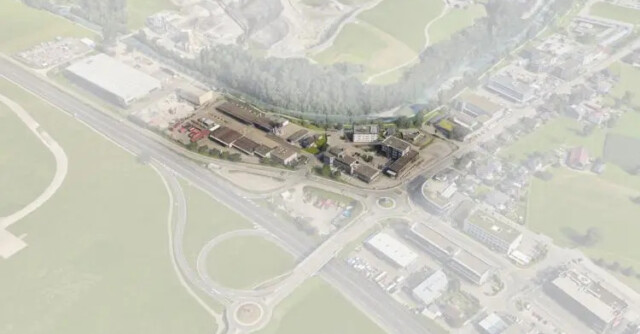
    Nestled between Mühlebach and Kleinlinthli, the Landolt site impresses with its central location. Accessible by rail and the A3 highway, the site offers an ideal starting point for future-oriented neighborhood development. Its proximity to historic ensembles and open spaces lends the project a special charm. The initial planning study shows a target image that provides for structural densification and develops open space sequences out of the landscape. An interior space is created from the west and east, characterized by waterscapes, green streetscapes and areas that can be used in a variety of ways.

    Participation and planning as a prelude to transformation

    The participatory planning study process was completed at the end of 2024 and a final report is to be produced by mid-2025. An indicative project is already planned for the end of 2025, which will be converted into a design plan from 2026. This process will be accompanied in collaboration with the spatial planning office and the design commission of the Canton of Glarus. The planning will take place in parallel with the renovation of the existing buildings, which will avoid vacancies and preserve existing “treasures”.

    Staged development with a clear strategy

    The project will be implemented in coordinated stages. Initially, the focus will be on the space that will become available in the medium term following the departure of the Landolt company. Existing buildings will be put to valuable interim use during this phase, for example as a mobility hub or as alternative space for the existing tenants. The phasing will take place with the involvement of the existing commercial tenants.

    In a further phase, the first new uses and solid, permanent open spaces will be created within the so-called talent zones. Materials that have been dismantled and defined for further use will be temporarily stored on site and reused in the subsequent construction phases.

    The final stage involves targeted densification along the cantonal road. This not only increases the quality of stay, but also creates a better network within the site thanks to the newly planned Fabrikgasse. The final stage is the innovation campus and the multi-talent at Chli Linthli, which will be developed independently of each other in line with demand.

    Space for innovation, identity and the future

    The Landolt site is not only being densified, but rethought. Historical substance meets flexible spatial structures. Squares and compact retreats create a lively, diverse quarter. The vision is a mixed-use, sustainably developed and identity-creating area for regional businesses and now also a small proportion of mixed-use housing.

  • Listen to how quantum atoms talk to each other

    Listen to how quantum atoms talk to each other

    A scientific milestone is currently being created in the laboratories of the EPFL in Lausanne. An acoustic system that makes it possible to simulate quantum phenomena on an audible, macroscopic level. It was developed by PhD student Mathieu Padlewski together with researchers Hervé Lissek and Romain Fleury. The aim is to make the highly complex states of condensed matter accessible, not via electrons, but via sound waves.

    Metamaterial as a research platform
    The system is based on a so-called acoustic metamaterial, an artificial structure made up of 16 interconnected cubes. The researchers use integrated loudspeakers and microphones to generate and measure specific sound waves. These “acoustic atoms” can be flexibly configured to model a wide variety of physical phenomena, including those that lie beyond the realm of classical solid-state physics.

    Schrödinger’s cat becomes audible
    In contrast to real quantum waves, which are destroyed by every measurement, acoustic waves can be observed and analyzed directly. This allows the quantum concept of superposition, symbolized by Schrödinger’s cat, to be experienced in sound. Just as a voice consists simultaneously of fundamental frequency and harmonics, the EPFL system can make many “acoustic states” audible and measurable at the same time.

    From physics to application
    The potential fields of application range from the development of new types of energy control systems to medical diagnostics. The metamaterial could be tuned to specific frequencies, similar to the human inner ear. A possible way to research hearing disorders such as tinnitus. Even more ambitious is the long-term goal of an “acoustic analog computer”, which, inspired by quantum computing, could process information in superimposed states without risking its decay.

    Switzerland as a location for innovation
    This research highlights Switzerland’s role as a leading location for disruptive science. The combination of basic physics, technology and application visions impressively demonstrates the potential of interdisciplinary research. For investors, developers and innovation promoters, there are new opportunities to establish acoustic technologies as scalable alternatives in the fields of computing, sensor technology and materials technology.

  • Focus on Switzerland’s economic resilience

    Focus on Switzerland’s economic resilience

    Switzerland is facing new challenges, but its economic strength is based on clear success factors such as personal responsibility, decentralization, innovative strength and international networking. In his keynote speech, Minister of Economic Affairs Albert Rösti impressively emphasized these key points. Referring to historical roots and current risks, he made it clear that prosperity is not a sure-fire success. Instead of relying on statism, regulatory clarity and a return to proven principles of economic freedom are needed.

    Tariff shocks and negotiating skills
    State Secretary Helene Budliger Artieda provided insights into global economic negotiations and emphasized: “The latest US tariffs came as a surprise. But Switzerland remains capable of acting because it diversifies its trade relations broadly and actively maintains them.” Openness towards partners such as the EU, the USA and China is not arbitrary, but a strategic necessity. The resilience of the Swiss economy is based on this broad foundation and a clear view of geopolitical realities.

    Robust foundations, prudent restraint
    Several panels made it clear that Switzerland has a strong institutional framework, but must remain vigilant. Economist Gunther Schnabl and former CFO Serge Gaillard warned against softening the debt brake and urged fiscal discipline. At the same time, they praised the level of political debate in direct democracy, which enables broad participation in fundamental economic issues.

    Economic model between global players and SMEs
    Switzerland’s strength lies not only in multinational corporations, but also in regionally rooted SMEs. According to historian Tobias Straumann, this combination ensures innovative strength and stability. Representatives such as Suzanne Thoma (Sulzer) and Urs Furrer (SGV) called for practical solutions for securing skilled workers and fewer regulatory hurdles. The new basis for negotiations with the EU offers opportunities, but must be implemented wisely.

    Vigilance is not a contradiction to strength
    Switzerland has a strong foundation, but this requires care. Institutional stability, a high capacity for innovation, foreign trade openness and political sovereignty make the location fit for the future. The economic panel sends a clear signal: self-confidence yes, complacency no. If you want to strengthen Switzerland, you have to use the room for maneuver wisely instead of relying on supposed certainties.

  • Apply now: Who will win the Real Estate Award 2025?

    Apply now: Who will win the Real Estate Award 2025?

    The Real Estate Award is more than just an award – it is a reflection of the innovative strength in the Swiss real estate and construction world. For years, it has stood for quality, vision and pioneering spirit. Those who apply become part of a community that is prepared to break new ground, disrupt existing ways of thinking and actively help shape the industry.

    Every year, outstanding projects are put in the spotlight – regardless of whether they are start-ups or large companies, mature ideas or finished buildings. The award not only offers recognition, but also a national stage for pioneering ideas and solutions that really make a difference.

    Why it makes sense to apply now
    A place among the nominees or even a win brings enormous visibility, both within the industry and beyond. All finalists will be presented to the media, experts and decision-makers at the big award ceremony on October 2, 2025.

    In addition to exposure in relevant media, participants gain access to an exclusive network of experts, investors, thought leaders and leading minds in the real estate world. The award offers visibility, credibility and appeal – and not just for the winners.

    Participation alone signals innovative ability and relevance. It is a strong statement and an opportunity to put your own project on the big stage – in front of the right people.

    Modern categories
    in 2025, the Real Estate Award will once again be presented in five categories:

    1. Digital
      For projects, tools or platforms that use digital means to achieve real progress for the industry.
    2. Marketing
      For innovative marketing strategies and concepts that reach target groups effectively and creatively.
    3. Sustainability
      For solutions that implement ecological, social or economic sustainability in a measurable and future-proof way.
    4. Project development & innovation
      For visionary projects that break new ground in the planning, realization or use of real estate.
    5. Real Estate Personality of the Year
      The jury selects a person from the industry whose work has shaped the construction and real estate industry in Switzerland. It is not possible to apply for this category.

    Each application is assessed by an independent panel of experts with expertise and knowledge of the industry. The finalists are presented to the public and invited to the awards ceremony. The winners not only receive a trophy – but also a seal of quality with a high profile.

    An event with impact
    The highlight of the competition is the award ceremony on October 2, 2025. The Real Estate Award ceremony brings together the Who’s Who of the Swiss real estate industry – an evening full of inspiration, exchange and recognition. In addition to the ceremonial awarding of the winners, guests can expect a high-quality supporting program, networking at eye level and the best entertainment.

    An evening that will be remembered and open new doors.

    Apply now – until April 30, 2025
    The application process is simple and completely digital. Whether you are an individual, start-up, SME or large company – anything that impresses is allowed. A good project is often just a few clicks away from the spotlight.

    The application deadline is April 30, 2025, so act now, submit and become part of something big.

  • Zurich as a business location – fit for the future?

    Zurich as a business location – fit for the future?

    You head the Office of Economic Affairs of the Canton of Zurich. What are your responsibilities in this role and how can you influence economic development?
    The Canton of Zurich is a leading business location with international appeal. As the Office of Economic Affairs, we help to ensure that it remains competitive in the future, promotes innovation and generates sustainable added value.

    Thanks to a strong team with wide-ranging expertise in various areas and in-depth specialist knowledge, we strengthen the business location and support companies in various phases. We use our knowledge and experience in a targeted manner to analyze and develop the economic framework conditions and respond to new challenges. In close cooperation with the business and scientific communities, we analyze location factors and provide impetus to position Zurich as an attractive location for companies. At the same time, we take on central enforcement tasks: We ensure smooth approval procedures and thus create planning security for companies and employees. By ensuring compliance with working conditions and legal requirements, we contribute to an attractive and responsible labor market. Another focus is the promotion of affordable housing – a decisive factor for the attractiveness of a location. We therefore have numerous effective levers at our disposal to actively shape change.

    A pronounced service orientation is particularly important to me. A good understanding of our stakeholder groups and their needs forms the basis of our work. Because only if we know the challenges and concerns of companies can we provide targeted support and strengthen Zurich as a business location in the long term.

    In short: we create attractive framework conditions for an economic environment that benefits companies and the population alike.

    How do you assess the economic situation in the canton of Zurich?
    Overall, the canton of Zurich is in a very solid economic position and is one of the most innovative economic regions in Europe. Moderate economic growth of 1.1% is forecast for the current year. A high level of innovation, first-class universities and close cooperation between business and science make the location particularly attractive. Companies benefit from well-trained specialists, an excellent infrastructure and a strong international network.

    At the same time, we are facing important challenges: In the short and medium term, the latest geopolitical tensions could have an impact on Zurich as a business location. Closely linked to this is the question of how we position ourselves strategically vis-à-vis our European neighbors, particularly with regard to our relationship with the EU.

    In the long term, demographic change will play a key role. The ageing of society, rising retirement figures and the availability of skilled workers will be decisive for how competitive the business location remains. Measures must be taken in good time to secure the pool of skilled workers.

    However, thanks to its economic stability, innovative strength and quality of life, I believe that the canton of Zurich is well positioned to remain successful in the long term.

    In which areas does the canton of Zurich still have untapped economic potential?
    The canton of Zurich has a strong capacity for innovation. Nevertheless, there are areas with untapped potential: in the field of artificial intelligence, the canton of Zurich has taken an important step towards strengthening the dynamic AI ecosystem with the “Innovation Sandbox for Artificial Intelligence”. However, from a macroeconomic perspective, there are still great opportunities to anchor AI even more broadly in various sectors. SMEs in particular could increase their productivity and open up new business areas through the targeted use of AI. Practical support is needed here to provide SMEs with access to and knowledge of AI technology.

    There is further economic potential in the scaling of start-ups. Zurich offers an excellent environment for start-ups. However, many start-ups face the challenge of expanding their business beyond the initial phase. There is a need for additional financing options and targeted support structures to help start-ups grow and accompany them on their way to the international market.

    We are also not yet exploiting the existing potential in the area of digital health. Increasing cost pressure in the healthcare system, an ageing society and the growing shortage of specialists make a transformation more urgent than ever. Zurich as a business location has all the ingredients to be successful here: leading universities, strong players in the healthcare sector and innovative companies. With the “digital health center Bülach”, we have created an innovation hub that makes an important contribution by promoting innovation and building bridges between science and business.

    What economic policy framework conditions are crucial for the success of the Greater Zurich Area as a business location from the perspective of the Canton of Zurich?
    A key success factor is access to highly qualified specialists. The canton of Zurich has excellent universities and research institutes that attract talent from all over the world. To ensure that this remains the case in the future, the universities must also remain attractive to foreign students – both through first-class educational conditions and easier access to the job market after graduation.

    Tax conditions also play a decisive role. A competitive tax environment is essential if the canton of Zurich is to remain attractive. Currently, however, the tax environment is increasingly perceived by companies as a negative location factor. In a cantonal comparison, the canton of Zurich ranks second to last in terms of the tax burden on companies – a risk for long-term competitiveness.

    Our relationship with Europe is another key factor for economic success. Access to the European market is crucial for many companies, especially for export-oriented sectors. At the same time, companies in Zurich as a business location benefit from Switzerland’s lean and pragmatic regulations.

    How attractive is the Greater Zurich Area for investors in an international comparison with other European metropolitan regions?
    The Greater Zurich Area is one of the most attractive business locations in Europe and is asserting itself internationally as a leading location for companies and investors. It offers a unique combination of economic potential, innovative strength and business-friendly conditions. At the same time, the region offers a stable, transparent and reliable economic environment with attractive tax and regulatory conditions.

    Companies benefit from a first-class environment for research and development – characterized by close cooperation between universities, start-ups and globally active companies.

    Another key advantage for investors is the mix of industries in the region. Zurich is no longer just the most important financial center in Switzerland, but also a dynamic and diverse location for innovation. The strong presence of ICT, high-tech, space and robotics, life sciences, food and cleantech ensures a high density of innovation and minimizes the risk of dependencies. For investors, this means not only stability, but also attractive diversification opportunities.

    Switzerland is neither an EU member nor a cost-effective location. Why should an international company still choose the Greater Zurich Area?
    The Greater Zurich Area offers companies a unique overall package that goes far beyond cost factors. It combines a business-friendly and politically stable environment with first-class talent, leading research and a high quality of life – factors that are crucial for sustainable business success.

    Switzerland ranks first in the world when it comes to innovative strength as well as attracting and retaining talent. Thanks to an excellent education system, internationally recognized universities and a high quality of life, the country is able to attract specialists from all over the world. Companies benefit from a highly qualified labor market, which makes a decisive contribution to competitiveness.

    However, there is still untapped potential in one area: the availability of attractive and sustainable space for companies to successfully secure relocations and expansions.

    What strategic advantages does Switzerland offer as a hub for European or global business activities?
    As a business location, Switzerland offers a unique combination of stability, innovative strength and international networking. Thanks to its central location in the heart of Europe, it is an ideal starting point for companies with a global or European focus.

    One decisive advantage is its excellent accessibility: Zurich Airport offers direct connections to major economic centers worldwide and makes the Greater Zurich Area a strategic hub for international business activities.

    The fact that the canton of Zurich is already a sought-after location for globally active companies is demonstrated by the most recent relocations. International tech companies such as “OpenAI”, “Anthropic” and “Boston Dynamics” have opened offices in Zurich – proof of the attractiveness of the location and its potential as a hub for forward-looking industries. The high density of leading companies creates a dynamic ecosystem that also opens up new opportunities for local SMEs.

    How important are modern infrastructure and digital networking for internationally active companies?
    The Greater Zurich Area offers internationally active companies first-class infrastructure and seamless digital networking – key factors for competitiveness and sustainable growth.

    Thanks to Zurich Airport’s international reputation, a state-of-the-art rail and road network and direct connections to Europe’s most important economic centers, companies benefit from maximum mobility and accessibility. Switzerland is ranked first in the current IMD ranking for its infrastructure, which underlines the high quality and reliability of the location conditions.

    The region also impresses with its advanced digital infrastructure. High-performance networks and state-of-the-art technologies create optimal conditions for innovation, data-driven business models and the use of pioneering technologies such as artificial intelligence and cloud computing.

    With this combination of physical and digital excellence, the Greater Zurich Area offers companies the ideal framework conditions to successfully position themselves globally.

  • Daniel Leupi on Zurich’s housing policy

    Daniel Leupi on Zurich’s housing policy

    Daniel Leupi has been responsible for the City of Zurich’s real estate policy as Chief Financial Officer since 2013 and can point to tangible results. With the Leutschenbach, Letzi, Hard and Hardau I housing estates, almost 830 new non-profit apartments have been created. At the same time, the city has acquired 24 properties in recent years. Leupi also attributes this success to the strengthened acquisitions department.

    With the new housing fund, non-profit developers can now also apply for financial contributions for land purchases and new buildings. The depreciation contributions financed from these funds enable lower rents despite rising market prices. At the same time, a new letting ordinance ensures that the approximately 10,000 municipal apartments are allocated in a socially responsible and transparent manner.

    A growing portfolio with responsibility
    At the end of 2024, the municipal portfolio will comprise 58 housing estates and over 500 individual residential properties, a total of 1,400 buildings with almost 10,000 non-profit apartments. In addition, there are 220 active building rights for over 6,000 apartments and further projects in preparation. The city thus acts not only as a planner, but also as a major real estate owner with a clear focus on affordable housing.

    Challenges of a dynamic market
    Despite all efforts, the challenge remains great. According to Leupi, the housing shortage is a structural problem that occurs in every attractive city center. It is particularly problematic that many investors are primarily constructing high-priced new buildings, while existing apartments are being squeezed out. Although the market is growing, it is not socially balanced. The city cannot create affordable housing for everyone, but it can create more and more affordable housing.

    Market intervention or tenant protection?
    The discussion surrounding the case of the so-called “SUGUS houses” has reignited the debate on social mixing. Leupi does not see this as a problem, but rather as a functioning example of affordable housing in private hands. At the same time, he warns against a blockade through excessive regulation, as has occurred in some cantons through housing protection laws. In Zurich, the City Council is therefore supporting the popular initiative “Protect affordable housing”, which aims to prevent vacancies while maintaining flexible implementation options at municipal level.

    Investors responsible
    For Leupi, part of the solution lies in the industry’s own responsibility, albeit with clear expectations. While some owners continued to act fairly, others exploited the market situation ruthlessly. Excessive rent mark-ups when tenants change are not isolated cases. This is why more government involvement is needed for lower and middle incomes. Not as an intervention in the market, but as a balance to its dynamics.

    Growth yes – but in a socially responsible way
    A central problem remains that many new replacement buildings are displacing affordable housing. Although new projects create living space, they often increase prices. Institutional investors and property developers are called upon to plan in a more socially responsible way in future. Otherwise, social acceptance of immigration, bilateral agreements and the liberal economic system as a whole would be at stake.

    The “slow” building permit process
    The supposedly slow building permit process is a frequently criticized topic. Leupi puts this into perspective and emphasizes that the administration works efficiently. The median time for new building applications is 121 days. The trend is downwards despite the rising number of cases. What takes time, however, are appeals, project changes and amendments to conditions. The number of these has risen significantly in recent years, from 229 to 410 cases per year.

    As a solution, Zurich relies on consulting, digitalization and process optimization. The aim is to create planning certainty and increase resistance to appeals.

    Airbnb, renovations and new standards
    The impact of short-term rentals is a hot topic. Back in 2020, Zurich decided to amend its building and zoning regulations in order to create regulatory requirements for Airbnb & Co. Implementation is currently stalling because the decision is before the Federal Supreme Court. However, Leupi believes the city is on the right track.

    At the same time, he advocates binding industry standards in dealing with renovations to cushion social hardship. There are already positive examples, such as when the rent remains constant when moving within the same housing estate. Leupi would like to see more models like this, including from private players.

    Three key areas of action
    Leupi currently sees three urgent tasks for the city government. Firstly, the targeted expansion of the city’s residential portfolio through construction and purchase. Secondly, the broad establishment of the housing fund in order to strengthen non-profit organizations and thirdly, a political offensive for more federal and cantonal involvement in the area of non-profit housing construction.

    Zurich has shown what is possible. The task now is to continue on the path we have taken, with social moderation, economic foresight and political consistency.

  • New impetus from Properstar

    New impetus from Properstar

    Digital mediation and cost-efficient processes are becoming increasingly important. Sonja Honauer, Director DACH at Properstar, is driving the expansion of digital structures and analyzing how digital tools can improve market transparency.

    Customer-centric philosophy
    The company focuses on simplicity and cost efficiency in the interests of its customers. With global experience from over 50 countries, the company offers a real estate portal that is characterized by lowest price guarantees. The focus is on transparent prices and simple processes, without unnecessary frills or overpriced additional products.

    Successful model from the past
    Gérard Paratte, owner of Properstar, has already shown with Immostreet how successful fair and clear price models can be. He is now continuing this philosophy with Properstar. Maximum efficiency at minimum cost for customers. This makes Properstar a flexible and reliable partner for the real estate industry.

    Future-oriented vision
    “Digitalization has revolutionized the real estate market, but there is still a lot of potential, especially in Switzerland,” says Honauer. In her new role, she wants to challenge established structures and establish innovative, customer-friendly solutions and is ready to make lasting changes to the real estate market in German-speaking Switzerland.

  • Canton approves stadium expansion with a clear majority

    Canton approves stadium expansion with a clear majority

    On March 27 of this year, the canton of Zug approved a loan for the expansion of the Zug Ice Sports Club(EVZ) stadium. According to a press release, 71 members of the cantonal council voted in favor of the expansion of the arena, with one vote against.

    This means that the Keep Building project, which was developed by architects studiomatt, can move forward. The project envisages the expansion during match operations. Construction is scheduled to start in the summer of 2025. The expansion should be completed by the start of the 2027/28 season.

    “We would like to thank the cantonal government, in particular Finance Director Heinz Tännler and the commissions for their preparatory work on our behalf,” said Patrick Lengwiler, CEO of EVZ, in the press release. “We appreciate the cantonal council’s very clear approval of the bill. It is a recognition of the great social and economic importance of the EVZ for the region on the part of Zug’s politicians and a commitment to the important expansion of the arena.”

    The city of Zug had already approved the project at the meeting on January 30, 2025.

  • New solar system supplies solar power for sports and leisure activities

    New solar system supplies solar power for sports and leisure activities

    The Münchenstein-based electricity producer aventron AG opened its new solar power plant in Näfels on March 27, according to a press release. The system is located on the roof of the bouldering hall, which is part of the Lintharena building complex. While the Verein Kletteranlagen Linthgebiet (VKL) has made the roof of the bouldering hall available for the solar system, the system itself is fully owned by aventron.

    The solar system has an area of 660 square meters and an output of 145 kilowatts. This means that around 124 megawatt hours of solar power can be generated each year, all of which will flow to Lintharena AG and cover around 10 percent of its electricity requirements. According to Samuel Leuzinger from VKL, the solar system has a double benefit for the association: “We receive additional income from the roof rental from aventron and are doing something for climate protection and the energy transition,” Leuzinger is quoted as saying in the press release.

    The construction of this and another solar installation in neighbouring Mollis was supported by the organizing committee of the Swiss Wrestling and Alpine Festival (ESAF) 2025. Aventron is an energy partner of the ESAF in Glarnerland. Through this partnership, the ESAF organizing committee put aventron in touch with suitable roof owners such as the VKL. “We are implementing this photovoltaic system in cooperation with our partners, the Lintharena, VKL and the ESAF in Glarnerland,” commented aventron CEO Eric Wagner on the new system, according to a press release. “This is an important step towards more Swiss solar power and the implementation of the Energy Strategy 2050.”

    Aventron generates its electricity exclusively from renewable sources. The company now has a nationwide solar capacity of around 65 megawatts. The aim is to increase this to an output of 100 megawatts by 2027.

  • Efficient utilization of agricultural residues

    Efficient utilization of agricultural residues

    Renergon International AG wants to set new standards for decentralized energy production. To this end, the Lengwil-based company, which specializes in technologies for generating clean energy, organic fertilizer and compost from organic waste and residual materials, has developed a mini biogas plant with a fuel cell. The RSD XS “was specially developed for farms in Switzerland and offers maximum efficiency on a minimum footprint,” writes Renergon in a press release on the product launch.

    At the heart of the system is a 2-digester system. Here, 2800 to 3500 tons of solid manure can be fermented annually. The biogas produced is utilized in the fuel cell with an efficiency of up to 80 percent. In addition to green electricity, process heat is also generated for operation.

    Each of the two digester boxes is 15 meters long, 5.5 meters wide and 4.5 meters high. They house a gas storage roof as well as a technical and percolate cellar. In total, the plant requires an area of between 750 and 1000 square meters.

  • City takes over site in Oerlikon

    City takes over site in Oerlikon

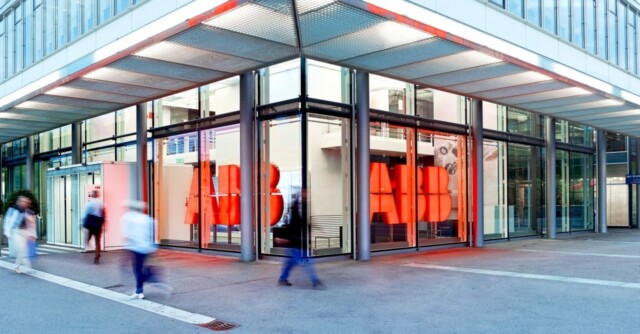
    Zurich-based technology company ABB has finalised the sale of a “significant urban development site” to the city of Zurich, according to a press release. The city is planning a mixed-use development including affordable housing, commercial and socio-cultural uses and the creation of outdoor spaces on the approximately 25,500 square metre site in Zurich Oerlikon. The development site is located close to ABB’s global headquarters. The sale, which was completed on 27 March, was agreed in an urban development contract between the two parties in 2021, according to the press release.

    ABB will report an operating gain on disposal of around 120 Swiss francs before tax in the first quarter of 2025 and receive net cash of around 90 million Swiss francs. These amounts include the effect of the value-added compensation of almost 17 million francs from the development plan amendment and compensation for the zonal relocation of affordable housing totalling around 22 million francs, which ABB had to pay under the agreement.

    With this transaction, ABB is not only supporting the city of Zurich in the construction of additional affordable housing, but also in the further development of the Neu-Oerlikon neighbourhood, according to the ABB press release. As part of the agreement, the former ABB production site and current event venue Halle 550 will be retained in the long term.

    ABB’s corporate headquarters in Zurich-Oerlikon and the historic ABB building will remain unaffected by the sale.

  • Award for health-oriented corporate culture

    Award for health-oriented corporate culture

    Real estate service provider Welcome Immobilien AG has become the first real estate consultancy to be awarded the “Friendly Work Space” certificate for successful occupational health management, according to a press release. The label was introduced in 2009 by Health Promotion Switzerland with partners from science and practice to support companies in systematically implementing and promoting occupational health management.

    The Emmenbrücke-based real estate service provider was recognized for a wide range of measures that ensure a sustainable working environment, employee well-being and a good corporate culture. These include systematic human resource management, flexible working time models, offers for well-being, further training opportunities and flat hierarchies.

    “We are convinced that an attractive working environment is crucial to our company’s success,” CEO Marc Furrer is quoted as saying. Motivated and satisfied employees can ensure better customer service and strengthen the company in the long term. “We are already seeing the benefits of these measures and are benefiting, for example, from a comparatively low fluctuation rate.”

    Welcome Immobilien AG has 80 employees and is represented not only in Emmenbrücke but also in Zug, Sursee and Lucerne.

  • New major orders strengthen infrastructure projects in the DACH region

    New major orders strengthen infrastructure projects in the DACH region

    Implenia AG is to carry out several contracts in Switzerland, Germany and Austria in the data center, energy and transport infrastructure and healthcare sectors. The total volume of the projects amounts to over 150 million Swiss francs, the construction and real estate company based in the Glattpark district of Opfikon announced in a press release. They are also “in line with the Group’s strategic focus on large and challenging projects and its sector-oriented specialization in areas with high demand”.

    In Germany, Implenia is involved in the construction of the new Heidekreis Clinic in Bad Fallingbostel. Implenia Fassadenbau will be supplying the façade. In Austria, the Group and two partner companies have been awarded the main construction lot for the Imst-Haiming hydroelectric power station. It includes a 14-kilometer-long headrace, the cavern and the underwater basin for the power plant on the Inn.

    The other orders are for projects in Switzerland. Implenia will build another high-performance data center for data center provider Green on the Zurich West metro campus in Lupfig. In Basel, Implenia is part of the USB K2 consortium, which has been commissioned by Basel University Hospital to carry out the construction work for the new Clinic 2 building. Implenia is also working with partner companies to build a new streetcar line in the canton of Geneva. The Group is renovating the Hagenholz tunnel in the canton of Zurich for SBB. The Federal Roads Office has entrusted Implenia with the redesign of the Versoix junction in Bellevue GE.

  • Merger strengthens electrical expertise in Eastern Switzerland

    Merger strengthens electrical expertise in Eastern Switzerland

    The Arbon-based energy service provider EKT Holding AG has acquired Edelmann Ingenieurbüro AG, based in Thalheim an der Thur. According to a press release, the company will initially operate independently under the umbrella of EKT. All twelve jobs will be retained.

    The engineering firm, which has branches in Winterthur, Schaffhausen and Frauenfeld in addition to its headquarters in Thalheim, specializes in planning, consulting, studies, cost estimates, project planning and construction management for electrical projects. The aim of the merger is to optimally complement the services offered by the building planning company NEGXT AG, Kreuzlingen, which is also part of the EKT Group, according to the press release.

    “This step, this takeover, is a real stroke of luck for us. In the search for a successor solution for our company, EKT was always our partner of choice”, Roman Edelmann, Managing Director of Edelmann Ingenieurbüro AG, is quoted in the press release.

    Thorsten Specker, Managing Director of NEGXT AG, expressed his satisfaction: “As sister companies, we are jointly expanding our market activities to Eastern Switzerland and will do everything in our power to make the best possible use of the synergies this offers us for our customers.

    The merger will increase the number of employees at EKT Holding to 188.

  • Company building becomes the power plant of the future

    Company building becomes the power plant of the future

    Energie 360° has converted its headquarters in Zurich into a green power plant, the energy supplier, which is active throughout Switzerland, and the city of Zurich announced in a joint press release. During the now completed conversion and renovation work, a large-scale photovoltaic façade was installed. Its 1600 modules are expected to generate around 325 megawatt hours of electricity per year.

    “In future, Energie 360° will produce around half of its building’s annual energy requirements itself,” Michael Baumer, Head of Industrial Operations of the City of Zurich and Chairman of the Board of Directors of Energie 360°, is quoted as saying in the press release. The solar power generated will also be used to power the company’s own fleet of electric cars, among other things. To obtain approval for the system, Energie 360° had to prove that a fire in the modules could not spread over more than two storeys.

    Energie 360° wants to convert its direct sales exclusively to renewables by 2040. The company is on track to achieve the interim target of 30 percent set for the end of 2025, Energie 360° announced in a further press release. In the financial year ending September 30, 2024, a share of 27 percent was achieved. Specifically, 1238 of a total of 4590 gigawatt hours of energy sold came from renewable sources. “We feel the broad support and recognition for our transformation – among employees, partner companies and customers”, Energie 360° CEO Jörg Wild is quoted as saying in the press release.

  • Zurich plans next-generation mobility

    Zurich plans next-generation mobility

    The Government Council of the Canton of Zurich has approved the new fifth-generation agglomeration programmes. They are a key instrument for supporting the rapid growth of cities and municipalities with an efficient, sustainable and future-oriented transport infrastructure. The programmes make it possible to better coordinate settlement and transport development and create the conditions for the federal government to contribute between 30 and 50 percent of the investment costs.

    The approximately 350 planned measures are spread across five agglomeration areas in which targeted work is being carried out to improve mobility. In the Zurich-Glattal region, the focus is on the expansion of transfer stations into efficient transport hubs and on the further development of the cycle network in accordance with the cantonal cycle plan and the city of Zurich’s cycle strategy. In the Winterthur region, public transport, walking and cycling services are to be strengthened in order to absorb the increasing volume of traffic in an urban-friendly manner. At the same time, the electrification of bus transport is being driven forward.

    With the “Unterland-Furttal” programme, a joint contribution from the Zurich Unterland and Furttal planning regions is being submitted for the first time. The focus here is on designing road spaces in a way that is compatible with residential areas and improving the quality of life. In the Zurich Oberland, on the other hand, the aim is to improve accessibility to regional centres such as Uster, Wetzikon, Pfäffikon and Hinwil. Here too, roads are to be upgraded in a targeted manner, junctions strengthened and public transport electrified.

    Particular attention is being paid to the Limmat Valley, where the canton of Zurich has submitted a comprehensive programme together with the canton of Aargau. The programme focuses on the further development of transfer points and the electrification of public bus transport. At the same time, over twenty measures are intended to facilitate the development of high-quality residential and open spaces.

    Review with impact
    Since the first submission in 2007, the canton of Zurich has achieved impressive results with its agglomeration programmes. Since then, the federal government has awarded contributions totalling over CHF 1.5 billion. This has not only enabled the realisation of major projects such as the Hardbrücke tram or the Limmattalbahn, but also numerous smaller measures to promote pedestrian and bicycle traffic and to upgrade street areas. The programmes are based on central cantonal planning principles, including the 2018 overall transport concept, the S-Bahn 2G concept, the bicycle network plan and the pedestrian transport action plan.

    Shared responsibility for a mobile future
    The AP5 programmes were developed in close consultation with municipalities, regions and other partners. The cantonal government has now officially adopted the programmes and assumed sponsorship. By submitting the programmes to the federal government, Zurich is sending a strong signal in favour of coordinated and sustainable spatial and transport planning – supported by a broad consensus and the will to actively shape change.

  • Investing in depth saves costs and improves carbon footprint

    Investing in depth saves costs and improves carbon footprint

    Pistor’ s initial assessment of the first winter with its new geothermal storage system is positive: “It works so smoothly that we haven’t had to burn a drop of heating oil so far,” Michael Waser, Pistor’s Head of Infrastructure, is quoted as saying in a company press release.

    This saves Pistor over 100,000 liters of heating oil per year at its headquarters in Rothenburg and prevents the release of 330 tons of CO2. This amount is released by more than 200 direct flights from Zurich to Tokyo, for example. Waser expects “that the underground storage facility will save us money in the medium term”.

    Pistor has invested CHF 1 million in the construction work. This involved drilling 75 boreholes to a depth of 250 meters. The result is one of the largest geothermal storage facilities in Central Switzerland, according to the trading and service company for the bakery and confectionery industry as well as for restaurants and care facilities.

    According to Waser, the Pistor cooperative is responding to the wishes of its customers, who are increasingly demanding supply chains that are as socially and environmentally friendly as possible: “We meet them.” The twelve electric trucks in the fleet and renovations with sustainable materials also contribute to this.

    In addition, Pistor transports its more than 27,000 products by train from one distribution center to another. Thanks to this rail transport, an additional 785 tons of CO2 are saved each year.

  • Compact heat storage system wins innovation award for energy solutions

    Compact heat storage system wins innovation award for energy solutions

    The international jury of the SET Award 2025 has chosen Cowa Thermal Solutions as the winner in the Clean Energy & Storage category. The SET Award promotes innovative ideas and solutions for a sustainable energy future and thus accelerates the energy transition.

    The competition is announced and organized worldwide by the German Energy Agency in cooperation with the World Energy Council. It is supported by the German Ministry of Economic Affairs and Climate Protection. The award recognizes innovations that drive forward the global energy transition. The award ceremony took place as part of the SET Tech Festival 2025 in Berlin.

    As the organizers point out in a press release, Cowa is developing “compact heat storage systems with phase change materials that are five times smaller than water-based systems. With the aim of serving the growing European heat pump market, Cowa is improving the integration of renewable energy and urban energy efficiency.”

    In a press release issued by his company, which was founded in 2019 and is based in Technopark Lucerne, Cowa CEO Simon Maranda describes this award as “a great recognition of our work and commitment to innovative energy storage solutions. Our compact thermal energy storage systems are an ideal solution for integrating renewable heating systems, especially heat pumps, in urban buildings with limited space. We are proud to continue to drive this technology forward and play an active role in shaping the energy transition.”

    Once again this year, pioneering start-ups were honored in five categories: Clean Energy and Storage, Mobility & Transportation, Industry, Buildings & Construction and Access to Quality Energy & SDG-7. The winners of all five categories also presented their solutions at the Berlin Energy Transition Dialogue afterwards.

  • New data center strengthens digital infrastructure in Winterthur

    New data center strengthens digital infrastructure in Winterthur

    The data center operator NorthC Schweiz AG inaugurated its new data center in Winterthur on 20 March. The new data center is located on an area of around 1100 square meters in the Turm Areal. It will play a central role as a hub for regional data communication, according to a press release.

    The data center offers SMEs and large companies in the region individual colocation solutions, secure and direct cloud connections as well as guaranteed bandwidths and speeds for business applications. The connection to the data centers in Münchenstein BL and Biel is intended to ensure reliable connections to a large number of cloud and IT service providers.

    The data center currently has a capacity of 1.8 megawatts and is powered entirely by renewable energy. According to the press release, NorthC plans to use its 2030 strategy to initiate projects that will enable the waste heat generated in Winterthur to be put to good use in the future.

    According to Patrik Hofer, NorthC relies on regional data centers with an international reach. “With our regional approach, we can offer tailor-made solutions for the Winterthur region that meet the high standards of quality, security and sustainability,” the Managing Director Switzerland at NorthC is quoted as saying in the press release.

    According to Ralph Peterli, Managing Director of the Winterthur Chamber of Commerce and Employers’ Association, Winterthur is already home to many leading technology companies. “It’s good to know that with NorthC, a regional company is offering stable and secure IT infrastructures on the city’s territory,” said Peterli, according to the press release.

    NorthC Switzerland is based in Biel and is a subsidiary of the NorthC Group based in Oude Meer in the Netherlands.

  • Online tool to simplify district heating expansion

    Online tool to simplify district heating expansion

    The cooperative Elektra Baselland(EBL) wants to accelerate the expansion of district heating with a new service, according to a press release. Wärmecheck.ch is a service that provides homeowners and companies with a quick answer to the question of whether their property can be connected to an EBL district heating network.

    wärmecheck.ch can be operated intuitively via the browser and is fully interactive. According to the information, users can navigate to all addresses located in EBL’s heat supply areas on a digital map on their desktop or smartphone. This means that the relevant information from publicly accessible data is available for each property. Registration is not necessary.

    If a connection is possible, wärmecheck.ch quickly and easily creates a non-binding model calculation or puts you in touch with an EBL contact person for personal clarification. If a connection is not possible at the time of the inquiry, interested parties are shown alternatives and given an overview of relevant information platforms.

    The background to this measure is EBL’s goal of creating more district heating networks. As EBL writes, information on connecting to district heating or on alternative heating options must be easily accessible to interested parties.

    The response to wärmecheck.ch should enable the energy supplier to respond specifically to demand from the population and businesses, to consolidate existing heating networks and to examine the development of further areas.

  • 3D data platform optimizes transport and infrastructure projects

    3D data platform optimizes transport and infrastructure projects

    INovitas AG, based in Baden, and Geoinfra Ingenieure AG, based in Wetzikon, have created a digital twin of the road network in the Zurich Oberland. According to a joint press release, around 800 kilometers of roads will be available in the high-resolution infra3D data platform. Interested user groups can license the data with immediate effect and use it for their planning and decision-making processes, according to the press release.

    The two companies have mapped the road networks of the municipalities of Bäretswil, Bauma, Bubikon, Dürnten, Fehraltorf, Fischenthal, Gossau, Greifensee, Grüningen, Hittnau, Hombrechtikon, Männedorf, Mönchaltorf, Oetwil a.S., Russikon, Rüti, Seegräben, Stäfa, Uetikon a. S, Wald, Wetzikon, Wila and Wildberg are digitized. The project provides the Zurich Oberland region with a precise and up-to-date basis for traffic, urban and spatial planning. This means that data-based simulations can be improved and on-site inspections can be reduced.

    “Data is the basis for well-founded decisions”, comments Hannes Eugster, CEO and founder of iNovitas AG, in the press release. “With the digital mapping of the Zurich Oberland region, we are providing a precise and immediately available database that can be used by a wide range of stakeholders – whether for transport planning, infrastructure projects or urban development.”

    Patrick König, member of the management board of Geoinfra Ingenieure AG, emphasizes the importance of the digital project: “Access to georeferenced, high-resolution 3D data represents a paradigm shift for infrastructure planning. Our collaboration with iNovitas enables administrations and companies in the Zurich Oberland region to benefit from data-driven, efficient and sustainable planning”.

  • Life sciences boost the entire Basel Area

    Life sciences boost the entire Basel Area

    in 2024, 36 international companies decided to locate in the Basel Area, 26 of them from the life sciences sector. This development underlines the cluster’s outstanding role as a driver of growth and innovation. More and more companies are choosing locations in Basel-Landschaft and Jura, which contributes to regional diversification and makes the economic structure more resilient overall.
    Areas such as the Switzerland Innovation Park Basel Area in Allschwil, the Novartis Campus and the Jura site are creating highly attractive ecosystems for biotech, medtech and healthtech companies.

    Strong international interest
    In total, the companies that relocated in 2024 came from 16 countries. Mainly from Europe, but also from America and Asia. This internationality not only strengthens the region’s expertise, but also increases its global visibility.

    The strategic focus of Basel Area Business & Innovation is having an impact. According to fDi Intelligence, the region occupies the top position for location promotion in a European comparison of smaller cities. A clear sign of the quality and reach of the regional strategy.

    Start-ups ensure future growth impetus
    The region also scored highly in the start-up sector. Although the number of start-ups supported fell slightly to 67, it is still in line with the long-term average. The inflow of capital is particularly impressive. in 2024, 478 million francs flowed into start-ups in the two programmes BaseLaunch and DayOne, a strong signal of innovative strength and investor access.

    According to feedback from the newly established companies, over 700 new jobs will be created in the next five years. This is also a clear commitment to the region as a long-term business location.