Category: Switzerland

  • Roman Mayer takes over as Head of the Federal Office for Spatial Development

    Roman Mayer takes over as Head of the Federal Office for Spatial Development

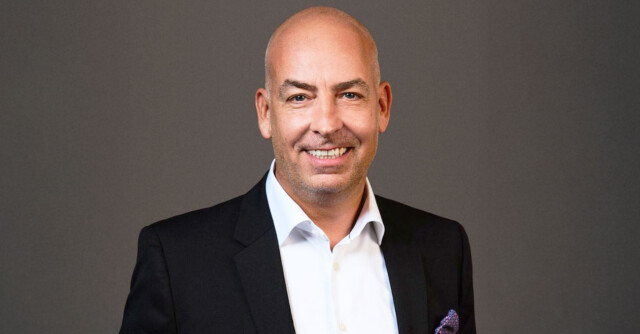
    Roman Mayer will take over as Head of the Federal Office for Spatial Development (ARE) on 1 October 2025. The 51-year-old from Nidwalden brings with him in-depth knowledge from his previous role as Deputy Director at the Federal Office of Energy and is considered an expert in complex authorisation procedures, legislative processes and sectoral planning.

    With his legal training and his positions in various cantonal administrations, Lucerne, Basel-Landschaft and Bern, Mayer stands for a balanced combination of expertise, administrative practice and strategic foresight.

    Spatial development as the key to location attractiveness
    The ARE is at the centre of spatially relevant future issues such as overall transport, settlement development, sustainable use of resources, maintaining quality of life and promoting economic areas. Under the new management, it is expected that these challenges will be tackled in an even more networked manner – with coherent, forward-looking planning across sectors and spatial types.

    This is a key message for investors, project developers and location managers. The federal government is strengthening the planning framework and thus promoting stable and attractive investment areas in the long term.

    Generational change with vision
    Roman Mayer succeeds Maria Lezzi, who has headed the Federal Office since 2009 and will retire at the end of September. Her era was characterised by far-reaching impulses in spatial planning and the sustainable development of Switzerland. The Federal Council would like to thank her for her many years of service.

    In Mayer, a high-profile personality is now taking over who will continue to think about and shape spatial development in the context of social, ecological and economic transformation.

  • More transparency, more clarity in tenancy law

    More transparency, more clarity in tenancy law

    With the amendment to the ordinance, which comes into force on 1 October 2025, the Federal Council is responding to ongoing criticism of the lack of transparency in the determination of the initial rent. The most recent values of the reference interest rate and the national consumer price index must now be shown on the form for new lettings in cantons where forms are mandatory.

    The aim is to make it easier for tenants to recognise whether a rent is justified or contestable. This not only increases confidence in the rental housing market, but also makes it easier for investors and institutional landlords to plan ahead.

    Urban centres are particularly affected
    The change affects cantons with mandatory forms such as Zurich, Geneva, Basel, Lucerne and Zug. These are regions in which the majority of new tenancies are concluded. There, the official and private forms must be adapted and approved by 1 October 2025 at the latest. Failure to do so could result in the tenancy agreement being classed as invalid with regard to the initial rent. This is a legal risk that professional property owners should not ignore.

    At the same time, the Federal Council is easing the administrative burden for graduated rents. A simple written notification of the rent increase is now sufficient; an official form is no longer required.

    Foundation for a future-proof rent model
    The existing calculation model for rent adjustments, which dates back to the 1980s, is to be fundamentally revised. This is a political response to studies that judge the current model to be outdated. In future, the focus will be on realistic cost assumptions for capital, maintenance and administration, another development that is particularly important for institutional investors and project developers.

  • Lucerne responds to tax pressure with a billion-euro package

    Lucerne responds to tax pressure with a billion-euro package

    International tax competition is being readjusted by the OECD minimum taxation and is hitting Lucerne hard. The previous advantage of low corporate taxes for internationally active groups will no longer apply. This could result in companies moving away, a drop in investment and a massive loss of tax revenue. Over a billion francs are at stake for the federal government, canton and municipalities – a scenario that Lucerne is not prepared to accept without taking action.

    Strengthening the business location, ensuring quality of life
    The cantonal government is responding with a far-reaching location promotion programme, which comprises around CHF 300 million per year. Around two thirds of this is to flow directly into measures to promote innovation, digitalisation, economic areas and a business-friendly administration. This will also create new opportunities for property developers and investors. In particular in the planning and realisation of forward-looking commercial and infrastructure projects.

    The remaining third is dedicated to quality of life. The measures range from tax relief and family friendliness to the promotion of culture and digital participation, key location factors when it comes to retaining talent and attracting new workers.

    Participatory and forward-looking
    The programme was developed in close consultation with the business community, municipalities and social partners. The public consultation will run until 9 June 2025 via the “e-participation” tool. The final decision lies with the people. The package will be put to the vote in September 2026 and is scheduled to come into force on 1 October 2026.

    Lucerne is sending a strong signal with this proposal. Location promotion is no longer an optional extra, but a strategic duty – and it requires clear, long-term investment.

  • Basel property market under pressure

    Basel property market under pressure

    Despite moderate price trends compared to the rest of German-speaking Switzerland, residential property in the Basel region remains in demand. Prices are rising significantly in rural communities in particular, which is increasingly prompting potential buyers to extend their search radius. According to Marco Pirelli from Basellandschaftliche Kantonalbank, the fall in mortgage interest rates over the past two years has also fuelled demand. However, this has been accompanied by growing affordability problems. While prices for detached houses have remained stable, condominiums have risen slightly. The result is a 35 per cent increase in mortgage enquiries within one year.

    Examine financial options at an early stage
    Pirelli advises prospective buyers to consider financing at an early stage. “The choice of mortgage products and terms varies from person to person. Clarifying the financial scope with the bank in good time creates planning security.” For many people today, this is crucial in order to be successful in the tense market environment.

    Despite housing protection, prices are rising
    The rental market in Basel is also showing signs of continuing inflation. Fabian Halmer from Holinger Moll Immobilien AG points to structural causes such as an outdated building stock with a high need for renovation. Despite housing protection, rents are continuing to rise, particularly in Basel-Stadt, where 84 per cent of the population live in rented accommodation. Although the situation is not as tense as in Zurich or Geneva, the low vacancy rate of 0.7 per cent signals an acute housing shortage.

    Bottleneck due to too few building applications
    The number of building applications submitted in the canton of Basel-Stadt is particularly alarming. While an average of 784 building applications were recorded each year from 2014 to 2020, the figure fell to just 190 between 2021 and 2023. Halmer believes the new Housing Promotion Act is one of the causes. It protects existing tenants, but hinders new construction projects and makes it more difficult to move in or relocate. The resulting supply bottleneck is likely to lead to further increases in rents.

    Need for reform in legislation and planning
    The experts agree that without targeted adjustments to the Housing Promotion Act and accelerated authorisation procedures, the housing market in Basel is at risk of coming under further pressure. Development sites such as Klybeckplus or Dreispitz Nord could provide relief. Provided they are pursued consistently. A sustainable housing policy must not only focus on protecting existing properties, but also actively consider future growth.

  • New companies strengthen life sciences in the Basel region

    New companies strengthen life sciences in the Basel region

    Basel Area Business & Innovation, the agency for location promotion and innovation promotion, supported a total of 36 companies with their relocation in 2024. According to its annual report, 26 of these are active in the life sciences. The companies come from 16 countries, 24 from Europe and six each from the USA and Asia.

    In his press release on this annual report, Christof Klöpper, CEO of Basel Area Business & Innovation, emphasises that his agency’s efforts to expand the life sciences industry to the entire economic region are bearing fruit: “Foreign companies that settle here are increasingly choosing the cantons of Basel-Landschaft and Jura as a location in addition to Basel-Stadt. This enriches our life sciences cluster immensely.”

    This is thanks to the expansion of innovation areas such as the Switzerland Innovation Park Basel Area with its three sites in Allschwil BL, Novartis Campus and Jura. It is also pleasing that companies from other sectors, such as ICT, are increasingly settling in such innovation areas. The press release also mentions that Basel Area Business & Innovation was ranked number one among smaller European cities in February 2025 by fDi, the investment portal of the Financial Times, in its Top 10 rankings of European Cities and Regions of the Future 2025.

    Overall, the number of new companies founded last year was slightly lower than the previous year at 67, but remains in line with the long-term average. The location promoter describes the track record of the two local start-up incubators BaseLaunch and DayOne as impressive. Investments totalling 478 million were channelled into start-ups that were supported by them. According to the companies that set up or founded in 2024, they aim to create more than 700 additional jobs in five years.

  • Comparison of differences in life cycle assessments for building products

    Comparison of differences in life cycle assessments for building products

    The company conspark has published a fact sheet that highlights the differences between the EU and Swiss accounting rules for construction products. It is now available for download in German and English and is intended to provide a compact guide for construction industry professionals involved in planning, production and sustainability. After all, the life cycle assessment results of building products form the basis for the future assessment of buildings.

    In Switzerland, the Coordination Conference of Building and Property Bodies of Public Building Owners (KBOB) specifies accounting rules for the life cycle assessment of construction products and publishes these results in the list of life cycle assessment data in the construction sector. In the EU, life cycle assessments are drawn up in accordance with EN 15804 A2 and their results are presented as environmental product declarations (EPDs).

    For comparison purposes, the life cycle assessment of different types of recycled concrete was prepared in accordance with the two standards. This showed that the greenhouse gas emissions and energy requirements of the same concrete vary greatly depending on the standard, with the KBOB life cycle assessment showing higher values in each case. According to conspark, this is due to the background data sets used: The EPD life cycle assessment is based on more up-to-date data, which already takes into account technological advances such as lower clinker content and the increased use of alternative fuels.

    “The comparability of life cycle assessment data plays a decisive role for future regulations and CO2 limits,” said the Managing Director and co-author of this factsheet, Florian Robineck, in a press release. Accordingly, the authors of the factsheet recommend: “A regular update of the KBOB background data sets and greater harmonisation of the two approaches would help to reduce existing differences and enable comparable sustainability assessments.”

  • Bern-Wabern heating network promotes energy transition and CO2 reduction

    Bern-Wabern heating network promotes energy transition and CO2 reduction

    The energy company Energie Wasser Bern(ewb) and the municipality of Köniz want to make a contribution to reducing CO2 emissions and achieving the climate policy goals of Köniz and Bern with the Bern-Wabern energy network, according to a press release.

    The ewb Board of Directors decided to build the Bern-Wabern heating network on March 7, 2025, based on the “great interest” of the population as determined by a survey. Construction of the production facilities is scheduled to start in 2027. The first heat supply is expected from 2028.

    Specifically, the heat production concept envisages using the energy from surplus water from the Schönau pumping station for thermal use. The production facilities will be installed in the existing heating center of the Morillon residential complex on Bondelistrasse.

    With the cooperation agreement that has now been signed, the heating and cooling supply in Wabern will be the responsibility of ewb, which is also responsible for the operational and financial responsibility for the construction.

    The heating network could help to promote the energy transition and climate protection. The sustainable energy project will create a replacement for many oil and gas heating systems in Wabern and the neighboring districts of Bern. “In densely built-up areas, a heating network is often the only solution for heating buildings with renewable energy in a CO2-free and economical way,” says Hansueli Pestalozzi, a local councillor in Köniz.

  • Modular school pavilions as a temporary solution to secure school operations in Dietikon

    Modular school pavilions as a temporary solution to secure school operations in Dietikon

    The town of Dietikon is renovating the Wolfsmatt school complex. Three new school pavilions have been built on the city-owned site on Vogelauweg in order to be able to continue teaching. This provides an additional 27 classrooms. Aare Limmat Elektro AG was commissioned with the planning and execution of the complete electrical installations. The entire electrical installation was newly installed and corresponds to the current state of the art, according to a press release from the company based in Baden and Olten SO.

    The three school buildings were built entirely in modular construction and prefabricated. The temporary buildings will serve as a fully usable transitional solution during the renovation of the Wolfsmatt school complex, the statement continues.

    Around 500 children attend kindergarten and elementary school in the Wolfsmatt school unit, according to the Dietikon school. The school unit comprises 21 regular classes. Eight kindergartens are located in the residential areas around the school building. Daycare facilities with lunch are offered on the school grounds.

    Around 3,000 pupils attend public school in Dietikon, from kindergarten to secondary level. There are a total of six school units in the town.

  • Rhine water and waste heat as an energy source for the heating network

    Rhine water and waste heat as an energy source for the heating network

    The electricity supplier AEW Energie AG, based in Aarau, is investing over 8 million Swiss francs in the new Augst BL heating network, according to a press release. This will replace the existing AEW contracting plant in Pratteln BL, which is fuelled by wood pellets and oil. The planning application for the heating network, which will run on 100 per cent renewable energy, has been submitted. The first heat supply is scheduled for the 2025/26 heating period.

    The heating centre will be built in the machine hall of the Augst power plant and will use the waste heat from the power plant generators and Rhine water as heat sources. The waste heat from the generators is currently discharged unutilised into the Rhine. With this combination, a reliable and sustainable heat supply can be guaranteed, according to AEW. Three heat storage tanks, each with a capacity of 16,000 litres, serve to compensate for fluctuations and ensure a constant supply.

    The heat is distributed to the connected buildings via a district heating network that is around 1.3 kilometres long. According to the press release, a total thermal output of 2 megawatts will be provided, with a planned annual heat output of 4,400 megawatt hours in the final stage of expansion. Compared to fossil heating systems, this corresponds to a reduction of around 1200 tonnes of CO2 per year.

    According to the press release, AEW began developing heat supply systems in the early 1990s. The first heating network was put into operation 30 years ago in the municipality of Möhlin. Today, AEW operates 75 heating networks and contracting plants for heating and cooling in the canton of Aargau and neighbouring cantons. The current production capacity is over 230 gigawatt hours per year and avoids the emission of around 55,000 tonnes of CO2 per year.

  • House of the Future secures further tenants in Winterthur

    House of the Future secures further tenants in Winterthur

    The Green Spin project aims to change the world of work in a sustainable way. To this end, the House of the Future is being built in Winterthur with 100 per cent sustainability and 100 per cent work quality, according to the Green Spin website. The project has now found its second anchor tenant in the form of the Foundation for Speech Therapy Schools in the Canton of Zurich, Green Spin explains in a press release.

    “Green Spin offers the perfect setting for innovative educational approaches,” Peter Felix from Felix Partner Architektur Design, which initiated and developed the project, is quoted as saying. “With the Stiftung Sprachheilschulen im Kanton Zürich, we have gained another tenant that ideally complements our concept of openness, networking and forward-looking development.” The foundation currently operates at four locations in Zurich, Winterthur, Fahrweid in the Limmat Valley and Stäfa.

    Green Spin received its building permit last year and construction is due to start this year. The centre is expected to be ready for occupation in 2027. In addition to the foundation, the leisure sports provider Padelta has already reserved premises in Green Spin.

    Green Spin is intended to offer young and established companies an ideal environment. The building is designed as a modular timber construction and will have a photovoltaic façade and wind power for its own energy supply. In addition to bright working environments, the project envisages meeting places such as a roof garden, a courtyard forest and market alleyways.

  • Glarus North mobilises building land – opportunities for investors and developers

    Glarus North mobilises building land – opportunities for investors and developers

    The municipality of Glarus North has given the go-ahead for a comprehensive mobilisation of municipal land. The focus is on sites in Filzbach and Oberurnen. This initiative follows the newly defined guidelines for the allocation of building land and properties and emphasises the municipality’s commitment to sustainable and needs-based development.

    Attractive plots on offer
    Specifically, three plots of building land in the residential zone in Filzbach are being advertised for sale. In Oberurnen, the 5,084 m² Schranerwiese in the work zone is being allocated under building rights. These plots offer a wide range of opportunities for residential and commercial projects and are therefore of interest to a broad spectrum of investors and developers.

    Transparent and structured process
    The tendering process is clearly defined and transparent. Interested parties can find all relevant documents on the municipal website (www.glarus-nord.ch) and in the official gazette of the Canton of Glarus. A registration form is available for applications, which ensures a fair and objective evaluation based on the defined award criteria.
    The closing date for applications is 30 May at 16:00.

    Focus on future-oriented development
    The mobilisation of building zone areas is a central component of Glarus Nord’s new land use planning. The municipality is thus consistently implementing the requirements of the Spatial Planning Act and creating the conditions for orderly and future-oriented development. The continuous tendering of municipal land makes an important contribution to strengthening the location and creating attractive living and working space.

  • Complete renovation of the Zug cantonal school

    Complete renovation of the Zug cantonal school

    The Zug Cantonal School, a masterpiece of post-war modernism, was designed between 1971 and 1975 by the renowned architects Leo Hafner and Alfons Wiederkehr. The exterior design by Fred Eicher is also an integral part of this architectural heritage. In view of the advancing structural ageing, there is an urgent need for comprehensive renovation measures. These include upgrading the load-bearing structure, replacing the building envelope and replacing the building services and interior fittings. In particular, the focus on adapting the room structure is crucial in order to guarantee learning conditions.

    Refurbishment concept and targeted extension
    The refurbishment concept, which was developed in close cooperation with the school management, offers a balanced solution between the needs of flexible teaching methods and the existing spatial conditions. The available space will be expanded in a targeted manner through clever room renovations and adaptations. Planned measures include a new connecting wing and an extension to Wing 7 in order to meet the challenges of modern educational requirements.

    Principles of sustainability
    The decision in favor of a complete renovation is based on the financial, ecological and scheduling advantages. The Construction Department of the Canton of Zug is thus pursuing its clear real estate strategy. New construction projects should only be considered if it is no longer possible to optimize the existing buildings.

    Project competition and next steps
    The next milestone in the renovation process is the project competition in a selective procedure, which was announced in mid-2024 and is aimed at general planning teams. The aim is to find the best solutions for a renovation that respects the preservation of the original architecture while meeting the requirements of a modern educational establishment. The Construction Department of the Canton of Zug emphasizes that the competition represents a decisive phase in the implementation of the project and should ensure a high-quality renovation.

  • Cham-Hünenberg bypass

    Cham-Hünenberg bypass

    The Cham-Hünenberg bypass (UCH) is more than just a new road. It is the last big piece of the puzzle in the transport planning of the Canton of Zug, which not only serves to bundle transit traffic, but also to free the centre of Cham from through traffic. This ambitious project, which is being implemented by the Canton of Zug’s Department of Construction in collaboration with the Ennetsee municipalities, aims to enhance living and economic areas and improve mobility for all road users.

    Construction and location
    Construction of the UCH has already begun and is scheduled for completion in 2027. The route runs predominantly parallel to the A4 motorway, which allows for minimal land consumption and efficient use of space. This aspect is particularly important in order not to jeopardise the planned settlement and landscape development in the Ennetsee municipalities.

    Tunnelling and construction work
    The main work on the Städtlerwald road tunnel began in March 2024 with the construction of the pumping stations and settling basins. The tunnel operations centre is also being built, while the pre-cut for the Stumpen tunnel portal is being constructed in parallel. The tunnel itself will have a total length of 543 metres, the majority of which will be created underground using a roadheader.

    Progress of the preliminary work
    Preliminary construction work has been taking place along the future UCH route since 2022 and has now been completed. The first ground works along the western UCH perimeter and neighbouring N4 national roads are already in full swing. Neighbouring woodland areas have already been cleared, with the standing tree trunks being handed over to the hydraulic engineering department for later projects.

    A benefit for all road users
    The Cham-Hünenberg bypass not only promises improvements for road traffic, but also positive effects on the quality of life of local residents. By relieving the congestion in the villages of Cham and Hünenberg, a quieter and safer living environment will be created, offering space for additional leisure and recreational activities. The improved transport links will also encourage companies to settle in the region, which in turn will strengthen Zug as a business location.

  • Central Switzerland’s economy remains confident

    Central Switzerland’s economy remains confident

    The economic mood in Central Switzerland remains largely optimistic. According to the latest edition of “Finanzmonitor Zentralschweiz 2025”, an annual study conducted by the Institute of Financial Services Zug at Lucerne University of Applied Sciences and Arts and the Central Switzerland Chamber of Commerce and Industry, almost 65 per cent of the companies surveyed rate their economic situation as good. This shows an overall stable development despite slightly gloomier expectations compared to the previous year.

    Focus on expansion and skills shortage
    Around 60 per cent of companies are planning to expand, which indicates a continued willingness to grow. At the same time, the shortage of skilled labour remains a key challenge for the economy. Companies are finding it increasingly difficult to recruit qualified employees.

    International uncertainties affect export-oriented companies
    While small and medium-sized companies are reporting a stable business situation, larger export-oriented companies are more affected by global developments. Uncertainties in the USA, France and Germany in particular are having an impact on planning. In addition, protectionist measures by the new US government are increasingly becoming the focus of economic concerns.

    Exchange rate risks are becoming less significant
    Compared to the previous year, the strong Swiss franc is perceived as less of a problem. Despite an expected further appreciation against the euro, concerns about exchange rate fluctuations appear to be becoming less important.

    Less voluntary reporting, less effort
    Another topic covered by the Financial Monitor is sustainability reporting. The number of voluntarily active companies is declining, but it is clear that the actual effort required to prepare a sustainability report is less than many companies initially feared.

    Stability with growing challenges
    Central Switzerland’s economy remains optimistic, but faces structural and international challenges. There are prospects for growth, but issues such as a shortage of skilled labour, global uncertainties and regulatory requirements will have a significant impact on future development.

  • Government council shortens deadlines in the building permit procedure?

    Government council shortens deadlines in the building permit procedure?

    The Zurich cantonal government wants to optimise the building permit procedure and has proposed shortening the processing period from four to three months. This measure is intended to make the authorisation process more efficient and reduce planning uncertainty for building owners. A key factor in this acceleration is the digitalisation of processes, which should reduce the administrative burden.

    Political background to the change in the law
    The initiative to shorten the time limit stems from a motion by the FDP, SVP and GLP, which was passed by the Cantonal Council by 96 votes to 73 in February 2023. The cantonal government sees this as an opportunity to optimise processing times without jeopardising the quality of the examination procedures.

    No reduction in the preliminary review period
    Contrary to the request in the motion, the preliminary review period will not be reduced from three to two weeks. In doing so, the Government Council is responding to the feedback from the consultation process, according to which a preliminary review that is too short could slow down the procedure overall instead of speeding it up. A thorough preliminary review is seen as crucial for the smooth processing of planning applications.

    More efficient procedures for a dynamic construction industry
    The planned amendment to the law is intended to make construction in the canton of Zurich more efficient and easier to plan. The digital transformation of approval procedures could not only save time, but also minimise bureaucracy. It is now up to the Cantonal Council to decide on the proposed amendment to the Planning and Building Act.

  • Direct investment as a driver of growth

    Direct investment as a driver of growth

    Direct investments are a central component of the global economy. They comprise equity investments in foreign companies with the aim of permanently influencing their business activities. The focus is on strategic control, market access and securing resources. In contrast to portfolio investments, which are primarily aimed at capital gains, direct investments have far-reaching economic effects for the countries of origin and recipient countries.

    Switzerland’s locational advantages
    Switzerland is one of the most attractive investment locations in the world. Factors such as legal certainty, a stable economy, highly qualified skilled labour and a well-developed infrastructure make the country particularly attractive for multinational companies. Many international corporations such as ABB and Novartis have their headquarters here, while global companies such as Google and Liebherr have branches in Switzerland.

    Global networking and economic effects
    As an investor and investment location, Switzerland benefits from international capital flows. Swiss companies expand abroad through direct investment, while foreign investors invest in Swiss companies. This not only promotes the exchange of expertise and technologies, but also strengthens economic dynamism. The pharmaceutical sector in particular plays a key role in bilateral investment flows, especially between Switzerland and the USA.

    Direct investments and their influence on growth
    Direct investments have a measurable influence on economic performance. Capital gains from Swiss investments abroad flow back into the domestic economy and have a positive impact on consumption and investment. At the same time, foreign direct investment in Switzerland creates employment and increases productivity. in 2022, foreign-controlled companies accounted for around 24 per cent of total gross value added, while 11 per cent of jobs were directly dependent on them.

    Increasing regulation as a challenge
    In recent years, direct investments have been subject to increasing political regulation. Tax adjustments and investment controls are intended to create transparency and prevent tax avoidance. At the same time, there is a growing debate about tighter controls on takeovers by foreign investors, particularly with regard to national security interests. These developments could impair the growth potential of future direct investments.

    Direct investment as a stabiliser and growth factor
    Switzerland benefits greatly from direct investment, both as a country of origin and as a recipient country. It promotes innovation, strengthens economic power and secures prosperity. However, increasing regulatory intervention could pose long-term challenges for the global flow of investment and economic growth.

  • Company from Rapperswil BE wins prestigious business award

    Company from Rapperswil BE wins prestigious business award

    Gasser Ceramic has won this year’s Prix SVC Espace Mittelland. The family-run company based in Rapperswil in the Bernese Seeland produces tiles for roofs and façades as well as bricks and photovoltaic systems integrated into roof tiles. With around 200 employees, ten production lines and six kilns at four locations, the winning company is one of the leading Swiss companies in this sector, according to a statement from the Swiss Venture Club(SVC).

    “Nobody can get past Gassers,” jury president Jürg Schwarzenbach is quoted as saying in a statement from his laudatory speech. “During the jury’s visit, we felt the enthusiasm for the products and the pride of the employees in working for this traditional company.”

    Platit AG from Selzach followed in second place. The company manufactures high-tech systems for PVD coating. Its machines are used to emboss five-figure coins and gold medals and to coat the hinges and dials of luxury watches. Over 650 Platit coating systems are installed worldwide. The company also has branches in Europe, America and Asia.

    Third place went to Schwob AG from Burgdorf. The long-established company develops and manufactures high-quality table and bed linen for hotels, restaurants, clinics and residences with around 240 employees in its own Jacquard weaving mill. Schwob has five of its own laundries and 30 local partner laundries for cleaning. Schwob exports to facilities around the globe. Megasol Energie from Deitingen SO, a developer of solar modules and assembly systems, and Olwo, a production, trading and service company in the timber industry from Worb BE, were honoured with a diploma.

    The award ceremony took place in front of 1,300 guests in the Kursaal Bern. “The Prix SVC is far more than just an award,” said Reto Portmann, President of the SVC organising committee. “This prestigious event symbolises entrepreneurial spirit, innovative strength and the courage it takes to be successful in our dynamic and competitive world.”

  • Bernapark strengthens support for SMEs

    Bernapark strengthens support for SMEs

    The Centre for Innovation and Digitalisation (ZID) at ZID Bernapark AG is repositioning itself. Originally founded as a catalyst for early-stage start-ups, the centre’s scope of action will in future include SMEs and start-ups at all stages, the ZID announced in a press release. “The new strategy is an important step for the ZID”, Hans-Ulrich Müller, Chairman of the Board of Directors of ZID Bernapark AG, is quoted as saying. “It creates the basis for sustainable growth and strengthens our position as an innovation hub for SMEs in Espace Mittelland.”

    The ZID’s programmes are designed to offer practical solutions for current challenges in companies. In terms of content, the focus is on artificial intelligence, digital transformation and succession planning. In the first step of the transformation, the two formats KMU Update and KMU Upgrade will be introduced. KMU Update offers free networking formats such as skill share lunches and input workshops. KMU Upgrade is designed as a fee-based format for specific realisations.

    At the beginning of the year, the Swiss Venture Club also relocated its office to the ZID. The ZID is thus “expanding access to one of the largest SME networks in Switzerland”, according to the press release. “We are creating a platform that not only connects SMEs and start-ups, but also provides them with concrete tools for digital transformation,” explains Martin Hofer, Interim Managing Director of the ZID. “Our programmes are designed to implement innovations in a practical and efficient manner.”

  • Canton of Lucerne plans investments in living and business location

    Canton of Lucerne plans investments in living and business location

    The canton of Lucerne is planning an investment offensive to promote the location. Due to international tax developments such as the OECD minimum taxation, the canton is “losing its competitive advantage of low corporate profit taxes for large international companies”, explained the cantonal state chancellery in a press release. Specifically, there are fears that affected companies will relocate or limit their investments in the canton. The cantonal government wants to counteract this with targeted investments in the canton as a place to live and do business.

    A proposal submitted for consultation by the cantonal government on 10 March envisages investing CHF 300 million a year in a broad package of measures from 2026. “The canton of Lucerne is doing well, so we have the opportunity to invest in our living and economic environment and remain attractive in the long term,” said Fabian Peter, Head of the Cantonal Department of Building, Environment and Economic Affairs, in the press release. “That is the aim of this bill.”

    Two thirds of the funds will be used to strengthen the business location. The focus here is on promoting innovation and improving the framework conditions for digitalisation, the availability of business premises and customer-oriented administration. Of the remaining CHF 100 million in favour of the people of Lucerne, the lion’s share of CHF 70 million is earmarked for a reduction in the tax rate for natural persons.

  • Rosengarten tunnel and Casino bridge in Brugg to be renovated

    Rosengarten tunnel and Casino bridge in Brugg to be renovated

    The Rosengarten tunnel and the Casino bridge in Brugg are being renovated. According to a press release from the Canton of Aargau, the two structures are to be upgraded so that they can be used for the next 50 years. The cantonal government has approved a loan of CHF 13.6 million for both construction projects.

    The refurbishment will start in 2027 at the earliest. Prior to this, the project submission, approval procedure, land acquisition, tendering and awarding of work must be completed. The work is expected to take a year. The Brugg central bypass with the 205 metre-long Rosengarten tunnel was opened in 1981. The Casino Bridge was built in 1980 and carries the K117 over the River Aare.

    According to a statement from the Department of Construction, Transport and Environment, the supporting structure of the tunnel is intact. However, the tunnel must be adapted to meet current safety requirements. The tunnel walls, fire protection and environmental protection are to be improved, as are the tunnel safety systems. In addition, the control centre at the north portal will be expanded and the operating and safety systems will be brought up to current standards.

    The bridge surface on the Casino Bridge has reached the end of its service life. The kerbstones, the waterproofing and the mastic asphalt covering of the carriageway and pavement will therefore be replaced, according to the press release. Defects in the bridge structure, abutment boxes and piers will be repaired. The corrosion protection will be renewed on the bearings, shaft gratings and railings, among other things. The expansion profiles of the carriageway expansion joints will also be replaced.

    The costs for the repair of the Rosengarten tunnel and the Casino bridge will be borne by the canton.

  • 10 years of the Digital Real Estate Summit

    10 years of the Digital Real Estate Summit

    Prof. Dr Donato Scognamiglio from IAZI AG kicked off the summit with a provocative presentation on the profiteers of digitalisation. He shed light on how digital technologies not only optimise processes, but also create completely new business models. His analysis encouraged people to question traditional ways of thinking and actively utilise the opportunities offered by digital transformation

    Visions for a networked property world
    Later in the summit, leading industry representatives shared their perspectives on the digital future. Jens Vollmar from Implenia emphasised the importance of digital solutions for increasing efficiency in the construction industry. Beatrice Bichsel from SBB explained how the digitalisation of real estate portfolios contributes to the future viability of infrastructure. Helmut Ruhl from AMAG presented innovative approaches to the use of data in property development, while Tanja Vainio from Schneider Electric emphasised the role of digital technologies in creating energy-efficient buildings

    Deepening current industry topics
    The workshops and parallel sessions at the summit offered in-depth insights into current trends and challenges. The focus was on topics such as smart buildings, big data & AI, international developments, digital platforms & ecosystems, digital twins and data-driven sustainability. These sessions enabled participants to engage intensively with the latest developments and evaluate their relevance for their own company

    Experience innovations up close
    An exhibition with around 30 exhibitors offered guests the opportunity to experience the industry’s latest technologies and solutions first-hand. This exchange not only promoted an understanding of current market trends, but also networking among industry experts. The combination of specialist presentations, practical workshops and a lively exhibition made DRES a comprehensive and inspiring experience

    A look to the future
    The 10th Digital Real Estate Summit impressively demonstrated how digitalisation is transforming the real estate industry and what potential can still be exploited. With an eye on future developments and a willingness to take innovative paths, the DRES remains a central platform for exchanging ideas and shaping the digital future of the property industry

    Save the Date
    The next Digital Real Estate Summit will take place again on 5 March 2026 at Trafo Baden. Industry experts and managers are cordially invited to save this date in order to experience the latest innovations and trends in the property industry again next year

  • Opportunities and challenges of Bilateral III

    Opportunities and challenges of Bilateral III

    With the conclusion of negotiations on the Bilateral Agreements III, Switzerland has reached a new milestone in its relations with the EU. The comprehensive package of agreements includes new agreements in the areas of electricity, food safety and health, as well as the updating of existing agreements. Particularly noteworthy is Switzerland’s readmission to the EU research programmes, a significant step for Switzerland as a research location.

    At a panel discussion at the University of Zurich, organised by the Zurich Chamber of Commerce, leading representatives from politics, business and science debated the opportunities and risks of the new agreement.

    Significance for Switzerland as a centre of research
    In his opening speech, UZH Rector Michael Schaepman emphasised the central role of the EU for Swiss science. Integration into the European Research Area not only strengthens Switzerland’s excellent universities, but also facilitates international exchange and access to important technologies. “Especially in geopolitically uncertain times, a stable partnership with the EU is of crucial importance,” explained Schaepman.

    Between free trade and EU membership
    State Secretary Alexandre Fasel described the Bilaterals III as a happy medium between full membership of the EU and a pure free trade agreement. By integrating the institutional issues into the individual agreements, it had been possible to find a Swiss solution. EU law would only be adopted in the contractually regulated areas, whereby Switzerland would have legal protection mechanisms such as a court of arbitration.

    Economic benefits vs. sovereignty concerns
    The discussion revealed different perspectives on the agreement. For the economy, the connection to the European single market is essential. Balz Hösly from the Zurich Chamber of Commerce emphasised that small and medium-sized companies in particular are dependent on being able to use the EU market without trade barriers.

    Critics such as Magdalena Martullo-Blocher, on the other hand, warned of increasing regulation and a loss of Swiss sovereignty. She spoke of a “treaty of subjugation” and called for a stronger focus on global free trade agreements.

    Professor Stefanie Walter emphasised that although the Swiss population is sceptical about the EU, the bilateral agreements enjoy broad support as a pragmatic solution.

    A social and political balancing act
    In addition to economic and legal aspects, social values were also discussed. Silvan Wildhaber, CEO of Filtex AG, spoke out in favour of the bilateral agreements for humanistic reasons: “We should work together as friendly neighbours in Europe.” Balz Halter, on the other hand, rejected the agreement on civic grounds, as it would mean a loss of sovereignty for Switzerland.

    The panel discussion made it clear that the Bilaterals III are one of the key political decisions for the coming years. While some see economic stability and political pragmatism in them, others warn against becoming too dependent on the EU. The final decision now lies with the Swiss people.

  • Your opinion counts! – Creating living space together

    Your opinion counts! – Creating living space together

    One of the measures “B 2.1” aims to increase the level of knowledge about the prevalence and nature of objections and their effect on the approval process for construction projects. The Federal Office for Spatial Development and the Federal Office for Housing commissioned Dr Joëlle Zimmerli (Zimraum GmbH) and Dr Christian Brütsch (Stratcraft GmbH) to conduct the survey in order to create an empirical basis for reducing obviously abusive objections and speeding up procedures.

    Target groups of the survey

    • Lawyers who advise building owners or work at a court or in a licensing authority.
    • Clients, developers, architects and planners with experience in informal claims, objections and complaints.
    • Clients, developers, architects and planners who are willing to contribute case studies.

    Links for participation

    The links to the survey and the case studies can be found here:

    Survey: https://zimraum.limequery.com/267822?lang=de
    Case studies: https://zimraum.limequery.com/681486?lang=de

    Please allow approx. 20 minutes to complete the survey and approx. 15 minutes per case study. The survey and case studies can be completed anonymously and are open until 31 March 2025.

    Your support is needed
    We look forward to your participation and thank you in advance for your valuable time and commitment. With your help, we can create an empirical basis for measures to speed up authorisation processes and deal with abusive objections.

    Together we can pave the way for more living space! Thank you very much.

  • Engineering solutions for the protection of habitats in the Alps

    Engineering solutions for the protection of habitats in the Alps

    The Alps are a dynamic landscape that has always been characterised by natural hazards such as avalanches, rockfall and debris flows. However, with climate change and rising average temperatures, important parameters such as the snow line and the stability of mountain slopes are changing. These changes threaten the safety and stability of settlement areas and require innovative solutions to protect habitats in the Alps.

    Civil engineers as key players
    The Institute of Civil Engineering in the Alps plays a central role in the development of protective measures against natural hazards. The training of future civil engineers focusses in particular on the increasing threats posed by climate change. The expertise of specialists from the field is utilised in order to develop practical and effective solutions.

    Research and innovation
    In its research, the institute concentrates on selected sub-areas in order to develop innovative solutions in a targeted manner. One promising project is the use of wood wool to stabilise slopes and banks. These mats prevent erosion, promote plant growth and decompose into humus after successful growth. This offers both technical and ecological advantages and has already been tested in successful pilot trials.

    Wood wool machines
    Another area of research is wood wool machines, which are used to stabilise embankments. These bundles of natural materials offer technical and ecological advantages over conventional wooden machines. In collaboration with the University of Applied Sciences of Southern Switzerland, work is being carried out to quantify these advantages in order to create a solid basis for application.

    Securing the future through collaboration
    Close collaboration between research and practice is crucial in order to meet the challenges in the Alps. With its innovative solutions, the Institute of Construction in the Alps makes an important contribution to safeguarding habitats and to the sustainable development of Alpine regions.

  • Stricter rules against squatting

    Stricter rules against squatting

    On Monday, the National Council voted 123 to 64 with two abstentions in favour of an amendment to the Civil Code that gives property owners more options in dealing with squatters. The key point of the new regulation is the extension of the right to self-help. In future, homeowners will not only be allowed to remove squatters immediately after the start of a squat, but also within a “reasonable period” after becoming aware of the squat. Provided that state assistance is not available in time. This change is intended to give owners more flexibility to protect their property.

    The Federal Council had originally proposed a more restrictive approach. Self-help should only be permitted if the owner could not have recognised the occupation earlier. However, the National Council overruled this proposal and instead strengthened the rights of owners. Justice Minister Beat Jans warned in vain against undermining the state’s monopoly on the use of force. His appeals for exceptions to this monopoly to be handled restrictively went unheard.

    Criticism from the left: “Superfluous tightening
    The left and the Green Liberals rejected the bill and described it as unnecessary. During the debate, Christian Dandrès warned of the long-term consequences of the new regulation: “This undermines the state’s monopoly on the use of force and sets a dangerous precedent.” Opponents argued that the existing laws were sufficient and that there were only a few cases anyway. Jacqueline Badran criticised the fact that decades of proven practice in cities were being overridden.

    However, the centre-right majority in the National Council took a different view. They emphasised that the property rights of homeowners were currently inadequately protected. The SVP in particular sharply criticised left-green city governments, accusing them of being too lax in their treatment of squatters. The new regulation should not only strengthen the rights of owners, but also make the authorities more accountable. In future, they will have to provide assistance in good time and court injunctions against squatters are to be simplified. Especially in cases where the identity of the squatters is unknown.

    Future-orientated or superfluous?
    The change in the law is a further step in a long-standing debate on how to deal with squatters. While those in favour of the new regulation see it as forward-looking and necessary to protect property rights, opponents see it as a superfluous tightening of the law that creates more problems than it solves. The bill now goes to the Council of States, where the discussions are likely to be just as heated.

    One thing is clear: the question of how much personal responsibility should be granted to property owners in the fight against squatters remains a polarising issue. The decision of the Council of States will show whether Switzerland will take a more restrictive course in future – or whether the critics are right and the existing regulations are sufficient.

  • Reuse of components

    Reuse of components

    The reuse of building components has become increasingly important in recent years, both in the media and in practice. This method helps to significantly reduce grey energy in the real estate sector. Dr Andreas Oefner from Zirkular GmbH shows how targeted measures and innovative projects can promote the circular economy in the construction industry.

    Basic principles and processes
    Together with the ZHAW, Zirkular has defined the basic processes and work packages in the SIA phases. Important documents such as specialist planning contracts, handover agreements and reinstallation clauses were drawn up and made available online. These measures have significantly expanded the use of reused building components in construction projects.

    Successful implementation in projects
    Architectural competitions are increasingly integrating circular economy requirements. Component catalogues and building screenings help to identify potential components from dismantled buildings and integrate them into new projects. These components are defined, purchased, dismantled, stored and finally reinstalled. The range of reused components extends from complex load-bearing structures to simple radiators and façade materials.

    Significant emission savings
    The savings achieved by reusing components are impressive. At component level, the emission savings compared to newly produced components are around 90%. At project level, between 10-50% of construction emissions have been saved in projects that have already been realised.

    Challenges and future prospects
    Despite the progress made, challenges remain. The reuse processes must be more firmly anchored in the projects. In addition, further clarification is required in the assessment of component categories in order to ensure reusability. The framework conditions of the construction industry also need to be reorganised in order to establish the reuse of building components as part of a comprehensive strategy to reduce emissions.

    Responsibility and innovation
    Good planners are characterised by the fact that they select the right strategies for their project and take their responsibility towards the project and society seriously. The reuse of building components is an important building block in reducing the exorbitant emissions of the construction industry while continuing to utilise and convert existing buildings.

  • Thurgau bank opts for solar energy in Arbon

    Thurgau bank opts for solar energy in Arbon

    Thurgauer Kantonalbank(TKB) has installed a new photovoltaic system on the roof of its branch in Arbon. According to a press release, the new 500 square metre system is the largest that the bank has put into operation. It is expected to supply around 105,000 kilowatt hours of electricity per year. This corresponds to the annual consumption of 21 households.

    The electricity produced on the roof will primarily be used for the operation of the branch. Depending on demand, it will cover between 25 and 40 per cent of the bank branch’s energy requirements, according to the press release. The solar system will also supply three charging stations for electric cars in the neighbouring underground car park of the Novaseta shopping centre. Any surplus electricity generated will also be fed into the public grid.

    With the new system, TKB wants to emphasise its commitment to sustainable and renewable energy and reduce local CO2 emissions.

  • New investor for window and door manufacturer

    New investor for window and door manufacturer

    Nuavo Holdings AG has made its first investment together with Swiss entrepreneurs and acquired Domofen AG, based in Courgenay. Founded by Claude Beynon in 1999, the company manufactures PVC windows and doors and has been managed by his son Fabrice since 2018. Under his aegis, Domofen has expanded considerably over the past five years and invested in new production facilities and state-of-the-art equipment, according to a Nuavo press release.

    Fabrice Beynon wants to further expand the family legacy with this partnership: “Choosing Nuavo as a partner was a natural decision,” he is quoted as saying. “In addition to their financial commitment, their entrepreneurial thinking and practical approach make them the ideal partner for Domofen. They respect our heritage, our team and our vision for the future and I look forward to working with them.” As a co-shareholder and key member of the management team, Fabrice Beynon will continue to be actively involved in the day-to-day operations of the company.

    “Domofen is exactly the kind of company we founded Nuavo for,” says co-founder Philipp Ries. “We see Domofen as a solid company with incredible potential and our goal is to work with the team to create new opportunities while preserving the company’s unique identity.”

    Nuavo’s founding team of three also includes Raphael Gindrat, founder and former CEO of Bestmile. The start-up’s platform for orchestrating autonomous vehicle fleets was acquired by technology group ZF in 2021. As Gindrat now emphasises in a separate announcement, Domofen will continue its operations “with the same team, the same values and the same excellence”. And he emphasises: “At Nuavo, we do things differently. We are not just investors – we are entrepreneurs investing in entrepreneurs.”

  • Renovation of Grütstrasse in Gossau for greater safety and noise protection

    Renovation of Grütstrasse in Gossau for greater safety and noise protection

    The Schlieren-based construction company STRABAG is renovating Grütstrasse in Gossau, according to a press release. The road, which is described as an important transport link, shows signs of damage to the carriageway. The road is now being renovated in order to modernise the infrastructure and improve road safety. “A central component of the measures is the structural redesign to increase safety for cyclists and pedestrians,” it continues. In addition, traffic noise is to be reduced with new 30 km/h zones. Completion is planned for the end of 2026.

    In addition to the renovation of the road surface, the project also includes other extensive work. The Gossauerbach stream, which runs under the greenway, will be upgraded to make it flood-proof. STRABAG is also renewing combined water pipes and drinking water pipes. Energy and shaft systems are being modernised and the infrastructure required for telecommunications is being expanded.

    “The renovation will provide the people of Gossau and all road users with greater road safety, modern infrastructure and improved flood protection,” says Remo Hürlimann, head of the construction department of the municipality of Gossau.

  • Berner Kantonalbank focusses on climate-friendly mortgages

    Berner Kantonalbank focusses on climate-friendly mortgages

    Berner Kantonalbank wants to significantly reduce greenhouse gas emissions from its mortgage portfolio by 2030. To this end, BEKB is supporting energy-efficient refurbishments with the introduction of myky mortgages, BEKB announced in a press release. They are based on the renovation calculator of the myky online platform.

    “Our customers benefit from preferential conditions when renovating their homes in an environmentally friendly way”, BEKB CEO Armin Brun is quoted as saying in the press release. “At the same time, we as a bank are promoting the reduction of CO2 emissions in our market area.” By 2030, emissions from financed residential properties are to be reduced by 45 per cent and those from other properties by 35 per cent.

    The myky platform was launched at the end of 2021 by BEKB together with Energie Wasser Bern and Gebäudeversicherung Bern. The start-up specialises in practical tips and tools to support homeowners. In addition to BEKB, 16 other cantonal banks are currently involved, represented by NNH Holding AG.