Category: Standorte

  • Lucerne is building a public network of charging stations

    Lucerne is building a public network of charging stations

    A public network of around 30 charging stations for electric cars is to be created in Lucerne by 2035. According to a press release, the focus will be on charging in neighbourhoods. To this end, the city will provide third-party providers with public land and the basic infrastructure, including network access, in return for a concession fee. It intends to refinance its investment of CHF 960,000 through the concession fees in line with the polluter-pays principle.

    By 2040, all vehicles registered in the city of Lucerne are to be electric or powered by renewable energy. In order to achieve this goal of the climate and energy strategy, the city of Lucerne and Energie Wasser Luzern(ewl) launched the Green Zones pilot project in April 2024. As part of this, the first public charging stations were installed on Bergstrasse and Eichmattstrasse. The city describes the experience of the five-year project as “consistently positive”.

    The measures are part of the overall concept for renewable drives in mobility. It was developed by the Zurich-based consulting and engineering company EBP Switzerland on behalf of the city of Lucerne. The scope of the concept also includes funding programmes for basic and charging infrastructure, which will be financed from the city of Lucerne’s energy fund, or that only emission-free taxis will be granted operating licences from 2033. In addition, parking permits for long-term parking on public land will only be issued for emission-free vehicles from 2040.

  • Office and practice space at Winterthur railway station fully let

    Office and practice space at Winterthur railway station fully let

    Colliers Switzerland has found tenants for the development in the Wartstrasse 2 shopping street in Winterthur. As the commercial property service provider announced in a press release, the Augenarztpraxis am Bahnhof, an architecture firm and the Ecap language school will move into the office property directly next to the railway station.

    Christine Hürzeler and Hans-Georg Geiger offer a full range of diagnostic and preventive examinations for the early detection of eye diseases at the ophthalmological practice at the railway station.

    The Ecap language school has been in existence since 1970, initially focussing on courses in metal and mechanical engineering professions to qualify skilled workers for industrial companies. Today, the focus is on further training for migrants.

    The office property at Wartstrasse 2 was created as part of the redesign of Rudolfstrasse and the new subway at the rear of the railway station. The municipal project aims to revitalise the neighbourhood streets and strengthen the character of the centre. The rental properties were offered in shell form. They extend over an area of 1860 square metres and five storeys. The smallest unit measures 62 square metres, while the largest offers 366 square metres of office and practice space.

  • City of Zurich presents building culture

    City of Zurich presents building culture

    As part of the European Heritage Days 2025 on 11 and 13 September, the Zurich Monument Preservation Office and City Archaeology will be presenting Zurich’s architectural heritage. According to a press release from the city, Zurich’s heritage preservation authorities will open the Heritage Days on 11 September in the new Brunnenhof school building and music centre and celebrate the 50th anniversary of the 1975 Heritage Year with Katrin Gügler, Director of the Office for Urban Development, and Head of Building Andre Odermatt. The vernissage of the publication “erhalten&umnutzen” will follow in the evening, with a panel discussion and musical accompaniment from the Zurich Music Conservatory (MKZ).

    In addition, on 13 September, the Zurich Department for the Preservation of Historical Monuments and the City Archaeology Department are jointly organising numerous guided tours focusing on the stories of Zurich’s architectural monuments. Conversions, restorations, finds and findings will be discussed. Both events on 11 and 13 September are free of charge. Prior registration is required for participation in the guided tours on 13 September

    The European Heritage Days, which in 2025 will celebrate the 50th anniversary of the Year of Monuments and Sites 1975, will this year be dedicated to the topic of architectural history.

  • Condominiums between city life and nature

    Condominiums between city life and nature

    “Urban living meets nature” is how Halter AG introduces a post on LinkedIn about one of the company’s new-build projects. Specifically, the Schlieren-based property developer is constructing a building with 43 condominiums and around 80 square metres of commercial space at Leimbachstrasse 28 to 32. According to the project’s website, the 2.5- to 4.5-room flats will be the ideal home for “nature-loving city dwellers”. Interested parties can sign up to a list there, which will be used to send out information about the project before the official marketing launch.

    The total of 43 condominiums, including penthouses and garden flats, are divided into 10 flats with 2.5 rooms each, 30 flats with 3.5 rooms and three flats with 4.5 rooms. The description of the project cites excellent transport links, diverse infrastructure and nearby recreational areas as plus points. Construction work is scheduled to begin in spring 2026 and be completed two years later.

  • Visionary campus project takes shape

    Visionary campus project takes shape

    Construction work on the entrance to the InnHub La Punt began in March. A new chapter in the project for an innovation campus in La Punt was opened on 9 July, InnHub La Punt announced in a post on LinkedIn: “The start of construction of the InnHub marks the transition from vision to reality”.

    The InnHub La Punt is designed as a mixture of sports, health and educational facilities as well as a number of second homes. The innovation campus is intended to serve as a place of creation and exchange for locals, guests and companies. The internationally renowned British architect Norman Foster, who lives in the Engadin, is responsible for the design of the new coworking space, which covers a total area of 7,700 square metres. By using local wood, granite and lime mortar, he wants to set an example for sustainability and the circular economy.

    Construction work on the InnHub is due to be completed by the end of 2028. From then on, the innovation campus will offer companies a place of retreat and inspiration in the Engadin. If you don’t want to wait that long, you can already utilise the services of the InnHub PopUp in La Punt.

  • The profession of location promoter requires explanation

    The profession of location promoter requires explanation

    It is not yet possible to learn the profession of location promoter. However, since the mid-1980s, there have been contact points for economic and commercial matters at local city and even municipal level – formerly known as economic development. In the 1990s, the Winterthur region was known as a pioneer, not least after the decline of industry there.

    So from 1998, as the first location promoter and head of building construction for the city of Schlieren – alongside the cities of Winterthur and Zurich – I was literally out there alone in the wind. However, the real estate backpack I had acquired since 1981 and my MAS Real Estate Management, which I was also one of the first to complete, enabled me to do the balancing act in the niche segment of location promotion. The classics in the job of a location promoter include company relocations, cluster and site development, “one-stop shopping” by the administration for building permits, portfolio management and startup promotion, as well as much more.

    In Switzerland today, primarily each of the 26 cantons has a location promotion program. Unfortunately, not all of the 172 cities and municipalities with more than 10,000 inhabitants have a location promotion office, let alone an economic strategy. There, an internally appointed person in the administration is responsible. In most cases, this is the town clerk or, at most, the president of the town or municipality, more or less voluntarily and not specifically trained for this purpose. However, this also means that I greatly appreciate these municipal management bodies, as well as those of the town of Schlieren, where I can now look back on 28 years of service. Schlieren’s key figures show a very successful picture that is recognized by many parties. The number of legal entities in the town has increased by 100% since 1998, from 650 to 1,388. This also means an increase in jobs from around 12,000 to 21,000. The number of inhabitants has risen by 70% from 12,000 to 20,100. Here I represent the 1:1 situation (inhabitants in relation to jobs) in contrast to other well-known large Swiss cities.

    I would be delighted if, after my retirement, more real estate experts chose the profession of location promoter and also became involved in associations, ERFAS and networks. What is needed is trust in the local location promoters.

  • TourismusRegion Baden AG takes over management of city com baden

    TourismusRegion Baden AG takes over management of city com baden

    City com baden is reorganising its management. As of the beginning of August, TourismusRegion Baden AG(TRB) will take over the operational management of the association of traders and retailers in the city of Baden, city com baden announced in a press release. The aim is to ensure “that the increasing intersections in the areas of city centre development, destination marketing and business promotion are optimally utilised”, it continues.

    Andrea Protmann from the TRB team will act as managing director of city com baden. She will be available to the members of city com baden as a central point of contact. By handing over the operational management, the board of city com baden will be able to concentrate on representing commercial and political interests in future. As part of the handover of management, Alfredo Biffi is stepping down as managing director and member of the board of city com baden.

    Through increased cooperation with TRB, city com baden intends to benefit from the structure, digital expertise and networking of the regional destination organisation. The association sees numerous useful synergies in the connection to the regional economy. In addition, city com baden hopes that the collaboration will result in professional support and strategic development of events, communication, member support and the City Card.

  • JuCoin opens European headquarters in Baar

    JuCoin opens European headquarters in Baar

    By the end of 2025, JuCoin plans to expand the current nine-strong team in Baar to 100 employees, with space for up to 400 employees in total. The focus is on recruiting local talent to ensure both cultural proximity and a deep understanding of the market. The location will be led by CEO Kenny Dan and COO Hugo Teo, who bring extensive experience in the fintech and cryptocurrency sector.

    Setting the regulatory course
    A key objective is to obtain the MiCA license, which ensures compliance with EU regulations and enables the legal acceptance of clients throughout the EU. In this way, the company aims to create a secure, compliant and trustworthy trading environment for the European market.

    Broad-based ecosystem
    With the new location, the company is bringing its extensive service and product portfolio to Europe. This includes the blockchain infrastructure JuChain, the social platform JuChat, the entertainment platform JuGame and the hardware solution JuOne. The company is already active in over 30 countries worldwide and serves more than 12 million users.

    Significance for Crypto Valley
    The move underscores Switzerland’s role as a global innovation hub in the field of blockchain and cryptocurrencies. Baar is thus not only gaining a new employer with international appeal, but also an impetus for the further development of Crypto Valley as a leading competence center for digital financial technologies.

  • Construction site safety and flood protection for major Winterthur project

    Construction site safety and flood protection for major Winterthur project

    Outsec AG has won the tender to provide security support for the construction of the new Campus T of the Zurich University of Applied Sciences in Winterthur, the security company from Dietikon announced in a press release. According to the statement, outsec will be responsible for construction site security and flood protection over the next four years. The security company was already involved in the interface coordination of the project during the planning phase.

    “The complexity of this project lies not only in the size or the construction phases, but also in the proximity to existing infrastructure and the crossing of a flowing body of water,” said Robin Hüttenmoser, operational manager at outsec, in the press release. “Flood protection must be guaranteed at all times, especially during the construction period – this is where we make an important contribution with targeted monitoring and early alerts.”

    Outsec’s tasks include access control, coordination of deliveries and area control along the changing construction site zones. For flood protection, the company monitors the water-bearing systems and is also responsible for triggering the alarm in the event of flooding. “With this campus, the ZHAW not only offers students and researchers new perspectives, but also gives us as a security provider the opportunity to demonstrate our digital and networked expertise,” says outsec Managing Director René Leuenberger. In addition to its headquarters in Dietikon, the company has locations in Winterthur, Baden AG and Wallisellen ZH.

  • Clear the stage for the best projects in the industry

    Clear the stage for the best projects in the industry

    When the doors of Trafo Baden open on October 2, 2025, the who’s who of the Swiss real estate, construction and finance world will gather for the Real Estate Award 2025 ceremony. In addition to the festive gala with dinner, the focus will be on inspiring impulses, networking and discussions about the future of the industry.

    A special highlight is entrepreneur and visionary Samih Sawiris, who will provide personal insights during the fireside chat, a conversation that promises new perspectives on entrepreneurial thinking and location development.

    Four categories, twelve finalists
    The start of ticket sales also marked the opening of public online voting. Until August 17, 2025, one vote can be cast daily in four forward-looking categories, each with three finalists.

    Digital: Evorest, Optiml, Quanthome

    Sustainability: IAZI CIFI, Mobimo, Neustark

    Project Development & Innovation: Element, UmweltArena, Xania

    Marketing: Avendo, maison.work, tRaumplaner

    The winners will be awarded live at the gala evening and jointly determined by the jury and the audience.

  • Geneva location under pressure

    Geneva location under pressure

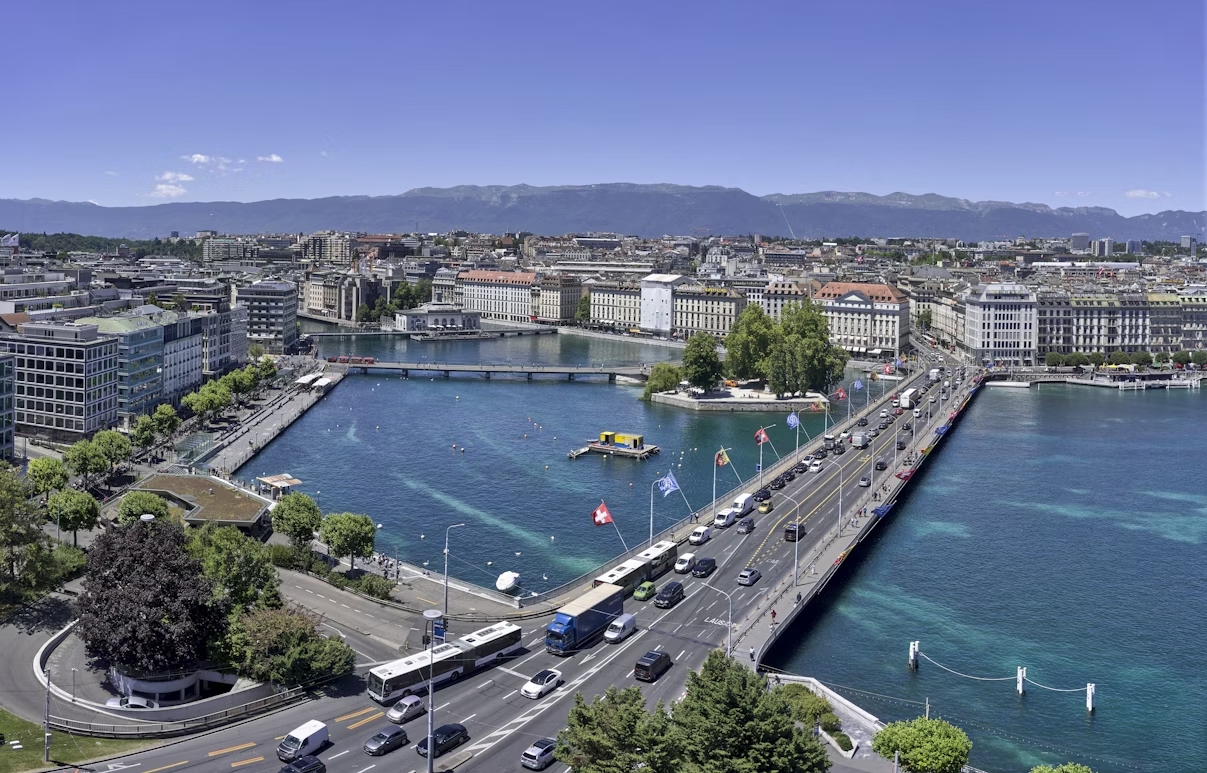
    Geneva is a symbol of international cooperation. 36,000 jobs in international organizations, around 250,000 overnight stays annually and a strong local footprint. These figures illustrate the relevance of the international presence. However, geopolitical tensions and the possible withdrawal of major players such as the USA are putting this system under pressure.

    The consequences are budget cuts, structural changes and location issues that extend far beyond the political arena. Real estate markets, local service providers and urban development are also directly affected. What was previously considered stable must now be rethought.

    When demand is redistributed
    International employees characterize Geneva’s housing market with around 9,500 occupied units, a high willingness to pay and a focus on spacious, furnished apartments. A reduction of just 20 % of employees could noticeably increase the supply rate. However, the vacancy rate is unlikely to rise. The tight housing situation ensures that vacant apartments are quickly occupied by local households.

    The decisive factor will be how the composition of supply changes, particularly in the high-price segment. The market could appear more relaxed in the short term, but could experience a shift in rental price dynamics in the medium term.

    Stability put to the test
    Around 650,000 m² of office space is currently occupied by international organizations. A reduction of 20 % would cause the vacancy rate to rise to over 10 %, with particularly significant effects in Grand-Saconnex, Pregny-Chambésy and the Jardin des Nations area. A complete withdrawal would leave over 140,000 m² of vacant space, which is roughly twice the size of the PAV project.

    Although the market has been robust so far, the decline in international demand could exacerbate existing imbalances. Differentiated strategies for flexible, user-centered use are required.

    Visible, vulnerable dependency
    Around 2,500 conferences are held in Geneva every year. The associated tourism supports large parts of the hotel market. The loss of these events could reduce hotel occupancy by up to 10 %. This would have a knock-on effect on suppliers, gastronomy and the city’s international reputation.

    This area in particular shows how closely economic, urban planning and diplomatic interests are intertwined and how vulnerable this hub is.

    From danger to opportunity
    The possible withdrawal of international organizations is not an isolated crisis, but an expression of global structural change. The challenge for Geneva is to understand resilience not just as resistance, but as change.

    Future strategies for Geneva
    A unique ecosystem of international organizations, a high quality of life and institutional stability continue to speak for Geneva. At the same time, it is important to respond strategically to challenges such as land scarcity, high land prices and the high cost of living.

    Driving transformation with two levers
    Developing new business models by diversifying financing and services, hybrid formats, digital platforms and locally anchored partnerships.

    Using real estate intelligently and flexibly
    Rethinking underutilized space in a modular, user-centric and adaptable way. This requires not only spatial agility, but also organizational agility.

    Making targeted use of synergies in the space
    Change from traditional offices to places of knowledge, encounters and innovation. Conference, hotel and coworking infrastructures should be planned and used in a more integrated way.

    Making planning more flexible
    Urban development must be responsive and adaptable. With visionary concepts that enable reversibility and user orientation instead of rigid specifications.

  • Energy location with future potential

    Energy location with future potential

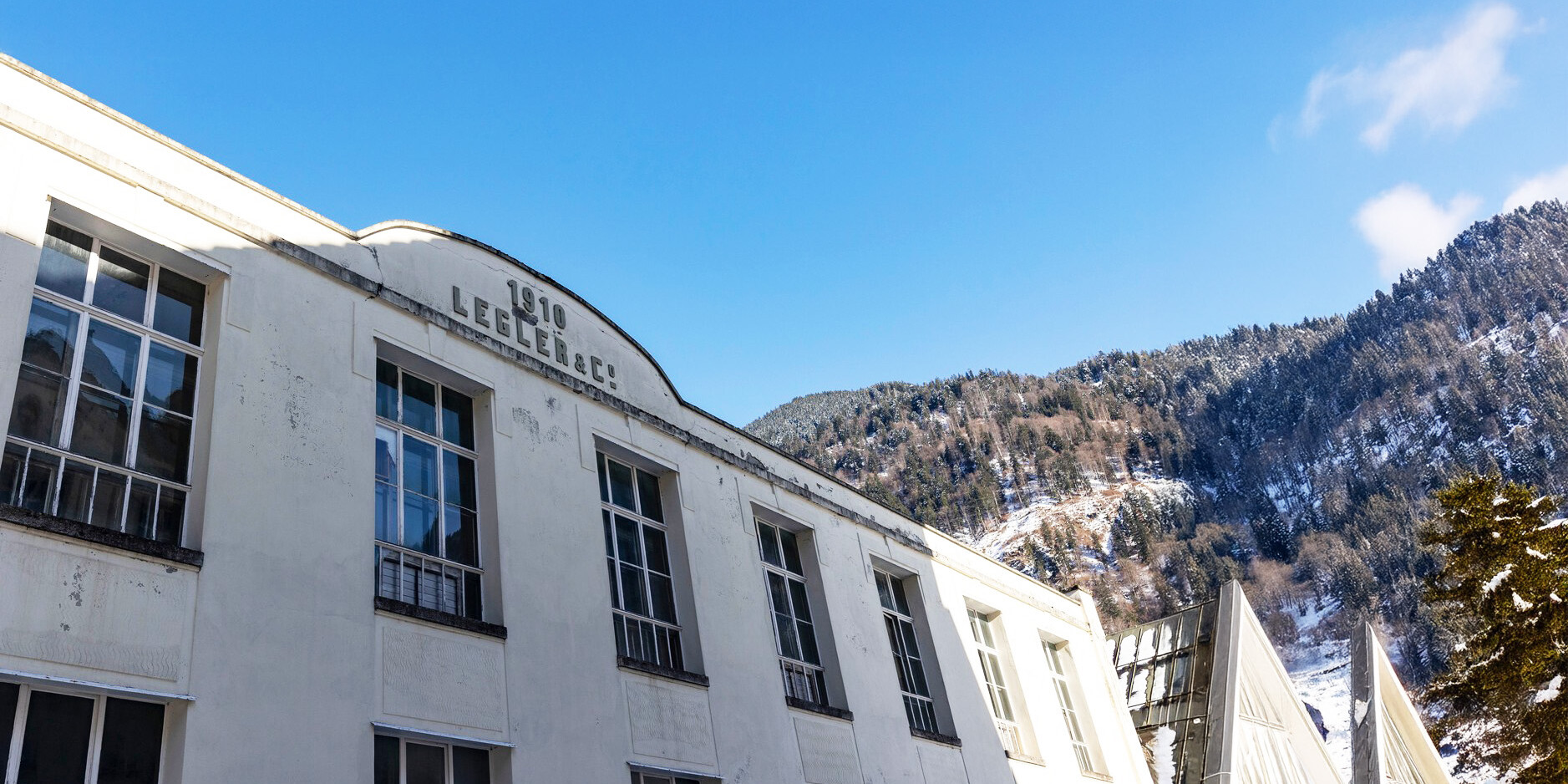
    With the purchase of the former Legler site by Hochdruckkraftwerk Diesbach AG and the simultaneous participation of the municipality of Glarus Süd, a new chapter has begun for the traditional factory site in Glarnerland. The operator of the local hydroelectric power plant has secured the site, including the power plant centre. At the same time, the municipality is acquiring agricultural land from the previous owner and will become the largest shareholder with a 40% stake.

    Energy meets site development
    The acquisition not only serves to preserve the historic power plant, but also opens up new opportunities for long-term site development. “We can offer areas ranging from 50 to several 1,000 square metres,” says Chairman of the Board of Directors Weber-Thedy.

    The municipality of Glarus Süd has secured two seats on the Board of Directors and an important land reserve of almost 30,000 square metres of agricultural land, which is earmarked for replacement measures or ecological compensation areas. The municipality is thus creating space for future developments.

    Long-term perspective with interim utilisation
    The potential of the Legler site is undisputed, but a new use takes time and requires careful planning. The aim is a mixed-use development with residential and office space that fits in with the landscape and the municipality. The first steps towards realisation are not expected before the next ten years.
    Until then, the site will be put to sensible interim use. The large halls will be rented out as storage space. They can be divided up flexibly, even if they are only suitable for certain purposes due to structural restrictions.

    Sustainability as a guiding principle
    The high-pressure power plant is focussing on environmentally friendly energy production and will renovate the plant to the latest standards in 2025. Earlier discussions about the expansion were postponed in favour of a sensitive approach to the landscape, but the roar of the Diesbach Falls is to be preserved.

    A boost for the Glarus region
    The acquisition of the Legler site is more than just a change of ownership. It is an example of forward-looking site development, supported by local energy production, public participation and a long-term perspective. The municipality of Glarus Süd is actively committed to the development of the site and at the same time minimises the risk of a prominent property falling into disrepair.

    The combination of energy infrastructure, property development and public involvement makes the project a beacon for the region and a role model for comparable sites in Switzerland.

  • Barrier-free modernisation of the education centre in Limmattal begins

    Barrier-free modernisation of the education centre in Limmattal begins

    In a press release, the Canton of Zurich has announced the start of construction work on the renovation of the Limmattal Education Centre(BZLT) in Dietikon. The listed building is to be renovated over two years from the start of the summer holidays and will offer a modern learning environment that is adapted to the needs of the students.

    Built in 1969, the vocational school building is largely in its original condition and is used by the BZLT as a competence centre for logistics, road transport and recycling professions. With an investment of CHF 42 million, the building is now being renovated to provide an improved and barrier-free learning environment once the work is completed in 2027. Zurich-based Ernst Niklaus Fausch Partner AG is responsible for the architectural design.

    An open, interdisciplinary learning landscape is to be created on the top floor, offering various opportunities for self-directed and collaborative learning. Meanwhile, the basement areas are to be converted into modern sports rooms.

    With the conversion, the education centre will be certified according to Minergie-ECO standards and the Swiss Sustainable Building Standard(SNBS). The building will be connected to the regional district heating network and a technology centre with a photovoltaic system will be built on the roof. Green roof and terrace areas will also contribute to cooling and promote biodiversity. After the refurbishment, the building will also be barrier-free.

    The building designed by architect Georges Künzler is a listed building. The modernisation and renovation measures were therefore developed in collaboration with the cantonal monument preservation authorities. Among other things, the external appearance of the façade is to be preserved. The work is due to be completed in 2027. Until then, the school will temporarily operate in the school building at Lagerstrasse 55 in Zurich.

  • Densification displaces fewer tenants in Geneva than in Zurich

    Densification displaces fewer tenants in Geneva than in Zurich

    Researchers at the Swiss Federal Institute of Technology in Zurich(ETH) have analysed the impact of building densification on the composition of the population on behalf of the Federal Office for Housing(FHO), according to a press release. The study “Building activity and displacement” shows that the effects differ significantly in the five largest agglomerations.

    Geneva, Lausanne and Bern have a higher level of residential construction activity than Zurich, but are densifying more effectively. Between 2020 and 2023, 1.6 to twice as many flats were built there for every flat demolished than in Zurich. In the Zurich conurbation, 5.4 times as many replacement new-builds were also constructed than buildings were added to, while in Geneva, Basel and Bern, twice as many buildings were added to as replacement new-builds were constructed.

    The average room size of replacement new builds in German-speaking Switzerland is also 25 per cent larger than in demolished flats. In French-speaking Switzerland, flats were only 6 to 8 per cent larger. Building densification thus leads to a higher increase in utilisation density in French-speaking Switzerland than in German-speaking Switzerland.

    Despite the higher density in French-speaking Switzerland, a total of 1.02 per cent of the total population (14,373 people) in the Zurich agglomeration were affected by displacement due to house demolitions or total renovation between 2015 and 2020. Relative to the total population, this is twelve times more than the 467 people affected in the Geneva agglomeration (0.08 per cent).

    The study also shows that displaced households had a median income that was 30.5 to 39.6 per cent lower than the population as a whole. According to the BWO press release, this means that it is precisely those who have difficulty finding a new affordable home who are affected by displacement.

  • HORTUS sets a new benchmark for sustainable construction

    HORTUS sets a new benchmark for sustainable construction

    With HORTUS, a building has been created on the Main Campus of the Switzerland Innovation Park Basel Area that is set to set new standards in sustainable construction. The project was developed by SENN, Herzog & de Meuron and ZPF Ingenieure. HORTUS is not only conceptually designed for climate compatibility, according to those involved, it will offset its gray energy within a generation and then be operated as an energy-positive building.

    The core of the concept is a consistent reduction in the use of energy in construction and operation. Materials such as clay, wood and waste paper were processed with minimal use of resources. A basement was deliberately omitted. At the same time, a photovoltaic area of around 5,000 m² on the façade and roof ensures maximum energy generation.

    Circular economy at component level
    Particular attention is paid to reusability. Every element used was planned with a second use in mind. HORTUS thus follows the principles of the circular economy down to the last detail. Prefabricated clay-wood elements, manufactured directly on site in a field factory, enable efficient dismantling or reuse.

    Natural materials ensure a balanced indoor climate, supported by a green inner courtyard designed by renowned landscape architect Piet Oudolf.

    Infrastructure for innovation
    The building offers around 10,000 m² of usable space, primarily for companies from the ICT and life sciences sectors. The office space was already fully let when it opened. The only space still available is in the coworking area. This is aimed at start-ups, project teams or individual users who want to benefit from the proximity to one of the largest life sciences ecosystems in Europe.

    The coworking space and the office areas have shared kitchens, a garden and IT infrastructure. On the first floor, catering facilities and a fitness area complement the infrastructure. The aim is to combine innovation and everyday life in one place.

    Part of a larger development site
    It is not the first building on the campus. The Main Campus HQ is already in operation. Other buildings, ALL, HOPE and SCALE, are under construction or in the planning stage. By 2029, Allschwil will be home to Switzerland’s largest innovation park, with a focus on life sciences, digital health and industrial transformation.

    With currently around 1,200 employees in 92 companies and 12 research groups, the site is already an important center for applied research and development in Switzerland.

  • Schlieren station shines in new splendor

    Schlieren station shines in new splendor

    The station square in Schlieren has been transformed into a modern meeting zone that creates space for recreation, encounters and visible mobility. In the center is a spacious square with a striking tree as a green landmark. In front of the city library, a fountain with benches invites people to linger, and new recreational areas have also been created by the SBB West underpass and in front of the restaurants.

    A central element is the clear right of way for pedestrians through the meeting zone. Sidewalks have become superfluous and the entire space belongs to public life. Almost 70 new bicycle parking spaces also encourage people to switch from bicycles to public transport.

    Green spaces for the urban climate
    An innovative approach to climate adaptation was chosen with the implementation of the sponge city principle. 1,200 m² were unsealed to allow rainwater to seep away better. Newly planted trees and around 500 m² of additional green space provide shade and evaporation for cooling, especially on hot summer days.

    The planting is not only ecologically valuable, but also aesthetically pleasing. The cityscape looks livelier and more inviting.

    Grand opening for the public
    The new meeting zone will be inaugurated with a two-day celebration on Friday and Saturday, June 20 and 21, 2025. The event will kick off with an official speech by City Councillor Stefano Kunz on Friday at 5.00 pm, accompanied by the Harmonie Schlieren band. This will be followed by the street festival with culinary delights and live music, including country artist Tobey Lucas.

    It continues on Saturday from 11.00 am. Local musicians will perform on the stage at Bahnhofsplatz, including the Schlieren music school teachers’ band, Patrick Harbor, the music school choir and Valerù with their band.

    Bahnhofstrasse will be closed to traffic during the festivities. The town belongs to the people this weekend.

    A project with a signal effect
    The pedestrian zone is an example of future-oriented urban development that combines quality of life, climate resilience and mobility. What was initiated by a referendum in 2021 now stands for a new chapter in urban design in Schlieren.

  • Digital tool for site development

    Digital tool for site development

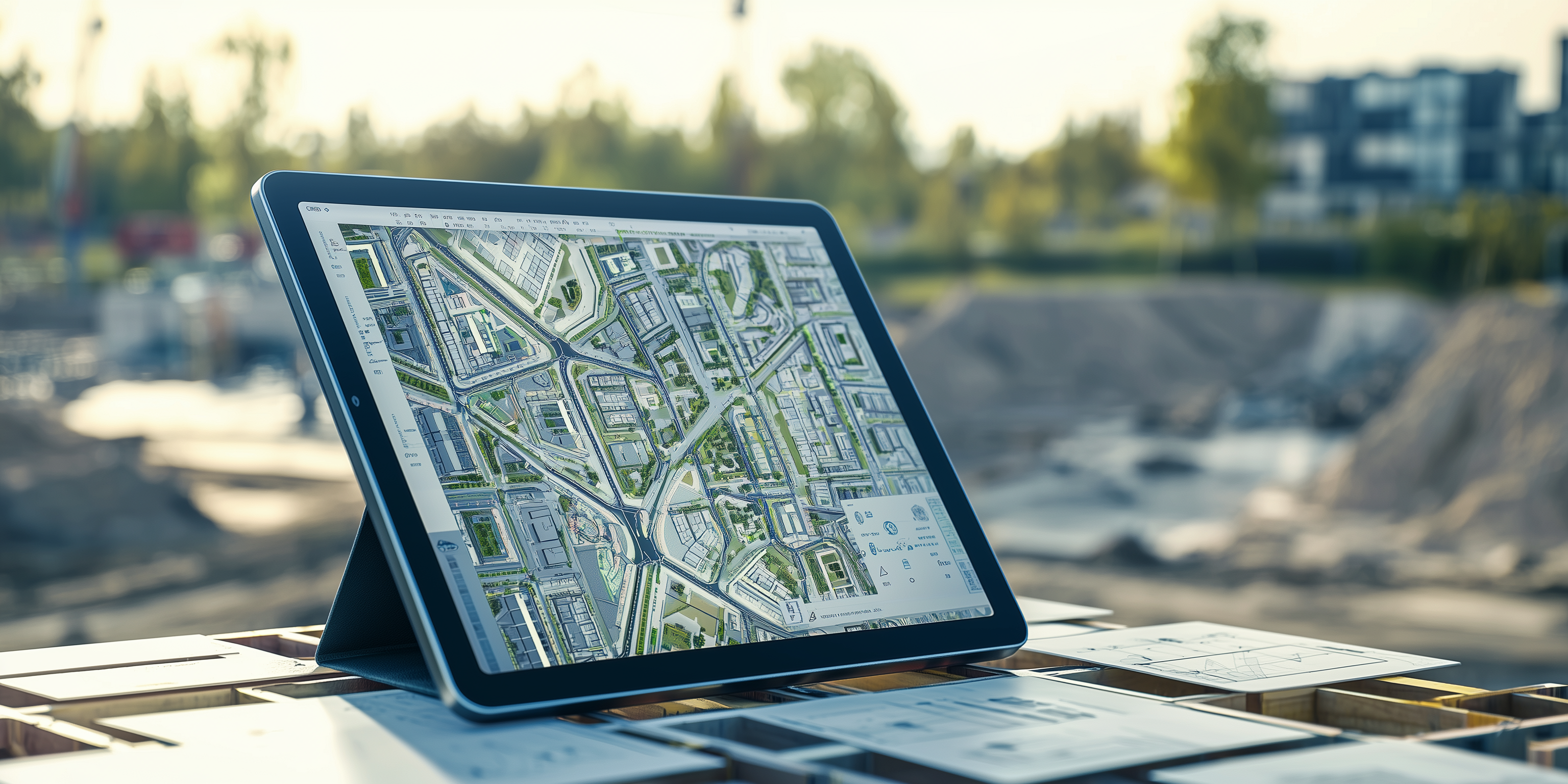
    Site development is one of the most challenging tasks in municipal planning. Smaller municipalities in particular face structural hurdles. There is a lack of resources, access to IT tools is limited and a lack of standards makes it difficult to make well-founded decisions. The digital guide is a modular, user-friendly and technically precise tool that closes this gap.

    Interplay of knowledge and technology
    The project combines the interdisciplinary know-how of the Institute for Spatial Development (IRAP) and the Institute for Information and Process Management (IPM). The centerpiece is a digitally supported guideline that systematically structures planning processes and enables automated analyses. Research, evaluation and variant development can thus be organized more efficiently. Municipalities receive a tool that improves planning quality, regardless of their size.

    Focus on employment areas
    While inner-city development has so far concentrated primarily on residential and mixed zones, this project focuses specifically on workplace areas. The strategic development of such areas is crucial to the future viability of companies and locations, especially in times of scarce space. The digital guideline provides a unique solution in Switzerland.

    Participation through echo chamber ensures quality
    An echo chamber was set up to guarantee practical application. This committee of experts from municipal administrations and planning offices contributes valuable expertise. At the first meeting on January 24, 2025 in St. Gallen, the participants discussed basic requirements and defined the next steps. The dialog between research and practice is thus established at an early stage.

    Efficient and sustainable planning and decision-making for the future
    The final software solution should be easy to use. It enables an objective and systematic evaluation of development scenarios according to relevant sustainability criteria, thereby promoting well-founded decisions in politics and administration. The creative design process is retained, supplemented by digital efficiency and reliable comparative values.

    Time horizon and outlook
    The project was launched in June 2024 and will run until May 2026. It is intended as a contribution to modern, digitally supported spatial planning. The vision is a national competence platform that makes site development tangible, scalable and of high quality.

  • Owner participation “Ziegelbrückstrasse” in Glarus North

    Owner participation “Ziegelbrückstrasse” in Glarus North

    The municipality of Glarus Nord would like to motivate developers to carry out participatory processes for more complex construction projects. Its “Participation and communication guidelines for planning processes” outline how the needs of the population and future users can be anticipated at an early stage for various planning situations. To set a good example, the municipality initiated a participatory process for the “Ziegelbrückstrasse” development area between Ziegelbrücke railroad station, the Jennyareal and the village center of Niederurnen: between October 2024 and February 2025, it involved the affected owners in the development of a mission statement, which served as the basis for the development of an outline plan for the area.

    Shaping the framework conditions for development
    The mission statement was intended to define the structural dimensions and the mix of uses. As the area is one of the densification and upgrading areas that characterize the village, qualitative key points of a development that does justice to the character and history of the area were also up for discussion. The municipality also saw the public sector as having a duty and therefore set out its expectations regarding the design and upgrading of the cantonal road that runs through the area. This provided the municipality with a broad-based basis for discussions with the canton, which is responsible for the renovation of the road.

    The jointly developed model served the municipality as the basis for a binding framework plan. The framework plan in turn defines the guidelines for how buildings may be constructed along Ziegelbrückstrasse in future under the new owner-binding land-use plan. The owners involved helped to shape how and what they can build on their properties in the future by participating in the master plan.

    A streamlined participation process
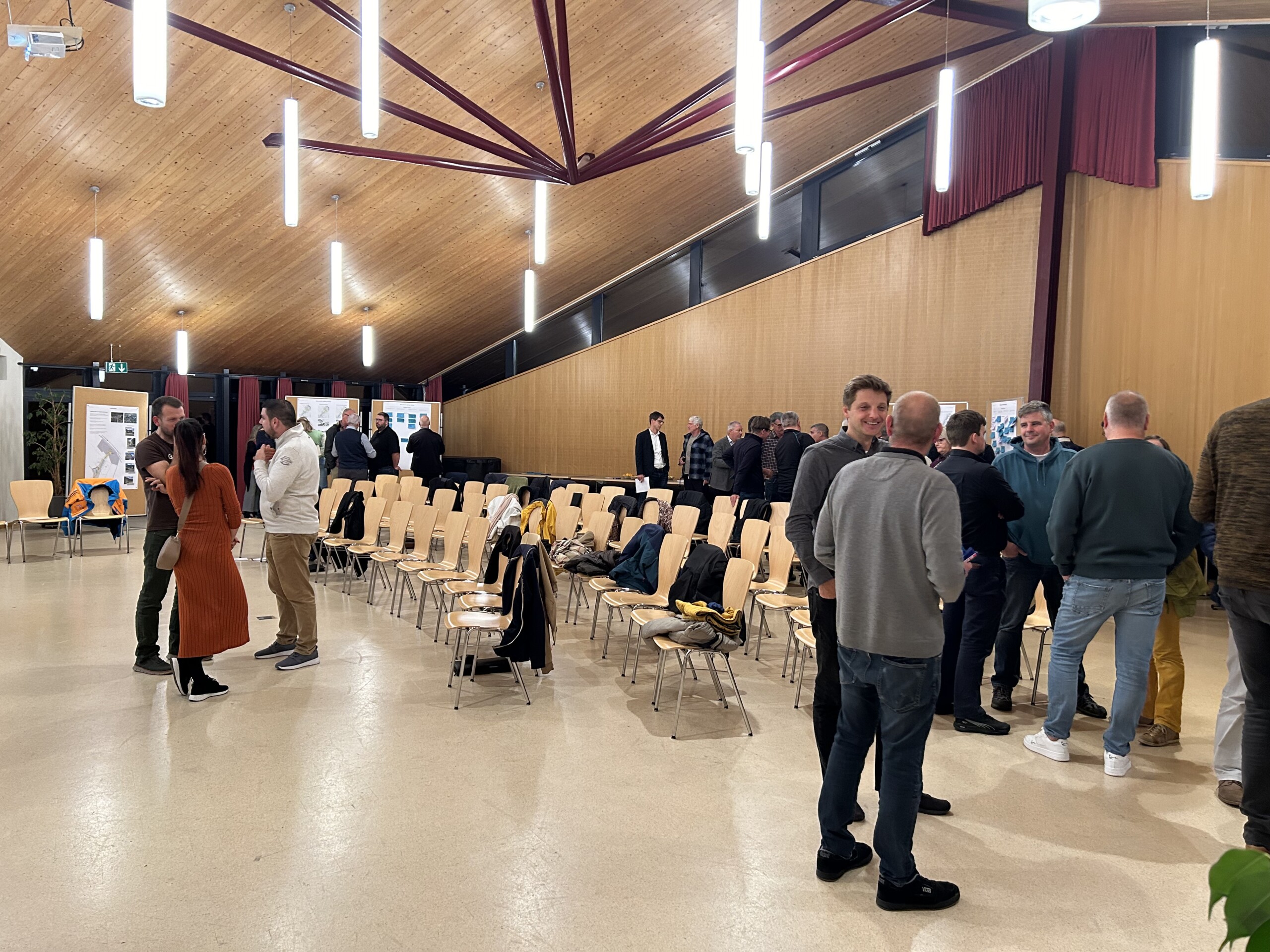
    The owners in the area were invited to take part in two evening events with the municipality. The first evening was for information and participation, the second for the presentation of the results. Over 56 owners of 127 plots took the opportunity to participate in the events themselves or with a representative.

    In the first workshop, they were given an insight into the planned planning instrument and were consulted on various options for future development possibilities. By prioritizing the options, they were able to influence the decision on the desired model. In the second workshop, the municipality presented the framework plan developed on the basis of the desired variant.

    A worthwhile effort for the municipality
    Participatory processes are complex and cost time, money and political capital. For the municipality, the time-consuming process was worthwhile because it increases the chances of owners becoming active: By being informed about more construction options at an early stage, they can adjust their investment planning and align any existing intentions with the municipality’s development plans.

    The discussion about the vision helps to orient owners towards a common vision of the future of the densification and development area and to convey to them that issues such as the addressing of buildings to the street, the granularity of the development, the design of the base storey or the materialization are not just private matters, but also have an effect on the image of the district and thus influence the attractiveness and value of the location for everyone.

    The participatory process offered the municipality the opportunity to draw attention to its building advice and increase the likelihood that landowners with investment intentions will discuss and coordinate their plans with the municipality at an early stage, before they have drawn up a preliminary or construction project that can hardly be adapted. In the best-case scenario, the process encourages some owners to think bigger and enter into cooperation with other landowners or jointly tackle issues such as the provision of parking spaces in construction projects.

    The municipality was also able to use the events to coordinate upgrades on public land with the needs and ideas of the owners and to test the acceptance of measures such as greened medians on the road or a speed reduction on certain road sections.

    More planning security for landowners
    Participatory processes also cost the participants time. In the case of Ziegelbrückstrasse, the effort was worthwhile for the property owners simply because they were able to influence decisions on issues that are binding for the property owners by participating in the framework plan that is binding for the authorities: the fundamental question of the design of the density and mix of uses possible with the new land use planning. The framework plan also offers owners more planning security, as it strengthens equal treatment in the approval process.

    As part of the process, the owners gained a better understanding of what the municipality expects from structural developments and were able to gain inspiration as to what contributions they can make to neighborhood upgrading in addition to structural developments – for example with the design of gardens and street front zones or smaller renovation projects. The opportunity to find out about their neighbors’ plans at the event ultimately gives owners more certainty that they are not alone in their investments.

  • Smart City Aarau networked, user-centered and environmentally friendly

    Smart City Aarau networked, user-centered and environmentally friendly

    Aarau is facing complex social and technological developments. In order to respond to this in a future-oriented manner, the city is pursuing a networked, creative and efficient approach with its Smart City strategy. The focus is on concrete benefits for the target groups and environmentally friendly processes. Digital technologies are only used where they create real added value.

    Five basic principles for smart impact
    Based on experience from the first strategy period from 2021 to 2025 and proven models from other cities, Aarau has defined five high-impact approaches.

    Networking: Projects interlock across departments and are implemented collaboratively.

    Meeting needs: Solutions that are actually needed are developed in dialog with the population.

    Testing: Innovation also means trying things out. Pilot tests help to minimize risks and make ideas practicable.

    Environmental protection: Sustainability is a must. All projects take environmental aspects into account and rely on renewable resources.

    Technology as a means to an end: Technology is used in a targeted manner and only if it contributes to the solution.

    Smart City Team as enabler
    The municipal Smart City Team supports employees in the idea and project phase. It helps to identify target groups, hone project ideas and develop testable solutions. Formats such as kick-off meetings, workshops or support for complex projects through to implementation are available. The motto: implement projects with real benefits for Aarau or consciously reject them.

    Targeted support and smart vessels
    The Smart City Team also works in the background. It monitors trends, networks stakeholders and promotes knowledge transfer via formats such as the “Smart City Newsroom”. It also supports projects financially via the Smart City Investment Loan and helps to create participatory vessels.

    Measuring impact and learning
    The strategy is based on the IOOI impact model and measures not only outputs but also outcomes and long-term impacts. The aim is for all municipal specialists to apply user-centered methods, plan their projects in a networked manner, implement them in a resource-efficient way and integrate digital technologies in a meaningful way by 2034.

    Smart City Aarau thinks ahead
    The city of Aarau is reinterpreting Smart City as a method for developing sustainable, liveable urbanity. The focus is on people, not technology. This turns complexity into innovation and ideas into concrete future solutions for Aarau.

  • Zurich convinces as a business location

    Zurich convinces as a business location

    According to a survey of over 400 companies in the canton of Zurich conducted by the Office of Economic Affairs, 82% rate the location positively, with 22% rating it as “very satisfied” and 60% as “fairly satisfied”. This high level of approval is primarily based on three factors: the excellent transport infrastructure, the high quality of life and the availability of well-trained specialists. Economic stability and political reliability were also cited as locational advantages.

    Infrastructure impresses
    Of the 24 location factors assessed, infrastructure (71%) and quality of life (55%) were mentioned most frequently as plus points. The labor market followed with 43%. On the other hand, 90% of companies consider the cost environment, in particular rents, wages and regulations, to be a clear disadvantage. Similarly, 64% criticize the tax environment. Zurich ranks last in Switzerland in terms of corporate tax burden.

    One in four companies planning to relocate
    A quarter of the companies surveyed have thought about moving out of the canton of Zurich in the last five years or have concrete plans to do so. The main driver is the high tax burden. According to statistics, over one percent of Zurich companies relocate to other cantons every year. This trend is in line with the assessment of many companies.

    Well positioned in European comparison
    The results are also reflected in a comparative European study by the Office of Economic Affairs. In comparison with other European economic regions, Zurich is particularly impressive due to its educational landscape, economic performance and quality of life. The study sees a need for action in areas such as labor market dynamics, innovation promotion and regulatory density.

    Location with strengths – but under pressure
    The canton of Zurich remains a leading business location with excellent infrastructure, a high quality of life and a competent labor market. At the same time, feedback from companies clearly indicates that the cost and tax environment needs to be adjusted in order to stop migration trends and ensure long-term competitiveness. For decision-makers, this means actively developing location policy before the strengths are overshadowed by structural weaknesses.

  • Parliament approves new IOM headquarters in Geneva

    Parliament approves new IOM headquarters in Geneva

    On 14 June 2025, the National Council approved an interest-free federal loan for the renovation of the headquarters of the International Organization for Migration by 166 votes to 2. The decision followed a yes vote by the Council of States in March. The IOM, as part of the UN system, plays a leading role in global migration policy. The current site in Geneva’s Morillons district dates back to the early 1980s and does not meet energy, functional or security standards.

    Investment of strategic importance
    Parliament’s approval came despite the fact that the IOM recently announced that it would be cutting around 20 percent of the approximately 1,000 jobs in Geneva. The background to this is a freeze on aid from the USA, one of the organization’s main donors. However, Foreign Minister Ignazio Cassis emphasized in the Council that the construction project was sensibly dimensioned, even with a reduced workforce of around 600 employees in future. With this commitment, Switzerland is pursuing a clear host state policy strategy to strengthen International Geneva in the long term.

    Financing structure and timetable
    The loan of CHF 44.7 million granted by the federal government is interest-free and is to be repaid within 50 years. The funds will flow to the FIPOI (Real Estate Foundation for International Organizations), which is responsible for the project. The Canton of Geneva is contributing an additional CHF 21.6 million. This means that the federal government and the canton are covering around two thirds of the total costs. Parliament had already supported a preliminary project in 2022 with CHF 5.7 million for planning work. Construction is scheduled to start in January 2026 and the building is expected to be occupied in 2029.

    Geneva as a strategic location for international organizations
    The Confederation’s support is to be seen as part of the overarching host state policy. Geneva is currently home to more than 40 international organizations and is considered one of the most important multilateral locations worldwide. Switzerland aims to further consolidate this role. Not least in an increasingly competitive environment for international headquarters. Modernizing the infrastructure is a key means of retaining organizations such as the IOM in Geneva in the long term.

    Signal of continuity despite uncertainties
    By clearly approving the construction of the new IOM headquarters, Switzerland is once again acknowledging its role as a host state for international organizations. Despite geopolitical uncertainties and internal cutbacks at the IOM, the project sends a strong signal of Switzerland’s attractiveness as a location and its reliability. An aspect that is equally important for specialists and managers in diplomacy, international organizations and the construction industry.

  • Voters stop Locarno railroad station project

    Voters stop Locarno railroad station project

    The proposal to redesign the Locarno-Muralto train station was narrowly rejected with a voter turnout of 31%. 33,723 no votes were cast against 33,621 yes votes. The project was thus stopped by a wafer-thin margin of 102 votes. A result that shows how controversial urban planning interventions can be, even for regionally important infrastructure projects.

    Planned investments for greater clarity and mobility
    The project would have involved a comprehensive upgrade of the transport hub with a total volume of CHF 16 million. The canton of Ticino would have borne around CHF 7 million of this. The plan was to focus more strongly on pedestrian and bicycle traffic and to organize the bus bays more efficiently. The aim was to improve multimodal connections to the station and make public transport clearer and more accessible.

    Opposition from the business community
    The project faced particular opposition from businesses and restaurants around Viale Cattori. They feared that the increased bus frequency – more than 250 buses per day – would impair the quality of life on the lakeside promenade. The loss of direct access routes for motorized private transport to stores and restaurants was also seen as a significant disadvantage. Opponents argued that this could jeopardize the economic attractiveness of the zone.

    Infrastructure project with conflicting local objectives
    The rejection of the station redesign in Locarno is a good example of the tensions between the mobility turnaround, urban development and local economic interests. Despite clear advantages in terms of traffic and design, the project was not able to prevail. This was mainly due to the feared disadvantages for the existing business location. For future infrastructure projects with an impact on urban development, this will serve as a reminder to involve affected interest groups in the dialog early and comprehensively.

  • Building culture in focus, NRP 81 begins

    Building culture in focus, NRP 81 begins

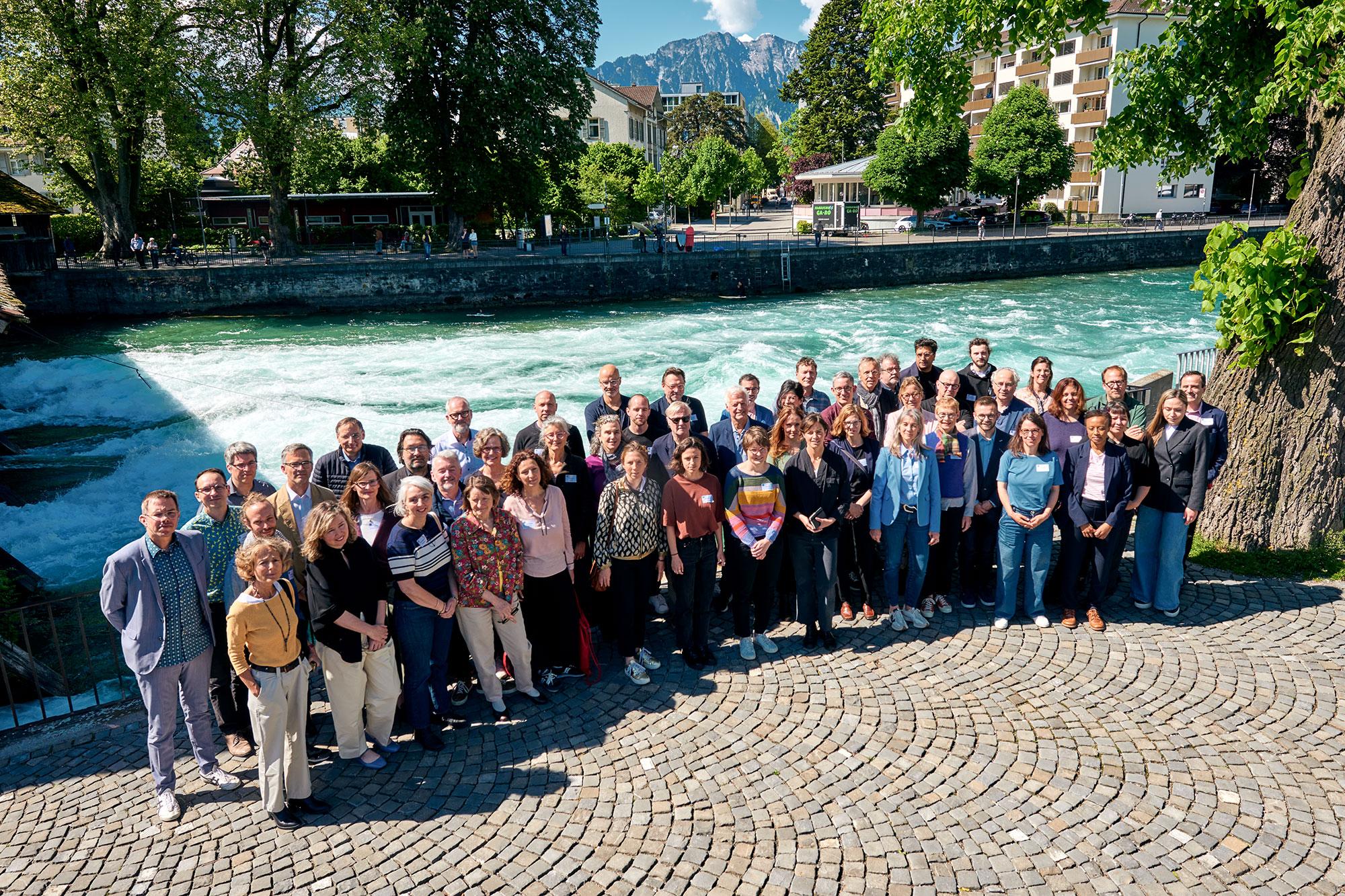
    Am 13. und 14. Mai 2025 traf sich die NFP-81-Community erstmals persönlich in Thun. Rund 80 Vertreterinnen und Vertreter aus 13 Forschungsteams präsentierten ihre Projekte in kurzen Vorträgen und gewährten dabei Einblick in die beeindruckende thematische Breite des Programms. Ergänzt wird diese akademische Vielfalt durch die 45 Praxispartnerinnen und -partner, die mit ihrem Praxiswissen die Forschungsarbeiten bereichern. Insgesamt sind über 130 Personen direkt am Programm beteiligt. Ein klares Zeichen für die starke Verankerung des NFP 81 in Wissenschaft, Wirtschaft und Gesellschaft.

    Impulse aus der Praxis: Stadt Thun als Gastgeberin
    Der erste Veranstaltungstag endete mit zwei aufschlussreichen Vorträgen von Dr. Raphael Lanz, Stadtpräsident von Thun und Florian Kühne, Stadtarchitekt von Thun. Beide betonten die entscheidende Rolle eines offenen Dialogs in der Baukultur und die Bedeutung interdisziplinärer Zusammenarbeit. Diese Perspektiven lieferten wichtige Impulse für die Arbeit in den Forschungsprojekten, die das Ziel haben, ökologische und soziale Fragen in der Baukultur stärker zu verknüpfen.

    Austausch über gemeinsame Herausforderungen
    Der zweite Veranstaltungstag diente dazu, die gemeinsamen Herausforderungen und Schnittmengen der vielfältigen Forschungsvorhaben zu identifizieren. Dr. Oliver Martin vom Bundesamt für Kultur und Prof. Ivana Katurić, Co-Autorin eines Handbuchs für das New European Bauhaus, gaben den Auftakt für einen intensiven Austausch. In gemischten Breakout-Sessions diskutierten die Teilnehmenden engagiert darüber, wie sich unterschiedliche Perspektiven und Kompetenzen bündeln lassen, um innovative und nachhaltige Lösungen für den gebauten Raum zu entwickeln.

    Gemeinsame Vision und positives Fazit
    Zum Abschluss des Treffens zeigte sich Prof. Dr. Paola Viganò, Präsidentin der Leitungsgruppe, erfreut über den intensiven Austausch und die Aufbruchstimmung: «Ich freue mich zu sehen, dass hier eine Gruppe entsteht, die ein gemeinsames Ziel teilt. Wir alle möchten mit diesem Programm den Diskurs über den ökologischen und sozialen Wandel des gebauten Raums voranbringen.» Dieser Satz bringt das gemeinsame Selbstverständnis der Teilnehmenden auf den Punkt: Das NFP 81 ist keine Aneinanderreihung isolierter Projekte, sondern eine Gemeinschaft mit einer gemeinsamen Mission.

    Transparenz und Partizipation
    In den kommenden Tagen werden auf der Webseite des NFP 81 die Porträts der einzelnen Projekte aufgeschaltet. Neben prägnanten Beschreibungen der Forschungsvorhaben werden dort auch die Praxispartner vorgestellt, die im Programm eine tragende Rolle einnehmen. Dieser transparente Einblick soll nicht nur den Austausch innerhalb der Community fördern, sondern auch eine breitere Öffentlichkeit ansprechen und zum Mitdenken und Mitwirken einladen.

  • How Glarus became an architectural jewel

    How Glarus became an architectural jewel

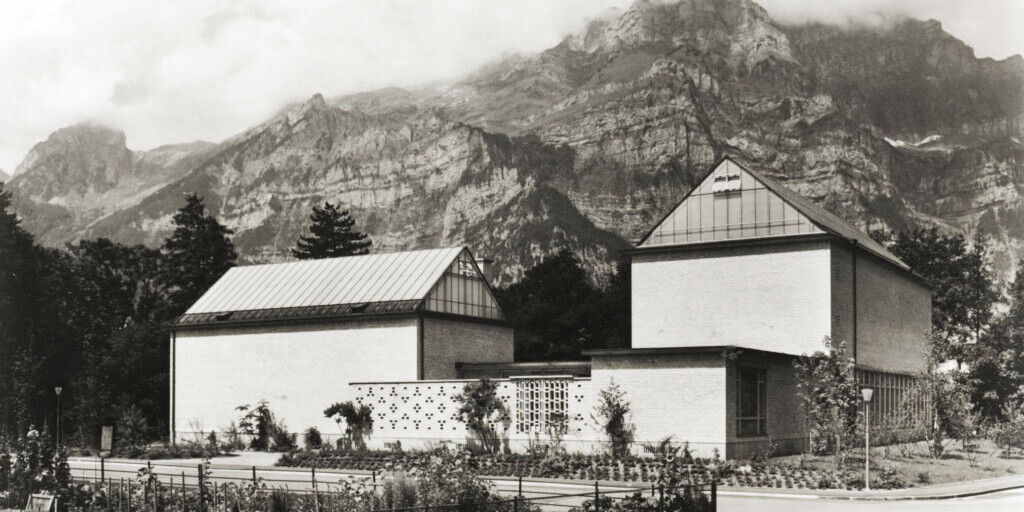
    When the art historian and diplomat Gustav Schneeli was looking for a location for his own museum in 1942, he found the perfect place in Glarus. The Glarus Art Association, which had been considering the idea of its own museum for decades, recognised the opportunity for collaboration. Schneeli made his Symbolist and Impressionist-influenced works available and promised 250,000 francs for a foundation. The foundation stone for today’s Kunsthaus.

    Architectural clarity with vision
    After Schneeli’s death in 1944, the architect Hans Leuzinger developed a project of remarkable consistency. The path led from classical approaches through numerous variations to a finely tuned lighting design. Scandinavian influences, careful site inspections and creative foresight formed a building that consciously distanced itself from monumental representational intentions and blended sensitively into the Glarus valley basin.

    Political hurdles, patient negotiations
    The realisation was anything but straightforward. Disputes over the location, delays caused by the war, critical voices from the administration and the community of heirs as well as the threat of the foundation’s withdrawal jeopardised the project on several occasions. It was only through diplomatic skill, architectural persuasion and tireless commitment that construction could begin on the last possible day, 15 July 1950.

    Art and architecture as a sign of the times
    The opening in 1952 was not only an architectural success, but also a strong signal for Glarus as a cultural centre. A cultural attitude manifested itself in a simple but expressive building that continues to have an impact today. Architect Reto Fuchs’ research reveals this masterpiece and its eventful construction history. The Kunsthaus Glarus stands for masterful architecture, the courage to take a stand and the idea of thinking big about culture in rural areas.

  • Mollis airfield on the upswing

    Mollis airfield on the upswing

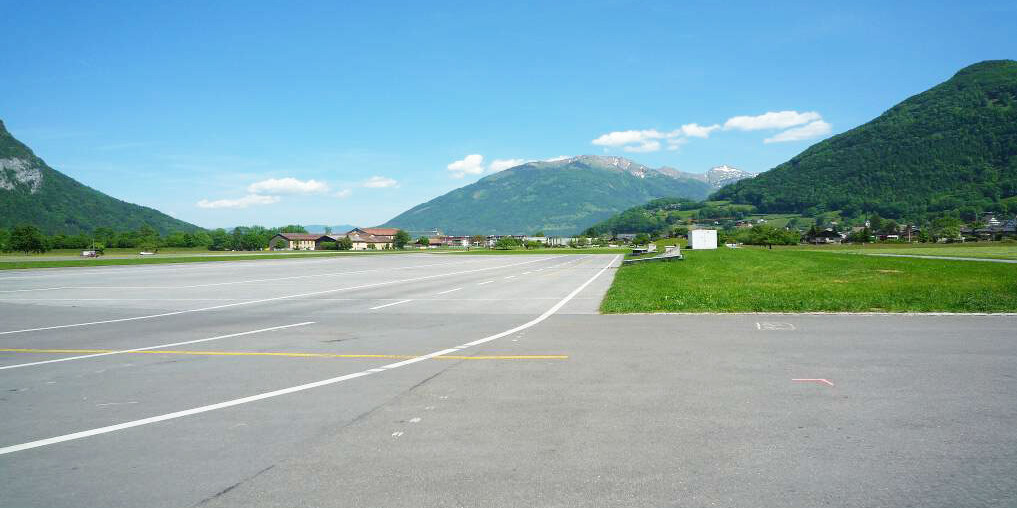
    Parcel no. 2487 at Mollis airfield is an undeveloped plot of land with an area of over 18,000 m². As part of the new utilisation planning, it was designated as work zone A. The Glarus North municipal council has commissioned a masterplan for this area, which is being drawn up by KCAP Architects and Planners in Zurich. The focus is on aviation-related businesses in particular, which should complement the existing ecosystem in a meaningful way.

    A site with a multifaceted identity
    Mollis airfield is much more than just an airfield. It is also a business location, home to innovative aviation companies, a meeting place for dedicated aviation clubs and an important local recreation area in the Glarus region. The six companies based there today, including Rega, Heli Linth and Kopter Group AG, provide over 150 jobs and stand for technological expertise in the field of aviation and rescue. This economic profile is complemented by the active use of the site by the Mollis motorised flight group, the Glarnerland gliding group and the model flying group.

    Past as a foundation for the future
    Mollis airfield can look back on over 100 years of history. Since the first landing in 1916, the site has repeatedly been the scene of significant developments – from Walter Mittelholzer’s pioneering flights to its use by the Swiss Air Force. Today, the site is used for civilian purposes and is committed to safe, balanced and economically viable operations. The history of the airfield creates an emotional bond and is an essential part of its identity.

    Sustainable development through a clear strategy
    The common goal of the municipality of Glarus Nord and Mollis Airport AG is to drive forward the development of the site while taking economic, ecological, agricultural and public interests into account. The masterplan takes into account both infrastructural requirements and potential for events, leisure use and security of supply. The well-connected location and the special combination of aviation, industry and recreational space make the Mollis site a promising development location in the canton of Glarus.

    A location with a signal effect for the region
    The Mollis Airfield Masterplan provides a strategic basis for attracting new companies, strengthening existing structures and harmonising usage interests in the long term. The close collaboration between the municipality, owners and MAAG is a prime example of co-operative regional development. Mollis airfield is not just a place for aviation, but a future-oriented location with charisma, diversity and responsibility – far beyond the canton.

  • Loss of rent in Zurich only a temporary burden

    Loss of rent in Zurich only a temporary burden

    The Swiss Life REF (CH) ESG Swiss Properties real estate fund generated net income of CHF 30.3 million in the first half of the 2024/25 financial year, which ended on March 31, 2025, Swiss Life Asset Management Ltd announced in a press release. Net income of CHF 27.4 million was reported. The net asset value per unit fell from CHF 113.73 at the end of the 2023/24 financial year to CHF 112.37.

    In addition to rental income, the sale of five properties with a market value of around 60 million francs also contributed to the solid result. A capital gain of around CHF 2.9 million was realized here. The fund also benefited from a residential portfolio acquired in July 2024, whose net profitability was around 0.4 percentage points higher than the profitability of the existing portfolio.

    However, the loss of a major tenant in Zurich had a negative impact on the result. Specifically, the rent loss rate rose to 3.8% as a result. However, the affected space has already been re-let with effect from October 2025.

    Swiss Life Asset Manager intends to further optimize the current income and expenses of its real estate fund in the second half of the current financial year. The asset manager, which is part of the Swiss Life Group, has no plans for major property sales or a capital increase.

  • New court building for St.Gallen district court

    New court building for St.Gallen district court

    Since 1996, the district court of St. Gallen has been split between two locations. A solution that was never intended to last. While the offices are housed in the Bohl 1 property, the court sessions are held at Neugasse 3/5. This division not only makes work processes more difficult, but also no longer meets today’s requirements in terms of security and functionality. With the planned move to the Schützengasse 1 property, the court will finally have a modern and coherent home.

    A building for the future
    Schützengasse 1 is owned by the Canton of St. Gallen and will be extensively renovated and modernised for its new purpose. The feasibility study has confirmed that the building is ideally suited to the needs of modern court operations. By bringing all services together at one location, not only can work processes be simplified, but security requirements can also be implemented in line with the times. The current rental solution at Neugasse 3/5 will therefore become obsolete, which will bring long-term financial benefits for the canton.

    Financing and costs at a glance
    The total costs for the project amount to around CHF 27 million. This amount includes CHF 8.5 million for the transfer of the property from financial to administrative assets. The actual costs for the renovation and conversion of the building amount to CHF 19.5 million according to a rough cost estimate. This investment is supplemented by a one-off compensation payment of CHF 780,000 from the City of St. Gallen. The elimination of the rental costs for Neugasse 3/5 will also provide long-term relief for the canton’s finances.

    Start of construction and schedule
    The construction project is scheduled to start in 2027. Completion and occupation are planned for the end of 2028. In the foreseeable future, the District Court of St. Gallen will therefore have a building that not only meets current requirements, but also takes future developments in the justice sector into account.

    The largest district court in the canton
    With around 3,300 court cases a year, the district court of St. Gallen is the most important of the canton’s seven district courts. It deals with cases in the areas of civil and criminal law and has a well-established team of currently 43 permanent employees. These include district court judges, court clerks, clerical staff and auditors. In addition, 14 part-time district judges are involved in handling the cases. These extensive tasks require an infrastructure that fulfils today’s requirements for efficiency, security and flexibility.

    Security as an integral part
    In addition to merging the locations, the security system is a central element of the project. Court operations today must meet high standards in order to ensure the integrity of proceedings and the protection of all parties involved. The new property will be remodelled in such a way that these requirements are met and all security-relevant aspects can be taken into account.

    A win-win situation for everyone involved
    The planned relocation of the St. Gallen district court not only represents an upgrade for the judicial centre, but also a sustainable investment in the quality and future viability of the cantonal court system. The optimisation of processes, the modernisation of the infrastructure and the energy-efficient refurbishment are steps towards efficient and resource-saving operations. At the same time, the parties to the proceedings benefit from a modern environment that facilitates negotiations and processes within an appropriate framework.

  • Design guidelines for historic residential quarter

    Design guidelines for historic residential quarter

    Negotiations are underway for the design and further development of the Winterthur terraced single-family housing estate Eigenheimquartier for 120 owner-occupiers. Urban planners OSRI from Lucerne, the Eigenheimquartier Winterthur association and the cantonal monument preservation authority are involved in the process. The results should lead to greater legal certainty and faster building permits for the historic properties, according to a press release from OSRI.

    The housing estate known as the “self-help colony” dates back to the period after the First World War. It was built as a counter-reaction to the great housing shortage and is one of the most important small housing estates in the canton of Zurich with a historically significant residential character, according to OSRI.

    The appearance is characterized by a “generally simple design language”. In order to maintain uniformity, the current negotiations are subject to a design guideline, which was drawn up on behalf of the cantonal monument preservation authority and with the participation of the landowners. This is intended to set out criteria that must apply when redesigning the existing 90 detached and 28 semi-detached houses. Specifically, the following questions will be addressed: Should the rows of houses once again have a uniform color scheme? What shape can skylights have? How much can the ridge height increase after the roof has been insulated?

    OSRI is responsible for deadlines, documentation and communication in the process. In the fall, it is planned to let the residents have their say. Their results will be presented at an information and dialog event and put up for debate.

  • Monument protection and technology in harmony

    Monument protection and technology in harmony

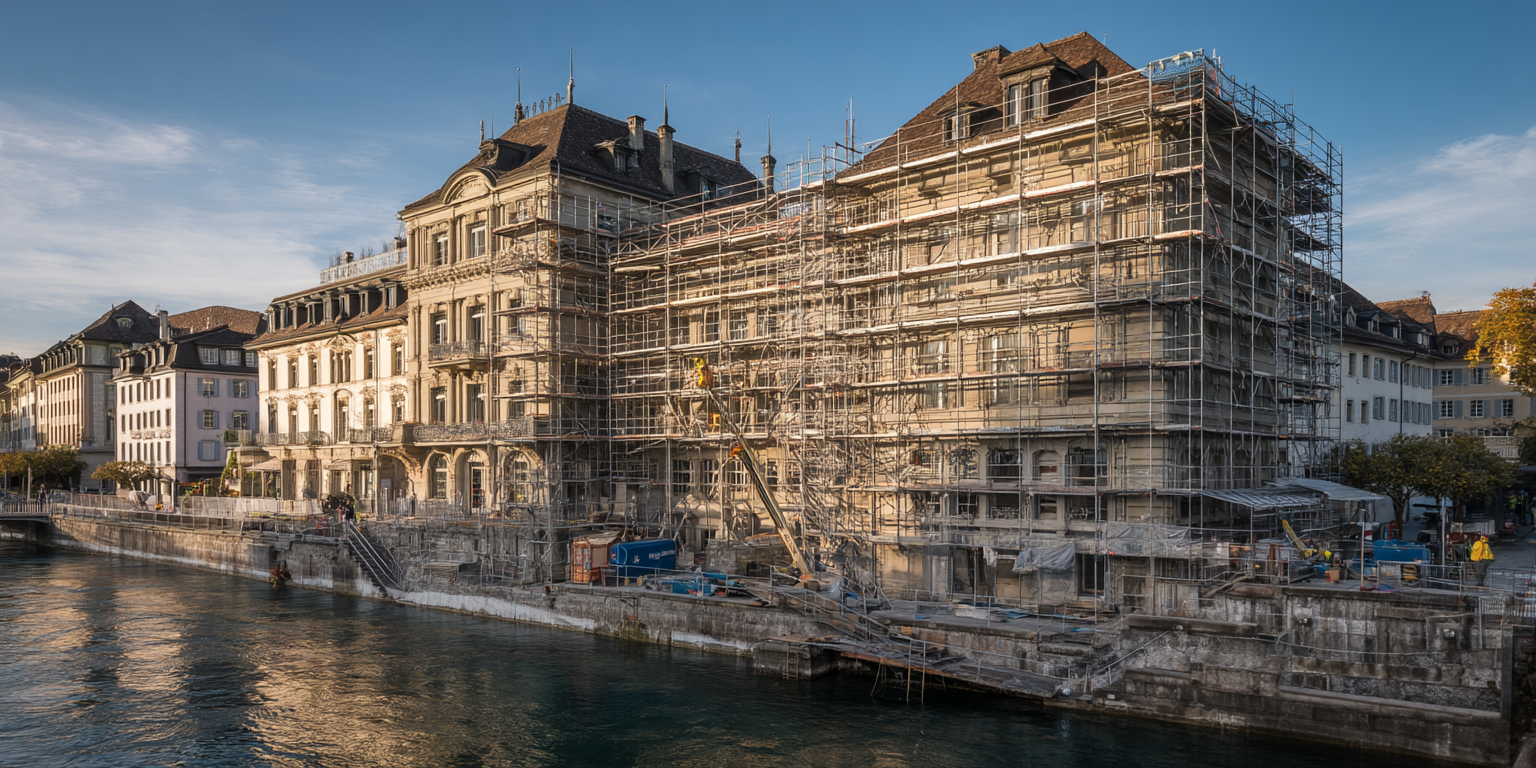
    According to a press release, the Schlieren-based construction company STRABAG AG and its building construction department are taking on “central tasks in the comprehensive renovation of the Landhaus Solothurn”. In addition to measures to modernize the building’s technical infrastructure, including plumbing, ventilation, lighting and stage technology, the focus is on modernizing the heating system.

    This will be converted to resource-saving energy generation by means of a heat pump. Water from the River Aare will be used as a heat source to supply both the Landhaus and adjacent public buildings such as the youth hostel, Kollegium school and municipal theater.

    The location between the old town and the River Aare requires logistical attention. Material deliveries and waste disposal had to take place in the morning so that the riverside promenade could be used as a promenade from midday.

    It was also necessary to take into account the stringent requirements of monument protection. The listed country house is like a “winding architectural work of art with six levels, each with its own renovation requirements”. The approach required “sensitivity” in order to preserve the historical character and the fabric of the building. In particular, the original Solothurn limestone staircases are to be preserved in their uniqueness, it is said. Special protective devices have been created for this purpose.

    Solothurn voters approved the renovation in October 2023. Construction work has been underway since January 2025. Construction is scheduled to end in October 2026. In January, construction site operations will be suspended in consideration of the Solothurn Film Festival 2026.

  • Protect property more effectively against squatters

    Protect property more effectively against squatters

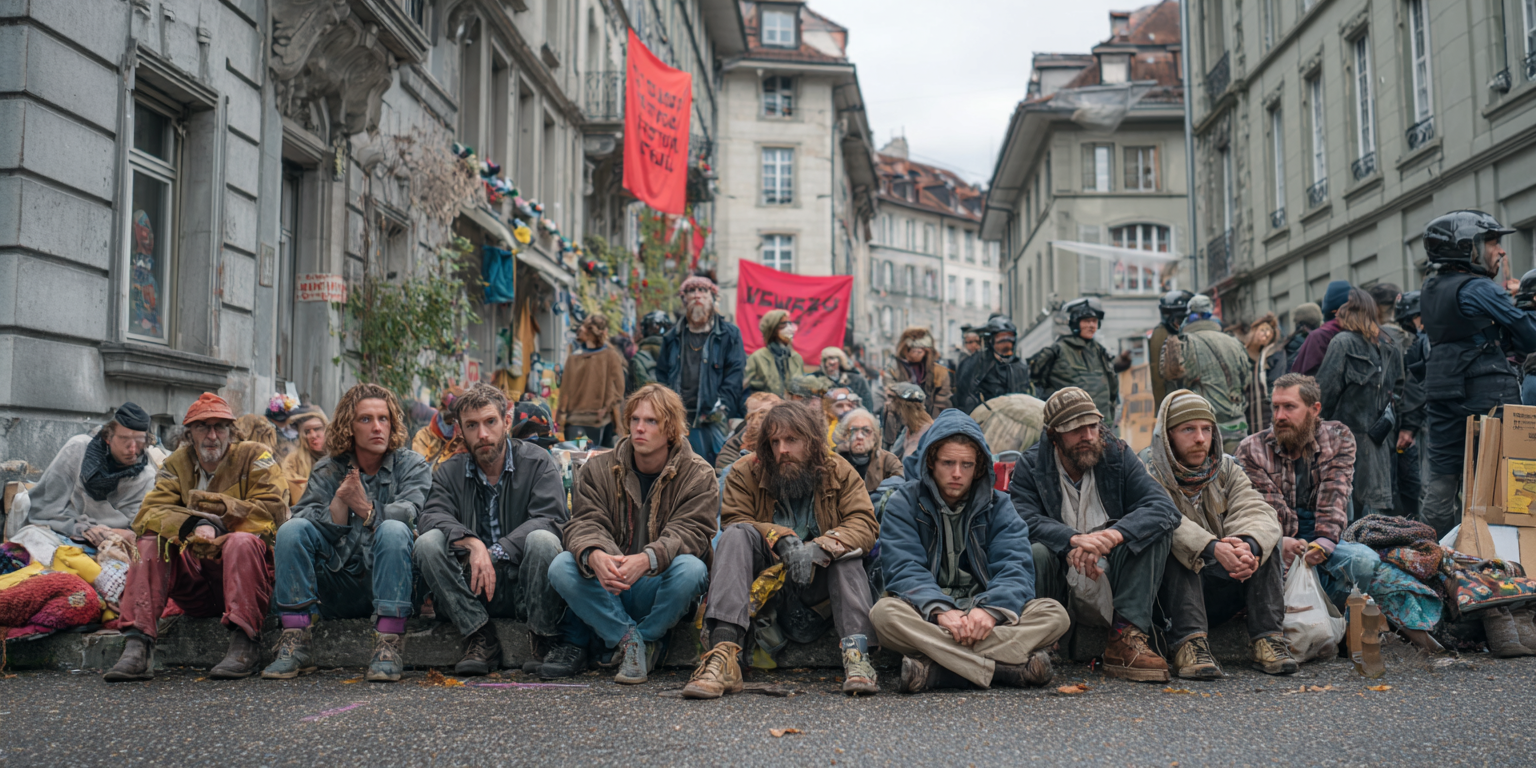
    On Monday, the Council of States adopted the Federal Council’s proposal to amend the Civil Code by a large majority. Owners should now be able to reclaim their property themselves within a “reasonable period” after becoming aware of an occupation. Previously, the condition “immediately” applied. This change gives owners more flexibility and room for maneuver in the event of unlawful occupation.

    Rapid eviction even in the case of unknown squatters
    The second key amendment to the law is also intended to enable homeowners to obtain an eviction more quickly, especially if the number or identity of the squatters is unclear. This should prevent unlawful occupations from continuing in the long term and owners from having to bear high follow-up costs.

    Controversial voices from the Council of States
    However, the bill was not uncontroversial. Carlo Sommaruga, SP member of the Council of States from Geneva, criticized the tightening of the law as superfluous, as many squats are regulated by interim use agreements anyway. According to Sommaruga, rising rents and the housing shortage are much more relevant in this context.

    Further process in parliament
    Although there is still a small difference of opinion between the two chambers, the way has basically been paved for a stronger position for owners in the case of squatting. The bill now returns to the National Council for finalization.