Category: Standorte

  • Master plan for the Jenny site

    Master plan for the Jenny site

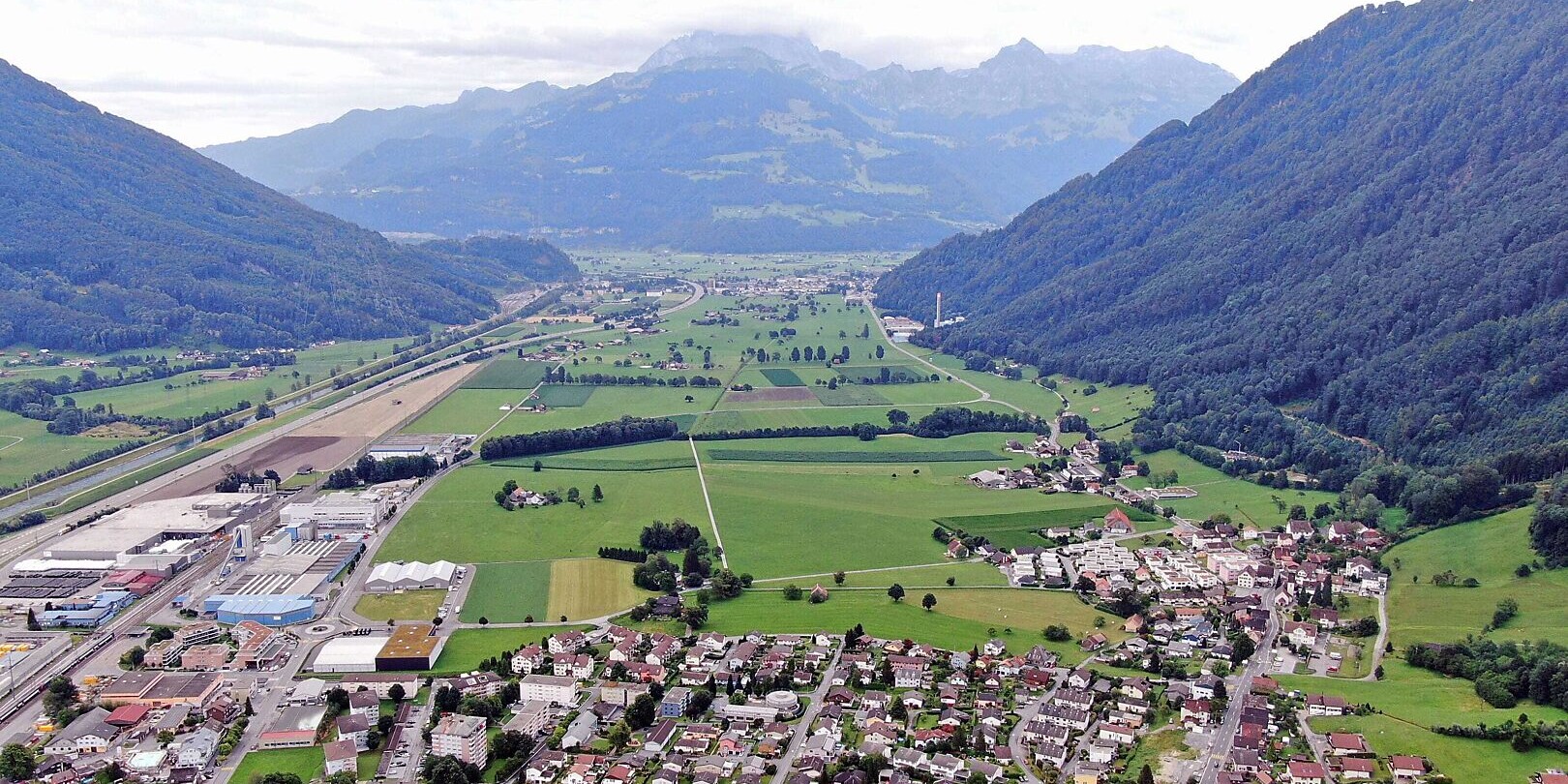
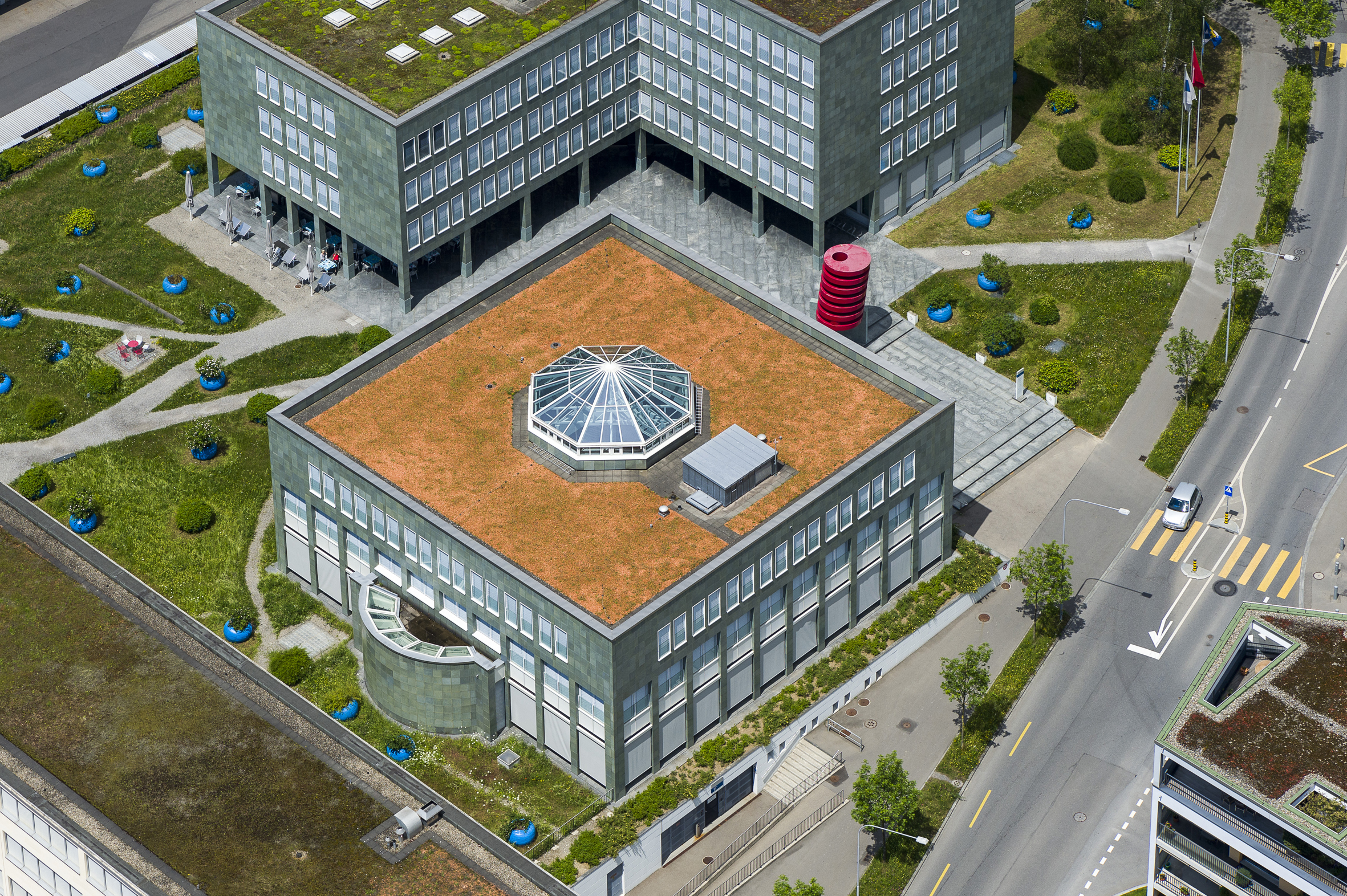
    The approximately 30-hectare Jenny site of Fritz Caspar Jenny AG is deeply rooted in the industrial history of the Glarus region. Where textile production has taken place since 1834, a multi-layered site with new prospects is being created today. The proximity to Ziegelbrücke railroad station, the size of the site and the existing infrastructure make the area a key location for economic and urban development in the canton.

    Planning with vision and participation
    A strategic master plan was developed as part of a multi-stage process, based on comprehensive test planning with four interdisciplinary teams. The resulting findings form the basis for a long-term development that is aligned with regional spatial planning, economic potential and social diversity. The winning design by Blättler Dafflon Architekten with Tony Fretton Architects and Studio Vulkan impressed with its strong combination of nature, building culture and open spaces.

    Diverse use as a location strategy
    The site already combines a variety of uses. From the Carlsberg Supply Company to creative work and residential forms such as Loft Z25 and the Glarus cantonal vocational school. The master plan builds on this diversity and expands it to include new educational, service and residential facilities. A hotel project is also being examined. The aim is to permanently establish and sustainably revitalize the Jenny site as a business, residential and educational location.

    Building culture as an identity-forming element
    Respectful treatment of the architectural heritage is central to the development. The site is part of the inventory of sites worthy of protection in Switzerland. Existing buildings of architectural and historical significance are to be preserved and integrated in a targeted manner. The listed riding stable, for example, is intended to enrich the new site concept as a defining element and contribute to the identity of the location.

    Focus on the legal framework
    The implementation of the master plan requires adapted land use planning. The project is currently awaiting the legal validity of land use planning II of the municipality of Glarus Nord. The first steps towards rezoning have been taken, but key legal requirements are still outstanding. Once this process has been completed, the development potential of the Jenny site can be fully exploited. A decisive step for the future of the site.

  • Swiss tax landscape in transition

    Swiss tax landscape in transition

    In 2025, the average corporate income tax rate in Switzerland fell from 14.6% to 14.4%. The canton of Zug remains the front-runner with just 11.85%, while Bern (20.54%), Zurich (19.61%) and Valais (17.12%) occupy the upper ranks in the tax ranking. At first glance, this is a sign of the attractiveness of the business location, but the dynamics are more nuanced.

    In fact, some cantons have even increased their tax rates slightly. Geneva, for example, rose from 14 to 14.7 percent, while Basel-Stadt will increase its rate to 14.53 percent in 2026. This is due to the introduction of the global minimum tax rate of 15% for companies with high profits. Cantons that were previously regarded as low-tax locations are adapting in order to cushion the threat of the additional tax and retain revenue themselves. For investors, this means that while the tax advantage remains, flexibility is required in order to be able to react to cantonal differences and future adjustments.

    Location remains competitive
    There has also been a slight decrease in the top tax rates for private individuals. From an average of 32.7 percent to 32.5 percent. Geneva (-1.7 percentage points) and Schwyz (-0.61) in particular have lowered their rates. However, the ranking remains stable. Schwyz (21.98%), Zug (22.68%) and Nidwalden (24.1%) remain at the top. Geneva, Vaud and Bern remain the most expensive cantons for top earners. For real estate developers and highly skilled workers, these locational differences in income tax remain a decisive factor, especially for international projects.

    Global minimum tax Stability in Switzerland, uncertainties internationally
    Over 50 countries worldwide have already implemented the minimum tax of 15 percent for large companies. However, the USA, the original driving force behind the initiative, has not yet adopted the OECD guidelines into national law. On the contrary, the new US administration is increasingly questioning the project. Experts such as Stefan Kuhn from KPMG Switzerland emphasize that, in the worst-case scenario, these uncertainties could lead to a return of tax competition or special digital taxes. For Switzerland, however, the signal is clear: the global minimum tax is becoming a reality here too. The stability of implementation and the ability to plan remain a locational advantage over uncertain international developments.

    Cantons boost location attractiveness with targeted projects
    In parallel to the tax adjustments, many cantons are investing in location promotion projects. Lucerne, Basel-Stadt, Zug and others have already adopted programs to support local companies and new relocations. For real estate developers, this means opportunities for new projects, incentives for investment in commercial and residential space and a solid basis for long-term viable business models.

    At the same time, it is clear that it is not tax policy that determines the attractiveness of a location, but also the accompanying measures such as infrastructure, securing skilled workers and digitalization. This is where new spaces for innovative projects are created for developers and investors,

    especially in a market environment that is characterized by growing demands for sustainability and resource efficiency.

    Industrial policy and tariffs
    In addition to taxes, international trade issues are once again gaining in importance. Discussions about US tariffs, bilateral trade agreements and strategic industrial policy are driving reindustrialization worldwide. For Swiss locations, this means that the demand for suitable production and logistics space could increase. At the same time, the protection of strategic industries is once again receiving greater political support, which could open up new areas for investment in high-tech and industrial production.

    Switzerland remains strong – eyes on Ireland and Asia
    In an international comparison, Switzerland remains on a par with other top European locations. Ireland taxes corporate profits at 12.5 percent, Hungary at 9 percent. Guernsey, the Bahamas and the Cayman Islands remain low-tax havens with zero percent, but this is no comparison for Switzerland. Instead, the location competes with attractive metropolises such as Hong Kong (16.5%) or Singapore (17%), which entice with additional incentive programs. China, India and Brazil also continue to rely on other tax strategies with high rates (25-34%), but selectively offer low effective burdens for strategic industries. Switzerland remains competitive and complements this advantage with a stable political and legal framework.

  • Business location and living space Canton Glarus – A truly fabulous lifestyle

    Business location and living space Canton Glarus – A truly fabulous lifestyle

    The canton of Glarus has a long industrial tradition. What impetus are you providing to strengthen economic competitiveness and create sustainable jobs?
    The canton of Glarus has always been extremely business-friendly. We were one of the first Swiss cantons to regulate economic development by law (1978). Glarus is also a Swiss pioneer in social legislation with the Factory Act (1864) and compulsory old-age insurance (1916). Against this background, Glarnerland is traditionally a modern business location with competitive advantages for employers and employees that may only become apparent at second glance. For example, the Glarnerland is large enough to offer companies sufficient space, but also small enough to make decisions quickly and unbureaucratically. The contact point for business provides pragmatic and reliable support to both company founders and existing companies or companies wishing to relocate. In our three large municipalities, which have merged in an exemplary manner throughout Switzerland, investors can find affordable real estate and employers can find well-trained, motivated employees who enjoy living in an intact environment with the advantages of a modern environment.

    How does the Department of Economic Affairs promote innovative digital business ideas?
    On the one hand, the possibilities of digital transformation serve to redesign processes and products, but they also form the basis for the circular economy. This involves both greater resource efficiency and data management. As a result, tomorrow’s employees will know which materials were used in which processes. Supply chains are another opportunity: New digital processes enable a more robust, efficient and transparent supply chain. With this in mind, we are supporting the digital transformation in the Glarus economy with digitalization loans. The funding program has two million francs available until the end of 2027. Funding is available for innovative projects that incorporate new technologies in processes and production, create new products and business models and establish collaborations. Specifically, we carry out an analysis of the current situation in participating companies with the expertise of the Innovation Network Eastern Switzerland (INOS). The analysis is financed by the new regional policy (NRP) and includes an assessment of the current situation, including an action plan and roadmap for implementation. This basis is required for the application for financial support of up to CHF 100,000 for individual companies and CHF 300,000 for inter-company and/or industry-wide projects.

    How do you think the real estate sector will develop in the industrial and commercial sector?
    The pressure from the agglomeration is noticeable in Glarnerland. However, population growth is moderate, which is conducive to sustainable development. The municipality of Glarus North has particularly high capacities in terms of industrial and commercial space, which are currently being used in several projects at the Bilten site. With active land management, we are focusing on sustainable development with high-quality industrial and commercial projects.

    What trends do you see in the development of supply and demand in the residential sector?
    The majority of new residential construction projects are being implemented in the municipalities of Glarus and Glarus North. This also has to do with land use planning, which can take a holistic and progressive view thanks to the municipal merger. In Glarus South, land use planning is still undergoing a challenging political process, which is also being monitored by the canton.

    How can you ensure that the development of the real estate market meets the needs of the population?
    Anyone who lives in one of our 29 villages, towns or districts appreciates the special features of their place of residence. These are reflected, for example, in the location or club life. Life is completely different in Elm or Braunwald than in the cantonal capital or in Näfels. And there again different from the Kerenzerberg or Lake Walen. This creates a sense of identity and solidarity, which keeps people here. This is consistent with the moderate pace of population growth and the comparatively stable real estate prices.

    How can you ensure that your real estate market develops sustainably?
    With our unique combination of closeness to nature and urban proximity, with its manageable size and compact living and economic area, Glarnerland scores highly. Careful management of these advantages is therefore essential – they are our resources, our capital.

    What infrastructure projects are planned by FEDRO and SBB and what potential for improvement do you see?
    Glarnerland is perceived as a rural region, but thanks to its location between Zurich and Chur, it has very good transport connections. The city of Zurich and the airport are only an hour away by car or train, one of the most important north-south axes runs through the canton, and private planes and helicopters can take off and land in Mollis.

    Naturally, the canton of Glarus is also dealing with the increasing mobility requirements. In recent years, the canton has implemented three of four major road construction projects, in particular to provide future-oriented access to the Mollis airfield development focus. The fourth project to optimize access to the industrial area in the south of the municipality of Glarus is currently in the planning phase. The focus of our efforts is close cooperation with the federal government on the bypass projects to relieve congestion on the current main axis. We have received assurances from the federal government that the Netstal and Glarus bypasses will be combined into one overall project under the leadership of FEDRO. The aim is to relieve the canton of Glarus of all its road traffic problems.

    In terms of public transport, we have had a new legal basis for future public transport services since the Landsgemeinde 2025. Our region is already well connected today with direct connections to Zurich and Rapperswil as well as transfer options in Ziegelbrücke to St. Gallen, Chur and Zurich. Our population and businesses depend on this convenience and the continuous half-hourly service agreed at the Landsgemeinde 2025. We are working hard to achieve this with the federal government and in cooperation with SBB and SOB. We are actively cooperating with companies to make commuting by public transport more attractive for employees – for example, the Bonus Pass creates incentives to switch from car to public transport.

    Short distances within and between our localities also play a key role in mobility. For example, it only takes 20 minutes to cycle from Näfels, Glarus North, or from Schwanden, Glarus South, to the cantonal capital. The trend towards cycling is also reflected in the cantonal Cycle Path Act, which was passed by the Landsgemeinde 2024.

    How does location promotion help to present Glarus as a liveable and future-oriented region?
    The canton of Glarus is the third most financially attractive place to live: in addition to low housing costs, we offer a moderate tax burden and comparatively low health insurance premiums. These are our major advantages in terms of financial factors. Added to this is the high quality of the living environment, which combines the advantages of the countryside with urban amenities. This is evident at first glance when you arrive in the canton of Glarus. Together with the impressive mountain scenery, the witnesses of early industrialization shape the landscape and life in our canton. The historic industrial areas, factory owners’ villas and workers’ settlements from the 19th century and the landscape are also the backdrop for films and TV series for good reason. In people’s everyday lives, this is reflected in a contrasting and lively environment with contemporary settlements for professionals and families who value living, working, culture and leisure in our modern communities.
    With this in mind, Glarus has been actively marketing the canton in a targeted manner for over ten years. This year, we are using our role as host of the Swiss Wrestling and Alpine Festival (ESAF) to put the spotlight on the canton of Glarus as a center of life. With the upcoming major event, the whole of Switzerland is turning its attention to the Glarus region. Under the motto “Really fabulous”, the focus is on working, living and leisure. The face of the campaign is the popular Glarus chef and influencer Noah Bachofen. He and his colleague are accompanied on their mission to create an authentic image film about the Glarus region. The campaign aims to make the unique Glarus lifestyle visible and tasty.

    Why do skilled workers stay in the region and what does location promotion contribute to this?
    Of course, a good campaign alone is not enough. The municipal location promotion agencies make a major contribution to the high quality of life. They continue to develop their residential and leisure areas with new projects and in cooperation with investors – examples include the optimally developed development focal points at the Näfels/Mollis and Glarus railroad stations. The municipalities provide modern schools and supplementary family services, operate sports facilities and offer retail, gastronomy, medical care, industry, commerce and culture space for a lively and functioning everyday life. The canton ensures the operation of the cantonal school, the sports school, the vocational schools, the cantonal hospital, security and social services. The lean administrative structures enable an efficient and direct exchange between the cantonal specialist offices and those responsible at municipal level.

    What is your long-term vision for Glarus as a business location?
    In the coming years, it is crucial for the canton of Glarus that the initiated development is implemented in a coordinated manner. It is important to support and accompany the private initiatives and at the same time create the right framework conditions for companies and skilled workers. If this succeeds, the canton of Glarus will be a secure, networked and economically strong canton with a strong middle class, surrounded by unspoiled nature.

    Future-oriented and efficient structures are decisive for the success of a company. This also applies to the public sector. Glarus is the only canton that has consistently adapted its own structures to the new circumstances. With today’s highly efficient administration, we are fit for the future.

  • BeOne Medicines anchors itself in the Basel Area

    BeOne Medicines anchors itself in the Basel Area

    BeOne Medicines, formerly BeiGene, has officially relocated its headquarters to Switzerland. Already present in Basel since 2018, the global oncology company is now permanently anchored in the heart of one of Europe’s most innovative biotech hotspots. Basel not only boasts more than 30,000 highly qualified life sciences specialists, but also excellent conditions for regulatory cooperation and international networking.

    Strategic impetus for research and development
    BeOne pursues a vertically integrated innovation strategy that combines basic research, clinical development and production under one roof. The company has one of the most extensive oncology pipelines in the world. With more than 50 investigational compounds, including a BTK inhibitor already approved in 75 countries, BeOne addresses both hematological diseases and solid tumors. Development is based on future technologies such as multispecific antibodies and protein degradation products.

    Site selection as part of a global expansion strategy
    The Basel Area will thus become the European hub of BeOne’s clinical activities. As early as 2024, 13 new drug candidates were transferred to clinical trials. A peak value even compared to Big Pharma. More than 40 trials are currently underway in Europe, involving over 3,000 patients. BeOne employs more than 11,000 people worldwide on six continents, with a rapidly growing proportion in Switzerland.

    A gain for the location and for investors
    For Basel as a location, BeOne’s decision means a clear gain in international visibility, jobs and investment momentum. For investors and project developers in the life sciences, there are new opportunities along the entire value chain, from laboratory space to clinical study centers and production. The proximity to science, talent and regulatory authorities creates ideal conditions for further growth.

  • Foundation stone laid for cutting-edge biomedical research

    Foundation stone laid for cutting-edge biomedical research

    On May 23, the University of Basel celebrated the laying of the foundation stone for the new biomedicine building on the Schällemätteli Life Science Campus together with project partners and guests from politics and science. From 2030/31, around 700 researchers will have access to a state-of-the-art infrastructure here, the University of Basel announced in a press release. “With this building, we are not only creating space for excellent research, but also promoting close spatial networking between the university, clinics and industry,” Rolf Borner, Director of Infrastructure & Operations at the University of Basel, is quoted as saying in his speech at the laying of the foundation stone.

    In the new Biomedicine building, the University intends to bring together the units of the Department of Biomedicine, which are currently spread across six different locations. It conducts research at the interface between basic science and medical application, mainly on tumor diseases, the immune system, regenerative medicine and neurosciences.

    Construction work on the building, which is over 40 meters high and has eleven floors, has been underway since 2023 and the shell is due to be completed next year. In addition to laboratories, the plans include lecture halls, seminar rooms and a lounge to promote scientific exchange. The project is being realized by the construction and real estate company Implenia from Opfikon as total contractor.

    At the groundbreaking ceremony, the University of Basel also launched the new Basel BioMed Symposium conference series. The first edition on May 23 was dedicated to the value chains of biomedical research.

  • Geothermal energy in underground structures

    Geothermal energy in underground structures

    Engineers from the Laboratory of Soil Mechanics(LMS) at EPFL have investigated the use of geothermal energy in two very different applications: in a subway station and in an underground data center . In this Innosuisse project, the researchers, together with the internationally active engineering firm Amberg Engineering from the canton of Zurich, focused on optimizing air conditioning through the improved use of energy geostructures.

    These are building components that are located in the ground and can be used for heat conduction. These include energy piles, floor slabs and basement walls. The two studies were published in the journal “Tunnelling and Underground Space Technology”.

    The transferable models developed by the team took into account either most of the physical factors of the underground railroad infrastructure or the capacity to dissipate excess heat through geothermal activation, in addition to the geometry of the building and mechanical ventilation.

    Among other things, the researchers found that a geothermal system in an underground data center pays for itself in three to seven years. If geothermal energy replaces the heat generated by gas boilers, annual CO2 emissions at the typical site in this case study could be reduced by 45 percent.

    Sofie ten Bosch, a civil engineer at LMS and lead author of the study, was able to apply her PhD research to two specific applications in these two studies. She says: “The technology to assess the potential of geothermal energy in a given area is now mature and we see that the industry is ready to explore new opportunities for the optimal use of this sustainable heat source.”

  • Financial reality puts an end to visionary spatial concept

    Financial reality puts an end to visionary spatial concept

    “This is the post we never wanted to make,” Tadah introduces a post on LinkedIn in which the founders Klara Zuercher, Diana Wick Rossi, Sarah Steiner and Julia Cebreros announce the closure of their coworking and kids space. According to them, the business model “could not meet the financial requirements” despite high demand and positive feedback. Operations will therefore cease at the end of June.

    Tadah at Albisriederstrasse 253 in Zurich was designed as a “sustainably furnished coworking space for parents, teams and start-ups”, according to Tadah’s self-description. “With full flexibility, including childcare.” With Tadah, the four founders wanted to make a contribution to making Switzerland more family-friendly.

    Tadah has already found a new tenant for the coworking space. The premises will be taken over by Norm Technologies AG as a start-up hub. New tenants have yet to be found for the Kids Space.

  • Glarus renews public transport

    Glarus renews public transport

    With the total revision of the Public Transport Act (öVG), the canton of Glarus is setting a strategic milestone. The new law comprehensively regulates the organization, planning and financing of public transport. The aim is to create a comprehensive, demand-oriented and legally clear mobility infrastructure that is central to the economic development and attractiveness of Glarus as a business location.

    The previous law from 1996 was no longer up to date. Changes in federal requirements, new regulations on compensation for regional passenger transport and technological developments required a fundamental revision. The Government Council therefore involved the Public Transport Commission at an early stage, whose recommendations have now largely been implemented.

    Clear responsibilities, clear perspectives
    One of the main aims of the revision is to clarify the often unclear responsibilities. All public transport matters are now clearly assigned to a competent authority. In future, the cantonal council will have comprehensive planning and management powers via a new public transport concept, which will serve as a strategic guiding document. The Government Council, in turn, can decide on adjustments within its financial competence. The public transport commission will remain in place as an advisory body.

    In future, the actual ordering of transport services will be the responsibility of the relevant department, which must be guided by the adopted public transport concept. The reorganization creates efficiency, transparency and a modern governance structure.

    Relief for municipalities and investment in mobility
    A fundamental system change concerns financing. The canton will now assume all public transport costs that are not borne by the federal government. This means that co-financing by the municipalities is no longer required, including for local and excursion traffic. This means an annual reduction in the burden on municipal coffers.

    At the same time, an important transport and settlement policy principle will be enshrined in law. All villages in the canton should remain accessible by public transport. In addition, the principle of a half-hourly service is assumed, with the possibility of defining exceptions in the public transport concept depending on the situation.

    Rethinking transport – opportunities for the future
    The new law takes account of changing mobility needs. New technologies, changes in leisure and work behavior and demand are fundamentally changing mobility behavior. Even if such services are not yet legally considered public transport, the new Public Transport Act provides scope for innovative developments and their possible integration into future strategies.

    The will to shape the development of Braunwald is particularly evident. Braunwald should continue to be accessible by funicular. Although this is not yet project approval, the direction has been set – a strong signal for tourism too.

    The law comes into force on January 1, 2026. Glarus is thus opening a new chapter in mobility policy. Clearly structured, sustainably financed and ready for the demands of the future.

  • Glarus – truly fabulous

    Glarus – truly fabulous

    The canton of Glarus is also progressive at other levels, for example in terms of digitalization. The MINTGL initiative promotes enthusiasm for the subjects of mathematics, IT, natural sciences and technology among children and young people. Coverage with UHB Internet via mobile communications or fiber optics has increased significantly and is being continuously expanded. And the economy benefits from subsidies for the digital transformation of its products and business models.

    Room for development
    Glarus has exceptionally large reserves of building land as a result of the municipal structural reform. Thanks to its geographical proximity to Zurich, St. Gallen, Graubünden and Liechtenstein, companies have access to the expertise of universities, dynamic economic areas and skilled workers.

    The implemented land use plans in Glarus and Glarus North enable the targeted development of key areas and an unbureaucratic response to the needs of the population and companies. The areas around the Glarus, Näfels and Ziegelbrücke railroad stations offer enormous development potential – in the immediate vicinity of the town center and with excellent transport links. There are 170,000 square meters of land reserves available in the employment zones. At the same time, over 2,000 new apartments are planned in the canton of Glarus – state-of-the-art living space for around 6,000 people. This corresponds to around 15 percent of the current population.

    The contact point for the economy supports investors in their search for suitable sites and land reserves. This is based on work zone management, which provides information on building maturity, development and possible natural hazards. In the case of strategically important sites, the canton can become active itself – either by investing directly in their development or by acting as a partner.

    Skilled workers for success
    If you want to attract companies, you need space – including space for skilled workers. This is exactly what Glarus offers. Here, people have the opportunity to live where they work: to enjoy lunch with the family, to experience nature after work – and all this with a low cost of living, a relaxed real estate market and in a safe, socially intact environment. Glarnerland thus combines the economic strength of the “Greater Zurich Area” with a quality of life close to nature.

    The canton of Glarus is also committed to education and training. With the Work 4.0 pilot project, it is specifically strengthening the employability of skilled workers by co-financing training and further education. This commitment is complemented by three cantonal vocational schools, two technical colleges in Ziegelbrücke and the proximity to the universities and colleges in Zurich, Rapperswil, St. Gallen and Chur. Together with offers in adult education, vocational and career counseling, people in Glarnerland have access to almost every training and further education path. The smartglarus.com platform offers a compact overview of educational opportunities, support programs and services – a digital showcase for anyone who wants to learn, work or develop in Glarus.

    Innovation for the future
    It is often said that innovation mainly originates at universities and colleges. This is only partly true. Start-ups need more than just good ideas: They are dependent on partners from industry and business who can drive product development forward with their experience and know-how. This is exactly what the Glarus economy offers. When it comes to growth, practical factors count: affordable space, qualified specialists and continued access to universities. The canton of Glarus combines all of this. And is therefore an ideal location for start-ups with ambitions.

    Innovation promotion is broadly based in the canton of Glarus – thanks in part to cooperation with strong partners such as InnoSuisse and the Innovation Network Eastern Switzerland (INOS). Start-ups and companies benefit from coaching, expertise and financial support for the development of their products and services. One example: the fast-growing drone manufacturer ANAVIA made a conscious decision to locate in Näfels – a clear sign of how innovation-friendly the Glarus region is.

    Circular economy in the food and packaging industry

    In Glarnerland, the circular economy is a way of life – from the development of energy-efficient machines and innovative packaging solutions to food production and recycling: the economic area combines industrial strength with ecological responsibility. The result is a regional ecosystem that not only thinks about sustainability, but also puts it into practice.

    It all started with Netstal Maschinen AG, which develops high-performance injection molding machines. These are used at Resilux Schweiz AG in Bilten – together with high-precision molds from Glaroform AG. Resilux uses them to produce preforms, i.e. PET preforms, as well as finished bottles. These in turn are filled at the mineral springs in Elm.

    After use, the cycle starts all over again: the empty bottles end up at the Resilux recycling plant, where they are processed back into high-quality recyclate – ready for the next round of production. This creates a regional ecosystem based on innovation, efficiency and resource conservation. The companies benefit from each other’s expertise and thus drive the circular economy forward.

    Rethinking plastics
    Kunststoff Schwanden AG is also part of this sustainable network: it develops and manufactures sophisticated plastic parts using multi-component injection molding – with a focus on recyclates and energy-efficient processes.

    Where ideas take shape in corrugated cardboard and paper runs in circles
    Müller Kartonagen AG supplies customized solutions. Its corrugated cardboard packaging made from renewable raw materials is manufactured regionally – efficiently, in a resource-saving manner and tailored to customer requirements, such as those of Läderach. The raw material comes from the Netstal paper mill, which produces around 50,000 tons of recycled paper every year – from waste paper, most of which comes from Switzerland, and is processed using closed material and water cycles.

    Packaging is just the beginning. In Glarus, the contents are also produced responsibly: In the food industry, regional ingredients meet modern processing – sustainably and efficiently.

    Traditionally, Glarner Schabziger stands for local food production. Today, the spectrum is broader. Foodstuffs from chocolate to salmon are taking the lead. The entire region benefits from the growing potential of the food industry.

    Chocolate art with global success
    Since the invention of the Truffes hollow ball in 1970, Läderach has expanded steadily – and is now present in Europe, Asia and North America. The new factory in Bilten makes it possible to control the entire value chain – from the cocoa bean to the end product.

    Also from Bilten, GUMA AG distributes the traditional Stalden cream – a Swiss dessert classic in four varieties with over 120 years of history.

    Mexican bite with Glarus roots
    MiAdelita has been producing fresh corn tortillas and potato chips since 1995 – and is now the largest supplier of its kind in Switzerland. Now in its second generation of management, the company consistently focuses on regionality: the corn comes from the Landolt mill in nearby Näfels. Together with the delicatessen supplier IMEX, a new production site with around 40 jobs is being built in Bilten.

    North Atlantic salmon from land-based farming
    Swiss Blue Salmon AG is planning the largest land-based fish farm in Switzerland in Mollis. With a market share of seven percent, it will make an important contribution to climate-friendly food supplies. The recirculation system will be supplied with water from Lake Walen and passively cooled – ideal conditions for sustainable salmon farming. The location in the “Biäsche” industrial area also offers first-class transport links to Zurich and Chur.

    High-flyer – the aviation industry in Glarus

    Flying has a long tradition in the canton of Glarus. in 1939, the first flight day attracted thousands of onlookers to watch the daredevils in their flying boxes. Today, aviation is one of the main areas of development in the canton of Glarus. With the zoning of additional building land, the Mollis airfield offers new space for aviation companies.

    The municipality of Glarus North is drawing up a master plan for the structural development of the site by summer 2025. Also in summer, athletes take to the skies at Mollis airfield – and land unerringly in the sawdust: 150,000 visitors are expected every day at the Swiss Wrestling and Alpine Festival (ESAF).

    Flying high – with a firm footing on Glarus soil
    Everything around the Mollis airfield revolves around precision and high-altitude flights. What the companies based here have in common: They use the synergies of a specialized cluster. First and foremost the Kopter Group. The helicopter manufacturer wants to establish itself internationally with the single-engine AW09. The location offers space for test flights, short assembly routes and a technology-friendly environment.

    Anavia is one of the youngest aviation companies in Glarus. The start-up develops unmanned helicopters – such as the HT-100, which flies for up to six hours, carries 60 kilograms and is ideal for border surveillance, infrastructure inspections or rescue missions. Founder and Co-CEO Jon Andri Jörg says: “Glarus is ideally suited to our needs. We have access to highly qualified specialists. And the proximity to Mollis airfield offers an ideal location for both production and testing.”

    Another start-up has made a conscious decision to locate in Glarus in 2025: Marenco Aviation is working on a new generation of lightweight helicopters with a focus on alternative propulsion systems.
    A proven player is Rega, which has been operating its own base in Mollis since 2010. The strategically favorable location allows for quick missions in the Alps. The expansion into a permanent station shows how central the location has become for air rescue.

    Heli-Linth AG has been operating here since 1972. It flies tourists over glaciers, supplies alpine huts, transports materials – and occasionally rescues cows from rough terrain. Comprehensive aircraft management is provided by the internationally active Linth Air Service AG, which has been anchored at the site for over 20 years. The Ecoflight flight school also takes off from here.

    Only Sauter, Bachmann AG remains on the ground, and with good reason: the Netstal-based specialist for gears and drive systems also supplies the aviation industry and benefits from direct contact with partners at the airfield, the technical expertise in the region and the industrial tradition of the Glarus region.

    Together, these companies focus on quality, proximity and a clear commitment to the Glarus region. They take off and yet remain grounded.

  • Study shows potential for renewable energy in Frauenfeld

    Study shows potential for renewable energy in Frauenfeld

    The municipal utility company of Frauenfeld, Thurplus, and researchers from the Swiss Federal Laboratories for Materials Science and Technology (Empa) have presented the results of a two-year study entitled “Energy Perspectives 2050”. As detailed in a press release, the study developed scenarios that show which technologies, energy requirements and infrastructures could be used to achieve net-zero emissions in the specified period.

    According to the study, 80 percent of buildings in Frauenfeld are still heated with oil or natural gas. However, decarbonization could be achieved with the technologies already available today, such as district heating, heat pumps, photovoltaics and battery storage. However, to replace the existing fossil heating systems by 2040, 250 buildings a year would have to be equipped with renewable heating technologies. District heating plays a central role here, but solar systems also have great potential. Solar energy, which currently covers 18 percent of Frauenfeld’s electricity requirements, could be increased almost fivefold by 2040, according to the press release.

    The study was carried out in collaboration with Urban Sympheny AG, a spin-off of Empa. The project was supported by the Swiss Federal Office of Energy (SFOE), the Office for Energy of the Canton of Thurgau and the Office for Building Construction and Urban Planning of the City of Frauenfeld.

  • Opening of the sound house at Schwendisee

    Opening of the sound house at Schwendisee

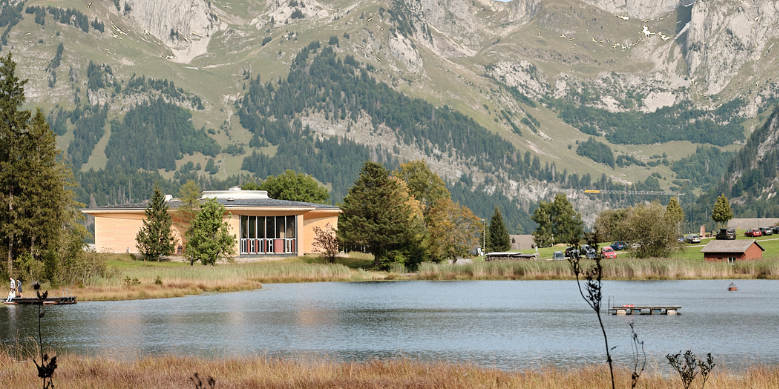
    With the Klanghaus, Toggenburg has gained a cultural landmark that radiates far beyond the region. Built from wood and embedded in the pre-Alpine landscape, the Klanghaus is not only an acoustic space, but also a platform for encounters, creativity and sound research. Four specially designed sound rooms and two outdoor stages offer space for rehearsals, concerts, workshops and sound experiments, open to professionals and amateurs alike.

    From idea to reality
    The vision of a building that makes sounds audible and tangible was sealed in 2019 with a referendum. After intensive political and social preparatory work, construction work began in 2022. With investments of 23.3 million Swiss francs, a project was realized that embodies progress in rural areas in an exemplary manner. The Klanghaus is an expression of courage and appreciation for the cultural heritage and innovative spirit of Klangwelt Toggenburg.

    More than just a building – an impulse for the region
    The Klanghaus has an impact beyond the artistic sphere. It strengthens cultural tourism, creates resonating spaces for new guests, revitalizes local businesses and inspires people to engage with sound, space and identity. As a bridge between tradition and modernity, it promotes social dialog in the heart of nature.

    Opening with a variety of sounds and encounters
    The public is invited to the grand opening weekend on May 24 and 25, 2025. The highlight is a music marathon with twelve hours of live concerts, from yodeling and gospel to youth music and indie rock. Admission is largely free and the Klanghaus will be an experience for everyone.

  • An attractive environment for companies and private individuals

    An attractive environment for companies and private individuals

    The combined tax burden for companies in Switzerland is between 12 and 24 percent, depending on the canton. The reason for this is the tax autonomy of the cantons, which specifically create attractive framework conditions in the competition between locations. Economically strong cantons such as Zug, Schwyz and Nidwalden rely on low corporate taxes to encourage companies to settle here.

    Since the STAF tax reform (2019), companies have benefited from further advantages. These include the patent box, which taxes income from patents at a preferential rate, as well as deductions for research and development, which is particularly relevant for technology-oriented companies. Holding companies also benefit from special tax regulations, which makes Switzerland attractive for globally active companies.

    Tax framework for private individuals
    Private individuals also benefit from a moderate tax burden. Federal tax on income is a maximum of 11.5 percent, supplemented by cantonal and communal levies. Many cantons have a flat tax progression, which means that even higher incomes are subject to a low tax burden by international standards.

    Wealth tax is usually less than one percent. There is no inheritance tax at federal level and some cantons offer regulations for wealthy newcomers. Foreign nationals without gainful employment in Switzerland can benefit from lump-sum taxation.

    Value added tax as a locational advantage
    With a rate of 8.1 percent, Swiss VAT is one of the lowest in Europe. A clear advantage over countries such as Germany (19 %) or France (20 %).

    International developments in view
    International pressure, particularly from the OECD and the EU, is demanding adjustments to prevent tax competition. Switzerland is responding with reforms, but without giving up its attractiveness as a business location.

  • Zurich Airport tests solar fences

    Zurich Airport tests solar fences

    Flughafen Zürich AG in Kloten wants to come closer to its net-zero target for company emissions by 2040 with a significant expansion of renewable energies. According to a press release, photovoltaic systems are to be significantly expanded. In addition to systems on roofs and facades, the airport is now testing the installation of solar fences. The first system has been installed next to the airport’s heating center.

    The vertically mounted panels offer several advantages. As they can be exposed to solar radiation on both sides, the electricity yield is increased by 10 to 30 percent. This means that electricity production can be extended throughout the day. At the same time, the solar panels serve as a security fence for the airport area.

    “As a first step, we want to gather experience with the vertical solar systems and check whether this technology could be considered for other locations. Parking lots, for example, are conceivable. The test phase will last at least a year in order to be able to map the seasonal effects,” Guido Hüni, Head of Energy and Decarbonization at Flughafen Zürich AG, is quoted as saying in the press release.

    Photovoltaic systems are currently installed on twelve building roofs. Further locations are being examined in a feasibility study. Among other things, glare safety for pilots and the tower must be guaranteed. By 2040, the airport’s photovoltaic systems should produce enough electricity to supply 5,000 households.

  • Freiburg defies global uncertainties

    Freiburg defies global uncertainties

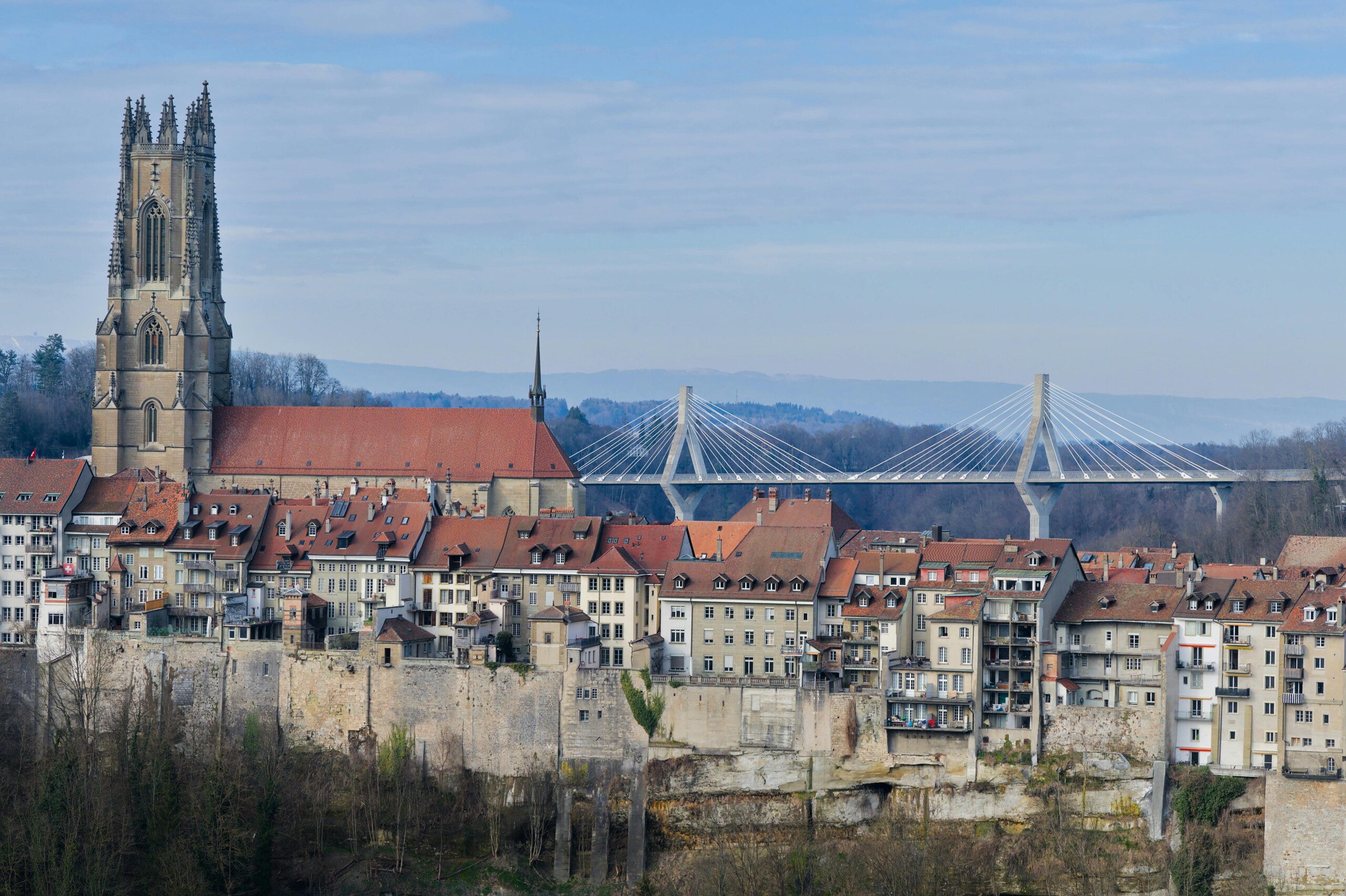
    Despite global turbulence, increased protectionism and new tariffs imposed by the US government, Fribourg’s economy is holding its own with impressive stability. The Economic Development Agency of the Canton of Fribourg supported a total of 32 business projects in 2024, including 16 new relocations. These projects secure over 1,000 jobs and create 527 new jobs in the medium term, combined with investments of CHF 116 million.

    Employment growth in the canton is now outstripping population growth. Fribourg’s gross domestic product rose by 27.5 % between 2011 and 2024. A clear sign of sustainable value creation despite global uncertainties.

    Successful location development and investments
    The new settlements are equally divided between Swiss and international companies, including those from Belgium, Brazil, Germany, France, Ireland, Italy and the USA. At the same time, the new cantonal implementation program 2024-2027 of the new regional policy was launched, which sets strategic priorities in the bioeconomy, digital transformation, Industry 4.0, tourism and entrepreneurship with 19 funded projects.

    For Olivier Curty, State Councillor and Director of Economic Affairs, these results underline the relevance of a consistently pursued economic strategy that strengthens Fribourg as a business location even in challenging times.

    bluefactory and EPFL as engines of growth
    The bluefactory innovation quarter is developing rapidly. With the inauguration of Building B and its almost complete occupancy by 17 companies and 340 workplaces, Fribourg is being further strengthened as a technology hub. At the same time, EPFL is expanding its commitment – six new chairs in the field of sustainable construction are to be created by 2030. Construction of the new Smart Living Lab experimental building is scheduled to begin in 2025.
    This dynamic consolidates Fribourg’s position in the field of the built environment and underlines the canton’s commitment to sustainability and innovation.

    Strategic successes in the life sciences sector
    A milestone in 2024 was the establishment of Cellap Laboratoire AG in Châtel-Saint-Denis. With more than 4000 m² of production space and ambitious growth targets in international markets, the company is providing new impetus in the cell cosmetics sector. The life sciences are becoming the mainstay of Fribourg’s economy and already account for 10% of the canton’s GDP – a result confirmed by a study by BAK Economics.

    Jerry Krattiger, Director of the WIF, emphasizes that the bioeconomy and life sciences remain strategic priorities. At the same time, other key areas such as Industry 4.0 are being actively promoted in order to further expand the canton’s economic diversity and resilience.

    Vigilance and adaptability as success factors
    The Department of Economic Affairs and Vocational Education and Training remains vigilant in the face of global uncertainties. With proven instruments such as short-time work compensation, Fribourg is able to react quickly to economic fluctuations and ensure the stability of the economic structure.

  • Recovery despite noise pollution

    Recovery despite noise pollution

    Cities are growing, noise levels are rising and natural recreational areas are shrinking at the same time. A comprehensive study by Empa and the Swiss Federal Institute for Forest, Snow and Landscape Research has now shown for the first time in Switzerland how crucial green environments are for coping with stress in noisy cities. Physical and mental recovery processes are significantly promoted by access to green spaces, and this effect can even be measured in the long term.

    Virtual realities prove real effect
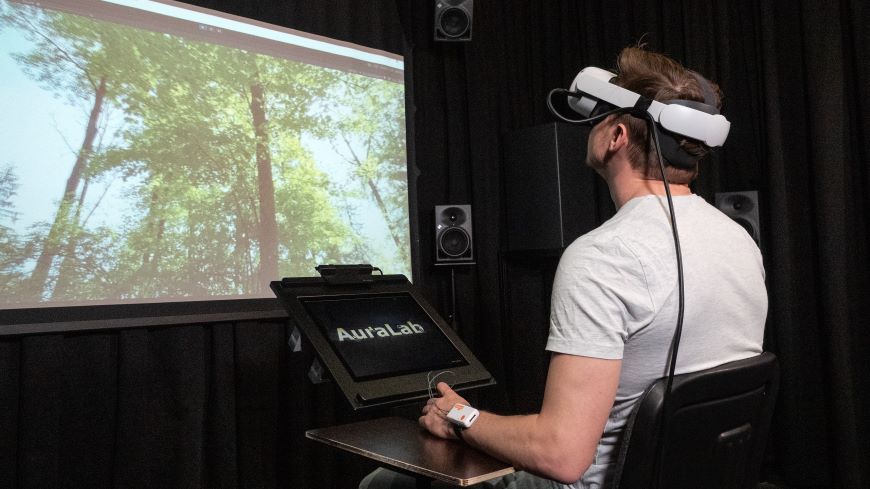
    In Empa’s Auralab, test subjects were immersed in various environments using virtual reality, from quiet urban landscapes to near-natural scenarios. After a targeted stress phase, triggered by cognitive tasks under traffic noise, a clear trend emerged. Natural soundscapes such as forests or lakes reduced physiological stress more than urban settings. Sweat production on the fingers and cortisol concentrations in saliva clearly demonstrated the effect on the body.

    Long-term study confirms sustainable recovery
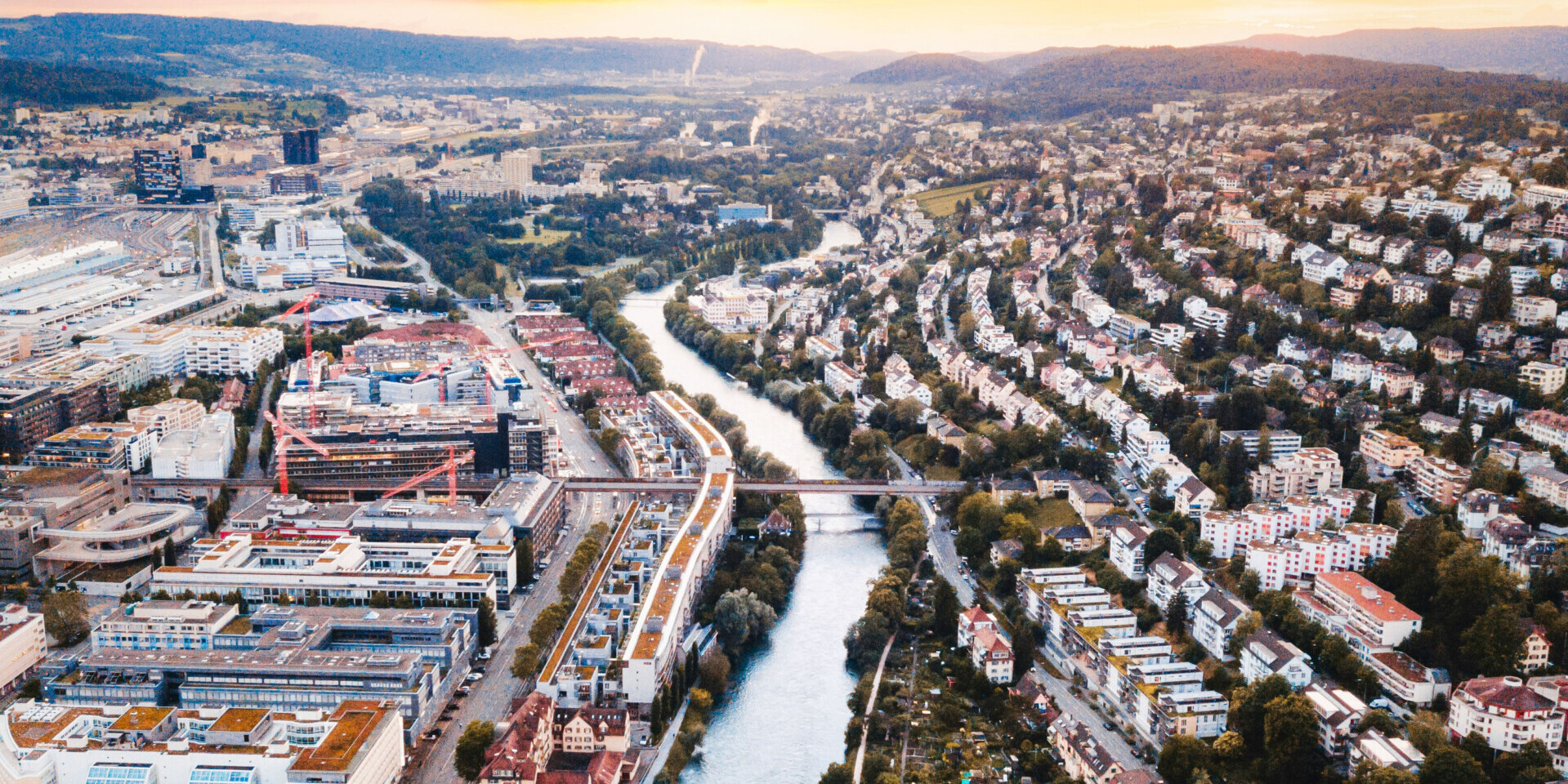
    The findings from the laboratory were also confirmed in field research. A study with over 230 participants in Zurich showed that green spaces in the neighborhood reduce chronic stress levels. Hair samples showed a lower concentration of the stress hormone cortisol in people living in green and quieter environments. Even moderately greened urban spaces can therefore make a significant contribution to long-term stress management.

    Guide to healthy cities of the future
    The RESTORE project (“Restorative green spaces in noise-polluted areas”) summarizes the results of the four sub-studies and provides an important basis for policy, urban planning and health protection. In particular, the findings should influence the further development of Swiss noise legislation as well as spatial and environmental planning. At a time when three quarters of the European urban population is affected by noise pollution, the integration of green spaces opens up new perspectives for a resilient, liveable urban future.

  • Greater Zurich Area first-class economic area

    Greater Zurich Area first-class economic area

    The economic area around Zurich spans several cantons and is a hotspot for future-oriented industries. In addition to its role as a global financial center with excellent FinTech expertise, the region offers a dynamic ecosystem for technology companies that benefit from stability, trust and an innovation-friendly environment.

    Top scientific location with a global impact
    Research institutions such as ETH Zurich and the University of Zurich are drivers of scientific progress. They shape the region in areas such as life sciences, robotics and artificial intelligence. The close exchange between universities and companies promotes innovation and accelerates the implementation of marketable solutions, a decisive locational advantage in global competition.

    Attractive for companies, convincing for skilled workers
    Clear political conditions, a transparent legal system and attractive tax conditions create an investment-friendly climate. Companies also appreciate the excellent infrastructure, short decision-making processes and access to a highly qualified workforce. The international orientation of the population also strengthens competitiveness.

    Quality of life as a strategic success factor
    The region is not only convincing economically. It also offers an environment with a high quality of life. International rankings regularly place Zurich among the world’s most liveable cities. This environment attracts skilled workers and entrepreneurs and promotes long-term loyalty to the location.

    Future-oriented, sustainable and digital
    The area makes targeted investments in sustainable development, digital infrastructure and technological topics of the future. Commitment in areas such as renewable energies, low-emission mobility and intelligent urban development make the region a pioneer of sustainable transformation, setting an example beyond the country’s borders.

    SMEs as a pillar of economic strength
    In addition to global companies, the region is characterized by a strong SME sector. Highly specialized SMEs strengthen the diversity and innovative power of the economic area and complement the industrial ecosystem with flexibility and niche expertise.

  • Bernese Oberland economy records successful 2024

    Bernese Oberland economy records successful 2024

    In its recently published Annual Report 2024, the Bernese Oberland Economy looks back on a successful year in which the focus was on networking and projects. According to a press release, the association was able to provide impetus for the further development of the region “despite challenging conditions”.

    Events such as the community forum, the business meeting and the tourism forum contributed to this. At the same time, important projects continued. For example, the digital apprenticeship platform Lehre BeO was reportedly further professionalised and the consultation room model project for basic medical and neighbourhood care was expanded. In addition, initial clarifications have been made on promoting the circular economy in the Bernese Oberland.

    President Marianna Lehmann will lead through the agenda items for the last time at the 105th General Assembly on 8 May in Interlaken. The former mayor of Wilderswil BE has been a member of the Board of the Bernese Oberland Economy since 2019 and its head since 2021.

    The association’s board is proposing Thun councillor and entrepreneur Carlos Reinhard as her successor. He has held the 2nd Vice-Presidency since 2024. Interlaken entrepreneur Patrick Gurtner is to be elected as a new member of the Board of Directors and also take over the 2nd Vice-Presidency.

    “Our strength lies in our diversity,” says Reinhard. “I want to make this visible and develop it further together with all regions. “The Bernese Oberland should remain economically strong, attractive for tourism and a place worth living in – that’s what I’m committed to.”

  • Economic development as a bridge between municipalities and companies

    Economic development as a bridge between municipalities and companies

    The Unteres Bünztal region now has its own specialist office to promote the regional economy. The Bünztal Economic Development Agency commenced its activities at the beginning of April, the new agency announced in a press release. “With the new economic development agency, we are strengthening our region in the long term and sending out an important signal for future-oriented economic development,” said Arsène Perroud, President of the Lower Bünztal Regional Planning Association.

    Claudia Heger will take over the management of the Bünztal Economic Development Agency. The 37-year-old business economist studied public and non-profit management in particular. Heger has gained extensive experience in location promotion in previous roles, including for Wirtschaftsregion ZUGWEST and IDEE SEETAL, according to the press release. “I am looking forward to working with the municipalities, companies and partner organizations to further develop the economic potential of the Bünztal region and make it visible,” the new Head of Economic Development Bünztal is quoted as saying.

    Bünztal Economic Development is to act as a “bridge builder between the economy, authorities and educational institutions”. Current tasks relate to the cantonal development focus Wohlen-Villmergen and the Wil/Huebächer business park. The Unteres Bünztal region includes the Aargau municipalities of Büttikon, Dintikon, Dottikon, Hägglingen, Hendschiken, Othmarsingen, Sarmenstorf, Uezwil, Villmergen, Waltenschwil and Wohlen.

  • New gastronomic experience at Zurich Airport

    New gastronomic experience at Zurich Airport

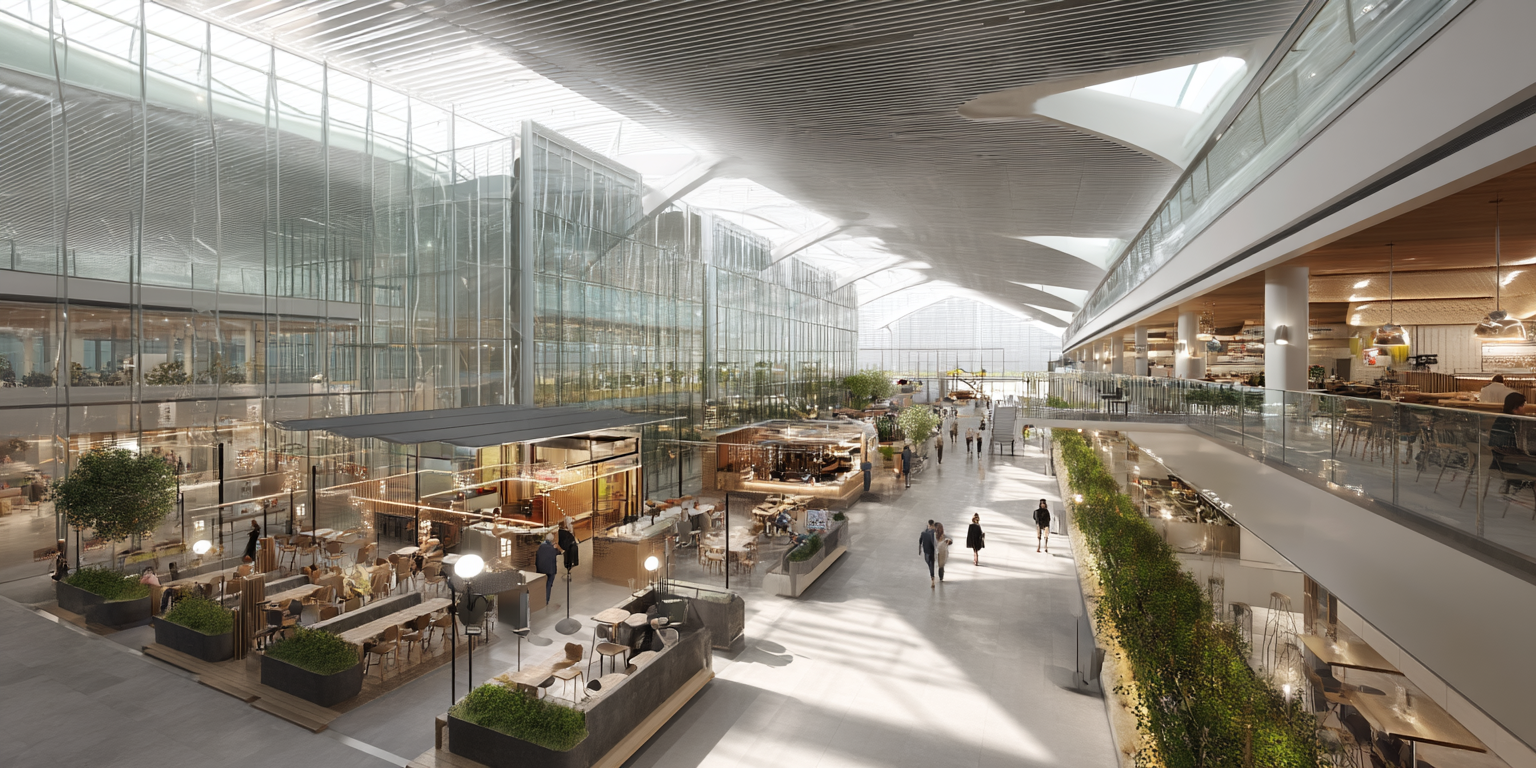
    The new TREATS food hall planned at Zurich Airport will be operated by the food collective ag, according to a press release. Food collective is part of the event management company Pointbreak Group in Zurich. The new 2,000 square meter Foodhall TREATS building is part of the comprehensive renovation of the shopping area at the airport. The opening is planned for fall 2027. Gastronomes can now apply to offer their products there. The total investment amounts to around CHF 250 million and will be borne by Flughafen Zürich AG.

    TREATS will offer over 1,000 seats on around 2,000 square meters, making it one of the largest food halls in Switzerland, according to the press release. The twelve-metre-high hall has two levels and offers 16 food stalls, changing food trucks, four bars and a café. There is also a stage for events and several outdoor terraces.

    The new food hall is being built between the P1 and P2 parking garages on the bus station level and connects various areas from shopping to arrivals and departures to the train station, the Circle and the parking garages. A total of five entrances and exits will provide direct accessibility from different sides.

    “At TREATS, the focus is on enjoying food and being together – true to the motto: Treat yourself!”, Stefan Gross, Chief Commercial Officer of Flughafen Zürich AG, is quoted as saying.

  • The future of location promotion in the canton of Zurich

    The future of location promotion in the canton of Zurich

    Together with Markus Müller, you have been co-heading the location promotion of the Canton of Zurich for over 15 months.
    What insights have you gained?
    Zurich stands out within Switzerland due to its economic size. This also means that we are not only heavily involved in cantonal issues, but are also active on the national and, in some cases, international stage. For example, we promote Switzerland as an AI location or share our findings on AI applications in the economy with international partners.

    At the same time, I find the close cooperation between business, science and administration as well as politics to be expedient when it comes to creating sustainably attractive framework conditions.

    Could you give us a brief overview of the current priorities of location promotion in the Canton of Zurich?
    The central focal points are:

    As just mentioned, the development of attractive, long-term location factors. Through close dialog with business and science, we identify trends at an early stage and provide targeted impetus for location development.

    Promoting innovation and strengthening our key sectors of finance, ICT, life science, food, clean and high-tech.

    Maintaining and strengthening the diversity of the industry structure. In this context, we also support companies that want to locate here – from the search for a location to obtaining permits.

    Our projects, programs and initiatives are based on these three pillars.

    What are the long-term visions of the cantonal location promotion department with regard to location development?
    The attractiveness of a business location depends on a number of different location factors. These range from target group-friendly regulations and digital government services to strong innovative power and the sustainable design of economic areas.we are pursuing the goal of being an attractive, leading and future-oriented innovation and business location with international appeal for companies and the population.

    Zurich is one of the most expensive places to live in the world. The high real estate prices and rents are also becoming an increasing burden for companies. What can location promotion do about this?
    We are committed at various levels not only to the attractiveness and prosperity of the economic area, but also to a high-quality and excellent quality of life. In this respect, the availability of living space also plays a role. One concrete application can be found, for example, in our Innovation Sandbox for artificial intelligence. In the current phase, we are supporting the use of AI in planning applications. We hope that the results will help us to find ways of reducing the building backlog and streamlining the building permit process.

    Housing subsidies are also located at official level. It promotes the provision of affordable rental apartments with attractive loans.

    The ageing population is affecting the real estate sector and the labor market. What significance does this fact have for the canton of Zurich and how can you respond to it?
    The topic of demographic shifts and the widening labor market gap has been on our minds for some time at various levels. Over the next few years, many experienced workers will retire – this will increase the competition for talent.

    On the one hand, we are working on various projects in the area of recruiting and retaining skilled workers and labor market participation. At the same time, we are currently developing new overarching approaches to demographics that will have a longer-term impact. One thing is clear: tackling the challenge of demography must be approached from a systemic perspective, meaning that many parties and stakeholders need to be brought to the table.

    How do you see the role of the canton in the Greater Zurich Area economic region?
    The Greater Zurich Area is one of the most innovative business locations in Europe – and the canton of Zurich plays a central role in this. As a leading innovation location, we create the framework conditions that companies need to develop successfully. Ultimately, the other cantons within the Greater Zurich Area also benefit from our strong position.

    As the economic engine of Switzerland, the Canton of Zurich is also the largest provider of funds for the Greater Zurich Area as a business location. At the same time, our Chief Executive Officer, Government Councillor Walker Späh, is President of the Board of Trustees of the Greater Zurich Area Business Location. The Canton of Zurich is also actively represented in the Greater Zurich Area economic region by the two cities of Winterthur and Zurich. This allows us to optimally represent our interests and coordinate the activities of the Greater Zurich Area as a business location with our own.

    How does the cooperation with other cantons within the Greater Zurich Area business location work?
    What joint projects are currently underway?
    Cooperation within the organization of the Greater Zurich Area business location focuses primarily on issues relating to relocation. We work very closely with other cantons in various other constellations and committees. For example, in the Zurich metropolitan area, but also on a smaller spatial level, such as in the Limmat Valley. However, not all cantons are always members of the Greater Zurich Area business location.

    Current cooperation projects include the 2nd phase of the Innovation Sandbox for Artificial Intelligence, which also includes the aforementioned building permit project, and the repositioning of the Limmatstadt regional location promotion program, in which we are thinking beyond the cantonal borders in functional areas and looking for solutions.

  • Innovation Park Ticino strategic project for the future

    Innovation Park Ticino strategic project for the future

    The Switzerland Innovation Park Ticino will be located on a 25,000 square meter site in the middle of the new quarter. The proximity to Bellinzona railroad station and excellent connections to the economic centers of Zurich and Milan make the location particularly attractive. The historic “cathedral” of the former workshops in the center of the quarter will be preserved and integrated into the modern cityscape as a landmark of the industrial past.

    Promoting research and development
    The innovation park will become a hub for cutting-edge research projects and business collaborations. Competence centers for drone technology, life sciences and lifestyle tech are planned. These are intended to strengthen the region’s innovative power and intensify cooperation between start-ups, established companies and academic institutions. The Life Sciences Competence Center, for example, will open up new avenues in biotechnology and work on animal-free drug testing.

    A strategic joint project
    Funding is provided by a broad partnership of public and private stakeholders, including the canton, BancaStato, industry and business associations as well as renowned universities such as the Università della Svizzera italiana (USI) and the SUPSI University of Applied Sciences. Switzerland Innovation Park Ticino SA was founded as a non-profit organization and will manage the development of the park.

    Stimulus for the economic development of Ticino
    With the official recognition by the national innovation network Switzerland Innovation, Ticino will be closely networked with the Innovation Park Zurich. This collaboration is intended to create synergies between the two regions and promote the exchange of knowledge between research and industry. The link to the MIND Milano Innovation District underlines the international focus of the project and strengthens Ticino’s competitiveness as a high-tech location.

    State Councillors Christian Vitta and Marina Carobbio Guscetti emphasize the strategic importance of the innovation park for Ticino. For Ticino as a business location, the innovation park is a strategic project for the economic development of the canton. The aim is to establish the region as an innovation hub, create highly qualified jobs and attract investment. The Switzerland Innovation Park Ticino will thus become a key driver of economic and technological development in the region and consolidate Ticino’s position as a major player in the Swiss innovation ecosystem.

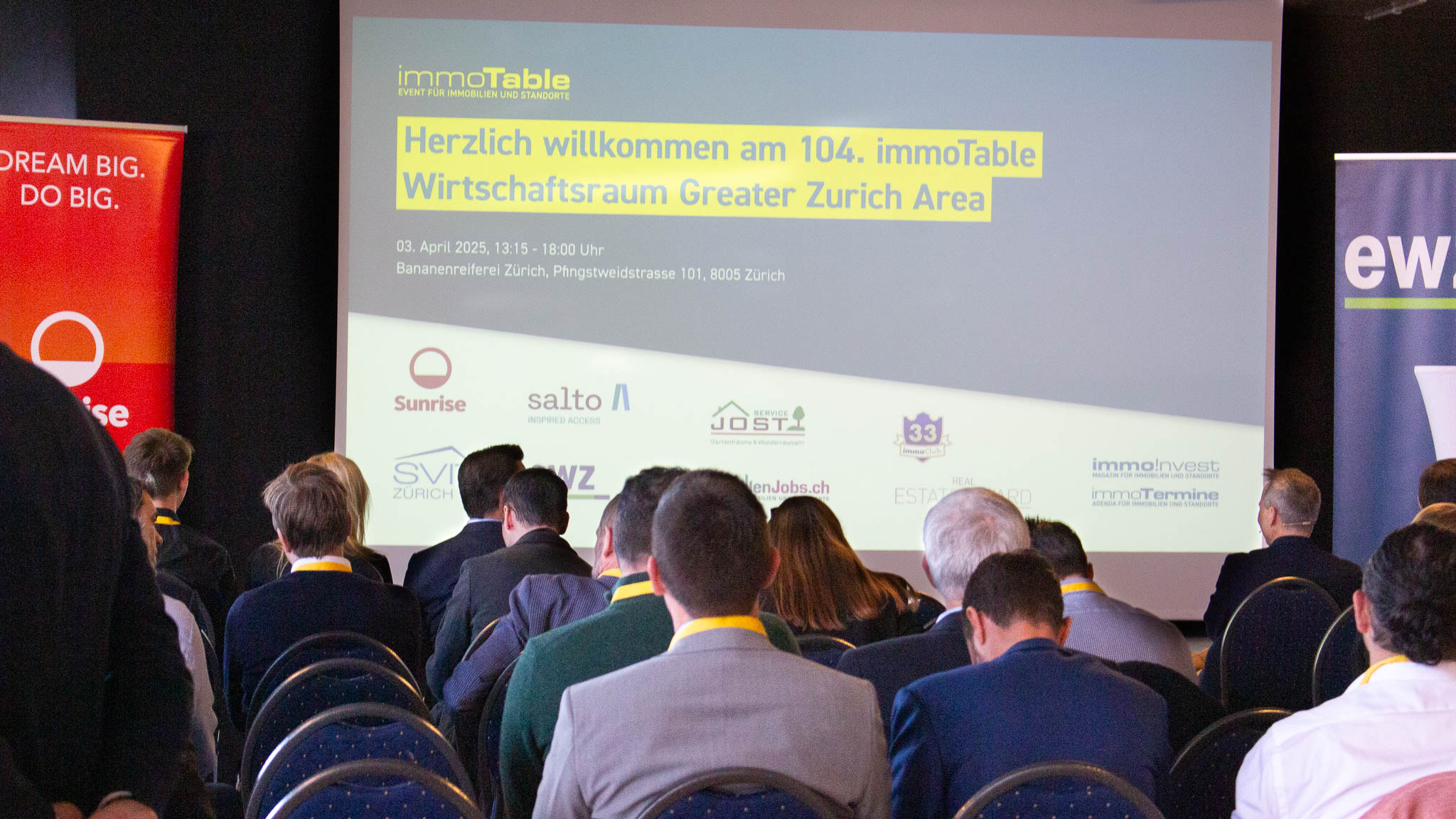
  • The 104th immoTable focuses on energy, location attractiveness and innovation

    The 104th immoTable focuses on energy, location attractiveness and innovation

    [smartslider3 slider=”46″]

    Setting the course for strong locations
    Samuel Mösle, Co-Head of the Zurich Cantonal Economic Development Agency, opened the event with a comprehensive overview of the situation. He outlined the current challenges in a global context and emphasized the role of the construction industry in the further development of Zurich as a business location. Topics such as digitalization, artificial intelligence and securing affordable housing play a central role in this. The aim is to further raise the profile of the canton of Zurich as an innovative and competitive economic area.

    Björn Slawik and Frank Koster from ewz presented the prospects for a decentralized and sustainable energy world. The focus was on the dynamic development of the Swiss solar market and new regulatory framework conditions from 2026. The introduction of local electricity communities, such as the ewz.solarquartier concept, will strengthen self-consumption of solar power at district level. The aim is to make efficient use of surpluses and promote the construction of new solar power plants in a market-oriented manner.

    Jan Frenzel from SMG illustrated how AI-supported systems are revolutionizing the world of customer relationship management. In addition to comparing CRM and ERP systems, he highlighted the potential of SaaS solutions for automating business processes. With intelligent tools, customer needs can be identified even more precisely in future – a key factor for positioning on the market.

    Location development and future trends
    Under the title “How can locations remain attractive?”, Beat Bachmann (Canton of Zug), Jakob Bächtold (House of Winterthur), Marc Lyon (Implenia Schweiz AG) and Albert Schweizer (City of Schlieren) discussed the future viability of locations. The topics ranged from demographic change and new forms of living and working to the question of how innovation and sustainability can be specifically incorporated into site development. The discussion showed that successful locations today have to offer more than just infrastructure. They need identity, networking and visions for the future.

    Outlook for the Real Estate Award 2025
    Mara Schlumpf provided information about the upcoming Real Estate Award, which will take place on October 2, 2025 at Trafo Baden. Outstanding projects and personalities from the real estate and construction industry will be honored in five categories. The event promises not only a gala with a networking character, but also exclusive visibility for innovation and quality in the industry.

  • Zurich as a business location – fit for the future?

    Zurich as a business location – fit for the future?

    You head the Office of Economic Affairs of the Canton of Zurich. What are your responsibilities in this role and how can you influence economic development?
    The Canton of Zurich is a leading business location with international appeal. As the Office of Economic Affairs, we help to ensure that it remains competitive in the future, promotes innovation and generates sustainable added value.

    Thanks to a strong team with wide-ranging expertise in various areas and in-depth specialist knowledge, we strengthen the business location and support companies in various phases. We use our knowledge and experience in a targeted manner to analyze and develop the economic framework conditions and respond to new challenges. In close cooperation with the business and scientific communities, we analyze location factors and provide impetus to position Zurich as an attractive location for companies. At the same time, we take on central enforcement tasks: We ensure smooth approval procedures and thus create planning security for companies and employees. By ensuring compliance with working conditions and legal requirements, we contribute to an attractive and responsible labor market. Another focus is the promotion of affordable housing – a decisive factor for the attractiveness of a location. We therefore have numerous effective levers at our disposal to actively shape change.

    A pronounced service orientation is particularly important to me. A good understanding of our stakeholder groups and their needs forms the basis of our work. Because only if we know the challenges and concerns of companies can we provide targeted support and strengthen Zurich as a business location in the long term.

    In short: we create attractive framework conditions for an economic environment that benefits companies and the population alike.

    How do you assess the economic situation in the canton of Zurich?
    Overall, the canton of Zurich is in a very solid economic position and is one of the most innovative economic regions in Europe. Moderate economic growth of 1.1% is forecast for the current year. A high level of innovation, first-class universities and close cooperation between business and science make the location particularly attractive. Companies benefit from well-trained specialists, an excellent infrastructure and a strong international network.

    At the same time, we are facing important challenges: In the short and medium term, the latest geopolitical tensions could have an impact on Zurich as a business location. Closely linked to this is the question of how we position ourselves strategically vis-à-vis our European neighbors, particularly with regard to our relationship with the EU.

    In the long term, demographic change will play a key role. The ageing of society, rising retirement figures and the availability of skilled workers will be decisive for how competitive the business location remains. Measures must be taken in good time to secure the pool of skilled workers.

    However, thanks to its economic stability, innovative strength and quality of life, I believe that the canton of Zurich is well positioned to remain successful in the long term.

    In which areas does the canton of Zurich still have untapped economic potential?
    The canton of Zurich has a strong capacity for innovation. Nevertheless, there are areas with untapped potential: in the field of artificial intelligence, the canton of Zurich has taken an important step towards strengthening the dynamic AI ecosystem with the “Innovation Sandbox for Artificial Intelligence”. However, from a macroeconomic perspective, there are still great opportunities to anchor AI even more broadly in various sectors. SMEs in particular could increase their productivity and open up new business areas through the targeted use of AI. Practical support is needed here to provide SMEs with access to and knowledge of AI technology.

    There is further economic potential in the scaling of start-ups. Zurich offers an excellent environment for start-ups. However, many start-ups face the challenge of expanding their business beyond the initial phase. There is a need for additional financing options and targeted support structures to help start-ups grow and accompany them on their way to the international market.

    We are also not yet exploiting the existing potential in the area of digital health. Increasing cost pressure in the healthcare system, an ageing society and the growing shortage of specialists make a transformation more urgent than ever. Zurich as a business location has all the ingredients to be successful here: leading universities, strong players in the healthcare sector and innovative companies. With the “digital health center Bülach”, we have created an innovation hub that makes an important contribution by promoting innovation and building bridges between science and business.

    What economic policy framework conditions are crucial for the success of the Greater Zurich Area as a business location from the perspective of the Canton of Zurich?
    A key success factor is access to highly qualified specialists. The canton of Zurich has excellent universities and research institutes that attract talent from all over the world. To ensure that this remains the case in the future, the universities must also remain attractive to foreign students – both through first-class educational conditions and easier access to the job market after graduation.

    Tax conditions also play a decisive role. A competitive tax environment is essential if the canton of Zurich is to remain attractive. Currently, however, the tax environment is increasingly perceived by companies as a negative location factor. In a cantonal comparison, the canton of Zurich ranks second to last in terms of the tax burden on companies – a risk for long-term competitiveness.

    Our relationship with Europe is another key factor for economic success. Access to the European market is crucial for many companies, especially for export-oriented sectors. At the same time, companies in Zurich as a business location benefit from Switzerland’s lean and pragmatic regulations.

    How attractive is the Greater Zurich Area for investors in an international comparison with other European metropolitan regions?
    The Greater Zurich Area is one of the most attractive business locations in Europe and is asserting itself internationally as a leading location for companies and investors. It offers a unique combination of economic potential, innovative strength and business-friendly conditions. At the same time, the region offers a stable, transparent and reliable economic environment with attractive tax and regulatory conditions.

    Companies benefit from a first-class environment for research and development – characterized by close cooperation between universities, start-ups and globally active companies.

    Another key advantage for investors is the mix of industries in the region. Zurich is no longer just the most important financial center in Switzerland, but also a dynamic and diverse location for innovation. The strong presence of ICT, high-tech, space and robotics, life sciences, food and cleantech ensures a high density of innovation and minimizes the risk of dependencies. For investors, this means not only stability, but also attractive diversification opportunities.

    Switzerland is neither an EU member nor a cost-effective location. Why should an international company still choose the Greater Zurich Area?
    The Greater Zurich Area offers companies a unique overall package that goes far beyond cost factors. It combines a business-friendly and politically stable environment with first-class talent, leading research and a high quality of life – factors that are crucial for sustainable business success.

    Switzerland ranks first in the world when it comes to innovative strength as well as attracting and retaining talent. Thanks to an excellent education system, internationally recognized universities and a high quality of life, the country is able to attract specialists from all over the world. Companies benefit from a highly qualified labor market, which makes a decisive contribution to competitiveness.

    However, there is still untapped potential in one area: the availability of attractive and sustainable space for companies to successfully secure relocations and expansions.

    What strategic advantages does Switzerland offer as a hub for European or global business activities?
    As a business location, Switzerland offers a unique combination of stability, innovative strength and international networking. Thanks to its central location in the heart of Europe, it is an ideal starting point for companies with a global or European focus.

    One decisive advantage is its excellent accessibility: Zurich Airport offers direct connections to major economic centers worldwide and makes the Greater Zurich Area a strategic hub for international business activities.

    The fact that the canton of Zurich is already a sought-after location for globally active companies is demonstrated by the most recent relocations. International tech companies such as “OpenAI”, “Anthropic” and “Boston Dynamics” have opened offices in Zurich – proof of the attractiveness of the location and its potential as a hub for forward-looking industries. The high density of leading companies creates a dynamic ecosystem that also opens up new opportunities for local SMEs.

    How important are modern infrastructure and digital networking for internationally active companies?
    The Greater Zurich Area offers internationally active companies first-class infrastructure and seamless digital networking – key factors for competitiveness and sustainable growth.

    Thanks to Zurich Airport’s international reputation, a state-of-the-art rail and road network and direct connections to Europe’s most important economic centers, companies benefit from maximum mobility and accessibility. Switzerland is ranked first in the current IMD ranking for its infrastructure, which underlines the high quality and reliability of the location conditions.

    The region also impresses with its advanced digital infrastructure. High-performance networks and state-of-the-art technologies create optimal conditions for innovation, data-driven business models and the use of pioneering technologies such as artificial intelligence and cloud computing.

    With this combination of physical and digital excellence, the Greater Zurich Area offers companies the ideal framework conditions to successfully position themselves globally.

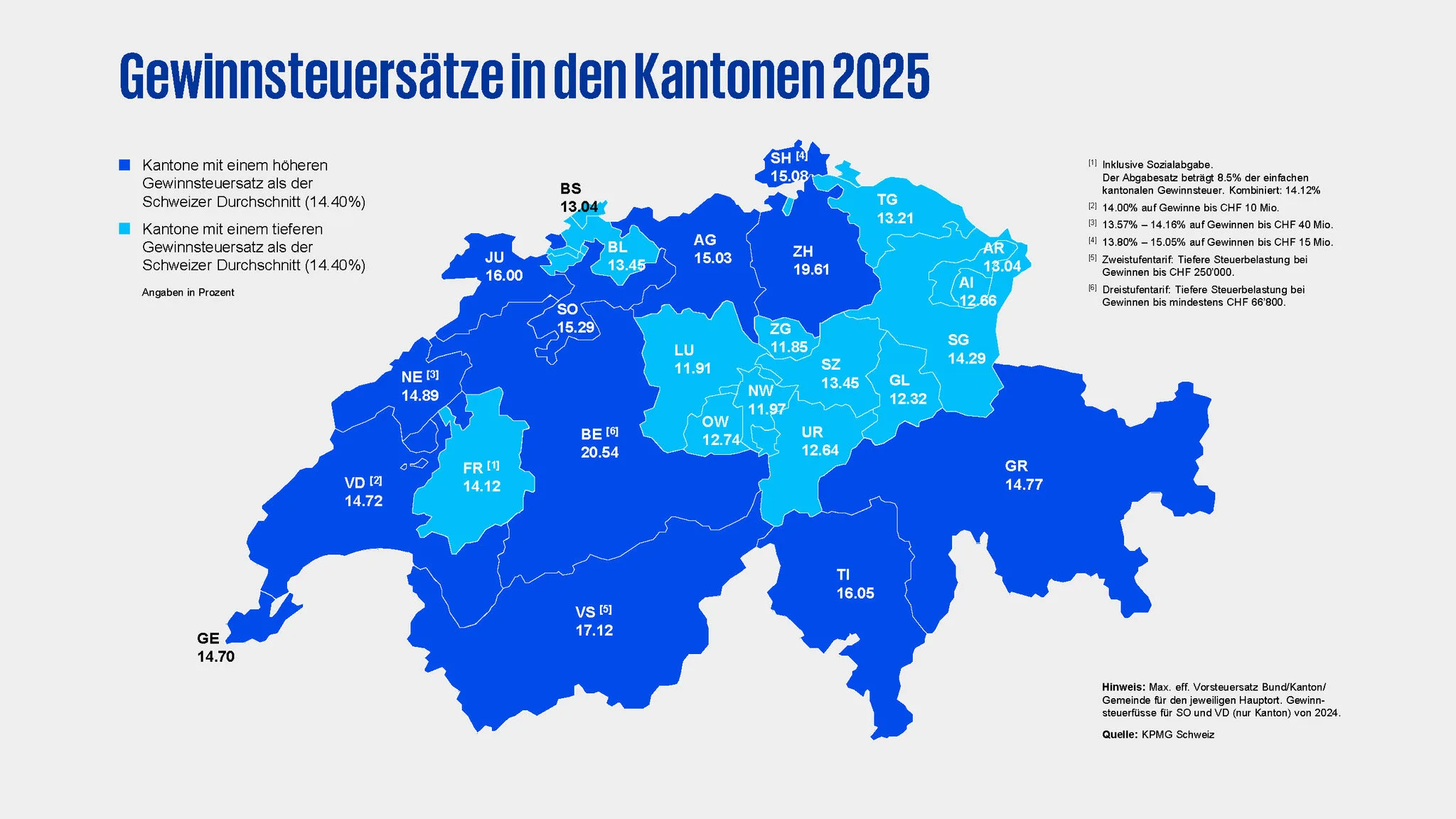
  • Daniel Leupi on Zurich’s housing policy

    Daniel Leupi on Zurich’s housing policy

    Daniel Leupi has been responsible for the City of Zurich’s real estate policy as Chief Financial Officer since 2013 and can point to tangible results. With the Leutschenbach, Letzi, Hard and Hardau I housing estates, almost 830 new non-profit apartments have been created. At the same time, the city has acquired 24 properties in recent years. Leupi also attributes this success to the strengthened acquisitions department.

    With the new housing fund, non-profit developers can now also apply for financial contributions for land purchases and new buildings. The depreciation contributions financed from these funds enable lower rents despite rising market prices. At the same time, a new letting ordinance ensures that the approximately 10,000 municipal apartments are allocated in a socially responsible and transparent manner.

    A growing portfolio with responsibility
    At the end of 2024, the municipal portfolio will comprise 58 housing estates and over 500 individual residential properties, a total of 1,400 buildings with almost 10,000 non-profit apartments. In addition, there are 220 active building rights for over 6,000 apartments and further projects in preparation. The city thus acts not only as a planner, but also as a major real estate owner with a clear focus on affordable housing.

    Challenges of a dynamic market
    Despite all efforts, the challenge remains great. According to Leupi, the housing shortage is a structural problem that occurs in every attractive city center. It is particularly problematic that many investors are primarily constructing high-priced new buildings, while existing apartments are being squeezed out. Although the market is growing, it is not socially balanced. The city cannot create affordable housing for everyone, but it can create more and more affordable housing.

    Market intervention or tenant protection?
    The discussion surrounding the case of the so-called “SUGUS houses” has reignited the debate on social mixing. Leupi does not see this as a problem, but rather as a functioning example of affordable housing in private hands. At the same time, he warns against a blockade through excessive regulation, as has occurred in some cantons through housing protection laws. In Zurich, the City Council is therefore supporting the popular initiative “Protect affordable housing”, which aims to prevent vacancies while maintaining flexible implementation options at municipal level.

    Investors responsible
    For Leupi, part of the solution lies in the industry’s own responsibility, albeit with clear expectations. While some owners continued to act fairly, others exploited the market situation ruthlessly. Excessive rent mark-ups when tenants change are not isolated cases. This is why more government involvement is needed for lower and middle incomes. Not as an intervention in the market, but as a balance to its dynamics.

    Growth yes – but in a socially responsible way
    A central problem remains that many new replacement buildings are displacing affordable housing. Although new projects create living space, they often increase prices. Institutional investors and property developers are called upon to plan in a more socially responsible way in future. Otherwise, social acceptance of immigration, bilateral agreements and the liberal economic system as a whole would be at stake.

    The “slow” building permit process
    The supposedly slow building permit process is a frequently criticized topic. Leupi puts this into perspective and emphasizes that the administration works efficiently. The median time for new building applications is 121 days. The trend is downwards despite the rising number of cases. What takes time, however, are appeals, project changes and amendments to conditions. The number of these has risen significantly in recent years, from 229 to 410 cases per year.

    As a solution, Zurich relies on consulting, digitalization and process optimization. The aim is to create planning certainty and increase resistance to appeals.

    Airbnb, renovations and new standards
    The impact of short-term rentals is a hot topic. Back in 2020, Zurich decided to amend its building and zoning regulations in order to create regulatory requirements for Airbnb & Co. Implementation is currently stalling because the decision is before the Federal Supreme Court. However, Leupi believes the city is on the right track.

    At the same time, he advocates binding industry standards in dealing with renovations to cushion social hardship. There are already positive examples, such as when the rent remains constant when moving within the same housing estate. Leupi would like to see more models like this, including from private players.

    Three key areas of action
    Leupi currently sees three urgent tasks for the city government. Firstly, the targeted expansion of the city’s residential portfolio through construction and purchase. Secondly, the broad establishment of the housing fund in order to strengthen non-profit organizations and thirdly, a political offensive for more federal and cantonal involvement in the area of non-profit housing construction.

    Zurich has shown what is possible. The task now is to continue on the path we have taken, with social moderation, economic foresight and political consistency.

  • Canton approves stadium expansion with a clear majority

    Canton approves stadium expansion with a clear majority

    On March 27 of this year, the canton of Zug approved a loan for the expansion of the Zug Ice Sports Club(EVZ) stadium. According to a press release, 71 members of the cantonal council voted in favor of the expansion of the arena, with one vote against.

    This means that the Keep Building project, which was developed by architects studiomatt, can move forward. The project envisages the expansion during match operations. Construction is scheduled to start in the summer of 2025. The expansion should be completed by the start of the 2027/28 season.

    “We would like to thank the cantonal government, in particular Finance Director Heinz Tännler and the commissions for their preparatory work on our behalf,” said Patrick Lengwiler, CEO of EVZ, in the press release. “We appreciate the cantonal council’s very clear approval of the bill. It is a recognition of the great social and economic importance of the EVZ for the region on the part of Zug’s politicians and a commitment to the important expansion of the arena.”

    The city of Zug had already approved the project at the meeting on January 30, 2025.

  • New companies strengthen life sciences in the Basel region

    New companies strengthen life sciences in the Basel region

    Basel Area Business & Innovation, the agency for location promotion and innovation promotion, supported a total of 36 companies with their relocation in 2024. According to its annual report, 26 of these are active in the life sciences. The companies come from 16 countries, 24 from Europe and six each from the USA and Asia.

    In his press release on this annual report, Christof Klöpper, CEO of Basel Area Business & Innovation, emphasises that his agency’s efforts to expand the life sciences industry to the entire economic region are bearing fruit: “Foreign companies that settle here are increasingly choosing the cantons of Basel-Landschaft and Jura as a location in addition to Basel-Stadt. This enriches our life sciences cluster immensely.”

    This is thanks to the expansion of innovation areas such as the Switzerland Innovation Park Basel Area with its three sites in Allschwil BL, Novartis Campus and Jura. It is also pleasing that companies from other sectors, such as ICT, are increasingly settling in such innovation areas. The press release also mentions that Basel Area Business & Innovation was ranked number one among smaller European cities in February 2025 by fDi, the investment portal of the Financial Times, in its Top 10 rankings of European Cities and Regions of the Future 2025.

    Overall, the number of new companies founded last year was slightly lower than the previous year at 67, but remains in line with the long-term average. The location promoter describes the track record of the two local start-up incubators BaseLaunch and DayOne as impressive. Investments totalling 478 million were channelled into start-ups that were supported by them. According to the companies that set up or founded in 2024, they aim to create more than 700 additional jobs in five years.

  • Schlieren North East interest group founded for site development

    Schlieren North East interest group founded for site development

    The interest group (IG) Schlieren Nord Ost has been founded. According to a press release from the city of Schlieren, the aim of the association is to actively help shape the development of the area. The residential, industrial, commercial and innovation area on Rüti-/Ifangstrasse in Schlieren is one of the city’s largest development sites alongside the Wagiareal and Rietpark. The new interest group intends to pool the interests of the owners and clarify the zoning plan with the city of Schlieren and the future extension of the building lease agreements with the city of Zurich in partnership at an early stage, the statement continues.

    “I have maintained very good contacts with the City of Zurich for a quarter of a century, but – like many other things – these fell asleep during and after coronavirus. However, as the city of Zurich owns over 200,000 square metres of building land in the city of Schlieren, I would like to revive these contacts over the next 14 months,” Albert Schweizer, the city of Schlieren’s location promoter, is quoted as saying. The aim is to extend the building lease agreements, which run until around 2040, by 30 years in order to create planning security for future generations. There is the possibility of attracting more companies and creating new jobs.

    The planned membership of the regional location promotion organisation Limmatstadt AG is intended to further expand regional networking, according to the city press release. Joint events are also planned with other sites in Schlieren and the Limmat Valley, such as Silbern, Niderfeld in Dietikon and Kreuzäcker in Spreitenbach.

    According to the press release, building lease holders and property owners met on Wednesday, 5 March, at the Innovation and Young Entrepreneur Centre(IJZ) in Schlieren to found the interest group. As part of the foundation, representatives from the Canton of Zurich’s Civil Engineering Office and the energy company ewz presented plans for the cycle path and the district heating substation in the eastern part of the site.

  • Three new members strengthen regional location promotion on the Limmat

    Three new members strengthen regional location promotion on the Limmat

    Limmatstadt AG has three new members in its ranks. According to a press release, Bolderlounge, Menu and More AG and buchstäblich AG have joined the regional location promotion organisation. The location promotion organisation already counts more than 100 companies and organisations among its members.

    The Boulderlounge Schlieren has been active since November 2021. “We offer Limmatstadt an attractive sports centre right in the heart of Schlieren, five minutes from the train station,” says Managing Director Lena Stürm in the Members section of limmatstadt.ch. “The hall is open 365 days a year for climbing enthusiasts of all ages and offers a great place to network, meet people and have fun.”

    Menu and More AG specialises in healthy catering for children. “82 satisfied and dedicated employees from 28 nations” are committed to the well-being of the little ones, according to the website of the provider of children’s and youth catering. “By moving to the Ecopark Tivoli in Spreitenbach, we are anchoring ourselves in a dynamic region full of innovation and entrepreneurial spirit,” explains Managing Director Markus Daniel in the members section.

    Buchstäblich AG writes, organises and networks, thinks and implements, writes the agency for marketing and communication based in Weiningen ZH on its website. The company communicates digitally or conventionally “literally for everyone who has something to say”. In the Members section, owner Brigitte Becker describes the Limmat Valley as a dynamic “economic and living space with great potential”.

  • St.Gallen freight station site underestimated development area

    St.Gallen freight station site underestimated development area

    Urban areas are under increasing pressure. Rising population figures and limited space call for innovative solutions. Areas behind railway stations in particular often remain unused, although they offer valuable potential for urban development. One example of a successful conversion is Europaallee in Zurich. However, while new urban neighbourhoods are already being created in many places, the future of the St.Gallen freight station site is still open.

    Its development has been discussed for years, but different interests and perspectives have so far prevented a concrete realisation. This was the starting point for the course “Building the future – the importance of sectors for urban development”, which brought together architecture students from ETH Zurich with economics and sociology students from the University of St.Gallen.

    Interdisciplinary collaboration as the key to success
    The course combined architecture, urban sociology and economics to create a new approach to urban planning. “Architects of the 21st century learn from the building methods of the 20th century in order to develop sustainable models for the future,” explains Prof Momoyo Kaijima from ETH Zurich.

    The collaboration with sociologists and economists resulted in practice-oriented research that took into account not only urban planning concepts, but also social and economic aspects.

    Experiencing urban planning from new perspectives
    The students began their investigation with guided walks through the freight depot area, inspired by the sociologist Lucius Burckhardt’s “Spaziergangswissenschaften”. This method enabled them to experience the space not just as a planning object, but as a lived social place.

    “The study made it clear that even inconspicuous or derelict areas can play a decisive role in urban dynamics,” reports HSG student Livius Schönle.

    From observation to concept
    Based on interviews, observations and data analyses, the participants developed so-called “actor network drawings”, which they used to visualise complex relationships between the use of space, social groups and economic interests. Art painter Walter Dick also played a role in this, introducing the students to the basics of hand-drawing in order to visually represent their analyses.

    “The concrete experiences from the interdisciplinary collaboration show how important it is to be aware of the different ways of thinking,” emphasises Dr Niklaus Reichle from the University of St.Gallen. “Only if we think outside the disciplinary box can social challenges in dealing with space be tackled in a meaningful way.”

    Visions for sustainable urban development
    The students’ concepts ranged from multifunctional residential and working neighbourhoods to sustainable green spaces that integrate new recreational areas into the city. Some teams developed ideas for mixed-use buildings that combine social housing with commercial space, while others developed strategies for careful densification through innovative construction methods.

    A central theme was social integration: how can the freight depot area serve as a connecting element between existing neighbourhoods? How can open spaces be created that are both ecologically and socially valuable?

    Urban development as a joint task
    The research results emphasise that successful urban development requires more than just structural measures. Economic, social and ecological aspects must be considered together. The collaboration between ETH and HSG shows how different disciplines can learn from each other in order to make urban spaces sustainable and fit for the future.

    The city of St.Gallen could benefit from these findings: The freight yard site offers enormous potential for innovative neighbourhood development if the right course is set.

  • Canton of Zug strengthens its property portfolio

    Canton of Zug strengthens its property portfolio

    The Building Directorate is legally responsible for the construction and maintenance of the canton’s own buildings. The financial framework conditions are carefully analysed in order to make targeted use of both the maintenance and investment budgets. Sound, long-term planning is becoming increasingly important in order to ensure that the buildings retain their value.

    Strategic guidelines for property management
    The Canton of Zug’s real estate strategy is based on the overarching objectives of the Cantonal Government and the specific guidelines of the Building Department. Priority is given to maintaining existing infrastructures rather than building new ones. The targeted use of resources ensures future-orientated buildings that meet the requirements of sustainability and efficiency.

    Cost and benefit efficiency as guiding principles
    The Building Directorate pursues a differentiated strategy that focuses on cost control and the fulfilment of public tasks.
    Properties that do not directly serve a public purpose are used for value creation or exchange transactions in order to optimise the management of the portfolio.

    Investment requirements and future developments
    The Building Department has further expanded the cantonal property portfolio. With the projects realised, the value of the portfolio has risen to CHF 1.06 billion by 2023. Further investments are planned for the coming years. Planned major projects in the education and administration sectors will contribute to the canton’s infrastructural development and strengthen the economic attractiveness of the region. A forward-looking real estate strategy ensures that the canton of Zug makes optimum use of its property portfolio and is equipped to meet future requirements.