Data is a key resource for economic development, research and social progress. To prevent data from remaining in isolated silos, the federal government is focussing on a national data ecosystem. This comprises topic-specific data spaces in which companies, universities, authorities and organisations can exchange data in a secure and controlled manner.
The Federal Council has instructed the Federal Chancellery to create a central contact point to coordinate these data rooms. The Swiss Data Ecosystem Focal Point, which began operations on 15 January 2025, is operated by the Federal Chancellery in collaboration with the Federal Office of Communications, the Federal Statistical Office and the Directorate of International Law.
Coordination, advice and international networking The main task of the contact point is to create the basis for an interoperable data ecosystem. This includes regulations, technical standards and organisational structures. At the same time, it supports ongoing data room projects with conceptual, organisational and legal advice.
A central element is the networking of the relevant players. Experts can exchange knowledge and experience in so-called communities of practice in order to accelerate the development of joint data solutions. In addition, the contact point works with international partners such as the Fraunhofer Institute to ensure the compatibility of Swiss data spaces with European and global initiatives.
Making data usable for business, research and society Several data room projects are already under development, for example in the areas of health (“DigiSanté”), tourism (“National Data Infrastructure for Tourism”) and agriculture (“agridata.ch”). Another example is the planned mobility data space, in which players from public transport, logistics and the authorities exchange mobility data. This will enable more efficient traffic management, optimised route planning for freight forwarders and faster response times for emergency services.
With the new contact point, Switzerland is taking an important step towards utilising the potential of data sustainably and promoting digital innovations across industry and administrative boundaries.
With the integration of REMMS, the company is taking sustainability analysis in the property sector to a new level. REMMS (Real Estate Meta-rating and Monitoring on Sustainability) enables a comprehensive assessment of properties with regard to economic, ecological and social criteria. Users of the solutions can easily analyse properties and create benchmark comparisons, taking into account relevant standards such as AMAS, ASIP, CRREM, GRI, ICMA, SBA and SFDR.
Seamless integration for maximum efficiency The central aim of the integration is user-friendliness. Asset and portfolio managers can use the REMMS platform without additional registration or signing a contract. The sustainability monitoring module in the software suite makes it possible to analyse property portfolios anonymously and with data support. Martin Schnider, Managing Director of reamis, emphasises: “Our solution supports customers in efficiently achieving sustainability goals and fulfilling regulatory ESG requirements.”
A step towards a sustainable property industry The REMMS integration is not only an extension of the digital solutions, but also a contribution to the sustainable transformation of the property industry. The data-driven platform provides portfolio managers with precise analyses that facilitate strategic decisions.
Around 50% of CO2 emissions in the canton of Zug come from the economy, which emphasises the urgent need for action in this area. The Zug Chamber of Commerce, the WERZ Institute (OST), the Technology Forum Zug and the Switzerland Innovation Park Central have founded the Climate Charter Zug together with the Canton of Zug to support SMEs in particular in implementing climate-friendly and economical measures.
Consultancy, CO2 footprint and measures The advisory services offered by the Climate Charter provide support and tools for recognising and reducing CO2 emissions in your own company. The canton of Zug covers 50% of the consultancy costs and has pledged CHF 1.6 million for this, around 60 per cent of the budget. The remaining funds come from the private sector. The initiative’s office, based at the Zug Environmental Institute WERZ, offers expertise and advice, from energy savings and emission reductions to practical solutions for specific challenges in companies.
Climate protection as a locational advantage Climate protection has long been more than just a trend – it is becoming an important advantage for companies and locations. The Climate Charter Zug supports SMEs in reducing emissions and setting sustainable standards. At the same time, a growing charter community is emerging in which committed Zug companies can exchange experiences and learn from each other. The willingness to invest in climate-friendly innovations strengthens the competitiveness of the company and the canton in the long term.
Concrete support for SMEs Alex Beck, co-leader of the initiative, emphasises: “As a business community, we have a duty, to create an intact environment for future generations.” The Climate Charter provides companies that want to reduce their CO2 emissions with customised and practical solutions – from sustainable heating systems to the provision of solar power for e-charging stations.
Sustainable investments for a climate-friendly future As part of the Klima Charta Zug, companies fulfil the increasing requirements in climate protection and position themselves as responsible players. Alex Beck emphasises that the exemplary effect of individual companies creates a “momentum of its own” that has an impact beyond the company itself. The pioneering role in climate protection promotes a culture of commitment that enables sustainable development for the canton of Zug.
Over the years, more and more companies from the same industries have settled here, resulting in the formation of various industry clusters, as they are known. This also includes education, research and various platforms such as the Innovation Park or associations, in which a lively exchange takes place. The large number of companies, service providers, suppliers and private institutions provide mutual support and promote a service-orientated and efficient administration. The local companies also benefit from the high educational standards and excellent infrastructure.
Blockchain, fintech and IT Zug has developed into a global hotspot for blockchain, fintech and IT. Here, innovations unfold in a symbiotic ecosystem where pioneering technologies meet and create a wealth of limitless opportunities. Zug has earned recognition for its transparent regulations, crypto-friendly banks and administrations, a dynamic labour market for cryptocurrencies and a varied calendar of events. Due to its proximity to the Zurich region, Zug is developing an attractive ecosystem for around 600 crypto companies in the “Crypto Valley” and is the birthplace of Ethereum. This environment is favoured by a positive regulatory framework, attractive taxes, incubators such as CV VC and a large number of fintech companies. The Canton of Zug supports research in this area financially by contributing almost CHF 40 million to the blockchain research initiative of the University of Applied Sciences and Arts Lucerne and the University of Lucerne.
Zug’s “Fintech Cluster” embodies a centre of innovation in the field of financial technology. Within the “Crypto Valley”, this cluster acts as a dynamic meeting place for fintech companies, start-ups and financial institutions. Zug is also home to the National Test Centre for Cybersecurity (NTC) as well as various labs and research centres in the fields of blockchain, AI, ML and robotics at HSLU, located in Rotkreuz.
Life sciences (pharma/biotech and medtech) The canton of Zug is a leading location for life sciences with around 300 companies and 9,000 employees. In addition to the strong focus on commercial functions, the medical and clinical areas are also growing. The regional innovative strength is reinforced by other leading clusters in deep tech, AI and ICT, which creates innovative synergies.
Pharma/biotech Zug attracts numerous international pharmaceutical and biotech companies, including Biogen, Amgen, Astra Zeneca and Johnson & Johnson. In addition, around 60 US biotech companies have chosen Zug as their European headquarters in recent years. The high density of pharmaceutical and biotech companies in the canton of Zug and the large number of service providers specialising in life sciences create an advantageous business environment.
Medtech In the medical technology sector, more than 100 companies specialising in diagnostics and medical production are represented with production sites and global headquarters. Representative examples of global headquarters are Roche Diagnostics, Medela, SHL Medical, Schiller and Johnson & Johnson Medtech with important global functions at their international campus in Zug.
Zug also offers up-and-coming medtech start-ups such as Deep Breath Intelligence, Heart Force and Sedimentum optimal conditions for growth and innovation.
New SHL Medical AG building
The 5,000 m² office and 10,500 m² production building for the tenant SHL Medical AG is being built on the Tech Cluster Zug site. The compact design, the reduction in materials and the innovative hybrid construction of wood, steel and concrete promote resource-saving, efficient construction. Visible wood on the inside and a protective aluminium layer on the outside reflect the high quality standards. A 20% reduction in CO2 emissions is made possible by on-site concrete production using Jura Eco cement.
SHL’s energy supply is designed as part of the site-wide multi-energy hub. The energy supply is supplemented by lake water cooling and large-scale PV systems on roofs and façades. The surplus heat and energy is recovered for further use in the hub.
New Roche production building
Roche is investing 215 million in a new 29,000 m² diagnostics production building in Rotkreuz, which will be completed by 2027. The flexible design will allow the building to be adapted to future production needs, thereby increasing long-term efficiency. Sustainability is a top priority: a fossil-free energy supply, water circulation systems and resource-saving construction methods are planned. The surrounding area will be designed to be close to nature, with wet meadows, a fen and a roof garden at a height of 23 metres to promote biodiversity.
Tech industry The tech industry is one of the largest employment sectors in Switzerland. With around 14,000 employees and 750 companies, this sector is also important for the canton of Zug. The focus of the high-tech cluster in Zug is on the development, design and manufacture of electronic products and services. Digitalisation, the Internet of Things (IoT), robotics and artificial intelligence (AI) also play important roles.
Zug stands out as one of the most dynamically expanding technology centres in Europe. The canton of Zug is home to numerous notable SMEs and start-ups specialising in cutting-edge and pioneering technologies. Their influence extends across various industries as they develop ground-breaking solutions based on emerging technologies. Access to various research and networking institutions such as the University of Applied Sciences (HSLU), the Innovation Park Central Switzerland and the Technology Forum Zug create the ideal framework for innovative, technology-driven companies.
Siemens Campus
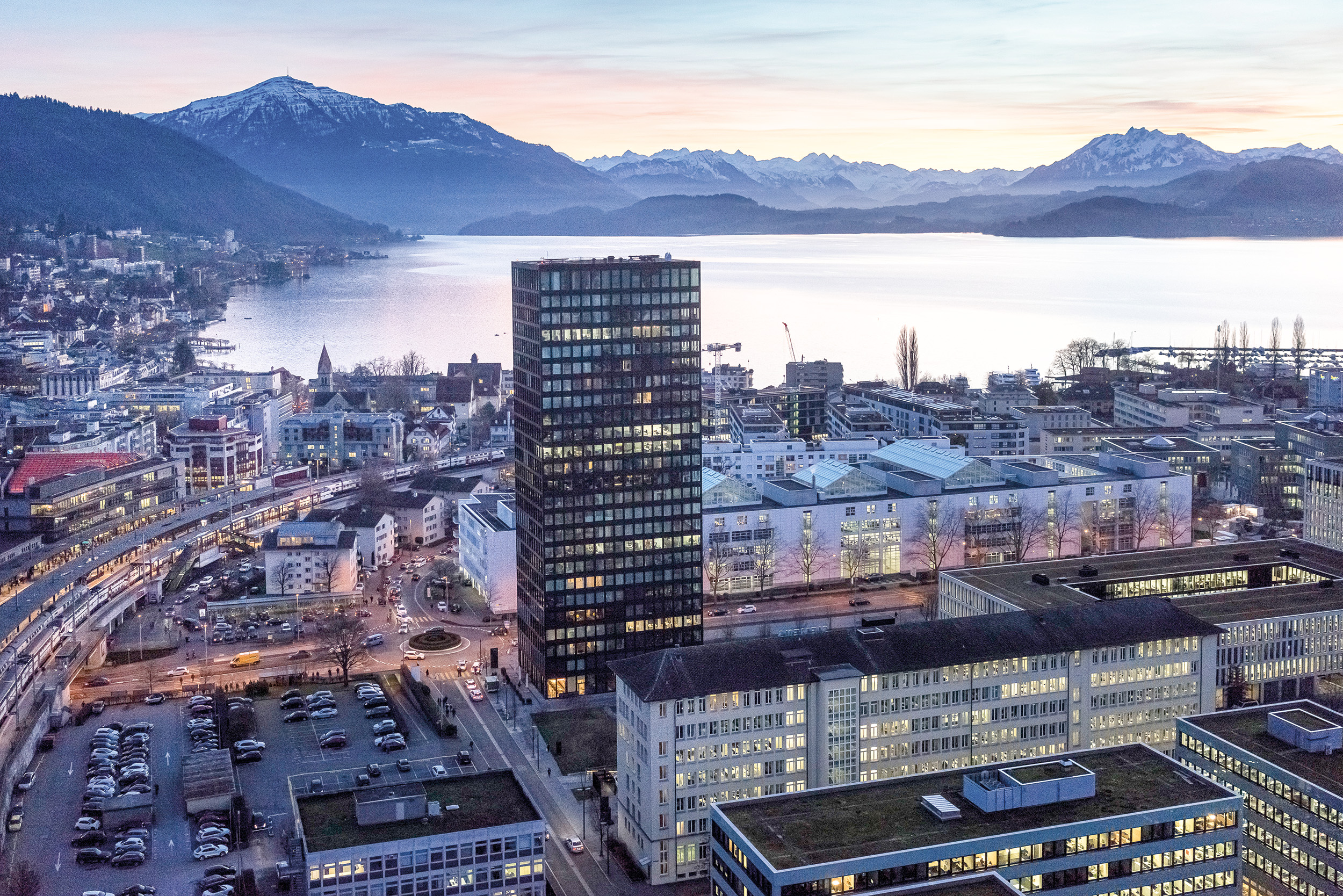
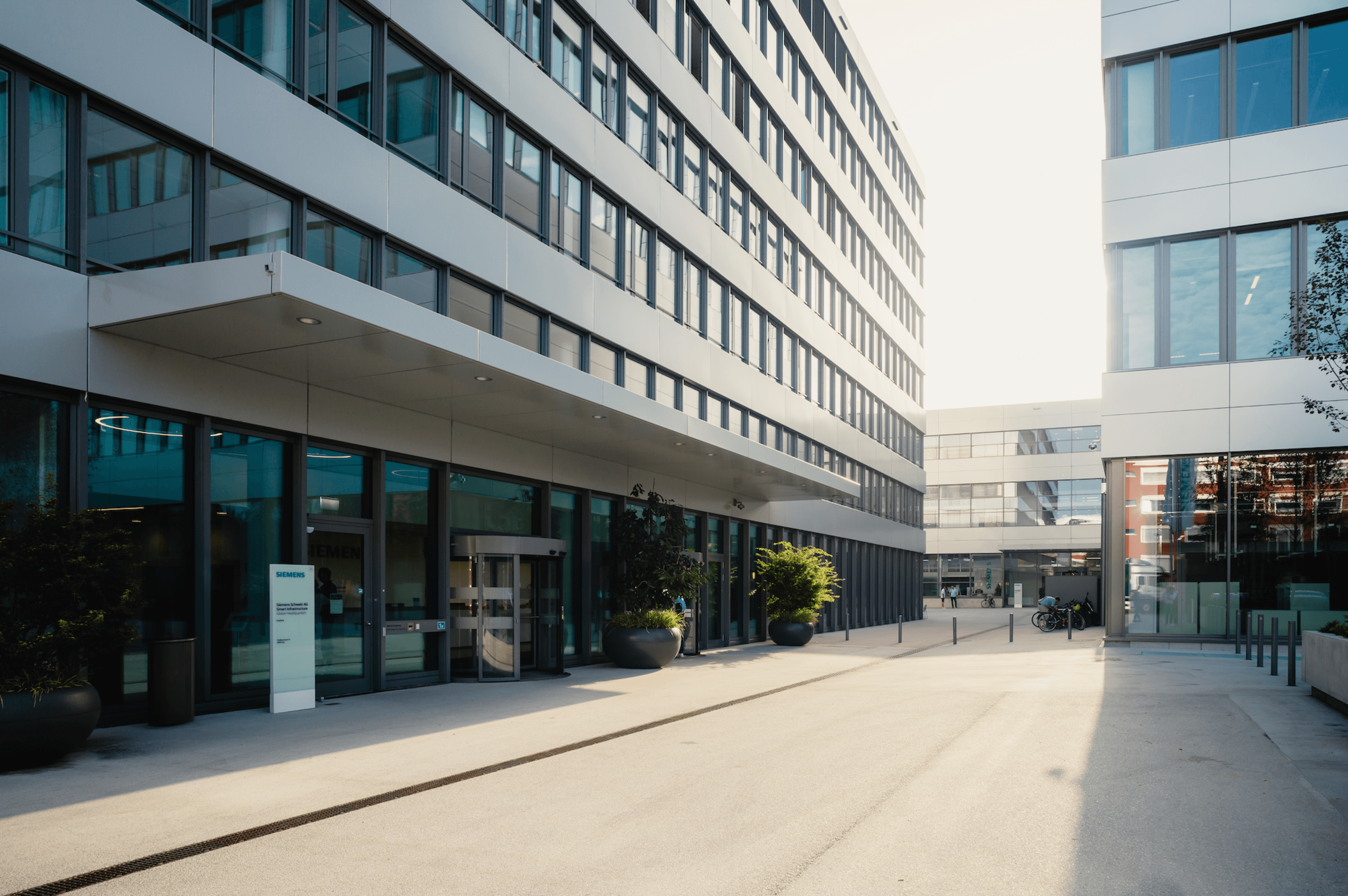
The 81,000 m2 Siemens Campus Zug is a showcase project for digitalisation and sustainability and demonstrates how modern products and solutions can accelerate the digital transformation. It sets technological standards in every respect and shows how buildings and infrastructures can be developed from static, inactive objects into responsive and reactive objects. The campus combines everything a community needs: Fire protection, access and intrusion control, CCTV, CO detection, extinguishing, voice-controlled evacuation, room automation and much more.
Financial service providers Around 2,000 companies form a dynamic environment for financial services in the canton of Zug. Hundreds of companies from the fields of asset management, family offices and hedge funds are based in the canton of Zug.
In the private equity/venture capital sector, for example, Partners Group, Capital Dynamics, HBM Healthcare Investments, CAPVIS and Invision should be mentioned. Leading Swiss financial institutions and platforms are also based here, including the Institute of Financial Services Zug IFZ, the Swiss Private Equity and Corporate Finance Association SECA, the Swiss CFO Forum and the VQF, the leading self-regulatory organisation in the non-banking sector.
New Partners Group Campus
Partners Group, Switzerland
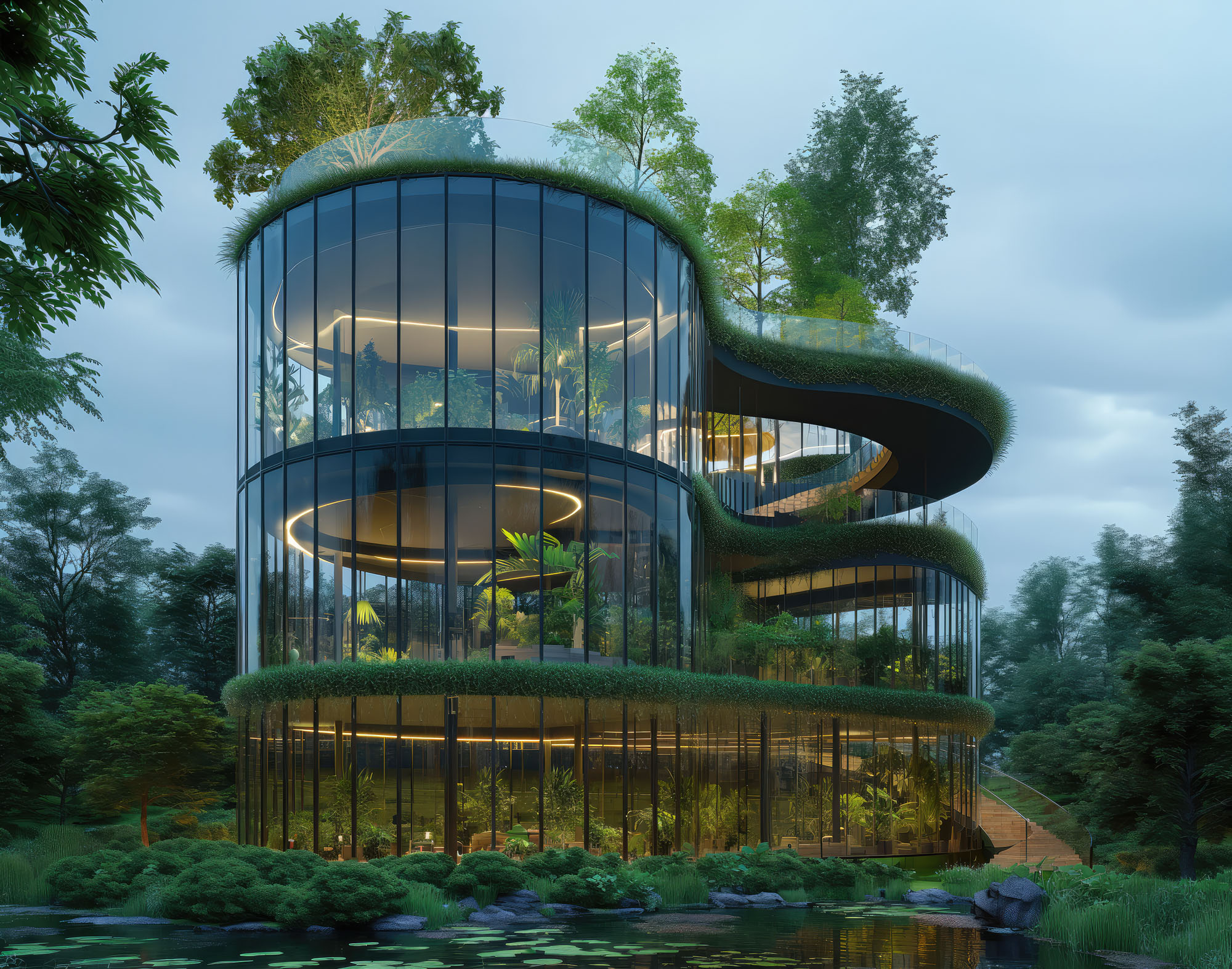
Partners Group’s new global headquarters consists of three buildings: the “Green Building”, an elongated, elliptical structure whose variously curved, terraced layers provide a richly planted, forward-looking counter-accent to the two brick buildings, which are modelled on historic factory buildings and evoke the past. This is Partners Group’s way of emphasising its focus as a company builder.
The building not only impresses with its architecture, but also with its high-quality infrastructure, including an in-house gym, canteen, daycare centre and car park.
Consumer goods The canton of Zug is also home to over 1,700 consumer goods companies with around 14,000 employees, which account for around a third of GDP. Zug is home to international and regional headquarters of leading brands in the areas of food and beverages (e.g. Anheuser-Busch InBev, Burger King, Coca Cola HBC), personal care (e.g. Galderma, Kenvue), textiles (e.g. Odlo, Hugo Boss) and sporting goods (e.g. Specialized). The automotive supply sector and the wholesale of raw materials and pharmaceutical products also play an important role.
Commodities trading Zug is a leading global trading centre for commodities, particularly in the areas of metals, (renewable) energy and agricultural commodities, with over 200 companies (e.g. Glencore, Shell) and specialised professionals. Key areas include headquarters, trading, supply chain, production, processing and marketing.
Headquarters, Supply Chain Management & Procurement In recent decades, Switzerland has developed into a leading location for international headquarters with over 1,000 companies. The canton of Zug has the highest density of headquarters with globally leading industry clusters.
A special centre for companies in the supply chain & procurement sector has developed here.
Centralisation enables cost-effective procurement and efficient management of production resources along the entire value chain. Large multinational companies such as Bossard, Glencore, Johnson & Johnson and V-Zug have located global supply chain and procurement functions here.
L’obiettivo della nuova società è quello di sviluppare e gestire soluzioni di riscaldamento integrate innovative e rispettose del clima nei cantoni della Svizzera orientale di Thurgau, San Gallo, Appenzello Interno e Appenzello Esterno, nonché nelle regioni limitrofe. In qualità di fornitore di servizi energetici sovraregionali, WNO sostiene i Comuni e i clienti privati e aziendali nel passaggio a una fornitura di calore sostenibile, secondo il comunicato stampa. Le rispettive comunità locali e le aziende regionali sono coinvolte nello sviluppo e nel funzionamento delle reti di riscaldamento.
“La fondazione di WNO è un passo decisivo verso una fornitura di calore rispettosa del clima nella Svizzera orientale. Insieme, stiamo portando avanti la transizione energetica, rafforzando la nostra regione e utilizzando tecnologie innovative”, ha dichiarato Marco Huwiler, membro del Consiglio di Amministrazione di WNO e Amministratore Delegato di Technische Betriebe Wil.
Secondo il comunicato stampa, l’attenzione fino alla metà del 2025 si concentrerà sulla costituzione dell’azienda, ossia sulla creazione del personale, sullo sviluppo delle basi aziendali e delle soluzioni di finanziamento, nonché sui colloqui con i comuni e i potenziali azionisti. Lo sviluppo del primo progetto in un comune dovrebbe iniziare a metà del prossimo anno.
Il settore del riscaldamento rappresenta circa il 50% del consumo energetico in Svizzera e causa oltre il 35% delle emissioni di gas serra, prosegue il comunicato stampa. WNO vuole sostituire i combustibili fossili con soluzioni di riscaldamento rinnovabili.
Researchers at ETH are fully utilising energy from underground to generate electricity and heat. Several research groups at the university are exploring the possibilities of geothermal energy, the ETH announced in a press release. According to the statement, Switzerland is better prepared for the utilisation of geothermal energy than it was a few years ago in terms of technology, regulations and public acceptance.
A group led by Stefan Wiemer, Professor at the Department of Earth and Planetary Sciences at ETH and Director of the Swiss Seismological Service, is conducting research in the BedrettoLab on minimising earthquake risks in so-called enhanced geothermal systems. A sensor-supported system monitors the creation of the necessary artificial cracks in which water heats up. The knowledge gained in the BedrettoLab is being utilised in the planning of the geothermal pilot power plant in Haute-Sorne JU.
The group led by Martin Saar, Professor of Geothermal Energy and Geofluids in the Department of Earth and Planetary Sciences at ETH, is exploring the possibilities of closed raw circuits in which CO2 circulates. These so-called deep closed-loop advanced geothermal systems could be “a climate-friendly alternative to CO₂-intensive reserve gas power plants”, Saar explains in the press release. The group has also already patented so-called CO2-Plume Geothermal Systems. These combine the permanent storage of CO2 in rock with its utilisation for the production of heat and electricity. The storage of process and summer heat from buildings in rock, which can be used for heating in winter, is also being investigated.
Switzerland is aiming for net zero by 2050. Wood plays a key role in this endeavour. It binds CO₂ from the atmosphere, is versatile and offers sustainable alternatives to fossil fuels. But how much wood is actually available for construction, industry or energy generation? Researchers from Empa and WSL have provided the answers by analysing the material flows of wood in Switzerland in detail for the first time as part of the SCENE project.
For their analysis, the researchers used data from 21 different sources for the year 2020, from wood harvesting to disposal. “In contrast to other studies, which often only use modelled values, we were able to draw on real data,” explains Nadia Malinverno from Empa. The effort paid off, as the study provides a precise picture of the entire wood flow in Switzerland.
Recycling potential and the correct use of wood Only eight per cent of wood is currently recycled, compared to around 70 per cent for paper. In addition, 40 per cent of the wood harvested each year is used directly as fuel. “This is not ideal from an ecological point of view,” emphasises Claudia Som, co-author of the study. In order for wood to fulfil its role as a CO₂ store, it should be used as a material for as long as possible.
The researchers’ vision is cascade utilisation Here, wood is first processed into durable products such as beams and boards that remain in the construction industry for as long as possible. Only after repeated use is the wood further processed into wood chips or fibres before it is finally burned. “Wood should only be used as an energy source when it is no longer usable as a material,” explains Som.
The path to sustainable wood flows As part of the SCENE project, the researchers want to investigate more closely in future which uses of wood make the most ecological and economic sense. They are focussing on specific material flows. In what form is the wood available? How is it processed? Where is there potential for optimisation?
“The sustainable use of wood is a key component of the energy transition,” says Malinverno. “Our work shows that Switzerland still has many untapped opportunities here, both in terms of climate protection and resource efficiency.”
Since the first smart city strategy in 2018, Winterthur has established itself as one of the most progressive cities in Switzerland. At that time, the focus was on quality of life and resource efficiency, supplemented by topics such as energy, mobility, education and health. With the revision of the strategy towards Smart City Winterthur 2030, the City Council is now focussing on new cross-cutting topics such as innovation, needs orientation and co-creation. These topics are crucial to meeting the requirements of a changing society.
Two programmes are driving implementation The new strategy is being implemented through two programmes, the Innovation Programme and WinLab. The innovation programme supports employees of the city administration in the development and implementation of innovative projects. The aim is to strengthen the culture of innovation within the administration.
The WinLab, on the other hand, acts as an urban real-world laboratory in which representatives from business, science, civil society and municipal institutions work together. In this creative space, forward-looking solutions for the city are developed and tested. Both programmes create scope for experimentation and promote sustainable innovations that meet the needs of citizens.
A strategy for the future The Smart City Winterthur 2030 strategy comes into force on 1 January 2025 and is part of the long-term goal of shaping Winterthur as a sustainable and adaptable city. The strategy will be reviewed after five years at the latest to ensure that it continues to meet the needs of the city and its population.
By 2025, sustainability will no longer be a trend, but a matter of course. Building certificates such as Minergie or SNBS and circular construction will take centre stage. Companies that reuse building materials and offer innovative solutions will secure decisive competitive advantages.
Digitalisation enters the next round The digital transformation is reaching new dimensions. Technologies such as IoT, AI-based planning software and digital construction site management tools are being used more widely. At the same time, promoting digital skills among employees is essential in order to actively shape digital progress.
Skills shortage remains a challenge The industry continues to be characterised by a shortage of qualified workers. Companies are increasingly investing in training and further education programmes, focusing on international recruitment and pushing ahead with automation. Modern working conditions and attractive corporate values are becoming increasingly important.
Focus on urban development and densification Urbanisation calls for innovative concepts such as car-free zones, mixed-use districts and urban greening. At the same time, affordable housing remains one of the key challenges. Creative solutions are needed to meet the needs of the population.
Energy and raw material prices The energy crisis and the cost of building materials remain a dominant issue. Local and sustainable building materials are gaining in importance, while legal requirements are driving the expansion of renewable energies. Solar installations and innovative heating systems are setting new standards here.
Collaboration as the key to success The increasing complexity of construction projects requires closer cooperation between architects, engineers and technology providers. Companies that focus on partnerships benefit from synergies and can realise projects more efficiently.
Minerals and metals such as copper, lithium and rare earths are essential for energy transition technologies, including batteries, electromobility and renewable energies. However, increasing demand is being met by limited production locations, which is making supply more difficult due to geopolitical tensions and export restrictions. Consumer countries are responding with industrial policy measures and international cooperation to avoid bottlenecks.
Switzerland’s special role Swiss industry mainly imports semi-finished products and components from the EU, which reduces its direct dependence on raw material producers. Nevertheless, Switzerland is not immune to global supply risks. The Federal Council has therefore developed measures to ensure a stable supply of raw materials in the long term.
Options for action to ensure security of supply The Federal Council’s report identifies key measures. The foreign trade policy focuses on the expansion of bilateral trade agreements and increased dialogue with international partners, particularly the EU. At the same time, the focus is on sustainability through the diversification of supply sources, the promotion of the circular economy and sustainable procurement practices. In the area of research and innovation, the development of new recycling technologies and alternative materials is supported.
In addition, close dialogue with industry is recommended in order to identify supply risks at an early stage and manage them in a targeted manner. Deepening relationships with political, economic and scientific partners should form the basis for a reliable supply of raw materials.
Sustainable management and circular economy A key recommendation of the report is to promote the sustainable use of minerals and metals. The life cycle of raw materials should be given greater consideration, for example through recycling and strengthening the circular economy. These approaches not only contribute to security of supply, but also make an important contribution to environmental protection.
With the approval of the new federal law by both chambers of parliament, a long-awaited change to the system of residential property taxation has been agreed. The imputed rental value tax, which was considered unsatisfactory and unfair, is now a thing of the past. In future, income taxation of the notional “own rent” for owner-occupied residential property will no longer apply, which will significantly simplify the tax system.
Promoting financial stability and home ownership Another key point of the new law is the reduction of private debt. The limitation of the deduction for private debt interest and the cancellation of additional deduction options lead to a strengthening of financial stability. Young families benefit from a time-limited debt interest deduction, which makes it easier for them to purchase residential property. This fulfils the constitutional mandate to promote home ownership.
Adjustments to tax deductions The abolition of imputed rental value tax entails the cancellation of previous deductions such as maintenance costs and insurance premiums in line with the system. At the same time, it is up to the cantons to retain deductions for energy-related renovations or environmental protection measures in order to continue to promote these.
No discrimination against landlords Private landlords will retain the option of deducting costs such as maintenance or debt interest from their taxes. This will ensure that the new regulation has no negative impact on the letting of private properties.
Constitutional amendment for compensation The entry into force of the new law is linked to a constitutional amendment. This allows cantons to introduce a property tax for second homes in order to compensate for tax losses on owner-occupied second homes. Tourism cantons in particular should be able to compensate for the financial impact in this way.
The cantonal structure plan regulates the main features of the desired spatial developments. It sets out in text and on maps how the cantons and municipalities should develop.
The need for more affordable living space is recognised by politicians and the canton: In addition to “conventional” flats, flats for families, affordable flats and flats for the elderly are also being built in the various areas.
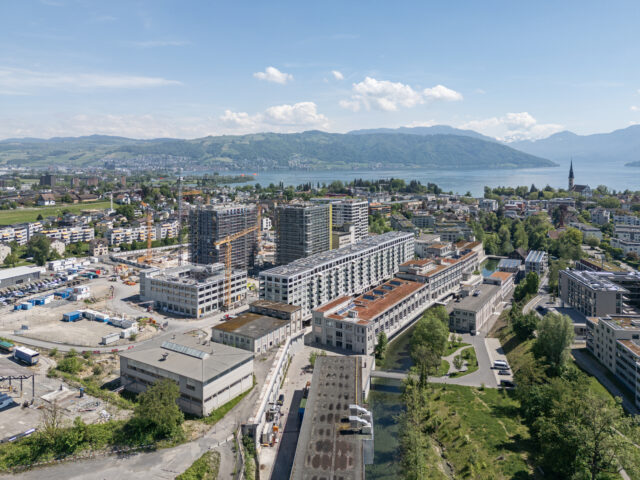
A wide variety of site developments are taking place across almost the entire perimeter of the “valley communities”. In addition to the sites, the traffic situation is also being further developed and adapted to the increased utilisation: Examples range from the conversion of bus stops to bypasses to relieve the burden on Cham town centre. This also includes car-sharing concepts, such as at the Papieri site in cooperation with AMAG.
A lot is also happening in public transport. In future, the Papieri site in Cham is to receive an express bus via the bypass motorway and the Unterfeld Süd site will have a bus stop in the neighbourhood.
Sustainability plays a decisive role in new projects in particular. The Zug area plays a pioneering role in this respect. The Papieri site in Cham was honoured with the prestigious Watt d’Or award from the Swiss Federal Office of Energy. This emphasises the site’s initiative in the field of renewable energies. A climate-neutral district is being created here that relies entirely on renewable energy sources and covers 75% of its energy requirements on site. The innovative technologies contributing to the high level of energy self-sufficiency include hydroelectric power plants and photovoltaic systems. Geothermal energy is used for heating and cooling.
The sustainability certificate, awarded by the Swiss Sustainable Building Council to Suurstoffi in Rotkreuz, recognises the sustainable construction methods and holistic planning of the project. The award proves that the highest standards in terms of energy efficiency, mobility and biodiversity have been met. The projects show that Zug not only assumes ecological responsibility, but also serves as a model for forward-looking urban development in Switzerland. By utilising innovative concepts and technologies, the canton of Zug is positioning itself as a pioneer in the sustainable design of urban living spaces.
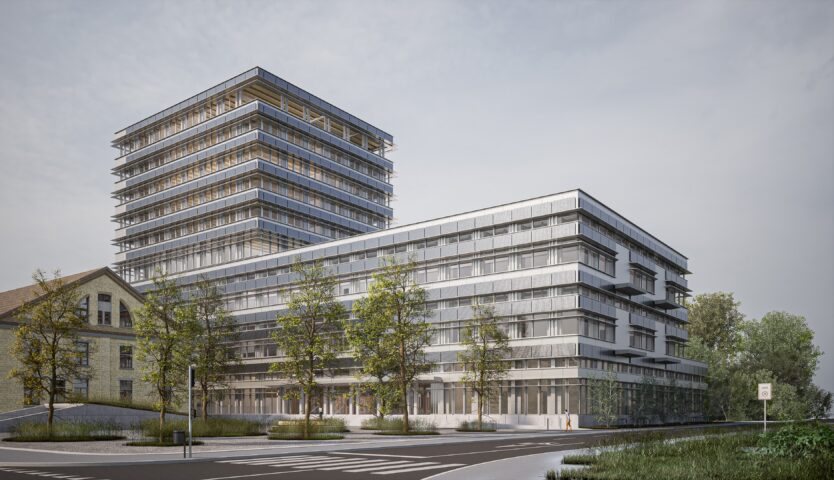
The other sites are also impressive. The construction of a high-rise building in timber construction is planned on the Tech Cluster site. The “lighthouse project” called “Project Pi” envisages the construction of an innovative residential tower block. With a height of 80 metres, the plan is to build one of the tallest timber high-rises in Switzerland with affordable flats.
Baar – Unterfeld Süd A mixed-use neighbourhood with around 400 residential units and around 1,000 workplaces is planned for the Unterfeld Süd area. The basic structures were defined by representatives of the population of Baar together with experts under the leadership of the municipality. The development plan for the first of three construction phases was put to the people of Baar for a vote on 22 September 2024. The plan was approved with 74 per cent of votes in favour.
The realisation of the first stage includes the high-rise building at the Baar Lindenpark light rail station and the neighbouring commercial building. These will be transferred to a joint development plan. The earliest possible start of construction of the first stage is planned for 2025. The remaining building plots will be developed in parallel and realised in subsequent construction phases. According to current planning, Implenia’s project will be completed in 2029, provided the subsequent plans are approved by the relevant authorities and construction proceeds according to plan.
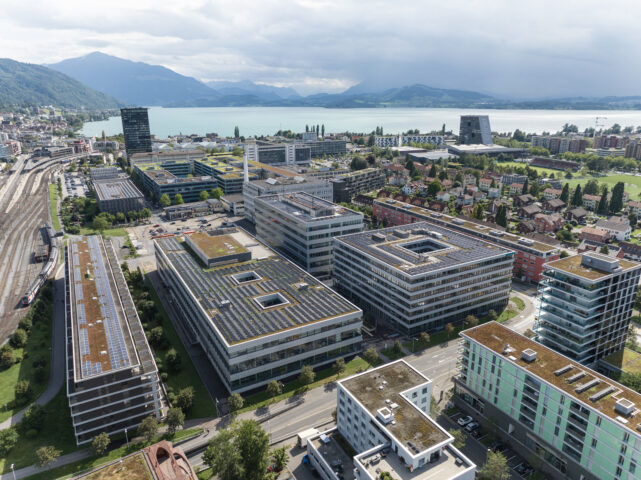
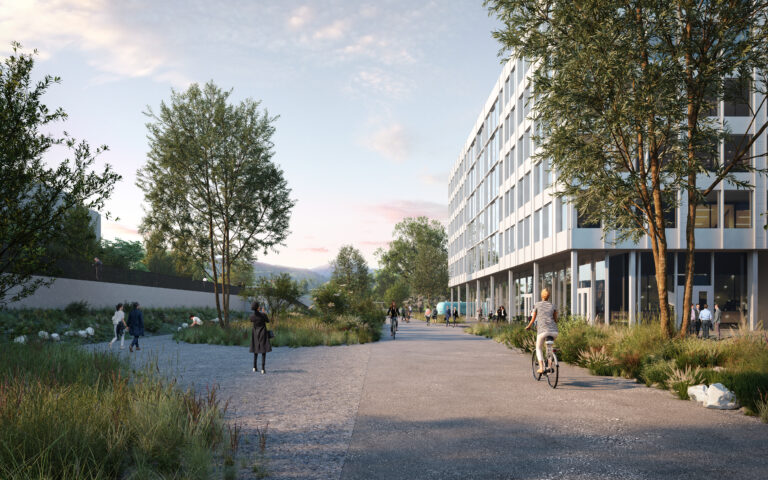
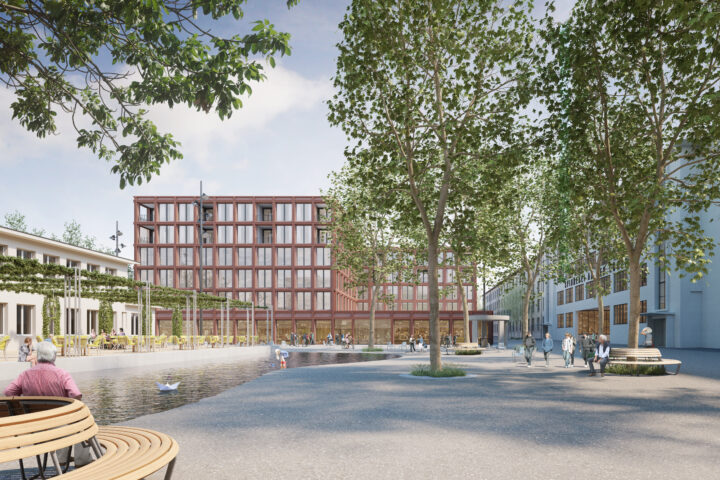
Hinterberg South (Städtler Allmend) The Hinterberg Süd site in the Städtler Allmend employment area in Cham will become a new, lively and easily accessible working and shopping centre for the local population. It offers attractive space for new companies to set up shop and ground-floor uses for the neighbourhood. The upper floors of the office buildings offer flexible spaces that can be customised to the individual needs of future companies.
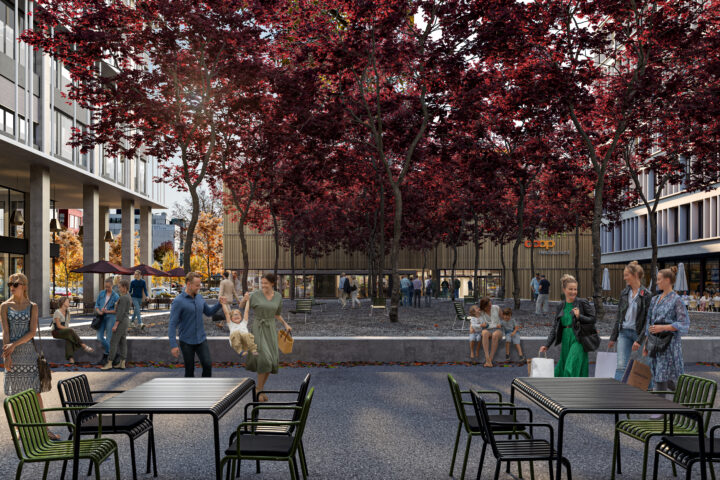
Publicly accessible uses such as a restaurant, café or bakery are located on the ground floors. They offer workers, shoppers, visitors and passers-by various consumption options and contribute to the revitalisation of the area and the entire neighbourhood. The four buildings surround a public square – the actual centrepiece of the site, which is open to the general public as a place to meet and spend time.
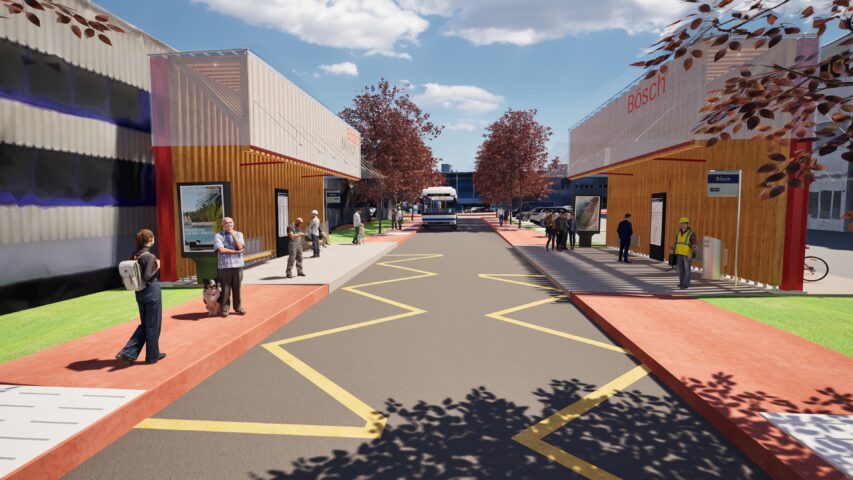
Bösch Hünenberg In order to meet the requirements of a growing service and commercial area, the infrastructure needs to be adapted. The Bösch area should become more attractive for workers and companies and offer space for 6,000 jobs in future. This densification is provided for in the cantonal structure plan. It is binding for the municipality of Hünenberg. The vision is for the Bösch area to develop into a modern and urban place of work that is attractive to investors. To this end, space is to be created through structural densification, which can also lead to an increase in jobs. A holistic landscape design and well-organised mobility will ensure a better quality of life in Bösch. New leisure, supply and catering facilities ideally complement everyday working life in Bösch. On 9 December 2024, the municipal assembly will decide on the road credit of CHF 2.9 million to finance the first stage of the implementation of the operating and design concept in Bösch.
LG Zug Due to its size and prominent location, the LG site is of central importance for the urban perception and urban character of Zug. A lively urban district with a convincing architectural design is to be created on the site of the former industrial area. With the necessary development plan, the planning and building law of the Canton of Zug ensures high-quality development and realisation.
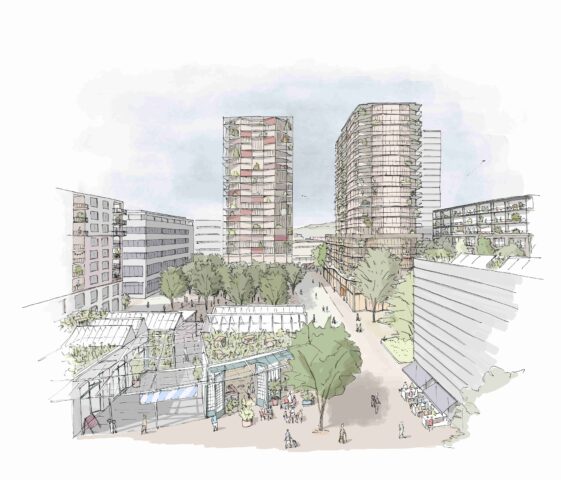
Papieri Cham The Cham Group is developing a new residential and working neighbourhood with industrial charm on the Papieri site. Directly on the River Lorze, the distinctive existing buildings of the former paper factory are being supplemented with striking new buildings and realised in a sustainable way. A new meeting place with supra-regional appeal is being created here, where past and present go hand in hand. A new urban district with around 1,000 flats and 1,000 jobs is being built in several stages over eleven hectares on the site of the former paper factory. It is not being built on a greenfield site, but in the midst of buildings steeped in history: The conversion of characteristic existing buildings preserves the connection to the past – the industrial roots of the neighbourhood remain tangible.
They are complemented by striking new buildings, including five tower blocks with impressive views. The new neighbourhood directly on the Lorze offers an attractive mix of commercial space, flats, lofts, workplaces, studios, open spaces and public-oriented uses. All of this on a sustainable and well-balanced site that maintains – and continues to write – its own history.
The Papieri site creates new foundations for an energy-efficient, climate-neutral and sustainable society. It is a pioneering project throughout Switzerland.
Spinning mill on the Lorze Many threads once ran together in the largest spinning mill in Switzerland. The construction of the spinning mill on the River Lorze shaped the development of Baar in the middle of the 19th century. A new, lively neighbourhood with shops, cafés and other local businesses is being created around the historic spinning mill building, which characterises the public pedestrian zone. In addition to family flats and affordable flats, there will also be flats for the elderly. These will be complemented by vegetable gardens, green façades and shady trees.
Suurstoffi The Suurstoffi site was the first site in Switzerland to be awarded the DGNB platinum certificate for sustainable neighbourhoods in planning and construction by the Swiss Sustainable Building Council (SGNI). The DGNB certification confirms that Zug Estates has realised a prime example of sustainable site development with the Suurstoffi site in Rotkreuz. It meets the comprehensive quality requirements of the DGNB certification system, which includes criteria such as energy efficiency, CO2 emissions, life cycle assessment, grey energy, flexibility of use and recyclability of the materials used. The Suurstoffi site is one of the first lighthouse projects of the last 10 years. This also includes the “XUND” health education centre, for which one of the last buildings is currently being completed.
Tech Cluster From June 2018 to May 2019, five renowned Swiss and one Austrian team took part in an overall performance study to explore how affordable living in a high-rise building can be made possible using state-of-the-art construction methods and sustainable materials. At the same time, a study contract was drawn up for an overall urban development concept for the surrounding area of the city of Zug between Baarerstrasse, Göblistrasse, Industriestrasse and Mattenstrasse.
The Tech Cluster Zug builds on the preliminary investments made by V-Zug and other companies in the Metall Zug Group. Its potential lies in the diverse relationships and synergies between the future users. These will transform the current factory site into an innovative and exciting part of the city of Zug.
How is the Zug economy doing? Zug is praised in numerous specialist publications and in the media for its diversified economy – services, trade, manufacturing industry and commerce. Growth is still above the Swiss economic average of 1.2% and has so far proved resilient to global or technical upheavals. Thanks to the positive financial results, the city of Zug, together with private households and the flourishing economy, is an important pillar for further growth in the coming years.
How does the city of Zug plan to ensure its economic growth is sustainable in the coming years, especially given the strong focus on the financial and crypto industries? Sustainability also means that we look after the companies based here and are reliable partners and employers. It is therefore important that we continue to have strong legal certainty in Switzerland and Zug. We offer a strong education system, have short distances to the city and canton, maintain great local recreational areas and have good road and rail connections to Lucerne and Zurich.
Zug is experiencing high demand for residential and commercial space. What long-term solutions does the city see to promote residential construction while maintaining the quality of life? Many years ago, we demanded the framework conditions for the V-Zug site/technology cluster development plan and the LG site development plan with a letter of intent. In both of these cases, we defined 10,000 m2 of affordable housing and affordable commercial space. We have also been working closely with Zug’s building cooperatives for over 10 years. We also recently purchased an area right next to the railway station for 65 million. This is to be used for the construction of affordable housing. The mix of flats still needs to be defined and will ultimately be put to a referendum. Here, too, it is to be sold under building rights. This is because the building cooperatives know what the people of Zug need in terms of housing. In addition, the city of Zug is working closely with landowners to develop development plans in cantonal densification areas that permit high densities. The municipal high-rise building regulations form an important legal basis for this. As part of these measures, increased attention is paid to the quality of the open spaces on the sites themselves, as well as the other public open spaces. In the spirit of a “city of short distances”, the inner-city open spaces and leisure infrastructure, as well as the natural and landscape areas, should be easily accessible, especially by public transport, on foot and by bike.
What new projects and initiatives is the city of Zug planning to promote sustainable urban development? There are many new projects in the city of Zug. They all have to take equal account of social, economic and ecological aspects. In this respect, each of our projects should already support sustainable urban development. Perhaps you will allow me to give you two examples in which we are also playing a pioneering role. For example, an internal strategy project is underway to check whether we are well organised and sufficiently fit to master the future challenges of sustainable development. Or in the area of climate adaptation: we are currently installing temperature sensors throughout the city to identify heat islands and take targeted measures.
The issue of affordable housing is becoming increasingly important. What measures is the city taking to ensure that Zug remains attractive for less affluent people? The city council is already calling for affordable housing to be created on at least 20% of the additional eligible floor area in residential and mixed zones when issuing ordinary development plans. Following the adoption of the “2000 flats for Zug’s middle class” initiative, affordable housing of at least 40% of the newly constructed living space must be created in residential and mixed zones located in densely populated areas when issuing ordinary development plans and in the case of rezoning and upzoning. To be honest, however, this has also halted construction projects. We are currently working on solutions.
How important is citizen participation in municipal projects to you, and what opportunities do the residents of Zug have to contribute their ideas and opinions? The city of Zug has a strong and long-standing culture of participation. Public participation projects on various topics have been held regularly since the 1990s. The online participation portal “mitwirken-zug.ch” has also been available since 2020.
Traffic in and around Zug is increasing. What is the city’s plan to bring the transport infrastructure in line with growth and strengthen public transport at the same time? Unfortunately, the city tunnel was rejected and solutions must be found nonetheless. The city of Zug is working closely with the cantonal civil engineering office to develop a joint transport plan for the vibrant centre of Zug. The city’s aim is to ensure that the existing road space is available to all road users equally and efficiently: Cars, public transport, bicycles and pedestrians. Fortunately, the city of Zug is small-scale, so many things can be done on foot or by bike.
What plans are there to further expand public transport in order to relieve commuters and reduce traffic in the city? The next major expansion step is planned for the opening of the Zimmerberg tunnel. This will be around 2035 to 2037. Until then, public transport will continue on the current routes and the frequency will be adapted to demand. The public transport system will thus be adapted to the needs of the municipalities on a “small scale”. According to GöV, the municipalities have the option of purchasing additional services over and above those ordered by the canton. The city of Zug does this with the Zugerberg railway and on bus route 5, where it purchases additional cable cars and courses. This additional service, which is decided by the city parliament, gives the city of Zug flexibility over and above the service determined by the canton. However, it is clear that the service ordered by the canton is excellent and that the municipalities hardly need to make any improvements. The city of Zug already has excellent public transport connections in all neighbourhoods. Additional courses significantly reduce the cost recovery ratio. The cost recovery ratio to be achieved according to the GöV is 40%. Personally, I would like the S-Bahn to offer double-decker trains.
How does the city of Zug support the expansion of educational facilities in order to address the shortage of skilled labour and at the same time strengthen Zug as a location for education? Education is our only resource and this is where the city of Zug invests the most money. The design of attractive school buildings as places to work and learn, with the involvement and participation of pupils and teachers in the planning process, are key concerns. In addition, there are attractive childcare and leisure facilities for children and families as well as a modern ICT infrastructure. In addition, forward-looking and innovative projects and collaborations such as the school portal – where parents can communicate online with teaching and support staff and the school administration – the DigiWerkstatt and the inclusion of AI in lessons are being driven forward. However, it is also important that we meet the needs of companies and actively support the dual education system. A great project is underway here!
What role does the promotion of innovation play in Zug and how is the city planning to establish itself as a centre for pioneering technologies and companies? The promotion of innovation plays a central role in the city and canton of Zug in positioning the city as a centre for pioneering technologies and companies. One important point is: we try things out. For example, following a presentation by a student, we decided to accept Bitcoin as a means of payment in the city of Zug, which caused a worldwide furore. Today, the city of Zug is THE Crypto Valley worldwide with over 4000 employees in over 800 companies. True to the motto: “no risk, no fun”. We will continue to be innovative! Targeted measures and programmes are designed to strengthen the innovative power of the city of Zug so that the environment becomes even more attractive and motivating for companies and, above all, for employees. You can move mountains with innovative projects and motivated people. The framework for this is provided by the development strategy for the city of Zug adopted by the City Council in autumn 2021: “Zug remains Zug – liveable, visionary, vibrant”. It is an overarching management tool with a long-term perspective to help shape the future of the city of Zug. Innovative economy, green city, strong community, healthy finances – these are our credos for the future.
What is your long-term vision for the city of Zug? What goals are you determined to achieve in the coming years? As a growing business location with excellent conditions for companies and skilled workers from near and far, we cultivate our economic diversity and position ourselves specifically through future-oriented industry clusters. We are developing Zug as a green city in a sustainable and resource-conserving manner and are planning mobility, space and energy in a visionary way.
In the tension between tradition and modernity, we promote dialogue and create an inspiring framework for a vital, diverse and cosmopolitan urban community. And to maintain our healthy finances, it is important to ensure competitive framework conditions, make future-oriented investments and secure our tax base in the long term. In addition to all impact targets, we promote lifelong learning, utilise the potential of diversity in the population, economy and culture for pioneering lighthouse projects for change and use incentives to steer change.
Zug is committed to more climate protection. Can you give us an overview of the most important measures that are currently being implemented to reduce CO2 and increase sustainability in the city? When it comes to climate protection, the focus is on moving away from fossil fuels. All heating systems must be able to run on local renewable energy in the medium term. Compliance with modern building standards and, together with Wasserwerke Zug (WWZ), the expansion of district heating are at the forefront here. We have brought Circulago into being. We take cold and heat from the lake and thus have a “battery” on our doorstep. At the same time, we also want to upgrade our own properties, produce our own electricity and get rid of fossil-fuelled heating systems. The introduction of CO2 monitoring and many larger and smaller measures as part of the “Energy City” programme, where we have also been certified with the “Gold” label for 2023, will help us achieve this. I am convinced that we can supply ourselves with energy. We have innovative companies such as Siemens, Landis & Gyr, V-Zug, the technology cluster and many more companies in Zug that all offer these technologies and innovations. It’s certainly been 10 years since Siemens showed us that the technology for local self-sufficiency already exists, so let’s do it!
Where do you see the city of Zug in 20 years’ time? In 20 years’ time, the city of Zug should be a liveable, innovative and sustainable place that offers both economic dynamism and a high quality of life. In other words, we will have made Zug even more attractive for companies and skilled workers, while at the same time creating space for a strong community. Zug’s role as an international business and financial centre has been strengthened, particularly in the area of digitalisation and new technologies such as blockchain and AI applications. Thanks to sustainable urban planning and environmentally friendly infrastructure, the city of Zug is climate-neutral. We have attractive places to live and work, green recreational areas, attractive cultural offerings and a diverse infrastructure for education, leisure and health. Zug has made a name for itself as a centre of education and innovation that is networked with tertiary education institutions and research facilities. We have intelligent traffic management and an efficient infrastructure that meets the needs of a growing population and is designed to be sustainable. Progress is being made step by step – I am delighted!
It’s that time of year again: IMMO25, Switzerland’s largest real estate trade fair, will open its doors again on Wednesday, 15 and Thursday, 16 January 2025. The specialist congress is a firm fixture in the calendar and attracts several thousand visitors and industry giants to Zurich Oerlikon every year.
As an investor fair, the event is aimed at a professional audience from the property and finance industry. From architects and project developers to specialised service providers, consultants and lawyers to financial intermediaries and asset managers – the participants represent the entire value chain of direct and indirect real estate investments.
In addition to the traditional trade fair activities, participants at the accompanying forum can once again look forward to 35 panel discussions with over 120 high-calibre representatives from industry, politics and business. Renowned experts will share their visions on emerging trends, current challenges and future opportunities. Whether it’s about sustainable property investments, digital innovations or market developments – the IMMO Forum offers a wide range of topics, exclusive insights and assessments from decision-makers. IMMO is the meeting place for experts who want to think outside the box and set the course for successful business and investments. Take this opportunity to find out about the latest developments and opportunities and to sharpen your investment strategy.
As an event partner, we cordially invite you to participate
The congress programme and exhibitor list are available on the trade fair website at www.swisspropertyfair.ch. The online ticket counter for IMMO25 opens on Wednesday, 11 December 2024.
Secure your ticket in good time and become part of the biggest property event in Switzerland!
From January to September 2024, the construction industry generated nominal sales of CHF 17.5 billion, an increase of 0.6 per cent compared to the previous year. Adjusted for inflation, however, there was a decline of 0.5 per cent. While civil engineering increased by 2.6 per cent in real terms, building construction recorded a decline of 3.4 per cent.
Declining incoming orders Incoming orders fell by 2.5 per cent in real terms to CHF 17.3 billion. In building construction in particular, rising interest rates, higher construction costs and a shortage of public funds led to a noticeable decline. Only civil engineering was able to achieve an increase in orders in both the public and private sectors.
Falling order backlog The order backlog in the main construction sector shrank by 3.7 per cent to CHF 14.9 billion by the end of September 2024. This corresponds to an order backlog of around 7.7 months. The entire industry is facing a gloomy outlook: While civil engineering is expected to remain stable, residential construction is not expected to grow again until the third quarter of 2025.
Noticeable decline in employment The uncertainties are having an impact on employment. The number of full-time positions in the sector fell by 4.0 per cent to 89,000 employees. Despite the Swiss National Bank’s key interest rate cut from 1.75 to 1.0 per cent in 2024, the effect will be delayed.
Construction activity in Switzerland is stable, but characterised by stagnation and challenges. Developments in residential construction in particular will be decisive in providing the urgently needed impetus for renewed growth.
Empa researchers in St. Gallen have succeeded in endowing wood with new properties. Their latest breakthrough – luminous wood. This material is created by treating wood samples with the Hallimasch fungus, which emits a green light due to the natural substance luciferin.
From natural phenomenon to laboratory success Luminescent wood is not a new phenomenon; Aristotle described the green glow of wood over 2,400 years ago. However, biotechnology has now succeeded for the first time in reproducing this process in the laboratory under controlled conditions. The decomposition of lignin preserves the tensile strength of the wood, while the fungal filaments produce the glow.
Sustainability and creativity in perfect symbiosis This biohybrid material opens up new possibilities. In addition to technical applications, furniture, jewellery or other design elements could also be realised with the luminous wood. At the same time, this innovative use of hardwood contributes to sustainable cascade utilisation and reduces the energy recovery of the wood.
Optimising the luminosity After three months of incubation, the luminous wood develops its maximum brightness. The process, which takes place under humid conditions, currently lasts around ten days. Researchers are working on further improving the luminosity and duration in order to make the material even more versatile in the future.
A pioneering solution The luminous wood shows how natural resources can be transformed into new, sustainable applications using innovative technologies. The symbiosis of wood and fungus is a fascinating example of how research can contribute to solving ecological and economic challenges.
Mayor André Wicki opened the event with an inspiring look at the economic future of the city of Zug. Under the motto “Zug remains Zug – liveable, visionary, vibrant”, he emphasised the challenges associated with sustainable growth, affordable housing and climate protection. His visions emphasise the aspiration to further develop Zug as an innovative and attractive place to live and do business.
Sustainable strategies and economic success Beat Bachmann presented the “Spirit of Zug” long-term strategy, which strikes a balance between growth and resource consumption. Regional cooperation and attractive conditions for companies will strengthen the region as a leading business location. The innovation platforms, such as HSLU and the Tech Cluster Zug, promote technological advances in areas such as energy, mobility and decarbonisation.
Successful projects for modern living and commerce Lukas Fehr presented the award-winning “Papieri Cham” project. The neighbourhood combines historical substance with modern new buildings, sustainable architecture and green open spaces. With around 1,000 flats and 40,000 square metres of commercial space, the Papieri site sets new standards for sustainable living and working.
Material innovation in timber construction Pius Kneubühler spoke about the advantages of board stack constructions made with Swiss timber and minimal glue. This technology promotes sustainable cascade utilisation and combines high load-bearing capacity with an excellent carbon footprint. Material identity is at the centre of sustainable construction.
Water treatment and infrastructure safety André Spathelf rounded off the event with a comparison of the Swiss market leaders in water treatment. He emphasised the importance of a proactive approach to monitoring and maintaining water networks. This approach ensures the quality and sustainability of vital infrastructure.
The 103rd immoTable Zug once again demonstrated the importance of dialogue between business, science and politics in shaping a sustainable future. Visionary projects, technological innovations and economic strategies strengthen Zug as a leading region in Switzerland.
The canton of Zurich and SBB have jointly initiated a pilot project that uses automated vehicles to supplement existing public transport. The focus is on trialling automated mobility solutions designed to improve access to S-Bahn stops in a flexible and cost-effective manner, particularly in rural areas.
Pilot region Furttal The Furttal was selected as a pilot region due to its ideal settlement structure and existing public transport network. The population is to benefit from an expanded mobility offer, which will include minibuses in regular service or on-demand at a later stage. The aim is to gain practical insights for future business models and framework conditions.
Focus on safety and innovation The automated vehicles, which will be tested from spring 2025, are equipped with sensors and are monitored centrally. Safety is the top priority: during the test phase, safety drivers will accompany the vehicles before the controls are fully automated.
Next steps and funding In the coming months, the technology will undergo final calibration to ensure safe operation. The population of the Furttal valley will be actively involved in the project and will be able to gain initial insights at an information event in January. The project is being financed by the Canton of Zurich with CHF 3.8 million and SBB with CHF 5 million over five years. The pilot project is an important step towards innovative and sustainable public transport. With its focus on rural regions and new forms of mobility, it sets standards for the future of public transport in Switzerland.
“The dream of owning a home is still very popular among the Swiss population,” writes the Lucerne University of Applied Sciences and Arts(HSLU) in a press release. This is based on the latest edition of the Retail Banking Study, which is compiled annually by the Institute of Financial Services Zug(IFZ) at HSLU. According to the study, four out of ten people in Switzerland would like to buy a property.
The IFZ has identified two groups of people interested in property. In the first group, the majority are “dreamers” from the younger generations who are looking for their first home. They are primarily confronted with financial problems. In the second group, the majority are members of older generations who already own their own property. These “second-time buyers” have fewer financial problems than difficulties in finding a property that meets their current needs. Both groups rely primarily on personal recommendations and chance when searching for their own home.
The interest rate plays an important role for home seekers both when taking out a new mortgage and when extending an existing one. The willingness to change mortgage provider is particularly low in the case of an extension, with three out of ten property owners refusing to do so regardless of the difference in interest rates. “In many cases, the house bank still enjoys great loyalty, especially if a change is associated with additional hurdles,” explains Andreas Dietrich, head of the study, in the press release.
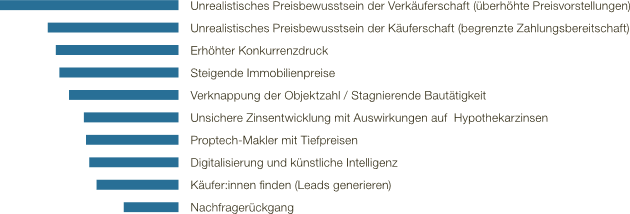
The abrupt end to the low interest rate phase of recent years and stricter lending regulations have had a lasting effect on market dynamics. While buyers have become more cautious as a result of higher financing costs, many sellers are still holding on to their inflated asking prices. This discrepancy makes property marketing considerably more difficult and often leads to misunderstandings between the parties. SMK members see this as one of the biggest challenges for the coming year.
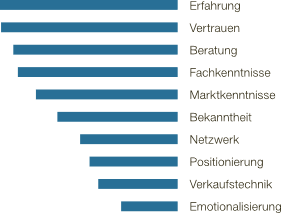
Trust and expertise as the key to success Property marketing is and remains a “people business”. Successful estate agents rely on experience, trust and advice based on sound market knowledge. A strong awareness of quality and a high-profile positioning create the necessary trust among buyers and sellers. With their certified expertise, SMK members offer comprehensive, individually tailored advice and guarantee the best possible sales price.
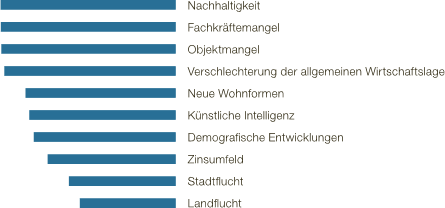
Focus on sustainability and shortage of skilled labour In addition to the price issue, topics such as sustainability and ESG requirements are increasingly coming to the fore. The shortage of skilled labour is also an increasing challenge, as the demands on estate agents are constantly rising. Residential construction activity is also falling short of expectations, which is further exacerbating the supply deficit. Other important topics for 2025 include new forms of housing, the use of artificial intelligence and demographic trends.
The property market in the canton of Aargau continues to record an above-average increase in value. As the latest real estate barometer from Aargauische Kantonalbank shows, prices for residential property have risen by 4.6 per cent and asking rents by 4.7 per cent. “The canton’s strong appeal as a place to live is reflected in sharply rising property values,” say the experts at AKB.
Aarau/Seetal and Rheinfelden/Fricktal in the lead Particularly significant price increases were recorded in the regions of Aarau/Seetal with a 5.1 per cent rise in house prices and Rheinfelden/Fricktal with a 6.1 per cent increase in condominiums. In most municipalities in the canton, buyers now have to pay more than CHF 1 million for a detached single-family home, and prices are even higher in the catchment areas of the surrounding major centres.
Increased level with falling vacancy rate The rents on offer have also risen sharply. The average rent for a modern 4.5-room flat is between CHF 2,200 and 2,300, excluding ancillary costs. The canton-wide vacancy rate is comparatively low at 1.3 per cent, which indicates high demand with limited supply.
Prices set to rise further AKB property experts assume that both residential property prices and asking rents will continue to rise. The reasons for this are:
Strong population growth in the canton of Aargau
Stagnating construction activity, which limits supply
Expected reductions in key interest rates, which will make property investments more attractive
The combination of high demand, limited supply and economic conditions will ensure that the Aargau property market remains dynamic in the future. Both buyers and tenants should be prepared for further price increases.
As part of a comprehensive vision for the city of Schaffhausen, the Kammgarnareal is to be further developed with new access points and better connections to the urban fabric. In addition to the existing access points from Baumgartenstrasse, Rheinuferstrasse and Rheinstrasse, a new passageway will be created along Klosterstrasse to improve accessibility. This will integrate the site even more closely into the urban infrastructure and enable new utilisation options.
The Kammgarn area will become part of a “string of pearls” of meeting places along the banks of the Rhine, which will play an important role in the further upgrading of this area. With the start of construction in September, the approximately two-year construction phase will begin, with which Schaffhausen will gain a modern, attractive district that will significantly improve the urban quality of life as a meeting place and cultural centre.
Upgrading the areas and increasing the quality of stay The areas are also to be upgraded as part of the planned redesign. The creation of spacious green areas, seating and a water feature in the inner courtyard of the former worsted spinning mill will increase the quality of stay. These measures aim to transform the Kammgarnhof into an attractive place to meet and relax, which can be used for events and everyday activities.
New uses and modern infrastructure A central element of the redesign is the construction of a single-storey underground car park with around 90 parking spaces, which is to be built under the Kammgarnhof. This will make the inner courtyard car-free and provide more space for events and recreation. A pergola is planned in front of the west wing, while a large terrace will be created in front of the north wing.
The historic west wing of the Kammgarn site will be prepared for new uses as part of the refurbishment. The ground floor, along a new passageway to the inner courtyard, will house the library and the toy library. The glazed façades will give passers-by an attractive insight into the world of books and games.
Half of the first floor will be used by the library, while the remaining space will be rented out in small to medium-sized units. The Schaffhausen University of Teacher Education will move into the upper floors, while the remaining space will be available for flexible use by other tenants.
This comprehensive remodelling of the Kammgarn site strengthens the connection to the old town and the Rhine and gives the area a new significance in the urban fabric. The planned measures will contribute to long-term urban development and create a modern, vibrant neighbourhood that will significantly improve the quality of life in Schaffhausen.
Energieverbund Bielersee AG is supplying energy to customers in Nidau and Biel for the first time, according to a press release. To this end, the intermediate circuit connecting the pumping station on Dr. Schneiderstrasse with the energy centre in the Alpha building in Nidau has been constructed in recent weeks.
The lake water reaches the pumping station via two pipes at depths of 20 and 30 metres. In the energy centre, heat pumps are used to produce hot water for heating systems that are connected to the heating network. The cold, in turn, is channelled via a separate network to the Robert-Walser-Platz area near Biel railway station. A peak load boiler is available for cold days.
The plans for the use of lake water date back to 2015. in 2020, Energie Service Biel/Bienne founded Energieverbund Bielersee AG, in which the city and the Burgergemeinde Nidau are now also shareholders. The lake pipelines were laid in March 2022 and the shell of the pumping station was completed the following May. In future, the energy centre is to be renovated and the heating network extended towards Ipsach.
Leica Geosystems, part of Hexagon, and Dimanor have announced their new partnership. The two companies have agreed that Dimanor, a provider of machinery solutions in agriculture, mining and construction based in Mexico City, will expand its portfolio to include Leica Geosystems’ machine control solutions. Dimanor’s presence in Mexico spans the states of Baja California North and South, Sonora, Sinaloa, Chihuahua, Nayarit, Jalisco, Michoacán, Guerrero, Estado de México, Hidalgo and Mexico City. In these regions, heavy industry customers will have access to Leica Geosystems’ construction technologies.
“Adding Leica Geosystems’ advanced machine control solutions to our offering is a strategic step to further increase the efficiency and productivity of our customers’ projects,” said Product Manager Ricardo Ortega, explaining his company’s motivation for partnering with Leica Geosystems.
Evandro Manffra, head of Leica Geosystems’ heavy construction segment in Latin America, describes Dimanor as an ideal partner: “Together, we look forward to bringing our state-of-the-art machine control solutions to a wider audience in Mexico and improving the efficiency and precision of construction projects throughout the region.”
With the recently opened Building 7 A, the St.Gallen Cantonal Hospital not only wants to present itself with a striking face, but also organise efficient and cost-effective processes. According to a press release, the design aims to support patients in the recovery process and offer employees an efficient and pleasant working environment. This also includes the lighting design, which utilises lights from the Tuggen-based company Tulux.
Passageways have been equipped with 4000 metres of LED strip lighting. Treatment and examination rooms, as well as other workspaces, are illuminated by double diffuser luminaires whose 30×30 centimetre modules can be added to. The SPIN 2 ceiling light was used to create a cosy atmosphere in the waiting and lounge areas. In the restaurant area, spherical lamps attached to pendants provide light. Warm light was used for corridors and lounges, while neutral white 4000K light was used for workspaces and medical areas.
“The collaboration with Tulux on this major project was excellent.” “Professional and speedy” is how the cooperation is rated in the press release.
The ground-breaking ceremony for the new building of the Winterthur Vocational College marks the beginning of a new era in educational infrastructure. The modern campus will provide space for a growing number of students and enable modern training in the specialist areas of retail and care. Thanks to well thought-out planning, construction work has been progressing rapidly since the start in February 2024.
The new school infrastructure, right next to the Wiesental and Mühletal sites, allows previously separate school locations to be brought together. The “Campus Tösstal” will provide space for up to 1000 students in the future. In addition to traditional classrooms, open learning niches will provide space for individual and collaborative work. The flexible building structure makes it possible to easily integrate future spatial requirements.
Sustainable architecture sets standards The building meets the Minergie-P-Eco standard and the Gold Standard for Sustainable Building Switzerland. A green roof and photovoltaic system contribute to an ecological balance and a better urban climate. The building will also be connected to the city’s district heating network, combining energy efficiency and sustainability. Completion is scheduled for spring 2027.
Quantum technologies are revolutionizing science and offer enormous potential for communication, computing power and measurement technology. In a major collaboration, Empa researchers and their partners have precisely recreated a theoretical quantum model in a synthetic material. This step brings us a significant step closer to the practical application of quantum technologies.
A new era from bits to qubits In conventional computers, the bit, a binary state of 0 or 1, is at the center of information processing. Quantum computers, on the other hand, use qubits, which can be 0 and 1 at the same time thanks to quantum effects. This superposition, also known as “superposition”, enables a potentially infinite number of states and therefore revolutionary computing power. However, the interaction of qubits is extremely complex. By precisely aligning and connecting electron spins, the Empa researchers have now overcome an important hurdle in putting theory into practice.
The synthesis of the Heisenberg model In the “nanotech@surfaces Laboratory”, the researchers succeeded in building a chain of spins that replicates the one-dimensional alternating Heisenberg model of Nobel Prize winner Werner Heisenberg. They used the nanographene molecule Clar’s Goblet, a special carbon nanomaterial with an hourglass shape that has the necessary spin configuration. Connected on a gold surface, a perfect realization of the Heisenberg chain was achieved, allowing the researchers to conduct detailed studies on this quantum system.
Quantum technologies of the future The experimental implementation of this model confirms the predictions of quantum physics and opens up new horizons in research. Roman Fasel, head of the nanotech@surfaces Laboratory, sees the potential in this work for a wide range of quantum materials and systems that can be further developed for new applications. The collaboration with international teams of experts in Portugal and Germany shows that quantum technologies require a transdisciplinary effort to reconcile theory and practice.
How does solar contracting work? Solar contracting is based on a simple principle: we install our own photovoltaic panels at your company’s site. Within this framework, we take over the complete planning and project realisation, as well as the financing and management of the system.
This offer not only enables you to upgrade your property, but also fulfils the legal requirements and the expectations of your investors and tenants. It also enables the creation of new rental space.
Your unused space as a capital investment As a property owner, you probably have areas that are suitable for the installation of photovoltaic panels. At Romande Energie, we offer installation on the following surfaces:
On a roof Turn unused space into a power plant – from 500m2.
On a car park Use your car park to generate electricity with a solar carport – from 2,000m2.
On a greenfield site Set up a ground-mounted solar power system on an unused plot of land – from 2,000m2.
Stoneweg: a concrete example
The Stoneweg Group, which specialises in real estate investment, turned to Romande Energie to equip several buildings with solar panels.
“We have realised several projects with Romande Energie and have always greatly appreciated their reliability and their solutions to specific challenges.” Diana Oblak, Managing Director at Stoneweg
In the current market situation, efficiency in marketing and management processes is more important than ever for property professionals. A quick letting or sale means lower costs. With optimised digital operating and communication processes, estate agents and property managers also gain valuable time to focus on the essentials: looking after tenants and owners. The new digital solutions from SMG Real Estate offer the ideal support to save time and money in the property business while improving the quality of customer communication.
Automation and artificial intelligence (AI) are two important new details that SMG Real Estate is using to support its business customers in making the marketing process more efficient. New tools based on these technologies significantly simplify and speed up the listing process. All you need to do is enter the address and some specific data about the property and the advert is created automatically. The software accesses IAZI’s extensive database.
In a matter of seconds, concise and appealing property texts are also created that optimally present the specific advantages of the property. The new AI solution is conveniently integrated into the Business Manager user interface and is available as an option. Strengthen customer loyalty through fast and professional communication Communication with potential prospective tenants is now much easier thanks to the Flatfox tools, which are also integrated into the Business Manager. The Flatfox Messenger enables efficient management of the entire rental process. From scheduling viewings to online application management and the automatic generation of rejections – everything can now be done with just a few clicks. This simplification creates space for the essential tasks, such as intensive support for owners and tenants. A particularly useful feature is the digital reference check, which allows quick access to all relevant information on prospective tenants and thus increases the chances of swift rental agreements.
In addition, improved lead qualification ensures that all contact enquiries contain all the necessary information to qualify customers, including relevant financial aspects. Property professionals thus receive all decision-relevant information at a glance, which increases the chances of success in the letting process and facilitates faster deals.
Last but not least, it provides access to a comprehensive digital ecosystem that includes numerous other partner services. Customers can now access all SMG Real Estate services via a single login. This means that they can access the entire SMG Real Estate ecosystem with just one login, including daily updates in the Business Manager and third-party services – all available in a centralised and user-friendly way.
There has already been a lot of positive feedback from existing and new customers who have tested SMG Real Estate’s digital tools in a practical check. The numerous pieces of feedback flow directly into processes that are used to further develop the solutions and services on offer and work on additional innovations. The aim is to enable property professionals in Switzerland to digitally let and manage their properties with maximum efficiency and professionalism.
The ZEV is an innovative solution for energy supply in properties. This form of cooperation allows owners and tenants to benefit from renewable energy that is generated and consumed jointly. ZEV makes it possible to cover energy requirements more efficiently, not only reduces operating costs, but also makes an important contribution to reducing CO₂ emissions. In the SVIT Zurich seminar series, the basics of ZEV are presented in detail and their relevance for property management is comprehensively examined.
A legal framework for ZEV In order to successfully implement ZEV, it is essential to understand the legal framework. The seminar provides an overview of relevant regulations and legal aspects so that the legal requirements are known. This knowledge is crucial in order to avoid potential legal pitfalls and ensure legally compliant implementation.
Focus on successful implementation Practical examples are used to illustrate individual building solutions and comprehensive site solutions. By analysing specific projects, participants will learn how these concepts not only work in theory, but are also successfully applied in reality. The exchange of best practices will encourage participants to develop innovative ideas for their own realisations.
Efficient structures Another focus of the seminar is on organising the operation of ZEV in rental and condominium properties. Efficient management and transparent billing are crucial to the success of these projects. Experts will explain how an optimal operational organisation can be designed to maximise the benefits of the ZEV for all parties involved and guarantee smooth implementation.
Future prospects Finally, we will take a look into the future. How will ZEV continue to develop in the property sector? What trends are emerging and what opportunities are there for professionals? The SVIT seminar not only offers valuable impulses for current practice, but also visionary perspectives for the property management of tomorrow. Let us drive forward the energy transition and establish ZEV as the key to a more sustainable property industry.
Wir verwenden Cookies zur Unterstützung und Verbesserung unserer Dienste. Mit der Nutzung dieser Website erklären Sie sich mit der Verwendung von Cookies einverstanden. Weitere Informationen finden Sie in unserer Datenschutzerklärung.