Tag: Nachhaltigkeit

  • Kerzers inaugurates district heating

    Kerzers inaugurates district heating

    Groupe E inaugurated its new district heating plant in Kerzers with open days on 15 and 16 November. According to a press release, the plant will have a capacity of 31 megawatts when completed and can therefore generate 61,000 megawatt hours of heat per year. The heat will be supplied to over 90 households, vegetable growers, the Papiliorama and public buildings.

    The plant will be heated to 90 per cent with wood chips from the region. This will save around 9000 tonnes of CO2.

    It is the third-largest district heating plant of the Fribourg energy supplier after the one in Fribourg and in the Entre-deux-Lacs region.

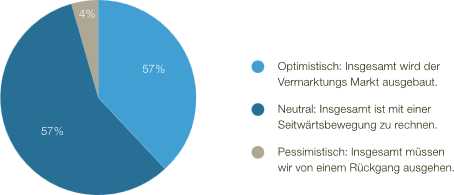
  • Optimism among Swiss estate agents for 2025

    Optimism among Swiss estate agents for 2025

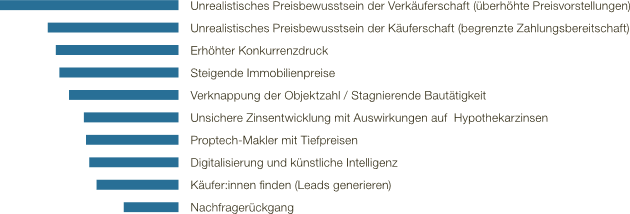
    The abrupt end to the low interest rate phase of recent years and stricter lending regulations have had a lasting effect on market dynamics. While buyers have become more cautious as a result of higher financing costs, many sellers are still holding on to their inflated asking prices. This discrepancy makes property marketing considerably more difficult and often leads to misunderstandings between the parties. SMK members see this as one of the biggest challenges for the coming year.

    Trust and expertise as the key to success
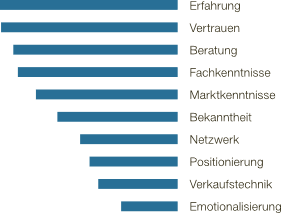
    Property marketing is and remains a “people business”. Successful estate agents rely on experience, trust and advice based on sound market knowledge. A strong awareness of quality and a high-profile positioning create the necessary trust among buyers and sellers. With their certified expertise, SMK members offer comprehensive, individually tailored advice and guarantee the best possible sales price.

    Focus on sustainability and shortage of skilled labour
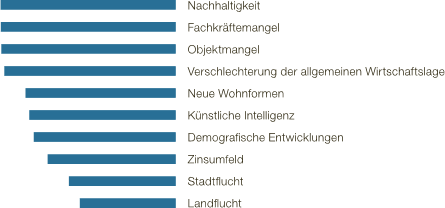
    In addition to the price issue, topics such as sustainability and ESG requirements are increasingly coming to the fore. The shortage of skilled labour is also an increasing challenge, as the demands on estate agents are constantly rising. Residential construction activity is also falling short of expectations, which is further exacerbating the supply deficit. Other important topics for 2025 include new forms of housing, the use of artificial intelligence and demographic trends.

    Further information can be found at www.maklerkammer.ch

  • Milestone for the second stage of the innovation park

    Milestone for the second stage of the innovation park

    The Zurich Innovation Park combines research, development and aviation utilisation in a unique way. An area for the innovation park and for a research, test and industrial airfield will be created in the south-western part of the Dübendorf airfield. This vision includes not only modern infrastructure, but also publicly accessible green and open spaces. The project is of central importance for the region, the canton of Zurich and Switzerland as a whole.

    Design plan as the basis for sustainable development
    The newly established design plan for sub-area B creates a binding framework. It regulates the utilisation, the location of the building areas as well as design, ecological and traffic requirements. At the same time, the impact on the regional transport network is analysed in depth and green spaces are optimally integrated.

    Progress through participation and planning security
    Following a public consultation phase and the consideration of objections received, the design plan was revised and approved. It will come into force on 22 November 2024 and form the basis for future construction projects. This marks another important step towards the realisation of the Zurich Innovation Park.

  • DroneHub in NEST

    DroneHub in NEST

    The “DroneHub” at Empa’s NEST provides a platform for the development of pioneering technologies that revolutionise the interaction of drones and robots with the natural and built environment. The focus is on drones that can perform autonomous tasks such as inspections, repairs and data collection. The aim is to reduce environmental pollution and promote climate protection.

    Research at the cutting edge
    The “DroneHub” has three central test environments that simulate real-life conditions. Additive manufacturing from the air enables drones to carry out infrastructure repairs in a vertical area with 3D printing from the air, defying wind and weather. In the biosphere, researchers are testing robots that move around in nature, collect data and use biodegradable materials that decompose after use. In building façades, a modular façade serves as a testing ground to explore how drones can be integrated into buildings to ensure maintenance and safety.

    Autonomous systems as an environmental immune system
    “Our vision is to establish drones as a kind of immune system for the environment,” explains Mirko Kovac, head of the project. These robots are designed to perform precise tasks, such as repairing buildings or monitoring ecosystems, while minimising both costs and risks.

    Collaboration for sustainable solutions
    The development of the “DroneHub” was initiated by Empa in collaboration with Imperial College London. This collaboration enables the exchange of knowledge and technologies to effectively tackle global environmental challenges.

    Sustainable technologies for global goals
    The “DroneHub” plays a key role in the development of autonomous, sustainable technologies that can contribute to global climate goals. Practical tests and interdisciplinary approaches create an interface between technology, the environment and everyday life.

  • Over 200 projects selected for more sustainability

    Over 200 projects selected for more sustainability

    In its second funding round, the Swiss Climate Foundation has selected a further six climate-innovative projects and technologies for funding. This means that more than 200 grants have already been awarded since the foundation was established in 2008, the foundation announced in a press release. “It’s great to see the sophisticated projects with which the individual SMEs together generate an enormously positive impact on climate protection,” said Foundation President Thomas Hügli.

    The projects recognised in the second funding round cover a wide range of topics. Laborex from Mendrisio TI, for example, is being funded for its mini biogas power plant, which generates energy from livestock biomass. Digit Soil from Adliswil ZH is also active in the field of agriculture. The spin-off from the Swiss Federal Institute of Technology in Zurich is working on a digital individual fertiliser planner.

    Two other subsidised projects are in the field of recycling. WasteFlow from Lausanne uses intelligent sensors to optimise recycling rates. Grensol from Thalwil ZH, on the other hand, is working on a method for recovering recyclable raw materials from plastic waste from cars and household appliances.

    Mycrobez is being promoted for its alternative to petroleum-based foams. The Basel-based company produces natural foam from mushroom roots and locally sourced biological side streams. Lumatics aims to reduce CO2 emissions in the construction industry by optimising cement production. The four-step programme of the young company from Brugg AG saves on fuels and raw materials.

  • Future for the metropolitan area Strategy 2027

    Future for the metropolitan area Strategy 2027

    The MKZ focuses on further expanding Zurich’s innovative strength and attractiveness as a business location. Platforms are designed to promote the exchange of knowledge, while targeted projects and legislative initiatives create a positive climate for innovation. This is how the MKZ responds to challenges such as climate change and geopolitical uncertainties.

    Promoting education and research
    Zurich should retain its leading position in education and research. A mission statement will bring the various players in the metropolitan area closer together. At the same time, the MKZ is promoting digitalisation in the administration in order to position the location nationally and internationally for the future.

    Rethinking the use of resources and mobility
    New working models such as working from home and flexworking are seen as an opportunity to improve the work-life balance and organise the use of space more efficiently. Pilot projects should clarify how to deal with limited land resources in the growing Zurich area.

    Strengthening social cohesion
    The MKZ is committed to equal opportunities and participation. Integration projects, social mixing and anti-discrimination initiatives are intended to promote cohesion in society and strengthen trust in political institutions.

    Platform, advocacy organisation, innovation laboratory
    The MKZ has three strategic roles. It is a platform for dialogue, an advocacy group for common concerns and an innovation laboratory for new approaches. These roles make it possible to involve members and external stakeholders and create synergies.

    Organisational implementation
    The strategy is divided into fields of action, which are operationalised through concrete mediation and action goals. Expert groups contribute the necessary knowledge to effectively implement the strategic objectives.

    The Zurich Metropolitan Conference’s Strategy 2027 provides a clear framework for promoting innovation, sustainability and social cohesion in the metropolitan area. Through targeted activities and collaborations, the MKZ contributes to the positive development of the Zurich economic and living environment.

  • Overall transport concept 2040 for the Baden area

    Overall transport concept 2040 for the Baden area

    Following an intensive planning and participation process from 2022 to 2024, the delegation of authorities has adopted an overall transport concept that aims to sustainably improve mobility in the Baden region. The range of measures with a time horizon of 2040 includes the expansion of public transport with bus priority and optimised junctions.

    For pedestrians and cyclists, the cycle network will be expanded and additional bicycle parking spaces created. In terms of the road network, short-term measures are planned for the eastern bridgehead and improvements along Bruggerstrasse in Baden. At the same time, the upgrading of local thoroughfares and the strengthening of neighbourhoods as a “city of short distances” should promote urban and open spaces. In addition, transport demand is to be better controlled by municipalities and the canton through targeted mobility management. Long-term options for the period after 2040 were also considered.

    In addition to the short-term measures, options for the period after 2040 were also discussed. These include securing routes for important public transport corridors and possible measures for the eastern bridgehead.

    Centre relief as a central component
    The “ZEL long” variant, a road relief option with a bypass around Untersiggenthal, was also decided as a long-term option. The implementation of this variant is to be examined as soon as the impact assessment of the initial measures indicates a need.

    Participation and broad consensus
    The concept was developed in a participatory process that included mobility conferences, online participations and support group meetings. The broad involvement of municipalities, experts and the population led to a consensus-based package of measures that is now to be implemented step by step.

    With the adopted overall transport concept 2040, the Baden region is laying the foundations for sustainable and future-oriented mobility development. The coordinated measures promote public transport, non-motorised traffic and the quality of life of the population and offer a clear perspective for the coming decades.

  • PropTech Innovation Challenge 2024

    PropTech Innovation Challenge 2024

    On 19 November 2024, the Swiss start-up was named the winner of the PropTech Innovation Challenge 2024 by the Urban Land Institute (ULI) at the C Change Summit in Barcelona. The competition, which is aimed at leading innovators from the property and technology world, was held this year under the motto of reducing Scope 3 emissions. These emissions, which are generated along the entire value chain, are considered one of the biggest challenges facing the property industry.

    The challenge initiated by the Young Leaders was looking for pioneering solutions that can be implemented regionally, are scalable and sustainable. Particular attention was paid to retrofitting, the circular economy and the integration of ESG platforms.

    AI meets decarbonisation
    The ETH spin-off presented an AI-supported SaaS solution that supports asset managers, investors and consultants in the decarbonisation of building portfolios. The software creates precise, time-coordinated and cost-optimised renovation plans for property portfolios. This enables the industry to comply with strict net-zero targets without having to resort to inefficient, manual approaches.

    The expert jury particularly praised the scalability and efficiency of the solution, which makes it possible to implement complex investment and renovation strategies with minimal effort. The company is thus setting new standards for the reduction of carbon emissions in the property sector.

    A look into the future of the industry
    The PropTech Innovation Challenge shows how important innovative technologies are for the future of the property industry. Solutions play a key role in achieving sustainability goals and leading the industry towards a more climate-friendly future. With its combination of high-tech and practical applications, the company offers a tool that not only increases efficiency, but also strengthens collaboration between stakeholders.

    The success at the PropTech Innovation Challenge 2024 is a clear signal of the relevance of technological innovations in the property sector. The start-up’s AI-supported solution underlines how sustainability and profitability can go hand in hand. The industry is facing a paradigm shift and the company shows how this can be successfully shaped.

  • “Best of Research 2024” goes to Lisa Pantenburg

    “Best of Research 2024” goes to Lisa Pantenburg

    The “Best of Research 2024” award from the Swiss Real Estate Institute is considered one of the most important awards in the field of property research. Lisa Pantenburg impressed the jury with her thesis on the decarbonisation of the Swiss building stock. The award ceremony took place as part of the Swiss Real Estate Institute’s symposium at the HWZ in Zurich, where the best scientific papers of the year were presented.

    Focus on climate targets and building refurbishment
    The award-winning work analyses the challenges and opportunities associated with the decarbonisation of the building stock. The aim is to show ways in which Switzerland can achieve the net-zero target by 2050. The focus is on owners of owner-occupied single-family homes and rented apartment buildings, who must be specifically motivated to implement energy-efficient renovations.

    Example project as a pioneer of the energy transition
    A single-family home in Zurich, which has been modernised with comprehensive energy measures, provides an illustrative example of the possibilities of building refurbishment. By installing a heat pump and a photovoltaic system as well as improving the building envelope, annual energy savings of over 30% were achieved. This project illustrates the potential of sustainable refurbishments, which make a significant contribution to achieving climate targets.

    Research for a sustainable future
    Lisa Pantenburg’s work not only provides theoretical findings, but also practical recommendations for action. She sheds light on the social, legal and economic aspects that are necessary to increase the renovation rate in Switzerland. These results show how research can make an important contribution to the sustainable development of the property sector.

    Lisa Pantenburg’s award emphasises the importance of excellent scientific work and highlights how innovative thinking can overcome the challenges of the energy transition.

  • Successful design for Eichmatt residential development in Villmergen

    Successful design for Eichmatt residential development in Villmergen

    Spreitenbach-based fsp Architekten AG has won first place in the competition for the study contract for the MW Eichmatt Villmergen project, according to a press release. The assessment committee unanimously decided to recommend the Janus project by fsp Architekten AG and landscape architects Appert Zwahlen Partner AG in Cham ZG to the client for further development and realisation. It was the “most convincing project proposal overall”, according to the press release from fsp.

    The new Eichmatt-Villmergen residential development is located on the outskirts of the village. Adjacent to the agricultural zone, this development offers 112 modern 2.5 to 4.5-room flats in three-storey buildings. Balconies and garden seating areas are consistently south-west facing. The arrangement of the twelve buildings provides generous open spaces. The existing Eichmatt Süd development was realised to the Minergie standard.

  • New initiatives for sustainable digitalisation and the economy

    New initiatives for sustainable digitalisation and the economy

    The SMG Swiss Marketplace Group has presented a new sustainability manifesto. According to a press release, the company intends to use the document to emphasise its commitment to sustainable business practices. The manifesto contains four central pillars that are intended to describe SMG’s future framework for action.

    These include integrity through good corporate governance and transparency, protecting the digital future through advanced cybersecurity and data protection, empowering employees by promoting an inclusive working environment and positive engagement through environmental and social initiatives.

    As part of its new sustainability strategy, SMG is committed to various initiatives, such as promoting electromobility, reducing carbon emissions in various business areas and improving energy efficiency in its data centres.

    The company sees its online marketplace Ricardo as an important example. “For 25 years, Ricardo has offered a real alternative for responsible consumption,” said Christoph Tonini, CEO of SMG, in the press release. “Thanks to its circular economy approach, which promotes the reuse of products, Ricardo is a key driver of sustainable consumer behaviour in Switzerland. Sustainability has been part of our DNA since the beginning and we are determined to extend this approach to our entire group.”

    The SMG Swiss Marketplace Group brings together the digital marketplaces of TX Group, Ringier and Mobiliar. These focus on property, automotive and finance, among others.

  • Neue Regelungen für Kreislaufwirtschaft treten Anfang 2025 in Kraft

    Neue Regelungen für Kreislaufwirtschaft treten Anfang 2025 in Kraft

    Der Bundesrat hat beschlossen, die Mehrzahl der Gesetzesänderungen aus der parlamentarischen Initiative Schweizer Kreislaufwirtschaft stärken mit Wirkung zum Jahresbeginn 2025 in Kraft zu setzen. „Die Revisionen des Umweltschutzgesetzes (USG), des Energiegesetzes (EnG) und des Bundesgesetzes über das öffentliche Beschaffungswesen (BöB) schaffen einen übergeordneten gesetzlichen Rahmen für die Stärkung der Kreislaufwirtschaft in der Schweiz“, schreibt der Bundesrat in einer entsprechenden Mitteilung. Die neuen Regelungen sollen es ermöglichen, Materialkreisläufe zu schliessen und die Kreislaufwirtschaft bei Produkten und Gebäuden stärken.

    Dafür werden wichtige Grundsätze gesetzlich verankert. So werden Wiederverwertung und Wiederverwendung künftig grundsätzlich Vorrang vor der Verbrennung haben. Die Kantone sind angewiesen, Grenzwerte für die graue Energie bei Neubauten und wesentlichen Erneuerungen bestehender Gebäude festzulegen. Der Bundesrat bekommt die Kompetenz eingeräumt, Vorgaben zum ressourcenschonenden Bauen zu machen und Anforderungen für Produkte und Verpackungen vorzugeben.

    Mit Ausführungsbestimmungen verbundene Gesetzesänderungen sollen zu einem späteren Zeitpunkt in Kraft treten. Sie werden vom Bundesrat in den nächsten beiden Jahren in die Vernehmlassung geschickt. Dazu gehören die Bestimmungen zur Einführung einer schweizweit geltenden Busse für Vermüllung (Littering) sowie die Bestimmungen zu Ausnahmen vom Siedlungsabfallmonopol.

  • Enerdrape wins sustainability award from AMAG

    Enerdrape wins sustainability award from AMAG

    Enerdrape has received recognition for its pilot project on energy efficiency in buildings. According to a press release, the Renens-based start-up was named the winner of the first AMAG Sustainability Challenge by car dealer AMAG Group for its innovative panel solution.

    The expert jury was impressed by the world’s first geothermal panel, which transforms underground spaces such as parking garages or tunnels into renewable sources of heating and cooling. The waste heat generated there can be used to heat and air-condition the rooms above without the need for drilling and without direct contact with the ground, according to the explanatory statement.

    The start-ups 8inks and Exnaton came second and third. Other finalists were CarDust and Grensol.

    Helmut Ruhl, CEO of the AMAG Group, was full of praise for the solutions presented. “On our way to decarbonizing our business model by 2040, we are relying on electromobility and photovoltaics as well as entrepreneurship and innovation. This requires new technologies and business models. that’s why we held the AMAG Sustainability Challenge for the first time in 2024. I am overwhelmed by the response and inspired and excited by the ideas,” he is quoted as saying.

    For its contribution to reducing CO2 emissions, Enerdrape will receive CHF 50,000 from the AMAG Climate Fund as well as a branded VW ID.3 for one year.

  • Nitrogen oxide reduction with wood heating

    Nitrogen oxide reduction with wood heating

    Heating with wood has lost acceptance in recent years, as it releases pollutants such as particulate matter and nitrogen oxides in addition to greenhouse gases. In particular, the combustion of wood waste with a high nitrogen content, such as chipboard residues, produces high levels of NOx. Researchers at the Fraunhofer Institute have developed a technology that reduces nitrogen oxides by up to 80 % and thus lowers the environmental impact of wood heating systems.

    Fuel staging for clean combustion
    The new method centres on the principle of fuel staging. The fuel is burnt in two zones.

    • The main combustion of solid wood residues takes place in the primary zone.
    • In the secondary zone, an additional fuel creates a reduction zone in which nitrogen oxides are broken down using chemical processes.

    Natural gas is currently used as a reduction fuel, but researchers are working on biogenic alternatives such as wood dust to replace fossil fuels in the long term.

    Significant NOx reduction in tests
    The tests were carried out in a 250 kW combustion plant that burnt chipboard residues. Without measures, NOx emissions were 1,955 mg/m³, but thanks to fuel staging, they were reduced to 361 mg/m³ – well below the limit value of 370 mg in the 44th Federal Immission Control Ordinance (BImSchV). These values show the potential of the new technology, which can be used in medium-sized combustion plants between 100 kW and 2 MW.

    Retrofitting and new standards
    As well as being used in new plants, the technology also offers a flexible retrofit option for existing combustion plants. This opens up sustainable prospects for the wood processing industry in particular, which wants to utilise wood waste efficiently. The technology could also prepare smaller biomass plants for future limit values, as the 1st BImSchV does not yet specify any NOx limit values for small plants.

    Market readiness and further development
    The Fraunhofer team is working with industrial partners to further optimise the technology and make it ready for the market. The aim is to develop a system that works completely without fossil fuels and further increases the efficiency of emission reduction.

    The new technology for nitrogen oxide reduction when burning wood is a significant step towards environmentally friendly heating solutions. With its flexibility for retrofitting and the prospect of biogenic fuels, it offers a forward-looking solution for the wood industry and biomass plants.

  • Future for the AHV site in Schwyz

    Future for the AHV site in Schwyz

    The relocation of the cantonal administration to the new Kaltbach administration and security centre opens up new opportunities for the subsequent use of the previous administration site. The canton of Schwyz emphasises its responsibility not to leave the vacant site to its own devices, but to establish a value-adding and centre-promoting use together with the municipality of Schwyz. The building rights are to be awarded to a private investor as part of an investor tender in order to drive the development forward.

    Findings from the study process
    As early as 2022/23, the cantonal building construction office conducted a study to analyse potential uses for the site. This revealed the high attractiveness of the site for private-sector projects. Initial development concepts showed that commercial uses, combined with centre-promoting elements such as cultural spaces or green areas, could enrich the village in terms of urban development.

    Roadmap to implementation
    The next steps include the preparation of a partial revision of the municipal utilisation planning, which should be completed by 2025. The subsequent procedural steps, including a referendum in the municipality of Schwyz, are expected to take until 2027. The planned timeframe until the structural realisation of a follow-up project extends until 2029, after the relocation of the cantonal administration.

    An overview of the timetable

    By the 2nd quarter of 2025: Preparation of the subzone plan revision

    By the 1st quarter of 2026: Consultation and cantonal preliminary review

    By the 4th quarter of 2026: Public consultation and objection negotiations

    By the 3rd quarter of 2027: Referendum in the municipality of Schwyz

    From 2029: Construction realisation

    Sustainability and added value
    The target image for the site at Bahnhofstrasse 15 primarily comprises commercial uses, supplemented by publicly accessible areas. Green spaces and cultural facilities could further enliven the neighbourhood and contribute to the attractiveness of the location. The canton and the municipality of Schwyz see this project as an opportunity to strengthen the urban character and contribute to the economic and social development of the centre in the long term.

    The subsequent use of the former AHV building is an important step for the future of the village centre of Schwyz. With strategic planning and clearly defined milestones, the canton and municipality are working to create a value-adding and sustainable neighbourhood. The invitation to tender for investors and the revision of the sub-zone plan are key elements on the way to creating a lively and economically attractive neighbourhood.

  • Legislative changes strengthen the circular economy in Switzerland

    Legislative changes strengthen the circular economy in Switzerland

    The amendments to the Environmental Protection Act, the Energy Act and the Federal Act on Public Procurement enshrine important principles of the circular economy in law.

    Waste hierarchy:
    Recycling is prioritised over incineration in order to close material cycles.

    Grey energy:
    Cantons to define limits for new buildings and renovations to promote sustainable construction methods.

    Role model function:
    The federal government favours resource-saving solutions in construction projects and procurements.

    These measures not only help to conserve resources, but also incentivise innovative business areas in the field of sustainable products and construction methods.

    Closer cooperation between the federal government, cantons and the private sector
    The amendments to the law call for greater cooperation between the federal government, cantons and the private sector. In the area of packaging and products in particular, the Federal Council will be authorised to define requirements that are based on EU developments. The aim is to avoid trade barriers and strengthen the competitiveness of the Swiss economy.

    Further amendments planned
    Some regulations, such as the national litter bus and exemptions from the municipal waste monopoly, require additional implementing provisions. The consultation on these is planned for 2025 and 2026. Until then, the focus will remain on implementing the key points in order to sustainably strengthen the circular economy in Switzerland.

    Strengthening sustainability
    The new regulations mark an important step towards a resource-conserving and competitive economy. Switzerland is thus positioning itself as a pioneer in the circular economy and creating a solid basis for the challenges of the future.

  • Strategy presented for increasing operating result by 2030

    Strategy presented for increasing operating result by 2030

    BKW presented its Solutions 2030 strategy on 8 November. According to a press release, this strategy aims to increase the operating result before interest and taxes to CHF 1 billion by 2030. according to the annual report, the operating result in 2023 was CHF 620.3 billion.

    The operating result for the Energy Solutions division is set to rise to CHF 650 million. in 2023 it was 534.6 million. The result for the Grids division is expected to be CHF 150 million in 2030 (2023: CHF 146.7 million). The strongest growth is targeted in the area of infrastructure and building solutions. in 2023, the result should be CHF 200 million, with a loss of CHF 40 million in 2023. General planning in infrastructure and building construction as well as building technology solutions are to be expanded and profitability steadily increased.

    The Bern-based energy supplier plans to invest CHF 4 billion to achieve this, at least half of it in Switzerland. The investments are to be financed from free cash flow, which is expected to total over CHF 5 billion during this period.

    “With the comprehensive further development of the strategy, BKW is supporting its customers even more strongly in the transformation of the energy system with forward-looking solutions”, BKW Chairman of the Board of Directors Roger Baillod is quoted as saying in the press release. CEO Robert Itschner emphasises the breadth of the targeted growth: “All of BKW’s business areas will contribute to achieving these goals. BKW is investing in its strong Swiss base and growing in other European countries in a targeted manner.”

    BKW aims to reduce its net greenhouse gas emissions to zero by 2040.

  • Expansion of renewable energy plants in Italy

    Expansion of renewable energy plants in Italy

    The Repower Group is significantly expanding its portfolio in Italy. According to a company press release, it has acquired the 35 per cent of shares in Repower Renewable previously held by the London-based investment firm Omnes Capital since it was founded in 2018. The Poschiavo-based electricity producer, distribution system operator and energy trader has also held the remaining 65 per cent since then. This means that the Repower Group now controls 100 per cent of Repower Renewable.

    This means that Repower is now the sole owner of Repower Renewable’s Italian wind, solar and hydroelectric power plants. Their total output amounts to around 120 megawatts. According to the press release, there is also a “full pipeline” of already approved power plant projects with a total capacity of a further 150 megawatts.

    According to the statement, Repower’s strategy envisages the consistent expansion of its portfolio of renewable energy plants in Switzerland and Italy. The 30,000 customers in Italy to date are to be supplied entirely with certified renewable energy in the future.

  • Energy City Gold for Zurich

    Energy City Gold for Zurich

    The city of Zurich has been awarded the Energy City Gold label for the sixth time in 2024, the city administration announced in a press release. Every four years, the Energy City Association awards the label to cities and municipalities that are committed to ambitious energy and climate protection goals. In the current evaluation, the city of Zurich achieved its best result to date.

    Across Switzerland, 109 cities and municipalities have been awarded the Energy City Gold label. “As the largest city in Switzerland, the city of Zurich serves as a role model for other energy cities that also want to consistently achieve their ambitious energy and climate policy goals,” Katrin Bernath, President of the Energy City Association, is quoted in the press release from her speech at the award ceremony. The award was accepted by City Councillor Michael Baumer. “The top score for the city of Zurich shows that we are on the right path to net zero,” said the head of the City of Zurich’s industrial operations.

    In the current re-audit, the City of Zurich’s energy and climate targets also included the area of climate adaptation for the first time. Zurich scored highly here with its specialised planning for heat reduction and urban trees. The city has also launched a programme for urban greening. This programme supports and financially promotes the ecologically valuable upgrading of outdoor spaces, green roofs and vertical greening by providing advice.

  • New requirements for office space

    New requirements for office space

    The way in which companies utilise their office space has changed significantly in recent years. As the “Office Space Barometer” survey shows, workstations for individual desk work are no longer the central focus, which is understandable given the average occupancy rate of around 72%. Instead, companies are prioritising spaces that enable both collaboration and concentrated work. Meeting rooms, customer areas as well as relaxation and retreat areas are becoming increasingly important. Traditional open-plan offices are giving way to flexible space concepts that meet the diverse needs of employees.

    City or conurbation?
    Although around 24% of the companies surveyed still prefer a city centre location, locations in conurbations are also increasingly in demand due to good transport links and attractive rental prices. In large centres, as many as 53% of companies prefer a central location. The modern infrastructure enables companies to save costs outside the centres without having to accept losses in accessibility.

    Quality and sustainability as key criteria
    When choosing new office space, the quality of the working environment is the top priority. 59% of companies rate high-quality and ergonomically equipped workplaces as very important, while 37% rate this as somewhat important. Aspects such as sustainable construction and energy-efficient operation are becoming increasingly important, as they not only help to reduce costs but also support companies’ sustainability goals. Mobility factors such as good public transport connections or accessibility by car are also crucial.

    Efficient use of space through data-based strategies
    The fluctuating utilisation of office space poses challenges for many companies and owners. More and more companies are turning to technologies such as automated counting systems to analyse the actual use of office space. This data provides valuable insights and enables flexible customisation of the working environment. By transforming underutilised spaces into communal and meeting areas, space utilisation can be maximised and operating costs reduced while promoting employee wellbeing.

  • Property sector facing change with obstacles

    Property sector facing change with obstacles

    Growing awareness of climate risks is increasing the pressure on the property sector to find solutions. According to the latest C-Change survey, 93 per cent of the investors surveyed take climate-related risks into account in their decisions. This trend reflects the increasing commitment to not only recognising climate policy requirements, but actively integrating them into the corporate strategy.

    Lack of data and knowledge
    Despite positive developments, there are obstacles to the implementation of decarbonisation measures. According to the survey, 61 per cent of companies lack the in-depth knowledge and qualitative data needed to take the right steps to reduce CO2 emissions. Aleksandra Smith-Kozlowska from ULI emphasises the need for systematic knowledge transfer and better availability of high-quality data.

    Transition risks on investment strategies
    The survey shows that transition risks are increasingly influencing investors’ strategies. 94 per cent of the companies surveyed report that the risks influence their portfolio decisions. Although 51 per cent make investments in properties with these risks and 30 per cent feel compelled to divest themselves of affected properties. The cost of retrofitting and the risk of asset losses are becoming the focus of attention.

    An instrument for risk mitigation
    The survey highlights the growing interest in a CO2 tax as a strategic tool for decarbonisation. 21 per cent of companies have voluntarily introduced internal carbon pricing mechanisms in the last 12 months. Around 71 per cent use a shadow price per tonne of CO2 to incorporate potential emissions costs into business planning

    Obstacles to the sustainable property industry
    Despite the progress made, there are concerns about competitiveness that have so far slowed down the industry-wide introduction of the carbon tax. Critical factors include lack of data consistency, lack of stakeholder support and uncertainty about the impact on financial results and operational strategies.

    As measures, the ULI calls for more intensive education and the introduction of clear guidelines. The ULI’s latest publications, including “Accelerating Accountability: The Case for Carbon Pricing” and “Universal Principles for Carbon Pricing in the Real Estate Sector”, are intended to help the industry establish carbon pricing as an integral part of the value chain and thus promote long-term sustainability goals.

  • Life Sciences Campus Allschwil continues to grow

    Life Sciences Campus Allschwil continues to grow

    With the official laying of the foundation stone for the ALL laboratory building in Allschwil, the Switzerland Innovation Park Basel Area marks a new stage in the development of a world-leading life sciences location. Domenico Scala, President of the Innovation Park, Stephen Wilson, CEO of BIIE, and Johannes Eisenhut, Managing Director of Senn Development AG, celebrated the start of construction with a time capsule in which representatives of the regional economy, politics and schoolchildren from the Swiss International School recorded their wishes for the future.

    Research building with a focus on sustainability
    The new ALL building is scheduled for completion in 2027 and will offer around 21,500 square metres of state-of-the-art laboratory and office space in accordance with the SNBS Platinum sustainability standard. This third collaboration between Senn and the architecture firm Herzog & de Meuron on the Innovation Park’s Main Campus strengthens the long-term orientation of the site. The investor Senn is aiming to intensively promote collaboration across the entire campus in order to maximise the innovative strength of researchers and companies.

    Research for tomorrow’s health
    With the BIIE, the ALL building will be home to one of the most significant investments in the life sciences sector. The BIIE, supported by 15 years of funding totalling USD 1 billion from the Basel Botnar Foundation, is dedicated to researching the immune system in order to develop new solutions for the diagnosis, treatment and prevention of diseases in children and adolescents worldwide. “The choice of location was crucial for our institute. The Main Campus offers exactly the right environment to meet our high standards,” explains Stephen Wilson.

    A strong life sciences cluster in Europe
    As part of the national innovation park Switzerland Innovation, the Switzerland Innovation Park Basel Area is an important hub for research and development in Switzerland. With sites in Allschwil, Jura and the Novartis Campus in Basel, the park focuses on the key areas of biotechnology, medical technology, digital health and industrial transformation. Around 1,200 specialists from 92 companies and 12 research groups work at the Basel site, making it the largest area for life sciences in a Swiss innovation park.

    Future prospects for Allschwil and Switzerland
    The construction of the laboratory building symbolises the sustainable development of Basel as a life sciences location and the innovative strength of the region. “We are using the knowledge gained from previous projects such as the HQ main building and HORTUS and are continuing to focus on sustainable infrastructure and the promotion of synergies,” emphasises Johannes Eisenhut. The development of the Switzerland Innovation Park Basel Area shows how Basel is becoming an international centre for life science research and technology – a win-win situation for science, business and society.

  • A double kindergarten that sets standards

    A double kindergarten that sets standards

    The concept of the new kindergarten is impressive. In addition to a kitchen and a therapy room, the basement houses all the necessary areas for building services, storage, cleaning and outdoor equipment. Thanks to the recessed design, the plinth level is discreet and creates outdoor areas that can be used in a variety of ways and are protected from the weather. Barrier-free access is ensured by a new route from the main entrance on Charlottenweg.

    The kindergarten floor rises from this solid base and is divided into three “houses” with tent roofs. Each of these “houses” serves specific purposes and offers the children individual main and group rooms. The architectural design with the tent roofs, which are also visible in the interior, creates a special atmosphere that allows for a multi-layered spatial experience thanks to the combination of floor and “ceiling sky” as an additional room boundary. A gallery in the main rooms complements the space and offers the children places to retreat and observe.

    The new building will cost almost CHF 3 million, with the building itself costing around CHF 2.2 million. Additional costs will be incurred for furniture, landscaping, the connection to district heating and unforeseen expenses.

    A project with vision
    The architectural firms Berger Hammann Architekten AG and BRH-Architekten AG impressed the jury with their design. The timber construction and well thought-out room layout were decisive factors in the decision. The project, which is reminiscent of a “forest hut ensemble”, blends in perfectly with the natural surroundings of Charlottenfels.

    Completion of the new double kindergarten is planned for late summer 2025.

    Neuhausen invests in the future
    The population of Neuhausen is constantly growing due to the construction of new residential complexes. In addition to the Charlottenfels double kindergarten, which will open in autumn 2025, further school space expansions are planned.

    These investments in education and infrastructure are clear signals for the future of Neuhausen. The municipality is focussing on qualitative growth and sustainability in order to meet the requirements of dynamic population development.

  • Lake Biel supplies energy for Nidau and Biel

    Lake Biel supplies energy for Nidau and Biel

    Energieverbund Bielersee AG is supplying energy to customers in Nidau and Biel for the first time, according to a press release. To this end, the intermediate circuit connecting the pumping station on Dr. Schneiderstrasse with the energy centre in the Alpha building in Nidau has been constructed in recent weeks.

    The lake water reaches the pumping station via two pipes at depths of 20 and 30 metres. In the energy centre, heat pumps are used to produce hot water for heating systems that are connected to the heating network. The cold, in turn, is channelled via a separate network to the Robert-Walser-Platz area near Biel railway station. A peak load boiler is available for cold days.

    The plans for the use of lake water date back to 2015. in 2020, Energie Service Biel/Bienne founded Energieverbund Bielersee AG, in which the city and the Burgergemeinde Nidau are now also shareholders. The lake pipelines were laid in March 2022 and the shell of the pumping station was completed the following May. In future, the energy centre is to be renovated and the heating network extended towards Ipsach.

  • Foundation stone laid for new Tösstal campus in Winterthur

    Foundation stone laid for new Tösstal campus in Winterthur

    The ground-breaking ceremony for the new building of the Winterthur Vocational College marks the beginning of a new era in educational infrastructure. The modern campus will provide space for a growing number of students and enable modern training in the specialist areas of retail and care. Thanks to well thought-out planning, construction work has been progressing rapidly since the start in February 2024.

    The new school infrastructure, right next to the Wiesental and Mühletal sites, allows previously separate school locations to be brought together. The “Campus Tösstal” will provide space for up to 1000 students in the future. In addition to traditional classrooms, open learning niches will provide space for individual and collaborative work. The flexible building structure makes it possible to easily integrate future spatial requirements.

    Sustainable architecture sets standards
    The building meets the Minergie-P-Eco standard and the Gold Standard for Sustainable Building Switzerland. A green roof and photovoltaic system contribute to an ecological balance and a better urban climate. The building will also be connected to the city’s district heating network, combining energy efficiency and sustainability. Completion is scheduled for spring 2027.

  • Property funds and solar contracting: a response to the specific needs of property owners

    Property funds and solar contracting: a response to the specific needs of property owners

    How does solar contracting work?
    Solar contracting is based on a simple principle: we install our own photovoltaic panels at your company’s site. Within this framework, we take over the complete planning and project realisation, as well as the financing and management of the system.

    This offer not only enables you to upgrade your property, but also fulfils the legal requirements and the expectations of your investors and tenants. It also enables the creation of new rental space.

    Your unused space as a capital investment
    As a property owner, you probably have areas that are suitable for the installation of photovoltaic panels. At Romande Energie, we offer installation on the following surfaces:

    • On a roof
      Turn unused space into a power plant – from 500m2.
    • On a car park
      Use your car park to generate electricity with a solar carport – from 2,000m2.
    • On a greenfield site
      Set up a ground-mounted solar power system on an unused plot of land – from 2,000m2.

    Stoneweg: a concrete example

    The Stoneweg Group, which specialises in real estate investment, turned to Romande Energie to equip several buildings with solar panels.

    We have realised several projects with Romande Energie and have always greatly appreciated their reliability and their solutions to specific challenges.” Diana Oblak, Managing Director at Stoneweg

    Click here for the interview

    What are the advantages of contracting?
    Contracting makes it possible

    • the creation of new rental stock and therefore an increase in your returns.
    • guarantee the conformity of your properties.
    • increase the value of your property.
    • reduce theCO2 emissions of your property portfolio.
    • Providing your tenants with clean and locally generated electricity at a competitive price.
    • participate in reducing the risk of electricity shortages at a national level.
    • participate in the fight against climate change.

    To make an appointment or for further information, please contact us at

    www.romande-energie.ch/solar

    0800 233 825 | solar@romande-energie.ch

  • Regulations make economic property investments more difficult

    Regulations make economic property investments more difficult

    According to the study, complex regulations, long processing times and tenant protection are increasingly burdensome for institutional investors. 92 per cent of the investors surveyed criticised the lengthy processes with authorities and objections. The increasing requirements mean that investments are increasingly being relocated to urban centres and rural areas, where the bureaucratic burden is lower.

    Refurbishment backlog and declining living comfort
    The stricter regulations are not only leading to a decline in new builds in cities, but also to delays in urgently needed refurbishments. This exacerbates the already existing housing shortage in urban regions and impairs the quality of life of residents by postponing renovation measures.

    Focus on sustainability, but social aspects take a back seat
    Despite the regulatory hurdles, around half of investors are prepared to forego returns in the short term in favour of sustainability. In the long term, however, they expect these investments to be amortised through higher returns and increases in value. However, the study shows that social sustainability lags behind ecological and economic aspects in the list of priorities.

    Outsourcing on the rise
    Another interesting development is the increase in the outsourcing of administrative tasks. The outsourcing of data sovereignty is particularly surprising, as this creates a high level of dependency on service providers. Portfolio and asset management functions are also increasingly being outsourced to external partners.

  • Researchers develop commercially viable salt batteries for safe energy storage

    Researchers develop commercially viable salt batteries for safe energy storage

    Researchers from the Dübendorf-based Materials for Energy Conversion Laboratory of the Swiss Federal Laboratories for Materials Science and Technology(Empa) are continuing an Innosuisse project started by Ticino-based salt battery manufacturer Horien Salt Battery Solutions. The aim of the research collaboration is to develop economically attractive and usable salt batteries, according to a press release. Salt batteries are batteries in which the electrolyte is a solid, namely a ceramic ion conductor based on sodium aluminium oxide. The cathode is based on a granulate of common salt and nickel powder. The sodium metal anode is only formed during charging. Unlike conventional lithium-ion batteries, salt batteries are not flammable. They can therefore be used in areas where lithium-ion batteries are not permitted, such as in mining and tunnelling or on oil and gas platforms. Further advantages are their longevity and the significantly cheaper procurement of the raw materials. In contrast to the lithium-ion competition, the raw materials are cheap and available in large quantities, according to the press release.

    One disadvantage of these batteries is their high operating temperature. To be ready for use, a salt battery requires a temperature of 300 degrees Celsius. The researchers are looking for options to make the applications more economical. “Depending on the application, it is more economical to keep a battery warm than to cool it,” Empa researcher Meike Heinz is quoted as saying in the press release.

    Another endeavour is to operate the solid-state batteries nickel-free. The aim is to replace the cathode material nickel with other metals such as zinc. The aim is to establish salt batteries as long-term stationary storage systems thanks to their safety, long service life and the absence of critical raw materials.

  • Investments in the circular economy and decarbonisation strengthen CO2 strategy

    Investments in the circular economy and decarbonisation strengthen CO2 strategy

    Holcim receives a grant from the EU Innovation Fund for another major cleantech project. This brings the number of Holcim’s EU-funded CCUS projects to seven. According to a press release from the building materials manufacturer, this new carbon capture and storage (CCUS) project at its site in Martres-Tolosane in south-west France is a highly scalable plant based on mature technologies and close partnerships.

    Holcim had already announced an investment of 100 million euros in the sustainability of this cement plant in 2017. Between 2021 and 2023, Holcim invested a further 200 million euros in the decarbonisation of its French industrial facilities and made a further 60 million euros available for its continuation in May of this year.

    According to Holcim, these investments will have a leverage effect on the development of new sectors and jobs in the field of the circular economy on the one hand, and in the medium term in the field of carbon capture, storage and utilisation on the other. To this end, a new pilot platform, a real industrial test centre for open innovation, will be built at the Martres-Tolosane factory. It will be dedicated to improving new CO2 capture technologies.

    “Holcim is well on its way to making net-zero cement and concrete a reality on a large scale in this decade,” CEO Miljan Gutovic is quoted as saying in the press release. “This support from the EU Innovation Fund is a testament to the strength of our engineering teams, the maturity of our technologies and progressive partnerships across the value chain.”

  • Automated portfolio valuation tool revolutionises property analysis

    Automated portfolio valuation tool revolutionises property analysis

    The new version of the SSREI portfolio valuation tool is characterised by significant automation that simplifies and speeds up the valuation process. Thanks to the partnership with SFGM, building and location data can be retrieved directly via the EGID number, which minimises manual input. This provides owners with important information on monument protection, contaminated sites, noise pollution, radon risks, energy supply and public transport connections.

    Automated indicator evaluation based on master data
    The optimised evaluation tool enables the automated evaluation of 23 of the 36 sustainability indicators. The combination of publicly available information and building-specific data enables a precise assessment of the potential. Information such as year of construction and renovation date can be used to derive the building envelope and noise protection values – supported by the relevant SIA standards.

    Further optimisations and interface connection
    Newly developed tools help to determine usage density and utilisation based on statistical data and provide a sound basis for decision-making. The tool also offers interfaces to external asset and portfolio management systems, which facilitates integration into existing processes and makes data analysis and evaluation even more efficient.

    The portfolio valuation tool provides property owners with a valuable basis for the sustainable development of their portfolios and makes an important contribution to value retention and regulatory protection. It supports investors in future-proofing their property portfolios and meeting the requirements of sustainable transformation.